
Best Sarajevo Tours 2026: Walking Routes, War History & Tunnel Tours
Sarajevo offers travelers an extraordinary range of tours combining Ottoman heritage, Austro-Hungarian architecture, and powerful wartime history through the stories of siege survivors who guide visitors through the city’s most significant sites. From free walking tours exploring Baščaršija’s cobblestone streets to veteran-led journeys through Sniper Alley and the Tunnel of Hope, 2026 brings enhanced access to the narratives that shaped this resilient Balkan capital.
Key Takeaways About Sarajevo Tours 2026
- Free Walking Tours for Every Budget: Tip-based walking tours operate daily at 10:30 AM and 3:00 PM, covering Ottoman, Austro-Hungarian, and wartime history across 2-3 hours with experienced local guides — standard tips range 15-30 BAM ($8-17) based on satisfaction and budget.
- War Veteran Guides Bring Authenticity: Siege of Sarajevo tours led by war veterans and survivors offer firsthand perspectives unavailable elsewhere, with comprehensive 4-hour experiences priced 70-90 BAM ($40-50) including Tunnel of Hope admission and transportation to frontline sites.
- Tunnel of Hope Museum Access: Independent admission costs 20 BAM ($11) for adults and 8 BAM ($4.50) for students at the museum located near Sarajevo Airport — cash payment only required as the site doesn’t accept credit cards for entry.
- Small Group Advantages in 2026: Most quality tour operators limit groups to 8-15 participants maximum, ensuring personalized attention and meaningful interaction with guides who survived the 1992-1995 siege and can answer detailed questions throughout the experience.
- Multi-Stop Day Trips Maximize Value: Full-day Herzegovina tours combining Mostar, Kravice Waterfalls, Počitelj, and Blagaj start around 130-170 BAM ($70-95) per person with hotel pickup, covering 350 kilometers and providing 10-12 hours of guided exploration beyond Sarajevo.
- Book War Tours in Advance: Veteran-led war history tours and Tunnel of Hope experiences fill quickly during peak season (May-September), with online booking recommended at least 3-5 days ahead to secure spots with the most experienced survivor guides available in 2026.
People Also Ask About Sarajevo Tours 2026
What Is the Best War History Tour in Sarajevo in 2026?
The comprehensive Siege of Sarajevo tour led by war veterans stands out as the definitive war history experience in 2026, priced 70-90 BAM ($40-50) for 4-hour journeys covering Sniper Alley, the Tunnel of Hope Museum, Trebević Mountain, the abandoned Olympic bobsled track, and the Jewish Cemetery. These tours distinguish themselves through guides who personally lived through the 1,425-day siege as children or adults, offering emotional depth and historical accuracy that recorded history alone cannot convey. Multiple tour operators including Funky Tours, Sarajevo Insider, and Meet Bosnia employ exclusively war veterans or siege survivors, ensuring authentic storytelling backed by lived experience rather than memorized scripts.
The tour format typically begins with hotel pickup between 9:00 AM and 2:00 PM, proceeding through the city center past the Children’s Memorial and Markale Market where massacres occurred, then along Sniper Alley where the Holiday Inn hotel served as the journalist headquarters during the conflict. Guides explain the siege’s military strategy, the encirclement of the city, and daily survival challenges while driving to elevated positions that surrounded Sarajevo, providing tactical perspective on how artillery positions controlled the valley below. The Tunnel of Hope Museum visit includes a 20-minute documentary with archival footage, a walk through the preserved 20-meter section of the original 800-meter tunnel that connected the besieged city to free territory, and time to examine artifacts including uniforms, weapons, and personal belongings from the period.
The experience concludes at Trebević Mountain, site of the 1984 Winter Olympics bobsled track now covered in graffiti and bullet holes, offering panoramic views of Sarajevo from the same vantage points where Bosnian Serb forces positioned artillery during the siege. Veterans share personal stories at each location, creating emotional connections that transform abstract historical facts into visceral understanding of recent trauma that still shapes Sarajevo’s identity. Tour prices include all admission fees, transportation in air-conditioned vehicles, and the invaluable contribution of guides whose families survived shelling, sniper fire, and starvation during Europe’s longest modern siege.
How Much Do Free Walking Tours Cost in Sarajevo in 2026?
Free walking tours in Sarajevo operate on a tip-based model with no mandatory upfront payment required, though gratuities constitute guides’ primary income and tipping 15-30 BAM ($8-17) per person reflects industry standards for quality 2-3 hour experiences. The phrase “free tour” refers to the lack of fixed ticket prices rather than actual zero-cost participation — guides work exclusively for tips, making generous gratuities both expected and essential for sustaining these services. Multiple operators including Meet Bosnia, Neno & Friends, Sarajevo Free Walking Tour, and Walkative run daily departures at 10:30 AM and 3:00 PM from central meeting points in Baščaršija, accommodating groups ranging from intimate 5-person gatherings to larger assemblies of 20-30 participants during peak summer months.
Tour content varies by operator focus, with the standard “East Meets West” route covering Ottoman landmarks like Gazi Husrev-bey Mosque, Sebilj fountain, and the Bezistan covered market, plus Austro-Hungarian architecture including City Hall and the Latin Bridge assassination site where Archduke Franz Ferdinand died in 1914, triggering World War I. Alternative thematic tours address the 1992-1995 siege exclusively, visiting Sarajevo Roses memorial sites, the Children’s Memorial, Markale Market massacre location, and Sniper Alley while guides — many of whom survived the conflict as children — share personal memories of daily life under artillery bombardment. Food-focused walking tours combine cultural landmarks with local cuisine tastings, typically running 3 hours with higher suggested tips of 25-40 BAM ($14-22) reflecting the added value of food sampling throughout the route.
Booking procedures require online reservations through company websites or platforms like GuruWalk and Walkative, as walk-up availability isn’t guaranteed, especially during high season when multiple tour groups depart simultaneously from the same locations. Most operators cap free tour bookings at 5 participants per reservation, requiring larger groups to book private tours at fixed rates starting around 100-150 BAM ($55-85) for the exclusive attention of a dedicated guide. Tipping in cash remains essential as guides don’t accept credit cards or digital payments — bringing Bosnian Convertible Marks ensures appropriate compensation for the expertise, passion, and time guides invest in revealing Sarajevo’s complex identity through walking storytelling that connects centuries of Ottoman, Austro-Hungarian, Yugoslav, and independent Bosnian history.
Is the Tunnel of Hope Museum Worth Visiting in 2026?
The Tunnel of Hope Museum represents an essential pilgrimage for anyone seeking to understand Sarajevo beyond surface tourism, offering the only preserved physical remnant of the 800-meter underground lifeline that connected the besieged city to free territory through Sarajevo Airport during 1993-1995. The 20 BAM ($11) adult admission and 8 BAM ($4.50) student entry provide access to a preserved 20-meter walkable tunnel section, a comprehensive documentary featuring archival siege footage, outdoor exhibits displaying artillery shells and military equipment, and the Kolar family house where the tunnel entrance was concealed throughout the conflict. This isn’t merely a museum but a memorial to survival ingenuity, where visitors walk through the actual clay-walled passage that transported food, weapons, humanitarian aid, electricity cables, and fleeing civilians under the airport runway while UN peacekeepers controlled the surface, technically maintaining neutrality that would have prevented such crossings.
The museum experience begins with a 20-minute documentary shown in a dedicated viewing room, providing crucial context about the siege’s military situation, the tunnel’s strategic importance, and testimonials from survivors who used the passage. The tunnel itself measures 1 meter wide and 1.6 meters high, requiring most visitors to stoop while walking through the cramped space illuminated by bare bulbs — this physical discomfort intentionally recreates the claustrophobic experience of original users who crawled through darkness while carrying supplies or evacuating wounded residents. Above ground, the Kolar family house preserves war damage including shrapnel holes in walls, alongside exhibits featuring photographs, military uniforms, improvised weapons, and personal artifacts donated by siege survivors. The museum’s location near Dobrinja neighborhood, visible from the airport runway, reinforces the geographical desperation that necessitated digging beneath neutral territory to reach the free side of the conflict.
Independent visitors should note the museum accepts only cash payments in Bosnian Marks or Euros, with no credit card facilities available at the remote location approximately 6 kilometers from central Sarajevo. Public transportation options include trams 3, 4, or 6 to Ilidža terminus, followed by bus 32 toward Butmir with departures every 15-30 minutes on weekdays and hourly on weekends — budget 45-60 minutes each direction for this journey. Most visitors find joining a guided war tour more practical, as packages priced 70-90 BAM ($40-50) include tunnel admission, round-trip transportation, and veteran guide commentary that contextualizes the museum visit within the broader siege narrative. The emotional weight of standing inside the tunnel that represented Sarajevo’s last hope for survival creates profound understanding unattainable through reading or watching documentaries alone, justifying both the admission fee and travel effort required to reach this powerful memorial site.
What Are the Best Day Trip Tours from Sarajevo in 2026?
Herzegovina multi-city tours combining Mostar’s UNESCO Old Bridge, Kravice Waterfalls, Počitelj medieval fortress, and Blagaj Tekija dervish monastery rank as the most popular and comprehensive day trips from Sarajevo in 2026, priced 130-170 BAM ($70-95) per person for 10-12 hour experiences with hotel pickup and English-speaking guides. These full-day journeys cover approximately 350 kilometers round-trip through the Neretva River valley, departing Sarajevo between 7:30-8:30 AM and returning around 7:30-8:30 PM, with strategic stop sequencing that visits waterfalls during cooler morning hours before crowds arrive, then proceeds to Mostar for afternoon exploration when the Old Bridge lighting improves and divers become more active. Tour operators including Meet Bosnia, Funky Tours, and Sarajevo Insider run these routes daily year-round with small groups capped at 8-15 participants, ensuring personalized attention and flexibility for photo stops along the scenic mountain roads.
Mostar represents the tour centerpiece with 3-4 hours allocated for exploring the reconstructed Stari Most bridge destroyed in 1993 and rebuilt in 2004, wandering Kujundžiluk bazaar’s Ottoman-era market lanes filled with copper crafts and Turkish lamps, and observing Mostarski Ikari divers who leap 24 meters from the bridge into the Neretva River for tips collected from spectators. Kravice Waterfalls provide swimming opportunities in the Trebižat River’s turquoise pools surrounded by riverside forest, though water levels vary seasonally with summer offering the warmest temperatures and spring providing the most dramatic flow. Počitelj’s 15th-century fortress village clings to a hillside above the Neretva, featuring stone architecture, mosques, and defensive walls accessible via steep climbing that challenges elderly visitors but rewards effort with sweeping valley views. Blagaj Tekija, a 16th-century Sufi monastery built into a cliff beside the Buna River spring emerging from a cave, offers contemplative beauty and riverside restaurant options for lunch breaks.
Alternative day trip options include Jajce and Travnik tours priced 145-180 BAM ($80-100) visiting medieval royal cities, Pliva Lakes, and historic watermills over 10-hour journeys through central Bosnia’s mountainous interior. Lukomir village hiking tours reach Bosnia’s highest inhabited settlement at 1,469 meters elevation, showcasing traditional stone houses and shepherd culture on 5-6 hour excursions priced 165-185 BAM ($90-105) including 4×4 transport and local meals. Srebrenica Genocide Memorial tours provide sobering education about the 1995 massacre at Potočari Memorial Center, operating as full-day experiences priced 145-165 BAM ($80-90) with expert guides contextualizing the war’s darkest chapter. Day trip selection depends on personal interests — those prioritizing natural beauty and architecture choose Herzegovina routes, history enthusiasts select war memorial or medieval city tours, and adventure seekers opt for mountain hiking or off-road village expeditions that reveal Bosnia beyond urban centers.
Extended multi-day tours – 5+ days
Featured Sarajevo Multi-Day Tour Packages
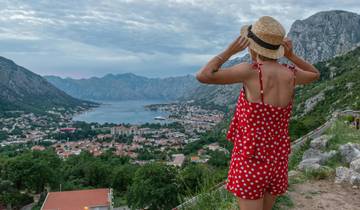
4 days
Bosnia, Montenegro & Albania: From Peaks to History in 4 Days
- ✓ Comprehensive Sarajevo tour
- ✓ Expert local guides included
- ✓ All accommodation arranged
- ✓ Transportation provided
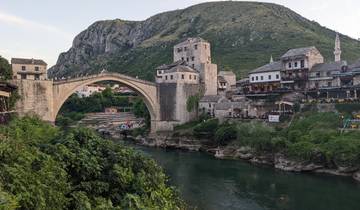
7 days
Bosnia and Herzegovina: Wild Horses & City Sights
- ✓ Comprehensive Sarajevo tour
- ✓ Expert local guides included
- ✓ All accommodation arranged
- ✓ Transportation provided
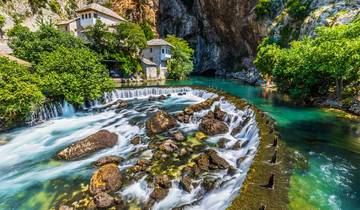
4 days
Bosnia & Hercegovina and Montenegro; Semi – Private Tour with Dedicated Tour Leader & Car
- ✓ Booking needs min. 2 travelers
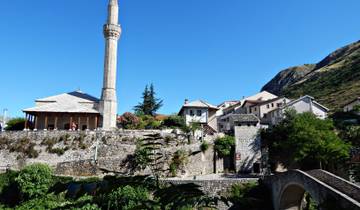
3 days
Sarajevo Discovery Tour
- ✓ Comprehensive Sarajevo tour
- ✓ Expert local guides included
- ✓ All accommodation arranged
- ✓ Transportation provided
Multi-day tour packages powered by TourRadar. Prices and availability subject to change.
Introduction to Sarajevo’s Tour Landscape in 2026
Sarajevo distinguishes itself among European capitals through tours that layer centuries of Ottoman, Austro-Hungarian, Yugoslav, and independent Bosnian history while confronting the recent trauma of Europe’s longest modern siege with unflinching honesty delivered by guides who survived the 1992-1995 conflict as children or young adults. The city’s compact geography concentrates significant landmarks within Baščaršija’s pedestrian-friendly old quarter, where 15th-century mosques stand blocks from 19th-century Habsburg administration buildings, creating architectural juxtaposition that physically manifests Bosnia’s position as the meeting point between Eastern and Western civilizations. This density enables efficient walking tours that cover multiple historical periods within 2-3 hours, while longer excursions venture to siege-related sites scattered across hillsides surrounding the valley where Bosnian Serb forces positioned artillery during the 1,425-day bombardment that killed 11,541 residents and wounded 56,000 more.
The 2026 tour landscape reflects maturation of post-war tourism infrastructure, with second-generation siege survivors now joining their parents as professional guides capable of narrating family experiences while maintaining emotional distance that enables educational rather than purely emotional storytelling. International recognition has brought standardization to previously informal walking tour operations — companies now maintain professional websites, accept online bookings, offer multiple departure times, and employ guides trained in crowd management, historical accuracy, and cultural sensitivity when discussing contentious war narratives that remain politically divisive among Bosnia’s ethnic communities. Free walking tour proliferation mirrors trends across European cities, though Sarajevo’s version uniquely combines the tip-based model with access to guides whose personal wartime memories add authenticity unmatched by professional historians reading from scripts.
Tour pricing in 2026 remains remarkably affordable compared to Western European equivalents, reflecting Bosnia’s developing economy where average monthly salaries of 1,000-1,500 BAM ($550-850) influence what locals can afford for leisure activities. This economic reality creates extraordinary value for international tourists who can access expert-guided 4-hour war tours including museum admission and transportation for less than 100 BAM ($55), or spend entire days exploring Herzegovina’s most beautiful sites for 130-170 BAM ($70-95) including fuel, guide fees, and all logistics. The Bosnian Convertible Mark (BAM) maintains a fixed exchange rate of 1.95 BAM to 1 Euro, with US dollar equivalents fluctuating around 1.80-1.85 BAM to 1 USD in 2026, making cash conversion straightforward for budgeting purposes though most tour operators accept online credit card payments during booking while requiring cash tips for free walking tours.
Seasonality influences tour availability and experience quality, with peak season running May through September when comfortable temperatures between 18-28°C enable pleasant walking conditions and outdoor swimming at Kravice Waterfalls or Bosnia’s mountain lakes. Summer months bring maximum tour frequency with multiple daily departures for all tour types, though group sizes swell accordingly and popular sites like the Tunnel of Hope Museum experience midday congestion when multiple tour buses arrive simultaneously. Shoulder seasons in April and October offer reduced crowds, lower accommodation prices, and guides with more time for personal interaction, though unpredictable weather requires flexible planning and waterproof clothing. Winter tours (November-March) operate on reduced schedules with some outdoor activities curtailed, yet provide unique opportunities for budget-conscious travelers who don’t mind cold temperatures and occasional snow that transforms Sarajevo into a winter wonderland recalling its 1984 Olympic glory before war devastated the city’s sporting infrastructure.
Tour booking strategies in 2026 blend traditional walk-up availability for free walking tours with advance online reservations increasingly necessary for specialized experiences led by specific veteran guides whose reputation and personal stories attract repeat customers through word-of-mouth recommendations on travel forums and review platforms. Major booking aggregators including GetYourGuide, Viator, and Tripadvisor now feature Sarajevo tours prominently, offering convenience of centralized payment and customer protection policies, though direct booking through local operator websites often reduces costs by 10-15% through elimination of platform commission fees. WhatsApp has emerged as the preferred communication channel for tour adjustments, meeting point clarifications, and last-minute scheduling changes, with most operators maintaining responsive contact hours extending into evenings and weekends when tourists most commonly require assistance. This combination of digital infrastructure and personal accessibility characterizes Sarajevo’s tour industry in 2026 — professional enough to inspire confidence, yet intimate enough to accommodate individual needs in ways that larger, more corporatized tourism markets increasingly struggle to deliver.
Free Walking Tours in Sarajevo 2026
Free walking tours represent the most accessible entry point for understanding Sarajevo’s complex identity, operating on a tip-based model that requires no advance payment but expects generous gratuities reflecting the 2-3 hour expertise local guides provide while leading groups through Baščaršija’s Ottoman quarter, Austro-Hungarian administrative district, and wartime memorial sites scattered throughout the compact city center. Multiple established operators including Meet Bosnia, Neno & Friends Free Sarajevo Walking Tours, Walkative, and GuruWalk run synchronized daily departures at 10:30 AM and 3:00 PM from central meeting points, creating de facto tour schedules that enable travelers to sample multiple perspectives by joining different companies on successive days during extended Sarajevo visits. The competitive landscape has driven quality improvements as guides recognize that superior storytelling, engaging personalities, and willingness to answer difficult questions about recent history directly influence tip amounts that constitute their entire income from this work.
The standard “East Meets West” walking tour covers Sarajevo’s defining characteristic as the city where Islamic Ottoman culture encountered Catholic and Orthodox Christian traditions, creating the nickname “European Jerusalem” for this unique crossroads where mosques, synagogues, Orthodox churches, and Catholic cathedrals stand within minutes of each other. Tours begin at the Old Orthodox Church from the 16th century, proceed through Baščaršija Square featuring Sebilj fountain (an Ottoman-style wooden structure rebuilt multiple times and now serving as Sarajevo’s photographic icon), then examine Gazi Husrev-bey Mosque built in 1531 as the city’s most important Islamic monument still using the adjacent clock tower measuring lunar time rather than standard hours. The Bezistan covered bazaar represents Ottoman commercial architecture, while Morića Han caravanserai from the 16th century preserves the atmosphere of Silk Road trading posts where merchants stored goods and lodged overnight during their journeys across the Balkans.
Austro-Hungarian landmarks dominate the western section of walking tours as guides explain the 1878-1918 Habsburg occupation that transformed Sarajevo from an Ottoman provincial capital into a modern European city with boulevards, public buildings, and the neo-Moorish City Hall (Vijećnica) completed in 1896. The Latin Bridge site where Gavrilo Princip assassinated Archduke Franz Ferdinand on June 28, 1914, triggers discussions about how this single act precipitated World War I, with guides contextualizing the assassination within Bosnian nationalist movements resisting Austro-Hungarian rule. Nearby, the Eternal Flame memorial honors Yugoslav Partisan and civilian victims of World War II, introducing the complex identity politics that shaped Bosnia under Josip Broz Tito’s communist Yugoslavia from 1945-1992 before ethnic nationalism tore apart the federation.
Alternative “War Scars” walking tours focus exclusively on the 1992-1995 siege, visiting sites including the Children’s Memorial commemorating 1,601 murdered minors, Markale Market where two massacres killed 111 civilians queuing for food, the Holiday Inn hotel painted yellow to minimize visibility from surrounding sniper positions, and Sniper Alley where Sarajevo residents sprinted across exposed intersections while dodging Bosnian Serb sharpshooters positioned in high-rise buildings along the boulevard. Guides — many of whom were children during the siege — share personal memories of attending makeshift underground schools, fetching water from public taps while avoiding sniper fire, and surviving on humanitarian aid rations supplemented by whatever vegetables families could grow in bombed-out yards. These tours provoke emotional responses as abstract historical facts transform into visceral understanding when guides point to specific apartment buildings where they hid during shelling or explain how their families rationed electricity to one hour daily while freezing through winters without functioning heating systems.
Food walking tours combine cultural education with culinary sampling, typically running 3 hours and visiting local cafes, bakeries, and restaurants where guides explain Bosnian coffee ceremony traditions, demonstrate proper ćevapi consumption etiquette, introduce varieties of burek savory pastries, and explain how Ottoman, Austro-Hungarian, and Balkan culinary influences merged into distinctive Bosnian cuisine. These tours command higher suggested tips of 25-40 BAM ($14-22) reflecting the added value of food included in the experience, though guides emphasize that food costs come from their own compensation rather than being subsidized by participating restaurants. The tastings aren’t substitutes for full meals but provide enough sampling to appreciate local flavors while learning cultural context that transforms eating from sustenance into understanding of identity, tradition, and the social rituals that bind Bosnian communities.
Booking procedures require online reservations through company websites or aggregator platforms, with most operators capping group sizes at 20-25 participants to maintain guide audibility and group cohesion during the walking circuit. Free tours accommodate up to 5 people per reservation, requiring larger groups to book private tours at fixed rates starting 100-150 BAM ($55-85) for exclusive guide attention without competing for questions or struggling to hear commentary in crowded tourist areas. Confirmation emails specify exact meeting points, guide identification methods (often a branded umbrella or flag), and backup contact information for navigating any confusion on departure morning. Punctuality expectations are strict — guides depart exactly on schedule as delayed starts compound throughout multi-stop routes, leaving latecomers scrambling to catch up or missing the tour entirely without refund since no payment was collected.
Tipping protocols follow established norms where 15-30 BAM ($8-17) per person represents standard gratuity for quality 2-3 hour tours, with higher amounts appropriate for exceptional guides whose personal stories, historical knowledge, and engaging delivery exceed expectations. Cash payments in Bosnian Marks are preferred and expected, as guides cannot process credit cards or accept digital transfers on the spot — visitors should obtain local currency from ATMs before tour departure to avoid the awkwardness of explaining inability to tip properly. Some tourists underestimate tipping importance, treating “free” tours as literally costless entertainment, but this attitude undervalues the professional expertise, language skills, and emotional labor guides invest in creating meaningful experiences. Sustainable tourism requires fair compensation for local service providers, making appropriate gratuities an ethical obligation rather than optional gesture, especially in a developing economy where tourism income directly supports families still recovering from war devastation and ongoing political instability.
Group dynamics vary widely depending on participant composition, season, and guide personality, with summer tours attracting larger, more diverse crowds including backpackers, retirees, families, and business travelers seeking cultural education between meetings. Intimate off-season tours with 5-8 participants enable deeper conversations, more questions, and flexibility to adjust routes based on group interests, while peak season gatherings of 20-25 people require discipline to maintain cohesion and prevent stragglers from delaying the schedule. Quality guides master crowd management techniques including strategic stopping points where all participants can see and hear clearly, repetition of key facts for those momentarily distracted, and humor that builds group rapport while delivering serious historical content without overwhelming tourists with unrelenting tragedy.
Language availability centers primarily on English as the universal tourism language, with some operators offering Spanish, German, Italian, or French tours during high season when international tourist volume justifies employing multilingual guides. English proficiency among Bosnian guides generally rates high due to British and American media influence, international education opportunities, and recognition that English fluency directly correlates with tourism income potential. Guides fluent in multiple languages command premium tips as they serve non-English speakers who otherwise struggle to access quality cultural education beyond generic landmark descriptions found in guidebooks. This linguistic accessibility makes Sarajevo particularly welcoming for Anglophone travelers compared to some Balkan destinations where language barriers complicate cultural immersion.
War History and Siege Tours in Sarajevo 2026
War history tours led by Sarajevo siege survivors represent the city’s most powerful and distinctive tourism offering, providing firsthand testimony that transforms abstract conflict statistics into visceral understanding of how 375,000 residents endured 1,425 days of bombardment, sniper fire, starvation, and isolation between April 1992 and February 1996. Multiple operators including Funky Tours, Sarajevo Insider, Meet Bosnia, and GetYourGuide certified partners employ exclusively war veterans or civilians who survived the siege as children, ensuring authentic perspectives unavailable through traditional historian-led tours or self-guided exploration. These 4-hour experiences priced 70-90 BAM ($40-50) include round-trip hotel pickup, transportation in air-conditioned vehicles, Tunnel of Hope Museum admission, and veteran guide commentary connecting military strategy, personal survival memories, and present-day Sarajevo into coherent narrative that respects tragedy while celebrating resilience.
Tour itineraries follow strategic sequences designed to build understanding progressively from city center memorial sites through frontline positions to the Tunnel of Hope Museum finale that symbolizes Sarajevo’s ultimate survival triumph. Departures operate twice daily at 9:00 AM and 2:00 PM during summer (April-October) and 9:00 AM and 1:00 PM during winter (November-March), accommodating different traveler schedules while maximizing daylight hours for outdoor site visits and photography. Small group limits of 6-8 participants ensure intimate experiences where veterans can share personal stories, answer individual questions without time pressure, and adjust pacing when emotional content overwhelms sensitive tourists confronting recent genocide and war crimes for the first time. This personalized approach distinguishes veteran-led tours from larger bus groups led by professional historians who lack lived experience of the events they describe.
The Children’s Memorial near Baščaršija commemorates 1,601 minors killed during the siege, displaying their names, ages, and death dates on glass panels surrounding a stark white monument that triggers emotional responses as visitors process the scale of young life destroyed. Guides who were children during the siege describe attending underground schools in basements while shells exploded outside, explaining how teachers maintained educational routines to preserve normalcy for traumatized students who had witnessed family deaths and building destruction. The memorial visit establishes emotional foundation for understanding that Sarajevo’s siege wasn’t distant historical tragedy but recent trauma that shaped current residents’ entire worldview, with many guides matter-of-factly describing their own brush with death from shrapnel, sniper bullets, or starvation-related illness.
Markale Market represents the siege’s two most devastating single attacks, where Bosnian Serb artillery shells killed 68 civilians on February 5, 1994 and another 43 on August 28, 1995 as residents queued for scarce food supplies at Sarajevo’s main market. The 1995 massacre prompted NATO airstrikes against Bosnian Serb positions, ultimately pressuring military leadership toward the Dayton Accords that ended the war months later. Today’s bustling market shows no obvious evidence of these massacres beyond a memorial plaque and occasional “Sarajevo Rose” — red resin-filled artillery impact craters marking civilian death sites throughout the city. Guides explain how markets became targets precisely because gathering civilians there maximized casualties, fitting the siege strategy of psychological warfare designed to break resident morale and force population exodus that would secure ethnic Serb control over desired territories.
Sniper Alley, the boulevard connecting the airport to the city center, earned its notorious nickname from constant sniper fire targeting civilians, journalists, UN personnel, and humanitarian convoys traveling the exposed road overlooked by high-rise buildings controlled by Bosnian Serb forces. The Holiday Inn hotel, painted yellow to minimize visibility against surrounding destruction, housed international journalists including CNN, BBC, and Reuters correspondents broadcasting siege footage that brought international attention and eventual military intervention. Tour vehicles drive the full Sniper Alley length while guides describe specific attacks, famous individuals killed or wounded along this route, and the terrifying psychological impact of never knowing which intersection crossing might attract a sniper’s bullet. Veterans share personal memories of sprinting across exposed sections, timing movements between artillery barrages, and the constant background stress of hypervigilance that persisted 24 hours daily for nearly four years.
Trebević Mountain provides panoramic city views from the same elevated positions where Bosnian Serb artillery and sniper teams controlled the valley below, offering tactical perspective on the siege’s military geography that explains why escape proved nearly impossible for trapped residents. The abandoned 1984 Winter Olympics bobsled track, now covered in graffiti and deteriorating from neglect and war damage, symbolizes Sarajevo’s trajectory from international sporting celebration to Europe’s longest modern siege within eight years. Veterans explain how Olympic facilities including ski jumps, hotels, and sports centers transformed into military positions, hospitals, and shelters during the conflict, with the cable car to Trebević disabled to prevent civilian escape attempts. The juxtaposition of Olympic pride and wartime destruction creates powerful visual metaphor for Yugoslavia’s disintegration and the ethnic nationalism that destroyed multi-ethnic coexistence in favor of ethnically cleansed territories.
The Jewish Cemetery on Trebević’s slopes served as frontline position during the siege, with gravestones damaged by artillery and sniper fire while bodies of siege victims were buried among older Jewish graves — a grim irony that Jews who fled Nazi persecution in the 1940s returned to their community cemetery to bury new victims of ethnic cleansing five decades later. The cemetery’s size reflects Sarajevo’s centuries-old Jewish community, one of Europe’s oldest and most integrated, with Sephardic Jews expelled from Spain in 1492 finding tolerance in Ottoman Bosnia where they contributed to commercial, intellectual, and cultural life for 500 years. Veterans emphasize that Bosnian Jews fought alongside Muslims, Orthodox Christians, and Catholic Croats in defending multi-ethnic Sarajevo against nationalist forces seeking to partition Bosnia into ethnically pure territories.
The Tunnel of Hope Museum visit represents the tour’s emotional climax, providing physical access to the underground passage that connected besieged Sarajevo to Bosnian government-controlled territory beyond the airport runway. The experience begins with a 20-minute documentary featuring archival footage of Sarajevo under bombardment, construction of the tunnel beneath the airport, and testimonials from survivors describing desperate conditions that necessitated this engineering feat accomplished with hand tools while under constant shelling. The tunnel itself — preserved 20 meters of the original 800-meter passage — requires stooping through clay-walled dimensions measuring 1 meter wide and 1.6 meters high, with bare bulbs illuminating the cramped space where residents, aid workers, wounded evacuees, and supply carts traveled daily at risk of collapse, flooding, or suffocation. Veterans describe their own tunnel crossings, the claustrophobia and fear experienced while crawling through darkness, and the psychological relief of emerging on the free side where food, medicine, and normal life continued outside the siege perimeter.
Above ground exhibits at the Kolar family house where the tunnel entrance was concealed display military equipment, improvised weapons, siege-era currency printed on paper scraps, and personal artifacts including children’s toys and school notebooks documenting daily life under bombardment. The museum charges 20 BAM ($11) adult admission included in tour prices, operating daily 9:00 AM-5:00 PM with cash-only payment and no credit card facilities. Independent visitors face transportation challenges reaching the museum location near Butmir neighborhood, requiring tram and bus connections totaling 45-60 minutes each direction from central Sarajevo — joining a guided tour eliminates this logistical burden while providing crucial context that transforms museum exhibits from historical curiosities into deeply meaningful testimonials of human courage and ingenuity under unimaginable circumstances.
Tour conclusions typically occur back at central Sarajevo drop-off points between 1:00-3:00 PM (morning tours) or 5:00-7:00 PM (afternoon tours), with veterans remaining available for continued conversation, photograph sharing, and personal questions that tourists felt uncomfortable asking during the formal tour portion. Many guides maintain social media connections with appreciative tourists, sharing updates about Sarajevo’s ongoing recovery and responding to follow-up questions that emerge after participants process the emotional impact of war testimony. This ongoing engagement reflects the human connections these tours foster — not transactional guide-tourist relationships but genuine cultural exchange where veterans help foreigners understand Bosnian tragedy while tourists provide validation that their suffering wasn’t forgotten by an indifferent international community.
Emotional preparation remains essential for these tours, as content includes graphic descriptions of violence, testimonials about child deaths, discussion of mass graves and ethnic cleansing, and confrontation with recent genocide that European powers allowed despite “never again” promises after Holocaust. Sensitive tourists prone to anxiety or depression should carefully consider whether they’re emotionally equipped for this intense education, though most participants report the experience as profoundly meaningful rather than merely disturbing. Veterans balance gravity with hope, emphasizing Sarajevo’s remarkable recovery, interfaith reconciliation efforts, and determination to prevent nationalist ideology from poisoning future generations. The tours aren’t trauma tourism or voyeuristic suffering entertainment but serious historical education delivered by those who earned authority to tell this story through their survival.
Booking procedures require online reservations at least 3-5 days in advance during peak season, as veteran guides with strongest reputations fill quickly through word-of-mouth recommendations on travel forums, Reddit, and review platforms. Direct booking through operator websites often saves 10-15% compared to aggregator platforms like GetYourGuide or Viator that charge commission fees, though larger platforms provide customer protection policies and centralized payment processing that some tourists prefer. Confirmation emails specify meeting points, backup contact information, cancellation policies (typically full refund if canceled 24 hours ahead), and suggestions for appropriate clothing (comfortable walking shoes, weather-appropriate layers, respectful attire for memorial sites). Photography policies permit pictures throughout tours except inside the Tunnel of Hope documentary screening room, with veterans generally welcoming photograph opportunities and often posing with tour groups at Trebević viewpoints or beside Sniper Alley memorial markers.
Tunnel of Hope Museum Tours and Logistics 2026
The Tunnel of Hope Museum (Tunel Spasa) operates independently at Tuneli 1 street in the Butmir neighborhood near Sarajevo International Airport, offering visitors direct access to the preserved 20-meter section of the 800-meter underground passage that served as besieged Sarajevo’s only connection to free territory during 1993-1995 when the airport runway represented the boundary between government-controlled city center and Bosnian-held Mt. Igman positions. The museum charges 20 BAM ($11) for adults and 8 BAM ($4.50) for students with valid identification, accepting only cash payments in Bosnian Marks or Euros as the facility lacks credit card processing equipment — visitors should arrive prepared with local currency withdrawn from Sarajevo ATMs before attempting the journey to this remote location situated 6 kilometers southwest of the city center.
Independent access via public transportation requires 45-60 minutes each direction using tram lines 3, 4, or 6 from Baščaršija to the Ilidža terminus, followed by bus 32 toward Butmir with departures every 15-30 minutes on weekdays and every 60 minutes on weekends and holidays. The bus stop nearest the museum deposits passengers on Tuneli street approximately 300 meters from the entrance, requiring a short walk down a residential street lined with houses bearing visible war damage including shrapnel pockmarks and repaired artillery strikes. Signage in multiple languages directs visitors from the main road to the museum compound, though the route isn’t immediately obvious to first-time visitors unfamiliar with the neighborhood’s layout. Return transportation timing requires careful planning as missing the bus necessitates waiting up to one hour for the next departure, with taxi services available but requiring phone apps or local SIM cards to summon rides from this peripheral location.
The museum experience begins at the entrance building housing a ticket counter, small gift shop selling books and documentaries about the siege, and designated waiting areas where staff organize visitors into groups for the documentary screening held in a dedicated viewing room accommodating approximately 30 people per showing. The 20-minute film features archival footage showing Sarajevo under bombardment with burning buildings and fleeing residents, construction of the tunnel using hand tools and wheelbarrows while under constant shelling, and testimonials from survivors describing the passage’s crucial role in sustaining besieged population. English subtitles accompany Bosnian narration, with additional language options including German, French, and Spanish depending on visitor composition during particular screenings that operate continuously throughout operating hours from 9:00 AM to 5:00 PM daily.
Following the documentary, staff guide groups into the preserved tunnel section accessed through the Kolar family’s ground floor where workers began excavation on March 27, 1993, digging simultaneously from both ends — Dobrinja neighborhood and Butmir village — to create the passageway completed on July 30, 1993 after just four months of dangerous construction. The tunnel dimensions of 1 meter width and 1.6 meters height force most adults to stoop or crouch while walking the 20-meter preserved section illuminated by bare electric bulbs replicating the original lighting system powered by cables threaded through the passage alongside fuel lines, telephone wires, and water pipes. Clay walls show deterioration from decades of visitor traffic but retain the rough-hewn texture from original excavation, with wooden support beams preventing collapse of earth above the passage that sits 3 meters below ground level.
Physical limitations include narrow dimensions that challenge visitors with mobility impairments, claustrophobia triggers for those sensitive to enclosed spaces, and uneven flooring that requires careful footing to avoid trips or stumbles in dim lighting conditions. The museum warns that wheelchair access remains impossible inside the tunnel itself, though outdoor exhibits and documentary viewing room accommodate mobility devices. Temperature inside the tunnel stays cool year-round regardless of surface weather, making the underground environment comfortable during hot summer months but uncomfortably cold during winter visits when heating doesn’t extend underground. Visitors sensitive to musty odors may find the tunnel atmosphere unpleasant due to perpetual dampness from groundwater seepage that plagued the original passage and required constant pumping to prevent flooding that would have closed this vital lifeline.
Above-ground exhibits surrounding the Kolar family house display military equipment including artillery shells, mortar rounds, rifles, and improvised weapons fabricated in makeshift workshops when conventional arms supplies ran low during the siege. Personal artifacts including siege-era identification cards, improvised currency printed on scrap paper, children’s school notebooks, and household items demonstrate daily life adaptation to catastrophic circumstances where normal commerce, education, and social routines continued despite constant danger. Photographs mounted on outdoor panels show tunnel construction, President Alija Izetbegović using the passage to reach international peace negotiations, wounded civilians being evacuated, and supply convoys emerging with humanitarian aid that sustained the besieged population when food shortages threatened mass starvation.
The Kolar family house itself preserves war damage including shrapnel holes in exterior walls, repaired window frames where glass was repeatedly destroyed by nearby explosions, and basement spaces where family members sheltered during the heaviest bombardments while workers excavated beneath their home in dangerous conditions that risked collapsing the entire structure. The family’s decision to allow their property’s use for this military engineering project exemplifies the collective determination and sacrifice that characterized Sarajevo’s survival — individual homes, gardens, and private spaces became communal resources dedicated to resistance against the besieging forces attempting to strangle the city into submission through deprivation and terror.
Museum gift shop offerings include books documenting the siege with photographs and survivor testimonials, documentaries on DVD or digital formats exploring various aspects of the war, traditional Bosnian crafts made by local artisans, and symbolic items like tunnel replica miniatures or Sarajevo Rose jewelry commemorating artillery impact sites filled with red resin throughout the city. Purchasing supports museum operations and local craftspeople, with all proceeds funding facility maintenance, archive preservation, and educational programming that ensures future generations understand this history before living memory fades as siege survivors age. Prices range 10-50 BAM ($5-28) for books and 5-15 BAM ($3-8) for smaller souvenirs, with international shipping unavailable requiring tourists to transport purchases in luggage.
Group tour inclusion versus independent visits presents clear tradeoffs — joining a war history tour priced 70-90 BAM ($40-50) eliminates transportation logistics, provides veteran guide context that dramatically enhances museum understanding, and includes admission fees plus visits to other siege sites like Sniper Alley and Trebević Mountain in comprehensive half-day experiences. Independent visitors save money paying only the 20 BAM ($11) admission but sacrifice contextual understanding that transforms the museum from curious historical artifact into deeply meaningful memorial. First-time Sarajevo visitors typically benefit more from guided tours given the complex political and military history requiring explanation to appreciate the tunnel’s significance fully, while return visitors familiar with siege history may prefer independent access allowing unlimited time exploring exhibits without group schedule constraints.
Photography policies permit pictures throughout the museum including inside the tunnel passage, though flash photography is discouraged to preserve artifact integrity and avoid disturbing other visitors navigating the dark confined space. The documentary screening room prohibits photography and video recording to respect copyright protections and avoid disrupting other viewers’ experience with bright screens or shutter noise. Visitors should expect 60-90 minutes minimum to experience the documentary, walk through the tunnel, examine outdoor exhibits, and browse the gift shop, with extended visits possible for history enthusiasts who carefully read all plaques and information panels providing additional context beyond the documentary’s overview.
Seasonal considerations affect museum experience primarily through temperature variations — summer visits between May-September feature hot surface weather contrasting with cool tunnel temperatures, while winter months bring cold dampness that penetrates inadequate clothing and makes the underground environment uncomfortable for extended periods. Visitor volume peaks during July-August when European tourists flood Sarajevo, creating crowded documentary screenings and tunnel congestion that diminishes the contemplative atmosphere this memorial deserves. Shoulder season visits in April-May or September-October provide optimal balance of comfortable weather, reduced crowds, and sufficient daylight hours for photographing outdoor exhibits without fighting tourist hordes for unobstructed views of displays.
Old Town Walking Routes and Self-Guided Tours 2026
Sarajevo’s compact old quarter enables effective self-guided walking exploration for independent travelers who prefer controlling their own pace, schedule, and point of focus without group tour constraints or guide narratives shaping their experience. The pedestrian-friendly Baščaršija district concentrating most Ottoman-era landmarks within a 500-meter radius creates natural walking loops that connect major sites through atmospheric cobblestone lanes lined with craft shops, traditional coffee houses, and restaurants serving Bosnian cuisine in historic buildings preserving 15th-19th century architectural character. Digital resources including Google Maps offline downloads, Rick Steves audio tours, and various free walking tour apps provide narration and navigation assistance, though none replace the personal perspective and real-time question answering that live guides offer during organized tours.
The classic Baščaršija circuit begins at Sebilj fountain in the square’s heart, an Ottoman-style wooden structure rebuilt multiple times after fires and now serving as Sarajevo’s most photographed landmark despite being a 1913 reconstruction rather than original Ottoman artifact. From Sebilj, narrow lanes radiate toward Gazi Husrev-bey Mosque complex visible by its prominent minaret rising above surrounding shops — the mosque interior welcomes non-Muslim visitors outside prayer times (approximately 9:00 AM-4:00 PM with breaks for midday prayers) with modest dress requirements enforced at the entrance where guards provide loaner scarves and robes for women showing shoulders or wearing shorts. The courtyard fountain (šadrvan) where worshippers perform ablutions before prayers represents Ottoman mosque architecture standard across the former empire, with Sarajevo’s example preserving 16th-century stonework despite repairs necessitated by war damage during the 1992-1995 siege.
Adjacent to the mosque stands the clock tower (sahat-kula) maintaining lunar time rather than standard hours — the unique mechanism advances one hour daily to synchronize with sunset times, making this one of only two clocks worldwide still operating on this ancient Ottoman system. Local tradition holds that correctly telling time by the sahat-kula requires adding or subtracting hours based on sunset calculations most tourists find incomprehensible, creating charming confusion when visitors attempt to reconcile clock readings with their phone displays. The clock tower courtyard provides elevated views across Baščaršija’s red-tile rooftops toward surrounding hills, offering orientation perspective that helps navigate the quarter’s winding streets where right-angle grids don’t exist and medieval layout confuses GPS systems relying on Cartesian coordinates.
The Bezistan covered market hall dates from the 16th century when it served as a secure trading center for valuable cloth, silk, and metal goods protected from weather and theft inside the stone structure’s vaulted spaces. Ottoman architects designed bezistans throughout their empire as combination warehouses and exclusive retail zones where merchants paid premium rents for protected trading environments that signaled quality merchandise to discriminating customers. Sarajevo’s Bezistan preserves original stone construction while housing tourist-oriented shops selling carpets, jewelry, traditional clothing, and souvenirs — prices reflect the location’s premium positioning and aggressive bargaining achieves limited discount success compared to provincial Turkish bazaars where negotiation remains expected standard practice.
Morića Han caravanserai represents the only remaining example of Sarajevo’s once-numerous Ottoman inns that provided lodging, stabling, and secure storage for traveling merchants moving goods along Balkan trade routes connecting Adriatic ports to central European markets. The two-story structure surrounds a courtyard where ground-floor chambers housed pack animals and merchandise while upper galleries contained sleeping quarters accessible via exterior wooden staircases characteristic of Ottoman vernacular architecture throughout Bosnia. Modern conversion into cafes and craft workshops preserves the historic atmosphere while making the building economically sustainable through tourist spending that justifies expensive maintenance of aging wooden structures vulnerable to fire, water damage, and insect infestation.
Beyond Baščaršija’s Ottoman core, the walking route extends west through transitional zones where Islamic architecture gives way to Austro-Hungarian administrative buildings constructed after 1878 when Habsburg occupation brought Western European urban planning, architecture, and infrastructure to Sarajevo. The visual transition occurs abruptly at the invisible boundary where cobblestones yield to modern pavement, wooden Ottoman shops transform into stone Habsburg edifices, and mosque minarets recede behind Catholic cathedral spires and Orthodox church domes — this compressed architectural evolution within 200 meters physically manifests the “East meets West” designation that defines Sarajevo’s identity as the frontier where civilizations converge.
City Hall (Vijećnica) dominates the Miljacka River’s north bank as Sarajevo’s most ambitious Austro-Hungarian project, a neo-Moorish confection combining Islamic decorative motifs with Habsburg administrative scale completed in 1896 to house municipal government and the National Library. Artillery shells deliberately targeted this building during the siege, destroying the library collection and causing structural damage that required years of post-war reconstruction completed in 2014. The restored interior now hosts exhibitions, cultural events, and tourist visits costing 10 BAM ($5.50) admission for access to ceremonial halls featuring colorful geometric tile work, stained glass windows, and painted ceiling details replicating Ottoman aesthetic within Austro-Hungarian monumentality — the hybrid style called “pseudo-Moorish” or “Moorish Revival” represented Habsburg policy of acknowledging Islamic culture while asserting Christian European political dominance over formerly Ottoman territories.
The Latin Bridge crossing the Miljacka River achieved permanent historical notoriety as the assassination site where Gavrilo Princip shot Archduke Franz Ferdinand on June 28, 1914, triggering World War I through alliance systems that transformed a regional crisis into global conflict killing 17 million people over the next four years. A modest plaque marks the exact spot on the bridge’s north approach where the 19-year-old Bosnian Serb nationalist fired the fatal shots at the Habsburg heir and his wife Sophie, who were visiting Sarajevo during Serbian Orthodox vidovdan celebrations commemorating the 1389 Battle of Kosovo — a date symbolically chosen by nationalist conspirators as appropriate for striking against Austro-Hungarian occupation. The Museum of Sarajevo 1878-1918 adjacent to the bridge explores the assassination’s context, displaying Princip’s pistol, period photographs, and exhibits explaining how local nationalist movements resisted Habsburg rule while European powers jockeyed for Balkan influence following Ottoman imperial decline.
The Eternal Flame memorial near Ferhadija pedestrian street commemorates Yugoslav Partisan and civilian victims of World War II when Nazi Germany and its Croatian Ustaše allies occupied Bosnia, killing hundreds of thousands of Serbs, Jews, and communist resistance fighters while destroying infrastructure and cultural monuments throughout the region. The flame burns continuously as reminder of the 1941-1945 period when Sarajevo’s multi-ethnic character faced existential threat from fascist racial ideology — a historical parallel that carries dark irony given that 1990s Bosnian Serb nationalism would later employ similar ethnic cleansing tactics against Sarajevo’s Muslim and Croat populations. Post-war reconciliation efforts struggle with how to memorialize conflicting narratives where yesterday’s partisan heroes became today’s nationalist aggressors, or victims of communist repression became democratic reformers, depending on ethnic perspective and political alignment.
Self-guided walkers should allocate 3-4 hours minimum for thorough old quarter exploration including mosque interior visits, museum stops, and cafe breaks for Bosnian coffee sampled according to proper ceremony using small copper pots (džezva), foam-topped servings in fildžan cups, and accompanying lokum Turkish delight sweets. Rushing diminishes the experience as Sarajevo’s appeal resides partly in the atmospheric lanes, traditional craftspeople maintaining heritage skills, and opportunities for spontaneous conversations with shopkeepers explaining copper-smithing techniques, carpet-weaving traditions, or family histories spanning Ottoman, Habsburg, Yugoslav, and independent Bosnia periods that compressed European history’s most dramatic transformations into a single Balkan location.
Navigation challenges include inadequate street signage, confusing one-way pedestrian flow, and GPS confusion caused by old quarter’s organic medieval layout lacking systematic street grid. Downloading offline Google Maps before departure from accommodations prevents data usage anxiety while enabling route checking when turned around in similar-looking lanes where visual landmarks become necessary for orientation. Local language barriers rarely impede navigation as younger Sarajevans speak functional English acquired through education and media exposure, while older residents often know German from Yugoslavia’s extensive Austrian tourist trade or Italian from Adriatic coast proximity. Pointing at maps and using basic direction words (left/levo, right/desno, straight/pravo) communicates adequately when language fails.
Safety considerations for self-guided walkers remain minimal as Sarajevo maintains low street crime rates and tourism-oriented areas stay well-patrolled by police who recognize that visitor security underpins Bosnia’s crucial tourism economy. Standard urban precautions — securing valuables, avoiding deserted areas after dark, staying alert in crowded markets where pickpockets target distracted tourists — suffice for risk mitigation. The greater hazard involves uneven cobblestones that twist ankles or trip inattentive walkers photographing while moving, plus vehicle traffic in transitional zones where pedestrian-priority rules don’t apply consistently and drivers maintain Balkan driving habits emphasizing assertiveness over caution.
Day Trip Tours from Sarajevo 2026
Day trip tours from Sarajevo enable visitors to experience Bosnia and Herzegovina’s extraordinary cultural and natural diversity beyond the capital, with Herzegovina region’s medieval towns, UNESCO heritage sites, and dramatic Neretva River valley scenery accessible through full-day excursions priced 130-170 BAM ($70-95) including transportation, English-speaking guides, and hotel pickup from central Sarajevo accommodations. These 10-12 hour journeys cover 300-350 kilometers round-trip through mountain roads that climbing switchbacks and descending into river valleys while stopping at combinations of Mostar’s Ottoman Old Bridge, Kravice Waterfalls, Počitelj fortress village, Blagaj Tekija dervish monastery, and Konjic Bridge depending on specific operator itineraries and seasonal accessibility when winter conditions close some mountain routes or reduce waterfall flow to unimpressive trickles.
Mostar dominates all Herzegovina tours as the region’s largest city and home to Stari Most (Old Bridge), the 16th-century Ottoman stone arch that collapsed from Croatian artillery fire in November 1993 during the Bosnian War but was painstakingly reconstructed between 2001-2004 using original construction techniques and underwater stone recovery to achieve UNESCO World Heritage designation in 2005. The single-span bridge crosses the Neretva River 21 meters above green water flowing through the city center, creating Mostar’s iconic postcard view with stone bridge, riverside mosques, and limestone cliffs rising behind medieval Kujundžiluk bazaar where copper smiths, leather workers, and souvenir vendors fill Ottoman-era shops with tourists seeking traditional crafts and Turkish-influenced merchandise. Day tours allocate 3-4 hours for Mostar exploration, sufficient for bridge photography, bazaar shopping, mosque visits, and lunch at riverside restaurants serving local trout, grilled meats, and Bosnian specialties.
The Mostarski Ikari diving club maintains unbroken tradition since 1664 of trained athletes leaping from the bridge’s apex 24 meters into the Neretva River below, collecting tips from gathered spectators before performing the gravity-defying jump that requires precise entry technique to avoid injury from impact forces equivalent to hitting concrete when water entry angle deviates from optimal perpendicular trajectory. Divers collect 20-50 EUR from crowds before each jump, with performances occurring several times daily during summer tourist season when crowds justify the effort and risk. Tourists should never attempt diving themselves despite occasional dares from locals — multiple deaths and severe injuries result annually from untrained jumpers underestimating the bridge’s height, water depth variations, or entry technique requirements that take years of training to master safely.
Kravice Waterfalls provide swimming opportunities in turquoise pools where the Trebižat River cascades over 28-meter-wide travertine barriers creating amphitheater-shaped falls surrounded by riverside forest and limestone cliffs. Summer temperatures reaching 30-35°C make the cool water refreshing, though crowd volume during July-August diminishes tranquility as multiple tour buses unload hundreds of visitors simultaneously creating commercial beach atmosphere rather than natural paradise. Spring months (April-May) and early autumn (September-October) offer optimal balance of comfortable temperatures, reduced crowds, and adequate waterfall flow without summer’s intense volume that makes swimming dangerous near the falls’ base where undertow and turbulence present drowning risks. Tour itineraries typically allocate 60-90 minutes at Kravice, sufficient for swimming, waterfall photography, and cafe breaks at facilities ringing the site selling snacks, drinks, and basic meals catering to daytrip visitor needs.
Počitelj village clings to hillside above the Neretva River approximately 30 kilometers south of Mostar, preserving 15th-16th century Ottoman fortified settlement architecture including stone houses, mosques, defensive walls, and the hilltop Gavrakapetan Tower offering panoramic views rewarding the steep climbing required to reach the summit. The village’s strategic position controlling Neretva valley trade and military movements made it valuable throughout Ottoman, Habsburg, and Yugoslav periods, with recent war causing extensive damage when Croatian forces captured the town and expelled its Muslim population in 1993. Post-war reconstruction restored major monuments while accepting that complete village repopulation won’t occur as most displaced residents resettled elsewhere during two decades of exile. Počitelj’s atmospheric stone architecture and elevated setting create exceptional photography opportunities, though the steep cobblestone paths challenge elderly visitors or those with mobility limitations who should assess their fitness before attempting the tower climb.
Blagaj Tekija represents one of Bosnia’s most photographed sites, where a 16th-century Dervish monastery sits beneath sheer limestone cliffs beside the Buna River spring emerging from a cave mouth in the rock face. The turquoise water’s clarity and volume (averaging 43,000 liters per second) create mesmerizing visual appeal while restaurants lining the riverbank serve fresh trout caught from the spring’s outflow. The tekija (Sufi lodge) interior welcomes respectful visitors during restricted hours when Dervish residents aren’t conducting prayers or meditation, with 5 BAM ($2.75) admission providing access to period furnishings, religious artifacts, and explanatory displays about Sufi spiritual practices and the tekija’s historical role as Islamic learning center and pilgrimage destination. The site’s proximity to Mostar — just 12 kilometers southeast — makes it standard inclusion on Herzegovina tours, with 45-60 minute visits allowing riverside meals, spring photography, and monastery exploration.
Konjic Bridge (Stara Ćuprija) crosses the Neretva River in the eponymous town located approximately halfway between Sarajevo and Mostar, representing a 17th-century Ottoman stone arch that survived both world wars and the 1990s conflict while surrounding town suffered extensive siege damage. The bridge’s elegant single span and picturesque river setting create popular photography opportunities, though the stop typically lasts just 20-30 minutes as tourists capture pictures without extensive town exploration. More extensive Konjic visits might include Tito’s Cold War nuclear bunker built into Zlatar Mountain during the 1950s-1970s as Yugoslavia’s secret command center designed to survive nuclear attack, though accessing this ARK D-0 facility requires separate admission fees of approximately 25-30 BAM ($14-17) and adds 2-3 hours to overall tour duration that most operators omit from standard Herzegovina day trips focused primarily on Mostar and natural sites.
Alternative day trips explore Bosnia’s interior regions including Jajce and Travnik medieval royal cities located 2-3 hours northwest of Sarajevo through mountainous terrain that tests bus drivers’ skills on narrow switchback roads. Jajce features a unique 22-meter waterfall where the Pliva River cascades into the Vrbas River within the town center, medieval fortifications crowning the hill above the confluence, and Ottoman-era water mills along Pliva Lake approximately 5 kilometers from town center. Travnik served as Ottoman Bosnia’s provincial capital from 1697-1850, preserving that period’s administrative architecture including a well-maintained fortress, colorful wooden-fronted houses, and Ivo Andrić’s birthplace (Nobel Prize-winning author of “The Bridge on the Drina”). These tours priced 145-180 BAM ($80-100) appeal to history enthusiasts seeking depth over breadth, sacrificing multiple quick stops for extended exploration of fewer significant sites.
Lukomir village hiking tours target adventure travelers drawn to Bosnia’s highest inhabited settlement at 1,469 meters elevation, where traditional stone houses with wooden shingle roofs preserve architectural styles and shepherd lifestyles unchanged for centuries. The experience requires 4×4 vehicles or hiking from lower elevations, consuming 5-6 hours for round-trip transportation and village exploration including meals with local families who supplement farming income through tourism hospitality. Pricing ranges 165-185 BAM ($90-105) reflecting specialized transport requirements and meal inclusions, with summer months (June-September) providing reliable weather and accessibility before autumn snows close mountain roads and shepherd families migrate livestock to lower winter pastures. The dramatic limestone plateau landscape, traditional culture preservation, and off-the-beaten-path authenticity attract photographers, cultural anthropologists, and travelers seeking experiences beyond standard tourist circuits.
Srebrenica Genocide Memorial tours address Europe’s worst atrocity since World War II, where Bosnian Serb forces murdered approximately 8,000 Muslim men and boys during July 1995 despite the town’s designation as United Nations “safe area” supposedly protected by Dutch peacekeepers who surrendered disarmed civilians to their killers. The Potočari Memorial Center outside Srebrenica preserves the former UN base, exhibits survivor testimonials and identified victim photographs, and maintains the cemetery where recovered remains receive proper burial after forensic identification from mass graves. These emotionally devastating 10-12 hour tours priced 145-165 BAM ($80-90) require significant emotional preparation as guides — often relatives of victims — describe the massacre’s mechanics, international community failures, and ongoing painful process of identifying and burying newly recovered remains decades after the genocide. The experience remains essential for understanding the Bosnian War’s darkest chapter and appreciating why ethnic tensions persist throughout Bosnia where perpetrators and victims’ families live as neighbors under international oversight preventing renewed violence.
Day trip logistics require early departures between 7:30-8:30 AM from hotel pickups arranged during booking, with returns occurring 7:00-8:00 PM depending on itinerary complexity and seasonal daylight availability. Tour prices include transportation in air-conditioned buses or minivans capped at 8-15 participants, English-speaking guide services throughout the day, fuel costs, parking fees, and sometimes admission charges to specific attractions though travelers should verify inclusion details during booking. Meals remain participant responsibility except specialized tours like Lukomir village where traditional lunch comes included as integral experience component. Operators recommend bringing 40-60 BAM ($20-35) cash for lunch, snacks, souvenir purchases, and optional admission fees at sites not included in tour packages, plus water bottles and sun protection during summer months when Mediterranean Herzegovina climate reaches 35-40°C compared to Sarajevo’s milder 28-32°C mountain valley temperatures.
Physical fitness requirements vary by itinerary — flat Herzegovina routes suit elderly travelers and families with young children, while Počitelj’s steep climbs, Lukomir’s hiking, or Srebrenica’s walking-intensive memorial site pose challenges for those with mobility limitations or cardiovascular concerns. Operators provide fitness guidance during booking, recommending alternative tours when requested itineraries exceed participant capabilities. Motion sickness-prone travelers should prepare for winding mountain roads through Bosnia’s interior where switchbacks and elevation changes create challenging conditions exacerbated by driver habits emphasizing speed and aggressive passing maneuvers common throughout the Balkans. Window seats, motion sickness medication, and focusing on distant horizons rather than roadside objects mitigate nausea during these spectacular but vertiginous journeys.
Specialized Tour Options in Sarajevo 2026
Beyond standard walking tours and war history experiences, Sarajevo’s 2026 tour market offers specialized thematic options targeting niche interests including food culture, street art, photography workshops, nightlife orientation, and religious heritage explorations that dive deeper into specific aspects of the city’s identity than general-interest tours can accommodate within limited timeframes. These specialized experiences typically cost 80-140 BAM ($45-75) for 3-4 hour engagements, commanding premium pricing for expertise, exclusive access, or included elements like meals, alcohol, or professional instruction that differentiate them from standard walking tours covering broader but shallower content.
Food tours combine culinary sampling with cultural education as guides lead small groups through Baščaršija’s traditional eateries, bakeries, and specialty shops explaining Bosnian cuisine’s Ottoman heritage while demonstrating proper consumption methods for local specialties including ćevapi (grilled meat fingers served in lepinja flatbread), burek (layered phyllo pastry with meat, cheese, or spinach), klepe (Bosnian dumplings), and various grilled meats accompanied by ajvar red pepper spread and kajmak fermented cream. The Bosnian coffee ceremony receives particular attention as guides demonstrate proper preparation in traditional copper džezva pots, explain the social rituals surrounding coffee service, and contextualize how coffee culture became central to Bosnian identity despite its Ottoman origins in a society where Yugoslav-era secularism diminished other Islamic practices. These 3-hour experiences priced 100-130 BAM ($55-70) include 5-6 food stops providing sufficient sampling to constitute lunch while educating participants about ingredient sourcing, traditional recipes, and the ways food preservation connects contemporary Bosnians to their Ottoman past.
Street art tours showcase Sarajevo’s vibrant graffiti and mural scene that emerged from post-war youth culture seeking expression outside official narratives controlled by nationalist political parties competing for ethnic voter loyalty. Local artists use public walls, abandoned buildings, and siege-damaged structures as canvases addressing themes including war memory, political corruption, ethnic reconciliation, economic stagnation, and cultural identity through visual language accessible beyond linguistic barriers. Guides — often artists themselves or cultural activists embedded in Sarajevo’s alternative scene — explain specific works’ meanings, introduce stenciling and spray paint techniques, discuss the legal ambiguity surrounding street art’s property right implications, and sometimes arrange meeting street artists willing to discuss their motivations and methodology with respectful tourists genuinely interested in understanding Sarajevo’s underground culture. These 2-3 hour tours priced 60-80 BAM ($35-45) remain relatively rare as demand hasn’t reached critical mass justifying multiple operators, though GuruWalk and specialized cultural tour companies occasionally schedule street art walks during peak summer season when tourist volume supports niche offerings.
Photography workshops for serious amateur photographers combine technical instruction with location scouting, teaching composition techniques, optimal lighting conditions, and authentic moment capture during 4-5 hour sessions priced 130-160 BAM ($70-90) typically limited to 4-6 participants ensuring personalized feedback on individual work. Professional photographer-guides familiar with Sarajevo’s most photogenic locations lead participants through old quarter atmospheric lanes during golden hour morning or evening light, explaining how to photograph local craftspeople respectfully, capture architectural details showing Ottoman-Habsburg contrasts, and find elevated vantage points providing sweeping city views with surrounding mountain backdrops. These workshops appeal to travelers prioritizing photography as creative expression rather than mere documentation, willing to invest time learning proper technique instead of rushing through tourist checklists accumulating low-quality snapshots that fail capturing Sarajevo’s visual complexity.
Nightlife orientation tours introduce Sarajevo’s bar scene, live music venues, and club culture through 3-4 hour evening experiences priced 70-100 BAM ($40-55) including 2-3 drinks at venues representing different musical styles and social atmospheres ranging from traditional sevdalinka folk performances to contemporary electronic club scenes. Guides — typically young Sarajevans embedded in nightlife culture — provide insider access skipping entrance queues, introduce participants to bartenders and musicians, and explain unwritten social codes governing interactions in spaces where nationalist ethnic tensions occasionally resurface through music choice, language use, or coded symbols referencing war-era affiliations. These tours particularly benefit solo travelers seeking safe introduction to nightlife without navigating unfamiliar social dynamics alone, women avoiding unwanted attention common in male-dominated Balkan bar culture, and visitors interested in contemporary Bosnian youth culture’s relationship with inherited war trauma and stagnant economic prospects limiting upward mobility.
Religious heritage tours explore Sarajevo’s unique interfaith landscape where mosques, synagogues, Orthodox churches, and Catholic cathedrals coexist within walking distance, creating the “European Jerusalem” designation recognizing this rare multi-religious urban fabric. Specialized guides with theological education or interfaith dialogue training lead 3-4 hour explorations priced 90-120 BAM ($50-65) examining each tradition’s architectural expressions, ritual practices, and contemporary community challenges while addressing the complex questions of how religious identities intersected with ethnic nationalism during Yugoslavia’s collapse and the 1990s wars. Interior mosque visits require appropriate modest dress and timing between prayer times, synagogue access involves security protocols reflecting ongoing antisemitism concerns, Orthodox churches maintain conservative photography restrictions, and Catholic cathedrals generally welcome visitors without restrictions — these varying protocols add logistical complexity that guides navigate while explaining how religious practices adapted to Yugoslav-era state atheism and how contemporary religious revivals relate to nationalist politics asserting ethnic-religious identity as primary loyalty superseding multi-ethnic Bosnian citizenship.
Private custom tours provide maximum flexibility for travelers with specific interests, unusual schedules, or desires to control pacing and content without conforming to predetermined itineraries designed for general audiences. Operators charge 150-250 BAM ($85-140) for 3-4 hour private experiences accommodating 1-4 participants, with longer full-day custom itineraries ranging 300-450 BAM ($165-250) depending on distance traveled, admission fees required, and guide expertise level when specialized knowledge commands premium rates. Private tour advantages include spontaneous itinerary adjustments when particular sites prove more interesting than anticipated, extended photography time at especially photogenic locations, intimate conversations with guides sharing personal perspectives they withhold from larger groups where controversial opinions might alienate some participants, and elimination of group dynamics friction when one participant’s interests bore others or walking pace mismatches individual fitness levels. Solo travelers find private tours expensive compared to joining group alternatives, while couples, families, or small friend groups often determine that per-person private tour costs approach standard group pricing while delivering vastly superior experiences customized to their specific interests and constraints.
Booking Strategies and Practical Logistics 2026
Tour booking in Sarajevo 2026 splits between traditional walk-up availability for free walking tours operating on flexible capacity versus advance online reservations increasingly necessary for specialized experiences with fixed participant limits and veteran guides whose reputations create demand exceeding supply during peak summer season. Major booking platforms including GetYourGuide, Viator, Tripadvisor Experiences, and Klook aggregate multiple local operators into centralized marketplaces with customer reviews, standardized cancellation policies, and credit card payment security that appeals to risk-averse tourists uncomfortable with direct operator transactions in unfamiliar markets. However, direct booking through company websites typically reduces costs 10-15% through elimination of platform commission fees while providing more flexible negotiation opportunities for group discounts, itinerary customization, or package deals combining multiple tours during extended Sarajevo stays.
Free walking tour reservations require online booking through operator websites or platforms like GuruWalk, Walkative, and FreeTour.com that specialize in tip-based tours worldwide, with confirmation emails specifying meeting points, guide identification methods, and emergency contact information for navigation assistance when tourists struggle locating departure locations in Baščaršija’s winding lanes where traditional street addresses don’t exist and verbal directions reference architectural landmarks unfamiliar to first-time visitors. Booking windows open 2-7 days ahead depending on operator and season, with walk-up availability possible but risky during July-August when multiple tour groups depart simultaneously and popular guides reach capacity limits requiring turned-away tourists to wait for afternoon departures or choose less-experienced guides working morning shifts.
War history tour bookings should occur 3-5 days minimum during peak season given limited availability of veteran guides and 8-participant group caps creating quick sellouts for reputation-leading operators like Funky Tours whose war veteran Adnan and Mustafa receive frequent praise on review platforms as exceptional storytellers whose personal memories and emotional authenticity elevate experiences beyond standard historical recitation. Last-minute bookings occasionally succeed during shoulder season or mid-week when tourist volume drops below weekend and holiday peaks, though scheduling flexibility requires accepting whichever guides remain available rather than requesting specific veterans mentioned in reviews. Confirmation emails specify hotel pickup times, backup meeting points if pickup logistics fail, participant limit reminders that groups won’t exceed 8 people, and suggestions regarding appropriate respectful attire for memorial sites and emotional preparation for graphic content about civilian deaths, siege suffering, and genocide discussions.
Day trip tour booking timelines follow similar 3-5 day advance recommendation during peak season, with particular attention to Mostar tours that sell out fastest given Herzegovina’s status as Bosnia’s premier natural and cultural destination beyond Sarajevo itself. Operators prefer minimum 4-participant groups to justify fuel costs and guide time, occasionally canceling tours failing to meet this threshold and rebooking affected tourists onto alternative departure dates — this cancellation risk increases during shoulder season when daily tourist volume fluctuates unpredictably. Confirmation emails detail pickup schedules listing individual hotel names rather than general downtown areas, lunch stop recommendations with approximate cost estimates, itinerary sequence potentially varying from promotional descriptions based on weather or road conditions, and reminders about cash requirements for admission fees, meals, souvenirs, and tipping guides whose income partially derives from gratuities beyond base salary.
Payment methods vary between operators and booking platforms, with major aggregators like GetYourGuide processing credit cards through secure international payment systems familiar to Western tourists while direct operator bookings may require bank transfers, PayPal transactions, or deposit payments securing reservations with balance due on tour day. Free walking tours never collect advance payment given their tip-based model, making online “booking” really reservation-holding that doesn’t involve financial commitment until tipping at tour conclusion. Cash payment requirements for attractions like Tunnel of Hope Museum, historical sites, and restaurant meals necessitate carrying adequate Bosnian Marks obtained from Sarajevo ATMs accepting international cards — Sparkasse, Raiffeisen, and UniCredit Bank machines located throughout downtown provide reliable service with reasonable foreign transaction fees typically 3-5% of withdrawal amounts.
Cancellation policies generally allow full refunds for cancellations made 24 hours before scheduled departure times, with some operators extending grace periods to 48 or 72 hours for larger day trips requiring significant advance planning. Weather-related cancellations initiated by operators trigger full refunds or alternative date rebooking without penalties, though customer-initiated weather concerns rarely qualify for refund unless conditions become truly extreme threatening participant safety. Illness cancellations require documentation like doctor’s notes or hospital paperwork to qualify for refunds outside standard cancellation windows, protecting operators from last-minute cancellations motivated by changed travel plans rather than legitimate illness preventing participation. Travel insurance covering tour prepayments provides backup protection for cancellations caused by flight delays, family emergencies, or unexpected illness when operator refund policies exclude customer-fault scenarios.
Meeting point navigation challenges tourists unfamiliar with Baščaršija’s organic medieval layout lacking systematic street addresses, with verbal descriptions referencing landmarks like “in front of Sebilj fountain” or “at the crossroads of Gazi Husrev-begova and Mula Mustafe Bašeskije streets” requiring Google Maps offline capability and reasonable orientation skills. Guides identify themselves through branded umbrellas, clothing logos, or name cards, with WhatsApp contact information enabling real-time assistance when tourists struggle finding exact meeting locations within the general vicinity. Arriving 10-15 minutes early mitigates stress from last-minute confusion while allowing time for group assembly before scheduled departures that occur precisely on time since delays affect subsequent site visits throughout multi-stop itineraries where 10-minute lateness compounds into 30-minute scheduling disruption by day’s end.
Communication during tours relies primarily on English as the universal tourism language, with guides generally fluent enough for historical narration, question answering, and logistical coordination though vocabulary limitations sometimes prevent nuanced discussions of complex political topics where specialized terminology exceeds everyday English proficiency. Tourist participants should speak clearly and avoid idioms, slang, or culturally specific references that Bosnian guides may not recognize despite functional English capability. WhatsApp group creation for multi-participant tours enables guide announcements about timing adjustments, meeting point reminders after bathroom breaks, and emergency contact capability if individuals become separated from groups during free exploration periods built into day trip itineraries.
Tipping practices for paid tours remain ambiguous as most tour prices include guide compensation, though additional gratuities of 10-20 BAM ($5-10) per person demonstrate appreciation for exceptional guides whose knowledge, personality, and effort exceed baseline expectations. Free walking tour tips constitute guides’ entire income requiring 15-30 BAM ($8-17) as standard minimum reflecting industry norms documented across review platforms and travel forums. Cash tips in local currency remain strongly preferred over foreign currency requiring guides to locate currency exchange offices and pay conversion fees, or digital payment apps requiring tourist and guide to share compatible platforms with international transfer capability. Presenting tips discreetly at tour conclusion rather than publicly displaying cash amounts preserves dignity for guides and tourists while avoiding competitive dynamics where some participants feel pressured by others’ generosity into tipping beyond comfortable budgets.
Seasonal Considerations and Weather Impact 2026
Sarajevo’s continental climate creates distinct seasonal characteristics that significantly impact tour experiences, with winter cold limiting outdoor walking comfort, summer heat challenging midday exertion, and spring/autumn shoulder seasons providing optimal temperature balance for extended walking tours through old quarter cobblestone streets and uphill climbs to fortress viewpoints, cemeteries, and elevated memorial sites. Understanding seasonal tradeoffs enables strategic timing that maximizes tour enjoyment while minimizing weather-related discomfort or accessibility limitations when heavy snow closes mountain roads and reduces day trip options or excessive heat makes afternoon walking tours physically exhausting for elderly visitors and families with young children.
Summer months (June-August) bring peak tourist season when daytime temperatures reach 25-32°C in Sarajevo’s mountain valley microclimate, climbing toward 35-40°C in Herzegovina lowlands during Mostar day trips where Mediterranean influence creates substantially hotter conditions than Sarajevo’s higher elevation and mountain-enclosed position moderating extreme temperatures. These comfortable conditions facilitate extended outdoor activity including swimming at Kravice Waterfalls, afternoon walking tours through Baščaršija’s shaded lanes, and evening exploration when sunset around 8:30 PM maintains natural light until 9:00 PM during peak summer’s long daylight hours. However, summer crowds swell tour group sizes toward maximum limits, create congestion at popular sites like Tunnel of Hope Museum where multiple buses arrive simultaneously, and drive accommodation prices upward as demand exceeds supply forcing budget travelers into peripheral neighborhoods lacking walking-distance access to old quarter attractions. Tour frequency reaches maximum with multiple daily departures for all tour types, though advance booking becomes essential given finite veteran guide availability and participant limits capping experiences at 8-15 people regardless of demand levels.
Autumn shoulder season (September-October) delivers Sarajevo’s optimal conditions balancing comfortable 15-25°C temperatures with reduced crowds, lower accommodation rates, and guides with more time for personal interaction beyond scripted narration when group sizes shrink toward 4-8 participants compared to summer’s packed tours. Foliage color adds visual interest to mountain landscapes during Herzegovina day trips, though swimming becomes less appealing as water temperatures drop and late-afternoon shadows reach Kravice Waterfalls earlier as daylight hours shorten from summer’s 15-hour days to autumn’s 11-hour periods. Tour schedules maintain near-summer frequency through September but begin reducing October as tourist volume declines and operators consolidate departures to maintain economically viable group sizes rather than running half-empty tours burning fuel and guide time without adequate revenue.
Winter season (November-March) challenges tourists with temperatures ranging 0-8°C during December-February cold snaps occasionally reaching -10°C during continental air mass invasions from Eastern Europe, creating frigid conditions that limit outdoor walking comfort and reduce most tourists’ willingness to spend 3 hours exploring exposed old quarter streets without heated indoor breaks every 30 minutes. Snow transforms Sarajevo into winter wonderland recalling its 1984 Winter Olympics glory while simultaneously creating hazardous walking conditions on cobblestones becoming dangerously slippery when ice accumulates in shaded areas never receiving direct sunlight to melt frozen surfaces. Some outdoor tours reduce frequency or suspend operations entirely during harshest winter months when participant demand plummets and guides prefer part-time work supplementing income through other employment until tourism season resumes. However, winter visitors benefit from rock-bottom accommodation prices 40-50% below summer peaks, intimate tour groups of 2-4 participants enabling deeply personal conversations with guides, and authentic local atmosphere as Sarajevo returns to daily rhythms undisturbed by tourist hordes photographing every bakery and mosque.
Spring shoulder season (April-May) mirrors autumn’s advantages with warming temperatures climbing from 10°C in early April toward 20-25°C by late May, spring vegetation greening mountain slopes during Herzegovina day trips, and increasing tourist volume but not yet summer’s overwhelming crowds. Kravice Waterfalls reach maximum flow during spring snowmelt creating dramatic cascades superior to summer’s reduced flow though water temperatures remain too cold for comfortable swimming until late May when surface warming makes immersion tolerable. Day trip roads occasionally close during April when late-season snowstorms strike mountain passes, requiring itinerary flexibility and acceptance that Lukomir village tours remain inaccessible until snow clears from high-elevation tracks. Tour frequency ramps up through April-May as operators increase departures matching growing demand without yet reaching peak summer schedules requiring maximum guide deployment and vehicle utilization.
Rainfall patterns concentrate heaviest precipitation during November-December (80-100mm monthly) and May (80-90mm monthly), with summer months surprisingly dry (40-60mm monthly) creating dusty conditions contrasting with popular perception that Mediterranean climates deliver summer rain. Tourists should pack lightweight rain jackets or compact umbrellas year-round given unpredictable Balkan weather patterns where mountain-induced convective storms drop intense downpours lasting 20-30 minutes before clearing to sunny skies. Tour operators maintain rain-or-shine policies proceeding with scheduled departures during wet weather unless lightning presents safety concerns or road flooding creates impassable conditions, with participants expected to dress appropriately rather than expecting tour cancellations or refunds when forecasts predict rain during scheduled tour days.
Daylight hours swing dramatically from winter’s 9-hour days (sunrise 7:15 AM, sunset 4:30 PM in December) to summer’s 15-hour days (sunrise 4:45 AM, sunset 8:00 PM in June), impacting tour scheduling as winter tours concentrate into narrow midday windows while summer enables morning departures as early as 8:00 AM or evening tours concluding past 9:00 PM. Photography enthusiasts should time visits matching desired lighting conditions — golden hour morning light (6:00-8:00 AM in summer, 7:30-9:00 AM in winter) favors eastward-facing old quarter lanes while evening light (6:00-8:00 PM in summer, 3:00-4:30 PM in winter) illuminates west-facing City Hall and Latin Bridge area. Overcast conditions common during November-March flatten lighting reducing architectural detail visibility but create moody atmospheric conditions appealing for war memorial sites and siege-related locations where somber gray skies match emotional content better than cheerful sunny weather.
Tour Operator Landscape and Quality Standards 2026
Sarajevo’s 2026 tour operator market reflects ongoing professionalization as second-generation post-war guides mature into business ownership, international quality standards influence local practices through platforms like GetYourGuide requiring standardized policies and customer service protocols, and competitive pressure from multiple operators competing for limited tourist volume forces continuous quality improvements that reward companies maintaining superior guide training, vehicle maintenance, and customer satisfaction metrics visible through online review platforms where reputation directly impacts booking decisions. This competitive landscape has eliminated most fly-by-night operators who proliferated during early 2010s when tourism rebounded but infrastructure and professional standards lagged behind demand, leaving established companies with proven track records dominating the market through accumulated positive reviews that new entrants struggle matching without years of consistent performance.
Meet Bosnia operates one of Sarajevo’s largest and most comprehensive tour portfolios offering free walking tours, war history experiences, Herzegovina day trips, and food tours through professional infrastructure including dedicated office space in central Baščaršija, fleet of modern air-conditioned vehicles, and roster of English-speaking guides including war veterans for siege tours and food specialists for culinary experiences. The company’s GetYourGuide and Tripadvisor profiles display hundreds of five-star reviews praising guide knowledge, organizational efficiency, and value-for-money quality positioning Meet Bosnia as reliable default choice for risk-averse tourists prioritizing established reputation over boutique alternatives that may offer marginally lower prices or more intimate experiences but lack proven consistency across hundreds of prior departures.
Funky Tours specializes in war history experiences exclusively employing Sarajevo siege survivors and veterans as guides, ensuring authentic firsthand testimony unavailable from younger guides who learned history secondhand through parents’ stories or academic education. The company’s Total Siege tour priced 70-90 BAM ($40-50) consistently earns exceptional reviews highlighting specific guides Adnan, Mustafa, and Salem whose personal memories and emotional storytelling create profound impacts on participants describing tours as life-changing experiences transforming abstract historical knowledge into visceral understanding of recent trauma. Funky Tours’ veteran-exclusive model comes at opportunity cost of limited guide roster creating availability constraints during peak season when advance booking becomes essential, though this scarcity reinforces quality control ensuring every guide delivers emotional authenticity and historical accuracy that defines the company’s reputation.
Sarajevo Insider markets premium positioning through professional website design, comprehensive destination information beyond simple tour listings, and emphasis on small group sizes capped at 8 participants guaranteeing personalized attention and intimate experiences where participants build genuine connections with guides who remember individual names, answer follow-up questions days after tours conclude, and sometimes maintain long-term contact through social media sharing updates about Sarajevo’s ongoing recovery. The company’s pricing runs 10-20% above budget competitors reflecting superior vehicle quality, more experienced guides with advanced English proficiency, and inclusive policies covering all admission fees and parking charges that competitors list as participant-paid extras requiring cash on tour day.
Neno & Friends Free Sarajevo Walking Tours maintains visibility through TripAdvisor’s #1 ranking in walking tour category and founder Neno’s personal reputation as exceptional guide whose childhood siege survival memories and engaging storytelling style attract tourists specifically requesting his tours after reading glowing reviews praising his knowledge, humor, and ability to explain complex Bosnian history accessibly for international audiences unfamiliar with Balkan conflicts. The company offers both free tip-based tours and fixed-price private experiences, enabling tourists to sample quality through free tours before committing to private full-day experiences when Neno’s availability permits escorting individual groups beyond standard 2-hour walking routes into customized explorations matching specific interests whether war history, architecture, food culture, or comprehensive overview synthesizing multiple themes.
Walkative operates across multiple European cities including Sarajevo, bringing standardized quality systems and professional training programs ensuring consistent experiences regardless of specific guide assigned on any particular tour day. The company’s scale enables multiple daily departures with backup guides available when primary leads call sick or unexpected demand exceeds single-guide capacity, reducing cancellation risk that smaller operators face when guide illness or family emergencies eliminate capacity without replacement options. However, Walkative’s corporate structure and multi-city operations may lack the personal touch and local authenticity that independent Sarajevo-based operators provide through deep community connections and guides who aren’t transient workers moving between Balkans cities but lifetime Sarajevans whose personal identities intertwine with their city’s survival narrative.
Quality indicators beyond review scores include operational details like confirmed hotel pickup for day trips (rather than central meeting points requiring independent navigation), vehicle condition and air conditioning functionality (critical during 35°C Herzegovina summers), guide language proficiency extending beyond basic English into nuanced historical discussion, admission fee inclusions versus surprise participant-paid extras, and cancellation policies allowing flexibility when weather or illness prevent participation. Price alone inadequately predicts quality as some premium operators justify higher rates through superior service while budget alternatives maintain quality through efficiency and stripped-down minimalist operations focusing exclusively on core tour content without peripheral amenities like bottled water, snacks, or WiFi-equipped vehicles.
Booking platform reputation influences perceived operator legitimacy, with GetYourGuide and Viator requiring identity verification, insurance documentation, and consistent performance metrics before approving operators for platform inclusion, creating implicit quality screening that reduces risk of booking with outright scam operations or dangerously incompetent guides. Direct operator booking provides cost savings through commission elimination but requires independent due diligence verifying company legitimacy through website professionalism, social media presence, review platform coverage, and payment security — legitimate operators accept credit card payments through encrypted systems while scammers demand wire transfers or cryptocurrency creating irreversible fraud vulnerability when operators fail delivering promised services.
Frequently Asked Questions About Sarajevo Tours 2026
Do I Need to Book Sarajevo Tours in Advance for 2026?
Advance booking becomes essential during peak summer season (June-August) for war history tours led by veteran guides, as limited survivor availability and 8-participant group caps create sellouts 3-5 days ahead for reputation-leading operators like Funky Tours whose specific guides Adnan and Mustafa receive frequent praise for exceptional storytelling quality. Free walking tours maintain walk-up availability more reliably given flexible capacity and multiple daily departures at 10:30 AM and 3:00 PM, though online reservations ensure space guarantee avoiding disappointment when tourist crowds exceed guide capacity requiring turned-away participants to wait for afternoon slots or alternative operators. Shoulder season (April-May, September-October) and winter (November-March) permit more spontaneous booking with 1-2 days notice generally sufficient as reduced tourist volume leaves tour availability without advance commitment requirements. Day trips to Mostar and Herzegovina require minimum 4-participant groups to justify fuel costs, occasionally resulting in cancellations when bookings fall short — advance booking helps operators achieve minimum thresholds preventing last-minute tour cancellations disrupting travel plans.
What Is the Average Cost of Tours in Sarajevo in 2026?
Free walking tours operate tip-based with 15-30 BAM ($8-17) per person representing standard gratuities for quality 2-3 hour experiences, while comprehensive war history tours including Tunnel of Hope admission and transportation cost 70-90 BAM ($40-50) for 4-hour veteran-led journeys to frontline sites, museums, and memorial locations. Full-day Herzegovina tours combining Mostar, Kravice Waterfalls, Počitelj, and Blagaj range 130-170 BAM ($70-95) including hotel pickup, English-speaking guides, and 10-12 hours of comprehensive exploration covering 350 kilometers through dramatic Neretva valley scenery. Specialized thematic tours addressing food culture, street art, or photography workshops command premium 80-140 BAM ($45-75) reflecting expertise, included elements like meals or professional instruction, and intimate group sizes limited to 4-8 participants enabling personalized attention. Independent Tunnel of Hope Museum admission costs 20 BAM ($11) adults and 8 BAM ($4.50) students for self-guided visits without transportation or guide context, representing budget-conscious option sacrificing convenience and educational depth for cost savings.
Are Sarajevo War Tours Appropriate for Children in 2026?
War history tours contain graphic content including descriptions of civilian massacres, child deaths, siege suffering, and genocide discussions that may prove emotionally overwhelming for children under 12 years lacking developmental maturity to process complex trauma narratives without lasting psychological impact. Teenagers 13-17 years generally possess sufficient emotional capacity to benefit from educational content while processing difficult material with parental support, though individual child sensitivity, prior exposure to war/violence content, and family discussions about appropriate emotional responses should guide decisions. Parents know their children’s maturity levels better than operators whose age recommendations (typically “not suitable for young children”) remain vague protecting liability while acknowledging individual variation. The Tunnel of Hope Museum’s physical dimensions requiring stooping through 1.6-meter-high passages creates practical constraints for children under 8 years who may find the confined underground space frightening regardless of content comprehension. Alternative family-friendly tours including food walks, old quarter exploration, or cable car rides to mountain viewpoints provide age-appropriate Sarajevo experiences without traumatic historical content.
Can I Visit the Tunnel of Hope Museum Independently in 2026?
Independent access via public transportation requires 45-60 minutes each direction using tram lines 3, 4, or 6 to Ilidža terminus followed by bus 32 toward Butmir with departures every 15-30 minutes weekdays and hourly weekends, depositing passengers 300 meters from the museum entrance at Tuneli street in a residential neighborhood lacking obvious tourist signage. The museum charges 20 BAM ($11) adults and 8 BAM ($4.50) students with cash-only payment in Bosnian Marks or Euros as credit cards aren’t accepted, operating daily 9:00 AM-5:00 PM including holidays. However, independent visits sacrifice critical contextual understanding that veteran-led war tours provide through firsthand testimony explaining the tunnel’s strategic importance within broader siege narrative — the museum documentary offers basic overview but cannot replace guide perspectives connecting military strategy, personal survival memories, and present-day Sarajevo into coherent understanding transcending disconnected facts learned without narrative framework. Most tourists find joining guided war tours priced 70-90 BAM ($40-50) provides superior value including tunnel admission, round-trip transportation eliminating public transit navigation challenges, and veteran guide context transforming museum artifacts from historical curiosities into deeply meaningful testimonials of human resilience.
Do Sarajevo Tour Guides Speak English Well in 2026?
English proficiency among Sarajevo tour guides generally rates high as tourism industry demands create economic incentive for language mastery, with most guides demonstrating conversational fluency adequate for historical narration, question answering, and logistical coordination though vocabulary limitations occasionally prevent nuanced discussion of complex political topics requiring specialized terminology. Younger guides benefit from European Union educational reforms emphasizing English instruction from elementary school forward, media exposure through streaming services and social media platforms using English predominantly, and recognition that English capability directly correlates with tourism income potential in international travel market dominated by Anglophone visitors. Veteran guides surviving the 1992-1995 siege demonstrate more variable English levels depending on education timing relative to war disruption, though their personal stories’ emotional authenticity compensates for occasional grammatical imperfection or vocabulary gaps that never prevent successful communication of content meaning. Alternative language tours in German, Spanish, Italian, or French operate seasonally when tourist volume justifies employing multilingual guides, though availability remains limited compared to English-language majority dominating Sarajevo’s international tourism market composition.
How Long Do Sarajevo Walking Tours Typically Last in 2026?
Standard free walking tours covering Baščaršija’s Ottoman quarter and Austro-Hungarian districts run 2-3 hours depending on operator pace, group size affecting movement speed, and guide tendency toward extended explanations when participant questions trigger deeper historical discussions. War history tours led by siege survivors consume 4 hours including transportation to frontline sites, Tunnel of Hope Museum visit, Trebević Mountain viewpoints, and multiple memorial locations across the city requiring vehicular transit between stops. Food tours combining culinary sampling with cultural education typically run 3 hours visiting 5-6 traditional eateries, bakeries, and specialty shops throughout old quarter. Full-day Herzegovina tours visiting Mostar, Kravice Waterfalls, Počitelj, and Blagaj operate 10-12 hours with 7:30-8:30 AM hotel pickups and 7:00-8:00 PM returns accounting for 350-kilometer round-trip distances through mountain roads plus extended Mostar exploration time allocated 3-4 hours for the region’s primary destination. Specialized tours addressing street art, photography, or religious heritage generally run 2-4 hours depending on thematic depth and included elements like meals, drinks, or professional instruction components extending beyond basic walking and narration.
What Should I Wear on Sarajevo Tours in 2026?
Comfortable broken-in walking shoes with grippy soles remain essential for navigating Baščaršija’s uneven cobblestones, steep climbs to fortress viewpoints, and unpredictable footing at war memorial sites scattered across hillsides surrounding the city where trails may deteriorate from weather and limited maintenance. Layered clothing accommodates Sarajevo’s variable mountain weather where morning cold yields to afternoon warmth before evening temperatures drop again, with lightweight rain jackets or compact umbrellas providing insurance against sudden downpours common throughout year but especially during November-December and May precipitation peaks. Mosque visits require modest dress covering shoulders and knees for both genders plus headscarves for women, though most sites provide loaner coverings at entrances when visitors arrive inappropriately dressed. Summer temperatures reaching 30-32°C in Sarajevo and 35-40°C during Herzegovina day trips necessitate sun protection including hats, sunglasses, and sunscreen as Mediterranean lowland heat intensifies despite comfortable mountain valley conditions in the capital itself. Winter visitors require insulated coats, gloves, and warm layers for temperatures dropping to 0-8°C regularly and occasionally reaching -10°C during coldest January-February periods when ice accumulation creates slippery conditions demanding boots with winter traction.
Are Sarajevo Day Trips to Mostar Worth It in 2026?
Mostar day trips provide essential context for understanding Bosnia’s cultural and natural diversity beyond Sarajevo’s urban concentration, with Herzegovina region’s Mediterranean climate, Ottoman heritage concentrated in Mostar’s UNESCO Old Bridge and bazaar, dramatic Neretva River valley scenery, and swimming opportunities at Kravice Waterfalls creating substantially different experiences than Sarajevo’s mountain valley setting. The 10-12 hour commitment and 130-170 BAM ($70-95) cost represent significant investment but deliver value through comprehensive itineraries visiting multiple sites efficiently with guide context and transportation eliminating independent logistics challenges navigating unfamiliar roads and bus schedules. Travelers spending 3-4 days in Sarajevo should allocate one full day for Herzegovina exploration given Mostar’s historical significance as ethnically-divided city where war damage remains visible decades later and post-conflict tensions persist between Muslim and Croat communities controlling separate city sectors. However, visitors with limited Sarajevo time (1-2 days only) should prioritize capital city tours understanding siege history and exploring old quarter atmosphere before venturing to Herzegovina’s different yet complementary attractions better appreciated after building foundational knowledge about Bosnia’s complex identity and recent trauma.
Can I Tip Sarajevo Tour Guides with Credit Cards in 2026?
Cash tipping in Bosnian Marks remains universal expectation as guides cannot process credit card payments during tours and digital payment apps require compatible platforms between tourist and guide accounts plus international transfer capability that many Bosnian guides lack access to through their local banking relationships. Tourists should obtain adequate local currency from Sarajevo ATMs before tour departures, carrying 15-30 BAM ($8-17) per person for free walking tours and 10-20 BAM ($5-10) additional gratuities for exceptional paid tour guides whose knowledge and personality exceed baseline expectations. Foreign currency tips force guides to locate currency exchange offices paying conversion fees that reduce actual value received, making USD, EUR, or other currencies less desirable than Bosnian Marks despite practical equivalence at face value. Some premium tour operators employing full-time salaried guides may discourage tipping as company policy ensuring guides don’t favor tourists displaying wealth over budget travelers unable to tip generously, though this remains exception rather than norm throughout Sarajevo’s predominantly independent contractor guide workforce deriving significant income from direct participant gratuities.
Do I Need Travel Insurance for Sarajevo Tours in 2026?
Standard travel insurance covering trip cancellation, medical emergencies, and baggage loss provides valuable protection given Bosnia’s developing healthcare infrastructure, potential political instability inherited from unresolved ethnic tensions, and financial exposure when prepaid tour expenses become non-refundable after cancellation deadlines pass. Medical coverage remains particularly important as US health insurance typically doesn’t cover international travel and European insurance cards may provide limited coverage in non-EU Bosnia, leaving uninsured tourists facing full-price private healthcare costs for illness or injuries occurring during tours. Tour-specific cancellation coverage protects prepaid expenses when flight delays prevent reaching Sarajevo on schedule, family emergencies require trip abandonment, or unexpected illness makes participation impossible — standard tour operator policies allow refunds only when cancellation occurs 24-72 hours before departure, leaving tourists absorbing full costs for later cancellations absent insurance coverage. Adventure travel insurance with extreme sports riders may apply for Lukomir village hiking tours, mountain biking excursions, or other active pursuits excluded from standard travel insurance policies covering typical leisure travel but not activities insurers categorize as elevated-risk.