San Telmo Market Buenos Aires 2026: Antiques & Sunday Fair Guide
Key Takeaways
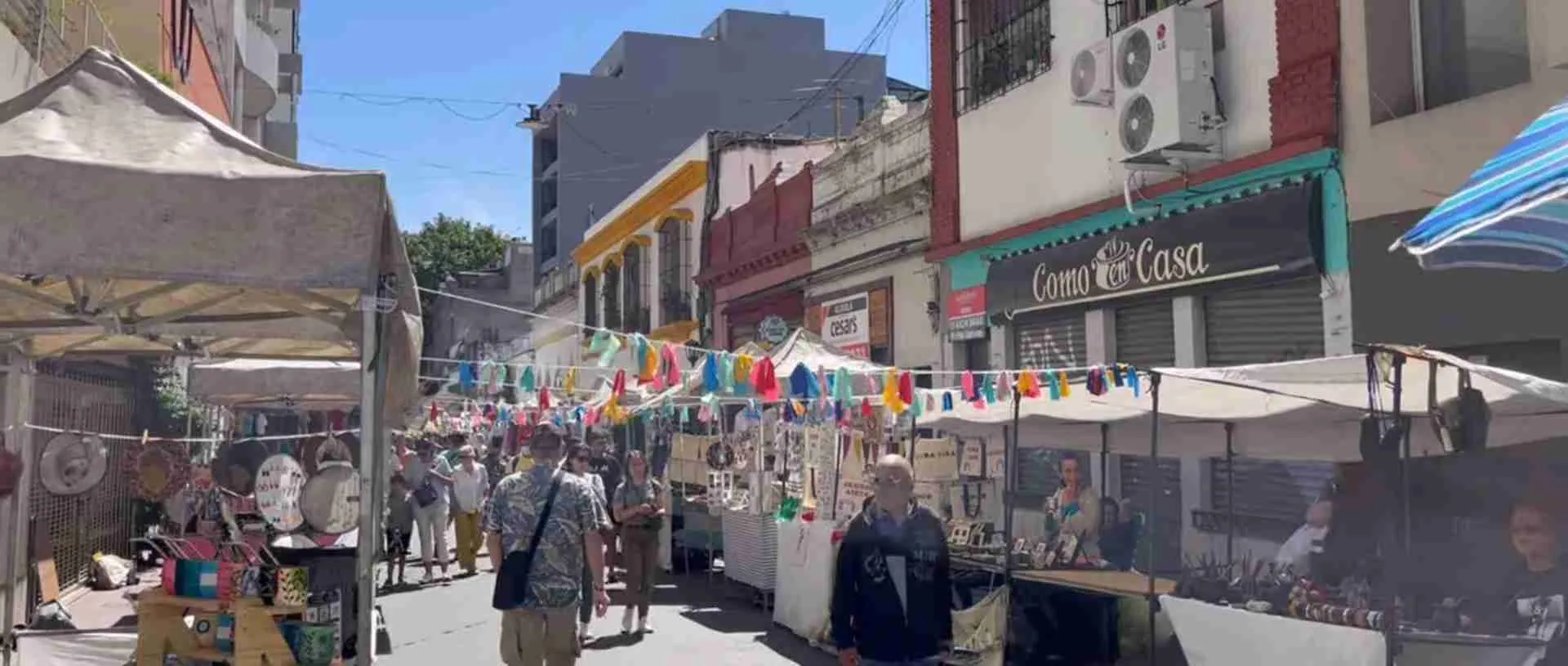
- The Sunday Feria de San Telmo operates from 10 AM to 5 PM, spanning 10 blocks along Defensa Street with over 270 vendors selling antiques, crafts, and art
- Mercado de San Telmo indoor market opens daily from 8 AM to 8 PM, housing specialty food vendors, antique dealers, and artisan producers in a restored 1897 iron structure
- Budget $30-100 for meaningful antique purchases, with vintage items ranging from $5 silverware pieces to $500+ furniture and artwork
- Arrive before 11 AM on Sundays to browse comfortably before peak crowds concentrate between noon and 3 PM
- Cash remains essential for best prices as many vendors offer 10-20% discounts for peso or dollar cash payments
- Combine Sunday market visits with Plaza Dorrego tango performances and neighborhood restaurant dining for complete San Telmo experience in 2026
Introduction to San Telmo Markets in 2026
San Telmo’s markets represent Buenos Aires’ living heritage, where nineteenth-century grandeur meets contemporary creativity in two distinct but complementary shopping experiences. For visitors in 2026, the neighborhood offers both the permanent Mercado de San Telmo indoor food hall and the legendary Sunday Feria de San Telmo outdoor antique fair, each providing unique access to Argentine culture, cuisine, and craftsmanship impossible to replicate elsewhere in the city.
The Sunday fair transforms Defensa Street into Buenos Aires’ largest open-air market, its 10-block stretch from Plaza de Mayo to Parque Lezama hosting over 270 registered vendors alongside hundreds of informal sellers, street performers, and tango dancers. Antiques dominate the official stalls, offering everything from colonial-era silver to mid-century furniture, vintage clothing to estate jewelry, military medals to religious artifacts. The surrounding streets add contemporary crafts, original artwork, and handmade goods that distinguish this market from European antique fairs.
The indoor Mercado de San Telmo provides daily access to the neighborhood’s market culture within a stunning 1897 iron-and-glass structure that itself merits architectural attention. Originally constructed as a produce market serving the surrounding residential neighborhood, today’s mercado blends gourmet food vendors with antique dealers, coffee roasters with vintage record shops, creating an all-weather destination that functions year-round regardless of the Sunday fair’s weekly rhythm.
Together, these markets anchor San Telmo’s identity as Buenos Aires’ most characterful neighborhood for visitors seeking authentic porteño experience beyond the city’s globalized tourist infrastructure. The combination of historical preservation, artisanal quality, and neighborhood atmosphere creates market experiences that reward repeated visits across different days and seasons.
People Also Ask About San Telmo Markets 2026
What time does the San Telmo Sunday market start in 2026?
The Feria de San Telmo officially opens at 10 AM on Sundays, though vendors begin setting up from 9 AM and some stalls accept early browsers before the official start. The market runs until approximately 5 PM, with vendors beginning to pack around 4:30 PM. Peak activity occurs between noon and 3 PM when crowds reach maximum density. For comfortable browsing with full vendor selection, arrive between 10:30 AM and 11:30 AM. The market operates every Sunday throughout 2026 except during severe weather, which rarely causes cancellation in Buenos Aires’ mild climate.
Is San Telmo Market open every day or just Sundays in 2026?
San Telmo offers two distinct market experiences with different schedules. The outdoor Feria de San Telmo operates exclusively on Sundays from 10 AM to 5 PM, spanning Defensa Street from Plaza de Mayo to Parque Lezama. The indoor Mercado de San Telmo opens daily from 8 AM to 8 PM, providing year-round access to food vendors, antique dealers, and artisan shops within the historic market building at Carlos Calvo and Defensa Streets. Many antique shops along Defensa Street operate Tuesday through Sunday with Monday closures, offering weekday alternatives to Sunday fair shopping.
What can I buy at San Telmo Market in 2026?
San Telmo markets offer extraordinary variety spanning several centuries of Argentine material culture. Antique categories include colonial silver, vintage jewelry, estate furniture, retro clothing, vinyl records, antique books, military artifacts, religious objects, vintage cameras, and decorative arts from art nouveau through mid-century modern periods. Contemporary offerings include handmade leather goods, original artwork, artisan jewelry, tango-themed souvenirs, mate gourds and bombillas, and locally designed clothing and accessories. The indoor market adds gourmet foods including specialty coffees, artisan cheeses, cured meats, wines, olive oils, and prepared foods from empanadas to medialunas.
How do prices at San Telmo compare to other Buenos Aires markets in 2026?
San Telmo offers Buenos Aires’ widest antique selection at prices competitive with or lower than other venues. The fair’s scale creates price competition among dealers, benefiting informed buyers. Expect vintage silverware from $5-50 per piece, antique jewelry from $15-200, vintage clothing from $10-80, vinyl records from $3-30, and larger antiques from $50-500. Contemporary crafts run $10-100 for quality items. Prices negotiate 10-30% below initial asking, particularly for cash payments and multiple-item purchases. The indoor mercado maintains somewhat higher prices than the outdoor fair for comparable items, reflecting permanent overhead costs and tourist-oriented positioning.
Extended multi-day tours – 5+ days
Featured Buenos Aires Multi-Day Tour Packages
4 days
Tailor-Made Private Argentina 4 Days Tour with 4-star Hotel, Daily Depart
- ✓ Comprehensive Buenos Aires tour
- ✓ Expert local guides included
- ✓ All accommodation arranged
- ✓ Transportation provided
4 days
Buenos Aires & Colonia del Sacramento
- ✓ Comprehensive Buenos Aires tour
- ✓ Expert local guides included
- ✓ All accommodation arranged
- ✓ Transportation provided
4 days
Tango, Wine & Colonia – Buenos Aires Escape
- ✓ Comprehensive Buenos Aires tour
- ✓ Expert local guides included
- ✓ All accommodation arranged
- ✓ Transportation provided
4 days
Buenos Aires – City & Tradition
- ✓ Comprehensive Buenos Aires tour
- ✓ Expert local guides included
- ✓ All accommodation arranged
- ✓ Transportation provided
Multi-day tour packages powered by TourRadar. Prices and availability subject to change.
Feria de San Telmo: Sunday Fair Complete Guide 2026
Market Layout and Geography 2026
The Feria de San Telmo extends along Defensa Street from its intersection with Avenida de Mayo near Plaza de Mayo southward to Parque Lezama, covering approximately 10 blocks of continuous market activity. The concentration and character of vendors changes along this route, rewarding full-length exploration rather than focus on any single section.
The northern section (Avenida de Mayo to Belgrano) features primarily contemporary crafts, artwork, and handmade goods produced by artisans who rent official fair stalls. Quality varies significantly, with some vendors offering genuinely original work while others sell mass-produced items dressed as handicrafts. This section sees heaviest tourist traffic due to proximity to the historic center and subway access.
The central section (Belgrano to Carlos Calvo) concentrates the fair’s finest antiques, with established dealers displaying curated selections of silver, jewelry, artwork, and decorative objects. Plaza Dorrego, located between Humberto Primo and Carlos Calvo, serves as the fair’s heart, surrounded by cafés, tango performances, and the highest concentration of quality antique vendors. The indoor Mercado de San Telmo opens onto this section at Carlos Calvo.
The southern section (Carlos Calvo to Parque Lezama) transitions toward more eclectic offerings including vintage clothing, records, books, and household items. Prices generally decrease moving south as tourist density diminishes. The lower blocks near Parque Lezama offer treasure-hunting opportunities among vendors selling estate contents and unprocessed collections.
Antique Categories and What to Expect 2026
Silver represents San Telmo’s signature antique category, reflecting Argentina’s colonial heritage and continued production of high-quality silver goods. Colonial-era church silver occasionally appears at premium prices, while more accessible nineteenth and twentieth-century pieces include mate sets, serving pieces, flatware, jewelry, and decorative objects. Examine hallmarks carefully since reproductions circulate among genuine antiques. Quality dealers welcome examination and provide provenance information; reluctance suggests caution.
Vintage jewelry spans estate pieces from Argentina’s prosperous Belle Époque through mid-century designs, with particular strength in art deco and retro styles. Gold prices fluctuate with international markets, but silver and costume jewelry offer consistent value. Bring a small flashlight for examining stones and settings in outdoor lighting conditions.
Furniture appears at multiple scales, from small decorative pieces suitable for luggage to major pieces requiring shipping arrangements. Quality ranges from rough vintage requiring restoration to dealer-refurbished items at premium prices. The fair’s outdoor nature means furniture sales concentrate on smaller, transportable items, though dealers can arrange larger purchases from their permanent shops.
Vintage clothing and textiles attract fashion-conscious visitors seeking unique pieces unavailable in contemporary retail. Men’s suits and jackets from mid-century periods offer particular value, while vintage dresses and accessories appeal to collectors and costume designers. Leather goods including vintage bags, belts, and jackets reflect Argentina’s leather industry heritage at prices well below European vintage markets.
Paper ephemera including vintage postcards, photographs, magazines, maps, and documents provides affordable collecting opportunities. Prices start under $5 for common items, with rare pieces reaching hundreds of dollars. The category rewards knowledge since valuable pieces sometimes hide among unsorted boxes priced for casual browsers.
Navigating the Sunday Fair Successfully 2026
Arrive early for serious shopping. The 10:30-11:30 AM window provides full vendor selection before crowds impede movement and examination. Professional dealers and serious collectors arrive during this period, with casual tourists concentrating later. Early arrival also captures morning light ideal for evaluating condition and quality.
Walk the entire fair before purchasing significant items. Multiple vendors offer similar merchandise at varying prices, and the full-length walk reveals the fair’s complete inventory. Note locations of attractive items for return visits rather than purchasing immediately. The walk takes 45-60 minutes at browsing pace, longer with detailed examination.
Carry cash in Argentine pesos and US dollars for best pricing. Many vendors offer 10-20% discounts for cash payments, with dollars sometimes preferred over pesos depending on currency market conditions. Small bills facilitate negotiation since making change from large denominations proves inconvenient for vendors. Credit card acceptance exists at established stalls but adds processing costs vendors prefer to avoid.
Negotiate respectfully but firmly. Initial asking prices anticipate bargaining, particularly for items over $20. Start at 70-80% of asking price and expect to settle at 80-90%. Multiple-item purchases create bundling opportunities that benefit both parties. Vendors engage more willingly with knowledgeable buyers who appreciate quality and understand reasonable price ranges.
Dress practically for extended outdoor walking. Comfortable shoes accommodate the uneven surfaces and multi-hour exploration. Shoulder bags or backpacks leave hands free for examination while protecting belongings from pickpockets attracted to crowded conditions. The fair’s length means weather conditions may change during visits, suggesting layered clothing during transitional seasons.
Plaza Dorrego: Heart of the Sunday Fair 2026
Plaza Dorrego serves as the Feria de San Telmo’s social and cultural center, its colonial-era square surrounded by cafés, restaurants, and the fair’s highest concentration of quality antique vendors. The plaza’s intimate scale creates gathering space where street tango performances, busking musicians, and spontaneous celebrations occur throughout the market day.
Tango performances in Plaza Dorrego range from professional demonstration couples working for tips to spontaneous dancing by visitors moved by the music. Professional dancers, recognizable by their costumes and positioning near sound systems, expect tips of $2-5 for photographs. The performances provide accessible tango introduction for visitors who cannot attend evening milongas.
The cafés surrounding Plaza Dorrego charge premium prices for their atmosphere and location, with coffee and pastry running $8-15 compared to $4-8 at venues one block removed. The people-watching value may justify the premium for visitors seeking rest during extended market exploration. Tables fill quickly after noon, making early arrival advantageous for those prioritizing seated observation.
Antique vendors surrounding Plaza Dorrego include the fair’s most established dealers, their stalls presenting curated selections rather than unsorted accumulations. Prices reflect this curation, running higher than equivalent items elsewhere in the fair. The quality differential often justifies the premium for buyers seeking guaranteed authenticity and better condition pieces.
Mercado de San Telmo: Daily Indoor Market 2026
Market Building History and Architecture
The Mercado de San Telmo occupies a magnificent iron-and-glass structure completed in 1897 by Italian architect Juan Antonio Buschiazzo. The building represents Buenos Aires’ finest surviving example of market hall architecture, its soaring iron trusses and glazed roof creating cathedral-like interior space that maintains comfortable conditions regardless of external weather. The structure spans an entire city block bounded by Carlos Calvo, Estados Unidos, Defensa, and Bolívar Streets.
The building’s iron framework, imported from Britain during Argentina’s railroad-building era, employs engineering principles developed for train stations and exhibition halls. The central nave rises two stories with surrounding single-story wings housing permanent stalls. Natural light floods the interior through clerestory windows and the glazed roof sections, supplemented by modern lighting that maintains visibility without compromising the historical atmosphere.
Restoration efforts beginning in the 1990s preserved the building’s structural integrity while adapting to contemporary market demands. The original character remains evident in iron columns, decorative metalwork, and spatial organization, while modern additions including improved sanitation, electrical systems, and vendor facilities enable current commercial operation. The building received municipal heritage protection that ensures continued preservation.
Food Vendors and Culinary Highlights 2026
The Mercado de San Telmo houses Buenos Aires’ finest concentration of specialty food vendors, creating a gourmet destination that rivals famous markets in Barcelona, Mexico City, or Melbourne. The vendors represent a mix of long-established family businesses and contemporary artisan producers, their combined offerings spanning Argentine culinary traditions and international influences.
Coffee culture centers on several specialty roasters who transformed the market into Buenos Aires’ premier coffee destination. Coffee Lab, LAB Tostadores, and related vendors offer single-origin beans, expert preparation, and education about Argentine coffee production. Prices run $3-6 for expertly prepared drinks, with beans available for home brewing at $15-30 per kilogram.
Cheese vendors including La Quesería and similar specialists stock Argentine artisan cheeses alongside imported European varieties unavailable in typical supermarkets. Provoleta, the grillable provolone essential to Argentine asado, comes in numerous variations. Aged cheeses from Patagonian producers and small-batch artisans provide discoveries for serious cheese enthusiasts. Prices run $10-30 per kilogram depending on type and origin.
Cured meat specialists offer Spanish-style jamón, Italian-influenced salumi, and Argentine interpretations of preserved meat traditions. The chacinería vendors display hanging hams and arranged cold cuts that rival European delicatessen quality. Empanada vendors prepare traditional and innovative fillings, providing perfect market snacking at $2-4 per piece.
Prepared food options range from quick empanadas and sandwiches to sit-down meals at market restaurants. The combination of market shopping and immediate consumption creates lunch destination appeal that draws weekday crowds unrelated to Sunday tourism. Peak lunch hours (12:30-2 PM) create seating competition at popular venues.
Antiques and Specialty Shops in the Mercado 2026
Antique dealers occupy significant mercado space, their permanent stalls offering daily access to vintage goods unavailable except Sundays at the outdoor fair. The indoor setting enables climate-controlled display of delicate items including paper ephemera, textiles, and temperature-sensitive materials that outdoor vendors cannot risk exposing.
Vintage record shops specialize in Argentine tango, rock nacional, and folk music alongside international releases. The mercado houses several competing dealers whose combined inventory covers Argentine recording history comprehensively. Prices range from $3 for common pressings to $50+ for rare original releases. Listening stations allow audition before purchase.
Vintage camera dealers attract photography enthusiasts with selections of film cameras, lenses, and accessories. Argentine camera import patterns mean Japanese brands dominate, with occasional European items commanding premium prices. Functionality varies, so examine carefully and understand return policies before significant purchases.
Book dealers offer Spanish-language literature, Argentine history, art books, and occasional English-language titles. Rare book specialists handle significant Argentine first editions and historical documents. General dealers stock affordable reading copies alongside collectible items. The paper and binding quality of pre-1970 Argentine books often exceeds contemporary production.
Daily Operations and Practical Information 2026
Mercado de San Telmo opens daily from 8 AM to 8 PM, with individual vendor hours varying within this framework. Food vendors concentrate morning through afternoon operations, with some closing by 6 PM. Antique and specialty dealers maintain more flexible schedules, sometimes closing earlier or opening later depending on customer patterns.
Weekday mornings see lightest visitor density, providing comfortable shopping and vendor conversation opportunities unavailable during crowded periods. Saturday afternoons bring increased traffic as weekend visitors combine market exploration with neighborhood wandering. Sunday mornings see overwhelming crowds as outdoor fair visitors spill into the indoor space.
Multiple entrances access the mercado from surrounding streets, with the Defensa Street entrance providing most direct access to the antique concentration. The Carlos Calvo entrance leads to food vendors. Internal navigation becomes intuitive after initial orientation, though the market’s scale means first visits benefit from systematic exploration of all wings.
Restroom facilities exist within the mercado, accessible for small fees or with food purchases from adjacent vendors. The facilities maintain reasonable cleanliness given high visitor traffic. ATM machines near entrances provide cash access, though using bank-interior machines elsewhere offers better security.
Budget Planning for San Telmo Markets 2026
Budget Shopping Experience 2026
Budget-conscious visitors enjoy extensive San Telmo market experiences without significant expenditure. Window shopping, atmosphere absorption, and street performance viewing require no spending. Careful purchasing focuses on affordable categories offering genuine value.
Sample budget purchases: Vintage postcards or photographs $2-5, empanada snacks $3-6, basic mate gourd and bombilla set $10-20, vintage record $5-15, small antique silverware piece $10-25, artisan leather bracelet $5-15. Total budget shopping day: $35-60 including transportation and lunch.
Budget dining options within and near the markets include empanada vendors ($2-4 each), pizza by the slice ($3-5), choripán sandwiches from street vendors ($4-6), and simple pasta or sandwich plates at market cafés ($8-12). Coffee at specialty roasters costs $3-6, significantly below neighborhood café prices for superior quality.
Mid-Range Shopping Experience 2026
Mid-range budgets allow meaningful antique acquisition and quality dining alongside comprehensive market exploration. This level captures the San Telmo market experience fully without requiring significant investment in major antiques.
Sample mid-range purchases: Quality vintage jewelry piece $40-80, antique silver mate set $60-120, vintage leather bag $50-100, collection of vinyl records $30-60, original artwork from fair artist $40-100, quality mate gourd with silver trim $30-50. Combined with sit-down market restaurant lunch ($20-35) and specialty coffee ($5-8), total mid-range day: $150-300.
Mid-range dining options include market seafood restaurants, upscale empanada establishments, and wine bars offering Argentine vintages by the glass. The surrounding neighborhood adds traditional parrilla restaurants and contemporary bistros at moderate prices. Reservations become advisable for popular venues during Sunday market hours.
Premium Shopping Experience 2026
Premium budgets access significant antiques, established dealer inventory, and collecting-quality pieces unavailable to casual shoppers. This level involves deliberate acquisition rather than impulse purchasing, often requiring multiple fair visits to locate specific items.
Sample premium purchases: Important antique silver pieces $200-1,000, estate jewelry with precious stones $300-2,000, quality antique furniture requiring shipping $400-3,000, rare vinyl records or collectible editions $100-500, original artwork from recognized artists $200-5,000. Premium dining at San Telmo’s finest restaurants adds $80-150 per person.
Premium shoppers benefit from establishing relationships with specific dealers who can source requested items between visits. Many established dealers maintain permanent shops in addition to fair stalls, enabling weekday consultations and access to inventory too valuable for outdoor display. Shipping and export assistance becomes relevant for purchases exceeding luggage capacity.
Combining San Telmo Markets with Neighborhood Exploration 2026
Sunday Full-Day San Telmo Itinerary 2026
A complete Sunday San Telmo experience occupies 5-8 hours depending on shopping intensity and dining choices. The following itinerary captures essential elements while maintaining comfortable pacing.
Morning (10 AM-12:30 PM): Arrive at the fair’s northern end near Avenida de Mayo via subway or taxi. Walk the full fair length southward to Parque Lezama, noting items of interest for later purchase. Browse the southern sections’ treasure-hunting opportunities before returning northward as crowds build. Enter Mercado de San Telmo at Carlos Calvo for indoor exploration and coffee break.
Midday (12:30-2:30 PM): Lunch at a market restaurant or nearby San Telmo venue. Return to Plaza Dorrego for tango performance observation and quality antique browsing. Make considered purchases at noted locations from morning exploration.
Afternoon (2:30-5 PM): Explore San Telmo’s antique shops along Defensa Street and surrounding blocks. Many shops offer inventory unavailable at the fair, including furniture and larger items. Return to the fair for final browsing as vendors begin discounting ahead of pack-up. Conclude at a neighborhood café or wine bar before evening plans.
Evening options include dinner at San Telmo restaurants followed by milonga attendance at neighborhood tango venues. Sunday evening milongas attract both serious dancers and tourist-friendly demonstrations. Reservations essential for popular restaurants during market days.
Weekday San Telmo Market Visit 2026
Weekday visits focus on the indoor Mercado de San Telmo and neighborhood antique shops, offering calmer alternatives to Sunday’s crowds. The weekday experience suits visitors prioritizing specific shopping goals over market atmosphere.
Mercado de San Telmo operates normally on weekdays with lighter crowds enabling thorough vendor exploration and extended conversations. Food vendor quality matches weekend operations, often with better seating availability. Antique dealers welcome weekday browsers and may offer more flexible pricing without weekend competition pressure.
Defensa Street antique shops open Tuesday through Sunday, with Monday closures common throughout the neighborhood. Individual shop hours vary, typically running 11 AM to 7 PM with midday closures at some establishments. The concentrated antique shop zone between Independencia and San Juan Avenues provides extensive browsing without fair crowds.
Weekday visitors miss the fair’s unique atmosphere but gain access to dealer inventory too valuable for outdoor display, unrushed examination opportunities, and the neighborhood’s authentic character unobscured by tourist masses. Serious collectors often prefer weekday visits for significant purchases.
San Telmo and La Boca Combined Itinerary 2026
San Telmo and La Boca form natural pairing for southern Buenos Aires exploration, with the neighborhoods separated by approximately 2 kilometers. The optimal combination visits La Boca first (morning) before proceeding to San Telmo for afternoon and evening activities.
Start at La Boca by 10 AM for Caminito exploration before tourist crowds peak. Complete La Boca activities by 1 PM and taxi to San Telmo ($4-6, 10 minutes). Arrive as the Sunday fair reaches peak activity, allowing afternoon browsing, Plaza Dorrego observation, and early evening dining before optional milonga attendance.
The reverse sequence works less well since Sunday fair peak hours (12-3 PM) conflict with La Boca’s optimal morning timing. Starting at San Telmo means either missing La Boca or arriving during hot, crowded afternoon conditions. The La Boca-first sequence respects both neighborhoods’ rhythms.
Non-Sunday combinations allow flexible sequencing since both neighborhoods operate without time-specific events. The walking route through intermediate neighborhoods presents safety considerations making taxi transport advisable for unfamiliar visitors.
Seasonal Considerations for San Telmo Markets 2026
Summer Market Visiting (December-February 2026)
Buenos Aires summer brings intense heat that affects outdoor fair comfort and vendor operations. Temperatures frequently exceed 30°C with humidity that makes midday outdoor activity challenging. The fair’s lack of shade along most of Defensa Street intensifies heat exposure during peak hours.
Summer market strategy emphasizes early arrival and indoor breaks. Begin at fair opening (10 AM) when temperatures remain manageable and complete outdoor exploration by noon. Retreat to air-conditioned Mercado de San Telmo during midday heat, returning to the fair around 3 PM as temperatures moderate. Stay hydrated and wear sun protection throughout.
Summer evenings offer extended daylight suitable for neighborhood exploration after fair closure. Restaurants and cafés with outdoor seating become pleasant as temperatures drop toward evening. The neighborhood’s nightlife reaches peak activity during summer months.
Autumn and Spring Market Visiting (March-May, September-November 2026)
Shoulder seasons provide optimal San Telmo market conditions with comfortable temperatures (15-22°C), manageable tourist density, and pleasant outdoor browsing throughout market hours. These periods balance weather comfort against accommodation costs lower than peak summer season.
Autumn (March-May) sees post-summer temperature cooling while maintaining longer daylight hours. The fair operates comfortably throughout the day without heat-related interruptions. Rain occasionally affects outdoor operations, though Buenos Aires’ generally dry climate makes cancellations rare.
Spring (September-November) brings warming temperatures and blooming gardens throughout the San Telmo neighborhood. International tourist numbers begin increasing toward summer peaks. The comfortable conditions and reasonable crowds create optimal market visiting experiences.
Winter Market Visiting (June-August 2026)
Buenos Aires winter rarely sees temperatures below 8-10°C, creating cool but manageable outdoor conditions. Winter fair visiting requires layered clothing but presents no serious weather challenges. The lower sun angle creates warm lighting that enhances antique examination and photography.
Winter sees lowest annual tourist density, creating calmer fair conditions and better vendor accessibility. Serious collectors often prefer winter visits when competing buyers diminish and negotiation opportunities improve. The reduced crowds allow thorough examination of items that summer tourists would crowd.
Indoor Mercado de San Telmo provides warm refuge during cool or rainy winter conditions. The market’s covered space maintains comfortable temperatures regardless of external weather, making winter visits entirely feasible with appropriate fair-weather strategies.
Practical Tips for San Telmo Markets 2026
Money and Payment Strategies 2026
Cash transactions dominate San Telmo market commerce, with both Argentine pesos and US dollars widely accepted. Carry small bills in both currencies since vendors often cannot change large denominations. The peso’s fluctuating exchange rate means dollar prices sometimes prove more advantageous, particularly during currency instability periods.
Cash payments enable negotiation unavailable with card transactions. Vendors offering credit card acceptance typically maintain firm prices to cover processing fees, while cash buyers access 10-20% discounts through negotiation. For significant purchases, the cash discount justifies ATM fees and currency exchange costs.
ATMs exist throughout San Telmo, though machines frequently exhaust cash reserves on Sunday market days. Withdraw needed funds before arriving or from less-trafficked bank branches along Avenida 9 de Julio or in adjacent neighborhoods. Credit cards work at established mercado vendors and surrounding restaurants but fail at most fair stalls.
Currency exchange services operate near the fair, though rates often prove unfavorable compared to established exchange offices in Centro or Microcentro neighborhoods. Change dollars before market visits for best rates. “Blue dollar” informal exchange rates fluctuate and carry legal complications best avoided by tourists.
Security and Belongings Protection 2026
San Telmo’s dense Sunday crowds create pickpocket opportunities requiring standard urban precautions. Keep wallets in front pockets or secure bag compartments. Avoid displaying large cash amounts while browsing. Wear cross-body bags positioned in front rather than at sides or backs.
Phone theft represents the most common tourist crime, with distraction techniques enabling quick grabs of visibly held devices. Use phones briefly for photography rather than extended browsing. Avoid checking phones while walking through crowded areas. Keep devices secured between active use periods.
The fair itself maintains safe conditions despite crowds, with uniformed and plainclothes police maintaining presence throughout. Problems concentrate at fair edges and in surrounding streets after market hours. Remain within the fair’s defined area during visits and depart via taxi from established pickup points rather than walking through unfamiliar surrounding neighborhoods.
Valuable purchases benefit from immediate transportation to accommodation rather than continued carrying through crowds. Consider returning purchases to hotel before extended afternoon browsing, particularly for items valuable enough to attract unwanted attention.
Photography Tips for San Telmo Markets 2026
San Telmo markets offer extraordinary photographic opportunities, from architectural details to vendor portraits to the fair’s colorful chaos. Early morning light (10-11 AM) provides soft illumination ideal for both indoor mercado shooting and outdoor fair captures.
Ask permission before photographing vendors and their merchandise, particularly for close-up or portrait-style images. Most vendors welcome photography that might attract customers, but some prefer privacy or consider photography without purchase exploitative. A small purchase creates goodwill for subsequent photography requests.
The indoor mercado’s iron architecture creates dramatic framing opportunities with shafts of natural light penetrating through clerestory windows. Wide-angle lenses capture the soaring interior space, while telephoto compression isolates details among the dense vendor array. Tripods attract attention and impede movement in crowded conditions.
Street tango performers expect tips for posed photographs ($2-5 suggested) but tolerate candid captures during public performances. Position yourself strategically before performances begin since good sightlines disappear quickly as crowds gather. The performances’ predictable positioning allows pre-planned composition rather than reactive shooting.
FAQ: San Telmo Markets Buenos Aires 2026
What is the difference between Feria de San Telmo and Mercado de San Telmo?
Feria de San Telmo is the outdoor Sunday antique fair operating along Defensa Street from 10 AM to 5 PM weekly. Mercado de San Telmo is the indoor market hall operating daily from 8 AM to 8 PM. Both offer antiques and specialty items, but the fair emphasizes antiques while the mercado adds food vendors and prepared food options.
Is bargaining expected at San Telmo markets?
Bargaining is standard at the outdoor fair, with initial prices typically 10-30% above final negotiated amounts. The indoor mercado sees less bargaining, particularly for food items with marked prices. Cash payments facilitate negotiation at both locations. Respectful but firm bargaining is appreciated; aggressive tactics are counterproductive.
What are the best antiques to buy at San Telmo?
San Telmo excels in Argentine silver, vintage jewelry, vinyl records, antique books, and mid-century decorative arts. Quality and value vary widely, rewarding patient searching and comparison shopping. Vintage leather goods, mate accessories, and estate furniture offer categories less available at European markets. Avoid “antiques” that appear mass-produced or lack appropriate aging characteristics.
How crowded does the Sunday fair get in 2026?
Peak hours (12-3 PM) bring dense crowds that impede movement and examination throughout the fair’s central sections. Early morning (10-11:30 AM) and late afternoon (after 4 PM) see manageable density. Plaza Dorrego remains crowded throughout market hours. The fair’s northern sections near Plaza de Mayo concentrate tourists while southern sections near Parque Lezama stay calmer.
Can I ship antique purchases home from San Telmo?
Established dealers offer shipping services for significant purchases, typically through international freight companies familiar with Argentine customs requirements. Shipping costs and complexity make this practical only for valuable items. Small antiques pack easily in luggage; verify airline weight limits before accumulating purchases. Export restrictions apply to certain categories including pre-Columbian artifacts and national heritage items.
Is the San Telmo neighborhood safe?
San Telmo maintains good safety during market hours and in established tourist areas. Standard urban precautions apply regarding belongings and awareness. Surrounding streets become less tourist-friendly after dark and at fair edges. Use taxis for evening departures rather than walking to distant subway stations. The neighborhood’s popularity keeps core areas well-patrolled and reasonably secure.
What food should I try at Mercado de San Telmo?
Priority food experiences include specialty coffee from the market’s renowned roasters, artisan empanadas in traditional and creative flavors, Argentine cheeses from dedicated vendors, and fresh pasta from Italian-tradition producers. The market’s prepared food options include excellent sandwiches, seafood, and regional specialties. Multiple meals across several visits allow comprehensive sampling.
Should I bring dollars or pesos to San Telmo markets?
Bring both currencies in small denominations. Pesos work universally while dollars may receive favorable treatment during currency instability periods. Many vendors prefer dollars, particularly for larger purchases. Cash in either currency enables negotiation unavailable with card payments. Exchange dollars before visiting for best rates.
How do I get to San Telmo markets?
Subway Line C to San Juan or Line E to Independencia stations provide closest access, 3-4 blocks from the fair. Lines A, B, D, and H connect via transfers. Taxis and rideshare services from central Buenos Aires cost $4-8. Sunday bus service operates normally along Avenida 9 de Julio and cross streets. Walking from Puerto Madero takes 15-20 minutes through safe areas.
What time should I arrive at the Sunday fair?
Arrive 10:30-11:30 AM for optimal conditions balancing full vendor setup against building crowds. Serious antique shoppers arrive at 10 AM opening to access fresh inventory before competing buyers. Casual visitors arriving after noon encounter peak crowds but full market atmosphere. Late afternoon (after 4 PM) sees vendor discounting but reduced selection as dealers pack unsold items.