Buenos Aires Food Tour 2026: Best Markets & Local Cuisine
Key Takeaways
- Buenos Aires food tours in 2026 range from $65-150 per person for guided experiences covering markets, parrillas, and neighborhood specialties
- Self-guided culinary exploration costs $40-80 daily, sampling empanadas, asado, pizza, and local specialties across multiple neighborhoods
- Mercado de San Telmo stands as the essential culinary destination, combining historic architecture with artisan vendors, specialty foods, and prepared meals
- Parrilla culture defines Buenos Aires dining, with steakhouses ranging from budget-friendly corner joints ($15-25) to celebrated institutions ($50-80 per person)
- Italian heritage shapes everyday Buenos Aires cuisine through distinctive pizza, pasta, and gelato traditions distinct from their European origins
Introduction to Buenos Aires Food Culture 2026
Buenos Aires claims one of South America’s most distinctive food cultures, shaped by waves of European immigration colliding with gaucho beef traditions and indigenous Andean influences. The city’s culinary identity emerged from late 19th and early 20th century immigration when millions of Italians and Spaniards arrived in Argentina, bringing cooking traditions that evolved into something uniquely Porteño. For visitors in 2026, Buenos Aires offers extraordinary culinary exploration at prices significantly below equivalent experiences in North American or European cities.
Understanding Buenos Aires food requires appreciating three fundamental pillars: beef, Italian heritage, and café culture. The Argentine asado tradition transforms beef into near-religious experience, with parrillas (steakhouses) occupying every neighborhood and weekend family gatherings centering on outdoor grilling. Italian immigration contributed pizza, pasta, and gelato traditions that developed distinctive local character over generations. The confitería (café) culture pervading daily life provides spaces where coffee, pastries, and conversation blend throughout morning and afternoon hours.
The 2026 dining landscape brings exceptional value to international visitors. Argentina’s favorable exchange rates mean the same quality meal costing $60-80 in New York runs $25-40 in Buenos Aires. This economic reality transforms Buenos Aires into a destination where budget travelers eat like kings and mid-range budgets access genuinely exceptional culinary experiences. Even celebrated restaurants commanding significant local reputations remain accessible to moderate budgets.
Food tours have proliferated across Buenos Aires, responding to international interest in the city’s culinary heritage. Guided experiences range from focused market walks to comprehensive day-long progressions through multiple neighborhoods and specialties. Self-directed exploration works equally well—Buenos Aires welcomes culinary adventurers with approachable neighborhoods, English-speaking staff at many establishments, and food traditions that reward curiosity without requiring advance expertise.
People Also Ask About Buenos Aires Food Tours 2026
How much does a food tour cost in Buenos Aires in 2026?
Buenos Aires food tours cost $65-150 per person in 2026 depending on duration, inclusions, and group size. Walking tours focusing on single neighborhoods (San Telmo, Palermo) run $65-90 for 3-4 hour experiences including multiple tastings. Comprehensive tours spanning half or full days cost $100-150, incorporating markets, parrillas, and specialty stops. Private tours for couples or small groups command premium pricing of $150-250 but provide customized itineraries and personal attention. All major operators accept credit cards; check individual tour websites for current pricing as rates vary seasonally.
What food is Buenos Aires known for in 2026?
Buenos Aires claims fame for several distinctive foods in 2026. Asado (barbecued beef) represents the city’s defining culinary tradition, with cuts including bife de chorizo (sirloin), ojo de bife (ribeye), and entraña (skirt steak) grilled over wood or charcoal. Empanadas (stuffed pastries) appear in variations from traditional beef to creative modern fillings. Buenos Aires pizza features thick, chewy crusts loaded with cheese, distinctly different from Italian or American styles. Dulce de leche (caramelized milk spread) permeates desserts, pastries, and alfajores (sandwich cookies). Italian pasta traditions continue through fresh preparations at neighborhood trattorias.
What is the best food market in Buenos Aires in 2026?
Mercado de San Telmo ranks as Buenos Aires’ best food market in 2026, combining historic 1897 iron-and-glass architecture with artisan vendors, specialty foods, and prepared meals. The market spans an entire city block, housing over 200 vendors selling everything from vintage treasures to grass-fed beef to artisan cheeses. Other essential markets include Mercado de Belgrano for upscale gourmet products and Feria de Mataderos for traditional gaucho culture and regional foods. Each market serves different purposes—San Telmo for daily culinary exploration, others for specific experiences.
Is Buenos Aires good for vegetarians in 2026?
Buenos Aires has expanded vegetarian options significantly for 2026 visitors, though meat dominance remains undeniable. Palermo concentrates vegetarian-friendly restaurants including fully plant-based establishments and innovative kitchens accommodating dietary restrictions. Traditional restaurants offer fewer options—empanadas de humita (corn), pastas with vegetable sauces, and salads provide standard fallbacks. Markets sell fresh produce, cheeses, and prepared vegetarian items. Communicating “soy vegetariano/a” (I’m vegetarian) helps servers identify appropriate dishes. Vegans find Buenos Aires more challenging; Palermo’s specialized restaurants provide the most reliable options.
Extended multi-day tours – 5+ days
Featured Buenos Aires Multi-Day Tour Packages

3 days
Buenos Aires 3-Day Discovery Tour
- ✓ Comprehensive Buenos Aires experience
- ✓ Expert local guides included
- ✓ All accommodation included
- ✓ Transportation provided
5 days
Buenos Aires 5-Day Highlights Experience
- ✓ Comprehensive Buenos Aires experience
- ✓ Expert local guides included
- ✓ All accommodation included
- ✓ Transportation provided

7 days
Buenos Aires 7-Day Cultural Journey
- ✓ Comprehensive Buenos Aires experience
- ✓ Expert local guides included
- ✓ All accommodation included
- ✓ Transportation provided
10 days
Buenos Aires 10-Day Complete Adventure
- ✓ Comprehensive Buenos Aires experience
- ✓ Expert local guides included
- ✓ All accommodation included
- ✓ Transportation provided
Multi-day tour packages powered by TourRadar. Prices and availability subject to change.
Essential Buenos Aires Markets for 2026 Visitors
Mercado de San Telmo: Historic Culinary Heart 2026
Mercado de San Telmo occupies an 1897 iron-framed building spanning an entire block in the heart of Buenos Aires’ oldest residential neighborhood. The market’s soaring ceilings, ornate ironwork, and natural light filtering through glass panels create atmospheric shopping environment unlike any modern food hall. Over 200 vendors sell fresh produce, specialty meats, artisan cheeses, wines, prepared foods, and vintage collectibles—the eclectic mix reflecting the neighborhood’s bohemian character.
Food vendor highlights include Coffee Town for specialty coffee roasted on-site ($3-5 per cup), La Parolaccia del Mercado for fresh pasta and prepared Italian dishes ($8-15), and numerous empanada vendors offering traditional and creative variations ($1-3 each). The market’s wine merchants sell Argentine wines by the glass ($4-8) alongside bottles for purchase. Cheese vendors slice samples encouraging exploration of regional varieties impossible to find outside Argentina.
The market operates Monday through Saturday 10 AM-8 PM, with Sunday hours extending to accommodate the famous San Telmo antique market flooding surrounding streets. Weekday mornings provide quietest shopping; Saturday afternoons bring families and concentrated energy. Budget approximately $20-40 for substantial grazing through multiple vendors, or $10-20 for focused purchases.
Surrounding San Telmo streets multiply culinary options beyond the market itself. Plaza Dorrego hosts outdoor cafés where empanadas and coffee fuel people-watching. Defensa street’s antique shops intersperse with specialty food stores and ice cream parlors. The neighborhood rewards unhurried exploration with discoveries around every corner.
Mercado de Belgrano: Gourmet Sophistication 2026
Mercado de Belgrano serves Buenos Aires’ most sophisticated food shopping in a renovated space contrasting San Telmo’s traditional atmosphere. The market caters to the affluent Belgrano neighborhood with premium products, imported specialties, and gourmet prepared foods. International visitors find familiar products alongside distinctive Argentine offerings unavailable elsewhere.
The market’s wine selection spans Argentina’s finest regions with knowledgeable staff guiding selections. Charcuterie vendors slice imported and domestic cured meats to order. Cheese counters stock both Argentine varieties and imported European selections. The prepared food hall offers quality ready-to-eat options from sushi to empanadas to international cuisines.
Operating daily 9 AM-9 PM, Mercado de Belgrano suits self-catering visitors stocking apartment kitchens with quality ingredients. Prices exceed supermarket levels but deliver corresponding quality. The surrounding Belgrano neighborhood—particularly the Chinatown area—provides additional dining options extending market visits into broader culinary exploration.
Feria de Mataderos: Gaucho Tradition 2026
Feria de Mataderos transports visitors to Argentina’s rural traditions through an open-air market operating Sundays in the Mataderos neighborhood. Originally the city’s livestock market, the area now hosts weekly celebrations of gaucho culture featuring folk music, traditional crafts, horseback demonstrations, and regional foods rarely found in central Buenos Aires.
Food stalls offer northern Argentine specialties including locro (corn and meat stew), humitas (corn tamales), and empanadas from provincial traditions distinct from Buenos Aires variations. Grilled meats from outdoor parrillas cost significantly less than restaurant equivalents—complete asado portions for $10-20. The authentic atmosphere attracts predominantly local families rather than tourists, creating genuine cultural immersion.
The feria operates Sundays 11 AM-8 PM (reduced winter hours). The Mataderos location requires 30-40 minutes from central Buenos Aires by taxi or colectivo bus. Consider combining with morning activities in the city center, arriving mid-afternoon for food exploration and evening folk performances. Entry is free; budget $15-30 for food and optional crafts.
Feria de San Telmo: Sunday Spectacle 2026
The Sunday Feria de San Telmo transforms Defensa street into Buenos Aires’ most celebrated weekly market, stretching over 10 blocks with antique vendors, artisans, street performers, and food stalls. While primarily an antiques and crafts market, the culinary opportunities woven throughout reward hungry explorers.
Food vendors along the route sell choripán (chorizo sandwiches, $3-5), empanadas ($1-3), traditional sweets, and beverages. Restaurants lining Defensa open their doors to the street, their tables filling with market-goers throughout the day. The atmosphere—tango performers, jugglers, musicians, packed crowds—creates sensory overload that somehow remains festive rather than overwhelming.
The market operates Sundays 10 AM-5 PM, with peak activity between noon and 3 PM. Arrive early for less crowded browsing; stay through afternoon for peak entertainment. Budget $20-40 for food throughout the day, plus whatever antiques and crafts tempt impulse purchases. The surrounding San Telmo restaurants provide sit-down alternatives when standing crowds become exhausting.
Buenos Aires Parrilla Culture in 2026
Understanding Argentine Asado Tradition 2026
Asado transcends mere cooking method in Argentine culture—it represents social ritual, family tradition, and national identity. The asador (grill master) controls fire temperature through wood or charcoal arrangement, cooking meats slowly over indirect heat for hours. This patient approach produces beef with caramelized exterior and impossibly tender interior impossible to replicate through faster methods.
Traditional asado progression begins with achuras (offal) including chorizo, morcilla (blood sausage), and sweetbreads, continuing through various beef cuts concluding with tender short ribs. The full experience spans 2-3 hours, with courses arriving as they finish cooking rather than all at once. Accompaniments remain simple—chimichurri sauce, bread, and salads—allowing beef to dominate.
Restaurant parrillas distill this tradition into efficient dining experiences without sacrificing essential character. The best parrillas cook over hardwood (quebracho or espinillo) rather than charcoal, producing distinctive flavor impossible with alternative fuels. Open grills visible from dining rooms let guests observe the asador’s art while awaiting their portions.
Essential Beef Cuts to Know 2026
Understanding Argentine beef cuts helps visitors navigate parrilla menus confidently. Bife de chorizo (sirloin strip) provides the most balanced introduction—well-marbled, flavorful, tender without excess fat. Order “jugoso” (juicy/medium-rare) or “a punto” (medium) for optimal enjoyment; well-done cooking wastes quality beef.
Ojo de bife (ribeye) delivers richest flavor through abundant marbling, appealing to those who prioritize fat content and beefy taste. Entraña (skirt steak) offers intense flavor with distinctive texture, best served sliced across the grain. Vacío (flank) requires slower cooking but rewards patience with complex flavors—request it if appearing on daily specials.
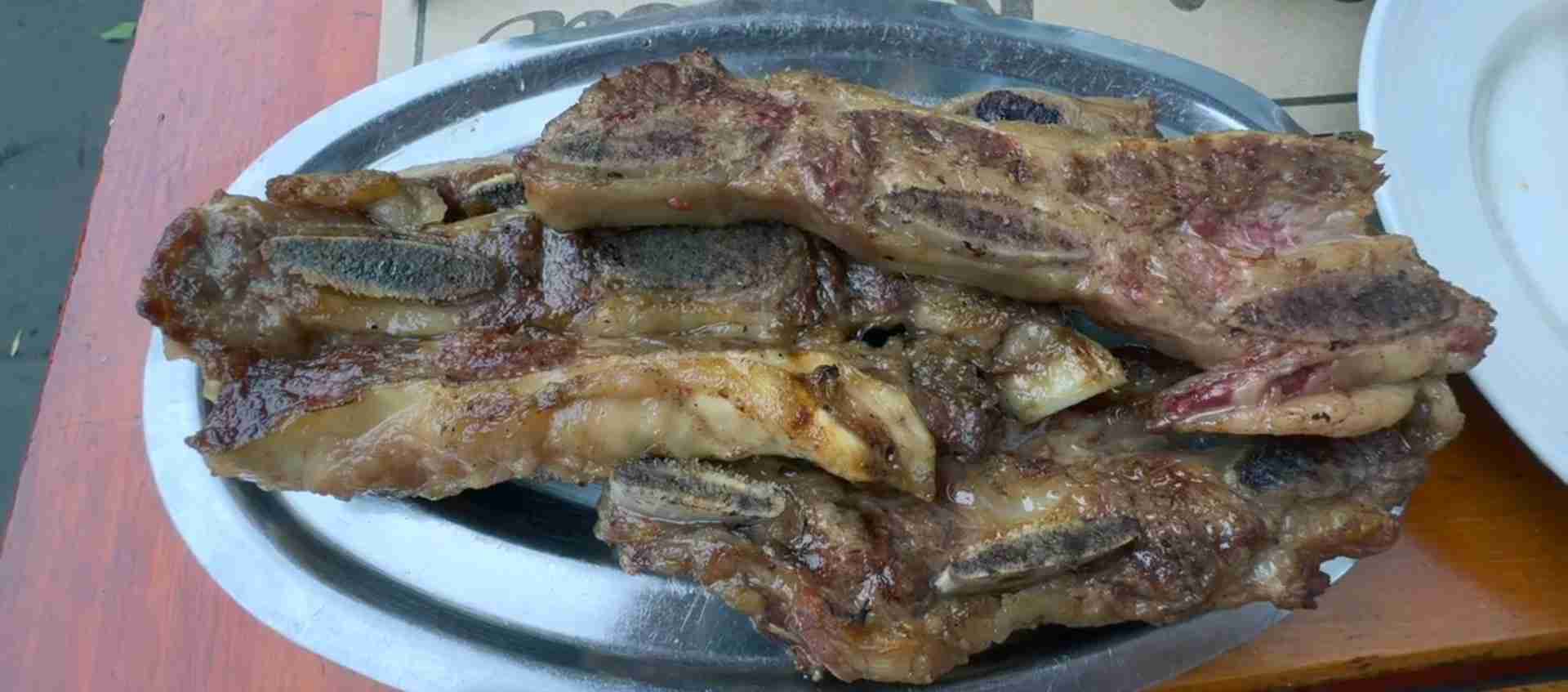
Asado de tira (short ribs) represents Argentine barbecue tradition most authentically, cut across the bone unlike American-style ribs. The meat-to-bone ratio provides satisfying eating experience, with bone-adjacent meat particularly flavorful. Mollejas (sweetbreads) and other achuras offer adventurous eating for those interested in complete asado experience.
Best Parrillas in Buenos Aires 2026
Don Julio (Palermo) — Widely considered Buenos Aires’ finest parrilla, Don Julio sources beef from its own cattle raised on exclusive grass-fed diet. The quality difference from standard Argentine beef—itself superior to most global alternatives—justifies the premium pricing. Expect $50-80 per person with wine. Reservations essential; walk-ins face 60-90 minute waits even on weeknights. The Palermo location provides excellent neighborhood exploration before or after dining.
La Cabrera (Palermo) — Famous for generous portions and complimentary side dishes filling the table upon seating, La Cabrera draws crowds through both quality and value. The accompanying pickled vegetables, creamed corn, and other sides create feast atmosphere before beef arrives. Budget $40-60 per person. Long waits without reservations; the adjacent La Cabrera Norte provides overflow seating with identical kitchen.
La Brigada (San Telmo) — Football memorabilia covering every surface creates unmistakable atmosphere at this San Telmo institution. The signature trick—cutting steaks with spoon edges demonstrating tenderness—entertains while the beef itself justifies celebration. Traditional service and neighborhood character appeal to those seeking authentic experience over trendy renovation. Budget $35-55 per person.
El Pobre Luis (Belgrano) — Neighborhood favorite serving outstanding beef at prices below Palermo competitors. The setting lacks glamour—simple tables, fluorescent lighting—but the focus remains properly on the meat. Regular customers dominate the crowd, suggesting local confidence in quality. Budget $30-45 per person.
Parilla Peña (Recoleta) — Convenient Recoleta location and reasonable prices make Parilla Peña accessible introduction to parrilla culture. The quality reaches good-not-great levels, satisfying newcomers without necessarily converting confirmed carnivores. Budget $25-40 per person. Walk-ins usually accommodated.
Budget Parrilla Options 2026
Corner parrillas throughout Buenos Aires serve quality beef at neighborhood prices, often 40-60% below tourist-area restaurants. These establishments lack English menus and polished service but deliver authentic experience alongside excellent value. Pointing at cuts in the display case and indicating cooking preference communicates effectively regardless of language barriers.
Look for parrillas filled with local workers at lunch—their presence indicates value and quality. Neighborhoods including Chacarita, Boedo, and outer Palermo host excellent options at $15-25 per person for complete meals. Asking hotel staff for nearby recommendations often reveals gems impossible to discover through tourist resources.
Menu ejecutivo (lunch specials) at quality parrillas provide exceptional value—often including appetizer, beef main, dessert, and beverage for $15-25. These specials disappear after 3 PM; plan major parrilla meals for lunch to maximize both value and digestion time before evening activities.
Italian Heritage in Buenos Aires Cuisine 2026
Buenos Aires Pizza Tradition 2026
Buenos Aires pizza evolved from Italian origins into something distinctly Porteño—thick, chewy crusts supporting mountains of cheese in styles bearing little resemblance to Neapolitan or New York traditions. The city’s pizzerías developed these variations over generations, creating authentic local tradition despite Italian roots.
Fugazzeta tops thick crust with caramelized onions and cheese, creating sweet-savory combination unlike any Italian pizza. Fugazzeta rellena adds cheese layer within the crust itself. Muzzarella (mozzarella) provides the basic cheese pizza against which all variations compare. Fainá—chickpea flatbread—accompanies pizza as traditional side, consumed together or alternating bites.
Güerrín (Microcentro) — The legendary Corrientes street institution serves standing-room slices alongside sit-down pizzas. The ground-floor counter slices ($2-4) provide quick introduction; upstairs dining offers full pizza experience. The controlled chaos of the service line, with locals shouting orders and staff wielding pizza paddles, creates authentic atmosphere impossible to manufacture.
El Cuartito (Recoleta) — Walls covered in sports memorabilia and photographs create visual overload at this 1934 establishment. The pizza maintains traditional thick-crust Buenos Aires style; the atmosphere transports visitors to the city’s mid-century heyday. Moderate prices ($15-25 per person) and convenient location make El Cuartito accessible introduction.
Las Cuartetas (Microcentro) — Another Corrientes street classic, Las Cuartetas draws pre-theater crowds with consistently good pizza and efficient service. The traditional style and historic atmosphere justify minor tourist premiums. Budget $15-25 per person for pizza and beverages.
Fresh Pasta and Italian Trattorias 2026
Buenos Aires maintains strong fresh pasta tradition through neighborhood trattorias serving hand-made noodles with traditional and adapted sauces. Sunday pasta lunches remain family tradition, with multi-generational gatherings filling restaurants from noon through late afternoon.
Traditional pasta shapes include tallarines (fettuccine), sorrentinos (large stuffed rounds), and ñoquis (gnocchi), the latter traditionally eaten on the 29th of each month. Sauces range from simple tomato to rich cream and mushroom combinations. Restaurants prepare pasta fresh daily; the texture difference from dried alternatives rewards seeking authentic establishments.
La Parolaccia (multiple locations) — This small chain maintains quality across locations, with the San Telmo market branch providing convenient access. Fresh pasta dishes cost $12-20; complete meals with wine run $25-40 per person. The Microcentro and Palermo locations offer sit-down dining with broader menus.
Broccolino (Microcentro) — Traditional trattoria atmosphere and reliable pasta quality make Broccolino solid choice near Corrientes theater district. Pre-show dinners fit easily within timing; post-show visits extend into relaxed evening dining. Budget $20-35 per person.
Gelato and Sweet Traditions 2026
Buenos Aires gelato rivals Italian quality while incorporating distinctly Argentine flavors—dulce de leche dominates, appearing alone and in combinations throughout the city’s heladerías. The tradition arrived with Italian immigration and evolved through local adaptation into essential Buenos Aires experience.
Cadore (Microcentro) — Many Buenos Aires residents consider Cadore the city’s finest heladería, with lines extending onto Corrientes street during weekend evenings. The dulce de leche granizado (with chocolate chips) and sambayon (zabaglione) flavors justify the wait. Prices run $3-6 for multi-scoop portions.
Freddo (multiple locations) — This chain delivers consistent quality across dozens of Buenos Aires locations, providing reliable gelato when legendary shops aren’t convenient. The dulce de leche remains excellent; fruit flavors offer lighter alternatives. Prices comparable to Cadore.
Persicco (multiple locations) — Another quality chain with locations throughout tourist-friendly neighborhoods. The darker, more intense dulce de leche appeals to those finding Freddo’s version too sweet. Sidewalk seating at Palermo and Recoleta locations enables leisurely consumption.
Guided Food Tours in Buenos Aires 2026
Market-Focused Walking Tours 2026
Market walking tours provide structured introduction to Buenos Aires food culture through expert-guided exploration. Tours typically span 3-4 hours covering Mercado de San Telmo and surrounding neighborhood, with multiple tastings included in pricing. Guides contextualize food traditions, explain vendor specialties, and facilitate interactions impossible for independent visitors.
The Argentine Experience offers market tours combining San Telmo exploration with hands-on empanada making, concluding with shared meal featuring regional wines. Four-hour experiences cost $85-120 per person including all tastings and activities. The company also operates parrilla and wine experiences expanding beyond market focus.
Graffitimundo Food Walk combines San Telmo street art with culinary exploration, recognizing that the neighborhood’s artistic and food cultures intertwine. Tours lasting 3.5 hours cost $70-90 per person with multiple food stops. The dual focus suits visitors with interests spanning visual arts and gastronomy.
Parilla Tour Buenos Aires focuses specifically on parrilla culture, visiting multiple establishments from traditional steakhouses to neighborhood corner joints. Half-day tours cost $100-140 including substantial beef consumption across 3-4 locations. Serious carnivores appreciate the focused intensity; lighter eaters may find volumes excessive.
Neighborhood Culinary Experiences 2026
Palermo food tours explore Buenos Aires’ most dynamic dining neighborhood, where innovative restaurants concentrate alongside traditional establishments. Tours navigate the distinction between Palermo Soho and Palermo Hollywood, identifying essential stops within each zone.
Palermo Food Tour by Buenos Aires Bites covers 5-6 stops over 4 hours through the neighborhood’s culinary highlights. Tastings include empanadas, regional wines, craft beer, ice cream, and contemporary Argentine cuisine. Pricing runs $90-120 per person. The tour suits visitors staying in Palermo wanting deeper neighborhood knowledge.
Wine and Food Pairing Experiences focus on Argentine wines alongside complementary foods. Sessions spanning 2-3 hours introduce Malbec, Torrontés, and other Argentine varieties alongside cheese, charcuterie, and regional specialties. Prices range $60-100 per person depending on wine quality levels. These experiences suit wine-focused visitors more than general food tourists.
Cooking Classes in Buenos Aires 2026
Cooking classes transform passive tasting into active participation, teaching techniques applicable after returning home. Most classes focus on empanadas, pasta, or parrilla techniques—the foundations of Buenos Aires home cooking.
The Argentine Experience empanada and asado classes guide groups through complete preparation and cooking, concluding with shared meals featuring the results. Half-day sessions cost $100-150 per person including all ingredients, wine, and instruction. Class sizes remain small for hands-on participation.
Mente Argentina offers intensive asado classes covering fire management, meat selection, and traditional techniques. Full-day experiences cost $150-200 including market shopping, cooking, and extended meal. Serious home grillers find these sessions transformative.
Private chef experiences bring instruction into apartments or chef’s homes for intimate learning. Personalized sessions cost $200-400 for couples or small groups, providing customized curriculum addressing specific interests. These premium experiences suit food-obsessed travelers wanting comprehensive technique development.
Essential Buenos Aires Foods to Try 2026
Empanadas: Argentina’s Perfect Snack 2026
Empanadas appear throughout Buenos Aires in endless variations, from street vendors to fine dining establishments. These stuffed pastries provide perfect snacking—portable, inexpensive, satisfying—while offering insight into regional Argentine cuisines through filling variations.
Traditional beef empanadas feature ground or hand-cut beef with onions, spices, and regional variations including olives, raisins, and hard-boiled egg depending on provincial origin. Chicken, ham and cheese, and humita (corn) provide standard alternative fillings. Modern establishments experiment with creative combinations from blue cheese to lamb to vegetarian innovations.
Quality indicators include hand-crimped edges (machine-crimped suggest mass production), moist fillings without grease pools, and crusts balancing flaky texture with structural integrity. Pricing from $1-3 per empanada makes sampling multiple varieties and establishments easily affordable.
El Sanjuanino (Recoleta) serves empanadas in traditional style from the Cuyo region (western Argentina), featuring distinctive spicing and generous meat filling. The simple setting focuses attention on the food; the Recoleta location provides convenient access. Budget $8-15 for satisfying empanada meal.
La Cocina (San Telmo) produces arguably the city’s finest empanadas in a tiny shop near the market. The carne (beef) version sets the standard; vegetarian options satisfy non-meat eaters. Expect lines during peak hours; the wait rewards patience.
Choripán: Street Food Essential 2026
Choripán—grilled chorizo sausage served in crusty bread with chimichurri—represents Buenos Aires’ quintessential street food. Vendors throughout the city sell these sandwiches from carts, parrillas, and festival stalls, providing quick sustenance between activities.
Quality choripán features freshly grilled chorizo with crispy exterior and juicy interior, served on bread that absorbs juices without disintegrating. Chimichurri (herb sauce) and occasionally salsa criolla (tomato-onion relish) provide condiment options. Pricing runs $3-6 from street vendors, slightly higher at restaurants.
Football stadium surroundings offer the most atmospheric choripán experience, though matches aren’t required—vendors operate whenever the stadium draws crowds. The Feria de Mataderos Sunday market features excellent choripán from outdoor parrillas cooking throughout the day.
Medialunas and Café Culture 2026
Medialunas (croissants) and cortado (espresso with milk) constitute Buenos Aires’ traditional breakfast, consumed at neighborhood cafés throughout morning hours. These smaller, sweeter croissants differ from French versions, glazed with sugar syrup rather than butter-brushed.
Confiterías (traditional cafés) serve medialunas alongside coffee throughout the day, their marble tables and uniformed waiters preserving 20th-century atmosphere. The ritual of lingering over coffee—reading newspapers, conducting meetings, watching street life—defines Porteño café culture as much as the food itself.
Café Tortoni (Microcentro) represents Buenos Aires’ most famous confitería, operating since 1858 with Belle Époque décor and literary history. Tourist crowds dominate, but the atmosphere rewards a single visit. Coffee and medialunas cost $10-15; full breakfast or afternoon tea runs $20-30.
La Biela (Recoleta) occupies prime position facing Recoleta Cemetery, its outdoor tables shaded by massive gomero tree. The clientele skews older and more elegant than Tortoni’s tourist crowds. Coffee culture flourishes here throughout afternoon hours.
Alfajores: Sweet Souvenir 2026
Alfajores—cookie sandwiches filled with dulce de leche and often coated in chocolate or powdered sugar—represent Argentina’s signature sweet and ideal edible souvenir. These treats appear in every kiosk, bakery, and supermarket, with quality ranging from mass-produced mediocrity to artisan excellence.
Havanna produces Argentina’s most recognized alfajores, with locations throughout Buenos Aires selling boxes perfect for gifts. The chocolate-coated versions provide richest flavor; the traditional powdered sugar coating appeals to those finding chocolate excessive. Prices run $8-15 per box of 6-12.
Cachafaz offers premium alfajores with higher dulce de leche content and better chocolate quality than mass-market alternatives. Specialty food shops and some supermarkets stock these slightly more expensive versions. The Recoleta and Palermo locations provide branded shopping experiences.
Airport duty-free shops stock alfajores at premium prices—purchasing in the city saves significantly while allowing quality comparison among brands.
Budget Food Strategies for Buenos Aires 2026
Maximizing Value Through Timing 2026
Menu del día (lunch specials) at quality restaurants provide exceptional value throughout Buenos Aires. Establishments serving dinner at $40-60 per person offer lunch specials at $12-20 including appetizer, main course, dessert, and often beverage. These specials disappear after 3 PM; planning major meals for lunch maximizes dining quality within budget constraints.
Early dining (before 9 PM) at parrillas occasionally yields smaller crowds and attentive service, though the food quality remains constant. Late-night pizza at Corrientes street establishments provides satisfying conclusion to evening activities at modest cost—slices run $2-5 after theater performances.
Weekend markets provide all-day grazing opportunities combining entertainment with eating. The San Telmo Sunday market, Feria de Mataderos, and Saturday Recoleta fair each offer food vendor circuits creating full meals through accumulated tastings.
Self-Catering and Supermarket Options 2026
Apartment rentals enable significant food savings through self-catering. Argentine supermarkets stock excellent beef cuts at fraction of restaurant prices—quality steaks costing $30-50 in restaurants run $8-15 per pound retail. Wine selections span budget-friendly daily drinkers ($5-10) to quality bottles ($15-30) competitive with restaurant by-the-glass pricing.
Major supermarket chains including Carrefour, Jumbo, and Día operate throughout Buenos Aires, with convenient locations in most neighborhoods. Quality varies—Jumbo and Carrefour maintain higher standards than discount chains. Specialty items including imported cheeses and premium products concentrate at Mercado de Belgrano and gourmet sections of larger stores.
Prepared food sections within supermarkets sell rotisserie chickens ($8-12), empanadas ($1-2 each), and ready-made salads suitable for apartment meals. These options provide quick dinner solutions after long sightseeing days without restaurant expense or effort.
Neighborhood Dining Beyond Tourist Areas 2026
Prices drop noticeably outside tourist-concentrated areas. Neighborhoods including Chacarita, Villa Crespo (outer areas), and Boedo host excellent restaurants at 30-50% below Palermo and Recoleta equivalents. Language barriers may increase, but pointing at menus and other diners’ plates communicates effectively.
Following local workers to lunch spots reveals value-focused establishments serving quality food. Parrillas filled with construction workers and office employees at noon indicate excellent price-quality ratio. These neighborhood joints may lack atmosphere and English menus but deliver on essential food quality.
Sample Buenos Aires Food Itineraries 2026
One-Day Culinary Exploration 2026
Morning (9-11 AM): Begin at a neighborhood café with medialunas and cortado ($8-12), experiencing traditional Buenos Aires breakfast culture. Walk through San Telmo toward Mercado de San Telmo as vendors open for the day.
Late Morning (11 AM-1 PM): Explore Mercado de San Telmo thoroughly, sampling empanadas ($3), cheese varieties ($5 tastings), and specialty coffee ($5). Purchase artisan products for later or souvenirs. Exit through the antique passages absorbing the market’s full character.
Lunch (1-3 PM): Traditional parrilla lunch at a San Telmo establishment—La Brigada for special experience ($45-60) or neighborhood alternatives for value ($25-35). Embrace the extended Argentine lunch pace.
Afternoon (4-6 PM): Gelato at a quality heladería ($5), followed by café con leche at La Biela in Recoleta ($10-15), watching the neighborhood’s elegant afternoon rhythms.
Evening (8-11 PM): Pizza dinner at Güerrín or El Cuartito ($15-25), experiencing Buenos Aires’ distinctive pizza tradition. Walk Corrientes street absorbing theater district energy before late-night empanadas or additional pizza slices ($5-10).
Breakfast $10, market tastings $15, parrilla lunch $35, gelato $5, afternoon café $12, dinner $20, evening snacks $8. Total day cost: $105 per person (excluding accommodation).
Three-Day Food Focus Itinerary 2026
Day 1: San Telmo and Traditional Flavors
Morning market exploration and sampling as described above. Afternoon cooking class making empanadas ($100). Evening milonga attendance with dinner at neighborhood restaurant ($35). Total day cost: $180 per person (excluding accommodation).
Day 2: Palermo and Contemporary Scene
Brunch at Palermo café ($20). Guided Palermo food tour ($100) spanning afternoon with multiple tastings. Evening at celebrated parrilla—Don Julio or La Cabrera ($60). Late-night wine bar ($25). Lunch $20, tour $100, dinner $60, wine $25. Total day cost: $205 per person (excluding accommodation).
Day 3: Markets and Neighborhoods
If Sunday, full day at Feria de San Telmo with extensive tastings ($30) and afternoon at Feria de Mataderos ($20). Otherwise, morning at Mercado de Belgrano ($25), lunch in Chacarita neighborhood ($20), afternoon gelato tour through multiple heladerías ($15), and farewell dinner at Italian trattoria ($35). Market tastings $35, lunch $20, afternoon treats $15, dinner $35. Total day cost: $105 per person (excluding accommodation).
Practical Information for Buenos Aires Food Tourism 2026
Dining Etiquette and Customs 2026
Buenos Aires restaurants operate on later schedules than visitors from most countries expect. Lunch service runs 12:30-3:30 PM, with most restaurants closing kitchens until dinner. Dinner service begins 8-9 PM, with peak attendance 9:30-11 PM. Arriving at 7 PM for dinner finds most restaurants empty or closed; arriving at 8 PM catches the earliest serious diners.
Reservations matter at celebrated restaurants, particularly for weekend dinners. Book Don Julio, La Cabrera, and similar popular establishments 1-2 weeks ahead; same-day reservations may succeed at less famous restaurants. Walk-ins work at most casual establishments and weekday lunches.
Tipping follows 10% standard in restaurants, often paid in cash even when covering credit card charges. Service charge (cubierto) covering bread and table service appears on most bills—this differs from tip and doesn’t replace additional gratuity. Credit card tips may not reach servers; cash tips left on the table ensure proper distribution.
Dietary Considerations 2026
Buenos Aires caters to meat-eaters most comprehensively, with vegetarian and vegan options requiring more careful navigation. Palermo concentrates plant-based restaurants; traditional neighborhoods offer limited vegetarian dishes beyond pasta and empanadas. Communicating dietary restrictions clearly prevents misunderstandings—”soy vegetariano/a, no como carne ni pollo” (I’m vegetarian, I don’t eat meat or chicken) specifies restrictions more completely than just “vegetariano.”
Gluten-free dining presents challenges in bread-and-pasta culture. Parrillas naturally accommodate gluten-free eating through plain grilled meats without marinades; confirm sauces and sides lack wheat. Specialty gluten-free bakeries exist in Palermo; supermarkets stock “sin TACC” (gluten-free) products in dedicated sections.
Food allergy communication requires explicit detail—staff may not understand general allergy categories. Carrying a card written in Spanish explaining specific allergies helps; translation apps facilitate real-time communication when cards prove insufficient.
Food Safety Considerations 2026
Buenos Aires presents minimal food safety concerns for typical tourists. Tap water is safe throughout the city. Restaurant standards match or exceed developed-world norms. Street food vendors cooking over visible flames pose no unusual risk—the most popular carts turnover inventory rapidly, ensuring freshness.
Market vendors selling prepared foods maintain appropriate refrigeration and handling; the same common-sense evaluation applied anywhere identifies questionable situations. Raw seafood appears less frequently than in coastal cities—the quality varies more than beef or other meats.
Stomach adjustment to new cuisines and rich food deserves consideration. The beef intensity of parrilla culture can overwhelm digestive systems unaccustomed to large quantities; pacing consumption across multiple days prevents discomfort more effectively than dramatic first-night feasting.
Frequently Asked Questions About Buenos Aires Food Tours 2026
What is the best food tour company in Buenos Aires in 2026?
The Argentine Experience, Buenos Aires Bites, and Parilla Tour Buenos Aires lead food tour operators in 2026. Selection depends on interests: The Argentine Experience suits those wanting cooking class combination; Buenos Aires Bites delivers comprehensive neighborhood walking tours; Parilla Tour focuses specifically on beef culture. All maintain strong reviews and professional operations. Booking directly through company websites secures better pricing than third-party platforms.
Is Buenos Aires expensive for food in 2026?
Buenos Aires delivers exceptional food value in 2026 compared to North American and European cities. Restaurant meals cost 40-60% less than equivalent quality in major global capitals. Budget travelers eat well on $30-50 daily; mid-range diners enjoy excellent restaurants for $50-80; fine dining experiences run $80-150 versus $200+ elsewhere. The favorable exchange rate makes luxury dining accessible to moderate budgets.
What time do Argentines eat dinner in 2026?
Argentines eat dinner between 9-11 PM in 2026, with 10 PM representing typical arrival time at restaurants. Kitchens open for dinner service 8-8:30 PM; arriving before 9 PM finds most restaurants nearly empty. Weekend dinners extend even later—reservations at 10:30 PM are common. Adjusting meal timing to local patterns enables full participation in Buenos Aires dining culture.
Can I drink tap water in Buenos Aires in 2026?
Buenos Aires tap water is safe to drink in 2026 throughout the city. The water meets international quality standards and poses no health risk to visitors. Restaurants serve tap water upon request (agua de la canilla); bottled water remains available for those preferring it. Ice in drinks contains tap water and is equally safe.
What should I buy at Buenos Aires food markets in 2026?
Buenos Aires food markets offer several excellent purchases in 2026. Dulce de leche in artisan varieties surpasses supermarket quality. Argentine wines—particularly Malbec—provide exceptional value. Alfajores from quality producers make ideal gifts. Yerba mate and mate accessories suit those interested in the tradition. Fresh empanadas from market vendors provide immediate enjoyment. Artisan cheeses and cured meats reward those with refrigeration access.
Are Buenos Aires restaurants cash only in 2026?
Most Buenos Aires restaurants accept credit cards in 2026, though smaller establishments and market vendors may require cash. Street food vendors operate cash-only almost universally. Carrying Argentine pesos for small purchases, tips, and backup proves wise even at card-accepting establishments. Exchange rates favor cash purchases at many locations; inquire about potential cash discounts at restaurants and shops.
What is dulce de leche and where can I try it in 2026?
Dulce de leche—caramelized milk spread similar to caramel but with more complex dairy notes—pervades Buenos Aires cuisine in 2026. The spread appears in alfajores, ice cream, pastries, and as standalone spread. Every heladería features dulce de leche flavors; bakeries incorporate it throughout their offerings. Quality varies—artisan versions from specialty producers surpass industrial products significantly. Havanna stores sell jars alongside their alfajores for home use.
How do I tip in Buenos Aires restaurants in 2026?
Buenos Aires restaurant tipping follows 10% standard in 2026. Cash tips left on the table ensure servers receive the full amount—credit card tips may not transfer properly. The cubierto (cover charge) appearing on bills covers bread and table service; this charge differs from voluntary tip and doesn’t replace gratuity. Exceptional service merits 15%; quick café stops require only rounding up change.