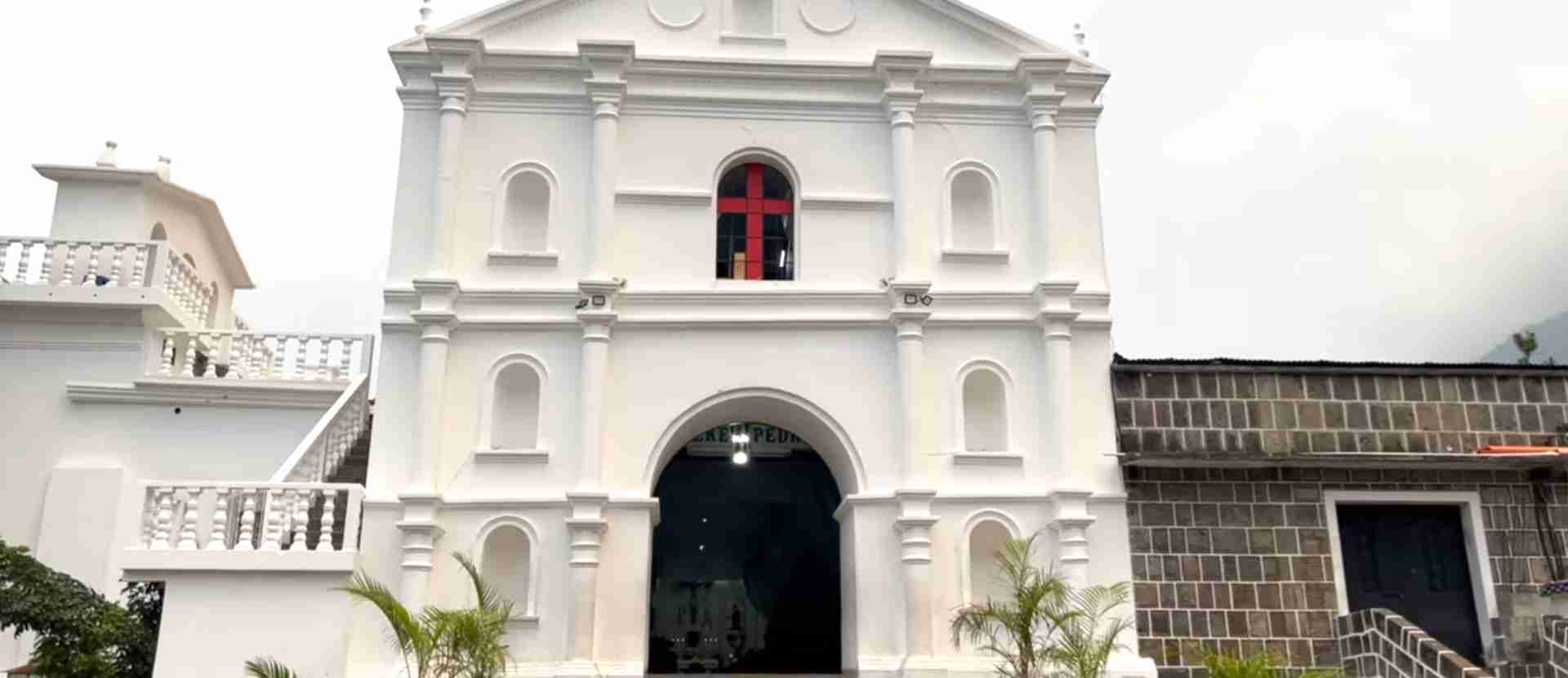
San Pedro La Laguna 2026: Backpacker Hub on Lake Atitlan
This comprehensive guide provides detailed planning information for your 2026 San Pedro visit, covering ultra-budget survival strategies, Spanish school selection criteria, hiking preparation essentials, accommodation options across all price points, and insider knowledge for navigating the village’s distinct cultural zones. The content focuses on practical advice backed by current pricing, tested recommendations from long-term residents, and honest assessment of both advantages and limitations of San Pedro’s unique backpacker ecosystem.
Key Takeaways:
- San Pedro La Laguna offers Lake Atitlan’s most affordable accommodation starting at Q50-80 ($6-10) for hostel dorms, with private rooms from Q120-180 ($15-23) including shared facilities
- Spanish language schools charge Q800-1,200 ($103-154) weekly for 20 hours of one-on-one instruction, with homestay options adding Q400-600 ($51-77) for full room and board
- Indian Nose sunrise hikes depart daily at 4:30 AM costing Q100-150 ($13-19) per person including boat transport, guide service, and return by 9:00 AM
- The village maintains distinct zones with backpacker establishments concentrated along the main dock area and traditional Maya community occupying hillside neighborhoods above
- Daily living costs average Q180-280 ($23-36) for budget travelers including meals at local comedores, occasional bar drinks, and free activities like swimming and hiking local trails
- San Pedro volcano summit hikes require 8-9 hours round trip with mandatory guides costing Q150-200 ($19-26), reaching 3,020 meters with challenging volcanic terrain and cloud forest sections
Introduction: Planning Your San Pedro Experience in 2026
San Pedro La Laguna stands as Lake Atitlan’s undisputed backpacker capital, attracting long-term travelers, Spanish language students, yoga enthusiasts, and adventurers seeking authentic experiences at minimal costs. This Maya Tz’utujil village transformed over two decades from quiet fishing community to international gathering point while maintaining traditional cultural identity through geographic separation between tourist areas and residential neighborhoods. The unique dual character creates environment where travelers enjoy social hostel atmosphere, international cuisine options, and budget-friendly services while witnessing daily Maya life continuing unchanged in upper village areas.
The 2026 travel season brings continued evolution of San Pedro’s backpacker infrastructure with new hostel openings, expanded Spanish school facilities, and improved hiking trail maintenance to popular destinations including Indian Nose viewpoint and San Pedro volcano summit. Understanding the village layout, seasonal patterns, and strategic planning approaches proves essential for maximizing value and experiences, whether visiting for weekend volcano climbing or establishing month-long base for Spanish study and regional exploration.
People Also Ask About San Pedro La Laguna 2026
How cheap is San Pedro La Laguna in 2026?
San Pedro La Laguna ranks among Central America’s most affordable destinations in 2026, with daily survival budgets starting at Q180-280 ($23-36) for extremely frugal travelers. Hostel dormitory beds cost Q50-80 ($6-10) per night at basic properties, while meals at local comedores run Q25-40 ($3-5) for substantial plates including rice, beans, protein, and tortillas. Street food tacos cost Q5-8 ($0.65-1) each, with fruit smoothies at Q15-20 ($2-2.50). Beer at small shops costs Q10-12 ($1.30-1.50) compared to Q20-30 ($2.50-4) at bars. Free activities include lake swimming at multiple beach access points, hiking trails to nearby villages, and sunset viewing from various lakefront locations. Check current quetzal exchange rates as currency fluctuations affect dollar equivalents.
What makes San Pedro different from other Lake Atitlan villages in 2026?
San Pedro La Laguna differentiates through its concentration of budget-conscious international travelers, extensive Spanish language school infrastructure, and vibrant social scene uncommon in quieter villages like San Marcos or Santa Cruz. The village hosts 12-15 Spanish schools competing for students with aggressive pricing and quality one-on-one instruction, creating optimal environment for language immersion. Backpacker hostels provide social spaces facilitating travel connections, shared activities, and romantic encounters that define long-term backpacker community. Bar and restaurant options span international cuisines including Israeli, Italian, Mexican, and Thai alongside traditional Guatemalan offerings. However, this international character creates less authentic Maya experience compared to traditional villages maintaining primarily local populations and limited tourism infrastructure.
How long do most backpackers stay in San Pedro La Laguna in 2026?
Typical backpacker stays range from one week to three months in San Pedro during 2026, with Spanish language study serving as primary reason for extended visits. One-week visitors come for volcano hiking, Indian Nose sunrise experience, and sampling the social scene before continuing to other destinations. Two to four-week stays allow Spanish school completion, multiple hiking excursions, and deeper community integration. Travelers remaining one to three months typically combine Spanish study with remote work, budget stretching, or simply enjoying the relaxed atmosphere and international friendships. Some travelers return repeatedly over years, establishing long-term connections with local families and other repeat visitors.
Is San Pedro La Laguna safe for solo female travelers in 2026?
Solo female travelers visit San Pedro safely throughout the year when following standard precautions appropriate for any backpacker destination. The village maintains relatively safe environment with visible police presence and tight-knit community where regulars watch for suspicious activity. However, incidents including drink spiking, unwanted advances, and occasional theft require vigilance particularly during late-night hours around bars and walking alone on dark streets. Stay in hostels with positive female traveler reviews, avoid excessive alcohol consumption that impairs judgment, and trust instincts about situations or individuals creating discomfort. The strong backpacker community provides support network, with other travelers offering advice and companionship for activities and evening socializing.
Extended multi-day tours – 5+ days
Featured Guatemala Multi-Day Tour Packages
5 days
Guatemala – Discovering Guatemala in 5 days
- ✓ Comprehensive Guatemala tour
- ✓ Expert local guides included
- ✓ All accommodation arranged
- ✓ Transportation provided
6 days
Magical Guatemala in 6 days
- ✓ Comprehensive Guatemala tour
- ✓ Expert local guides included
- ✓ All accommodation arranged
- ✓ Transportation provided
9 days
Solo-ish Guatemala
- ✓ Comprehensive Guatemala tour
- ✓ Expert local guides included
- ✓ All accommodation arranged
- ✓ Transportation provided

7 days
Heart of Guatemala
- ✓ Comprehensive Guatemala tour
- ✓ Expert local guides included
- ✓ All accommodation arranged
- ✓ Transportation provided
Multi-day tour packages powered by TourRadar. Prices and availability subject to change.
Essential Planning Information 2026
Understanding San Pedro’s Geography and Zones
San Pedro La Laguna divides into distinct geographic zones reflecting different aspects of village character and serving different visitor needs. The main dock area and adjacent streets contain highest concentration of backpacker infrastructure including hostels, international restaurants, bars, tour agencies, and Spanish schools. This zone maintains constant activity with boats arriving throughout the day from Panajachel, Santiago Atitlan, and other villages. Street vendors sell textiles, jewelry, and tourist items while tuk-tuks wait for passengers heading to hilltop accommodations or neighboring villages.
The “gringo zone” extends along lakefront paths both directions from main dock, featuring hostels with hammocks, yoga studios, vegetarian restaurants, and juice bars catering to health-conscious travelers. This area maintains distinctly international character with English commonly spoken, Western music playing, and menus featuring avocado toast, smoothie bowls, and craft beer. Accommodation density remains high with properties competing through amenities like rooftop terraces, sunset views, and social events including movie nights and group dinners.
Traditional Maya neighborhoods occupy steep hillside areas above tourist zones, where local families maintain agricultural livelihoods, traditional clothing, and Tz’utujil language use. These residential areas see minimal tourist penetration except for travelers walking through on hillside trails or visiting homestay families through Spanish school programs. The clear geographic separation allows both communities to coexist with limited direct interaction beyond commercial transactions in shops, restaurants, and transportation services.
Current Costs and Budget Breakdown
Understanding San Pedro’s multi-tiered pricing structure helps create realistic budgets accommodating different comfort expectations and activity priorities. Accommodation represents largest variable expense, ranging from ultra-budget hostels at Q50-80 ($6-10) for basic dorm beds without lockers or reading lights, to mid-range hostels charging Q100-150 ($13-19) for comfortable dorms with private bathrooms, hot showers, and social spaces. Private rooms in budget properties cost Q120-180 ($15-23) for doubles with shared facilities, while mid-range private rooms with en-suite bathrooms run Q250-400 ($32-51). Lakefront hotels targeting non-backpacker visitors command Q500-800 ($64-103) for comfortable doubles with views and resort-style amenities.
Food costs vary dramatically based on dining choices between local comedores and tourist restaurants. Maya-run comedores serve filling meals for Q25-40 ($3-5) including substantial portions, fresh tortillas, and agua fresca (fruit drink). Budget backpacker restaurants charge Q40-70 ($5-9) for international dishes like falafel plates, pad thai, and veggie burgers. Mid-range establishments overlooking the lake command Q80-150 ($10-19) for pizzas, pasta, and grilled fish with table service and cocktails. Self-catering from markets and shops reduces costs to Q60-100 ($8-13) daily when cooking all meals, with many hostels providing communal kitchen access.
Activity expenses remain modest with hiking representing primary attraction requiring guide fees. Indian Nose sunrise hikes cost Q100-150 ($13-19) per person in shared groups including pre-dawn boat transport, guide service, and return by mid-morning. San Pedro volcano summit attempts run Q150-200 ($19-26) with mandatory guides, representing full-day commitments. Kayak rentals charge Q80-120 ($10-15) for half-day lake exploration, while paddleboard rentals cost Q100-150 ($13-19). Free activities including beach swimming, village walking, and sunset viewing from multiple waterfront locations provide zero-cost entertainment. Spanish school enrollment represents major expense at Q800-1,200 ($103-154) weekly for 20 hours one-on-one instruction.
Accommodation Guide 2026
Ultra-Budget Hostel Options
San Pedro’s ultra-budget accommodation sector serves cost-conscious backpackers willing to sacrifice some comfort for minimal expenses. Hostel Fe offers the village’s cheapest beds at Q50-60 ($6-8) per night in basic dorms with cold showers, thin mattresses, and minimal social spaces. Zoola 2 provides slightly upgraded experience at Q70-90 ($9-12) with hot water, lockers, and small common area for meeting other travelers. These properties fill with long-term residents negotiating monthly rates and travelers pushing budget limits while establishing San Pedro base.
Mid-budget hostels in Q100-150 ($13-19) range deliver significantly improved comfort and social atmosphere while maintaining budget-friendly pricing. Mikaso Hotel combines hostel dormitory areas with private room options, charging Q100-130 ($13-17) for dorm beds with comfortable mattresses, individual reading lights, electrical outlets, and lockable storage. Common areas include rooftop terrace, bar serving economical drinks, and kitchen facilities for guest use. Freedom Hostel San Pedro caters specifically to backpacker demographic with Q120-150 ($15-19) dorms featuring en-suite bathrooms, hot showers, and social spaces designed for traveler interaction.
Several hostels target long-term Spanish students and digital nomads requiring reliable WiFi, comfortable workspaces, and quiet evening environments. Casa de Ester maintains reputation for quality instruction through affiliated Spanish school while offering dormitory beds at Q130-160 ($17-21) and private rooms at Q250-350 ($32-45). The property emphasizes learning environment over party atmosphere, attracting serious language students and remote workers balancing study with leisure. Monthly rates provide substantial discounts with 30-day dorm stays costing Q2,400-3,200 ($308-410), effectively reducing nightly rates to Q80-105 ($10-13).
Mid-Range and Private Room Options
Travelers seeking more privacy and comfort while maintaining budget consciousness find extensive private room options throughout San Pedro. Hotel San Pedro provides basic private doubles at Q180-250 ($23-32) with shared bathrooms, fans, and simple furnishings suitable for couples or friends sharing costs. La Palapa offers private rooms with lake views at Q280-400 ($36-51), including private bathrooms with hot water, comfortable beds, and small balconies for morning coffee or evening relaxation. These properties attract travelers transitioning from hostel dormitories while avoiding luxury hotel pricing.
Boutique properties deliver enhanced experiences through superior locations, design aesthetics, and personalized service. Hotel Mikaso main building features renovated rooms at Q400-600 ($51-77) with modern bathrooms, quality linens, and artistic decor reflecting local textile traditions. Rooftop areas provide panoramic lake and volcano views, with bar service and comfortable seating for sunset viewing. Casa Lobo maintains intimate atmosphere with only 6-8 rooms priced Q500-700 ($64-90), ensuring quiet environment and individual attention from owner-operators who provide insider recommendations and flexible services.
Lakefront hotels targeting non-backpacker visitors command premium rates while offering resort-style amenities uncommon in budget properties. Hotel Mansion del Lago provides direct beach access and extensive gardens for Q700-1,000 ($90-128), with swimming pool, on-site restaurant, and activities coordination. These properties serve travelers prioritizing comfort, couples seeking romantic settings, and older visitors preferring distance from backpacker party scene. Weekly rates often provide 15-20% discounts compared to nightly pricing, with monthly stays negotiable directly with management.
Spanish School Selection 2026
Comparing Spanish School Options
San Pedro’s reputation as premier destination for budget Spanish instruction stems from competitive market with 12-15 established schools offering quality one-on-one teaching at below-market rates. Schools charge Q800-1,200 ($103-154) weekly for standard 20-hour programs (4 hours daily, Monday-Friday), representing 40-60% savings compared to Antigua or international destinations like Costa Rica or Spain. The one-on-one instruction model provides customized curriculum addressing individual strengths, weaknesses, and learning styles, accelerating progress compared to group classroom settings.
Corazon Maya Spanish School maintains excellent reputation among long-term language learners, charging Q900-1,100 ($115-141) weekly with flexible curriculum adapting to student proficiency levels. Teachers hold university degrees in education or linguistics, providing professional instruction beyond conversational tutoring. The school coordinates cultural activities including cooking classes, market visits, and village tours, enhancing language learning through practical immersion. Homestay arrangements with local families cost additional Q500-700 ($64-90) weekly including private room and three daily meals, accelerating Spanish acquisition through constant exposure.
San Pedro Spanish School targets budget-conscious travelers with aggressive pricing at Q800-950 ($103-122) weekly, maintaining quality instruction while operating from simple facilities reducing overhead costs. Teachers typically come from local community with native Spanish fluency and teaching experience, though formal credentials may be limited compared to higher-priced schools. Students report satisfactory progress, particularly at beginning and intermediate levels where structured grammar and vocabulary building predominate over advanced conversation and idiom mastery.
Evaluation criteria for selecting Spanish schools include teacher qualifications, student-to-teacher ratio guarantees (ensuring true one-on-one instruction rather than small groups), flexibility for adjusting hours or intensity, accommodation arrangements, and activity programming. Visit multiple schools before committing, observing teaching sessions when possible and speaking with current students about satisfaction levels. Request trial days or half-week programs for assessing teaching style compatibility before committing to multi-week enrollment. Most schools allow schedule flexibility for accommodating travel plans, work commitments, or simply needing break from intensive study.
Maximizing Spanish Learning Outcomes
Successful language acquisition in San Pedro requires strategic approach beyond simply attending classes. Homestay arrangements accelerate learning through constant Spanish exposure during meals, evening conversations, and participation in family activities. Host families typically speak minimal English, creating immersion environment where daily needs require Spanish communication. Request families with similar interests or characteristics when available, such as households with children for travelers comfortable with noisy environments, or quieter couples for students requiring evening study time.
Complement formal instruction with practical application throughout village interactions. Market shopping provides vocabulary practice for numbers, food items, and negotiation phrases. Restaurant ordering reinforces meal-related vocabulary and polite request forms. Engaging locals in casual conversation, even brief exchanges with shopkeepers or tuk-tuk drivers, builds confidence and tests comprehension in real-world situations beyond controlled classroom environment. Many locals appreciate language learning efforts and respond patiently to imperfect Spanish.
Establish study routine balancing classroom instruction with independent practice, conversation partners, and media consumption. Dedicate 1-2 hours daily to homework, vocabulary review, and grammar exercises provided by schools. Find conversation partners among English-speaking locals interested in language exchange, meeting for coffee or lake walks where both participants practice target languages. Watch Latin American television shows or movies with Spanish subtitles, gradually increasing listening comprehension and cultural understanding. Apps including Duolingo, Memrise, or Anki supplement formal instruction with spaced repetition systems and gamified learning.
Best Time to Visit San Pedro 2026
Peak Season Dynamics
High season spanning December through March brings maximum backpacker presence to San Pedro, creating vibrant social scene and optimal weather conditions for outdoor activities. January and February deliver consistently sunny days with comfortable temperatures averaging 22-26°C (72-79°F) during daylight hours, cooling to pleasant 12-15°C (54-59°F) overnight. Lake waters remain calm most days, providing excellent conditions for swimming, kayaking, and boat transportation to neighboring villages. Volcano hikes proceed with minimal rain risk, ensuring clear summit views and dry trails.
The peak season environment intensifies San Pedro’s social atmosphere through traveler concentration and organized events. Hostels operate at near-full capacity with common areas bustling throughout day and evening hours. Bars feature live music, DJ sets, and themed parties attracting crowds for socializing and dancing. Spanish schools enroll maximum students, creating opportunities for group activities and forming international friend groups. Tour operators run frequent departures for popular excursions including Indian Nose sunrise hikes, volcano summits, and multi-village boat tours.
However, peak season brings challenges including higher accommodation rates (15-25% above low season), advance booking requirements for preferred hostels and Spanish schools, and crowded conditions at popular locations like Indian Nose viewpoint and main beach areas. Restaurant wait times increase during dinner hours, and boat dock congestion creates delays during morning departure periods. Prices for some goods and services inflate as vendors capitalize on maximum tourist presence, though competitive market prevents excessive gouging.
Shoulder and Low Season Value
November and late April represent shoulder seasons combining favorable weather with reduced crowds and moderate pricing. November brings transitional conditions as rainy season concludes, with morning sunshine typically lasting until 2:00-3:00 PM before potential afternoon showers. Accommodation rates drop 15-20% below peak season while hostels maintain full services and social programming. Spanish schools operate consistent schedules with immediate enrollment availability compared to peak season waiting lists or limited teacher availability.
Late April through early May provides another shoulder window as peak season ends before rainy season intensifies. Temperatures warm slightly to 26-28°C (79-82°F) during afternoons, with mornings maintaining comfortable coolness through 9:00-10:00 AM. Tourist numbers decline significantly after Semana Santa (Easter week), creating more intimate village atmosphere while preserving sufficient backpacker presence for social opportunities. Spanish schools and tour operators often negotiate discounts during this period, with multi-week language programs and combined activity packages yielding 15-25% savings.
Low season from May through October delivers maximum value for budget-conscious travelers comfortable with weather unpredictability. Accommodation costs drop 30-50% below peak rates, with aggressive negotiation possible for extended stays. Hostel dormitory beds fall to Q40-60 ($5-8) at basic properties, while mid-range options charge Q70-100 ($9-13). Private rooms see similar reductions, making comfortable privacy accessible at hostel dorm pricing from peak season. Rain typically arrives afternoon hours, leaving mornings free for activities, market visits, and lake swimming before weather deteriorates. The dedicated backpacker community maintains consistent presence providing social opportunities despite reduced overall numbers.
Transportation Guide 2026
Reaching San Pedro La Laguna
San Pedro La Laguna requires boat transportation for arrival from all directions, as the village lacks road connections to main highway system. Most travelers arrive via Panajachel, Lake Atitlan’s primary transportation hub with shuttle connections to Guatemala City, Antigua, and other tourist destinations. Public lanchas (shared boats) depart Panajachel’s main dock frequently throughout the day, charging Q25-30 ($3-4) per person for 30-40 minute crossing direct to San Pedro. Boats fill to 12-15 passengers before departing, with wait times ranging from immediate to 30-45 minutes depending on passenger arrival patterns.
Morning boats run most frequently from 6:00 AM through noon, with services gradually decreasing through afternoon hours. Last boats from Panajachel typically depart 4:00-5:00 PM, though schedules vary by season and weather conditions. Always confirm return boat timing when departing San Pedro for day trips, as missing final departures necessitates overnight stays in villages lacking desired accommodation options or expensive private boat charters for Q300-500 ($38-64) depending on distance and negotiation skills.
Direct international arrivals from Guatemala City or Antigua require combining shuttle service to Panajachel with boat continuation to San Pedro. Several companies offer through-ticketing at Q240-300 ($31-38) total, coordinating shuttle arrival with boat departures and assisting with luggage transfers. Alternatively, book separate shuttle to Panajachel at Q180-240 ($23-31), then purchase boat ticket at dock upon arrival. This flexibility allows Panajachel exploration before continuing to San Pedro, though requiring luggage management and potential wait times for boat filling.
Local Navigation and Village Movement
San Pedro’s compact waterfront area allows easy foot navigation between most accommodations, restaurants, and services. The main path along the lakefront connects docks to various beach access points and hostel clusters, taking 15-20 minutes to walk from one end to the other at leisurely pace. Side streets branch upward toward hillside neighborhoods, with steep cobblestone paths requiring reasonable fitness for comfortable navigation. Most tourist facilities concentrate within 5-10 minute walks from main dock, minimizing transportation needs during typical stays.
Tuk-tuks provide quick transportation for reaching hilltop accommodations, distant neighborhoods, or when carrying heavy luggage. Rides within San Pedro cost Q10-15 ($1.30-2), with rates increasing slightly for steep climbs or late evening hours. Tuk-tuks gather near the main dock and popular restaurant areas, though walking to locate drivers sometimes proves necessary during quiet afternoon periods. Negotiate fares before departing, as meters do not exist and quoted prices occasionally inflate for obvious tourists unfamiliar with standard rates.
Boat taxis connect San Pedro with other lake villages including San Marcos La Laguna, Santa Cruz La Laguna, Jaibalito, and Santiago Atitlan throughout the day. Public lanchas depart when filling to capacity, typically achieving 8-12 passengers before leaving dock. Fares range Q20-35 ($2.50-4.50) depending on destination distance, with most trips completing in 15-30 minutes. Private boat charters accommodate groups for custom schedules and stops, costing Q300-600 ($38-77) for half-day excursions visiting multiple villages with flexibility for swimming breaks and photography stops.
Hiking and Outdoor Activities 2026
Indian Nose Sunrise Hike
Indian Nose (Rostro Maya or Nariz del Indio) delivers Lake Atitlan’s most spectacular sunrise viewpoint, requiring pre-dawn departure and moderate 45-minute hike to summit platform. Tour operators throughout San Pedro organize daily departures, charging Q100-150 ($13-19) per person in shared groups typically numbering 6-12 participants. Boats depart San Pedro docks at 4:30-5:00 AM, crossing to trailhead near San Pedro’s opposite shore in complete darkness. Guides lead groups using flashlights along well-maintained trail ascending through coffee plantations and forest patches to viewpoint at approximately 2,500 meters elevation.
Summit arrival timing targets 6:15-6:30 AM, allowing setup before sunrise typically occurring 6:30-7:00 AM depending on season. The viewpoint provides 360-degree panorama encompassing entire Lake Atitlan, all three volcanic peaks (San Pedro, Toliman, Atitlan), surrounding highlands, and distant Pacific Ocean coastline on exceptionally clear days. Sunrise colors transform lake surface from pre-dawn gray to brilliant orange and gold, with volcano silhouettes creating dramatic foreground elements for photography. Crowds at viewpoint vary by season, with peak months seeing 50-80 people gathered for sunrise compared to 10-20 during low season periods.
Bring warm layers including fleece or down jacket for summit temperatures typically 5-10°C (41-50°F) cooler than lake elevation, with wind chill creating additional cooling effect during winter months. Headlamp provides safety for pre-dawn movement and allows hands-free operation during trail hiking. Camera equipment should include wide-angle lens for capturing full lake panorama and telephoto option for isolating volcanic peaks and cloud formations. Guides typically allow 30-45 minutes at summit for photography and viewing before descending, with return to San Pedro completed by 8:30-9:30 AM leaving full day for other activities.
San Pedro Volcano Summit
San Pedro volcano offers Lake Atitlan’s most accessible summit experience, requiring full-day commitment and reasonable fitness for completing 8-9 hour round-trip hike. The 3,020-meter peak presents challenging ascent through multiple climate zones including coffee plantations, cloud forest sections with moss-covered trees and hanging vines, and exposed volcanic slopes with loose scree requiring careful foot placement. Mandatory guides cost Q150-200 ($19-26) per person arranged through tour operators or directly with independent guides certified by local authorities.
Typical itineraries begin 6:00-7:00 AM from San Pedro village, hiking gradually through lower agricultural zones for first 1.5-2 hours before entering cloud forest around 2,000 meters elevation. The forest section provides welcome shade and relatively gentle grades, with occasional steep pitches requiring hand-over-hand progress using tree roots and exposed rocks. Water sources become absent above tree line, requiring carrying 2-3 liters minimum plus snacks or packed lunch for summit energy maintenance. Cloud forest transitions to exposed volcanic terrain around 2,600 meters, with final 400-meter push presenting steepest grades and most challenging footing.
Summit arrival occurs 10:30 AM-12:00 PM depending on group pace and fitness levels, with slower groups requiring 5-6 hours ascending compared to 4-4.5 hours for fit, experienced hikers. The summit provides dramatic crater views and panoramic vistas when weather cooperates, though clouds frequently obscure views during rainy season and sometimes during dry season mornings when moisture accumulates around peaks. Temperature at summit drops significantly below lake elevation, with winter morning conditions potentially reaching 2-5°C (36-41°F) plus wind chill from exposed ridgeline position.
Descending requires 3-4 hours with careful foot placement preventing slips on loose volcanic material that covers upper slopes. Knees absorb significant impact during prolonged downhill sections, with trekking poles recommended for distributing forces and maintaining stability. Most groups return to San Pedro by 2:00-4:00 PM, exhausted but satisfied with accomplishment. Post-hike recovery includes immediate rehydration, gentle stretching, and substantial meal to restore energy depleted during intensive physical effort at altitude.
Swimming and Water Activities
Lake Atitlan provides free swimming opportunities at multiple beach access points around San Pedro’s waterfront. The main public beach near central dock area offers easy entry with sandy bottom extending several meters before depth increases. Water temperature remains cool year-round at 18-20°C (64-68°F), refreshing during warm afternoons but requiring adjustment for comfortable swimming sessions. Lake clarity varies seasonally, with dry season months providing clearest water and rainy season runoff occasionally creating temporary murky conditions following major storms.
Kayak rentals enable lake exploration beyond swimming range, accessing quieter coves, neighboring village shores, and isolated beach areas unavailable from San Pedro’s developed waterfront. Rental shops charge Q80-120 ($10-15) for half-day use (3-4 hours), with single and tandem kayaks available. Life jackets come included with rentals, though enforcement of wearing them varies by operator. Morning hours provide best conditions before afternoon winds develop, creating choppier surface challenging for less experienced paddlers. Common destinations include San Marcos La Laguna (45-60 minutes), Santa Cruz La Laguna (30-45 minutes), and various points along San Pedro’s undeveloped western shoreline.
Stand-up paddleboarding offers alternative water activity combining exercise with meditation and photography platform. Rental rates match kayak pricing at Q100-150 ($13-19) for 3-4 hours, with instruction provided for beginners learning balance and stroke techniques. SUP proves more challenging than kayaking for maintaining direction and stability, particularly when winds increase during afternoon hours. Advanced practitioners perform yoga poses on boards during calm morning conditions, with several yoga studios organizing group SUP classes combining paddling with waterborne asana practice.
Money-Saving Strategies 2026
Extreme Budget Survival
Travelers pushing absolute budget limits achieve Q150-220 ($19-28) daily expenses through strategic choices and lifestyle adjustments. Accommodation represents largest controllable expense, with ultra-budget hostels charging Q40-60 ($5-8) for basic dorms, or negotiated monthly rates reducing nightly costs to Q35-50 ($4.50-6.50). Work-for-stay arrangements exist at some hostels, exchanging 3-4 hours daily labor (cleaning, reception, social media management) for free accommodation and occasionally meals. These positions typically require minimum 2-4 week commitments and fill quickly, requiring advance inquiry and flexibility for start dates.
Food costs minimize through self-catering and strategic market shopping. Purchase fruits, vegetables, bread, pasta, and basic proteins from markets and local shops for Q50-80 ($6-10) daily covering three meals. Many hostels provide communal kitchens with basic cookware, refrigerator access, and condiment supplies left by previous guests. Supplement cooking with occasional comedor meals at Q25-35 ($3-4.50) providing variety and social interaction. Street food tacos cost Q5-8 ($0.65-1) each, requiring 3-4 for satisfying meal. Skip restaurant dining entirely or limit to once weekly as budget treat.
Entertainment and activity costs reduce to near-zero through prioritizing free options and group cost-sharing. Swimming, hiking local trails, sunset viewing, and village exploration provide entertainment without spending. Join hostel-organized activities including movie nights, potluck dinners, and group games. Find hiking partners for sharing guide costs when mandatory, splitting Q150-200 ($19-26) volcano guide fees between 4-6 people reduces individual expenses to Q25-50 ($3-6). Limit alcohol consumption to corner shop purchases at Q10-12 ($1.30-1.50) per beer rather than bar prices at Q20-30 ($2.50-4). Total extreme budget: accommodation Q45, food Q65, activities Q10, miscellaneous Q20 = Q140-180 ($18-23) daily.
Value-Conscious Budget Optimization
Travelers seeking comfortable experiences while controlling costs achieve Q250-400 ($32-51) daily budgets through smart choices balancing quality and economy. Accommodation at mid-range hostels costs Q100-130 ($13-17) for comfortable dorms with good social atmosphere, hot showers, and reliable WiFi. Private rooms with shared bathrooms run Q150-220 ($19-28), providing privacy and quiet for couples or friends sharing costs. Negotiate weekly rates for 10-15% discounts, and inquire about monthly pricing for 25-35% reductions when planning extended stays.
Balanced food budget combines self-prepared breakfasts and occasional lunches with restaurant dinners and social eating experiences. Prepare breakfast and coffee at hostel for Q15-25 ($2-3), pack simple lunch of bread, cheese, fruit for Q20-30 ($2.50-4), then enjoy restaurant dinner at backpacker establishments for Q60-90 ($8-12). This approach provides Q95-145 ($12-19) daily food costs while maintaining dining variety and social opportunities. Supplement with market-purchased snacks and occasional street food. Allow weekly budget meal at nicer restaurant for Q120-180 ($15-23) maintaining motivation and experiencing local culinary offerings.
Activity spending focuses on priority experiences while skipping redundant tours and overpriced options. Budget Q100-150 ($13-19) for Indian Nose sunrise hike as essential Lake Atitlan experience, Q150-200 ($19-26) for San Pedro volcano summit if ambitious, and Q80-120 ($10-15) weekly for kayak rental exploration. Skip organized village tours walkable independently, avoid expensive boat charters when public lanchas provide adequate transportation, and participate in free activities like beach swimming and trail hiking. Total optimized budget: accommodation Q115, food Q120, activities Q40 (daily average), miscellaneous Q25 = Q300 ($38) daily providing comfortable, socially engaged experience.
Sample 2026 Itineraries
Weekend Adventure Itinerary
A three-day San Pedro visit provides sufficient time for essential hiking experiences, social atmosphere sampling, and budget accommodation testing. This itinerary targets backpackers arriving Friday afternoon and departing Monday morning with focus on iconic activities.
Day 1 – Friday Arrival and Village Orientation: Afternoon boat arrival from Panajachel Q25. Check into Zoola hostel dorm Q80. Walk village streets exploring restaurant options, shops, and lake access points. Dinner at Buddha Bar Q65-85. Evening drinks at hostel rooftop Q15-25. Accommodation Q80, meals Q80-110, drinks Q20. Total day cost: Q100-130 ($13-17) per person (excluding accommodation).
Day 2 – Saturday Indian Nose Sunrise and Beach Day: Pre-dawn departure for Indian Nose hike Q120 including boat transport and guide. Return by 9:00 AM with hostel breakfast Q25-35. Late morning beach swimming and relaxation at public access (free). Lunch at Pinocchio’s Q50-70. Afternoon kayak rental exploring lake Q100 for half-day. Dinner at D’Noz Q80-120. Evening bar hopping Q40-60 for drinks. Accommodation Q80, meals Q155-225, activities Q220, drinks Q50. Total day cost: Q425-495 ($54-63) per person (excluding accommodation).
Day 3 – Sunday Market and Departure: Morning market visit for souvenir shopping Q50-100 budget. Breakfast at café Q35-45. Late morning/early afternoon boat to Panajachel Q25 connecting with onward transportation. Shopping Q75, breakfast Q40, boat Q25. Total morning costs: Q140 ($18) plus transportation to next destination.
Weekend Total: Q665-765 ($85-98) per person excluding inter-city transportation and second night accommodation. Add Q80 for second night dorm bed.
One-Week Spanish Study and Exploration
Seven-day visit combining Spanish language instruction with afternoon activities and cultural immersion provides balanced introduction to San Pedro lifestyle while making meaningful language progress.
Spanish School Enrollment: One week Spanish instruction Q900-1,100 including 20 hours one-on-one teaching Monday-Friday. Morning classes 8:00 AM-12:00 PM provide structured learning with afternoons free for practice and activities.
Accommodation Strategy: Mid-range hostel private room Q200-280 per night provides quiet study environment and comfortable sleep for Q1,400-1,960 weekly total. Alternatively, arrange homestay through Spanish school for Q500-700 weekly including room and three daily meals, accelerating Spanish acquisition through family interaction.
Daily Activity Pattern: Post-class lunch at comedor Q30-45. Afternoon activities alternating between beach swimming (free), kayak rental Q100 one day, village walks and conversations with locals (free), and Spanish homework/review Q0. Dinner at varied restaurants Q60-120. Evening social time at hostel common areas, occasional bar visits Q20-40.
Weekend Excursion: Saturday San Pedro volcano summit hike Q150-200 with guide. Sunday rest and recovery with light activities including market visit, beach time, and dinner at nicer restaurant Q120-180.
Weekly Total with Hostel Option: Spanish school Q1,000, accommodation Q1,600 (7 nights), meals Q700-980 (combining self-prepared and restaurant), activities Q350-450, miscellaneous Q200. Total: Q3,850-4,230 ($493-542) for complete week including intensive language study.
Weekly Total with Homestay Option: Spanish school with homestay Q1,400-1,800 (includes all meals and accommodation), activities Q350-450, miscellaneous Q150. Total: Q1,900-2,400 ($244-308) for complete week with full immersion experience.
One-Month Immersion Experience
Extended month-long stay enables deep Spanish language progress, authentic community integration, and establishment of sustainable budget lifestyle combining study with work or remote activities.
Extended Spanish Study: Four weeks intensive Spanish instruction Q3,200-4,400 total (Q800-1,100 weekly rate), with some schools offering modest discounts for month-long commitments. Alternative approach combines 2-3 weeks formal instruction with 1-2 weeks independent practice and conversation exchange.
Long-Term Accommodation: Negotiate monthly hostel rate for private room Q2,400-3,600 (Q80-120 per night equivalent) compared to Q6,000-8,400 at daily rates. Alternatively, rent apartment through local contacts for Q2,000-3,000 monthly including kitchen for self-catering. Monthly rates typically require advance payment with flexibility for short absences maintaining room reservation.
Sustainable Daily Budget: Establish routine combining self-prepared breakfasts Q15-20, varied lunches at comedores Q30-45, and mix of home-cooked and restaurant dinners averaging Q60-100 daily. Monthly food budget: Q3,150-4,950. Activities focus on free options (swimming, hiking, socializing) with occasional paid excursions Q200-400 monthly. Miscellaneous expenses including laundry, supplies, occasional splurges Q500-800 monthly.
Work Opportunities: Some travelers establish informal teaching arrangements offering English conversation practice at Q50-100 per hour, offsetting daily costs while helping locals. Online remote work via hostel or café WiFi supplements travel funds while maintaining Spanish immersion during non-work hours. Work-for-stay hostel positions eliminate accommodation costs for travelers with flexible schedules.
Monthly Total for Immersion: Spanish school Q3,200-4,400 (if enrolling full month), accommodation Q2,400-3,600, food Q3,150-4,950, activities Q200-400, miscellaneous Q500-800. Total: Q9,450-14,150 ($1,212-1,814) for complete month including intensive language study, comfortable living, and cultural integration. Budget-conscious travelers reducing restaurant meals, skipping optional activities, and negotiating rock-bottom accommodation achieve Q6,500-8,500 ($833-1,090) monthly expenses.
Nightlife and Social Scene 2026
Bar and Venue Overview
San Pedro’s nightlife revolves around backpacker-oriented bars and venues clustered near main dock area and along lakefront paths. Establishments range from quiet lounges perfect for conversation to dance-focused venues pumping electronic music and reggaeton until early morning hours. Prices remain budget-friendly compared to Western countries while providing reliable social environment for meeting other travelers, forming friendships, and occasionally romantic connections that define backpacker culture.
Alegre Pub functions as San Pedro’s most popular backpacker bar, offering multiple levels with different atmosphere zones including rooftop terrace for sunset viewing, central bar area for socializing, and dance floor activating late evening hours. Beers cost Q20-25 ($2.50-3), mixed drinks Q30-50 ($4-6), with occasional promotional prices during happy hours 5:00-7:00 PM. The venue attracts consistent crowds Thursday-Saturday nights with more moderate attendance Sunday-Wednesday. Live music occurs regularly featuring local and traveling musicians playing reggae, folk, and Latin rhythms.
Buddha Bar serves dual function as restaurant and late-night venue, transitioning from dinner service around 9:00-10:00 PM into bar atmosphere with DJ music and dance environment. The multi-level layout provides quieter conversation areas alongside central dance floor, accommodating different social preferences. Drink prices match other venues at Q20-30 ($2.50-4) for beers, with food available throughout evening for those requiring late snacks after extended drinking sessions.
Social Dynamics and Community Culture
San Pedro’s backpacker community maintains tight-knit social structure where regulars establish friendship networks, romantic relationships form and dissolve, and newcomers integrate quickly through shared accommodations and activities. Hostel common areas serve as primary socializing spaces during daytime and early evening hours, with travelers comparing experiences, organizing group activities, and planning onward destinations together. Card games, board games, and conversation dominate afternoon periods when hiking returns and Spanish classes conclude.
Group activities organized informally through hostel networks include potluck dinners where travelers contribute dishes from home countries or local ingredients, creating international fusion meals and cultural exchange opportunities. Movie nights project films onto common area walls with travelers gathering for viewing and commentary. Yoga sessions occur at various hostels and dedicated studios, combining physical practice with social bonding among health-conscious travelers. Sunset viewing groups gather regularly at designated viewpoints for photography and shared appreciation of Lake Atitlan’s natural beauty.
The social environment sometimes develops intensity where travelers spend weeks or months within same tight community, creating both deep friendships and occasional drama rivaling reality television programs. Relationship formations and breakups affect wider friend groups, hostel dynamics shift as personalities clash or align, and social pressures emerge regarding travel plans, lifestyle choices, and cultural judgments. Long-term residents develop somewhat jaded perspective on constant turnover while newcomers bring fresh energy and perspectives to established patterns.
Practical Information and Tips 2026
Communication and Internet Access
WiFi availability throughout San Pedro accommodations and restaurants enables staying connected without requiring local SIM cards for most short-term visits. Mid-range hostels provide adequate speeds of 10-20 Mbps supporting messaging, browsing, social media, and video calls, though reliability fluctuates during peak evening hours when multiple users stream content simultaneously. Budget properties offer slower connections of 3-8 Mbps adequate for basic internet use but frustrating for video content or large file transfers. Cafés and restaurants typically provide WiFi passwords to customers, creating option for working while consuming coffee or meals.
International phone calls occur easily through WhatsApp, Skype, or similar apps using WiFi connections, eliminating need for international calling plans or local phone numbers. Download offline maps, translation apps, and entertainment content before arrival or during strong connection periods, preparing for intermittent connectivity during hikes, boat travel, and visits to villages with limited infrastructure. Local SIM cards from Tigo or Claro cost Q50-80 ($6-10) with data packages providing 2-5GB for Q50-100 ($6-13), valuable for travelers requiring reliable connectivity independent of WiFi availability.
Safety and Health Considerations
San Pedro maintains relatively safe environment for backpackers when following common-sense precautions appropriate for any budget travel destination. Petty theft including hostel dormitory losses, bag snatching, and pickpocketing occurs occasionally, requiring vigilance with valuables and consistent use of lockers when available. Separate important documents, credit cards, and emergency cash rather than carrying all valuables together, minimizing loss impact if theft occurs. Walk confidently during evening hours without displaying expensive electronics or jewelry attracting unwanted attention.
Altitude effects remain minimal at San Pedro’s 1,600-meter lakeside elevation, though volcano hikes ascending to 3,020 meters sometimes cause mild breathlessness, headaches, or nausea for sensitive individuals or those ascending too rapidly. Maintain hydration, avoid excessive alcohol consumption before hiking, and allow gradual acclimatization when arriving from sea level destinations. Travelers with existing respiratory or cardiovascular conditions should consult medical professionals before attempting strenuous high-altitude activities.
Water safety requires drinking bottled or purified water, as tap water lacks consistent treatment meeting international standards. Purchase bottled water at Q5-8 ($0.65-1) per gallon or Q8-12 ($1-1.50) for individual bottles. Many hostels provide filtered or purified water for guest consumption, eliminating purchase requirements. Portable water filters or purification tablets enable treating tap water economically during extended stays, reducing plastic bottle consumption and associated environmental impact. Food safety remains generally good at established restaurants, though occasional stomach issues affect travelers unaccustomed to local bacteria strains or those eating at questionable street food vendors.
Frequently Asked Questions
Can you work remotely from San Pedro La Laguna in 2026?
Remote work proves feasible in San Pedro for digital nomads and location-independent professionals comfortable with infrastructure limitations. Mid-range hostels and hotels provide WiFi speeds of 10-30 Mbps adequate for video calls, content uploading, and standard business tasks, though connection reliability fluctuates occasionally requiring backup plans for critical deadlines. Cafés with good WiFi include Café Sabor Cruceno and Zoola Café, offering comfortable seating and electrical outlets for extended laptop sessions. Coordinate important calls during morning hours when connection stability peaks before afternoon congestion. Budget monthly accommodation at Q2,400-3,600 ($308-462) combined with low living costs makes San Pedro attractive for remote workers balancing income generation with budget travel.
What’s the best hostel for meeting people in San Pedro La Laguna?
Freedom Hostel and Zoola Hostel maintain strongest reputations for social atmosphere and traveler connections. Freedom features multiple common areas including rooftop terrace, bar serving economical drinks, and organized activities facilitating introductions among guests. The property attracts high proportion of long-term travelers establishing community atmosphere where newcomers integrate quickly. Zoola offers similar social environment with regular events including movie nights, potluck dinners, and group excursions. Both properties balance social energy with respect for guests requiring quiet evening time, maintaining designated quiet hours after 10:00-11:00 PM. Hostel Fe serves as ultra-budget alternative with active social scene despite basic facilities, attracting price-conscious backpackers prioritizing social connections over comfort amenities.
How difficult is San Pedro volcano compared to Indian Nose?
San Pedro volcano presents significantly greater challenge than Indian Nose across all dimensions including distance, elevation gain, duration, and technical difficulty. Indian Nose requires 45-minute moderate hike gaining approximately 300 meters elevation with well-maintained trail and minimal technical challenges, suitable for beginners with basic fitness. San Pedro volcano demands 4-5 hours ascending steep terrain gaining 1,400 meters elevation, followed by 3-4 hours descending with accumulated knee impact. The upper volcanic slopes feature loose scree requiring careful foot placement, cloud forest sections include exposed tree roots and rocks demanding hand-over-hand scrambling, and summit attempt requires strong cardiovascular fitness and mental determination. Only attempt San Pedro volcano with proper preparation including hiking boots, adequate water carrying capacity, warm layers, and reasonable confidence in physical capabilities.
Can you swim safely in Lake Atitlan at San Pedro?
Lake Atitlan swimming poses minimal risks when following basic water safety precautions and avoiding swimming during poor visibility or stormy conditions. Water temperatures remain cool at 18-20°C (64-68°F) year-round, requiring adjustment period but not presenting hypothermia risks for reasonable-duration swims. Lake pollution concerns exist due to sewage inputs from surrounding villages and agricultural runoff, though bacterial levels at San Pedro swimming areas remain generally acceptable during dry season months. Avoid swimming after heavy rains when runoff increases contamination levels temporarily. Some travelers experience mild stomach issues or skin irritations attributable to lake exposure, though serious infections remain uncommon. Shower soon after swimming when facilities allow, and avoid swallowing lake water during swimming sessions. Overall, swimming provides refreshing activity millions enjoy annually without significant incident.
What Spanish level do you need for studying in San Pedro?
San Pedro Spanish schools accept students at all proficiency levels from complete beginners through advanced speakers seeking fluency refinement. Complete beginners start with alphabet, pronunciation, basic grammar structures, and survival vocabulary for daily situations. Intermediate students focus on verb conjugations, expanding vocabulary ranges, and improving conversational fluency through practice and correction. Advanced learners work on idioms, regional variations, professional vocabulary, and cultural nuances beyond textbook Spanish. The one-on-one instruction model allows teachers to customize curriculum precisely matching individual starting points and learning goals, making San Pedro equally suitable for first-time Spanish students and those returning for continued development. Inform schools of current level and specific objectives when enrolling to ensure appropriate teacher assignments and curriculum planning.
How long does it take to become conversational in Spanish studying in San Pedro?
Achieving conversational fluency depends heavily on starting proficiency, study intensity, immersion quality, and individual language aptitude. Complete beginners studying 4 hours daily with homestay immersion typically achieve basic conversational ability handling everyday situations after 3-4 weeks intensive study. This includes ordering food, asking directions, shopping, and simple social conversations, though complex topics and grammatical precision remain limited. Two to three months of study and immersion enable comfortable conversation on wider topic ranges with improved grammar accuracy and expanding vocabulary. True fluency approaching native-like proficiency requires 6-12 months or longer with continued study, extensive practice, and deep cultural immersion. Travelers studying 2-4 weeks make noticeable progress providing strong foundation for continued independent learning after departing San Pedro.
Are there vegetarian and vegan food options in San Pedro?
San Pedro provides extensive vegetarian and vegan dining options reflecting backpacker community’s health-consciousness and dietary preferences. Multiple restaurants specialize in plant-based cuisine including smoothie bowls, veggie burgers, falafel wraps, Thai curries, and Indian dal dishes. Sababa Restaurant offers Israeli and Middle Eastern options with hummus, falafel, and grilled vegetable plates. Zoola Café serves vegetarian and vegan breakfast items, sandwiches, and salads. Local markets provide abundant fresh produce enabling self-catering for travelers preparing own meals at hostel kitchens. Communicate dietary requirements clearly when ordering at traditional Guatemalan restaurants, as vegetarian concepts sometimes differ with beans cooked in lard or soups containing hidden meat elements. Overall, vegetarians and vegans eat comfortably in San Pedro with more variety than found in traditional Maya villages lacking tourist infrastructure.
What should you pack specifically for San Pedro La Laguna?
San Pedro requires versatile clothing accommodating warm afternoon temperatures, cool evenings, and potential hiking excursions to higher elevations. Pack light layers including cotton t-shirts, long pants and shorts, fleece jacket or hoodie for evenings dropping to 12-15°C (54-59°F), and waterproof jacket for rainy season visits or unexpected weather changes. Comfortable walking sandals serve for village navigation and beach access, while closed-toe hiking shoes or trail runners prove essential for volcano attempts and forest trails. Bring swimsuit for lake activities and quick-dry towel taking minimal bag space. Sun protection including high-SPF sunscreen, hat, and sunglasses prevents altitude-intensified UV exposure during outdoor activities. Small daypack accommodates water bottles, snacks, and layers during hikes. Headlamp enables pre-dawn Indian Nose departures and navigating dark village streets. Power bank maintains phone charging during full-day excursions away from electrical outlets. Spanish phrasebook or offline translation app facilitates communication with locals speaking limited English beyond tourist zones.
Is San Pedro La Laguna suitable for families with children?
San Pedro’s backpacker orientation and party atmosphere make it less suitable for families compared to quieter Lake Atitlan villages or Panajachel’s more developed infrastructure. Late-night bar noise affects some hostel and hotel locations, sleep schedules for young children conflict with typical backpacker routines, and limited child-specific activities or facilities reduce family appeal. However, families comfortable with backpacker environments and seeking budget accommodation find San Pedro manageable with appropriate expectations. Lake swimming, boat rides to other villages, and nature walks provide child-friendly activities. Several hotels outside party zone offer family rooms with kitchens enabling self-catering for picky eaters. Overall, families preferring quieter environments and child-focused amenities benefit from staying Panajachel, San Marcos, or Santa Cruz while day-tripping to San Pedro for afternoon visits and dining experiences.
What’s the laundry situation in San Pedro La Laguna?
Laundry services operate throughout San Pedro offering wash, dry, and fold service for Q30-50 ($4-6) per load of approximately 5 kilograms, with next-day turnaround standard. Drop clothes morning or early afternoon for pickup following day, or request same-day service for Q10-15 ($1.30-2) premium if needed urgently. Some hostels provide self-service washing machines for Q15-20 ($2-2.50) per load plus separate drying fees or free outdoor line-drying when weather permits. Hand-washing in room sinks works for small items and underwear, with clothes drying quickly during sunny dry season but slowly during humid rainy months. Specify washing preferences including water temperature and detergent strength, as default settings sometimes use excessive chemicals damaging delicate fabrics. Budget weekly laundry costs of Q30-50 for light travelers washing once weekly, Q50-100 for those requiring more frequent service.