
Lake Atitlan Travel Guide 2026: Guatemala’s Most Beautiful Lake
Key Takeaways
- Lake Atitlan sits at 1,562 meters elevation surrounded by three volcanoes, creating Guatemala’s most dramatic natural landscape with 12 distinct Mayan villages accessible by boat
- Lancha boats cost Q25-30 ($3.20-3.85) per trip between villages in 2026, with private boat rentals at Q300-500 ($38-64) for custom tours around the 130-square-kilometer lake
- Panajachel serves as the main gateway with shuttle connections from Antigua at Q90-120 ($11.50-15.40), while San Pedro and San Marcos attract long-term travelers with Spanish schools and yoga retreats
- Budget accommodation ranges Q150-250 ($19-32) per night in villages, mid-range Q300-500 ($38-64), luxury Q800-1,500+ ($102-192+), with significant seasonal variation between November-April peak and May-October low season
- Three-day village-hopping experiences cost Q800-1,200 ($102-154) per person excluding accommodation, covering boat transport, cultural tours, traditional meals, and artisan workshops across multiple lakeside communities
- The lake reaches maximum beauty during December-March dry season, though September-October offers lower prices, fewer crowds, and spectacular storm photography despite afternoon rain patterns
Planning Your Lake Atitlan Adventure in 2026
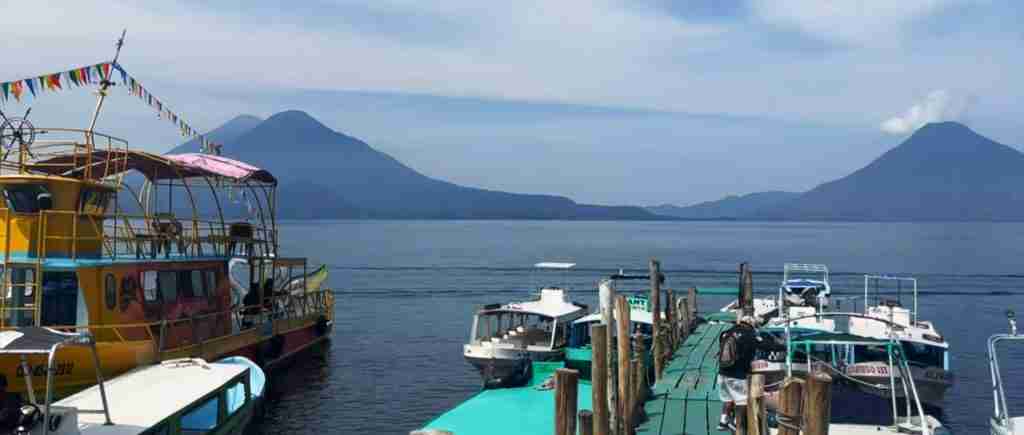
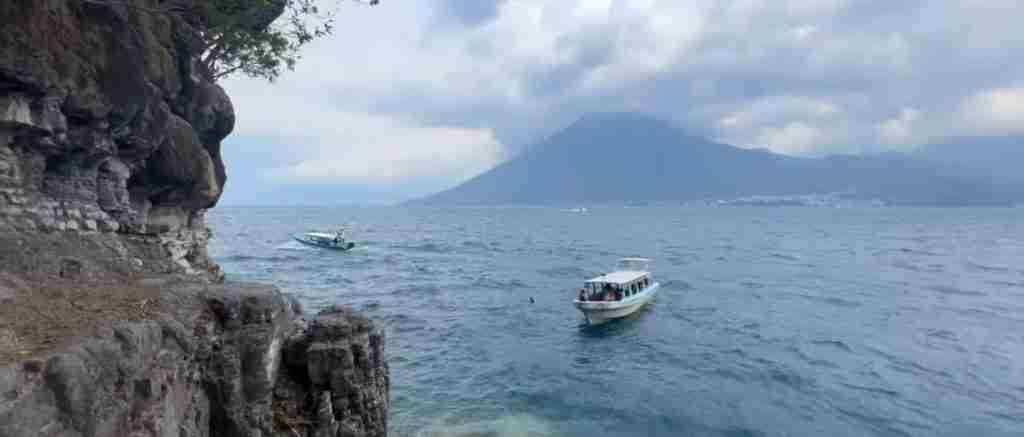
Lake Atitlan transforms the Guatemalan highlands into an extraordinary natural amphitheater where volcanic peaks rise directly from cobalt waters, creating one of Central America’s most visually stunning destinations. The 130-square-kilometer lake sits cradled between Volcán San Pedro (3,020m), Volcán Atitlán (3,537m), and Volcán Tolimán (3,158m), with a dozen Mayan villages dotting the shoreline, each maintaining distinct cultural traditions and offering different experiences for 2026 travelers.
The lake formed approximately 84,000 years ago when a massive volcanic eruption created a caldera that gradually filled with water, reaching depths of 340 meters in some areas. This geological drama continues shaping the landscape today, with the volcanoes providing dramatic backdrops for sunrise views from lakeside cafes, challenging summit hikes for adventure travelers, and countless photographic opportunities that capture Guatemala’s natural beauty at its finest.
Aldous Huxley famously called Lake Atitlan “the most beautiful lake in the world” during his 1934 visit, and modern travelers consistently rank it among Guatemala’s top destinations. The combination of indigenous Tz’utujil and Kaqchikel Maya communities, Spanish colonial influences, international expatriate culture, affordable costs, and spectacular natural scenery creates a unique destination that appeals equally to backpackers seeking budget adventures, cultural travelers interested in authentic Maya traditions, wellness seekers drawn to yoga retreats, and photographers chasing perfect volcanic sunset compositions.
This comprehensive guide provides everything needed to plan your Lake Atitlan experience in 2026, from understanding village characteristics and calculating realistic budgets to mastering boat transportation networks and identifying optimal timing for weather, crowds, and cultural events. Whether planning a quick two-day exploration from Antigua or an extended month-long immersion in village life, accurate planning information ensures you maximize this extraordinary destination’s possibilities.
People Also Ask About Lake Atitlan 2026
How much does it cost to visit Lake Atitlan in 2026?
Budget travelers spend Q400-600 ($51-77) daily including basic accommodation at Q150-250 ($19-32) per night, three simple meals at Q150-200 ($19-26) combined, lancha boats at Q25-30 ($3.20-3.85) per trip, and Q50-100 ($6.40-12.80) for occasional activities, allowing extended stays without depleting travel funds. Mid-range visitors allocate Q800-1,200 ($102-154) daily with nicer hotels at Q350-500 ($45-64), restaurant meals at Q300-400 ($38-51) total, private boat charters for convenience, and Q150-250 ($19-32) for quality tours and experiences. Luxury travelers budget Q1,500-2,500+ ($192-320+) daily for premium lakeside hotels, fine dining experiences, private guides, and exclusive activities. Check current exchange rates as the quetzal-dollar relationship affects purchasing power throughout your stay.
What is the best village to stay in at Lake Atitlan in 2026?
Panajachel offers the most services with banks, supermarkets, tour agencies, and easy shuttle connections, making it ideal for first-time visitors and those needing convenient amenities despite being the most commercialized village. San Pedro La Laguna attracts backpackers and Spanish language students with party atmosphere, Q150-200 ($19-26) dorm beds, Q60-80 ($7.70-10.25) daily Spanish lessons including homestay, and active social scene around Calle Principal. San Marcos La Laguna draws wellness travelers with 15+ yoga studios, holistic healing centers, meditation retreats, vegetarian restaurants, and tranquil atmosphere perfect for extended stays focused on personal development. Santiago Atitlán provides the most authentic Maya cultural experience with Q200-300 ($26-38) homestays, traditional backstrap weaving demonstrations, cofradía ceremonies, and minimal tourist infrastructure. Santa Cruz La Laguna suits adventurous travelers seeking hiking access, swimming spots, and peaceful environments at Q250-350 ($32-45) accommodation, though boat-only access requires planning logistics carefully.
How do you get around Lake Atitlan in 2026?
Public lanchas (small motorboats) provide the primary transportation network, departing Panajachel pier every 30-60 minutes from 6:00 AM to 5:30 PM daily, stopping at villages counterclockwise around the lake with fares of Q25-30 ($3.20-3.85) per segment. Private boat rentals cost Q300-500 ($38-64) per hour depending on boat size and negotiation skills, allowing customized village visits, photography stops at optimal angles, and flexible timing without waiting for scheduled departures. Tuk-tuks connect Panajachel center to surrounding areas at Q10-20 ($1.30-2.55) per trip, while pickup trucks serve as informal buses within larger villages like San Pedro at Q5-10 ($0.65-1.30) per person. Walking paths connect some adjacent villages, particularly the scenic one-hour trail between San Marcos and Jaibalito, though steep terrain and limited signage require good fitness and navigation skills. Kayak rentals at Q100-150 ($12.80-19.20) per day offer independent exploration possibilities for experienced paddlers comfortable navigating open water and afternoon winds that regularly develop after 1:00 PM.
Is Lake Atitlan safe for tourists in 2026?
Lake Atitlan maintains generally safe conditions for tourists with sensible precautions, as violent crime against visitors remains rare and most travelers complete stays without incidents. Petty theft occurs occasionally in busy areas like Panajachel market and boat docks, requiring standard vigilance with valuables, keeping cameras secured when not actively photographing, and avoiding expensive jewelry displays that attract attention. Boat safety concerns focus on afternoon wind patterns that create choppy conditions, with lancha operators sometimes continuing service despite rough water, making morning departures preferable for nervous travelers and those prone to seasickness. Solo travelers, including women, report comfortable experiences staying in established tourist villages, though walking alone after dark receives mixed recommendations depending on specific locations and current conditions. Swimming safety varies significantly by location, with Santa Cruz and San Marcos offering better conditions than Panajachel where pollution concerns affect water quality near the pier area. Travel insurance covering medical evacuation proves valuable given limited emergency services in smaller villages and three-hour distances to Guatemala City hospitals for serious conditions requiring specialized treatment.
Extended multi-day tours – 5+ days
Featured Guatemala Multi-Day Tour Packages
3 days
Guatemala 3-Day Discovery Tour
- ✓ Comprehensive Guatemala experience
- ✓ Expert local guides included
- ✓ All accommodation included
- ✓ Transportation provided
5 days
Guatemala 5-Day Highlights Experience
- ✓ Comprehensive Guatemala experience
- ✓ Expert local guides included
- ✓ All accommodation included
- ✓ Transportation provided

7 days
Guatemala 7-Day Cultural Journey
- ✓ Comprehensive Guatemala experience
- ✓ Expert local guides included
- ✓ All accommodation included
- ✓ Transportation provided
10 days
Guatemala 10-Day Complete Adventure
- ✓ Comprehensive Guatemala experience
- ✓ Expert local guides included
- ✓ All accommodation included
- ✓ Transportation provided
Multi-day tour packages powered by TourRadar. Prices and availability subject to change.
Essential Planning Information 2026
Understanding Lake Atitlan Geography and Layout
Lake Atitlan stretches 18 kilometers east-west and 8 kilometers north-south, creating an irregular shape with deep bays and protruding peninsulas that shelter various villages from wind patterns. The northern shore hosts Panajachel, Santa Catarina Palopó, and San Antonio Palopó, with paved road access connecting these towns to each other and to Sololá above the lake rim. The southern shore remains more isolated, accessible primarily by boat, with San Pedro La Laguna, Santiago Atitlán, and San Lucas Tolimán representing the major settlements facing spectacular volcano views across the water.
Twelve principal villages ring the lake, each maintaining distinct character: Panajachel serves as the commercial hub with the broadest services, San Pedro attracts young travelers and Spanish students, San Marcos draws wellness seekers and spiritual practitioners, Santiago Atitlán preserves the strongest Maya traditions, Santa Cruz appeals to adventurous types seeking tranquility, San Juan La Laguna showcases artisan cooperatives and community tourism, Jaibalito and Tzununa offer ultra-quiet retreats with minimal development, while Santa Catarina Palopó and San Antonio Palopó maintain traditional weaving cultures with stunning textile displays.
The three volcanoes dominate the southern horizon when viewing from northern villages, while southern shore residents look north across the water toward the Sierra Madre mountain range. This geographical orientation affects photography planning significantly, as northern shore locations capture volcano silhouettes during sunrise and sunset, while southern villages photograph across open water toward mountain backdrops. Elevation at lake level sits at 1,562 meters above sea level, creating mild temperatures year-round while requiring acclimatization for those arriving from sea-level origins.
2026 Transportation Costs and Options
Public lancha boats charge Q25-30 ($3.20-3.85) per person for standard routes between villages, operating on semi-fixed schedules from Panajachel pier with departures every 30-60 minutes during peak hours. The complete circuit around the lake takes approximately 3-4 hours with all stops, though most travelers use lanchas for specific village-to-village transfers rather than complete circumnavigation. Purchase tickets at wooden ticket booths near the departure pier in each village, where staff confirm destinations and departure times with reasonable accuracy despite the semi-informal scheduling system. Check current official rates at statuecruises.com for updated pricing as boat cooperatives occasionally adjust fares.
Private boat rentals range Q300-500 ($38-64) per hour depending on boat size, engine power, negotiation skills, and group size, with half-day charters at Q800-1,200 ($102-154) and full-day rentals reaching Q1,500-2,000 ($192-256). Private boats allow photography stops at optimal light angles, visits to smaller villages without lancha service, flexible timing that doesn’t depend on scheduled departures, and comfortable seating rather than crowded public boat conditions. Negotiate clearly at the start regarding exact villages to visit, total duration, whether fuel costs are included in the quoted price, and waiting time allowances at each stop.
Shuttle services from Antigua to Panajachel operate daily through multiple companies, departing 8:00-10:00 AM and returning 2:00-4:00 PM, charging Q90-120 ($11.50-15.40) one-way with three-hour journey times through mountain scenery. Tourist shuttles provide more comfort than chicken buses at Q35-45 ($4.50-5.75) but take longer due to winding routes and frequent stops. Guatemala City connections require either shuttle services at Q150-200 ($19-26) or chicken bus combinations involving transfers in Sololá that test navigation skills and Spanish language abilities.
Accommodation Price Ranges 2026
Budget accommodations range Q150-250 ($19-32) per night for basic rooms with shared bathrooms, found most abundantly in San Pedro La Laguna, Panajachel, and San Marcos La Laguna. Dorm beds in hostels cost Q80-120 ($10.25-15.40) per night, offering the most economical option for solo travelers comfortable with shared spaces and social hostel atmospheres. These budget options include WiFi access in common areas, basic breakfast offerings like eggs and beans, and helpful staff familiar with local tours and transportation logistics. Hot water availability varies, with solar heating systems common in San Marcos but less reliable in San Pedro, where cold showers become standard during cloudy periods.
Mid-range hotels and guesthouses charge Q300-600 ($38-77) per night, providing private bathrooms, more comfortable beds, lake views from better-positioned rooms, and upgraded amenities like cable TV and mini-fridges. San Marcos and Santa Cruz offer particularly good mid-range value, with newer properties featuring modern construction, attractive design elements, and peaceful locations away from village centers. Properties in this range include continental or full breakfast, swimming pool access in some cases, and more attentive service from professional staff rather than family-run casual operations.
Luxury options range Q800-2,000+ ($102-256+) per night, concentrated in Panajachel, San Marcos, and Santa Cruz where higher-end travelers congregate. These properties feature infinity pools overlooking the lake, spa facilities offering massage and wellness treatments, fine dining restaurants serving international cuisine, concierge services arranging tours and transportation, and architectural designs incorporating traditional materials with modern luxury standards. Booking during peak December-March season requires 2-3 months advance reservations for premium properties, while shoulder months offer same-week availability and occasional last-minute deals. Check booking platforms for current rates and seasonal variations.
Best Time to Visit Lake Atitlan 2026
Dry Season Peak Period: December-March 2026
The December-March dry season provides the most reliable weather conditions with clear skies, minimal rainfall, and consistent visibility for volcano photography. Daily temperatures reach 24-27°C (75-81°F) during afternoon peaks, dropping to 12-15°C (54-59°F) overnight, creating comfortable conditions for hiking, village exploration, and outdoor dining. Morning sunshine illuminates the volcanoes from 6:30 AM onwards, while afternoon light creates dramatic shadows and golden hour colors from 4:30-6:00 PM. This period attracts maximum tourist numbers, particularly during December-January holiday weeks and February-March when North American winter escapees arrive seeking warmth.
Accommodation prices reach annual peaks during December 15-January 10 and February 15-March 15, with Q300 ($38) budget rooms jumping to Q400-450 ($51-58), mid-range Q500 ($64) options reaching Q650-750 ($83-96), and luxury properties adding 30-50% premiums to base rates. Advance booking becomes essential, with popular properties in San Marcos and Santa Cruz selling out 60-90 days ahead. Restaurant reservations prove necessary for weekend dinners at better establishments, while lancha boats run fuller schedules and private boat availability tightens considerably.
Cultural events concentrate during this period, including Santiago Atitlán’s patron saint festival January 18-20 with traditional dances and cofradía ceremonies, Panajachel’s October 4 San Francisco celebration with processions and markets, and various village-specific celebrations showcasing Maya Catholic syncretism. Photography conditions excel during dry season months, with clear volcano views averaging 85-90% of days compared to 40-50% during rainy season, making this timing optimal for travelers prioritizing landscape photography and volcano hiking.
Shoulder Season Value: April-May and November 2026
April-May transitions into rainy season gradually, with increasing afternoon cloud buildup but morning clarity remaining reliable through mid-May. Accommodation prices drop 20-30% from peak season levels, restaurant crowds thin noticeably, and boat transportation runs less frequent schedules while maintaining adequate service for tourists. Daily temperatures reach 26-28°C (79-82°F) before afternoon rains cool conditions, with overnight lows staying comfortable at 14-16°C (57-61°F). This period suits travelers seeking value pricing, reduced crowds at popular villages, and still-reasonable weather for most activities.
November represents the tail end of rainy season with decreasing precipitation frequency, clearing skies, and greener landscapes from months of rain. Accommodation discounts reach 30-40% compared to December-January peak, making luxury properties accessible at mid-range prices and mid-range options approaching budget levels. Tourist numbers remain low until Thanksgiving week, creating intimate village experiences and easy boat transportation without waiting. Photography improves steadily through November as clearer days become more frequent, though morning fog patterns require flexibility in sunrise shooting schedules.
Cultural authenticity increases during shoulder periods when villages operate primarily for local residents rather than tourist demands, though some tour operators reduce service frequency and certain restaurants close for vacation. Spanish language schools offer enrollment discounts in May and November, making these months ideal for combining language study with lake exploration. Weather unpredictability requires flexible planning, with rainy day backup activities including museum visits in Panajachel, artisan cooperative tours in San Juan, and indoor cultural demonstrations that function regardless of precipitation.
Rainy Season Adventures: June-October 2026
June-October rainy season brings daily afternoon thunderstorms arriving 2:00-4:00 PM, lasting 1-3 hours, then clearing by evening with spectacular sunset possibilities. Mornings remain largely clear and sunny, allowing village explorations, boat transportation, hiking, and photography from 6:00 AM until early afternoon when clouds build and rain begins. Accommodation reaches annual low prices with Q150 ($19) budget rooms, Q250-350 ($32-45) mid-range options, and Q500-700 ($64-90) luxury properties offering exceptional value for travelers accepting weather tradeoffs.
Tourist numbers drop to annual minimums, creating opportunities for intimate cultural experiences, easy restaurant seating without reservations, and spontaneous accommodation decisions arriving without advance bookings. Landscape photography actually improves in some aspects, with dramatic storm clouds creating moody volcano backdrops, lush green vegetation from months of rain, and spectacular lightning displays for photographers with proper equipment and patience. September-October experiences the heaviest rainfall, with 250-300mm monthly totals, while June-July sees lighter precipitation and more clear days mixed into the rainy pattern.
Activity planning focuses morning hours when weather remains most predictable, completing volcano hikes starting 5:00-6:00 AM to reach summits before cloud buildup, scheduling village visits and cultural tours before lunch, and accepting that 2:00-5:00 PM requires indoor activities or rain-accepting attitudes. Boat transportation continues operating through light rain, though captains cancel departures during heavy storms for safety reasons, requiring schedule flexibility. Travelers comfortable with afternoon rain patterns discover rainy season Lake Atitlan offers incredible value, fewer crowds, equally stunning morning beauty, and authentic village experiences when tourism infrastructure scales back to local operations.
Village-by-Village Guide 2026
Panajachel: The Gateway Town
Panajachel serves as Lake Atitlan’s primary gateway and commercial hub, offering the broadest range of services including multiple banks with ATMs, large supermarkets, medical clinics, tour agencies, and shuttle connections to Antigua and Guatemala City. The population of approximately 15,000 makes it the lake’s largest town, with Calle Santander forming the main tourist strip lined with restaurants, hotels, souvenir shops, and travel agencies. Banco Industrial, Banrural, and Cajero 5B ATMs accept international cards, while pharmacies, hardware stores, and convenience stores provide supplies unavailable in smaller villages.
Accommodation ranges from Q100 ($12.80) hostel dorms to Q1,200+ ($154+) lakefront hotels, with the broadest selection at every price point around the lake. Budget travelers find numerous Q150-250 ($19-32) guesthouses within walking distance of the pier, while mid-range Q400-600 ($51-77) hotels occupy quieter side streets with gardens and better views. The main boat pier launches lanchas to all villages, operating continuous service from 6:00 AM to 5:30 PM daily with the most frequent departures and reliable schedules around the lake.
Tourist infrastructure reaches maximum development in Panajachel, with dedicated tour agencies organizing volcano hikes, village tours, kayaking trips, and cultural experiences. Restaurants serve every cuisine from traditional Guatemalan comedores at Q40-60 ($5.10-7.70) per meal to international options including Italian, Thai, and American at Q80-150 ($10.25-19.20) per entrée. Nightlife concentrates around Calle Santander with bars operating until midnight most nights, though the town maintains relatively quiet evening atmosphere compared to genuine party destinations. Shopping opportunities dominate the tourist experience, with textile markets every day offering traditional huipiles, cortes, table runners, and handicrafts at prices requiring serious negotiation skills.
San Pedro La Laguna: Backpacker Central
San Pedro La Laguna attracts budget travelers, backpackers, and Spanish language students with Q80-120 ($10.25-15.40) hostel dorms, Q60-80 ($7.70-10.25) daily Spanish lessons, party atmosphere on Calle Principal, and active social scene connecting international travelers. The village splits into two distinct zones: the traditional Maya section uphill where local families maintain cultural practices, traditional dress, and coffee farming livelihoods, and the tourist zone along the lakeshore where hostels, bars, restaurants, and language schools cater to foreign visitors. Population reaches approximately 12,000, making San Pedro the second-largest lakeside community after Panajachel.
Accommodation focuses heavily on budget options, with dozens of hostels offering Q150-200 ($19-26) private rooms and Q80-100 ($10.25-12.80) dorm beds. Mid-range hotels at Q300-400 ($38-51) provide quieter alternatives away from party hostels, while limited luxury options reach Q600-800 ($77-102) for lakefront properties. The social hostel scene creates opportunities meeting other travelers, organizing group activities, and accessing informal information networks about tours, transportation, and village secrets. Buddha Bar, Alegre Pub, and Freedom Bar anchor nightlife, operating until 1:00-2:00 AM on weekends with live music, DJ sets, and drink specials attracting party crowds.
Spanish language schools proliferate, with 12+ institutions offering group lessons at Q60-80 ($7.70-10.25) for four-hour daily instruction and homestay accommodation at Q700-900 ($90-115) per week including three meals daily with local families. Volcán San Pedro hiking provides the area’s signature activity, with sunrise summit attempts starting 4:30-5:00 AM, reaching the 3,020-meter peak after three-hour climbs, offering spectacular 360-degree views across the lake toward Volcán Atitlán and Volcán Tolimán. Guided hikes cost Q150-200 ($19-26) per person including transportation to trailhead, guide services, and entrance fees to the nature reserve protecting the volcano’s forests and wildlife.
San Marcos La Laguna: Wellness & Yoga Hub
San Marcos La Laguna attracts wellness travelers, yoga practitioners, meditation seekers, and spiritual adventurers with 15+ yoga studios, holistic healing centers, meditation retreats, vegetarian restaurants, and tranquil atmosphere distinct from San Pedro’s party scene. The village maintains quiet regulations prohibiting loud music, limiting nightlife, and encouraging contemplative environments that support personal development work and wellness practices. Population remains small at approximately 2,500 residents, with foreigners comprising significant percentage during peak season as digital nomads, yoga teachers, and wellness practitioners establish temporary or permanent residence.
Accommodation emphasizes character and serenity over luxury amenities, with Q250-400 ($32-51) guesthouses featuring meditation spaces, yoga platforms, gardens, and wellness-focused atmospheres. Budget options reach Q150-200 ($19-26) for simple rooms, while premium properties at Q600-1,000 ($77-128) offer private lake access, on-site massage, yoga classes, and retreat facilities. Las Pirámides meditation center provides the village’s most distinctive accommodation at Q250-350 ($32-45) per night including vegetarian meals and meditation instruction in a complex designed around geometric pyramid structures believed to enhance spiritual energy.
Yoga classes operate throughout the day at Q40-60 ($5.10-7.70) per drop-in session, with weekly unlimited passes at Q200-300 ($26-38) providing better value for extended stays. Vinyasa, Ashtanga, Yin, and Kundalini styles all find representation across different studios, while meditation sessions, breathwork classes, and sound healing ceremonies provide complementary practices. Massage, acupuncture, energy healing, tarot readings, and various alternative therapies flourish in San Marcos, with Q150-300 ($19-38) typical for hour-long sessions. Vegetarian and vegan restaurants dominate dining options, with Q50-80 ($6.40-10.25) typical for healthy meals featuring organic ingredients, superfoods, and conscious preparation.
Santiago Atitlán: Maya Cultural Center
Santiago Atitlán preserves the lake’s strongest Maya cultural traditions, with Tz’utujil language spoken widely, traditional dress worn by most women, and ancient spiritual practices maintained through cofradía brotherhoods that blend Maya and Catholic beliefs. The town’s 35,000-40,000 population makes it the largest settlement around the lake, though most residents live in neighborhoods away from the tourist-focused lakeshore area. Traditional backstrap weaving produces stunning textiles, with cooperatives offering demonstrations and sales at Q300-600 ($38-77) for authentic huipiles requiring months of hand-weaving work.
Accommodation options remain limited compared to other villages, with Q200-300 ($26-38) homestays providing the most authentic cultural experiences including meals with local families and insights into daily life. Small hotels at Q250-400 ($32-51) offer private rooms with basic amenities, while Q500-700 ($64-90) mid-range properties provide better comfort for travelers requiring more standard tourist accommodations. The boat pier connects to Panajachel via lanchas at Q30 ($3.85) per trip, taking 30-40 minutes across open water that becomes choppy during afternoon wind patterns.
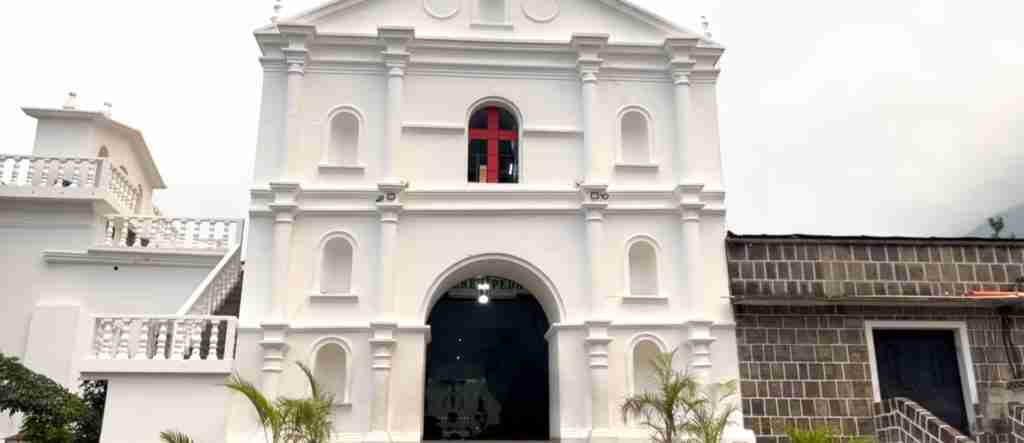
Maximón worship represents Santiago’s most distinctive cultural element, with the controversial Maya deity housed in rotating locations managed by different cofradías throughout the year. Visitors pay Q10-20 ($1.30-2.55) to enter the current shrine, where offerings of cigarettes, alcohol, and flowers honor the folk saint who represents the fusion of Maya gods with Catholic saints. Church of Santiago Apostol anchors the town plaza, featuring stunning colonial architecture, religious artworks, and altars where Catholic mass coexists with ancient Maya spiritual practices. Market days Tuesday and Friday bring villagers from surrounding hills, creating authentic commercial scenes with produce, textiles, chickens, and household goods traded in traditional patterns largely unchanged for centuries.
Santa Cruz La Laguna: Adventure Base
Santa Cruz La Laguna attracts adventurous travelers seeking hiking access, cliff jumping opportunities, swimming locations, and peaceful environments away from commercialized villages. The tiny population of approximately 1,500 residents maintains traditional Maya culture while welcoming tourists to locally-run guesthouses and restaurants that operate seasonally based on demand. Boat-only access requires planning logistics carefully, as the village lacks road connections to the rest of Guatemala beyond the lake transportation network. Lancha service from Panajachel costs Q25 ($3.20), taking 20-25 minutes to reach the village’s three different pier areas serving various properties spread along the shoreline.
Accommodation clusters around three distinct zones, with properties accessible only by boat even from within the village. Budget options at Q200-300 ($26-38) provide simple rooms with shared bathrooms, while mid-range Q400-600 ($51-77) properties offer better positions, private facilities, and upgraded comfort. La Iguana Perdida hostel creates social hub for backpackers at Q120 ($15.40) dorm beds, organizing group activities like cliff jumping at La Iguana cliff (10 meters high), sunset kayaking, and family-style dinners bringing travelers together. ATM Caves provide swimming opportunities in crystal-clear water accessible via short hike from village center.
Hiking trails connect Santa Cruz to surrounding villages, with the one-hour path to Jaibalito offering scenic lakeside walking and the two-hour route to San Marcos crossing ridges with spectacular views. Indian Nose viewpoint draws sunrise hikers who start 5:00 AM for two-hour climbs to the 2,200-meter summit, where the lake spreads below in morning light with volcano silhouettes visible across the water. Guided hikes cost Q100-150 ($12.80-19.20) per person, while independent hikers manage the trail with reasonable navigation skills and early starts avoiding afternoon heat. Rock climbing routes developed on cliffs near La Iguana attract technical climbers, though equipment rental remains limited to specific hotels catering to adventure travelers.
San Juan La Laguna: Artisan Community
San Juan La Laguna showcases community-based tourism through artisan cooperatives, organic coffee farms, natural dye demonstrations, and traditional painting galleries that provide income to local families while preserving cultural traditions. The village’s 7,000-8,000 residents maintain primarily Tz’utujil Maya culture, with Spanish language heard less frequently than in Panajachel or San Pedro. Women’s weaving cooperatives welcome visitors for Q30-50 ($3.85-6.40) demonstrations showing backstrap weaving techniques, natural dye preparation from local plants, and traditional textile patterns passed through generations. Finished products sell at fair prices that support cooperative members directly.
Accommodation remains limited but growing, with Q200-300 ($26-38) guesthouses offering basic rooms and Q400-600 ($51-77) newer properties providing better facilities and lake views. Homestays at Q150-200 ($19-26) including meals let travelers experience daily life with local families, though Spanish language skills help navigate these more intimate cultural exchanges. The village maintains quieter atmosphere than tourist-heavy locations, with restaurants serving traditional Guatemalan food at Q40-60 ($5.10-7.70) per meal rather than international cuisine options abundant elsewhere. Vegetarian and vegan choices remain limited to specific restaurants catering to foreign visitors’ dietary preferences.
Coffee cooperatives offer tours at Q40-60 ($5.10-7.70) per person, explaining organic growing methods, processing techniques, roasting procedures, and sustainability practices supporting small farmers. Tours include coffee tastings comparing different roast levels and tasting notes from beans grown at various elevations around the lake. Naive art galleries display colorful paintings by local artists who developed distinctive style depicting village life, lake scenes, Maya traditions, and natural landscapes in vibrant colors and simplified forms. Original paintings sell at Q300-1,500 ($38-192) depending on size and artist reputation, while prints offer more affordable Q50-100 ($6.40-12.80) souvenirs supporting the artistic community.
Activities and Experiences 2026
Volcano Hiking Adventures
Volcán San Pedro provides the most accessible summit experience, with guided hikes departing San Pedro village at 5:00-6:00 AM, climbing through cloud forest to the 3,020-meter peak in three hours, and descending in two hours before afternoon heat becomes intense. The Q150-200 ($19-26) guided price includes transportation to trailhead, guide services, entrance fees to the nature reserve, and basic trail snacks. Solo hikers save Q100 ($12.80) by ascending independently, though guides provide security against occasional robbery reports on isolated trail sections and help navigate the sometimes confusing trail junctions in the forest zone. Summit views encompass the entire lake, Volcán Atitlán, Volcán Tolimán, and on clear days extend to Volcán Fuego’s smoking cone near Antigua 50 kilometers east.
Indian Nose (Rostro Maya) offers shorter but steeper hiking at 2,200 meters elevation, with sunrise attempts starting Santa Cruz at 5:00 AM, climbing 600 vertical meters in two hours, and reaching the summit as dawn illuminates the volcanoes across the lake. Guided hikes cost Q100-150 ($12.80-19.20) per person, providing flashlights for pre-dawn sections, trail knowledge preventing wrong turns, and cultural context about the hill’s name deriving from its profile resembling a Maya face in repose. Independent hikers manage the trail successfully, though starting with groups provides safety benefits and social connections for solo travelers. Photography excels from Indian Nose, with direct volcano views across open water and elevated perspectives capturing the lake’s full extent.
Volcán Atitlán (3,537m) and Volcán Tolimán (3,158m) present serious mountaineering challenges requiring excellent fitness, technical guides, camping gear for overnight approaches, and full-day commitments. These peaks see far fewer ascents than San Pedro, with Q400-600 ($51-77) guided trips including all equipment, camping arrangements, meals, and guide fees for 2-3 day expeditions. Volcanic activity on Atitlán creates hazards requiring current condition assessment before attempting climbs, while Tolimán’s crumbling rock and loose scree demand careful footing throughout the ascent. Only experienced hikers comfortable with elevation, steep terrain, and basic mountaineering techniques should attempt these peaks, which provide ultimate lake views from summit positions towering above the water.
Cultural Immersion Experiences
Traditional weaving demonstrations in San Juan La Laguna, Santiago Atitlán, and Santa Catarina Palopó reveal techniques unchanged for centuries, with women using backstrap looms to create complex geometric patterns representing natural elements, spiritual concepts, and village identity. Cooperative visits cost Q30-50 ($3.85-6.40) per person, showing natural dye preparation from indigo, cochineal insects, avocado pits, and other local materials producing the vibrant colors characterizing Maya textiles. Demonstrations take 45-60 minutes, with opportunities purchasing finished huipiles, cortes, table runners, and bags directly from artisans at Q200-800 ($26-102) depending on size, complexity, and hours required for completion.
Maximón ceremonies in Santiago Atitlán provide encounters with syncretic spirituality blending Maya and Catholic traditions, where devotees offer cigarettes, alcohol, candles, and prayers to the controversial folk deity housed in rotating private homes. Visitors pay Q10-20 ($1.30-2.55) entering the current shrine, observing rituals conducted by cofradía members who serve as Maximón’s guardians throughout the year. Photography receives mixed reception, with some cofradías permitting photos for additional Q20-30 ($2.55-3.85) while others request respectful observation without cameras. Understanding Maximón requires cultural sensitivity, as the practice represents living spiritual tradition rather than tourist performance, with genuine believers conducting rituals regardless of visitor presence.
Cooking classes in San Juan, San Pedro, and San Marcos teach traditional Maya cuisine including tortilla preparation, pepián stew, chiles rellenos, and tamales using techniques passed through generations. Classes cost Q150-250 ($19-32) per person, lasting 3-4 hours with market visits to purchase ingredients, cooking instruction, and shared meals consuming the prepared dishes. Instructors explain cultural significance of different foods, traditional serving customs, ceremonial meal preparations, and how diet reflects Maya agricultural traditions and spiritual beliefs. Vegetarian adaptations accommodate dietary restrictions while maintaining authentic cooking methods and flavor profiles characteristic of highland Guatemalan cuisine.
Water Sports and Swimming
Kayak rentals at Q100-150 ($12.80-19.20) per day provide independent exploration along shorelines, into quiet bays, and between nearby villages, though afternoon wind patterns developing after 1:00-2:00 PM create challenging conditions requiring experience and good judgment. Morning paddling from 7:00 AM-12:00 PM takes advantage of calmer water, better light for photography, and pleasant temperatures before midday heat peaks. Guided kayak tours cost Q200-300 ($26-38) per person, including equipment, guide services, and usually coffee or snack stops at scenic locations. Multi-hour guided tours reach remote villages without lancha service, explore ecological reserves, and visit swimming spots accessible only by water.
Swimming locations vary significantly in water quality, with Santa Cruz, San Marcos, and Jaibalito offering the clearest conditions away from populated areas. Panajachel’s beach faces pollution concerns from untreated wastewater and boat traffic, making swimming inadvisable near the main pier despite the accessible location. Natural swimming holes like ATM Caves near Santa Cruz provide spring-fed water with excellent clarity, rocky bottoms requiring water shoes, and jumping spots at 3-6 meters height for adventurous swimmers. Lake water temperatures stay comfortable year-round at 18-21°C (64-70°F), eliminating the cold shock experienced at higher-altitude lakes while still providing refreshing relief from tropical sunshine.
Stand-up paddleboard rentals reach Q150-200 ($19-26) per day at larger villages, offering stable platforms for beginners learning balance and experienced paddlers exploring at leisurely pace. Morning flat water conditions prove ideal for SUP, with afternoon chop making the sport difficult and potentially dangerous for novices. Paddleboard yoga classes combine water sports with wellness practices at Q80-120 ($10.25-15.40) per session, though these require reasonable fitness and balance capabilities beyond basic yoga experience. Cliff jumping at La Iguana in Santa Cruz attracts adrenaline seekers willing to leap from 10-meter platforms into deep water, though jumping should only follow local guidance confirming safe conditions and proper technique avoiding injury.
Money-Saving Strategies 2026
Budget Accommodation Approaches
Hostel dorms in San Pedro provide the most economical lodging at Q80-120 ($10.25-15.40) per night, offering social atmospheres, shared kitchens for meal preparation, common areas with WiFi, and fellow travelers for activity partners and information exchange. Extended stays receive discounts, with weekly rates reducing daily costs by 15-25% and monthly arrangements dropping prices by 30-40% compared to nightly bookings. Negotiating directly at properties rather than booking through platforms eliminates commission fees, potentially reducing rates Q20-40 ($2.55-5.10) per night especially during low season when occupancy drops below 50%.
Homestays at Q150-250 ($19-32) per night including meals with local families provide exceptional value when compared to Q150 ($19) accommodation plus Q150-200 ($19-26) daily food costs, while simultaneously offering cultural immersion impossible in standard hotels. Spanish language schools arrange homestays for students, though independent travelers also negotiate direct arrangements with families advertising rooms or through informal community networks in villages like Santiago Atitlán and San Juan. Standards vary considerably, from simple bedrooms with outdoor bathrooms to comfortable private rooms with hot showers and WiFi access, requiring inspection before committing to stays.
House-sitting opportunities emerge for travelers willing to stay extended periods, particularly in San Marcos and Santa Cruz where expatriate property owners seek reliable people watching homes during absences. These arrangements provide free accommodation in exchange for basic property maintenance, pet care, garden watering, and security presence. Finding house-sitting requires networking within expat communities, monitoring local notice boards, and asking around villages about upcoming opportunities. Extended stays of 2-4 weeks work best, providing owners confidence while giving sitters sufficient time enjoying village life without accommodation costs eating travel budgets.
Food Budget Optimization
Local comedores serve traditional Guatemalan meals at Q25-40 ($3.20-5.10) per plate, offering the most economical dining while providing authentic food experiences eating alongside locals rather than in tourist-oriented restaurants. Breakfast plates include eggs, beans, plantains, tortillas, and coffee for Q25-30 ($3.20-3.85), while lunch and dinner options feature chicken, pork, or vegetarian stews with rice, tortillas, and simple salads at Q35-45 ($4.50-5.75). Ordering in Spanish, arriving during local meal hours (noon-1:30 PM for lunch), and asking for comida típica ensures better prices and more authentic preparations than tourist menus with English translations and inflated charges.
Market shopping in Panajachel, San Pedro, and Santiago provides ingredients for self-catering at local prices, with fresh produce, tortillas, beans, eggs, and basic staples available at Q100-150 ($12.80-19.20) weekly expenditure for simple but adequate nutrition. Hostels and budget hotels with shared kitchens enable meal preparation, reducing daily food costs from Q150-200 ($19-26) eating restaurants to Q50-80 ($6.40-10.25) cooking basic meals. Markets operate daily in Panajachel with expanded selections Tuesday and Friday, while Santiago’s Tuesday and Friday markets offer the most authentic shopping experiences with traditional vendors and local customers dominating the scene.
Street food options including tamales at Q5-8 ($0.65-1.00), fresh fruit at Q10-15 ($1.30-1.90), and snacks at Q8-12 ($1.00-1.55) provide quick meals without restaurant expenses, though food safety requires judging vendor cleanliness and food freshness carefully. Breakfast from street vendors costs Q15-25 ($1.90-3.20) for coffee and pastries, while Q30-40 ($3.85-5.10) purchases substantial lunch from food carts serving grilled meats, rice, beans, and tortillas. Evening snack carts around village plazas offer Q10-20 ($1.30-2.55) light meals, extending budget food options beyond standard restaurant hours and providing social opportunities interacting with local food culture.
Transportation Savings Strategies
Walking between adjacent villages eliminates boat costs while providing exercise, cultural encounters, and photography opportunities unavailable from water transport. The San Marcos to Jaibalito path takes one hour along lakeside trails, while Panajachel to Santa Catarina Palopó requires 45 minutes on paved road with lake views. Longer walks like San Pedro to San Juan (2.5 hours) and Santa Cruz to San Marcos (1.5 hours) suit fit travelers comfortable with elevation changes and sometimes rough trails. Walking saves Q25-30 ($3.20-3.85) per lancha trip, adding up significantly over multi-week stays involving frequent village visits.
Group formations for private boat rentals divide Q300-500 ($38-64) hourly costs among 6-10 passengers, reducing individual expenses to Q30-80 ($3.85-10.25) per person for customized village tours with photography stops and flexible timing. Organizing groups through hostel notice boards, social media groups, or informal conversations at village piers creates affordable private transportation approximating public lancha prices while maintaining flexibility and comfort benefits. Multi-village tours visiting 4-5 locations during half-day charters provide excellent value when costs split among full groups rather than solo travelers paying entire boat fees.
Bicycle rentals at Q60-100 ($7.70-12.80) per day in Panajachel enable transportation to Santa Catarina Palopó, San Antonio Palopó, and other nearby locations without paying Q10-20 ($1.30-2.55) tuk-tuk fares for each trip. The 13-kilometer paved road from Panajachel to San Antonio follows the lakeshore with spectacular views, minimal traffic, and manageable grades for recreational cyclists. Biking eliminates waiting for transportation, allows spontaneous stops at viewpoints and villages, and provides exercise maintaining fitness during extended lake stays. Some guesthouses loan bicycles free to guests, eliminating even rental costs while encouraging active exploration.
Sample 2026 Itineraries
Three-Day Village Explorer: Budget Version
Day 1 – Panajachel & Santiago Atitlán: Morning lancha to Santiago Atitlán Q30, Maximón shrine visit Q15, lunch at comedor Q35, weaving cooperative tour Q40, return boat Q30, Panajachel dinner Q50, hostel dorm Q100. Total day cost: Q300 ($38) per person.
Day 2 – San Pedro & San Juan: Lancha to San Pedro Q30, Volcán San Pedro hike guided Q180, lunch at local restaurant Q45, afternoon lancha to San Juan Q25, artisan cooperative Q40, coffee tour Q50, return to Panajachel Q25, dinner Q50, hostel dorm Q100. Total day cost: Q545 ($70) per person.
Day 3 – San Marcos & Santa Cruz: Morning lancha to San Marcos Q25, yoga class Q50, breakfast Q40, walk to Santa Cruz (free), cliff jumping at La Iguana (free), lunch Q55, kayak rental Q100 (half-day), return lancha to Panajachel Q25, dinner Q45, hostel dorm Q100. Total day cost: Q440 ($56) per person.
Three-Day Total: Q1,285 ($165) per person including accommodation, all transportation, activities, and meals. This budget approach uses hostel dorms, local restaurants, shared activities, and public lanchas while still experiencing major villages and signature activities.
Four-Day Cultural Immersion: Mid-Range Version
Day 1 – Arrival & Panajachel Orientation: Antigua shuttle Q110, Panajachel check-in mid-range hotel Q400, welcome lunch Q85, afternoon market exploration and textile shopping Q200 (optional purchases), lake sunset viewing (free), dinner at nicer restaurant Q120. Total day cost: Q915 ($117) per person excluding accommodation Q400 ($51).
Day 2 – Santiago Cultural Deep Dive: Private boat charter to Santiago (4 passengers sharing) Q400 total = Q100 per person, Maximón ceremony Q20, church visit Q10, weaving demonstration Q45, traditional lunch with local family Q60, afternoon market shopping Q150 (purchases), return boat Q100 per person, dinner Q100, accommodation Q400. Total day cost: Q585 ($75) per person excluding accommodation.
Day 3 – San Marcos Wellness Experience: Morning lancha Q25, two yoga classes Q110, healthy breakfast Q65, massage therapy Q200, vegetarian lunch Q80, meditation session Q60, sunset paddleboard Q180, dinner Q95, accommodation in San Marcos Q450. Total day cost: Q815 ($104) per person excluding accommodation.
Day 4 – San Pedro Summit & Departure: Indian Nose sunrise hike guided Q130, breakfast Q60, lancha return to Panajachel Q30, final lunch Q85, Antigua shuttle departure Q110. Total day cost: Q415 ($53) per person (no accommodation).
Four-Day Total: Q2,730 ($350) per person excluding accommodation (add Q1,250/$160 for three nights mid-range lodging) = Q3,980 ($510) complete trip cost. This mid-range approach emphasizes cultural depth, wellness activities, and comfortable accommodation while maintaining reasonable budget consciousness.
Five-Day Adventure & Culture: Comprehensive Version
Day 1 – Panajachel Base Setup: Guatemala City shuttle Q170, mid-range lakefront hotel Q500, orientation lunch Q95, afternoon kayak rental and exploration Q140, sunset photography walk (free), dinner with lake view Q150. Total day cost: Q555 ($71) per person excluding accommodation Q500 ($64).
Day 2 – Volcán San Pedro Summit: Early lancha to San Pedro Q30, guided volcano hike with summit breakfast Q200, post-hike lunch Q80, afternoon rest and village exploration Q50 (snacks/drinks), Spanish school visit and information Q0, return boat Q30, dinner Q120, accommodation Q500. Total day cost: Q510 ($65) per person excluding accommodation.
Day 3 – Western Villages Circuit: Private boat charter (8-hour, 6 passengers) Q1,500 total = Q250 per person visiting Santa Cruz, San Marcos, Jaibalito, San Pablo, breakfast in San Marcos Q70, cliff jumping Santa Cruz (free), lunch in Jaibalito Q90, San Marcos yoga class Q60, afternoon swimming and exploration, return Panajachel, dinner Q140, accommodation Q500. Total day cost: Q610 ($78) per person excluding accommodation.
Day 4 – Santiago & San Juan Deep Culture: Morning lancha to Santiago Q30, Maximón visit Q20, church Q10, weaving cooperative extended tour Q65, traditional lunch Q70, lancha to San Juan Q25, coffee cooperative full tour Q60, painting gallery visit and purchase Q200, artisan demonstrations Q45, return to Panajachel Q25, special dinner Q180, accommodation Q500. Total day cost: Q730 ($93) per person excluding accommodation.
Day 5 – Indian Nose Sunrise & Departure: Very early private boat to Santa Cruz Q200 (shared 4 ways) = Q50 per person, Indian Nose guided sunrise hike Q150, return boat Q50, Panajachel celebratory breakfast Q85, final souvenir shopping Q150 (purchases), Antigua luxury shuttle Q150. Total day cost: Q635 ($81) per person (no accommodation night 5).
Five-Day Total: Q3,040 ($390) per person excluding accommodation (add Q2,000/$256 for four nights mid-range lodging) = Q5,040 ($646) complete comprehensive experience. This version balances adventure activities, cultural depth, comfort, and thorough exploration of multiple villages and experiences around the lake.
Practical Planning Details 2026
Money and Banking Considerations
ATMs in Panajachel accept international cards through Visa and Mastercard networks, with Banco Industrial, Banrural, and Cajero 5B machines dispensing Q100 bills that require breaking into smaller denominations before using in villages. Daily withdrawal limits typically reach Q2,000-3,000 ($256-384) per transaction, with Q15-30 ($1.90-3.85) fees per withdrawal making larger, less frequent withdrawals more economical. San Pedro has one ATM accepting international cards with frequent cash depletion during weekends and holidays, while other villages lack ATM access entirely, requiring cash carried from Panajachel for all expenses during village stays.
US dollars exchange easily in Panajachel at shops displaying “cambio” signs, with Q7.50-7.80 per dollar typical rates compared to Q7.85-7.95 official rates, meaning 1-2% loss on exchange. Villages outside Panajachel rarely accept dollars or provide exchange services, making quetzales essential for all purchases despite occasional hotels and tour operators accepting dollars at unfavorable rates. Credit cards work at larger hotels and tour agencies in Panajachel, rarely elsewhere, with 3-5% fees added for card transactions even when accepted. Bringing sufficient cash from Panajachel for planned village stays prevents situations where lack of funds limits activities or necessitates expensive private boat returns solely for ATM access.
Tipping customs suggest Q10-20 ($1.30-2.55) for basic services like boat rides and tuk-tuks, Q30-50 ($3.85-6.40) for tour guides on half-day experiences, Q50-100 ($6.40-12.80) for full-day guided activities, and 10% on restaurant bills at nicer establishments serving tourists. Local comedores and market vendors don’t expect tips, while hotel housekeeping appreciates Q10-15 ($1.30-1.90) daily. Bargaining applies in markets and with boat operators for private charters, though public lancha fares remain fixed and arguing proves counterproductive. Textile prices negotiate 20-40% from initial asking prices through friendly, respectful bargaining that recognizes artisan labor value while finding fair prices both parties accept.
Health and Safety Considerations
Lake Atitlan sits at 1,562 meters elevation, creating mild altitude effects for visitors arriving from sea level, including slight headaches, fatigue, and breathlessness during exertion. Acclimatization takes 1-2 days, with gradual activity increases, hydration focus, and light meals during adjustment period preventing significant discomfort. Volcano summit attempts at 3,020-3,537 meters produce more pronounced altitude symptoms, particularly for visitors who haven’t spent several days at lake elevation before attempting climbs. Acute mountain sickness remains rare at these moderate elevations, though individuals with known altitude sensitivity should monitor symptoms carefully and descend if conditions worsen.
Water safety requires caution throughout the lake region, with tap water unsuitable for drinking anywhere around the lake. Bottled water costs Q5-8 ($0.65-1.00) for 1.5-liter bottles, with larger 5-gallon jugs at Q15-20 ($1.90-2.55) providing better value for extended stays at accommodations with dispensers. Ice in drinks at tourist restaurants generally uses purified water, though budget establishments may use tap water requiring asking before accepting drinks. Fresh produce requires washing in purified water before consumption, while cooked foods at reasonable establishments present minimal risk when served hot.
Medical facilities in Panajachel include private clinics with English-speaking doctors charging Q200-400 ($26-51) for consultations, adequate for minor illnesses, infections, and injuries requiring basic treatment. Serious medical emergencies necessitate evacuation to Guatemala City hospitals three hours away, making travel insurance with medical evacuation coverage essential for responsible travel planning. Pharmacies in Panajachel stock most common medications, many available over-the-counter without prescriptions required, including antibiotics, pain medication, and stomach remedies at Q30-100 ($3.85-12.80) costs considerably lower than US prices.
Communication and Connectivity
WiFi access functions reliably in Panajachel, San Pedro, and San Marcos at most tourist-oriented accommodations and restaurants, with speeds adequate for messaging, social media, and basic browsing though video streaming and large uploads prove frustratingly slow. Smaller villages like Santiago, San Juan, and Santa Cruz offer more limited WiFi availability concentrated at specific hotels and cafes, with connectivity quality varying significantly based on infrastructure and user numbers. Mobile data provides better connectivity for travelers with local SIM cards, with Tigo and Claro offering prepaid plans at Q50-100 ($6.40-12.80) for 3-5GB weekly data packages purchased at outlets in Panajachel.
Phone coverage through Tigo and Claro extends throughout the lake basin with generally reliable service, though dead zones exist in mountainous areas between villages and on boat routes across open water. International calls through WhatsApp, Skype, and similar apps function well with decent WiFi, while traditional calling and SMS incur high rates making them impractical for routine communication. Tourist businesses increasingly use WhatsApp for reservations and communication, making the app essential for travelers coordinating tours, transportation, and accommodation.
Language barriers affect travel experiences significantly, with Spanish essential for navigating transportation, ordering at local restaurants, and interacting beyond basic tourist transactions. English functions adequately in Panajachel, San Pedro, and San Marcos at tourist-oriented businesses, while Santiago, San Juan, and smaller villages require Spanish for most interactions. Many indigenous residents speak Tz’utujil or Kaqchikel Maya languages as first languages with Spanish as second language and limited English, making basic Spanish phrases crucial for respectful, successful communication. Spanish language schools in San Pedro and Panajachel offer quick intensive courses at Q60-80 ($7.70-10.25) daily for travelers willing to invest time learning basics before village explorations.
Booking and Reservations 2026
Accommodation Booking Strategies
Advance booking proves essential during peak December-March season, particularly for Christmas-New Year period and February-March spring break weeks when properties sell out 60-90 days ahead. Mid-range and luxury accommodations require earliest booking, while budget hostels maintain availability closer to arrival dates though preferred properties fill weeks in advance. Booking platforms including Booking.com, Hostelworld, and Airbnb offer widest selection and user reviews guiding choices, though direct contact via WhatsApp or email sometimes yields Q20-40 ($2.55-5.10) per night discounts eliminating platform commission fees.
Shoulder season April-May and November allows more spontaneous arrival without advance reservations, with same-day booking possible at 70-80% of properties. Low season June-October provides maximum flexibility, though some smaller properties close entirely during these months as owners take vacations or renovate. Properties remaining open during low season welcome walk-in guests, negotiate rates more readily, and offer better rooms at standard prices since occupancy stays below capacity. Multi-week stays receive 15-25% discounts negotiated directly with property owners, particularly attractive for wellness retreats, Spanish study programs, or digital nomad extended stays.
Cancellation policies vary significantly, with budget hostels typically offering full refunds 48 hours ahead while mid-range hotels require 7-14 days notice for refunds. Luxury properties maintain strictest policies with 30-day advance cancellation requirements and partial payment forfeitures closer to arrival dates. Booking.com’s free cancellation filters help identify flexible properties, valuable given weather unpredictability during rainy season and travel plans that may change based on schedule shifts. Reading specific cancellation terms before booking prevents unpleasant surprises when plans need adjusting.
Tour and Activity Reservations
Volcano hikes require minimal advance booking during most seasons, with same-day or next-day reservations possible through guesthouses, tour agencies, or direct contact with guide services. Peak season December-February sees earlier booking benefiting from guide availability guarantees and preferred departure times, though sufficient guides operate that finding someone remains straightforward. Private guides charge Q500-800 ($64-102) for personalized summit attempts with flexible timing and customized pace, while group tours at Q150-200 ($19-26) maintain fixed schedules and accommodate mixed fitness levels.
Spanish language schools welcome enrollment throughout the year, with immediate start dates possible during low season while peak periods benefit from 2-4 weeks advance registration ensuring preferred teachers and schedule times. Schools provide current rate information via WhatsApp or website contact forms, with package deals including accommodation, meals, and 20 hours weekly instruction at Q1,200-1,600 ($154-205) total weekly cost. Homestay arrangements require advance coordination with schools managing family placements and communicating dietary restrictions, schedule preferences, and other requirements ensuring good matches between students and host families.
Cultural tours and artisan cooperative visits generally accept walk-in visitors during business hours, though calling ahead ensures someone available to provide demonstrations and that cooperatives remain open rather than closed for holidays or events. Private cultural tours with English-speaking guides cost Q300-500 ($38-64) for half-day experiences, Q600-900 ($77-115) for full-day programs, booked through Panajachel agencies or guesthouse recommendations. Group tours reduce per-person costs significantly, with agencies combining travelers interested in similar experiences for Q150-250 ($19-32) shared experiences visiting multiple villages and cultural sites.
Transportation Booking and Connections
Antigua-Panajachel shuttle services operate scheduled departures 8:00 AM, 10:00 AM, 2:00 PM, and 4:00 PM daily through multiple companies including Atitrans, Get Your Guide, and other operators advertising through hostels and online booking platforms. Reservations ensure seats during peak season, while low season allows walk-up booking though calling ahead confirms departure rather than arriving at pickup location for canceled run. Prices remain relatively fixed across companies at Q90-120 ($11.50-15.40), with variation reflecting vehicle quality, departure times, and exact pickup/dropoff locations around Antigua and Panajachel.
Guatemala City connections require more planning, with shuttle companies operating morning departures 7:00-9:00 AM from Zone 10 hotels and afternoon returns from Panajachel at 2:00-4:00 PM. Door-to-door service costs Q150-200 ($19-26) compared to chicken bus Q35-45 ($4.50-5.75) adventure involving multiple transfers and significantly longer journey times. Booking 1-2 days ahead secures seats and confirms pickup details, with some companies requiring full payment at booking while others accept payment at departure.
Private boat charters require negotiation at village piers, with early morning booking for same-day trips or previous-evening arrangements for pre-dawn departures to sunrise viewpoints. WhatsApp contact information from boat captains allows advance coordination, with deposits sometimes requested though many operators accept full payment at completion. Agreeing clearly on exact route, villages to visit, waiting times at each location, and total duration prevents misunderstandings and arguments about pricing at journey’s end. Having printed map or Google Maps display showing planned route helps communication even when language barriers complicate verbal explanations.
2026 Updates and Current Information
Infrastructure Developments
Panajachel continues infrastructure improvements with ongoing pier renovations expanding capacity, improving safety features, and creating better organized boarding systems for lancha departures. The Q15 million ($1.9 million) project began 2024 with completion expected mid-2026, creating short-term crowding and confusion at the main departure point but promising significant improvements once finished. Road paving projects connect additional villages to the main highway system, though environmental concerns and community opposition sometimes delay or halt construction that threatens traditional village character and increases tourist accessibility.
Mobile internet infrastructure expands steadily with 4G coverage improving around the lake, though 5G deployment remains limited to Guatemala City and major urban centers with no immediate plans extending to lake villages. New cell towers in San Pedro and Santiago improve connectivity significantly compared to 2024 conditions, benefiting travelers and supporting local businesses increasingly dependent on digital booking systems and online marketing reaching international visitors. Solar panel adoption accelerates across villages as declining costs make renewable energy economically attractive, reducing generator dependence and improving environmental sustainability though grid connectivity remains absent in most locations.
Wastewater treatment facilities under development aim reducing lake pollution from untreated sewage, with pilot projects in Panajachel and San Pedro testing systems for broader deployment. Water quality concerns drive these initiatives as algae blooms and bacterial contamination affect tourism perception despite swimming locations away from populated areas maintaining acceptable conditions. Completion timelines remain uncertain as funding limitations and technical challenges complicate implementation, though increased environmental awareness among residents and business owners creates momentum for solutions protecting the lake’s long-term viability as tourism destination.
Tourism Trends and Visitor Patterns
Post-pandemic recovery continues with 2026 visitor numbers approaching 2019 levels, though demographic shifts see increased independent travelers and decreased large tour groups compared to pre-pandemic patterns. Digital nomads establish growing presence particularly in San Marcos and Santa Cruz, drawn by affordable long-term accommodation, reliable WiFi, inspiring natural beauty, and communities of remote workers sharing information about visa processes, best work locations, and balancing productivity with adventure. This demographic brings different spending patterns and length of stay compared to traditional short-term tourists, influencing village services and business models adapting to extended-stay market demands.
Wellness tourism accelerates with San Marcos solidifying reputation as Central America’s leading alternative therapy destination, attracting practitioners from around the world who establish temporary or permanent practices offering treatments ranging from traditional massage to quantum healing and psychedelic-assisted therapy. This specialization creates village identity distinct from San Pedro’s party atmosphere or Santiago’s cultural focus, with consequences including rising accommodation costs, changing restaurant offerings toward health-conscious menus, and influx of spiritually-oriented visitors seeking transformation rather than conventional sightseeing experiences.
Sustainable tourism initiatives gain traction with villages promoting community-based experiences, homestays, and local guide employment rather than external tour operators extracting profits without local benefit. San Juan La Laguna leads these efforts with cooperative structures ensuring tourism income supports community members directly while preserving cultural traditions and environmental resources. Travelers increasingly seek these authentic, sustainable options aligned with values beyond lowest prices, creating market opportunities for communities willing to develop quality experiences showcasing traditional knowledge, artisan skills, and cultural practices with fair compensation and respectful engagement models.
Cultural Calendar Highlights 2026
Santiago Atitlán’s patron saint festival honoring Santiago Apostol runs July 21-28 with religious processions, traditional dances, cofradía ceremonies, marimba music, and massive market expansions drawing visitors from surrounding villages. This represents the lake’s largest single cultural event, with accommodation booking essential 30-45 days ahead as limited Santiago lodging fills completely. Day visitors arrive by lancha from Panajachel and San Pedro, creating crowded boat conditions and elevated fares during festival peak days. Photography opportunities abound with traditional Maya-Christian ceremonies, colorful traditional dress, dance performances, and authentic cultural expressions largely unchanged for generations.
All Saints Day and Day of the Dead (November 1-2) sees families decorating graves with flowers, flying giant kites in Sumpango and Santiago Sacatepéquez, and consuming traditional foods including fiambre and sweet breads. Villages around the lake maintain individual traditions, with Santiago Atitlán’s cemetery becoming particularly photogenic as families gather creating vibrant displays honoring deceased relatives. Sololá’s Tuesday and Friday markets expand dramatically during this period as families purchase supplies for celebrations, creating authentic market experiences with traditional foods, flowers, and ceremonial items dominating sales rather than tourist souvenirs.
Semana Santa (Holy Week) in late March/early April features elaborate alfombras (colored sawdust carpets) in Panajachel and other villages, religious processions carrying massive andas (floats) through streets, and traditional foods served only during this period. Villages maintain unique traditions with Santiago Atitlán’s ceremonies incorporating significant Maya elements alongside Catholic rituals, creating syncretic expressions that fascinate visitors interested in religious anthropology. Accommodation prices surge 50-100% during Holy Week, particularly Thursday-Sunday when celebrations peak, with advance booking absolutely essential as this represents Guatemala’s most important religious holiday period.
FAQ Section
How many days do you need at Lake Atitlan?
Three days provides sufficient time exploring 3-4 major villages, completing one volcano hike, experiencing cultural tours, and understanding basic lake geography and character. Five days allows deeper immersion with wellness activities in San Marcos, cultural deep dives in Santiago, language classes in San Pedro, and relaxation time between adventures. Two weeks suits travelers seeking Spanish immersion programs, yoga retreats, or comprehensive village coverage including smaller communities rarely visited by short-term tourists. Weekend trips from Antigua (two days) give basic introduction though feel rushed with limited village exploration and no volcano summit attempts.
Can you swim in Lake Atitlan?
Swimming conditions vary dramatically by location, with Santa Cruz, San Marcos, and Jaibalito offering the cleanest water away from populated areas where untreated sewage creates contamination concerns. Panajachel beach faces significant pollution near the pier making swimming inadvisable despite convenient location. Natural swimming holes near Santa Cruz provide spring-fed clarity superior to open lake water, while San Marcos hotels with private lake access maintain cleaner conditions than public beaches. Water temperatures stay comfortable year-round at 18-21°C (64-70°F), eliminating cold concerns while still providing refreshing relief from tropical heat. Bring water shoes as rocky bottoms dominate most swimming locations with limited sandy beaches around the lake.
What should I pack for Lake Atitlan?
Clothing layers prove essential given morning cools at 10-15°C (50-59°F), afternoon warmth at 24-27°C (75-81°F), and evening drops requiring light jackets or fleeces. Quick-dry pants and shorts work better than jeans given boat spray and afternoon rain possibilities. Hiking boots serve volcano attempts while sandals handle village exploration and boat transportation. Rain jacket or poncho functions year-round but becomes critical June-October when afternoon storms arrive predictably. Sunscreen, hat, and sunglasses protect against intense tropical sun at elevation. Dry bag protects electronics and documents during boat rides and potential rain exposure. Reusable water bottle with purification capability or willingness to purchase bottled water maintains hydration. Camera equipment for photography opportunities dominating Lake Atitlan experiences.
Do I need travel insurance for Lake Atitlan?
Travel insurance with medical evacuation coverage proves valuable given three-hour distances to Guatemala City hospitals for serious conditions requiring specialized treatment. Panajachel clinics handle minor illnesses and injuries adequately, but major trauma, cardiac events, or severe infections necessitate Guatemala City care. Policies covering trip cancellation protect December-March advance bookings if plans change, while lost luggage provisions help replace essential items difficult to find in lake villages. Activity coverage including hiking and water sports ensures volcano injuries or boat accidents receive coverage rather than exclusions. Medical conditions requiring pre-existing condition waivers need documentation securing coverage before arrival.
Is Lake Atitlan expensive?
Lake Atitlan costs significantly less than North American or European destinations, with budget travelers managing Q400-600 ($51-77) daily including basic accommodation, local restaurants, public transportation, and occasional activities. Mid-range visitors spending Q800-1,200 ($102-154) daily enjoy comfortable hotels, nicer restaurants, private transportation options, and quality tours without luxury pricing. Luxury travelers allocating Q1,500-2,500+ ($192-320+) daily access the lake’s best accommodations, finest dining, private guides, and exclusive experiences. Individual expenses like Q25-30 ($3.20-3.85) boat rides, Q35-45 ($4.50-5.75) comedor meals, and Q150-200 ($19-26) volcano hikes create affordable activity costs compared to developed countries.
What is the best way to get around Lake Atitlan?
Public lanchas provide the primary transportation method, departing Panajachel pier every 30-60 minutes from 6:00 AM to 5:30 PM, stopping at villages counterclockwise around the lake at Q25-30 ($3.20-3.85) per segment. Private boat charters at Q300-500 ($38-64) per hour offer flexibility for photography, customized village visits, and timing control. Walking paths connect adjacent villages like San Marcos to Jaibalito (one hour) and Panajachel to Santa Catarina Palopó (45 minutes), eliminating boat costs while providing exercise and shoreline views. Kayaks at Q100-150 ($12.80-19.20) daily give independent exploration capability for experienced paddlers comfortable with afternoon wind patterns.
When is the rainy season at Lake Atitlan?
Rainy season runs May-October with peak precipitation in June-September, bringing daily afternoon thunderstorms arriving 2:00-4:00 PM, lasting 1-3 hours, then clearing by evening. Mornings remain largely sunny and dry allowing activities until early afternoon when clouds build and rain begins. Accommodation prices drop 30-50% during rainy season compared to December-March peak, creating value opportunities for budget-conscious travelers accepting afternoon rain patterns. September-October experiences heaviest rainfall at 250-300mm monthly, while May-June sees lighter precipitation and more clear days mixed with rainy patterns. Volcano summit hikes require pre-dawn starts during rainy season to complete ascents before clouds obscure views and rain soaks trails.
Are there ATMs at Lake Atitlan?
Panajachel offers multiple ATMs accepting international Visa and Mastercard including Banco Industrial, Banrural, and Cajero 5B machines dispensing Q100 bills with Q15-30 ($1.90-3.85) per transaction fees. San Pedro maintains one international ATM frequently running out of cash during weekends and holidays, making weekday withdrawals more reliable. Other villages lack ATM access entirely, requiring carrying sufficient cash from Panajachel for all expenses during village stays. Daily withdrawal limits reach Q2,000-3,000 ($256-384) per transaction, with larger less-frequent withdrawals proving more economical than multiple small draws accumulating fees. US dollars exchange easily in Panajachel though villages rarely accept dollars, making quetzales essential for purchases outside tourist-oriented businesses in main towns.
What language do they speak at Lake Atitlan?
Spanish serves as the primary language of tourism commerce and inter-community communication, with indigenous residents speaking Tz’utujil Maya around Santiago Atitlán, San Pedro, and San Juan, or Kaqchikel Maya in villages along the northern shore. English functions adequately at tourist-oriented businesses in Panajachel, San Pedro, and San Marcos, though language barriers increase significantly in Santiago, San Juan, and smaller villages where Spanish becomes essential for most interactions. Many indigenous residents speak Maya languages as first language with Spanish as second and limited English, making basic Spanish phrases crucial for successful communication. Spanish language schools in San Pedro and Panajachel offer intensive courses at Q60-80 ($7.70-10.25) daily for travelers willing to invest time learning before village explorations.
Can I drink the water at Lake Atitlan?
Tap water remains unsafe for drinking anywhere around the lake, with bottled water at Q5-8 ($0.65-1.00) for 1.5-liter bottles the standard solution for all drinking, teeth brushing, and food preparation. Hotels and restaurants catering to tourists use purified water for ice, coffee, and cooking, though budget establishments may use tap water requiring careful assessment. Water purification tablets or filter bottles provide alternatives to constant plastic bottle purchases for environmentally-conscious travelers willing to invest in equipment. Fresh produce requires washing in purified water before consumption, while cooked foods at reasonable establishments present minimal risk when served hot. Stomach issues affect some visitors despite precautions, making anti-diarrheal medication valuable addition to travel medical kits.