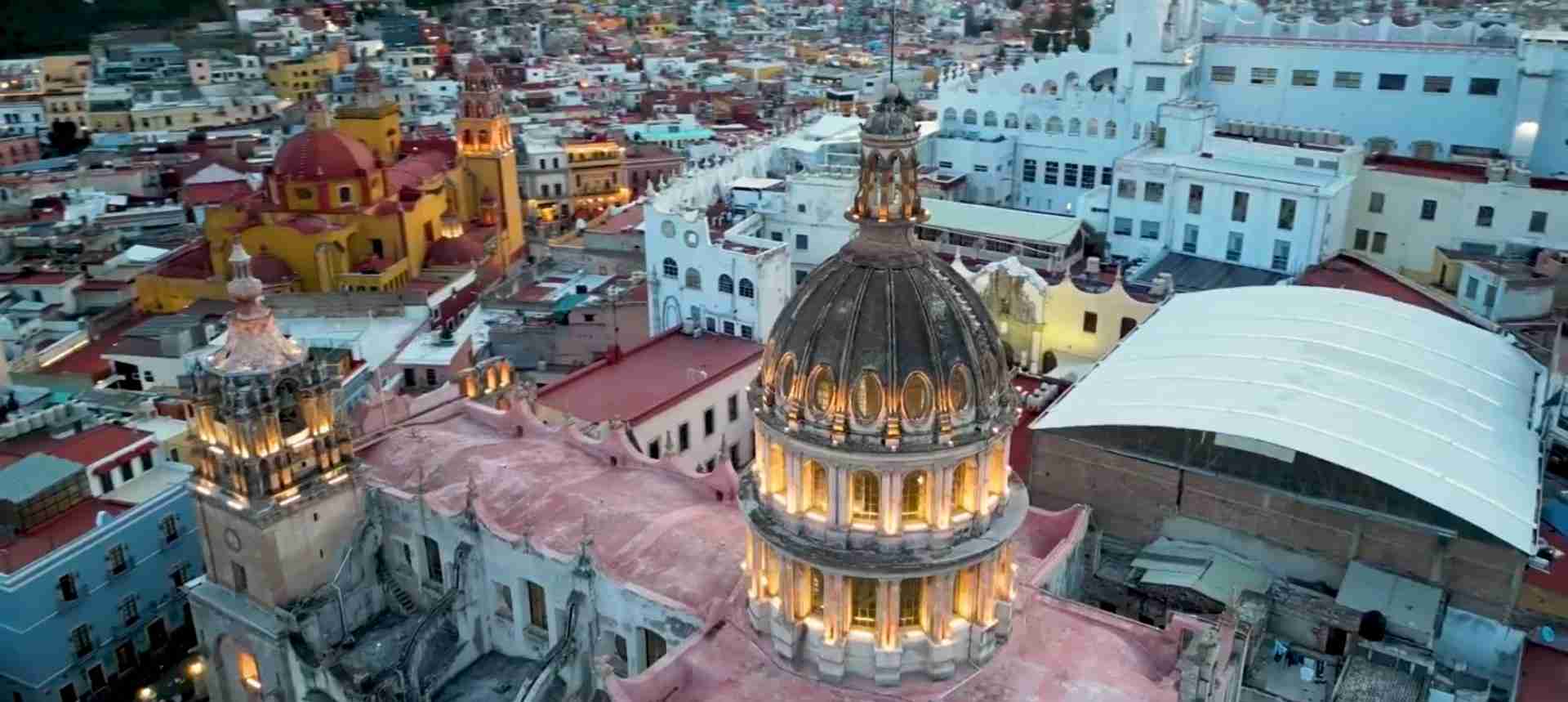
San Miguel vs Guanajuato 2026: Which Colonial City to Visit?
Key Takeaways:
- San Miguel de Allende offers refined arts culture, upscale dining, and easy walkability while Guanajuato provides dramatic architecture, UNESCO mining heritage, and authentic Mexican atmosphere
- Daily costs in San Miguel run 30-40% higher (600-900 MXN/$36-54 USD) compared to Guanajuato (400-650 MXN/$24-39 USD) for similar quality experiences
- Both cities deserve 2-3 days minimum to appreciate their unique character, with optimal 2026 visits during spring (March-May) or fall (September-November) shoulder seasons
- San Miguel attracts expatriate communities, luxury travelers, and art enthusiasts while Guanajuato appeals to history buffs, budget travelers, and architecture photographers
- Choose San Miguel for culinary excellence, boutique shopping, and relaxed pace; choose Guanajuato for dramatic colonial architecture, cultural festivals, and authentic local life
- Combining both cities in one trip requires 5-7 days total with 2-hour bus connections (150-220 MXN/$9-13.20 USD) between destinations
Introduction: Mexico’s Two Colonial Jewels
San Miguel de Allende and Guanajuato stand among Mexico’s most celebrated colonial cities, both designated UNESCO World Heritage Sites for their exceptional architectural preservation and cultural significance. Located in the Bajío region of central Mexico, these two cities offer distinctly different experiences despite sharing common Spanish colonial heritage, baroque architecture, and vibrant artistic traditions. The choice between San Miguel and Guanajuato represents one of the most frequently debated decisions for travelers planning Mexican colonial city explorations in 2026.
San Miguel de Allende occupies a high desert plateau at 1,910 meters (6,266 feet) elevation in southeastern Guanajuato state, approximately 90 kilometers (56 miles) northwest of Querétaro and 274 kilometers (170 miles) northwest of Mexico City. Founded in 1542 as San Miguel el Grande, the city flourished during colonial silver mining prosperity before experiencing economic decline in the late 1800s. This decline paradoxically preserved the city’s colonial architecture by preventing modern development, leading to UNESCO World Heritage designation in 2008. Today, San Miguel attracts substantial expatriate communities from the United States and Canada alongside sophisticated Mexican and international travelers drawn to its refined arts scene, culinary excellence, and beautifully preserved historic center.
Guanajuato occupies a dramatic mountain valley at 2,012 meters (6,600 feet) elevation approximately 50 kilometers (31 miles) northeast of León in central Guanajuato state. Founded in 1559 following discovery of rich silver deposits, Guanajuato became one of colonial Spain’s wealthiest mining centers, producing up to 30% of the world’s silver by the late 1700s. This extraordinary wealth funded the construction of spectacular baroque churches, elegant colonial mansions, and elaborate public buildings that cascade down steep hillsides in a riot of colorful facades and architectural exuberance. UNESCO designated Guanajuato a World Heritage Site in 1988 in recognition of its exceptional colonial architecture and historical significance in Mexican independence. The city maintains authentic Mexican character with predominantly local population and traditions largely unaffected by international tourism.
The fundamental distinction between these two cities lies in their contemporary character rather than historical heritage. San Miguel evolved into a sophisticated international arts colony attracting affluent retirees, artists, and culturally-minded travelers seeking refined experiences in a walkable colonial setting. Guanajuato remains a working Mexican city whose university students, mining heritage, and dramatic topography create vibrant local culture and architectural spectacle on a grander scale than San Miguel’s more intimate streetscapes. This guide provides comprehensive 2026 planning information comparing costs, attractions, optimal timing, transportation, accommodation, and traveler preferences to help you determine which city best matches your travel style, budget, and cultural interests.
People Also Ask About San Miguel vs Guanajuato 2026
Which is more expensive, San Miguel or Guanajuato in 2026?
San Miguel de Allende costs significantly more than Guanajuato across all travel categories in 2026. Daily budgets for mid-range travelers in San Miguel range 600-900 MXN ($36-54 USD) per person excluding accommodation, compared to 400-650 MXN ($24-39 USD) in Guanajuato for comparable quality experiences. Check booking platforms for current rates as pricing may vary. This 30-40% price differential reflects San Miguel’s positioning as an upscale destination with substantial expatriate population driving demand for international-standard services.
Accommodation costs demonstrate the sharpest contrast, with San Miguel mid-range hotels charging 1,800-3,200 MXN ($108-192 USD) per night for double occupancy compared to Guanajuato’s 1,200-2,200 MXN ($72-132 USD) for similar quality properties. Restaurant meals in San Miguel cost 200-400 MXN ($12-24 USD) per person at mid-range establishments versus 140-280 MXN ($8.40-16.80 USD) in Guanajuato. Cultural attraction admission prices remain similar in both cities (40-100 MXN/$2.40-6 USD range), though San Miguel’s upscale gallery scene creates additional optional expenditures for art purchases. Transportation within both compact historic centers relies primarily on walking, making this category roughly equivalent. Budget travelers find Guanajuato notably more affordable, while luxury travelers encounter excellent options in both destinations at premium price points.
How many days should you spend in San Miguel vs Guanajuato in 2026?
Both San Miguel de Allende and Guanajuato merit minimum 2-3 day visits to appreciate their unique character and cultural offerings, though optimal durations differ based on traveler interests. San Miguel’s compact historic center and slower pace suit 2-day intensive cultural visits or 3-4 day relaxed explorations including cooking classes, gallery visits, and spa experiences. The city’s refined dining scene and boutique shopping encourage leisurely appreciation rather than rapid sightseeing, making 3 days the sweet spot for most travelers balancing cultural immersion with efficient itinerary planning.
Guanajuato’s dramatic topography, extensive museum network, and underground tunnel system require 3 full days for thorough exploration of major attractions including the Alhóndiga de Granaditas, Diego Rivera House Museum, Museo de las Momias, historic silver mines, and baroque churches. The city’s vertical architecture spread across multiple hillsides creates longer walking times between attractions compared to San Miguel’s more concentrated layout. Festival Internacional Cervantino attendees during mid-October need 5-7 days to experience both the festival programming and the city’s permanent cultural attractions. For travelers combining both cities in single trips, allocate 5-7 days total with 2-3 days in each destination plus one day for travel and transition between cities.
Which city is better for first-time visitors to Mexico in 2026?
San Miguel de Allende presents fewer challenges for first-time Mexico visitors due to its extensive English-speaking infrastructure, international restaurant options, and well-developed tourism services. The city’s large expatriate population creates comfort zones for travelers unfamiliar with Mexican culture or Spanish language, with many businesses operating bilingually and catering to North American preferences. The compact, flat historic center allows easy navigation without complex logistics. However, this international character means San Miguel provides less authentic Mexican cultural immersion than Guanajuato.
Guanajuato offers more genuine Mexican cultural experiences but requires greater comfort with Spanish language, local customs, and independent navigation. The city’s steep terrain, underground tunnel system, and predominantly Spanish-speaking environment challenge travelers seeking North American-style conveniences. However, Guanajuato rewards adventurous first-timers with spectacular architecture, vibrant local culture, and authentic interactions largely absent from San Miguel’s more polished international scene. First-time visitors prioritizing comfort and familiar services choose San Miguel, while those seeking cultural authenticity and architectural drama select Guanajuato despite its steeper learning curve. Neither city presents serious safety concerns for tourists exercising standard urban precautions.
Can you visit both San Miguel and Guanajuato in one trip in 2026?
Visiting both San Miguel de Allende and Guanajuato in single trips proves highly feasible given the 115-kilometer (71-mile) distance and excellent bus connections between the cities. First-class buses operate hourly during daytime from both cities’ bus terminals, with journey times of 1.5-2 hours and fares of 150-220 MXN ($9-13.20 USD) per person on comfortable air-conditioned coaches. This proximity allows efficient multi-city itineraries combining both destinations’ unique attractions without excessive travel time or cost.
Optimal combined itineraries allocate 2-3 days per city for 5-7 day total trips providing comprehensive experiences in both destinations. Most travelers visit San Miguel first due to its easier adaptation curve, spending 2-3 days exploring the arts scene and refined dining before transferring to Guanajuato for 3 days of architectural exploration and cultural immersion. Reverse sequences work equally well based on flight logistics or personal preference. Day trips between cities prove theoretically possible but waste valuable time on buses (3-4 hours round-trip) better spent experiencing each destination’s unique character. The cities offer sufficiently different atmospheres and attractions to justify dedicating full days to each rather than attempting superficial same-day visits.
Extended multi-day tours – 5+ days
Featured San Miguel De Allende Multi-Day Tour Packages
3 days
San Miguel De Allende 3-Day Discovery Tour
- ✓ Comprehensive San Miguel De Allende experience
- ✓ Expert local guides included
- ✓ All accommodation included
- ✓ Transportation provided
5 days
San Miguel De Allende 5-Day Highlights Experience
- ✓ Comprehensive San Miguel De Allende experience
- ✓ Expert local guides included
- ✓ All accommodation included
- ✓ Transportation provided
7 days
San Miguel De Allende 7-Day Cultural Journey
- ✓ Comprehensive San Miguel De Allende experience
- ✓ Expert local guides included
- ✓ All accommodation included
- ✓ Transportation provided
10 days
San Miguel De Allende 10-Day Complete Adventure
- ✓ Comprehensive San Miguel De Allende experience
- ✓ Expert local guides included
- ✓ All accommodation included
- ✓ Transportation provided
Multi-day tour packages powered by TourRadar. Prices and availability subject to change.
Budget Comparison San Miguel vs Guanajuato 2026
Accommodation Cost Analysis
San Miguel de Allende accommodation costs reflect the city’s upscale positioning and substantial expatriate demand. Budget hostels charge 350-550 MXN ($21-33 USD) per night for dormitory beds and 800-1,200 MXN ($48-72 USD) for private rooms, representing the lower end of San Miguel’s accommodation spectrum. Mid-range boutique hotels in converted colonial buildings cost 1,800-3,200 MXN ($108-192 USD) per night for double occupancy, offering charming courtyards, rooftop terraces, and personalized service. Luxury properties command 4,000-8,000 MXN ($240-480 USD) per night with spa facilities, fine dining restaurants, and premium amenities. Peak season (December-April, November) sees rates increase 25-35% above shoulder season pricing, with Festival de Música de Cámara in August and Day of the Dead in early November creating additional demand spikes.
Guanajuato offers notably better accommodation value across all categories. Hostels charge 250-450 MXN ($15-27 USD) for dormitory beds and 600-900 MXN ($36-54 USD) for private rooms in properties featuring social atmospheres and central locations. Mid-range hotels in the historic center cost 1,200-2,200 MXN ($72-132 USD) per night for comparable quality to San Miguel’s pricier options, with many properties occupying beautifully restored colonial buildings around Jardín de la Unión or Plaza de la Paz. Luxury accommodations range 2,800-5,000 MXN ($168-300 USD) per night, delivering exceptional value compared to San Miguel’s premium pricing. Festival Internacional Cervantino (mid-October) drives rates up 40-60% with advance booking essential 8-10 weeks ahead, though other periods maintain stable moderate pricing.
The accommodation cost differential between cities averages 30-40% across all categories, with San Miguel’s international reputation and expatriate demand justifying premium rates while Guanajuato’s authentic local character maintains more accessible pricing. Budget travelers save 150-350 MXN ($9-21 USD) per night choosing Guanajuato, allowing extended stays or upgraded dining experiences. Luxury travelers find both cities offer excellent high-end options, though San Miguel provides more internationally-recognized boutique properties while Guanajuato delivers better value for similar quality standards.
Dining and Restaurant Price Comparison
San Miguel de Allende’s restaurant scene emphasizes international cuisine, fusion concepts, and upscale traditional Mexican dining at prices reflecting the city’s sophisticated market. Breakfast at quality cafes costs 120-220 MXN ($7.20-13.20 USD) per person for creative preparations using organic ingredients and artisanal coffee. Lunch at mid-range restaurants ranges 180-350 MXN ($10.80-21 USD) per person without alcohol, while dinner at the city’s celebrated establishments runs 350-650 MXN ($21-39 USD) per person for multi-course meals. High-end dining at San Miguel’s finest restaurants reaches 800-1,400 MXN ($48-84 USD) per person before wine. Street food and casual taquerías offer budget alternatives at 60-120 MXN ($3.60-7.20 USD) per meal, though these constitute a smaller percentage of San Miguel’s dining landscape compared to typical Mexican cities.
Guanajuato maintains traditional Mexican pricing structures with excellent value across dining categories. Local fondas serve comida corrida (daily set menus) for 80-120 MXN ($4.80-7.20 USD) including soup, main course, drink, and dessert. Mid-range restaurants in the historic center charge 140-280 MXN ($8.40-16.80 USD) per person for quality traditional Mexican cuisine or international options. Upscale dining at Guanajuato’s best establishments costs 280-450 MXN ($16.80-27 USD) per person for sophisticated preparations and elegant atmospheres. Street food, tacos, and casual eateries provide exceptional value at 40-90 MXN ($2.40-5.40 USD) per filling meal, representing a substantial portion of local dining culture accessible throughout the historic center and student neighborhoods.
Daily dining budgets differ significantly between cities. Conservative eaters in San Miguel spend 400-600 MXN ($24-36 USD) per day for three meals at modest establishments, while Guanajuato visitors enjoy similar quality for 250-400 MXN ($15-24 USD) daily. Food enthusiasts exploring each city’s culinary excellence budget 800-1,200 MXN ($48-72 USD) daily in San Miguel versus 500-750 MXN ($30-45 USD) in Guanajuato for comparable dining experiences. San Miguel’s international restaurant scene attracts serious foodies willing to pay premium prices for innovative cuisine, while Guanajuato excels at traditional Mexican cooking at remarkable value with increasing contemporary options emerging in recent years.
Overall Daily Cost Comparison for 2026
Mid-range travelers in San Miguel de Allende budget 600-900 MXN ($36-54 USD) per person daily excluding accommodation for comfortable cultural experiences. This covers three quality meals (400-600 MXN/$24-36 USD), museum admissions and cultural attractions (100-150 MXN/$6-9 USD), local transportation and taxis (50-100 MXN/$3-6 USD), and coffee or drinks (50-100 MXN/$3-6 USD). Combined with mid-range accommodation (1,800-3,200 MXN/$108-192 USD per night), total daily costs reach 2,400-4,100 MXN ($144-246 USD) per person based on double occupancy, or 3,000-4,800 MXN ($180-288 USD) for solo travelers paying full room rates.
Guanajuato mid-range travelers budget 400-650 MXN ($24-39 USD) per person daily for similar quality experiences. Daily costs break down as three solid meals (250-400 MXN/$15-24 USD), cultural attractions (80-140 MXN/$4.80-8.40 USD), transportation (40-70 MXN/$2.40-4.20 USD), and beverages (30-60 MXN/$1.80-3.60 USD). Adding mid-range accommodation (1,200-2,200 MXN/$72-132 USD per night double occupancy) produces total daily costs of 1,600-2,850 MXN ($96-171 USD) per person, or 2,000-3,100 MXN ($120-186 USD) for solo travelers.
Budget travelers find both cities accessible though Guanajuato provides superior value. San Miguel budget travel costs 350-500 MXN ($21-30 USD) daily excluding accommodation, utilizing street food, budget cafes, free cultural activities, and walking everywhere. Guanajuato budget travelers spend 220-350 MXN ($13.20-21 USD) daily for similar experiences at notably lower costs. Luxury travelers encounter excellent options in both cities, with San Miguel offering more internationally-recognized boutique hotels and Michelin-quality dining while Guanajuato delivers comparable luxury experiences at 25-35% lower costs. The budget gap between cities narrows for luxury travelers as both destinations provide premium services at elevated price points, though San Miguel maintains 15-25% premium even at the high end.
Architecture and Historic Center Comparison 2026
San Miguel de Allende’s Refined Colonial Elegance
San Miguel de Allende’s historic center presents refined colonial architecture characterized by harmonious proportions, pastel-colored facades, and intimate street scales creating a walkable wonderland of preserved 17th and 18th-century buildings. The Parroquia de San Miguel Arcángel dominates the Jardín Principal with its distinctive neo-Gothic pink stone facade, designed by indigenous architect Zeferino Gutiérrez in the 1880s based on postcards of European Gothic cathedrals. This unusual architectural hybrid became San Miguel’s iconic symbol despite its late 19th-century construction period, demonstrating the city’s willingness to blend historical periods into a cohesive aesthetic.
The city’s baroque churches include the Oratorio de San Felipe Neri with its elaborate churrigueresque facade and the Templo de La Salud showcasing ornate stone carvings and religious imagery. Colonial mansions line Calle Aldama and surrounding streets, many converted to boutique hotels, art galleries, or cultural institutes while maintaining their architectural integrity. Shaded portales (covered walkways) around the main plaza provide sheltered shopping and dining spaces characteristic of Spanish colonial urban planning. The overall architectural impression emphasizes horizontal development across relatively flat terrain, creating an accessible streetscape encouraging leisurely exploration without demanding the physical exertion required in Guanajuato’s vertical cityscape.
San Miguel’s historic center spans approximately 200 hectares with most significant architecture concentrated within a 10-block radius of the Jardín Principal. The compact layout allows visitors to experience the city’s architectural highlights in 1-2 days of focused walking. Building heights rarely exceed three stories, maintaining human-scaled streetscapes enhanced by flowering trees, colonial fountains, and thoughtfully preserved details like wrought-iron window grilles and hand-painted tile work. The city’s architectural preservation reflects both UNESCO designation requirements and local commitment to maintaining colonial character as a cultural and economic asset supporting the tourism and expatriate economies.
Guanajuato’s Dramatic Baroque Spectacle
Guanajuato’s architecture achieves spectacular urban drama through its unique topography, with colonial buildings cascading down steep mountain slopes in a riot of bright colors and baroque exuberance. The Basílica Colegiata de Nuestra Señora de Guanajuato anchors the Jardín de la Unión with its dramatic yellow facade and elaborate baroque towers visible throughout the valley. The Teatro Juárez represents one of Mexico’s finest 19th-century opera houses, combining neoclassical architecture with sumptuous interior decoration including Moorish details and European-inspired frescoes. The University of Guanajuato’s monumental staircase climbing the hillside creates one of Latin America’s most photographed architectural compositions.
The city’s extraordinary wealth during the colonial silver boom funded construction of magnificent baroque churches including La Valenciana (Templo de San Cayetano), featuring some of Mexico’s most elaborate churrigueresque decoration with gold-covered altarpieces and intricate stone carvings. Colonial mining magnates built elegant mansions competing for architectural distinction, with many now serving as museums, government buildings, or educational institutions. The Alhóndiga de Granaditas, the massive colonial grain warehouse where Mexican independence forces achieved a crucial early victory, demonstrates the monumental scale of Guanajuato’s civic architecture. The building now houses the regional history museum with its dramatic interior courtyard and fortress-like stone walls.
Guanajuato’s historic center spreads across approximately 400 hectares following the valley floor and climbing surrounding hillsides in multiple directions, creating a complex three-dimensional urban landscape requiring 3-4 days for thorough architectural exploration. The city’s underground tunnel system, converted from colonial-era mining tunnels and flood control channels, adds another architectural layer carrying vehicular traffic beneath the pedestrian streets and plazas above. This unique infrastructure preserves the historic center’s pedestrian character while accommodating modern transportation needs. Building heights vary dramatically from two-story structures along narrow callejones (alleys) to five-story edifices on main thoroughfares, with the vertical topography creating constant visual interest and panoramic viewpoints throughout the city.
Comparative Architectural Experience
San Miguel de Allende offers accessible, concentrated architectural experiences requiring moderate physical exertion and allowing comfortable exploration in short timeframes. The city’s flat historic center suits travelers with mobility limitations or those preferring relaxed walking paces. The refined architectural vocabulary emphasizes subtle details and harmonious compositions rather than dramatic spectacle, rewarding careful observation and appreciative study. Photography opportunities focus on intimate street scenes, colonial doorways, fountain compositions, and the iconic Parroquia rather than sweeping panoramic cityscapes. The architectural experience feels contained and manageable, matching the city’s overall character of refined cultural appreciation rather than overwhelming sensory impact.
Guanajuato delivers architectural drama on a grand scale, with the topography creating theatrical urban compositions and constantly changing perspectives as visitors navigate the steep terrain. The physical demands of climbing hillside streets and stairs prove significant, requiring good fitness levels and comfortable walking shoes. The architectural experience emphasizes sweeping vistas, dramatic color contrasts, and baroque exuberance rather than subtle details, though close examination reveals extraordinary craftsmanship in church decorations and civic buildings. Photography opportunities abound from multiple elevated viewpoints including the Pípila monument, university staircase, and various hillside callejones offering panoramic views of the cascading colorful facades. The architectural experience feels expansive and dynamic, matching the city’s energetic character and authentic local culture.
Both cities merit their UNESCO World Heritage designations for exceptional architectural preservation, though they achieve this distinction through different means. San Miguel represents harmonious colonial urban planning on a human scale, while Guanajuato demonstrates how extraordinary natural topography and extraordinary colonial wealth combined to create one of the Americas’ most dramatic baroque cities. Architecture enthusiasts find compelling reasons to visit both destinations, with San Miguel offering refined appreciation opportunities and Guanajuato providing spectacular visual impact and photographic potential.
Cultural Attractions and Museums Comparison 2026
San Miguel’s Arts and Culture Scene
San Miguel de Allende’s cultural identity centers on its thriving contemporary arts scene and expatriate-driven cultural programming rather than historical museums or indigenous heritage sites. The city hosts over 100 art galleries ranging from commercial spaces selling tourist-oriented artwork to serious contemporary galleries representing established Mexican and international artists. Gallery walks occur weekly, allowing visitors to explore multiple spaces in single evenings with wine receptions and artist interactions. This contemporary focus complements rather than replaces the colonial architectural setting, creating a living artistic community rather than museum-preserved historical showcase.
The Instituto Allende and Bellas Artes cultural center offer ongoing exhibitions, workshops, and educational programming in visual arts, music, dance, and theater. These institutions attract international students and cultural tourists seeking immersive creative experiences beyond passive museum attendance. The Fábrica La Aurora, a converted textile factory now housing 30+ galleries, design studios, and antique shops, represents San Miguel’s successful adaptive reuse of industrial heritage into contemporary cultural space. Casa de Allende museum provides historical context about the city’s colonial period and independence hero Ignacio Allende, though it operates on a modest scale compared to Guanajuato’s extensive museum network.
The Museo Histórico Casa de Allende (40 MXN/$2.40 USD admission) occupies the birthplace of independence leader Ignacio Allende, presenting colonial-era artifacts, historical documents, and interpretive exhibits about San Miguel’s role in Mexican independence. The Museo Casa del Mayorazgo de Canal showcases colonial domestic architecture and regional folk art. The Biblioteca Pública (public library) hosts rotating exhibitions, lectures, and cultural events popular with both expatriate and Mexican communities. Museum admission prices remain modest (30-60 MXN/$1.80-3.60 USD range), though the city’s cultural identity emphasizes active participation in arts classes, gallery openings, and creative workshops rather than extensive museum collections.
Guanajuato’s Museum Network and Historical Sites
Guanajuato operates an extensive museum system exploring regional history, mining heritage, fine arts, and cultural traditions through professional institutions rivaling major Mexican cities despite the town’s modest population of 170,000. The Alhóndiga de Granaditas Regional Museum (75 MXN/$4.50 USD) occupies the massive colonial grain warehouse where independence forces achieved their first major victory in 1810. The museum’s extensive collection includes pre-Columbian artifacts, colonial-era paintings, independence movement documentation, and 20th-century revolutionary materials. The building itself represents a significant historical monument with its fortress-like architecture and dramatic interior courtyard.
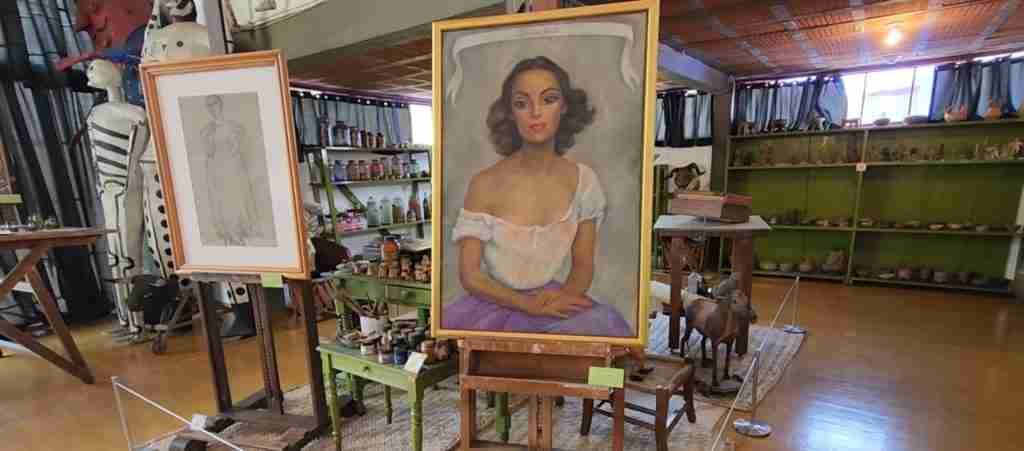
The Diego Rivera House Museum (40 MXN/$2.40 USD) preserves the birthplace of Mexico’s most famous muralist, presenting family furnishings, early artwork, and comprehensive exhibitions exploring Rivera’s artistic development and political activism. The Museo Iconográfico del Quijote offers free admission to its collection of Don Quixote-themed artwork from international artists. The Museo del Pueblo de Guanajuato (20 MXN/$1.20 USD) showcases regional folk art, traditional crafts, and contemporary local artists. The Casa Diego Rivera Foundation operates a second Rivera museum featuring rotating contemporary art exhibitions in addition to permanent Rivera collections.
Guanajuato’s most controversial attraction, the Museo de las Momias (95 MXN/$5.70 USD), displays naturally mummified bodies from the municipal cemetery, creating a macabre but historically significant collection attracting both fascination and criticism. The Museo de Mineralogía presents extraordinary mineral specimens from local mines, demonstrating the geological wealth that funded colonial Guanajuato’s architectural splendor. The Ex-Hacienda San Gabriel de Barrera (80 MXN/$4.80 USD) combines a furnished colonial estate house with magnificent terraced gardens representing different landscape styles. Historic churches function as living museums, with La Valenciana (free admission) showcasing some of Mexico’s finest baroque religious architecture and gold-covered altarpieces funded by silver mining wealth.
Cultural Programming and Events Calendar 2026
San Miguel de Allende hosts year-round cultural programming emphasizing music, visual arts, literature, and film. The Festival de Música de Cámara in August brings classical chamber music performances to historic venues throughout the city, attracting serious music enthusiasts internationally. The San Miguel Writers’ Conference draws authors and literary tourists for workshops and readings. Gallery openings, artist talks, and cultural salons occur weekly, creating continuous opportunities for cultural engagement beyond scheduled festivals. The Day of the Dead celebrations in early November combine traditional Mexican customs with expatriate artistic interpretations, creating a unique cultural hybrid. The city’s smaller scale allows intimate attendance at cultural events rather than massive festival crowds.
Guanajuato’s cultural calendar centers on the Festival Internacional Cervantino (mid-October), Latin America’s most important performing arts festival featuring theater, dance, classical music, and contemporary performance from around the world. The two-week festival transforms the entire city into a cultural venue with performances in theaters, churches, plazas, and underground tunnels. Securing accommodation requires 8-10 weeks advance booking during this period. The student-organized callejoneadas occur year-round, with musical troupes in traditional costumes leading participants through the historic center’s alleys and plazas while performing traditional songs and sharing local legends (150 MXN/$9 USD per person including drinks).
The Fiestas de San Juan in June celebrate Guanajuato’s patron saint with religious processions, traditional dances, fireworks, and street food. University students create vibrant nightlife and cultural energy throughout the academic year, with the city’s population swelling during school terms. Free concerts, theatrical performances, and cultural events occur regularly in the Jardín de la Unión and Plaza de la Paz. The authentically Mexican character means most cultural programming targets local audiences rather than international tourists, providing genuine cultural immersion opportunities for visitors willing to engage with Spanish-language events and local customs.
Best Time to Visit Each City 2026
San Miguel de Allende Seasonal Analysis
San Miguel de Allende enjoys mild highland climate with distinct dry season (November-May) and rainy season (June-October) patterns. Winter months (December-February) bring cool nights dropping to 5-10°C (41-50°F) with pleasant daytime temperatures of 20-24°C (68-75°F), creating perfect conditions for walking the historic center and enjoying outdoor cafes. Peak tourist season spans December through March when expatriate winter residents return and international visitors escape northern winters, driving hotel occupancy to 85-95% and raising rates 25-35% above shoulder season pricing. Book accommodations 4-6 weeks ahead during this period for best selection and rates.
Spring (March-May) represents San Miguel’s optimal visiting window, combining excellent weather with moderate crowds as peak season winds down. Daytime temperatures warm to 24-28°C (75-82°F) while nights remain comfortable at 10-15°C (50-59°F). Easter week (Semana Santa) creates temporary surges in Mexican domestic tourism during late March or early April, but otherwise spring offers the year’s best balance of pleasant climate and reasonable hotel availability. Late spring wildflowers bloom throughout the surrounding countryside, adding natural beauty to the colonial architecture. Gallery activity remains strong and cultural events continue without the winter high season intensity.
Summer (June-August) brings afternoon thunderstorms typically occurring 2-5 PM, with 40-60mm monthly rainfall creating temporary street flooding in low-lying areas. Morning hours remain dry and perfect for sightseeing, with temperatures reaching 26-30°C (79-86°F) before afternoon clouds arrive. Hotel rates drop 30-40% during summer low season as expatriate residents depart and international tourism decreases. The Festival de Música de Cámara in August creates brief accommodation demand spike, requiring 3-4 weeks advance booking. Fall (September-November) transitions from summer rains to dry winter weather, with September remaining wet while October-November offer increasingly dry conditions. Day of the Dead celebrations in early November draw cultural tourists, necessitating advance accommodation booking.
Guanajuato Seasonal Planning
Guanajuato experiences similar highland climate patterns to San Miguel with slightly cooler temperatures due to its 102-meter higher elevation at 2,012 meters (6,600 feet). Winter high season (December-March) brings peak tourist traffic, particularly during January post-Festival Cervantino aftermath and February Carnival celebrations. Daily visitor counts exceed 10,000 during winter weekends compared to 4,000-6,000 during summer weekdays. Pleasant weather with daytime temperatures of 18-24°C (64-75°F) and minimal rain creates ideal conditions for exploring the city’s dramatic hillside architecture and outdoor cultural attractions.
Spring (April-May) provides Guanajuato’s best visiting conditions, balancing excellent weather with moderate crowds and stable hotel pricing. Temperatures warm to 22-28°C (72-82°F) during daytime while nights cool to 10-15°C (50-59°F). Easter week spikes domestic tourism temporarily, but otherwise spring offers peaceful cultural exploration and superior photography light. The university remains in session through May, maintaining the city’s vibrant student energy without overwhelming tourist crowds. Late spring wildflowers bloom on surrounding hillsides visible from panoramic viewpoints throughout the historic center.
Summer (June-August) represents Guanajuato’s low tourist season due to afternoon rainstorms and warmer temperatures reaching 25-30°C (77-86°F). Morning visits from 9 AM to 1 PM avoid typical 2-5 PM rain showers while enjoying comfortable temperatures and minimal crowds. Hotel rates drop 30-40% below winter high season pricing, allowing budget travelers to access mid-range accommodation at exceptional value. Fall (September-November) brings Guanajuato’s cultural pinnacle with the Festival Internacional Cervantino (mid-October) transforming the city into Latin America’s performing arts capital. Festival attendance requires 8-10 weeks advance hotel booking and tolerance for crowds, though the exceptional programming justifies the effort for performing arts enthusiasts. November transitions to dry season with improving weather and decreasing tourist traffic after festival departure.
Comparative Timing Recommendations for 2026
Both cities share similar seasonal patterns given their proximity and comparable elevations, making spring (March-May) and fall (September-November excluding Festival Cervantino weeks) optimal visiting windows for moderate crowds, excellent weather, and reasonable prices. Choose winter months (December-March) only if willing to accept higher costs and larger crowds in exchange for perfect dry weather and active cultural scenes. Summer visits (June-August) suit budget-conscious travelers who adjust schedules to avoid afternoon rains while capitalizing on significantly lower accommodation rates.
The cities’ event calendars allow strategic timing based on cultural interests. San Miguel’s Festival de Música de Cámara (August) attracts classical music enthusiasts without the overwhelming crowds and logistical challenges of Guanajuato’s Festival Internacional Cervantino (mid-October). Day of the Dead celebrations (early November) transform both cities into cultural spectacles, with San Miguel offering more polished expatriate-influenced programming while Guanajuato provides more authentic traditional Mexican observances. Consider visiting one city during a major festival while exploring the other during quieter periods to experience both celebratory and everyday cultural atmospheres.
Photographers favor different seasons depending on preferences: winter’s clear light creates crisp architectural details while summer’s dramatic storm clouds add atmospheric interest. San Miguel’s pastel architecture photographs beautifully in soft overcast light common during transitional seasons, while Guanajuato’s colorful facades pop under bright sunshine. Both cities reward early morning and late afternoon photography with golden light enhancing colonial facades and minimizing harsh shadows in narrow streets.
Transportation Between and Within Cities 2026
Reaching San Miguel de Allende
Visitors typically access San Miguel de Allende through Querétaro International Airport (QRO) located 65 kilometers (40 miles) southeast, Mexico City International Airport (MEX) 270 kilometers (168 miles) south, or Guanajuato International Airport (BJX) near León 100 kilometers (62 miles) northwest. Querétaro Airport offers the most convenient access with 1-hour 15-minute drive times, though fewer international flights compared to Mexico City. Shared shuttle services from Querétaro Airport cost 350-450 MXN ($21-27 USD) per person with 2-3 hour advance booking, while private transfers run 1,200-1,600 MXN ($72-96 USD) for 1-4 passengers. Rental cars at Querétaro Airport (900-1,400 MXN/$54-84 USD daily) provide flexibility for regional exploration.
Mexico City Airport provides extensive international connections with direct flights from major North American and European cities. First-class buses from Mexico City’s Terminal del Norte to San Miguel operate hourly during daytime with 3.5-4 hour journey times and fares of 450-550 MXN ($27-33 USD) on Primera Plus or ETN comfortable coaches. Private transfers from Mexico City Airport cost 3,500-4,500 MXN ($210-270 USD) for up to 4 passengers, eliminating the need to navigate Mexico City’s bus terminal. Guanajuato Airport serves primarily Mexican domestic routes plus limited US connections, with 2-hour drives to San Miguel via rental car or private transfer (1,400-1,800 MXN/$84-108 USD).
Within San Miguel’s compact historic center, walking proves the most practical and enjoyable transportation method for reaching attractions, restaurants, and cultural sites within the 10-block core area. The relatively flat terrain allows comfortable pedestrian navigation without the physical demands of hillside climbing. Taxis cost 40-70 MXN ($2.40-4.20 USD) for trips within the historic center or to outlying neighborhoods, with Uber and DiDi providing alternative ride-hailing options at similar pricing. Local buses (8 MXN/$0.48 USD) serve neighborhoods outside the colonial core, though tourists rarely need these services given the centralized attraction concentration. The city’s compact scale eliminates need for rental cars, which face parking challenges (30-50 MXN/$1.80-3 USD per hour) in the pedestrian-oriented historic center.
Reaching Guanajuato City
Guanajuato International Airport (BJX) near León provides the primary air access point, located 30 kilometers (19 miles) west of Guanajuato city center. The airport serves Mexican domestic routes extensively plus direct flights from Houston, Los Angeles, Dallas, and Chicago. Shared shuttle services (200-250 MXN/$12-15 USD per person) operate on fixed schedules to major Guanajuato hotels with 45-60 minute journey times. Private airport transfers cost 500-650 MXN ($30-39 USD) for direct transport to historic center accommodations. Rental cars (700-1,200 MXN/$42-72 USD daily) suit travelers planning regional explorations, though Guanajuato’s underground tunnel system and limited historic center parking create challenges for first-time drivers unfamiliar with the unique road network.
Mexico City International Airport offers more extensive international connections with 4-5 hour first-class bus service to Guanajuato (500-600 MXN/$30-36 USD) on Primera Plus or ETN coaches departing hourly during peak periods. Buses arrive at Guanajuato’s Central de Autobuses located 2.5 kilometers southwest of the historic center, requiring 50-70 MXN ($3-4.20 USD) taxi transfers for the 10-15 minute final journey. Private transfers from Mexico City Airport cost 4,000-5,000 MXN ($240-300 USD) for up to 4 passengers, eliminating bus terminal navigation and providing direct hotel delivery.
Navigation within Guanajuato’s historic center relies heavily on walking, as the underground tunnel system carries vehicular traffic while pedestrian streets and steep callejones dominate the surface geography. Taxis provide the most practical mechanical transportation within the city (50-90 MXN/$3-5.40 USD for typical tourist routes), though the dramatic topography means destinations separated by short straight-line distances require longer journeys following the valley floor or tunnel system. Uber and DiDi operate with similar pricing structures. The funicular to the Pípila monument costs 90 MXN ($5.40 USD) round-trip, eliminating the steep 20-minute hillside climb. Local buses (9 MXN/$0.54 USD) serve outlying neighborhoods and regional destinations, though tourists primarily use taxis for trips beyond easy walking distance from the historic center.
Transportation Between San Miguel and Guanajuato
First-class bus services connect San Miguel de Allende and Guanajuato directly with hourly departures during daytime on comfortable air-conditioned coaches. The 115-kilometer (71-mile) journey requires 1.5-2 hours depending on traffic and route via León. Fares range 150-220 MXN ($9-13.20 USD) per person on Primera Plus or ETN lines offering reserved seating, onboard bathrooms, and luggage storage. Buses depart from each city’s main bus terminal (San Miguel’s Central de Autobuses, Guanajuato’s Central de Autobuses) rather than historic centers, requiring 50-100 MXN ($3-6 USD) taxi transfers each way between terminals and accommodations.
Private car services offer more convenient direct hotel-to-hotel transfers for 1,200-1,800 MXN ($72-108 USD) per vehicle accommodating up to 4 passengers, eliminating the need to navigate bus terminals and allowing flexible departure timing. Groups of 3-4 travelers find private transfers cost-competitive with bus fares when factoring taxi transfers and schedule convenience. Rental cars provide maximum flexibility for exploring both cities plus regional attractions, though navigating Guanajuato’s underground tunnel system challenges first-time visitors unfamiliar with the unique road network. Budget 2.5-3 hours driving time between cities allowing for route finding and traffic, plus parking costs at both destinations.
Day trips between cities prove theoretically possible but suboptimal, consuming 3-4 hours in transit that could be better spent experiencing each destination’s unique character. The cities offer sufficiently different attractions and atmospheres to justify overnight stays in each location rather than superficial same-day visits. Most multi-city itineraries allocate 2-3 days in each destination with single mid-trip transfer via bus or private service, allowing comprehensive exploration without repetitive transportation logistics.
Where to Stay: Accommodation Comparison 2026
San Miguel de Allende Accommodation Zones
San Miguel’s compact historic center concentrates accommodations within walking distance of the Jardín Principal and major cultural attractions. Properties within 3-5 blocks of the central plaza command premium prices (2,000-4,000 MXN/$120-240 USD per night mid-range, 4,500-8,000 MXN/$270-480 USD luxury) but offer unbeatable convenience for cultural tourism and evening activities. The Centro Histórico zone bounded by Calle Insurgentes, Calle Correo, Calle Canal, and Calle Recreo contains the highest concentration of boutique hotels in converted colonial buildings featuring interior courtyards, rooftop terraces, and period architectural details.
The San Antonio neighborhood south of the historic core offers quieter residential atmosphere with mid-range hotels (1,400-2,400 MXN/$84-144 USD) located 8-15 minutes walking distance from the Jardín Principal. This area suits travelers seeking authentic neighborhood experiences and good value while maintaining walkable access to cultural attractions. The neighborhoods north and west of the historic center contain budget options (800-1,400 MXN/$48-84 USD) including smaller hotels and vacation rentals, though these locations require 15-20 minute walks or taxis to reach the central cultural district.
Many San Miguel accommodations occupy beautifully restored colonial mansions with original architectural features including carved wooden doors, hand-painted tiles, stone fountains, and flowering courtyards creating atmospheric settings beyond standard hotel experiences. Properties emphasize boutique character with personalized service, curated design, and often 8-15 rooms rather than large-scale hotel operations. The expatriate influence means many properties offer English-speaking staff, international breakfast options, and North American-standard amenities including reliable WiFi, modern bathrooms, and contemporary mattresses. Book 4-6 weeks ahead during peak season (December-April) when occupancy exceeds 85%, with last-minute availability during summer low season allowing spontaneous travel planning.
Guanajuato Accommodation Zones
Guanajuato’s accommodation options cluster around three primary zones with distinct characters and price points. The Jardín de la Unión and surrounding historic center core contains the city’s most prestigious hotels in restored colonial buildings (1,600-3,200 MXN/$96-192 USD mid-range, 3,000-5,000 MXN/$180-300 USD luxury) offering immediate access to restaurants, cultural attractions, and evening activities. Properties along or near Calle Sopeña, Calle Positos, and surrounding the plaza provide iconic Guanajuato experiences with colonial architecture, central location, and atmospheric settings. However, these prime locations also experience nighttime noise from restaurants, bars, and street musicians that continues past midnight Thursday through Saturday.
The University district northeast of the Jardín de la Unión offers mid-range and budget options (800-1,800 MXN/$48-108 USD) in a lively student neighborhood 5-12 minutes walking from the historic center core. This area provides authentic local atmosphere with casual eateries, student-oriented cafes, and residential character at notably lower prices than tourist-focused central properties. The trade-off involves slightly longer walks to major attractions and less polished tourist infrastructure, though many travelers appreciate the genuine Mexican neighborhood experience.
Hillside neighborhoods above the valley floor contain a mix of budget hostels, mid-range hotels, and some luxury boutique properties (1,000-2,800 MXN/$60-168 USD) offering spectacular views over Guanajuato’s cascading colorful architecture. These elevated locations require significant uphill climbing from the historic center core (10-20 minutes depending on fitness level), though the panoramic vistas and quieter atmospheres reward the physical effort. Taxis provide alternatives to walking for 50-80 MXN ($3-4.80 USD) each way. Book Guanajuato accommodations 3-4 weeks ahead during peak season (December-April), with Festival Internacional Cervantino (mid-October) requiring 8-10 weeks advance booking due to exceptionally high demand and rate increases of 40-60%.
Comparative Accommodation Recommendations
Both cities offer converted colonial buildings as accommodation settings, though San Miguel properties emphasize boutique design and international standards while Guanajuato hotels maintain more authentic Mexican character with variable service levels. San Miguel accommodations cater heavily to expatriate tastes with English-language communication, North American breakfast options, and amenities matching international boutique hotel expectations. Guanajuato properties serve predominantly Mexican and international cultural tourists with Spanish-primary communication and authentic local atmosphere, though English speakers manage without difficulty at established tourist-oriented hotels.
Budget travelers find superior value in Guanajuato across all accommodation categories, saving 30-40% compared to San Miguel for equivalent quality and location. Mid-range travelers encounter excellent options in both cities, with San Miguel offering more refined boutique experiences while Guanajuato delivers better value in beautifully preserved colonial settings. Luxury travelers choose San Miguel for internationally-recognized boutique properties and spa facilities, while Guanajuato provides comparable luxury experiences at 25-35% lower costs with emphasis on colonial authenticity rather than contemporary amenities.
Consider accommodation strategy based on trip purpose: San Miguel’s central concentration allows staying in one well-located property for entire visits, while Guanajuato’s dispersed topography may justify choosing accommodations near specific attractions depending on mobility levels and tolerance for hillside climbing. Both cities reward advance booking during peak seasons, though Guanajuato’s Festival Internacional Cervantino creates the most extreme accommodation scarcity requiring earliest advance planning. Summer low season in both cities allows last-minute booking flexibility with significant rate reductions, though San Miguel maintains higher baseline pricing even during slower periods.
Sample 2026 Itineraries Comparing Both Cities
Two-Day San Miguel de Allende Cultural Immersion
Day 1 begins with breakfast at Café Rama (100-140 MXN/$6-8.40 USD) featuring organic ingredients and artisanal coffee in a garden setting. Spend the morning exploring the historic center starting at the Jardín Principal and iconic Parroquia de San Miguel Arcángel, then visit the Museo Histórico Casa de Allende (40 MXN/$2.40 USD admission) for colonial history context. Walk through the Centro Histórico admiring baroque churches and colonial architecture, stopping at various galleries during the self-guided gallery walk. Lunch at Buen Día Café (160-220 MXN/$9.60-13.20 USD) offers excellent regional cuisine in a charming courtyard.
Afternoon activities include the Fábrica La Aurora (free admission) to explore the converted textile factory housing 30+ galleries and design studios. Visit the Instituto Allende or Bellas Artes cultural center for current exhibitions and architectural interest. Return to accommodations for rest before dinner at Aperi (300-450 MXN/$18-27 USD per person), enjoying creative Mexican cuisine with wine pairings in elegant surroundings. Evening stroll through the illuminated Jardín Principal and surrounding streets showcases San Miguel’s romantic nighttime atmosphere. Day 1 cost: breakfast 120 MXN ($7.20), museum 40 MXN ($2.40), lunch 190 MXN ($11.40), dinner 375 MXN ($22.50), coffee 60 MXN ($3.60). Total: 785 MXN per person ($47.10) excluding accommodation.
Day 2 starts with morning cooking class at Sazon (1,200-1,800 MXN/$72-108 USD for 4-hour class including market tour and lunch), learning traditional Mexican techniques and regional recipes. Alternatively, those preferring museums visit the Museo Casa del Mayorazgo de Canal and additional galleries. Afternoon options include spa treatments at one of San Miguel’s excellent day spas (800-1,600 MXN/$48-96 USD for massage and treatments) or shopping for artisan crafts, textiles, and local artwork at boutiques throughout the historic center (budget 400-1,200 MXN/$24-72 USD for quality purchases). Dinner at La Azotea (350-550 MXN/$21-33 USD) provides rooftop dining with excellent city views and sophisticated contemporary Mexican cuisine. Day 2 cost: cooking class 1,500 MXN ($90), coffee break 70 MXN ($4.20), dinner 450 MXN ($27), artisan purchases 600 MXN ($36). Total: 2,620 MXN per person ($157.20) excluding accommodation.
Two-day San Miguel total: 3,405 MXN per person ($204.30) excluding accommodation. Add 3,600-6,400 MXN ($216-384 USD) for two nights mid-range accommodation based on double occupancy, bringing complete two-day budget to 7,005-9,805 MXN ($420.30-588.30 USD) per person for refined cultural immersion in Mexico’s arts capital.
Three-Day Guanajuato Comprehensive Exploration
Day 1 focuses on central colonial architecture and museums. Begin with breakfast at El Midi Bistro (90-130 MXN/$5.40-7.80 USD) before visiting the Diego Rivera House Museum (40 MXN/$2.40 USD) for 90-minute comprehensive tour with audio guide (50 MXN/$3 USD). Walk through the charming callejones exploring colonial architecture and colorful facades. Lunch at Mestizo Cocina de Origen (180-260 MXN/$10.80-15.60 USD) showcases elevated regional cuisine. Afternoon visit to the Alhóndiga de Granaditas (75 MXN/$4.50 USD) provides extensive historical exhibits and architectural interest. Late afternoon ascent to the Pípila monument via funicular (90 MXN/$5.40 USD round-trip) offers spectacular panoramic photography opportunities. Dinner at Casa Valadez (200-320 MXN/$12-19.20 USD) overlooking Jardín de la Unión completes the day. Day 1 cost: breakfast 110 MXN ($6.60), Diego Rivera Museum with audio 90 MXN ($5.40), lunch 220 MXN ($13.20), Alhóndiga 75 MXN ($4.50), funicular 90 MXN ($5.40), dinner 260 MXN ($15.60). Total: 845 MXN per person ($50.70) excluding accommodation.
Day 2 explores baroque churches and mining heritage. Start with breakfast at Café Tal (70-110 MXN/$4.20-6.60 USD) before taxi to La Valenciana church (100 MXN/$6 USD taxi, free church admission) to admire spectacular baroque architecture and gold altarpieces. Return to the city center to visit the Teatro Juárez (80 MXN/$4.80 USD) for interior tour of the stunning opera house. Lunch at Los Campos (160-230 MXN/$9.60-13.80 USD) offers traditional regional cooking. Afternoon exploration of the Museo de las Momias (95 MXN/$5.70 USD) provides unusual cultural experience, followed by the nearby Mercado Hidalgo for local color and artisan browsing. Evening callejoneada traditional musical parade (150 MXN/$9 USD per person including drinks) creates authentic Guanajuato cultural immersion. Dinner at El Gallo Pitagórico (180-280 MXN/$10.80-16.80 USD). Day 2 cost: breakfast 90 MXN ($5.40), taxi to La Valenciana 100 MXN ($6), Teatro Juárez 80 MXN ($4.80), lunch 195 MXN ($11.70), Momias museum 95 MXN ($5.70), callejoneada 150 MXN ($9), dinner 230 MXN ($13.80). Total: 940 MXN per person ($56.40) excluding accommodation.
Day 3 combines cultural depth with regional exploration. Morning visit to the Museo Iconográfico del Quijote (free admission) and Museo del Pueblo de Guanajuato (20 MXN/$1.20 USD) for folk art and local culture insights. Lunch at Truco 7 (250-380 MXN/$15-22.80 USD) showcases creative contemporary Mexican cuisine. Afternoon visit to Ex-Hacienda San Gabriel de Barrera (80 MXN/$4.80 USD admission, 100 MXN/$6 USD taxi) combines colonial estate architecture with magnificent terraced gardens. Return to the historic center for shopping at artisan galleries along Calle Pocitos and surrounding streets (budget 300-800 MXN/$18-48 USD for quality local crafts). Farewell dinner at San Café (300-450 MXN/$18-27 USD) celebrates exceptional regional ingredients and sophisticated preparations. Day 3 cost: breakfast at hotel, Pueblo museum 20 MXN ($1.20), lunch 315 MXN ($18.90), taxi to San Gabriel 100 MXN ($6), San Gabriel admission 80 MXN ($4.80), artisan purchases 400 MXN ($24), dinner 375 MXN ($22.50). Total: 1,290 MXN per person ($77.40) excluding accommodation.
Three-day Guanajuato total: 3,075 MXN per person ($184.50) excluding accommodation. Add 3,600-6,600 MXN ($216-396 USD) for three nights mid-range accommodation based on double occupancy, bringing complete three-day budget to 6,675-9,675 MXN ($400.50-580.50 USD) per person for comprehensive cultural immersion in Guanajuato’s dramatic baroque cityscape.
Five-Day Combined San Miguel and Guanajuato Journey
This comprehensive itinerary explores both colonial cities with strategic pacing and efficient transportation. Days 1-2 follow the two-day San Miguel itinerary detailed above, immersing visitors in the city’s refined arts culture, excellent dining, and walkable historic center. Morning of Day 3 allows final San Miguel exploration before midday bus transfer (150-220 MXN/$9-13.20 USD, 1.5-2 hours) to Guanajuato. Afternoon arrival in Guanajuato permits hotel check-in and initial orientation walk through the historic center. Casual dinner near Jardín de la Unión (140-220 MXN/$8.40-13.20 USD) concludes the transition day. Day 3 cost: San Miguel breakfast 100 MXN ($6), bus transfer 185 MXN ($11.10), Guanajuato dinner 180 MXN ($10.80). Total: 465 MXN per person ($27.90) excluding accommodation.
Days 4-5 follow a condensed version of the three-day Guanajuato itinerary, prioritizing Diego Rivera Museum, Alhóndiga de Granaditas, Pípila monument panoramic views, La Valenciana church, and one evening callejoneada experience. This compressed schedule omits the secondary museums and Ex-Hacienda San Gabriel but captures Guanajuato’s essential dramatic architecture and cultural highlights. Budget similar to Days 1-2 of the three-day Guanajuato itinerary: approximately 1,785 MXN ($107.10) for two days excluding accommodation.
Five-day combined total: San Miguel Days 1-2 (3,405 MXN/$204.30) + Day 3 transition (465 MXN/$27.90) + Guanajuato Days 4-5 (1,785 MXN/$107.10) = 5,655 MXN per person ($339.30) excluding accommodation. Add 5,400-9,800 MXN ($324-588 USD) for four nights accommodation (two nights in each city based on mid-range double occupancy), bringing complete five-day budget to 11,055-15,455 MXN ($663.30-927.30 USD) per person for comprehensive dual-city colonial Mexico cultural immersion showcasing both cities’ unique characters and contrasting atmospheres.
Which City Should You Choose? 2026 Decision Framework
Choose San Miguel de Allende If You Prioritize:
Culinary excellence stands as San Miguel’s strongest differentiator, with the city’s sophisticated restaurant scene rivaling major Mexican destinations through creative contemporary cuisine, international fusion concepts, and upscale traditional Mexican dining. Food enthusiasts find San Miguel’s dining diversity and quality worth the 30-40% premium over Guanajuato’s more traditional restaurant landscape. The city’s compact, walkable historic center suits travelers preferring minimal physical exertion, with the flat terrain eliminating the challenging hillside climbs required in Guanajuato’s vertical cityscape. Mobility-limited visitors navigate San Miguel comfortably while finding Guanajuato’s steep streets potentially prohibitive.
The thriving contemporary arts scene attracts creative professionals, art collectors, and culturally-minded travelers seeking active engagement with galleries, workshops, and artist communities beyond passive museum attendance. San Miguel’s weekly gallery walks, art classes, and cultural programming create opportunities for hands-on creative experiences rarely available in traditional tourist destinations. The substantial English-speaking expatriate community and bilingual tourism infrastructure provide comfort zones for travelers uncomfortable with Spanish-language immersion or unfamiliar with Mexican customs, making San Miguel less intimidating for first-time Mexico visitors seeking international-standard amenities.
Relaxed pace and refined atmosphere appeal to travelers seeking sophisticated escapes rather than intensive sightseeing marathons. San Miguel rewards leisurely cafe culture, boutique shopping, spa treatments, and contemplative appreciation of subtle colonial architectural details rather than ambitious daily itineraries covering extensive museum networks. The city’s romantic ambiance suits couples seeking charming settings for special occasions, anniversaries, or honeymoons. Luxury travelers find San Miguel’s boutique hotel scene and upscale services justify premium pricing through exceptional quality and personalized attention rarely matched at similar price points in other Mexican destinations.
Choose Guanajuato If You Prioritize:
Dramatic architecture and spectacular urban landscapes make Guanajuato essential for photography enthusiasts, architecture students, and travelers seeking visual impact beyond typical colonial charm. The city’s cascading colorful facades, baroque church towers, and panoramic hillside viewpoints create photographic opportunities unmatched elsewhere in Mexico. The unique underground tunnel system adds architectural intrigue absent from conventional colonial cities. Budget-conscious travelers appreciate Guanajuato’s 30-40% lower costs across accommodation, dining, and overall daily expenses compared to San Miguel, allowing extended stays or upgraded experiences within limited budgets.
Extensive museum network and cultural depth reward history enthusiasts, art students, and intellectually-curious travelers with comprehensive collections spanning pre-Columbian archaeology through contemporary Mexican art. The Diego Rivera House Museum, Alhóndiga de Granaditas, and numerous specialized museums provide educational substance beyond San Miguel’s contemporary gallery focus. Authentic Mexican atmosphere and predominantly local population create genuine cultural immersion for travelers seeking interactions with Mexican daily life rather than international expatriate communities. University students, local families, and traditional cultural practices dominate Guanajuato’s character rather than tourist-oriented services.
Performing arts programming peaks during Festival Internacional Cervantino (mid-October), attracting serious theater, dance, and classical music enthusiasts to Latin America’s premier cultural festival. The year-round callejoneadas, student cultural activities, and baroque church concerts provide ongoing cultural programming emphasizing Mexican traditions over international arts trends. Active travelers appreciate Guanajuato’s physical demands, with hillside exploration, stair climbing, and vertical navigation creating engaging physical challenges beyond typical tourist walking. The dramatic topography rewards fitness and mobility with spectacular viewpoints and architectural discoveries throughout the multi-level cityscape.
Consider Visiting Both Cities If:
Comprehensive colonial Mexico experiences benefit from contrasting both cities’ distinct characters within single trips. San Miguel’s refined international arts colony atmosphere complements Guanajuato’s authentic Mexican baroque drama, together providing fuller understanding of Mexico’s colonial heritage and contemporary cultural diversity. The manageable 115-kilometer distance and excellent bus connections make dual-city itineraries logistically practical for travelers with 5-7 days available. Photography enthusiasts capture distinctly different visual vocabularies in each city, from San Miguel’s pastel elegance to Guanajuato’s colorful exuberance.
Balanced experiences mixing comfort with adventure suit travelers wanting both refined dining and authentic local culture, sophisticated galleries and comprehensive museums, relaxed walkability and dramatic hillside exploration. Combined itineraries allow strategic allocation of higher budgets to San Miguel’s exceptional restaurants while saving through Guanajuato’s affordable accommodation and dining. Cultural depth increases through exposure to both international arts programming and traditional Mexican festival traditions, expatriate communities and university student energy, boutique shopping and artisan craft markets.
The cities’ different optimal visit durations complement each other in multi-day itineraries: 2-3 days in San Miguel’s compact center followed by 3 days in Guanajuato’s extensive museum network creates balanced comprehensive experiences totaling 5-6 days. This duration allows proper appreciation of each city’s unique character without rushing or repetition while maintaining efficient travel logistics through single mid-trip bus transfer. Combined budgets of 11,000-15,500 MXN ($660-930 USD) per person for 5-6 days excluding international flights provide exceptional value for dual-city colonial Mexico cultural immersion showcasing the region’s architectural, historical, and contemporary cultural diversity.
Frequently Asked Questions San Miguel vs Guanajuato 2026
Is San Miguel or Guanajuato safer for tourists in 2026?
Both San Miguel de Allende and Guanajuato maintain good overall safety records for tourists, with violent crime targeting visitors remaining rare in both destinations. San Miguel’s substantial expatriate population and tourism-dependent economy incentivize local authorities to maintain secure environments, resulting in very low crime rates affecting tourists. Petty theft including pickpocketing occurs occasionally in crowded tourist areas, requiring standard urban precautions like securing valuables and maintaining situational awareness. Walking historic center streets after dark feels generally safe, with active nightlife and street activity continuing late evenings.
Guanajuato similarly maintains safe tourism zones within the historic center and major cultural attractions, though the city’s larger size and authentic local character mean some peripheral neighborhoods experience higher crime rates than tourist areas. Visitors staying within the central zones bounded by major attractions encounter minimal safety concerns beyond standard pickpocketing risks in crowded markets and plazas. The vibrant student population creates active nightlife and street energy that enhances perceived safety through constant activity. Both cities recommend standard precautions including avoiding isolated areas after dark, using established taxi services rather than street hails, and securing hotel room doors and windows. Neither destination presents serious safety concerns for tourists exercising reasonable urban awareness and basic security practices.
Which city is better for solo travelers in 2026?
San Miguel de Allende particularly welcomes solo travelers through its compact layout, extensive English-speaking infrastructure, and thriving social scenes around galleries, cafes, and cultural events. Solo travelers easily strike conversations with expatriates and fellow tourists at gallery openings, cooking classes, and cafe terraces. The city’s sophisticated restaurant scene accommodates solo diners comfortably with bar seating and welcoming atmospheres. However, San Miguel’s couple-oriented romantic ambiance occasionally makes solo travelers feel conspicuous during peak evening dining hours. Female solo travelers report feeling very safe walking the historic center during day and evening hours, with the international community providing familiar comfort levels.
Guanajuato offers different solo travel advantages including lower costs allowing budget-conscious individuals to extend stays, university student energy creating social opportunities beyond traditional tourist circuits, and authentic Mexican cultural immersion for travelers comfortable with Spanish-language interactions. Hostels attract solo travelers seeking social environments and potential travel companions. The city’s dramatic architecture and cultural attractions engage solo visitors without requiring tour groups or companions. Female solo travelers navigate Guanajuato safely exercising standard precautions, though the more authentically Mexican atmosphere means less English-language support and fewer familiar international comfort zones compared to San Miguel. Both cities suit solo travelers, with San Miguel offering easier adaptation and San Miguel providing more authentic experiences and better budget value.
Can you do day trips from one city to the other in 2026?
Day trips between San Miguel de Allende and Guanajuato prove theoretically possible but generally inadvisable due to the 3-4 hours consumed by round-trip bus travel (1.5-2 hours each way plus terminal navigation time). Departing San Miguel at 8 AM reaches Guanajuato around 10 AM, allowing 5-6 hours exploration before returning via 4 PM bus to arrive back in San Miguel by 6 PM. This compressed schedule permits superficial overview of major attractions but misses each city’s subtle charms, atmospheric evening character, and opportunities for relaxed cultural appreciation. The bus fare of 300-440 MXN ($18-26.40 USD) round-trip plus taxi transfers adds costs without the benefits of overnight accommodation allowing comprehensive exploration.
Travelers with extremely limited time might justify day trips as superior to skipping one city entirely, though most cultural tourists prefer dedicating 2-3 full days to each destination for thorough experiences. The cities’ distinct characters reward overnight stays allowing appreciation of evening atmospheres, morning light on colonial facades, and participation in cultural activities impossible during brief day visits. Financial analysis shows day trips save accommodation costs but waste substantial time on buses that could be better spent experiencing destinations if overnight stays were planned. The optimal strategy allocates 5-7 days for combined visits with 2-3 nights in each city, eliminating repetitive transportation while maximizing cultural immersion opportunities in both remarkable colonial destinations.
Which city has better shopping opportunities in 2026?
San Miguel de Allende offers superior shopping for upscale boutiques, contemporary art, designer home furnishings, and sophisticated lifestyle products reflecting the city’s affluent expatriate market and international tourist base. Galleries throughout the historic center sell museum-quality contemporary Mexican art alongside decorative pieces for serious collectors and casual buyers. Artisan boutiques curate high-end traditional crafts, textiles, and jewelry from across Mexico, typically at premium prices reflecting careful selection and presentation standards. The Fábrica La Aurora houses 30+ galleries and design studios in a converted textile factory, creating a concentrated shopping destination for art and antiques. Expect prices 30-50% higher than similar items in Guanajuato or other Mexican destinations, though quality and presentation often justify premiums for discerning buyers.
Guanajuato provides better value for traditional Mexican crafts, local artwork, and authentic artisan products at prices targeting Mexican shoppers rather than international tourists. Artisan galleries along Calle Pocitos near the Diego Rivera Museum sell quality local paintings, textiles, ceramics, and folk art at moderate prices. The Mercado Hidalgo’s artisan section offers traditional crafts, though quality varies requiring careful examination before purchase. University district shops cater to students with affordable clothing, music, books, and lifestyle products rarely found in tourist zones. The city’s authentic market atmosphere and predominantly local customer base maintain realistic pricing structures, though shoppers sacrifice the curated presentation and English-language service common in San Miguel’s boutique retail landscape. Both cities reward shoppers, with San Miguel excelling in upscale contemporary design while Guanajuato offers traditional crafts and authentic local products at better value.
Conclusion: Making Your San Miguel vs Guanajuato Decision 2026
San Miguel de Allende and Guanajuato both merit their UNESCO World Heritage designations and reputations as Mexico’s finest colonial cities, yet they achieve greatness through distinctly different characters and appeal to different traveler preferences. San Miguel offers refined international arts culture, exceptional culinary experiences, comfortable walkability, and sophisticated atmosphere at premium prices reflecting its positioning as an upscale destination. Guanajuato provides dramatic baroque architecture, extensive museum networks, authentic Mexican cultural immersion, and superior budget value while requiring greater physical exertion and cultural adaptability from visitors.
The decision between destinations ultimately depends on individual priorities regarding budget constraints, physical fitness levels, comfort with cultural immersion, culinary expectations, and desired balance between accessibility and authenticity. First-time Mexico visitors often choose San Miguel’s easier adaptation curve and English-speaking infrastructure, while experienced travelers seeking genuine Mexican cultural engagement select Guanajuato’s local atmosphere and spectacular architecture. Budget-conscious travelers save 30-40% choosing Guanajuato for similar quality experiences, while luxury seekers find San Miguel’s boutique hotel scene and culinary excellence worth the premium pricing.
Travelers with 5-7 days available maximize colonial Mexico experiences by visiting both cities, combining San Miguel’s refined cultural programming with Guanajuato’s architectural drama and historical depth. The efficient bus connections and complementary characters create natural multi-city itineraries showcasing the region’s colonial heritage diversity. Whether choosing one destination for focused experiences or combining both for comprehensive exploration, careful attention to timing (spring and fall shoulder seasons optimal), advance accommodation booking during peak periods, and realistic budget planning ensures successful 2026 colonial Mexico adventures in these two extraordinary cities representing different facets of Mexican cultural heritage and contemporary vitality.