Guanajuato City Travel Guide 2026: UNESCO Silver Mining Town
Key Takeaways:
- Guanajuato City admission tickets cost $7-10 for major attractions in 2026, with multi-attraction passes offering better value at $25-30 for 5-6 sites
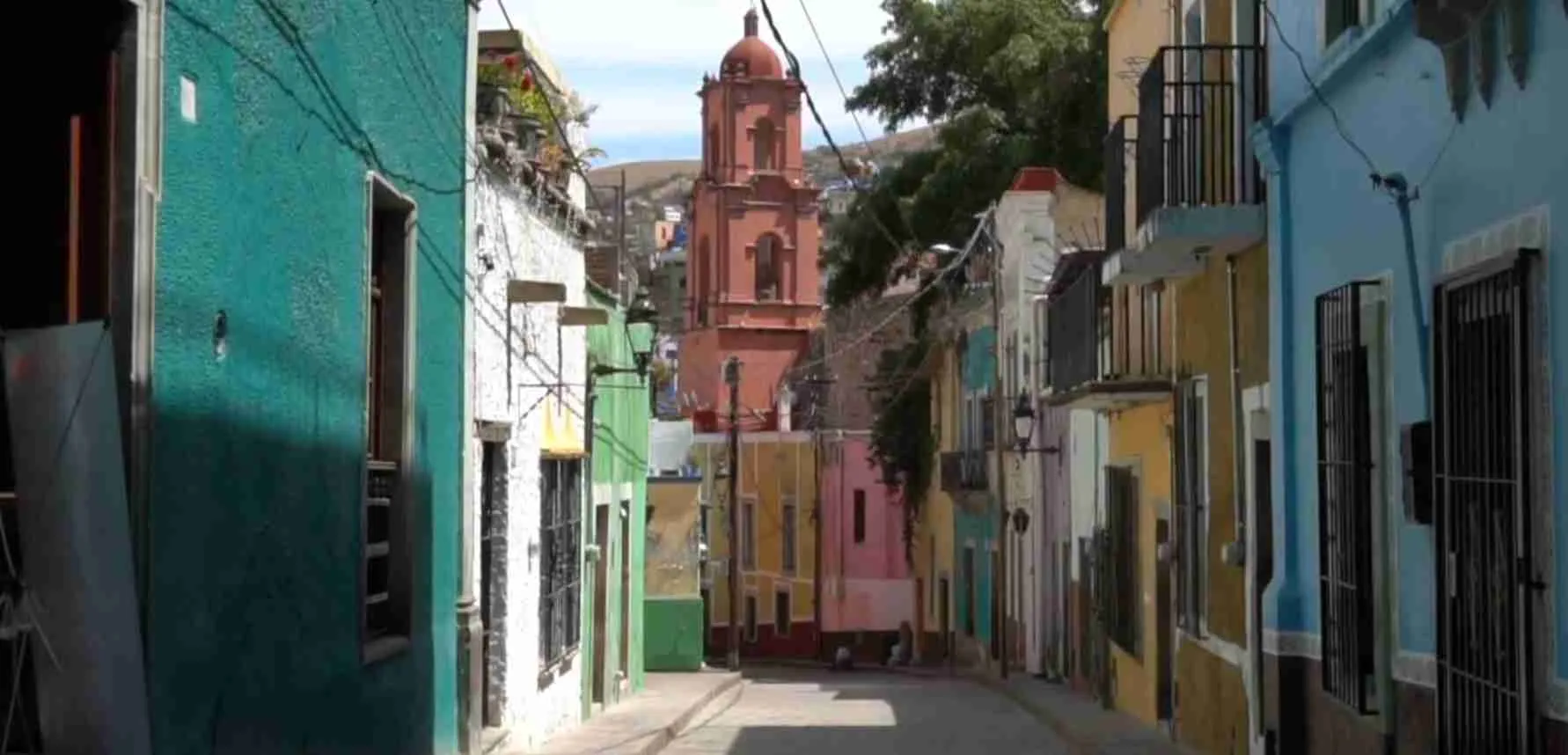
- The historic silver mining town features colorful colonial architecture built into steep hillsides, with underground tunnels serving as main thoroughfares
- Budget accommodation starts at $30-45 per night in hostels, while mid-range hotels cost $65-95 and boutique properties range $120-180
- October’s Cervantino Festival transforms the city into an international arts celebration, requiring accommodation bookings 3-4 months in advance
- The city’s compact size allows walking to most attractions, though steep streets and altitude at 2,012 meters require moderate fitness levels
- Day trips to San Miguel de Allende (90 minutes), Dolores Hidalgo (45 minutes), and colonial mining towns enrich visits beyond the city center
Introduction to Guanajuato City in 2026
Guanajuato City stands as one of Mexico’s most visually stunning colonial settlements, its colorful buildings cascading down steep valley walls in patterns determined by 16th-century silver mining operations. UNESCO designated the historic town and adjacent mines as a World Heritage Site in 1988, recognizing the exceptional architectural ensemble and the technological innovations that made Guanajuato one of the world’s richest silver sources during colonial times. The city’s unusual geography creates a three-dimensional urban experience where buildings stack vertically on hillsides, streets tunnel underground through former mine shafts, and plazas nestle in small level areas between climbing lanes.
The 2026 travel experience combines historical exploration of colonial churches, mansions, and mining infrastructure with contemporary cultural activities centered on theater, music, and visual arts. The University of Guanajuato contributes vibrant student energy and maintains numerous cultural venues. The city operates as the state capital, adding governmental institutions and modern infrastructure to colonial foundations. This combination creates practical advantages for travelers, with reliable services, good accommodation options, and well-maintained tourist attractions alongside authentic Mexican urban life.
Guanajuato’s elevation at 2,012 meters provides mild temperatures year-round but requires acclimatization for visitors coming from sea level. The compact historic center measures approximately 2 kilometers across, with most attractions accessible on foot despite steep grades that challenge sedentary visitors. The famous underground tunnel system carries vehicle traffic, leaving surface streets largely pedestrian-friendly. Planning visits around the October Cervantino Festival or quieter months significantly impacts accommodation costs and crowd levels at major attractions.
People Also Ask About Guanajuato City 2026
How much does it cost to visit Guanajuato’s main attractions in 2026?
Individual attraction tickets in Guanajuato cost $6-10 for most museums and historical sites in 2026. Check official tourism websites for current rates as pricing may vary. The Alhóndiga de Granaditas regional museum charges $6, Diego Rivera’s birthplace museum costs $5, and the Museo Iconográfico del Quijote runs $7. Church visits remain free except for special exhibitions or tower access. The Pípila monument viewpoint requires no admission, while the funicular ride costs $4 round-trip.
Multi-attraction passes provide better value for visitors planning to see multiple sites. The Guanajuato Pass costs $25-30 and covers 5-6 major attractions plus public transportation. Individual daily budgets for sightseeing range $15-30 including attraction tickets, funicular rides, and museum visits. Guided walking tours cost $20-30 per person for 2-3 hour explorations of the historic center.
Is Guanajuato City safe for tourists in 2026?
Guanajuato City maintains good safety for tourists in 2026, with the historic center experiencing lower crime rates than surrounding areas. The city’s economy depends heavily on tourism and university students, creating incentives for maintaining secure public spaces. Visitors should exercise standard urban precautions including avoiding isolated areas after dark, securing valuables, and using authorized taxis or ride-sharing services. The main plaza and popular tourist streets see regular police presence during daytime and evening hours.
Travelers should distinguish between Guanajuato City and the broader state of Guanajuato, which experiences higher crime levels in industrial cities like León, Celaya, and Salamanca. The capital city and nearby colonial towns including San Miguel de Allende remain significantly safer than state industrial zones. Follow current travel advisories and consult hotel staff about neighborhood safety when exploring beyond main tourist areas. Solo travelers, including women, visit Guanajuato successfully using common sense precautions.
What is the best way to get around Guanajuato City in 2026?
Walking provides the best way to experience Guanajuato’s historic center, with most attractions within 10-20 minutes on foot despite steep terrain. The underground tunnel system carries vehicle traffic while surface streets remain pedestrian-friendly, creating pleasant conditions for strolling despite the city’s hilly topography. Comfortable walking shoes with good traction prove essential for cobblestone streets and steep inclines. The compact city center eliminates need for transportation between major sites.
Taxis cost $3-6 for rides within the historic area and provide convenient transportation when tired from walking or carrying purchases. White and green official taxis operate from designated stands near major plazas and attractions. Ride-sharing services including Uber function in Guanajuato but face some operational restrictions in certain zones. The funicular to the Pípila monument costs $4 round-trip and saves steep uphill walking to the viewpoint. Local buses serve outlying neighborhoods for $0.50 but prove unnecessary for typical tourist itineraries focused on the historic center.
How many days should you spend in Guanajuato City in 2026?
Two to three days allows comprehensive exploration of Guanajuato’s historic center, major museums, and cultural sites while maintaining relaxed pacing. The first day covers orientation walks through the historic core, visiting the main plaza, Teatro Juárez, and University of Guanajuato areas. Day two focuses on museums including the Alhóndiga de Granaditas, Diego Rivera Museum, and Museo de las Momias, plus the Pípila viewpoint. Day three accommodates additional museums, the Valenciana Mine, or day trips to San Miguel de Allende or mining villages.
Shorter one-night visits allow sampling Guanajuato’s highlights including the historic center, main museums, and evening ambiance, but rush the experience and eliminate flexibility for weather delays or spontaneous discoveries. Longer stays of 4-5 days support deeper cultural immersion, multiple day trips to surrounding attractions, attendance at theater or musical performances, and relaxed exploration of neighborhoods beyond main tourist circuits. Festival periods especially the Cervantino in October justify extended stays to experience the full programming.
Extended multi-day tours – 5+ days
Featured San Miguel De Allende Multi-Day Tour Packages

3 days
San Miguel De Allende 3-Day Discovery Tour
- ✓ Comprehensive San Miguel De Allende experience
- ✓ Expert local guides included
- ✓ All accommodation included
- ✓ Transportation provided

5 days
San Miguel De Allende 5-Day Highlights Experience
- ✓ Comprehensive San Miguel De Allende experience
- ✓ Expert local guides included
- ✓ All accommodation included
- ✓ Transportation provided

7 days
San Miguel De Allende 7-Day Cultural Journey
- ✓ Comprehensive San Miguel De Allende experience
- ✓ Expert local guides included
- ✓ All accommodation included
- ✓ Transportation provided

10 days
San Miguel De Allende 10-Day Complete Adventure
- ✓ Comprehensive San Miguel De Allende experience
- ✓ Expert local guides included
- ✓ All accommodation included
- ✓ Transportation provided
Multi-day tour packages powered by TourRadar. Prices and availability subject to change.
Essential Planning Information for Guanajuato 2026
Current Costs and Pricing Breakdown
Accommodation costs in Guanajuato vary significantly by property type and season. Budget hostels charge $30-45 per night for private rooms with shared bathrooms, offering basic but clean facilities in central locations. Mid-range hotels cost $65-95 per night for double rooms with private bathrooms, typically including breakfast and WiFi. Boutique hotels in restored colonial buildings range $120-180 per night with superior amenities, historic architecture, and sometimes rooftop terraces with city views. Prices increase 30-50% during Cervantino Festival in October and major Mexican holidays.
Dining expenses span wide ranges. Street tacos and market food stalls serve complete meals for $4-8. Casual restaurants charge $10-18 for main courses, with full meals including beverages totaling $15-25 per person. Mid-range restaurants feature refined cooking at $20-35 per person. Fine dining establishments present sophisticated menus at $40-65 per person. University district restaurants offer student-friendly pricing 10-20% below tourist area equivalents.
Transportation costs remain low. Walking eliminates transportation expenses for historic center exploration. Taxis within the city center cost $3-6 per ride. Funicular to Pípila runs $4 round-trip. Day trip transportation to San Miguel de Allende costs $15-20 by bus or $60-80 for private taxi. Airport transfers from León/Guanajuato airport run $25-35 by shared van or $50-70 for private taxi covering the 30-kilometer distance.
Attraction admission prices remain accessible. Most museums charge $5-10 per site. Multi-attraction passes cost $25-30 covering 5-6 venues. Free attractions include churches, public plazas, the University area, and Pípila viewpoint. Guided walking tours cost $20-30 per person for 2-3 hours. The Museo de las Momias (Mummy Museum) charges $9 as the most expensive single attraction. Underground tunnel tours run $12-15 per person.
Entry Requirements and Practical Logistics
International visitors from most countries enter Mexico visa-free for tourism stays up to 180 days. Airlines provide tourist cards (FMM) during flights to Mexico, or immigration officers distribute them at land borders. Keep the card throughout your stay as you surrender it upon departure. US, Canadian, EU, UK, Australian, and most South American passport holders receive automatic tourist status. Check current requirements on Mexico’s immigration website if traveling from other regions.
Currency needs require Mexican pesos for most transactions in Guanajuato. ATMs throughout the historic center dispense pesos at favorable exchange rates with typical foreign transaction fees of $3-6 per withdrawal. Major credit cards work at mid-range and upscale hotels, restaurants, and shops, but many casual establishments and market vendors operate cash-only. Bring pesos for street food, taxis, market purchases, and small shops. Exchange houses near the main plaza offer currency conversion though ATMs typically provide better rates.
Altitude considerations affect some visitors at 2,012 meters elevation. Allow one day for acclimatization before strenuous activities like climbing to upper neighborhoods or hiking mine trails. Stay hydrated, limit alcohol initially, and pace walking on steep streets. Most visitors adapt quickly without serious symptoms, but those sensitive to altitude might experience mild headaches or fatigue initially. The climate remains mild year-round with daytime temperatures of 65-80°F, though evenings cool down significantly requiring layered clothing.
Best Time to Visit Guanajuato City 2026
Seasonal Analysis for 2026 Travel
Spring months from March through May offer excellent conditions for visiting Guanajuato in 2026. Temperatures range 65-78°F with minimal rainfall and comfortable conditions for walking through hillside streets. Jacaranda trees bloom in late March and April, adding purple flowers to the colorful colonial architecture. Spring break periods in March bring increased US and Mexican visitors but generally manageable crowds except during Semana Santa (Easter week) when domestic tourism peaks and accommodation prices rise 40-60%.
Summer from June through September sees afternoon rain showers most days, typically brief but occasionally heavy. Morning and early afternoon hours remain dry, allowing sightseeing before rain begins around 4-6 PM. Temperatures stay moderate at 68-75°F due to elevation. Summer represents low season for international tourism, creating opportunities for better accommodation rates and fewer crowds at museums. The rain creates lush green hillsides and flowing streams, though some outdoor activities get curtailed by afternoon weather patterns.
Fall brings ideal weather in September through early November after rain season ends. September and early October enjoy pleasant temperatures, clear skies, and moderate tourist numbers. The Cervantino Festival dominates late October, transforming the city into an international arts celebration with theater, dance, music, and visual arts performances. This two-week period sees maximum tourism with accommodation booked months ahead at premium rates. Post-festival November returns to calm with excellent weather before winter travelers arrive.
Winter from December through February offers the driest weather and sunny days with temperatures of 60-70°F. Nights turn cold dropping to 40-45°F, requiring warm layers for evening activities. December holidays bring Mexican family tourism and higher prices, especially Christmas week through New Year’s. January and February see fewer visitors and good accommodation values while maintaining excellent weather conditions for sightseeing and outdoor exploration.
Festival Calendar and Special Events 2026
The Cervantino Festival from mid to late October stands as Mexico’s most important international arts festival, featuring hundreds of performances across theater, dance, classical music, contemporary music, and visual arts. The festival attracts world-renowned performers and companies from 30-40 countries. Free outdoor performances occur in plazas throughout the city, while ticketed events take place in theaters and cultural venues. Festival tickets cost $15-60 depending on performance type and venue, with some premium events reaching $80-100. Book accommodation 3-4 months in advance for Cervantino dates as the city fills completely.
Día de los Muertos (Day of the Dead) on November 1-2 brings traditional celebrations immediately after Cervantino concludes. Families decorate graves at local cemeteries, and the city hosts ofrendas (altars) in public spaces and cultural centers. Processions, face painting, and traditional foods create immersive cultural experiences. This celebration draws fewer international tourists than Oaxaca’s famous Día de los Muertos events, offering more authentic, local-focused commemorations.
Independence Day celebrations in mid-September honor Guanajuato’s role in Mexican independence, with Dolores Hidalgo nearby serving as the movement’s birthplace. The historic Alhóndiga de Granaditas siege represents a key independence war event. September 15-16 sees street festivals, fireworks, traditional foods, and patriotic displays. Hotel rates increase 20-30% for this weekend, but booking one month ahead typically secures rooms.
Accommodation Strategies for Guanajuato 2026
Budget Accommodation Options
Casa del Tío hostel provides clean dormitory beds for $12-18 per person and private rooms for $30-40 per night in a restored colonial building near the main plaza. The hostel features a communal kitchen, rooftop terrace with city views, and social common areas attracting backpackers and budget travelers. Staff organize group activities and provide travel advice for exploring Guanajuato and surrounding areas. Book directly through their website for best rates.
Hotel Posada Santa Fe offers basic hotel rooms for $45-60 per night with private bathrooms, located three blocks from the main plaza. The 19th-century building maintains period character while providing reliable WiFi, hot water, and continental breakfast. Rooms facing the interior courtyard prove quieter than street-facing options. The central location allows walking to all historic center attractions within 10-15 minutes.
Hostal Cantarranas combines hostel pricing with boutique style, charging $40-55 for private rooms with shared bathrooms. The restored colonial house features original architectural details, comfortable common spaces, and a small café serving breakfast. The property sits in a residential neighborhood five minutes uphill from the main plaza, providing quiet setting while maintaining walkable access to tourist sites. Advanced booking recommended during peak season and festivals.
Mid-Range Hotels and Guesthouses
Hotel San Diego occupies a 17th-century building facing the Jardín de la Unión, Guanajuato’s main plaza. Rooms cost $75-95 per night with period details including wooden beams, colorful tile bathrooms, and some rooms overlooking the plaza. The location provides immediate access to restaurants, cafés, and evening entertainment. Plaza-facing rooms experience street noise from evening musicians and café activity, while interior rooms maintain quiet. Restaurant serves breakfast and lunch with plaza views.
Casa del Agua guesthouse offers boutique-style rooms for $70-90 per night in a residential hillside location 10 minutes walking from the city center. The small property features six rooms, each individually decorated with local crafts and contemporary Mexican design. Breakfast includes fresh juice, fruit, eggs, and breads served in a garden courtyard. The owners provide personalized recommendations and arrange tours or transportation. The uphill location requires fitness for walking to and from downtown.
Hotel Mesón de los Poetas provides comfortable rooms for $80-100 per night in a restored colonial building. Amenities include WiFi, cable TV, air conditioning, and hot water. The central location near Teatro Juárez allows easy access to major attractions while maintaining residential neighborhood character. The hotel operates a small restaurant serving traditional Guanajuato cuisine for breakfast and lunch. Parking available for $8 per day in a secure lot.
Boutique and Luxury Properties
Edelmira Hotel Boutique presents luxury accommodation in a restored 19th-century mansion, charging $140-190 per night for elegantly appointed rooms. The property features original architectural details including frescoed ceilings, marble staircases, and antique furnishings combined with modern amenities. Rooms overlook interior courtyards or the main plaza. The rooftop terrace provides panoramic city views and breakfast service. The spa offers massages and beauty treatments. Concierge arranges tours, restaurant reservations, and transportation.
Quinta Las Acacias occupies a colonial-era hacienda converted to a boutique hotel, with rooms costing $130-170 per night. The property sits on the city outskirts requiring taxi transportation to the historic center, but the extensive gardens, pool, and tranquil setting provide peaceful retreat after sightseeing. The on-site restaurant serves refined Mexican cuisine using organic ingredients from the property gardens. The hotel offers cooking classes and cultural programs for guests.
1850 Hotel Boutique provides contemporary luxury in a historic building, charging $150-200 per night. The design combines original colonial elements with minimalist modern furnishings and artwork by Mexican artists. Rooftop terrace features a pool, bar, and restaurant with sunset views over the colorful city. The central location places major attractions within five-minute walks. The hotel attracts design-conscious travelers and couples seeking romantic settings.
Transportation Guide to Guanajuato City 2026
Getting to Guanajuato: Airport and Bus Options
The Del Bajío International Airport (BJX) serves Guanajuato, located 30 kilometers from the city center near the city of Silao. The airport receives domestic flights from Mexico City, Monterrey, Tijuana, and Guadalajara, plus limited international service from Houston, Dallas, and Chicago. From Mexico City, flights take 1 hour and cost $80-150 round-trip. Shared van services from the airport to Guanajuato cost $25-35 per person with door-to-door hotel service. Private taxis charge $50-70 for the 35-minute drive. Book airport transfers through hotels or online services before arrival.
First-class buses from Mexico City’s Terminal Norte reach Guanajuato in 4.5-5 hours, operating hourly throughout the day. ETN luxury bus service costs $35-45 one-way with comfortable reclining seats, WiFi, and restrooms. Regular first-class service runs $25-32 with similar amenities. Buses arrive at Guanajuato’s Central de Autobuses located two kilometers from the historic center. Taxis from the bus station to downtown hotels cost $4-6. The bus option provides cost-effective transportation for travelers already in Mexico City or combining Guanajuato with other destinations.
Driving to Guanajuato from Mexico City takes 4-5 hours via Highway 57D, a well-maintained toll road. Tolls total $25-30 each direction. Rental cars in Mexico City cost $35-55 per day for economy vehicles. However, owning a car in Guanajuato proves challenging due to narrow streets, underground tunnels, and limited parking. Many hotels charge $8-15 daily for parking in secure lots. Visitors staying only in Guanajuato benefit more from bus or flight arrival without rental car expenses and parking hassles.
Local Transportation Within Guanajuato
Walking serves as primary transportation within Guanajuato’s historic center. The compact colonial core measures approximately 1.5 kilometers across, allowing 15-20 minute walks between most attractions despite hilly terrain. The underground tunnel system removes vehicle traffic from many surface streets, creating pleasant pedestrian conditions. Comfortable shoes with good grip handle cobblestone streets and steep inclines. The city’s three-dimensional layout means some destinations require climbing stairs or steep lanes, challenging for those with mobility limitations.
Taxis operate from stands at major plazas and can be flagged on main streets. Fares within the historic center cost $3-6 for typical trips. Taxis use meters, though some drivers negotiate flat rates for specific destinations. Verify the fare before departure or confirm the meter runs. White and green taxis represent official vehicles with proper licensing. Ride-sharing services including Uber operate in Guanajuato but face occasional restrictions near certain landmarks or during special events.
The funicular cable car provides access to the Pípila Monument viewpoint high above the city center. The ride costs $4 round-trip and runs every 10-15 minutes from 8 AM to 8 PM. The five-minute ascent saves a steep 25-30 minute uphill walk to the viewpoint. The funicular station sits near the main plaza with clear signage directing visitors to the entrance.
Local buses serve residential neighborhoods outside the tourist center for $0.50 per ride. These prove unnecessary for typical visitor itineraries focused on the historic core and main attractions. However, buses provide access to the Valenciana Mine on the city outskirts, departing from various downtown stops. Ask hotel staff or tourism office staff for specific bus routes and schedules if planning to visit outlying sites independently.
Major Attractions and Cultural Sites 2026
UNESCO World Heritage Historic Center
The historic center’s exceptional colonial architecture fills narrow streets climbing steep hillsides in patterns dictated by mining operations and valley topography. Buildings painted in vibrant colors—yellow, orange, red, pink, green, blue—create the photographic appeal that makes Guanajuato instantly recognizable. The city reached its zenith in the 18th century when mines produced one-quarter of the world’s silver, funding elaborate churches, mansions, and public buildings. Walking tours covering 2-3 hours provide historical context and architectural explanations while navigating the hillside streets.
The Jardín de la Unión serves as the social and geographic heart of the city, a triangular plaza lined with cafés under shaded arcades. Musicians perform nightly, and couples stroll while university students socialize on benches. The plaza fronts the Teatro Juárez, Guanajuato’s grand 19th-century theater featuring neoclassical architecture and a striking green dome. Theater tours cost $5 and showcase the lavish interior when performances aren’t scheduled. Evening hours bring the most activity with outdoor café tables filling quickly after 7 PM.
Callejón del Beso (Alley of the Kiss) ranks among Mexico’s most photographed sites, a narrow lane where balconies from opposing buildings nearly touch, allowing residents to kiss across the gap. Legend tells of star-crossed lovers meeting secretly on these balconies, ending tragically when the woman’s father discovered the romance. The tiny alley accommodates only single-file walking, creating bottlenecks during peak tourist hours. Visit early morning or late afternoon to avoid crowds. No admission charged for walking through the alley.
Museums and Cultural Institutions
The Alhóndiga de Granaditas stands as Guanajuato’s most important historical building, originally constructed as a granary in the 1790s and gaining fame as the site of the first major battle in Mexico’s independence war in 1810. The building now houses the Regional Museum displaying pre-Hispanic artifacts, colonial art, and independence war exhibits. Admission costs $6, and visits require 1.5-2 hours to explore the four floors of galleries surrounding a grand central courtyard. The building’s massive stone construction and iron hooks where revolutionary heroes’ heads were displayed create powerful historical atmosphere.
Diego Rivera Museum occupies the artist’s birthplace, a colonial house where Rivera lived until age six before moving to Mexico City. The museum displays early sketches and paintings from Rivera’s European period, though his famous murals appear elsewhere in Mexico. Admission costs $5, and the modest collection requires 30-45 minutes to view. The building itself provides insight into upper-middle-class life in late 19th-century Guanajuato. The museum sits two blocks uphill from the main plaza.
Museo Iconográfico del Quijote contains one of the world’s most comprehensive collections of Don Quixote imagery, with paintings, sculptures, tapestries, and decorative arts from dozens of countries. The collection reflects Guanajuato’s special connection to Cervantes’ character, celebrated during the annual Cervantino Festival. Admission costs $7, and browsing the galleries requires 1-1.5 hours. The museum attracts both literature enthusiasts and casual visitors interested in the varied artistic interpretations spanning four centuries.
Museo de las Momias houses naturally mummified bodies discovered in the city cemetery during the late 19th and early 20th centuries. The dry climate and mineral-rich soil preserved bodies in remarkable condition. The museum displays approximately 100 mummies including infants, children, and adults, some still wearing burial clothing. Admission costs $9, making it Guanajuato’s most expensive attraction. The macabre content proves fascinating for some visitors and disturbing for others. Located outside the city center, the museum requires a 10-minute taxi ride costing $4-5.
Churches and Religious Architecture
Basílica Colegiata de Nuestra Señora de Guanajuato dominates the main plaza with its bright yellow baroque facade and red dome. Built 1671-1696, the church contains the venerated wooden statue of the Virgin of Guanajuato, said to be a gift from King Philip II of Spain. The ornate interior features gilded altarpieces, colonial paintings, and elaborate decorations funded by silver mining wealth. Free admission allows visitors to appreciate the architecture and religious art. Modest dress required (covered shoulders and knees). Mass schedules vary, but the church opens daily for visits from 9 AM to 6 PM.
Templo de San Cayetano (La Valenciana Church) sits adjacent to the famous Valenciana Mine on Guanajuato’s northern outskirts. Built in the mid-18th century by the mine’s owner, the church represents one of Mexico’s finest examples of Churrigueresque baroque architecture. The single-nave interior features floor-to-ceiling gilded retablos creating an overwhelming golden effect. The church required 20 years to construct using wealth from the mine. Reach the church by taxi for $8-10 from the city center or local bus. Free admission, though donations appreciated for church maintenance.
Templo de la Compañía occupies a prominent hillside location with its pink facade visible throughout the historic center. Built by Jesuits in the 18th century, the church features an impressive dome and baroque detailing. The interior contains colonial-era paintings and sculptures. The church sits atop a steep staircase requiring significant uphill climbing to reach. The effort rewards visitors with architectural beauty and panoramic city views from the elevated plaza. Open daily for free visits with modest dress required.
Sample Itineraries for Guanajuato 2026
Budget Two-Day Itinerary
Day 1 begins with breakfast at a market stall or budget café for $5-7, followed by free walking exploration of the historic center including the Jardín de la Unión, Callejón del Beso, and University of Guanajuato campus. Climb to the Pípila Monument viewpoint for free panoramic city views, walking uphill for 25-30 minutes rather than taking the funicular. Visit the Basílica de Guanajuato for free admission to appreciate baroque architecture. Lunch at a comedor or casual restaurant costs $8-12. Afternoon includes the Alhóndiga de Granaditas museum for $6, exploring exhibits for 1.5-2 hours. Dinner at a taquería or traditional restaurant runs $10-14. Evening stroll through the illuminated historic center costs nothing. Accommodation at budget hostel $35-45, breakfast $5-7, lunch $8-12, museum $6, dinner $10-14. Total Day 1: $64-84 per person (including accommodation).
Day 2 starts with breakfast at accommodation or café for $5-7, then visits Diego Rivera Museum for $5 and Museo Iconográfico del Quijote for $7. Morning museum visits total 2-3 hours. Lunch at market food stalls costs $6-9. Afternoon explores free sites including churches, plazas, and the underground tunnel system viewpoints. Optional visit to the Mummy Museum requires taxi transport $4-5 each way plus $9 admission. Dinner at a budget restaurant costs $10-15. Evening entertainment includes free plaza musicians and people-watching. Accommodation $35-45, breakfast $5-7, museums $12, lunch $6-9, taxi (if visiting Mummy Museum) $8-10, Mummy Museum (optional) $9, dinner $10-15. Total Day 2: $76-105 per person depending on Mummy Museum visit (including accommodation).
Two-day total: $140-189 per person covering accommodation, all meals, major museums, and transportation.
Mid-Range Three-Day Itinerary
Day 1 features breakfast at a nice café for $10-14, followed by a guided walking tour of the historic center for $25 per person. The tour covers major sites and provides historical context for 2-3 hours. Lunch at a mid-range restaurant costs $18-25. Afternoon includes funicular to Pípila viewpoint for $4 and visits to the Basílica and Teatro Juárez for $5. Dinner at a quality restaurant with regional specialties runs $30-40 per person. Mid-range hotel accommodation $75-95. Accommodation $75-95, breakfast $10-14, walking tour $25, lunch $18-25, funicular $4, Teatro Juárez $5, dinner $30-40. Total Day 1: $167-208 per person (including accommodation).
Day 2 begins with hotel breakfast (included), then visits the Alhóndiga de Granaditas for $6 and Diego Rivera Museum for $5. Lunch features local specialties at a traditional restaurant for $20-28. Afternoon takes a taxi to La Valenciana Church and Mine for $8-10 each way, with mine tour costing $10. Return to the city center for evening shopping and plaza time. Dinner at a nice restaurant with wine costs $40-50 per person. Accommodation $75-95, museums $11, lunch $20-28, taxis $16-20, mine tour $10, dinner $40-50. Total Day 2: $172-214 per person (including accommodation).
Day 3 includes hotel breakfast and a day trip to San Miguel de Allende. Bus transportation costs $15-20 round-trip with departures at 8-9 AM and returns at 5-6 PM. Lunch and sightseeing in San Miguel run $30-45. Return to Guanajuato for final evening dinner at $25-35. Accommodation $75-95, day trip transport $15-20, San Miguel lunch/activities $30-45, dinner $25-35. Total Day 3: $145-195 per person (including accommodation).
Three-day total: $484-617 per person covering accommodation, all meals, transportation, tours, and admissions.
Premium Cultural Immersion Four-Day Itinerary
Day 1 starts with breakfast at boutique hotel (included in room rate), private guided walking tour for $120 (for two people) covering historic center and hidden corners. Lunch at an upscale restaurant costs $35-45 per person. Afternoon includes Teatro Juárez tour and orchestra rehearsal viewing (free when available). Dinner features fine dining at $60-80 per person with wine pairings. Boutique hotel accommodation $140-190. Accommodation $140-190, private tour $60 per person, lunch $35-45, dinner $60-80. Total Day 1: $295-375 per person (including accommodation).
Day 2 begins with hotel breakfast and private transportation to Valenciana for $50 round-trip (for two people), including church visit and extended mine tour for $15 per person. Lunch at the mine’s historic hacienda restaurant costs $30-40. Afternoon visits the Museo de las Momias with private taxi $25 round-trip (for two) plus $9 admission. Afternoon spa treatment at hotel runs $80-100. Dinner at a sophisticated restaurant costs $55-70 per person. Accommodation $140-190, transportation $25 per person, mine tour $15, lunch $30-40, Mummy Museum $9, taxi $13 per person, spa $80-100, dinner $55-70. Total Day 2: $367-467 per person (including accommodation).
Day 3 features hotel breakfast and a full-day private tour to San Miguel de Allende and Dolores Hidalgo with guide for $200 (for two people), visiting churches, museums, and artisan workshops. Lunch costs $35-50 at a quality restaurant. Return to Guanajuato by early evening for dinner at hotel restaurant $45-60 per person. Accommodation $140-190, private day tour $100 per person, lunch $35-50, dinner $45-60. Total Day 3: $320-400 per person (including accommodation).
Day 4 includes hotel breakfast, morning at leisure for shopping and final exploration. Lunch at a favorite discovered restaurant costs $30-40. Afternoon transfer to airport via private taxi $60-70 for the group, arriving for departure flights. Accommodation $140-190 (if needed for departure night), lunch $30-40, airport transfer $30-35 per person. Total Day 4: $200-265 per person.
Four-day total: $1,182-1,507 per person covering luxury accommodation, private transportation, guides, all meals, and cultural experiences.
Day Trip Options from Guanajuato 2026
San Miguel de Allende
San Miguel de Allende sits 90 kilometers east of Guanajuato, reachable in 1.5 hours by bus. This colonial town features impressive architecture, a thriving arts scene, and excellent restaurants. First-class buses depart Guanajuato hourly from 7 AM to 7 PM, costing $12-18 round-trip. The bus arrives at San Miguel’s terminal two kilometers from the historic center, with taxis to downtown costing $3-4. Organized day tours from Guanajuato include transportation and guide for $60-80 per person.
Plan 5-6 hours in San Miguel to visit the Parroquia (parish church) with its distinctive neo-Gothic facade, explore art galleries and craft shops, tour the historic center, and enjoy lunch at one of the city’s excellent restaurants. San Miguel operates as a popular expat destination with higher prices than Guanajuato, with lunch costing $20-35 per person at quality restaurants. The town’s compact size allows comprehensive walking tours. Return buses run until 8 PM, permitting afternoon and early evening visits.
Dolores Hidalgo: Cradle of Independence
Dolores Hidalgo lies 45 kilometers north of Guanajuato, famous as the birthplace of Mexican independence where Father Miguel Hidalgo issued the Grito de Dolores on September 16, 1810. Buses depart hourly throughout the day, taking 1 hour and costing $8-12 round-trip. The town maintains authentic Mexican character with fewer tourists than Guanajuato or San Miguel, offering genuine cultural experiences and excellent talavera ceramics workshops.
Visit the parish church where Hidalgo served as priest, the house museum documenting his life and the independence movement, and ceramics factories producing traditional talavera. The town also claims fame for exotic ice cream flavors including avocado, shrimp, mole, and cheese, sold from street carts in the main plaza. Plan 3-4 hours for comprehensive exploration. Lunch at traditional restaurants costs $12-18 per person. The town makes an easy half-day excursion returning to Guanajuato by mid-afternoon.
Leon: Modern City and Leather Capital
León, Mexico’s sixth-largest city, sits 50 kilometers west of Guanajuato and serves as the state’s industrial center and leather manufacturing capital. Frequent buses cover the distance in 45 minutes, costing $6-10 round-trip. The city offers shopping opportunities for leather goods including shoes, boots, jackets, and bags at factory outlets and markets. The Zona Piel (Leather Zone) contains hundreds of shops with products at 30-50% below US and European prices for comparable quality.
León also features the Expiatory Temple, an impressive neo-Gothic church under construction for over 100 years, and the Museo de Arte e Historia with extensive collections. The city provides contrast to Guanajuato’s colonial character, showcasing modern Mexican urban development. Plan full-day visits for shopping and sightseeing, or half-day morning trips focusing on specific leather purchases. Lunch costs $12-20 at casual restaurants. León works better for special-interest visits rather than essential Guanajuato itineraries.
Practical Tips for Visiting Guanajuato 2026
Booking Strategies and Advance Planning
Accommodation booking requirements vary dramatically by season. January-February and July-August allow booking 2-4 weeks ahead with good availability except during Mexican school holiday weeks. March-June and September-early October provide flexibility with 1-2 week advance reservations sufficient. The Cervantino Festival in late October requires booking 3-4 months ahead as the city fills completely with domestic and international visitors. December holidays need 6-8 weeks advance booking for Christmas and New Year periods.
Museum and attraction tickets purchase at entry points without advance booking except for special exhibitions or performances at Teatro Juárez. Walking tour reservations make sense during peak season to guarantee English-speaking guides. The funicular to Pípila operates on first-come, first-served basis with occasional short waits during busy afternoon hours. Day trip buses to San Miguel de Allende and other destinations rarely sell out except during major holidays, allowing spontaneous travel decisions.
Restaurant reservations prove unnecessary at most establishments except upscale venues during weekend evenings and festival periods. The university district and residential neighborhoods maintain capacity even when tourist-area restaurants fill. Calling ahead for Friday-Saturday dinner at popular restaurants ensures tables, particularly for groups over four people. Casual restaurants and market food stalls operate walk-in only.
Safety Considerations and Health Precautions
Petty theft occurs occasionally in crowded tourist areas, market zones, and on public buses. Use anti-theft bags or backpacks with slash-proof materials and hidden zippers. Keep valuable items distributed across multiple pockets rather than concentrated in purses or single bags. Avoid displaying expensive jewelry, cameras, or phones unnecessarily. Hotel safe deposits provide security for passports, extra cash, and valuables not needed during daily sightseeing.
The hilly terrain and steep streets require moderate fitness levels for comfortable exploration. Visitors with mobility challenges find some attractions and hotels inaccessible due to stairs, steep inclines, and cobblestone surfaces. The altitude at 2,012 meters affects some visitors initially, requiring hydration and gradual acclimatization before strenuous walking. Those with heart conditions or respiratory issues should consult physicians before visiting and pace activities conservatively during the first days.
Water safety follows standard Mexican guidelines. Hotels and restaurants use purified water for drinking, ice, and washing produce, making dining safe. Street food proves generally safe when vendors cook items to order with visible preparation. Avoid raw vegetables at market stalls unless certain of purified water washing. Bottled water costs $1-2 for 1.5 liters at convenience stores. Most visitors experience no health issues following basic food and water precautions.
Language and Cultural Considerations
Spanish dominates daily life in Guanajuato, with English skills variable across different sectors. Hotels, tour operators, and upscale restaurants typically employ bilingual staff. Mid-range and budget establishments, market vendors, and taxis operate primarily in Spanish. Learning basic Spanish phrases for greetings, ordering food, asking prices, and requesting directions enhances interactions and shows respect for local culture. Translation apps on smartphones help bridge language gaps when verbal communication falters.
The university presence brings international students who sometimes assist tourists with language needs in informal situations. Tourism office staff speaks English and provides information, maps, and recommendations. Many museums offer interpretive materials in English alongside Spanish explanations. Guided walking tours operate in English with advance booking. Solo travelers and small groups benefit from hiring English-speaking guides for in-depth cultural and historical understanding.
Mexican cultural norms emphasize politeness and personal interactions over efficiency. Greet shopkeepers, restaurant staff, and hotel employees with “Buenos días” (morning), “Buenas tardes” (afternoon), or “Buenas noches” (evening). Thank people with “Gracias” and use “Por favor” when requesting assistance. Mexicans appreciate attempts to speak Spanish even with limited vocabulary, responding with patience and encouragement. Tipping practices follow standards of 10-15% in restaurants, $1-2 per bag for porters, and rounding up taxi fares.
Frequently Asked Questions About Guanajuato 2026
Is Guanajuato worth visiting for first-time Mexico travelers?
Guanajuato offers an excellent introduction to colonial Mexican cities, combining exceptional architecture, manageable size, and cultural depth in an authentic urban setting less commercialized than destinations like Cancún or Cabo. First-time visitors appreciate the walkable historic center, concentration of museums and attractions, and genuine Mexican character without overwhelming crowds or aggressive tourism development. The city provides cultural immersion while maintaining reliable infrastructure and services that ease travel concerns.
The UNESCO World Heritage designation ensures preservation of historic buildings and maintenance of tourist facilities. First-timers find orientation straightforward with the compact city center and helpful tourism offices providing maps and information. English-speaking guides make cultural and historical understanding accessible. The city serves well as part of multi-destination itineraries combining Mexico City, San Miguel de Allende, and other central Mexican highlights for comprehensive first visits.
Can you visit Guanajuato as a day trip from San Miguel de Allende?
Day trips from San Miguel de Allende to Guanajuato work logistically but rush the experience of a city deserving overnight stays. Buses cover the 90 kilometers in 1.5 hours, with early morning departures allowing 7-8 hours in Guanajuato before evening return buses. This timing permits visiting major museums, walking the historic center, and seeing primary attractions. However, the limited time eliminates opportunities for relaxed exploration, neighborhood wandering, and experiencing evening atmosphere when plaza culture and nightlife emerge.
Organized day tours from San Miguel cost $60-80 per person including transportation and guide, condensing highlights into efficient itineraries. Independent travelers save money using buses at $12-18 round-trip but sacrifice guided historical explanations. Those with limited time benefit from overnight stays allowing deeper engagement with Guanajuato’s culture, museums, and atmosphere rather than superficial day-trip sampling. The cities complement each other with distinct characters justifying separate visits rather than subordinating Guanajuato to day-trip status.
What is the underground tunnel system in Guanajuato?
Guanajuato’s unique underground tunnel network originally served as flood control channels protecting the city from the river that historically caused devastating floods. Engineers redirected the river underground in the early 20th century, creating tunnels that later converted to vehicle roadways. The system spans approximately 20 kilometers, with major tunnels carrying one-way traffic connecting different city zones. The tunnels remove most car traffic from historic center streets, creating pedestrian-friendly surface conditions rare in Mexican cities.
Visitors experience the tunnels by taxi, bus, or personal vehicle, traveling through well-lit passages with periodic intersections and access ramps to surface streets. Walking through tunnels proves dangerous due to vehicle traffic and lacks pedestrian infrastructure, though some viewpoints allow safe observation. Tour companies offer underground tunnel tours in vans, explaining the engineering history and pointing out architectural features. These tours cost $12-15 per person for 30-45 minutes. The tunnel system represents an engineering marvel integral to Guanajuato’s functionality and distinctive urban character.
What handicrafts and souvenirs should you buy in Guanajuato?
Guanajuato ceramics include talavera-style pottery, though Dolores Hidalgo 45 kilometers away produces the region’s finest examples. Local shops sell plates, bowls, tiles, and decorative pieces at $15-60 depending on size and detail. Silver jewelry and decorative items reference the city’s mining heritage, with quality pieces starting at $30-80 for rings, bracelets, and pendants. Verify silver purity stamps (925 or .925) indicating sterling silver rather than silver-plated items.
Textiles including wool rugs, woven bags, and embroidered clothing come from regional artisans, priced at $25-80 for quality pieces. Markets and craft shops cluster near the main plaza and throughout the historic center. Bargaining remains acceptable at market stalls though less so at established shops. Traditional sweets including cajeta (goat milk caramel) cost $5-12 per jar and make popular gifts. Artisanal mezcal and raicilla spirits from small producers run $30-70 per bottle for quality expressions unavailable outside Mexico.
How does Guanajuato compare to San Miguel de Allende?
Guanajuato maintains more authentic Mexican character with active industry, government institutions, and the university creating genuine urban life beyond tourism. San Miguel developed as an expat haven with higher tourist orientation, more English speakers, and premium pricing. Guanajuato offers superior historical significance related to mining heritage and independence war events, plus dramatic hillside topography. San Miguel presents more refined dining, boutique hotels, and art galleries catering to upscale travelers and resident foreigners.
Costs run 20-30% lower in Guanajuato for accommodation, dining, and services compared to San Miguel’s premium markets. Guanajuato’s museums and cultural institutions focus on history and regional culture, while San Miguel emphasizes art galleries and cultural tourism. Both merit visits, with Guanajuato suited for travelers seeking historical depth and authentic Mexican urban experiences, while San Miguel appeals to those preferring polished tourist infrastructure and international dining standards. Combining visits to both cities provides comprehensive perspectives on colonial Mexican heritage and contemporary cultural tourism.
What food specialties should you try in Guanajuato?
Enchiladas mineras (miner’s enchiladas) represent Guanajuato’s signature dish, featuring corn tortillas stuffed with cheese or potato, covered in guajillo chili sauce, and topped with sliced vegetables and cheese. The dish originated from mining camps needing hearty, portable meals. Quality versions cost $8-12 at traditional restaurants. Guacamayas consist of crusty rolls filled with chicharrón (pork rinds) and pico de gallo, creating crunchy, spicy sandwiches popular for lunch at $4-6 from street vendors and markets.
Pacholas feature thin beef or pork patties seasoned with chilies and spices, pan-fried and served with rice, beans, and tortillas for $10-15 at casual restaurants. Nieves de Dolores (ice creams from Dolores Hidalgo) include unusual flavors like avocado, corn, tequila, and cheese alongside conventional options, sold from carts in plazas for $2-3 per scoop. Regional sweets including cajeta (goat milk caramel), charamuscas (twisted sugar candies), and frutas cristalizadas (candied fruits) cost $5-10 per kilogram at traditional candy shops.
Can you explore Guanajuato’s mines?
The Mina La Valenciana offers underground tours exploring one of the world’s richest historical silver mines. The mine operated from 1760s through the 20th century, producing enormous quantities of silver that funded Guanajuato’s colonial grandeur. Tours descend 60 meters underground through shafts and tunnels, explaining mining techniques, working conditions, and geological formations. Tours cost $10 per person and last 45-60 minutes. Hard hats provided, and sturdy closed-toe shoes required. The mine sits on Guanajuato’s northern outskirts, reachable by taxi for $8-10 from downtown.
The adjacent Templo de San Cayetano (La Valenciana Church) demonstrates the wealth generated by mining through its elaborate baroque architecture and extensive gold decoration. Combine mine tours with church visits for comprehensive understanding of colonial-era silver production’s cultural impact. Other smaller mines around Guanajuato closed to tourists, but the Valenciana provides representative examples of mining heritage. Book tours directly at the mine entrance or through hotels and tour operators. English-speaking guides available with advance request, otherwise tours conduct in Spanish with some basic explanation available through gesture and demonstration.
What is the best photography spot in Guanajuato?
The Pípila Monument viewpoint delivers Guanajuato’s iconic cityscape photographs showing colorful buildings cascading down hillsides with the Basílica’s yellow facade and Teatro Juárez’s green dome prominent. Access via funicular ($4 round-trip) or 25-30 minute uphill walk. Golden hour (30 minutes before sunset) provides optimal lighting when warm tones enhance building colors and shadows add depth. The viewpoint accommodates dozens of photographers simultaneously on the large terrace surrounding the monument statue.
The Callejón del Beso’s narrow alley with opposing balconies creates intimate architectural compositions, though crowded conditions during midday limit photography opportunities. Visit early morning around 8-9 AM or late afternoon after 5 PM for clearer shots. The underground tunnels offer unique perspectives when vehicles allow brief stops, though photography proves challenging due to movement restrictions and dim lighting. Multiple overlooks throughout the hillside neighborhoods provide alternative viewpoints, with the walk between locations offering spontaneous architectural details, colorful doorways, and street scenes.
Should you rent a car for exploring Guanajuato and surrounding areas?
Renting a car provides flexibility for visiting outlying attractions like the Valenciana Mine, Dolores Hidalgo, and smaller mining villages while allowing spontaneous exploration at personal pace. Rental costs run $35-55 per day for economy vehicles from agencies at the León airport or in the city. However, driving in Guanajuato’s historic center proves challenging due to narrow streets, underground tunnels requiring local knowledge, and scarce parking. Most hotels charge $8-15 daily for parking in secure lots or street spaces.
Visitors staying exclusively in the historic center benefit more from walking and taxis, using buses for day trips to San Miguel de Allende. Car rental makes sense for travelers planning multiple outlying destinations, visiting rural areas with limited bus service, or combining Guanajuato with broader regional exploration. First-time visitors often find the tunnel navigation confusing and prefer relying on taxis costing $8-12 for typical destinations. Evaluate car rental based on specific itinerary rather than assuming necessity—many visitors successfully explore Guanajuato and surroundings using only public transportation, taxis, and occasional organized tours.