
San José Day Trips 2026: Best Excursions & Tours
Key Takeaways: San José Day Trips 2026
- Volcano Access in 2026: Poás Volcano National Park operates with timed entry slots requiring advance online reservations, while Irazú Volcano permits walk-in access with earlier arrival recommended for cloud-free views of both Pacific and Caribbean coasts
- Transportation Strategies: Organized tours from San José range $45-95 per person including transportation and guide services, while independent travel via rental car or public bus reduces costs to $15-35 but requires careful timing and route planning
- Cloud Forest Experiences: Monteverde Cloud Forest Reserve and private reserves near San José offer canopy walkways, hanging bridges, and wildlife observation with tour packages ranging $85-140 including transportation from the capital
- Caribbean Coast Timing: Day trips to Puerto Viejo and Cahuita National Park require 6:30-7:00 AM departures for 4-5 hour drives each direction, making two-day trips more practical for beach experiences and Afro-Caribbean culture
- Coffee Culture Immersion: Central Valley coffee plantation tours showcase bean-to-cup processes with tastings and farm walks, with half-day tours costing $40-75 and full-day experiences including multiple fincas ranging $90-130
- Seasonal Planning: December through April offers optimal conditions for volcano viewing and cloud forest exploration with minimal rain, while May through November green season provides lush landscapes and fewer crowds despite afternoon showers
Introduction to San José Day Trip Planning 2026
San José’s position in Costa Rica’s Central Valley creates exceptional access to the country’s most celebrated natural and cultural destinations within 1-4 hour driving radius. The capital serves as the launching point for volcano crater exploration, cloud forest canopy experiences, coffee plantation immersion, Caribbean beaches, Pacific coast adventures, and pre-Columbian archaeological sites. This strategic location allows travelers to experience Costa Rica’s incredible biodiversity and geological drama while maintaining accommodation stability in the metropolitan area.
Planning successful 2026 day trips from San José requires understanding transportation logistics, advance reservation requirements, seasonal weather patterns, and realistic timing expectations. The country’s challenging road conditions, mountain terrain, and tropical climate influence departure schedules and return times. Tour operators provide comprehensive solutions with guaranteed transportation, timed entry reservations, and bilingual guides, while independent travelers achieve significant cost savings through rental cars, public buses, and direct bookings with proper advance planning.
The diversity of available excursions means every travel style finds appropriate options. Nature enthusiasts explore active volcano craters, wildlife-rich cloud forests, and pristine national parks. Cultural travelers discover coffee heritage, indigenous traditions, and colonial architecture. Adventure seekers tackle whitewater rapids, zip-line canopies, and waterfall rappelling. Beach lovers reach both Caribbean and Pacific coasts for swimming, snorkeling, and coastal ecology. This comprehensive guide provides the transportation details, cost breakdowns, timing strategies, and booking information needed to maximize your Central Valley exploration during 2026 visits.
People Also Ask About San José Day Trips 2026
What is the best day trip from San José Costa Rica in 2026?
Poás Volcano National Park represents the most accessible and dramatic day trip from San José in 2026, combining world-class geological features with manageable logistics. The active crater produces one of the planet’s most acidic lakes with turquoise waters and frequent phreatic eruptions creating steam plumes visible from observation platforms. The national park operates with timed entry slots requiring advance online reservations through sinac.go.cr, with tickets costing ₡5,000 for foreign residents and ₡15,000 for international tourists (check official website for current rates as pricing may vary). Tours from San José including transportation and guide services range $65-85, departing 6:00-7:00 AM and returning by early afternoon. The 90-minute drive navigates mountain roads through coffee plantations and dairy farms with altitude reaching 2,708 meters at the crater rim. Clear morning weather provides optimal viewing conditions before afternoon clouds obscure visibility. The combination of spectacular volcanic features, reliable access, reasonable costs, and half-day timing makes Poás the premier San José excursion for first-time Costa Rica visitors.
How much does a day trip from San José cost in 2026?
Day trip costs from San José in 2026 vary significantly based on destination, transportation method, and inclusion level. Budget excursions using public transportation to nearby destinations like Cartago and Irazú Volcano run $15-25 per person including bus fares and entrance fees. Mid-range organized tours to Poás Volcano, La Paz Waterfall Gardens, or Arenal area cost $65-95 per person with transportation, guide, and some meals included. Premium experiences like Monteverde cloud forest tours with canopy walks and wildlife observation range $110-140, while multi-activity packages combining waterfalls, coffee tours, and wildlife centers reach $130-175. Independent travelers using rental cars reduce per-person costs for groups but face vehicle rental expenses of $35-65 daily plus fuel. Coffee plantation tours range $40-75 for half-day experiences. Caribbean coast day trips cost $85-120 with organized tours, though the 8-10 hour commitment makes overnight stays more practical. Adventure activities like whitewater rafting add $75-110 to excursion costs. Most travelers budget $70-120 per person for quality day trips from the capital including transportation, admission, and guide services.
Can you do a day trip to Monteverde from San José in 2026?
Monteverde Cloud Forest Reserve permits day trips from San José in 2026, though the challenging logistics make overnight stays preferable for most travelers. The 150-kilometer distance requires 3.5-4.5 hours each direction due to rough unpaved roads climbing from the lowlands to the 1,400-meter elevation cloud forest zone. Tours departing San José at 6:00-6:30 AM arrive at Monteverde reserves around 10:00-10:30 AM, allowing 3-4 hours for cloud forest exploration including hanging bridges, canopy walkways, and wildlife observation before beginning return journeys by 2:00-3:00 PM. This schedule results in 14-15 hour days with 7-9 hours spent traveling. Organized day trip packages cost $110-140 per person including round-trip transportation, reserve entrance fees, and guide services. Independent travelers face similar timing challenges with rental cars, plus the stress of navigating deteriorating mountain roads. The abbreviated forest time limits wildlife observation opportunities, as many species show peak activity during early morning and late afternoon hours when day-trippers are traveling. Visitors prioritizing comprehensive cloud forest immersion, canopy adventures, and wildlife photography achieve better experiences with overnight Monteverde stays, using the extra time for dawn bird walks, night tours, and multiple reserve visits. Day trips work for travelers with extremely limited schedules accepting the transportation-heavy itinerary.
What is the closest beach to San José Costa Rica for day trips in 2026?
Jacó Beach on the Central Pacific coast represents the closest ocean access from San José for 2026 day trips, located 90 kilometers west with drive times of 1.5-2 hours depending on traffic conditions. The surf town offers consistent beach breaks attracting surfers year-round, with swimming conditions moderate due to waves and currents. Tours from San José to Jacó cost $75-95 per person including round-trip transportation, departing 7:00-8:00 AM and returning by 5:00-6:00 PM for 6-8 hour beach time. The town provides restaurant options, surf rentals, and beachfront development contrasting with more remote Costa Rican beaches. Manuel Antonio National Park beaches, though offering superior swimming conditions and rainforest wildlife, require 3-3.5 hours each direction making day trips impractical despite tour availability at $95-130. Caribbean coast options like Puerto Viejo demand 4-5 hours each direction through mountain passes and lowland routes. Puntarenas, the original Pacific port city, sits closer than Jacó at 90 minutes but offers limited beach appeal with industrial port activities and murky waters. Independent travelers with rental cars access Jacó via Route 27 toll highway ($5-7 tolls), with parking available along the beach strip. The combination of reasonable distance, developed infrastructure, and organized tour availability makes Jacó the practical Pacific beach option for San José-based travelers with single-day timeframes in 2026.
Extended multi-day tours – 5+ days
Featured Costa Rica Multi-Day Tour Packages
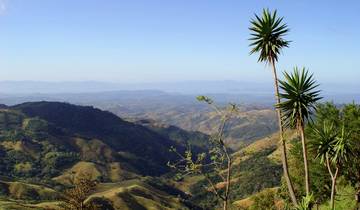
10 days
Essential Costa Rica – Package with Manuel Antonio National Park
- ✓ Comprehensive Costa Rica tour
- ✓ Expert local guides included
- ✓ All accommodation arranged
- ✓ Transportation provided
10 days
Costa Rica Adventure
- ✓ Comprehensive Costa Rica tour
- ✓ Expert local guides included
- ✓ All accommodation arranged
- ✓ Transportation provided
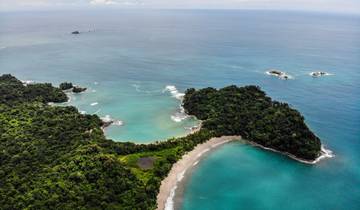
9 days
Costa Rica Quest
- ✓ Comprehensive Costa Rica tour
- ✓ Expert local guides included
- ✓ All accommodation arranged
- ✓ Transportation provided
10 days
Essential Costa Rica – Package with Guanacaste
- ✓ Comprehensive Costa Rica tour
- ✓ Expert local guides included
- ✓ All accommodation arranged
- ✓ Transportation provided
Multi-day tour packages powered by TourRadar. Prices and availability subject to change.
Essential Planning Information for 2026 Day Trips
Understanding Central Valley Geography and Access
San José’s elevation at 1,200 meters in the Central Valley provides the foundation for understanding day trip logistics and timing. The valley stretches 80 kilometers east-west between the Talamanca and Central volcanic mountain ranges, containing Costa Rica’s major population centers including Alajuela, Heredia, and Cartago alongside the capital. This geographic configuration creates relatively flat terrain for local travel while requiring mountain ascents or descents for most major destinations.
Poás and Irazú volcanoes rise north and east of the valley respectively, with summit roads climbing 1,500-1,700 meters elevation gain through coffee plantation zones. The Pacific coast lies west beyond mountain ridges requiring passes through the Central range. Caribbean lowlands sit east past the Talamanca mountains via Braulio Carrillo National Park routes. Northern destinations including Arenal Volcano and cloud forest reserves require crossing the Central range then descending into northern lowlands. These elevation changes and mountain terrain create longer drive times than straight-line distances suggest.
Road quality varies dramatically across routes and directly impacts travel timing. Major highways connecting San José to Pacific beaches feature modern toll roads (Route 27) with 110 km/h speed limits, while cloud forest access roads remain unpaved with 20-30 km/h maximum speeds over final approach sections. Rainy season conditions from May through November deteriorate dirt roads, increase landslide risks, and extend travel times by 20-40% compared to dry season months. GPS estimates often underestimate actual drive times on secondary roads by 25-50%.
Traffic patterns around San José create timing considerations for departure and return schedules. Morning rush hours from 6:00-9:00 AM and evening congestion from 4:00-7:00 PM add 30-60 minutes to metro area exit and entry times. Weekend traffic remains lighter except Sunday afternoons when returning beach traffic creates westbound highway congestion. Tours departing before 7:00 AM minimize urban traffic delays while maximizing destination time before afternoon weather deterioration.
Transportation Options and Cost Comparisons for 2026
Organized tours represent the most common day trip solution from San José, combining transportation, entrance fees, and guide services in single-package pricing. Standard tours cost $65-95 for volcano and nearby destinations, $95-130 for farther locations like Arenal or Manuel Antonio, and $110-140 for cloud forest experiences. These packages include air-conditioned shuttle buses or vans, bilingual naturalist guides, timed entry reservations for restricted sites, and typically one meal. Pickup times range 5:30-7:30 AM from major San José hotels with return arrivals between 3:00-7:00 PM depending on destination. Tour operators handle all logistics including parking, entrance procedures, and timing optimization.
Rental cars provide flexibility and cost advantages for groups while requiring navigation responsibility and driving comfort with challenging conditions. Compact cars rent for $35-50 daily, mid-size vehicles $45-60, and 4WD SUVs $60-80 in 2026 with mandatory insurance adding $15-25 daily. Fuel costs average $15-30 for typical day trip distances. Highway tolls range $2-8 depending on routes. A family of four using rental car transportation reduces per-person costs to $15-30 including all expenses, versus $260-380 for equivalent tour pricing. Independent driving permits custom schedules, spontaneous stops at roadside attractions, and exploration of multiple sites in single days. However, drivers face route finding challenges, parking logistics, Spanish language barriers at entrance gates, and responsibility for vehicle security.
Public bus transportation offers the most economical option for budget travelers comfortable with local transit systems and flexible schedules. Buses from San José to Poás area towns run $2-3, Cartago routes cost $1-2, and Pacific coast services charge $5-8. Schedules typically provide 2-4 daily departures with return options requiring careful coordination to avoid overnight stranding. Combined with taxi costs from bus terminals to actual attractions ($10-25), entrance fees ($5-15), and meal expenses, total independent public transit day trips cost $25-45 per person. This approach demands Spanish language ability, patience with schedules, and acceptance of limited time at destinations compared to private transportation.
Shared shuttle services and private drivers create middle-ground solutions. Shared shuttles to popular destinations like Monteverde or Arenal cost $49-65 per person one-way with set schedules and hotel pickups. Private drivers charge $120-180 for full-day hire with 8-10 hour availability and custom itineraries. These options work well for small groups seeking flexibility without rental car commitments or multi-destination routes requiring complex logistics.
Advance Reservation Requirements and Booking Strategies
Poás Volcano National Park operates with mandatory timed entry reservations through the sinac.go.cr portal, requiring bookings 1-30 days ahead depending on season. Entry slots open at 7:00 AM, 8:00 AM, 9:00 AM, and 10:00 AM with 30-minute arrival windows. High season months (December-April) sell out 2-3 weeks ahead for optimal morning slots, while green season availability permits bookings just days in advance. Tours include reserved slots in package pricing, but independent travelers must secure separate online reservations and present confirmation codes at park gates.
Monteverde Cloud Forest Reserve accepts online reservations through monteverdecloudforest.com with same-day availability common except peak season weeks around Christmas and Easter. Pre-booking guarantees entry during maximum capacity periods and allows planning around specific morning entry times optimal for wildlife observation. Other cloud forest reserves including Santa Elena and private reserves permit walk-in access with minimal wait times.
Manuel Antonio National Park limits daily visitors to 600-800 depending on season, with entrance typically selling out by 9:00-10:00 AM during high season weekends and holidays. Online reservations through sinac.go.cr open 90 days ahead and prove essential for guaranteed December-April access. Tours secure group allocations but independent visitors risk denial without advance bookings during peak periods.
La Paz Waterfall Gardens private park accepts walk-in visitors but pre-booking through waterfallgardens.com provides 10% discounts reducing $48 admission to $43.20. Coffee plantation tours require advance reservations directly with fincas, typically available with 1-3 days notice except during harvest season (November-February) when popular tours book 1-2 weeks ahead.
Adventure activities including whitewater rafting, zip-lining, and canyoning require advance bookings through tour operators due to guide staffing and equipment preparation. Reservations 3-7 days ahead prove sufficient except major holiday periods demanding 2-3 week advance planning. Last-minute bookings sometimes work during low season but risk activity unavailability or higher walk-in rates.
Top Day Trip Destinations from San José in 2026
Poás Volcano National Park: Active Crater and Cloud Forest
Poás Volcano National Park showcases one of the world’s largest active craters containing an acidic lake measuring 290 meters deep with surface temperatures reaching 90°C. The main crater spans 1,320 meters diameter with observation platforms providing safe viewing of the turquoise sulfuric waters and frequent phreatic eruptions creating dramatic steam plumes and occasional water geysers. The crater demonstrates ongoing volcanic activity through constant degassing, fluctuating lake levels, and periodic closures during heightened eruptive phases.
The park operates with timed entry slots requiring advance online reservations through sinac.go.cr, with entrance fees of ₡5,000 for foreign residents and ₡15,000 for international tourists. Operating hours run 7:00 AM – 2:00 PM daily with final entry at 1:30 PM. The 40-minute limitation per entry slot controls visitor numbers and manages exposure to volcanic gases during active emission periods. Morning arrivals before 9:00 AM provide optimal viewing conditions before cloud cover obscures crater visibility.
Beyond the main crater, the park contains an extinct crater called Botos Lagoon reached via 600-meter paved trail through cloud forest habitat. The cold-water lake fills the dormant crater with clear waters reflecting surrounding vegetation and sky conditions. The trail passes through stunted cloud forest with moss-draped trees, bromeliads, and orchids adapted to the 2,700-meter elevation and acidic volcanic soils. Wildlife includes Resplendent Quetzals during breeding season (March-June), volcano hummingbirds, clay-colored thrushes, and occasional armadillos in forest undergrowth.
Tours from San José to Poás cost $65-85 including round-trip transportation, entrance fees, guide services, and typically breakfast stop. Independent visitors using rental cars or taxis from nearby towns pay entrance fees plus transportation costs. The 37-kilometer drive from central San José requires 90 minutes via Routes 126 and 146, climbing through coffee plantation zones with roadside fruit stands, dairy farms, and mountain scenery. Parking areas adjacent to visitor center provide easy access to crater overlooks and trail systems.
The combination of active volcanic features, cloud forest ecology, and half-day timing from San José makes Poás the premier volcano experience for first-time Costa Rica visitors with limited schedules. Morning departures from the capital around 6:00-7:00 AM allow 2-3 hours at the park with return to San José by early afternoon, leaving time for additional activities or relaxation.
Irazú Volcano National Park: Highest Peak and Dual Ocean Views
Irazú Volcano stands as Costa Rica’s highest volcano at 3,432 meters elevation, with crater rims offering views of both Pacific and Caribbean coasts on exceptionally clear days. The main crater measures 1,050 meters diameter and 300 meters deep, containing a green sulfuric lake that periodically drains and refills during volcanic cycles. The park features multiple craters including Diego de la Haya crater with steep walls and the smaller Playa Hermosa crater showing fumarolic activity.
The volcano last erupted 1963-1965 with major ashfall affecting the Central Valley including San José, where several centimeters of volcanic ash blanketed the capital. Current activity remains limited to fumarolic emissions and minor seismic events monitored by OVSICORI volcanic observatory. The barren lunar landscape at the summit results from recent eruptive history, with minimal vegetation colonizing the ash and lava fields.
Irazú National Park operates 8:00 AM – 3:30 PM daily with entrance fees matching Poás pricing at ₡15,000 for international tourists. Unlike Poás, Irazú permits walk-in access without timed reservation requirements, though early morning arrival before 9:00 AM maximizes chances for cloud-free summit views. The 54-kilometer drive from San José requires 90-110 minutes via Cartago and mountain roads climbing through vegetable farming zones.
The summit area features paved trails between craters totaling 1.5 kilometers with wooden viewing platforms and interpretive signs explaining volcanic geology and eruption history. The high elevation creates cold conditions with temperatures of 5-15°C requiring jackets even during warm season months. Strong winds and possible rain showers affect weather year-round, with December-April dry season providing optimal conditions.
Tours to Irazú from San José cost $65-75 including transportation and entrance, departing 6:30-7:30 AM for 8:00-8:30 AM park arrivals. Many tours combine Irazú with Cartago city visits including Basílica de Nuestra Señora de los Ángeles pilgrimage church. Independent travelers using rental cars or hiring private drivers achieve flexibility for extended summit time and spontaneous stops at roadside restaurants serving traditional Costa Rican cuisine.
The volcano offers unique perspective on Costa Rica’s geological forces and provides dramatic summit landscapes absent from lower elevation rainforest and beach experiences. The combination of accessible roads, walk-in entry, and half-day timing makes Irazú practical for morning excursions with afternoon availability for other activities.
Monteverde Cloud Forest Reserve: Canopy Bridges and Wildlife
Monteverde Cloud Forest Reserve protects 10,500 hectares of premontane and montane cloud forest along the Continental Divide at elevations from 1,200-1,800 meters. The perpetual mist created by orographic cloud formation supports extraordinary biodiversity including over 400 bird species, 100 mammal species, and thousands of plant varieties. The reserve pioneered ecotourism in Costa Rica with infrastructure balancing visitor access and conservation objectives.
Trail systems totaling 13 kilometers wind through primary cloud forest with wooden walkways, hanging bridges, and observation platforms. The Sendero Bosque Nuboso follows 1.9-kilometer route through core forest areas with giant strangler figs, epiphyte-covered trees, and dense canopy layers. Hanging bridges including those on reserve perimeter properties provide canopy-level perspectives reaching 30-40 meters above forest floor, offering unique viewing angles for bird observation and forest architecture appreciation.
Wildlife observation opportunities include Resplendent Quetzals (particularly March-June breeding season), Three-wattled Bellbirds with distinctive calls, hummingbird species including Green Violet-ears and Magenta-throated Woodstars, and mammal species like howler monkeys, agoutis, and coatis. The reserve prohibits flash photography and enforces quiet zones protecting sensitive species from disturbance. Naturalist guides identify species through visual observation and characteristic calls.
Reserve entrance costs $26 for adults with operating hours 7:00 AM – 4:00 PM daily. Pre-booking through monteverdecloudforest.com guarantees entry during capacity limitations. Guided tours within the reserve add $18-25 per person for 2-3 hour experiences with bilingual naturalists. Independent exploration permits custom pacing though wildlife identification challenges favor guided options for first-time visitors.
Day trips from San José to Monteverde cost $110-140 including round-trip transportation, reserve entrance, and guide services. The 150-kilometer distance requires 3.5-4.5 hours each direction with final 35 kilometers on rough unpaved roads. Departures at 6:00-6:30 AM allow arrival by 10:00 AM with 3-4 hours forest time before 2:00-3:00 PM return journeys reaching San José by 6:00-7:00 PM. This 14-15 hour schedule proves exhausting with limited forest immersion compared to overnight stays permitting dawn bird walks, night tours, and multiple reserve visits.
Independent travelers using rental cars face similar timing challenges plus stress of navigating deteriorating mountain roads climbing from lowland highway to cloud forest zone. 4WD vehicles prove beneficial though not mandatory during dry season months. The abbreviated day trip format works for extremely schedule-limited travelers accepting transportation-heavy itineraries, but cloud forest experiences optimize with overnight Monteverde accommodation.
La Paz Waterfall Gardens: Five Waterfalls and Wildlife Centers
La Paz Waterfall Gardens private nature park combines five major waterfalls with wildlife rescue centers, hummingbird gardens, and cloud forest trails on 28-hectare property near Poás Volcano. The waterfall trail descends through lush forest with metal staircases and platforms viewing Magia Blanca, Templo, Encantada, Escondida, and La Paz waterfalls ranging from 12-37 meters height. The 3.5-kilometer circuit requires 2-3 hours including photography stops and wildlife observation.
The park features wildlife exhibition areas housing rescued animals unable to return to wild habitats including jaguars, pumas, ocelots, monkeys, toucans, and macaws. The serpentarium displays Costa Rican snake species behind glass with educational signage on venomous and non-venomous identification. The butterfly observatory contains hundreds of live butterflies in netted gardens with plants supporting complete lifecycle observation from eggs through metamorphosis. The hummingbird garden attracts 26 species to sugar-water feeders with close viewing opportunities for photography.
Admission costs $48 for adults with online pre-booking through waterfallgardens.com providing 10% discounts. Operating hours run 8:00 AM – 5:00 PM daily with last entry at 3:30 PM. The entrance fee includes access to all trails, wildlife areas, and gardens with optional guide services available for $15-20 additional. The on-site restaurant serves buffet lunches for $18-25 featuring Costa Rican and international dishes with terrace seating overlooking forest scenery.
Tours from San José to La Paz cost $85-110 including round-trip transportation, entrance fees, and often breakfast or lunch. The 2-hour drive north from the capital passes through Heredia and climbs mountain roads toward Poás area. Many tours combine La Paz with Poás Volcano for full-day volcano and waterfall experiences. Independent travelers using rental cars pay park admission plus transportation costs with ample parking available.
The combination of dramatic waterfalls, wildlife viewing, and maintained trails makes La Paz accessible for all fitness levels including families with young children and limited mobility visitors. The private park format provides developed infrastructure with clean facilities, paved trails, and comprehensive signage. Weather remains cool and often misty due to 1,500-meter elevation and cloud forest microclimate requiring rain jackets year-round.
Arenal Volcano and La Fortuna: Hot Springs and Adventure
Arenal Volcano dominates northern Costa Rica’s landscape with perfect conical shape rising 1,670 meters above surrounding lowlands. The volcano produced spectacular lava flows and eruptions from 1968-2010 before entering current dormant phase with occasional fumarolic activity and rumbling. The Arenal area centered on La Fortuna town offers volcanic hot springs, rainforest trails, waterfall swimming, and adventure activities within destination combining natural wonders and outdoor recreation.
Arenal Volcano National Park contains trail systems circling the volcano base through secondary forest colonizing old lava flows. The Las Coladas trail follows 3.2-kilometer route to 1992 lava flow viewpoint with interpretive signs explaining eruption history and forest succession. Wildlife observation includes howler monkeys, white-faced capuchins, toucans, and sloths in forest canopy. Park entrance costs ₡15,000 with operating hours 8:00 AM – 4:00 PM daily.
Natural hot springs heated by underground volcanic activity feed resort properties and public facilities around La Fortuna. Tabacón Thermal Resort features landscaped pools, waterslides, and swim-up bars with day passes costing $85-110. Baldi Hot Springs provides family-oriented thermal complex with 25 pools at varying temperatures for $42-58 day admission. Budget options include Ecotermales with intimate pools for $38-45 or municipal thermal river access for $5-8.
La Fortuna Waterfall plunges 70 meters into swimming pool reached via 500-step staircase descent. Entrance costs $18 with operating hours 7:30 AM – 5:00 PM daily. The waterfall basin provides swimming opportunities in cool mountain water with dramatic cascade backdrop for photography. The return climb requires moderate fitness levels with rest platforms at intervals.
Day trips from San José to Arenal area cost $95-130 including round-trip transportation and activity inclusions varying by tour. The 140-kilometer distance requires 3-3.5 hours each direction via Route 126 and northern lowland roads. Departures at 6:00-7:00 AM allow arrival by 9:30-10:30 AM with 4-5 hours for activities before return journeys. Tours typically include La Fortuna Waterfall, Arenal National Park visit, and hot springs admission with lunch provided. This compressed schedule limits comprehensive area exploration making overnight stays preferable for volcano summit hikes, adventure activities, and relaxed hot springs soaking.
Independent travelers using rental cars achieve flexibility for custom itineraries combining multiple activities, though single-day timeframes prove rushed for destination offering diverse attractions. The Arenal area rewards 2-3 day visits with proper activity immersion and La Fortuna town exploration including restaurants, craft shops, and nightlife.
Coastal Day Trips from San José in 2026
Jacó Beach: Pacific Surf Town and Closest Ocean Access
Jacó Beach represents the most accessible Pacific Ocean destination from San José with 90-kilometer distance requiring 1.5-2 hours drive time depending on traffic. The 4-kilometer beach features consistent surf breaks attracting surfers year-round, with waves ranging from beginner-friendly beach breaks to more challenging point breaks at beach ends. Swimming conditions prove moderate with strong currents and waves requiring caution, while designated swimming zones with lifeguards operate during high season months.
The town provides developed tourism infrastructure including beachfront hotels, international restaurants, surf shops, and adventure tour operators. Jacó evolved from fishing village to major beach destination with construction including high-rise condominiums, shopping centers, and nightlife venues. The beach strip features palm trees, sand volleyball courts, and rental equipment for surfboards, bodyboards, and beach chairs.
Day trips from San José to Jacó cost $75-95 per person with organized tours including round-trip transportation departing 7:00-8:00 AM and returning 5:00-6:00 PM for 6-8 hours beach time. Tours typically include lunch at beachfront restaurant and optional surf lessons for additional $35-50. Independent travelers using rental cars access Jacó via Route 27 toll highway requiring $5-7 in tolls with parking available along beach road or in municipal lots for $5-10 daily.
Beach activities beyond surfing include stand-up paddleboarding ($20-30 hourly rentals), ATV jungle tours ($75-95 for 2-3 hours), horseback riding ($55-75 for beach and mountain trails), and zip-line canopy tours in nearby rainforest zones ($65-85). The town contains restaurants serving fresh seafood, Costa Rican casados, and international cuisine with meal costs ranging $12-25 for lunch and $18-35 for dinner.
Jacó’s proximity makes it practical for morning beach time and afternoon return to San José, though the developed tourism character and moderate swimming conditions create different experience from more remote Costa Rican beaches. The combination of reliable access, surf culture, and available infrastructure works well for first-time Pacific coast exposure from the capital.
Manuel Antonio National Park: Rainforest Beaches and Wildlife
Manuel Antonio National Park combines pristine white-sand beaches with primary rainforest and abundant wildlife in compact 683-hectare protected area on Pacific coast. The park’s three main beaches including Manuel Antonio Beach, Espadilla Sur, and Playita feature calm waters ideal for swimming and snorkeling during dry season months. Rainforest trails connect beaches through coastal jungle containing white-faced capuchin monkeys, three-toed sloths, iguanas, and over 350 bird species.
The park operates with daily visitor capacity limits of 600-800 depending on season, with entrance selling out by 9:00-10:00 AM during December-April high season. Online reservations through sinac.go.cr open 90 days ahead and prove essential for guaranteed access during peak periods. Park entrance costs ₡16,000 for international tourists with operating hours 7:00 AM – 4:00 PM Tuesday through Sunday (closed Mondays). Mandatory guide requirements for national parks were eliminated, allowing independent exploration, though naturalist guides enhance wildlife observation and identification.
Wildlife viewing reaches peak levels in Manuel Antonio with habituated monkey troops approaching within meters of visitors along trails. Three-toed sloths sleep in beach almond trees near main beach areas. Iguanas sun on rocks and tree branches. Two-toed sloths, raccoons, coatis, and agoutis inhabit forest zones. Bird species including scarlet macaws, toucans, and various tanagers create constant soundtrack of calls and songs.
Day trips from San José to Manuel Antonio cost $95-130 including round-trip transportation, park entrance, and guide services. The 170-kilometer distance requires 3-3.5 hours each direction via coastal highway routes. Departures at 5:30-6:30 AM allow early park entry before crowds with return journeys beginning 2:00-3:00 PM reaching San José by 6:00-7:00 PM. This compressed schedule limits beach time to 3-4 hours with rushed forest exploration, making the 14-15 hour day trip exhausting compared to overnight Manuel Antonio stays permitting full-day park immersion, sunset beach experiences, and town exploration.
Independent travelers using rental cars face similar timing challenges plus parking logistics at park entrance and town congestion during high season. The abbreviated day trip format works for extremely schedule-limited visitors accepting transportation-heavy itineraries, though Manuel Antonio experiences optimize with overnight accommodation allowing relaxed pacing and comprehensive area exploration including nearby beaches, viewpoints, and restaurants.
Caribbean Coast: Puerto Viejo and Cahuita National Park
Costa Rica’s Caribbean coast offers distinctly different cultural and ecological experiences compared to Pacific regions, with Afro-Caribbean heritage, reggae rhythms, and unique ecosystems. Puerto Viejo de Talamanca serves as the main coastal town with mix of beach access, laid-back atmosphere, and international surf culture. Cahuita National Park protects 1,068 hectares combining coral reef systems with coastal rainforest and pristine beaches 45 kilometers north of Puerto Viejo.
The 215-kilometer drive from San José to Caribbean coast requires 4-5 hours via Braulio Carrillo National Park routes passing through mountain rainforest before descending to coastal lowlands. The long distance and challenging timing make day trips impractical for most travelers, with tour operators offering Caribbean excursions but recommending 2-3 day minimum stays. Day trip attempts require 6:30-7:00 AM departures for 11:00 AM-12:00 PM arrivals with 3:00 PM return departures reaching San José by 8:00-9:00 PM after 14-16 hour days.
Cahuita National Park features 8-kilometer coastal trail through rainforest along white-sand beaches with wildlife including howler monkeys, white-faced capuchins, sloths, raccoons, and over 120 bird species. Snorkeling opportunities exist at coral reefs 100-500 meters offshore with marine life including tropical fish, rays, and sea turtles. Park entrance operates on donation basis with suggested ₡2,000-5,000 contributions. Operating hours run 6:00 AM – 5:00 PM daily with trail maintenance sometimes limiting access during heavy rain periods.
Puerto Viejo town provides surf beaches including Salsa Brava with powerful reef breaks and Cocles Beach with gentler waves appropriate for learning. The area contains Jaguar Rescue Center housing injured wildlife with guided tours costing $20-25. Restaurants serve Caribbean-influenced cuisine including rice and beans cooked in coconut milk, fresh fish in creole sauce, and patties filled with meat or vegetables. Reggae bars and beach clubs create nightlife scene extending into late hours.
The Caribbean coast rewards multi-day visits allowing comprehensive beach exploration, cultural immersion in Afro-Caribbean traditions, and relaxed pacing impossible during compressed day trips. Travelers prioritizing Caribbean experiences optimize with 2-3 night stays, using San José as connection point rather than day trip base. The combination of long distance, limited single-day time, and distinct regional character makes overnight Caribbean coast visits far superior to exhausting day trip attempts.
Cultural and Educational Day Trips in 2026
Coffee Plantation Tours: Central Valley Heritage
Costa Rica’s coffee heritage centers in the Central Valley where volcanic soils, optimal elevation (1,000-1,600 meters), and climate create ideal growing conditions for high-quality Arabica beans. Coffee plantations surrounding San José offer tours showcasing complete bean-to-cup processes from cultivation through roasting, with tastings demonstrating flavor profiles resulting from terroir, processing methods, and roasting techniques. These experiences combine agricultural education, cultural history, and sensory immersion in Costa Rica’s most economically significant crop.
Doka Estate near Alajuela operates one of Costa Rica’s oldest and largest coffee operations with tours through plantation rows, wet processing facilities, drying patios, and roasting operations. The 90-minute guided tours cost $24 with coffee tasting included, departing multiple times daily 9:00 AM – 3:30 PM. The estate produces coffee using both traditional sun-drying methods and modern mechanical drying, demonstrating evolution of processing technology while maintaining quality standards.
Café Britt near Heredia combines coffee education with theatrical presentation incorporating Costa Rican history and culture. Tours cost $25-37 depending on package level, with premium options including multi-origin tastings and chocolate pairings. The facility features coffee museum, gift shop with premium beans and products, and restaurant serving coffee-inspired dishes. Tours operate 9:00 AM – 4:00 PM daily with reservations through cafebritt.com required during high season.
Hacienda Alsacia, Starbucks’ global agronomy center near Alajuela, offers free tours through experimental plantings showcasing climate adaptation research and sustainable agriculture practices. The visitor center explains coffee science, environmental challenges, and varietal development programs. Tours operate Tuesday-Sunday with advance registration through haciendaalsacia.com required for guaranteed spots.
Multi-plantation tours combine several fincas for comprehensive coffee education. Half-day tours visiting 2-3 plantations cost $65-85 including transportation from San José, while full-day experiences with lunch, waterfall visits, and additional cultural sites range $110-140. These tours provide comparative perspective on processing methods, quality tiers, and regional coffee variations across the Central Valley growing zones.
Coffee tours optimize during November-February harvest season when cherry picking, processing activities, and fresh crop tastings occur. Off-season months still provide valuable educational experiences with dried coffee demonstrations, historical context, and plantation tours showing growing conditions and agricultural practices. Most tours conclude with opportunities to purchase estate-roasted beans at prices lower than retail with freshness guarantees.
Independent travelers can arrange direct visits to many plantations through phone contact or website bookings, with plantation-only costs of $20-30 plus transportation expenses. Combining coffee tours with nearby attractions like Poás Volcano, La Paz Waterfalls, or Cartago creates efficient full-day cultural and natural history itineraries maximizing Central Valley exploration.
Cartago: Colonial History and Religious Heritage
Cartago served as Costa Rica’s colonial capital from 1563-1823 before earthquake damage and political shifts moved governmental functions to San José. The city retains religious significance as home to Basílica de Nuestra Señora de los Ángeles, Costa Rica’s most important pilgrimage site attracting hundreds of thousands of devotees annually. Day trips from San José combine religious architecture, colonial history, and proximity to Irazú Volcano for comprehensive Central Valley cultural exploration.
Basílica de Nuestra Señora de los Ángeles showcases Byzantine-influenced architecture with elaborate interior decoration honoring La Negrita, a small black Virgin Mary statue discovered in 1635 and credited with miraculous healings. The basilica operates as active worship site with masses throughout the day and constant pilgrims approaching the altar on their knees fulfilling religious vows. The adjacent museum displays ex-votos (offerings) including miniature metal representations of healed body parts, photos, and written testimonies. Basilica entry remains free with operating hours 6:00 AM – 8:00 PM daily. Modest dress requirements apply with shoulders and knees covered.
Las Ruinas de Cartago (Santiago Apóstol Parish Ruins) preserve earthquake-damaged colonial church walls in central city park. The 1910 earthquake destroyed the partially-constructed church, leaving Gothic-style walls and arches as permanent ruins converted to public gardens. The ruins provide photography opportunities and historical perspective on earthquake risks affecting Central Valley construction throughout Costa Rican history. Park access remains free with daylight hours permitting exploration.
Cartago Market near the ruins offers traditional Costa Rican products including fresh produce, crafts, and prepared foods. The market operates daily with peak activity 6:00 AM – 2:00 PM when vendors display seasonal fruits, vegetables, and local specialties. Food stalls serve traditional breakfast and lunch items including gallo pinto, casados, and fresh fruit juices for $3-7.
Tours combining Cartago and Irazú Volcano cost $65-75 from San José including round-trip transportation, with morning volcano visits followed by afternoon Cartago exploration. The 22-kilometer distance between Cartago and San José requires 30-40 minutes via highway routes making independent visits practical with rental cars or taxi services. Public buses run frequently throughout the day for $1-2, though navigation from bus terminal to attractions requires local knowledge or GPS.
The combination of religious significance, colonial history, and proximity to San José makes Cartago valuable for cultural education and religious tourism. Pilgrimage dates including August 2 feast day of La Negrita draw massive crowds requiring special event planning, while regular days permit relaxed exploration of basilica, ruins, and market areas.
Orosi Valley: Colonial Architecture and Scenic Landscapes
Orosi Valley southeast of Cartago contains Costa Rica’s oldest operational church alongside scenic agricultural landscapes, hot springs, and Cachí Lake reservoir. The valley represents one of few remaining areas with intact colonial-era architecture, with Orosi Church dating to 1735 and preserved through earthquake-resistant construction techniques using thick adobe walls and simple design. Day trips combine colonial heritage, natural beauty, and cultural traditions in compact geographic area easily accessed from San José.
Iglesia de San José de Orosi operates as active parish church and museum preserving original religious artifacts, colonial paintings, and historical documents. The simple exterior with whitewashed walls and terracotta roof tiles contrasts with ornate interior altar and religious art. Adjacent museum displays ecclesiastical vestments, silver religious objects, and historical records documenting valley evangelization. Church entry costs ₡1,000 with museum admission ₡500, operating hours Tuesday-Sunday 9:00 AM – 5:00 PM.
Orosi Valley viewpoint (Mirador de Orosi) provides panoramic perspectives over terraced coffee plantations, Cachí Lake, and surrounding mountains. The viewpoint sits along route between Paraíso and Orosi with parking area and vendor stalls selling fresh fruits, coffee, and crafts. No entrance fees apply with access during daylight hours. The scenic overlook offers photography opportunities capturing valley’s agricultural character and lake reservoir reflecting mountain surroundings.
Cachí Lake formed behind hydroelectric dam creates recreational water body with kayaking, fishing, and lakeside dining at Charrarra Restaurant known for traditional Costa Rican lunch buffets ($12-18). The lake route provides scenic driving with minimal traffic and agricultural views. Balneario Termal Orosi hot springs offer natural thermal pools for $8-12 entrance with basic facilities and changing rooms.
Tours from San José to Orosi Valley cost $65-85 including round-trip transportation, church and museum entrance, and often traditional lunch. The 50-kilometer distance requires 75-90 minutes via Cartago and mountain roads. Many tours combine Orosi with Irazú Volcano or Cartago for comprehensive cultural and volcanic day trips. Independent travelers using rental cars access valley via well-maintained roads with ample parking at church, viewpoint, and other attractions.
The valley’s compact size permits comprehensive exploration in 3-4 hours with time for church visit, viewpoint photography, lunch at traditional restaurant, and optional hot springs relaxation. The combination of authentic colonial architecture, scenic landscapes, and cultural traditions creates destination showcasing Costa Rican heritage beyond beach and volcano experiences.
Adventure Activity Day Trips from San José 2026
Whitewater Rafting: Pacuare and Sarapiquí Rivers
Costa Rica’s mountain rivers provide world-class whitewater rafting with tropical rainforest scenery, diverse wildlife observation, and rapids ranging from Class II-III beginner sections to Class IV-V expert routes. Two primary destinations offer day trip rafting from San José: Pacuare River on the Caribbean slope and Sarapiquí River in the northern lowlands. Both combine adrenaline-pumping rapids with spectacular natural settings including waterfalls, jungle-covered canyons, and abundant bird life.
Pacuare River earns recognition as one of the world’s top whitewater destinations with 29-kilometer lower section featuring Class III-IV rapids through pristine rainforest canyon. Day trips typically cover 18-kilometer section with rapids named “Pinball,” “Upper and Lower Huacas,” and “Magnetic Rock” providing technical challenges and big waves. The river flows between forested banks with waterfalls cascading into the main channel, creating opportunities for swimming in calm pools and observing toucans, oropendolas, and kingfishers along riverbanks.
Pacuare day trips from San José cost $99-120 per person including round-trip transportation, professional guide services, safety equipment, and riverside lunch. The 100-kilometer drive to put-in points requires 2.5-3 hours via Turrialba routes with departures around 6:00 AM. River time totals 3-4 hours depending on water levels and group speed, with lunch breaks at riverside camps serving traditional Costa Rican plates. Returns to San José arrive 6:00-7:00 PM after full days combining adventure and natural immersion.
Sarapiquí River in northern lowlands offers gentler Class II-III rapids appropriate for families and first-time rafters seeking wildlife observation with moderate whitewater. The river passes through rainforest and agricultural zones with chances to spot monkeys, sloths, caimans, and diverse bird species from rafts. Rapids provide excitement without extreme technical difficulty, making trips accessible for children aged 7+ and participants with limited rafting experience.
Sarapiquí day trips cost $85-99 including transportation from San José, with departures around 7:00 AM for 2-3 hour drives to northern lowlands. River sections cover 12-15 kilometers with 2-3 hours on water including wildlife observation stops and swimming opportunities in calm sections. Many tours combine rafting with visits to chocolate farms, butterfly gardens, or rainforest aerial tram experiences for comprehensive northern lowlands exposure.
Safety standards across reputable operators include certified river guides, quality life jackets and helmets, safety kayakers accompanying rafting groups, and first aid training. Operators provide waterproof bags for cameras, though guides recommend GoPros or disposable cameras over expensive equipment due to splashing and occasional flips. Minimum age requirements vary by river section from 7-12 years old, with weight and swimming ability requirements ensuring participant safety.
Seasonal water levels affect rapid intensity and river character. High water during October-November green season creates bigger rapids and faster current, while March-April low water exposes more rocks requiring technical navigation. Most operators run trips year-round with appropriate river section selection matching conditions and group abilities. The combination of thrilling rapids, rainforest immersion, and wildlife observation makes whitewater rafting premier adventure day trips from San José for active travelers seeking adrenaline and natural beauty.
Zip-Line Canopy Tours: Rainforest Adventure
Zip-line canopy tours throughout areas near San José provide aerial rainforest perspectives with cable runs spanning valleys and forest gaps at heights reaching 30-80 meters above ground. Multiple facilities operate within 1-2 hours of the capital, offering half-day adventures combining adrenaline activities with rainforest ecology education and wildlife observation opportunities. Tour styles range from pure adrenaline-focused speed courses to eco-adventure packages incorporating hanging bridges, aerial trams, and naturalist guides.
Monteverde region pioneered Costa Rican canopy tours with Selvatura Park featuring one of the country’s most extensive zip-line courses. The 13-cable circuit spans 3 kilometers with individual runs reaching 900 meters length and platforms built around massive strangler figs and forest giants. Selvatura combines zip-lining with hanging bridges walkway, hummingbird garden, and butterfly garden for comprehensive canopy ecosystem experiences. Full packages cost $70-95 depending on inclusions, with zip-line-only options available for $50-65.
Sky Adventures operates multiple locations including Sky Trek Arenal and Sky Trek Monteverde with cable-and-pulley systems engineered for safety and speed. The longest runs reach 750 meters with riders achieving speeds up to 60 km/h. Sky Adventures pairs zip-lining with Sky Walk hanging bridges and Sky Tram aerial gondola providing three-dimensional forest experiences from floor to canopy. Complete packages cost $85-110 with individual activity options available.
Rainforest Adventures operates aerial trams and zip-line courses near San José including locations accessible within 90-minute drives. The Atlantic Rainforest Aerial Tram near Braulio Carrillo National Park combines gondola rides through rainforest canopy with zip-line circuits, butterfly gardens, and snake exhibits. Day trips from San José cost $75-95 including transportation, with packages combining multiple activities providing comprehensive eco-adventure experiences.
Safety protocols across professional operators include redundant harness systems, braking mechanisms on every cable, guide training through ACCT (Association for Challenge Course Technology) or equivalent programs, weight limits typically 120 kg maximum, and equipment inspections before each tour. Participants receive thorough safety briefings covering body positioning, braking techniques, and emergency procedures before accessing course areas.
Physical requirements remain minimal for most zip-line tours, with participants needing sufficient grip strength to hold brake handles and moderate mobility for platform access via stairs or short hikes. Minimum age requirements range from 4-8 years old depending on course design and cable heights, while weight restrictions apply both for minimum (typically 20-25 kg) and maximum limits ensuring proper cable tension and brake function.
Tours typically last 2-3 hours for zip-line-only experiences or 4-6 hours for comprehensive packages including hanging bridges, aerial trams, and wildlife exhibits. Morning departures provide optimal wildlife observation during animal activity peaks, while afternoon tours often encounter less crowding and potentially lower prices during off-peak seasons. The combination of adrenaline rush, unique forest perspectives, and accessibility makes zip-lining popular adventure activity for diverse age groups and fitness levels seeking memorable Costa Rican experiences.
Canyoning and Waterfall Rappelling Adventures
Canyoning and waterfall rappelling provide intimate engagement with Costa Rica’s waterfall landscapes through controlled descents down rock faces beside and through cascading water. Multiple locations near San José offer half-day and full-day adventures combining technical rope work, swimming through canyon pools, and navigating natural obstacles in pristine river gorges. These activities require no previous climbing experience but demand moderate fitness levels, comfort with heights, and willingness to get thoroughly soaked.
Gravity Falls Adventure Park near Manuel Antonio offers pure waterfall rappelling experiences with five descents ranging from 12-60 meters beside and through waterfalls. The final 60-meter rappel descends directly through waterfall spray with rope systems anchored above the cascade. Guides provide all technical instruction including harness use, rope handling, and body positioning for controlled descents. Half-day tours from the park cost $80-95 including equipment and guide services, with transportation from San José-area hotels adding $95-120 to full-day packages.
Pure Trek Canyoning near Arenal Volcano combines rappelling with canyon exploration including rock scrambling, cliff jumping into pools, and zip-line crossings. The tour descends through jungle canyon with four rappels ranging from 12-50 meters plus natural waterslide sections and swimming segments. Complete experiences last 4-5 hours including hiking to canyon entry, with tours costing $105-130. Day trips from San José adding round-trip transportation run $180-220 with early morning departures and evening returns.
Lost Canyon Adventures near Catarata del Toro operates one of Costa Rica’s most spectacular canyoning experiences descending through volcanic rock formations beside 90-meter Catarata del Toro waterfall. The adventure includes five major rappels with the finale dropping beside the main cascade into crystal pool below. Technical difficulty exceeds beginner courses with exposure and commitment levels requiring comfort with heights and trust in rope systems. Tours cost $120-140 with transportation from San José adding $90-110, with full-day itineraries including lunch and nearby Blue Falls visit.
Safety considerations for canyoning include professional guide certifications through climbing organizations, commercial-grade harnesses and helmets, dynamic rope systems designed for shock absorption, backup safety lines on rappel anchors, and pre-tour safety briefings covering hand signals, rope techniques, and emergency procedures. Participants receive thorough instruction on rappel technique including body positioning, brake hand usage, and foot placement against rock faces.
Physical requirements involve moderate fitness for approach hikes ranging from 15-45 minutes, upper body strength for rope control during descents, and comfort with water exposure including swimming short distances and prolonged wetness. Minimum age limits typically start at 12-14 years old depending on course difficulty, with maximum weight restrictions around 110-120 kg for rope system integrity. Previous climbing or rappelling experience provides advantages but tours cater to beginners through comprehensive instruction and guide support.
Tours operate year-round with water levels varying seasonally. High water during green season months creates more dramatic waterfall volumes and stronger spray exposure, while dry season conditions provide clearer visibility and warmer temperatures. Operators adjust routes and rappel locations based on current conditions ensuring safety and optimal experiences. The combination of technical adventure, waterfall immersion, and spectacular natural settings makes canyoning memorable experience for physically active travelers seeking unique engagement with Costa Rican landscapes beyond standard tourism activities.
Budget Planning for 2026 Day Trips
Cost Breakdown by Destination and Transportation Method
Understanding complete cost structures for day trips from San José enables accurate budget planning and optimal value selection among transportation and tour options. Costs divide into transportation expenses, entrance fees, guide services, meals, and optional activities with significant variation based on independence versus organized tour approaches. The following analysis provides 2026 pricing for major destinations with both tour package and independent travel calculations.
Poás Volcano Day Trip Costs:
Organized tour package: $65-85 per person including round-trip transportation from San José hotels, timed entry reservation, bilingual naturalist guide, entrance fees (₡15,000 for international tourists), and typically breakfast stop. Tours depart 6:00-7:00 AM returning by 2:00-3:00 PM.
Independent travel costs: Entrance fee ₡15,000 ($25-28 depending on exchange rate, check sinac.go.cr for current official rates), rental car $35-50 daily with fuel $8-12 for round-trip distance, or private taxi from Alajuela-area hotels $40-60 round-trip. Breakfast stop $8-12, optional lunch $12-18. Total independent costs: $55-85 for solo travelers, $30-45 per person for couples sharing rental car, $25-35 per person for families of four using rental vehicle.
Monteverde Cloud Forest Day Trip Costs:
Organized tour package: $110-140 per person including round-trip transportation (3.5-4.5 hours each direction), reserve entrance ($26), guide services, and often lunch. Tours depart 6:00-6:30 AM returning 6:00-7:00 PM after 14-15 hour days.
Independent travel costs: Reserve entrance $26, rental car $45-65 daily (4WD recommended) with fuel $25-35 for 300+ kilometer round-trip distance, breakfast $8-12, lunch $12-18. Total independent costs: $106-156 for solo travelers, $65-95 per person for couples, $45-65 per person for families of four. Note: Similar total costs to tours but requires navigating rough mountain roads and extended driving responsibilities.
Manuel Antonio National Park Day Trip Costs:
Organized tour package: $95-130 per person including round-trip transportation (3-3.5 hours each direction), early park entry reservation, guide services for wildlife observation, and lunch. Departure 5:30-6:30 AM with returns 6:00-7:00 PM.
Independent travel costs: Park entrance ₡16,000 ($28-32), rental car $45-60 daily with fuel $20-28 for 340-kilometer round-trip, parking $10-15 at park entrance, breakfast $8-12, lunch $15-22. Total independent costs: $126-169 for solo travelers, $76-106 per person for couples, $52-72 per person for families of four.
Coffee Plantation Tour Costs:
Organized multi-plantation tour: $65-85 for half-day tours visiting 2-3 fincas with transportation from San José, or $110-140 for full-day tours including waterfalls, lunch, and additional cultural sites.
Independent plantation visits: Doka Estate $24, Café Britt $25-37 depending on package level, Hacienda Alsacia free with advance registration. Rental car $35-50 with fuel $10-15 for Central Valley routes, or taxi services $30-50 for nearby plantations. Total independent costs: $34-52 for single plantation visit, $54-87 for multiple fincas.
La Paz Waterfall Gardens Day Trip Costs:
Organized tour package: $85-110 including round-trip transportation and entrance fees ($48 or $43.20 with online pre-booking discount through waterfallgardens.com).
Independent travel costs: Entrance $43-48, rental car $35-50 with fuel $12-18 for round-trip distance, lunch at on-site restaurant $18-25. Total independent costs: $73-116 for solo travelers, $55-80 per person for couples, $45-62 per person for families of four.
Money-Saving Strategies for 2026 Visits
Implementing strategic cost-reduction techniques significantly decreases day trip expenses while maintaining quality experiences and comprehensive destination access. The following proven methods provide substantial savings across transportation, entrance fees, tours, and meals.
Group Travel Cost Sharing: Rental car expenses spread across multiple travelers create dramatic per-person savings compared to individual tour bookings. A family of four using rental vehicle ($45-65 daily) plus fuel ($15-30) achieves transportation costs of $15-24 per person versus tour packages at $65-140 per person. This strategy proves most effective for 3-4 person groups with confident drivers comfortable navigating Costa Rican roads and traffic.
Public Transportation Utilization: Local buses to nearby destinations including Cartago ($1-2), Poás area towns ($2-3), and Orosi Valley ($2-3) reduce transportation costs to minimal levels for solo travelers and couples. Combined with entrance-only fees and restaurant meals, complete day trips cost $25-50 per person using public buses. This approach requires Spanish language ability, flexible schedules, and patience with bus timing and connections.
Online Advance Booking Discounts: La Paz Waterfall Gardens provides 10% savings through waterfallgardens.com pre-booking ($43.20 versus $48 walk-in). Some tour operators offer 5-10% early booking discounts for reservations made 2-4 weeks ahead. These modest discounts compound across multiple activities and group members.
Green Season Travel (May-November): Tour operators reduce prices 15-25% during lower-demand green season months despite continued excellent wildlife observation and lush landscapes. Monteverde tours drop from $140 high season to $110-120 green season. Manuel Antonio packages decrease from $130 to $95-110. Accommodation costs similarly decline 20-35% with hotel availability expanded and rates negotiable.
Free Alternatives and Budget Substitutions: Hacienda Alsacia coffee tour free admission versus paid alternatives at Doka ($24) or Café Britt ($25-37). Cartago Cathedral and ruins provide free cultural exploration versus paid museum entries elsewhere. Municipal hot springs near La Fortuna ($5-8) replace expensive resort thermal complexes ($85-110). These substitutions maintain experience quality while eliminating or minimizing costs.
Packed Meals and Grocery Purchasing: Supermarket breakfast items ($3-6) and packed lunches ($8-12) replace restaurant meal costs ($12-25 per meal). Grocery chains including Auto Mercado, Mas x Menos, and AM PM provide extensive prepared food sections, fresh fruit, and packaged snacks perfect for day trip provisions. This strategy saves $15-30 per person daily on meal expenses.
Tour Package Comparison Shopping: Identical destinations show $15-35 price variations across competing tour operators based on inclusions, group sizes, and service levels. Online booking platforms including Viator, GetYourGuide, and direct operator websites permit side-by-side comparison. Reading recent reviews identifies best value providers balancing cost with quality guides, vehicle conditions, and customer service.
Combination Ticket and Multi-Activity Packages: Some destinations offer bundled admissions reducing costs versus separate purchases. Sky Adventures combined zip-line, hanging bridges, and aerial tram packages save $20-35 versus individual activity bookings. La Paz Waterfall Gardens includes all exhibits, trails, and wildlife areas in single admission versus sites charging separately for different zones.
Sample Budget Scenarios for Different Travel Styles
Ultra-Budget Solo Traveler Daily Costs:
Cartago and Orosi Valley day trip using public transportation. Bus to Cartago $1.50, local bus to Orosi $2, return buses $3.50. Cartago basilica free, Orosi church and museum ₡1,500 ($2-3). Packed breakfast from hostel, market lunch $5-7, packed snacks. Total day cost: $14-17 excluding San José accommodation.
Budget Backpacker Couple Daily Costs:
Poás Volcano using early morning public bus to Alajuela area, then taxi to park entrance. Shared transportation costs $8-12 per person, park entrance ₡15,000 each ($25-28 per person). Breakfast at soda $6-8 per person, packed lunch, return by afternoon bus. Total day cost: $39-48 per person excluding accommodation.
Mid-Range Independent Travelers (Couple) Daily Costs:
La Paz Waterfall Gardens using rental car with 4WD capability. Rental car $45 daily split between two ($22.50 each), fuel $15 split ($7.50 each), park admission with online discount $43.20 per person, breakfast at roadside restaurant $10 per person, lunch at park restaurant $22 per person. Total day cost: $105-110 per person excluding accommodation.
Comfort-Focused Travelers (Couple) Daily Costs:
Monteverde cloud forest tour via organized package. Tour cost $130 per person including round-trip transportation, reserve entrance, guide services, and lunch. Additional morning coffee stop $6, afternoon snack $8. Total day cost: $144 per person excluding accommodation.
Family Budget (4 People – 2 Adults, 2 Children) Daily Costs:
Manuel Antonio day trip using rental SUV and independent exploration. Rental 4WD vehicle $65 split four ways ($16.25 per person), fuel $25 split ($6.25 per person), park entrance ₡16,000 per person for adults ($28-32 each), children ₡5,000 ($8-10 each), breakfast restaurant $40 total ($10 per person), packed lunch for beach, beach equipment rental $25 total ($6.25 per person). Total day cost: $68-76 per adult, $30-33 per child excluding accommodation.
Premium Experience Seekers (Couple) Daily Costs:
Arenal Volcano full-day private tour with hot springs. Private transportation and guide $200 total ($100 per person), Arenal National Park entrance ₡15,000 per person ($25-28 each), La Fortuna Waterfall $18 per person, premium hot springs day pass at Tabacón $100 per person, lunch at resort restaurant $35 per person, dinner in La Fortuna $40 per person. Total day cost: $318-328 per person excluding accommodation.
These scenarios demonstrate cost ranges from $14 ultra-budget local exploration to $328 luxury private experiences, with mid-range organized tours typically landing in $100-150 per person range providing quality experiences without extreme budget constraints or luxury pricing. Advance planning, strategic transportation selection, and appropriate budget category matching to personal preferences optimize value across all spending levels.
Seasonal Timing and Weather Considerations for 2026
Dry Season Advantages (December-April)
Costa Rica’s dry season, locally called “verano” (summer), runs from late December through April with minimal rainfall, clear skies, and optimal conditions for volcano viewing, beach activities, and mountain excursions. This period attracts peak tourism with higher prices and increased crowding but provides reliable weather for outdoor activities and photography. Understanding seasonal patterns helps optimize day trip planning and activity selection during 2026 visits.
Volcano viewing reaches optimal clarity during dry season months when morning cloud cover lifts early and stays minimal through midday hours. Poás Volcano crater visibility improves dramatically with clear conditions revealing turquoise acidic lake and steaming fumaroles. Irazú Volcano’s famous dual ocean views occur most frequently during January-March when atmospheric clarity permits simultaneous Pacific and Caribbean coast observation from 3,432-meter summit. Tour operators report 70-85% clear visibility rates during dry season morning hours versus 40-60% during green season.
Cloud forest experiences show different seasonal trade-offs. Monteverde and other high-elevation reserves experience less constant cloud cover during dry months, potentially reducing the mystical fog and mist creating classic cloud forest atmosphere. However, wildlife observation improves with clearer viewing conditions and animals concentrating near remaining water sources. Bird activity peaks during breeding seasons overlapping dry months, with Resplendent Quetzals most visible March-June during nesting. The reduced mud and easier trail conditions make dry season preferable for extended hiking and photography expeditions.
Pacific coast destinations including Jacó Beach and Manuel Antonio National Park experience perfect beach weather during dry season with calm waters, sunny skies, and minimal afternoon showers. Swimming and snorkeling conditions optimize with clearest water visibility and calmest sea states. Marine wildlife including dolphins and seasonal whale migrations (December-April humpback whales from Northern Hemisphere) increase observation opportunities. Beach crowds peak during Christmas holidays and Easter week requiring advance accommodation bookings and early park arrivals.
Adventure activities including whitewater rafting face lower water levels during dry season months, particularly March-April when rivers show minimum flows. Operators adjust routes to appropriate sections maintaining exciting rapids while ensuring safety. Some extreme whitewater runs become inaccessible during lowest flow periods. Zip-lining and canyoning operate normally with dry conditions providing comfortable experiences without rain gear requirements and slippery platform conditions.
Pricing reaches annual peaks during dry season, especially December 20-January 10 and Easter week when accommodations charge 30-50% premiums over regular rates. Tour operators maintain standard pricing or implement modest 10-15% high season increases. Advance reservations become essential for popular tours, with Monteverde cloud forest and Manuel Antonio park access selling out weeks ahead during peak periods.
Green Season Benefits (May-November)
Costa Rica’s green season (rainy season, locally “invierno” or winter) transforms landscapes into lush paradise with vibrant foliage, dramatic waterfalls, and reduced crowds despite afternoon rain showers. This period offers significant cost savings, enhanced wildlife activity, and fewer visitors at major attractions while requiring flexible scheduling around weather patterns. Strategic planning maximizes green season advantages while managing precipitation considerations during 2026 travels.
Rainfall patterns follow predictable daily rhythms during most green season months with sunny mornings transitioning to afternoon showers typically beginning 1:00-3:00 PM. This pattern permits full morning activity schedules before seeking shelter or enjoying rain as natural spectacle. Tour operators adjust departure times to maximize clear morning hours at destinations, with returns occurring during afternoon showers when travel time proves least affected by weather. September and October show heaviest and most consistent rainfall with occasional all-day events, while May-June and November demonstrate lighter, more predictable patterns.
Waterfall experiences reach spectacular peaks during green season when increased water volumes create thundering cascades and dramatic mist. La Paz Waterfall Gardens showcases five waterfalls at maximum flow with enhanced photo opportunities despite requiring rain gear. Smaller seasonal waterfalls throughout the country only flow during green season months, revealing hidden cascades along hiking trails and road routes. Canyoning and waterfall rappelling become more challenging but more thrilling with higher water volumes and increased spray exposure.
Wildlife observation improves during green season with amphibians, reptiles, and insects showing peak activity. Frog diversity explodes with dozens of species calling after rain showers. Bird species including migrants from North America arrive September-November, boosting overall diversity. Monkey troops and other mammals remain active throughout green season with feeding behaviors tied to fruit abundance. The lush vegetation may reduce some sightline visibility compared to dry season but overall species diversity and activity levels exceed dry season months.
Volcano viewing becomes more challenging during green season with increased cloud cover reducing crater visibility, particularly afternoon hours. Strategic early morning departures (before 7:00 AM) improve chances for clear views before clouds build. Poás Volcano’s timed entry system permits multiple date attempts if initial visits face poor visibility. Weather forecasting provides reasonable 24-48 hour predictions allowing flexible scheduling around clearer forecast windows.
Cost savings during green season prove substantial across all categories. Accommodations drop 20-35% from peak pricing with room availability expanded and rates highly negotiable. Tour operators reduce prices 15-25% for identical experiences operating year-round. Rental car rates decrease 15-20% with better vehicle availability. Restaurant and activity pricing generally remains stable though some establishments offer rainy season promotions. The overall budget reduction can reach 25-40% compared to equivalent dry season travel, representing significant savings for multi-day trips.
Crowd levels decrease dramatically during green season except Costa Rican national holidays when domestic tourism peaks. Major attractions operate with 30-60% fewer visitors creating relaxed experiences with minimal wait times, easier wildlife observation without noise disruption, and better photograph opportunities without people management. This reduced crowding often outweighs weather disadvantages for travelers prioritizing peaceful experiences over guaranteed sunshine.
Month-by-Month Day Trip Planning Guide 2026
January 2026: Peak dry season continues from December with excellent conditions across all destinations. Volcano visibility optimal. Beach weather perfect. High season pricing and crowds persist through mid-month before tapering late January. Advance bookings essential for popular tours and Manuel Antonio park entry.
February 2026: Best overall weather month with minimal rain, moderate temperatures, and excellent visibility. Humpback whale migration continues on Pacific coast. Bird breeding activity increases in cloud forests. Crowds moderate compared to January but pricing remains elevated. Optimal month for photography and multi-activity day trips.
March 2026: Continued dry weather with increasing heat and humidity. River levels drop to annual lows affecting whitewater rafting intensity. Volcano viewing remains excellent morning hours. Resplendent Quetzal nesting season begins in cloud forests. Wind increases on Pacific coast creating ideal surf conditions but challenging swimming. Easter holiday period (late March or early April depending on calendar) brings major crowds and premium pricing.
April 2026: Driest month with maximum heat. Vegetation shows stress with browning landscapes compared to green season lushness. Beach conditions ideal. Volcano visibility remains strong morning hours. Some water-dependent activities face limitations. Pre-season pricing begins appearing late month as green season approaches. Optimal for travelers prioritizing guaranteed sunshine over lush landscapes.
May 2026: Green season transition month with afternoon showers establishing patterns. Morning weather generally favorable for activities. Landscapes rapidly green with first rains. Waterfall volumes increase. Wildlife activity surges. Pricing drops 20-30% from high season peaks. Crowds thin dramatically. Excellent value month balancing decent weather and low costs.
June 2026: Stable green season patterns with morning sunshine and afternoon showers. Lush vegetation peaks. Wildlife observation excellent. Crowds minimal except Costa Rican school holiday periods. Favorable pricing continues. River rafting returns to optimal water levels. Good overall month for day trips accepting afternoon rain acceptance.
July 2026: Mini dry season (“veranillo”) typically brings 2-3 week period with reduced rainfall and increased sunshine. Wildlife remains highly active. Crowds increase during North American and European summer holiday period. Pricing moderately increases from May-June lows. Unpredictable timing of veranillo makes specific date planning challenging.
August 2026: Rainfall returns after July mini dry season. Morning activities generally favorable with afternoon showers. La Negrita pilgrimage (August 2) brings massive crowds to Cartago. Wildlife diversity peaks. Green season pricing and thin crowds continue. River rafting excellent. Cloud forests show maximum mistiness.
September 2026: Peak rainfall month with highest monthly totals. Morning activities still feasible but afternoon showers more frequent and intense. Occasional all-day rain events occur. Lowest tourism levels and best accommodation availability. Maximum pricing discounts. Road conditions deteriorate on unpaved routes. Best month for extreme budget travel accepting weather challenges.
October 2026: Continued high rainfall similar to September. Caribbean coast shows particularly heavy precipitation. Pacific coast somewhat drier. Minimum tourism season with many small hotels and tours offering 30-40% discounts. Wildlife observation remains excellent for prepared visitors. Road washouts possible on secondary routes. Month for adventurous travelers comfortable with weather uncertainty.
November 2026: Transition from green to dry season with gradual rainfall decrease through month. Early November shows continued rain while late month approaches dry season patterns. Landscapes maximally lush before dry season stress. Pricing begins increasing late month. Wildlife activity remains high. North American Thanksgiving holiday brings brief tourist surge affecting availability.
December 2026: Dry season establishment with rapidly improving weather conditions. Early month shows good value with moderate pricing before Christmas surge. December 20-January 10 period brings absolute peak crowds and maximum pricing. Advance bookings essential for holiday period. Weather conditions excellent throughout month. Wildlife observation good though inferior to green season diversity.
Sample 2026 Itineraries from San José
One-Day Volcano and Coffee Culture Immersion
Itinerary Overview: This comprehensive day trip combines Poás Volcano National Park’s active crater with Central Valley coffee heritage, showcasing Costa Rica’s geological drama and agricultural traditions within half-day timeframe from San José. The route maximizes morning weather windows for optimal volcano visibility while afternoon hours explore coffee plantation zones surrounding the peak.
6:00 AM – Hotel Departure: Pick up from central San José accommodation via organized tour shuttle or rental car departure. Early timing avoids rush hour traffic and positions for optimal Poás crater viewing before cloud cover develops. Breakfast stop at local soda near Alajuela featuring traditional gallo pinto, scrambled eggs, fresh fruit, and Costa Rican coffee for $8-12 per person.
7:30 AM – Arrive Poás Volcano National Park: Enter park with pre-reserved timed entry slot (7:00-8:00 AM window optimal for clear viewing). Walk paved 200-meter path from parking area to main crater overlook. Spend 30-40 minutes observing acidic lake, fumarolic activity, and potential phreatic eruptions. Guide explanations cover volcanic geology, formation history, and current monitoring systems.
8:30 AM – Botos Lagoon Trail: Hike 600-meter paved trail through cloud forest to extinct crater containing cold-water lake. Observe high-elevation flora including moss-covered trees, bromeliads, and volcanic soil adaptations. Wildlife watching for volcano hummingbirds, clay-colored thrushes, and possible Resplendent Quetzals if visiting during breeding season.
9:30 AM – Depart Poás, Drive to Doka Estate: 30-minute descent through mountain roads passing dairy farms and strawberry stands. Arrive at Doka Estate coffee plantation near San Luis de Alajuela for 10:00 AM tour start.
10:00 AM – Doka Estate Coffee Tour: 90-minute guided plantation tour showcasing complete coffee production from nursery seedlings through harvest processing, drying methods, and roasting operations. Walk through coffee plant rows learning about Arabica varieties, optimal growing conditions, and harvest timing. Observe wet processing facilities removing fruit pulp from beans, drying patios using traditional sun methods, and roasting demonstrations explaining temperature impacts on flavor profiles. Comprehensive tasting session comparing different roast levels and processing methods. $24 per person tour cost.
11:30 AM – Coffee Shop and Souvenir Purchases: Browse estate-roasted beans, Costa Rican chocolates, and agricultural products. Purchase fresh-roasted coffee at plantation prices below retail. Light snack options available if additional food needed before lunch.
12:00 PM – Lunch at Local Restaurant: Drive to nearby San Isidro de Alajuela or Grecia for traditional Costa Rican lunch at local restaurant. Order casado featuring rice, beans, plantains, salad, and choice of fish, chicken, or beef for $12-18. Alternatively, higher-end restaurant options near Poás area serve farm-to-table cuisine featuring local ingredients for $18-28.
1:30 PM – Return Journey to San José: Drive down mountain roads via Route 146 and 126, arriving central San José by 3:00 PM. Afternoon available for relaxation, additional city exploration, or optional activities including museums, markets, or restaurant dining.
Cost Summary: Organized tour package $75-95 per person including transportation, Poás entrance, Doka tour, and breakfast. Independent travel using rental car: entrance fee $25-28 per person, Doka tour $24, rental car $45 split among passengers, fuel $12, breakfast $10, lunch $15. Total independent costs: $104-114 solo, $62-72 per person couple, $45-52 per person family of four (excluding accommodation).
Three-Day Ultimate Central Valley Discovery
Day 1: Volcanic Highlands and Colonial Heritage
6:30 AM – Depart for Irazú Volcano: Early start from San José via Cartago route, driving through mountain vegetable farming zones. Arrive Irazú summit parking area by 8:00 AM before cloud formation.
8:00 AM – Irazú Volcano Exploration: Walk paved trails between main crater (1,050 meters diameter), Diego de la Haya crater, and viewpoints. Photograph lunar landscape of ash fields and sulfuric lake. Attempt dual ocean viewing if atmospheric conditions permit Pacific and Caribbean coast visibility from 3,432-meter summit. Spend 90 minutes exploring crater complex and interpretive displays.
9:30 AM – Descent to Cartago: 30-minute drive descending from volcano to Cartago city at lower elevation. Park near central plaza.
10:00 AM – Basílica de Nuestra Señora de los Ángeles: Visit Costa Rica’s most important pilgrimage site honoring La Negrita. Observe devotees approaching altar on knees fulfilling religious vows. Explore museum displaying ex-votos and historical artifacts. Free entry with modest dress requirements.
11:00 AM – Las Ruinas de Cartago: Walk through earthquake-damaged colonial church ruins converted to public gardens. Photograph Gothic arches and historical remains. Browse nearby Cartago Market for fresh produce, crafts, and traditional foods.
12:00 PM – Lunch in Cartago: Traditional soda serving Costa Rican specialties for $8-14 or mid-range restaurant with expanded menu for $12-20. Sample Caribbean coast influences including rice and beans cooked in coconut milk.
1:30 PM – Drive to Orosi Valley: 30-minute scenic drive through Paraíso to Orosi Valley viewpoint and town. Stop at Mirador de Orosi for panoramic valley photographs.
2:00 PM – Iglesia de San José de Orosi: Visit Costa Rica’s oldest operational church dating to 1735. Tour museum with colonial religious artifacts and historical documents. Combined church and museum entrance ₡1,500.
3:00 PM – Cachí Lake Circuit: Scenic drive around hydroelectric reservoir with agricultural views and lakeside dining option. Optional stop at Balneario Termal Orosi hot springs for $8-12 soaking admission.
4:30 PM – Return to San José: 75-minute drive arriving by 6:00 PM with evening free for restaurant dining or relaxation.
Day 1 Costs: Irazú entrance $25-28, Cartago sites free, Orosi church ₡1,500 ($2-3), rental car $45, fuel $20, breakfast $8-12, lunch $12-18, snacks $5-8, optional hot springs $8-12. Total: $85-106 solo, $56-71 per person couple, $42-54 per person family of four (excluding accommodation).
Day 2: Cloud Forest and Waterfall Adventure
6:00 AM – Depart for Monteverde Region: Early departure from San José navigating Route 1 northwest then mountain roads to cloud forest zone. Drive time 3.5-4.5 hours including rough unpaved final sections.
10:00 AM – Monteverde Cloud Forest Reserve: Enter reserve with pre-booked admission. Hike Sendero Bosque Nuboso main trail through primary cloud forest observing strangler figs, epiphytes, and dense canopy. Guide service optional for wildlife identification and natural history explanations.
12:30 PM – Hanging Bridges Experience: Walk Selvatura Park or Monteverde Park hanging bridges system providing canopy-level perspectives 30-40 meters above forest floor. Photograph forest architecture and watch for sloths, monkeys, and birds at mid-canopy height.
2:00 PM – Lunch in Santa Elena Town: Local restaurant serving traditional Costa Rican and international dishes for $12-20. Options include vegetarian and organic farm-to-table establishments reflecting Monteverde’s sustainable agriculture heritage.
3:30 PM – Hummingbird Gallery: Visit free hummingbird viewing platforms attracting 15-20 species to sugar-water feeders. Photography opportunities with close hummingbird approaches. Optional butterfly garden visit ($15) or coffee tour ($25) if time permits.
5:00 PM – Monteverde Overnight Stay: Check into pre-booked accommodation ranging from budget hostels ($25-35) to mid-range eco-lodges ($80-120) or premium cloud forest resorts ($150-250). Evening available for optional night walk tour observing nocturnal wildlife ($25-35) or restaurant dining featuring local cheeses and artisan products.
Day 2 Costs: Cloud forest entrance $26, hanging bridges $25-35, lunch $15-20, dinner $18-28, rental car $60-80 (4WD), fuel $30, accommodation per person $25-125. Total per person: $199-344 depending on accommodation level (excluding San José accommodation).
Day 3: Return via La Paz Waterfalls and Coffee Country
7:00 AM – Monteverde Departure: Check out from accommodation and begin return journey to San José area via alternate route through Tilarán and reservoir zone. Breakfast in Santa Elena before departure $8-12.
10:00 AM – Arrive La Paz Waterfall Gardens: Enter private nature park featuring five major waterfalls, wildlife rescue centers, and tropical gardens. Follow waterfall trail descending through forest with viewing platforms at each cascade.
10:30 AM – Wildlife Exhibition Areas: Visit jaguar enclosure, monkey habitats, bird aviaries, serpentarium, and butterfly observatory. Observe rescued animals unable to return to wild due to injuries or human imprinting. Educational signage explains species ecology and conservation challenges.
12:00 PM – Hummingbird Garden: Photography session at hummingbird feeders attracting 26 species including Green Violet-ears, Magenta-throated Woodstars, and various hermits. Close viewing opportunities for detailed observation.
1:00 PM – Buffet Lunch: On-site restaurant serves lunch buffet featuring Costa Rican and international dishes with terrace seating overlooking forest scenery for $18-25. Alternatively, order from à la carte menu for $15-28.
2:30 PM – Souvenir Shopping and Final Trail Walks: Browse gift shop featuring artisan crafts, coffee products, and wildlife photography books. Walk remaining trails if time permits before departure.
3:30 PM – Optional Café Britt or Hacienda Alsacia Visit: Route back to San José passes near Heredia coffee plantations. Quick stop at Hacienda Alsacia free visitor center or Café Britt for afternoon coffee tasting (if reserved ahead).
5:00 PM – Arrive San José: Return to central accommodation with evening free for final city activities, shopping, or farewell dinner at upscale San José restaurant featuring contemporary Costa Rican cuisine.
Day 3 Costs: La Paz entrance $43-48 (with online discount), lunch $20-25, breakfast $10, rental car $60-80, fuel $25, optional coffee tour $0-25. Total: $158-203 solo, $104-141 per person couple, $78-107 per person family of four (excluding accommodation).
Three-Day Total Costs: Combined expenses: $442-653 solo traveler, $259-383 per person couple, $195-285 per person family of four (excluding San José accommodation but including one Monteverde overnight). Organized three-day tour packages covering similar itinerary range $380-520 per person with transportation, most admissions, some meals, and Monteverde accommodation included.
Practical Tips for 2026 Day Trips
Transportation Safety and Road Conditions
Costa Rican road safety requires awareness of infrastructure limitations, driving customs, and seasonal conditions. Major highways to Pacific beaches and northern lowlands feature modern standards with clear signage, but secondary mountain routes present challenges including narrow lanes, sharp curves, and variable pavement quality. Understanding these conditions enables confident navigation while avoiding risks.
Road hazards include unexpected speed bumps (topes) in towns and residential areas, often unmarked or poorly visible. Slow to 20-30 km/h when entering populated zones to avoid vehicle damage or accidents. Livestock including cattle, horses, and chickens cross rural roads unpredictably requiring defensive driving and readiness to brake. Landslides during rainy season block mountain routes temporarily, with clearing operations taking hours or days depending on severity. Check current conditions through MOPT (Ministry of Public Works and Transport) social media or Waze navigation app showing real-time road closures.
Rental car selection should match intended routes. Compact sedans prove adequate for major highways to beach destinations and Poás/Irazú volcanoes. 4WD SUVs become necessary for Monteverde access (final 35 kilometers unpaved), some Arenal routes, and Caribbean coast during rainy season. Higher clearance prevents scraping on rough roads and steep entrances. All-wheel-drive systems provide traction on muddy, steep, or deteriorating surfaces.
Night driving presents elevated risks due to minimal shoulder areas, poor lighting, and increased wildlife activity. Avoid driving mountain roads after dark when possible. If night travel proves necessary, reduce speeds by 20-30% from daytime rates and maintain high alert for reflective animal eyes near road edges. Drunk driving increases after midnight especially weekends, requiring defensive awareness of erratic drivers.
Parking security matters at tourist destinations. Use attended parking lots ($5-10 daily) at popular sites rather than roadside parking. Remove all visible valuables from vehicle interiors and secure items in locked trunks. Some remote trailheads face break-in risks, mitigated through tour company transportation eliminating vehicle security concerns.
GPS navigation apps including Waze, Google Maps, and Maps.me generally function well in Costa Rica with cellular data or downloaded offline maps. Waze provides best real-time traffic updates, police locations, and road hazard warnings from user community. Double-check GPS route suggestions as occasional errors send drivers onto impassable roads or private property.
Fuel availability remains reliable along major routes with stations at regular intervals. Mountain zones and remote areas show more limited options. Fill tanks before ascending to Poás, Irazú, or Monteverde zones where station density drops. Premium (91 octane) and regular (87 octane) gasoline plus diesel options exist at most stations. Credit cards work at major chains but carry cash for rural locations.
Traffic police (Tránsitos) conduct speed enforcement and vehicle inspections, particularly holiday weekends. Speeding fines range ₡30,000-50,000 ($50-85) depending on violation severity. Rental car companies receive tickets automatically and charge rental agreements plus administrative fees. Maintain speed limits and drive conservatively to avoid expensive citations and delayed vacation schedules.
Health and Safety Considerations
Basic health precautions ensure comfortable day trips without medical issues disrupting itineraries. Costa Rica presents minimal serious health risks compared to many tropical destinations, but preparation prevents common problems.
Sun protection proves essential at all elevations and locations. Equatorial latitude creates intense UV exposure year-round even during cloudy days. Apply SPF 30-50 sunscreen before departures with reapplication every 2 hours during outdoor activities. Wide-brimmed hats protect faces and necks. UV-blocking sunglasses prevent eye damage during beach time and high-altitude volcano visits.
Hydration requirements increase in tropical heat and with physical activity. Carry 1-2 liters water per person during hiking, beach, or outdoor excursions. Tap water in San José and major towns meets safety standards for healthy adult consumption, though many travelers prefer bottled water (₡800-1,500 for 1.5 liters) avoiding any concerns. Dehydration causes headaches, fatigue, and heat exhaustion in hot conditions.
Insect protection including mosquito repellent containing 20-30% DEET prevents bites from mosquitoes potentially carrying dengue fever in lowland zones. Malaria risk remains extremely low in most tourist areas and non-existent in Central Valley and highlands. Apply repellent during dawn and dusk hours when mosquito activity peaks. Long pants and long-sleeve shirts provide mechanical barriers in heavily vegetated areas.
Altitude considerations affect Irazú Volcano summit (3,432 meters) and high Monteverde zones where rapid elevation gains cause mild altitude symptoms including headaches, shortness of breath, and fatigue in susceptible individuals. These symptoms resolve within hours as bodies acclimatize. Stay hydrated, avoid alcohol before high-altitude excursions, and take breaks if experiencing discomfort. Serious altitude sickness proves rare at these moderate elevations.
Food safety practices include choosing busy restaurants with high turnover ensuring fresh ingredients. Street food from popular carts generally proves safe due to constant cooking and immediate consumption. Avoid undercooked meats, raw eggs, and unwashed raw vegetables at questionable establishments. Ice in drinks and salads at reputable restaurants pose minimal risk. Bottled beverages provide safest liquid consumption if concerned about water quality.
Wildlife safety rules include maintaining minimum 6-meter distances from monkeys, sloths, and other wild animals. Never feed wildlife as this creates dangerous habituation and aggressive behavior. Venomous snakes exist but bites prove extremely rare among tourists following trails and watching footing. Wear closed-toe shoes during forest hikes. Observe ants and other insects before sitting on logs or leaning against trees.
Ocean safety at Pacific beaches requires awareness of rip currents, waves, and undertows. Swim only at beaches with lifeguards present during guarded hours. Avoid beach swimming during high surf advisories. If caught in rip current, swim parallel to shore until escaping current channel rather than fighting directly against flow. Most drownings occur from panic and exhaustion fighting currents.
Travel insurance covering medical evacuation and treatment proves worthwhile for multi-day Costa Rica trips. Public healthcare system provides emergency care but private hospitals in San José and tourist zones offer higher standards with shorter waits. Credit cards with travel benefits sometimes include basic coverage. Check policy details before departure.
Packing Essentials and Gear Recommendations
Strategic packing ensures comfort and preparedness across diverse day trip environments from beaches to volcanoes to cloud forests. Versatile clothing adapts to variable conditions while minimal excess weight prevents burden during transportation and hiking.
Clothing Layers: Lightweight breathable shirts in moisture-wicking materials keep comfortable during warm lowland travel while long-sleeve options provide sun protection and insect barriers. Light rain jacket or packable poncho proves essential year-round with green season requiring waterproof protection and dry season needing coverage for occasional showers or misty cloud forest conditions. Temperatures at volcano summits drop to 5-15°C requiring fleece or light jacket even during tropical heat elsewhere. Pack both shorts for beach/lowland comfort and long pants for mountain zones, cloud forests, and insect protection.
Footwear Considerations: Comfortable walking shoes with good traction handle paved volcano trails and moderate forest hikes. Waterproof hiking boots prove overkill for most day trips but benefit Monteverde mud and rainy season conditions. Sandals suitable for water permit beach activities and hot springs while flip-flops risk losing during adventure activities. Closed-toe shoes required for zip-lining, canyoning, and some forest trails due to safety regulations.
Sun Protection Arsenal: High SPF sunscreen (30-50), UV-blocking sunglasses, wide-brimmed hat protecting face and neck. Neck gaiters or buffs provide additional coverage during extended sun exposure. Lip balm with SPF prevents chapped lips from sun and wind at high elevations.
Hydration and Nutrition: Reusable water bottle (1-2 liter capacity) for refills throughout day. Collapsible bottles save space when empty. Snacks including energy bars, nuts, dried fruit for between-meal fuel and emergency rations if activities run long. Some tours include meals but snacks provide flexibility.
Photography and Electronics: Camera equipment according to photography priorities ranging from smartphone cameras to DSLRs with telephoto lenses for wildlife. Waterproof cases or dry bags protect electronics during water activities and rain exposure. Extra batteries and memory cards ensure capacity for full-day shooting. Portable battery pack recharges phones and cameras during long day trips. Binoculars (8×42 or 10×42) enhance wildlife observation at distance and bird identification in forest canopies.
Documentation and Money: Passport or certified copy required for some activities and always needed as ID. Driver’s license if using rental cars. Credit cards plus cash in colones (₡) and US dollars for expenses. Small bills facilitate purchases at markets, sodas, and rural locations where change proves limited. Waterproof document pouch protects papers during water activities.
Health and Safety Items: Personal medications in original containers with prescriptions if controlled substances. Basic first aid supplies including adhesive bandages, antibiotic ointment, pain relievers, antidiarrheal medication. Insect repellent (20-30% DEET), hand sanitizer for hygiene when washing unavailable. Prescription glasses plus backup pair or contacts with solution. Sunburn treatment gel or aloe vera for relief if sun protection fails.
Activity-Specific Additions: Swimsuit and quick-dry towel for beach, hot springs, or waterfall swimming. Change of clothes for post-water activities. Waterproof phone case for beach and water activities. Headlamp or flashlight for early morning departures or late returns. Spanish phrasebook or translation app for communication assistance. Guidebooks or downloaded destination information for independent travel planning. Reusable shopping bag for carrying purchases, wet clothes, or spontaneous market finds.
What NOT to Pack: Excessive clothing changes (one set per day plus backup sufficient). Expensive jewelry risking loss or theft. Camouflage pattern clothing (illegal in Costa Rica for civilian use). Drone equipment without proper permits (regulations restrict recreational drone use). Large luggage for day trips (small daypack or crossbody bag adequate). Unnecessary electronics beyond camera and phone.
Booking Platforms and Tour Operators for 2026
Recommended Online Booking Resources
Several established platforms facilitate advance tour reservations, transportation bookings, and activity planning for Costa Rica day trips with English-language interfaces, secure payment processing, and user review systems. Understanding platform strengths helps optimize booking strategies and value identification.
Viator (viator.com): TripAdvisor-owned platform aggregating tours from multiple local operators with comprehensive Costa Rica coverage. Search functions filter by price, duration, activity type, and pickup locations. User reviews provide recent experience feedback with photos. Prices match or slightly exceed direct operator rates but platform protection policies and free cancellation options (on qualifying tours) add value. Book 2-4 weeks ahead for best availability during high season. Last-minute deals sometimes appear for under-subscribed tours.
GetYourGuide (getyourguide.com): European-based booking platform with extensive Costa Rica inventory including major day trips and specialty experiences. Competitive pricing compared to Viator with similar review systems and customer protection. Mobile app facilitates on-the-go bookings and digital ticket management. Flexible cancellation policies vary by tour, requiring review of specific terms. Advance booking recommended for popular Monteverde and Manuel Antonio experiences.
Anywhere Costa Rica (anywhere.com): Local Costa Rican booking specialist focusing exclusively on Central America destinations with deep operator relationships and regional expertise. Competitive pricing often below international platforms. Customer service includes pre-trip planning advice beyond just transaction processing. Direct communication with local operators through platform coordination. Strong reputation for quality operator vetting and responsive problem resolution.
Direct Operator Websites: Booking directly with established operators including Desafío Adventure Company, Swiss Travel, Horizontes Nature Tours, and others sometimes provides lower prices eliminating platform commissions. Direct bookings create relationships with operators beneficial for questions, custom requests, and loyalty recognition. However, comparison shopping requires visiting multiple websites versus single-platform browsing. Payment protections depend on individual operator policies rather than platform guarantees.
Costa Rica National Park Reservations (sinac.go.cr): Official government portal for national park entrance reservations including Poás Volcano timed slots and Manuel Antonio capacity-controlled access. Required for independent travelers visiting restricted parks. Website Spanish-language primary with some English sections. Create account, select park and date, complete payment through secure processing. Print or show digital confirmation at park entrances. Reserve 1-4 weeks ahead depending on season and park popularity.
Accommodation Provider Concierge Services: Hotels, hostels, and lodges throughout San José offer booking assistance for day trips through relationships with operators. Convenience permits face-to-face questions and often same-day booking confirmations. Prices typically match or slightly exceed direct operator rates with commissions incorporated. Quality varies widely based on accommodation provider knowledge and operator relationships. Best for last-minute bookings when online reservations prove challenging.
Booking Strategy Recommendations: Compare pricing across 2-3 platforms including direct operator websites before committing. Read recent reviews (within 6 months) identifying operational quality and common issues. Check cancellation policies carefully as free cancellation windows vary from 24 hours to 7 days before departure. Book 2-4 weeks ahead for high season travel guaranteeing spots on popular tours. Green season allows shorter booking windows with last-minute availability. Verify pickup logistics including exact hotel addresses and timing to avoid confusion. Save confirmation emails and booking numbers in multiple formats (phone, email, printed) ensuring access if electronic systems fail.
Evaluating Tour Quality and Value
Distinguishing quality tour operators from mediocre services requires examining specific factors beyond advertised promises and lowest prices. The following criteria identify reliable operators providing safe, educational, and well-executed experiences worth premium pricing over budget alternatives cutting corners on safety, expertise, or customer service.
Guide Qualifications and Expertise: Professional operators employ certified naturalist guides trained through ICT (Instituto Costarricense de Turismo) programs requiring ecological knowledge, language skills, and customer service standards. Review descriptions should mention guide certifications, bilingual abilities, and relevant expertise areas (birding, geology, cultural history). Generic “local guides” without specified credentials may lack depth necessary for educational value. Ask directly about guide qualifications if information unclear.
Group Size Limitations: Quality tours cap participants at 8-12 people maximum for wildlife observation, personalized attention, and manageable logistics. Overcrowded buses with 20-40 participants compromise experience quality, limit question-answering opportunities, and create chaos during activities. Verify maximum group sizes before booking, with premium operators emphasizing small groups as selling point.
Safety Equipment and Protocols: Adventure activities including zip-lining, rafting, and canyoning require commercial-grade equipment meeting international safety standards. Reviews mentioning worn harnesses, damaged helmets, or casual safety briefings signal concerning operator practices. Professional companies detail equipment specifications, certification programs for guides, and safety protocols in descriptions and respond substantively to safety questions.
Vehicle Quality and Maintenance: Transportation directly affects comfort during multi-hour journeys to destinations. Air-conditioned shuttles or vans with working seatbelts represent minimum standards. Reviews mentioning mechanical breakdowns, poor vehicle conditions, or unsafe driving practices warrant operator avoidance. Photos showing vehicle interiors help assess transportation quality.
Inclusion Transparency: Clear itemization of what’s included (entrance fees, meals, equipment) versus additional costs prevents surprise expenses. Budget operators advertising low prices then adding mandatory fees for “fuel surcharges,” park entries, or equipment rentals create false economy. Premium operators specify comprehensive inclusions justifying higher upfront costs.
Environmental and Social Practices: Sustainable tourism certifications including CST (Certificación para la Sostenibilidad Turística) indicate operators meeting environmental standards, fair labor practices, and community engagement. While not guaranteeing perfect experiences, certifications demonstrate commitment beyond pure profit extraction. Operators supporting local conservation projects, employing local guides, and minimizing environmental impacts deserve support over purely extractive businesses.
Customer Service Responsiveness: Communication quality before booking predicts problem-resolution capabilities during trips. Professional operators respond to email inquiries within 24-48 hours, answer questions substantively, and accommodate reasonable special requests. Slow responses, generic answers, or dismissive attitudes toward questions indicate potential issues if problems arise during tours.
Review Patterns and Recency: Examine 20-30 recent reviews rather than overall rating alone. Consistent praise for specific guides by name signals quality staff retention. Recent negative reviews describing safety issues, significant itinerary changes, or unresolved problems warrant serious concern regardless of historical good ratings. Check multiple platforms (Viator, TripAdvisor, Google, GetYourGuide) for comprehensive feedback beyond single-source reviews potentially manipulated.
Realistic Pricing Expectations: Quality experiences cost money through fair staff wages, equipment maintenance, proper insurance, and sustainable practices. Tours priced 30-50% below market averages likely cut corners somewhere—safety equipment, guide expertise, vehicle maintenance, or labor practices. Extremely expensive tours don’t guarantee proportionally better experiences, but rock-bottom prices almost certainly compromise quality or ethics. Mid-to-upper market pricing ($80-140 for full-day experiences) generally indicates professional operations balancing quality and value.
Frequently Asked Questions About 2026 Day Trips
Can you do Poás and Irazú volcanoes in one day from San José?
Combining both volcanoes in single day proves logistically possible but rushed and exhausting. The two peaks lie in different directions from San José with Poás northwest and Irazú east, requiring mountain driving between sites. Optimal scheduling would visit Irazú first (6:30 AM departure, 8:00-9:30 AM summit time) then drive to Poás (arriving 11:00 AM-12:00 PM) accepting reduced crater visibility due to midday clouds. This creates 12-14 hour day with 4-5 hours driving and only 3-4 hours actual volcano time. Most travelers prefer dedicating full mornings to single volcanoes maximizing viewing quality and reducing travel stress. Combined volcano tours exist but receive mixed reviews due to compressed schedules and afternoon Poás timing producing disappointing cloud-obscured views. Independent travelers with rental cars achieve greatest flexibility for dual-volcano attempts, though separate day trips optimize experiences.
Do you need 4WD vehicles for day trips from San José in 2026?
4WD vehicles prove unnecessary for majority of popular day trips from San José including Poás Volcano, Irazú Volcano, Jacó Beach, La Paz Waterfalls, Cartago, and Orosi Valley accessible via paved or well-maintained roads throughout the year. Standard compact or mid-size rental cars handle these routes without difficulty. Monteverde cloud forest access requires 4WD or high-clearance vehicles for final 35 kilometers of rough unpaved mountain road, particularly during rainy season when conditions deteriorate significantly. Arenal area roads show mixed conditions with main routes paved but some waterfall and adventure activity access requiring higher clearance. Caribbean coast routes remain paved to major destinations though some beach access roads benefit from 4WD during heavy rain. Independent travelers planning multiple destinations including Monteverde should rent 4WD vehicles ($60-80 daily versus $35-50 for compact cars), while those focusing on volcano and Central Valley day trips save money with standard vehicles. Organized tours use appropriate vehicles eliminating rental decisions.
Are day trips to Tortuguero possible from San José?
Tortuguero National Park on the northern Caribbean coast cannot be reached as practical day trip from San José due to distance (4-5 hours each direction) and unique access logistics. The park lacks road connections, requiring boat transportation from Caño Blanco or La Pavona launch points accessed via northern lowland routes. Day trip attempts would involve 6:00 AM departure from San José, 4-hour drive to boat dock, 1-hour boat ride to Tortuguero village, 2-3 hours in park for canal tours and beach walks, then reverse journey arriving San José by 9:00-10:00 PM after 15-16 hour exhausting day. Tours to Tortuguero operate as 2-3 day packages including overnight lodge accommodation, multiple canal tours, night turtle observation during nesting season (July-October), and comprehensive wildlife experiences impossible during abbreviated day visits. Travelers should plan minimum 2-day, 1-night Tortuguero itineraries or skip destination in favor of more accessible day trip locations from the capital.
What happens if it rains during my booked day trip?
Costa Rican day trips operate in rain with few cancellations except extreme weather endangering safety. Tour operators provide rain ponchos or recommend bringing rain jackets, with activities proceeding during typical green season showers. Waterfall tours actually improve during rain with enhanced flow volumes. Cloud forest experiences show peak atmospheric conditions during mist and light rain. Wildlife remains active during precipitation with many species preferring overcast conditions. Beach trips face greater challenges with rain reducing enjoyment though tours typically continue unless dangerous surf or lightning. Volcano viewing suffers most from rain and clouds obscuring craters, though Poás and Irazú timed entries proceed regardless of visibility. Most tour operators refuse refunds for weather conditions, as rain represents normal tropical patterns especially May-November. Some companies offer date changes with advance notice if forecasts show particularly severe weather, though this varies by operator policy. Travel insurance with weather-related trip interruption coverage provides financial protection if willing to pay higher upfront policy costs. Best strategy involves accepting rain as possibility, packing appropriate gear, and maintaining positive attitude as weather patterns shift rapidly with sunny periods often following morning showers. Booking flexible tours with free cancellation options (available through some platforms on qualifying tours) provides last-minute decision-making if weather forecast deteriorates drastically.
Can vegetarian and vegan travelers find suitable food during day trips?
Costa Rica’s traditional cuisine centers on rice, beans, plantains, and vegetables making vegetarian dining widely accessible. Standard casado plates substitute fish, chicken, or beef with additional beans, fried plantains, picadillo (vegetable hash), or fried eggs. Gallo pinto (rice and beans), patacones (fried plantains), tamales, and empanadas filled with cheese or vegetables provide common options. Most restaurants accommodate vegetarian requests through simple modifications. Vegan dining requires more specific communication as dairy products and eggs feature prominently in Costa Rican cooking. Clarify “sin leche, sin queso, sin huevos” (no milk, no cheese, no eggs) with servers. Tourist areas including Monteverde, Manuel Antonio, and Jacó offer dedicated vegetarian and vegan restaurants, while rural locations require more active menu navigation and communication. Tour packages claiming meal inclusions sometimes struggle with dietary restrictions, making advance notification essential when booking. Bringing supplemental snacks including energy bars, nuts, and dried fruit ensures nutrition backup if meal options prove limited. San José’s diverse restaurant scene provides excellent pre and post-trip vegetarian and vegan dining including health food stores stocking travel-appropriate portable foods. Language barriers occasionally create confusion, so learning relevant Spanish food terms or carrying dietary restriction cards with clear Spanish explanations prevents misunderstandings.
How far in advance should I book day trips for 2026 high season?
High season day trip bookings (December 15-April 15) optimize with 2-4 week advance reservations guaranteeing spots on popular tours and securing optimal departure times. Poás Volcano timed entry reservations fill 2-3 weeks ahead for morning slots during peak season, while walk-up same-day availability remains common during green season months. Manuel Antonio National Park’s daily visitor limits create capacity challenges during Christmas holidays and Easter week requiring 3-4 week advance online reservations. Monteverde cloud forest tours and canopy experiences show 1-3 week booking windows during high season with last-minute availability diminishing around major holidays. Beach day trips and standard volcano tours typically accommodate bookings with 3-7 day notice even during busy periods, though preferred morning departure times and small group tours sell out faster. Adventure activities including whitewater rafting and zip-lining generally maintain availability with 1-week advance planning except Christmas, New Year, and Easter weeks demanding 2-3 week reservations. Green season (May-November) permits much shorter booking windows with 2-3 day advance reservations usually sufficient except around Costa Rican national holidays when domestic tourism surges. Last-minute same-day bookings sometimes work during low season but risk unavailable preferred tours or sold-out timed entries for restricted sites. Strategic travelers book high-demand experiences (Monteverde, Manuel Antonio, adventure activities) immediately upon finalizing San José dates, while maintaining flexibility for weather-dependent activities and filling remaining days with shorter-notice reservations.
What should I tip guides and drivers on day trips?
Tipping expectations for Costa Rican tour guides and drivers follow North American practices with 10-20% of tour cost representing standard gratitude for quality service. For full-day tours costing $100-140 per person, tips of $10-20 per person for guides and $5-10 per person for drivers show appropriate appreciation. Half-day tours warrant proportionally less at $5-10 for guides and $3-5 for drivers. Small group tours with highly personalized service justify upper range tipping, while large bus tours with minimal interaction suit lower percentages. Exceptional guides providing outstanding wildlife identification, engaging educational content, and thoughtful customer service deserve tips exceeding standard ranges. Adequate but unremarkable service earns middle-range tips. Poor service including safety violations, rude behavior, or significant itinerary failures may warrant reduced or no tips, though this rarely occurs with reputable operators. Adventure activity guides managing technical safety during rafting, zip-lining, or canyoning typically receive $10-15 per person recognizing additional responsibilities beyond standard tour narration. Transportation drivers without guiding duties earn $5-8 per person for full-day service, $3-5 for half-day trips. Calculate tips based on individual participants rather than groups, so family of four on $100/person tour tipping $15 per person totals $60 for guide plus $20-25 for driver. Carry small bills (₡5,000 and ₡10,000 notes or $5-20 US dollars) for tipping convenience as guides rarely carry change. Present tips at tour conclusion thanking guides by name for specific memorable moments or educational highlights personalizing gratitude beyond monetary gesture.
Can families with young children (under 5) enjoy day trips from San José?
Young children participate successfully in many San José day trips with appropriate destination selection, realistic expectations, and family-focused planning. La Paz Waterfall Gardens proves ideal for young families with paved trails, wildlife viewing requiring minimal hiking, hummingbird gardens captivating children, and developed facilities including restrooms and restaurants. The park’s compact layout and stroller-accessible paths accommodate nap schedules and limited walking endurance. Coffee plantation tours with grounds exploration, animal observation at some fincas, and tasting sessions for adults entertain young children though attention spans limit optimal age to 4-5+ for full appreciation. Poás and Irazú volcano visits work well with short walk to crater viewpoints and educational potential, though cold summit temperatures require warm clothing layers. Beach day trips to Jacó provide classic family experiences with sand play, gentle wave zones, and flexible timing, though 3-4 hour car rides challenge very young travelers requiring entertainment planning. Manuel Antonio National Park offers wildlife observation exciting for children with monkey sightings almost guaranteed, though early departure times (5:30-6:30 AM) and long drives test family logistics. Avoid Monteverde day trips due to extremely long travel times and limited activity appeal for young children. Adventure activities including zip-lining, whitewater rafting, and canyoning maintain minimum age requirements of 5-14 years old depending on intensity, excluding younger siblings unless parents split family with separate activities. Private tour bookings provide greatest flexibility for family needs including customized pacing, extra bathroom stops, and activity level adjustments impossible with fixed group departures. Successful family day trips require realistic itinerary planning accepting reduced destination time, more frequent breaks, and activity compromises maintaining everyone’s enjoyment and safety.
Conclusion: Planning Your 2026 San José Day Trip Adventures
San José’s strategic position in Costa Rica’s Central Valley creates unparalleled access to world-class natural wonders, cultural heritage sites, and adventure experiences within convenient day trip distances. From active volcano craters steaming at 2,700-meter elevations to pristine Pacific beaches just 90 minutes west, from cloud forests dripping with epiphytes to coffee plantations carpeting mountain slopes, the diversity concentrated around the capital satisfies every travel interest and activity level. This comprehensive guide has provided the transportation strategies, cost breakdowns, seasonal timing insights, and practical planning information needed to maximize your 2026 Central Valley exploration.
Successful day trip planning balances ambitious destination coverage with realistic timing expectations and personal interests. First-time Costa Rica visitors prioritize iconic experiences including Poás Volcano’s acidic crater lake, Manuel Antonio’s rainforest beaches, and Monteverde’s cloud forest canopy walks. Return travelers delve deeper into specialty interests through coffee heritage immersion, adventure activity progression, or cultural exploration of colonial Cartago and Orosi Valley. Every itinerary benefits from understanding seasonal weather patterns, advance reservation requirements, and cost-optimization strategies detailed throughout this guide.
The choice between organized tours and independent travel fundamentally shapes day trip experiences. Tours provide comprehensive solutions eliminating transportation stress, logistics management, and research burden while adding guide expertise and social interaction. Independent travelers using rental cars achieve flexibility, cost savings for groups, and custom itinerary control while accepting navigation responsibilities and activity coordination challenges. Hybrid approaches combining tours for complex destinations like Monteverde with independent visits to accessible sites like Poás and Cartago optimize convenience and value.
Budget consciousness enables remarkable Costa Rican experiences across all spending levels. Ultra-budget travelers using public transportation and local restaurants explore volcano summits and cultural sites for $15-25 daily. Mid-range comfort seekers booking organized tours and dining at tourism-focused restaurants invest $80-130 per day for quality experiences with minimal hassle. Premium travelers prioritizing private guides, luxury transportation, and exclusive experiences budget $200-350 daily for personalized adventures. The key involves matching spending to personal priorities while implementing money-saving strategies including green season timing, advance booking discounts, and strategic meal planning.
Seasonal planning dramatically impacts experience quality and costs. December-April dry season delivers guaranteed sunshine and optimal volcano viewing while commanding premium pricing and accepting crowds at major destinations. May-November green season transforms landscapes into lush paradise with dramatic waterfalls, reduced costs, and minimal crowds despite afternoon rain showers requiring flexible attitudes and appropriate rain gear. Most travelers find sweet spots during transition months (November-early December, late April-May) balancing decent weather with moderate pricing and crowd levels.
The 2026 day trip landscape from San José offers refined experiences built on decades of sustainable tourism development and conservation success. Professional tour operators maintain high safety standards and environmental practices. National parks enforce visitor capacity limits protecting ecological integrity while ensuring quality wildlife observation. Infrastructure improvements including timed entry systems and online reservation platforms optimize access while managing demand. This maturity means travelers encounter well-organized experiences with reliable logistics and proven value across price ranges.
Begin your 2026 planning by identifying top-priority destinations and activities, then building itineraries around optimal timing, transportation preferences, and budget parameters. Secure advance reservations for restricted sites including Poás timed entries and Manuel Antonio access when booking high season visits. Compare tour operators through review analysis and price shopping across multiple platforms. Pack versatile clothing and essential gear supporting diverse environments from beach to volcano summit. Maintain flexible attitudes accepting weather variability as part of tropical travel character.
Costa Rica’s natural treasures and cultural heritage create transformative travel experiences available through San José’s convenient day trip access. Whether watching steam plumes rise from active volcano craters, observing white-faced capuchin monkeys in pristine rainforest, learning coffee cultivation processes on historic fincas, or swimming in Pacific surf, each adventure contributes to comprehensive understanding of this remarkable country’s biodiversity and cultural richness. The memories created during 2026 Central Valley explorations will inspire return visits uncovering deeper layers of Pura Vida lifestyle and natural wonders continuing to captivate travelers generations after their initial discoveries. Plan confidently, travel responsibly, and embrace the incredible diversity concentrated around Costa Rica’s capital city.