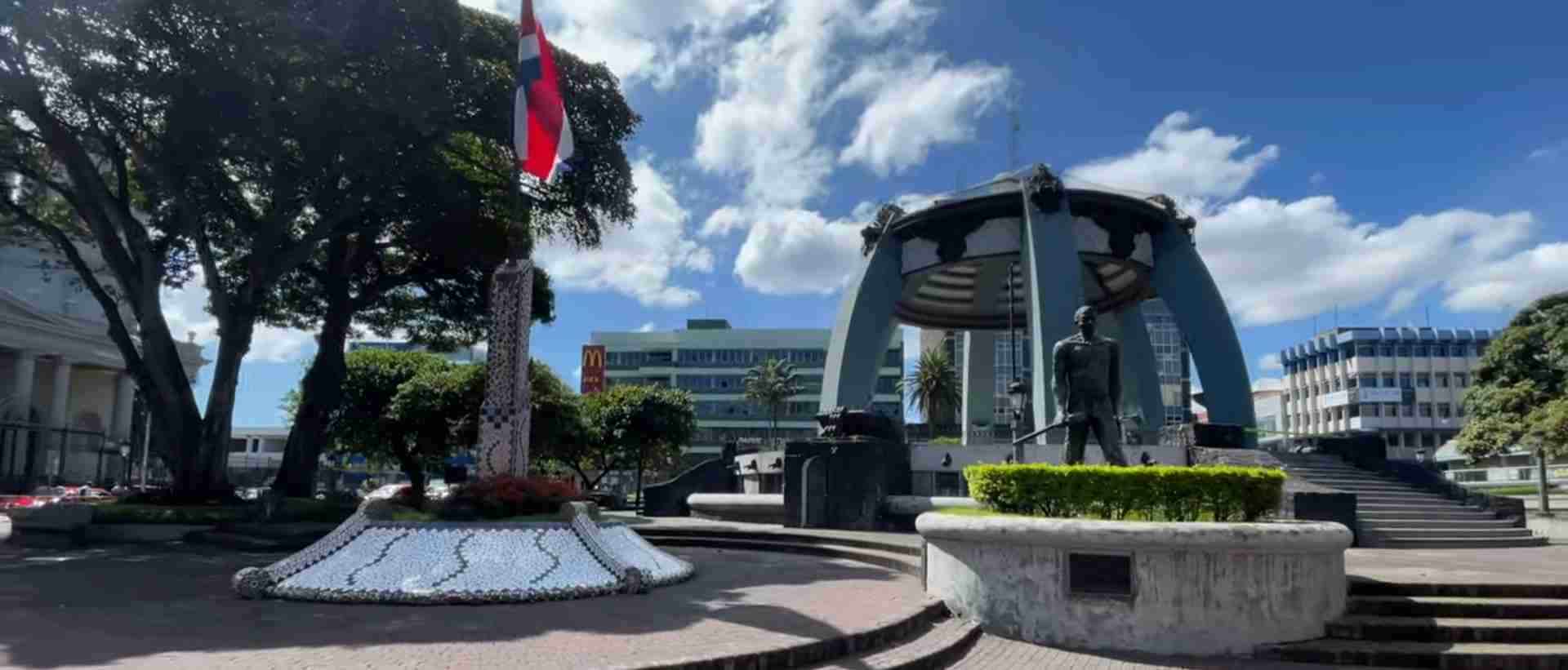
San José Costa Rica 2026: Complete City Guide
This complete guide provides comprehensive planning information for 2026 visits. You’ll discover how to navigate the city efficiently, which neighborhoods match your travel style, where to find authentic experiences beyond tourist circuits, and how to use San José as your base for exploring Costa Rica’s incredible diversity. Whether you’re spending two days between flights or a week immersing yourself in Tico culture, this guide delivers the practical details you need for successful 2026 planning.
Key Takeaways
- San José serves as Costa Rica’s cultural and logistical hub with excellent museums, theaters, and authentic local experiences at lower costs than beach destinations
- Budget travelers spend $45-65 daily, mid-range visitors $85-135, and luxury travelers $180-300+ with accommodation representing the largest variable expense
- The dry season (December-April) offers optimal weather for 2026 visits, while green season (May-November) provides 30-40% lower accommodation rates and fewer crowds
- Public buses cost $0.60-1.25 per ride making city navigation affordable, while taxis use official meters charging $4-12 for most cross-city trips in 2026
- Strategic neighborhood selection dramatically impacts your experience – Barrio Escalante offers walkable dining and culture, while La Sabana provides parks and mid-range value
- Most visitors spend 2-3 days in San José before heading to beaches or rainforests, but the capital deserves attention for authentic Costa Rican culture and excellent day trip access
Introduction: Planning Your San José Experience in 2026
San José polarizes travelers more than any other Central American capital. Some dismiss it as merely a transit point between international flights and Costa Rica’s famous beaches and rainforests. Others discover a vibrant cultural center where authentic Tico life unfolds far from tourist infrastructure, where world-class museums cost $8-15 for entry in 2026 (check official museum websites for current admission rates), and where excellent coffee shops and innovative restaurants reflect Costa Rica’s rising culinary scene.
The reality lies between these extremes. San José lacks colonial architecture – devastating earthquakes demolished most historic structures – and the chaotic traffic and utilitarian buildings disappoint visitors expecting picture-perfect Central American charm. However, the capital offers genuine cultural experiences, excellent value for money, and perfect positioning for exploring the Central Valley’s volcanoes, coffee plantations, and cloud forests.
People Also Ask About San José Costa Rica 2026
Is San José worth visiting in 2026?
San José merits 2-3 days for travelers interested in Costa Rican culture, museums, and authentic local experiences. The capital houses Costa Rica’s finest museums including the Pre-Columbian Gold Museum and National Museum, showcases vibrant street art in Barrio Amón, and offers excellent dining at 40-60% lower prices than beach destinations. The city serves as the perfect base for day trips to Poás Volcano, coffee plantations, and cloud forests.
Skip San José if you’re seeking beaches, rainforest adventures, or colonial architecture. The city functions primarily as a cultural and logistical hub rather than a destination itself. Most travelers use San José for arrival/departure logistics and cultural immersion before heading to Arenal, Manuel Antonio, or Caribbean coast destinations.
How much does it cost to visit San José in 2026?
Daily costs in San José vary significantly by travel style. Budget travelers spend $45-65 daily staying in hostels ($15-25 per night), eating at sodas (traditional restaurants) for $4-8 per meal, and using public buses for $0.60-1.25 per ride. Mid-range visitors spend $85-135 daily with boutique hotel accommodation ($60-95 per night), restaurant meals for $12-25, and occasional taxis for $4-12 per trip. Luxury travelers spend $180-300+ daily at high-end hotels ($150-280 per night), fine dining restaurants for $35-65 per person, and private transportation.
Museum admissions cost $8-15 for entry in 2026, with the Pre-Columbian Gold Museum at $15, National Museum at $10, and Jade Museum at $12 (check official museum websites for current rates). Theater performances and concerts range $15-45 depending on venue and production. Guided city tours cost $35-65 per person for half-day experiences.
What is the best neighborhood to stay in San José in 2026?
Barrio Escalante represents the best all-around neighborhood for 2026 visitors, combining walkable streets, excellent restaurants, craft breweries, boutique hotels, and safe evening atmosphere. The neighborhood sits 2km east of downtown, offers easy access to cultural sites, and provides authentic urban Tico lifestyle. Accommodation ranges $55-135 per night for quality mid-range options.
La Sabana appeals to travelers seeking green space and mid-range value, positioned next to the city’s largest park with museums, running paths, and weekend markets. Hotels range $50-95 per night. Barrio Amón suits history enthusiasts and architecture lovers, featuring restored Victorian mansions converted to boutique hotels for $65-145 per night. Avoid staying near the central bus stations (Coca-Cola area) due to safety concerns and limited appeal for tourists.
How many days should I spend in San José in 2026?
Allocate 2-3 days for a comprehensive San José experience in 2026. Day one covers downtown museums including the Pre-Columbian Gold Museum, National Theater, and Central Market exploration. Day two explores Barrio Escalante’s dining scene, street art walking tours, and evening craft brewery visits. Day three allows for a day trip to Poás Volcano, coffee plantation tour, or La Paz Waterfall Gardens.
Single overnight stays work for transit-focused itineraries, though you’ll miss the city’s cultural depth. Extending beyond three days makes sense only if you’re using San José as a base for multiple Central Valley day trips or if you’re specifically interested in immersive cultural experiences, language learning, or volunteer work.
Extended multi-day tours – 5+ days
Featured Costa Rica Multi-Day Tour Packages
10 days
Essential Costa Rica – Package with Manuel Antonio National Park
- ✓ Comprehensive Costa Rica tour
- ✓ Expert local guides included
- ✓ All accommodation arranged
- ✓ Transportation provided
10 days
Costa Rica Adventure
- ✓ Comprehensive Costa Rica tour
- ✓ Expert local guides included
- ✓ All accommodation arranged
- ✓ Transportation provided
9 days
Costa Rica Quest
- ✓ Comprehensive Costa Rica tour
- ✓ Expert local guides included
- ✓ All accommodation arranged
- ✓ Transportation provided
10 days
Essential Costa Rica – Package with Guanacaste
- ✓ Comprehensive Costa Rica tour
- ✓ Expert local guides included
- ✓ All accommodation arranged
- ✓ Transportation provided
Multi-day tour packages powered by TourRadar. Prices and availability subject to change.
Essential Planning Information for 2026
Understanding San José’s Geography and Layout
San José sprawls across the Central Valley at 1,200 meters elevation, creating a spring-like climate year-round. The metropolitan area encompasses 44 square kilometers with a population exceeding 340,000 in the city proper and 2.1 million in the greater San José region. The city lacks a traditional center – instead, multiple neighborhoods function as distinct districts with their own character and services.
The city uses a traditional Costa Rican address system based on landmarks and distances rather than street numbers. Addresses reference avenidas (running east-west, numbered south to north) and calles (running north-south, numbered west to east). Downtown centers around Avenida Central and Calle Central, though GPS coordinates work more reliably than traditional addresses for navigation.
Key neighborhoods for visitors include downtown (museums, National Theater, government buildings), Barrio Escalante (dining, nightlife, boutique hotels), Barrio Amón (historic architecture, upscale hotels), La Sabana (parks, sports facilities, mid-range hotels), Los Yoses and San Pedro (university area, student life, budget options). Each neighborhood sits within 10-20 minutes by taxi from downtown, though traffic significantly extends travel times during morning (7-9 AM) and evening (5-7 PM) rush hours.
Weather Patterns and Seasonal Considerations for 2026
San José maintains spring-like temperatures year-round with daytime highs of 24-27°C (75-81°F) and nighttime lows of 16-19°C (61-66°F). The elevation moderates heat found at coastal destinations, creating comfortable conditions for city exploration without extreme temperatures.
The dry season (December through April) provides the most reliable weather for 2026 visits. January through March delivers minimal rainfall, clear mornings, and predictable afternoon sunshine. This coincides with peak tourist season for Costa Rica overall, though San José sees far fewer crowds than beach destinations. Accommodation rates increase 20-35% during dry season compared to green season pricing.
The green season (May through November) brings afternoon rain showers that last 1-3 hours, clearing by evening. Mornings remain sunny and ideal for museum visits and city exploration. This period offers 30-40% lower accommodation rates, fewer tourists, and lusher landscapes in surrounding areas. September and October receive the heaviest rainfall, while May, June, and November provide transitional weather with moderate rain.
Pack lightweight rain jackets year-round as afternoon showers occur even during dry season. Evenings cool down sufficiently for long sleeves, particularly in air-conditioned restaurants and theaters. The UV index stays high due to equatorial latitude – apply sunscreen for outdoor activities regardless of cloud cover.
Current Costs and Pricing Overview for 2026
San José delivers excellent value compared to developed North American and European destinations, though prices exceed other Central American capitals like Guatemala City or Managua. The Costa Rican colón (CRC) serves as official currency, though many businesses accept US dollars. Exchange rates fluctuate around 520-540 colones per dollar. ATMs dispense both currencies with minimal fees ($3-5 per withdrawal).
Museum admissions range $8-15 for entry in 2026, with the Pre-Columbian Gold Museum charging $15 for adults, National Museum at $10, Jade Museum at $12, and National Theater tours at $10 (check official websites for current rates as pricing may vary). Many museums offer free admission on select days – the Gold Museum provides free entry first Wednesday monthly, National Museum offers free Sundays.
Meals at sodas (traditional Costa Rican restaurants) cost $4-8 for casados (traditional plates with rice, beans, protein, and sides), $3-5 for breakfast gallo pinto, and $2-4 for snacks and beverages. Mid-range restaurants charge $12-25 for entrees, $6-10 for appetizers, and $4-7 for craft beers. High-end dining runs $35-65 per person for multi-course meals with wine pairings.
Public bus fares cost $0.60-1.25 per ride depending on distance. Taxis use official meters (called “la maria”) charging base rates of $1.40 plus $0.80 per kilometer, resulting in $4-12 for most cross-city trips. Uber operates legally with similar pricing to official taxis. Private airport shuttles to downtown hotels cost $30-45 for shared service, $55-75 for private vehicles.
Accommodation spans wide pricing ranges. Hostel dorm beds cost $15-25 per night in popular neighborhoods, budget hotels range $35-55 for private rooms, mid-range boutique hotels run $60-95, and upscale properties charge $120-280 per night. Airbnb apartments cost $40-85 for entire units in residential neighborhoods.
Best Time to Visit San José in 2026
Dry Season Travel: December 2025 – April 2026
The dry season delivers peak travel conditions for San José exploration. January through March provides the most reliable weather with minimal rainfall, clear skies, and comfortable temperatures. Museum visits, walking tours, and outdoor market exploration proceed without rain interruptions. This period aligns with North American and European winter, attracting visitors escaping cold climates.
Accommodation rates peak during dry season with 20-35% premiums over green season pricing. Book hotels 4-6 weeks ahead for mid-range options, 8-12 weeks for boutique properties during peak periods (late December, February, March). Flight prices from North America increase $150-300 compared to green season, with particularly high fares during Christmas holidays and spring break (March).
Late December through early January coincides with Costa Rican summer vacation, filling hotels with domestic travelers from beach destinations who visit family in San José. This creates excellent cultural immersion opportunities as locals populate restaurants, parks, and entertainment venues. Holy Week (late March/early April in 2026) brings similar domestic travel patterns.
Green Season Opportunities: May – November 2026
The green season offers significant value for travelers comfortable with afternoon rain. May through November delivers 30-40% lower accommodation rates, minimal tourist crowds in museums and restaurants, and opportunities to experience San José as locals do. Morning hours remain predominantly sunny, ideal for cultural site visits before predictable afternoon showers.
September and October receive the heaviest rainfall with daily afternoon storms lasting 2-4 hours. These months suit travelers prioritizing budget savings and authentic local experiences over weather reliability. May, June, and November provide transitional conditions with moderate rainfall and excellent value-to-weather ratios.
Green season coincides with Costa Rica’s school year, creating vibrant urban energy as students populate San Pedro and Los Yoses neighborhoods. University cultural events, concerts, and festivals occur throughout this period. Restaurants and cafes maintain full operation unlike beach destinations where some businesses close during low season.
Special Events and Festivals in 2026
Festival de la Luz (Festival of Lights) illuminates downtown San José in mid-December with parades, concerts, and celebrations marking the holiday season. The event draws massive crowds but delivers spectacular cultural experiences. Book accommodation 8-12 weeks ahead for this period.
Día de los Boyeros (Oxcart Driver’s Day) occurs the second Sunday in March, featuring traditional oxcart parades, folk music, and agricultural celebrations. The festival honors Costa Rica’s agricultural heritage with vibrant decorations and family-friendly activities.
Independence Day celebrations on September 15th transform San José with parades, traditional music, and patriotic displays. Schools participate in lantern parades the evening of September 14th, creating memorable cultural experiences for visitors.
San José Gay Pride occurs in late June/early July, reflecting Costa Rica’s progressive attitudes toward LGBTQ+ rights. The event features parades, concerts, and cultural activities centered in downtown and Barrio Escalante neighborhoods.
Transportation Guide for 2026
Getting to San José: International and Domestic Access
Juan Santamaría International Airport (SJO) serves as Costa Rica’s primary international gateway, located 17km northwest of downtown San José in Alajuela. The airport handles direct flights from major North American cities including Miami (2.5 hours), Houston (4 hours), Los Angeles (5.5 hours), New York (5 hours), and Toronto (5 hours). European connections route through Madrid (11 hours direct) or connect via North American hubs.
Airport transportation to downtown hotels operates through multiple options. Official airport taxis charge fixed rates of $30-38 for downtown destinations (agree on price before departure). Shared shuttle services cost $15-22 per person with advance booking through hotel concierges or shuttle company websites. Uber and local ride-sharing apps function at lower rates ($18-26) but require using the departure level rather than arrival level for pickup coordination.
Public buses connect the airport to downtown for $1.25 per person, operating every 20-40 minutes from 5 AM to 10 PM. The journey takes 45-70 minutes depending on traffic and stops. This option works well for budget travelers with minimal luggage and Spanish language skills, though comfort and convenience lag significantly behind private transportation.
Rental cars cost $35-65 daily for economy vehicles, $55-85 for SUVs, with mandatory insurance adding $15-30 daily. Reserve vehicles 6-8 weeks ahead for dry season travel. Downtown San José presents challenging driving conditions with aggressive traffic, confusing signage, and limited parking. Consider renting only for departures to beach or mountain destinations rather than city exploration.
Public Transportation Within San José in 2026
San José’s public bus system provides extensive coverage at minimal cost. Routes crisscross the city charging $0.60-1.25 per ride depending on distance. Pay with exact change in colones upon boarding – drivers don’t provide change for large bills. Buses operate from 5 AM to 11 PM on major routes, reduced service on Sundays and holidays.
Major bus terminals include Terminal 7-10 (Caribbean coast destinations), Coca-Cola terminal (western and southern routes), and Terminal MUSOC (northern destinations). These areas experience higher crime rates – use taxis for arrivals and departures rather than walking with luggage.
Bus route navigation challenges visitors due to limited English signage and complex routing patterns. Ask hotel staff for specific route numbers and transfer points for your destinations. Popular tourist routes include buses to Escazú (#400, 440), La Sabana area (#200, 205), and San Pedro university area (#207).
Taxis and Ride-Sharing Services for 2026
Official red taxis display yellow triangles on doors and use meters (la maria) mandated by law. Rates start at $1.40 base fare plus $0.80 per kilometer, resulting in $4-12 for most cross-city trips. Insist on meter use or negotiate fixed prices before departure. After 10 PM, taxis add 20% surcharge for night service.
Uber operates legally in Costa Rica despite initial regulatory resistance. The app provides reliable service, English-language communication, and transparent pricing comparable to metered taxis. Drivers use private vehicles rather than commercial taxis, offering cleaner and more comfortable experiences in many cases. Request pickups from building addresses rather than street corners for easier driver location.
Hotel concierges arrange private drivers for full-day or half-day rates of $120-180 for Central Valley tours including Poás Volcano, coffee plantations, and scenic viewpoints. This option suits groups of 3-4 travelers when split costs approximate organized tour pricing but deliver personalized itineraries.
Walking and Cycling in San José
Downtown San José concentrates major museums, cultural sites, and government buildings within walkable distances. Avenida Central pedestrian street connects Plaza de la Cultura to Central Market, passing the National Theater and numerous shops. The route provides safe daytime walking with vendors, performers, and crowds creating active urban atmosphere.
Barrio Escalante offers the most pleasant walking environment with tree-lined streets, sidewalk cafes, boutique shops, and street art. The neighborhood’s compact layout allows exploration on foot, though afternoon rain showers interrupt outdoor activities during green season.
Cycling infrastructure remains limited with few dedicated bike lanes. Aggressive traffic and poor road conditions discourage casual cycling, though some hardy travelers navigate the city on two wheels. La Sabana Park provides safe cycling space on paved paths around the perimeter. Bike rentals cost $15-25 daily from shops in Barrio Escalante and San Pedro.
Neighborhood Guide for 2026
Downtown (Centro): Museums and Government District
Downtown San José centers around Plaza de la Cultura, home to the Pre-Columbian Gold Museum and National Theater. The area concentrates Costa Rica’s finest museums within walking distance including the Jade Museum, National Museum, and Museum of Costa Rican Art. Government buildings, banks, and commercial offices fill the surrounding blocks.
The pedestrianized Avenida Central creates the main commercial corridor with shops, street vendors, and food stalls. Central Market (Mercado Central) operates since 1880, offering local produce, coffee, souvenirs, and cheap sodas serving traditional Costa Rican meals for $4-6. The market provides authentic cultural experiences though pickpocketing requires vigilance in crowded areas.
Accommodation options in downtown lean toward budget and mid-range hotels. The area lacks boutique charm found in Barrio Escalante or historic character of Barrio Amón, functioning primarily as a business and government district. Safety concerns emerge after dark as commercial areas empty of daytime crowds – use taxis for evening transportation.
Museums cluster conveniently for cultural immersion. The Pre-Columbian Gold Museum displays 1,600 gold artifacts spanning 500 BC to 1500 AD with admission of $15 for adults in 2026. The National Theater offers guided tours for $10 showcasing opulent Renaissance architecture and performance spaces. The Jade Museum presents the world’s largest collection of American jade with $12 admission.
Barrio Escalante: Dining and Nightlife Hub
Barrio Escalante represents San José’s trendiest neighborhood, transforming from residential district to culinary destination over the past decade. The area concentrates Costa Rica’s best restaurants, craft breweries, specialty coffee shops, and boutique hotels within compact, walkable blocks.
Dining options span casual gastropubs to upscale fusion restaurants. Expect to pay $12-25 for entrees at mid-range spots, $35-55 at high-end establishments. Craft breweries pour local and imported beers for $4-7 per pint, often with rooftop terraces and street-level patios. Coffee roasters showcase Costa Rica’s renowned beans with pour-over and espresso options for $2-4.
The neighborhood attracts young professionals, expatriates, and travelers seeking sophisticated urban atmosphere. Street art murals decorate building facades, creating Instagram-worthy backdrops. Shops sell local artisan crafts, design objects, and fashion by Central American designers.
Accommodation ranges from boutique hotels charging $85-145 per night to Airbnb apartments at $55-95. The neighborhood provides safe walking environment day and evening, positioned 2km east of downtown with easy taxi access ($4-6) to cultural sites. Stay here for walkable dining scene, evening entertainment, and contemporary Tico lifestyle immersion.
Barrio Amón: Historic Architecture and Upscale Hotels
Barrio Amón preserves San José’s limited historic architecture with Victorian mansions, Caribbean-style wooden houses, and early 20th-century estates. Many structures serve as boutique hotels, restaurants, and cultural venues after extensive restoration work.
The neighborhood sits immediately north of downtown, offering walking access to museums and government buildings while maintaining residential character. Tree-lined streets provide pleasant strolling atmosphere during daytime hours, though evening activity concentrates in commercial establishments rather than street life.
Boutique hotels occupy restored mansions charging $65-145 per night for rooms with period furnishings, gardens, and personalized service. The aesthetic appeals to travelers seeking colonial atmosphere despite San José’s general lack of historic preservation.
Safety considerations apply as with all San José neighborhoods – stick to main streets after dark, use taxis for evening transportation, and exercise normal urban precautions. The area’s historic character attracts architecture enthusiasts and history buffs willing to pay premium accommodation rates for unique settings.
La Sabana: Parks and Mid-Range Value
La Sabana centers around Parque Metropolitano La Sabana, San José’s largest urban park offering running paths, sports facilities, museums, and weekend markets. The 72-hectare green space provides welcome relief from urban density with lagoons, exercise areas, and cultural venues.
The National Stadium anchors the park’s east side, hosting major sporting events and concerts. The Museum of Costa Rican Art occupies a historic terminal building within park grounds, displaying national artistic heritage with free admission on Sundays. Weekend farmers markets attract locals shopping for organic produce, artisan foods, and crafts.
Hotels surrounding the park target business travelers and families, offering mid-range rooms for $50-95 per night with parking, pools, and breakfast buffets. The area lacks walking-distance dining and nightlife found in Barrio Escalante but provides quiet residential atmosphere and park access.
Transportation to downtown museums and cultural sites requires taxis ($5-8) or public buses ($0.60-1.25). The neighborhood suits travelers prioritizing green space, exercise facilities, and value over urban walkability. Families appreciate the park amenities and safer residential environment compared to downtown hotels.
Los Yoses and San Pedro: University District
The Los Yoses and San Pedro neighborhoods surround the University of Costa Rica, creating vibrant student atmosphere with affordable restaurants, casual bars, bookstores, and budget accommodation. The area attracts backpackers, language students, and budget travelers seeking authentic local experiences.
Hostels cluster in this area charging $15-25 per night for dorm beds, $35-50 for private rooms. Student-oriented restaurants serve casados for $4-6, pizza slices for $2-3, and international cuisine reflecting the university’s diverse population. Bars pour inexpensive beer and tropical cocktails for $3-6.
The neighborhood lacks tourist infrastructure and polished aesthetics but delivers genuine Tico youth culture. University cultural events, film screenings, concerts, and lectures occur throughout the academic year (February-December). Spanish language schools concentrate in this area, offering immersion programs from one week to several months.
Safety requires standard urban precautions – the area experiences typical urban crime (pickpocketing, bag snatching) particularly late at night near bars and clubs. Walk in groups after dark, use ATMs during daylight hours, and avoid displaying expensive electronics or jewelry.
Accommodation Strategies for 2026
Budget Options: Hostels and Guesthouses ($15-45 per night)
San José’s hostel scene concentrates in Los Yoses, San Pedro, and parts of Barrio Escalante, offering dorm beds for $15-25 per night and private rooms for $35-45. Quality varies significantly – research recent reviews focusing on cleanliness, hot water reliability, and security measures.
Top-rated hostels include Costa Rica Backpackers in Barrio Escalante (dorms $18-22, private rooms $42-48), Selina San José on Avenida Central (dorms $16-20, private rooms $38-45), and Hostel Pangea in downtown (dorms $15-19). These properties provide social atmosphere, organized activities, tour booking services, and common kitchen facilities.
Guesthouses in residential neighborhoods offer private rooms with shared bathrooms for $25-40 per night. These family-run establishments deliver personal attention and local insights but lack social amenities of backpacker hostels. Search Booking.com and Hostelworld filtering for “guesthouse” or “pension” accommodation types.
Budget accommodation typically excludes breakfast, though some hostels provide basic self-service options. Proximity to sodas and markets keeps meal costs low – budget $12-18 daily for three meals at local establishments. Consider hostels with kitchen access to further reduce food expenses.
Mid-Range Hotels and Boutique Properties ($60-135 per night)
Mid-range accommodation delivers the best value-to-quality ratio in San José with boutique hotels, renovated properties, and comfortable chain hotels charging $60-95 for standard rooms, $95-135 for superior categories. This range includes breakfast buffets, WiFi, hot water, and often swimming pools.
Barrio Escalante boutique hotels occupy converted mansions with 8-15 rooms, personalized service, and design aesthetics. Expect to pay $85-125 per night for properties like Hotel Presidente or Hotel Don Fadrique. These establishments provide walking-distance access to the neighborhood’s dining and nightlife.
La Sabana hotels target business travelers with larger properties offering $65-95 rooms, conference facilities, restaurants, and ample parking. Properties like Hotel Grano de Oro (actually in Paseo Colón area) blend historic charm with modern amenities at $115-145 per night including gourmet breakfast.
Book directly through hotel websites for best rates, particularly during green season when properties offer 30-40% discounts and free night promotions. Booking.com and Hotels.com provide extensive options with verified reviews. Reserve 4-6 weeks ahead for dry season travel, 2-3 weeks for green season.
Luxury and High-End Accommodations ($150-280+ per night)
San José’s luxury hotel scene lacks the beachfront resorts and rainforest lodges found elsewhere in Costa Rica but offers sophisticated urban properties with premium services. Properties charge $150-280 per night for deluxe rooms with upscale amenities, concierge services, spa facilities, and fine dining restaurants.
The Costa Rica Marriott in western suburbs provides resort-style luxury with $180-240 nightly rates, golf course access, extensive pools, and multiple restaurants. The property suits travelers combining business with leisure or those seeking international chain reliability.
Downtown boutique hotels like the Aurola Holiday Inn charge $145-195 for renovated rooms with city views, rooftop pools, and central locations near museums and cultural sites. The property delivers contemporary comfort in heritage building.
High-end properties include breakfast buffets, airport shuttles, tour booking services, and multilingual concierges. These amenities justify premium pricing for travelers prioritizing convenience and service quality. Book directly for potential upgrades, welcome amenities, and flexible cancellation policies.
Airbnb and Apartment Rentals for 2026
Airbnb apartments in residential neighborhoods provide space and kitchen facilities for $40-85 per night depending on size and location. This option suits extended stays, families, and travelers preferring self-catering flexibility over hotel services.
Best neighborhoods for Airbnb rentals include Barrio Escalante (walkable dining, $65-95 for one-bedrooms), Los Yoses (residential character, $45-70), and Escazú suburbs (shopping malls, upscale residential, $55-85). Read reviews carefully regarding security, hot water, WiFi quality, and accurate location descriptions.
Monthly rentals drop to $600-1,200 for furnished apartments, attractive for digital nomads, language students, and long-term travelers. Neighborhoods like San Pedro and Los Yoses offer the best value with local services, markets, and public transportation access.
Verify apartment buildings have security guards, gated access, and secure parking if renting vehicles. Communicate clearly with hosts regarding checkout procedures, key exchange, and any additional fees for cleaning or utilities. Book properties with flexible cancellation policies given potential itinerary changes.
Dining and Food Scene in 2026
Traditional Costa Rican Cuisine: Sodas and Local Restaurants
Sodas serve as Costa Rica’s traditional restaurants, offering authentic Tico meals at budget prices. The classic casado (“married” – representing the union of various foods) costs $4-8 and includes rice, black beans, protein (chicken, beef, fish, or pork), plantains, salad, and sometimes fresh cheese or avocado. These filling plates provide excellent value and authentic flavor.
Gallo pinto (“spotted rooster”) forms Costa Rica’s breakfast staple – rice and beans mixed with Salsa Lizano, served with scrambled eggs, sour cream, fried plantains, and corn tortillas for $3-5. The dish appears on every soda menu and provides substantial morning fuel for sightseeing.
Central Market houses dozens of sodas serving workers and budget travelers. Navigate the crowded aisles to find family-run stalls offering casados, fresh fruit juices ($1.50-2.50), and traditional snacks. Arrive before 1 PM for peak atmosphere and freshest ingredients. Popular market sodas include Soda La Luz and Soda Tapia.
Neighborhood sodas throughout Los Yoses, San Pedro, and residential areas provide authentic experiences away from tourist circuits. Menu boards display daily specials in Spanish – point at appealing dishes or ask for “el especial del día” (daily special). Portions typically exceed North American standards, often requiring no additional food for several hours.
Contemporary Dining: Barrio Escalante’s Restaurant Scene
Barrio Escalante transformed San José’s culinary landscape over the past decade, concentrating innovative restaurants that blend Costa Rican ingredients with international techniques. Expect to pay $12-25 for entrees at gastropubs and contemporary bistros, $35-55 at upscale establishments.
Al Mercat showcases Mediterranean-inspired cuisine using local seafood, artisan cheeses, and seasonal produce. The restaurant operates as both market and dining room with shared plates encouraging group dining. Dinner reservations recommended for weekend evenings – book through OpenTable or call directly.
Silvestre offers farm-to-table Costa Rican cuisine highlighting traditional ingredients through modern presentations. The menu changes seasonally based on small-producer availability. Expect $18-28 for entrees, $8-14 for appetizers, and $25-35 for wine by the glass from an exclusively Spanish selection.
Craft breweries populate Barrio Escalante, producing IPAs, lagers, and experimental brews. Costa Rica Beer Factory, Stiefel, and Calle Cimarrona pour flights ($8-12 for four samples) and pints ($4-7) alongside bar food and upscale pub fare. Most establishments offer rooftop or street-level outdoor seating creating convivial atmosphere.
Coffee Culture and Cafes in 2026
Costa Rica’s reputation for exceptional coffee manifests throughout San José with specialty roasters, third-wave cafes, and traditional coffeehouses. Expect to pay $2-4 for espresso drinks, $3-5 for pour-over preparations highlighting single-origin beans from Tarrazú, West Valley, and Central Valley growing regions.
Café de los Deseos in Barrio Amón occupies a historic house with garden seating, serving coffee alongside breakfast dishes and light lunches. The bohemian atmosphere attracts artists, students, and travelers seeking relaxed afternoon hangouts. Coffee drinks cost $2.50-4, with exceptional empanadas and baked goods for $3-5.
Amor de Café near the National Theater provides convenient downtown caffeine with professional baristas crafting espresso drinks from locally roasted beans. The small counter-service cafe works well for quick coffee breaks between museum visits at $2-3.50 per drink.
Consider purchasing beans for home brewing or gifts – Costa Rican coffee ranges $8-18 for 340g bags depending on origin and processing method. Roasters provide detailed tasting notes and brewing recommendations. The quality typically exceeds what’s available in export markets due to Costa Rica’s domestic appreciation for exceptional coffee.
International Cuisine and Fine Dining
San José’s growing cosmopolitan population supports diverse international dining options beyond traditional Tico fare. Japanese, Italian, Peruvian, Argentine, and fusion restaurants operate throughout upscale neighborhoods, particularly in Barrio Escalante and Escazú suburbs.
Japanese restaurants charge $25-45 for omakase experiences, $12-22 for sushi rolls and sashimi plates. Several establishments import fish directly from Tokyo’s Tsukiji market, commanding premium prices but delivering exceptional quality. Matsuri and Osaka showcase the high end of Japanese dining in Costa Rica.
Italian trattorias and pizzerias range from casual spots charging $10-18 for pasta and pizza to upscale establishments at $22-35 for Northern Italian preparations. Ristorante Il Ponte in Escazú represents the luxury segment while numerous neighborhood spots in Barrio Escalante deliver quality at moderate prices.
Peruvian cevicherías have proliferated given the cuisine’s popularity across Latin America. Fresh ceviche costs $12-18 for generous portions, anticuchos (grilled skewers) run $14-22, and pisco sours pour for $7-10. La Cevichería and Machu Picchu maintain strong reputations for authentic preparations.
Cultural Attractions and Museums for 2026
Pre-Columbian Gold Museum: Costa Rica’s Premier Collection
The Museo del Oro Precolombino houses over 1,600 pre-Columbian gold objects spanning 500 BC to 1500 AD, representing Costa Rica’s indigenous artistic achievement. The underground museum occupies three levels beneath Plaza de la Cultura in downtown San José, displaying gold figurines, ceremonial objects, and ornaments with exceptional craftsmanship.
Adult admission costs $15 in 2026 with reduced rates for students and children (check museodeloro.go.cr for current official rates). The museum opens Tuesday-Sunday 9:15 AM to 5 PM with last entry at 4:30 PM. English-language audio guides cost $5 additional, providing detailed context for major pieces and indigenous cultures.
Highlights include gold frogs symbolizing transformation and fertility, intricate human-animal composite figures representing shamanic traditions, and ceremonial pieces demonstrating lost-wax casting techniques. The collection contextualizes objects within broader Mesoamerican artistic traditions and Costa Rica’s pre-Columbian societies.
Allow 90-120 minutes for comprehensive visits. The museum provides excellent introduction to Costa Rican history before Spanish colonization, complementing visits to archaeological sites elsewhere in the country. Photography without flash is permitted. The museum shop sells high-quality replicas, books, and artisan crafts.
National Museum: Natural History and Pre-Columbian Artifacts
The Museo Nacional de Costa Rica occupies the former Bellavista Fortress, showcasing natural history, pre-Columbian artifacts, colonial history, and contemporary cultural exhibits. Bullet holes from the 1948 civil war scar the exterior walls, preserved as historical testimony to Costa Rica’s abolishment of its military.
Admission costs $10 for adults in 2026 with free entry on Sundays (verify current policy at museocostarica.go.cr). The museum opens Tuesday-Saturday 8:30 AM to 4:30 PM, Sundays 9 AM to 4:30 PM. English signage appears throughout galleries though Spanish predominates in detailed descriptions.
The pre-Columbian collection displays stone spheres from Diquís region (UNESCO World Heritage designation), ceramic works spanning multiple indigenous cultures, and jade artifacts predating the Gold Museum’s gold pieces. Natural history sections present Costa Rica’s biodiversity through preserved specimens, dioramas, and interactive displays.
The museum’s butterfly garden, colonial-era coffee processing equipment, and historical photographs provide broader cultural context. Plan 2-3 hours for thorough exploration. The location in Barrio Amón allows combination with walking tours of historic architecture in the surrounding neighborhood.
Jade Museum: World’s Largest American Jade Collection
The Museo del Jade y de la Cultura Precolombina houses over 7,000 jade objects, representing the world’s largest collection of American jade artifacts. The modern building in downtown San José opened in 2014, providing climate-controlled galleries and contemporary exhibition design.
Admission costs $12 for adults in 2026 (check museodeljade.ins-cr.com for current rates and hours). The museum opens daily 10 AM to 5 PM with last entry at 4 PM. English-language explanatory panels accompany major exhibits, though guided tours in Spanish provide additional context.
Pre-Columbian jade pieces demonstrate sophisticated carving techniques for one of the hardest stones, creating pendants, amulets, and ceremonial objects with intricate detail. The collection spans 500 BC to 800 AD, documenting jade’s significance in indigenous social hierarchies, spiritual practices, and artistic expression.
The museum’s upper floors provide panoramic city views while ceramic collections complement jade displays. Interactive exhibits demonstrate jade carving techniques and mineral properties. Allow 90-120 minutes for comprehensive visits. The location near Plaza de la Democracia permits combination with nearby government buildings and markets.
National Theater: Architectural Jewel and Performance Venue
The Teatro Nacional represents Costa Rica’s architectural pride, built in 1897 with coffee tax revenues to provide the nation with a world-class performance venue. The Renaissance Revival building showcases marble staircases, gilded balconies, elaborate frescoes, and European craftsmanship imported during construction.
Guided tours cost $10 for adults in 2026, operating daily at 9 AM, 11 AM, and 3 PM (verify schedule at teatronacional.go.cr as performance preparations occasionally limit access). Tours last 45 minutes, conducted in Spanish with English-language written materials provided. The building’s cafe serves excellent coffee and pastries in an ornate historic setting.
The theater hosts National Symphony Orchestra performances, ballet productions, touring opera companies, and theatrical presentations throughout the year. Ticket prices range $15-45 depending on seating and production. Check the website for current performance schedules and online booking options.
The building’s exterior features allegorical statues representing Music, Dance, and Fame. The grand foyer displays a massive fresco depicting coffee harvest scenes, celebrating the agricultural wealth that funded construction. The horseshoe-shaped auditorium seats 1,040 with excellent acoustics designed for opera and orchestral music.
Day Trip Opportunities from San José in 2026
Poás Volcano National Park: Active Crater and Cloud Forest
Poás Volcano National Park protects one of the world’s largest active craters, located 57km north of San José at 2,700 meters elevation. The main crater measures 1.3km diameter and 300 meters deep, displaying turquoise acidic lake and frequent fumarolic activity. The national park provides Costa Rica’s most accessible volcano experience from the capital.
Park admission costs $15 for foreign adults in 2026 (check sinac.go.cr for current rates and reservation requirements). The park limits daily visitors to 1,200 people with mandatory advance online reservations. Entry times operate 8 AM to 11 AM with visits limited to 40-minute windows due to volcanic gases and environmental protection.
Organized tours from San José cost $45-75 per person including transportation, guide, and admission. Tours depart 6-7 AM, returning 2-3 PM. Self-driving requires 90 minutes on winding mountain roads – rental vehicles work well for experienced drivers combining Poás with coffee plantation visits or La Paz Waterfall Gardens.
Weather conditions significantly impact visibility – clear mornings (7-9 AM) provide best crater views before clouds obscure the summit. Temperatures at the crater rim range 8-15°C (46-59°F), requiring layers and rain jackets. The park’s cloud forest trails showcase unique high-elevation ecosystems with bromeliads, mosses, and endemic plant species.
Coffee Plantation Tours: Understanding Costa Rica’s Famous Export
Central Valley coffee plantations surrounding San José offer tours showcasing cultivation, processing, roasting, and tasting of Costa Rica’s renowned arabica beans. Tours operate year-round though harvest season (November-February) provides the most comprehensive experience watching cherry picking and wet mill processing.
Doka Estate near Alajuela (30km from San José) conducts tours at 9 AM, 10 AM, 1:30 PM, and 2:30 PM charging $25 per adult for 90-minute experiences. The working plantation demonstrates traditional processing methods, modern techniques, and roasting operations. Tastings compare different varieties, origins, and processing styles.
Café Britt near Heredia (20km from San José) offers theatrical tours at 9 AM and 11 AM for $27 per adult, combining coffee education with entertainment and generous tastings. The experience includes multimedia presentations, roasting demonstrations, and barista preparation techniques. Tours conclude in elaborate gift shops with extensive coffee and souvenir selections.
Transportation options include organized tours at $65-85 including multiple plantations, rental cars for independent exploration, or public buses to Heredia ($1.25) followed by taxis to specific plantations ($8-12). Morning tours allow combination with afternoon volcano visits or returns to San José for cultural activities.
La Paz Waterfall Gardens: Wildlife and Waterfalls
La Paz Waterfall Gardens combines five spectacular waterfalls with wildlife exhibits showcasing Costa Rican fauna in naturalistic enclosures. The private nature park sits 55km north of San José near Poás Volcano, operating as a popular day trip destination for families and wildlife enthusiasts.
Admission costs $48 for adults in 2026 (check waterfallgardens.com for current rates). The park opens daily 8 AM to 5 PM with last entry at 3:30 PM. Paved trails with stairs and observation platforms access five waterfalls cascading through cloud forest. The 3.5km path requires moderate fitness though benches provide rest stops throughout.
Wildlife exhibits house jaguars, pumas, monkeys, sloths, toucans, and hummingbirds in large enclosures designed to replicate natural habitats. The butterfly observatory contains thousands of specimens across 26 species. The hummingbird gallery attracts 24 species to feeders creating remarkable photographic opportunities.
The park includes lunch buffets in admission prices at the Peace Lodge restaurant, serving Costa Rican and international dishes with waterfall views. Tours from San José cost $95-125 including transportation and admission but not meals. Self-drivers combine La Paz with Poás Volcano visits on single-day itineraries covering both attractions.
Irazú Volcano: Highest Active Volcano
Irazú Volcano reaches 3,432 meters elevation as Costa Rica’s highest active volcano, located 54km east of San José. The summit offers unique landscapes with barren crater, turquoise lake, and on clear days, simultaneous views of Caribbean Sea and Pacific Ocean.
Park admission costs $15 for foreign adults in 2026 with online reservations required through sinac.go.cr. The park opens 8 AM to 3:30 PM daily. Morning visits before 10 AM provide best weather conditions before clouds obscure summit views. Temperatures at the crater reach 5-12°C (41-54°F) requiring warm layers.
The main crater presents stark volcanic landscape devoid of vegetation due to high elevation and periodic eruptions (most recently 1963-1965). The Diego de la Haya crater contains turquoise acidic lake varying in color based on mineral content and weather conditions. Paved trails circle crater rims with guardrails and viewing platforms.
Tours from San José cost $55-85 per person including transportation and admission. The route passes through Cartago, Costa Rica’s former capital, allowing visits to Basílica de Nuestra Señora de los Ángeles (Our Lady of the Angels Basilica) – the country’s most important Catholic pilgrimage site. Self-drivers complete the trip in 2 hours one-way on paved roads suitable for standard vehicles.
Sample San José Itineraries for 2026
Two-Day Cultural Immersion Itinerary
Day 1: Downtown Museums and National Theater
Start with 9 AM arrival at the Pre-Columbian Gold Museum when crowds remain minimal. Spend 90-120 minutes exploring the collection before walking to nearby National Theater for the 11 AM guided tour. Break for lunch at Central Market, selecting a soda for authentic casado meal.
Afternoon visits to the Jade Museum (allow 90 minutes) followed by walk along Avenida Central observing street life, vendors, and urban energy. Evening reservations at Barrio Escalante restaurant provide introduction to San José’s contemporary dining scene.
Pre-Columbian Gold Museum $15, National Theater tour $10, lunch $6-8, Jade Museum $12, dinner $22-35, local transportation $5-8. Total day cost: $60-88 per person (excluding accommodation).
Day 2: Barrio Escalante and La Sabana
Morning coffee and breakfast in Barrio Escalante at specialty cafe, followed by walking tour of neighborhood street art and boutique shops. Mid-morning taxi to Museum of Costa Rican Art in La Sabana Park (free Sunday admission, $5 weekdays).
Lunch at park-adjacent restaurant before afternoon exploring park trails, visiting National Stadium if events scheduled, or browsing weekend farmers market (Saturdays). Return to Barrio Escalante for craft brewery tastings and dinner at gastropub.
Breakfast $8-12, museum $5, lunch $12-18, beer tastings $12-16, dinner $18-28, transportation $8-12. Total day cost: $63-91 per person (excluding accommodation).
Three-Day Comprehensive Experience
Day 1: Downtown Cultural Sites
Follow the two-day itinerary’s first day covering Gold Museum, National Theater, Central Market, and Jade Museum. This foundation provides historical and cultural context for Costa Rica before exploring beyond the capital.
Museums $37, meals $30-45, transportation $5-8. Total: $72-90 per person (excluding accommodation).
Day 2: Poás Volcano Day Trip
Depart San José 6:30 AM for organized tour or self-drive to Poás Volcano National Park. Arrive by 8 AM for crater viewing before clouds obscure visibility. Explore crater rim trails and cloud forest paths (2-3 hours total).
Descend to coffee plantation for mid-morning tour and tasting (Doka Estate or Café Britt). Lunch at plantation restaurant or nearby town before returning to San José by 2-3 PM. Evening free for Barrio Escalante dining and brewery exploration.
Organized tour $65-75 (includes park admission, transportation, guide) OR Park admission $15 + coffee tour $25 + rental car $45-55, lunch $12-18, dinner $18-28, evening drinks $12-18. Total organized tour: $95-121 per person. Total self-drive: $82-124 per person (excluding accommodation).
Day 3: Neighborhood Exploration and Shopping
Morning visit to National Museum ($10, free Sundays) followed by Barrio Amón architecture walk. Lunch at soda or neighborhood cafe before afternoon shopping at artisan markets, craft cooperatives, or modern malls depending on preferences.
Evening farewell dinner at upscale restaurant in Barrio Escalante or Escazú suburb. Consider attending theater performance, concert, or cultural event if schedule aligns (check Teatro Nacional and other venues for current programming).
Museum $10, lunch $8-15, shopping budget variable, dinner $35-55, event tickets $15-45, transportation $10-15. Total: $78-140 per person (excluding accommodation and shopping).
Five-Day Extended Central Valley Experience
Days 1-2 follow the comprehensive three-day itinerary covering downtown museums, Poás Volcano, and neighborhood exploration.
Day 3: Irazú Volcano and Cartago
Early departure for Irazú Volcano reaching summit by 8-9 AM. Explore craters and summit viewpoints for 2-3 hours before descending to Cartago for lunch. Visit Basílica de Nuestra Señora de los Ángeles, Costa Rica’s most important religious site. Return to San José afternoon for evening leisure.
Tour $55-85 OR Park admission $15 + transportation, lunch $10-15, transportation $45-65 (if self-drive). Total organized tour: $65-100 per person. Total self-drive: $70-95 per person (excluding accommodation).
Day 4: La Paz Waterfall Gardens
Full-day excursion to La Paz Waterfall Gardens experiencing five waterfalls, wildlife exhibits, butterfly observatory, and hummingbird galleries. The park’s lunch buffet includes admission. Return to San José late afternoon.
Tour $95-125 (includes admission and transportation) OR Admission $48 + rental car. Total organized tour: $95-125 per person. Total self-drive: $93-103 per person (excluding accommodation).
Day 5: Markets, Parks, and Departure Preparation
Morning farmers market visit (Saturday at La Sabana, Sunday at various neighborhood locations) for final shopping and local interaction. Relax in park setting, visit any missed museums, or explore additional neighborhoods. Final lunch at favorite discovered restaurant before airport departure or continuation to other Costa Rica destinations.
Market purchases variable, lunch $12-20, transportation $5-10, final coffee/snacks $8-12. Total: $25-42 per person plus shopping (excluding accommodation).
Practical Tips and Planning Advice for 2026
Safety and Security Considerations
San José experiences typical urban crime including pickpocketing, bag snatching, and opportunistic theft particularly in crowded areas like Central Market, bus terminals, and downtown commercial districts. Exercise standard precautions including keeping valuables hidden, maintaining awareness in crowds, and avoiding flashy jewelry or electronics displays.
Use ATMs inside banks or malls during daytime hours rather than street-level machines. Withdraw moderate amounts ($100-200) to minimize exposure. Many establishments accept credit cards though small sodas and markets require cash. Inform credit card companies of Costa Rica travel to prevent fraud blocks.
Taxis after dark provide safer transportation than walking, particularly when carrying bags or camera equipment. Avoid empty streets and poorly lit areas after sunset. The Coca-Cola bus terminal area, parts of downtown, and some neighborhoods south of Avenida Central require extra caution.
Barrio Escalante, Barrio Amón, and La Sabana maintain safer atmospheres than downtown, though basic precautions apply everywhere. Leave passports in hotel safes, carrying photocopies for identification. Consider leaving valuable jewelry at home entirely – Costa Rica’s casual atmosphere doesn’t require formal accessories.
Emergency numbers include 911 for police, ambulance, and fire services. Tourist police operate in major hotel zones and cultural districts. Most hotels maintain 24-hour security and provide safe deposit boxes for valuables.
Language and Communication
Spanish predominates in San José with English proficiency varying significantly by neighborhood and establishment type. Upscale hotels, tour operators, and tourist-oriented restaurants typically employ English-speaking staff. Sodas, local markets, public transportation, and neighborhood establishments function primarily in Spanish.
Learn basic Spanish phrases for greetings, ordering food, asking directions, and expressing gratitude. Costa Ricans appreciate attempts to communicate in Spanish even when pronunciation falters. Common phrases include “Buenos días” (good morning), “Cuánto cuesta?” (how much?), “La cuenta, por favor” (the check, please), and “Pura vida” (Costa Rica’s ubiquitous expression meaning “pure life” used as greeting, farewell, and general affirmation).
Translation apps like Google Translate function well for menu reading and basic communication. Download Spanish language packs for offline use. Many restaurant menus in tourist areas include English translations though neighborhood sodas operate Spanish-only.
Costa Rican Spanish (called “Tico Spanish”) includes unique vocabulary and pronunciation compared to Mexican or European Spanish. The phrase “tuanis” means “cool” or “great.” “Mae” serves as casual term equivalent to “dude” or “man.” Costa Ricans pronounce “r” sounds more softly than other Spanish speakers.
Money and Banking for 2026 Visits
The Costa Rican colón (CRC) serves as official currency with exchange rates fluctuating around 520-540 colones per US dollar. Many businesses accept US dollars particularly in tourist areas, though change returns in colones. Carry small dollar bills ($1, $5, $10) for tips and small purchases.
ATMs dispense both colones and dollars with most accepting international cards on Cirrus, Plus, Visa, and Mastercard networks. Withdrawal fees typically cost $3-5 per transaction. Maximum withdrawals range 200,000-400,000 colones ($380-770) per transaction depending on bank and account type.
Credit cards work widely in hotels, restaurants, tours, and shops. Visa and Mastercard acceptance exceeds American Express and Discover. Some establishments add 3-5% surcharges for credit card payments – verify before completing transactions. Notify card issuers of Costa Rica travel to prevent fraud blocks.
Tipping practices differ from North American standards. Restaurant bills include 10% service charge by law – additional tipping remains optional for exceptional service. Tip hotel porters $1-2 per bag, housekeeping $2-3 daily, and tour guides $5-10 for full-day experiences. Taxi drivers don’t expect tips though rounding up appreciated.
Packing Recommendations for San José Visits
San José’s year-round spring-like climate requires lightweight layering rather than extreme weather gear. Pack T-shirts, light long-sleeved shirts for sun protection, one light sweater or fleece for air-conditioned spaces and cool evenings, and comfortable walking shoes with good support for museum visits and neighborhood exploration.
Rain gear proves essential year-round with particular importance during green season (May-November). Compact umbrellas or lightweight rain jackets suffice for brief afternoon showers. Waterproof bags or rain covers protect electronics and cameras during unexpected downpours.
Modest clothing works for most situations though Costa Rica maintains casual attitudes toward dress codes. Restaurants rarely require formal attire. Bring one nicer outfit for upscale dining or theater performances if interested. Shorts and casual shirts suffice for daytime activities.
Essential items include sunscreen (high SPF due to equatorial UV exposure), insect repellent (particularly for parks and green spaces), reusable water bottle (tap water safe to drink), small daypack for museums and walking tours, and universal power adapter (though Costa Rica uses same plugs as North America – Type A/B 110V).
Leave expensive jewelry, designer bags, and flashy accessories at home. San José’s casual atmosphere doesn’t require luxury displays and lower-profile appearance reduces theft risk. Bring photocopies of passports and credit cards, keeping originals in hotel safes.
Health and Medical Considerations
San José poses minimal health risks for international travelers. Tap water meets international safety standards throughout the metropolitan area – drink freely from taps, ice cubes, and brushing teeth. Restaurants and hotels maintain modern sanitation standards.
No vaccinations are required for entry though standard immunizations (hepatitis A, typhoid, routine vaccinations) provide added protection. Consult travel medicine specialists 4-6 weeks before departure for personalized recommendations based on overall Costa Rica itinerary and medical history.
Altitude effects remain minimal at 1,200 meters elevation though some visitors experience mild effects. Stay hydrated, avoid excessive alcohol first day, and allow brief adjustment period. Higher elevation day trips to Poás (2,700m) or Irazú (3,432m) volcanoes may cause headaches or light-headedness – descend if symptoms worsen.
Pharmacies (“farmacias”) stock international medications often without prescriptions required in other countries. Chains like Fischel and Farmacia Clínica Bíblica maintain extensive inventories. Bring prescription medications in original containers with copies of prescriptions for customs clearance.
Medical facilities include excellent private hospitals like Clínica Bíblica and Hospital CIMA providing international-standard care with English-speaking doctors. Services cost significantly less than North American equivalents though travel insurance still recommended. Many doctors trained in United States or Europe, delivering care comparable to developed countries.
Internet and Connectivity
WiFi availability throughout San José exceeds most Central American capitals. Hotels, restaurants, cafes, and hostels provide free WiFi with varying quality. Upscale hotels deliver reliable high-speed connections while budget accommodations offer more limited bandwidth.
SIM cards for unlocked phones provide mobile data for maps, translation apps, and communication. Kolbi (government-owned), Movistar, and Claro operate as main carriers. Tourist SIM cards cost $5-10 for the card plus $15-25 for data packages providing 3-5GB valid for 7-30 days. Purchase at airport shops or carrier stores throughout the city.
International phone plans from North American and European carriers often include Costa Rica in standard coverage. Verify roaming rates and data allowances before departure. WhatsApp functions as primary communication app in Costa Rica – most businesses and tour operators communicate through this platform rather than SMS.
Internet cafes still operate in San Pedro and Los Yoses neighborhoods charging $1-2 per hour for computer access, useful for printing boarding passes or extensive research. Most travelers rely on smartphones and hotel WiFi rather than internet cafes.
Budget Planning for 2026 San José Visits
Budget Travel: $45-65 Daily
Budget travelers maintain $45-65 daily expenditures through strategic choices across accommodation, food, and activities. Hostel dorm beds in Los Yoses or San Pedro cost $15-22 per night. Meals at sodas run $4-8 for casados, $3-5 for breakfast gallo pinto, with three daily meals totaling $12-18. Public buses charge $0.60-1.25 per ride with most city destinations accessible for under $2.50 daily transportation total.
Free activities include Central Market exploration, park walks (La Sabana, Parque Morazán), street art tours in Barrio Escalante, and free museum days (Gold Museum first Wednesday monthly, National Museum Sundays). Budget $5-10 daily for paid attractions when visiting museums or joining free walking tours (tip guides $5-8).
Grocery shopping at local markets reduces food costs below soda eating – bread, cheese, fruit, and coffee purchased at Central Market provides breakfast for $2-3, simple lunches for $3-5. Hostels with kitchen facilities enable significant savings through self-catering.
Sample budget day breakdown: Hostel $18, breakfast $3, lunch soda $6, snacks $3, dinner soda $7, museum admission $10, local transport $2.50, evening beer $3. Total: $52.50 per person (excluding accommodation: $34.50).
Mid-Range Travel: $85-135 Daily
Mid-range travelers enjoy comfortable hotels, quality restaurants, organized tours, and reliable transportation while maintaining reasonable budgets. Boutique hotels in Barrio Escalante cost $65-95 per night including breakfast. Restaurant meals run $12-25 for lunch and dinner combined with occasional soda visits for budget meals, totaling $35-50 daily for food including coffee and snacks.
Taxis and Uber provide convenient transportation at $4-12 per trip with 2-3 daily trips totaling $10-20. Museum admissions for major sites cost $30-40 daily. Organized tours to Poás Volcano or coffee plantations run $65-85 for full-day experiences including transportation.
This budget category allows craft brewery visits ($12-18 for beer flights), upscale dinners ($35-45), and theater performances or concerts ($15-45) without significant financial stress. Book mid-range hotels directly for better rates during green season when properties offer 30-40% discounts.
Sample mid-range day breakdown: Hotel $75, breakfast included, lunch restaurant $18, coffee/snacks $8, dinner $28, museum admissions $25, transportation $15, evening brewery visit $15. Total: $184 including accommodation, $109 excluding accommodation.
Luxury Travel: $180-300+ Daily
Luxury travelers access San José’s finest hotels, upscale restaurants, private transportation, and premium experiences without budget constraints. High-end hotels charge $150-280 per night with concierge services, spa facilities, and gourmet breakfast buffets. Fine dining experiences cost $35-65 per person for dinner with wine pairings, upscale lunches run $25-40.
Private drivers for day trips to volcanoes and coffee plantations cost $120-180 for groups of 2-4 travelers, delivering personalized itineraries and flexibility. Theater performances in premium seating, wine tastings at upscale restaurants, and VIP tour experiences add $50-100 daily to base costs.
Luxury shopping at boutiques in Escazú, Multiplaza mall, or artisan galleries provides high-end souvenirs and gifts. Spa treatments at hotel facilities range $80-150 for massages and wellness services.
Sample luxury day breakdown: Hotel $200, gourmet breakfast included, upscale lunch $35, fine dining dinner $65, private transportation $50, premium museum tours $40, evening wine tasting $45, spa treatment $120. Total: $555 including accommodation, $355 excluding accommodation.
Sample Total Trip Budgets for 2026
Budget Three-Day San José Trip: Hostel 3 nights $54, meals 3 days $42, museums $40, transportation $15, tours/activities $30. Total: $181 per person.
Mid-Range Three-Day San José Trip: Hotel 3 nights $240, meals 3 days $120, museums/attractions $75, transportation $45, organized day trip $75, evening activities $60. Total: $615 per person.
Luxury Three-Day San José Trip: High-end hotel 3 nights $600, fine dining 3 days $315, private tours $200, museums/attractions $100, spa/wellness $200, shopping $150. Total: $1,565 per person.
These budgets exclude international flights but include all ground costs, accommodation, meals, activities, and local transportation. Add 10-15% buffer for unexpected expenses, tips, and spontaneous activities.
Booking Strategies and Reservations for 2026
Accommodation Booking Timeline
Book San José hotels 4-6 weeks ahead for dry season travel (December-April), 2-3 weeks for green season. High-demand periods including Christmas holidays (mid-December), New Year’s, and March spring break require 8-12 weeks advance booking for mid-range and upscale properties. Budget hostels maintain greater availability though specific rooms and dorm beds sell out during peak periods.
Direct booking through hotel websites often delivers better rates than third-party platforms, particularly for boutique properties in Barrio Escalante. Many hotels offer free night promotions during green season – contact directly to inquire about current specials. Booking.com and Hotels.com provide extensive options with verified reviews and flexible cancellation policies for most properties.
Consider booking refundable rates during initial planning, confirming final dates 2-3 weeks before arrival when weather forecasts and travel conditions become clearer. Many mid-range and upscale hotels allow free cancellation up to 24-72 hours before check-in.
Tour and Activity Reservations
Poás Volcano requires mandatory advance online reservations through sinac.go.cr due to daily visitor limits. Book 1-2 weeks ahead for dry season visits, earlier for holiday periods. Same-day availability occasionally exists during green season though advance booking ensures preferred entry times.
Coffee plantation tours accept walk-ins though reservations guarantee specific tour times. Book online through plantation websites 3-7 days ahead for dry season, same-day often works during green season. Organized tour companies require 2-5 days advance booking for volcano and plantation combinations.
National Theater performances sell out for popular productions. Check teatronacional.go.cr for performance schedules 4-8 weeks before visits, booking immediately for desired shows. Symphony concerts and ballet performances attract smaller crowds than touring productions.
Museum visits don’t require advance booking except for special exhibitions. Arrive at opening hours (8:30-9:15 AM depending on museum) for minimal crowds and optimal photography conditions. Free admission days attract more visitors – plan 90-120 minutes for comprehensive visits during busy periods.
Restaurant Reservations and Dining Planning
Upscale restaurants in Barrio Escalante and Escazú require reservations for weekend dinners (Friday-Saturday). Book 3-7 days ahead through OpenTable, restaurant websites, or phone calls. Weeknight dining generally accepts walk-ins though popular establishments fill by 8 PM.
Sodas and casual restaurants don’t take reservations – arrive during typical meal hours (12-2 PM lunch, 6-9 PM dinner) for best selection and atmosphere. Central Market sodas operate lunch-focused with limited evening service – visit 11:30 AM to 2 PM for peak activity.
Craft breweries in Barrio Escalante welcome walk-ins though large groups (6+ people) benefit from calling ahead to ensure table availability. Weekend evenings create highest demand – arrive before 7 PM for easier seating.
Frequently Asked Questions About San José 2026
Is it safe to drink tap water in San José?
Yes, tap water throughout San José meets international safety standards. Drink freely from taps, ice cubes in restaurants, and brush teeth with tap water. Hotels, restaurants, and cafes use municipal water systems that undergo regular quality testing. Some travelers with sensitive stomachs prefer bottled water initially while adjusting to different mineral content, though this reflects caution rather than necessity.
Do I need to speak Spanish to visit San José?
English proficiency varies significantly by location and establishment. Upscale hotels, major museums, tour operators, and tourist-oriented restaurants employ English-speaking staff. Budget accommodations, sodas, public transportation, and local markets function primarily in Spanish. Learning basic Spanish phrases significantly enhances experiences and demonstrates respect for local culture. Translation apps help with menus and basic communication. Many Costa Ricans appreciate visitors’ Spanish attempts and respond with patience and encouragement.
What should I do on my first day in San José?
Start with the Pre-Columbian Gold Museum at 9:15 AM opening to experience the collection before crowds arrive. Walk to the National Theater for an 11 AM guided tour. Lunch at Central Market provides authentic soda experience with casado meals for $6-8. Afternoon visit to the Jade Museum or National Museum depending on interests. Evening dinner in Barrio Escalante introduces the neighborhood’s dining scene. This itinerary provides cultural foundation while allowing jet lag adjustment after international flights.
Can I use US dollars in San José?
Many businesses accept US dollars particularly in tourist areas, hotels, and tour operations. Change typically returns in colones using rounded exchange rates less favorable than bank rates. Carry small dollar bills ($1, $5, $10) for tips and small purchases. ATMs dispense both currencies – withdraw colones for better local exchange value. Credit cards work widely and offer competitive exchange rates without carrying large cash amounts. Use dollars strategically while relying primarily on colones for daily transactions.
How many days should I spend in San José before going to the beach?
Allocate 2-3 days for comprehensive San José cultural experiences before heading to beach destinations. This allows museum visits, neighborhood exploration, and one day trip to Poás Volcano or coffee plantations. Single overnight stays work for transit-focused itineraries though you’ll miss the capital’s cultural depth. Extended stays (4+ days) make sense only if using San José as a base for multiple Central Valley day trips or if specifically interested in urban culture, language learning, or volunteer work. Most travelers balance 2-3 days in San José with 5-7 days at beach and rainforest destinations.
What is the best neighborhood for first-time visitors?
Barrio Escalante provides the best all-around experience for first-time visitors combining safe walkable streets, excellent restaurants, boutique hotels, and easy access to downtown cultural sites. The neighborhood offers authentic urban Tico lifestyle with evening activity, craft breweries, and contemporary atmosphere. Mid-range accommodation ($65-95 per night) balances comfort and value. Alternative options include Barrio Amón for historic architecture enthusiasts or La Sabana for travelers prioritizing parks and green space. Avoid areas near central bus terminals particularly Coca-Cola district due to safety concerns and limited tourist appeal.
Is San José worth visiting or should I skip it?
San José merits 2-3 days for travelers interested in Costa Rican culture, history, museums, and authentic local experiences. The capital offers excellent value, world-class museums ($8-15 admission), genuine cultural immersion, and perfect positioning for Central Valley day trips. Skip San José if you’re seeking only beaches, rainforest adventures, or colonial architecture. The city functions as cultural and logistical hub rather than destination itself. Many travelers discover unexpected appreciation for San José’s authentic atmosphere, innovative dining scene, and lower costs compared to tourist beach towns. Budget at least two days to fairly evaluate the capital’s offerings before heading to natural destinations.
What’s the best way to get from the airport to downtown San José?
Official airport taxis charge fixed rates of $30-38 to downtown hotels with 25-35 minute travel time depending on traffic. Shared shuttle services cost $15-22 per person with advance booking through hotel concierges. Uber operates at $18-26 though pickup requires using departure level rather than arrival level. Public buses cost $1.25 with 45-70 minute travel time – this option works for budget travelers with minimal luggage and Spanish skills. Most travelers choose official taxis or Uber balancing cost, convenience, and reliability. Book shared shuttles online 24-48 hours before arrival through established companies like Interbus or Grayline.
When is the best time to visit Poás Volcano from San José?
Morning hours (7-9 AM) provide optimal conditions for Poás Volcano visits. Clear skies typically persist until 10-11 AM before clouds obscure crater views. Book entry times for 8 AM or 9 AM slots through mandatory online reservations at sinac.go.cr. Dry season (December-April) delivers more reliable clear morning weather though green season visits succeed with early arrivals. Organized tours depart San José 6-7 AM to ensure arrival during optimal viewing window. The park limits visits to 40-minute windows to manage crowds and volcanic gas exposure. Temperature at crater rim ranges 8-15°C requiring warm layers and rain jackets regardless of season.
Are credit cards widely accepted in San José?
Hotels, restaurants, museums, tour operators, and shops widely accept Visa and Mastercard credit cards. American Express and Discover have more limited acceptance. Some establishments add 3-5% surcharges for credit card payments – verify before completing transactions. Small sodas, market vendors, public buses, and some budget accommodations require cash. ATMs throughout the city provide easy cash access with $3-5 withdrawal fees. Inform credit card companies of Costa Rica travel to prevent fraud blocks. Credit cards offer competitive exchange rates and fraud protection making them preferable for larger purchases while carrying cash for small transactions and emergencies.
Conclusion: Making the Most of San José in 2026
San José rewards travelers who approach the capital with appropriate expectations and genuine curiosity about Costa Rican urban culture. The city lacks colonial charm and beach resort polish, instead offering authentic Tico life, excellent museums, innovative dining, and perfect positioning for Central Valley exploration. Visitors who dismiss San José as merely a transit point miss opportunities for cultural immersion at costs 40-60% below beach destinations.
The dual content system presented throughout this guide separates timeless cultural information from practical 2026 planning details. Museums, architecture, and cultural traditions remain constant while costs, transportation, and booking requirements require current verification. Approach San José with flexibility – afternoon rain showers during green season don’t diminish morning museum visits, and traffic delays become opportunities to observe urban life rather than frustrations.
Strategic neighborhood selection dramatically impacts experiences. Barrio Escalante delivers walkable dining and contemporary atmosphere, Barrio Amón provides historic architecture in boutique hotel settings, La Sabana offers parks and mid-range value, while Los Yoses and San Pedro create budget-friendly student energy. Choose accommodation based on travel style and priorities rather than pursuing single “best” location.
Day trip opportunities from San José showcase Central Valley’s incredible diversity – active volcanoes with turquoise crater lakes, cloud forest waterfalls, coffee plantation tours, and pre-Columbian archaeological sites all lie within 90 minutes of downtown. Use the capital as your base for exploring this concentrated wealth of attractions before heading to coastal destinations.
Budget appropriately based on travel style – $45-65 daily for budget experiences, $85-135 for mid-range comfort, $180-300+ for luxury services. San José delivers exceptional value regardless of budget category compared to North American and European cities. The confident pricing information throughout this guide reflects 2026 planning realities – verify current rates through official websites as costs may vary throughout the year.
Embrace San José’s contradictions and authentic character. The capital combines chaotic traffic with world-class museums, utilitarian architecture with innovative gastronomy, and urban grit with genuine warmth. Travelers who invest 2-3 days discovering the city’s offerings often find San José becomes a highlight rather than merely a logistical necessity in their Costa Rica adventures.