
Poás Volcano Day Trip from San José 2026: Complete Planning Guide
Key Takeaways
- Morning arrival essential: Park opens 8 AM with best visibility before 10 AM when clouds roll in, making early departure from San José critical for optimal crater viewing
- Budget-friendly access: Total day trip costs $45-95 per person including park entry, transportation, and meals, with self-drive options offering maximum flexibility and value
- Advance park reservations required: Daily visitor limits enforced through mandatory online booking system at sinac.go.cr, with tickets selling out weeks ahead during high season
- Weather dictates experience: Dry season (December-April) provides 80% crater visibility success rate versus 40% in rainy season, making seasonal timing crucial for worthwhile visits
- Limited viewing windows: Volcanic gas emissions force periodic trail closures lasting 15-45 minutes, with total park time typically 2-3 hours before returning to San José
- Elevation preparation necessary: Volcano sits at 8,885 feet (2,708m) with temperatures 15-20°F cooler than San José, requiring layered clothing and altitude awareness for comfortable exploration
Introduction to Poás Volcano Day Trips in 2026
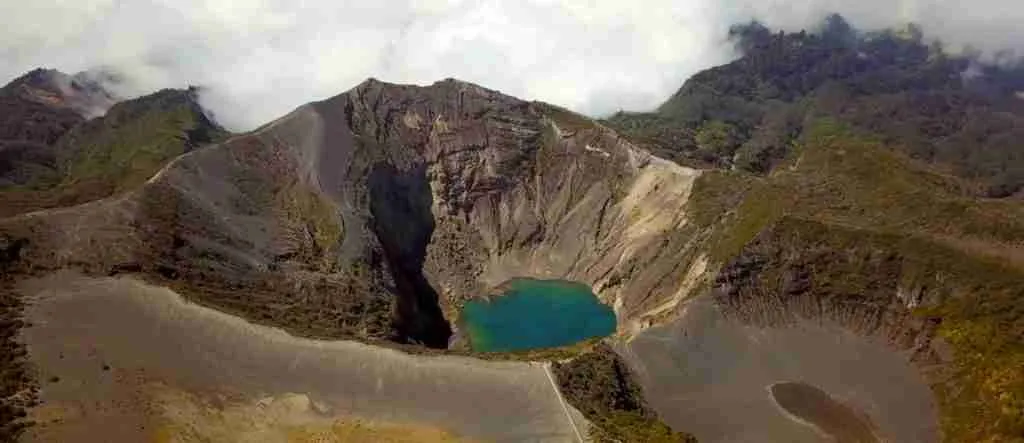
Poás Volcano stands as one of Costa Rica’s most accessible active volcanoes, positioned just 37 miles (60 km) north of San José in Alajuela Province. The day trip from the capital to this geological wonder combines convenience with dramatic natural spectacle, offering travelers the rare opportunity to peer directly into an active volcanic crater from designated viewing platforms. The journey traverses coffee plantations, cloud forest ecosystems, and mountainous terrain, culminating at Poás Volcano National Park where the main crater spans nearly one mile across and plunges 950 feet deep.
Planning a Poás Volcano day trip for 2026 requires understanding the park’s operational constraints and natural variables that significantly impact visitor experience. The volcano’s active status means strict visitor management protocols, with the park implementing timed entry systems, mandatory reservations, and periodic closures based on gas emission levels. Weather patterns play an equally critical role, as the crater’s visibility depends heavily on cloud cover that typically develops mid-morning. These factors transform Poás from a simple half-day excursion into a carefully timed operation where advance planning and early morning execution determine success.
The accessibility of Poás Volcano represents both its primary attraction and main planning challenge. While the drive from San José takes only 90 minutes under normal conditions, the elevation gain of over 6,500 feet introduces altitude considerations, temperature variations, and weather unpredictability that don’t affect lower-elevation Costa Rican destinations. Transportation options range from organized tours with fixed schedules to rental car flexibility, each offering distinct advantages for different traveler profiles. The park’s proximity to San José makes it Costa Rica’s most popular volcano destination, generating high demand that necessitates advance booking and strategic timing for optimal experiences in 2026.
People Also Ask About Poás Volcano Day Trip 2026
How much does a Poás Volcano day trip cost in 2026?
A Poás Volcano day trip from San José costs $45-95 per person for self-organized visits in 2026, or $75-165 for organized tour packages. Park entry fees are $15 for foreign adults at Poás Volcano National Park (check sinac.go.cr for current official rates as pricing may vary). Transportation represents the variable cost component: rental cars cost $35-50 daily with fuel expenses around $12-15 for the round trip, while shared shuttle services charge $45-65 per person including park entry. Organized tours range from $75 for basic packages to $165 for premium experiences with additional stops at La Paz Waterfall Gardens or Doka Coffee Estate.
Budget breakdown for independent day trips includes park admission $15, breakfast in Poasito village $8-12, lunch at park cafeteria or nearby restaurant $12-18, and snacks/drinks $5-8. Rental car option totals approximately $65-85 per person when split between two travelers, versus $45-65 for shuttle services that eliminate driving but reduce flexibility. Tours provide convenience and guide expertise at premium pricing, with mid-range options around $95-120 including transportation, park entry, breakfast, and lunch. Additional costs may include travel insurance ($8-12), souvenirs from park gift shop ($10-25), and optional coffee farm tours ($25-35) en route.
What is the best time to visit Poás Volcano in 2026?
The best time to visit Poás Volcano in 2026 is during the dry season months of January through April, with February and March offering optimal conditions for crater visibility and comfortable hiking. Dry season provides 75-85% probability of clear crater views before 10 AM, compared to 35-50% during rainy season (May-November) when persistent clouds and afternoon precipitation obscure the volcanic features. Daily timing matters as significantly as seasonal selection: arriving at the 8 AM park opening guarantees best visibility before cloud cover develops between 10 AM-12 PM, reducing crater viewing success to under 30% for afternoon visitors.
Weather patterns in 2026 follow Costa Rica’s typical seasonal divisions, with December-April representing summer (verano) characterized by minimal rainfall, stable morning weather, and temperatures at the volcano ranging 45-60°F (7-15°C). May through November brings the rainy season (invierno) with afternoon thunderstorms, increased cloud cover at elevation, and cooler temperatures averaging 40-55°F (4-13°C). Visitor volume peaks during North American winter holidays (late December-early January) and Easter week (April), requiring advance reservations 4-6 weeks ahead. Shoulder months like November-early December and late April-May offer fewer crowds with acceptable but variable weather conditions for budget-conscious travelers willing to accept higher weather risk.
Do you need advance bookings for Poás Volcano in 2026?
Advance bookings are mandatory for Poás Volcano National Park in 2026 through the official SINAC (Sistema Nacional de Áreas de Conservación) reservation system at sinac.go.cr. The park implements strict daily visitor limits of 750 people distributed across timed entry slots beginning at 8 AM, with final entry at 1 PM (though morning slots from 8-10 AM are strongly recommended for optimal crater visibility). Reservations open approximately 60 days before visit dates, with high-season periods (January-April) selling out within 2-4 weeks for popular morning time slots. Walk-up availability rarely exists during peak season, making online booking essential rather than optional.
The reservation process requires selecting specific entry date and time window, providing visitor information including passport numbers for foreign nationals, and completing online payment for park admission fees. Confirmation emails contain QR codes that must be presented at park entrance along with valid identification matching reservation details. Tour operators secure group allocations separately through commercial booking channels, often holding inventory that sells out before individual online slots disappear. Last-minute travelers in 2026 should expect limited availability and potentially delayed visit dates, particularly during February-March peak season when advance planning becomes critical for guaranteed park access.
Extended multi-day tours – 5+ days
Featured Costa Rica Multi-Day Tour Packages
3 days
Costa Rica 3-Day Discovery Tour
- ✓ Comprehensive Costa Rica experience
- ✓ Expert local guides included
- ✓ All accommodation included
- ✓ Transportation provided
5 days
Costa Rica 5-Day Highlights Experience
- ✓ Comprehensive Costa Rica experience
- ✓ Expert local guides included
- ✓ All accommodation included
- ✓ Transportation provided
7 days
Costa Rica 7-Day Cultural Journey
- ✓ Comprehensive Costa Rica experience
- ✓ Expert local guides included
- ✓ All accommodation included
- ✓ Transportation provided
10 days
Costa Rica 10-Day Complete Adventure
- ✓ Comprehensive Costa Rica experience
- ✓ Expert local guides included
- ✓ All accommodation included
- ✓ Transportation provided
Multi-day tour packages powered by TourRadar. Prices and availability subject to change.
How long should you spend at Poás Volcano?
Most visitors spend 2-3 hours at Poás Volcano National Park, with this duration allowing adequate time for the main crater overlook (20-30 minutes), Botos Lagoon trail (40-60 minutes round trip), visitor center exploration (15-20 minutes), and gift shop browsing. The park’s compact layout and focused attraction set enables efficient touring, though volcanic gas emissions occasionally force temporary trail closures lasting 15-45 minutes that can extend visit duration. Total day trip length from San José ranges 5-6 hours including 90-minute drives each direction, making Poás ideal for half-day excursions that return travelers to the capital by early afternoon.
Time allocation at the volcano depends on physical ability, weather conditions, and interest level in natural history exhibits. The main crater viewpoint sits just 300 feet from parking areas via paved accessible path, permitting quick visits for travelers on tight schedules. However, the complete park experience includes the Botos Lagoon hike through cloud forest ecosystems, nature photography opportunities, and interpretive displays explaining volcanic geology and ecosystem dynamics. Extended stays of 3-4 hours benefit nature enthusiasts and photographers waiting for optimal lighting conditions or fog clearance, though most visitors find 2.5 hours sufficient for comprehensive park exploration before clouds obscure crater views.
Essential Planning Information 2026
Current Costs and Pricing Breakdown
Park admission to Poás Volcano National Park costs $15 for foreign adults, $5 for Costa Rican residents, and $1 for children under 12 in 2026. Check sinac.go.cr for current official rates as pricing may vary. The park accepts credit cards and US dollars at the entrance, though colones are preferred for purchases at the gift shop and cafeteria. Parking at the park is included in admission fees, with designated lots accommodating private vehicles and tour buses near the main crater trailhead.
Transportation costs vary significantly by method: rental cars from San José Airport or city locations cost $35-50 daily for economy vehicles, with fuel expenses adding $12-15 for the round trip to Poás. Shared shuttle services charge $45-65 per person including park admission and hotel pickup, operating on fixed schedules with morning departures around 6:30-7 AM. Private transfers cost $120-180 for groups up to 4 passengers, offering schedule flexibility and door-to-door service. Organized tour packages range $75-165 depending on inclusions: basic tours ($75-95) cover transportation and park entry, mid-range options ($95-120) add meals and guide services, while premium packages ($135-165) incorporate additional stops at La Paz Waterfall Gardens, coffee farms, or strawberry plantations.
Meal expenses at Poás include breakfast stops in Poasito village ($8-12 for gallo pinto, eggs, and coffee), lunch at park cafeteria ($12-18 for typical Costa Rican dishes), or restaurant meals in nearby towns ($15-25 for full service dining). Snacks and beverages at the park gift shop cost $3-6 for items like granola bars, chips, or bottled water. Additional expenses may include coffee farm tours ($25-35 with tasting), souvenir purchases ($10-30 for handicrafts and volcano-themed items), and rain gear rental ($5-8 if needed) though most visitors bring their own waterproof layers.
Transportation Options and Schedules
Driving from San José to Poás Volcano takes 90 minutes under normal traffic conditions, following Route 146 through Alajuela, Poasito, and into the national park. The route ascends continuously from 3,700 feet in San José to 8,885 feet at the volcano, traversing paved roads with occasional narrow sections and hairpin turns in the final approach. Morning departures before 6:30 AM avoid San José traffic and arrive at park opening (8 AM) when crater visibility peaks. GPS coordinates for Poás Volcano National Park are 10.1980° N, 84.2328° W, with clear signage from Alajuela marking the route throughout.
Rental car option provides maximum flexibility for timing, stops, and side trips to coffee farms or strawberry stands common along the route. Vehicles require adequate power for mountain driving, with 4WD unnecessary despite elevation gain. Parking at the volcano is free and spacious, with attendants directing vehicles during peak morning hours. Road conditions are good year-round on main routes, though fog and rain during wet season reduce visibility and require cautious driving. Fuel stations in Alajuela (before mountain ascent) and Poasito village (final major town) provide last opportunities for services before reaching the park.
Public bus service from San José to Poás operates limited schedules requiring careful planning. Buses depart from Tuasa station in San José around 9 AM, arriving at the park around 11 AM when crater visibility has significantly decreased. Return buses leave the park around 2 PM, making public transport viable but suboptimal for crater viewing. Shared shuttles offer superior timing with 6:30-7 AM hotel pickups, 8 AM park arrival, and flexible 3-4 hour park stays before returning to San José by early afternoon. Tour buses follow similar schedules but include guided components and predetermined itineraries with less individual flexibility.
Best Time to Visit Poás Volcano 2026
Seasonal Analysis for 2026
January through April 2026 represents optimal visiting season for Poás Volcano, with dry weather patterns producing the highest probability of clear crater views and comfortable hiking conditions. February and March specifically offer peak conditions: minimal rainfall (averaging under 2 inches monthly), stable morning weather before noon cloud development, and moderate temperatures at the volcano ranging 48-58°F (9-14°C). These months attract maximum visitor volume, requiring advance reservations 4-6 weeks before travel dates and resulting in crowded viewing platforms during peak morning hours from 8-10 AM.
May through November brings Costa Rica’s rainy season with significantly reduced crater visibility but fewer crowds and lower accommodation costs in San José. Morning weather often starts clear even during wet season, with rain typically beginning after 1-2 PM, making early visits still viable despite higher failure risk. June and October receive heaviest rainfall with afternoon thunderstorms common, while September presents a brief “veranillo” (little summer) with improved weather windows. Rainy season visitors should expect crater visibility success rates of 40-60% compared to 80-90% during dry months, accepting higher weather risk in exchange for 20-30% lower tour costs and quieter park experiences.
Shoulder seasons (late November-December and late April-early May) provide balanced compromises between weather reliability and crowd levels. December offers improving weather as dry season begins, though Christmas week brings holiday crowds matching peak season density. Late April shows increasing rainfall probability but maintains generally acceptable morning conditions with reduced visitor numbers as North American spring break concludes. These transition periods suit flexible travelers who can adjust plans based on daily weather forecasts and accept moderate risk for better value and crowd avoidance.
Weather Patterns and Crowd Predictions
Poás Volcano’s elevation at 8,885 feet creates microclimates distinct from San José’s weather, with temperatures averaging 15-20°F cooler than the capital and rapid weather changes common throughout the day. Morning conditions from 7-10 AM provide optimal visibility with clear skies and calm winds, transitioning to increasing cloud cover, fog development, and wind speeds of 15-25 mph by midday. Afternoon weather deteriorates further with persistent clouds, reduced visibility to under 100 feet during dense fog episodes, and rainfall probability exceeding 60% during wet season months.
Crowd patterns in 2026 follow predictable seasonal and weekly rhythms: weekends attract higher domestic visitor volumes year-round, while international tourists concentrate during North American winter (December-March) and European summer (July-August). Tuesday through Thursday typically offer lowest visitor density outside major holiday periods, providing better photography opportunities and shorter wait times at viewing platforms. Daily crowd concentration peaks between 9-11 AM when tour buses arrive simultaneously, creating congestion at the main crater overlook that clears by noon as morning tour groups depart.
Volcanic activity levels influence park operations unpredictably, with elevated gas emissions forcing temporary closures or reduced viewing times. The park monitors sulfur dioxide and carbon dioxide concentrations continuously, restricting trail access when emissions exceed safe thresholds. These closures occur more frequently during periods of increased volcanic activity, potentially lasting 15-45 minutes or occasionally forcing complete park closures for hours or days. Checking current volcanic status at ovsicori.una.ac.cr before travel helps avoid wasted trips during high-activity periods, though short-term predictions remain imprecise.
Accommodation Strategies Near Poás Volcano 2026
San José Base Options
Most Poás day-trippers base in San José, leveraging the capital’s extensive accommodation options ranging from $25 budget hostels to $200+ luxury hotels. Staying in San José provides access to rental car agencies at Juan Santamaría International Airport, tour operator pickup points, and evening entertainment options unavailable in rural mountain areas. Hotels in western San José neighborhoods (Escazú, Santa Ana) offer proximity to the Poás route, reducing morning drive time by 15-20 minutes compared to downtown or airport-area properties. Mid-range hotels in these areas cost $70-120 per night with parking, breakfast, and modern amenities.
Budget travelers find hostel beds for $18-30 in San José’s Barrio Amón and Los Yoses neighborhoods, though early morning tour pickups from downtown locations add 20-30 minutes to total travel time. Boutique hotels near Parque La Sabana ($90-140 per night) balance convenient positioning with comfort and services, providing practical bases for multi-day San José stays incorporating Poás day trips. Luxury options in Escazú ($150-250 per night) cater to travelers prioritizing comfort and shorter morning drives, though budget impact rarely justifies the convenience for single-night stays.
Mountain Village Accommodation
Overnight stays in Poasito village or nearby mountain communities position travelers 25-30 minutes from the volcano, enabling even earlier park arrivals for optimal crater viewing. Mountain lodges and small hotels near Poás cost $60-110 per night, offering rural settings, cool mountain climates, and proximity to coffee farms and nature trails. These properties suit travelers seeking quieter bases, multi-day volcano area exploration, or photographers wanting multiple early morning attempts for perfect conditions. Limited dining options in mountain villages require planned meals, with most lodges providing breakfast and dinner services.
Fraijanes and Vara Blanca villages offer alternative mountain bases with similar access to Poás plus proximity to La Paz Waterfall Gardens and cloud forest preserves. Accommodation in these areas ranges $55-95 for basic mountain lodges to $180-250 for upscale eco-lodges with extensive grounds and nature activities. The trade-off involves sacrificing San José’s urban amenities and restaurant diversity for nature immersion and convenience to multiple mountain attractions. Multi-day itineraries combining Poás, La Paz Waterfalls, and coffee farm visits benefit from mountain basing, while single-day volcano trips rarely justify leaving San José.
Transportation Guide 2026
Self-Drive Directions and Tips
The drive from San José to Poás Volcano follows clearly marked routes requiring no 4WD despite significant elevation gain. Depart San José westbound on Route 1 (Carretera General Cañas), exiting at Alajuela after 20-25 minutes. Navigate through Alajuela’s downtown following signs for “Volcán Poás” or “Poasito,” joining Route 146 that ascends continuously for the next hour. The route passes coffee plantations, strawberry farms, and small mountain communities, with pavement quality good throughout though lanes narrow in the final 15 miles before the park.
Key navigation points include the Alajuela cathedral as the final major landmark before mountain ascent begins, and the town of Poasito (6 miles from park) offering last services including fuel, restaurants, and facilities. After Poasito, the road enters increasingly rural terrain with fewer services and steeper gradients. Fog becomes common above 7,000 feet elevation, requiring headlights and reduced speeds. Allow 90-120 minutes total drive time, with slower progress during wet conditions or heavy fog periods. GPS works reliably throughout the route, though cellular coverage weakens above Poasito village.
Parking at Poás Volcano National Park is free, spacious, and well-organized with attendants directing traffic during busy morning periods. Arrive by 7:45 AM for parking near the visitor center and main trail, as lots fill quickly after 8:30 AM during peak season. Security at the parking area is good, though valuables should not be left visible in vehicles. Return drive to San José takes 90 minutes under normal conditions, with afternoon traffic potentially adding 15-30 minutes when entering the capital between 4-6 PM.
Shuttle and Tour Services
Shared shuttle services provide cost-effective transportation for travelers without rental cars, charging $45-65 per person including park admission and hotel pickup. Shuttles depart San José hotels around 6:30-7 AM, arrive at Poás by 8 AM, allow 2.5-3 hours for park exploration, and return to San José by 1-2 PM. Services like Interbus and Grayline operate daily shuttles with air-conditioned minibuses, English-speaking drivers, and guaranteed park entry times. Booking requires 48-72 hours advance notice, with online reservations through company websites or San José hotel concierge desks.
Organized tours range from basic transportation packages ($75-95) to comprehensive full-day experiences ($135-165) including multiple stops and guided components. Mid-range tours ($95-120) combine Poás with Doka Coffee Estate or La Paz Waterfall Gardens, providing cultural and natural diversity beyond the volcano alone. Tour guides offer insights into volcanic geology, Costa Rican ecology, and cultural history, though independent travelers with good guidebooks gain similar information. Tour timing follows rigid schedules limiting flexibility for extended photography or personal exploration, making them better suited to first-time visitors prioritizing convenience over customization.
Private transfers cost $120-180 for groups up to 4 passengers, offering maximum schedule flexibility and personalized pacing. Drivers wait at the park while visitors explore, enabling variable duration stays and spontaneous side trips to coffee farms or viewpoints. This option suits families, photographers, or travelers with mobility considerations requiring customized schedules. Multi-stop itineraries combining Poás with La Paz Waterfalls, Doka Estate, or strawberry farm visits work well with private drivers who adjust timing based on group interests and energy levels.
Money-Saving Strategies for Poás Volcano 2026
Advance Booking Benefits
Early park reservations through sinac.go.cr eliminate stress of sold-out dates while enabling better planning of surrounding logistics. Booking 4-6 weeks ahead during peak season (January-April) guarantees preferred time slots, typically 8-9 AM for optimal crater viewing. Last-minute availability rarely exists during high season, forcing delayed trips or alternative destinations that disrupt broader itineraries. The reservation system occasionally offers cancellation inventory, though relying on this strategy risks disappointment and wasted San José accommodation nights.
Tour and shuttle bookings made 1-2 weeks in advance often secure lower rates than walk-up or 24-hour notice reservations. Some operators offer 5-10% early booking discounts for reservations made 30+ days before travel dates. Hotel accommodations in San José show significant price variations between advance bookings and last-minute availability, with advance reservations typically saving 15-25% during high season. Travel insurance purchased with initial bookings ($8-12) protects against cancellation penalties if weather or volcanic activity forces plan changes.
Seasonal Optimization Tips
Traveling during shoulder seasons (late November-early December or late April-May) reduces costs by 20-30% across accommodation, tours, and rental vehicles while maintaining acceptable weather probabilities. Rainy season travel (June-October) offers maximum savings with hotel rates 30-40% below peak season pricing, though crater visibility success rates drop to 40-60% requiring flexible attitudes toward weather outcomes. Mid-week visits (Tuesday-Thursday) avoid weekend domestic tourist surges and occasionally secure better accommodation rates in San José.
Independent travel using rental cars split between 2-4 people costs less than organized tours: $65-85 total per person versus $95-165 for comparable tour packages. Self-catering breakfast from supermarkets ($4-6 per person) beats hotel breakfast buffets ($12-18) or restaurant meals ($8-12), saving $6-12 per person daily. Packing snacks and water bottles from San José supermarkets eliminates park cafeteria expenses ($15-20 for meal and beverages), reducing daily food costs to under $20 per person including one restaurant meal.
Free activities around Poás include coffee plantation viewing (without paid tours), roadside strawberry stand visits, and viewpoint photography stops that require no entrance fees. Some coffee farms offer free grounds walking with purchases from their cafés, providing cultural experiences without tour costs. Doka Coffee Estate charges $25-35 for guided tours, but roadside fincas often welcome visitors for complimentary brief visits when buying coffee products. These informal experiences add cultural depth to day trips without significant cost increases.
Sample 2026 Itineraries from San José
Half-Day Volcano Focus Itinerary
This streamlined itinerary maximizes crater viewing time while minimizing costs and total trip duration, ideal for travelers with limited San José time or afternoon commitments. Depart San José at 6:30 AM, arriving Poás Volcano by 8 AM for park opening. Spend 2-2.5 hours exploring main crater viewpoint (30 minutes), hiking Botos Lagoon trail (60 minutes), and visiting interpretive center (20 minutes). Return to San José by 12:30 PM, allowing afternoon availability for other activities or departures.
Breakfast stop in Poasito village ($8-12 for gallo pinto, eggs, coffee) provides fuel before park exploration, or pack breakfast from San José to save time and money. Park admission $15, rental car fuel $12-15 (split between passengers), light snacks $5-8. Total day cost: $40-50 per person (excluding accommodation) with rental car split between two travelers. Shuttle service option raises costs to $60-70 per person including park entry but eliminates driving responsibilities.
Full-Day Cultural Combination Itinerary
Extended itinerary combines Poás with cultural and natural attractions along the route, creating comprehensive Central Valley mountain experience. Depart San José 6 AM, stop at Doka Coffee Estate for 8 AM tour ($30 including tasting), arrive Poás by 9:30 AM for 2-hour park visit, lunch at mountain restaurant near park ($15-20), afternoon visit to La Paz Waterfall Gardens ($44 admission), return San José by 5 PM. This full-day program showcases Costa Rica’s agricultural heritage, volcanic landscapes, and tropical biodiversity.
Costs include: Doka Coffee Estate tour $30, Poás admission $15, La Paz Waterfall Gardens $44, breakfast in San José before departure $10-12, lunch near volcano $15-20, dinner back in San José $20-30, rental car fuel $18-22, snacks and beverages $8-12. Total day cost: $160-185 per person (excluding accommodation) with two travelers splitting rental car. Tour package covering similar itinerary costs $135-165 with included transportation and some meals, offering comparable value with less driving responsibility.
Photography-Focused Early Morning Itinerary
Specialized itinerary for serious photographers prioritizing optimal lighting and minimal crowds. Depart San José 5:45 AM for 7:45 AM park arrival, securing parking before official 8 AM opening and positioning at crater viewpoint for first light. Spend 3-3.5 hours at park allowing extended crater photography sessions (60-90 minutes), Botos Lagoon nature photography (60 minutes), and compositional experimentation without time pressure. Optional afternoon visit to roadside viewpoints and coffee plantations for agricultural landscape photography.
Photography-specific costs include park admission $15, rental car fuel $12-15, pre-dawn breakfast from convenience store $6-8, lunch at park or nearby restaurant $12-18, optional coffee farm tour for plantation photography $25-35. Total day cost: $70-91 per person (excluding accommodation) split between two photographers. Extra memory cards ($20-30) and lens cleaning supplies for humid cloud forest conditions recommended. Return flexibility allows waiting for optimal lighting conditions without rigid tour schedules, justifying rental car investment for photography-focused travelers.
Booking and Reservations for 2026
Official Park Booking Channels
Poás Volcano National Park reservations are processed exclusively through the SINAC online system at sinac.go.cr, requiring advance registration and payment for guaranteed entry. The booking platform operates in Spanish with English translation available, accepting international credit cards and PayPal for payment processing. Reservations open approximately 60 days before visit dates, with high-season slots (January-April) selling out within 2-4 weeks for preferred morning entry times. Create user accounts before desired booking date opens to streamline reservation process when slots become available.
Booking confirmation emails contain QR codes and reservation numbers required for park entry, printed or displayed on mobile devices at entrance gate. Visitors must present photo identification matching reservation names, with passport numbers recorded during booking process for foreign nationals. Children under 12 require separate reservations despite reduced admission fees. Reservation changes or cancellations follow strict policies with full refunds available up to 48 hours before visit date, partial refunds (50%) for 24-48 hour notice, and no refunds for same-day cancellations or no-shows.
Tour Operator Recommendations
Established tour operators with proven Poás expertise include: Horizontes Nature Tours (horizontes.com) offering small-group experiences from $105 with naturalist guides; Anywhere Costa Rica (anywhere.com) providing private and shared options from $85; and Swiss Travel (swisstravelcr.com) specializing in upscale programs from $145. These companies maintain allocations of park entry slots independent of public reservation system, often showing availability when individual bookings show sold out status. Tour packages typically include hotel pickup, transportation, park admission, guide services, and some meals depending on package tier.
Booking through established operators provides backup support if volcanic activity closes the park, with alternative destinations or rescheduling offered without penalty. Guides offer valuable context about volcanic processes, cloud forest ecology, and Costa Rican natural history that self-guided visitors miss. However, tours follow rigid schedules limiting personal exploration flexibility and photography time. Compare tour inclusions carefully as “Poás tour” descriptions vary widely: some offer volcano-only experiences while others combine multiple stops affecting both cost and time allocation to the park itself.
Shared shuttle services like Interbus Costa Rica and Grayline Fantasy represent middle-ground options between full tours and complete independence. These services provide transportation and park entry ($45-65) without guide components, offering more personal exploration freedom than tours with less logistical stress than self-driving. Shuttles operate on fixed schedules requiring advance booking, typically 48-72 hours minimum notice. Online booking through company websites or San José hotel concierge services both work reliably, with email confirmations and pickup time specifications provided within 24 hours.
Planning Your 2026 Poás Visit
What to Bring and Wear
Layered clothing is essential for Poás’ elevation and temperature variations, with morning temperatures at the volcano ranging 40-50°F (4-10°C) versus 70-75°F in San José. Bring warm jacket or fleece, long pants, and closed-toe hiking shoes with good traction for potentially wet trails. Temperatures warm significantly by midday if sun emerges, making layering strategy critical for comfort across changing conditions. Rain gear (waterproof jacket and pants) is mandatory during wet season (May-November) and advisable year-round as afternoon showers develop unpredictably even during dry months.
Camera equipment requires weather protection due to high humidity and frequent mist around the crater. Bring lens cleaning cloth, protective rain sleeve for cameras, and plastic bags for gear storage during sudden weather changes. Binoculars enhance wildlife viewing along Botos Lagoon trail where birds and small mammals inhabit cloud forest. Sunscreen (SPF 30+) and sunglasses are necessary despite cool temperatures, as UV exposure increases significantly at 8,885 feet elevation. Hat and gloves suit early morning crater viewing when wind chill can feel 10-15°F cooler than ambient temperature.
Pack light snacks (granola bars, fruit, nuts) and water bottles (1-2 liters per person) as park facilities offer limited food options at higher prices than valley towns. Small backpack or daypack carries layers removed as temperatures warm, plus purchased souvenirs and coffee from roadside stops. Cash in colones ($20-30 per person) covers small purchases at strawberry stands and coffee farms, though credit cards work at formal establishments and the park. Motion sickness medication helps sensitive travelers on winding mountain roads, particularly during fog conditions reducing visual horizon references.
Health and Safety Considerations
Altitude effects at Poás (8,885 feet) are generally mild but can cause headaches, fatigue, or shortness of breath in sensitive individuals, especially those arriving directly from sea level. Arrive at the volcano gradually when possible, spending previous night in San José (3,700 feet) rather than coastal areas to begin acclimatization. Stay hydrated throughout the visit, as dehydration exacerbates altitude symptoms. Most visitors experience no altitude issues at Poás’ moderate elevation, but those with cardiovascular or respiratory conditions should consult physicians before visiting.
Volcanic gases (primarily sulfur dioxide and carbon dioxide) are monitored continuously by park staff, with trail closures implemented when concentrations exceed safe levels. During closures (typically 15-45 minutes), visitors wait at designated safe zones until gas levels decrease and rangers reopen viewing areas. Visitors with respiratory conditions (asthma, COPD) should carry prescribed medications and inform park staff upon arrival. The distinctive sulfur smell around the crater is normal and not inherently dangerous at typical concentration levels, though extended exposure may cause mild irritation.
Trail surfaces around the main crater are paved and accessible, but Botos Lagoon trail includes natural surfaces that become slippery when wet. Sturdy footwear with traction prevents slips on potentially muddy sections. Guard rails at crater viewpoints are secure but should be respected as volcanic terrain is unstable and dangerous beyond barriers. Wildlife in the park (birds, squirrels, rabbits) are habituated to visitors but should not be fed or approached closely. Restroom facilities exist at visitor center and parking areas but are absent along trails, requiring planning for comfort needs before hiking.
2026 Updates and Current Information
Volcanic Activity Status
Poás Volcano maintains active status with ongoing phreatic eruption potential, though current activity levels remain moderate with no major eruptions since 2017-2018 when the park closed for 18 months. The volcano features a hyperacidic crater lake (when water is present) and frequent gas emissions that necessitate continuous monitoring by OVSICORI (Observatorio Vulcanológico y Sismológico de Costa Rica). Gas emission levels fluctuate daily and seasonally, with higher concentrations sometimes forcing temporary viewing platform closures lasting minutes to hours.
The park operates under established protocols balancing visitor access with safety, implementing real-time gas monitoring and immediate closures when thresholds exceed. Total park closures due to heightened volcanic activity occur occasionally, typically with several days warning allowing pre-trip planning adjustments. Check current volcanic status at ovsicori.una.ac.cr before travel, particularly during periods of increased seismic activity or gas emission spikes. The SINAC website also posts real-time park status updates and closure notifications affecting reservations and visit planning.
Park Regulations and Visitor Guidelines
Current park regulations for 2026 include: mandatory reservations through sinac.go.cr with no walk-up entry permitted; timed entry system with visitors assigned specific arrival windows; maximum 2-hour park stay from entry time to manage daily visitor flow; and strict trail adherence with fines for off-trail hiking or barrier crossing. Drones are prohibited within park boundaries due to sensitive ecosystems and volcanic monitoring equipment. Pets are not permitted except certified service animals with proper documentation.
Environmental protection rules require carrying out all trash, with no littering permitted anywhere in the park. Smoking is prohibited throughout the park including parking areas and trails. Feeding wildlife results in fines and potential ejection from park. Audio and group volume restrictions apply to minimize disturbance to wildlife and other visitors, though normal conversation volumes are acceptable. Photography is permitted everywhere except restricted monitoring areas, with commercial filming requiring advance permits from park administration.
COVID-19 protocols for 2026 are minimal compared to 2020-2022 restrictions, though hand sanitizing stations remain at visitor center and restrooms. Mask requirements have been eliminated except during specific health emergencies declared by Costa Rican Ministry of Health. The timed entry system originally implemented for pandemic capacity management has been retained as permanent operational protocol to protect fragile ecosystems and improve visitor experience quality through crowd control.
Frequently Asked Questions
Can you see the crater from Poás Volcano?
Visibility of Poás crater depends entirely on weather conditions and time of arrival. Early morning visits (8-10 AM) during dry season (December-April) provide 80-90% probability of clear views into the active crater, while afternoon visits any season yield under 30% success due to cloud cover development. The crater spans nearly one mile across and plunges 950 feet deep, displaying dramatic turquoise or gray coloration depending on water presence and mineral content. Viewing platforms position visitors safely at crater rim with unobstructed sightlines when weather cooperates, though fog and clouds can reduce visibility to zero within minutes as conditions change.
Is Poás Volcano worth visiting?
Poás Volcano ranks among Costa Rica’s most accessible and impressive volcanic experiences, justifying visit for most travelers when approached with realistic weather expectations. The combination of active crater viewing, cloud forest ecosystems, and cultural attractions along the route creates multifaceted experience beyond the volcano itself. Success depends heavily on timing: dry season morning visits deliver high-probability spectacular views, while rainy season or afternoon attempts risk disappointment from obscured vistas. The relatively low cost ($45-95 for independent day trips) and proximity to San José make Poás worthwhile even factoring weather risk, particularly when combined with coffee farm or waterfall garden visits creating backup value if crater visibility disappoints.
How difficult is the hike at Poás Volcano?
Poás Volcano National Park features predominantly easy, accessible trails suitable for most fitness levels including families with children and visitors with limited mobility. The main crater viewpoint sits just 300 feet from parking via wide, paved path with minimal elevation change, achievable in 5-10 minutes at slow pace. Botos Lagoon trail extends 0.6 miles (1 km) each direction through cloud forest on natural surface with moderate incline totaling 200 feet elevation gain. This secondary trail takes 45-60 minutes round trip at casual pace, with benches positioned for rest stops. No technical hiking skills or special equipment beyond sturdy footwear are required for either trail, making Poás one of Costa Rica’s most visitor-friendly national parks.
What should you not miss at Poás Volcano?
Priority experiences at Poás include the main crater overlook for direct views into the active volcanic system, Botos Lagoon trail showcasing cloud forest ecosystem with extinct crater lake terminus, and visitor center exhibits explaining volcanic geology and park ecology. Photography opportunities at sunrise when light illuminates crater features and mist creates atmospheric conditions should not be missed by serious photographers. The distinct sulfur smell and occasional gas venting demonstrate active volcanic processes rarely witnessed safely. Coffee plantation viewing along the access route and potential roadside strawberry purchases add cultural context to the natural wonders, creating comprehensive Central Valley mountain experience beyond the volcano alone.
Can you visit Poás Volcano independently?
Independent visits to Poás Volcano work well for travelers with rental cars, requiring only advance park reservations through sinac.go.cr and basic route navigation skills. The drive from San José is straightforward with clear signage, paved roads throughout, and no 4WD requirements despite elevation gain. Self-guided exploration allows flexible timing, extended photography sessions, and spontaneous stops at coffee farms or viewpoints impossible with tour schedules. Park trails feature interpretive signs in Spanish and English explaining volcanic features and ecosystem elements, providing educational content without guide dependency. Independent visit costs ($40-50 per person including park entry and fuel split between passengers) significantly undercut tour prices while maintaining quality experience for self-reliant travelers.
What is the best month to visit Poás Volcano?
February and March represent optimal months for Poás visits in 2026, offering peak dry season conditions with minimal rainfall, maximum crater visibility probability (85-90% clear views before 10 AM), and comfortable temperatures averaging 48-58°F at the volcano. These months avoid December-January holiday crowds while preceding April’s increasing precipitation as wet season approaches. January also provides excellent conditions but with higher visitor volumes and accommodation costs around New Year. For budget-conscious travelers willing to accept weather variability, November or late April offer reasonable compromise with 60-70% visibility success, fewer crowds, and 20-30% cost savings on tours and hotels.
How early should you arrive at Poás Volcano?
Arriving at Poás Volcano for the 8 AM opening maximizes crater visibility before cloud cover develops mid-morning. Parking fills quickly during peak season by 8:30 AM, making 7:45-8 AM arrival target optimal for securing convenient parking and reaching crater viewpoint before tour groups create congestion. The 90-minute drive from San José requires 6:15-6:30 AM departure accounting for potential traffic and allowing buffer time for unexpected delays. Early arrival also captures best natural lighting for photography with morning sun illuminating crater features and reducing harsh shadows. Visitors arriving after 10 AM face significantly reduced crater viewing probability as clouds typically obscure visibility by late morning regardless of season.
Are there food options at Poás Volcano?
Poás Volcano National Park operates a small cafeteria near the visitor center serving basic Costa Rican meals, sandwiches, snacks, and hot beverages from 8 AM-3 PM. Menu options include gallo pinto, casado plates, empanadas, and packaged snacks, with prices ranging $8-15 for meals and $3-6 for snacks and drinks. Quality is acceptable but unexceptional, with better food available at restaurants in Poasito village (20 minutes from park) or along the route. Many visitors pack snacks and light meals from San José, supplementing with hot chocolate or coffee purchased at the park for warmth during cool morning conditions. The gift shop also sells packaged snacks, candy, and bottled beverages at typical tourist-area markups.
What wildlife can you see at Poás Volcano?
Poás Volcano National Park supports diverse cloud forest wildlife despite harsh volcanic conditions around the crater. Common sightings include fiery-throated hummingbirds, volcano juncos, sooty robins, and mountain robins adapted to high-elevation environments. The Botos Lagoon trail traverses cloud forest habitat where resplendent quetzals occasionally appear, though sightings are unpredictable and brief. Mammals include squirrels, rabbits, and coyotes, though visitors see them less frequently than birds. Specialized plants like sombrilla de pobre (poor man’s umbrella) with enormous leaves characterize the cloud forest understory. Wildlife viewing peaks during early morning hours before crowds arrive, with patient observers spotting more species than rushed visitors focused solely on crater viewing.
Is Poás Volcano safe to visit in 2026?
Poás Volcano maintains safe visitor access in 2026 through rigorous monitoring protocols and conservative operational standards. The park employs real-time gas monitoring systems that trigger immediate closures when volcanic emissions exceed safe thresholds, typically reopening after 15-45 minutes as gas levels decrease. No visitors have been injured by volcanic activity since the park reopened after 2017-2018 eruptions, with current safety protocols reflecting lessons learned during that closure period. The greatest safety concerns involve slippery trails during wet conditions and altitude effects for sensitive individuals, not volcanic hazards. Park rangers maintain constant vigilance and possess authority to evacuate areas or close the park entirely if unexpected activity develops, making Poás one of the world’s most safely accessible active volcanoes.