
San Cristóbal de las Casas 2026: Colonial Highland City Guide
Key Takeaways
- San Cristóbal occupies a spectacular 2,200-meter highland valley, creating perpetual spring climate perfect for exploring colonial architecture and indigenous markets throughout 2026
- The city combines preserved 16th-century Spanish colonial heritage with vibrant contemporary indigenous culture from Tzotzil and Tzeltal Maya communities maintaining traditional customs
- Mid-range travelers budget $70-110 per person daily in 2026, covering comfortable accommodation, diverse dining, cultural activities, and day trip excursions to surrounding villages and natural attractions
- Colonial center walkability eliminates transportation costs for exploring churches, museums, markets, and restaurants concentrated within a 15-block historic district
- Year-round destination with optimal weather November-April 2026, though rainy season June-September brings lush highland landscapes and reduced tourist crowds
- Gateway position provides easy access to Palenque, Sumidero Canyon, indigenous villages, and remote archaeological sites throughout eastern Chiapas
Discovering San Cristóbal de las Casas in 2026
San Cristóbal de las Casas rises from a fertile highland valley in Chiapas, Mexico, where pine-forested mountains surround a remarkably preserved Spanish colonial city that has evolved into the cultural and intellectual heart of Mexico’s indigenous southeast. Founded in 1528 by Diego de Mazariegos, the city developed as administrative capital of Chiapas until the 19th century, creating a colonial architectural legacy of baroque churches, elegant mansions, and cobblestone streets that remains largely intact nearly 500 years later. The 2,200-meter elevation ensures temperate climate year-round, with cool mornings, pleasant afternoons, and crisp evenings that locals call “eternal spring.”
The city’s unique character derives from its position as cultural crossroads between indigenous Maya highlands and mestizo lowlands, creating a living museum where Tzotzil and Tzeltal Maya communities maintain traditional dress, languages, and customs while participating fully in contemporary urban life. Markets overflow with hand-woven textiles, amber jewelry, and aromatic herbs, while baroque churches host both Catholic masses and indigenous ceremonies that blend pre-Hispanic and Christian traditions. The combination of colonial grandeur, indigenous authenticity, and bohemian atmosphere attracts artists, writers, activists, and travelers seeking cultural depth beyond conventional tourist experiences.
San Cristóbal’s compact colonial center concentrates within a walkable 20-block grid, making exploration effortless without vehicles or extensive navigation. Cathedral Plaza anchors the historic core, surrounded by churches, museums, markets, restaurants, cafes, and boutiques occupying restored colonial buildings. Side streets reveal hidden courtyards, artisan workshops, and neighborhood churches that most guidebooks overlook. The city rewards wandering without itineraries, as every street corner presents colonial architectural details, indigenous vendors in traditional dress, or inviting cafe terraces perfect for people-watching over Chiapas coffee.
Beyond colonial aesthetics, San Cristóbal functions as practical base for exploring surrounding highlands and reaching Palenque, Yaxchilán, and other archaeological sites throughout eastern Chiapas. The city offers superior infrastructure compared to smaller regional towns: reliable internet for digital nomads, diverse international dining from French bistros to Japanese ramen, quality hotels spanning all budgets, professional tour operators, and cultural institutions including museums, galleries, and language schools. This combination of authentic indigenous culture, colonial charm, and modern amenities creates an ideal extended-stay destination for travelers seeking depth rather than beach resort superficiality.
People Also Ask About San Cristóbal de las Casas 2026
How much does it cost to visit San Cristóbal de las Casas in 2026?
Mid-range travelers budget $70-110 per person daily in San Cristóbal in 2026, covering comfortable boutique hotel accommodation ($35-55 per night), three quality meals ($25-40 total), cultural activities and museum entries ($5-10), and occasional day trip excursions to surrounding villages or natural attractions. Budget travelers spend $40-60 daily using hostel dorms ($12-18), street food and simple comedors ($15-25 for meals), free walking tours, and limiting paid activities to essential experiences.
Luxury travelers easily spend $150-250+ daily, staying in converted colonial mansions ($80-150 per night), dining at upscale international restaurants ($40-70 for meals), hiring private guides for customized tours ($60-100 per day), and purchasing quality textiles and amber jewelry from established galleries rather than market vendors. The city accommodates every budget level, with colonial center concentration allowing budget travelers to enjoy the same architectural beauty and cultural atmosphere as luxury visitors without spending on expensive accommodations or restaurants.
Major expenses include accommodation (30-50% of daily budget), dining (25-35%), day trip tours to Sumidero Canyon or indigenous villages ($25-45 each), museum entries ($3-6 per site), and artisan purchases ranging from $5 market textiles to $500+ museum-quality weavings. Transportation costs remain minimal for colonial center exploration, as everything concentrates within walking distance. Visitors staying multiple weeks or months as digital nomads reduce daily costs significantly through monthly apartment rentals ($400-800) and cooking some meals at home.
Is San Cristóbal de las Casas safe to visit in 2026?
San Cristóbal maintains good safety records with minimal violent crime affecting tourists, though standard urban precautions apply in any city of 215,000 residents. The colonial center remains safe for walking day and night, with heavy tourist and local foot traffic, visible police presence, and well-lit streets creating secure environments. Petty theft targeting distracted tourists occurs occasionally in crowded markets and on public buses, making awareness and basic precautions essential rather than paranoia.
The city experienced significant social tensions from 1994-2006 related to Zapatista indigenous rights movements, occasionally affecting tourist visits through roadblocks or demonstrations. These tensions largely resolved by the late 2000s, with current political environment stable and protests minimal. The 2024-2026 period sees San Cristóbal functioning as normal tourist destination, with only occasional peaceful demonstrations in the central plaza that briefly disrupt traffic but pose no safety threats to visitors.
Surrounding highland areas include indigenous communities with distinct customs and sensitivities requiring respectful behavior. Some villages prohibit photography without permission, others restrict entry to outsiders during religious ceremonies, and all expect appropriate dress (covered shoulders and knees). Traveling with local guides from reputable agencies prevents cultural misunderstandings while supporting community-based tourism. Solo female travelers report feeling safe in San Cristóbal, with harassment levels lower than larger Mexican cities, though normal urban awareness applies after dark.
What is the best time to visit San Cristóbal de las Casas in 2026?
November through April 2026 represents optimal visiting season, with dry weather, clear skies, comfortable daytime temperatures ranging 18-24°C (64-75°F), and cool evenings dropping to 5-10°C (41-50°F) requiring sweaters or light jackets. December through February offer the driest conditions with minimal rainfall, though mornings can feel quite cold before the sun warms highland valleys. March and April bring increasing warmth and occasional afternoon clouds, but rain remains rare and conditions stay excellent for outdoor activities and day trip excursions.
May through October constitutes rainy season when afternoon thunderstorms occur almost daily from June through September, typically beginning 3:00-5:00 PM after sunny mornings. The rain rarely lasts more than 1-2 hours, but can create muddy conditions in surrounding villages and on unpaved mountain roads. September represents the wettest month with frequent all-day rains that dampen exploration enthusiasm. However, rainy season brings advantages including lush green landscapes, blooming flowers, reduced tourist crowds, and lower hotel rates that drop 20-30% compared to peak dry season pricing.
Cultural calendar highlights influence visiting timing beyond weather considerations. Semana Santa (Easter week, April 13-20, 2026) sees spectacular religious processions combining Catholic and indigenous traditions, though hotels fill months ahead and prices spike significantly. Day of the Dead (November 1-2) features elaborate cemetery ceremonies in surrounding villages. December holidays (Christmas and New Year) create festive atmosphere with special markets, but also bring crowded conditions and higher rates. Travelers seeking authentic experiences with minimal tourist impact visit during shoulder season months of May and November.
How many days should I spend in San Cristóbal de las Casas in 2026?
Three to five days allows adequate time for colonial center exploration, major museums and churches, market visits, indigenous village excursions, and at least one natural attraction like Sumidero Canyon. Three days covers essential experiences: day one exploring colonial architecture and central markets, day two visiting Chamula and Zinacantán indigenous villages, day three at Sumidero Canyon or exploring nearby caves and waterfalls. Four to five days permits deeper exploration including lesser-known museums, additional village visits, textile workshops, language classes, or extended hiking in surrounding pine forests.
Week-long stays appeal to travelers using San Cristóbal as base for regional exploration, adding day trips to Palenque, Lagos de Montebello, Agua Azul waterfalls, or Comitán’s colonial heritage. Digital nomads and extended travelers often spend 2-4 weeks, attracted by comfortable climate, affordable long-term apartment rentals ($400-800 monthly), reliable high-speed internet, vibrant cafe culture, and international community. The city rewards extended stays through gradual discovery of hidden restaurants, weekly artisan markets, cultural events, and relationships with local guides and artisans impossible during brief visits.
Two days proves sufficient only for travelers on tight schedules willing to accept superficial sampling of colonial architecture and indigenous culture. Rush visits miss the city’s essential character, which reveals itself through unhurried wandering, lingering over coffee in plaza cafes, conversation with artisans in workshops, and afternoon thunderstorms watched from covered colonial arcades. San Cristóbal’s appeal lies in its rhythm rather than specific attractions, rewarding those who slow down to absorb highland pace and cultural depth.
Extended multi-day tours – 5+ days
Featured Chiapas Multi-Day Tour Packages
3 days
Chiapas 3-Day Discovery Tour
- ✓ Comprehensive Chiapas experience
- ✓ Expert local guides included
- ✓ All accommodation included
- ✓ Transportation provided

5 days
Chiapas 5-Day Highlights Experience
- ✓ Comprehensive Chiapas experience
- ✓ Expert local guides included
- ✓ All accommodation included
- ✓ Transportation provided
7 days
Chiapas 7-Day Cultural Journey
- ✓ Comprehensive Chiapas experience
- ✓ Expert local guides included
- ✓ All accommodation included
- ✓ Transportation provided
10 days
Chiapas 10-Day Complete Adventure
- ✓ Comprehensive Chiapas experience
- ✓ Expert local guides included
- ✓ All accommodation included
- ✓ Transportation provided
Multi-day tour packages powered by TourRadar. Prices and availability subject to change.
Essential Planning Information for San Cristóbal 2026
Current Costs and Entry Requirements 2026
San Cristóbal charges no city entry fees or tourist taxes, making arrival simple and inexpensive. Museum entries range $50-80 MXN ($3-5 USD) per site for major institutions including Museo de los Altos de Chiapas, Museo del Ámbar, and Museo de Medicina Maya. Many churches remain free to enter, though donations ($20-40 MXN) are appreciated and support maintenance of these historic colonial structures. Check individual museum websites for current official rates as pricing may vary. Some indigenous villages including San Juan Chamula charge community entry fees of $30-50 MXN ($2-3 USD) per person, with additional photography fees if permitted.
Accommodation prices in 2026 span enormous range reflecting diverse visitor needs. Budget hostels offer dormitory beds for $220-320 MXN ($12-18 USD) per night, while private budget rooms cost $450-700 MXN ($25-40 USD). Mid-range boutique hotels converted from colonial mansions charge $700-1,200 MXN ($40-70 USD) for comfortable rooms with private bathrooms, colonial architectural details, and often charming courtyard settings. Luxury colonial hotels command $1,400-2,600 MXN ($80-150 USD) for spacious suites with antique furnishings, exceptional service, and prime colonial center locations. Monthly apartment rentals for extended stays range $7,000-14,000 MXN ($400-800 USD) with full kitchens, living areas, and residential neighborhood settings.
Dining costs vary equally dramatically. Street food tacos cost $12-18 MXN ($0.70-1 USD) each, simple comedor lunches run $80-120 MXN ($4.50-7 USD) for multi-course meals, mid-range restaurant dinners range $180-350 MXN ($10-20 USD) per person, and upscale international dining reaches $450-800 MXN ($25-45 USD) for sophisticated cuisine. Coffee culture thrives with excellent local Chiapas beans, costing $40-60 MXN ($2.50-3.50 USD) for quality cafe drinks. The city’s international community supports diverse global cuisines from Italian trattorias to Japanese ramen shops, all priced reasonably compared to equivalent dining in Mexico City or coastal resort destinations.
Getting to San Cristóbal 2026
Tuxtla Gutiérrez serves as primary gateway, with Ángel Albino Corzo International Airport (TGZ) receiving direct flights from Mexico City, Guadalajara, Monterrey, and occasionally Cancún. The airport lies 65 kilometers west of San Cristóbal, with shared van shuttles costing $150-200 MXN ($8-11 USD) per person for the 75-90 minute journey through spectacular mountain scenery. Private taxi transfers charge $800-1,100 MXN ($45-60 USD) for vehicles holding 3-4 passengers. Many hotels arrange airport pickup services, often at competitive rates compared to taxi stand prices.
First-class ADO buses connect San Cristóbal with all major Mexican cities. Overnight buses from Mexico City take 16-18 hours, costing $1,000-1,400 MXN ($55-80 USD) for comfortable reclining seats with entertainment systems and onboard bathrooms. Shorter routes include Tuxtla Gutiérrez (1.5 hours, $80-110 MXN/$4.50-6 USD), Palenque (5 hours, $280-350 MXN/$16-20 USD), Villahermosa (7 hours, $400-550 MXN/$22-30 USD), and Oaxaca (10-12 hours, $700-900 MXN/$40-50 USD). The modern ADO terminal lies 2 kilometers from colonial center, with local taxis charging $60-80 MXN ($3.50-4.50 USD) for transfers to hotels.
Rental cars provide flexibility for exploring surrounding highlands and reaching remote indigenous villages or natural attractions on personal schedules. Compact cars cost $650-900 MXN ($35-50 USD) per day, SUVs suitable for rough mountain roads run $1,000-1,400 MXN ($55-80 USD) daily. San Cristóbal’s colonial center features narrow one-way streets with limited parking, making cars unnecessary for in-town exploration but valuable for independent day trips to Sumidero Canyon, Montebello Lakes, or villages beyond standard tour routes. Book rentals in advance during peak season December-March when availability becomes limited.
Climate and What to Pack 2026
Highland elevation creates unique climate requiring layered clothing regardless of season. Daytime temperatures range 18-24°C (64-75°F) during dry season November-April, dropping to 5-10°C (41-50°F) overnight. Rainy season May-October brings afternoon temperatures up to 22-26°C (72-79°F) before afternoon thunderstorms cool conditions rapidly. Mornings start quite cold year-round, with frost occurring occasionally during December-January nights. The sun feels intense at 2,200-meter elevation despite moderate temperatures, creating surprising burn risk for exposed skin.
Essential packing includes warm layers for cool evenings and early mornings: fleece jacket or sweater, light windbreaker, and long pants for comfortable highland temperatures. The dry season sunshine requires strong sun protection including high-SPF sunscreen, sunglasses, and hat for outdoor activities and day trip excursions. Rainy season visits demand reliable rain jacket or poncho plus waterproof bag protection for electronics and cameras during afternoon downpours. Comfortable walking shoes with good traction handle cobblestone streets better than flimsy sandals or fashion boots.
Conservative dress expectations apply when visiting indigenous communities and churches. Covered shoulders and knees show respect in religious sites and traditional villages, where shorts and tank tops can appear offensive to local sensibilities. Women find long skirts or pants more appropriate than revealing clothing in highland indigenous contexts. San Cristóbal’s bohemian city culture accepts casual international dress standards, but surrounding villages maintain traditional values requiring modest attire.
Best Time to Visit San Cristóbal de las Casas 2026
Dry Season Advantages November-April 2026
The six-month dry season delivers San Cristóbal’s most reliable weather, with sunny days, clear mountain views, and minimal rain interrupting outdoor activities. November and December offer particularly pleasant conditions after rainy season ends, when highland landscapes remain lush and green but clouds clear allowing consistent sunshine. January and February bring the driest air and coldest nighttime temperatures, requiring warm layers for evening restaurant patios and late-night street wandering. March and April temperatures climb gradually toward pre-rainy season peaks, with occasional afternoon clouds hinting at approaching wet season but rain remaining rare.
Clear skies during dry season create optimal conditions for photography, with crisp mountain light illuminating colonial facades and distant volcanic peaks visible from city viewpoints. Day trip excursions to Sumidero Canyon, Montebello Lakes, and Agua Azul waterfalls operate on predictable schedules without rain delays or muddy road concerns. Highland hiking routes remain accessible, with trails through pine forests and into surrounding mountains offering spectacular views unobstructed by rainy season clouds and fog.
Tourist season peaks December through March, creating crowded conditions at major attractions and higher rates at popular hotels and restaurants. Easter week (Semana Santa, April 13-20, 2026) brings massive Mexican domestic tourism, with colonial center hotels booking solid months ahead and prices doubling or tripling normal rates. Independent travelers avoiding peak crowds visit during shoulder months November and April, when weather remains excellent but visitor numbers drop significantly compared to Christmas-Easter high season.
Rainy Season Considerations May-October 2026
Afternoon thunderstorms characterize rainy season from June through September, typically beginning 3:00-5:00 PM after sunny mornings and clearing by evening. The predictable pattern allows productive morning exploration before returning to hotels, cafes, or museums when rain begins. Occasional all-day rains occur during September peak wet season, dampening outdoor enthusiasm and creating muddy conditions in indigenous villages on unpaved streets. However, rainy season transforms highland landscapes into brilliant green, fills waterfalls to spectacular volume, and creates photogenic cloud formations over colonial rooftops.
Reduced tourist numbers during wet months create intimate experiences at normally crowded attractions. Museums host fewer visitors, restaurants offer more attentive service, and indigenous village visits feel less like tourist invasions. Hotel rates drop 20-30% compared to dry season, with mid-range boutique properties offering promotional packages and better negotiating flexibility. The combination of lower costs, reduced crowds, and lush scenery appeals to budget travelers and those seeking authentic cultural immersion over perfect weather guarantees.
May and October represent shoulder season sweet spots, with transitional weather bringing some afternoon showers but overall conditions remaining manageable for outdoor activities. These months offer best value combinations: decent weather probability, lower tourist numbers, reduced accommodation costs, and fresh post-rain or pre-rain landscapes. Serious rain gear including waterproof jacket and bag protection proves essential during wet season visits, along with flexibility to adjust daily plans when all-day downpours occasionally disrupt outdoor itineraries.
Cultural Events and Festival Calendar 2026
Semana Santa (Easter week, April 13-20, 2026) creates San Cristóbal’s most spectacular cultural celebrations, blending Catholic traditions with indigenous ceremonies in elaborate street processions, church decorations, and ceremonial observances. Nearby indigenous villages including Chamula and Zinacantán host particularly significant events combining pre-Hispanic and Christian elements into unique syncretic rituals. Hotels book solid 2-3 months ahead, requiring early reservations and accepting premium pricing for this peak cultural period.
Day of the Dead (Día de Muertos, November 1-2) features elaborate cemetery ceremonies in surrounding indigenous villages, where families decorate graves with flowers, candles, and food offerings for deceased relatives. San Cristóbal’s pantheons host more modest observances compared to Oaxaca or Pátzcuaro, but nearby villages maintain profound traditions worth experiencing through respectful guided visits. The holiday falls during ideal dry season weather, combining comfortable conditions with significant cultural experiences.
December brings Christmas celebrations throughout the month, culminating in elaborate Nativity scenes (nacimientos) displayed in churches and public spaces, special holiday markets selling traditional crafts and seasonal foods, and Las Posadas processions reenacting Mary and Joseph’s search for lodging. New Year’s Eve celebrations fill colonial center streets with both tourists and locals, creating festive atmosphere though perhaps less authentic than smaller towns. Year-round Sunday markets in indigenous villages provide weekly cultural experiences independent of festival calendar, with Chamula hosting particularly significant Sunday gatherings.
Accommodation Options in San Cristóbal 2026
Budget Hostels and Guesthouses 2026
San Cristóbal offers exceptional hostel infrastructure serving backpackers and budget travelers. Dormitory beds in well-maintained hostels cost $220-320 MXN ($12-18 USD) per night, with facilities including shared kitchens, common areas, free WiFi, hot showers, and often organized social activities or tours. Rossco Backpackers Hostel, Hostal del Lago, and Puerta Vieja Hostel represent top budget options, combining central locations, clean facilities, helpful staff, and social atmospheres attracting international travelers.
Private rooms in budget guesthouses range $450-700 MXN ($25-40 USD) per night, offering basic accommodations with private or shared bathrooms, minimal furnishings, and simple colonial building settings. These properties suit couples or travelers seeking more privacy than dormitories provide while maintaining budget-friendly rates. Many occupy older colonial structures needing renovation, providing authentic architectural character at expense of modern amenities like consistent hot water or powerful WiFi.
Budget accommodations concentrate in neighborhoods surrounding colonial center, particularly along Real de Guadalupe and adjacent streets where hostels cluster within easy walking distance of major attractions. The area develops backpacker-oriented infrastructure including cheap eateries, laundry services, tour agencies, and bars catering to international budget travelers. Solo travelers find hostels particularly valuable for meeting other independent travelers, organizing shared day trips to split costs, and getting recommendations from staff familiar with budget exploration strategies.
Mid-Range Boutique Hotels 2026
Converted colonial mansions provide San Cristóbal’s most charming mid-range accommodations, with rooms ranging $700-1,200 MXN ($40-70 USD) per night. Properties like Hotel Casa Mexicana, Guayaba Inn, and Hotel Bo occupy restored colonial structures featuring interior courtyards, traditional tile work, antique furniture, and architectural details reflecting centuries of highland history. Rooms vary in size and amenities, with better categories offering fireplaces for cold highland nights, private bathrooms with quality fixtures, and views over colonial rooftops or internal gardens.
These boutique hotels balance colonial authenticity with modern comforts including reliable hot water, comfortable mattresses, quality linens, and usually strong WiFi throughout properties. Many include breakfast in rates, serving simple continental spreads or traditional Mexican morning meals in courtyard dining areas. The colonial center locations place guests within walking distance of all major attractions, restaurants, and markets, eliminating transportation costs and allowing easy return to hotels during midday breaks from highland sun or afternoon rains.
Staff at quality mid-range properties provide valuable local knowledge, arranging tours to indigenous villages, recommending authentic restaurants avoiding tourist traps, and explaining cultural context behind religious observances or market traditions. The personal service level distinguishes boutique hotels from budget hostels and chain properties, creating experiences where guest-owner relationships develop over multiple-night stays. Many properties occupy family-owned mansions operated for generations, adding historical depth and local perspective unavailable in corporate hotel chains.
Luxury Colonial Hotels 2026
High-end colonial hotels converted from aristocratic mansions charge $1,400-2,600 MXN ($80-150 USD) per night for exceptional accommodations featuring antique furnishings, elaborately decorated suites, professional concierge services, and sometimes on-site restaurants serving regional cuisine. Properties like Casa del Alma Hotel Boutique & Spa, Hotel Azul Colonial, and Mansion del Valle occupy prime colonial center locations in meticulously restored buildings showcasing the finest examples of Spanish colonial residential architecture.
Luxury amenities include spacious rooms with sitting areas, premium bedding, rainfall showers or soaking tubs, fireplaces, complimentary breakfast in elegant dining rooms, and often spa services offering traditional Maya-inspired treatments. Some properties feature rooftop terraces providing spectacular views over colonial center toward surrounding mountains, perfect for sunrise coffee or evening cocktails. The attention to architectural preservation detail, period furnishings selection, and service training creates immersive colonial experiences justifying premium pricing for travelers prioritizing comfort and authenticity.
These high-end properties appeal particularly to couples seeking romantic getaways, anniversary celebrations, or honeymoon destinations. The combination of colonial charm, modern luxury, and cultural setting creates memorable stays emphasizing place-specific experiences over generic hotel standardization. Staff arrange private guides for customized cultural tours, reserve tables at exclusive restaurants, and provide insider access to artisan workshops and cultural events unavailable through conventional tourist channels.
Transportation Within San Cristóbal 2026
Walking the Colonial Center 2026
San Cristóbal’s compact colonial core makes walking the primary and most enjoyable transportation method. Cathedral Plaza to Real de Guadalupe pedestrian street measures only 600 meters, encompassing most major hotels, restaurants, and attractions within this central axis. The entire historic district spans roughly 20 blocks east-west by 15 blocks north-south, with everything within 20-30 minute walk from Cathedral Plaza. Cobblestone streets create charming ambiance but demand sturdy shoes with good traction, as smooth stones become slippery during rain and uneven surfaces challenge those with mobility limitations.
Highland elevation affects walking pace, with the 2,200-meter altitude creating mild breathlessness during first days until acclimatization occurs. The terrain proves relatively flat within colonial center, though surrounding neighborhoods climb hillsides requiring more exertion. Street names change frequently in San Cristóbal, with the same road carrying different names every 2-3 blocks, creating navigation confusion. Carrying offline maps on smartphones helps orientation, though the compact grid makes getting lost unlikely and wandering often reveals unexpected discoveries.
Evening walks showcase colonial architecture dramatically lit by streetlamps, with churches and mansions glowing against night sky. The climate encourages outdoor evening activities year-round, as cool highland temperatures make strolling pleasant even during warmest summer months. Local families promenade around Cathedral Plaza on weekend evenings, creating social atmosphere where visitors blend naturally into cultural rhythms. Walking allows spontaneous stops at artisan workshops, impromptu cafe breaks, and street vendor interactions impossible when traveling by vehicle.
Local Taxis and Colectivos 2026
Taxis provide convenient transportation for reaching accommodations outside colonial center or traveling with luggage. Standard taxi fares within San Cristóbal run $50-80 MXN ($3-4.50 USD) for most trips from colonial center to outlying neighborhoods or bus terminal. Longer trips to attractions like San Juan Chamula village cost $150-200 MXN ($8-11 USD) each way, with drivers often waiting for $200-300 MXN ($11-17 USD) additional fee. Taxi stands cluster around Cathedral Plaza and bus terminal, or call for pickups through hotel reception desks.
Colectivo vans operate fixed routes along major boulevards, charging $8-12 MXN ($0.50-0.70 USD) per ride regardless of distance. These shared vehicles follow established paths but don’t service colonial center directly, making them useful primarily for reaching outer neighborhoods or the bus terminal rather than tourist transportation. The routes prove confusing for visitors unfamiliar with local geography, though helpful drivers indicate when to disembark for specific destinations. Colectivos crowd during rush hours with standing passengers, but operate frequently throughout the day from early morning until 9:00-10:00 PM.
Motorcycle taxis (mototaxis) serve outer barrios and hillside neighborhoods where larger vehicles struggle with narrow streets and steep grades. These cost $30-50 MXN ($2-3 USD) for short trips but operate primarily in residential areas rather than serving tourist needs. The vehicles accommodate single passengers or tight couples, making them impractical for luggage transport or group travel. Most visitors never use mototaxis, as conventional taxis and walking cover all typical tourist movement needs within and around colonial center.
Rental Cars and Day Trip Transportation 2026
Rental cars prove valuable for independent exploration of surrounding highlands, indigenous villages, and natural attractions beyond organized tour routes. Compact cars cost $650-900 MXN ($35-50 USD) per day including basic insurance, while SUVs suitable for rough village roads and mountain terrain run $1,000-1,400 MXN ($55-80 USD) daily. International agencies including Hertz, Avis, and Budget maintain San Cristóbal offices, while local companies offer competitive rates with more flexible terms. Book advance during December-March high season when vehicle availability becomes limited.
Driving in colonial center proves challenging due to narrow one-way streets, aggressive local driving style, and limited parking availability. Most hotels lack parking, directing guests to paid public lots charging $150-250 MXN ($8-14 USD) per 24 hours. Visitors renting cars typically retrieve vehicles only when departing for day trips, avoiding stressful colonial center navigation in favor of walking to nearby attractions. Highland roads surrounding San Cristóbal range from paved highways to rough dirt tracks, with significant variations in surface quality requiring appropriate vehicle selection based on intended destinations.
Organized day tours provide hassle-free alternatives to rental cars, with transportation included in package prices of $450-800 MXN ($25-45 USD) per person for full-day excursions to Sumidero Canyon, indigenous villages, or Lagos de Montebello. These tours eliminate navigation challenges, parking concerns, and vehicle damage risks while adding guide expertise and guaranteed logistics. Solo travelers or couples find organized tours more economical than rental cars when splitting costs among group members, though families and groups of 4-5+ people achieve better value through rental vehicle daily rates divided among more passengers.
Budget Planning for San Cristóbal 2026
Budget Traveler Costs 2026
Budget-conscious visitors spend $40-60 per person daily in San Cristóbal in 2026, achievable through hostel dormitory accommodation ($12-18), street food and simple comedor meals ($15-25 total for three meals), free colonial center walking exploration, and limiting paid activities to 1-2 essential museums or village visits per week. This budget requires accepting basic accommodations, simple Mexican cuisine, and skipping expensive tours or upscale dining. Solo budget travelers spend toward the higher end of this range due to single occupancy costs, while couples sharing rooms achieve the lower amounts.
Accommodation represents the largest controllable expense, with dormitory beds at quality hostels costing $220-320 MXN ($12-18 USD) nightly. Private budget rooms in simple guesthouses run $450-600 MXN ($25-35 USD), allowing couples to reduce per-person housing costs to $12.50-17.50 daily. Monthly hostel rates drop to $5,000-7,000 MXN ($280-400 USD) for private rooms, making extended stays particularly economical for digital nomads or slow travelers spending 4+ weeks in San Cristóbal.
Food costs minimize through market shopping and comedor meals. Fresh produce at municipal markets costs 30-50% less than supermarkets, with seasonal fruits, vegetables, and local specialties available at bargain prices. Street food tacos run $12-18 MXN ($0.70-1 USD) each, with 3-4 tacos providing filling meals for $40-70 MXN ($2.50-4 USD). Comedor set lunches offer soup, main course, rice, beans, and drink for $80-120 MXN ($4.50-7 USD). Budget travelers cooking breakfast in hostel kitchens reduce costs further while connecting with other international travelers over shared meal preparation.
Mid-Range Traveler Costs 2026
Mid-range budgets of $70-110 per person daily allow comfortable San Cristóbal experiences combining quality boutique hotel accommodation ($35-55 nightly), diverse restaurant dining ($25-40 for three meals), cultural activities and museum entries ($5-10), and weekly day trip excursions to surrounding attractions. This budget level provides excellent value, accessing San Cristóbal’s colonial charm and indigenous culture without extreme sacrifices or luxury splurges. Couples sharing rooms and occasional meals reduce per-person costs toward the $70 range, while solo travelers accepting single occupancy premiums trend toward $100+ daily.
Accommodation in charming boutique colonial hotels costs $700-1,200 MXN ($40-70 USD) per night, offering private bathrooms, colonial architectural details, reliable hot water, quality WiFi, and often breakfast included. These properties balance authentic atmosphere with modern comforts, creating memorable stays emphasizing place-specific character over generic hotel standardization. Staying 4-7+ nights often yields discounts of 10-15% compared to single-night rates, improving value for travelers spending multiple days exploring San Cristóbal and surroundings.
Dining variety characterizes mid-range budgets, mixing simple comedor lunches ($80-120 MXN), casual dinners at good local restaurants ($180-280 MXN), and occasional upscale meals at international establishments ($350-500 MXN). Chiapas coffee culture supports excellent cafes serving quality drinks for $40-70 MXN, perfect for afternoon breaks between sightseeing. The international community sustains diverse cuisine from Italian to Japanese to French, all priced reasonably by European or North American standards. Mid-range travelers enjoy culinary exploration sampling regional Chiapas specialties, international fusion, and everything between without budget constraints limiting restaurant selection.
Money-Saving Strategies 2026
Booking accommodation directly with hotels via email or phone often yields better rates than reservation platforms that charge 15-20% commissions. Many boutique properties offer promotional packages during low season May-October, including multi-night discounts, free breakfast upgrades, or complimentary tours. Negotiating rates becomes effective during slow periods when hotels prefer partial revenue over empty rooms, particularly for extended stays of a week or longer where management has flexibility to reduce nightly charges.
Eating like locals dramatically reduces food costs while enhancing cultural authenticity. Municipal markets offer fresh tamales, tostadas, and regional snacks for $15-30 MXN ($1-2 USD), while neighborhood comedors frequented by working-class families serve hearty set lunches for $80-100 MXN ($4.50-6 USD). Shopping at markets for fruit, bread, cheese, and other picnic supplies creates inexpensive meals enjoyed in colonial plazas or park settings. Avoiding tourist-oriented restaurants on Real de Guadalupe in favor of establishments one block removed from main drags cuts costs 30-40% for equivalent food quality.
Free activities abound in San Cristóbal, including colonial center wandering, church visits (donations appreciated but not required), Sunday indigenous markets, people-watching from Cathedral Plaza benches, and hiking surrounding hillsides for panoramic views. Many galleries hosting local artists charge no entry fees, while cultural centers occasionally offer free concerts, film screenings, or lectures. Timing visits during low season May-October reduces accommodation costs 20-30%, tour prices drop 15-25%, and reduced tourist numbers create more authentic experiences at indigenous villages and cultural attractions.
Sample 2026 Itineraries for San Cristóbal
Three-Day Cultural Immersion 2026
Day 1: Colonial Center Exploration
Begin at Cathedral Plaza observing early morning activity as indigenous vendors arrange textile displays and locals cross plaza en route to work. Visit Cathedral de San Cristóbal, a baroque masterpiece combining Spanish colonial architecture with indigenous decorative elements. The gold-leafed interior and ornate altarpieces demonstrate the wealth 16th-18th century Chiapas derived from cacao and indigo production. Continue to Templo de Santo Domingo, San Cristóbal’s most impressive colonial church featuring elaborate baroque facade covered in stone carvings depicting saints, angels, and indigenous plants.
Explore artisan market surrounding Santo Domingo where Tzotzil and Tzeltal Maya weavers sell hand-loomed textiles, amber jewelry, and traditional garments. Prices range from $100 MXN simple bracelets to $5,000+ MXN museum-quality huipils requiring months of weaving labor. Practice respectful bargaining that recognizes artisan skill while achieving fair prices. Lunch at neighborhood comedor serving traditional Chiapas cuisine including chipilín tamales, cochito (slow-roasted pork), and sopa de pan (bread soup with local herbs).
Afternoon visits include Museo de los Altos de Chiapas covering regional indigenous cultures and colonial history, Museo del Ámbar explaining Chiapas’ famous amber deposits and prehistoric inclusions, or Casa Na Bolom documenting Lacandón Maya culture through photography and ethnographic collections. Evening stroll along Real de Guadalupe’s pedestrian zone leads to dinner options ranging from simple taquerías to upscale international restaurants. Sunset views from Guadalupe Church hilltop provide spectacular panoramas over colonial rooftops toward surrounding mountains.
Day 1 Costs: Cathedral donation $20 MXN, museum entries $150 MXN, lunch $100-140 MXN, artisan market purchases (optional) $200-1,000+ MXN, dinner $180-280 MXN, coffee/snacks $60-90 MXN. Total day cost: $510-670 per person (excluding accommodation).
Day 2: Indigenous Villages – Chamula and Zinacantán
Join organized tour departing 9:00-9:30 AM for San Juan Chamula, a Tzotzil Maya village 12 kilometers northwest where indigenous traditions blend with Catholicism in unique syncretic ceremonies. The village church interior resembles no other Catholic space: floors covered in pine needles, thousands of candles flickering in darkness, shamans conducting healing rituals involving eggs and live chickens, coca-cola used in religious ceremonies as sacred burping releases evil spirits. Photography strictly prohibited inside church, with violators facing serious community consequences including confiscated cameras or physical confrontation.
Observe respectfully as Maya families kneel on pine-needle floors performing ceremonies combining Catholic prayer with pre-Hispanic shamanic practices. The experience proves profound and occasionally disturbing, as animal sacrifices occur during certain ceremonies and the syncretic traditions demonstrate cultural resistance against complete Spanish colonial domination. Village market outside church sells hand-woven wool textiles, ceremonial masks, and traditional clothing in distinctive white and black patterns characteristic of Chamula weaving.
Continue to Zinacantán, another Tzotzil community famous for brilliant magenta-colored textiles and elaborate floral embroidery. Visit family weaving workshop demonstrating backstrap loom techniques unchanged for centuries, where women produce ceremonial huipils taking 3-6 months to complete. Lunch with local family includes traditional dishes like pox (ritual corn liquor), beans, tortillas, and regional specialties prepared in wood-fired kitchens. Return to San Cristóbal mid-afternoon, allowing time for independent exploration or rest before evening activities.
Day 2 Costs: Village tour $450-650 MXN, community entry fees $60 MXN, lunch included in tour, artisan purchases (optional) $300-2,000+ MXN, dinner $150-250 MXN. Total day cost: $660-960 per person (excluding accommodation and optional purchases).
Day 3: Natural Wonders – Sumidero Canyon
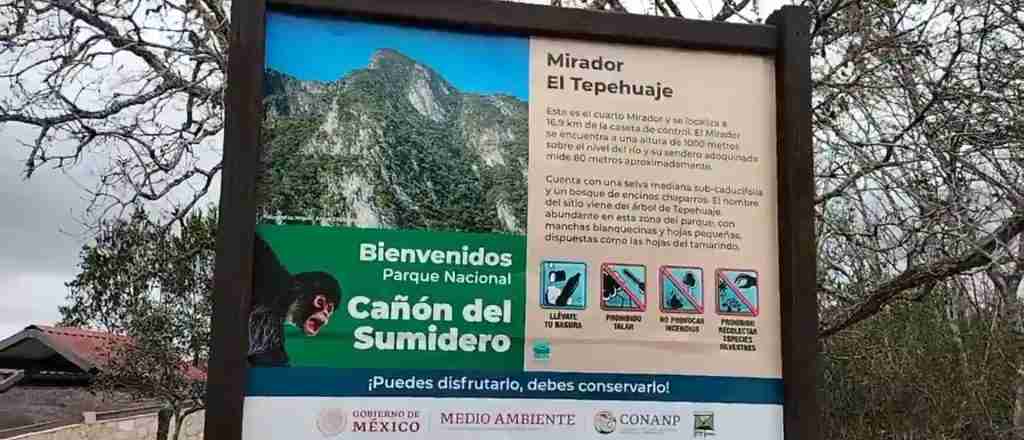
Full-day excursion to Cañón del Sumidero, a spectacular 1,000-meter-deep gorge carved by the Grijalva River. Depart San Cristóbal 8:00 AM for Chiapa de Corzo, a colonial river town 60 kilometers west where boat tours launch. Two-hour boat journey through the canyon reveals vertical limestone walls rising dramatically from river level, waterfalls cascading from cliff edges, crocodiles basking on muddy banks, and massive caves carved by millennia of water erosion. The canyon reaches its deepest point at La Coyota, where walls tower 1,000 meters creating narrow passages with minimal sky visible above.
Wildlife sightings include spider monkeys in riverside trees, various heron species fishing shallow pools, and vultures soaring on thermal currents rising from sun-heated rock walls. The boat passes beneath Chicoasén Dam, a massive hydroelectric structure that created the reservoir flooding the canyon bottom and transforming the Grijalva into a navigable waterway. Return to Chiapa de Corzo for lunch at riverside restaurants serving fresh pescado frito (fried river fish), cochito, and other regional specialties.
Afternoon options include visiting Chiapa de Corzo’s colonial center featuring La Pila fountain, a 16th-century Moorish-style brick structure, or returning directly to San Cristóbal with time for final colonial center wandering, artisan shopping, or relaxing at hotel before farewell dinner. Evening departure from San Cristóbal via overnight bus, or continue to additional Chiapas destinations including Palenque, Lagos de Montebello, or return to Tuxtla Gutiérrez airport.
Day 3 Costs: Sumidero Canyon tour $550-800 MXN, lunch $150-220 MXN, snacks $50-80 MXN, dinner $200-350 MXN. Total day cost: $950-1,450 per person (excluding accommodation). Three-day total: $2,120-3,080 per person excluding accommodation in San Cristóbal.
Five-Day Extended Highland Experience 2026
Days 1-3: Follow three-day itinerary above covering colonial center, indigenous villages, and Sumidero Canyon.
Day 4: Caves and Waterfalls
Visit Grutas de Rancho Nuevo, extensive limestone caverns 10 kilometers from San Cristóbal featuring spectacular stalactite and stalagmite formations developed over millions of years. Guided tours lead through illuminated passages revealing cathedral-sized chambers, underground streams, and delicate crystalline formations. The caves maintain constant cool temperatures providing refreshing escape from highland sun. Continue to El Arcotete, a natural limestone arch and recreational area offering swimming in crystal-clear pools, hiking through pine forests, and picnicking in scenic highland setting.
Afternoon exploration of San Cristóbal’s lesser-known museums includes Museo de Medicina Maya explaining indigenous healing traditions, Centro Cultural de los Altos showcasing contemporary Maya art, or Museo del Cacao documenting Chiapas’ historical chocolate production. Evening attends concert, film screening, or cultural event at Teatro Municipal or various cultural centers hosting regular programming. Dinner samples restaurants previously missed, perhaps French bistro, Japanese ramen shop, or upscale Chiapas regional cuisine.
Day 4 Costs: Cave entry and guide $180-250 MXN, transportation $150-200 MXN, lunch $120-180 MXN, museum entries $120 MXN, dinner $250-400 MXN. Total day cost: $820-1,150 per person (excluding accommodation).
Day 5: Artisan Workshops and Textile Studies
Morning visit to Sna Jolobil cooperative where indigenous weavers from surrounding villages sell traditional textiles at fair-trade prices. Staff explain weaving techniques, symbolic patterns, and community economic development programs supporting Maya artisan families. Purchase museum-quality pieces directly from makers, with proceeds benefiting producer communities. Continue to amber workshops along Utrilla street where artisans demonstrate amber carving techniques and explain how to distinguish authentic Chiapas amber from plastic imitations common in tourist markets.
Afternoon private weaving lesson with Maya instructor teaches basic backstrap loom techniques, allowing hands-on experience with traditional methods. These 2-3 hour sessions cost $400-600 MXN and provide deep appreciation for skill and time investment required to produce hand-woven textiles. Alternative activities include cooking class learning regional Chiapas dishes, language class introduction to Tzotzil or Tzeltal Maya languages, or extended hiking to San Cristóbal viewpoints offering panoramic vistas.
Farewell dinner at upscale restaurant celebrating five days of highland cultural immersion, perhaps TierrAdentro for innovative regional cuisine, El Secreto for romantic colonial ambiance, or Kokono for excellent international fusion. Evening packing and preparation for departure next morning, or transition to longer stay as many visitors extend San Cristóbal visits after experiencing the city’s unique character and comfortable pace.
Day 5 Costs: Weaving lesson $400-600 MXN, lunch $150-200 MXN, artisan purchases (optional) $500-3,000+ MXN, farewell dinner $400-600 MXN, coffee/snacks $80-120 MXN. Total day cost: $1,030-1,520 per person (excluding accommodation and optional purchases). Five-day total: $3,970-5,750 per person excluding accommodation in San Cristóbal.
Cultural Experiences and Activities 2026
Indigenous Markets and Artisan Crafts 2026
San Cristóbal functions as regional market hub where indigenous communities sell traditional crafts, textiles, and agricultural products. The permanent artisan market surrounding Santo Domingo church operates daily, with vendors displaying hand-woven textiles, amber jewelry, leather goods, pottery, and traditional clothing. Prices require negotiation, with initial asking prices often 50-100% above eventual sales figures. Respectful bargaining recognizes artisan skill and fair compensation while achieving reasonable tourist prices, typically settling around 60-70% of opening quotes.
Sunday regional market brings indigenous vendors from surrounding villages, transforming downtown streets into sprawling bazaar selling everything from fresh produce to live chickens to ceremonial candles. The authentic market serves local communities rather than tourists, creating excellent people-watching opportunities and chances to observe Maya commerce patterns. Photography requires permission from individual vendors, as many indigenous people object to images taken without consent, particularly of faces or ceremonial items with cultural significance.
Quality textile purchases demand understanding weaving techniques and patterns. Backstrap-loomed pieces from master weavers cost $2,000-8,000 MXN ($110-450 USD) for complex huipils requiring months of work, while simpler items like table runners or placemats run $300-800 MXN ($17-45 USD). Sna Jolobil cooperative guarantees authentic hand-woven pieces at fair prices, eliminating concerns about industrial knock-offs sold as traditional crafts in some market stalls. Serious collectors consult with cooperative staff or hire specialized guides who identify finest examples and connect buyers directly with producing communities.
Chiapas Coffee Culture 2026
Highland elevation and volcanic soils create ideal coffee growing conditions, with Chiapas producing some of Mexico’s finest arabica beans. San Cristóbal’s cafe culture reflects this agricultural heritage, with dozens of establishments serving locally-roasted coffee from surrounding plantations. Quality cafes charge $40-70 MXN ($2.50-4 USD) for excellent espresso drinks, far below U.S. or European pricing for equivalent quality. Many cafes offer beans for purchase at $150-300 MXN ($8-17 USD) per 250 grams, allowing visitors to take Chiapas coffee home.
Several fincas (coffee farms) near San Cristóbal offer tours explaining cultivation, harvesting, processing, and roasting techniques. These half-day excursions cost $400-600 MXN ($22-35 USD) including transportation, guided farm tour, and coffee tasting sessions. Visit during November-February harvest season to observe bean picking, fermentation, and initial processing stages. The tours provide excellent context for understanding coffee’s economic and cultural importance to Chiapas highland communities.
Cafe society in San Cristóbal supports extended sitting over coffee and conversation, embracing European-style lingering rather than American grab-and-go culture. Colonial courtyards and rooftop terraces provide atmospheric settings for afternoon breaks between sightseeing, with cafes doubling as WiFi hubs for digital nomads working remotely. The combination of excellent coffee, comfortable settings, temperate climate, and free internet creates productive work environments attracting location-independent professionals who extend visits from days to weeks or months.
Language Schools and Cultural Classes 2026
San Cristóbal hosts numerous Spanish language schools offering intensive programs combining classroom instruction with cultural immersion activities. Schools including El Rincón del Gringo, Casa Xelajú, and Centro Bilingüe provide group classes at $180-280 MXN ($10-16 USD) per hour, or private instruction for $350-500 MXN ($20-28 USD) hourly. Multi-week packages reduce hourly rates while adding homestay accommodation options allowing complete Spanish immersion with local families.
Cultural workshops teach traditional crafts including weaving, pottery, cooking, and natural dye preparation. These hands-on sessions range from 2-hour introductory classes ($300-500 MXN) to multi-day intensive courses ($2,000-4,000 MXN) teaching specific techniques in depth. The classes connect visitors with Maya artisans maintaining traditional knowledge, creating cultural exchanges beyond typical tourist-vendor transactions. Serious students develop relationships with instructors leading to deeper understanding of indigenous worldviews and contemporary community challenges.
Volunteer opportunities exist through various organizations working on education, healthcare, women’s empowerment, and environmental conservation projects in indigenous communities. Programs require minimum 2-4 week commitments and sometimes charge participation fees covering coordination and support services. Reputable organizations including Na Bolom and various community development cooperatives match volunteer skills with genuine community needs, avoiding exploitative “voluntourism” that benefits organizations more than local populations.
Day Trips from San Cristóbal 2026
Lagos de Montebello National Park 2026
Lagos de Montebello protects 59 spectacular turquoise and emerald lakes nestled in pine forests 150 kilometers southeast of San Cristóbal near the Guatemala border. Full-day tours cost $600-850 MXN ($35-48 USD) per person including transportation, guide, and park entry. The 6,000-hectare national park showcases Guatemala-Mexico border highlands at their most beautiful, with crystalline lakes ranging from deep blue to jade green depending on mineral content, depth, and surrounding vegetation. The limestone bedrock creates cenote-like formations and interconnected lake systems unique in Mexico.
Tours visit 5-7 lakes accessible via park roads, with stops for photography, short hikes through pine and oak forests, and optional boat rides on larger lakes. Lagunas de Colores (Colored Lakes) demonstrate the dramatic hue variations, while Lago Tziscao near Guatemala border offers swimming in crystal-clear water. The remote location limits crowds even during peak season, creating peaceful natural experiences enhanced by bird songs, pine forest scents, and mountain vistas extending into Guatemalan highlands.
Independent travelers reach Montebello via rental car or by hiring private drivers in Comitán, a colonial city 80 kilometers from the park serving as more convenient base than San Cristóbal for extended park exploration. The drive from San Cristóbal takes 3 hours each way on winding mountain roads, making organized tours practical choices for single-day visits. Combining Montebello with Comitán colonial architecture or Tenam Puente Maya ruins creates full cultural-natural itineraries maximizing the long drive time.
Agua Azul and Misol-Ha Waterfalls 2026
These spectacular waterfalls lie between San Cristóbal and Palenque, making them ideal stops for travelers transitioning between highland and lowland Chiapas. Organized day tours from San Cristóbal cost $550-800 MXN ($30-45 USD), though the full-day excursion involves 8-10 hours total travel time for perhaps 2-3 hours at the waterfalls. Travelers continuing to Palenque include these stops more efficiently, breaking the 5-hour San Cristóbal-Palenque journey with waterfall visits creating scenic rather than exhausting travel days.
Agua Azul features hundreds of turquoise cascades tumbling over limestone terraces in lush tropical jungle setting. The azure color derives from limestone deposits creating milky blue water, most vivid during dry season November-May when sediment levels remain low. Rainy season from June-October brings higher water volume but brown coloration from suspended soil, reducing the famous blue hues. Swimming proves possible in calm pools above major cascades, though strong currents during high water periods create drowning risks requiring careful assessment of conditions.
Misol-Ha showcases a single 30-meter waterfall plunging into a large swimming pool surrounded by dense tropical vegetation. Visitors walk behind the cascading water through natural passageways in the limestone cliff, creating dramatic photographic opportunities with waterfall curtain backlit by jungle sunlight. The site offers more intimate scale than Agua Azul’s sprawling cascades, appealing to those preferring concentrated beauty over extensive territory. Commercial development brings restaurant facilities and changing rooms, though this infrastructure detracts from wilderness character.
Palenque Archaeological Zone 2026
Palenque ranks among the Maya world’s most spectacular archaeological sites, located 215 kilometers northeast of San Cristóbal in humid lowland jungle. The distance makes true day trips exhausting with 5 hours driving each way leaving only 2-3 hours at the ruins. Most travelers break the journey with overnight stays in Palenque town or continue onward to Yaxchilán and Bonampak. However, some tour operators offer full-day Palenque excursions departing San Cristóbal 5:00-6:00 AM and returning around 9:00-10:00 PM for $800-1,200 MXN ($45-65 USD).
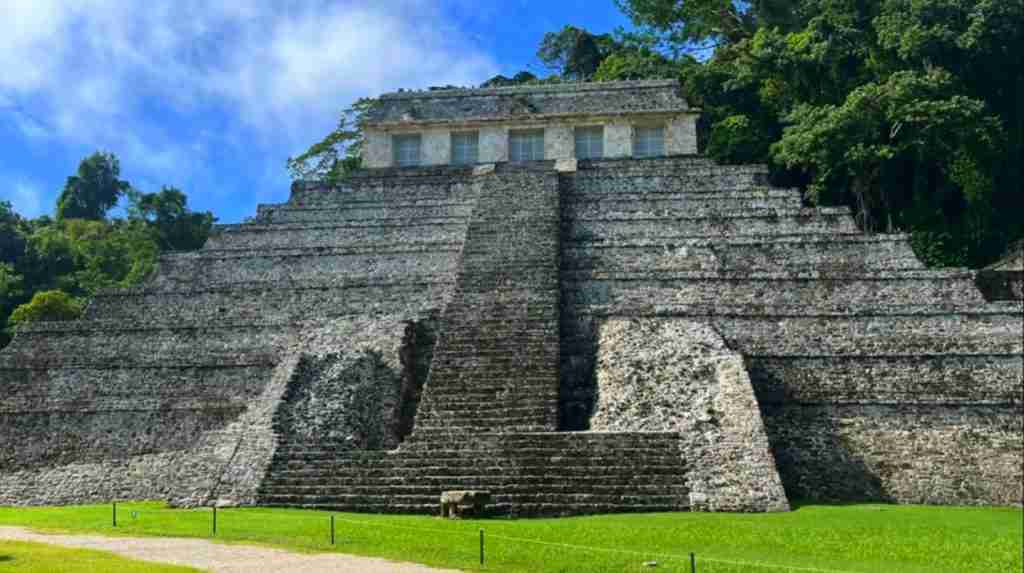
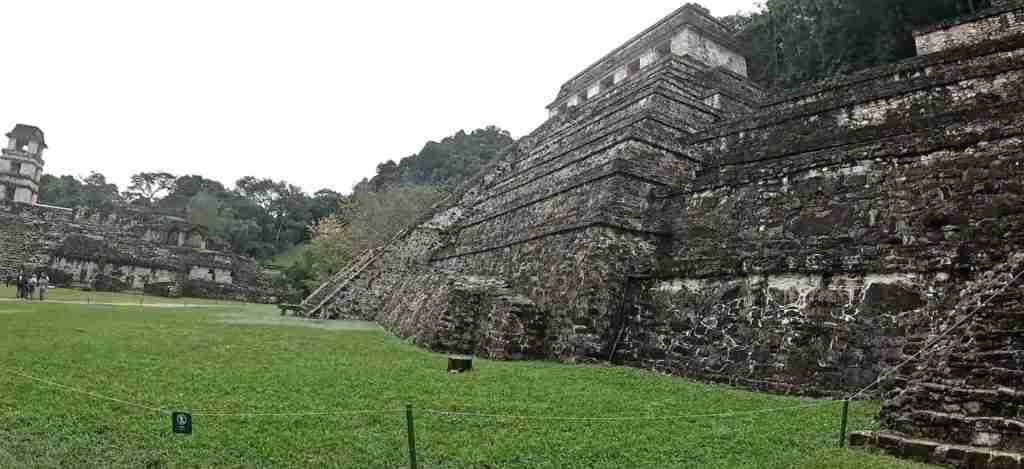
The archaeological zone features exquisite Maya architecture including the Temple of Inscriptions containing Pakal the Great’s famous tomb, the Palace with its distinctive tower, and the Temple of the Sun showcasing Classic Maya artistic achievement. The jungle setting creates atmospheric exploration, with howler monkeys calling from canopy trees and tropical birds including toucans and parrots visible throughout the site. Professional guides explain hieroglyphic texts recording royal dynasties, architectural innovations, and cosmic symbolism encoded in building alignments and decorative programs.
Combining Palenque with waterfall stops creates very long but rewarding days for travelers with limited schedules unwilling to overnight in humid lowland conditions. The elevation descent from San Cristóbal’s 2,200-meter highlands to Palenque’s sea-level rainforest involves dramatic climate and vegetation changes, passing from temperate pine forests through cloud forest transition zones into steamy tropical jungle. This ecological gradient showcases Chiapas’ extraordinary biodiversity within relatively compact geographic area.
Frequently Asked Questions About San Cristóbal 2026
What is the altitude of San Cristóbal and will it affect me?
San Cristóbal sits at 2,200 meters (7,200 feet) elevation, high enough to cause mild altitude effects in some visitors. Symptoms include slight breathlessness during exertion, faster fatigue when walking uphill, occasional headaches, and disrupted sleep during first 1-3 nights. The effects prove much milder than serious altitude sickness experienced at 3,000+ meters, but newcomers from sea-level locations notice the difference. Acclimatization occurs quickly for most people, with symptoms disappearing after 2-3 days as bodies adjust to reduced oxygen availability.
Is it safe to drink tap water in San Cristóbal?
Tap water in San Cristóbal should not be consumed, following standard Mexico travel precautions. Drink only bottled water, which costs $15-25 MXN ($1-1.50 USD) for 1.5-liter bottles widely available at convenience stores, supermarkets, and hotel front desks. Most restaurants serve purified water and ice made from purified sources, but verify when uncertain. Many hotels provide complimentary bottled water in rooms or maintain water dispensers for guest use. Avoiding tap water extends to teeth brushing for sensitive individuals, though most travelers tolerate tap water for oral hygiene without issues.
Do I need to speak Spanish to visit San Cristóbal?
Basic Spanish proves very helpful for San Cristóbal navigation, as English speakers remain less common than in beach resort destinations like Cancún or Los Cabos. Tourist-oriented hotels, tour agencies, and some restaurants employ English-speaking staff, but taxis, markets, simple comedors, and local services operate primarily in Spanish. Indigenous vendors speak Tzotzil or Tzeltal languages in addition to Spanish, with minimal English capability. Learning essential phrases for ordering food, asking directions, and basic transactions significantly improves experiences and demonstrates respect for local culture.
What should I know about photography in indigenous communities?
Photography restrictions apply strictly in many indigenous villages, particularly inside San Juan Chamula church where photography proves absolutely prohibited and violations can result in confiscated cameras or physical confrontation from community members. Always ask permission before photographing individual people, as many indigenous Maya object to unsolicited pictures, particularly of faces or ceremonial activities. Some communities charge photography fees, while others prohibit cameras entirely during religious ceremonies or in sacred spaces. Respecting these boundaries demonstrates cultural sensitivity essential for ethical tourism in indigenous territories.
Can I use U.S. dollars in San Cristóbal?
Mexican pesos represent the only widely accepted currency, with U.S. dollars useless for most transactions. A few upscale hotels and tour agencies accept dollars but apply unfavorable exchange rates far below official bank rates. ATMs throughout colonial center dispense pesos 24 hours daily, charging $35-50 MXN ($2-3 USD) in fees per withdrawal. Withdraw larger amounts to minimize fee frequency, keeping extra cash secure in hotel safes. Credit cards work at better hotels and restaurants but rarely at markets, small eateries, taxis, or artisan vendors requiring cash for all purchases.
What is the best way to experience indigenous culture respectfully?
Hiring local guides from indigenous communities ensures respectful visits while providing economic benefit directly to village residents. These guides explain cultural context, indicate photography restrictions, translate interactions with artisans, and prevent inadvertent offense through ignorant behavior. Dress modestly with covered shoulders and knees when visiting villages and churches. Purchase crafts at fair prices recognizing artisan skill and time investment rather than bargaining aggressively to absolute minimum amounts. Learn basic phrases in Tzotzil or Tzeltal if possible, demonstrating respect for indigenous languages. Avoid treating villages as human zoos or people as exotic photo subjects without consent.
Are there ATMs in San Cristóbal and do they work reliably?
Multiple ATMs operate throughout colonial center at major banks including BBVA, Santander, and Banamex. The machines generally function reliably, accepting Visa, Mastercard, and Plus network cards for peso withdrawals. Maximum withdrawal limits range $6,000-10,000 MXN ($350-550 USD) per transaction depending on bank and card, with fees of $35-50 MXN charged by Mexican banks plus whatever foreign transaction fees your home institution applies. Use ATMs during daytime inside bank branches when possible, avoiding isolated or poorly-lit machines where card skimming occasionally occurs.
What vaccinations do I need for visiting San Cristóbal?
No specific vaccinations are legally required for entering Mexico or visiting San Cristóbal. However, routine vaccinations including measles-mumps-rubella (MMR), tetanus-diphtheria, and seasonal influenza remain recommended. Hepatitis A vaccination protects against foodborne illness, while typhoid vaccine provides additional gastrointestinal disease protection for travelers eating street food or in basic comedors. Malaria does not occur at San Cristóbal’s 2,200-meter elevation, though mosquito-borne dengue occasionally appears making insect repellent advisable. Consult travel medicine specialists 4-6 weeks before departure for personalized vaccination recommendations based on specific itinerary and health history.
Can I find vegetarian or vegan food easily in San Cristóbal?
San Cristóbal’s international community supports excellent vegetarian and vegan dining options, unusual for provincial Mexican cities. Restaurants including Madre Tierra, El Caldero, and LUM offer extensive plant-based menus with creative preparations beyond simple bean-and-rice combinations. The health food movement in San Cristóbal creates demand for organic produce, artisanal bread, and nutritious breakfast options appealing to conscious eaters. Traditional Mexican cuisine provides many naturally vegetarian dishes including bean-based meals, quesadillas, vegetable soups, and fresh fruit, though communicating dietary restrictions requires clear Spanish or pointing to specific menu items.
Is San Cristóbal a good base for digital nomads working remotely?
San Cristóbal attracts significant digital nomad populations drawn by temperate climate, affordable living costs, reliable internet, vibrant cafe culture, and international community. Monthly apartment rentals cost $400-800 USD with WiFi included, while coworking spaces charge $1,200-2,000 MXN ($65-110 USD) monthly for desk access and conference room privileges. The 2,200-meter elevation creates perpetual spring weather comfortable year-round, while colonial charm and indigenous culture provide enriching environments for extended stays. Time zone (GMT-6) aligns reasonably with both U.S. East Coast and European schedules, facilitating international business coordination.
Additional Questions About Visiting San Cristóbal 2026
What handicrafts are San Cristóbal most famous for?
Hand-woven textiles represent San Cristóbal’s signature crafts, with Tzotzil and Tzeltal Maya communities producing distinctive patterns and designs using backstrap looms and traditional techniques. Amber jewelry from nearby deposits provides another specialty, with Chiapas amber containing prehistoric plant and insect inclusions prized by collectors. Leather goods, pottery, and ceremonial masks also feature prominently in artisan markets. Quality varies dramatically, with finest museum-quality pieces costing thousands of pesos while simpler tourist items sell for $100-300 MXN.
Can I visit Guatemala easily from San Cristóbal?
Guatemala lies 100-150 kilometers from San Cristóbal depending on border crossing used. Organized tours visit Guatemalan destinations including Quetzaltenango (Xela) and Lake Atitlán, though these require valid passports and potentially advance visa arrangements depending on nationality. The Talismán and Ciudad Cuauhtémoc border crossings handle tourist traffic, with colectivo vans connecting to Guatemalan cities. Independent travel to Guatemala proves feasible but requires research on current visa requirements, border procedures, and ground transportation options from frontier crossings to interior destinations.
What is pox and should I try it?
Pox (pronounced “posh”) is traditional Maya corn liquor distilled in Tzotzil communities, playing important ceremonial and social roles in indigenous culture. The clear spirit tastes harsh to unaccustomed palates, with high alcohol content and distinctive flavor derived from corn fermentation and rustic distillation. Commercial versions sold in San Cristóbal come flavored with cacao, cinnamon, or other additions making them more palatable. Trying small amounts provides cultural insight, though industrial mezcal or tequila offer more refined drinking experiences for those seeking quality Mexican spirits rather than anthropological interest.
Are there any hiking opportunities around San Cristóbal?
Pine-forested mountains surrounding San Cristóbal offer excellent hiking from easy walks to challenging climbs. Cerro Huitepec trails lead through cloud forest to hilltop viewpoints overlooking the city and valley. The route to Chamula can be walked rather than driven, following rural roads through agricultural areas and small settlements. More ambitious treks reach remote villages, pre-Hispanic sites, or mountain summits requiring full-day commitments and local guides for navigation and cultural interpretation. The temperate highland climate makes hiking comfortable year-round, though rainy season months bring muddy trail conditions.
What is the mobile phone coverage like in San Cristóbal?
San Cristóbal enjoys good mobile coverage from major Mexican carriers including Telcel, AT&T Mexico, and Movistar. 4G LTE service covers the colonial center and main roads, dropping to 3G in outer neighborhoods and surrounding villages. International visitors either add Mexico to existing plans (verify rates with home carriers), purchase Mexican SIM cards for unlocked phones ($200-400 MXN with data packages), or rely on WiFi available at hotels, cafes, and restaurants throughout the city. Coverage deteriorates quickly outside San Cristóbal, with remote areas including Yaxchilán and parts of highland villages having zero service.