
Yaxchilán & Bonampak 2026: Hidden Maya Ruins in Chiapas
Key Takeaways
- Yaxchilán requires boat access along the Usumacinta River, creating one of Mexico’s most adventurous archaeological experiences in 2026
- Bonampak contains the most complete Maya murals ever discovered, with vibrant 8th-century battle scenes and ceremonial depictions accessible through guided jungle tours
- Both sites demand 2-3 day itineraries from Palenque or San Cristóbal, with overnight stays in Frontera Corozal recommended for optimal exploration in 2026
- Combined tours cost $180-280 per person in 2026, including transportation, boat transfers, guides, and site entry (check tour operators for current rates)
- The remote Lacandón jungle setting limits visitor numbers, creating intimate archaeological experiences unavailable at more accessible Maya sites
- Dry season months from November through April 2026 provide optimal conditions for river navigation and jungle trekking to both archaeological zones
Planning Your Yaxchilán & Bonampak Adventure in 2026
Yaxchilán and Bonampak represent the ultimate frontier of Maya archaeology, hidden deep within the Lacandón rainforest along Mexico’s border with Guatemala. These remote archaeological treasures demand commitment and adventure, rewarding intrepid travelers with experiences far removed from the crowds at Chichén Itzá or Tulum. The journey to reach them in 2026 involves jungle roads, boat transfers along the Usumacinta River, and immersion in one of Mesoamerica’s last remaining rainforest wildernesses.
Yaxchilán occupies a dramatic horseshoe bend in the Usumacinta River, accessible only by boat from the frontier settlement of Frontera Corozal. The 45-minute river journey provides spectacular views of Guatemala’s Petén jungle on the opposite bank, with occasional glimpses of crocodiles basking on muddy riverbanks and troops of howler monkeys calling from canopy trees. The site itself sprawls across multiple plazas and terraces, crowned by Temple 33’s imposing pyramid and connected by jungle paths where spider monkeys swing overhead and toucans call from ancient ceiba trees.
Bonampak lies 30 kilometers from the Lacandón Maya community of Lacanjá Chansayab, reached via rough jungle roads that transform into muddy challenges during rainy season. The site’s fame rests entirely on three rooms containing the most complete Maya murals ever discovered, depicting an elaborate 8th-century battle, its bloody aftermath, and subsequent victory celebrations with unprecedented detail and artistic sophistication. The vivid blues, reds, and yellows retain remarkable intensity after 1,200 years, offering a window into Classic Maya warfare and ceremony unavailable anywhere else in the Maya world.
Planning a 2026 visit to both sites requires flexibility, physical fitness, and realistic expectations about jungle conditions and frontier infrastructure. The remoteness that makes these archaeological zones so special also means limited services, basic accommodations, and weather-dependent transportation. Combining Yaxchilán and Bonampak into a single journey creates one of Mexico’s most rewarding archaeological adventures, blending spectacular ruins with genuine jungle exploration and contact with contemporary Lacandón Maya communities maintaining traditional lifestyles in their ancestral forest homeland.
People Also Ask About Yaxchilán & Bonampak 2026
How much does it cost to visit Yaxchilán and Bonampak in 2026?
Combined two-day tours from Palenque cost $180-280 per person in 2026, including ground transportation, boat transfers, guides, site entry fees, and most meals (check tour operators for current rates). Independent travelers spend $120-160 per person for transportation and entry fees, plus $25-45 for accommodation in Frontera Corozal. Single-day Bonampak tours from Palenque range $65-95 per person, while Yaxchilán day trips cost $85-110 per person including boat transfers.
Site entry fees remain modest at $75 MXN ($4-5 USD) for Yaxchilán and $80 MXN ($4-5 USD) for Bonampak in 2026. The significant costs come from transportation to these remote locations. Boat transfers to Yaxchilán cost $1,200-1,500 MXN ($65-80 USD) per boat holding up to 6 passengers, making group tours economically advantageous. Ground transportation from Palenque to Frontera Corozal costs $800-1,000 MXN ($45-55 USD) each way for private vehicles, or $350-450 MXN ($20-25 USD) per person via colectivo vans.
Budget-conscious travelers minimize costs by traveling independently to Frontera Corozal, sharing boat transfers with other visitors, and staying in basic guesthouses at $400-600 MXN ($25-35 USD) per night. Organized tours provide value through bundled transportation, expert guides, and guaranteed logistics without language barriers or navigation challenges. Multi-day packages often include accommodation at jungle eco-lodges near Lacanjá Chansayab, offering immersive rainforest experiences alongside archaeological visits.
Can you visit Yaxchilán and Bonampak in one day in 2026?
Single-day visits to both sites prove extremely challenging and involve 14-16 hours of continuous travel with minimal time at either archaeological zone. The 150-kilometer journey from Palenque to Frontera Corozal takes 3-3.5 hours each way, with an additional 45-minute boat transfer to Yaxchilán. Bonampak lies 60 kilometers from Frontera Corozal in a different direction, requiring an extra 1.5 hours driving on rough jungle roads. Attempting both sites in one day means rushed visits with perhaps 60-90 minutes at each location, defeating the purpose of traveling to such remote archaeological treasures.
The recommended approach dedicates two full days to exploring both sites properly, with an overnight stay in Frontera Corozal or at eco-lodges near Lacanjá Chansayab. Day one focuses on Yaxchilán, departing Palenque early morning to reach Frontera Corozal by 10-11 AM, taking the boat to the archaeological zone for 2-3 hours of exploration, returning to Frontera Corozal in late afternoon. Day two covers Bonampak and nearby Lacandón communities, allowing time for the famous murals plus optional visits to jungle waterfalls or traditional Maya settlements.
Three-day itineraries provide the most satisfying experiences, adding time for nature activities, additional archaeological sites like Yaxchilán’s outlying structures, or extended exploration of Lacandón jungle trails. This pace reduces driving fatigue, allows for early morning wildlife viewing when howler monkeys and tropical birds are most active, and creates opportunities for cultural exchanges with Lacandón Maya guides who share forest knowledge accumulated over millennia of rainforest habitation.
What is the best time to visit Yaxchilán and Bonampak in 2026?
November through April 2026 represents optimal visiting season, with dry weather ensuring reliable river navigation to Yaxchilán and passable jungle roads to Bonampak. December through February offers the driest conditions and coolest temperatures, ranging 22-28°C (72-82°F) in daytime with pleasant evenings. March and April bring increasing heat with temperatures reaching 32-35°C (90-95°F), but roads remain in good condition and boat transfers operate on reliable schedules.
May through October constitutes rainy season when afternoon downpours occur almost daily and river levels fluctuate dramatically. Heavy rains from June through September can make jungle roads to Bonampak impassable, forcing tour cancellations or significant delays. The Usumacinta River rises substantially during these months, occasionally preventing boat access to Yaxchilán when currents become too strong. However, rainy season brings lush jungle vegetation, reduced visitor numbers, and spectacular displays of tropical flowers and migratory birds.
Wildlife viewing peaks during dry season when animals concentrate near permanent water sources and reduced foliage improves visibility. Howler monkeys vocalize most actively during early morning hours from November through February. Spider monkeys become more visible in February and March when fruiting trees attract large troops. Bird migration from North America occurs from October through March, adding species like warblers and vireos to the already impressive resident tropical bird populations that include toucans, parrots, and motmots.
Do you need a guide to visit Yaxchilán and Bonampak in 2026?
Certified guides are mandatory at Bonampak to protect the famous murals and ensure proper visitor behavior inside the fragile mural chambers. Guides cost $500-800 MXN ($30-45 USD) per group at Bonampak, providing 60-90 minute tours that explain mural narratives, Maya warfare practices, and conservation efforts preserving these 1,200-year-old masterpieces. Local Lacandón Maya guides offer particularly valuable perspectives, connecting ancient imagery to living cultural traditions maintained in nearby communities.
Yaxchilán does not require guides legally, but hiring one dramatically enhances the visit. The sprawling site contains 120+ structures scattered across jungle-covered terraces, with many buildings hidden by vegetation or accessible only via unmarked trails. Professional guides identify architectural details, interpret hieroglyphic inscriptions, explain dynastic histories, and navigate efficiently between major structures while sharing wildlife knowledge and Maya astronomical observations encoded in building alignments. Guide fees at Yaxchilán range $600-1,000 MXN ($35-55 USD) per group for 2-3 hour tours.
Combined tours from Palenque include expert guides fluent in English, Spanish, and often indigenous languages, providing comprehensive archaeological interpretation plus logistical support for border formalities, boat negotiations, and meal arrangements in remote locations. Independent travelers save guide costs but miss detailed explanations of hieroglyphic texts recording royal births, marriages, wars, and ritual bloodletting ceremonies that transform weathered stone monuments into vivid historical records of Classic Maya civilization at its height.
Extended multi-day tours – 5+ days
Featured Chiapas Multi-Day Tour Packages
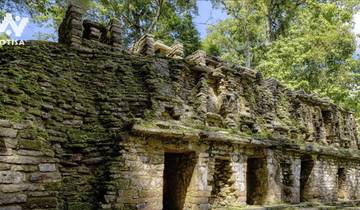
6 days
Chiapas Icons: A Journey Through History and Nature
- ✓ Booking needs min. 2 travelers
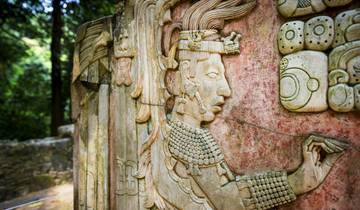
5 days
Chiapas Experience
- ✓ Comprehensive Chiapas tour
- ✓ Expert local guides included
- ✓ All accommodation arranged
- ✓ Transportation provided
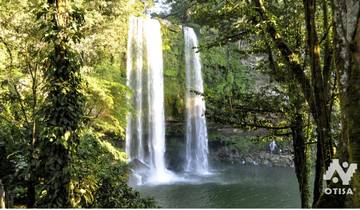
5 days
Fenomenal Chiapas Adventure
- ✓ Booking needs min. 2 travelers
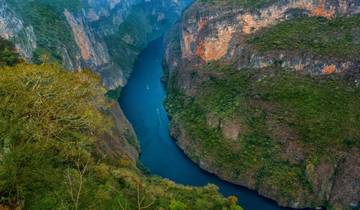
6 days
Chiapas Explorer
- ✓ Comprehensive Chiapas tour
- ✓ Expert local guides included
- ✓ All accommodation arranged
- ✓ Transportation provided
Multi-day tour packages powered by TourRadar. Prices and availability subject to change.
Essential Planning Information 2026
Current Costs and Entry Requirements 2026
Archaeological site entry fees remain modest in 2026. Yaxchilán charges $75 MXN (approximately $4-5 USD) per person, while Bonampak costs $80 MXN (approximately $4-5 USD) per person. Both sites accept cash only in Mexican pesos, with no card payment facilities available at remote ticket booths. Check INAH (Instituto Nacional de Antropología e Historia) website for current official rates as pricing may vary. The fees support site maintenance, guard salaries, and conservation programs protecting these vulnerable jungle archaeological zones.
Transportation represents the major expense for reaching these remote locations. Organized two-day tours from Palenque cost $180-280 per person in 2026, covering all ground transportation, boat transfers, guides, site entries, and most meals (verify inclusions with tour operators for current rates). Independent travel requires budgeting $120-160 per person for transportation plus accommodation costs. Private boat transfers to Yaxchilán cost $1,200-1,500 MXN ($65-80 USD) per boat accommodating up to 6 passengers, making shared costs advantageous.
Colectivo vans from Palenque to Frontera Corozal charge $350-450 MXN ($20-25 USD) per person each way, departing when full from Palenque’s ADO bus terminal between 5:30-7:00 AM. Return colectivos leave Frontera Corozal around 3:00-4:00 PM. Private taxi transfers cost $1,600-2,000 MXN ($90-110 USD) each way for vehicles holding 3-4 passengers. Rental cars provide flexibility for independent travelers comfortable with frontier driving conditions, costing $800-1,200 MXN ($45-65 USD) per day for compact SUVs suitable for jungle roads.
Accommodation in Frontera Corozal ranges $400-800 MXN ($25-45 USD) per night for basic rooms with fans and shared bathrooms, up to $1,200-1,600 MXN ($65-90 USD) for nicer riverside cabañas with air conditioning and private facilities. Eco-lodges near Lacanjá Chansayab charge $800-2,000 MXN ($45-110 USD) per night, offering jungle settings with birding opportunities and access to Lacandón Maya cultural experiences. Camping facilities exist near both communities at $150-250 MXN ($8-14 USD) per person with basic services.
Documentation and Border Considerations 2026
Visitors to Yaxchilán technically cross into Mexico’s border zone with Guatemala, though no actual border crossing occurs. Boats depart from Mexican territory and land at Mexican archaeological sites, but proximity to Guatemala means border patrol presence and occasional document checks. Carry valid passport and Mexican tourist visa (FMM form) at all times when visiting Yaxchilán, as border guards may request verification at Frontera Corozal or on return boat transfers.
No special permits or advance permissions are needed for visiting either Yaxchilán or Bonampak in 2026 beyond standard Mexican tourist documentation. The archaeological zones open to all visitors with paid entry fees during operating hours. However, photography permits for professional equipment (tripods, external flashes, video cameras) cost additional fees of $45-70 MXN ($3-4 USD) at each site. Drone photography remains prohibited at both locations due to archaeological protection regulations and proximity to Guatemala border zones.
Travel insurance covering medical evacuation proves especially important for these remote jungle destinations. The nearest hospitals with advanced medical facilities are in Palenque, 3-3.5 hours from Frontera Corozal on rough roads. Basic clinics exist in Frontera Corozal and Lacanjá Chansayab, but serious medical emergencies require evacuation to Palenque or further to Villahermosa or Tuxtla Gutiérrez. Confirm your insurance covers remote location medical transport before departing for these frontier archaeological zones.
Best Time to Visit Yaxchilán & Bonampak 2026
Seasonal Weather Patterns 2026
The Lacandón rainforest climate divides into distinct dry and wet seasons that dramatically affect travel conditions and visitor experiences at both archaeological sites. Dry season from November through April 2026 provides optimal weather for jungle exploration, with daytime temperatures ranging 24-32°C (75-90°F) and minimal rainfall. December through February offer the most pleasant conditions, with cooler temperatures, lower humidity, and consistent sunny skies ideal for photography and extended hiking through archaeological zones.
March and April bring increasing heat as the dry season peaks, with temperatures regularly reaching 32-35°C (90-95°F) and humidity rising in anticipation of approaching rains. These months remain excellent for archaeological visits, as roads stay in good condition and river navigation presents no challenges. The heat intensifies the challenge of exploring sprawling sites like Yaxchilán, making early morning departures and plenty of water essential. Afternoon temperatures at exposed plazas and pyramid climbing can test heat tolerance, but shaded jungle paths provide relief.
Rainy season from May through October brings daily afternoon thunderstorms, rising river levels, and deteriorating road conditions. June through September represents peak wet season when cumulative rainfall can exceed 300mm per month and jungle roads to Bonampak become muddy obstacles requiring high-clearance 4WD vehicles. The Usumacinta River rises dramatically, occasionally preventing boat access to Yaxchilán when currents grow too strong for safe navigation. However, rainy season transforms the jungle into a verdant wonderland with spectacular waterfalls, blooming flowers, and reduced visitor numbers.
Crowd Patterns and Tourism Seasons 2026
Even during peak tourist season, Yaxchilán and Bonampak receive only a fraction of visitors compared to more accessible Maya sites like Palenque or Tulum. The remote locations and challenging access naturally limit crowds, creating intimate archaeological experiences regardless of season. December through February 2026 sees the highest visitation, with 50-80 daily visitors at Yaxchilán and 40-60 at Bonampak during busy weeks. These numbers concentrate during morning hours when tour groups arrive from Palenque, leaving afternoons relatively quiet at both sites.
Easter week (April 13-20, 2026) and Christmas holiday period (December 20-January 5) bring the only significant crowd increases, when Mexican domestic tourism peaks. Bonampak can receive 100-150 visitors on busy holiday days, creating waiting times for entry to the three mural rooms which accommodate only 8-10 people at once. Yaxchilán remains more dispersed due to its sprawling layout, though boat departures from Frontera Corozal become more frequent and finding shared boat costs becomes easier during these high-season periods.
May through November constitutes low season when visitor numbers drop to 20-40 daily at each site. Rainy season discourages casual tourists but attracts adventure-oriented travelers and serious archaeology enthusiasts willing to embrace frontier conditions. The reduced crowds mean exclusive access to major structures, unhurried mural viewing at Bonampak, and increased wildlife encounters as animals emerge during quiet periods between tour group visits.
Wildlife and Nature Viewing 2026
Wildlife viewing peaks during dry season from November through April 2026 when reduced foliage improves visibility and animals concentrate near permanent water sources. Howler monkeys vocalize most actively during early morning hours, their distinctive roars echoing through the canopy as territorial troops advertise their positions. Spider monkeys become especially visible during February and March fruiting season, when large troops gather in fig trees and ceiba canopies near Yaxchilán’s temples. White-nosed coatis frequently cross archaeological plazas in troops of 10-20 individuals, while agoutis and pacas forage in early morning and late afternoon.
Bird diversity remains exceptional year-round, with 300+ species recorded in the Lacandón forest surrounding both archaeological sites. Resident tropical species include keel-billed toucans, collared aracaris, Montezuma oropendolas, and various parrot species including yellow-headed and mealy parrots. The January-March period 2026 adds North American migrants like warblers, vireos, and tanagers to the already impressive bird populations. Raptors including ornate hawk-eagles and king vultures soar over archaeological zones, while boat rides to Yaxchilán provide chances to spot boat-billed herons, sungrebes, and occasional jabiru storks along the Usumacinta.
Reptile and amphibian activity increases during rainy season when humidity peaks and temporary pools form throughout the forest. The Usumacinta River harbors Morelet’s crocodiles that bask on muddy banks and occasionally appear near boat landing areas at Yaxchilán. Green iguanas sun themselves on ancient Maya structures, while various lizard species including basilisks inhabit riverside vegetation. The probability of encountering jaguars, ocelots, or margays remains extremely low despite their presence in the Lacandón forest, as these elusive cats avoid human activity and hunt primarily at night.
Transportation Options to Yaxchilán & Bonampak 2026
Getting to Frontera Corozal (Gateway to Yaxchilán) 2026
Frontera Corozal serves as the launching point for boat access to Yaxchilán, located 150 kilometers southeast of Palenque along Highway 199 and the Frontera Corozal road. Colectivo vans depart Palenque’s ADO bus terminal between 5:30-7:00 AM, charging $350-450 MXN ($20-25 USD) per person for the 3-3.5 hour journey. These shared vans leave when full with 10-12 passengers, so early arrival at the terminal improves departure chances. Return colectivos depart Frontera Corozal around 3:00-4:00 PM, making same-day round trips challenging for independent travelers.
Private taxi transfers from Palenque to Frontera Corozal cost $1,600-2,000 MXN ($90-110 USD) each way for vehicles accommodating 3-4 passengers. This option provides schedule flexibility and allows early morning arrivals at the boat launch for optimal Yaxchilán exploration. Many Palenque hotels arrange private transfers, or negotiate directly with taxi drivers at the ADO terminal or main plaza. Confirm total price, waiting time if needed, and payment terms before departure.
Rental cars offer maximum independence, with compact SUVs suitable for the paved highway and final dirt road sections costing $800-1,200 MXN ($45-65 USD) per day. Highway 199 from Palenque runs mostly paved with good conditions, though the final 30 kilometers to Frontera Corozal feature rougher surfaces with occasional potholes. Standard sedans handle the route during dry season, but rainy season makes high-clearance vehicles preferable. Rental agencies in Palenque include international chains and local operators, with advance reservations recommended during peak season.
Boat Transfers to Yaxchilán 2026
Motorized boats depart from Frontera Corozal’s riverside dock for the 45-minute journey to Yaxchilán. Boats accommodate 6-8 passengers and cost $1,200-1,500 MXN ($65-80 USD) per boat regardless of passenger count, making group travel economically advantageous. Solo travelers or couples pay full boat price unless other visitors share costs at the dock. Morning departures begin around 8:00 AM and continue through 11:00 AM as tour groups and independent travelers arrive. Return boats operate on flexible schedules, with captains typically waiting 2-3 hours while visitors explore the archaeological zone.
The river journey provides spectacular scenery along the Usumacinta, Mexico’s largest river and the natural border with Guatemala. The opposite bank’s Petén rainforest rises in unbroken green walls, occasionally revealing thatched-roof settlements of Q’eqchi’ Maya communities. Boatmen point out crocodiles basking on muddy banks, turtle species sunning on logs, and tropical birds including herons, kingfishers, and cormorants. The river runs broad and powerful, requiring experienced captains to navigate currents, submerged logs, and seasonal water level variations.
During rainy season from June through September, river levels fluctuate dramatically and occasional high-water periods prevent boat access to Yaxchilán’s landing when currents become too strong. Tour operators and local boatmen monitor river conditions carefully, sometimes suspending service for 2-3 day periods during peak flood events. Dry season provides most reliable navigation from November through May, with consistent water levels and minimal current challenges allowing predictable schedules and safe passage.
Reaching Bonampak via Lacanjá Chansayab 2026
Bonampak lies 30 kilometers from the Lacandón Maya community of Lacanjá Chansayab, reached via the 133-kilometer Bonampak Road branching from Highway 199 near San Javier. The journey from Palenque takes 2.5-3 hours total, with 100 kilometers of paved highway followed by 33 kilometers of rough jungle road requiring high-clearance vehicles. Colectivo vans operate irregular schedules from Palenque to Lacanjá Chansayab, charging $400-500 MXN ($25-30 USD) per person, but frequency depends on demand and services may not run daily outside peak season.
Most visitors reach Bonampak through organized tours departing Palenque, which handle all ground transportation in vehicles equipped for jungle roads. Tour prices of $65-95 per person for day trips include round-trip transfer, site entry, guide services, and lunch. Multi-day tours combining Bonampak with Yaxchilán cost $180-280 per person over two days, providing the most practical access to both sites with overnight accommodation in Frontera Corozal or Lacanjá area eco-lodges.
Independent drivers in rental SUVs can navigate the Bonampak Road during dry season, though road conditions deteriorate significantly during rainy months when deep mud, water crossings, and washouts challenge even experienced 4WD operators. The final 6 kilometers from Lacanjá Chansayab to Bonampak archaeological zone features rough track requiring careful navigation and appropriate vehicle clearance. Local guides from Lacanjá offer transportation services in their own 4WD vehicles, charging $800-1,200 MXN ($45-65 USD) for round-trip transfer plus waiting time, eliminating concerns about vehicle capability and road conditions.
Accommodation Strategies Near Yaxchilán & Bonampak 2026
Frontera Corozal Lodging Options 2026
Frontera Corozal offers basic frontier accommodations serving visitors to Yaxchilán and travelers crossing to Guatemala via the nearby border. Budget options cost $400-600 MXN ($25-35 USD) per night for simple rooms with fans, shared bathrooms, and minimal amenities. These bare-bones guesthouses provide functional overnight shelter but little comfort, with sporadic hot water, basic bedding, and simple furnishings. The limited options mean advance reservations prove wise during peak season December through March, though walk-in availability remains possible during slower months.
Mid-range cabañas near the riverfront charge $800-1,200 MXN ($45-65 USD) per night, offering private bathrooms, air conditioning or ceiling fans, better mattresses, and sometimes river views. Escudo Jaguar and Nueva Alianza represent the best options in this category, providing clean rooms, secure parking, simple restaurants serving regional dishes, and helpful owners who arrange boat transfers and provide area information. These properties fill during holiday periods, making reservations essential for Easter week and December-January high season.
No luxury accommodations exist in Frontera Corozal, reflecting the settlement’s frontier character and limited tourist infrastructure. The town functions primarily as border crossing point and boat launch for Yaxchilán, with most visitors staying a single night before continuing to other destinations. Riverside locations offer pleasant Usumacinta views and cooling breezes, while town-center properties provide closer proximity to minimal dining options and supply shops. All Frontera Corozal lodging remains basic by international standards, emphasizing function over comfort for adventurous travelers.
Lacanjá Chansayab and Jungle Eco-Lodges 2026
Lacanjá Chansayab, a traditional Lacandón Maya community near Bonampak, operates several eco-lodges providing immersive rainforest experiences alongside archaeological visits. These locally-owned properties charge $800-1,600 MXN ($45-90 USD) per night for rustic cabañas featuring thatched roofs, basic furnishings, shared or private bathrooms, and jungle settings where howler monkey calls wake guests at dawn. The accommodations emphasize cultural authenticity and nature connection over modern comforts, appealing to travelers seeking genuine jungle experiences.
Top Choice Jungle Lodge and Campamento Río Lacanjá represent well-established options offering guided walks to nearby waterfalls, traditional meals featuring regional specialties, and opportunities to interact with Lacandón guides who share forest knowledge and cultural traditions. Many eco-lodges arrange Bonampak tours, provide transportation to the archaeological zone, and organize additional activities including night jungle walks, bird watching excursions, and visits to traditional Lacandón homes where residents demonstrate crafts and explain customary practices.
More upscale jungle lodges like Las Guacamayas and Chan-Kah Centro Ecoturístico operate 40-60 kilometers from Bonampak, charging $1,400-2,400 MXN ($80-130 USD) per night for comfortable cabins with private bathrooms, screened windows, quality bedding, and restaurant facilities. These properties offer organized tours to Bonampak, Yaxchilán, and other regional attractions while providing greater comfort and amenities than community-run eco-lodges. The tradeoff involves reduced cultural immersion and increased distance from archaeological sites, though professional tour operations and better infrastructure compensate through reliability and convenience.
Palenque as Base for Day Trips 2026
Palenque offers the widest accommodation range and serves as the primary base for organized tours to both Yaxchilán and Bonampak. The town features 100+ hotels spanning all budget levels, from $400-700 MXN ($25-40 USD) hostels and budget hotels to $2,000-4,000 MXN ($110-220 USD) upscale properties with pools, air conditioning, restaurants, and tour desks. Staying in Palenque means comfort, dining variety, reliable services, and easy tour bookings, though it requires early morning departures and long transportation times to reach either archaeological site.
Two-day tours departing Palenque handle all logistics for visiting both sites, with overnight accommodation included in Frontera Corozal or Lacanjá area. These packages cost $180-280 per person total, providing better value than independent travel for most visitors while eliminating navigation challenges, language barriers, and booking uncertainties. The tours depart between 5:30-6:30 AM from Palenque hotels, return the following evening around 6:00-7:00 PM, and include all transportation, guides, site entries, and most meals.
Independent travelers using Palenque as a base face challenging logistics for same-day visits to either site due to transportation schedules and distances involved. Early morning colectivo departure for Frontera Corozal allows Yaxchilán visits with late afternoon return, though this creates a grueling 14-hour day with minimal exploration time. Bonampak proves even more difficult for independent same-day trips due to irregular colectivo service and longer travel times on rough roads. Multi-day independent trips with overnight stays in Frontera Corozal or Lacanjá provide more practical approaches for budget travelers comfortable with basic frontier accommodations.
Budget Planning for Yaxchilán & Bonampak 2026
Two-Day Organized Tour Costs 2026
Comprehensive two-day tours from Palenque visiting both Yaxchilán and Bonampak cost $180-280 per person in 2026, representing the most practical option for most travelers. These packages include all ground transportation in air-conditioned vehicles, boat transfers to Yaxchilán, professional bilingual guides, site entry fees, overnight accommodation in Frontera Corozal or Lacanjá area, breakfast on day two, and lunch both days. The tours depart Palenque between 5:30-6:30 AM on day one, return the following evening around 6:00-7:00 PM, and provide comprehensive archaeological and cultural experiences without logistical complications.
Budget tour operators charge $180-220 per person, typically using basic Frontera Corozal guesthouses for overnight accommodation and larger group sizes of 12-16 participants. Mid-range tours at $230-280 per person offer better lodging, smaller groups of 6-10 people, more flexibility at sites, and often include additional stops at waterfalls or Lacandón communities. The higher-end options justify their premium through superior guides, better meal quality, and more comfortable overnight facilities, though all tours follow similar overall itineraries and visit the same archaeological zones.
Tour packages provide excellent value when compared to independent travel costs. Equivalent independent expenses for transportation, boat transfers, guides, accommodation, meals, and entries total $150-200 per person, with significantly more effort required for booking, coordination, and navigation. The $30-80 difference for organized tours buys convenience, expert interpretation, reliable logistics, and elimination of language barriers at frontier destinations where English speakers remain rare outside tourist services.
Independent Travel Budget 2026
Independent travelers visiting both sites over 2-3 days budget $180-280 per person total, with flexibility to reduce costs through shared boat transfers, basic accommodations, and simple meals. Transportation represents the largest expense category: $40-50 round-trip colectivo Palenque-Frontera Corozal, $35-40 per person for shared boat transfer to Yaxchilán (splitting $70-80 boat cost between two travelers), $50-60 round-trip to Bonampak area either via colectivo or shared tour vehicle.
Accommodation costs for two nights range $50-90 total per person for budget options: one night in basic Frontera Corozal guesthouse ($25-35) plus one night camping or basic cabaña near Lacanjá ($25-55). Upgrading to better riverside cabañas in Frontera Corozal and comfortable eco-lodge accommodations near Bonampak increases overnight costs to $90-155 for two nights. Solo travelers face higher per-person rates for single rooms and bear full boat costs unless finding other visitors to share transfers.
Site entries, guides, and meals add $60-100 per person over two days. Archaeological zone entries total only $8-10 combined for both sites, but hiring guides costs $65-100 additional ($35-55 at Yaxchilán, $30-45 at Bonampak). Meals in Frontera Corozal and Lacanjá area average $8-12 for simple breakfast, $10-15 for lunch, $12-18 for dinner, totaling $60-90 for all meals over two days. Budget-conscious travelers reduce meal costs by carrying snacks from Palenque and choosing the simplest restaurant options in frontier towns.
Money-Saving Strategies 2026
Sharing boat transfers to Yaxchilán dramatically reduces per-person costs, with full boats of 6 passengers paying only $12-15 each compared to $65-80 for solo travelers covering entire boat costs. Arriving at Frontera Corozal boat dock between 9:00-10:30 AM increases chances of finding other independent travelers to share transfers, as this timing coincides with morning colectivo arrivals. Tour groups book boats separately, but independent travelers actively seeking share partners at the dock usually find willing companions during peak season months.
Camping near Lacanjá Chansayab cuts accommodation costs to $8-14 per person per night, with basic facilities including bathrooms, sometimes showers, and covered cooking areas. Several Lacandón families maintain campgrounds on their properties, offering authentic cultural experiences and opportunities to purchase traditional crafts directly from makers. Bringing camping equipment from Palenque or renting gear locally enables significant overnight savings while enhancing jungle immersion through dawn bird choruses and night insect symphonies audible from tent sites.
Traveling during shoulder season months of May and November provides lower accommodation rates, reduced tour prices, and better negotiating leverage for private transportation. Hotels in Frontera Corozal and Lacanjá eco-lodges drop rates 20-30% compared to peak season, while tour operators offer promotional pricing to fill departure spaces during slower periods. The weather remains manageable during these transitional months, with rain probability increasing but not yet reaching peak wet season intensity that creates significant access challenges.
Sample 2026 Itineraries for Yaxchilán & Bonampak
Two-Day Adventure: Both Sites from Palenque 2026
Day 1: Yaxchilán Exploration
Depart Palenque 6:00 AM via colectivo or private transfer, reaching Frontera Corozal around 9:30-10:00 AM after 3.5-hour drive. Purchase boat transfer ($70-80 per boat, split among passengers) and depart immediately for 45-minute river journey to Yaxchilán. Arrive archaeological zone 11:00-11:30 AM, hire guide ($35-55 per group), begin comprehensive site exploration. Major structures to visit: Temple 33 with roof comb and hieroglyphic stairway, Grand Plaza with multiple stelae depicting dynastic history, Structure 44 featuring well-preserved lintels showing Shield Jaguar II performing ritual bloodletting.
Explore outlying structures via jungle paths where howler monkeys call and spider monkeys swing through canopy. View Temple 40 on elevated terrace overlooking the Usumacinta, examine Structure 23 with famous lintels now in British Museum (replicas on-site), investigate Small Acropolis buildings with hieroglyphic panels recording 8th-century warfare and alliances. Photography from mid-afternoon light illuminates facades beautifully, with shadows emphasizing architectural details carved 1,200 years ago. Depart site 3:00-3:30 PM, boat return to Frontera Corozal, check into riverside cabaña. Evening meal at simple restaurant overlooking Usumacinta, early rest for next day’s Bonampak visit.
Day 1 Costs: Colectivo to Frontera Corozal $20-25, shared boat transfer $35-40, site entry $4-5, guide $18-28 (split between two), lunch $10-15, dinner $12-18, accommodation $40-65. Total day cost: $139-196 per person (excluding Palenque hotel).
Day 2: Bonampak and Return to Palenque
Early 6:30 AM departure Frontera Corozal via previously arranged transportation to Lacanjá Chansayab and Bonampak (hired vehicle or tour group joining). 2-hour drive through spectacular Lacandón jungle on rough roads, occasional river crossings, possible wildlife sightings of toucans, macaws, white-nosed coatis. Arrive Bonampak 8:30-9:00 AM, hire mandatory guide ($30-45 per group), begin site tour focusing on famous murals. Enter three rooms of Temple of the Murals in limited groups (8-10 people maximum per room), view extraordinarily preserved 8th-century paintings showing battle scenes, victory celebrations, royal rituals.
Guide explains mural narrative: Room 1 shows pre-battle preparations and royal processions, Room 2 depicts intense warfare with captive torture scenes in graphic detail, Room 3 illustrates victory celebration with elaborate costume dancing and bloodletting rituals. The vivid blues (Maya blue pigment), reds (hematite), yellows (ochre), and blacks (charcoal) retain remarkable intensity after 1,200 years. Photographers note: limited time in mural rooms, no flash photography allowed, bring high ISO capabilities or video lights for low-light conditions.
Explore site’s other structures on surrounding hillside, visit nearby Lacandón settlement if time permits to observe traditional weaving or purchase handicrafts directly from artisan families. Depart Bonampak 11:30 AM-12:00 PM, lunch in Lacanjá or packed meal during return drive. Stop at jungle waterfall (time permitting) for swimming and photography, continue to Palenque, arriving 4:30-5:30 PM. Total two-day adventure creates ultimate remote Maya archaeology experience combining spectacular riverine setting, pristine jungle, intimate archaeological encounters, and genuine frontier travel.
Day 2 Costs: Transportation to Bonampak $25-30, site entry $4-5, guide $15-23 (split between two), lunch $10-15, snacks $5-8. Total day cost: $59-81 per person. Two-day total: $198-277 per person excluding accommodation in Palenque.
Three-Day Immersive Journey 2026
Day 1: Palenque to Yaxchilán and Frontera Corozal
Leisurely 7:00 AM departure Palenque, arriving Frontera Corozal 10:30-11:00 AM with time for coffee before boat launch. Mid-morning boat departure provides optimal light for photography along Usumacinta, with sun angles highlighting Guatemala’s Petén jungle across the river. Arrive Yaxchilán around noon, hire guide for extended 3-hour comprehensive tour covering both main plazas and outlying jungle structures most tour groups skip. Pack substantial lunch to enjoy at scenic viewpoint overlooking the horseshoe river bend.
Afternoon exploration emphasizes wildlife observation and photography, with siesta-time silence increasing chances of animal encounters. Spider monkeys become more active late afternoon, while bird activity peaks before dusk when parrots return to roosting sites and motmots call from the forest. Depart site 4:30-5:00 PM on final boat of day, golden hour light making spectacular river journey. Evening in Frontera Corozal allows riverside sunset watching, simple dinner, conversation with boatmen and guides about border region history and contemporary life in Mexico’s most remote frontier.
Day 1 Costs: Private taxi Palenque-Frontera Corozal $90-110, boat transfer $70-80, site entry $4-5, guide $35-55, lunch/snacks $12-18, dinner $12-18, mid-range cabaña $45-65. Total day cost: $268-351 per person (for 2 travelers splitting taxi/boat).
Day 2: Bonampak, Lacandón Culture, and Jungle Activities
Early 6:00 AM departure Frontera Corozal for Bonampak, arriving 8:00-8:30 AM before most tour groups. First viewing of murals in morning light with minimal crowds, allowing careful examination of artistic details and narrative sequences. Spend 90 minutes at archaeological zone, then visit nearby Lacandón community for cultural interactions. Traditional Lacandón families demonstrate forest crafts including bow-and-arrow making, explain medicinal plant uses, discuss creation stories connecting contemporary practices to ancient Maya worldviews.
Afternoon hike to Lacanjá waterfalls, a series of cascades tumbling through limestone formations surrounded by virgin rainforest. Swimming in turquoise pools provides refreshing break from jungle heat, while surrounding forest offers birding opportunities including trogons, toucans, and occasionally even the rare harpy eagle. Return to community for traditional dinner featuring regional specialties like armadillo (if available and desired), tamales wrapped in sacred leaves, fresh tortillas made from heirloom corn varieties.
Evening cultural program includes storytelling about Lacandón resistance against Spanish conquest, discussion of contemporary challenges facing forest-dwelling communities, demonstration of traditional bark-cloth painting techniques. Overnight at community-run eco-lodge provides direct economic benefit to Lacandón families while offering authentic cultural immersion unavailable in conventional hotels. Night sounds of howler monkeys, tree frogs, and nocturnal birds create memorable jungle symphony.
Day 2 Costs: Transportation to Bonampak $45-60, site entry $4-5, guide $30-45, waterfall guide $15-20, lunch $10-15, dinner $12-18, eco-lodge accommodation $45-90. Total day cost: $161-253 per person.
Day 3: Return to Palenque via Jungle Routes
Morning departure after breakfast allows bird watching walk through community trails where dawn chorus peaks and wildlife activity remains high. Photographers capture mist rising from rainforest canopy, spider monkey troops beginning daily foraging, and spectacular sunrise light filtering through massive ceiba trees sacred to Maya cosmology. Return journey to Palenque via alternate route (if road conditions permit) passes additional Lacandón settlements and remote archaeological sites like Plan de Ayutla’s little-visited plaza and pyramid.
Stop at Agua Azul or Misol-Ha waterfalls en route (though these may be crowded by midday), providing contrasting experience to remote jungle days. Lunch at roadside comedors serving regional cuisine, arriving Palenque mid-afternoon 3:00-4:00 PM. Three-day itinerary provides comprehensive remote Maya archaeology experience, balanced with cultural immersion, nature activities, and flexibility impossible during rushed two-day standard tours.
Day 3 Costs: Breakfast $8-12, transportation Lacanjá-Palenque $35-45, waterfall stops $5-8, lunch $10-15. Total day cost: $58-80 per person. Three-day total: $487-684 per person excluding accommodation in Palenque.
Booking Tours and Planning Your 2026 Visit
Selecting Tour Operators 2026
Palenque hosts dozens of tour agencies offering Yaxchilán and Bonampak excursions, with quality varying significantly. Established operators with strong reputations include Transportes Chambalu, Viajes Xibalbá, and Turismo Palenque, all maintaining experienced guides, reliable vehicles, and established relationships with boat operators and Lacandón communities. These companies charge $180-280 for two-day packages, with prices reflecting service quality, group sizes, accommodation standards, and included meals.
Budget agencies advertising $150-180 tours often use larger groups of 14-18 participants, most basic accommodations, and provide minimal interpretation beyond required logistics. These tours visit the same archaeological sites but offer reduced educational value and less flexibility for photography or individual exploration. Mid-range operators at $220-250 balance cost with quality through smaller groups, better guides, superior overnight facilities, and more comprehensive itineraries including cultural stops and nature activities beyond pure archaeological focus.
Book tours 2-7 days advance during peak season December through March, when popular departures fill quickly. Shoulder season and low season allow walk-in bookings the day before departure, sometimes even same-morning departures if space remains. Request confirmation of exact itinerary, group size, accommodation location/quality, meal inclusions, guide credentials, and vehicle type before committing. Read recent reviews on platforms like TripAdvisor or Google to verify operator reliability and service quality, as Palenque’s competitive tour market includes some operators cutting corners to reduce prices.
Independent Booking Strategies 2026
Independent travelers arrange components separately, starting with transportation to Frontera Corozal via morning colectivo departures from Palenque’s ADO terminal. Purchase tickets at the terminal’s colectivo window (look for “Frontera Corozal” or “Corozal” destination), confirm departure time, and arrive 15-20 minutes early to secure seats. Return tickets cannot be pre-purchased; buy return passage at Frontera Corozal’s colectivo departure point near the town center when ready to leave.
Boat transfers to Yaxchilán arrange at the Frontera Corozal dock, where boat operators gather seeking passengers throughout morning hours 8:00 AM-12:00 PM. Negotiate price (expect $1,200-1,500 MXN per boat), confirm waiting time at the site, clarify return schedule, and establish payment terms. Finding other travelers to share boat costs significantly improves economics, with full boats of 6 passengers paying only $12-15 per person. Solo travelers or couples unable to find share partners pay full boat price or wait hoping others arrive.
Accommodation in Frontera Corozal books directly with properties, most of which maintain WhatsApp contact numbers for reservations. Escudo Jaguar and Nueva Alianza respond relatively quickly to booking requests in Spanish, occasionally English. Walk-in availability exists outside peak holiday periods, but advance reservations ensure room availability and sometimes secure better rates. Bonampak area eco-lodges similarly prefer advance booking via phone or WhatsApp, especially during high season when limited capacity fills quickly.
Timing and Advance Planning 2026
Book organized tours 3-7 days ahead during December-March peak season, 1-3 days ahead during shoulder months November and April, same-day or next-day during May-October low season. Popular tour operators sell out during Christmas week, Easter week, and occasional long weekends when Mexican domestic tourism surges. Independent travelers maintain more flexibility with same-day decision making, though this assumes transportation availability and willingness to risk walking around Frontera Corozal seeking boats and accommodation.
Rainy season visits (May-October) require checking current conditions before departure, as heavy rains can make jungle roads to Bonampak impassable or raise the Usumacinta River preventing boat access to Yaxchilán. Tour operators monitoring weather cancel departures when conditions become unsafe, usually offering full refunds or alternative dates. Independent travelers assume greater risk during wet season, potentially reaching Frontera Corozal only to discover boats cannot operate or arriving at Bonampak road to find it closed due to mud or washouts.
January through April 2026 provides most reliable conditions for guaranteed site access, minimal rain probability, and optimal wildlife viewing. Plan arrivals in Palenque at least one full day before intended tour departure, allowing time for booking, preparing supplies, and dealing with any unexpected delays. Frontier logistics operate on flexible schedules influenced by weather, road conditions, and passenger demand, making rigid planning counterproductive for these remote archaeological destinations.
Exploring the Archaeological Zones 2026
Yaxchilán Archaeological Highlights
Yaxchilán (“Green Stones” in Maya) sprawls across 120+ structures occupying a dramatic horseshoe bend in the Usumacinta River. The site flourished 681-808 CE under powerful rulers Shield Jaguar II and Bird Jaguar IV, who commissioned elaborate buildings decorated with hieroglyphic panels recording dynastic history, warfare victories, and ritual bloodletting ceremonies. The archaeological zone divides into Main Plaza, Grand Acropolis, and numerous outlying structure groups connected by jungle paths where howler monkeys call and ancient Maya plazas emerge from rainforest vegetation.
Temple 33 dominates the site from its elevated Grand Acropolis position, a massive pyramid topped by three-room temple featuring magnificent roof comb still rising 4-5 meters above the structure. Hieroglyphic stairs leading to the summit record dynastic succession and astronomical observations, while interior rooms contain original stone lintels depicting Bird Jaguar IV in ceremonial regalia performing bloodletting rituals. The temple alignment captures sunset light during summer solstice, demonstrating Maya astronomical knowledge encoded in architectural orientation.
Structure 44 near the riverbank entrance features the site’s most spectacular surviving artwork, with three stone lintels showing Shield Jaguar II and his principal wife Lady K’abal Xook performing ritual bloodletting by passing thorn-studded ropes through their tongues. The carvings demonstrate exceptional artistic skill, with elaborate costume details, hieroglyphic captions, and sophisticated composition preserved despite 1,300 years of jungle exposure. Neighboring structures 23, 24, and 26 originally contained similarly magnificent lintels, but these were removed in the 19th century and now reside in British Museum and other international collections.
The site’s jungle setting creates constant wildlife encounters while exploring. Spider monkeys swing overhead calling loudly when disturbed, howler monkeys roar from distant plazas marking territory, and white-nosed coatis occasionally cross ancient pathways foraging for insects and fruits. Tropical birds including toucans, parrots, and motmots add color and sound to the experience, while the surrounding virgin rainforest demonstrates the massive forest that once covered this entire region before modern agriculture cleared surrounding areas.
Bonampak’s Famous Murals
Bonampak (“Painted Walls”) contains the most complete Maya murals ever discovered, covering three rooms of Temple 1 with vivid 8th-century paintings depicting warfare, captive torture, and victory celebrations in unprecedented detail. The murals survived because collapsed roofs sealed the rooms for over 1,000 years, protecting the paintings from rain and jungle deterioration that destroyed similar artworks at other Maya sites. Discovery in 1946 by American photographer Giles Healey (guided by Lacandón Maya) revolutionized understanding of Classic Maya civilization, revealing warfare brutality and artistic sophistication previously unknown from stone carvings alone.
Room 1 murals show pre-battle preparations and royal processions, with nobles dressed in elaborate jaguar pelts, jade jewelry, and enormous feathered headdresses. Musicians play trumpets, drums, and rattles while dancers prepare for ceremonies. The level of detail allows identification of specific costume elements, musical instruments, and ceremonial objects that archaeologists have found in excavations elsewhere. The paintings demonstrate that Maya elites wore even more spectacular regalia than suggested by stone carvings, with textile patterns, body painting, and ornamental details impossible to reproduce in stone sculpture.
Room 2 depicts intense battle scenes with warriors capturing enemies, followed by graphic torture of prisoners on temple steps. The realism shocks modern viewers, showing captives with fingernails torn out, blood streaming from mutilated hands, and terrified expressions as they await sacrifice. These paintings contradicted earlier scholarly assumptions about “peaceful Maya,” revealing Classic period warfare every bit as brutal as Aztec practices. The artistic quality remains extraordinary despite the violent subject matter, with sophisticated use of perspective, anatomical accuracy, and psychological expression in painted faces.
Room 3 shows victory celebrations following the battle, with royal family members on pyramid steps performing bloodletting rituals while elaborately costumed dancers perform below. The king’s principal wife draws a thorn-studded rope through her tongue, collecting blood on paper that will be burned as offering to the gods. Musicians, dancers, and attendants fill the composition in complex overlapping arrangements demonstrating sophisticated artistic understanding of depth and spatial relationships. The paintings retain remarkable color intensity, particularly the famous “Maya blue” pigment whose chemical stability has preserved blues better than reds and yellows that have faded somewhat over centuries.
Conservation Challenges and Visitor Protocols 2026
Both archaeological sites face significant conservation challenges from jungle climate, limited funding, and visitor impact. Yaxchilán’s remote location protects it from mass tourism, but also limits conservation resources and makes regular maintenance difficult. Stone structures suffer from root penetration by massive tropical trees, with ceiba and strangler fig roots gradually splitting ancient masonry. Limited conservation budgets mean only critical stabilization work proceeds, while many outlying structures remain unexcavated or minimally maintained, slowly disappearing under jungle vegetation.
Bonampak’s murals require constant conservation attention, with humidity control, lighting management, and visitor limitations necessary to preserve the fragile paintings. Current protocols restrict group sizes to 8-10 visitors per room at once, limit time inside to 5-10 minutes per group, prohibit flash photography that could damage pigments, and require guides to prevent touching walls or creating vibrations. The protective measures sometimes frustrate visitors hoping for extended mural viewing, but these restrictions prove essential for preserving paintings that have survived 1,200 years but could deteriorate rapidly under heavy tourist impact.
Visitors support conservation by following all site rules, staying on marked paths, not touching structures or carvings, and avoiding climbing on fragile buildings unless specific structures allow access. Photography proves acceptable without flash or tripods, but commercial filming requires special permits. The modest entry fees fund guard salaries, basic maintenance, and minimal conservation programs, making paid admissions important contributions to long-term site preservation beyond simple access fees.
Practical Tips for Your 2026 Visit
Health and Safety Considerations 2026
Jungle environments present specific health considerations requiring preparation and awareness. Mosquito-borne diseases including dengue, Zika, and occasionally malaria occur in the Lacandón forest region, making insect repellent essential. Apply DEET-based repellent (30-50% concentration) before boat rides and throughout archaeological zone visits, reapplying every 3-4 hours in humid conditions. Long sleeves and pants provide additional protection, though heat makes full coverage challenging during midday hours. Consider antimalarial prophylaxis if spending multiple days in remote jungle areas, particularly during rainy season when mosquito populations peak.
Water safety demands strict attention in frontier areas. Drink only bottled water purchased in Palenque or Frontera Corozal, avoiding tap water, ice, and beverages prepared with unknown water sources. Carry adequate water supplies to archaeological sites – minimum 2 liters per person for Yaxchilán exploration, 1.5 liters for Bonampak. The humidity and heat create substantial fluid loss through sweating, making dehydration a real risk during extended site visits. Restaurants in Frontera Corozal and Lacanjá vary in sanitation standards; choose establishments appearing clean and busy with locals.
Emergency medical facilities remain limited in border areas. Frontera Corozal maintains a basic clinic for minor issues, but serious medical problems require evacuation to Palenque (3.5 hours), Villahermosa (5 hours), or Tuxtla Gutiérrez (4.5 hours). Verify travel insurance covers medical evacuation before visiting remote jungle areas. Carry basic first aid supplies including bandages, antibiotic ointment, pain relievers, anti-diarrheal medication, and any personal prescription medicines. Cell phone coverage exists in Frontera Corozal and Lacanjá but drops to zero at both archaeological sites and along most jungle roads.
Photography Equipment and Techniques 2026
Camera equipment for jungle archaeology benefits from weather protection and versatility. A weather-sealed camera body and lenses provide insurance against sudden tropical downpours and constant humidity that can damage electronics. Bring more storage cards than needed, as spectacular compositions appear constantly throughout site visits. Battery performance suffers in extreme heat and humidity, making spare batteries essential. Silica gel packets in camera bags help control moisture accumulation that can fog lenses and corrode electronic contacts.
Lens selection for Yaxchilán emphasizes versatility, with a 24-70mm or 24-105mm zoom covering most architectural and detail shots. A wide angle 16-35mm captures temple facades and plaza compositions, while a 70-200mm or 100-400mm allows wildlife photography of monkeys, toucans, and other animals maintaining distance from humans. Bonampak’s murals demand high ISO capability or video lights, as flash photography remains prohibited and interior illumination stays deliberately low to protect pigments. A camera capable of clean ISO 3200-6400 images proves essential for mural photography.
Optimal lighting at Yaxchilán occurs during morning hours 9:00-11:00 AM when sun angles illuminate facades without creating harsh shadows. Afternoon light from 3:00-5:00 PM works well for structures facing west, with golden hour before sunset creating particularly dramatic images of Temple 33’s roof comb silhouetted against jungle canopy. Overcast conditions prevalent during rainy season actually improve photography by eliminating harsh contrast between sunlit areas and deep shadows under forest canopy. Bonampak’s murals photograph best during morning hours 8:00-10:00 AM when natural light through doorways supplements interior lighting without creating excessive contrast.
Packing Essentials for Jungle Archaeology 2026
Clothing for remote Maya sites prioritizes lightweight, quick-drying fabrics in light colors that reflect heat and show ticks or other insects more easily than dark fabrics. Long pants and long-sleeved shirts provide sun protection and defense against scratchy vegetation along jungle paths, though heat makes short sleeves tempting. A lightweight rain jacket or poncho proves essential even during dry season, when brief showers occasionally appear. Sturdy closed-toe shoes with good traction handle mud, rocks, and steep pyramid stairs better than sandals or lightweight trail runners.
Sun protection requires serious attention in exposed tropical environments. Bring high-SPF sunscreen (30-50), reapplying every 2 hours during archaeological zone visits. A wide-brimmed hat or baseball cap shields face and neck from intense tropical sun, while sunglasses with UV protection prevent eye damage from constant bright light reflecting off limestone structures. The combination of altitude (300-500 meters), proximity to equator, and reflective stone surfaces creates surprisingly intense sun exposure capable of causing severe burns during 3-4 hour site visits.
Essential supplies include insect repellent (DEET 30-50%), personal medications, basic first aid kit, adequate water bottles, snacks for energy during long days, and backup phone battery or power bank for essential communications. A small backpack or daypack holds these items plus camera gear, extra clothing layers, and purchased bottled water. Waterproof bags or dry sacks protect electronics and important documents during boat transfers where spray from the Usumacinta can soak exposed belongings. Cash in small Mexican peso bills handles all archaeological zone expenses, guide tips, and frontier town purchases where credit cards rarely work.
Frequently Asked Questions
Is it safe to visit Yaxchilán and Bonampak in 2026?
Both archaeological sites maintain good safety records with minimal crime affecting tourists. The remote locations and limited visitor numbers create naturally secure environments, while local communities depend on tourism income and actively protect visitor safety. Organized tours from Palenque employ experienced guides familiar with all routes, communities, and current conditions, providing additional security through local knowledge and established relationships. Independent travelers following standard precautions encounter no significant safety issues beyond normal frontier travel considerations.
Can I visit Guatemala from Yaxchilán?
The Guatemala border lies across the Usumacinta River from Yaxchilán, visible from many site viewpoints. However, no official border crossing exists at the archaeological zone. Travelers wishing to enter Guatemala use the formal border crossing at Frontera Corozal/La Técnica, approximately 20 kilometers downriver from Yaxchilán. This crossing requires proper documentation and handles legal entry/exit procedures for both countries. Attempting informal crossings via tourist boats creates serious legal problems.
How physically demanding are visits to these sites?
Yaxchilán requires moderate fitness for extensive walking on uneven terrain, climbing steep stairs to elevated temples, and navigating jungle paths connecting outlying structures. The sprawling site involves 2-4 kilometers of walking over 2-3 hours, with significant elevation changes between plazas. Bonampak presents less physical challenge, with a compact central zone requiring only 500-600 meters of walking on relatively flat terrain. The climate creates the primary challenge, with heat and humidity testing endurance regardless of distance covered.
What languages are spoken at the sites and in Frontera Corozal?
Spanish dominates in Frontera Corozal and among most guides, boat operators, and service providers. English speakers remain rare outside organized tour contexts. Professional guides hired through Palenque agencies offer bilingual English-Spanish services, while local guides at archaeological zones typically speak only Spanish and sometimes indigenous Maya languages. Basic Spanish phrases prove essential for independent travelers navigating frontier areas, arranging boats, and communicating in restaurants and guesthouses.
Can I visit just one site instead of both?
Single-site visits prove practical, particularly for travelers with limited time. Yaxchilán day trips from Palenque cost $85-110 per person through tour operators, departing early morning and returning late afternoon. Bonampak day tours range $65-95 per person from Palenque. The long transportation times make single-site visits feel rushed, but allow experiencing remote Maya archaeology without committing to overnight stays in frontier accommodations. Combined visits provide better overall value and more satisfying archaeological experiences.
Are there ATMs in Frontera Corozal or near Bonampak?
No ATMs exist in Frontera Corozal, Lacanjá Chansayab, or anywhere near Bonampak. Withdraw sufficient Mexican pesos in Palenque before departing to remote areas. Bring extra cash beyond estimated expenses to cover unexpected costs, extended boat waiting times, or additional guide services. Credit cards work nowhere in frontier zones, making cash essential for all transactions including site entries, guides, meals, accommodation, and boat transfers.
What wildlife might I see at the archaeological sites?
Howler monkeys represent the most commonly encountered mammals, their distinctive roars echoing through the forest at Yaxchilán throughout the day. Spider monkeys appear frequently in fruiting trees, particularly during dry season months. White-nosed coatis travel in troops across ancient plazas, while agoutis and pacas occasionally emerge during quiet moments. Bird diversity astounds, with toucans, parrots, motmots, and dozens of other tropical species visible and audible during site visits. River journeys to Yaxchilán sometimes reveal crocodiles basking on muddy banks.
How much time should I allocate for exploring each site?
Yaxchilán deserves 2.5-3.5 hours for thorough exploration of main plazas, major temples, and accessible outlying structures. Rushing through in 90 minutes misses significant portions and reduces the experience to checking boxes rather than genuine archaeological appreciation. Bonampak requires less time due to its compact size, with 60-90 minutes sufficient for viewing all three mural rooms and exploring surrounding structures. Organized tours typically allocate 2-3 hours at Yaxchilán and 1.5-2 hours at Bonampak.
What food options exist near the sites?
No restaurants or food vendors operate at either archaeological site. Frontera Corozal offers 3-4 simple restaurants serving basic Mexican regional dishes, typically open 7:00 AM-8:00 PM with limited menus emphasizing rice, beans, chicken, and fresh river fish. Lacanjá Chansayab provides similar simple dining options, often within eco-lodges or family-run comedors. Many organized tours include packed lunches for consumption at archaeological zones or during travel. Independent travelers carry snacks and water purchased in Palenque for site visits.
Can I swim in the Usumacinta River?
Swimming in the Usumacinta presents serious risks from strong currents, submerged debris, and resident crocodile populations. Local guides and boat operators strongly advise against entering the water anywhere along the river. The current proves deceptively powerful even near banks, capable of sweeping swimmers into midstream where the river runs 100+ meters wide and several meters deep. Crocodiles inhabit quieter backwaters and occasionally bask on muddy banks visible from boats, making swimming additionally hazardous.
Frequently Asked Questions About Yaxchilán & Bonampak 2026
Do I need advance reservations for Yaxchilán and Bonampak in 2026?
The archaeological sites themselves require no advance reservations – visitors pay entry fees on arrival. However, organized tours from Palenque fill during peak season December-March and should be booked 3-7 days ahead. Independent travelers arrange boat transfers on arrival at Frontera Corozal, with morning departures operating on flexible schedules as passengers gather. Accommodation in Frontera Corozal and Lacanjá area benefits from advance booking during high season, though walk-in availability exists during slower months.
What’s the best way to see both sites if I only have two days?
Organized two-day tours from Palenque provide the most efficient approach, departing early morning day one for Yaxchilán with overnight in Frontera Corozal, then visiting Bonampak day two before returning to Palenque late afternoon. These packages handle all logistics, cost $180-280 per person in 2026, and eliminate navigation challenges and language barriers. Independent travelers follow similar routing but arrange components separately: colectivo to Frontera Corozal, boat transfer to Yaxchilán, overnight accommodation, transportation to Bonampak, return to Palenque.
Can I hire a guide who speaks English at the sites in 2026?
English-speaking guides work primarily through organized tours departing Palenque, where professional agencies employ bilingual staff trained in Maya archaeology and cultural interpretation. Local guides at Yaxchilán and Bonampak typically speak Spanish only, though their archaeological knowledge proves excellent for Spanish-speaking visitors. Independent travelers seeking English-language interpretation book guides through Palenque agencies before departure, who accompany groups to both sites and provide comprehensive translation and commentary throughout the journey.
What happens if it rains during my visit to the sites in 2026?
Brief tropical showers during dry season rarely disrupt visits, as rain typically passes within 30-60 minutes and pathways drain quickly. Bring lightweight rain gear and continue exploring, as the Maya built drainage systems still functioning after 1,200 years. Heavy rainy season downpours from June-September can make jungle paths slippery and reduce visibility, but archaeological zones remain open unless severe storms create dangerous conditions. Extended rains occasionally flood jungle roads to Bonampak or raise the Usumacinta preventing boat access to Yaxchilán, forcing tour cancellations or delays until conditions improve.
Are there facilities like bathrooms and drinking water at the archaeological zones?
Both sites maintain basic bathroom facilities near entrance areas, though these offer minimal amenities and visitors should bring personal toilet paper and hand sanitizer. No drinking water sources exist at either archaeological zone, making adequate water supplies essential. Carry minimum 2 liters per person for Yaxchilán visits, 1.5 liters for Bonampak. The combination of tropical heat, high humidity, and physical activity exploring sites creates substantial fluid loss requiring regular hydration to prevent heat exhaustion or dehydration.
Is it possible to camp near the archaeological sites in 2026?
No camping facilities exist at either archaeological zone itself. However, campgrounds operate in Lacanjá Chansayab near Bonampak, charging $8-14 per person per night with basic services including bathrooms and sometimes showers. Several Lacandón families maintain camping areas on their properties, offering authentic jungle experiences with dawn bird choruses and night insect symphonies. No camping options exist in Frontera Corozal, where basic guesthouses provide the most budget-friendly overnight accommodation.
What currency should I bring and can I use credit cards?
Bring Mexican pesos in cash for all expenses at both sites and in frontier communities. Credit cards work nowhere in Frontera Corozal, Lacanjá Chansayab, or at archaeological zones. Withdraw adequate cash in Palenque before departing for remote areas, budgeting for site entries, guides, boat transfers, meals, accommodation, and unexpected expenses. Small denomination bills (20, 50, 100 peso notes) prove most useful, as making change for large bills can challenge remote vendors and service providers.
How do I know if tours are operating on the day I want to visit?
Tour operators in Palenque maintain daily departures year-round, with guaranteed departures during high season December-March and frequent departures during shoulder seasons November and April. Low season May-October sees fewer tours, with some operators requiring minimum passenger numbers before confirming departures. Contact tour agencies directly via phone or email 1-2 days before intended departure to verify operation, or book through hotel tour desks that confirm current schedules. Independent travelers face more uncertainty, as colectivo departures and boat availability vary with passenger demand.
Can I bring my drone to photograph the archaeological sites?
Drone photography remains prohibited at both Yaxchilán and Bonampak due to archaeological protection regulations and proximity to Guatemala border zones. INAH (Mexico’s archaeology institute) restricts drone use at all archaeological sites nationwide to prevent disturbance to structures, wildlife, and other visitors. Commercial filming of any kind requires special permits obtained weeks or months in advance. Violation of drone restrictions can result in equipment confiscation and significant fines.
Are there any age restrictions or limitations for visiting these sites?
No official age restrictions apply to either archaeological site. However, the physical demands, jungle environment, long transportation times, and frontier conditions make these destinations more suitable for children over 8-10 years old capable of extended walking, handling heat and humidity, and dealing with basic accommodations. Families with younger children should carefully consider the challenging logistics and potentially uncomfortable conditions that differ dramatically from more accessible tourist destinations. The spectacular settings and adventure aspects appeal strongly to teenagers and active families willing to embrace frontier travel challenges.