San Antonio Travel Tips 2026: Essential Planning & Practical Advice
San Antonio combines Spanish colonial heritage with vibrant Tex-Mex culture, world-class attractions, and genuine Texas hospitality at prices well below major coastal cities. The Alamo sits just steps from the River Walk’s lively dining scene, while authentic neighborhoods beyond downtown offer budget-friendly tacos and family-run restaurants that reveal the real San Antonio experience travelers seeking value and cultural depth will appreciate.
Key Takeaways About Visiting San Antonio in 2026
- Daily Budget Ranges 2026: Budget travelers spend $80-120 per person daily (two sharing budget hotel), mid-range visitors invest $155-245 per person daily (two sharing mid-range hotel), and luxury travelers allocate $280-405 per person daily (two sharing upscale accommodation)
- Free Alamo Access: The Alamo Church and grounds remain free with timed reservations required, while the Ralston Family Collections Center Exhibit costs $14 for adults and features Phil Collins’ donated artifact collection including the Battle of the Alamo diorama
- River Walk Navigation 2026: Walk the 15-mile River Walk free, take narrated Go Rio boat tours for $14, or use the GO RIO shuttle service with day passes at $22 for unlimited hop-on, hop-off access throughout downtown and Museum Reach
- Public Transit Efficiency: VIA Metropolitan Transit operates 75 bus routes across San Antonio with single rides at $1.30 and day passes at $3, making car-free exploration viable for downtown, Pearl District, and major attractions
- Seasonal Timing 2026: Visit March through May or October through November for 70-80°F temperatures, fewer crowds than summer, and spring wildflower season, while avoiding July-August heat exceeding 95°F and peak tourist rates
- Neighborhood Value Strategy: Stay beyond the River Walk corridor in King William, Southtown, or near the Pearl District for 30-40% lower hotel rates, authentic local dining, and easy access to downtown via VIA bus, rideshare, or bikeshare
People Also Ask About San Antonio Travel 2026
How much does a San Antonio trip cost per day in 2026?
Budget travelers spend $80-120 per person daily assuming two sharing budget accommodation at $50-80 per room, eating Tex-Mex and casual meals totaling $35-52, using public transit and occasional rideshare for $8-11, and enjoying mostly free attractions with occasional paid experiences at $10-15. Mid-range travelers invest $155-245 per person daily with hotel costs $110-170 per room divided by two, dining at River Walk restaurants and neighborhood spots for $62-93, mixed rideshare and transit at $15-25, and paid attractions and tours at $25-40. Luxury visitors allocate $280-405 per person daily for upscale hotels $205-280 per room divided between two, fine dining and specialty restaurants totaling $105-160, private transportation $30-45, and premium experiences $40-60.
Is San Antonio expensive to visit in 2026?
San Antonio ranks among the most affordable major U.S. cities for travelers, with hotel rates averaging $110 per night in 2026 compared to $200-300 in Austin or Dallas, and restaurant meals costing 20-30% less than comparable coastal destinations. The Alamo Church remains free, public transit costs just $3 for unlimited daily rides, and authentic Tex-Mex plates run $10-15 at neighborhood spots versus $25-35 on the River Walk. Budget-conscious travelers accessing free attractions, using VIA transit, and eating beyond tourist zones easily spend under $100 per person daily while experiencing the city’s best cultural offerings.
What should I avoid in San Antonio in 2026?
Avoid visiting during July and August when temperatures regularly exceed 95°F with high humidity making outdoor exploration uncomfortable, while summer also brings peak tourist crowds and higher hotel rates. Skip renting a car if staying downtown since parking costs $15-30 daily and River Walk dining reaches premium prices at $30-60 per person — walk three blocks beyond the River Walk for identical food quality at half the price. Don’t book hotels directly on the River Walk in peak season when rates hit $250-350 nightly; nearby neighborhoods like Southtown or King William offer better value at $110-170 with quick access via rideshare or VIA bus. Avoid tour operators charging $80-100 per person for basic River Walk experiences when the $14 Go Rio boat tour covers identical territory with professional narration.
How many days do you need in San Antonio in 2026?
Three to four days provides sufficient time to experience San Antonio’s major attractions without rushing, allowing one day for the Alamo and River Walk exploration, one day for the Mission Trail visiting all four UNESCO World Heritage Spanish missions south of downtown, one day for the Pearl District and Museum Reach plus Natural Bridge Caverns or Japanese Tea Garden, and an optional fourth day for day trips to nearby Hill Country towns like Fredericksburg or Gruene. First-time visitors can cover essential highlights in two days by combining the Alamo with River Walk dining on day one and Mission Trail with neighborhood exploration on day two, while five to seven days allows deeper cultural immersion including multiple Hill Country excursions, extended time in the Pearl District’s farmers markets and restaurants, exploration of diverse neighborhoods like King William and Southtown, and attendance at seasonal events like Fiesta San Antonio in April.
Extended multi-day tours – 5+ days
Featured Texas Multi-Day Tour Packages
5 days
Dia de Los Muertos in San Antonio
- ✓ Comprehensive Texas tour
- ✓ Expert local guides included
- ✓ All accommodation arranged
- ✓ Transportation provided
7 days
Great Texas Stories: A Journey Through Cities, Nature, and Adventure
- ✓ Booking needs min. 2 travelers
8 days
Big Bend Exploring and Hiking (Women-Only)
- ✓ Comprehensive Texas tour
- ✓ Expert local guides included
- ✓ All accommodation arranged
- ✓ Transportation provided
Multi-day tour packages powered by TourRadar. Prices and availability subject to change.
Introduction: Essential San Antonio Travel Planning for 2026
San Antonio stands apart from other major Texas cities through its deeply embedded Spanish colonial heritage, authentic Mexican-American culture spanning three centuries, and remarkable value proposition for travelers seeking rich cultural experiences without coastal city price tags. The Alamo and four Spanish colonial missions form Texas’s only UNESCO World Heritage Site, while the River Walk winds through downtown connecting world-class museums, vibrant neighborhoods, and hundreds of restaurants serving everything from $8 breakfast tacos to $60 upscale Tex-Mex. Understanding San Antonio’s layout, transportation systems, seasonal patterns, and price variations between tourist zones and authentic neighborhoods transforms a good visit into an exceptional one while keeping daily costs reasonable.
The 2026 travel landscape in San Antonio brings continued investment in the Alamo complex with the Ralston Family Collections Center now displaying over 500 artifacts including Phil Collins’ donated collection, expanded River Walk development extending the Museum Reach with new cultural institutions, and growing Pearl District establishment as the city’s culinary and cultural hub. Hotel inventory increases across all price tiers provide more accommodation options, VIA Metropolitan Transit expands Prímo rapid bus service connecting major corridors, and new restaurants from James Beard-recognized chefs raise San Antonio’s culinary profile nationally while neighborhood taquerias and Tex-Mex institutions maintain traditional authenticity at accessible prices.
This comprehensive guide addresses practical planning considerations for 2026 visits including detailed budget breakdowns across three spending tiers, seasonal timing recommendations balancing weather and crowds, neighborhood selection strategies maximizing value and authentic experiences, transportation navigation using public transit and rideshare services, attraction admission strategies distinguishing free from paid experiences, dining approaches balancing River Walk convenience with neighborhood value, and money-saving techniques reducing daily costs without sacrificing quality. Whether visiting for a long weekend or full week, understanding these fundamentals ensures travelers experience San Antonio’s unique cultural character while maintaining budget discipline appropriate to their comfort level.
Understanding San Antonio Geography and Neighborhoods 2026
San Antonio sprawls across 505 square miles with a population exceeding 1.5 million, making it the seventh-largest city in the United States, but visitors concentrate activities within a remarkably compact downtown core spanning roughly two square miles between the Alamo and Pearl District. The San Antonio River flows through the city center creating the famous River Walk that connects major attractions, hotels, and restaurants along a pedestrian-friendly 15-mile network of paths sitting one story below street level. Understanding the relationship between downtown attractions, surrounding neighborhoods, and transportation connections allows travelers to maximize sightseeing efficiency while accessing authentic local experiences beyond the tourist corridor.
Downtown San Antonio centers on Alamo Plaza where the historic Alamo Church sits surrounded by museums, hotels, and the River Walk entrance just one block south. The River Walk itself extends north through the Museum Reach to the Pearl District arts and dining complex three miles from downtown, south past the Blue Star Arts Complex in Southtown, and loops around downtown creating the Horseshoe section most visitors explore. Major attractions cluster within walking distance — the Tower of the Americas stands eight blocks west of the Alamo, the San Antonio Museum of Art sits 1.5 miles north on the Museum Reach, and Market Square’s Mexican marketplace lies six blocks west featuring authentic Mexican crafts and restaurants.
The Pearl District three miles north of downtown has transformed from a historic brewery complex into San Antonio’s premier dining and cultural destination featuring the Pearl Farmers Market on Saturday and Sunday mornings, Hotel Emma’s acclaimed restaurants, independent boutiques, and the 2.5-mile Museum Reach River Walk extension connecting back to downtown. Southtown immediately south of downtown encompasses the King William Historic District with Victorian mansions and tree-lined streets, the Blue Star Arts Complex with galleries and studios, and authentic Tex-Mex restaurants and bars frequented by locals. These neighborhoods offer accommodation rates 30-40% below downtown River Walk hotels while providing genuine cultural immersion and excellent food value.
Beyond walkable downtown and adjacent neighborhoods, San Antonio’s Mission Trail extends eight miles south along a dedicated bike path connecting four UNESCO Spanish missions — Mission Concepción, Mission San José, Mission San Juan, and Mission Espada — all free to enter and still functioning as Catholic parishes. The Medical Center area northwest of downtown holds hospitals, restaurants, and mid-range hotels serving medical visitors but offering little for tourists. Far northwest suburbs like Stone Oak and Dominion contain upscale shopping and dining but require cars and sit 20-30 minutes from downtown without cultural character. Visitors staying within the downtown-Pearl-Southtown triangle access virtually all attractions via walking, VIA bus, bikeshare, or short rideshare trips without needing rental cars.
Daily Budget Breakdown San Antonio 2026
San Antonio daily costs vary dramatically based on accommodation choice, dining preferences, and attraction selections, with travelers easily spending anywhere from under $100 to over $400 per person daily depending on comfort expectations and planning discipline. Accommodation represents the largest variable expense as hotels range from $50 budget properties to $280+ luxury River Walk addresses, while dining spans $8 breakfast tacos from neighborhood taquerías to $60 upscale River Walk dinners. Transportation costs remain minimal for visitors using VIA public transit at $3 daily or moderate for rideshare-dependent travelers spending $20-30 daily, while attraction admission divides between numerous free experiences and paid museums or tours at $14-40 per person.
Budget travelers achieving $80-120 per person daily costs prioritize value without sacrificing authentic San Antonio experiences through strategic neighborhood selection, public transit usage, and free attraction focus. Accommodation in budget hotels or hostels three to six blocks from River Walk costs $50-80 per room nightly, divided between two travelers yielding $25-40 per person. Meals emphasize breakfast tacos from local spots at $8-12, lunch tacos or Tex-Mex plates at $12-18, and casual dinner at neighborhood restaurants or food trucks at $15-22, totaling $35-52 daily. Transportation relies primarily on VIA day passes at $3 plus occasional rideshare for late-night or distant destinations adding $5-8. Attractions focus on free experiences like the Alamo Church, River Walk strolls, mission visits, and public markets, with occasional paid admission to one or two attractions at $10-15 total.
Mid-range travelers spending $155-245 per person daily balance comfort, convenience, and experience quality through moderate hotel selection, diverse dining including River Walk meals, mixed transportation, and broader attraction access. Hotels in the $110-170 per night range include well-located properties near River Walk or Pearl District with modern amenities and complimentary breakfast, divided between two travelers yielding $55-85 per person. Dining incorporates breakfast at hotel or local café for $12-18, lunch at casual River Walk or neighborhood restaurant for $20-30, and dinner at mid-range establishments mixing tourist corridor and local spots for $30-45, totaling $62-93 daily. Transportation combines VIA bus for some trips with rideshare convenience for direct routes and evening returns, averaging $15-25 daily. Attraction spending covers multiple paid experiences including Alamo Exhibit at $14, Go Rio boat tour at $14, museums at $10-18, and specialty tours, totaling $25-40.
Luxury travelers allocating $280-405 per person daily prioritize location, service, dining quality, and comprehensive experience access through upscale hotel selection, fine dining emphasis, private transportation, and premium tour booking. Accommodation in luxury River Walk properties or Hotel Emma at the Pearl costs $205-280 per night with exceptional service and prime locations, divided between two guests yielding $103-140 per person. Dining features upscale breakfast venues or room service at $20-30, lunch at acclaimed Pearl District restaurants or specialty concepts at $35-50, and dinner at chef-driven establishments including Hotel Emma’s Supper or River Walk fine dining at $50-80, totaling $105-160 daily. Transportation relies on rideshare for all trips plus occasional private car service for day excursions, averaging $30-45. Attraction costs include all paid museums, premium guided tours, specialty experiences like cooking classes or behind-scenes tours, and VIP access options, totaling $40-60.
Sample Three-Day Budget Breakdown 2026
A three-day San Antonio visit for one person (two sharing hotel accommodation) demonstrates how daily spending patterns accumulate into total trip costs across different budget tiers. Budget tier assumes staying at Travelodge near River Walk at $60 per room ($30 per person nightly), eating primarily at neighborhood spots, using VIA transit, and accessing mostly free attractions. Mid-range tier books Holiday Inn Riverwalk at $140 per room ($70 per person nightly), balances River Walk dining with neighborhood meals, uses mixed transportation, and visits multiple paid attractions. Luxury tier reserves Hotel Emma at $240 per room ($120 per person nightly), dines at acclaimed restaurants, relies on rideshare, and accesses premium experiences.
Budget Three-Day Breakdown: Accommodation $90 over three nights, meals $135 across nine meals and snacks, transportation $15 for three VIA day passes plus two rideshares, attractions $35 for Alamo Exhibit and one museum. Total approximately $275 per person for three days, averaging $92 per person daily. This budget allows authentic cultural immersion through mission visits, River Walk exploration, neighborhood taquería meals, public market browsing, and participation in free cultural events while maintaining strict cost discipline through strategic choices prioritizing experience over convenience.
Mid-Range Three-Day Breakdown: Accommodation $210 over three nights, meals $240 across diverse dining experiences, transportation $60 for rideshare mix with occasional VIA bus, attractions $100 for multiple museums, boat tour, and specialty experience. Total approximately $610 per person for three days, averaging $203 per person daily. This tier provides comfortable lodging near attractions, flexibility to enjoy both River Walk dining and neighborhood discoveries, convenient door-to-door transportation when desired, and broad attraction access without constant budget calculation.
Luxury Three-Day Breakdown: Accommodation $360 at premium property, meals $420 at acclaimed restaurants, transportation $110 for consistent rideshare and private transfers, attractions $150 for premium tours and VIP experiences. Total approximately $1,040 per person for three days, averaging $347 per person daily. Luxury travel in San Antonio delivers exceptional service, prime locations, culinary excellence from James Beard-recognized chefs, and comprehensive cultural access while remaining substantially more affordable than comparable coastal destinations where similar experiences command $500+ per person daily.
Accommodation Strategy and Hotel Selection 2026
San Antonio hotel inventory spans over 3,200 properties ranging from $47 budget motels to $280+ luxury River Walk addresses, with optimal value emerging in the $110-170 mid-range tier offering modern amenities, convenient locations, and complimentary breakfast reducing daily food costs. Downtown River Walk hotels provide unbeatable location convenience but command premium rates $180-280 nightly during peak season, while properties three to six blocks from River Walk in downtown periphery or Southtown neighborhoods cost $90-140 with five-minute walks or $6 rideshare trips to major attractions. Understanding seasonal rate fluctuations, neighborhood location trade-offs, and amenity value propositions allows travelers to secure appropriate accommodation matching budget and preferences.
River Walk corridor hotels deliver maximum convenience placing guests directly on the pedestrian promenade with restaurant and attraction access via elevator from hotel lobby, but location premiums add $50-100 nightly versus comparable properties six blocks away. Hotel Contessa, Mokara Hotel & Spa, and Drury Plaza Hotel San Antonio Riverwalk represent upscale River Walk options at $180-280 per night with rooftop pools, spa services, and premium restaurant access. These properties suit travelers prioritizing walkability, evening convenience, and willingness to allocate larger budget share to accommodation versus dining or attractions. Three-star River Walk hotels like Holiday Inn Riverwalk or La Quinta Inn & Suites Downtown range $120-160 offering solid value with location convenience and modern amenities.
Near-downtown neighborhoods within 0.5 miles of River Walk provide substantial savings while maintaining quick access via short walks, VIA bus, or $6-8 rideshare trips. King William Historic District hotels and bed-and-breakfasts offer Victorian charm at $90-140 per night in quiet residential streets three blocks from River Walk’s southern entrance. Southtown properties near Blue Star Arts Complex range $80-120 with authentic neighborhood character, local restaurant proximity, and VIA bus access. These locations suit travelers comfortable with 10-15 minute walks or brief rideshare trips in exchange for 30-40% rate reductions and authentic San Antonio neighborhood immersion beyond tourist corridors.
Pearl District accommodation at Hotel Emma commands premium rates $240-350 per night reflecting boutique luxury, acclaimed on-site restaurants, and cultural positioning, but delivers exceptional experience quality justifying costs for travelers prioritizing culinary excellence and design aesthetics. Budget properties cluster near airport or Medical Center areas with rates $50-80 but require rental cars or 20-minute rideshare trips to downtown costing $18-25 each way, eliminating apparent savings. Optimal value emerges in near-downtown mid-range properties balancing location, amenities, and rates, particularly during shoulder seasons March-April and October-November when downtown hotels drop to $90-140 from summer peaks of $160-220.
Transportation Navigation in San Antonio 2026
San Antonio’s compact downtown core makes car-free travel entirely viable for visitors staying within the downtown-Pearl-Southtown triangle and focusing on major attractions, with VIA Metropolitan Transit operating 75 bus routes including three Prímo rapid lines, GO RIO shuttles serving River Walk, and extensive rideshare coverage providing convenient door-to-door service. Rental cars become necessary only for Mission Trail exploration beyond VIA bus routes, Hill Country day trips, or accommodation far from downtown, while downtown parking costs $15-30 daily eliminating any convenience advantage. Understanding public transit routes, rideshare economics, and walkability patterns allows travelers to minimize transportation costs while maintaining efficient attraction access.
VIA Metropolitan Transit provides extensive bus coverage throughout San Antonio with single rides costing just $1.30 and day passes at $3 offering unlimited travel across all routes, making it the most economical transportation option for budget-conscious travelers. Route 7 connects downtown with Pearl District via frequent service every 15 minutes during daytime hours, Routes 8 and 34 serve Southtown and Blue Star Arts Complex, and Route 40 provides airport access for $1.30 versus $25-30 rideshare fares. Prímo Route 100 operates limited-stop rapid service between South Texas Medical Center and downtown with 10-minute frequencies, while free transfers allow connections between regular and express services within 2.5-hour windows. VIA buses feature free WiFi, real-time arrival information via mobile apps, and accessibility accommodations for wheelchair users.
Rideshare services through Uber and Lyft dominate San Antonio’s on-demand transportation market with extensive driver coverage, quick pickup times of 3-7 minutes in downtown areas, and competitive pricing averaging $6-10 for short downtown trips and $12-18 for longer distances to Pearl District or airport. Rideshare proves particularly valuable for evening returns when VIA bus frequencies reduce, trips to attractions beyond bus routes like Japanese Tea Garden or Natural Bridge Caverns, and multi-stop itineraries where point-to-point convenience outweighs per-trip costs. Budget-conscious travelers using rideshare strategically for 2-3 trips daily while relying on walking and VIA buses for other movements spend $15-25 daily on transportation versus $30-45 for rideshare-exclusive travel.
Walking serves as primary transportation for attractions within downtown core, with Alamo Plaza to River Walk requiring three minutes, River Walk to Market Square taking 12 minutes, and downtown to Southtown spanning 18 minutes via pleasant tree-lined streets. San Antonio B-Cycle operates 58 bike-share stations throughout downtown, Pearl, and Southtown with rentals at $8 for 24-hour access, providing efficient alternatives for distances of 1-3 miles where walking feels lengthy but rideshare seems wasteful. The Museum Reach River Walk path offers continuous pedestrian and bicycle connection from downtown to Pearl District, avoiding street traffic entirely while providing scenic exercise opportunities.
Money-Saving Strategies for San Antonio 2026
Smart travelers reduce San Antonio daily costs by 30-50% through strategic timing, neighborhood selection, free attraction emphasis, and dining beyond tourist corridors while maintaining high-quality cultural experiences. Visiting during shoulder seasons March-April or October-November captures pleasant weather and lower hotel rates $30-60 below peak summer pricing, while midweek stays Tuesday-Thursday command rates $20-40 below weekend premiums. Booking accommodation three to six blocks from River Walk in downtown periphery or Southtown yields identical property quality at 30-40% discounts versus on-River Walk addresses, requiring only brief walks or $6 rideshare trips to reach attractions.
Free attraction emphasis dramatically reduces daily costs while accessing San Antonio’s most significant cultural sites. The Alamo Church and grounds require zero admission beyond free timed reservations, four UNESCO Spanish missions along Mission Trail cost nothing to enter and explore, River Walk strolls and photo opportunities remain free, Market Square browsing costs nothing though purchases are optional, and Pearl Farmers Market on Saturday and Sunday mornings provides free entertainment and food samples. Budget travelers focusing activity schedules around these free experiences while adding one or two paid attractions daily spend $10-25 on admission versus $40-60 for comprehensive paid access.
Dining three blocks beyond River Walk corridor cuts meal costs by half while often delivering superior food quality and authentic atmosphere. Breakfast tacos from neighborhood spots like Las Palapas or Taco Taco cost $8-12 for filling meals versus $18-25 at River Walk hotel restaurants. Tex-Mex lunch at Southtown or King William establishments runs $12-18 per person with generous portions versus $25-35 for comparable plates on River Walk. Dinner at acclaimed neighborhood restaurants like Rosella or La Fonda on Main delivers exceptional quality at $20-35 per person versus $40-60 at tourist corridor locations. Food trucks throughout downtown offer $8-15 meals combining convenience with value.
San Antonio CityPASS bundles admission to four attractions including the Alamo Exhibit, Go Rio cruise, and choice of Tower of the Americas, San Antonio Zoo, Witte Museum, San Antonio Museum of Art, or DoSeum children’s museum for $64 adults and $54 children, saving 20-30% versus individual tickets totaling $80-95. The pass proves valuable for travelers planning to visit at least three paid attractions over 3-5 days. Restaurant Weeks in January and August offer three-course prix fixe menus at $20-30 lunch and $35-55 dinner at over 150 participating restaurants, providing 30-40% savings on upscale dining. VIA 31-day transit pass at approximately $35 delivers unlimited bus travel for extended stays versus $3 daily passes totaling $90 for month-long visits.
Best Time to Visit San Antonio 2026
San Antonio experiences hot humid summers with temperatures exceeding 95°F July through September, mild winters with occasional freezes January through February, and ideal spring and fall shoulder seasons March through May and October through November when 70-80°F temperatures, lower humidity, and blooming landscapes create optimal sightseeing conditions. Understanding seasonal weather patterns, crowd fluctuations, hotel rate variations, and event calendars allows travelers to time visits maximizing comfort, value, and special event access while avoiding peak summer heat and tourist congestion.
Spring months March through May deliver San Antonio’s finest weather with daytime temperatures ranging 75-85°F, moderate humidity, and blooming wildflowers creating colorful landscapes throughout Hill Country and city parks. Fiesta San Antonio fills 10 days in mid-April with parades, cultural celebrations, and neighborhood festivals drawing crowds but adding vibrant atmosphere and unique experiences unavailable other times. Spring also brings Texas Independence Day celebrations in early March, Culinaria Restaurant Weeks in March, and Easter festivities. Hotel rates increase 20-30% during Fiesta San Antonio but remain reasonable other spring weeks. Spring wildflower season peaks mid-March through April with bluebonnets, Indian paintbrush, and other native flowers creating photogenic displays along Hill Country roads.
Summer June through August brings intense heat with daily highs of 95-100°F, high humidity creating heat index values exceeding 105°F, and peak tourist crowds from families on school vacation. Air conditioning becomes essential, outdoor activities before 10 AM or after 7 PM prove most comfortable, and hotel rates reach annual peaks $30-70 above shoulder season levels. Summer does offer extended River Walk restaurant hours, busy nightlife, and numerous free outdoor concerts, while VIA buses provide air-conditioned alternatives to walking in midday heat. Travelers willing to endure high temperatures access full event calendars and vibrant atmosphere offset by highest accommodation costs and crowd congestion at major attractions.
Fall October through November provides second optimal visiting window with temperatures moderating to 70-82°F, reduced humidity, comfortable outdoor exploration conditions, and hotel rates dropping 25-35% below summer peaks. October delivers pleasant days ideal for mission visits and Hill Country exploration, while November occasionally brings cold fronts creating brief cool periods. Fall Culinaria Restaurant Weeks in November offer dining value, Day of the Dead celebrations in late October showcase Mexican cultural traditions, and reduced tourist crowds create shorter attraction lines. Thanksgiving week brings family travel spikes with rate increases, but rest of fall remains value season.
Winter December through February presents variable conditions with typical highs of 60-68°F but occasional freezes dropping overnight lows to 30-35°F requiring layered clothing and flexibility. Winter remains off-peak season with hotel rates $40-80 below summer levels and minimal tourist crowds, but shorter daylight hours and unpredictable weather require planning adaptation. Holiday season December through early January brings festive River Walk lighting, special events, and moderate rate increases around Christmas and New Year’s. Late January through February offers absolute lowest hotel rates and crowd minimums ideal for budget-focused travelers comfortable with occasional cool or rainy days.
Essential Attractions and Experiences San Antonio 2026
San Antonio’s attractions divide between free cultural sites including the Alamo Church and Spanish missions that formed Texas history, paid museums and experiences ranging $10-40 admission, and unique local experiences like River Walk dining and Pearl District exploration combining cultural immersion with culinary excellence. Understanding admission requirements, optimal visiting times, and experience value allows travelers to prioritize limited time and budget toward highest-impact activities matching personal interests in history, culture, food, or family entertainment.
The Alamo stands as San Antonio’s most iconic attraction and Texas’s most visited historic site with 1.6 million annual visitors exploring the 1718 Spanish mission where 200 Texas defenders fought Mexican forces in 1836’s pivotal battle. The Alamo Church and grounds remain free with timed entry reservations required to manage visitor flow, while the Ralston Family Collections Center Exhibit costs $14 adults and $10 children displaying over 500 artifacts including Phil Collins’ donated collection and interactive Battle of the Alamo diorama. Allow 60-90 minutes for church visit plus exhibit exploration, arrive early morning or late afternoon avoiding midday crowds, and book timed reservations minimum one week advance during peak season. Victory or Death audio tour narrated by Grammy winner Ray Benson costs $10 adults and $8 seniors adding 45 minutes of enhanced storytelling across 37 stops.
San Antonio Missions National Historical Park encompasses four Spanish colonial missions built 1720-1731 that continue operating as active Catholic parishes while preserving 18th-century architecture and cultural landscapes. Mission Concepción features original frescoes and oldest unrestored stone church in America, Mission San José displays elaborate Rose Window and extensive compound walls earning designation as “Queen of the Missions,” Mission San Juan operates working farm demonstrating colonial agricultural practices, and Mission Espada maintains original acequia (irrigation) system still functioning after 300 years. All missions offer free admission, free ranger-led tours daily, and eight-mile bike trail connection creating ideal half-day or full-day exploration combining history, architecture, and exercise.
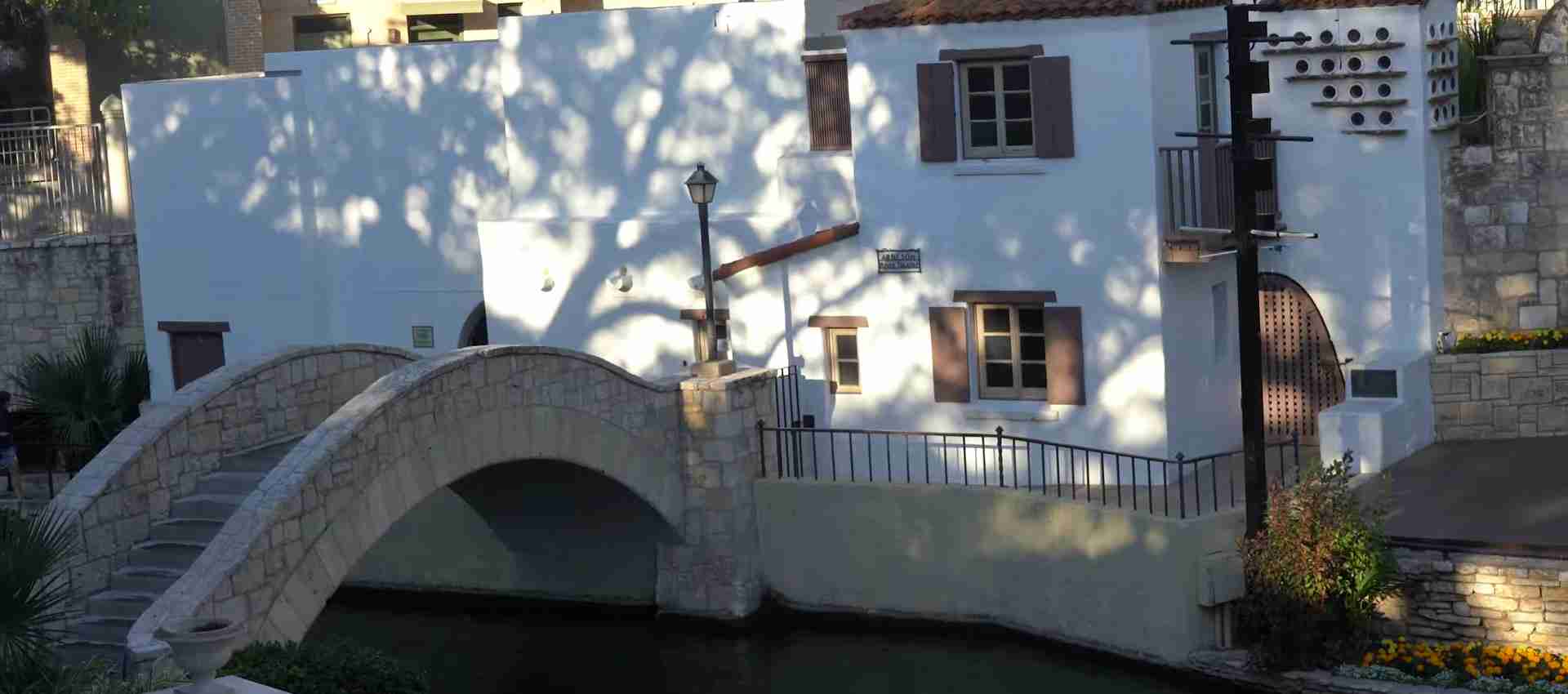
The River Walk (Paseo del Río) extends 15 miles through San Antonio connecting major attractions, restaurants, hotels, and public art along cypress-lined paths sitting one story below street level. Walking the River Walk costs nothing while providing people-watching, photo opportunities, and free entertainment from street performers, but Go Rio narrated boat tours at $14 adults offer 35-minute cultural and historical commentary covering downtown Horseshoe section highlighting architecture, landmarks, and city development. GO RIO shuttle service operates hop-on hop-off format with day passes at $22 allowing unlimited rides between downtown and Museum Reach including Pearl District stops. Evening River Walk strolls reveal colorful lighting, lively restaurant atmosphere, and occasional free concerts or festivals.
Pearl District three miles north of downtown has evolved from historic Pearl Brewery into San Antonio’s premier culinary and cultural destination featuring Hotel Emma with acclaimed restaurant Supper, Pearl Farmers Market Saturday and Sunday mornings with local produce and prepared foods, independent boutiques and galleries, cooking classes at the Culinary Institute of America, and Museum Reach River Walk extension. Pearl visit costs nothing beyond optional dining and shopping, but delivers authentic local atmosphere, exceptional food quality from James Beard-recognized chefs, and cultural sophistication reflecting contemporary San Antonio beyond tourist stereotypes. Saturday morning farmer’s market visit combines free entertainment, food samples, and people-watching ideal for budget travelers seeking authentic local experiences.
San Antonio Dining Scene 2026
San Antonio’s culinary landscape spans generations-old Tex-Mex institutions serving $8-15 combination plates, neighborhood taquerías producing $2-4 breakfast tacos considered among Texas’s finest, James Beard-recognized chef-driven restaurants at Pearl District commanding $40-60 per person, and tourist-oriented River Walk establishments charging $25-45 for meals available elsewhere at $12-20. Understanding where locals eat versus tourist traps, recognizing authentic Tex-Mex versus Americanized Mexican food, and navigating neighborhood dining districts allows travelers to experience San Antonio’s genuine food culture while managing costs effectively.
Tex-Mex represents San Antonio’s signature cuisine combining Mexican ingredients and techniques with Texas influence creating dishes like puffy tacos invented here in the 1970s, chile con queso as appetizer staple, and flour tortillas predominating over corn. Authentic Tex-Mex institutions include Mi Tierra operating 24 hours since 1941 in Market Square serving combination plates $12-18 amid colorful murals and mariachi music, Los Barrios on Blanco Road delivering traditional recipes in family atmosphere at $10-16 per person, and El Mirador neighborhood favorite since 1967 offering daily specials and legendary tortilla soups at $15-30. These establishments provide genuine cultural experiences at moderate prices versus $30-50 tourist-oriented River Walk Tex-Mex of comparable quality.
Breakfast tacos form daily ritual for San Antonians consuming millions weekly from hundreds of taquerías, food trucks, and restaurants throughout the city. Superior breakfast tacos feature fresh handmade flour tortillas, quality ingredients, and skillful preparation at establishments like Taco Taco Café with award-winning tacos at $3-4 each, Las Palapas offering 24-hour taco access at $2-3, and Garcia’s Mexican Food producing exceptional bacon-egg-cheese combinations at $3. Order minimum three tacos per person for filling breakfast, arrive before 10 AM for peak freshness, and request “on the grill” for slightly crispy tortilla edges. Budget travelers eating breakfast tacos daily spend $8-12 versus $18-25 for hotel restaurant breakfast.
Pearl District dining delivers San Antonio’s highest culinary achievement with Hotel Emma’s Supper earning national acclaim for seasonal Texas cuisine at $50-80 per person, Cured specializing in house-made charcuterie and European-influenced preparations at $40-60, and Southerleigh Fine Food & Brewery combining craft beer with upscale comfort food at $25-40. These restaurants justify higher prices through ingredient quality, culinary execution, and sophisticated atmospheres appealing to food-focused travelers willing to allocate larger budget share to exceptional meals. Reservations essential for weekend dinners, weekday lunch provides slightly lower pricing and easier availability, and bar seating offers full menu access without reservations.
River Walk dining divides between tourist-oriented chains charging premium prices for average quality and locally-owned establishments delivering authentic experiences at moderate rates. Casa Rio, San Antonio’s first River Walk restaurant operating since 1946, serves reliable Tex-Mex at $15-25 per person with prime outdoor seating. Boudro’s Texas Bistro offers upscale Southwestern cuisine including tableside guacamole at $30-50 per person. Avoid national chain restaurants on River Walk where $25-35 meals duplicate suburban quality at inflated prices. Walk three blocks beyond River Walk corridor to access identical food quality at 30-40% savings in neighborhood restaurants frequented by locals rather than tourists.
Safety Considerations for San Antonio 2026
San Antonio maintains moderate crime rates typical of major U.S. cities with tourist areas including downtown River Walk, Alamo Plaza, Pearl District, and major attractions experiencing minimal violent crime but occasional property theft and scams targeting visitors. Understanding neighborhood safety variations, common tourist scams, personal safety practices, and emergency resources allows travelers to explore confidently while minimizing risk through informed decision-making and situational awareness.
Downtown River Walk, Alamo Plaza, and major tourist corridors maintain strong police presence with San Antonio Police Department officers and private security patrols creating safe environment for pedestrians day and night. Violent crime against tourists remains rare, while property crimes including pickpocketing, bag snatch, and vehicle break-ins occur occasionally in crowded areas or parking structures. Travelers should secure valuables in hotel safes, avoid displaying expensive jewelry or electronics conspicuously, maintain awareness in crowded areas, and never leave bags unattended at restaurants or attractions. Evening River Walk strolls remain safe with well-lit paths, consistent foot traffic, and security presence, though travelers should avoid isolated areas late night and use rideshare for returns to hotels outside walking distance.
Common tourist scams in San Antonio include aggressive street performers demanding payment after unsolicited photos, unauthorized tour operators charging premium prices for basic services available cheaper through legitimate companies, parking attendants at unofficial lots claiming to represent attractions, and charity solicitors using aggressive tactics. Legitimate River Walk boat tours operate through Go Rio with clearly marked ticket booths and published pricing, while unauthorized operators approach tourists offering “special deals” at inflated rates. Verify tour operator credentials, refuse unsolicited performance demands, use official parking facilities despite higher costs versus suspicious unofficial lots, and decline aggressive charitable solicitations saving donations for verified organizations.
Specific neighborhoods require additional caution particularly after dark, though most visitors never venture into these areas during typical tourism activities. Areas east and west of downtown away from tourist corridors experience higher property crime rates and limited police presence. East Side neighborhoods beyond I-37 and West Side areas beyond Zarzamora Street see occasional gang activity unrelated to tourism. South San Antonio near Brooks City Base and far west areas near Highway 90 West lack tourist infrastructure. Travelers staying within downtown-Pearl-Southtown triangle and visiting major attractions face minimal safety concerns. Solo travelers should use rideshare rather than walking after 11 PM, female travelers report comfortable solo exploration during daytime, and families find San Antonio welcoming and safe for children throughout tourist areas.
Emergency services in San Antonio include 911 for police, fire, and medical emergencies with excellent response times in downtown areas, University Health downtown emergency room at 903 Floyd Curl Drive providing 24-hour care, and VIA Metropolitan Transit police at 210-362-2330 for issues on buses or at transit centers. San Antonio Police Department non-emergency number 210-207-7273 handles reports not requiring immediate response. Tourist Assistance Program operates through Visit San Antonio providing multilingual support and guidance for visitors experiencing issues. Travelers should program 911 and hotel contact into phones, keep identification and insurance cards accessible, and notify hotel staff immediately regarding any safety concerns or incidents.
Day Trip Options from San Antonio 2026
San Antonio’s central Texas location provides access to Texas Hill Country wine regions, German heritage towns, natural attractions, and historic sites within 30-90 minute drives, making day excursions popular for visitors spending four or more days and seeking diversity beyond urban exploration. Hill Country destinations offer contrasting landscapes, small-town atmosphere, and specialized experiences in wine tasting, German culture, or natural caves requiring rental cars or organized tours but delivering memorable additions to San Antonio-focused trips.
Fredericksburg stands 80 miles northwest of San Antonio as Hill Country’s premier wine and heritage destination featuring over 50 wineries, authentic German restaurants, antique shopping along Main Street, and National Museum of the Pacific War honoring Admiral Chester Nimitz. Rent a car for $50-70 daily allowing self-directed winery visits at $10-20 tasting fees, German lunch at Otto’s or Ausländer at $15-25 per person, and museum admission at $16 adults. Organized tours from San Antonio cost $110-140 per person including transportation, winery visits, and sometimes lunch but limiting scheduling flexibility. Allow full day with 1.5-hour drive each direction, concentrate 3-4 winery visits in afternoon, and dine in town before evening return.
Gruene (pronounced “green”) sits 35 miles north of San Antonio as preserved 1800s German settlement featuring Gruene Hall, Texas’s oldest continually operating dance hall built 1878 hosting live music nightly, Guadalupe River access for tubing May-September, antique shops in historic buildings, and Gristmill Restaurant occupying restored cotton gin ruins. Day trip requires rental car or rideshare at $30-40 each way, Gruene Hall admission varies by performer from $5-25, river tubing costs $25-35 including tube rental and shuttle, and meals run $12-25 per person. Combine Gruene with New Braunfels outlet shopping or Schlitterbahn Waterpark for full-day Hill Country experience. Visit weekdays avoiding weekend crowds, arrive mid-morning allowing 3-4 hours exploration, and check Gruene Hall schedule advance to catch afternoon music.
Natural Bridge Caverns, Texas’s largest commercial cave system, lies 20 miles north of San Antonio featuring massive limestone formations, underground chambers reaching 200 feet tall, and various tour levels ranging from standard 60-minute walks to adventurous multi-hour expeditions. Standard Discovery Tour costs $28 adults and $18 children showing main cavern highlights over one mile of paved underground paths, while Hidden Passages Tour at $95 per person explores undeveloped sections requiring crawling and climbing. Canopy Challenge aerial adventure course costs $60 providing ziplines and obstacle courses above ground. Allow half-day with 30-minute drive each direction, combine with nearby wildlife park or winery visits, and book morning tours avoiding afternoon tour bus crowds. Temperature remains constant 70°F underground requiring light jacket year-round.
Bandera, the “Cowboy Capital of the World” located 50 miles northwest, offers authentic dude ranch experiences, horseback riding through Hill Country landscapes, and traditional Texas barbecue at small-town establishments. Day visitors explore downtown’s Western storefronts, attend rodeo performances at Mansfield Park during summer season, and ride horses at various ranches charging $60-100 for 2-3 hour trail rides. Combine Bandera with Lost Maples State Natural Area during fall foliage season October-November when Texas madrone and bigtooth maple create colorful displays. Full-day trip requires early departure with 1.5-hour drive, activity concentration mid-morning through afternoon, and evening return via scenic FM 1283 or faster Highway 16.
Packing Essentials for San Antonio 2026
San Antonio’s subtropical climate, urban walkability, and diverse activity options from formal dining to outdoor mission exploration require versatile packing balancing weather preparation, walking comfort, and social occasion appropriateness. Spring and fall trips need layered clothing addressing 30-40°F morning-evening temperature swings, summer visits prioritize lightweight breathable fabrics and sun protection against 95-100°F heat, while winter requires jacket and layers for variable 40-70°F conditions with occasional freezes.
Footwear dominates packing priority as San Antonio exploration involves extensive walking on River Walk paths, downtown sidewalks, mission trails, and cobblestone plazas. Comfortable walking shoes or sneakers with substantial cushioning and support prove essential for 15,000-20,000 daily steps typical of active sightseeing. Break in new shoes minimum two weeks before trip avoiding blisters during travel. Pack second pair of walking shoes allowing rotation between days for foot comfort and shoe drying. Dress shoes or nicer sandals accommodate upscale restaurant dinners at Pearl District or Hotel Emma where athletic sneakers appear inappropriately casual. Flip-flops or shower sandals serve pool or hostel use but prove impractical for serious walking.
Clothing requirements vary seasonally but always emphasize breathable natural fibers over synthetics in San Antonio’s humidity. Summer June-August demands lightweight cotton or linen shirts, breathable shorts or light pants, sun hat with wide brim, and sunglasses protecting against intense sun. Spring and fall benefit from layering systems pairing t-shirts or light long-sleeves with cardigans or light jackets for morning and evening coolness while allowing adaptation to midday warmth. Winter December-February needs jacket or fleece for 45-55°F typical conditions plus warmer coat for occasional 30-35°F cold fronts, but heavy winter coats remain unnecessary as extended freezes rarely occur. Pack one dressy outfit for upscale dining — nice pants or dress with collared shirt or blouse sufficing for even Pearl District’s finest restaurants eschewing strict dress codes.
Sun protection proves essential year-round but particularly critical May-September when UV index exceeds 9 requiring sunscreen SPF 30+ applied hourly during outdoor activities, wide-brim hat shading face and neck, and polarized sunglasses. River Walk paths offer shade but mission trails, outdoor attractions, and midday walking expose travelers to intense direct sun. Reusable water bottle maintains hydration during walking exploration as San Antonio heat causes rapid dehydration — refill at hotel, restaurants, and public fountains rather than buying bottled water at $3-4 repeatedly. Small backpack or crossbody bag carries water bottle, sunscreen, phone charger, snacks, and daily essentials while keeping hands free for photos and maintaining security through body-contact positioning.
Electronics and accessories include phone with downloaded VIA bus app for real-time transit information, portable charger maintaining phone battery during full sightseeing days, camera if preferring dedicated photography over phone, and universal power adapter unnecessary as U.S. outlets serve international visitors with appropriate plug converters. Medical kit containing adhesive bandages for walking blisters, anti-diarrheal medication for Tex-Mex overindulgence, pain reliever for headaches, and personal prescriptions in original containers prevents minor issues from disrupting itineraries. Small Spanish phrasebook or translation app assists with menu reading and basic communication though English predominates in tourist areas. Umbrella or compact rain jacket protects against afternoon thunderstorms common spring and summer, while winters see occasional rain systems requiring water protection.
Cultural Etiquette and Local Customs 2026
San Antonio’s bicultural Mexican-American heritage spanning three centuries creates unique social customs blending Texas hospitality, Mexican traditions, and contemporary urban sophistication. Understanding appropriate social behaviors, tipping expectations, language considerations, and cultural sensitivity allows respectful engagement with local communities while enriching travel experiences through authentic cultural exchange beyond superficial tourist interactions.
Tipping in San Antonio follows standard U.S. practices with restaurant servers expecting 18-20% of pre-tax bill for satisfactory service, bartenders receiving $1-2 per drink or 15-18% on tabs, hotel housekeeping warranting $2-5 daily left in room with note, and rideshare drivers appreciating 15-20% though not strictly expected. River Walk restaurant servers often work primarily for tips making adequate tipping essential for their income. Valet parking attendants receive $2-5 when retrieving vehicles. Tour guides expect $5-10 per person for group tours or 15-20% for private experiences. Coffee shop tip jars appreciate $1 for standard coffee or espresso, while counter-service restaurants with digital payment prompts suggesting 15-22% create no obligation beyond rounding up for exceptional service.
Language in San Antonio reflects significant Mexican-American population with Spanish heard frequently in neighborhoods, markets, and some restaurants, but English predominates in tourist areas and all major attractions provide English-language information and services. Learning basic Spanish courtesies — buenos días (good morning), por favor (please), gracias (thank you), and disculpe (excuse me) — demonstrates cultural respect and often elicits warmer responses from service workers. Restaurant menus in authentic Tex-Mex establishments sometimes appear Spanish-only or bilingual, but servers gladly explain dishes and make recommendations. Avoid exaggerated Spanish pronunciation or offensive attempts at accents; simple genuine effort earns appreciation while mockery causes offense. Most San Antonians speak English as first language regardless of ethnic background, so assuming Spanish necessary insults longtime residents and creates awkward interactions.
Social customs in San Antonio emphasize friendly casual interactions reflecting Texas hospitality traditions. Making eye contact and greeting strangers with “hello” or “good morning” while passing on streets feels normal rather than intrusive. Restaurant servers, store clerks, and service workers expect pleasant brief conversation beyond transaction completion — asking “how are you today” and responding to similar inquiries demonstrates social competence. Handshakes serve as standard business greeting, while hugs among acquaintances remain common particularly in Mexican-American communities. Personal space norms mirror broader American patterns with 18-24 inches comfortable for casual conversations. Punctuality expectations relax slightly versus northeastern U.S. cities, but arriving 10-15 minutes late for restaurant reservations or tours without notification creates problems.
Religious sensitivity proves important given San Antonio’s deep Catholic heritage and active practice among Mexican-American communities. The four UNESCO missions continue operating as Catholic parishes with active worship services Sunday mornings and religious feast days. Visitors should enter mission churches respectfully removing hats, speaking quietly, and avoiding flash photography during services. Day of the Dead celebrations in late October hold deep cultural significance honoring deceased family members through altars, special foods, and ceremonies — treat observances respectfully avoiding party-atmosphere assumptions. Fiesta San Antonio events in April celebrate local culture and heritage beyond pure entertainment, warranting respectful participation and appreciation for traditions dating to 1891.
Family Travel Considerations San Antonio 2026
San Antonio ranks among America’s most family-friendly major cities offering diverse attractions spanning history, science, nature, and entertainment suitable for children ages 4 through teenagers, with many experiences remaining free or low-cost and most hotels welcoming families with connecting rooms and complimentary breakfast. Understanding child-appropriate activities, practical logistics for stroller navigation and meal timing, and strategies for managing costs while maintaining engagement allows families to create memorable educational vacations balancing fun with cultural exposure.
Family-focused attractions include San Antonio Zoo spanning 56 acres with over 3,500 animals housed in habitat-appropriate environments, costing $24 adults and $19 children with full-day exploration potential. DoSeum children’s museum designed for ages 1-10 features hands-on STEM exhibits, art studios, and outdoor exploration areas at $16 admission. Witte Museum combines Texas natural history, cultural exhibits, and H-E-B Body Adventure health and science sections appealing to elementary through middle school ages at $14 adults and $12 children. Six Flags Fiesta Texas amusement park 20 miles northwest offers rollercoasters and water rides at $70+ admission suitable for thrill-seeking families. Natural Bridge Caverns provides underground adventure fascinating for children 5+ years at $28 adults and $18 children with easy walking paths.
Free family experiences reduce daily costs while delivering educational value and physical activity. The Alamo Church visit costs nothing while teaching Texas history through iconic site, four Spanish missions along Mission Trail provide free exploration combining architecture, history, and outdoor space for running and picnicking, River Walk strolls entertain children through boat-watching and people-observing, and Brackenridge Park offers playgrounds, Japanese Tea Garden, and San Antonio Botanical Garden with diverse landscapes. Pearl Farmers Market Saturday and Sunday mornings provides free entertainment through musician performances, food samples, and community atmosphere. Public libraries throughout San Antonio offer free children’s programming and air-conditioned rest spaces.
Practical family logistics require planning around nap schedules, meal timing, and stroller accessibility. River Walk paths accommodate strollers easily with smooth surfaces and occasional elevator access from street level, but crowded midday hours create navigation challenges better avoided through morning or late afternoon timing. Many River Walk restaurants feature outdoor seating family-friendly for noise tolerance and quick service. Pack snacks and water bottles reducing constant food purchases and preventing hungry meltdowns. Hotel selection should prioritize complimentary breakfast reducing morning meal costs and complexity, connecting rooms or suites for space and privacy, and pools providing evening entertainment. Extended stay hotels with kitchenettes allow breakfast and lunch preparation drastically reducing food budgets for longer visits.
Age-appropriate itinerary pacing prevents exhaustion and maintains engagement. Young children ages 4-7 tolerate maximum 4-5 hours daily sightseeing before requiring pool or rest time, elementary ages 8-11 manage 5-6 hours with varied activities mixing physical and educational components, while teenagers sustain 6-8 hours if activities align with interests and allow autonomy periods. Schedule major attractions mornings when children remain fresh, build in afternoon pool or park breaks, and plan early dinners 5:30-6:30 PM allowing wind-down before bedtime. Involve children in planning selecting one or two activities they choose daily maintaining investment and cooperation. Use VIA buses when possible transforming transportation into adventure rather than hassle, and leverage hotel shuttles if offered reducing rental car costs and parking frustrations.
Solo Travel in San Antonio 2026
Solo travelers find San Antonio welcoming and accessible with safe downtown areas, numerous group tour options facilitating social connections, walkable attractions eliminating rental car necessity, and accommodation ranging from social hostels to comfortable mid-range hotels. Understanding safety considerations specific to solo exploration, strategies for meeting fellow travelers or locals, optimal neighborhood selection, and budget management techniques allows independent visitors to experience San Antonio confidently while maximizing flexibility and authentic cultural immersion.
Safety for solo travelers in San Antonio mirrors general visitor precautions with downtown River Walk, Alamo Plaza, Pearl District, and major tourist corridors maintaining strong security presence and consistent pedestrian traffic day and evening. Solo female travelers report comfortable exploration during daytime and early evening hours, while late-night activities warrant rideshare usage rather than walking particularly in less-trafficked areas. Join group walking tours or museum visits for social interaction and enhanced security through numbers. Inform hotel staff of daily plans and expected return times, share itinerary with family or friends via messaging, and maintain situational awareness avoiding headphones while walking in unfamiliar neighborhoods.
Accommodation choices for solo travelers balance cost, security, and social opportunities. Budget hostels like HI San Antonio on Houston Street cost $30-45 for dormitory beds providing social common areas, organized activities, and fellow traveler connections. Mid-range hotels near River Walk at $110-140 offer private rooms with security, convenient locations, and sometimes hotel-organized activities or evening receptions facilitating guest interactions. Avoid extremely budget hotels in isolated areas where savings prove false economy through inconvenient locations requiring expensive rideshares and questionable security. Select properties with 24-hour front desk staffing, well-lit parking, and central downtown locations allowing walking access to restaurants and attractions.
Meeting people while solo traveling occurs naturally through participation in group activities and authentic local venues. Free walking tours departing Alamo Plaza attract mixed traveler groups providing natural social opportunities while exploring downtown. Go Rio boat tours create casual conversation contexts during 35-minute shared experience. Pearl Farmers Market Saturday and Sunday mornings draws solo travelers and locals creating approachable social environment over coffee or breakfast tacos. Attend Culinaria Restaurant Weeks events, join cooking classes at Culinary Institute of America, or participate in brewery tours facilitating structured social interaction around shared interests. Strike conversations at hotel bars, coffee shops, or waiting for VIA buses where friendly Texas demeanor makes approaches feel natural rather than awkward.
Budget management for solo travelers addresses single supplement challenges where hotels charge identical rates regardless of occupancy, eliminating per-person cost benefits couples enjoy through room sharing. Hostel dormitory beds provide most economical accommodation at $30-45 versus $110+ hotel rooms. Focus food budget on breakfast tacos at $8-12 providing filling start allowing lighter cheaper lunch, making dinner the main meal at neighborhood restaurants where $15-25 plates deliver better value than River Walk establishments. Use VIA transit extensively at $3 daily versus rideshare trips adding up quickly for solo travelers lacking cost-sharing. Prioritize free attractions and self-guided exploration over paid tours where group rates don’t apply. Solo travelers spending thoughtfully achieve daily costs of $70-100 including hostel accommodation, transit-focused transportation, strategic dining, and free attraction emphasis.
Frequently Asked Questions About San Antonio 2026
Do I need a car in San Antonio?
Cars prove unnecessary for visitors staying downtown and focusing on River Walk, Alamo, Pearl District, and major attractions accessible via walking, VIA buses at $1.30 per ride, and rideshare trips at $6-15 for longer distances. Rent cars only for Mission Trail exploration beyond convenient bus routes, Hill Country day trips to Fredericksburg or Gruene, or accommodation far from downtown. Downtown parking costs $15-30 daily eliminating any convenience advantage, while rideshare trips totaling $20-30 daily prove cheaper than $50-70 daily rental plus parking and gas.
How much should I budget per person for a week in San Antonio in 2026?
Budget travelers spend $560-840 weekly at $80-120 per person daily including hostel or budget hotel ($25-40 per person nightly with two sharing), neighborhood dining ($35-52 daily), VIA transit and occasional rideshare ($8-11 daily), and mostly free attractions with selective paid admission ($10-15 daily). Mid-range travelers allocate $1,085-1,715 weekly at $155-245 per person daily covering comfortable hotels ($55-85 per person with two sharing), diverse dining including River Walk meals ($62-93 daily), mixed transportation ($15-25 daily), and broad attraction access ($25-40 daily). Luxury travelers invest $1,960-2,835 weekly at $280-405 per person daily for upscale hotels ($103-140 per person with two sharing), fine dining ($105-160 daily), rideshare transportation ($30-45 daily), and premium experiences ($40-60 daily).
Is the Alamo worth visiting in 2026?
The Alamo merits visiting as Texas’s most significant historic site and cultural landmark where the 1836 battle between Texas defenders and Mexican forces shaped state identity, particularly since church and grounds admission remains free requiring only timed reservation. The 30-minute church visit provides authentic connection to pivotal historical event, while the $14 Ralston Family Collections Center Exhibit displays Phil Collins’ donated artifact collection including weapons, documents, and interactive Battle of the Alamo diorama adding substantial educational value. First-time visitors should absolutely include the Alamo, while repeat visitors may skip if previously experienced, but the new exhibit opened March 2023 justifies revisits.
What’s the best neighborhood to stay in San Antonio?
Downtown River Walk delivers maximum convenience placing guests within walking distance of major attractions, restaurants, and nightlife but commands premium rates $180-280 per night. Southtown and King William three to six blocks from River Walk provide 30-40% savings at $90-140 per night with authentic neighborhood character, local restaurants, and five to ten-minute walks or $6-8 rideshare trips to downtown. Pearl District suits food-focused travelers willing to pay Hotel Emma’s $240-350 rates for boutique luxury and acclaimed dining, or stay nearby at mid-range properties $120-160 accessing Pearl’s cultural offerings via short walks. Budget travelers should select downtown periphery hotels at $70-100 balancing savings with walkability versus far-suburban properties requiring expensive rideshares.
When is the cheapest time to visit San Antonio?
Late January through February offers lowest hotel rates at $70-110 per night versus $160-220 summer peaks, though weather variability with occasional 40-50°F days and shorter daylight hours require flexibility. Early December before holiday season and November after Thanksgiving bring second-best value with rates $80-130 and comfortable 60-72°F temperatures ideal for outdoor exploration. Avoid peak rate periods including Fiesta San Antonio mid-April, spring break March, summer June-August, major holidays, and weekends year-round when Friday-Saturday rates exceed Tuesday-Thursday by $30-60. Book 60-90 days advance for optimal rate locks, and search midweek Tuesday-Thursday stays when demand and prices drop.
What should I eat in San Antonio?
Breakfast tacos represent San Antonio’s signature morning food featuring fresh handmade flour tortillas filled with eggs, bacon, chorizo, potato, cheese, and salsa combinations at $2-4 each from establishments like Taco Taco Café or Las Palapas — order minimum three per person. Authentic Tex-Mex at institutions like Mi Tierra, Los Barrios, or El Mirador delivers combination plates with enchiladas, tacos, rice, and beans at $12-18 showcasing regional cuisine distinct from Mexican food. Puffy tacos invented at Ray’s Drive Inn feature fried tortilla pockets creating crispy shells holding traditional fillings. Pearl District restaurants including Cured, Southerleigh, and Hotel Emma’s Supper provide contemporary Texas cuisine from acclaimed chefs at $40-80 per person for special occasion dining.
How do I get from San Antonio airport to downtown?
VIA bus Route 5 provides cheapest option at $1.30 connecting airport to downtown in 35-40 minutes with departures every 30-60 minutes, but requires navigating bus system and carrying luggage on public transit. Rideshare through Uber or Lyft costs $25-30 for 15-20 minute direct trips ideal for travelers with luggage or arriving late evening when bus frequencies reduce. Airport shuttles like SuperShuttle charge $25-35 per person shared van service requiring coordination with other passengers. Rental cars cost $50-70 daily but prove unnecessary for downtown-focused visits given parking costs and limited driving utility. Taxis run $30-40 with less convenience than rideshare apps.
Can I walk everywhere in San Antonio?
Walking covers downtown attractions including Alamo to River Walk (three minutes), River Walk to Market Square (12 minutes), and downtown to Southtown (18 minutes), but Pearl District sits three miles north requiring 50-minute walk, bus ride, or rideshare trip. Mission Trail extends eight miles south beyond practical walking distance necessitating bikes, VIA bus, or rental car access. Summer heat makes midday walking uncomfortable June-August when temperatures exceed 95°F, though River Walk paths offer shade. Combine walking for short downtown distances with VIA buses at $1.30 per ride for longer trips and rideshare at $6-15 for direct point-to-point convenience creating efficient mixed-mode transportation eliminating rental car needs.
What are the best free things to do in San Antonio 2026?
The Alamo Church and grounds cost nothing with free timed reservations providing access to Texas’s most iconic historic site, while four Spanish missions along Mission Trail offer free admission to active Catholic parishes preserving 18th-century architecture and cultural landscapes. River Walk strolls deliver 15 miles of pedestrian paths with restaurants, public art, and people-watching entertainment at zero cost, while Pearl Farmers Market Saturday and Sunday mornings provides live music, food samples, and community atmosphere free to browse. Brackenridge Park features playgrounds, Japanese Tea Garden, and trails, while public libraries offer air conditioning and free WiFi. San Fernando Cathedral light show Tuesdays, Fridays, and Sundays projects video art onto historic facade free to viewers.
Is San Antonio safe for tourists in 2026?
San Antonio tourist areas including downtown River Walk, Alamo Plaza, Pearl District, and major attractions maintain strong police presence with minimal violent crime against visitors, though property crimes like pickpocketing or bag theft occur occasionally in crowded areas requiring normal precautions. Evening River Walk strolls remain safe until 11 PM with consistent foot traffic and lighting, while late-night walking in isolated areas warrants rideshare usage. Solo travelers including women report comfortable downtown exploration during daytime and early evening, and families find San Antonio welcoming and safe for children throughout tourist zones. Avoid displaying expensive jewelry conspicuously, secure valuables in hotel safes, and maintain situational awareness in crowds following standard urban travel practices preventing most issues.