
San Antonio Food Guide: Best Restaurants and Local Cuisine
San Antonio stands as Texas’s most important culinary destination, where three centuries of Spanish, Mexican, German, and Texan influences converge to create a dining landscape unlike any other American city. The birthplace of both Tex-Mex cuisine and the iconic chili con carne, this UNESCO City of Gastronomy designation holder offers everything from puffy tacos created in the 1950s to nationally recognized contemporary restaurants that earned James Beard nominations and Michelin recognition.
Key Takeaways About San Antonio Food and Dining
- Puffy Tacos Define San Antonio: The city invented this signature dish in the 1950s when Henry Lopez experimented with frying raw masa dough instead of cooked tortillas, creating the pillowy, crispy shells that remain a local obsession at spots like Ray’s Drive Inn and Henry’s Puffy Tacos
- Tex-Mex Birthplace Credentials: San Antonio claims authentic Tex-Mex heritage dating to the 1880s when Chili Queens sold meat and bean stews in Military Plaza, establishing culinary traditions that evolved into cheese enchiladas with chili gravy and breakfast tacos that define the modern genre
- Pearl District Concentration: The renovated Pearl Brewery complex contains the city’s highest concentration of nationally significant restaurants including Supper at Hotel Emma, Cured, and La Gloria, representing refined dining within a walkable riverside neighborhood
- Barbecue Fusion Innovation: San Antonio distinguished itself from Austin and Central Texas barbecue through Latin fusion approaches, with flour tortillas served alongside brisket as standard practice and restaurants like 2M Smokehouse and Curry Boys BBQ earning James Beard recognition for blending smoked meats with Mexican and Southeast Asian flavors
- Market Square Cultural Hub: Historic El Mercado anchors the largest Mexican market outside Mexico, where Mi Tierra Cafe operates continuously since 1941 serving traditional Mexican and Tex-Mex dishes under hand-painted murals while mariachi bands perform throughout the day and night
- UNESCO Gastronomy Designation: San Antonio earned official UNESCO City of Gastronomy status recognizing its unique culinary heritage, indigenous foodways, and continuing innovation in preserving traditional cooking methods while advancing contemporary cuisine through chefs like Elizabeth Johnson at Pharm Table
People Also Ask About San Antonio Food and Restaurants
What food is San Antonio famous for?
San Antonio is famous for inventing puffy tacos, creating Tex-Mex cuisine as a distinct culinary category, and claiming the origin of chili con carne. The city’s signature puffy taco features raw masa dough fried until it balloons into an airy, crispy shell that’s both crunchy and tender, created by Henry Lopez at Ray’s Drive Inn in the 1950s. Beyond puffy tacos, San Antonio developed the Tex-Mex genre through dishes like cheese enchiladas with chili gravy (a dark ancho-based sauce with no equivalent in Mexican cuisine), breakfast tacos stuffed with combinations like barbacoa and egg or carne guisada, and the tradition of serving chips and salsa before every meal. The city also pioneered chili con carne in the 1880s when Chili Queens set up nighttime stalls in Military Plaza selling simple meat and bean dishes to working men, a tradition that spread worldwide. Contemporary San Antonio adds barbecue served with flour tortillas, Big Red soda paired with barbacoa tacos, and fusion innovations like brisket served over Thai green curry that earned James Beard nominations.
Where do locals eat in San Antonio?
Locals eat at neighborhood institutions that prioritize authenticity over tourist appeal. On the West Side, Pete’s Tako House serves breakfast tacos and puffy tacos with carne guisada filling from morning until early afternoon closing around 3 PM, while Ray’s Drive Inn maintains its status as hallowed ground for puffy taco devotees since the 1950s. The Southtown arts district draws residents to Dough Pizzeria Napoletana for wood-fired pies and Battalion for Italian dishes served in a converted fire station. Barbecue loyalists frequent Smoke Shack for generous portions and 2M Smokehouse where pitmaster Esaul Ramos creates Texas Monthly Top 50-ranked brisket and ribs. For Tex-Mex, locals bypass River Walk tourist traps in favor of Los Barrios on Blanco Road where the Barrios family has served recipes perfected since 1979, or Rosario’s in Southtown for thirty years of consistent execution. The Pearl District attracts San Antonians for upscale occasions at Supper or weekend mornings at the Pearl Farmers Market. Carnitas Don Raúl, originally a food truck featured on Netflix’s Taco Chronicles, draws crowds for traditional Michoacan-style carnitas where customers select specific pork parts from a displayed menu.
Is San Antonio known for good food?
San Antonio is recognized as one of America’s most important food cities, earning UNESCO City of Gastronomy designation and producing multiple James Beard Award semifinalists and nominees. The city’s culinary significance stems from being the birthplace of Tex-Mex cuisine, maintaining unbroken culinary traditions dating to Spanish colonial times, and fostering contemporary innovation that earned national recognition. Restaurants like 2M Smokehouse, Curry Boys BBQ, and Supper at Hotel Emma earned James Beard nominations, while the Michelin Guide for Texas includes multiple San Antonio establishments. Texas Monthly consistently ranks San Antonio restaurants among the state’s best, with 2M Smokehouse making the prestigious Top 50 BBQ list and Petit Coquin earning recognition as a favorite new French restaurant. The city distinguishes itself through authentic execution of traditional dishes (puffy tacos, barbacoa, tamales), preservation of historical dining institutions (Mi Tierra operating since 1941, Ray’s Drive Inn since the 1950s), and willingness to innovate while respecting tradition, exemplified by chefs combining Texas barbecue with Thai curry or serving Neapolitan pizza in the Southtown arts district. Food writers and critics recognize San Antonio as the most historically significant Tex-Mex destination and an emerging fine dining city through Pearl District development.
What is the difference between Mexican food and Tex-Mex?
Tex-Mex represents a distinct cuisine that evolved in San Antonio and South Texas through adaptation of Mexican dishes using American ingredients and cooking methods, creating preparations with no equivalent in Mexico. The defining differences include cheese types (Tex-Mex uses yellow cheddar and processed cheese versus Mexican white cheeses like queso fresco and Oaxaca), sauces (Tex-Mex chili gravy made with ancho chiles and beef stock versus Mexican mole and tomatillo salsas), and cooking techniques (Tex-Mex emphasizes combination plates and sizzling fajitas versus Mexican street tacos and regional specialties). Specific Tex-Mex inventions include cheese enchiladas with chili gravy (corn tortillas filled with melted yellow cheese and topped with dark chili gravy), crispy tacos in hard shells (Mexican tacos use soft corn tortillas), fajitas served sizzling on cast iron platters with flour tortillas (Mexican carne asada is sliced differently and served simply), and breakfast tacos as a distinct category (not traditional in Mexico). Tex-Mex also features queso (melted processed cheese dip), nachos as invented in Texas, and the ubiquitous chips and salsa served before meals. Mexican cuisine varies dramatically by region (Oaxacan moles, Yucatecan cochinita pibil, Veracruz seafood) with complex sauces, indigenous ingredients, and techniques unchanged for centuries, while Tex-Mex developed as comfort food for Anglo and Mexican-American communities in Texas using available ingredients like beef, yellow cheese, and wheat flour tortillas alongside corn.
Extended multi-day tours – 5+ days
Featured Texas Multi-Day Tour Packages
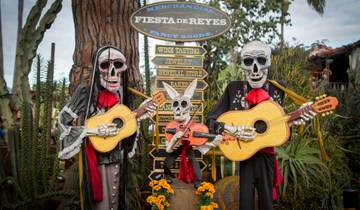
5 days
Dia de Los Muertos in San Antonio
- ✓ Comprehensive Texas tour
- ✓ Expert local guides included
- ✓ All accommodation arranged
- ✓ Transportation provided
7 days
Great Texas Stories: A Journey Through Cities, Nature, and Adventure
- ✓ Booking needs min. 2 travelers

8 days
Big Bend Exploring and Hiking (Women-Only)
- ✓ Comprehensive Texas tour
- ✓ Expert local guides included
- ✓ All accommodation arranged
- ✓ Transportation provided
Multi-day tour packages powered by TourRadar. Prices and availability subject to change.
Introduction: Understanding San Antonio’s Culinary Landscape
San Antonio’s food culture represents the longest continuous culinary tradition of any major American city, with unbroken cooking lineages stretching from Spanish colonial missions in the 1700s through Mexican independence, Texas statehood, and modern UNESCO gastronomy recognition. Unlike cities where immigrant cuisines arrived and adapted, San Antonio’s Mexican and Spanish foodways existed first, with Anglo culture arriving later and creating the synthesis now known as Tex-Mex. This unique historical sequence produced a culinary landscape where authenticity means something different than in other American cities—the “authentic” San Antonio style is itself a fusion, and that fusion happened here first.
The city’s dining geography reflects this layered history. The West Side maintains the highest concentration of traditional Mexican restaurants and taquerías, operating with recipes passed through generations and serving predominantly Spanish-speaking neighborhoods. Downtown’s Market Square preserves the commercial heart of 19th-century San Antonio, where restaurants like Mi Tierra continue traditions established when the area was the city’s primary Mexican business district. The River Walk, despite tourist reputation, contains legitimate dining destinations alongside predictable chains, particularly in stretches away from the Alamo. Southtown emerged as the arts district where creative restaurateurs opened Italian, Vietnamese, and New American concepts in renovated industrial buildings. The Pearl District represents San Antonio’s contemporary culinary ambitions, clustering nationally recognized chefs and innovative restaurants in the repurposed Pearl Brewery complex along the Museum Reach of the River Walk.
This geography matters because San Antonio’s best eating requires movement between neighborhoods. A comprehensive culinary visit demands breakfast tacos on the West Side, lunch at a Pearl District restaurant, barbecue in an East Side converted gas station, and dinner in Southtown, with puffy tacos consumed whenever opportunity arises. The city rewards exploration beyond obvious tourist corridors, where parking lots filled with work trucks at lunchtime signal better food than valet parking and leather-bound menus. San Antonio’s culinary soul lives in family restaurants where owners know regular customers’ orders, in bakeries making pan dulce before dawn, and in food trucks where pit masters smoke brisket overnight to serve at 11 AM opening.
Understanding San Antonio food requires recognizing that categories overlap in ways unique to this city. Barbecue restaurants serve flour tortillas as standard alongside brisket. Tex-Mex restaurants smoke their own barbacoa using techniques unchanged since Spanish colonial times. Contemporary fine dining incorporates puffy taco techniques and Tex-Mex flavor profiles into elevated cuisine. This blending reflects the reality that in San Antonio, culinary borders remained fluid while other Texas cities developed more segregated dining cultures. The result is a food scene where a restaurant can earn James Beard recognition for serving brisket over Thai green curry, where the most acclaimed pizza uses Tex-Mex ingredients, and where the definition of “traditional” includes inventions from the 1950s that became instant classics.
Puffy Tacos: San Antonio’s Signature Creation
Puffy tacos represent San Antonio’s most important culinary contribution, a dish so identified with the city that the San Antonio Missions minor league baseball team uses a giant puffy taco mascot. Unlike the gradual evolution of most regional specialties, puffy tacos have a documented origin story: in the 1950s, Henry Lopez worked at Ray’s Drive Inn, owned by his older brother Ray, and experimented with frying uncooked masa dough instead of already-cooked tortillas. The raw dough puffed dramatically in hot oil, creating shells that were simultaneously crispy, airy, and tender—texturally unlike any existing taco preparation. This innovation created a new category within Tex-Mex cuisine and remains the dish most associated with San Antonio identity.
The technical distinction matters for understanding why puffy tacos differ from both hard and soft tacos. Traditional hard tacos use cooked corn tortillas that are then fried, producing uniform crunchiness throughout. Soft tacos use unfried cooked tortillas with pliable texture. Puffy tacos start with raw masa harina dough pressed thin, then dropped into hot oil where the dough cooks and simultaneously expands, creating shells with crunchy exteriors and soft, almost bread-like interiors with air pockets throughout. The puffing occurs because the water in the raw dough converts to steam during frying, inflating the masa before it sets. Properly executed puffy tacos achieve a delicate structural integrity—strong enough to hold fillings without collapsing, light enough to compress easily when bitten. The shells must be filled and served immediately, as they lose texture appeal within minutes of cooling, similar to sopapillas.
Ray’s Drive Inn claims the title “Home of the Original Puffy Taco” and maintains the same preparation methods from the 1950s. Located at 822 SW 19th Street, the restaurant operates with vintage jukebox ambiance and walls covered in memorabilia documenting puffy taco history. The Lopez brothers later opened Henry’s Puffy Tacos as a separate operation, creating a family dynasty around the innovation. Both restaurants prepare traditional fillings—seasoned ground beef picadillo, shredded chicken, and guacamole—served with lettuce, tomato, and cheese in the puffed shells. The experience of eating at Ray’s approximates a pilgrimage for San Antonio food culture, with locals treating the restaurant as hallowed ground where tradition and community intertwine with the simple pleasure of wonderful puffy tacos.
Beyond the originator locations, puffy tacos spread throughout San Antonio as other restaurants adopted and adapted the technique. Pete’s Tako House in the West Side neighborhood serves breakfast puffy tacos stuffed with carne guisada or chorizo and egg, extending the preparation into morning hours. Los Barrios elevated the puffy taco with premium ingredients while maintaining expert technique that prevents sogginess. Taco Haven in Southtown has served the Torres family puffy taco recipe since 1969, with locals praising shells that achieve the ideal crispy-outside, soft-inside texture. La Margarita in Market Square offers puffy tacos with front-row seating to San Antonio’s cultural heart. These restaurants demonstrate how a 1950s innovation became so fundamental to San Antonio identity that its mastery became a requirement for Tex-Mex restaurant credibility.
Contemporary variations push puffy taco boundaries while respecting core technique. Ninfa’s incorporates Gulf Coast seafood into puffy tacos, stuffing fresh shrimp or grilled fish into the fried shells with chipotle cream sauce, bringing coastal Mexican influences to the San Antonio creation. Some restaurants experiment with blue corn masa for darker, nuttier shells, or add cheese directly to the masa dough before frying. The essential elements remain constant: raw masa pressed thin, fried until puffed and golden, served immediately while structurally sound, filled generously but not so heavily that the shell breaks. First-time visitors should order puffy tacos early in meals, as the immediate-serving requirement means they’re best experienced fresh and hot rather than as leftovers or takeaway items.
Tex-Mex Traditions and Classic Restaurants
San Antonio’s claim as the birthplace of Tex-Mex rests on documented history and unbroken culinary lineages that predate the term “Tex-Mex” itself. The cuisine’s origin traces to the 1880s when Mexican and Native American women set up nighttime stalls in Military Plaza (now in front of City Hall), selling simple meat and bean dishes to working men in the booming city. These “Chili Queens” created early versions of chili con carne and established the tradition of Mexican-influenced street food adapted for Anglo tastes. As these operations moved indoors and formalized into restaurants through the early 1900s, they developed the signature preparations now recognized as Tex-Mex: cheese enchiladas with chili gravy, combination plates with rice and refried beans, crispy tacos, and the ubiquitous chips and salsa service.
The defining Tex-Mex dish remains cheese enchiladas with chili gravy, a preparation with no equivalent in Mexican cuisine. Corn tortillas are filled with melted yellow cheddar or processed cheese, rolled, and topped with chili gravy—a dark, ancho chile-based sauce made with beef stock and spices that differs fundamentally from Mexican moles or enchilada sauces. The gravy is purely Texan in origin and character, developed in San Antonio kitchens to appeal to both Mexican and Anglo palates. Properly executed cheese enchiladas achieve a balance where the rich, slightly greasy cheese contrasts with the savory, mildly spicy gravy, all served over soft corn tortillas that absorb sauce without disintegrating. This dish appears on every San Antonio Tex-Mex menu and serves as the benchmark for evaluating restaurant quality.
Mi Tierra Cafe y Panaderia represents the most visible symbol of San Antonio’s Tex-Mex heritage. Operating continuously since 1941 when Pedro and Cruz Cortez purchased a three-table cafe in Market Square, the restaurant expanded over decades to fill an entire city block. The current operation serves hundreds simultaneously under hand-painted ceiling murals depicting Mexican and San Antonio history, with mariachi bands performing throughout the day and night. Mi Tierra never closes—literally operating around the clock, including Christmas Eve and all holidays. The attached panaderia (bakery) produces traditional Mexican pan dulce and empanadas visible through glass cases that tempt diners arriving or departing. Despite potential tourist trap characteristics (decorations, mariachi shows, massive scale), Mi Tierra maintains food quality that satisfies both visitors and locals, with consistent execution of enchiladas, tamales, and the famous chilaquiles. The restaurant’s scale allows for immediate seating even during peak hours, though weekend waits can extend past an hour.
Los Barrios Mexican Restaurant elevated Tex-Mex from comfort food to refined dining without abandoning traditional preparations. Founded in 1979 by Viola Barrios and maintained by her family across four generations, the restaurant occupies a sprawling hacienda-style building on Blanco Road with warm colors and the aroma of roasting chiles. Los Barrios earned Food Network features and James Beard recognition while serving the same family recipes Viola perfected. Their signature Nachos a la Butler features individual chips each topped separately rather than creating the typical pile, preventing the disappointment of naked chips at plate bottom. The puffy tacos rival Henry’s for city supremacy, while the chile relleno achieves perfect spice and cheese balance. Los Barrios demonstrates that Tex-Mex executed at the highest level competes with any cuisine for sophistication and flavor complexity.
Rosario’s Mexican Cafe y Cantina anchors Southtown’s dining scene, serving Tex-Mex for three decades with consistency that earned loyal local following. The colorful dining room and sprawling patio fill with both tourists and San Antonians throughout the day, particularly during happy hour when margaritas flow and the kitchen serves classics alongside creative specials. Rosario’s Parrillada Mixta delivers a mountain of grilled meats and vegetables sufficient to feed entire families with leftovers remaining. The restaurant’s location in the arts district makes it convenient for combining meals with gallery visits or First Friday events. Poblano’s Mexican Restaurant near San Fernando Cathedral serves downtown workers and visitors with no-frills Tex-Mex that emphasizes fresh ingredients and generous portions, operating since the 1960s with recipes little changed from opening day.
Contemporary Tex-Mex innovators reinterpret classic dishes while respecting fundamental flavors. La Gloria in the Pearl District focuses on authentic Mexican street food and antojitos rather than Texas adaptations, bringing regional Mexican specialties to San Antonio’s most prominent dining complex. The restaurant represents how the city’s culinary scene evolved to distinguish between Tex-Mex (the Texas-born fusion) and regional Mexican cuisines (Oaxacan, Yucatecan, northern Mexican), allowing both traditions to flourish. This evolution reflects San Antonio’s maturation from a city where “Mexican food” meant only Tex-Mex to one where culinary diversity includes both the local Tex-Mex tradition and authentic preparations from throughout Mexico.
Breakfast Taco Culture and Morning Traditions
Breakfast tacos represent San Antonio’s most democratic food tradition, consumed across all economic and cultural lines from construction workers to corporate executives. The breakfast taco concept originated in San Antonio (with Austin claiming co-invention status, creating ongoing rivalry), developing from Mexican breakfast traditions adapted to portable, handheld form for working people. Unlike lunch or dinner tacos with complex preparations, breakfast tacos emphasize simplicity: flour tortillas filled with scrambled eggs combined with one or two additional ingredients—bacon, chorizo, potato, bean, cheese—wrapped in foil or paper and consumed immediately. This straightforward formula allows nearly infinite variation while maintaining recognizable structure.
The fundamental breakfast taco preparations establish the genre vocabulary. Bacon and egg delivers smoky pork fat mixed with scrambled eggs in a flour tortilla, often with cheese added. Chorizo and egg combines crumbled Mexican sausage with eggs, the spiced pork fat tinting the eggs orange-red. Potato and egg features cubed potatoes fried until crispy then scrambled with eggs, creating textural contrast. Bean and cheese layers refried beans with melted cheese for vegetarian appeal. Carne guisada tacos use slow-simmered beef in gravy as the protein component, creating richer, more substantial breakfast. Barbacoa and egg on weekends pairs the traditional Sunday barbacoa (slow-cooked beef cheeks) with scrambled eggs. Advanced combinations stack multiple proteins—the “Big Red Breakfast” at some taquerías combines bacon, chorizo, and potato with egg in a single large tortilla.
Pete’s Tako House exemplifies the neighborhood breakfast taco institution. Operating since 1978 and recently relocated to larger space, Pete’s serves American and Tex-Mex breakfast from early morning until afternoon closing around 3 PM. The restaurant fills with regulars who arrive before work for chorizo and egg tacos, carne guisada plates, and breakfast combinations. Puffy tacos appear on the breakfast menu alongside conventional tacos, allowing the option of standard or puffed preparation. The cash-only policy and no-frills atmosphere reinforce authenticity—this is food for people who work with their hands, served without pretension at prices that allow daily consumption. Lines form during peak morning hours, but service moves efficiently with staff memorizing regular orders.
Taco Haven in Southtown has served breakfast tacos since 1969, with the Torres family maintaining recipes that create perfect taco fundamentals. Morning crowds pack the small space for breakfast service, with lunch bringing the transition to puffy tacos. The handmade tortillas distinguish Taco Haven from mass-production competitors, providing superior texture and corn flavor that elevates simple egg and potato combinations. The restaurant operates with family atmosphere where regulars are greeted by name, creating the neighborhood feel that characterizes San Antonio’s best breakfast spots. Con Huevos Tacos earned nomination for Neighborhood Restaurant of the Year in local Tastemaker Awards, serving creative breakfast combinations that honor tradition while experimenting with ingredients.
The Baked Bird represents newer entrants to San Antonio breakfast culture, focusing on breakfast with unique twists beyond traditional tacos. The menu includes Strawberry Cheese French Toast and elevated biscuits and gravy, with cinnamon rolls praised as the city’s best. Alamo Biscuit & Panaderia Riverwalk operates continuously, offering 24-hour breakfast including biscuit flights with homemade jams and gravies, and Chicken Chilaquiles Biscuit that merges Southern and Mexican breakfast traditions. These contemporary breakfast spots demonstrate San Antonio’s evolution from purely traditional breakfast tacos to broader morning offerings while maintaining the accessible, casual approach that defines local breakfast culture.
Breakfast taco protocol requires understanding several local conventions. First, flour tortillas dominate breakfast service in San Antonio, unlike Austin where corn tortilla breakfast tacos appear more frequently. Second, salsa options matter—restaurants typically offer red (tomato-based), green (tomatillo or jalapeño), and sometimes specialty salsas, with locals selecting based on protein choice. Third, timing affects quality dramatically: breakfast tacos peak from 7 AM to 10 AM when turnover ensures fresh preparation, with afternoon service producing acceptable but not optimal results. Fourth, ordering quantity requires calibration: two tacos constitute light breakfast, three is standard, four or more signals serious appetite. Finally, the best breakfast taco spots operate cash-only or cash-preferred, close by mid-afternoon, and occupy unpretentious spaces where parking lots filled with work trucks at 7 AM signal superior quality.
Barbecue Excellence and Fusion Innovation
San Antonio barbecue distinguishes itself from Central Texas traditions through Latin American influences and willingness to innovate beyond conventional Texas preparations. While Austin and Lockhart barbecue restaurants emphasize meat purity and resist fusion, San Antonio pit masters embrace the city’s Mexican heritage by serving flour tortillas alongside brisket as standard practice, incorporating Latin flavors into rubs and sauces, and creating entirely new barbecue categories that merge Texas smoking techniques with international cuisines. This approach earned San Antonio recognition as “America’s Best BBQ City” in some surveys, validating the fusion methodology that purists elsewhere resist.
2M Smokehouse established San Antonio’s contemporary barbecue reputation when it opened in 2016. Pitmaster Esaul Ramos Jr. previously worked at la Barbecue in Austin before returning to his hometown with Central Texas smoking techniques refined through San Antonio sensibilities. The restaurant earned inclusion in Texas Monthly’s prestigious Top 50 BBQ list, James Beard Award semifinalist recognition for Ramos, and Michelin Guide inclusion—remarkable achievements for a relatively young establishment. The menu features sliced brisket and house-made sausages that rank among Texas’s finest, but the innovation appears in accompaniments: fresh flour tortillas for making brisket tacos, pickled nopales (cactus) and serranos alongside traditional pickles and onions, and desserts including cheesecakes and tarts made by Grecia Ramos rather than typical banana pudding. This combination of smoking excellence with Mexican-influenced sides and unexpected desserts exemplifies modern San Antonio barbecue.
Curry Boys BBQ represents the most dramatic departure from traditional Texas barbecue while maintaining respect for smoking fundamentals. Chefs Andrew Ho, Andrew Samia, and Sean Wen combine oak-smoked meats from South BBQ & Kitchen with Southeast Asian curries, creating dishes that earned the trio James Beard Award semifinalist recognition and features on national barbecue television programs. The signature preparation serves brisket over jasmine rice with spicy green curry, garnished with fried shallots and cilantro, with optional crispy chili oil for additional heat. Other menu items include curry queso, pulled pork with Penang curry, and smoked chicken thigh with yellow curry. The concept works because the chefs smoke meats using proper Texas techniques before incorporating them into curry preparations—the brisket achieves proper smoke ring and bark before being sauced, ensuring barbecue quality matches fusion ambition. Curry Boys operates from a bright pink building on the St. Mary’s strip and recently opened a second location in Stone Oak.
Reese Bros Barbecue earned national acclaim when Bon Appétit named it among America’s 50 best restaurants the same year it opened its brick-and-mortar location. Brothers Nick and Elliott Reese, born in San Antonio but raised in Austin where they worked at la Barbecue, returned to their hometown with impeccable smoking credentials. Their specialty Otis tacos serve chopped brisket, cilantro, onion, and green salsa on house-made flour tortillas for $7, creating affordable luxury that demonstrates how San Antonio barbecue naturally integrates Mexican preparations. The restaurant typically sells out by early afternoon, with pork ribs and potato salad often depleted by 1 PM, reflecting demand that exceeds production capacity. The cooking schedule requires arriving early or accepting limited menu selection, a common pattern among San Antonio’s best barbecue operations.
Traditional Texas barbecue without fusion elements thrives at establishments throughout the city. Pinkerton’s Barbecue brought Houston-born smoking excellence to downtown San Antonio, serving slow-smoked meats in the urban core convenient for both workers and visitors. Two Bros BBQ Market, operated by chef Jason Dady and his brother Jake since 2009, maintains north side presence with reliable execution of brisket, ribs, and sausage. Smoke Shack emphasizes generous portions and authentic Texas barbecue flavors in casual atmosphere, earning devoted following for consistency since 2013. Barbecue Station, family-owned since 1992 and operating from a converted gas station, earned Michelin recommendation for wood-smoked meats and scratch-made sides, with locals praising the marbled brisket and jalapeño mac and cheese.
Accessible barbecue options accommodate visitors wanting quality without the lines and limited hours typical of top-tier joints. These restaurants open at least five days weekly for both lunch and dinner, maintain indoor air-conditioned seating, and rarely experience prohibitive waits. B-Daddy’s BBQ, Big Bibb BBQ, Garcia Barbecue, and Schulze’s Pit Room meet these accessibility requirements while delivering respectable smoking quality. Garcia Barbecue particularly distinguishes itself by merging traditional barbecue with Tex-Mex favorites—brisket tacos, barbecue quesadillas, and jalapeño rice alongside conventional plates—plus kid-friendly options including grilled cheese and chicken strips that make family dining practical. This fusion approach, combined with Wednesday-Sunday hours and welcoming atmosphere, demonstrates how San Antonio barbecue restaurants serve broader audiences than the strict meat-and-sides specialists common in Central Texas.
Pearl District Dining Excellence
The Pearl District represents San Antonio’s transformation from purely traditional dining destination to city with nationally significant contemporary restaurants. The renovated Pearl Brewery complex along the Museum Reach of the San Antonio River Walk contains the highest concentration of acclaimed restaurants in the city, including establishments that earned James Beard recognition, Michelin Guide inclusion, and national food media attention. The Pearl succeeds through pedestrian-friendly design that clusters restaurants, shops, and the Pearl Farmers Market within a walkable area connected to downtown via riverside path, creating an urban dining and shopping district rare in Texas cities built around automotive transportation.
Supper at Hotel Emma holds position as San Antonio’s finest restaurant and among the best hotel restaurants in Texas. Located within the renovated Emma building that once served as the Pearl Brewery’s administrative headquarters, the restaurant occupies a stunning dining room with original architectural details including exposed brick, industrial elements, and soaring ceilings. The kitchen executes refined American cuisine with Texas ingredients and Southern influences, earning consistent praise from food critics and maintaining standards appropriate for special occasions and business dining. The menu changes seasonally but emphasizes prime beef, Gulf seafood, and sophisticated preparations that respect ingredient quality. Service matches the setting with professional staff providing detailed menu knowledge and wine pairing expertise. Reservations are essential, and the restaurant maintains dress code expectations that lean toward business casual minimums.
Cured earned James Beard Award recognition for charcuterie excellence and closed permanently in January 2026 after thirteen years, representing significant loss to San Antonio’s dining scene. The restaurant specialized in house-made charcuterie, whole animal butchery, and nose-to-tail cooking that elevated humble cuts through expert technique. During its operation, Cured established San Antonio’s credentials for serious farm-to-table dining and demonstrated that the city’s culinary ambitions extended beyond Tex-Mex and barbecue. Though closed, Cured’s influence persists through chefs it trained and the standards it established for ingredient sourcing and butchery practices now adopted by other San Antonio restaurants.
La Gloria brings authentic Mexican street food and antojitos to the Pearl with recipes developed by celebrity chef Johnny Hernandez. Unlike Tex-Mex restaurants adapting Mexican dishes for Anglo tastes, La Gloria emphasizes regional Mexican authenticity with preparations from various Mexican states. The menu includes street tacos al pastor cooked on vertical spit, elotes (grilled corn), and traditional ceviches and aguachiles. The restaurant’s covered patio and festive atmosphere create approachable environment for exploring Mexican cuisine beyond Tex-Mex conventions, making it accessible introduction to the diversity of Mexican regional cooking. La Gloria succeeds as the best accessible Mexican restaurant in San Antonio—neither too casual nor overly formal, serving authentic food without pretension or intimidating atmosphere.
The Pearl Farmers Market operates Saturday mornings from 9 AM to 1 PM, providing the most atmospheric food experience in the Pearl District at minimal cost. Local farmers and artisan food producers set up under the covered pavilion and surrounding areas, selling fresh produce, grass-fed meats, artisan breads, prepared foods, and specialty items. The market attracts San Antonians seeking quality ingredients and food-focused visitors wanting to experience local food culture without restaurant pricing. Prepared food vendors serve breakfast tacos, empanadas, tamales, fresh juices, and coffee, allowing market browsing while eating. The Saturday timing makes the market ideal for visitors spending weekend mornings in the Pearl before exploring other neighborhoods.
Additional Pearl District dining options include Botika, serving Peruvian and Asian fusion in a sleek modern space, and numerous casual options for coffee, pastries, and quick meals. The Culinary Institute of America operates a San Antonio campus at the Pearl, contributing culinary education to the district’s food focus. The Pearl succeeds because its compact geography allows visitors to experience multiple restaurants and the market within a single day’s exploration, with Museum Reach River Walk access providing scenic one-and-a-half mile walking connection to downtown. Any comprehensive San Antonio dining itinerary should allocate at least one meal at the Pearl, with Supper representing special occasion dining and La Gloria offering accessible excellence for regular visits.
Southtown Arts District and Contemporary Dining
Southtown emerged as San Antonio’s arts and creative dining district, where renovated industrial buildings and bungalows house galleries, studios, and restaurants that attract younger demographics and visitors seeking alternatives to River Walk tourism. The neighborhood stretches south of downtown along South Alamo Street and surrounding blocks, with First Friday art walks drawing crowds to galleries that stay open late with wine and music. This creative atmosphere attracted restaurateurs opening concepts that diverged from traditional San Antonio categories, bringing Italian, Vietnamese, New American, and innovative Tex-Mex to a district that welcomed experimentation.
Dough Pizzeria Napoletana produces San Antonio’s best Neapolitan pizza in a proper dome oven using 00 flour, San Marzano tomatoes, and fresh fior di latte mozzarella. The restaurant occupies the heart of Southtown’s arts district, serving excellent pizza that would earn respect in Naples. The Margherita DOC delivers the benchmark preparation with San Marzano sauce, fior di latte, fresh basil, and quality olive oil, while seasonal topping pizzas rotate using local and imported ingredients. The restaurant operates walk-in only for most service, creating waits during peak times particularly during First Friday events when the arts district fills with gallery visitors. The pizza quality justifies waits—this is genuinely excellent pizza executed to Italian standards rather than American pizzeria approximations.
Battalion occupies a converted fire station with the original pole still attached, serving elevated Italian food that earned reputation as Southtown’s best date night destination. The kitchen excels at sauces—lamb ragu in lasagna, burst of pomodoro on charred green beans, white wine sauce with lamb chops that’s worthy of eating by the spoonful, and marinara on chicken parmesan that surpasses any jarred equivalent tenfold. The setting provides swanky atmosphere appropriate for impressing corporate clients or romantic occasions, but the food’s excellence means anyone dining brings plate-licking temptation. Battalion demonstrates that San Antonio’s Italian food scene, though not the city’s primary identity, achieves excellence when chefs commit to proper technique and ingredient quality.
Little Em’s Oyster Bar represents contemporary coastal dining brought to San Antonio by Emily and Houston Carpenter, the restaurateur couple also behind Claudine and Nineteen Hyaku. Opened in 2020, Little Em’s serves fresh oysters from various regions, Maine lobster rolls, Ora King salmon carpaccio, and seafood standards including shrimp cocktail, ceviche, and fish and chips. The menu includes caviar service for luxury occasions, with Champagne, Prosecco, and Lambrusco available to accompany oysters and seafood. The restaurant demonstrates how San Antonio’s dining scene expanded beyond regional specialties to include sophisticated seafood service despite the city’s inland location three hours from the Gulf Coast.
Leche de Tigre brings Peruvian cuisine to downtown San Antonio near Southtown, acing both food and atmosphere for dates and friend gatherings. The restaurant weaves choclo (large-kernel Peruvian corn) throughout the menu, serving it in ceviches—both the light, limey classico and nikkei with tangy ponzu—and fried alongside crispy pork belly. The bachiche represents the most beautiful dish: sashimi scallops in parmesan-infused leche de tigre contrasting sharp and silky flavors. Peruvian food remains rare in San Antonio, making Leche de Tigre valuable both for introducing the cuisine and executing it at a level that justifies repeat visits beyond novelty appeal.
Claudine earned recognition for exceptional decor and Southern-influenced New American cuisine. Located in Government Hill neighborhood blocks east of the Pearl, the restaurant opened in October 2022 as the third offering by Houston and Emily Carpenter. The intimate five-room space features colorful wallpaper and painted walls with jazz music creating sophisticated but welcoming atmosphere. The Southern menu pays homage to Houston’s grandmother Claudine, with dishes including Grandma’s cornbread with smoked wallflower butter and blue crab beignets. The restaurant’s design aesthetic and food quality both earn praise, demonstrating how San Antonio’s contemporary dining encompasses both cuisine innovation and elevated interior design previously uncommon outside Pearl District establishments.
Hidden Gems and Neighborhood Favorites
San Antonio’s best dining frequently exists outside obvious tourist districts in neighborhood restaurants serving specific communities with recipes unchanged across decades. These establishments operate without marketing departments or social media presence, relying on word-of-mouth reputation and regular customer loyalty built through consistent execution over years or generations. Finding them requires local knowledge, exploration beyond main thoroughfares, and willingness to visit areas where menus may be Spanish-only and the assumed customer is someone’s tía rather than out-of-town visitor.
Carnitas Don Raúl operates as a small food truck specializing in traditional Michoacan-style carnitas, with husband-and-wife team Martin and Michelle Muñoz bringing authentic flavors to San Antonio. Michelle’s father founded the original location in Morelia, Michoacan in 1991, establishing recipes and techniques now replicated in Texas. The operation earned Netflix feature on Taco Chronicles series, bringing national attention to what locals already knew—these are exceptional carnitas prepared using traditional methods. Customers select specific pork parts from displayed menu options numbered 1-9, with “ALL” option delivering complete variety including crispy bits, tender shoulder, and specialty cuts. The horchata receives particular praise, described as creamier and fresher than typical versions. The food truck represents how San Antonio’s Mexican food traditions maintain direct connections to Mexico through family lineages and unchanged recipes.
Garcia’s Mexican Food earned New York Times recognition for brisket tacos despite not being traditional barbecue joint. Operating since 1962 as family-run Tex-Mex restaurant, Garcia’s smokes brisket in-house daily, serving it in homemade flour tortillas topped with creamy guacamole. The brisket tacos blend San Antonio’s barbecue and Tex-Mex traditions, representing the fusion approach that characterizes local cuisine. The restaurant also serves carne guisada with cheese praised as equally crave-worthy, demonstrating that the brisket tacos, while nationally recognized, sit within broader menu of excellent Tex-Mex preparations. Garcia’s operates on Fredericksburg Road, the commercial corridor running northwest from downtown through predominantly Mexican-American neighborhoods where many of San Antonio’s best traditional restaurants exist away from tourist visibility.
Clementine in Castle Hills captures neighborhood restaurant spirit where Southern comfort meets community charm. The warm, casual setting serves regulars who know staff names and have usual tables, with the restaurant functioning as de facto community gathering space. The menu emphasizes Southern classics executed with care rather than innovation for its own sake, creating comfort food that satisfies without pretension. Clementine represents the category of neighborhood restaurants that earned local devotion through consistency, hospitality, and understanding their role in community fabric beyond simply serving meals.
Taco Haven’s longevity since 1969 and Torres family ownership establish it as Southtown institution despite the neighborhood’s arts district transformation. The restaurant maintained recipes and approach through decades when Southtown gentrified around it, preserving working-class Tex-Mex traditions while galleries and contemporary restaurants opened nearby. Morning breakfast crowds include construction workers and artists, lunches bring office workers from downtown, and the puffy tacos draw weekend visitors exploring Southtown. The family atmosphere where regulars are greeted by name contrasts with impersonal service common in newer establishments, providing connection increasingly rare in modern dining.
Attaboy earns recognition as San Antonio Magazine’s best brunch restaurant, with chef Christopher Cullum creating sophisticated morning meals watched from counter seating overlooking the small kitchen. The restaurant honors Cullum’s father, a local jazz cornet player, with jazz music accompanying meals. Cullum earned James Beard Award nomination for Best Chef: Texas, validating the quality of a restaurant that might otherwise be overlooked in a city dominated by Tex-Mex and barbecue discourse. Attaboy demonstrates San Antonio’s evolving dining scene where New American brunch executed at James Beard level finds audience alongside traditional breakfast tacos.
River Walk Dining Beyond Tourist Traps
The San Antonio River Walk carries reputation for tourist-oriented restaurants with mediocre food at inflated prices, a characterization partially deserved for the stretch directly between the Alamo and Convention Center. However, legitimate dining destinations exist on River Walk sections away from peak tourist concentration, and several restaurants maintain quality despite obvious tourist appeal. Understanding River Walk geography allows avoiding the worst while accessing genuinely worthwhile establishments that benefit from scenic riverside locations.
Boudro’s Texas Bistro operates since 1986 on the River Walk serving New American cuisine with Texas flair, maintaining quality across nearly four decades despite prime tourist location. The limestone walls and cozy interior work equally well for inside seating or riverside patio tables. Chef Danny Ibarra’s menu highlights blue crab tostadas and Texas filet representing South Texas flavors, while the famous guacamole made tableside in stone molcajete and prickly pear margarita became signature preparations. Boudro’s succeeds by executing Tex-Mex-influenced dishes with refinement that justifies prices while maintaining approachability that doesn’t alienate tourists seeking accessible upscale dining. The restaurant requires reservations for peak times, particularly weekend evenings when River Walk foot traffic peaks.
Bohanan’s Prime Steaks and Seafood near the Majestic Theatre brings traditional steakhouse excellence to downtown in historic building with dark wood, crystal, and white tablecloths. Chef Mark Bohanan serves prime beef including filet and ribeye, establishing Bohanan’s among San Antonio’s best steakhouses. The dress code requires sleeves and pants, signaling formality level where white-tablecloth service includes amuse bouche and tableside flambé preparations. The crab cakes contain no breadcrumbs, grilled oysters arrive swimming in melted butter, and the filet quality justifies premium pricing without excessive fixings. Bohanan’s demonstrates that San Antonio supports traditional steakhouse dining at the highest level, though it’s steakhouse excellence rather than uniquely San Antonio cuisine.
Iron Cactus and Ocho provide River Walk locations with views trading some quality for accessibility. Both maintain acceptable food standards while charging the expected River Walk premium for scenic riverside seating. These restaurants serve purposes for visitors prioritizing location over culinary excellence—the view, the atmosphere, the convenience of staying near hotels—acknowledging that not every meal requires pilgrimage to neighborhood institutions or Pearl District refinement. Reasonable expectations and understanding the trade-offs allow satisfactory experiences at these tourist-accessible establishments.
The Museum Reach section of River Walk extending north toward the Pearl District provides entirely different dining experience than the tourist-heavy downtown section. This portion includes Hotel Emma and access to Pearl restaurants, plus walking paths popular with locals exercising or commuting by bicycle. The Museum Reach represents San Antonio’s investment in extending River Walk beyond tourist district to create amenity for residents and connect neighborhood destinations. Dining at Pearl-area restaurants accessed via Museum Reach River Walk allows combining scenic riverside environment with contemporary cuisine rather than forcing choice between quality food and River Walk experience.
River Walk dining strategy requires distinguishing between restaurants that happen to be on the River Walk versus restaurants existing primarily for River Walk tourism. The former includes Boudro’s and Bohanan’s, which would maintain reputations and customer bases regardless of river access. The latter includes generic Tex-Mex and steakhouse chains lining the central tourist corridor whose mediocrity is subsidized by tourist turnover. Consulting local recommendations, checking James Beard and Michelin recognition, and noting whether San Antonians actually eat there distinguishes worthwhile River Walk restaurants from those existing solely to extract dollars from one-time visitors.
International and Fusion Dining
San Antonio’s international dining scene developed later than coastal cities but now includes restaurants serving Thai, Vietnamese, Peruvian, Italian, French, and Japanese cuisines alongside the expected Mexican and Tex-Mex dominance. These restaurants succeed by adapting to local palates while maintaining authentic techniques and ingredients, creating fusion approaches that respect both traditions rather than diluting either. The most successful international restaurants in San Antonio tend toward fusion rather than strict authenticity, reflecting the city’s preference for culinary boundary-crossing established through Tex-Mex history.
Petit Coquin earned Texas Monthly recognition as favorite among three French restaurants on the state’s best new restaurants list. The streamlined prix fixe menu and laissez-faire atmosphere create French dining without stuffiness or intimidation factors that sometimes accompany the cuisine. The restaurant demonstrates how contemporary San Antonio dining includes sophisticated international options that would have been unimaginable in a city once dominated entirely by Tex-Mex and steakhouse categories. The inclusion on Texas Monthly’s selective annual list validates quality at the level of Houston and Dallas French restaurants previously considered superior to San Antonio options.
Thai Bird succeeded initially operating from food hall stall before outgrowth demanded brick-and-mortar location at 6401 Broadway in Alamo Heights. CultureMap San Antonio readers voted Thai Bird Best New Restaurant in annual Tastemaker Awards, recognizing both food quality and the progression from food hall to standalone restaurant. Chef Gilbert’s Thai chicken serves as signature dish, with menu including chili crisp hummus with puffed rice crackers, chopped salad with kale and mango, and vegetarian options like kale slaw and red curry corn. The restaurant’s Castle Hills expansion demonstrates demand for quality Thai food in San Antonio, with the original food hall stall closing as the standalone location absorbed all business. Thai Bird represents newer wave of international restaurants that proved San Antonio market supports authentic ethnic cuisines beyond Mexican and Tex-Mex.
Sichuan House fills rare role as one of few Sichuan restaurants in San Antonio metro area. In a city of 1.5 million people, legitimate Sichuan cuisine remains scarce despite national popularity of dishes like mapo tofu and dan dan noodles. Sichuan House serves authentic preparations with appropriate heat levels and numbing Sichuan peppercorn flavors, creating options for San Antonians seeking Chinese food beyond Americanized versions. The restaurant’s existence reflects gradual diversification of San Antonio dining, though the city still lags coastal metros for Asian cuisine variety and depth.
Pharm Table represents unique category of farm-to-table restaurant removing inflammatory ingredients (wheat, dairy, refined sugar, processed foods) while maintaining flavor through fresh farm produce and regenerative farming partnerships. Chef Elizabeth Johnson’s work helped San Antonio receive UNESCO City of Gastronomy designation, recognizing the restaurant’s approach to healthful cuisine and sustainable sourcing. The minimalist design with Danish wishbone chairs, natural pigments, and ceramics from Latin America and Asia creates aesthetic supporting the apothecary approach to food and beverage. Pharm Table fills niche for diners with dietary restrictions or preferences for anti-inflammatory eating while demonstrating that restricted-ingredient cooking achieves sophistication when executed by skilled chefs with access to quality ingredients.
Vietnamese, Indian, and Brazilian restaurants operate throughout San Antonio, with concentrations along commercial corridors serving specific ethnic communities. These restaurants often serve primarily their community members with English-language accommodations minimal, creating authentic dining experiences requiring some cultural navigation. Chama Gaucha Brazilian Steakhouse brings rodizio-style all-you-can-eat grilled meats to San Antonio in upscale setting, representing Americanized Brazilian churrascaria dining rather than street-level authenticity but satisfying meat-focused appetites with quality and spectacle. The diversity of international options expanded significantly in the past decade, though San Antonio still emphasizes Tex-Mex, barbecue, and Mexican cuisines reflecting the city’s cultural identity and historical development.
Market Square and Historic Mexican District
Market Square (El Mercado) represents the commercial and cultural heart of San Antonio’s Mexican community, claiming status as the largest Mexican market outside Mexico. The square occupies blocks between Dolorosa and Commerce Streets west of downtown, where Mexican merchants have operated continuously since the 1800s. The current configuration includes the Farmer’s Market Plaza with indoor vendor stalls selling crafts, clothing, and specialty goods, plus restaurants serving traditional Mexican and Tex-Mex food to both tourists and local Mexican-American families. Market Square functions simultaneously as tourist attraction and genuine community gathering space, with authentic and commercialized elements coexisting within the same blocks.
Mi Tierra Cafe y Panaderia dominates Market Square dining, operating from its original location at 120 Produce Row continuously since 1941. The restaurant’s founding story traces to Pedro Cortez, an immigrant from Guadalajara, and his wife Cruz purchasing a three-table cafe that expanded over decades to occupy an entire city block. The 1955 addition of the panaderia (bakery) established the pan dulce tradition that now fills display cases visible when entering. The 1989 Mariachi Bar addition brought live music performance space that operates alongside the main dining room. Current scale accommodates hundreds of diners simultaneously under hand-painted murals depicting Mexican and Chicano history, with mariachi bands performing continuously regardless of time—Mi Tierra literally never closes, operating through all holidays including Christmas.
Mi Tierra’s menu spans Mexican and Tex-Mex categories, with breakfast available around the clock alongside lunch and dinner standards. The chilaquiles earn particular praise, with both red and green sauce versions representing proper Mexican breakfast preparations. Enchiladas, tamales, and combination plates satisfy Tex-Mex expectations, while more authentic Mexican dishes like mole and pozole appear for customers seeking traditional preparations. The bakery produces traditional Mexican pan dulce and empanadas using recipes unchanged since the 1950s, with the colorful conchas and cuernos displayed in glass cases that tempt everyone entering or exiting. Despite obvious tourist appeal and massive scale that could enable mediocrity, Mi Tierra maintains food quality through institutional pride and recognition that reputation built across eight decades requires protecting through consistent execution.
La Margarita operates within Market Square offering puffy tacos and Tex-Mex classics with front-row seating to San Antonio’s cultural heart. The festive atmosphere and convenient Market Square location make it accessible for combining dining with shopping the vendor stalls selling Mexican crafts and goods. The restaurant functions as tourist-friendly introduction to San Antonio Tex-Mex while maintaining sufficient quality to satisfy locals, though serious puffy taco devotees travel to Ray’s or Henry’s for the definitive versions. La Margarita succeeds in the challenging role of accessible tourist restaurant that doesn’t entirely abandon standards in favor of volume service.
Market Square shopping stalls sell Mexican imports including pottery, leather goods, folk art, clothing, and specialty items unavailable in standard retail. The vendor atmosphere creates marketplace feeling rare in modern American commerce, with negotiation expected and Spanish frequently the primary language. Visiting Market Square allows cultural immersion into San Antonio’s Mexican heritage beyond simply eating Mexican food, providing context for understanding how cuisine connects to broader cultural identity. The square hosts events throughout the year including Cinco de Mayo celebrations and Dia de los Muertos festivities that draw massive crowds for music, food, and cultural programming.
The Market Square area extends into surrounding blocks where Mexican bakeries, specialty grocery stores, and small restaurants serve predominantly Spanish-speaking clientele. These businesses operate with minimal English signage and assume customers understand Mexican food culture without explanation, creating authenticity through serving their community rather than translating for tourists. Exploring beyond Mi Tierra into these surrounding blocks reveals San Antonio’s Mexican commercial district still functioning for residents rather than primarily existing as tourist destination, though gentrification pressures and downtown development increasingly threaten this neighborhood character.
Desserts, Bakeries, and Sweet Traditions
San Antonio’s dessert culture reflects Mexican, German, and Southern influences through pan dulce, fruit empanadas, German pastries, and contemporary innovations. Traditional Mexican bakeries (panaderías) operate throughout the city, particularly on the West Side and near Market Square, producing pan dulce in dozens of varieties for morning coffee and afternoon merienda. German bakeries preserve traditions established by 19th-century German immigrants, while contemporary pastry chefs create modern desserts incorporating local ingredients and Tex-Mex flavor profiles. The diversity of sweet options reflects San Antonio’s multicultural heritage and the importance of dessert in both Mexican and Southern food cultures.
Pan dulce represents the most widely consumed dessert category in San Antonio, with Mexican bakeries producing colorful conchas (shell-shaped sweet breads), cuernos (horns), empanadas de calabaza (pumpkin empanadas), and dozens of other varieties. The breads are mildly sweet rather than intensely sugary, designed for dunking in café con leche or hot chocolate rather than eating as standalone desserts. Traditional panaderías arrange pan dulce in open display cases where customers select pieces with tongs and trays, paying by count at register. The breads cost minimal amounts, making daily or multiple-times-weekly purchases affordable for working families. Mi Tierra’s panaderia offers the most visible pan dulce experience for tourists, though neighborhood panaderías throughout the city provide superior quality and variety for those willing to explore West Side commercial strips.
Empanadas appear in both savory and sweet versions, with fruit-filled empanadas particularly popular as breakfast pastries or afternoon snacks. Pumpkin empanadas dominate during fall and winter months, while pineapple, apple, and sweet potato versions appear year-round. The pastry differs from South American empanada dough, using flakier, less dense crust that approximates hand pies more than dumplings. Quality empanadas achieve balance between filling sweetness and pastry richness, avoiding sogginess while maintaining tender interior texture. Small bakeries and some Tex-Mex restaurants make empanadas fresh daily, with morning purchases ensuring warm, recently baked quality.
German bakeries preserve traditions from San Antonio’s significant German immigration during the 1800s, when German settlers established communities in the city and surrounding Texas Hill Country. These bakeries produce strudels, kuchen (fruit-topped cakes), and German-style breads using recipes brought from Germany and maintained across generations. The German baking tradition influenced broader Texas dessert culture, contributing techniques and flavor preferences that distinguish Texas sweets from other Southern regional desserts. Contemporary San Antonio bakeries sometimes fuse German and Mexican traditions, creating hybrid pastries that reflect the city’s multicultural heritage.
Churros appear at festivals, markets, and specialized churrerías, served warm with cinnamon sugar and optional chocolate or dulce de leche dipping sauce. The fried dough preparation creates crispy exterior with soft interior, best consumed immediately while hot. Churros represent festival food and special occasion treats rather than everyday desserts, with their appearance signaling celebration and indulgence. Street vendors at Market Square events and other festivals prepare churros fresh, creating aroma that draws crowds to purchase bags of warm churros dusted with cinnamon sugar.
Contemporary pastry innovations appear at restaurants like Supper at Hotel Emma where pastry chefs create sophisticated plated desserts, and at standalone bakeries serving modern interpretations of classic preparations. These establishments incorporate Tex-Mex flavors like cajeta (goat milk caramel), Mexican chocolate, and chiles into pastries and desserts, creating fusion sweets that honor tradition while advancing technique. The sophistication level ranges from simple tres leches cake at Tex-Mex restaurants to elaborate multi-component plated desserts at fine dining establishments, demonstrating breadth of San Antonio’s sweet offerings across all price points and formality levels.
Practical Dining Information and Customs
San Antonio dining operates with customs and expectations that differ from other major American cities, reflecting the city’s cultural composition and historical development. Understanding these local conventions improves dining experiences and prevents confusion or disappointment when restaurant operations don’t match assumptions based on dining in other cities. The most significant distinctions involve language, timing, tipping practices, and the relationship between formality and quality.
Spanish language appears throughout San Antonio restaurant environments, from menus entirely in Spanish at neighborhood taquerías to bilingual staff at most establishments. Many excellent restaurants operate with Spanish as the primary language, English as accommodation. This linguistic reality reflects San Antonio’s demographics—the city is majority Hispanic with deep Mexican-American cultural roots rather than recent immigrant community. Visitors uncomfortable with Spanish-language dining miss substantial portions of San Antonio’s best food, as many superior restaurants serve primarily Spanish-speaking clientele and make minimal concessions to English speakers. Basic Spanish food vocabulary (pollo/chicken, res/beef, cerdo/pork, arroz/rice, frijoles/beans) and willingness to point at menu items or neighboring tables allows navigation of Spanish-dominant establishments without fluency.
Operating hours vary significantly from coastal city conventions. Breakfast taco specialists often open before 6 AM to serve construction workers and early shift employees, operating until mid-afternoon rather than dinner hours. Many celebrated restaurants close Mondays and Tuesdays, or operate limited schedules like Wednesday-Sunday only. Barbecue restaurants frequently sell out before stated closing times, with afternoon arrivals finding limited or no menu availability. Checking hours before visiting prevents disappointment, particularly for restaurants maintaining traditional schedules rather than conforming to tourist expectations of daily operation with standard hours. The best breakfast tacos appear between 7 AM and 10 AM when turnover ensures fresh preparation; afternoon breakfast tacos are acceptable but not optimal.
Cash-only or cash-preferred operations remain common, particularly at neighborhood restaurants, food trucks, and Mexican bakeries. Many establishments accept credit cards but offer cash discounts or maintain ATM machines on premises rather than integrating card processing as default payment. Carrying cash enables dining at superior restaurants that prioritize food quality over payment convenience. The cash prevalence reflects both tradition and economics—many family-owned restaurants operated cash-only for decades and saw no reason to change, while credit card processing fees represent meaningful expense for thin-margin operations serving affordable food.
Tipping practices follow standard American conventions of 15-20% for table service, with 20% increasingly expected at upscale establishments. Counter service restaurants with tip jars don’t require tipping though small amounts are appreciated. Breakfast taco stands operating with counter service and minimal interaction typically don’t expect tips, while sit-down restaurants with table service require standard tipping regardless of casual atmosphere. The formality level and price point don’t always align in San Antonio—extremely casual restaurants sometimes serve exceptional food meriting premium pricing, while formal settings occasionally mask mediocre execution. Evaluating quality requires looking beyond ambiance to actual food and service rather than assuming correlation between formality and excellence.
Parking challenges vary dramatically by neighborhood. Pearl District, Southtown, and downtown areas require patience finding street parking or using paid lots, particularly during peak dining hours and First Friday art walks. West Side and suburban locations typically offer abundant free parking. River Walk restaurants may have valet parking or validate parking at nearby garages. Arriving early or accepting short walks from distant parking improves experiences at popular restaurants where closest spaces fill quickly. The automotive orientation of Texas means most San Antonio restaurants expect customers to arrive by car, with pedestrian-friendly exceptions primarily in Pearl District and portions of Southtown.
Reservations requirements depend on restaurant tier and timing. High-end establishments like Supper at Hotel Emma require advance reservations, particularly for weekend dinners. Mid-range restaurants benefit from reservations during peak hours but accommodate walk-ins with short waits. Casual taquerías, barbecue joints, and neighborhood Tex-Mex restaurants operate first-come-first-served, with lines at peak times but generally reasonable waits. Calling ahead for reservations at any restaurant above casual tier prevents disappointment, particularly for weekend dining or large groups. OpenTable and similar platforms work for participating restaurants, though many San Antonio establishments still handle reservations by phone only.
Seasonal Specialties and Food Traditions
San Antonio food culture includes seasonal preparations and annual traditions that structure the culinary calendar around specific dishes appearing during particular times. These seasonal patterns reflect Mexican Catholic traditions, Texas agricultural cycles, and local customs developed over generations. Understanding seasonal specialties allows timing visits to coincide with specific foods or participating in food-centered celebrations that reveal cultural dimensions beyond everyday dining.
Tamales define December and Christmas season, with families making dozens or hundreds during weeks before Christmas. Traditional tamale-making (tamaladas) brings extended families together for multi-generational production sessions where older women teach younger generations the techniques for preparing masa, fillings, and wrapping corn husks. Commercial tamale production peaks in December with many restaurants and small-batch producers accepting advance orders for Christmas tamales. The varieties include pork in red chile sauce, chicken in green sauce, sweet tamales with raisins and cinnamon, and bean and cheese for vegetarian options. January continues tamale season through Three Kings Day (January 6th), with tamales maintaining prominence until February when production declines to normal year-round levels.
Barbacoa traditionally appears on Sunday mornings, when families gather after church for barbacoa tacos. The preparation involves slow-cooking beef cheeks (cachete) or whole cow heads wrapped in maguey leaves and cooked overnight in underground pits or modern ovens, creating tender, rich meat served with fresh tortillas, cilantro, onions, and salsa. Barbacoa paired with Big Red soda became iconic San Antonio combination, with the sweet cream soda’s flavor complementing the rich, fatty meat. Sunday barbacoa tradition brings families to specific barbacoa specialists rather than general Tex-Mex restaurants, with some establishments operating only Sunday mornings to serve the weekend barbacoa crowd. Arriving early (8-10 AM) ensures availability before restaurants sell out.
Menudo serves as traditional hangover cure and Sunday breakfast, appearing at Mexican restaurants throughout the week but particularly emphasized on weekends. The tripe soup with hominy, chiles, and oregano requires hours of cooking to tenderize the beef stomach, creating distinctive texture and flavor that divides diners into devoted fans and absolute refusers with little middle ground. Menudo culture includes specific consumption rituals—squeezing lime, adding oregano and crushed chiles to individual preference, eating with fresh tortillas, and accepting that the strong smell and texture represent acquired tastes. Restaurants known for excellent menudo attract dedicated customers who judge establishments primarily on menudo quality regardless of other menu items.
Fiesta Week in April brings city-wide food festivities associated with San Antonio’s major annual celebration. The multi-day event includes food booths at various Fiesta events, special restaurant promotions, and traditional foods like cascarones (confetti-filled eggs), gorditas, and aguas frescas sold by vendors throughout event areas. Fiesta represents peak tourist season but also genuine local celebration when San Antonians embrace city-wide party atmosphere. The food scene intensifies during Fiesta with special menus, extended hours, and restaurant participation in Fiesta-themed events beyond normal operations.
Dia de los Muertos (Day of the Dead) on November 1-2 brings pan de muerto (bread of the dead) to bakeries and traditional altar displays to restaurants and Market Square. The round, sweet bread decorated with bone-shaped pieces represents essential Day of the Dead food tradition, consumed during the holiday period and used as altar offerings. Mexican bakeries produce pan de muerto only during the weeks surrounding November 1-2, making it truly seasonal preparation unavailable other times. The holiday combines indigenous and Catholic traditions with food playing central ceremonial role, particularly the altar offerings of deceased family members’ favorite foods and beverages.
Food Tours and Culinary Experiences
Organized food tours provide efficient introduction to San Antonio dining for visitors with limited time or those preferring guided experiences with historical and cultural context. These tours typically combine several restaurant stops with walking through neighborhoods, transportation between districts, and narration about San Antonio food history and cultural development. The tours serve different purposes than independent dining—they prioritize breadth over depth, convenience over discovery, and education over pure culinary experience. Well-designed food tours succeed by introducing neighborhoods and restaurants visitors might not find independently while providing cultural context that enriches understanding.
Walking food tours concentrate on specific districts where multiple restaurants exist within pedestrian distance. Southtown and Pearl District food tours work particularly well given the concentrated dining options and interesting neighborhood context. These tours typically include four to six stops over three hours, with small plates or samples at each location rather than full meals. The walking format allows guides to discuss neighborhood history, architecture, and cultural development between food stops, creating educational experience beyond simple eating. The disadvantage involves smaller portions than independent dining, meaning serious appetites may leave unsatisfied despite multiple stops. The advantage lies in trying multiple restaurants and cuisines within single experience, providing comparative understanding of San Antonio’s dining diversity.
Tex-Mex and taco tours focus specifically on San Antonio’s signature cuisines, visiting puffy taco establishments, traditional Tex-Mex restaurants, and breakfast taco specialists. These specialized tours work well for visitors particularly interested in understanding Tex-Mex’s development and tasting the preparations that define San Antonio food culture. The best taco tours include both sit-down restaurants and food trucks or taquerías, demonstrating the range from casual to refined within Tex-Mex category. Historical context about chili queens, the development of cheese enchiladas, and puffy taco invention adds value beyond simply eating tacos at multiple locations.
Barbecue tours present logistical challenges given that top barbecue restaurants often locate in different parts of the city with limited hours and sell-out risks. Some tours focus on single acclaimed barbecue restaurant with extended time there rather than attempting multiple stops. Others combine barbecue with Tex-Mex or other cuisines in mixed-cuisine tours acknowledging difficulty of hitting multiple barbecue joints in one session. Independent travelers might find barbecue better experienced through dedicated visits to 2M Smokehouse or Curry Boys BBQ rather than as tour component, allowing proper attention to the smoking craft and flavors without time pressure of group tour schedules.
Cooking classes provide hands-on experience with San Antonio and Tex-Mex cooking techniques. Some classes focus on specific preparations like tamales, tortillas, or mole sauces, while others cover broader Tex-Mex repertoire. The Culinary Institute of America’s San Antonio campus at the Pearl occasionally offers public classes and demonstrations beyond its professional training programs. Mexican Cultural Institute and similar organizations periodically host cooking demonstrations and classes teaching traditional Mexican techniques. These educational experiences work well for visitors wanting to understand ingredient selection, technique, and cultural context they can replicate at home rather than simply consuming food prepared by others.
Market tours combine food tasting with ingredient shopping and cultural immersion. Pearl Farmers Market offers weekend morning opportunity to sample prepared foods from vendors, purchase fresh ingredients, and observe San Antonio’s food-focused community in action. Market Square tours combine El Mercado shopping with Mi Tierra dining and vendor browsing, providing cultural context about Mexican heritage and commercial traditions. These market experiences reveal the ingredient sourcing and food commerce behind San Antonio’s restaurant scene, showing where chefs and home cooks find fresh produce, specialty chiles, and traditional ingredients unavailable in conventional supermarkets.
Frequently Asked Questions About San Antonio Food
What should I eat on my first visit to San Antonio?
First-time visitors should prioritize three essential San Antonio experiences: puffy tacos at Ray’s Drive Inn or Henry’s Puffy Tacos, breakfast tacos from Pete’s Tako House or a West Side taquería, and cheese enchiladas with chili gravy at Los Barrios or Mi Tierra. These three preparations represent San Antonio’s most significant culinary contributions and provide foundation for understanding local food culture. A fourth priority should include barbecue with Latin fusion approach—either 2M Smokehouse for traditional Texas barbecue served with flour tortillas and Mexican pickled vegetables, or Curry Boys BBQ for the brisket and green curry combination that exemplifies San Antonio’s innovative fusion approach. These four experiences cover the spectrum from tradition to innovation while hitting the dishes most identified with San Antonio’s culinary identity. Additional experiences depending on available time include Pearl District fine dining at Supper or Cured, Market Square atmosphere at Mi Tierra, and Sunday morning barbacoa tacos paired with Big Red soda. The essential San Antonio food visit requires minimum two days—one day for Tex-Mex and tacos, one day for barbecue and contemporary dining—though three to four days allows more comprehensive exploration including neighborhood restaurants, international options, and seasonal specialties.
Is San Antonio or Austin better for food?
San Antonio and Austin excel at different culinary strengths, making direct comparison dependent on food priorities. San Antonio dominates Tex-Mex cuisine with deeper historical roots, more authentic preparations, and innovations like puffy tacos that Austin cannot claim. San Antonio’s Mexican and Tex-Mex restaurants generally surpass Austin equivalents in traditional preparation quality and cultural authenticity given San Antonio’s larger, more established Mexican-American population and unbroken culinary lineages to Spanish colonial times. San Antonio also maintains superior barbecue fusion innovation through restaurants like 2M Smokehouse and Curry Boys BBQ, while Austin’s barbecue scene emphasizes Central Texas purity. Austin counters with higher concentration of James Beard Award winners, more developed fine dining scene beyond hotel restaurants, superior Asian cuisine diversity (particularly Thai, Vietnamese, Korean), more innovative food trucks and pop-ups, and younger, more experimental restaurant culture. Austin also offers better vegetarian and vegan options given university population and progressive food culture. The choice depends on whether authentic Tex-Mex and Mexican food culture matters more (favor San Antonio) or contemporary innovation, international diversity, and fine dining depth (favor Austin). Food enthusiasts exploring Texas should visit both cities rather than choosing, as they represent complementary rather than competitive culinary destinations. San Antonio rewards visitors seeking cultural authenticity and historical food traditions, while Austin satisfies desires for cutting-edge innovation and international variety. Neither city comprehensively outranks the other—they excel at different categories with minimal overlap in their signature strengths.
Where can I find authentic Mexican food versus Tex-Mex in San Antonio?
Distinguishing authentic Mexican from Tex-Mex in San Antonio requires understanding that both are authentic to San Antonio’s food culture—Tex-Mex developed here and represents genuine local tradition rather than inauthentic corruption of Mexican food. That clarification made, regional Mexican restaurants serving preparations from specific Mexican states operate throughout San Antonio. La Gloria in the Pearl District focuses on Mexican street food and antojitos from various Mexican regions rather than Tex-Mex adaptations. Carnitas Don Raúl serves authentic Michoacan-style carnitas using techniques and recipes from Morelia. Taco Cabana locations, despite chain status, serve more Mexican-style preparations than traditional Tex-Mex. West Side neighborhoods along commercial corridors like Zarzamora Street and Guadalupe Street contain numerous small restaurants and taquerías serving regional Mexican specialties—birria, pozole, tortas, tacos al pastor—to predominantly Mexican clientele with minimal English accommodation. These establishments operate with Spanish menus, assume familiarity with Mexican food culture, and serve Mexican nationals and Mexican-Americans rather than adapting for Anglo preferences. For specific regional Mexican cuisines, search for restaurants identifying by Mexican state: Oaxacan for moles and tlayudas, Yucatecan for cochinita pibil and panuchos, Veracruz for seafood preparations. The Mexican Cultural Institute and similar organizations can provide recommendations for authentic regional Mexican restaurants. Important distinction: “authentic Mexican” doesn’t mean “better than Tex-Mex”—they’re different cuisines with different purposes. Tex-Mex cheese enchiladas with chili gravy represent authentic San Antonio food culture despite having no equivalent in Mexico. Choosing between them depends on mood and culinary goals rather than hierarchical quality judgment.
What is the best neighborhood for food in San Antonio?
No single San Antonio neighborhood dominates all food categories, requiring neighborhood-specific strategies based on cuisine type. The Pearl District contains the highest concentration of nationally recognized contemporary restaurants including Supper at Hotel Emma, Cured (closed 2026), and La Gloria, plus the Saturday Pearl Farmers Market, making it the premier destination for fine dining and upscale casual experiences. Southtown offers the best arts district dining with Dough Pizzeria Napoletana, Battalion, Little Em’s Oyster Bar, and Taco Haven, combining contemporary restaurants with neighborhood Tex-Mex institutions in walkable district convenient for combining dining with gallery visits. The West Side neighborhoods along Zarzamora, Guadalupe, and Fredericksburg corridors provide the most authentic Mexican and traditional Tex-Mex dining with establishments like Pete’s Tako House, Garcia’s Mexican Food, and numerous taquerías serving predominantly Spanish-speaking communities with recipes unchanged across generations. Downtown and Market Square excel for tourist-accessible Mexican and Tex-Mex culture with Mi Tierra’s 24-hour operation and Market Square vendor atmosphere. Broadway and Alamo Heights areas north of downtown offer upscale neighborhood dining and Thai Bird’s acclaimed Thai cuisine. No comprehensive San Antonio food visit can concentrate entirely in one neighborhood—proper exploration requires movement between Pearl District for refined dining, West Side for authentic Tex-Mex and Mexican, Southtown for contemporary casual, and specific destinations like Ray’s Drive Inn or 2M Smokehouse regardless of location. The Pearl District probably ranks highest for visitors with limited time wanting walkable restaurant concentration, Saturday market experience, and River Walk connection to downtown, but prioritizing Pearl exclusively means missing essential San Antonio food culture existing in less touristy neighborhoods.
Do I need to speak Spanish to eat well in San Antonio?
Spanish language skills are not required but enhance access to San Antonio’s best food, particularly at neighborhood establishments serving primarily Mexican-American communities. The city’s restaurant landscape divides roughly into English-dominant (Pearl District, Southtown, River Walk), bilingual (established Tex-Mex restaurants, barbecue joints, most downtown), and Spanish-dominant (West Side taquerías, panaderías, small neighborhood restaurants). English speakers can navigate most San Antonio dining without Spanish beyond basic courtesy phrases, as tourism importance means even traditional restaurants accommodate English speakers. However, the very best examples of certain categories—breakfast tacos, pan dulce, regional Mexican specialties, barbacoa—often exist at Spanish-dominant establishments where menus may be entirely Spanish, staff prefer Spanish communication, and operations assume familiarity with Mexican food culture. These restaurants don’t refuse English speakers but don’t extensively accommodate them either, operating primarily for Spanish-speaking regular customers. Basic Spanish food vocabulary (see Practical Dining Information section) and willingness to point, ask questions, and accept some communication challenges opens access to superior food unavailable to English-only diners unwilling to navigate language barriers. The effort-to-reward ratio favors learning minimal Spanish for food purposes—dozen Spanish food words and phrases provide access to substantially better breakfast tacos, pan dulce, and traditional Mexican preparations than limiting oneself to English-dominant restaurants. Translation apps help with menu reading, though restaurant noise and connection issues limit their practical utility. Best approach combines minimal Spanish vocabulary, pointing at menu items or neighboring tables’ food, friendly demeanor acknowledging the language challenge, and acceptance that miscommunication sometimes occurs but rarely results in inedible food. San Antonio’s food scene rewards cultural openness and linguistic flexibility, with the best experiences often requiring stepping outside English-language comfort zone into establishments serving their community rather than tourists.
What food should I avoid as a tourist in San Antonio?
Tourists should avoid River Walk restaurants between the Alamo and Convention Center that advertise heavily with sidewalk barkers and photographs of food—these establishments exist primarily to extract money from one-time visitors with no reputation incentive for quality. Generic Tex-Mex and Mexican chains (not including respected local chains like Mi Tierra) on the River Walk serve mediocre food at premium prices, trading entirely on location rather than cuisine. The worst tourist traps combine River Walk visibility, aggressive promotion, and generic menus indistinguishable from competitors—these provide acceptable but forgettable meals that waste opportunities to experience superior food at similar or lower prices elsewhere. Within Tex-Mex category, avoid restaurants where chips and salsa are charged separately rather than complimentary pre-meal service, where margaritas are served in novelty yard-long containers emphasizing quantity over quality, or where the word “fiesta” appears prominently in restaurant name or decor. These signals indicate tourist orientation rather than community service. For barbecue, avoid restaurants attached to gas stations unless specifically researched (exception: converted gas stations like Barbecue Station earn legitimacy, but active gas stations selling barbecue as side business rarely achieve quality). Buffet-style barbecue operations emphasizing unlimited quantity over proper smoking technique produce inferior results to proper barbecue joints serving by the pound from smoking pits. Avoid food court operations in shopping malls except for specific researched vendors—mall food in San Antonio rarely represents the city’s culinary strengths. Finally, avoid dismissing humble-looking establishments based on appearance—some of San Antonio’s best food comes from unpretentious locations including food trucks, converted gas stations, and strip mall restaurants where the money goes into ingredients and technique rather than decor. The correlation between formality and quality is weak in San Antonio, requiring judgment based on reputation and local presence rather than assuming expensive dining rooms guarantee superior food.
Is San Antonio good for vegetarian and vegan dining?
San Antonio’s vegetarian and vegan dining options exist but lag behind Austin, Houston, and coastal cities for variety and innovation. Traditional San Antonio cuisine emphasizes meat—barbecue, barbacoa, carnitas, carne guisada—with Tex-Mex often using lard in refried beans and incorporating meat stocks in rice and sauces. However, vegetarian-friendly options include bean and cheese tacos and enchiladas, cheese quesadillas, guacamole and chips, rice and beans as standalone items, and egg-based breakfast tacos for lacto-ovo vegetarians. Many Tex-Mex restaurants now prepare vegetarian beans without lard upon request, and cheese enchiladas with chili gravy (when the gravy uses vegetable stock) provide satisfying vegetarian Tex-Mex experience. Vegan options require more careful navigation as cheese dominates Tex-Mex preparations and many supposedly vegetarian dishes contain animal products in sauces or cooking fats. Dedicated vegetarian and vegan restaurants operate in San Antonio but in lower concentration than cities with stronger vegetarian food cultures. Pharm Table removes inflammatory ingredients including dairy, creating menu that accommodates many vegan and vegetarian dietary restrictions while focusing on farm-to-table cuisine and regenerative farming partnerships. International restaurants often provide better vegetarian and vegan options than traditional San Antonio categories—Thai Bird serves vegetarian curries and kale slaw, Indian restaurants offer extensive vegetarian menus with vegan adaptations possible, and Mediterranean restaurants feature vegetable-forward preparations. Southtown and Pearl District restaurants tend toward more vegetarian-friendly menus than traditional Tex-Mex establishments, with contemporary chefs incorporating more vegetable-focused dishes than earlier generations emphasized. The Pearl Farmers Market on Saturdays provides vegetarian and vegan prepared food options from various vendors. Vegetarians visit San Antonio successfully by researching specific restaurants, communicating dietary requirements clearly, and accepting that the city’s signature cuisines evolved around meat rather than vegetable-forward cooking. Vegans face greater challenges requiring dedicated research and possibly settling for adapted rather than ideally designed dishes. The situation improves as San Antonio’s dining scene diversifies and contemporary restaurants incorporate more plant-based options, but the city still trails other major Texas metros for vegetarian and vegan excellence.
What drinks are traditional with San Antonio food?
Traditional San Antonio beverage pairings reflect Mexican, German, and Southern influences. Margaritas accompany Tex-Mex meals, with fresh lime margaritas preferred over frozen or novelty flavors—though prickly pear margaritas made with local cactus fruit represent authentic regional variation. The proper margarita uses tequila, fresh lime juice, and Cointreau or triple sec served on the rocks with salt rim, avoiding premix or slushie machine versions. Mexican beer including Dos Equis, Modelo, Corona, and Tecate appears on every Tex-Mex restaurant menu, often served with lime wedges. These light lagers complement rich, cheesy Tex-Mex preparations without overwhelming flavors. Big Red soda paired with barbacoa tacos represents uniquely San Antonio combination—the sweet cream soda’s flavor complements fatty, rich barbacoa meat in ways that devotees swear creates perfect balance. This pairing appears particularly on Sunday mornings when families gather for barbacoa after church. Horchata (rice milk beverage flavored with cinnamon) serves as traditional non-alcoholic choice with Mexican food, providing sweet, creamy contrast to spicy dishes. Aguas frescas including jamaica (hibiscus), tamarindo (tamarind), and various fruit flavors appear at Mexican restaurants and markets, offering refreshing alternatives to sodas. Mexican hot chocolate accompanies pan dulce at breakfast or dessert, made with chocolate tablets containing cinnamon and beaten to create foam. German beer culture survives through local breweries and beer gardens, with Pearl Brewery’s history as major regional beer producer reflected in craft brewery operations now occupying the renovated complex. Contemporary craft cocktail culture appears at upscale restaurants with mixologists creating drinks incorporating Tex-Mex ingredients like jalapeños, cilantro, and Mexican spirits. Tequila and mezcal selections at serious Mexican restaurants now rival wine lists in depth and sophistication, with some establishments offering dozens of premium expressions for tasting. The beverage program reflects San Antonio’s food culture—traditional options dominate at neighborhood establishments, while contemporary innovation appears at Pearl District and Southtown restaurants appealing to younger demographics and serious beverage enthusiasts.
How much should I budget for meals in San Antonio?
San Antonio meal costs vary dramatically based on restaurant category and dining choices. Breakfast tacos from neighborhood taquerías cost $2-4 per taco, with three tacos providing filling breakfast for $6-12. Casual Tex-Mex lunches at establishments like Pete’s Tako House, Taco Haven, or Los Barrios run $10-18 for combination plates including multiple items, rice, and beans. Puffy taco plates at Ray’s Drive Inn or Henry’s Puffy Tacos cost $8-15 for complete meals. Barbecue pricing depends on ordering style: by-the-pound purchases run $18-24 per pound for brisket, with half-pound providing reasonable portion, while plates with sides range $12-20. Pearl District casual dining at La Gloria or similar restaurants averages $15-30 per person for lunch, $25-45 for dinner before drinks. Fine dining at Supper at Hotel Emma or Bohanan’s Prime Steaks requires $75-150 per person for multi-course meals with wine. Budget travelers eating primarily breakfast tacos, casual Tex-Mex, and barbecue can manage $25-40 daily per person. Mid-range dining mixing casual lunches with nicer dinners runs $50-85 daily per person. Upscale dining emphasizing Pearl District restaurants and steakhouses requires $100-200+ daily per person. These estimates exclude alcohol which adds substantially—margaritas cost $8-15 each, beer $4-8, wine by the glass $10-18, with bottles ranging $35-200+. The most economical San Antonio eating involves breakfast tacos for morning meal, food truck or casual Tex-Mex for lunch, and moderately priced dinner at neighborhood restaurant, allowing excellent food for $30-40 daily. Splurging on one upscale dinner at Supper or Bohanan’s while maintaining casual breakfast and lunch keeps overall costs reasonable while experiencing fine dining. San Antonio’s food prices generally run lower than coastal cities, with excellent Tex-Mex and barbecue available at prices that would buy mediocre food in expensive metros. The best food value comes from neighborhood establishments serving their communities rather than tourist-oriented restaurants, where authentic preparations and generous portions cost significantly less than River Walk equivalents of lower quality.
Can I experience San Antonio food culture in one day?
A comprehensive San Antonio food experience requires minimum two days, but strategic one-day itinerary can hit essential categories if executed efficiently. The optimal single-day food tour begins with breakfast tacos at Pete’s Tako House or West Side taquería before 9 AM, ensuring fresh morning preparation and avoiding afternoon degradation. Mid-morning break allows digestion before 11 AM arrival at 2M Smokehouse or Curry Boys BBQ when barbecue restaurants open, ordering brisket or fusion specialties before potential sell-outs. Early afternoon provides Market Square visit to Mi Tierra for cultural immersion and pan dulce from the panaderia, creating rest period between heavy barbecue lunch and evening dining. Late afternoon includes Pearl Farmers Market if visiting Saturday, or Pearl District exploration and early dinner at La Gloria or Supper depending on formality preference. Evening concludes with puffy tacos at Ray’s Drive Inn or Henry’s Puffy Tacos, completing the essential San Antonio preparations despite uncomfortable fullness from attempting multiple substantial meals in compressed timeframe. This ambitious itinerary sacrifices comfort for completeness, requiring strong appetite, flexible schedule, and acceptance that sampling multiple cuisines prevents full meal enjoyment at each location. More realistic one-day approach chooses two or three priorities—breakfast tacos plus barbecue plus one evening category (Tex-Mex, Pearl District, or puffy tacos)—allowing proper meals rather than cramming. The essential missing elements from one-day visit include Sunday barbacoa tradition, Market Square evening atmosphere with mariachi bands, neighborhood restaurant culture, and proper time to appreciate each cuisine category without rushing. Serious food enthusiasts should allocate three to four days for San Antonio dining: Day 1 focuses on Tex-Mex and tacos (breakfast tacos, puffy tacos, cheese enchiladas), Day 2 covers barbecue and fusion (2M Smokehouse or Curry Boys BBQ, Pearl District dinner), Day 3 explores neighborhoods and specialties (West Side authentic Mexican, Southtown contemporary), Day 4 allows market visits, bakeries, and any missed categories. This timeline permits proper appreciation, neighborhood exploration, and rest between substantial meals rather than forcing excessive eating into insufficient time.