San Antonio Museums & Galleries 2026: Complete Cultural Guide
San Antonio’s cultural landscape spans world-class art museums housed in historic mansions, contemporary galleries driving cutting-edge creativity, and specialized collections celebrating Western heritage and Texas history. This network of over 30 museums and dozens of independent galleries creates one of the Southwest’s most diverse cultural ecosystems, anchored by institutions offering free admission programs that make art accessible to residents and visitors throughout 2026.
Key Takeaways: San Antonio Museums & Galleries 2026
- Free Admission Opportunities 2026: Every major museum offers at least one weekly free admission period for Bexar County residents, with the McNay providing free Thursday evenings and first Sundays for all visitors, while Contemporary at Blue Star maintains year-round free entry
- CityPASS Savings 2026: The San Antonio CityPASS bundles admission to four major attractions including the San Antonio Museum of Art and Witte Museum, saving approximately $20-30 per adult versus individual ticket purchases
- Art Walk Culture: Southtown’s First Friday and Second Saturday events transform the Blue Star Arts Complex into a free monthly celebration featuring 20-plus galleries, live music, and artist demonstrations from 6 PM to 10 PM throughout 2026
- Budget Planning 2026: Museum admission costs range $10-20 for adults at major institutions, with strategic use of free days, student discounts, and multi-attraction passes reducing per-person cultural costs to $15-35 daily for comprehensive exploration
- Neighborhood Concentration: The Museum Reach corridor along the San Antonio River Walk connects SAMA, the Witte Museum, and Pearl District galleries via scenic walkable paths, while Southtown concentrates contemporary spaces within a six-block radius ideal for gallery-hopping
- Specialized Collections: San Antonio maintains nationally significant holdings in Latin American art, ancient Mediterranean artifacts, Western art and artifacts, and natural history specimens, with the McNay housing Texas’s first modern art museum and SAMA featuring the most comprehensive ancient art collection in the southern United States
People Also Ask About San Antonio Museums & Galleries 2026
Which San Antonio museums offer free admission in 2026?
Contemporary at Blue Star provides year-round free admission to all visitors, making it San Antonio’s most accessible contemporary art space. For Bexar County residents, the San Antonio Museum of Art offers free entry Tuesday evenings from 4 PM to 9 PM and Sunday mornings from 10 AM to noon, while the Witte Museum provides free admission Tuesdays from 3 PM to 6 PM. The McNay Art Museum extends its free Thursday evening hours from 4 PM to 9 PM and first Sunday admission from noon to 5 PM to all visitors regardless of residency, courtesy of H-E-B and the Dickson Allen Foundation respectively. The Briscoe Western Art Museum provides free admission to San Antonio and Bexar County residents on the first Sunday of each month. Additionally, Bank of America and Merrill Lynch cardholders receive one free general admission on the first full weekend of every month at participating museums including SAMA, the McNay, and the Briscoe through the Museums on Us program.
How much does it cost to visit San Antonio’s major museums in 2026?
General admission at the San Antonio Museum of Art costs $20 for adults, $17 for seniors, $12 for students and military, and $10 for youth ages 13-18, with children 12 and under admitted free. The McNay Art Museum charges $10 for adults and $5 for students ages 13 and up and seniors, with children 12 and under free. The Witte Museum admission runs $15-17 for adults, $14 for teens and seniors, and $10 for children ages 4-11. The Briscoe Western Art Museum sets adult admission at $16, with $14 rates for seniors, students, and retired military. Museums for All participants with valid EBT cards receive $3 admission at SAMA and free admission at the McNay and Briscoe. The San Antonio CityPASS bundles four major attractions for approximately $40-50, saving 35-40% compared to individual ticket purchases for visitors planning to see multiple sites.
What are the best neighborhoods for gallery-hopping in San Antonio in 2026?
Southtown anchors San Antonio’s gallery scene with the Blue Star Arts Complex serving as the epicenter, housing Contemporary at Blue Star, FL!GHT Gallery, and over a dozen independent artist studios within a converted warehouse development along the San Antonio River. The district hosts First Friday art walks on the first Friday of each month and Second Saturday events, drawing thousands of visitors to free openings featuring new exhibitions, live music, and food vendors. The 1906 building at 1906 South Flores hosts ten artist-run spaces including ceramics studios, photography galleries, and painting workshops. The Pearl District north of downtown concentrates upscale galleries and artist studios within the renovated Pearl Brewery complex, complementing its culinary scene with rotating art installations and monthly cultural programming. King William, adjacent to Southtown, features historic home galleries and the DoSeum children’s museum. Downtown’s River Walk includes small galleries interspersed among restaurants, though Southtown and Pearl offer higher concentrations of serious contemporary art spaces for dedicated gallery enthusiasts.
When is the best time to visit San Antonio museums in 2026?
Tuesday through Thursday mornings from 10 AM to noon provide the quietest museum experiences year-round, with school groups typically visiting on weekday mornings but fewer general visitors during these hours. Free admission periods attract significantly larger crowds—the McNay’s Thursday evenings and first Sundays can see wait times of 15-30 minutes during peak season, while SAMA’s free Tuesday evenings for Bexar County residents draw moderate crowds manageable with advance planning. January through March and October through November offer ideal weather for combining museum visits with outdoor sculpture garden exploration at the McNay and walks between Museum Reach institutions. Summer months see lighter crowds at indoor museums as temperatures exceed 95°F, making air-conditioned galleries particularly appealing from June through August. Contemporary at Blue Star and Southtown galleries experience peak traffic during First Friday events from 6 PM to 10 PM, with earlier afternoon visits from 2 PM to 5 PM providing opportunities to view exhibitions before crowds arrive.
Extended multi-day tours – 5+ days
Featured Texas Multi-Day Tour Packages
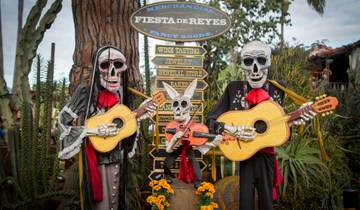
5 days
Dia de Los Muertos in San Antonio
- ✓ Comprehensive Texas tour
- ✓ Expert local guides included
- ✓ All accommodation arranged
- ✓ Transportation provided
7 days
Great Texas Stories: A Journey Through Cities, Nature, and Adventure
- ✓ Booking needs min. 2 travelers
8 days
Big Bend Exploring and Hiking (Women-Only)
- ✓ Comprehensive Texas tour
- ✓ Expert local guides included
- ✓ All accommodation arranged
- ✓ Transportation provided
Multi-day tour packages powered by TourRadar. Prices and availability subject to change.
Introduction: San Antonio’s Cultural Ecosystem in 2026
San Antonio’s museum landscape reflects four centuries of cultural accumulation, from Spanish colonial artifacts displayed in former mission spaces to cutting-edge contemporary installations in repurposed industrial warehouses. The city maintains over 30 museums ranging from world-class encyclopedic art collections to highly specialized institutions devoted to single subjects like Western art or fire-fighting history. This cultural infrastructure serves a metropolitan population of 2.6 million while attracting millions of annual visitors drawn primarily to historical sites like the Alamo but increasingly discovering the depth of San Antonio’s artistic offerings.
The geographic concentration of major museums creates natural cultural corridors ideal for visitors planning comprehensive museum itineraries. The Museum Reach segment of the San Antonio River Walk connects the San Antonio Museum of Art, the Witte Museum, and the Pearl District via a scenic two-mile pathway, enabling walking tours that combine multiple institutions in a single outing. Downtown’s cultural zone concentrates the Briscoe Western Art Museum, the Alamo, and several smaller history museums within a ten-block radius, while Southtown’s Blue Star Arts Complex and surrounding neighborhoods house the city’s densest concentration of contemporary galleries and artist studios.
San Antonio’s commitment to cultural accessibility distinguishes its museum ecosystem from comparable Texas cities. Every major institution offers at least one weekly free admission period, typically sponsored by local corporations like H-E-B or foundations like the Dickson Allen Foundation. These programs, combined with Museums for All partnerships providing reduced admission to SNAP recipients, create pathways for residents across economic strata to engage with world-class collections. The Contemporary at Blue Star’s year-round free admission model demonstrates that even nonprofit contemporary art spaces can maintain operations while eliminating admission barriers entirely.
The museum landscape reflects San Antonio’s multicultural heritage through specialized collections that few comparable-sized American cities can match. The Nelson A. Rockefeller Latin American Art wing at SAMA spans ancient Pre-Columbian artifacts through contemporary works, representing the most comprehensive Latin American collection in any U.S. art museum outside major coastal cities. The McNay’s focus on modern and contemporary art established it as Texas’s first modern art museum when it opened in 1954, while its Spanish Colonial revival mansion setting creates an intimate viewing environment that contrasts dramatically with the industrial scale of SAMA’s converted brewery buildings.
Contemporary art spaces operate on a different model from traditional museums, with Southtown galleries functioning as hybrid commercial-nonprofit entities that support working artists through studio residencies, exhibition opportunities, and retail sales. First Friday and Second Saturday events transform these typically quiet spaces into social gatherings that blur boundaries between art appreciation, community building, and nightlife entertainment. This gallery ecosystem exists symbiotically with major museums, providing exhibition opportunities for emerging artists who may eventually show at the McNay or Contemporary at Blue Star while offering collectors and enthusiasts access to affordable works by local creators.
San Antonio Museum of Art (SAMA) Complete Guide 2026
The San Antonio Museum of Art occupies the former Lone Star Brewery complex on the Museum Reach of the San Antonio River Walk, housing over 30,000 works spanning 5,000 years of artistic creation across ancient Mediterranean, Asian, Latin American, and contemporary American collections. General admission costs $20 for adults in 2026, with $17 rates for seniors, $12 for students and military, and $10 for youth ages 13-18, while children 12 and under enter free. Check the official website for current rates as pricing may vary. Bexar County residents receive free admission Tuesday evenings from 4 PM to 9 PM and Sunday mornings from 10 AM to noon year-round, creating strategic opportunities for budget-conscious cultural exploration.
SAMA’s ancient art collections represent the most comprehensive holdings in the southern United States, with Greek, Roman, and Egyptian galleries displaying marble sculptures, bronze vessels, painted ceramics, and funerary objects dating from 3000 BCE through 400 CE. The Egyptian collection includes mummies, sarcophagi, and carved relief panels from temples and tombs, while the Greek galleries showcase red-figure and black-figure pottery illustrating mythological narratives. Roman portrait sculpture demonstrates the evolution from Republican verism through Imperial idealization, with bronze and marble busts of emperors, aristocrats, and anonymous citizens providing insights into ancient identity construction.
The Nelson A. Rockefeller Latin American Art wing occupies an entire floor dedicated to art from ancient Mesoamerican cultures through contemporary Latin American creators. Pre-Columbian galleries display Olmec jade carvings, Maya polychrome vessels, and massive stone sculptures from Teotihuacan and other archaeological sites, while colonial period rooms feature religious paintings, silver objects, and furniture reflecting the Spanish viceregal era. Modern and contemporary Latin American art includes works by Diego Rivera, Frida Kahlo, Rufino Tamayo, and younger generations of artists working across painting, sculpture, photography, and installation media. This collection’s breadth and depth rival those found only in specialized museums in Mexico City or major U.S. institutions.
Asian art galleries span Korean, Chinese, Japanese, and Indian traditions across ceramics, paintings, sculptures, and decorative arts. The Chinese ceramics collection traces technical and aesthetic evolution from Tang dynasty tomb figures through Ming blue-and-white porcelain and Qing dynasty imperial wares. Japanese galleries feature Buddhist sculptures, painted screens, woodblock prints, and contemporary ceramics by Living National Treasures designated by the Japanese government. Indian sculpture includes Hindu and Buddhist stone carvings demonstrating regional workshop traditions from across the subcontinent, with bronze Chola dynasty figures representing some of the finest examples of South Asian metalwork in American museum collections.
Contemporary American galleries rotate exhibitions from SAMA’s permanent collection and traveling shows, featuring post-1945 painting, sculpture, photography, and installation art by nationally and internationally recognized artists alongside Texas and regional creators. The museum’s commitment to Texas art appears throughout the contemporary wing, with works by San Antonio-based artists like Jesse Treviño, Cruz Ortiz, and Ethel Shipton displayed alongside pieces by nationally prominent Texans like Donald Judd and Robert Rauschenberg. Temporary exhibition galleries on the ground floor host major traveling shows and thematic presentations drawn from permanent collection holdings.
The converted brewery architecture creates dramatic exhibition spaces with soaring ceilings, exposed brick walls, and industrial elements like cast-iron columns and wooden beam ceilings integrated into gallery design. Visitors navigate between buildings via outdoor courtyards and elevated walkways offering views across the San Antonio River toward Pearl District development. The Great Hall serves as the main entry point, with monumental staircases leading to upper-level galleries arranged in chronological and geographic sequences that guide visitors through art historical narratives. Restaurant dining overlooking the river provides meal options for visitors planning extended stays.
Free admission programs make SAMA accessible beyond standard ticket prices. Bexar County residents presenting valid identification receive free general admission Tuesday evenings from 4 PM to 9 PM, sponsored by H-E-B, and Sunday mornings from 10 AM to noon. Bank of America and Merrill Lynch cardholders gain free admission on the first full weekend of each month through the Museums on Us program. Students, faculty, and staff from Alamo Colleges, Trinity University, University of the Incarnate Word, University of Texas at San Antonio, and Texas A&M University-San Antonio enter free with valid school identification. Museums for All participants with SNAP EBT cards receive $3 admission for up to four family members.
Operating hours run Tuesday through Sunday from 10 AM to 5 PM, with extended hours until 9 PM on Tuesdays. The museum closes Mondays and major holidays including Easter, Thanksgiving, Christmas Day, and New Year’s Day. Parking is available in a public lot across the street from the museum entrance, with SAMA members parking free during museum hours. River Walk access via GoRio riverboat taxis provides scenic arrival options from downtown hotels, while VIA bus routes 09 and 14 stop near the museum entrance. The Museum Reach segment of the River Walk connects SAMA to the Witte Museum and Pearl District via a pleasant fifteen-minute walk north.
McNay Art Museum Experience 2026
The McNay Art Museum occupies a 1920s Spanish Colonial Revival mansion on 23 acres of landscaped grounds in north-central San Antonio, housing over 22,000 works spanning medieval through contemporary periods with particular strengths in modern European and American art, contemporary photography, and works on paper. Adult admission costs $10 in 2026, with $5 rates for students ages 13 and up and seniors 65 and older, while children 12 and under enter free. The museum offers free general admission every Thursday from 4 PM to 9 PM courtesy of H-E-B and the first Sunday of each month from noon to 5 PM courtesy of the Dickson Allen Foundation, making it one of San Antonio’s most accessible major cultural institutions regardless of residency status.
The permanent collection emphasizes post-Impressionist through mid-century modern painting and sculpture, with works by Paul Cézanne, Vincent van Gogh, Henri Matisse, Pablo Picasso, Georgia O’Keeffe, Edward Hopper, and Jackson Pollock forming the core European and American modern holdings. Impressionist galleries display paintings by Pierre-Auguste Renoir, Paul Gauguin, and Camille Pissarro, while post-war American art includes Abstract Expressionist canvases, Color Field paintings, and Pop Art works by artists like Robert Rauschenberg and Andy Warhol. The intimate scale of gallery spaces in the original mansion building creates viewing experiences that contrast dramatically with the monumental halls of larger encyclopedic museums, allowing close engagement with individual works.
The McNay’s contemporary photography collection ranks among the finest in any American art museum, with over 10,000 photographs spanning the medium’s history from 19th-century pioneers through contemporary digital practices. Major holdings include works by Ansel Adams, Diane Arbus, Robert Frank, Cindy Sherman, and contemporary photographers working across documentary, conceptual, and experimental approaches. Dedicated photography galleries rotate selections from this collection, providing opportunities to study technical evolution, aesthetic movements, and thematic explorations unique to photographic media. Print and drawing collections complement photography holdings with works on paper from Renaissance through contemporary periods.
The Jane and Arthur Stieren Center for Exhibitions, designed by French architect Jean-Paul Viguier and opened in 2008, doubled the McNay’s exhibition space with three separate galleries and outdoor sculpture courtyards. This contemporary addition provides venues for major traveling exhibitions and large-scale installations that the historic mansion’s smaller rooms cannot accommodate. Sculpture gardens throughout the 23-acre grounds display works by Auguste Rodin, Henry Moore, and contemporary sculptors, with meandering paths encouraging visitors to combine art viewing with outdoor strolls through native Texas landscaping and formal gardens.
Educational programming targets diverse audiences from families with young children through adult learners seeking in-depth engagement with specific artists or movements. Free family days on first Sundays combine free admission with hands-on art activities, live performances, and food trucks creating festival atmospheres that attract hundreds of visitors. Thursday evening programs during free admission hours feature gallery talks, artist lectures, film screenings, and music performances transforming the museum into a cultural gathering space beyond static exhibition viewing. The McNay Library maintains research collections available by appointment for scholars and serious students requiring access to rare books, auction catalogs, and archival materials.
Special exhibition access costs $10 during free general admission periods, allowing the museum to recover some revenue while maintaining its commitment to accessible programming. Major traveling exhibitions occupying the Stieren Center galleries in 2026 showcase diverse subjects from historical surveys to single-artist retrospectives, supplementing permanent collection rotations with fresh content encouraging repeat visits. Members receive unlimited free admission to both permanent collections and special exhibitions along with reciprocal admission benefits at over 1,000 museums nationwide through NARM, ModCo, TRM, and ROAM reciprocal programs.
The McNay opens Wednesday and Friday from 10 AM to 6 PM, Thursday from 10 AM to 9 PM, Saturday from 10 AM to 5 PM, and Sunday from noon to 5 PM, closing Monday and Tuesday along with major holidays. Free parking in the museum lot accommodates visitor vehicles, with handicapped-accessible spaces near the main entrance. VIA bus routes serve the museum area, though service frequency makes private vehicles or rideshare options more practical for visitors staying in downtown hotels. The museum’s location in the Monte Vista neighborhood places it three miles north of downtown, requiring deliberate planning rather than casual walk-up visits possible with River Walk institutions.
Witte Museum Natural History and Culture 2026
The Witte Museum occupies a 10-acre campus in Brackenridge Park along the Museum Reach of the San Antonio River Walk, focusing on Texas natural history, science, and cultural heritage through permanent galleries and rotating exhibitions. Admission costs $17 for adults ages 19-64, $16 for teens ages 13-18 and seniors 65 and up, $14 for military with valid identification, and $11 for children ages 4-11, with children 3 and under admitted free. Bexar County residents receive free general admission every Tuesday from 3 PM to 6 PM, creating weekly opportunities for local families to explore Texas heritage without admission costs.
The Naylor Family Dinosaur Gallery anchors the Witte’s natural history offerings with full-size skeletons and cast fossils of dinosaurs that roamed Texas during the Cretaceous Period, including a massive Acrocanthosaurus and Tyrannosaurus rex specimens displayed in dynamic poses suggesting movement and predatory behavior. Interactive elements allow children to touch fossil casts, operate dig stations, and compare their size against life-size dinosaur models. The gallery contextualizes these prehistoric creatures within Texas’s deep geological time, explaining how the state’s landscape evolved from ancient seas through periods of dinosaur dominance to the Ice Age megafauna that preceded human arrival.
Texas Heritage galleries trace human presence in the region from prehistoric hunter-gatherers through Spanish colonial settlement, Mexican independence, the Texas Revolution, and statehood, using artifacts, period rooms, and multimedia presentations to construct narratives of cultural change and continuity. People of the Pecos exhibition explores the lifeways of ancient inhabitants of the Lower Pecos Canyonlands through material culture including hunting tools, basketry, and reproductions of pictographs from rock shelter sites. Colonial era galleries display Spanish mission artifacts, while 19th-century rooms recreate Victorian domestic spaces and showcase artifacts from frontier life including Davy Crockett’s fiddle and Texan military equipment from the Revolution and Civil War periods.
Texas Wild galleries present the state’s diverse ecosystems through meticulously crafted dioramas featuring taxidermy specimens in naturalistic settings representing coastal prairies, Hill Country, East Texas Piney Woods, Trans-Pecos deserts, and South Texas brushlands. Each diorama positions animal specimens against painted backgrounds and three-dimensional landscape elements, with interpretive panels explaining ecological relationships, conservation challenges, and species adaptations to regional environments. The galleries emphasize Texas’s position at the convergence of multiple biogeographic zones, creating exceptional biodiversity within a single state’s boundaries.
The H-E-B Body Adventure gallery provides hands-on science education focused on human anatomy and health through interactive exhibits where children manipulate models demonstrating how organs function, test their physical abilities against measurable standards, and learn principles of nutrition and exercise. This gallery particularly appeals to school groups and families with elementary-age children seeking educational entertainment combining play with learning objectives aligned with state science standards. Outdoor spaces include a treehouse, climbing wall, and grounds along the river encouraging active exploration between indoor gallery visits.
Special exhibitions rotate through dedicated temporary galleries, bringing traveling shows from other institutions and original exhibitions developed by Witte curators exploring specific aspects of Texas culture, natural history, or science. The 2026 exhibition calendar features shows on topics ranging from contemporary Texas artists to specific historical periods or scientific subjects, creating reasons for repeat visits throughout the year. Some special exhibitions require additional fees beyond general admission, with pricing varying by show and announced on the museum’s official website.
The museum operates Monday, Wednesday, Thursday, Friday, and Saturday from 10 AM to 5 PM, Tuesday from 10 AM to 6 PM, and Sunday from noon to 5 PM, closing only on Easter, the third Monday in October, Thanksgiving, Christmas Eve, and Christmas Day. Free parking is available at the Brackenridge Park Parking Garage on Avenue B, eliminating parking fees that add costs at some downtown attractions. VIA bus route 7 stops at the museum as part of the Sightseer Special route connecting downtown with cultural institutions along Broadway. River Walk access provides scenic arrival options via walking paths from Pearl District or downtown, with the museum positioned at the northern terminus of the Museum Reach segment.
Contemporary at Blue Star: Free Contemporary Art Space 2026
Contemporary at Blue Star operates as San Antonio’s first and longest-running nonprofit contemporary art space, providing year-round free admission to exhibitions showcasing emerging and established artists working in painting, sculpture, photography, installation, and new media. Founded in 1986 when local artists and businesspeople created exhibition space in response to the cancellation of a contemporary art show at another institution, the Contemporary has maintained its commitment to accessible programming while evolving into a nationally recognized venue for cutting-edge artistic practice. Free admission eliminates economic barriers to contemporary art engagement, though the space accepts donations supporting operations and artist commissions.
Exhibition programming rotates every six to eight weeks, featuring solo shows by individual artists, thematic group exhibitions curating works around specific concepts or movements, and installations created specifically for the Contemporary’s galleries. Regional artists receive exhibition opportunities alongside nationally and internationally recognized creators, with curatorial selection emphasizing artistic innovation, conceptual rigor, and engagement with contemporary social, political, or aesthetic issues. The exhibition model prioritizes artist support through direct commissions, professional development opportunities, and connections to collectors and other institutions that can advance careers beyond single shows.
The Contemporary’s location within the Blue Star Arts Complex positions it at the center of Southtown’s gallery ecosystem, surrounded by independent artist studios, commercial galleries, restaurants, and the San Antonio River Walk’s southern extension. First Friday events transform the Complex into a cultural destination drawing thousands of visitors on the first Friday of each month from 6 PM to 10 PM, with the Contemporary serving as an anchor venue alongside dozens of smaller galleries and studios opening simultaneously. These monthly events combine art exhibition openings with live music, food vendors, and social gatherings that blur distinctions between art viewing and community celebration.
The converted warehouse architecture provides flexible exhibition space with high ceilings, concrete floors, and minimal architectural details that allow artworks to command attention without competing against ornate historical interiors. Natural light from clerestory windows supplements gallery lighting, while large open areas accommodate installations, sculptures, and large-scale paintings that intimate gallery spaces cannot display. The industrial aesthetic aligns with contemporary art’s frequent deployment of unconventional materials and installation strategies, making the space conducive to experimental practices that more traditional museum settings might constrain.
Educational programming includes artist talks, gallery tours, workshops, and community events designed to deepen public engagement with contemporary art beyond passive viewing. Opening receptions for new exhibitions create opportunities to meet featured artists, hear them discuss their work, and ask questions about creative processes and conceptual frameworks. The Contemporary’s commitment to dialogue positions it as an educational institution complementing rather than competing with encyclopedic museums like SAMA and the McNay, with each venue serving distinct audiences and artistic missions.
The Contemporary opens Wednesday through Sunday from noon to 6 PM, with extended hours until 8 PM on First Friday events and during special programs. The space closes Monday and Tuesday along with major holidays, though the Blue Star Arts Complex remains accessible for visitors exploring restaurants, shops, and outdoor sculptures even when the Contemporary’s galleries are closed. Street parking is available in surrounding Southtown neighborhoods, with additional free parking at Brackenridge High School during non-school hours providing overflow capacity during First Friday events. VIA bus route 51 stops directly in front of the Blue Star Complex on South Alamo Street.
Briscoe Western Art Museum Collections 2026
The Briscoe Western Art Museum occupies the historic former San Antonio Public Library building on Market Street adjacent to the River Walk, dedicated to preserving and interpreting art, history, and culture of the American West from Spanish colonial period through contemporary times. Adult admission costs $16 in 2026, with $14 rates for seniors 65 and up, students with valid identification, and retired military, while children 12 and under and active military with family members enter free. San Antonio and Bexar County residents receive free admission on the first Sunday of each month as part of the museum’s Locals Day program, creating monthly opportunities for regional visitors to explore Western heritage without admission fees.
Permanent collection galleries display paintings, sculptures, artifacts, and historical objects spanning frontier exploration, cowboy culture, Native American traditions, ranching heritage, and Western settlement narratives. Works by Frederic Remington and Charles M. Russell, canonical Western artists whose paintings and bronzes defined popular imagery of cowboys and frontier life, anchor 19th and early 20th century holdings. Taos Society of Artists paintings represent the modernist interpretation of Southwestern landscapes and indigenous cultures that emerged in early 20th century New Mexico, while contemporary Western art galleries showcase living artists working within and against traditional Western genre conventions.
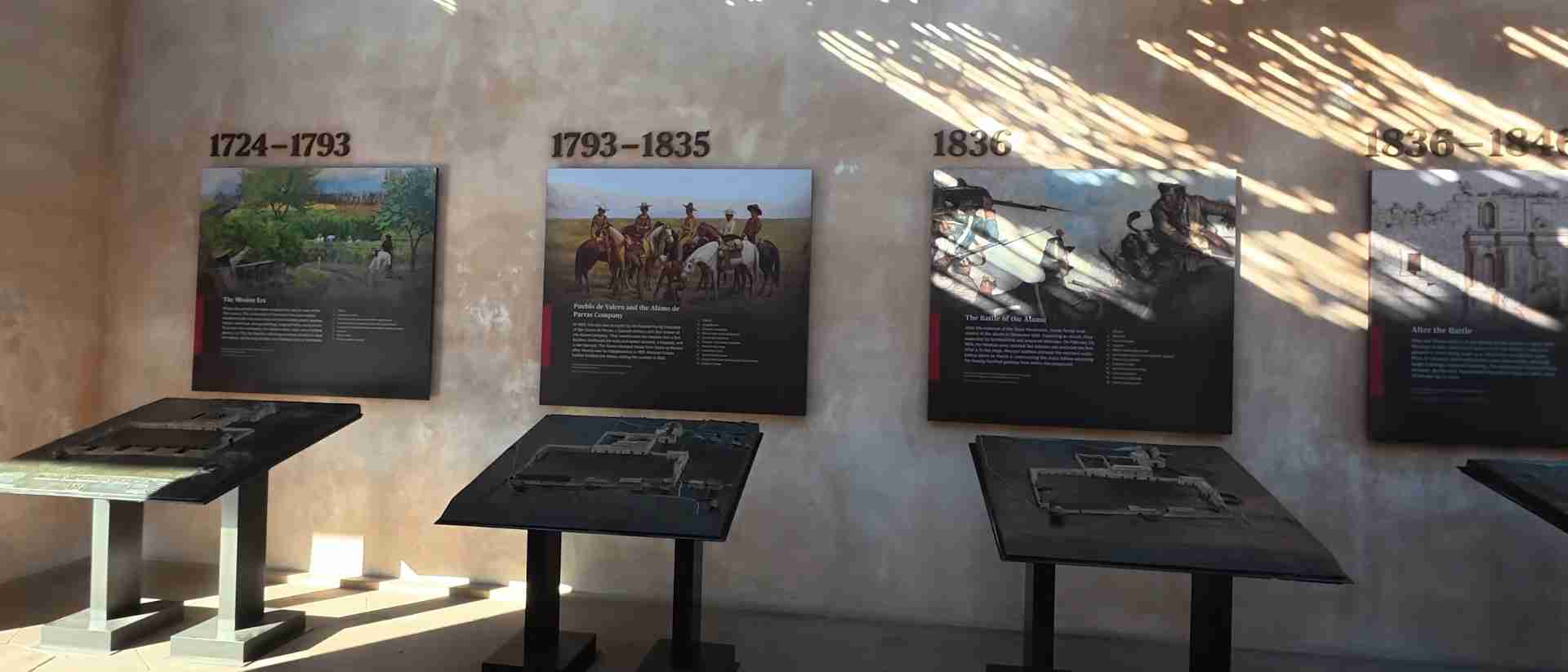
Artifact collections include objects with direct historical significance like Pancho Villa’s saddle, original clothing and equipment used by cowboys and ranchers, firearms from frontier periods, and material culture items illustrating daily life in 19th century Texas and the broader West. A full-scale replica chuck wagon demonstrates mobile food preparation that enabled cattle drives, while dioramas recreate historical scenes including the Alamo battle using detailed miniature figures and architectural models. These artifact displays complement fine art collections by grounding romantic artistic representations in material realities of Western life and labor.
The McNutt Sculpture Garden provides outdoor exhibition space for monumental bronze sculptures by contemporary Western artists, with works depicting cowboys, horses, cattle, and frontier figures displayed amid landscaping along the River Walk. The three-story Jack Guenther Pavilion serves as an event space for private functions and public programs, with glass walls overlooking the sculpture garden and river creating dramatic settings for weddings, corporate gatherings, and museum fundraising events. The Pavilion’s contemporary architecture contrasts deliberately with the museum’s historic library building, creating visual dialogue between preservation and innovation.
Storytellers: Narrative Art & The West exhibition explores how artists use visual media to construct and challenge narratives about Western history, identity, and mythology. Contemporary artists working in photography, video, installation, and painting engage critically with Western iconography, often subverting traditional representations to foreground perspectives excluded from conventional frontier narratives. This thematic exhibition demonstrates the museum’s commitment to presenting Western art and history as living, contested subjects rather than fixed historical categories sealed in the past.
The Lil’ Partners Program provides educational resources specifically designed for children visiting with families, including Buckaroo Bags containing games, activities, and exploration guides themed around Western subjects like campfires, grub, wildlife, and trouble. Story Time Stampede sessions offered at 11 AM and 1 PM on the second Saturday of each month combine age-appropriate storytelling with hands-on art activities and interaction with museum objects, transforming static exhibition viewing into active learning experiences for elementary-age children. These programs position the Briscoe as a family-friendly cultural destination rather than adult-focused art museum.
The museum operates Friday through Monday from 10 AM to 5 PM and Thursday from 10 AM to 8 PM, closing Tuesday and Wednesday along with major holidays including Easter, Battle of Flowers, Thanksgiving, Christmas Eve, and Christmas Day. The historic former library building offers wheelchair-accessible entrance only from the Market Street ramp rather than the River Walk entrance, requiring visitors with mobility needs to approach from street level. River Walk access provides scenic arrival for pedestrian visitors, while limited parking in downtown lots and metered street spaces serves those arriving by personal vehicle. The museum’s downtown location places it within easy walking distance of hotels, restaurants, and other River Walk attractions.
Museum Budget Planning San Antonio 2026
Strategic planning reduces museum admission costs from potential $60-80 per person for visiting four major institutions to $15-35 through combination of free admission periods, multi-attraction passes, and membership programs. A visitor spending three days in San Antonio and planning to visit SAMA, the McNay, the Witte, and the Briscoe can eliminate admission costs entirely by timing visits to coincide with free periods: Tuesday evening at SAMA, Thursday evening or first Sunday at McNay, Tuesday afternoon at Witte for Bexar County residents or purchasing the one admission required for out-of-state visitors, and first Sunday at Briscoe. This strategic scheduling requires flexibility but demonstrates how San Antonio’s generous free admission programs reward planning.
The San Antonio CityPASS bundles admission to four major attractions including SAMA and the Witte Museum for approximately $40-50 per adult, saving 35-40% compared to individual ticket purchases totaling $65-75. The pass provides admission within nine consecutive days from first use, allowing flexibility for visitors spreading museum visits across a multi-day stay while including other attractions like the Natural Bridge Caverns or river cruises. Children’s passes cost proportionally less, making the CityPASS particularly valuable for families planning comprehensive cultural tourism including but not limited to museum visits.
Museum memberships provide value for San Antonio residents and frequent visitors planning multiple trips within a year. SAMA membership starting at $75 annually for individuals covers unlimited general admission plus reciprocal benefits at over 1,000 museums nationwide through NARM, effectively paying for itself after four visits while providing free admission elsewhere when traveling. McNay membership at similar price points includes the same reciprocal programs, creating networks of accessible institutions beyond San Antonio. The Contemporary at Blue Star’s free admission model makes membership a pure donation supporting operations rather than access purchase, though members receive invitations to exclusive events and exhibition previews.
Free admission programs sponsored by corporations and foundations represent significant public goods that visitors should understand and utilize. H-E-B’s sponsorship of Tuesday evening hours at SAMA and Thursday evening hours at McNay reflects corporate investment in cultural access, while Bank of America’s Museums on Us program extends this accessibility nationally through monthly free admission at hundreds of participating institutions. Museums for All reduces admission to $3 at SAMA and provides free entry at McNay and Briscoe for SNAP recipients, recognizing that cultural participation should not be limited to affluent populations. These programs function optimally when visitors actually use them rather than paying full admission unaware of available discounts.
Budget-conscious cultural tourists can combine museum visits with free outdoor cultural experiences including Southtown First Friday gallery walks, River Walk strolls past outdoor sculptures and public art installations, and Pearl District exploration where art spaces mix with restaurants and shops in a walkable district. This strategy creates full days of cultural engagement for $10-20 per person when strategic admission planning reduces museum costs while free gallery events, public art, and architectural exploration fill additional hours without requiring ticket purchases. San Antonio’s cultural infrastructure rewards this approach more generously than cities where major museums maintain high admission fees without extensive free programming.
Southtown Gallery District Exploration 2026
Southtown encompasses five neighborhoods—King William, Collins Garden, Lavaca, Lone Star, and Roosevelt—forming San Antonio’s densest concentration of contemporary galleries, artist studios, and cultural venues within a walkable six-block core centered on the Blue Star Arts Complex. This district emerged from neighborhood revitalization efforts in the early 1990s, transforming formerly industrial warehouse spaces into mixed-use developments combining artist live-work lofts, commercial galleries, restaurants, and retail shops. The area’s evolution from neglected industrial zone to cultural destination demonstrates how artist-led development can catalyze broader neighborhood transformation, though gentrification pressures now threaten affordability for the working artists who initiated revitalization.
First Friday events on the first Friday of each month from 6 PM to 10 PM represent San Antonio’s longest-running art walk, predating similar programs in Austin and other Texas cities. Twenty-plus galleries and studios throughout the Blue Star Arts Complex and surrounding Southtown blocks open simultaneously, creating a self-guided gallery crawl where visitors navigate between venues viewing new exhibitions, meeting artists, and participating in a social scene that blends art appreciation with nightlife entertainment. Food trucks, live music stages, and outdoor bars transform parking lots and courtyards into gathering spaces, while Contemporary at Blue Star serves as an anchor venue drawing crowds that spill into adjacent smaller galleries.
The Blue Star Arts Complex itself houses Contemporary at Blue Star, FL!GHT Gallery, and numerous individual artist studios operating as semi-private workspaces that open during First Friday events allowing public viewing of work-in-progress. This hybrid model—combining public galleries with working studios—provides opportunities to observe creative processes and speak with artists about their practices, creating engagement levels impossible in traditional museums where finished works appear without context of their making. The complex’s converted warehouse architecture maintains industrial elements like exposed ductwork, concrete floors, and brick walls that inform the aesthetic sensibilities of work created within these spaces.
Second Saturday events on the second Saturday of each month extend Southtown’s cultural programming to additional venues including The 1906 building at 1906 South Flores, which houses ten exhibiting artist-run spaces ranging from ceramics studios to photography galleries and painting workshops. This building’s owners, Andy and Yvette Benavides, founded Second Saturday in 1998, creating a complementary event to First Friday that distributes gallery traffic across two monthly weekends. The 1906’s model of multiple independent studios sharing single building provides affordable workspace through division of operating costs while concentrating artists whose proximity encourages collaboration and cross-pollination of ideas.
Independent galleries operating outside First Friday and Second Saturday scheduled events include spaces like Mercury Project, which functions as an open studio where visitors can observe artists creating ceramics, film, and sculpture while viewing completed works on display. This transparency around artistic labor demystifies creative processes, making art production accessible to audiences unfamiliar with studio practices. Other galleries maintain conventional hours Tuesday through Saturday with appointments available for serious collectors, creating tiered access where casual browsers visit during public events while committed buyers schedule private viewings.
King William neighborhood, adjacent to Southtown’s commercial gallery core, features historic Victorian homes converted into small galleries, designer studios, and boutiques selling original artworks and handcrafted goods. The architectural preservation emphasis in this historic district creates visual contrast with Blue Star’s industrial aesthetic, while higher property values tend to support more commercially oriented galleries focused on sales to affluent collectors rather than experimental contemporary practices. Walking tours through King William can combine art viewing with architectural appreciation, as the neighborhood’s restored Victorian mansions represent significant historical resources independent of their current gallery functions.
Navigating Southtown’s gallery landscape requires comfort with uneven sidewalks, limited street lighting during evening events, and occasional disconnection between venues requiring short drives or bike rides rather than continuous walking. The district’s historic development pattern created irregular block structures and dead-end streets that prevent simple grid navigation, making smartphone maps essential for efficient gallery-hopping. Free street parking throughout residential areas surrounding the Blue Star core provides convenient vehicle access, while VIA bus route 51 serves the district for visitors relying on public transportation.
Pearl District Cultural Programming 2026
The Pearl development occupies the former Pearl Brewery complex north of downtown along the Museum Reach of the San Antonio River Walk, combining upscale restaurants, boutique shopping, a farmers market, Hotel Emma, and cultural programming including art galleries, performance spaces, and rotating public art installations. This mixed-use redevelopment represents a different model from Southtown’s artist-driven revitalization, with corporate development creating cultural amenities as part of broader commercial strategy attracting affluent residents and tourists. The Pearl’s cultural offerings complement rather than compete with traditional museums and Southtown galleries, focusing on accessible programming integrated into dining and shopping experiences rather than standalone art viewing.
Public art installations throughout the Pearl campus include sculptures, murals, and site-specific works commissioned as permanent elements of the development’s design. These works animate outdoor plazas, courtyards, and walkways connecting buildings, creating an environment where art appears as expected urban amenity rather than special destination requiring admission fees or scheduled hours. Rotating installations in the Pearl’s outdoor spaces change seasonally, providing reasons for repeat visits even for residents familiar with permanent collection pieces. The integration of art into commercial development demonstrates how cultural programming can enhance place-making efforts while generating foot traffic that benefits adjacent retail and dining tenants.
The farmers market operates twice weekly on Saturday and Sunday mornings, attracting thousands of visitors to vendor stalls selling produce, prepared foods, artisan crafts, and handmade goods including original artworks, jewelry, ceramics, and textiles. This market serves double function as food distribution channel and informal gallery space where makers sell directly to consumers, eliminating gallery commissions and building customer relationships that can sustain creative practices. The market’s success demonstrates ongoing demand for handcrafted goods and original art at accessible price points, serving audiences who might feel intimidated by formal gallery settings or unable to afford works priced for serious collectors.
Hotel Emma, the Pearl’s boutique hotel occupying the brewery’s former Brewhouse and Engine Room, maintains its own art collection displayed throughout public spaces, guest rooms, and dining venues. These works, viewable by hotel guests and restaurant patrons, include contemporary pieces by Texas and national artists alongside historical artifacts from the brewery’s operational period. The hotel’s bar and restaurant function as semi-public gallery spaces where art viewing accompanies dining and drinking, creating casual exposure to contemporary art for audiences not specifically seeking cultural experiences. This integration model represents emerging patterns where hospitality and cultural programming combine to mutual benefit.
The Culinary Institute of America operates a teaching campus at the Pearl, with demonstration kitchens and event spaces hosting public programs ranging from cooking classes to wine tastings and chef talks. While primarily food-focused, these programs attract culturally engaged audiences overlapping with museum visitors and gallery enthusiasts, creating cross-promotional opportunities and establishing the Pearl as a destination for experiential learning across multiple domains. The physical proximity of art spaces, dining venues, and educational programming enables visitors to combine activities in ways that isolated single-purpose institutions cannot facilitate.
Accessing the Pearl from downtown requires a fifteen-minute walk north along the Museum Reach of the River Walk, passing the San Antonio Museum of Art and Witte Museum en route. This scenic path encourages combined museum-Pearl itineraries where cultural tourists visit SAMA or Witte before continuing to Pearl for lunch or farmers market shopping, creating full-day experiences integrating art viewing with dining and retail exploration. Alternatively, VIA bus routes serve the Pearl, while ample parking in the development’s lots accommodates visitors arriving by personal vehicle. The Pearl’s walkable campus layout enables easy navigation between venues once visitors arrive, with clear signage and pedestrian-friendly streetscapes facilitating self-guided exploration.
Specialized San Antonio Museums 2026
Beyond major art museums, San Antonio maintains over twenty specialized institutions devoted to singular subjects ranging from fire-fighting history to children’s hands-on learning. The DoSeum children’s museum occupies a purpose-built facility in the Museum Reach corridor, focusing on STEM education through interactive exhibits where children ages birth through 10 engage with science, technology, engineering, and mathematics concepts through play. Exhibits like Spy Academy challenge children to solve mysteries using math skills, while Little Town creates child-scale replicas of community institutions including a miniature H-E-B grocery store where kids role-play shopping and cashier activities. Admission costs vary by age, with advance online purchase reducing walk-up prices.
The San Antonio Fire Museum preserves antique fire trucks, fire-fighting equipment, and archived documents dating to the mid-1800s, housed in a historic fire station building. Bexar County residents receive free admission on the first Tuesday of each month from 11 AM to 2 PM, while standard admission fees apply for other visitors and non-residents. The collection documents evolution of fire-fighting technology from hand-pumped water wagons through motorized trucks and modern emergency response vehicles, with uniforms, helmets, and equipment illustrating changing safety standards and professional practices across 150 years of organized fire protection.
The Buckhorn Saloon and Texas Ranger Museum combines natural history specimens with artifacts from Texas law enforcement history in an eccentric collection appealing to visitors seeking Western heritage narratives outside formal art museum contexts. Taxidermy specimens representing Texas wildlife and exotic animals from global hunting expeditions fill galleries alongside Texas Ranger badges, weapons, photographs, and historical documents. The museum’s commercial orientation—it charges admission separate from other major museums and operates a restaurant and gift shop—positions it as tourist attraction rather than educational institution, though collections include genuinely significant historical artifacts meriting serious engagement.
Hopscotch offers immersive experiential installations combining digital projection, interactive elements, and Instagram-worthy photo opportunities in temporary exhibition formats that change every six months. This attraction represents a different museum model prioritizing social media sharing and participatory engagement over contemplative art viewing, appealing to younger demographics seeking shareable experiences. Timed-entry tickets prevent overcrowding while creating urgency around limited-duration exhibitions, with advance purchase required for most visiting times. This format’s popularity demonstrates demand for interactive cultural experiences beyond traditional museum models, though critics question whether Instagrammable backdrops constitute meaningful cultural engagement.
The Magik Theatre produces professional children’s theater performances year-round, occupying a dedicated performance space in the Hemisfair area downtown. While technically a theater rather than museum, the Magik provides cultural programming for families with elementary-age children, offering alternatives to visual art exhibitions through storytelling, music, and theatrical performance. Season subscriptions and individual ticket purchases make performances accessible at prices comparable to museum admissions, positioning theater as component of comprehensive cultural tourism planning rather than separate entertainment category.
The National Kateri Tekakwitha Center preserves and interprets the history of Saint Kateri Tekakwitha, the first Native American saint canonized by the Catholic Church, through exhibits on indigenous Catholicism, missionary work, and cultural syncretism in colonial North America. This specialized institution serves religious pilgrimage functions alongside public education roles, attracting Catholic visitors seeking connection to Native American spirituality while providing historical context about complex interactions between European colonization and indigenous cultures. The small museum receives fewer than 10,000 annual visitors but maintains significant collections documenting understudied aspects of religious and cultural history.
Seasonal Exhibition Planning San Antonio 2026
Major museum exhibition calendars rotate every three to four months, creating distinct seasonal viewing opportunities that reward strategic visit timing. The McNay Art Museum typically schedules blockbuster traveling exhibitions in the Jane and Arthur Stieren Center galleries during fall and spring seasons, when pleasant weather attracts higher visitation numbers and major shows can draw audiences willing to pay special exhibition surcharges beyond general admission. Summer months see smaller thematic exhibitions drawn from permanent collections, while winter holidays feature family-oriented programming and exhibitions appealing to local audiences during tourist low season.
San Antonio Museum of Art announces its 2026 exhibition calendar publicly through its website and social media channels, allowing advance planning for visitors interested in specific shows or artists. Temporary exhibition galleries on the ground floor host major traveling shows typically running three to four months, while permanent collection galleries rotate displays annually to showcase different works from storage. This rotation model encourages repeat visits even for visitors familiar with SAMA’s holdings, as works not displayed during previous visits may appear in subsequent gallery configurations. Special exhibitions sometimes require separate timed-entry tickets purchased in advance, particularly for blockbuster shows expected to draw large crowds.
Contemporary at Blue Star’s six-to-eight-week exhibition cycle means the space presents seven or eight distinct shows annually, creating maximum variety for visitors making multiple trips throughout the year. This rapid turnover reflects contemporary art’s emphasis on current production rather than historical canon, with each show introducing new artists or concepts requiring engagement rather than familiar masterworks prompting reverential viewing. The Contemporary publishes exhibition schedules several months in advance, allowing interested visitors to plan trips around specific shows or artists whose work aligns with their interests.
First Friday and Second Saturday events in Southtown showcase new exhibitions monthly, as independent galleries coordinate openings to coincide with these scheduled art walks maximizing attendance and social energy. This synchronization means visitors attending a single First Friday event encounter dozens of new exhibitions simultaneously, experiencing more artistic diversity in one evening than weeks of individual gallery visits could provide. However, the crowded social atmosphere during these events can make sustained contemplation difficult, with many attendees prioritizing social interaction and scene participation over focused art viewing.
Museum membership newsletters and email lists provide advance notice of upcoming exhibitions, special events, and programming changes, creating advantages for engaged audiences who sign up for communications. Free membership tiers at some institutions provide access to these information channels without requiring paid membership, while paid members receive exclusive preview events for major exhibitions before public opening dates. These preview receptions offer opportunities to view shows in uncrowded conditions while speaking with curators and sometimes featured artists, creating qualitatively different experiences from crowded public opening weekends.
Photography and Art Museum Etiquette 2026
San Antonio museums maintain varied photography policies reflecting different institutional priorities and collection preservation requirements. Personal non-flash photography is generally permitted at SAMA, the McNay, the Witte, and the Briscoe for visitors documenting their museum experiences, though specific galleries containing light-sensitive works or special exhibitions may prohibit photography entirely through posted signage. Flash photography damages artworks through cumulative light exposure, making flash restrictions universal across all institutions regardless of general photography policies. Visitors should check signage upon entering each gallery and respect posted limitations even when general museum policy allows photography.
Contemporary at Blue Star welcomes photography including documentation of installations for personal social media sharing, recognizing that digital circulation extends exhibitions’ reach beyond physical attendance. Many contemporary artists actively encourage visitor photography as part of participatory engagement with their work, creating installations specifically designed for photographic documentation. However, commercial photography requiring professional lighting equipment, tripods, or models needs advance permission and sometimes incurs rental fees, distinguishing casual snapshot-taking from professional production using museum spaces as sets.
Respectful gallery behavior includes maintaining conversational volume that doesn’t disturb other visitors, refraining from touching artworks or display cases regardless of temptation, and supervising children to prevent running or disruptive behavior that compromises other visitors’ experiences. Museum fatigue affects concentration after approximately two hours of sustained viewing, making strategic rest breaks in sculpture gardens, cafes, or outdoor spaces essential for maintaining engagement quality across extended visits. Attempting to see entire encyclopedic collections in single visits often produces diminishing returns as attention wanes, suggesting focused visits to specific galleries may provide more satisfying experiences than exhaustive but superficial coverage.
Audio guides available at major museums provide curatorial context and artist information supplementing wall labels, with smartphone-based systems replacing traditional rented devices at many institutions. These guides enhance understanding for visitors unfamiliar with art historical contexts or specific artists, though some viewers prefer unmediated engagement allowing personal interpretation before consulting expert commentary. The McNay offers free audio tours accessible via personal smartphones, eliminating equipment rental fees while providing professional narration for selected works throughout permanent collection galleries.
Museum shops serve dual functions as revenue sources supporting institutional operations and resources where visitors can purchase exhibition catalogs, artist monographs, and object-related merchandise extending engagement beyond physical museum visits. Serious students and collectors value exhibition catalogs providing scholarly essays and comprehensive image documentation unavailable elsewhere, while general visitors find posters, note cards, and decorative objects featuring collection highlights. Member discounts of ten percent apply to most purchases, adding value to membership beyond admission benefits and making shop purchases more affordable for frequent visitors.
Transportation Between San Antonio Cultural Sites 2026
The Museum Reach segment of the San Antonio River Walk creates a two-mile pedestrian corridor connecting SAMA, the Witte Museum, and the Pearl District via scenic paved paths following the river’s course through landscaped parkland. This route enables car-free cultural tourism for visitors staying in downtown hotels or River Walk accommodations, with pleasant fifteen-to-twenty-minute walks between institutions providing exercise and scenic views between indoor gallery time. The path includes public art installations, native plantings identified by interpretive signage, and occasional wildlife sightings of herons, turtles, and other species inhabiting the urban river corridor.
VIA Metropolitan Transit operates bus routes serving major museum locations, though service frequencies and coverage gaps make private vehicles or rideshare options more practical for visitors on tight schedules or traveling with children. Route 09 Broadway Frequent provides service along Broadway connecting downtown with the Museum Reach corridor where SAMA and Witte are located, while route 51 serves the Blue Star Arts Complex in Southtown. Weekend service runs less frequently than weekday schedules, requiring consultation of published timetables rather than assumption of constant availability. Day passes cost $3 providing unlimited rides, making public transit economically attractive despite convenience limitations.
Rideshare services through Uber and Lyft operate throughout San Antonio with good availability in tourist areas, providing point-to-point transportation between museums for $8-15 per trip depending on distance and time of day. This option suits visitors prioritizing efficiency over cost, particularly families or groups where per-person rideshare costs divided among multiple passengers approach or undercut individual public transit fares. Surge pricing during high-demand periods including First Friday events can increase costs significantly, making advance scheduling or willingness to wait for normal pricing advisable during peak times.
Personal vehicle operation provides maximum flexibility for visitors planning comprehensive museum itineraries spanning multiple days across different neighborhoods, though parking costs and availability vary by location. SAMA offers paid parking in a lot across the street, while the Witte provides free parking at Brackenridge Park Garage. McNay parking is free in the museum lot, while Southtown galleries rely on free street parking in surrounding residential areas. Downtown museums like the Briscoe require parking in paid lots or metered street spaces, adding $8-15 to visit costs beyond admission fees. These parking variations affect true visit costs, making free-parking venues more economical for budget-conscious visitors despite potentially higher admission prices.
Bicycle transportation via San Antonio’s B-Cycle bike share system provides eco-friendly options for visitors comfortable navigating city streets, with docking stations at major tourist locations including Pearl, downtown, and Southtown. Day passes cost approximately $12 allowing unlimited 60-minute rides, after which bikes must be docked at any station before checking out another bike to continue riding. This model works well for museum-hopping itineraries with distinct stops where bikes can be docked during gallery viewing then retrieved for next destination, though riders must feel confident in urban cycling and weather must cooperate for enjoyable riding.
Family-Friendly Museum Experiences San Antonio 2026
The Witte Museum and DoSeum specifically target family audiences with hands-on exhibitions and educational programming designed for elementary-age children, making these institutions first choices for parents seeking cultural experiences that engage kids rather than requiring passive quiet viewing challenging for young visitors. The Witte’s dinosaur gallery, outdoor H-E-B Body Adventure area with treehouse and climbing wall, and Texas Wild dioramas featuring taxidermy animals in naturalistic settings provide visual stimulation and activity opportunities preventing the restlessness that art museums’ contemplative environments can produce in children. Free Tuesday afternoon admission for Bexar County residents makes family visits economically accessible for local parents seeking regular educational outings.
The Briscoe Western Art Museum’s Lil’ Partners Program provides Buckaroo Bags containing games, activities, and exploration guides that transform museum visiting from passive viewing into active learning through structured play. Story Time Stampede sessions on second Saturdays combine age-appropriate storytelling about Western themes with hands-on art activities and object handling, creating multisensory engagement that accommodates different learning styles and attention spans. These programs recognize that young children benefit from movement and interaction rather than sustained quiet observation, designing museum experiences around developmental capabilities instead of expecting children to conform to adult behavioral norms.
The McNay’s first Sunday family days combine free admission with outdoor activities including food trucks, live music, and hands-on art projects facilitated by museum educators in the sculpture gardens. This festival format attracts hundreds of families creating lively social atmosphere that normalizes children’s energy and noise levels rather than requiring library-quiet behavior. Free admission removes economic barriers that might prevent regular family participation, while outdoor settings provide space for running and playing between structured art activities. These monthly events demonstrate commitment to multigenerational audience development, recognizing that children who enjoy positive museum experiences develop into adult visitors and supporters.
SAMA and McNay permanent collection galleries contain artworks that may interest older children and teenagers capable of sustained viewing, though few exhibitions specifically target this demographic with interactive elements or age-appropriate interpretation. Parents visiting these institutions with school-age children should plan shorter visits focused on specific galleries rather than attempting comprehensive coverage that exhausts young visitors’ attention. Sculpture gardens at McNay provide outdoor breaks between indoor gallery viewing, while SAMA’s courtyard spaces offer similar respite opportunities. Some families find audio guides engaging for older children who respond well to structured narrative interpretation, while others prefer allowing children to form independent responses before introducing expert commentary.
Museum cafes and restaurants provide meal options enabling extended visits without leaving campuses for lunch, though prices typically exceed fast-food alternatives and menus may not accommodate picky eaters. Families should plan meal timing around children’s needs rather than attempting to push through hunger or fatigue, recognizing that museum visits provide educational value only when children maintain engagement rather than enduring miserable forced marches through galleries. Weekend mornings before 11 AM typically offer least-crowded conditions ideal for families with young children requiring space and quiet for optimal experiences, while weekday afternoons during school terms see higher school group attendance creating noisier but potentially more normalized environments for family visitors.
Accessibility Accommodations San Antonio Museums 2026
San Antonio museums maintain Americans with Disabilities Act compliance through wheelchair-accessible entrances, elevators accessing multi-story buildings, and accessible restrooms, though historic building adaptations present challenges that newer purpose-built facilities avoid. The Briscoe Western Art Museum’s occupation of the former San Antonio Public Library building limits wheelchair access to the Market Street entrance ramp rather than River Walk entrance, requiring advance awareness for visitors approaching from the riverwalk who must navigate to street level for accessible entry. SAMA’s converted brewery architecture includes elevators between floors and accessible pathways through galleries, though some narrow passages between exhibition spaces may present challenges for wide wheelchairs or mobility scooters.
Wheelchairs are available free on first-come, first-served basis at SAMA, the McNay, the Witte, and the Briscoe for visitors needing mobility assistance during their visits, though advance calling to reserve equipment ensures availability particularly during busy weekends and holidays. Visitors using personal wheelchairs or scooters generally navigate museum spaces successfully, though fatigue from extended rolling through large museums affects energy levels similarly to walking fatigue. Strategic use of seating areas in galleries and sculpture gardens enables rest breaks maintaining engagement across multi-hour visits, with portable folding stools available at SAMA for visitors who benefit from periodic sitting during gallery viewing.
Assistive listening devices enhance audio tour accessibility for visitors with hearing impairments, while large-print gallery labels and exhibition materials accommodate visual impairments short of complete blindness. Contemporary at Blue Star provides sign language interpretation for public programs upon advance request, requiring two weeks notice for scheduling interpreters. The McNay similarly arranges interpretation services for tours and educational programs when requested with adequate lead time, though impromptu requests cannot be accommodated. These services at no additional cost beyond general admission reflect institutional commitments to inclusive access while acknowledging practical limitations requiring advance planning.
Service animals are welcome in all San Antonio museums as required by federal disability access laws, while pets are prohibited to protect artworks and other visitors. Museums request that service animal handlers ensure their animals remain under control and do not approach artworks or disturb other visitors, with staff empowered to request removal of animals exhibiting disruptive behavior regardless of service designation. The distinction between legally protected service animals and emotional support animals sometimes creates confusion, with museums required to accommodate only trained service animals performing specific disability-related tasks rather than general comfort animals.
Sensory-friendly visiting hours specifically designed for visitors with autism spectrum disorders or sensory processing challenges remain underdeveloped in San Antonio museum programming, though the Contemporary at Blue Star’s quieter weekday afternoon hours may provide suitable environments for visitors overwhelmed by crowded weekend conditions. Families with children requiring sensory accommodations should call museums in advance to discuss specific needs and potential accommodations, as staff may be able to suggest optimal visiting times or provide advance information about gallery conditions helping families plan successful visits. The growth of sensory-friendly programming at museums nationally suggests San Antonio institutions may develop similar offerings as awareness of these accessibility needs increases.
Museum Membership Value Analysis 2026
Individual museum memberships at San Antonio institutions start at approximately $75 annually providing unlimited free general admission, though specific pricing varies by institution and membership tier. A visitor planning three or more annual visits to a single museum reaches break-even where membership costs equal cumulative admission fees, with additional visits representing pure savings. Beyond admission value, members receive reciprocal benefits at hundreds of museums nationwide through programs like NARM, creating value for travelers who visit museums in other cities or residents who make cultural tourism part of vacation planning. A San Antonio resident holding SAMA membership receives free admission at participating museums across Texas and nationally, effectively amortizing local membership costs across multiple institutions.
Higher membership tiers provide additional adults admission, guest passes for sharing with friends or family, discounts on museum shops and restaurants, invitations to members-only exhibition previews and social events, and priority access to educational programs with limited capacity. These enhanced benefits appeal to households with multiple adult members planning regular visits or serious art enthusiasts valuing exclusive access to curators and artists at preview events. The social dimension of membership—attending openings where fellow members gather creating community around shared cultural interests—provides intangible value beyond transactional admission fee calculations for visitors seeking connection around aesthetic engagement.
Membership reciprocity programs create networks where single institution membership provides access across multiple venues, though specific reciprocal agreements and benefit details require research before assuming coverage. NARM participants include most American art museums, while specialized programs like ModCo focus on contemporary art museums and ROAM covers smaller regional institutions. The McNay and SAMA participate in these programs, meaning membership at either institution provides reciprocal benefits at hundreds of other museums. However, some institutions limit reciprocal benefits during special exhibitions or for specific membership tiers, requiring advance verification before assuming free admission will apply at intended destination.
Dual museum membership combining SAMA and McNay access through bundled pricing does not exist, meaning visitors planning regular attendance at both institutions must purchase separate memberships totaling approximately $150 annually or strategically use free admission periods reducing reliance on membership access. For visitors spending significant time in San Antonio annually—including winter residents, frequent business travelers, or locals—dual membership provides comprehensive access across the city’s two major art museums while supporting both institutions financially. The lack of cross-institutional bundled pricing reflects each museum’s need to maximize individual revenue rather than cooperative membership programming benefiting visitors at potential institutional cost.
Corporate and family membership tiers provide admission for multiple named adults and all children under 18 in household, creating value for families planning regular cultural outings. Family membership at approximately $125 annually covers two adults and children, breaking even after two family visits compared to $40-50 per visit for two adults and two children paying individual admission. These memberships position museum visiting as regular family activity rather than special occasion outing, normalizing cultural engagement as part of routine weekend plans. For families homeschooling or prioritizing educational enrichment, museum membership becomes infrastructure supporting learning objectives rather than optional entertainment expense.
Corporate and Group Visitor Programs 2026
Group rates for parties of ten or more provide per-person discounts at major San Antonio museums, with advance booking required for scheduling and coordination. The Briscoe Western Art Museum offers docent-guided tours for groups at $5 per person beyond general admission, providing expert interpretation customized to group interests whether focused on specific artists, historical periods, or thematic subjects. SAMA similarly arranges group tours with advance notice, though self-guided group visits receive admission discounts without interpretive services. These programs serve school groups, corporate team-building outings, tourist groups arriving via motorcoach, and social organizations planning cultural activities for their members.
Corporate memberships provide admission benefits for multiple employees and clients, creating relationship-building opportunities through cultural event hosting and shared experiences. Higher-tier corporate packages include private gallery access for receptions, meetings in museum spaces, and invitations to exclusive donor events where business networking occurs alongside cultural engagement. San Antonio companies use museum memberships as employee benefits demonstrating commitment to quality of life and cultural enrichment, while also providing venues for client entertainment and corporate hospitality that differentiate relationship-building from standard restaurant dining.
Event rental spaces at museums accommodate weddings, corporate functions, fundraising galas, and social celebrations in architecturally distinguished settings surrounded by artworks or historical artifacts. The McNay’s sculpture gardens and Spanish Colonial mansion interiors create memorable venues for weddings and receptions, while SAMA’s industrial brewery architecture provides dramatic settings for corporate events and product launches. The Briscoe’s Jack Guenther Pavilion specifically functions as event space with catering facilities and River Walk views, generating revenue supporting museum operations while introducing event attendees to cultural institution they might not otherwise visit. These rental programs balance commercial activity with institutional mission, using special events to expand audience reach and funding base.
School group programs provide curriculum-aligned educational experiences for K-12 students, with museums offering discounted admission, guided tours, and hands-on activities designed to complement classroom instruction. The Witte Museum’s focus on Texas history and natural science aligns with state educational standards, making it frequent field trip destination for San Antonio area schools. The DoSeum specifically targets school groups with STEM-focused programming supporting science and mathematics education through experiential learning. These educational programs serve institutional missions while building future audiences, as children experiencing positive school museum visits develop into adult visitors and members.
Advance booking requirements for group visits reflect operational needs to manage visitor flow and prevent overcrowding that degrades experience quality for all museum guests. Museums request minimum two weeks notice for group tours, with longer lead times necessary for large groups exceeding 25 people or groups requiring special accommodations like foreign language interpretation or accessibility services. Last-minute group walk-ups may be refused or required to split into smaller parties spread across time slots preventing gallery congestion. These policies protect both group visitors and individual visitors from crowded conditions that compromise everyone’s ability to engage meaningfully with exhibitions.
Museum Restaurant and Cafe Dining 2026
SAMA operates a restaurant in the historic Hops House overlooking the San Antonio River, serving lunch and dinner with cuisine developed by Chef Jason Dady featuring seasonal American dishes with Texas and regional influences. Museum members receive ten percent discounts on food and non-alcoholic beverages, creating additional membership value beyond admission benefits. Prices range $15-30 for lunch entrees and $25-45 for dinner mains, positioning the restaurant as upscale dining destination rather than casual museum cafe. The setting within the museum’s converted brewery complex combines river views with architectural interest, attracting diners who may or may not be museum visitors on the same trip.
The McNay maintains a cafe serving light fare including sandwiches, salads, pastries, and beverages in an indoor-outdoor space overlooking the sculpture gardens. This facility serves museum visitors needing lunch or refreshment breaks during extended visits, with prices typical of museum cafes around $10-15 for sandwiches and $8-12 for salads. The cafe operates during museum hours providing convenient on-site dining that eliminates need to leave campus for meals, though off-campus restaurants within short driving distance offer more diverse and sometimes more affordable options for visitors willing to interrupt museum visits for lunch downtown or in nearby neighborhoods.
Pearl District restaurants provide upscale dining options within walking distance of SAMA and Witte Museum via Museum Reach River Walk connections, creating opportunities to combine museum visits with meals at celebrated restaurants including Cured, Supper at Hotel Emma, and La Gloria. This integration of cultural tourism with culinary experiences appeals to visitors treating San Antonio trips as comprehensive cultural explorations rather than museum-focused itineraries. Weekend reservations at popular Pearl restaurants require advance booking, particularly for dinner service when demand exceeds capacity at top establishments. The fifteen-minute walk from SAMA to Pearl provides pleasant transition between museum visiting and dining, with River Walk paths offering scenic routes that enhance the overall cultural experience.
Food policies at museums prohibit outside food and beverages in galleries to protect artworks from spills and pest attraction, though outdoor spaces including sculpture gardens and courtyards generally permit picnicking. The McNay’s 23-acre grounds include shaded areas with benches suitable for picnic lunches brought from outside, enabling budget-conscious families to pack meals rather than paying cafe prices. Similarly, Brackenridge Park surrounding the Witte Museum provides picnic areas where visitors can eat between museum sessions, with free park access creating cost-free meal venues for visitors bringing their own food. These policies balance artwork protection with visitor accommodation, recognizing that extended museum visits require meal planning.
Museum shops sell packaged snacks, bottled beverages, and grab-and-go items for visitors needing quick refreshment between galleries, though selection and pricing typically cannot compete with convenience stores or grocery delis. These offerings serve emergency needs rather than planned meal solutions, providing options for visitors who underestimated their hunger or children requiring immediate snacks to maintain cooperation. The combination of on-site cafe dining, nearby restaurant options, and picnic-friendly outdoor spaces creates dining flexibility accommodating different budgets, time constraints, and preferences across diverse visitor populations.
Annual Cultural Events San Antonio 2026
Contemporary Art Month, celebrated citywide each March, originated from the 1986 exhibition that launched Blue Star Contemporary Art Center and has evolved into month-long programming across museums, galleries, artist studios, and alternative venues. Opening night typically falls on First Friday in March, with concurrent receptions at dozens of spaces creating one of the year’s largest cultural gatherings. Contemporary at Blue Star serves as anchor institution for Contemporary Art Month, while participating galleries throughout Southtown, downtown, and beyond coordinate openings, panel discussions, artist talks, performances, and special exhibitions exploring current directions in contemporary art practice. This concentration of programming creates optimal timing for visitors specifically interested in contemporary art to maximize gallery exposure in single trip.
A Day in Southtown, the district’s annual community celebration, combines art exhibitions with live music performances, food vendors, children’s activities, and neighborhood festivities creating festival atmosphere drawing thousands of participants. This event extends beyond typical First Friday scale, closing streets to vehicle traffic and transforming the entire Blue Star area into pedestrian gathering space. Local businesses participate through sidewalk sales, special promotions, and sponsored activities, while artists conduct demonstrations, create murals, and offer hands-on workshops. The community-building focus distinguishes this event from purely commercial art fairs, emphasizing Southtown’s identity as neighborhood rather than only gallery district.
Luminaria, San Antonio’s annual contemporary arts festival, presents multidisciplinary programming including visual art installations, music performances, dance, theater, film screenings, and literary readings compressed into single evening of concentrated cultural activity. This festival model enables artists working in different media to reach cross-disciplinary audiences who might not typically attend specialized single-medium events, while creating energetic atmosphere encouraging exploration and discovery. Luminaria typically occurs in November, with free admission and River Walk or Hemisfair area settings making it accessible to broad public audiences beyond committed art enthusiasts. The festival’s emphasis on local and regional artists provides platform for San Antonio creators to reach audiences that traveling exhibitions from coastal art centers typically capture.
Museum-specific events including gala fundraisers, benefit auctions, lecture series, and members-only receptions punctuate annual calendars, creating social seasons around cultural engagement. The McNay’s annual gala serves dual purposes as major fundraising event and social highlight for San Antonio’s arts patronage community, combining exclusive access to new exhibitions with formal dinner and entertainment. These events generate significant revenue supporting museum operations while strengthening donor relationships and creating exclusive experiences justifying high-tier membership and philanthropic support. Public access to major exhibitions following members-only previews democratizes viewing while maintaining tiered access rewarding financial supporters.
Dia de los Muertos celebrations in early November feature altar exhibitions, traditional performances, and cultural programming at museums including SAMA, whose Latin American art holdings provide context for exploring Mexican and broader Latin American death ritual traditions. These celebrations combine education about cultural practices with active community participation, as local families create altars honoring deceased relatives and community members. The Witte Museum similarly programs around Texas history and cultural heritage themes during Dia de los Muertos, recognizing San Antonio’s Mexican American population and the significance of this celebration in local cultural calendars. These events demonstrate museums’ roles extending beyond art display to include community cultural expression and intercultural dialogue.
Research and Library Resources San Antonio Museums 2026
The McNay Library maintains specialized research collections supporting scholarly study of modern and contemporary art, including rare exhibition catalogs, auction records, artist files, and archival materials unavailable in general public libraries. Access requires advance appointment scheduled minimum one week before intended visit, with research privileges generally extended to scholars, graduate students, curators, and serious researchers demonstrating legitimate research need rather than casual curiosity. The library’s holdings complement visual art collections, providing documentary resources enabling deeper understanding of artistic movements, individual artists’ careers, and specific works’ exhibition histories and critical reception.
SAMA archives preserve institutional records including past exhibition files, correspondence, acquisition documentation, and photographic documentation of collection works and temporary exhibitions. These resources serve internal curatorial research while also supporting external scholars studying museum history, exhibition practices, collecting patterns, and institutional relationships with artists, donors, and broader communities. Access to archival materials typically requires advance arrangement and may be restricted for sensitive materials including donor records or pending acquisitions, though publicly available materials are generally accessible to qualified researchers following standard archive protocols.
Digital resources including online collection databases enable remote research access to basic information about artworks in museum permanent collections, including images, dimensions, media, dates, provenance, and exhibition histories. SAMA and the McNay maintain searchable online collection databases allowing scholars, students, and interested public to explore holdings without physical museum visits, though many works remain unpublished online pending photography or rights clearances. These digital resources serve educational functions enabling classroom use of museum collections while also supporting pre-visit research helping visitors identify specific works they want to see during in-person museum trips.
Museum education departments maintain teaching resources including lesson plans, virtual tours, and educational materials aligned with state curriculum standards, available to educators incorporating museum collections into classroom instruction. These resources enable teachers without art history backgrounds to use museum materials effectively, with age-appropriate interpretation and suggested activities supporting different grade levels. Pre-visit materials prepare students for field trips by introducing key concepts and artworks, while post-visit activities reinforce learning and encourage continued engagement with artistic concepts. Museums position themselves as educational partners rather than only field trip destinations, recognizing that sustained relationships with schools build future audiences and cultural literacy.
Object study sessions allowing close examination of works from storage or detailed observation of displayed works under curator guidance provide opportunities for advanced learning unavailable through gallery viewing alone. These sessions typically serve university courses, specialist groups, or serious collectors and connoisseurs seeking deeper engagement than self-guided museum visits provide. Advance scheduling requirements and limited capacity make these programs selective, though museums generally accommodate legitimate educational requests when resources permit. The combination of public galleries, research libraries, digital resources, and specialized programs creates tiered access serving casual visitors through advanced scholars with different needs and expertise levels.
Frequently Asked Questions: San Antonio Museums & Galleries 2026
What museums in San Antonio are free every day in 2026?
Contemporary at Blue Star is the only major San Antonio museum offering year-round free admission to all visitors every day during operating hours, Wednesday through Sunday from noon to 6 PM. The Alamo mission church itself provides free admission to general public areas, though timed-entry reservations are required and some special exhibitions charge fees. All other major museums including SAMA, the McNay, the Witte, and the Briscoe charge general admission but offer regularly scheduled free periods. For residents and visitors seeking consistent free access to contemporary art exhibitions, Contemporary at Blue Star represents the most reliable zero-cost option, while strategic planning around free admission periods at other institutions enables comprehensive museum exploration without admission expenses.
Can you visit multiple San Antonio museums in one day in 2026?
Visiting two major museums in one day is achievable and often optimal for avoiding museum fatigue, while attempting three or more institutions typically produces diminishing returns as attention and energy wane. The Museum Reach corridor connecting SAMA and the Witte Museum via fifteen-minute River Walk stroll enables natural two-museum morning and afternoon combinations, with lunch break at Pearl District or museum cafes between visits. A visitor arriving at SAMA when it opens at 10 AM, spending two hours in galleries, walking to Witte for afternoon exploration from 1 PM to 4 PM creates satisfying full day without exhaustion. Attempting to add McNay or Briscoe to this itinerary requires driving between locations three miles apart and risks superficial rushed viewing rather than meaningful engagement. Strategic two-museum daily combinations across multi-day San Antonio stays provide better experiences than aggressive same-day coverage attempting four or five institutions.
Are San Antonio museums open on Mondays in 2026?
Most major San Antonio museums close Mondays following standard museum industry patterns where Monday closures provide staff maintenance days while concentrating public access Tuesday through Sunday. SAMA, the McNay, Contemporary at Blue Star, and the Briscoe all close Mondays, making this the most challenging day for museum tourism. The Witte Museum uniquely operates Mondays from 10 AM to 5 PM, providing museum access for visitors whose San Antonio stays include Mondays but exclude other days. Smaller specialized museums including the DoSeum and various historical institutions maintain varied schedules, some closing Mondays while others operate seven days weekly. Visitors should verify operating hours on official museum websites before finalizing Monday itineraries, particularly during holiday weeks when standard schedules may shift.
Do San Antonio museums offer military discounts in 2026?
Military discounts are widely available across San Antonio museums reflecting the city’s significant military presence anchored by Joint Base San Antonio installations. Active-duty military receive free admission year-round at the Briscoe Western Art Museum along with free admission for up to four family members accompanying the service member, representing the most generous military admission policy among major institutions. SAMA offers $12 discounted admission for military with valid identification compared to $20 general admission, while the Witte provides $14 military rates versus $17 standard pricing. The McNay similarly offers reduced $5 military admission. Retired military qualify for discounted rates at most institutions, though policies vary with some museums extending discounts to retirees while others restrict benefits to active duty. Military identification is required at admission desks to receive these benefits, with museums honoring both active duty and veteran identification cards depending on specific institutional policies.
Where should I park when visiting San Antonio museums in 2026?
Parking logistics vary significantly between museums, with McNay and Witte offering free parking in dedicated lots while downtown institutions like SAMA and Briscoe require paid parking in nearby facilities. The McNay’s free on-site lot provides convenient access without additional costs beyond admission, making it economically attractive compared to downtown museums where $8-15 parking fees add to visit expenses. The Witte provides free parking at Brackenridge Park Garage on Avenue B, though weekend park visitation can fill the garage requiring overflow parking in surrounding park areas. SAMA operates paid parking in a lot across the street from the museum entrance with members parking free during museum hours, while non-members pay standard lot rates. Downtown parking for Briscoe visits requires metered street spaces or commercial lots charging hourly rates, with meter enforcement active during museum operating hours requiring payment or risk of tickets. Southtown galleries and Contemporary at Blue Star rely on free street parking in surrounding residential neighborhoods, with First Friday events sometimes filling nearby spaces requiring walks of several blocks from more distant parking.
What are the best museums for kids in San Antonio in 2026?
The DoSeum children’s museum specifically targets ages birth through 10 with hands-on STEM-focused interactive exhibitions designed for active exploration rather than quiet viewing, making it the top choice for families with young children seeking educational entertainment. The Witte Museum’s dinosaur gallery, outdoor H-E-B Body Adventure area with treehouse and climbing wall, and Texas Wild dioramas engage elementary-age children through visual spectacle and physical activity opportunities, while educational content aligns with school curriculum standards making visits both entertaining and instructive. The Briscoe Western Art Museum’s Lil’ Partners Program with Buckaroo Bags and Story Time Stampede sessions on second Saturdays provides structured activities helping children ages 4-10 engage with Western art and artifacts through games and storytelling. SAMA and McNay serve older children and teenagers capable of sustained gallery viewing, particularly when visits focus on specific exhibitions aligned with student interests in contemporary art, photography, or particular historical periods. Museums generally become more appealing to children as they enter middle and high school and develop capacity for abstract thinking and sustained attention.
Can I bring food into San Antonio museums in 2026?
Food and beverages are prohibited in museum galleries to protect artworks from spills, crumbs, and pest attraction, with museums enforcing these policies through visible signage and staff monitoring. Outdoor areas including sculpture gardens, courtyards, and adjacent parks generally permit food consumption, with the McNay’s 23-acre grounds explicitly welcoming picnicking in designated areas and the Witte’s location in Brackenridge Park providing adjacent picnic facilities. Water bottles are typically permitted if kept secured in bags rather than openly carried, though policies vary by institution and visitors should check specific museum rules. Museum cafes and restaurants provide on-site dining options for visitors planning extended stays, while the ability to exit and return using same-day admission allows visitors to leave campuses for nearby restaurant meals before resuming gallery viewing. These policies balance artwork conservation requirements with visitor accommodation, creating frameworks where food access exists through designated spaces rather than unrestricted consumption throughout buildings.
Do San Antonio museums have coat check or locker facilities in 2026?
Coat check and locker facilities vary by institution, with larger museums like SAMA offering coat check services during colder months when visitors arrive wearing jackets and coats requiring storage during gallery viewing. These services typically operate free of charge though tipping is customary for attended coat check staffing. Self-service lockers are less common in San Antonio museums compared to major metropolitan institutions, with most museums requesting visitors minimize carried items and prohibiting large bags or backpacks in galleries to prevent accidental contact with artworks. Visitors should plan to minimize carried items when visiting museums, leaving luggage at hotels and bringing only small bags containing essentials like phones, wallets, and cameras. Some institutions accommodate checked luggage for travelers visiting museums between hotel checkout and evening flights, though this service requires advance arrangement and cannot be assumed as standard offering.
What accessibility services do San Antonio museums provide in 2026?
Wheelchair accessibility is standard across major San Antonio museums through ADA-compliant entrances, elevators, and accessible restrooms, though historic building adaptations present occasional challenges requiring specific entrance use. Complimentary wheelchairs are available on first-come, first-served basis at SAMA, McNay, Witte, and Briscoe for visitors needing mobility assistance during visits, though calling ahead to reserve wheelchairs ensures availability particularly during busy periods. Assistive listening devices enhance audio tour accessibility for hearing-impaired visitors, while large-print materials accommodate vision limitations. Sign language interpretation for tours and educational programs is available with advance notice typically requiring two weeks lead time for scheduling interpreters. Service animals are welcome throughout all museums, while sensory-friendly visiting hours specifically designed for visitors with autism spectrum disorders or sensory processing challenges remain underdeveloped though quiet weekday hours may provide suitable environments. Visitors requiring specific accommodations beyond standard accessibility features should contact museums directly to discuss needs and arrange appropriate support.
Are photography and sketching allowed in San Antonio museums in 2026?
Personal non-flash photography is generally permitted in permanent collection galleries at SAMA, McNay, Witte, and Contemporary at Blue Star for visitors documenting museum experiences, though special exhibitions may prohibit photography through posted signage that must be respected. Flash photography is universally prohibited across all institutions as cumulative flash exposure damages artworks through light degradation, while tripods and professional lighting equipment require advance permission and sometimes incur fees distinguishing casual photography from commercial production. Sketching in galleries is encouraged at most museums as educational activity helping visitors engage closely with artworks, with portable stools available at some institutions for sketchers requiring seating during extended observation. Museums request that photographers and sketchers position themselves to avoid blocking other visitors’ views and maintain awareness of gallery traffic patterns. Commercial photography for publications, advertising, or professional portfolio development requires advance permission and licensing arrangements including fees, with policies protecting both artworks and museums’ image rights.