
3 Days in San Antonio: Complete Itinerary 2026
San Antonio blends Spanish colonial heritage, Texas independence history, and vibrant modern culture along the iconic River Walk, offering three days of UNESCO World Heritage missions, authentic Tex-Mex cuisine, and unique urban attractions within America’s seventh-largest city. This complete 3-day itinerary balances historical exploration, culinary experiences, and entertainment across downtown’s walkable attractions and surrounding neighborhoods, with detailed daily schedules, transportation guidance, and budget breakdowns for travelers planning their 2026 San Antonio visit.
Key Takeaways for San Antonio 2026
- Budget-Friendly Three Days: Budget travelers spend $140-195 per person daily (two sharing budget hotel), totaling approximately $420-585 for three complete days including accommodation, meals, attractions, and transportation in San Antonio.
- Mid-Range Comfort: Mid-range visitors invest $240-335 per person daily (two sharing mid-range hotel), reaching approximately $720-1,005 for the complete three-day experience with comfortable hotels, quality dining, and comprehensive attraction access.
- Prime Downtown Location: Stay within walking distance of the River Walk, Alamo, and major attractions to minimize transportation costs and maximize exploration time across San Antonio’s compact historic core.
- Free Alamo Access: The Alamo Church and grounds remain free with advance timed reservations, while the Ralston Family Collections Center Exhibit costs $14 for comprehensive artifact access including the Phil Collins Collection.
- River Walk Navigation: The 15-mile River Walk connects virtually all downtown attractions below street level, with Go Rio narrated cruises departing every 15 minutes from 10 AM to 10 PM for 35-minute historical tours.
- Transportation Simplicity: VIA Metropolitan Transit buses cost $1.30 per ride throughout San Antonio, though downtown attractions cluster within comfortable walking distance for most visitors staying centrally.
People Also Ask About San Antonio 2026
How much does a 3-day San Antonio trip cost in 2026?
Budget travelers spend $140-195 per person daily (two sharing budget hotel), totaling approximately $420-585 for three complete days. Mid-range travelers invest $240-335 per person daily (two sharing mid-range hotel), reaching approximately $720-1,005 for three days. Luxury visitors spend $430-580+ per person daily (two sharing luxury hotel), totaling approximately $1,290-1,740+ for the full experience. These totals include accommodation, all meals, attractions, transportation, and miscellaneous expenses across the complete three-day itinerary.
What are the must-see attractions in San Antonio over three days?
Essential San Antonio experiences include the Alamo and UNESCO World Heritage Missions (Mission San José showcases the finest Spanish colonial architecture), River Walk exploration with narrated boat cruise, Tower of the Americas observation deck for 360-degree city views, Pearl Brewery District for artisan dining and shopping, Spanish Governor’s Palace representing colonial San Antonio, and Market Square for authentic Mexican marketplace atmosphere. Three days allows comprehensive coverage of historical sites, cultural attractions, dining experiences, and neighborhood exploration without rushing.
Is San Antonio walkable for tourists in 2026?
Downtown San Antonio offers exceptional walkability within the River Walk, Alamo Plaza, and surrounding historic districts where major attractions cluster within one mile radius. The 15-mile River Walk system provides scenic pedestrian pathways connecting hotels, restaurants, museums, and entertainment venues below street level. Beyond downtown core, attractions like Mission San José (6 miles south), Pearl District (2 miles north), and San Antonio Zoo require VIA bus service or rideshare transportation, though the compact downtown layout enables most visitors to explore primary attractions entirely on foot.
When is the best time to visit San Antonio in 2026?
Spring (March-May) and fall (October-November) deliver ideal San Antonio weather with temperatures ranging 65-85°F, moderate humidity, and minimal rainfall for outdoor exploration. Summer (June-September) brings intense heat exceeding 95°F with high humidity, though hotel rates drop 30-40% below spring peaks and River Walk restaurants offer air-conditioned riverside dining. Winter (December-February) provides comfortable 50-65°F temperatures, lowest accommodation costs, and reduced crowds at major attractions, making it excellent for budget-conscious travelers who don’t mind occasional cool evenings.
Extended multi-day tours – 5+ days
Featured Texas Multi-Day Tour Packages
5 days
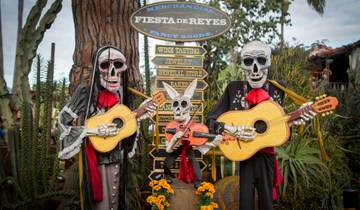
Dia de Los Muertos in San Antonio
- ✓ Comprehensive Texas tour
- ✓ Expert local guides included
- ✓ All accommodation arranged
- ✓ Transportation provided
7 days
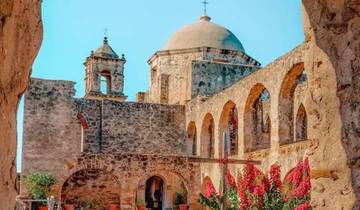
Great Texas Stories: A Journey Through Cities, Nature, and Adventure
- ✓ Booking needs min. 2 travelers
8 days
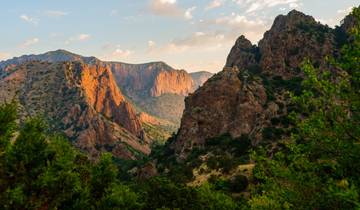
Big Bend Exploring and Hiking (Women-Only)
- ✓ Comprehensive Texas tour
- ✓ Expert local guides included
- ✓ All accommodation arranged
- ✓ Transportation provided
Multi-day tour packages powered by TourRadar. Prices and availability subject to change.
Introduction to San Antonio 2026
San Antonio ranks as America’s seventh-largest city yet maintains an intimate, accessible character that rewards three-day exploration with surprising depth. Founded in 1718 as a Spanish colonial outpost, the city evolved through Mexican independence, the Texas Revolution, and American expansion into today’s multicultural metropolis where 64% Hispanic heritage shapes cuisine, festivals, and daily rhythms. The 2026 visitor discovers five UNESCO World Heritage missions preserving 18th-century architecture, a downtown River Walk system creating 15 miles of restaurant-lined pathways 20 feet below street level, and neighborhoods from King William’s Victorian mansions to Southtown’s contemporary art galleries representing distinct historical and cultural layers.
Three days provides sufficient time to experience San Antonio’s essential historical sites without superficial rushing while allowing authentic culinary exploration beyond tourist-zone Tex-Mex. The Alamo anchors Texas independence history in downtown’s heart, but Mission San José six miles south showcases superior Spanish colonial architecture and demonstrates the mission system’s actual daily operations. The River Walk offers scenic beauty and dining concentration, yet Pearl Brewery District two miles north reveals San Antonio’s contemporary food culture through artisan restaurants, farmers markets, and weekend culinary events. Budget travelers navigate these experiences through free attractions, casual taquerias, and strategic VIA bus routing, while luxury visitors access private mission tours, chef’s tasting menus, and boutique accommodations in converted historic buildings.
San Antonio’s compact downtown geography simplifies navigation compared to sprawling Houston or Dallas. Major attractions cluster within one square mile surrounding Alamo Plaza and the River Walk’s horseshoe loop, enabling walking exploration punctuated by strategic VIA bus trips to outlying missions and neighborhoods. The city’s flat terrain, pedestrian-friendly River Walk system, and grid street pattern above ground create straightforward orientation. Spring 2026 brings Fiesta San Antonio’s 11-day April celebration with parades, food festivals, and cultural events citywide, while summer heat drives visitors toward indoor museums and evening River Walk dining. This three-day itinerary balances historical depth, culinary diversity, and practical logistics across budget tiers, seasonal considerations, and San Antonio’s unique blend of preserved heritage and modern urbanism.
Understanding San Antonio Costs in 2026
San Antonio maintains significantly lower travel costs compared to Austin (30 miles north) or coastal Texas cities, with accommodation, dining, and attractions pricing 25-35% below comparable destinations. This affordability stems from abundant hotel inventory competing for convention and leisure visitors, extensive budget dining options reflecting Hispanic culinary traditions, and numerous free or low-cost historical attractions managed by public entities. The average traveler reports daily expenses of $69 for food alone, though strategic choices reduce this substantially through breakfast tacos, food trucks, and Market Square authentic Mexican restaurants charging $8-12 for complete meals versus $20-35 River Walk tourist establishments.
Accommodation represents the largest variable expense across budget tiers. Budget hotels cluster along Interstate corridors 3-5 miles from downtown, requiring VIA bus connections but offering $55-69 nightly rates. Mid-range properties concentrate near the River Walk and Pearl District at $105-150 nightly, balancing walkability with reasonable pricing. Luxury accommodations occupy converted historic buildings and boutique properties commanding $200-241+ nightly within prime River Walk locations. Two travelers sharing any accommodation tier effectively halve per-person lodging costs, making San Antonio particularly economical for couples and travel companions.
Transportation costs remain minimal within downtown’s walkable core. VIA Metropolitan Transit charges $1.30 per single ride, $2.60 for express routes, with day passes available for unlimited travel. Most three-day itineraries require only 2-4 bus rides for mission visits and neighborhood exploration beyond walking range, totaling $5-10 per person across the entire trip. Rideshare services cost $8-15 for typical downtown-to-Pearl or downtown-to-missions trips, offering convenience versus VIA scheduling but multiplying transportation expenses substantially.
Attraction costs concentrate around paid museum admissions and optional enhanced experiences. The Alamo Church remains free (requiring advance timed reservation), while the Ralston Collections Center Exhibit costs $14. Tower of the Americas charges $19.50 for observation deck access. Go Rio River Walk cruises cost approximately $13.53 for 35-minute narrated tours. Strategic attraction selection, combining free sites (all five UNESCO missions maintain no admission fees) with 2-3 paid experiences, keeps daily attraction budgets reasonable at $15-40 per person. Dining flexibility provides the greatest cost control opportunity, with breakfast taco vendors charging $3-5 versus hotel breakfasts at $15-20, and authentic neighborhood taquerias offering $10-15 complete meals versus $25-45 River Walk restaurant entrées.
Three-Day Budget Breakdown 2026
San Antonio three-day costs vary significantly across accommodation tiers and dining choices, with budget travelers minimizing expenses through strategic free attractions and neighborhood eateries while luxury visitors invest in boutique hotels and chef-driven restaurants. These daily breakdowns reflect per-person costs assuming two travelers sharing accommodation, the universal standard for couples and travel companions visiting San Antonio.
Budget Traveler Daily Costs (Two Sharing Budget Hotel)
Budget accommodations range $55-69 per room nightly at properties along Interstate corridors and airport vicinity, dividing to $28-35 per person for two sharing. Breakfast from taco trucks or bakeries costs $5-8, lunch at authentic neighborhood taquerias runs $10-15, dinner at casual Mexican restaurants or food courts totals $15-25. Daily meals sum to $30-48 per person. VIA bus transportation for mission visits and neighborhood exploration costs $3-5 daily with single ride tickets. Free Alamo grounds access, mission visits, River Walk strolling, and selective paid attractions ($14 Alamo Exhibit or $13.53 Go Rio cruise, not both daily) keep attraction budgets at $0-20 per day. Miscellaneous expenses including bottled water, snacks, and tips add $5-10 daily.
Complete budget daily breakdown: Hotel $28-35 per person, meals $30-48, transportation $3-5, attractions $0-20, miscellaneous $5-10. Total daily budget range: $66-118 per person, averaging $140-195 per person daily across three days when accounting for varied attraction spending. Three-day total: approximately $420-585 per person for complete San Antonio experience including all accommodation, meals, attractions, and transportation.
Mid-Range Traveler Daily Costs (Two Sharing Mid-Range Hotel)
Mid-range hotels near River Walk and Pearl District charge $105-150 per room nightly, equaling $53-75 per person for two sharing. Breakfast at hotel restaurants or downtown cafes costs $12-18, lunch at mid-range River Walk or Southtown restaurants runs $18-28, dinner at quality steakhouses or upscale Mexican restaurants totals $30-50. Daily meals sum to $60-96 per person. Mixed transportation of walking downtown with occasional VIA buses or short rideshares costs $5-12 daily. Comprehensive attraction access including Alamo Exhibit ($14), Tower of the Americas ($19.50), Go Rio cruise ($13.53), and museum admissions averages $25-45 daily. Miscellaneous expenses for cocktails, coffee, snacks, and tips add $10-18 daily.
Complete mid-range daily breakdown: Hotel $53-75 per person, meals $60-96, transportation $5-12, attractions $25-45, miscellaneous $10-18. Total daily range: $153-246 per person, averaging $240-335 per person daily across balanced three-day spending. Three-day total: approximately $720-1,005 per person for comfortable San Antonio experience with quality dining and full attraction access.
Luxury Traveler Daily Costs (Two Sharing Luxury Hotel)
Luxury boutique hotels and converted historic properties command $200-241+ per room nightly within prime River Walk locations, dividing to $100-121+ per person for two sharing. Breakfast at upscale hotel restaurants costs $20-30, lunch at chef-driven establishments runs $35-55, dinner at San Antonio’s finest restaurants totals $65-95. Daily meals sum to $120-180 per person. Private transportation via rideshare throughout the city costs $15-25 daily. Premium experiences including private mission tours, VIP Tower access, exclusive dining experiences, and museum memberships total $40-65 daily. Miscellaneous expenses for craft cocktails, artisan coffee, specialty shopping, and generous tips add $20-35 daily.
Complete luxury daily breakdown: Hotel $100-121+ per person, meals $120-180, transportation $15-25, attractions $40-65, miscellaneous $20-35. Total daily range: $295-426+ per person, averaging $430-580+ per person daily across premium experiences. Three-day total: approximately $1,290-1,740+ per person for luxury San Antonio experience with boutique accommodation and exceptional dining.
Day 1: Downtown Historical Core & River Walk 2026
The first day immerses visitors in San Antonio’s essential historical narrative and iconic River Walk atmosphere, concentrating experiences within downtown’s compact one-mile core to minimize transportation needs while maximizing cultural density. This schedule balances morning historical exploration during cooler temperatures with afternoon River Walk dining and evening entertainment, establishing orientation to San Antonio’s geography and cultural character.
Morning: The Alamo & Alamo Plaza (8:00 AM – 12:00 PM)
Begin at the Alamo by 8:00 AM for the most serene experience before tour buses arrive. Advance timed reservations (free, required) guarantee entry to the Alamo Church, where 2-foot-thick limestone walls and solemn atmosphere honor the 1836 battle where 189 defenders died facing Mexican General Santa Anna’s 2,500 troops. The church visit requires 20-30 minutes, followed by Long Barrack exploration showcasing restored quarters where defenders made their final stand. The Alamo grounds include interpretive exhibits, artillery displays, and the largest cannon on site located near the Ralston Family Collections Center.
The Ralston Family Collections Center houses the comprehensive Alamo Exhibit ($14 admission, check official site for current rates) featuring 500+ artifacts including Phil Collins’ donated collection and the Battle of the Alamo Diorama with his personal narration. This state-of-the-art 10,000-square-foot gallery requires 60-90 minutes for thorough exploration, presenting artifacts from the Donald and Louise Yena Spanish Colonial Collection alongside interactive exhibits explaining mission history, Texas Revolution context, and the battle’s military tactics. The optional Victory or Death Audio Tour ($10 adults, $8 seniors/military) narrated by Ray Benson provides 45-minute enhanced storytelling across 37 stops throughout the complex.
After Alamo exploration, walk three blocks north to San Fernando Cathedral (115 Main Plaza), the oldest continuously operating cathedral in Texas dating to 1738. Free admission allows interior viewing of ornate Spanish colonial religious art, vaulted ceilings, and the marble sarcophagus reportedly containing ashes of Alamo defenders including Davy Crockett, though historical debate surrounds this claim. The Spanish Governor’s Palace (105 Plaza de Armas, $5 admission) sits one block west, representing the finest Spanish colonial residential architecture in Texas. This 1749 aristocrat’s home showcases period furnishings, courtyard fountain, and interpretive exhibits explaining colonial governance and daily life. Budget 30-45 minutes for cathedral and palace combined.
Day 1 Morning Costs: Alamo Church and grounds (free with reservation), Alamo Exhibit $14 optional, Audio Tour $10 optional, Spanish Governor’s Palace $5. Budget option: $5 total (skip Alamo Exhibit, visit free church and cathedral). Mid-range: $19 (Alamo Exhibit plus Governor’s Palace). Comprehensive: $29 (all attractions including Audio Tour).
Afternoon: River Walk & Market Square (12:00 PM – 5:00 PM)
Descend to the River Walk from Alamo Plaza via riverside stairs for lunch exploration. Budget diners find authentic value at Mi Tierra Cafe y Panaderia (218 Produce Row, Market Square), a 24-hour San Antonio institution since 1941 serving complete breakfast and lunch plates for $10-15 including handmade tortillas, fresh salsas, and generous portions. Mid-range visitors enjoy Boudro’s Texas Bistro (421 E Commerce St) on the River Walk, where Texas cuisine meets riverside ambiance with lunch entrées ranging $18-28. Lunch timing varies by preference, though 12:00-1:00 PM captures peak River Walk atmosphere.
After lunch, board a Go Rio River Cruises narrated tour (approximately $13.53, departing every 15 minutes from 10 AM to 10 PM, check official site for current rates) for 35-minute exploration of the River Walk’s history, architecture, and cultural evolution. Guides explain the 1929 flood that nearly eliminated the river, architect Robert Hugman’s 1939 beautification vision, and 1968 HemisFair World’s Fair expansion that created today’s 15-mile system. The cruise passes La Villita Historic Arts Village, Arneson River Theatre’s unique stage-audience-separated-by-river design, and reaches the Museum Reach extension showcasing contemporary urban planning.
Following the cruise, walk to Market Square (514 W Commerce St), the largest Mexican marketplace in the United States spanning three blocks with 100+ vendor stalls. El Mercado offers handcrafted goods, folk art, textiles, and souvenirs at negotiable prices significantly below River Walk tourist shops. Mi Tierra Cafe anchors the square’s north end with adjacent panaderia (bakery) selling fresh pan dulce and Mexican pastries for $1-3 each. Farmer’s Market Plaza hosts weekend produce vendors and artisan food stalls. Budget 60-90 minutes for market exploration, souvenir shopping, and cultural immersion in this vibrant commercial district where Spanish predominates and prices reflect local rather than tourist economics.
Day 1 Afternoon Costs: Lunch $10-28 depending on restaurant tier, Go Rio cruise approximately $13.53, Market Square souvenirs variable $5-50 based on purchases. Total range: $28-92 for afternoon including dining and activities.
Evening: River Walk Dining & Entertainment (5:00 PM – 10:00 PM)
Return to River Walk for evening dining as restaurant lighting creates magical atmosphere along the water. Budget diners find excellent value at Iron Cactus Mexican Restaurant & Margarita Bar (200 River Walk) with combination plates $15-22 and notable margarita selections. Mid-range visitors enjoy Paesanos Riverwalk (111 W Crockett St) for upscale Italian-Mediterranean cuisine with entrées $25-42 and signature shrimp Paesano in garlic-lemon butter sauce. Reservations recommended for popular River Walk restaurants, though walk-in availability improves after 8:00 PM as earlier diners depart.
After dinner, stroll the River Walk’s illuminated pathways where restaurants, bars, and entertainment venues create continuous activity until midnight. Live music venues cluster along the downtown section, with Pat O’Brien’s San Antonio (121 Alamo Plaza) offering dueling pianos and Howl at the Moon (212 College St) providing interactive sing-along experiences. The Torch of Friendship sculpture near La Villita glows after dark, and the pedestrian bridges offer optimal photography positions for illuminated River Walk scenes.
Alternatively, return to Alamo Plaza for the nightly light show projected onto San Fernando Cathedral (various times, free admission), a spectacular 24-minute presentation illuminating the cathedral facade with historical imagery, music, and narration explaining San Antonio’s 300-year evolution. Shows run Tuesday-Sunday evenings March through December, with times varying seasonally. This free entertainment option provides budget-friendly evening conclusion while delivering impressive visual spectacle and historical education.
Day 1 Evening Costs: Dinner $15-42 per person depending on restaurant selection, drinks $8-20 for cocktails or beer, entertainment variable $0-30 for music venues versus free cathedral show. Evening total range: $15-92 per person.
Day 1 Total Per Person: Budget approach (free Alamo, budget meals, skip paid cruise): $55-85. Mid-range experience (Alamo Exhibit, Go Rio, quality dining): $95-165. Comprehensive luxury (all attractions, upscale dining): $165-250. Daily accommodation adds $28-121+ per person depending on hotel tier.
Day 2: UNESCO Missions & Neighborhood Exploration 2026
Day two ventures beyond downtown to explore San Antonio’s UNESCO World Heritage missions spanning 8 miles along the San Antonio River, demonstrating the Spanish colonial mission system’s architecture, agriculture, and cultural exchange that shaped Texas before independence. This day requires strategic transportation planning via VIA bus routes or guided tours, rewarding effort with superior historical preservation compared to the heavily restored Alamo.
Morning: Mission Trail South (8:00 AM – 1:00 PM)
Begin with VIA bus Route 42 from downtown (approximately $1.30, departing hourly) reaching Mission San José after 30-minute ride. Alternatively, rideshare costs $12-18 for direct transportation to this “Queen of the Missions,” the largest and best-preserved of San Antonio’s mission complexes. Arrive by 8:30 AM for serene exploration before tour groups and afternoon heat intensify.
Mission San José (6701 San Jose Dr, free admission) showcases Spanish colonial architecture at its finest, with the Rose Window carved limestone facade representing exceptional 18th-century craftsmanship and the restored church containing original frescoes, religious art, and functioning bells. The mission quadrangle demonstrates self-sufficient community design with granary, workshops, living quarters, and defensive walls surrounding central plaza. Rangers conduct free guided tours at 10:00 AM and 2:00 PM daily, though self-guided exploration with National Park Service interpretive panels provides excellent historical context. Budget 90-120 minutes for comprehensive Mission San José exploration including church interior, grounds, visitor center exhibits, and the functioning grist mill recreation.
Continue south via VIA bus (transfer timing requires checking current schedules) or rideshare ($8-12) to Mission San Juan Capistrano (9101 Graf Rd, free admission), a smaller mission complex emphasizing agricultural operations. The restored church features simpler architecture reflecting the mission’s working-farm character, while surrounding grounds demonstrate acequia (irrigation canal) systems that enabled cultivation in semi-arid climate. The farm fields produce heritage crops using 18th-century techniques, and seasonal festivals demonstrate traditional food preparation. Budget 45-60 minutes for Mission San Juan.
Mission Espada (10040 Espada Rd, free admission) completes the southern trail, notable for the Espada Aqueduct, the only remaining Spanish colonial aqueduct in the United States still conducting water across Piedras Creek. The mission church maintains active Catholic services, and the grounds include restored Native American quarters demonstrating daily life for converted indigenous populations who formed mission communities. Budget 30-45 minutes for Espada exploration before returning north.
Day 2 Morning Costs: VIA bus $2.60 total for round-trip mission access using transfers, or rideshare $35-50 total for direct transportation to all three missions. All mission admissions free. Bring packed lunch or budget $10-15 for food truck/convenience store purchases near missions as restaurant options remain limited in these residential areas.
Afternoon: Pearl District & Brackenridge Park (1:00 PM – 6:00 PM)
Return to downtown via VIA bus or rideshare, then take VIA Route 7 or 8 north (approximately $1.30) to Pearl Brewery District, San Antonio’s premier culinary and cultural destination occupying the renovated Pearl Brewing Company campus along the Museum Reach section of River Walk. Alternatively, walk 2 miles north from downtown along scenic River Walk pathways, enjoying street-level and riverside perspectives of San Antonio’s urban renewal initiatives.
Pearl District (303 Pearl Pkwy) centers on the Pearl Farmers Market (Saturday-Sunday 9 AM-1 PM year-round, Wednesday 4-8 PM seasonal), where 60+ vendors sell locally grown produce, artisan foods, handcrafted goods, and prepared meals. Even outside market hours, Pearl offers exceptional dining from Cured (contemporary American utilizing Texas ingredients) to Botika (Pan-Asian fusion in converted brewery building). The Hotel Emma boutique property occupies the original 1894 brewery headquarters, with public spaces including the Sternewirth bar welcoming visitors for craft cocktails in historically preserved surroundings.
Lunch at Pearl ranges from $12-18 for casual cafes like Local Coffee to $25-45 for upscale restaurants. The Culinary Institute of America San Antonio campus anchors Pearl’s north end, occasionally offering public dining experiences at student-operated restaurants. Retail shops include boutique clothing, home goods, and the Pearl cooking store featuring culinary equipment and artisan food products.
After Pearl exploration, continue north via VIA bus or 15-minute walk to Brackenridge Park (3910 N St Mary’s St, free admission), a 343-acre urban park offering Japanese Tea Garden (free admission) with stone pathways, koi ponds, and pavilions built in 1917 within abandoned rock quarry. The San Antonio Zoo (3903 N St Mary’s St, $25-30 admission) occupies park’s north section, housing 750+ species across naturalistic habitats, though time constraints may limit comprehensive zoo exploration during packed three-day itinerary. The Witte Museum (3801 Broadway, $15 adults) presents Texas natural history, cultural heritage, and rotating exhibits in newly expanded facilities.
Day 2 Afternoon Costs: VIA bus transportation $1.30 per ride, lunch $12-45 depending on Pearl restaurant selection, Japanese Tea Garden free, zoo or museum admission $15-30 if time permits. Afternoon total: $13-77 per person.
Evening: Southtown Arts District Dining (6:00 PM – 10:00 PM)
Return downtown via VIA bus, then walk or take short rideshare to Southtown neighborhood south of downtown, San Antonio’s emerging arts district where galleries, studios, restaurants, and bars occupy converted industrial buildings and renovated shotgun houses. Blue Star Arts Complex (116 Blue Star) anchors the district with contemporary art galleries, studios, and the Blue Star Brewing Company restaurant featuring craft beers and elevated pub fare.
Southtown dining offers authentic San Antonio experiences beyond River Walk tourism. Rosario’s Mexican Cafe y Cantina (910 S Alamo St) serves upscale Mexican cuisine with entrées $16-28 in colorful hacienda-style dining rooms. Feast (1024 S Alamo St) provides contemporary American small plates $12-22 emphasizing Texas ingredients and seasonal preparations. La Tuna Grill (100 Probandt St) specializes in Tex-Mex classics including fish tacos and enchiladas at $14-24 price points.
First Friday Art Walk (first Friday evening monthly) transforms Southtown into open-air gallery district with studios open late, street performers, food trucks, and crowds strolling between venues. Second Saturday events occur at Blue Star Complex. Even without special events, Southtown evening atmosphere offers relaxed alternative to River Walk’s tourist intensity, with locals and visitors mixing in neighborhood bars and restaurants reflecting San Antonio’s contemporary cultural evolution.
Day 2 Evening Costs: Transportation $2.60 VIA bus or $8-12 rideshare, dinner $14-40 per person depending on restaurant selection, drinks $6-18 for beer or cocktails. Evening total: $22-70 per person.
Day 2 Total Per Person: Budget approach (VIA bus transportation, packed lunch, free missions and park): $30-60. Mid-range experience (mix of rideshare and bus, Pearl lunch, Southtown dinner): $75-160. Comprehensive exploration (rideshare transportation, quality dining at all meals, museum admission): $145-245. Daily accommodation adds $28-121+ per person depending on hotel tier.
Day 3: Tower of the Americas & Final Exploration 2026
The final day concentrates on remaining downtown highlights, strategic souvenir shopping, and flexible afternoon options accommodating departure schedules or deeper dives into personal interests identified during previous days’ exploration.
Morning: Tower of the Americas & HemisFair Park (8:00 AM – 12:00 PM)
Begin at HemisFair Park (434 S Alamo St, free admission), the 1968 World’s Fair site now transformed into urban park with walking paths, fountains, and preserved architecture from the international exposition. The Tower of the Americas (739 E Cesar E Chavez Blvd) dominates the skyline at 750 feet, offering observation deck access ($19.50 adults, check official site for current rates) with 360-degree San Antonio views identifying landmarks, neighborhoods, and distant Hill Country topography.
Tower admission includes unlimited same-day observation deck access plus the Flags Over Texas exhibit explaining the six national flags (Spain, France, Mexico, Republic of Texas, Confederate States, United States) that governed Texas throughout history. The 4D Theater Ride provides simulated helicopter tour of Texas highlights including high school football games, NASA facilities, and Hill Country landscapes through motion seats and environmental effects. Bar 601 revolving restaurant operates at observation level, though Chart House full-service restaurant occupies the rotating dining room requiring separate meal reservations.
The Tower-Go Rio combination ticket ($35, check official site for current rates) bundles observation deck access with River Walk cruise for modest savings versus purchasing separately. Visitors who skipped Go Rio cruise on Day 1 optimize value with this package, while those who already cruised pay standard admission. Sunrise timing (summer 6:30 AM, winter 7:15 AM) offers exceptional photography lighting and minimal crowds, though Tower opens 10:00 AM Sunday-Thursday, 10:00 AM-11:00 PM Friday-Saturday, requiring schedule adjustment for early access.
After Tower exploration, walk through Institute of Texan Cultures (801 E Cesar E Chavez Blvd, $8 adults) documenting 26 ethnic and cultural groups that shaped Texas identity through interactive exhibits, artifacts, and multimedia presentations. Budget 60-90 minutes for comprehensive exploration of immigration stories, cultural traditions, and historical contributions from German, Czech, Polish, Mexican, African American, Asian, and other communities comprising modern Texas demographics.
Day 3 Morning Costs: Tower of the Americas $19.50, Institute of Texan Cultures $8 optional, HemisFair Park free. Morning total: $19.50-27.50 per person depending on museum inclusion.
Afternoon: La Villita & Final River Walk (12:00 PM – 5:00 PM)
Descend from HemisFair Park to La Villita Historic Arts Village (418 Villita St, free admission), San Antonio’s original neighborhood dating to 1722 now preserved as artisan marketplace with 27 shops, galleries, and studios occupying restored limestone and adobe structures. Local artists demonstrate traditional crafts including glassblowing, pottery, jewelry making, and painting, with many pieces available for purchase at prices reflecting direct artist sales rather than gallery markups. La Villita General Store (100 Villita St) offers curated Texas-made products, while multiple galleries showcase regional art ranging from contemporary abstracts to traditional western landscapes.
Lunch options near La Villita include Fig Tree Restaurant (515 Villita St) for contemporary American cuisine in historic setting with entrées $18-32, or returning to River Walk for final meal at preferred restaurant identified during previous days. Budget diners walk to nearby downtown taquerias or food trucks offering $8-15 complete meals.
Afternoon flexibility accommodates departure schedules or personal interests. Options include returning to favorite River Walk sections, revisiting Market Square for missed souvenir shopping, exploring King William Historic District (King William St south of downtown) showcasing Victorian mansion architecture from San Antonio’s German merchant class, or simply relaxing in HemisFair Park before departure. Visitors with evening flights maximize time through 3:00-4:00 PM hotel checkout, final River Walk stroll, and direct airport transportation via VIA bus Route 5 ($1.30, 45-60 minutes) or rideshare ($18-25, 20-25 minutes).
Alternative afternoon activities for visitors with extra time include San Antonio Museum of Art (200 W Jones Ave, $20 adults) featuring comprehensive Latin American art collection, ancient Mediterranean works, and Asian galleries in converted 1920s Lone Star Brewery building. The DoSeum (2800 Broadway, $18 adults, $16 children) provides interactive children’s museum experiences if traveling with families. Natural Bridge Caverns (26495 Natural Bridge Caverns Rd, 30 minutes north, $28 adults) offers underground cave tours, though distance and time requirements exceed most three-day itinerary constraints.
Day 3 Afternoon Costs: La Villita free admission, lunch $8-32 depending on restaurant selection, optional museum admission $18-20, souvenirs variable. Afternoon total: $8-70 per person before souvenir purchases.
Evening & Departure Considerations 2026
Final evening dining repeats successful previous experiences or addresses missed opportunities. Budget travelers maximize value through Market Square’s Mi Tierra or authentic neighborhood taquerias for $10-18 farewell meals. Mid-range visitors enjoy River Walk favorites like Boudro’s or Iron Cactus for $25-45 final dinners. Luxury diners reserve Bohanan’s Prime Steaks and Seafood (219 E Houston St) for $65-95 entrées celebrating Texas beef traditions, or Bliss (926 S Presa St) in Southtown for contemporary American tasting menus.
San Antonio International Airport (SAT) sits 8 miles north of downtown, accessible via VIA bus Route 5 departing hourly from downtown terminals ($1.30, 45-60 minutes travel time) or rideshare services ($18-25, 20-25 minutes depending on traffic). Budget sufficient time for potential traffic delays during rush hours (7:00-9:00 AM, 4:00-6:30 PM weekdays). Most airlines recommend 2-hour pre-flight arrival for domestic travel, 3 hours for international departures.
Day 3 Total Per Person: Budget approach (free attractions, budget meals, VIA bus airport transfer): $35-70. Mid-range experience (Tower admission, quality dining, rideshare transportation): $75-140. Comprehensive conclusion (multiple museums, upscale dining, all transportation): $125-215. Final day accommodation (if needed before evening departure) adds $28-121+ per person depending on hotel tier and checkout timing.
Accommodation Guide San Antonio 2026
San Antonio accommodation strategy prioritizes location proximity to River Walk and downtown attractions, with price tiers reflecting distance and amenity levels rather than quality variations. Budget properties along interstate corridors deliver reliable chain standards 3-5 miles from downtown, mid-range hotels cluster near River Walk offering walkability premium, and luxury boutiques occupy prime riverside locations in converted historic buildings.
Budget Accommodation ($55-69 Per Night)
Budget hotels concentrate along Interstate 10 west, Interstate 35 north/south, and near San Antonio International Airport, requiring VIA bus connections to downtown but offering lowest nightly rates. La Quinta Inn locations throughout San Antonio provide free breakfast, WiFi, and parking at $60-69 nightly rates. Motel 6 and Red Roof Inn properties deliver basic accommodation at $55-65 nightly along interstate corridors. Days Inn, Econo Lodge, and Super 8 occupy similar price points with standard amenities.
Airport-vicinity hotels offer free airport shuttles benefiting early-departure or late-arrival travelers, though downtown access requires VIA Route 5 bus ($1.30, 45-60 minutes) or rideshare ($18-25, 20-25 minutes). Budget travelers prioritizing walking access over lowest rates find Hampton Inn downtown locations at $85-110 nightly, crossing into mid-range pricing but eliminating transportation costs and time.
Mid-Range Accommodation ($105-150 Per Night)
Mid-range properties cluster within River Walk vicinity and Pearl District, offering walking access to primary attractions while maintaining reasonable pricing. Hyatt Regency San Antonio Riverwalk ($125-150 nightly) provides direct River Walk access with rooftop pool, multiple restaurants, and central location. Drury Plaza Hotel San Antonio Riverwalk ($110-140) includes free hot breakfast, evening snacks, and rooftop pool with panoramic views.
Hotel Valencia Riverwalk ($130-165) delivers boutique ambiance at competitive pricing with contemporary design, riverside balconies, and sophisticated amenities. Residence Inn by Marriott San Antonio Downtown/Market Square ($105-135) offers suite accommodations with kitchenettes appealing to longer stays and families requiring flexible meal preparation options. Candlewood Suites San Antonio Downtown ($95-125) provides extended-stay amenities at lower price points than full-service competitors.
Luxury Accommodation ($200-241+ Per Night)
Luxury accommodations occupy historic buildings and boutique properties offering unique San Antonio character beyond generic upscale chain standards. Hotel Emma at Pearl ($240-320) inhabits the 1894 Pearl Brewery headquarters with preserved industrial architecture, Sternewirth craft cocktail bar, Supper restaurant, and curated Texas art collection throughout public spaces and guest rooms.
The St. Anthony Hotel ($200-280), a 1909 Beaux-Arts landmark, combines historic grandeur with modern luxury through restored public spaces, contemporary guest room renovations, and prime Travis Park location. Mokara Hotel & Spa ($220-310) provides River Walk frontage with full-service spa, rooftop pool, and Ocho restaurant featuring contemporary Latin cuisine. Hotel Contessa ($190-265) occupies River Walk’s horseshoe curve with all-suite accommodations featuring separate living areas and riverside balconies.
Boutique options include The Fairmount Hotel ($185-250), a 1906 Victorian building famously relocated in 1985 (earning Guinness World Record for heaviest building moved intact), now offering intimate 37-room luxury experience. Luxury travelers seeking Hill Country resort experiences consider La Cantera Resort & Spa ($240-380), JW Marriott San Antonio Hill Country Resort ($220-340), or Hyatt Regency Hill Country Resort ($190-280), though locations 15-20 miles from downtown require rental car or extensive rideshare expenses for city exploration.
Dining Strategies San Antonio 2026
San Antonio dining divides between River Walk tourist concentration and neighborhood authenticity, with strategic meal planning dramatically impacting daily food budgets while accessing superior culinary experiences. The city’s 64% Hispanic population ensures abundant authentic Mexican and Tex-Mex options at all price tiers, from $3 breakfast tacos to $65 chef’s tasting menus exploring regional ingredients and traditional preparations.
Budget Dining Approaches
Breakfast tacos represent San Antonio’s quintessential budget meal, available at food trucks, bakeries, and casual restaurants citywide for $3-5 per taco (two constitute filling breakfast). Taco Taco Cafe (145 E Hildebrand Ave) and Bean (multiple locations) exemplify quality breakfast taco specialists. Panaderia bakeries sell fresh pan dulce (Mexican sweet bread) for $1-3 each alongside coffee, providing economical morning meal alternatives to $15-20 hotel breakfasts.
Lunch at authentic neighborhood taquerias delivers complete meals including entrée, rice, beans, and tortillas for $10-15. Teka Molino (403 Crosspoint Blvd) operates as tortilla factory with attached restaurant serving fresh-made tacos and plates. La Fonda on Main (2415 N Main Ave) offers traditional Mexican cuisine in casual atmosphere at working-class pricing. Food trucks throughout downtown, Pearl, and Southtown provide $8-12 complete meals from various ethnic cuisines including Vietnamese banh mi, Thai curries, and barbecue plates.
Dinner at Market Square’s Mi Tierra Cafe y Panaderia maintains 24-hour operations with combination plates $12-18 and mariachi entertainment creating festive atmosphere without River Walk premium pricing. Los Barrios Mexican Restaurant (4223 Blanco Rd) operates family restaurant serving generous portions at $13-20 per entrée with complimentary chips and salsa. Budget-conscious travelers reduce daily food costs to $30-45 per person through strategic breakfast taco starts, food truck lunches, and authentic neighborhood dinners.
Mid-Range Dining Selections
River Walk restaurants charge premium pricing for riverside locations, though lunch specials and early-bird dinners reduce costs below standard dinner pricing. Boudro’s Texas Bistro lunch features $16-24 entrées including signature guacamole prepared tableside, prickly pear margaritas, and Texas-influenced contemporary cuisine. Iron Cactus Mexican Restaurant offers $18-28 lunch plates and extensive tequila selection in multi-level riverside setting.
Pearl District dining provides upscale experiences without River Walk tourist surcharges. Cured (306 Pearl Pkwy) serves contemporary American plates $24-38 emphasizing Texas ranchers, Gulf seafood, and seasonal produce. Botika (401 S Alamo St) presents Pan-Asian fusion $20-35 in converted Pearl Brewery buildings with craft cocktails and shareable plates encouraging variety sampling. Southtown restaurants including Rosario’s ($16-28 entrées) and Feast ($18-32 small plates) deliver quality preparation and creative menus at neighborhood pricing.
Mid-range travelers balance one upscale River Walk experience with neighborhood restaurant exploration and casual meals, maintaining daily food budgets around $60-96 per person across three meals plus coffee, snacks, and occasional cocktails.
Luxury Dining Experiences
San Antonio’s finest restaurants concentrate in downtown and Southtown, offering chef-driven menus utilizing Texas ingredients through contemporary techniques. Bohanan’s Prime Steaks and Seafood (219 E Houston St) specializes in dry-aged beef with entrées $65-95 and extensive wine cellar featuring 10,000+ bottles. The classic steakhouse atmosphere and tableside presentations deliver special-occasion dining worthy of celebration.
Bliss (926 S Presa St) provides intimate 12-table setting for contemporary American tasting menus $85-120 per person, with chef Urvashi Roe’s seasonal compositions earning consistent critical acclaim. Reservations require weeks advance notice for weekend dining. Mixtli (5251 McCullough Ave, Olmos Park) operates ultra-exclusive 12-seat format for $165 progressive tasting menus exploring specific Mexican regional cuisines, rotating quarterly to showcase Oaxacan, Yucatecan, or coastal traditions through 9-11 courses.
Luxury hotel restaurants including Ocho at Mokara Hotel ($35-55 entrées) and Supper at Hotel Emma ($32-62 entrées) combine exceptional cuisine with sophisticated ambiance and comprehensive beverage programs. Chart House Restaurant in Tower of the Americas offers revolving dining room panoramas with seafood-focused menu at $40-75 per entrée, though cuisine quality prioritizes views over culinary innovation.
Luxury dining budgets reach $120-180 per person daily across upscale breakfast, lunch, and dinner experiences, with wine pairings, craft cocktails, and premium spirits adding $40-80 additional daily expenses for beverage enthusiasts.
Transportation Guide San Antonio 2026
San Antonio transportation strategy depends on accommodation location and daily itinerary scope. Downtown-staying visitors navigate most attractions on foot with occasional VIA bus trips to missions and outlying neighborhoods, while budget travelers at interstate corridor hotels require daily bus commutes or higher rideshare expenses that offset accommodation savings.
VIA Metropolitan Transit Bus System
VIA operates 75 bus routes serving San Antonio and Bexar County with single ride fares at $1.30 for regular routes, $2.60 for express service. Day Passes provide unlimited rides on all regular, Express, Prímo, and VIA Link services for one calendar day, though specific pricing requires checking official VIA website as rates update periodically. Free transfers valid 2.5 hours from purchase enable connections between routes without additional fare.
Key routes for visitors include Route 5 (downtown to San Antonio International Airport), Route 42 (downtown to Mission San José), Routes 7 and 8 (downtown to Pearl District and Brackenridge Park), and Prímo 100 rapid transit (South Texas Medical Center to downtown via San Pedro Avenue). Buses operate 4:00 AM-1:00 AM daily with reduced service on Sundays and holidays. Trip planning via Google Maps integration or Transit App provides real-time arrival information and optimal route selection.
VIA limitations include hourly headways on many routes requiring advance schedule consultation, limited Sunday service reducing weekend mission visits, and absence of luggage racks complicating airport trips with oversized bags. Budget travelers spending three days in San Antonio require approximately 6-10 bus rides ($8-13 total) for mission visits, neighborhood exploration, and airport transfers, making VIA economically superior to rideshare alternatives.
Rideshare and Taxi Services
Uber and Lyft operate throughout San Antonio with standard pricing structures. Typical fares include downtown to Pearl District $8-12, downtown to Mission San José $12-18, downtown to airport $18-25, and downtown to Hill Country attractions $35-55. Surge pricing during peak demand periods (morning airport rushes, weekend evenings, special events) increases base fares 1.5-2.5 times normal rates.
Traditional taxis remain available through Yellow Cab San Antonio and other services, though app-based rideshare typically offers superior availability and transparent pricing. Taxi fares start at $3.50 with $1.90 per kilometer, making rideshare competitively priced for most San Antonio trips.
Walking and River Walk Navigation
Downtown San Antonio’s compact geography enables walking as primary transportation within one-mile radius surrounding Alamo Plaza and River Walk horseshoe. Major attractions including the Alamo, Spanish Governor’s Palace, San Fernando Cathedral, Market Square, HemisFair Park, Tower of the Americas, and La Villita cluster within 15-20 minute walks from central River Walk hotels.
The River Walk system itself provides 15 miles of pedestrian pathways connecting downtown, Museum Reach (extending north to Pearl District and Brackenridge Park), and Mission Reach (extending south toward missions). Downtown River Walk sections feature continuous restaurant and retail frontage, while Museum and Mission Reach segments offer park-like settings with occasional cultural institutions and modern urban design elements.
Walking challenges include summer heat exceeding 95°F (requiring early morning or evening activity timing), occasional flooding during heavy rains (River Walk closes when flood gates activate), and stairs connecting river level to street level (creating accessibility issues for mobility-limited visitors). The flat terrain and grid street pattern above River Walk simplify navigation once basic orientation establishes north-south and east-west axes.
San Antonio Weather & Seasonal Considerations 2026
San Antonio’s subtropical climate delivers hot summers, mild winters, and optimal spring/fall conditions for outdoor exploration, with seasonal variations significantly impacting activity timing, accommodation costs, and crowd levels across major attractions.
Spring (March-May 2026): Peak Season
Spring represents ideal San Antonio visiting conditions with daytime temperatures ranging 70-85°F, moderate humidity, blooming vegetation throughout missions and parks, and extended daylight hours enabling comprehensive daily itineraries. March brings wildflower displays across Hill Country and surrounding areas, while April features Fiesta San Antonio’s 11-day celebration including Battle of Flowers Parade, NIOSA (Night in Old San Antonio) food festival, and 100+ events citywide.
Spring disadvantages include peak pricing for accommodation (rates increase 35-50% above winter baseline), advance reservation requirements for popular hotels and restaurants, and maximum crowds at River Walk, Alamo, and missions. Fiesta week (typically mid-late April) sees hotel sellouts and 200,000+ daily visitors overwhelming downtown infrastructure. Spring travelers book accommodation 3-4 months advance and expect premium pricing throughout the season.
Summer (June-September 2026): Heat Intensity
Summer delivers intense heat with daytime temperatures regularly exceeding 95°F, high humidity creating heat index values of 105-110°F, and afternoon thunderstorms providing brief cooling but complicating outdoor activity planning. June-August represent low season for tourism (excluding July 4th weekend), with hotel rates dropping 30-40% below spring peaks and reduced crowds at major attractions.
Summer strategies emphasize early morning activity (begin mission visits by 8:00 AM before heat intensifies), midday indoor attractions (museums, air-conditioned River Walk restaurants), and evening River Walk exploration when temperatures moderate to 85-90°F. The Pearl Farmers Market operates Wednesday evenings 4:00-8:00 PM during summer, providing comfortable outdoor shopping alternatives to midday heat exposure. Budget travelers maximize summer’s reduced accommodation costs while accepting heat-related activity limitations.
Fall (October-November 2026): Optimal Conditions
Fall delivers San Antonio’s finest weather with daytime temperatures ranging 65-80°F, low humidity, minimal rainfall, and comfortable conditions for all-day outdoor exploration. October events include Día de los Muertos celebrations at missions and cultural institutions, while November offers Thanksgiving holiday period appeal for domestic travelers.
Fall accommodation pricing remains moderate (20-30% below spring peaks) with good availability outside Thanksgiving week. The extended comfortable weather window enables mission trail hiking, River Walk outdoor dining without oppressive heat, and comprehensive attraction exploration across full daylight hours. Fall represents optimal value proposition combining reasonable pricing, excellent weather, moderate crowds, and full operational capacity across attractions and restaurants.
Winter (December-February 2026): Budget Season
Winter brings San Antonio’s lowest accommodation costs (40-50% below spring peaks), minimal crowds except December holidays, and comfortable daytime temperatures averaging 50-65°F suitable for outdoor activities with light jacket. Occasional cold fronts drop temperatures to 30-40°F requiring warmer clothing, though subfreezing conditions remain rare and brief.
Winter advantages include instant hotel availability, reduced restaurant wait times, serene mission visits, and budget-friendly pricing across accommodation and attractions. December holiday decorations transform River Walk into illuminated wonderland with millions of lights, while January-February deliver absolute lowest pricing and emptiest attractions for visitors prioritizing value over guaranteed perfect weather. Winter evening temperatures dropping to 45-55°F encourage indoor dining and reduced River Walk strolling compared to warmer seasons.
Money-Saving Strategies San Antonio 2026
Strategic planning reduces San Antonio costs substantially across accommodation, dining, attractions, and transportation without sacrificing experience quality or missing essential destinations.
CityPASS San Antonio Attraction Bundle
CityPASS San Antonio ($89 adults, current pricing requires verification at official site) bundles admission to four attractions from selection including Tower of the Americas, Go Rio River Cruises, San Antonio Zoo, Alamo Exhibit, San Antonio Botanical Garden, Witte Museum, The DoSeum, and San Antonio Museum of Art. The pass saves up to 40% versus individual admission prices when visiting all four included attractions, with 9-day validity from first use enabling flexible scheduling.
CityPASS optimizes value for visitors planning comprehensive attraction access, though travelers prioritizing free missions, Alamo Church, and River Walk strolling may not justify the upfront investment. Calculate individual attraction interests against pass pricing to determine personal value proposition.
Accommodation Timing and Location Trade-offs
Book San Antonio hotels 2-3 months advance for spring travel, 4-6 weeks for summer/fall, and 1-2 weeks for winter to secure optimal rates before demand-driven price increases. Interstate corridor properties charge $30-50 less nightly than River Walk equivalents, though transportation costs and time partially offset savings. Weekend rates (Friday-Saturday) typically exceed weekday pricing by 20-35%, making Sunday-Thursday visits more economical.
Alternative accommodation through vacation rental platforms (Airbnb, VRBO) provides kitchen access enabling breakfast and lunch preparation, reducing daily food costs by $25-40 per person. King William and Southtown neighborhoods offer residential character, local atmosphere, and lower rental rates than downtown tourist core while maintaining walkability to River Walk and attractions.
Dining Cost Control
Prioritize breakfast tacos ($3-5) over hotel breakfasts ($15-20), food truck lunches ($8-12) over River Walk restaurants ($18-28), and one upscale dinner splurge balanced by two neighborhood restaurant meals. Happy hour specials at River Walk establishments (typically 4:00-7:00 PM weekdays) offer discounted appetizers and drinks, enabling River Walk atmosphere sampling at reduced cost.
Market Square’s Mi Tierra and surrounding vendors provide authentic Mexican meals at local pricing ($10-18 entrées) versus River Walk tourist rates ($20-45). Pearl Farmers Market weekend visits enable fresh produce, prepared food, and artisan product purchases at direct-from-producer pricing. Grocery stores (H-E-B locations throughout San Antonio) stock ingredients for hotel room meal preparation when accommodation includes kitchenette or refrigerator.
Free Attraction Maximization
San Antonio offers extensive free attractions including Alamo Church and grounds (timed reservation required), all five UNESCO World Heritage missions, River Walk strolling, HemisFair Park, Brackenridge Park, Japanese Tea Garden, La Villita arts village, San Fernando Cathedral (including evening light show), Market Square browsing, and numerous neighborhood parks. Strategic itinerary planning incorporating 60-70% free attractions with 30-40% paid experiences controls daily costs while accessing San Antonio’s essential historical and cultural sites.
Frequently Asked Questions San Antonio 2026
Do I need a car to visit San Antonio?
No car required for downtown-focused three-day itineraries when staying near River Walk. VIA bus service ($1.30 per ride) reaches missions, Pearl District, Brackenridge Park, and airport through strategic route planning. Walking covers Alamo, River Walk, Market Square, Tower of the Americas, HemisFair Park, La Villita, and Spanish Governor’s Palace within one-mile downtown radius. Rideshare supplements VIA for convenience or time constraints. Rental cars become advantageous for Hill Country day trips, Natural Bridge Caverns, or extended mission trail exploration beyond public transit schedules.
How much should I budget for food per day in San Antonio 2026?
Budget travelers spend $30-48 per person daily through breakfast tacos, food truck lunches, and authentic neighborhood restaurant dinners. Mid-range visitors invest $60-96 per person daily balancing River Walk dining experiences with casual meals and coffee/snacks. Luxury diners allocate $120-180 per person daily for upscale restaurants, craft cocktails, and premium dining experiences across all three meals. Strategic meal planning with breakfast tacos ($3-5), food truck options ($8-12), and selective splurge dinners optimizes both cost control and culinary quality.
Are San Antonio missions worth visiting beyond the Alamo?
Yes, emphatically. Mission San José demonstrates superior Spanish colonial architecture compared to heavily restored Alamo, with intact quadrangle, functioning church, Rose Window carved facade, and comprehensive National Park Service interpretation explaining mission system operations. The four southern missions (Concepción, San José, San Juan, Espada) maintain UNESCO World Heritage status for exceptional preservation of 18th-century mission communities. Free admission, uncrowded conditions, and authentic historical atmosphere make missions essential three-day itinerary components, though 8-mile trail length requires VIA bus ($2.60 round-trip) or rideshare transportation ($35-50 for comprehensive three-mission visit).
What’s the best River Walk section for dining?
Downtown River Walk horseshoe (between Commerce Street and Market Street bridges) concentrates restaurant density with 40+ establishments offering continuous dining options, though tourist-focused menus and premium pricing reflect prime location. Museum Reach extending north toward Pearl offers contemporary restaurants, craft breweries, and local favorites in less crowded setting. Southtown River Walk access points connect to neighborhood restaurants delivering authentic San Antonio character beyond tourist formulas. Budget diners find better value at Market Square or neighborhood establishments one block removed from River Walk, while mid-range and luxury travelers enjoy riverside ambiance justifying premium pricing for memorable dining experiences.
How long does the Alamo visit require?
Alamo Church and grounds exploration requires 45-90 minutes for comprehensive free experience including church interior, Long Barrack museum, grounds, and interpretive exhibits. Adding Ralston Collections Center Alamo Exhibit ($14 admission) extends visit by 60-90 minutes for thorough artifact examination and interactive displays. Optional Victory or Death Audio Tour ($10) adds 45 minutes for enhanced narration across 37 stops. Total Alamo experience ranges 45 minutes (quick church visit) to 3 hours (comprehensive exhibit, audio tour, and leisurely grounds exploration). Advance timed reservations (free, required) guarantee entry during preferred time slot, with 8:00-9:00 AM arrival recommended for serene pre-crowd atmosphere.
Is San Antonio safe for tourists in 2026?
Yes. Downtown tourist districts including River Walk, Alamo Plaza, Market Square, Pearl District, and Southtown maintain strong security presence with San Antonio Police Department foot patrols, private security, and comprehensive camera coverage. Standard urban precautions apply: secure valuables, maintain awareness in parking structures, avoid isolated areas after dark, and use rideshare for late-night transportation. River Walk activity continues until midnight daily with restaurant and bar crowds providing natural surveillance. Tourist-focused areas experience minimal crime targeting visitors, though car break-ins in remote parking lots warrant securing all belongings and utilizing attended parking facilities when possible.
Can I visit San Antonio missions by bike?
Yes. San Antonio River Mission Reach hike-and-bike trail extends 8 miles south from downtown connecting all four southern missions (Concepción, San José, San Juan, Espada) through primarily off-road riverside pathways. B-Cycle bikeshare stations operate at Alamo Plaza, Hemisfair Park, and limited locations near missions, though station density decreases outside downtown requiring personal bike rental from downtown shops. The flat terrain and dedicated pathways enable comfortable cycling, though summer heat, limited shade on certain segments, and 15-20 mile round-trip distance from downtown require appropriate fitness levels and hydration planning. Budget 4-6 hours for comprehensive bike-based mission trail exploration including visit time at each complex.
What souvenirs represent authentic San Antonio?
Authentic San Antonio souvenirs include Mexican folk art and handcrafted goods from Market Square artisan stalls (negotiable pricing on pottery, textiles, papel picado, leather goods), local food products from Pearl’s specialty shops (Texas olive oils, Hill Country wines, artisan salsas, locally roasted coffee), art from La Villita galleries representing regional artists, and books on Texas history or San Antonio architecture from independent bookshops. Avoid mass-produced Alamo trinkets and generic Texas kitsch concentrated in tourist shops along River Walk. Pearl’s retail shops, Southtown galleries, and Market Square’s El Mercado interior vendors offer quality products supporting local artisans and producers at fair prices reflecting direct sales rather than tourist markup formulas.
How does San Antonio compare to Austin for visitors?
San Antonio emphasizes historical preservation, Spanish colonial heritage, and UNESCO World Heritage missions versus Austin’s contemporary live music scene, outdoor recreation, and technology industry culture. San Antonio costs run 25-35% below Austin for accommodation, dining, and general expenses while offering more concentrated downtown walkability. Austin delivers superior nightlife variety, outdoor activities (Barton Springs, Lady Bird Lake), and contemporary food scene innovation. San Antonio provides richer historical depth, cultural authenticity through Hispanic heritage, and family-friendly attractions. Both cities warrant multi-day visits, with San Antonio appealing to history enthusiasts and budget-conscious travelers while Austin attracts music lovers, outdoor enthusiasts, and younger demographics seeking vibrant nightlife.
What are the best day trips from San Antonio in 2026?
Hill Country wine tours visit Fredericksburg wineries 75 miles north (full-day excursion requiring rental car or organized tour). Gruene Historic District and Schlitterbahn Waterpark (35 miles north in New Braunfels) combine 19th-century German settlement preservation with water recreation. Natural Bridge Caverns (30 minutes north) offers underground cave tours and adventure activities. Austin attractions including state capitol, University of Texas campus, and Sixth Street entertainment district sit 80 miles north via Interstate 35 (90-minute drive). Laredo’s border culture and Mexican day crossing appeal to international travelers, though 150-mile distance requires full-day commitment. Most day trips require rental car given limited intercity bus service, adding $50-80 daily rental costs plus fuel to excursion budgets.