San Antonio Hidden Gems Guide: Secret Spots and Local Favorites
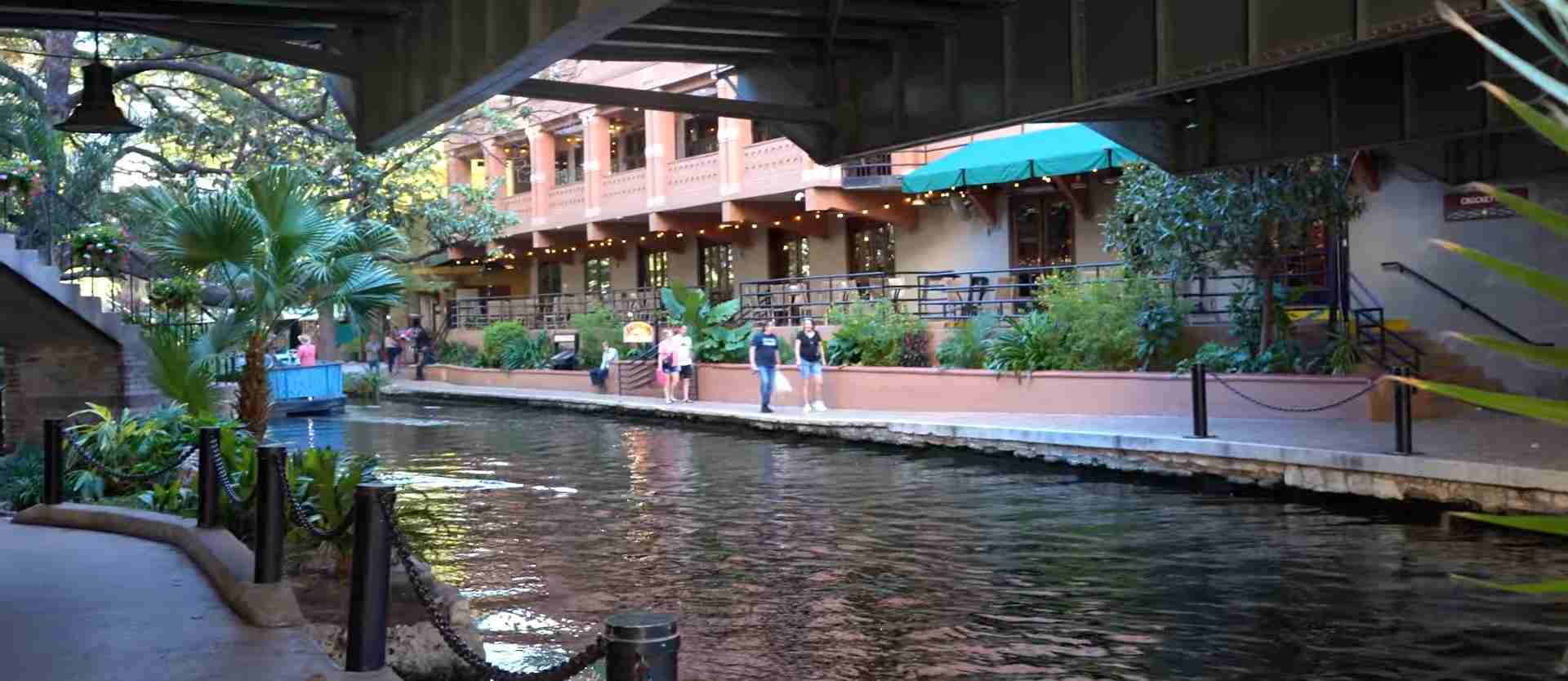
Beyond the Alamo’s storied walls and the vibrant River Walk’s tourist bustle lies a San Antonio known only to locals and curious explorers—a city of secret gardens, underground speakeasies, century-old neighborhood markets, and murals that transform entire districts into open-air galleries. This guide reveals the authentic experiences, hidden cultural treasures, and off-the-beaten-path discoveries that define the real character of this historically rich Texas city.
Key Takeaways: San Antonio’s Hidden Treasures
- Historic Neighborhood Diversity: King William, Lavaca, and Monte Vista districts preserve Victorian mansions, Spanish Colonial architecture, and German heritage far from downtown crowds, offering walkable streets lined with local cafes and century-old churches
- Underground Cultural Scene: The Hays Street Bridge arts corridor, Blue Star Contemporary, and Southtown galleries showcase working artists’ studios, experimental installations, and monthly art walks that rival any major city’s creative district
- Authentic Culinary Traditions: Family-run panaderías, neighborhood barbacoa stands, and fourth-generation Tex-Mex restaurants in residential areas serve recipes unchanged for decades, offering flavors impossible to find in tourist zones
- Natural Urban Sanctuaries: Mission Reach trails, Government Canyon State Natural Area, and Friedrich Wilderness Park provide extensive hiking, bird-watching, and wildflower viewing within city limits, transforming San Antonio’s perception as purely urban
- Architectural Hidden Layers: Spanish Governor’s Palace, forgotten missions beyond the famous four, and Art Deco downtown buildings reveal architectural stories spanning four centuries that most visitors never discover
- Local Market Culture: Pearl Farmers Market, Olmos Park Saturday Market, and neighborhood tiendas offer artisan goods, organic produce, and handmade crafts sold directly by makers and growers, creating genuine community gathering spaces
People Also Ask About San Antonio Hidden Gems
What are the most underrated neighborhoods in San Antonio?
King William Historic District stands as San Antonio’s most architecturally significant yet undervisited neighborhood, featuring 25 blocks of restored Victorian mansions built by German merchants in the 1870s-1890s. The district’s tree-canopied streets, the San Antonio River’s quieter stretches, and the Blue Star Arts Complex at its southern edge create a walkable area rich with history and contemporary culture. Lavaca neighborhood, directly adjacent, offers similar architectural beauty with even fewer tourists, plus acclaimed restaurants like Bakery Lorraine and Cured. Monte Vista Historic District north of downtown showcases Spanish Colonial Revival, Mediterranean, and Prairie Style homes from the 1920s-1930s, with the McNay Art Museum anchoring the area’s cultural significance.
Where can I find authentic San Antonio food away from tourist areas?
West Side neighborhoods along Guadalupe Street and Zarzamora Street host the city’s most authentic Mexican food traditions, with institutions like Ray’s Drive Inn serving perfect puffy tacos since 1956 and La Gloria operating a James Beard-nominated neighborhood location. Dignowity Hill neighborhood east of downtown features Garcia’s Mexican Food, unchanged since 1962, alongside newer spots like Battalion and The Jerk Shack reflecting the area’s evolving food culture. Southtown’s residential blocks hide Chris Madrid’s (legendary for tostadas topped with melted cheese) and Rosario’s (authentic interior Mexican cuisine), both beloved by locals for decades.
What are San Antonio’s best kept secret natural areas?
Government Canyon State Natural Area protects 12,000 acres of Texas Hill Country wilderness just 30 minutes northwest of downtown, offering 40 miles of hiking trails through limestone canyons, dinosaur tracks from 110 million years ago, and spring-fed pools completely unknown to most visitors. Friedrich Wilderness Park’s 600 acres on the city’s far north side provide similar limestone plateau ecology with easier access and trails ranging from easy nature walks to challenging ridge hikes. Mission Reach, the eight-mile extension of the River Walk connecting the southern missions, transforms from tourist corridor to authentic riparian habitat where great blue herons, turtles, and over 200 bird species thrive amid native vegetation.
Are there hidden museums or cultural sites worth visiting?
The Buckhorn Saloon and Museum combines a working saloon established in 1881 with one of the world’s finest collections of horns, taxidermy, and Texas Ranger memorabilia, occupying a category entirely its own. DoSeum, San Antonio’s children’s museum, operates in a stunning modern building at Broadway and Austin Highway with interactive science and art exhibits that adults find equally engaging. Briscoe Western Art Museum downtown receives a fraction of the Alamo’s crowds despite housing exceptional collections of Remington bronzes, Southwestern paintings, and authentic artifacts documenting Texas and Western frontier history, all displayed in the beautifully restored 1930s Public Library building.
Extended multi-day tours – 5+ days
Featured Texas Multi-Day Tour Packages
5 days
Dia de Los Muertos in San Antonio
- ✓ Comprehensive Texas tour
- ✓ Expert local guides included
- ✓ All accommodation arranged
- ✓ Transportation provided
7 days
Great Texas Stories: A Journey Through Cities, Nature, and Adventure
- ✓ Booking needs min. 2 travelers
8 days
Big Bend Exploring and Hiking (Women-Only)
- ✓ Comprehensive Texas tour
- ✓ Expert local guides included
- ✓ All accommodation arranged
- ✓ Transportation provided
Multi-day tour packages powered by TourRadar. Prices and availability subject to change.
Introduction: Discovering San Antonio Beyond the Obvious
San Antonio’s dual identity creates the perfect conditions for hidden gems: a city of 1.5 million residents living their daily lives across diverse neighborhoods, while millions of annual tourists concentrate in a few square blocks downtown. This separation between tourist San Antonio and residential San Antonio means extraordinary discoveries await those willing to venture beyond the River Walk’s manufactured charm and the Alamo’s educational but crowded grounds.
The city’s 300-year history as a Spanish colonial settlement, Mexican territory, Republic of Texas capital, and American frontier town layered cultures, architectures, and food traditions atop one another like geological strata. Each wave left neighborhoods, buildings, and traditions that persist today, often ignored by guidebooks focused on the most famous landmarks. German immigrants who arrived in the 1840s built entire districts of Victorian homes that still stand. Mexican-American families whose roots predate Texas statehood operate restaurants serving recipes passed through five generations. Artists who couldn’t afford Austin or Santa Fe prices transformed Southtown’s industrial buildings into studios and galleries that now anchor a thriving creative district.
Natural geography compounds the cultural complexity. San Antonio sits at the intersection of three distinct ecological regions—South Texas plains, Edwards Plateau limestone hills, and Balcones Escarpment forests—creating unusual biological diversity for an urban area. Parks and preserves within city limits protect ecosystems ranging from desert scrubland to spring-fed creeks, habitats that support migratory birds, native wildflowers, and even dinosaur trackways.
This guide organizes San Antonio’s hidden treasures by category—historic districts, street art, culinary secrets, natural areas, cultural venues, architecture, local markets, and neighborhood-specific discoveries. Each section operates as a self-contained resource, allowing readers to pursue specific interests or combine categories for comprehensive exploration. The unifying thread is authenticity: every location, experience, and recommendation reflects genuine local culture rather than tourism industry creation, revealing the San Antonio residents know and love.
Historic Neighborhoods: Architectural Treasures Beyond Downtown
San Antonio’s most rewarding hidden neighborhoods cluster in a ring around the tourist-focused downtown core, each preserving distinct architectural character and cultural heritage while maintaining authentic residential community life that welcomes respectful exploration.
King William Historic District: Victorian Grandeur and Contemporary Arts
King William Historic District, spanning 25 blocks immediately south of downtown along both sides of the San Antonio River, represents Texas’s largest concentration of 19th-century residential architecture, built by wealthy German merchants between 1870 and 1900. The district earned National Historic District designation in 1972, protecting ornate Victorian, Greek Revival, and Italianate mansions that demonstrate the prosperity of San Antonio’s German community during the city’s commercial peak as a distribution center for South Texas ranching and agriculture.
Steves Homestead Museum, an 1876 Victorian mansion operated by the San Antonio Conservation Society, offers the only period-furnished home tour in the district, with original family furnishings, carriage house, and river lot gardens demonstrating upper-class domestic life in late 19th-century Texas. The mansion’s Second Empire architecture, mansard roof, and intact interior woodwork exemplify the district’s architectural significance beyond exterior appreciation.
King William Street itself provides the finest walking experience, with enormous live oak trees creating tunnel-like canopies over wide sidewalks that pass mansion after mansion, many now converted to bed-and-breakfasts, law offices, or carefully maintained private residences. The King William Association’s annual Fair, held each April, opens private homes and gardens for tours while transforming the neighborhood into a street festival celebrating the district’s preservation success.
Blue Star Arts Complex anchors the district’s southern boundary, where former industrial warehouses along South Alamo Street now house contemporary art galleries, working studios, craft breweries, and restaurants. Blue Star Contemporary, the anchor institution, operates extensive galleries showing experimental and emerging artists from Texas and beyond, with monthly First Friday art walks drawing crowds that spill into neighboring galleries, bars, and performance spaces.
Monte Vista Historic District: 1920s Elegance and Bohemian Character
Monte Vista neighborhood, located north of downtown between San Pedro Avenue and McCullough Avenue, showcases San Antonio’s prosperity during the 1920s oil boom and military expansion, with streets lined with Spanish Colonial Revival, Mediterranean, Tudor Revival, and Prairie Style homes built for oil executives, military officers, and business leaders who wanted modern amenities while maintaining proximity to downtown offices.
The district’s architectural diversity reflects rapid development during a single prosperous decade, with nearly every block displaying multiple architectural styles side by side. Ashby Place and Craig Place, two short streets off Howard Street, concentrate some of the neighborhood’s finest Spanish Colonial Revival estates, with tile roofs, stucco walls, courtyards, and elaborate ironwork demonstrating architects’ interpretations of California and Mexican design traditions adapted to Texas scale.
McNay Art Museum, sitting on a bluff at the district’s northeastern edge, operates in a Spanish Colonial Revival mansion built in 1929 for oil heiress and art collector Marion Koogler McNay. The museum’s original building, designed by Atlee B. Ayres and Robert M. Ayres, integrates with modern additions housing 20,000 artworks spanning medieval to contemporary periods, with particularly strong holdings in 19th and 20th-century European and American painting, photography, and decorative arts. The museum’s 23-acre grounds include sculpture gardens, reflecting pools, and native landscaping that create peaceful outdoor spaces rarely crowded despite free general admission.
Laurel Heights, Monte Vista’s western extension, maintains similar architectural character while hosting more restaurants, coffee shops, and neighborhood businesses along North Main Avenue and Fredericksburg Road. The area’s proximity to Trinity University creates a bohemian atmosphere mixing students, artists, and longtime residents in coffee shops like Local Coffee, breakfast institutions like Olmos Pharmacy, and evening gathering spots like The Monterey.
Lavaca Neighborhood: San Antonio’s Quietest Historic District
Lavaca neighborhood occupies the blocks immediately west of King William, bounded roughly by Durango Boulevard, Alamo Street, Arsenal Street, and Interstate 37. Despite sharing King William’s architectural heritage—Victorian homes, tree-lined streets, and 19th-century urban planning—Lavaca receives a fraction of its neighbor’s attention, creating an even more authentic residential atmosphere where historic preservation meets active neighborhood life.
The neighborhood’s commercial strip along South Alamo Street evolved from industrial area to creative corridor, with Bakery Lorraine, Cured, and other acclaimed restaurants operating alongside art studios, boutiques, and The Friendly Spot Ice House, a sprawling beer garden occupying a former ice manufacturing plant. These businesses serve neighborhood residents and destination diners alike, creating genuine mixed-use character rather than tourist-focused development.
Lavaca’s architectural gems include the Victor Koehler House, an 1892 Queen Anne Victorian with intact fish-scale shingle siding and wraparound porch, and the Adams-Westlake House, demonstrating how German merchant families built substantial homes outside King William’s more expensive blocks. These homes remain private residences, viewable only from sidewalks, which preserves their dignity while allowing architectural appreciation during neighborhood walks.
Street Art and Murals: San Antonio’s Open-Air Galleries
San Antonio’s mural and street art scene transforms entire neighborhoods into outdoor galleries, with works ranging from traditional Mexican muralist techniques to contemporary graffiti art, all accessible free to anyone willing to walk residential and commercial streets.
Hays Street Bridge and Dignowity Hill: The Eastside’s Creative Corridor
Hays Street Bridge, an abandoned 1881 railroad trestle connecting downtown to the historically African-American and Mexican-American Eastside, reopened in 2010 as a pedestrian and bicycle bridge after community advocacy prevented its demolition. The bridge’s reopening catalyzed artistic transformation of the surrounding Dignowity Hill neighborhood, with murals covering building walls, utility boxes, and even street pavement along the bridge approach and the blocks radiating outward.
The bridge itself serves as both art platform and cultural connector, with rotating installations on its deck and views over the Eastside’s low-rise neighborhood fabric toward downtown’s skyline. Murals on buildings visible from the bridge celebrate Eastside history, Mexican-American culture, civil rights struggles, and contemporary social justice themes, created by local artists working with property owners and community organizations to transform blank walls into public art.
Dignowity Hill’s residential streets host dozens of additional murals, many painted on side walls of corner stores, restaurants, and homes with owners’ permission. The neighborhood’s art concentration makes it San Antonio’s premier destination for street art photography, with works ranging from photorealistic portraits to abstract geometric patterns to political commentary, all contributing to the area’s rapid transition from neglected to revitalized while maintaining authentic community character.
Southtown and the Murals of South Flores Street
South Flores Street through Southtown functions as a linear mural gallery, with nearly every commercial building between Cesar Chavez Boulevard and Roosevelt Avenue featuring exterior art. The murals reflect the neighborhood’s Mexican-American heritage, contemporary creative culture, and gentrification tensions, with some pieces celebrating traditional culture while others comment on displacement and changing demographics.
Freetail Brewing’s massive exterior mural, covering the entire eastern wall of the brewery building at South Presa and East Cevallos streets, depicts a stylized Texas landscape with indigenous and Mexican cultural symbols, setting the standard for scale and ambition that inspired other Southtown property owners to commission works. La Tuna Grill’s building features murals integrating pre-Columbian imagery with contemporary design, while smaller works appear on residential garages, retaining walls, and fence panels throughout the neighborhood.
The monthly Southtown First Friday art walk includes mural tours led by artists and community activists, providing context about each work’s creation, symbolism, and role in neighborhood identity. These tours reveal layers of meaning in seemingly straightforward decorative works, explaining how murals function as cultural preservation, political statement, and community organizing tool simultaneously.
West Side Murals: Chicano Park and Cultural Pride
San Antonio’s West Side neighborhoods contain the city’s densest concentration of traditional murals celebrating Mexican and Mexican-American history, culture, and political activism. Guadalupe Cultural Arts Center anchors this tradition, commissioning murals on its own buildings and supporting community mural projects throughout the West Side since its 1980 founding.
Cassiano Homes and Alazan-Apache Courts, public housing developments west of downtown, feature extensive mural programs created by residents working with professional muralists. These works depict family life, cultural traditions, historical figures from Mexican and Mexican-American history, and aspirational imagery celebrating education, work, and community solidarity. Unlike street art in gentrifying neighborhoods, these murals emerge from communities painting their own stories for their own residents rather than for outside audiences.
Mercado murals at El Mercado (Market Square) tourist area represent a different mural tradition—commercially commissioned works depicting idealized Mexican village life, folklore, and historical scenes intended for tourist consumption. While less authentic than community-generated West Side murals, they demonstrate mural art’s role in San Antonio’s economy and cultural presentation, creating an interesting contrast with genuinely community-driven works in residential neighborhoods.
Culinary Hidden Gems: Authentic Flavors Beyond Tourist Restaurants
San Antonio’s most memorable food experiences occur in family-run establishments in residential neighborhoods, where recipes passed through generations and local customer bases ensure authenticity impossible in tourist-focused restaurants.
Westside Mexican Food Institutions
Ray’s Drive Inn, operating since 1956 at the corner of Zarzamora Street and Nogalitos Street on the West Side, serves San Antonio’s definitive puffy taco—a corn tortilla flash-fried to create a hollow, crispy shell filled with ground beef, lettuce, tomato, and cheese. The restaurant’s exterior—a vintage drive-in with car hop service and neon signage—remains unchanged since opening, while the interior dining room preserves mid-century booths and Formica tables where multiple generations of families have shared meals.
Garcia’s Mexican Food on North St. Mary’s Street near Brackenridge Park operates from a converted house, serving interior Mexican cuisine (not Tex-Mex) with recipes from owner Luis Garcia’s family in Mexico. The carne guisada, mole, and handmade tortillas reflect cooking traditions predating Texas’s American period, offering flavors distinct from the Tex-Mex cheese and chili-based dishes that dominate tourist restaurant menus.
Los Barrios Mexican Restaurant on Blanco Road and its sister location at North St. Mary’s Street represent family restaurant success while maintaining authenticity. Diana Barrios Treviño learned to cook from her mother before opening the original location in 1979, and four decades later the restaurants still serve her mother’s caldo recipes, handmade tortillas, and traditional Mexican breakfast dishes to packed dining rooms where Spanish conversation dominates and locals far outnumber tourists.
Barbacoa Traditions and Sunday Morning Ritual
Barbacoa—slow-cooked beef head traditionally served Sunday mornings—represents San Antonio’s most distinctive culinary tradition, requiring either Saturday night preparation or very early Sunday rising to experience properly. Vera’s Backyard Bar-B-Que on Bandera Road sells out of barbacoa by mid-morning every Sunday, with lines forming before dawn for the tender, rich meat served by the pound with fresh flour tortillas, cilantro, onions, and salsa.
Taco Garage near Fort Sam Houston and El Milagrito Cafe on Nogalitos Street offer similar barbacoa quality with shorter waits, operating from converted gas stations and drive-throughs that preserve the casual, no-frills atmosphere essential to authentic barbacoa experience. These establishments serve primarily Mexican-American customers for whom Sunday barbacoa represents weekly family tradition rather than novel tourist experience.
The barbacoa ritual—arriving early, ordering by weight, assembling tacos at communal counters, eating while standing or in cars—differs completely from sit-down restaurant dining and requires accepting unfamiliar protocols. Success depends on observing other customers, following their lead, and respecting the speed and efficiency necessary when serving hundreds of customers during a brief Sunday morning window.
Panadería Culture: Mexican Bakery Traditions
Mexican bakeries (panaderías) throughout San Antonio’s West Side and Southside neighborhoods offer morning and afternoon gathering spaces where fresh-baked pan dulce (sweet bread), empanadas, conchas, and bolillos emerge from ovens multiple times daily. Panadería Aguirre on Old Highway 90 operates a full-service bakery with cafe tables, while El Coquito Bakery on Bandera Road maintains a more traditional setup where customers use trays and tongs to select pastries from glass display cases.
The panadería experience involves choosing from dozens of pastry varieties—some familiar (conchas, cuernos), others requiring willingness to experiment (orejas, puerquitos, besos). Hot chocolate or cafe de olla accompanies pastries at tables where families, friends, and solo customers read newspapers, work on laptops, or simply watch neighborhood life pass outside large windows.
Bakery Lorraine in Southtown and La Panadería in multiple locations represent contemporary interpretations of panadería tradition, with French pastry techniques applied to Mexican flavors and American-style cafe service replacing traditional bakery counters. While less authentic than neighborhood panaderías, they demonstrate how Mexican bakery tradition influences San Antonio’s broader food culture and creates hybrid forms appealing to diverse audiences.
Hidden Barbecue and Texas Classics
Chris Madrid’s on Blanco Road, operating since 1977, serves San Antonio’s iconic tostada burger—a half-pound burger topped with refried beans, Cheez Whiz, onions, and jalapeños on a crispy tortilla instead of a bun. The restaurant’s modest exterior and no-frills interior belie its cult following, with locals and informed visitors waiting in lines that stretch outside for burgers that epitomize San Antonio’s willingness to combine Tex-Mex and American flavors without concern for culinary orthodoxy.
The Smoke Shack on Vance Jackson Road operates from a small building with picnic table seating, producing Central Texas-style barbecue smoked over oak with minimal seasoning and no sauce. The brisket, ribs, and sausage compete with Austin’s famous barbecue joints at a fraction of the tourist presence, served cafeteria-style in a setting that prioritizes meat quality over ambiance.
Natural Hidden Gems: Urban Wilderness and Ecological Sanctuaries
San Antonio’s natural areas surprise visitors expecting purely urban landscapes, with extensive preserves, parks, and trails protecting native ecosystems within city limits and providing hiking, bird-watching, and wildflower viewing opportunities comparable to more celebrated Hill Country destinations.
Government Canyon State Natural Area: Wilderness at the Urban Edge
Government Canyon State Natural Area encompasses 12,243 acres of protected Texas Hill Country habitat just northwest of San Antonio’s developed edge, accessible via Galm Road approximately 30 minutes from downtown. The preserve protects dinosaur trackways, limestone canyons, spring-fed pools, and intact Edwards Plateau ecology increasingly rare as development consumes Hill Country landscapes.
The park’s 40 miles of hiking trails range from easy nature walks to challenging backcountry routes requiring all-day commitment. Sendero Balcones trail leads six miles to a scenic overlook providing panoramic views over protected canyons and toward San Antonio’s downtown skyline, demonstrating the proximity between urban development and pristine natural areas. Dinosaur Track Trail, a moderate 5.5-mile hike, accesses the park’s most famous feature—dinosaur footprints preserved in limestone creek beds from 110 million years ago when the area formed part of a coastal plain.
Spring-fed pools and creeks within Government Canyon provide rare permanent water sources supporting diverse wildlife including white-tailed deer, javelinas, armadillos, over 200 bird species, and threatened golden-cheeked warblers that nest in mature juniper-oak woodlands. The preserve’s backcountry camping areas, accessible only by hiking several miles from trailheads, offer genuine wilderness experiences uncommon in urban-adjacent parks.
Friedrich Wilderness Park: Accessible Hill Country Hiking
Friedrich Wilderness Park’s 600 acres on San Antonio’s far north side provide Hill Country hiking more accessible than Government Canyon while maintaining similar ecological character. The park preserves limestone ridges, oak-juniper woodlands, and seasonal wildflower displays on land donated by the Friedrich family in 1979 with requirements that it remain undeveloped wilderness.
Ten miles of interconnected trails explore varied terrain from creek bottoms to ridge tops, with trail difficulty ranging from easy nature walks to moderately challenging climbs over rocky slopes. Main Loop Trail provides a comprehensive 5.4-mile introduction to the park’s ecosystems, passing through different plant communities while gaining and losing elevation along limestone ledges. Vista Loop adds scenic ridge-top walking with views across the park and toward distant Hill Country horizons.
The park’s ecological diversity—oak mottes, juniper thickets, grassland openings, and riparian zones—supports remarkable wildlife variety including resident and migratory birds, small mammals, reptiles, and seasonal wildflowers. Spring visits from March through May offer peak wildflower displays when bluebonnets, Indian paintbrush, and dozens of less famous species bloom across rocky slopes and grassland openings.
Mission Reach: River Walk’s Natural Extension
Mission Reach extends the San Antonio River Walk eight miles south from downtown through increasingly natural riparian habitat connecting four Spanish colonial missions. This linear park, completed in 2013, transformed what was formerly a concrete flood control channel back into a meandering river with native vegetation, wildlife habitat, and hike-and-bike trails separated from tourist-focused downtown sections by both distance and character.
The trail system follows both sides of the river through alternating developed and natural sections, with Mission San José, Mission Concepción, Mission San Juan, and Mission Espada providing historical destinations spaced roughly two miles apart. Between missions, the trail passes through restored wetlands, native prairie plantings, and mature riparian forest where great blue herons, turtles, fish, and over 200 bird species thrive in habitats similar to what existed before urban development.
Accessing Mission Reach requires driving or biking to one of several trailheads, as the connection to downtown River Walk is discontinuous and involves surface streets. Mission County Park, Padre Park, and Roosevelt Park provide parking and trail access, with each offering different starting points for exploring northward or southward along the river. The eight-mile one-way distance enables morning or afternoon rides or long walks combining natural area exploration with mission visits.
McAllister Park and Mud Creek: North Side Nature
McAllister Park’s 976 acres in northeast San Antonio encompass diverse habitats from oak woodlands to grasslands to Mud Creek’s riparian corridor, all accessible via trail systems serving hikers, mountain bikers, and equestrians. The park’s size and ecological variety create genuine natural area character despite surrounding suburban development.
Eight miles of trails explore the park’s varied terrain, with some sections following Mud Creek through shaded riparian forest while others climb onto upland areas with more open oak-juniper woodlands. Mountain bike trails share the park with hiking paths, creating potential for encountering other users but also ensuring trail maintenance and regular park visitation that enhances safety.
The park’s popularity among bird-watchers reflects habitat diversity supporting both woodland and grassland species, with spring and fall migration periods bringing unusual species to the park’s creek corridor. Early morning visits from April through June offer best bird-watching combined with comfortable temperatures before heat and afternoon crowds arrive.
Cultural Venues: Museums and Performance Spaces Beyond the Mainstream
San Antonio’s cultural institutions extend far beyond the Alamo and River Walk attractions, with museums, performance venues, and cultural centers offering experiences from Western art to contemporary Latino culture to hands-on children’s science, all operating with significantly lower tourist crowds than headline attractions.
Briscoe Western Art Museum: Remington, Russell, and Texas History
Briscoe Western Art Museum occupies the former San Antonio Public Library building completed in 1930, a beautiful Spanish Colonial Revival structure at Market Street and East Commerce Street that received complete renovation before reopening as a museum in 2013. The museum’s collection encompasses Western American art and artifacts spanning conquest-era Spanish colonial pieces through contemporary Southwestern paintings, with particular depth in 19th and early 20th-century works documenting Texas and Western frontier life.
The Frederic Remington and Charles M. Russell galleries showcase bronze sculptures and paintings by these definitive Western artists, with Remington’s cavalry and cowboy subjects and Russell’s Montana ranch scenes representing the genre’s highest achievements. Additional galleries display historical artifacts including firearms, saddles, ranching equipment, and Native American objects within interpretive frameworks explaining their roles in Western settlement and cultural collision.
The Jack Guenther Pavilion, a modern addition extending from the original building, provides temporary exhibition space hosting traveling shows, contemporary Western artists, and thematic exhibitions exploring specific aspects of Western history or artistic traditions. The museum’s rooftop sculpture terrace overlooks the River Walk while displaying large bronze works in an outdoor setting that enhances appreciation of their scale and detail.
DoSeum: San Antonio’s Innovative Children’s Museum
The DoSeum occupies a 65,000-square-foot facility at Broadway and Austin Highway designed by Lake Flato Architects, with sustainable building features including rainwater collection, natural ventilation, and integration with outdoor learning spaces. The museum’s exhibits emphasize hands-on learning through play, with areas dedicated to science, technology, engineering, art, and mathematics (STEAM) presented through interactive installations that engage children while often fascinating accompanying adults.
Spy Academy, the museum’s signature permanent exhibit, challenges children to complete missions requiring problem-solving, physical activity, and collaboration, using museum spaces as an immersive environment where learning occurs through play rather than instruction. Other permanent exhibits explore musical sound waves, engineering principles through building activities, and biological sciences through Texas ecosystem recreations.
The museum’s two-acre outdoor space, Yahara Bay, incorporates water play areas, climbing structures, and natural exploration zones under shade trees, creating outdoor learning environments that extend museum experiences beyond interior walls. This integration of indoor and outdoor spaces reflects San Antonio’s climate and the museum’s philosophy that learning happens everywhere, not just in gallery settings.
McNay Art Museum: Oil Heiress Legacy and Global Art Collection
McNay Art Museum originated with Marion Koogler McNay’s bequest of her 1929 Spanish Colonial Revival mansion, art collection, and 23-acre estate to San Antonio as a public museum. The original building, designed by Atlee B. and Robert M. Ayres, features interior courtyards, tile work, carved woodwork, and architectural details that reward attention even before considering the artworks displayed within its rooms.
The permanent collection of 20,000 objects spans medieval European pieces through contemporary American works, with particular strengths in 19th and 20th-century European and American painting, photography, and decorative arts. The Tobin Collection of Theatre Arts, housed in dedicated galleries, preserves costumes, set designs, and theatrical artifacts spanning centuries of performance history. Additional strengths include medieval and Renaissance works, American Modernism, and contemporary Texas artists.
Subsequent building additions by Jean Paul Viguier, Renzo Piano, and Lake Flato Architects expanded gallery space while maintaining integration with the original mansion and landscaped grounds. Sculpture gardens, reflecting pools, and native plant areas throughout the grounds create outdoor gallery spaces where visitors move between interior exhibitions and exterior environments designed for contemplation and visual pleasure.
Centro de Artes and Latino Cultural Programming
Centro de Artes building in Market Square houses Museo Americano Smithsonian and Guadalupe Cultural Arts Center’s visual arts programs, presenting exhibitions documenting Latino contributions to American culture and contemporary Latino artists working across media. The space serves as cultural anchor for Market Square, providing substantive artistic programming within what otherwise functions primarily as tourist retail and restaurant area.
Guadalupe Cultural Arts Center’s main campus on Guadalupe Street hosts performances, film screenings, visual arts exhibitions, and literary events year-round, with programming emphasizing Chicano/Latino cultural expression, political art, and works addressing Mexican-American community concerns. CineFestival, the center’s annual Latino film festival founded in 1977, brings independent films, documentaries, and experimental works to San Antonio that rarely screen in commercial theaters.
Architectural Discoveries: Forgotten Buildings and Hidden Details
San Antonio’s architecture spans four centuries from Spanish colonial missions to contemporary structures, with layers of building traditions creating a palimpsest where Art Deco facades stand beside Victorian mansions near 18th-century churches, all visible to walkers paying attention to buildings rather than just destinations.
Spanish Governor’s Palace: 18th Century Domestic Architecture
Spanish Governor’s Palace, despite its name, served as the residence and working headquarters for the presidio captain commanding San Antonio’s Spanish garrison rather than provincial governors. Built in 1722, the structure represents one of few remaining examples of Spanish colonial domestic architecture in Texas, with thick stone walls, interior courtyard plan, and sparse furnishings reflecting living conditions during Spain’s colonial period.
The palace’s location on Plaza de Armas (Military Plaza) demonstrates Spanish colonial urban planning principles, with the presidio commander’s residence facing the central military plaza around which colonial San Antonio organized. Original architectural features including hand-carved stone doorways, timber roof beams, and courtyard fountain demonstrate construction techniques and materials available in early 18th-century frontier settlements.
Period furnishings, while not original to the building, represent Spanish colonial domestic life with simple wooden furniture, religious art, and utilitarian objects that contrast sharply with Victorian-era ornate decorative traditions that dominated San Antonio just 150 years later. The stark simplicity reveals how different architectural and cultural values operated during different historical periods in the same city.
Forgotten Missions: San Juan, Espada, and Beyond
While Mission San José draws visitors with its Rose Window and National Park Service interpretation, missions San Juan and Espada receive far fewer visitors despite equal architectural significance and better-preserved contexts showing how missions functioned as agricultural communities rather than just churches. Both missions remain active Catholic parishes serving surrounding neighborhoods, adding living religious practice to historical preservation.
Mission San Juan Capistrano retains simple Romanesque facade and bell tower overlooking grounds that preserve acequia (irrigation canal) systems and traces of agricultural fields worked by indigenous converts. The mission’s relative isolation from San Antonio’s development maintains a quiet dignity absent from more visited sites, with weekly masses and community events continuing traditions begun in 1731.
Mission Espada, the southernmost mission, features the only intact Spanish colonial aqueduct in the United States, still carrying water across Piedras Creek via arches built in the 1740s. The mission church, workshops, and grounds demonstrate self-sufficient mission community organization, with visible remains of granary, carpenter shop, and defensive walls explaining how missions functioned as fortified agricultural settlements rather than simply religious institutions.
Downtown Art Deco: Tower Life Building and Others
Tower Life Building, completed in 1929 as Smith-Young Tower, exemplifies Art Deco skyscraper design with its octagonal plan, terra cotta ornamentation, and distinctive profile dominating San Antonio’s modest skyline. The building’s exterior terra cotta panels feature elaborate decorative motifs combining geometric Art Deco patterns with Southwest-inspired designs including cattle skulls, oil derricks, and agricultural symbols celebrating Texas economic activities of the 1920s boom period.
The Aztec Theater on Commerce Street preserves atmospheric theater design from 1926, with interior decoration creating an exotic Mesoamerican fantasy through plaster ornamentation, murals, and architectural details evoking pre-Columbian pyramids and temples. Though closed for many years, recent restoration and reopening as a live music venue allows visitors to experience this rare example of exotic revival theater architecture that once existed in hundreds of American cities but survived in only a few dozen.
Alameda Theater in Guadalupe Cultural Arts Center building represents another significant Art Deco era theater, built in 1949 as the largest Spanish-language movie palace in the United States. The theater’s streamlined Moderne facade and interior decorative program reflected both Art Deco design trends and its specific function serving San Antonio’s Mexican-American community with Spanish-language films and live performances.
Local Markets and Shopping: Beyond Tourist Retail
San Antonio’s authentic shopping experiences occur in neighborhood markets, farmers markets, and locally owned shops where goods reflect genuine local production, artistic creation, and community needs rather than tourism industry product lines.
Pearl Farmers Market: Weekend Culinary and Craft Marketplace
Pearl Farmers Market operates Saturday and Sunday mornings year-round in the Pearl Brewery complex parking areas, bringing together farmers, ranchers, artisan food producers, and craft makers selling directly to customers. The market’s vendor standards require producers to sell only what they grow, raise, or make themselves, ensuring market authenticity increasingly rare as farmers markets proliferate.
Seasonal produce dominates vendor stalls, with offerings changing weekly as different crops ripen—spring strawberries and greens, summer tomatoes and melons, fall squash and apples, winter citrus and root vegetables. Hill Country ranchers sell grass-fed beef, lamb, and goat directly from ranch operations, while artisan bakers, jam makers, and prepared food vendors offer products impossible to find in grocery stores because of small production scales or unusual flavor profiles.
The market’s location within the Pearl development, surrounded by restaurants, shops, and weekend crowds, creates festival atmosphere while the vendor selection maintains serious food focus. Arriving early ensures best selection before popular items sell out, while late morning visits offer more relaxed browsing combined with breakfast or lunch at nearby restaurants.
Olmos Park and San Antonio Farmers Markets
Olmos Park Farmers Market operates Wednesday afternoons and Saturday mornings in Olmos Basin Park, serving neighborhoods north of downtown with seasonal produce, plants, eggs, meat, and artisan goods. The market’s smaller scale compared to Pearl creates more intimate shopping experience while maintaining similar vendor quality standards requiring direct producer sales.
San Antonio Farmers Market at The Shops at La Cantera and multiple other locations operates year-round with different market days serving various neighborhoods. The organization’s multiple locations make locally grown produce and artisan goods accessible across the city while supporting the same group of producers who might otherwise struggle to reach customers in San Antonio’s sprawling geography.
Neighborhood Tiendas and Specialty Markets
San Antonio’s residential neighborhoods, particularly West Side and South Side areas with predominantly Mexican-American populations, support numerous small tiendas (shops) selling Mexican and Latin American groceries, prepared foods, and household goods unavailable in chain supermarkets. These shops function as community gathering places, information exchanges, and cultural anchors where Spanish language, traditional foods, and immigrant community connections persist.
El Milagrito Tortilla Factory on Guadalupe Street produces fresh corn and flour tortillas throughout the day, selling them hot off the machine along with masa for tamales, Mexican cheeses, dried chiles, and specialty items for home cooking. The shop’s bare-bones appearance and Spanish-dominant customer conversations create authentic atmosphere where purchasing requires basic Spanish or pointing at desired items.
Alamo Quarry Market, while a standard shopping center, hosts Central Market, a Texas grocery chain specializing in produce, artisan foods, and prepared foods that appeals to food-focused shoppers willing to pay premium prices for quality and variety. The store’s extensive cheese, wine, and specialty foods sections draw customers from across San Antonio for items unavailable elsewhere.
Underground Culture: Speakeasies, Music Venues, and Alternative Spaces
San Antonio’s nightlife and music scene extends beyond tourist-focused River Walk bars into neighborhood venues, converted industrial spaces, and hidden rooms where local musicians, DJs, and performers entertain audiences of residents and informed visitors.
Speakeasy-Style Bars and Hidden Cocktail Lounges
The Last Word, occupying a hidden space behind a nondescript door on South Alamo Street in Southtown, operates as a true speakeasy-style cocktail lounge where skilled bartenders craft classic and original cocktails in intimate surroundings far removed from typical bar atmosphere. The venue’s unmarked entrance, reservation-recommended seating, and serious approach to cocktail craft create exclusive feeling while remaining genuinely welcoming to anyone who finds the door.
Paramour, located on the top floor of the historic Nix Hospital building converted to boutique hotel, combines cocktail lounge with rooftop terrace offering panoramic downtown and surrounding neighborhood views. The venue’s elegant atmosphere, creative cocktail menu, and spectacular views attract date-night couples and special occasion visitors willing to pay premium prices for premium experiences.
Live Music Venues Beyond Mainstream Clubs
Sam’s Burger Joint on East Grayson Street in the Government Hill neighborhood operates in a converted burger restaurant, maintaining the casual atmosphere and affordable prices that make it accessible to working-class audiences while booking notable touring acts in rock, country, blues, and Americana genres. The venue’s standing-room main room and outdoor patio seating create flexible space accommodating different crowd sizes and performance styles.
Paper Tiger, also on East Grayson Street, books punk, metal, hip-hop, and electronic acts in a bare-bones industrial space emphasizing music over ambiance. The venue’s no-frills approach—concrete floors, basic sound system, minimal decor—focuses attention on performances while keeping ticket prices affordable for the young audiences drawn to its programming.
Bonham Exchange, San Antonio’s longtime LGBTQ nightclub in a converted downtown building, hosts DJs, drag performances, and live music across multiple floors and rooms, creating the city’s most diverse nightlife space where different musical genres and performance styles coexist in the same building. The venue’s longevity (operating since 1981) and loyal following make it a cultural institution beyond its entertainment function.
Neighborhood-Specific Discoveries: Block-by-Block Hidden Gems
San Antonio’s most location-specific hidden gems require neighborhood-by-neighborhood exploration, with each area containing unique shops, cafes, and spaces that serve local communities while welcoming curious visitors willing to venture into residential areas.
Southtown Coffee Culture and Creative Businesses
Halcyon Southtown, a coffee bar and community space in a converted house on South Presa Street, exemplifies Southtown’s creative-residential character, with locals working on laptops, meeting friends, and attending evening events in spaces that feel more like someone’s well-designed home than commercial venue. The minimalist interior, carefully selected coffee and tea menu, and rotating local art displays create calm atmosphere contrasting with chain coffee shop standardization.
Rosella Coffee on South Alamo Street combines coffee roasting, cafe, and community gathering space in a beautifully renovated building featuring exposed brick, abundant natural light, and outdoor courtyard seating. The cafe’s location amid Southtown galleries, studios, and shops makes it a natural stop during art walks or neighborhood explorations.
North Side Breakfast Institutions and Neighborhood Gathering Spots
Olmos Pharmacy, operating since 1938 at the corner of McCullough Avenue and Olmos Drive, maintains working soda fountain serving breakfast and lunch to neighborhood regulars who occupy the same counter stools they’ve claimed for decades. The pharmacy’s vintage interior—original fixtures, tile floors, wooden shelving—preserves mid-century neighborhood drugstore atmosphere now rare as chain pharmacies replace independents.
Magnolia Pancake Haus on Huebner Road serves massive German-American breakfasts—apple pancakes, schnitzel and eggs, potato pancakes—in casual cafe setting always packed with families and groups gathering for weekend morning meals. The restaurant’s longevity and consistent quality earn loyalty from customers who wait patiently in weekend morning lines for tables.
Eastside Galleries and Studios
Brick at Blue Star, Clamp Light Studios, and numerous smaller galleries in the Blue Star Arts Complex and surrounding Southtown blocks show contemporary art by local, regional, and national artists in spaces that welcome drop-in visitors during regular gallery hours. First Friday art walks, held monthly, create festival atmosphere as galleries host opening receptions and crowds move between spaces, but weekday and weekend afternoon visits offer quieter appreciation of current exhibitions.
The Hays Street Bridge area’s emerging gallery scene includes Fl!ght Gallery, which combines contemporary art exhibitions with youth arts programming, demonstrating how creative spaces can serve both aesthetic and community development functions. The gallery’s location in the rapidly changing Dignowity Hill neighborhood reflects and shapes the area’s transition from neglected to artistically active.
Photography Locations: Lesser-Known Spots for Capturing San Antonio
San Antonio’s most photographically interesting locations exist beyond the obvious River Walk and Alamo subjects, with murals, architecture, natural areas, and neighborhood scenes offering unlimited visual opportunities for photographers willing to explore.
Mural Hunting and Street Art Photography
The previously mentioned Hays Street Bridge area, Southtown’s South Flores Street corridor, and West Side neighborhoods provide concentrated mural locations where photographers can spend hours documenting works ranging from small tags to building-sized pieces. Early morning light, particularly in fall and winter when sun angles remain low, creates dramatic shadows and rich colors ideal for architectural and mural photography.
Photographing murals requires awareness that they exist on private property and that some works address sensitive political and cultural subjects requiring respectful representation. Shooting from public sidewalks and streets raises no legal issues, while engaging with property owners and community members can provide context enriching photographic projects beyond simple documentation.
Architectural Details and Historic District Photography
King William, Monte Vista, and Lavaca historic districts offer endless architectural photography opportunities, with Victorian details, Spanish Colonial Revival ornamentation, and period landscaping creating visually rich environments. Photographing private homes requires shooting from public sidewalks and respecting residents’ privacy, focusing on exterior architectural details visible from streets rather than attempting to peer through windows or enter yards.
Downtown’s Art Deco buildings and details—terra cotta ornamentation, geometric patterns, period signage—reward photographers who look up from street level to building facades and rooflines. The Tower Life Building’s octagonal profile photographs particularly well from various downtown angles, changing character depending on viewing distance and surrounding context.
Natural Areas and Wildlife Photography
Mission Reach’s restored riparian habitat provides urban wildlife photography opportunities, with great blue herons, turtles, and numerous bird species accessible from paved trails. Early morning visits maximize wildlife activity and optimal natural light while avoiding afternoon heat and crowds. Government Canyon and Friedrich Wilderness Park offer more remote natural photography, with landscapes, wildflowers, and wildlife requiring hiking to access productive locations.
Seasonal Events and Community Celebrations
San Antonio’s annual events calendar includes neighborhood festivals, cultural celebrations, and community gatherings that provide authentic experiences of local culture beyond tourism-focused festivals designed primarily for visitor entertainment.
Neighborhood-Specific Annual Events
King William Fair, held annually in late April, opens private homes and gardens in the King William Historic District for tours while transforming neighborhood streets into festival with art vendors, live music, food booths, and crowds that make the usually quiet residential area briefly resemble a street fair. The event raises funds for historic preservation while celebrating the neighborhood’s successful restoration and ongoing vitality.
Diwali San Antonio, the annual South Asian cultural festival held at Hemisfair, celebrates Indian, Pakistani, Bangladeshi, and other South Asian cultures through music, dance, food, and marketplace vendors. The festival reflects San Antonio’s growing South Asian community while introducing broader audiences to cultural traditions through accessible public celebration.
Cultural Heritage Celebrations
Fiesta San Antonio, the city’s massive annual spring festival spanning ten days in April, includes both large tourist-focused events and smaller neighborhood-based celebrations that maintain cultural authenticity. Fiesta Flambeau Parade and NIOSA (Night in Old San Antonio) draw enormous crowds, while neighborhood events like King William Fair, Fiesta Fiesta, and individual parish celebrations offer more intimate experiences reflecting specific community traditions.
Día de los Muertos observances throughout San Antonio, particularly events at San Fernando Cathedral, Market Square, and neighborhood gatherings, honor Mexican cultural traditions celebrating deceased family members through altars, marigold flowers, sugar skulls, and cemetery visits. These observances blend indigenous and Catholic traditions, creating uniquely Mexican cultural expressions that differ significantly from Halloween celebrations.
Day Trip Destinations from San Antonio
San Antonio’s central Texas location enables day trips to Hill Country towns, natural areas, and historic sites within one to two hours’ drive, expanding exploration possibilities beyond city limits while maintaining San Antonio as base.
Hill Country Small Towns and Wineries
Fredericksburg, 75 miles northwest via Interstate 10 and Highway 290, combines German heritage, contemporary wine tourism, and Hill Country natural beauty in a walkable downtown with restaurants, boutiques, wineries, and the National Museum of the Pacific War. Day trips combining downtown exploration, winery visits, and scenic drives through surrounding countryside create full-day itineraries without overnight stays.
Gruene (pronounced “Green”), a preserved 19th-century town now part of New Braunfels 30 miles northeast of San Antonio, centers on Gruene Hall, Texas’s oldest dance hall operating continuously since 1878. The town’s historic buildings house restaurants, antique shops, and river outfitters serving visitors floating the Guadalupe River, creating tourist destination that maintains authentic character despite heavy visitation.
Natural Bridges Caverns and Natural Area
Natural Bridge Caverns, 20 miles northeast of San Antonio near the town of Natural Bridge, offers extensive show cave tours through large underground chambers featuring diverse speleothem formations. The commercially operated cave provides developed trails, lighting, and interpretive tours making subterranean geology accessible to general visitors rather than only experienced cavers.
Natural Bridge Wildlife Ranch, adjacent to the caverns, operates drive-through wildlife park where exotic species from Africa, Asia, and other regions roam in large enclosures. While purely entertainment rather than conservation or education focused, the ranch provides unusual experiences feeding giraffes and observing animals impossible to see in Texas natural areas.
Frequently Asked Questions About San Antonio Hidden Gems
What’s the best way to explore San Antonio’s hidden neighborhoods safely?
Explore San Antonio’s neighborhoods during daylight hours, particularly between 10 AM and 4 PM when residential streets see regular activity and businesses operate normally. Walk or bike rather than driving when possible, as slower speeds allow noticing architectural details, murals, and small businesses while making you appear as a respectful visitor rather than someone merely driving through. Park in designated areas or at businesses where you’re a customer, never blocking driveways or taking residential parking spots needed by residents.
Research neighborhoods before visiting by reading recent blog posts, checking neighborhood association websites, and looking at Google Street View to understand area character and identify specific destinations. Bring water, wear comfortable walking shoes, and use sun protection as San Antonio neighborhoods often lack tree shade on sidewalks. Respect private property, photograph only from public spaces, and engage respectfully with residents you encounter—many are proud of their neighborhoods and happy to share recommendations when approached courteously.
When is the best time to visit San Antonio for hidden gem exploration?
October through April provides optimal weather for exploring San Antonio’s neighborhoods, parks, and outdoor spaces, with daytime temperatures ranging from comfortable 60s-70s in winter to warm but manageable 80s in spring and fall. November and March offer particularly pleasant conditions with minimal rainfall, comfortable temperatures, and fewer crowds than Christmas holidays or spring break periods. Wildflower season from late March through April adds natural beauty to parks and natural areas while still maintaining comfortable hiking temperatures.
Summer months (June through September) present challenges with temperatures regularly exceeding 95°F and high humidity making outdoor exploration uncomfortable during midday hours. Summer visitors should plan outdoor activities for early morning (before 10 AM) or evening (after 6 PM) while using midday hours for indoor museums, galleries, and air-conditioned restaurants. Weekday exploration generally encounters fewer crowds at parks, museums, and restaurants than weekends, though some venues have limited weekday hours.
How can I experience authentic San Antonio food culture?
Venture into West Side and South Side residential neighborhoods where family-run restaurants, taquerías, and bakeries serve primarily local Mexican-American customers rather than tourists. Learn basic Spanish food vocabulary (barbacoa, menudo, pan dulce, carne guisada) and be willing to order items you might not initially recognize. Arrive at barbacoa restaurants early Sunday morning, visit panaderías during morning and afternoon rush when fresh pastries emerge from ovens, and eat at neighborhood restaurants during lunch when working families fill tables.
Ask locals for recommendations rather than relying solely on online reviews, as the best family restaurants often have minimal internet presence and depend on word-of-mouth customer bases. Accept that authentic neighborhood restaurants may not have English menus, server English fluency, or atmosphere designed for tourist comfort—the food quality and cultural authenticity compensate for any service awkwardness. Respect that you’re a guest in community spaces rather than a tourist attraction customer, which means following local protocols for ordering, paying, and table manners even when they differ from chain restaurant norms.
What hidden natural areas are accessible without extensive hiking?
Mission Reach trails provide eight miles of paved paths along the San Antonio River with minimal elevation change, accessible from multiple parking areas allowing walks of any length from short strolls to full river traverses. The trails pass through restored natural habitat with bird-watching and nature observation opportunities while connecting historic missions that provide cultural destinations and rest stops. Brackenridge Park, though well-known locally, receives fewer tourists than downtown attractions while offering extensive walking paths, mature trees, the San Antonio River, and connections to the San Antonio Botanical Garden and Japanese Tea Garden.
Hardberger Park on the city’s north side features paved and natural surface trails through oak-juniper woodlands and grasslands, with minimal elevation change and trail lengths from short nature walks to longer loops suitable for extended walking. The park’s wildlife viewing platform and interpretive signage enhance natural observation without requiring hiking fitness or wilderness skills. Local parks throughout San Antonio’s neighborhoods often include creek trails, nature paths, and green spaces unknown to visitors but readily accessible with minimal physical demands.
Are San Antonio’s hidden gems accessible by public transportation?
VIA Metropolitan Transit buses reach many neighborhoods and destinations, but San Antonio’s sprawling geography and automobile-oriented development make car rental or rideshare services more practical for comprehensive hidden gem exploration. The bus system serves downtown, major corridors, and some residential areas well, but routes to natural areas, far-flung restaurants, and specific small venues often require transfers and long travel times that make them impractical for time-limited visitors.
Concentrate exploration in walkable neighborhoods like King William-Southtown, Monte Vista, or downtown-adjacent areas where buses provide access and subsequent walking covers neighborhood attractions. Use rideshare services (Uber, Lyft) for destinations outside bus service areas or when visiting multiple scattered locations requires flexibility public transportation can’t provide. Consider renting a car for trips to Government Canyon, Friedrich Wilderness Park, or Hill Country destinations where public transportation doesn’t exist and rideshare costs become prohibitive for full-day excursions.
What hidden art galleries and cultural spaces welcome drop-in visitors?
Blue Star Contemporary and surrounding Blue Star Arts Complex galleries welcome visitors during posted hours without admission fees or appointment requirements, with new exhibitions rotating every few months showing contemporary art from Texas and beyond. McNay Art Museum offers free general admission and welcomes visitors throughout its extensive galleries and grounds. Guadalupe Cultural Arts Center’s galleries and Centro de Artes in Market Square maintain regular hours for exhibitions addressing Latino culture and contemporary Chicano art.
First Friday art walks in Southtown (monthly) and 2nd Saturday events in Southtown and other neighborhoods create concentrated opportunities for gallery hopping when multiple spaces host opening receptions, artist talks, and special programming. These events welcome all visitors regardless of art knowledge or collecting interest, functioning as neighborhood social gatherings as much as art exhibitions. Check individual gallery websites or social media for current exhibition information and hours, as some smaller galleries operate by appointment or limited schedules.
How do I find street art and murals beyond the most famous ones?
Walk residential and commercial streets in Southtown, along South Flores Street, around Hays Street Bridge, and through West Side neighborhoods where building walls, utility boxes, and even street pavement display murals and street art. Download the SA Murals app or consult online mural maps documenting locations, though spontaneous discovery often reveals works not yet documented on official lists. Join guided mural tours offered by local organizations during First Friday art walks or through cultural centers, which provide context about artists, communities, and cultural meanings beyond visual appreciation.
Photograph murals from public sidewalks and streets respecting that they exist on private property, and credit artists when sharing images on social media if you can identify the creator. Understand that street art and murals serve community functions beyond tourist photography, often addressing political issues, commemorating community members, or expressing cultural identity in ways that require respectful engagement rather than treating neighborhoods as outdoor galleries existing for visitor entertainment.
What makes San Antonio’s barbacoa tradition unique?
San Antonio’s barbacoa tradition uses beef head slow-cooked overnight in underground pits or specialized ovens, producing tender, richly flavored meat traditionally served Sunday mornings with fresh flour tortillas, cilantro, onions, and salsa. The dish’s Sunday-specific timing reflects its origins in weekend special meals when families gathered after church, with the overnight cooking process making it impractical for daily service. Authentic barbacoa requires early arrival, as popular vendors sell out by mid-morning, and involves ordering by weight (usually by the pound) rather than by serving.
The ritual of eating barbacoa—assembling tacos at communal counters, eating while standing or in cars, consuming rich meat early in the morning—differs completely from sit-down breakfast restaurant culture and represents distinctly Mexican-American tradition. Lesser-known barbacoa vendors in West Side and South Side neighborhoods often provide the most authentic experiences, serving primarily Spanish-speaking customers for whom Sunday barbacoa represents weekly family tradition unchanged across generations.
Can I visit San Antonio’s missions beyond the famous ones?
Mission San Juan Capistrano and Mission Espada, though part of San Antonio Missions National Historical Park, receive far fewer visitors than Mission San José despite equal historical significance and better-preserved contexts showing mission agricultural and community functions. Both missions remain active Catholic parishes serving surrounding neighborhoods, with regular masses and community events continuing religious traditions begun in the 1730s. The missions’ relative isolation from urban development creates quiet, contemplative settings for exploring Spanish colonial architecture, acequia irrigation systems, and preserved agricultural landscapes.
Visit weekday mornings for the quietest experience, when you might encounter only National Park Service volunteers and parish members rather than the school groups and tour buses that crowd Mission San José. The complete mission trail connects all four southern missions via Mission Reach trails and surface streets, creating full-day cycling or driving route that reveals Spanish colonial settlement patterns and mission system operation through sequential site visits rather than isolated attraction experiences.
What neighborhood markets and shops sell locally made goods?
Pearl Farmers Market operates Saturday and Sunday mornings year-round bringing together farmers, ranchers, and artisan food producers selling directly to customers, with vendor standards ensuring market authenticity. Olmos Park Farmers Market on Wednesday afternoons and Saturday mornings serves north San Antonio neighborhoods with similar locally grown produce and handmade goods. Southtown and Blue Star Arts Complex boutiques sell local artists’ work, handmade jewelry, and San Antonio-specific goods impossible to find in chain retail stores.
Artisan markets at special events—King William Fair, First Friday art walks, seasonal craft fairs—concentrate local makers and provide opportunities to purchase directly from artists and craftspeople. These markets emphasize genuine local production rather than reselling imported goods, creating shopping experiences connecting buyers with makers while supporting small-scale creative entrepreneurship that chain retail eliminates.