San Antonio Free Things to Do 2026: Complete Budget-Friendly Guide
San Antonio stands as Texas’s premier destination for budget-conscious travelers, offering an extraordinary range of world-class attractions, UNESCO World Heritage sites, cultural institutions, and outdoor spaces that cost absolutely nothing to experience. From the iconic River Walk and historic Spanish missions to exceptional museums with regular free admission days and vibrant cultural festivals, the Alamo City delivers unforgettable experiences without requiring visitors to open their wallets.
Key Takeaways: San Antonio Free Activities 2026
- UNESCO World Heritage Access 2026: San Antonio Missions National Historical Park offers completely free admission to four stunning 18th-century Spanish colonial missions (Mission Concepción, Mission San José, Mission San Juan, and Mission Espada) with daily ranger-led tours at no charge, providing visitors with access to authentic World Heritage architecture, culture, and history along a scenic 15-mile Mission Reach trail perfect for walking or cycling.
- Museum Free Days Strategy 2026: Strategic timing unlocks free admission to San Antonio’s premier museums throughout the week including San Antonio Museum of Art (Bexar County residents free Tuesdays 4-7 PM and Sundays 10 AM-12 PM), Witte Museum (Tuesdays 3-6 PM for Bexar County residents), McNay Art Museum (Thursdays 4-9 PM and first Sunday monthly), while Blue Star Contemporary, Holocaust Memorial Museum, and San Antonio African American Community Archive and Museum offer free admission every day they’re open.
- Iconic Landmarks Without Cost 2026: The Alamo provides free admission to its sacred grounds and newly renovated Plaza de Valero year-round, while the entire 15-mile San Antonio River Walk remains completely free to explore on foot, offering access to public art installations, historic architecture, and the spectacular Saga light projection on San Fernando Cathedral (Tuesdays, Fridays, Saturdays, and Sundays at 9 PM, 9:30 PM, and 10 PM).
- Parks and Natural Spaces 2026: San Antonio’s extensive park system delivers free recreation across more than 200 public parks including Brackenridge Park with the stunning Japanese Tea Garden (free admission daily 7 AM-5 PM), San Pedro Springs Park (second-oldest park in the United States), Government Canyon State Natural Area (free wildflower walks), and Yanaguana Garden at Hemisfair with interactive features and shaded gathering spaces in the heart of downtown.
- Cultural Events and Festivals 2026: Year-round free programming includes Fiesta San Antonio events (April), Síclovía street closures for pedestrians and cyclists (multiple Sundays annually), First Friday Art Walk in Southtown, Pearl Brewery Saturday Farmers Market, free outdoor concerts at various venues, monthly movie screenings at Historic Pearl and other locations, and community fitness classes at Wellness at The Tobin along the River Walk.
- Neighborhood Exploration Without Cost 2026: Self-guided walking tours through historic districts cost nothing including King William Historic District showcasing Victorian mansions, La Villita Historic Arts Village (free to walk through with artists demonstrating crafts), Southtown Arts District galleries (many with free admission), Pearl District with boutique shops and architectural interest, and Government Hill with historic military structures near Fort Sam Houston.
People Also Ask About San Antonio Free Activities 2026
Is the San Antonio River Walk free to visit in 2026?
The San Antonio River Walk is completely free to walk, explore, and enjoy throughout 2026. This 15-mile public pathway along the San Antonio River provides free access to multiple sections including the Downtown Museum Reach (connecting San Antonio Museum of Art to downtown attractions), the iconic Paseo del Rio downtown commercial section lined with restaurants and shops (walking costs nothing though dining has costs), the Mission Reach extending south to the historic missions (8 miles of natural landscape and public art), and the Museum Reach extension northward featuring contemporary architecture and green spaces. The River Walk operates 24 hours daily with free access year-round, offering visitors self-guided exploration of public art installations, historic bridges, native landscaping, wildlife viewing areas, and architectural landmarks. The newly opened Paseo del Alamo (Spring 2026) creates an enhanced pedestrian connection between the Alamo and River Walk at zero cost. Several areas along the River Walk host free programming including outdoor fitness classes at Wellness at The Tobin plaza, seasonal festivals, and public performances, though specific events may have variable schedules worth checking in advance.
Which San Antonio museums offer free admission days in 2026?
San Antonio’s museum free admission schedule for 2026 provides budget-conscious visitors with extensive cultural access throughout each week. For Bexar County residents, the San Antonio Museum of Art offers free general admission Tuesdays 4-7 PM and Sundays 10 AM-12 PM, while the Witte Museum welcomes residents free every Tuesday 3-6 PM with enhanced programming specifically for free admission hours. The McNay Art Museum extends free admission to all visitors Thursdays 4-9 PM and the first Sunday of each month 12-5 PM, showcasing its exceptional collection of modern and contemporary art plus sculpture gardens. The DoSeum provides Free Family Nights the first and third Tuesday of each month for early arrivals (first 1,500 guests admitted). San Antonio Fire Museum offers free admission to Bexar County residents the first Tuesday monthly 11 AM-2 PM with advance reservation required. The Institute of Texan Cultures welcomes all visitors free the second Sunday monthly 12-5 PM. Several museums maintain free admission every day they operate including Blue Star Contemporary (contemporary art exhibition space), Holocaust Memorial Museum of San Antonio (powerful survivor testimonies and educational exhibits), and San Antonio African American Community Archive and Museum at La Villita (rotating exhibits on African American contributions to San Antonio history). Children under specific ages receive free admission at most museums regardless of free day schedules, and active military families access many institutions free year-round through Blue Star Museums program Memorial Day through Labor Day.
Are the San Antonio Missions free to visit in 2026?
San Antonio Missions National Historical Park maintains completely free admission in 2026 with no entrance fees, no parking charges, and no reservation requirements for general visitation. This UNESCO World Heritage Site encompasses four remarkably preserved 18th-century Spanish colonial missions (Mission Concepción, Mission San José, Mission San Juan Capistrano, and Mission Espada) that remain active Catholic parishes while serving as National Park Service historic sites. Visitor centers at each mission open daily 9 AM-5 PM with free admission, though the outside mission grounds welcome visitors from sunrise to sunset providing extended access for photography and exploration. Free ranger-led tours depart daily from Mission San José Visitor Center at 10 AM and 11 AM (no programs first Wednesday of each month), offering wheelchair-accessible guided walks with National Park Service rangers who provide historical context, architectural interpretation, and cultural insights at no charge. The interconnecting Mission Reach trail along the San Antonio River creates a scenic 8-mile pathway linking all four missions, accessible for walking or cycling without any fees. Free parking is available at each individual mission site, and visitors can explore at their own pace using free Junior Ranger activity books available at visitor centers. The fifth mission in San Antonio’s colonial system, Mission San Antonio de Valero (The Alamo), operates separately downtown with its own free admission policy to the historic grounds and church. The park closes only three days annually (Thanksgiving, Christmas, and New Year’s Day), providing 362 days of free access to authentic World Heritage architecture, restored mission communities, demonstration farms at Mission San Juan, and the historic Spanish Colonial Acequia irrigation system still visible across the sites.
What free outdoor activities are available in San Antonio in 2026?
San Antonio’s outdoor recreation landscape delivers exceptional free activities year-round across diverse natural and designed environments. The city’s 200-plus public parks offer free access to trails, playgrounds, sports courts, and green spaces including Brackenridge Park’s 343 acres near downtown (home to the free Japanese Tea Garden, extensive trail network, and scenic picnic areas along the San Antonio River), San Pedro Springs Park as Texas’s second-oldest park with natural spring-fed pools and historical significance, and McAllister Park featuring 10 miles of mountain bike trails through Hill Country terrain. The Mission Reach trail provides 8 miles of paved pathway connecting all four missions through natural riparian habitat with wildlife viewing, public art installations, and river overlooks. Government Canyon State Natural Area schedules free guided wildflower walks and ecology tours (fourth Saturday monthly) showcasing Texas Hill Country biodiversity. Confluence Park offers free ecology tours exploring sustainable architecture and urban ecosystems. The 15-mile River Walk system welcomes walkers, joggers, and cyclists free of charge through multiple distinct sections from Museum Reach to Mission Reach. Yanaguana Garden at Hemisfair delivers free outdoor play space with unique playground equipment, shaded seating, and green lawns in the downtown core. Friedrich Wilderness Park’s 6-mile trail network threads through pristine Hill Country landscape with panoramic city views from summit overlooks. Hardberger Park spans 311 acres with 5 miles of trails, dog parks (among San Antonio’s largest), and a land bridge wildlife crossing. Free fitness programming includes outdoor yoga classes at various parks, Wellness at The Tobin River Walk fitness series, and Síclovía events closing major streets to vehicle traffic for pedestrian and cyclist use multiple Sundays annually. The San Antonio River Authority’s Winter Bike Series organizes free group rides exploring Mission Reach. Swimming pools across the city system offer free admission during extended summer season to specific neighborhood pools. Birdwatching at Mitchell Lake Audubon Center schedules free guided walks, while natural areas throughout the city welcome visitors for hiking, nature photography, and wildlife observation without admission charges.
Extended multi-day tours – 5+ days
Featured Texas Multi-Day Tour Packages
5 days
Dia de Los Muertos in San Antonio
- ✓ Comprehensive Texas tour
- ✓ Expert local guides included
- ✓ All accommodation arranged
- ✓ Transportation provided
7 days
Great Texas Stories: A Journey Through Cities, Nature, and Adventure
- ✓ Booking needs min. 2 travelers
8 days
Big Bend Exploring and Hiking (Women-Only)
- ✓ Comprehensive Texas tour
- ✓ Expert local guides included
- ✓ All accommodation arranged
- ✓ Transportation provided
Multi-day tour packages powered by TourRadar. Prices and availability subject to change.
Introduction to Free Experiences in San Antonio 2026
San Antonio distinguishes itself among major American cities by maintaining an exceptional commitment to accessible culture, preserving authentic history, and providing world-class experiences at no cost to visitors and residents. This commitment manifests in the city’s designation as the top destination in Texas for free activities, driven by the convergence of multiple factors including extensive National Park Service presence (San Antonio Missions National Historical Park), robust municipal parks system spanning more than 13,000 acres, cultural institutions embracing community access through regular free admission hours, UNESCO World Heritage recognition drawing international attention to preserved colonial architecture available for free exploration, and a civic philosophy prioritizing public access to the city’s most significant attractions and gathering spaces.
The breadth of free experiences in San Antonio extends far beyond typical urban offerings of parks and public spaces. Visitors can explore authentic 18th-century Spanish colonial missions that remain active religious communities, walk through museum collections ranging from ancient Mediterranean art to contemporary Texas culture, experience the state’s most iconic historical landmark at The Alamo, traverse 15 miles of artfully designed river pathways connecting distinct neighborhoods and attractions, discover hidden cultural gems like the Japanese Tea Garden carved from an abandoned limestone quarry, attend world-class festivals celebrating the city’s multicultural heritage, and immerse themselves in living history through ranger-led tours at UNESCO World Heritage sites. This extraordinary range of free activities positions San Antonio as an ideal destination for budget-conscious families, solo travelers seeking authentic cultural experiences, students and educators pursuing historical learning, photography enthusiasts capturing architectural beauty, and anyone valuing substance over commercial tourism.
Strategic planning maximizes free experience value in San Antonio. Museum free admission days concentrate on Tuesdays and first Sundays, creating predictable opportunities for cultural exploration. The Mission Reach trail system enables visitors to connect four World Heritage missions through a single bike ride or long walk, experiencing colonial history within natural river landscape. Seasonal timing influences outdoor comfort significantly, with November through April providing ideal temperatures for extended park exploration and trail hiking, while summer months (June through August) benefit from early morning or evening scheduling for outdoor activities plus midday museum visits during air-conditioned free admission hours. Festival timing brings additional free programming, with Fiesta San Antonio (April) offering numerous free events, Día de los Muertos celebrations (early November) presenting free cultural programming, and holiday season lighting displays transforming public spaces at no charge. Understanding neighborhood geography helps visitors cluster free activities efficiently, such as combining Southtown gallery walks with Blue Star Contemporary visits, pairing Brackenridge Park’s Japanese Tea Garden with nearby Witte Museum free hours, or connecting River Walk strolls with San Fernando Cathedral’s free Saga light show and downtown Alamo access.
The economic impact of San Antonio’s free attractions creates significant value for visitors. A family of four can experience a full day of world-class activities including mission tours, River Walk exploration, museum visits on free days, park recreation, and cultural programming without spending a dollar on admission costs. A week-long visit strategically scheduled around free museum days and complemented with abundant free outdoor activities, historic site exploration, and festival attendance delivers rich cultural and educational experiences while eliminating what would be hundreds of dollars in admission fees in comparable cities. This accessibility democratizes travel, enabling visitors from diverse economic backgrounds to experience San Antonio’s treasures. Budget-conscious travelers can allocate savings from free attractions toward enhanced dining experiences, extended stays, or supporting local businesses in ways that directly benefit the community while still enjoying the city’s premier cultural and historical offerings.
New additions and enhancements for 2026 expand free access even further. The Paseo del Alamo connection (opening Spring 2026) creates an improved pedestrian pathway linking the Alamo grounds directly to the River Walk, enhancing the free walking route between these landmarks. The newly renovated Plaza de Valero at The Alamo opened in late 2025 as an expanded free public space with shaded gathering areas and interpretive programming. Updated River Walk sections along Mission Reach continue improving trail surfaces, adding public art, and enhancing access points for easier free exploration. Museum programming during free admission hours has expanded with enhanced family activities, artist demonstrations, and docent-led discussions that add value beyond simple gallery access. City parks continue developing new trail connections, playground upgrades, and natural area preservation that benefit free outdoor recreation. This ongoing investment in public access demonstrates San Antonio’s sustained commitment to maintaining its position as Texas’s leading destination for cost-free cultural, historical, and recreational experiences.
San Antonio Missions National Historical Park Free Access 2026
San Antonio Missions National Historical Park stands as the cornerstone of the city’s free attraction offerings, providing visitors with unlimited access to four authentically preserved 18th-century Spanish colonial missions that collectively earned UNESCO World Heritage designation in 2015 as Texas’s only World Heritage Site. This National Park Service property maintains completely free admission 362 days annually (closed only Thanksgiving, Christmas, and New Year’s Day), eliminating entrance fees, parking charges, and reservation requirements that barrier access at many comparable historic sites nationwide. The four missions within the park—Mission Concepción, Mission San José, Mission San Juan Capistrano, and Mission Espada—span an 8-mile corridor along the San Antonio River’s Mission Reach, creating a linear historic district of remarkable architectural, cultural, and spiritual significance accessible to anyone willing to drive, cycle, or walk between sites.
Mission San José serves as the park’s primary visitor center and most completely restored mission complex, earning its nickname as “Queen of the Missions” through elaborate Spanish colonial baroque architectural details including the famous Rose Window carved in limestone, massive stone walls enclosing a reconstructed mission community with granary, Indian quarters, and central church, and comprehensive interpretive exhibits explaining mission system history and daily life. Free ranger-led tours depart the Mission San José Visitor Center daily at 10 AM and 11 AM (except first Wednesday monthly), providing wheelchair-accessible guided walks lasting approximately 45 minutes with National Park Service rangers who blend historical narrative, architectural interpretation, cultural context, and indigenous perspectives into engaging presentations at no cost. These tours reach beyond simple date recitation to explore the complex relationships between Spanish missionaries, Native American communities, Mexican settlers, and subsequent Anglo arrivals that shaped South Texas identity. Independent visitors can explore using free Junior Ranger activity books available at any mission visitor center, creating self-guided family experiences that blend education with interactive discovery for children earning Junior Ranger badges upon completion.
Mission Concepción presents the oldest unrestored stone church in the United States, with original architectural elements including frescoes visible in protected interior spaces revealing the vibrant painted decoration that once covered mission churches throughout the Spanish colonial system. The mission’s twin bell towers and massive stone construction demonstrate defensive considerations built into religious architecture on New Spain’s northern frontier. Free parking at Mission Concepción provides easy access for visitors arriving by car, while the Mission Reach trail connects the site to downtown San Antonio approximately 3 miles north. Mission San Juan Capistrano operates as a more intimate mission experience with its active acequia (irrigation canal) system still functioning to water demonstration farm fields using 18th-century engineering, architectural ruins revealing the original compound layout, and peaceful grounds that evoke mission era atmosphere more immediately than larger, more reconstructed sites. Mission Espada anchors the southern end of the mission chain with its remarkable Spanish colonial aqueduct still spanning Piedras Creek, the oldest functioning acequia system in the United States continuing to irrigate farmland, and a well-preserved church maintaining active parish status since 1731. The free accessibility of these varied mission experiences enables visitors to contrast architectural approaches, restoration philosophies, and contemporary uses while building comprehensive understanding of the mission system’s complexity.
The 8-mile Mission Reach trail connecting all four missions creates a scenic free pathway following the San Antonio River through landscape that blends natural riparian habitat with interpretive signage, public art installations, and overlooks revealing river ecology and mission agricultural systems. Cyclists can traverse the entire Mission Reach in under an hour, while walkers might allocate 3-4 hours for the complete journey with brief stops at overlooks and art installations. This trail functions as both transportation corridor and outdoor museum, with sculptures by local artists responding to mission history, natural area preservation showcasing native plants and wildlife, and picnic areas offering rest stops throughout the route. Free parking at each individual mission enables visitors to drive between sites for those preferring shorter walking distances or traveling with young children, elderly companions, or mobility limitations. The trail surface varies from paved sections near mission sites to crushed granite in natural areas, with accessibility information available at visitor centers helping visitors plan routes matching their mobility needs.
Operating hours at San Antonio Missions National Historical Park balance access with preservation needs and active parish schedules. Visitor centers at all four missions welcome guests 9 AM-5 PM daily, providing exhibits, bookstore browsing (purchases support park programs though viewing exhibits costs nothing), ranger assistance, and restroom facilities. Mission grounds remain accessible from sunrise to sunset, creating extended hours for photography enthusiasts seeking optimal lighting, fitness walkers incorporating missions into longer River Walk routes, and visitors whose schedules don’t align with standard visitor center hours. Active Catholic parishes continue operating at all four missions with weekend masses and special religious observances that visitors may observe respectfully from designated areas, adding living cultural dimension to historic preservation. This dual function as active religious communities and public historic sites enriches the mission experience beyond typical museum environments, demonstrating cultural continuity spanning nearly three centuries.
The free nature of mission access creates extraordinary value when compared with similar historic sites. Mission architecture rivals Spanish colonial structures throughout the Americas that charge substantial entrance fees including California missions ($10-15 standard admission) and Latin American colonial complexes ($8-20 typical entry costs). The ranger-led tour program at Mission San José delivers professional interpretation matching paid commercial walking tours in other cities that command $25-40 per participant. The Mission Reach trail provides 8 miles of maintained pathway, interpretive programming, and public art equivalent to greenway systems in other metros requiring annual membership fees or day-use charges. The educational value for families with children learning Texas history, American colonial period, architectural development, or cultural exchange topics eliminates costs for supplemental educational experiences while providing hands-on engagement with authentic historic environments. Photography enthusiasts gain unlimited access to some of North America’s finest Spanish colonial baroque architecture, mission landscape vistas, and architectural detail opportunities without the time limits or photography restrictions imposed at many comparable sites. The zero-cost model democratizes access to World Heritage significance, enabling visitors from all economic backgrounds to experience cultural treasures typically reserved for those able to pay premium admission prices at exclusive historic properties.
The Alamo and Plaza de Valero Free Admission 2026
The Alamo maintains its long-standing tradition of free admission to its sacred grounds and historic church, providing visitors with complimentary access to Texas’s most iconic landmark and the site of the legendary 1836 battle that transformed into the rallying cry for Texas independence. This free admission policy extends to the newly expanded and renovated Plaza de Valero that opened in late 2025, creating an enhanced public gathering space with shaded seating areas, interpretive exhibits on the plaza perimeter, and statuary honoring key historical figures associated with the Alamo story. The grounds welcome visitors daily 9 AM-5:30 PM with last entry 30 minutes before closing, closing only on Christmas Day annually, and providing year-round free access to the Alamo church, museum collections center (until 5 PM), and outdoor interpretive areas that contextualize the site’s military, religious, and cultural significance across nearly three centuries of continuous use.
The newly opened Alamo Welcome Center located at the historic Menger Hotel streamlines visitor arrival with dedicated ticketing areas (for optional paid enhanced experiences), orientation information, and essential services that improve the free visit experience. The Alamo Promenade that opened November 2025 creates a pedestrian-friendly approach to the historic site with landscaped pathways, shaded areas, and improved accessibility from downtown San Antonio. The anticipated Paseo del Alamo connection scheduled for Spring 2026 will provide enhanced pedestrian access between the Alamo grounds and the San Antonio River Walk, creating a seamless free walking route connecting these two premier attractions. These infrastructure improvements enhance the free visit experience by reducing crowding, improving wayfinding, and creating more comfortable spaces for contemplation and learning at this sacred site where 189 defenders died during the 13-day siege in February-March 1836.
Free access to the Alamo church interior allows visitors to enter the iconic limestone structure with its distinctive curved parapet roofline recognized worldwide as a symbol of Texas heritage and American frontier history. The church’s sparse interior with stone floors, simple altar area, and memorial plaques naming known defenders creates solemn atmosphere appropriate for what Texans consider hallowed ground. Park rangers and volunteer interpreters stationed throughout the site provide free informal talks answering visitor questions, sharing battle narratives, and contextualizing the Alamo within broader Texas Revolution history. Informational placards across the plaza grounds deliver detailed historical interpretation at no cost, covering topics including the 1836 battle timeline, earlier mission period when the site functioned as Mission San Antonio de Valero (1718-1793), Mexican Army perspective and leadership, defender backgrounds and motivations, aftermath and legend development, and archaeological discoveries revealing site evolution across its complex history.
The Collections Center adjacent to the church showcases rotating exhibits from the Alamo’s extensive artifact collection, museum-quality displays interpreting battle history through material culture, and educational programming that expands understanding beyond the single 1836 battle to embrace the site’s full historical complexity. Free admission to these exhibits provides access to authentic artifacts including period weapons, personal belongings of known defenders, military equipment, and archaeological finds that connect visitors tangibly with the site’s history. Interactive displays accommodate families with children while maintaining historical accuracy and appropriate gravitas for the site’s significance as a place where men died fighting for independence.
Timed entry reservations now required for Alamo admission (even for free general access) help manage visitor flow and prevent overcrowding that diminishes experience quality, especially during peak visitation periods including spring break, summer vacation, and holiday weekends. Visitors should reserve free general admission tickets in advance through the official Alamo website, selecting their preferred entry time slot to ensure access during desired visit windows. These free reservations prevent situations where visitors might arrive to find the site at capacity, though same-day reservations often remain available except during highest-demand periods. The reservation system costs nothing to use and simply requires basic information and time selection.
While the Alamo’s grounds, church, basic exhibits, and plaza access remain completely free in 2026, several optional enhanced experiences carry costs including guided Alamo tours with professional interpretation ($15-25 typical pricing), audio guide rentals providing self-paced narrative exploration ($7 standard fee), and special exhibition access when temporary displays supplement permanent collections ($5-10 typical surcharge). Budget-conscious visitors can experience the complete Alamo story, explore the historic grounds thoroughly, view the iconic church interior, examine plaza exhibits, and understand the site’s significance without purchasing any paid enhancements by utilizing free ranger talks, reading interpretive panels carefully, and allocating sufficient time for thoughtful self-guided exploration (45-90 minutes recommended for comprehensive free visit).
The Alamo’s free admission model when compared to comparable American historic battle sites delivers remarkable value. Gettysburg National Military Park charges for museum access, battlefield tours require fees, and parking costs money, while the Alamo provides free ground access and parking remains free in nearby downtown structures during specific hours or at modest cost. Independence Hall in Philadelphia requires free timed-entry tickets but limits interior access to ticketed tours, whereas the Alamo church remains freely accessible during all operating hours. Pearl Harbor’s USS Arizona Memorial provides free admission but requires advance online reservation and limited time slots often booking weeks ahead, while the Alamo’s free reservation system typically accommodates same-day or next-day visits. The zero-cost model reflects Texas cultural values around preserving and sharing state heritage, philosophical commitment to democratic access regardless of economic means, and recognition of the Alamo’s unique place in Texas identity that transcends typical tourist attraction status into realm of pilgrimage site and sacred ground deserving universal access.
San Antonio River Walk Free Exploration 2026
The San Antonio River Walk extends for 15 miles along both banks of the San Antonio River through the heart of the city, creating a world-class urban pathway system entirely free and open to the public 24 hours daily throughout 2026. This celebrated public space functions simultaneously as transportation corridor, cultural attraction, natural area, outdoor museum, recreational trail, and architectural showcase while maintaining zero-cost access along its entire length from Brackenridge Park in the north through downtown’s commercial district to the Mission Reach connecting four UNESCO World Heritage missions in the south. The River Walk’s free accessibility democratizes one of America’s most iconic urban landscapes, enabling visitors regardless of budget to experience the layered environment that blends Spanish colonial heritage, mid-20th-century urban design vision, contemporary landscape architecture, and ongoing ecological restoration into a cohesive public realm serving both utilitarian and experiential functions.
The Downtown Museum Reach section extending approximately 1.5 miles from Brackenridge Park south to downtown showcases contemporary landscape architecture with naturalistic plantings, public art installations responding to site history and ecology, terraced walkways creating varied relationships with water level, and overlooks revealing both urban skyline and riparian habitat. This section passes the San Antonio Museum of Art (Tuesday and Sunday free hours for Bexar County residents provide opportunities to combine River Walk strolls with museum visits), connects Pearl Brewery’s redeveloped mixed-use district accessible via River Walk without cost, and demonstrates urban river restoration techniques balancing flood control engineering with pedestrian amenity and ecological function. The Museum Reach opened in 2009 as the River Walk’s major northern extension, bringing total system length to 15 miles and expanding access to neighborhoods and attractions beyond the original downtown commercial core. Free public art along this section includes major sculptures, murals, and installations that visitors can view as part of their River Walk exploration without any museum admission costs.
The iconic Downtown Paseo del Rio represents the River Walk’s most famous section, developed in the 1940s with WPA labor and extended in the 1960s for HemisFair, creating the restaurants-and-shops-lined urban waterway internationally recognized as San Antonio’s signature attraction. Walking this approximately 2-mile downtown loop costs nothing despite the concentration of commercial establishments along the banks, with public pathways maintained continuously along both shores, numerous stairways and bridges enabling easy access from street level, and consistent wayfinding helping visitors navigate without guidebooks or tours. The festive atmosphere with outdoor dining, mariachi performances, tour boats cruising past (boat rides themselves cost $15-20 but watching boats pass costs nothing), and seasonal decorations creates entertainment value for pedestrians spending nothing beyond their time and attention. Free public benches and seating areas encourage lingering and people-watching, transforming simple walking into social experience and cultural immersion opportunity. The downtown River Walk section passes major landmarks including San Fernando Cathedral (free Saga light show viewable Tuesdays, Fridays, Saturdays, and Sundays), historic architecture spanning 19th and 20th centuries, and public plazas hosting free events throughout the year.
The Mission Reach section extending 8 miles from downtown south to Mission Espada represents the River Walk system’s most recent major expansion (completed 2013), restoring natural river character with native landscaping, creating habitat for wildlife including fish, birds, and turtles viewable from the pathway, and connecting San Antonio Missions National Historical Park sites through scenic trail accessible to walkers, joggers, and cyclists at no cost. This section deliberately contrasts with the highly designed downtown River Walk, embracing natural materials, ecological restoration principles, and interpretive programming that explains river ecology, mission agricultural systems, and contemporary conservation efforts. Free public art along the Mission Reach includes major commissioned installations responding to mission history, river ecology, cultural heritage themes, and site-specific conditions, creating outdoor gallery experience accessible to anyone walking or cycling the trail. The Mission Reach’s paved pathway accommodates wheelchair users, families with strollers, and recreational cyclists while meandering through landscape alternating between urban parks and naturalistic corridors revealing what San Antonio River environment resembled before extensive channelization and development.
Free programming along the River Walk enhances basic pathway access with scheduled activities and events throughout 2026. Wellness at The Tobin offers free community fitness classes at the Will Naylor Smith Riverwalk Plaza at The Tobin Center, providing outdoor yoga, strength training, and dance-fitness sessions overlooking River Walk views without any participation fees. These classes rotate offerings weekly and welcome all fitness levels, creating free health and wellness programming in a premium downtown location. Free ranger-led walking tours occasionally operate along sections of the River Walk connecting to mission sites or historical landmarks, with schedules available through National Park Service and city tourism websites. Seasonal festivals bring free programming to River Walk spaces including Fiesta San Antonio events (April), Día de los Muertos observances (early November), holiday lighting displays and celebrations (November-January), and Fourth of July festivities that utilize River Walk pathways for public gathering and celebration without admission charges.
The San Antonio River Authority organizes free programming including the Winter Bike Series with free group rides departing from River Walk locations, ecology tours at Confluence Park (fourth Saturday monthly) exploring urban river restoration, and educational programs highlighting the San Antonio River watershed’s environmental and cultural significance. These free opportunities extend River Walk experience beyond simple walking to include guided education, social recreation, and community connection at no cost. The ability to access River Walk sections during early morning hours (sunrise strolls along Mission Reach provide excellent bird-watching opportunities) or evening times (downtown River Walk lighting creates atmospheric nighttime walks) without time restrictions or closing hours maximizes scheduling flexibility for budget-conscious visitors combining free activities throughout their San Antonio exploration.
The economic value of free River Walk access becomes evident when compared to similar urban waterway attractions worldwide. San Antonio’s 15-mile River Walk system remains entirely public and free, whereas Chicago’s Riverwalk charges for certain areas and restricts access during private events, Venice’s waterway viewing requires paid vaporetto transport or expensive gondola rides, Amsterdam’s canal tours cost $15-25 for basic experiences, and Paris’s Seine pathway includes sections with limited public access. The San Antonio River Walk’s zero-cost model combined with its exceptional length, design quality, and connectivity to major attractions delivers extraordinary value by eliminating what would be substantial access fees or transportation costs in comparable waterside urban environments. Visitors can walk the complete 15-mile system over multiple days, incorporating it into daily routines as free transportation between attractions, using it for no-cost fitness activity equivalent to gym memberships, and experiencing it as living museum of landscape architecture, urban design evolution, and ecological restoration without spending a dollar on the fundamental attraction.
Museum Free Admission Days and Always-Free Museums 2026
San Antonio’s museum landscape provides exceptional free access opportunities through regular scheduled free admission days at major institutions and several museums maintaining free admission daily, creating a comprehensive cultural access strategy that enables budget-conscious visitors to experience world-class collections, special exhibitions, educational programming, and cultural spaces without admission costs when scheduling aligns with free hours. Understanding the weekly pattern of museum free days allows strategic visit planning that maximizes cultural experiences while minimizing expenses, particularly for families, extended-stay visitors, and residents able to time museum visits around predictable free access schedules. The concentration of free museum hours on Tuesdays and first Sundays creates particular opportunities for visitors able to structure their San Antonio itineraries around these days.
San Antonio Museum of Art offers Bexar County residents free general admission Tuesdays 4-7 PM and Sundays 10 AM-12 PM throughout 2026, providing access to comprehensive collections spanning ancient Mediterranean cultures, Asian art representing China, Japan, Korea, and Southeast Asia, Latin American art including pre-Columbian objects and colonial period paintings, contemporary art with Texas and international works, and decorative arts featuring American and European furniture, glass, and ceramics. The museum occupies the dramatically converted Lone Star Brewery building with architecture creating distinctive exhibition environment, and Tuesday evening free hours enable after-work visits for local residents while Sunday morning hours accommodate family schedules. Children age 12 and under receive free general admission regardless of day or time, though Bexar County residency proof (driver license showing county address or recent utility bill) is required for adults accessing free admission hours. Non-residents visiting during free hours pay regular admission ($20 adults in 2026, though visitors should check the official website as pricing may vary), but all visitors benefit from enhanced free-hour programming including family activities, artist talks, and gallery discussions that add value beyond simple collection viewing. Special exhibitions may carry surcharges even during free hours, though permanent collection access alone justifies visits given the museum’s exceptional holdings across diverse cultural traditions and historical periods.
Witte Museum welcomes Bexar County residents free every Tuesday 3-6 PM with enhanced programming specifically designed for free admission hours, providing access to Texas natural history collections, South Texas heritage exhibits exploring the region’s diverse cultural communities, science and health exhibitions including the three-story HEB Body Adventure interactive experience teaching human body systems, rotating special exhibitions on topics ranging from dinosaurs to contemporary culture, and outdoor nature exploration areas. The Witte focuses on making science, nature, and South Texas heritage accessible to broad audiences, and free Tuesday programming often includes hands-on activities for children, curator talks, and themed demonstrations that extend experience beyond self-guided gallery viewing. Visitors from outside Bexar County are welcome during free hours at regular admission prices ($15 adults in 2026, with rates subject to change so checking the official website is recommended). The museum’s location in Brackenridge Park enables visitors to combine free museum access with free park exploration and Japanese Tea Garden visits, creating full afternoon of no-cost cultural and natural experiences within a concentrated geographic area.
McNay Art Museum provides free admission to all visitors (not just Bexar County residents) Thursdays 4-9 PM and the first Sunday of every month 12-5 PM, offering access to modern and contemporary art collections featuring Impressionist and Post-Impressionist paintings, American and European modernism, sculpture, photography, works on paper, and graphic design across 25 landscaped acres including outdoor sculpture gardens. The McNay’s free Thursday evenings create opportunities for after-work cultural visits in a museum setting that emphasizes beauty, contemplation, and aesthetic experience. First Sunday programming specifically targets families with age-appropriate activities, interactive experiences, and welcoming environments for children while maintaining the museum’s commitment to artistic excellence and sophisticated presentation. The McNay’s Spanish Colonial Revival architecture and extensive grounds provide nearly as much enjoyment as the art collections themselves, with free admission enabling visitors to explore gardens, courtyards, and architectural spaces as part of their museum experience. Children age 19 and under receive free admission regardless of day or time, making the McNay an economical family destination beyond scheduled free hours if budget allows any admission spending.
The DoSeum (San Antonio’s children’s museum) hosts Free Family Nights the first and third Tuesday of every month, though capacity limits to first 1,500 guests create strong incentive for early arrival to secure admission. These free evenings provide access to hands-on STEAM (science, technology, engineering, art, mathematics) exhibits, outdoor play spaces, creative studios, and interactive learning environments designed for children up to age 10. Free admission nights prove especially valuable for families with multiple children where regular admission costs ($17 per child in 2026 with rates subject to change) could total $50-100 for a single visit. The museum’s cafe operates during free nights selling snacks and meals, though outside food is not permitted and bringing water bottles helps families manage costs while enjoying free admission.
San Antonio Fire Museum welcomes Bexar County residents free the first Tuesday of every month 11 AM-2 PM, though advance reservation is required (reservations must be made by 4 PM the Friday before the first Tuesday visit) through the museum website. This smaller specialized museum showcases antique fire trucks, firefighting equipment dating to the mid-1800s, archived documents and photographs chronicling San Antonio Fire Department history, and exhibits explaining fire safety and firefighting evolution. The reservation requirement and limited free hours reflect the museum’s smaller scale and volunteer operation, but the specialized collection appeals to children fascinated by fire trucks and adults interested in municipal history and technological development. Individual reservations limit to six visitors per family or address once every 12 months, preventing repeated free visits by the same households to ensure broad community access.
Institute of Texan Cultures offers free admission to all visitors the second Sunday of every month 12-5 PM, providing access to exhibits celebrating Texas’s diverse cultural heritage including the many ethnic and cultural groups that built the state, interactive displays exploring immigration patterns and settlement histories, rotating special exhibitions on Texas topics, and educational programming that emphasizes multicultural perspectives and shared heritage. The museum’s location near downtown and HemisFair Park enables combination visits with River Walk exploration and other free downtown attractions.
Several San Antonio museums maintain free admission every day they operate, eliminating need for scheduling around specific free hours. Blue Star Contemporary operates as a nonprofit contemporary art space with always-free admission, showcasing rotating exhibitions of contemporary artists, experimental media, installation art, and cutting-edge creative work in a converted warehouse environment. The museum’s Southtown location in San Antonio’s arts district enables combination visits with First Friday Art Walk (monthly free gallery openings throughout the neighborhood), local studio visits, and neighborhood restaurants. Holocaust Memorial Museum of San Antonio provides free admission daily (donations encouraged) with powerful exhibits featuring survivor testimonies, historical documentation of the Holocaust, educational resources on genocide prevention, and rotating special exhibitions exploring themes of tolerance, human rights, and historical memory. The museum’s emphasis on education rather than entertainment creates contemplative environment appropriate for mature children and adults seeking substantive engagement with difficult historical topics. San Antonio African American Community Archive and Museum (SAAACAM) at La Villita maintains free admission daily, presenting rotating exhibitions on African American contributions to San Antonio history, cultural heritage preservation, and community narratives often absent from mainstream historical presentations. The museum’s location in the La Villita Historic Arts Village enables combination visits with the free-to-enter arts village, River Walk access, and downtown attractions.
Strategic museum scheduling for budget-conscious visitors might structure a week in San Antonio to include Tuesday visits combining Witte Museum free hours (3-6 PM) with either San Antonio Museum of Art free hours (4-7 PM for Bexar County residents requiring two museums in one evening) or DoSeum Free Family Night (first or third Tuesday), Thursday evening at McNay (4-9 PM free admission), First Sunday programming at McNay (12-5 PM) and Institute of Texan Cultures (12-5 PM same day if visiting first Sunday of month), and any-day visits to always-free Blue Star Contemporary, Holocaust Memorial Museum, and SAAACAM. This schedule delivers access to seven to eight museums over a week without spending anything on admission costs, providing children with educational enrichment, adults with cultural engagement, and families with diverse experiences spanning art, history, science, culture, and heritage. The economic value of this free museum access reaches $100-200 for a family of four when compared to cities where comparable museum visits require full admission pricing at major institutions.
Japanese Tea Garden and Brackenridge Park Free Recreation 2026
Japanese Tea Garden delivers one of San Antonio’s most enchanting free attractions within Brackenridge Park, transforming an abandoned limestone quarry into a multilevel Asian-inspired garden featuring cascading waterfalls, koi ponds, stone bridges, native and subtropical plantings, terraced walkways, and a historic pavilion overlooking water features. The garden welcomes visitors free daily 7 AM-5 PM throughout 2026, providing year-round access to this peaceful urban oasis originally developed in 1917 through vision of City Parks Commissioner Ray Lambert and continuously maintained as public space for over a century. The zero-cost admission to this beautifully designed landscape creates remarkable value when compared to similar garden attractions charging $10-20 admission in other cities, while the garden’s location within the larger 343-acre Brackenridge Park enables visitors to combine tea garden exploration with extensive park amenities including trails, picnic areas, natural spaces, and connections to other free attractions.
The garden’s unique origin as a limestone quarry creates its distinctive character with steep rock faces forming natural walls, multiple elevation changes requiring stairway navigation between levels (upper garden and pavilion area accessible by ramp for visitors with mobility limitations, while lower garden areas require stair use), and dramatic topographic variety unusual in designed landscapes. The quarry served 19th-century San Antonio construction including buildings like the historic Menger Hotel before city acquisition and transformation into public park space. Prison labor initially shaped the quarry into garden form during the 1910s-1920s (a common practice for public works projects in that era), with subsequent renovations in the 1920s, major restoration in 2007 (costing approximately $1.6 million), and ongoing maintenance by San Antonio Parks Foundation preserving the garden for contemporary visitors. This layered history visible in stone surfaces, structural elements, and evolving design approaches adds interpretive dimension to what visitors might initially perceive as purely aesthetic landscape.
Water features dominate the garden experience with cascading waterfall as focal point visible from multiple vantage points, large koi pond supporting hundreds of ornamental fish viewable from railings and overlooks (fish feeding not officially permitted though visitors frequently bring food purchased from Jingu House cafe), smaller pools and water channels creating movement and sound throughout the space, and native vegetation along water edges supporting wildlife including birds, butterflies, and occasional turtles. The layered planting strategy combines hardy native South Texas species tolerant of heat and drought with subtropical ornamentals, succulents, annuals providing seasonal color, and plants suggesting Asian aesthetic (bamboo varieties, distinctive specimen trees, flowering shrubs selected for form and texture). This eclectic approach reflects San Antonio’s unique climate positioned between temperate and subtropical zones, enabling plant palette diversity not possible in extreme climates. Photography enthusiasts find unlimited free subject matter in composition opportunities combining water, stone, vegetation, architectural elements, koi fish, and changing light conditions throughout the day, with early morning visits offering softer light and fewer crowds while late afternoon provides warmer tones and extended shadows enhancing three-dimensional form.
The historic stone pavilion with open-air design and viewing platform overlooking the main pond creates gathering space for contemplation, social interaction, and special events (the garden serves as popular free wedding ceremony location with advance permit required for formal events though casual visits require no permits or fees). Jingu House cafe operates within the garden selling refreshments, light meals, bubble tea, and snacks, providing convenient food service though bringing outside food for picnicking in park areas beyond the formal garden is permitted and cost-free. The cafe’s small restaurant creates pleasant stopping point during garden visits, though utilizing it is optional and free garden exploration requires no purchases. Accessibility considerations include ramp access to upper garden and pavilion areas enabling wheelchair users to experience major features, though full garden exploration including lower levels requires ability to navigate multiple flights of stairs without handrails in some sections.
Brackenridge Park surrounding Japanese Tea Garden extends the free recreation experience across 343 acres of urban parkland encompassing diverse environments from manicured lawns and playgrounds to natural riparian areas along the San Antonio River. Free park amenities include extensive trail network for walking, jogging, and cycling connecting to River Walk’s Museum Reach and providing car-free routes to downtown areas; multiple playgrounds with equipment for different age groups; open lawn areas for picnicking, games, and informal recreation; the historic Brackenridge Park Pool offering free swimming during summer extended hours at certain neighborhood locations; and natural areas preserving native vegetation and wildlife habitat within the urban environment. The park’s location immediately north of downtown enables easy access via River Walk pathway, city bus routes, or short drive, with free parking available in park lots (though spaces fill quickly on beautiful weekend days suggesting early arrival or weekday visits for guaranteed parking).
Lambert Beach area within Brackenridge Park provides river access for wading and nature observation along the San Antonio River’s more natural sections, paddle craft launching for visitors bringing kayaks or canoes (no rental fees but boat ownership or borrowing required), and riparian habitat supporting diverse bird species making the area popular with birdwatchers seeking free urban birding opportunities. Joske Pavilion serves as park gathering point for free community events including concerts, cultural celebrations, seasonal festivals, and family programming announced through city parks department and tourism websites. The park’s connectivity to Witte Museum (Tuesday free hours for Bexar County residents), San Antonio Zoo (paid admission), and Sunken Garden Theater (free and ticketed events depending on programming) creates a cultural and recreational hub where visitors can spend full days combining free and modestly priced activities within walkable area.
Seasonal considerations affect Japanese Tea Garden and Brackenridge Park experience with spring (March-May) bringing wildflower blooms, comfortable temperatures for extended outdoor time, and peak visitation requiring earlier arrival for parking; summer (June-August) delivering intense heat making early morning visits (7-10 AM) or evening hours (4-7 PM) most comfortable, with midday breaks for air-conditioned museum visits at nearby Witte during free hours strategic scheduling; fall (September-November) providing ideal temperatures, changing foliage colors, and reduced crowds after school returns to session; and winter (December-February) offering mild weather by national standards though occasional cold fronts can bring temperatures into 30s-40s requiring layers, plus holiday lighting in some park areas and Japanese Tea Garden creating festive atmosphere at no cost.
The economic value of free Japanese Tea Garden and Brackenridge Park access becomes clear through comparison with similar urban garden attractions nationwide. Botanical gardens in major cities typically charge $12-20 adult admission, Japanese gardens in Portland, Seattle, and other cities command $10-18 entry fees, and designed historic landscapes maintained for public visitation often require $8-15 admission. San Antonio’s maintenance of Japanese Tea Garden as completely free public space in perpetuity reflects civic commitment to democratic access to beauty and culture, with only the modest cafe providing revenue while the fundamental garden experience remains accessible to all regardless of economic means. Families can visit repeatedly throughout a week or season without concern for accumulating admission costs, locals use the garden as regular destination for meditation, photography, or peaceful retreat, and budget-conscious travelers allocate their scarce dollars to other experiences knowing this world-class garden attraction costs nothing to enjoy.
Free Parks, Natural Areas, and Outdoor Spaces 2026
San Antonio’s extensive public parks system spanning more than 200 individual parks across 13,000 acres delivers comprehensive free outdoor recreation, natural area access, and green space throughout the metropolitan area. This substantial public investment in parks infrastructure creates remarkable opportunities for budget-conscious visitors seeking outdoor activities, nature experiences, fitness recreation, and family-friendly environments at zero cost. Strategic park selection based on interests, geographic location, and desired activities helps visitors maximize outdoor experience value while maintaining focus on free amenities rather than paid attractions that some parks also offer alongside their free access areas.
San Pedro Springs Park holds the distinction as Texas’s second-oldest park (after only New York’s Central Park in national age ranking) and San Antonio’s oldest park space, established around natural spring-fed pools that drew indigenous peoples, Spanish colonists, and successive generations of San Antonio residents to this water source for over 12,000 years of documented human presence. The park maintains free admission to spring pools, walking paths circling the park perimeter, landscaped grounds featuring mature trees and open lawns, historic structures including pool houses and recreational facilities dating to the 1920s-1930s, and programming including free movie nights, outdoor fitness classes, and seasonal festivals announced through city parks department. The spring-fed pools offer cooler water temperatures than typical swimming pools even during intense Texas summer heat, creating refreshing swimming opportunity though pool operating hours vary seasonally and may include free swim times versus programmed activities. The park’s proximity to San Antonio College and dense residential neighborhoods creates diverse user community including students, families, seniors, and fitness enthusiasts sharing the space for varied recreational purposes.
Government Canyon State Natural Area provides access to 12,000 acres of protected Hill Country landscape with over 40 miles of hiking and biking trails ranging from easy nature walks to challenging backcountry routes, though note that the park typically charges $7 per person age 13+ for standard admission. However, the park schedules free guided wildflower walks and ecology programs that waive admission fees for participants, announced on the park’s calendar system with advance registration required. These free naturalist-led programs provide professional interpretation of Hill Country ecology, geology, native plants, wildlife, and conservation topics while eliminating the standard admission barrier for participants. Budget-conscious visitors can access premium natural area experiences free by timing visits around these scheduled programs, though the general $7 admission fee remains modest compared to comparable state parks nationwide and delivers excellent value for full-day hiking access to pristine Hill Country terrain with panoramic views reaching San Antonio skyline from the park’s highest points.
Hardberger Park spans 311 acres of protected open space in north-central San Antonio with 5 miles of paved and natural surface trails, one of San Antonio’s largest off-leash dog parks providing free recreation for pet owners and their dogs, unique land bridge wildlife crossing enabling animals to traverse the park despite bisecting road, educational programming on native ecology and urban conservation, and natural areas preserving native vegetation communities representing Hill Country transition zone ecology. The park opened in phases through the 2010s as the city’s newest major park space, demonstrating contemporary approaches to urban park design balancing active recreation, ecological preservation, educational programming, and community gathering. Free admission to all park areas creates accessible outdoor destination for fitness walking, trail running, mountain biking on designated trails, dog recreation, nature observation, and environmental education without any entrance fees or parking charges.
McAllister Park delivers 10 miles of natural surface mountain bike trails through wooded Hill Country terrain in far north San Antonio, creating free trail riding opportunity for cyclists willing to bring their own bikes (no rentals available on-site). The trail network’s varying difficulty levels from beginner-friendly routes to technical single-track accommodate different skill levels while total mileage enables extended riding sessions building substantial trail time. The park also includes standard amenities like playgrounds, sports fields, picnic areas, and dog park providing family recreation beyond the specialized mountain bike trail system. Free access to this extensive trail network compares favorably to bike parks in other regions charging daily trail fees or requiring annual memberships, and cyclists visiting San Antonio can experience quality single-track riding in natural setting without the bike park admission costs typical elsewhere.
Friedrich Wilderness Park protects 600 acres of relatively undisturbed Hill Country habitat in far northwest San Antonio with 10 miles of hiking trails winding through native vegetation, ascending to overlooks providing panoramic views across San Antonio and surrounding Hill Country landscape, and preserving natural areas as educational resource and ecological reference site showing what much of the region resembled before extensive development. Free admission enables visitors to experience Hill Country environment authentically with rocky terrain, native plant communities, seasonal wildflowers (peak March-May), and wildlife including deer, roadrunners, and diverse bird species. Trail difficulty varies from easy nature walks to strenuous climbs to summit overlooks, with trail maps and information available at trailhead kiosks. The park’s undeveloped character means limited facilities (restrooms at trailhead, no water fountains on trails requiring visitors to bring adequate water, no food service or concessions suggesting packed snacks or meals for extended visits) but authentic natural experience more closely resembling state or national parks than typical urban recreation areas.
Yanaguana Garden at Hemisfair creates free urban play space in downtown San Antonio with unique playground equipment offering unconventional play experiences, shaded gathering areas with distinctive furniture and seating, open lawns for games and relaxation, public art installations, and interactive water features (seasonal operation during warmer months). The park opened in 2015 as centerpiece of Hemisfair redevelopment, transforming former HemisFair ’68 exhibition grounds into contemporary urban park blending recreation, culture, art, and community gathering. Free admission to this designed urban landscape provides families with children a cost-free downtown destination, enables workers to enjoy lunch breaks in quality public space, and creates gathering place for events and festivals throughout the year. The garden’s location immediately adjacent to Tower of the Americas (paid observation deck but exterior viewing free), walking distance from River Walk access points, and surrounded by restaurants and cultural attractions makes it convenient stopping point during downtown exploration requiring no admission fees or advance planning.
Confluence Park at the headwaters of San Antonio River on the University of the Incarnate Word campus offers free access to unique landscape where natural springs create the San Antonio River’s beginning point, ecological restoration demonstrating sustainable urban design principles, architectural landmarks including the contemporary Confluence Park Event Center building (exterior viewing and grounds access free though facility rental for events carries costs), and free monthly ecology tours (fourth Saturday) providing guided education on the site’s natural and cultural significance. The park’s educational focus and distinctive ecology create free destination for nature study, environmental education, photography of both natural features and contemporary architecture, and contemplative walking in landscape blending natural processes with designed intervention.
Mitchell Lake Audubon Center maintains free admission to 1,200 acres of restored wetland and grassland habitat supporting exceptional bird diversity (over 300 species documented), with 3 miles of trails enabling wildlife observation, free guided birding walks scheduled regularly, educational programming on wetland ecology and bird conservation, and visitor center with exhibits and viewing areas. The center’s location southeast of downtown requires vehicle access but delivers premier urban birding opportunity free to all visitors, particularly during spring and fall migration periods when species diversity peaks. Serious birders can spend hours identifying species while casual visitors enjoy accessible nature experience and wildlife viewing opportunity in habitat supporting abundant visible wildlife compared to more developed park settings.
Linear parks and greenways throughout San Antonio provide free trail networks connecting neighborhoods, enabling bike commuting and recreation, and creating car-free routes through urban environments. Salado Creek Greenway spans 20 miles through the city’s east side, Leon Creek Greenway extends 25 miles through northwest areas, and various smaller greenway systems create hundreds of miles of free paved pathways for walking, running, cycling, and inline skating. These utilitarian recreation corridors enable budget-conscious fitness by eliminating gym membership needs, provide free family recreation along safe dedicated pathways, and create transportation alternatives reducing vehicle dependence for those living near greenway routes.
Free summer swimming at select city pools during extended summer season hours provides relief from Texas heat, family recreation, and water access though specific pool locations, hours, and free admission schedules vary annually and require checking current city parks department information for accurate details. The city historically has offered free swimming access at certain neighborhood pools during specific hours as community service, though budget pressures and operational costs may affect programs and availability year to year.
Free Cultural Events, Festivals, and Community Programming 2026
San Antonio’s year-round calendar of cultural events, community festivals, and public programming provides abundant free entertainment, cultural immersion, and distinctive experiences that showcase the city’s multicultural heritage, artistic creativity, and community spirit. Strategic timing of San Antonio visits to coincide with major festivals or regular free programming multiplies experience value by adding special events, performances, and celebrations to the baseline free attractions available daily. Understanding the festival calendar and recurring free event schedules enables budget-conscious visitors to enhance their San Antonio experience substantially without additional costs beyond their presence and participation.
Fiesta San Antonio in April represents the city’s largest annual celebration, spanning 10 days with over 100 official Fiesta events including many completely free activities alongside ticketed concerts, galas, and fundraisers. Free Fiesta events accessible to all include the Opening Ceremonies at Alamo Plaza launching the festival with free performances and speeches, Fiesta Fiesta event at Alamo Stadium (free admission with exceptional fireworks display, live music, and festival atmosphere attracting 30,000+ attendees), Battle of Flowers Parade viewing along parade route (premium seating requires tickets but street viewing remains free for early arrivals claiming curb space), Fiesta Flambeau Parade as illuminated nighttime procession through downtown streets (free street viewing though bleacher seats cost money), Pooch Parade for costumed dogs and their owners, Rey Feo Scholarship Parade, and numerous neighborhood events, cultural celebrations, and community gatherings. The Fiesta Medal phenomenon enables collectors to pursue limited-edition medals from hundreds of organizations without spending beyond medal costs (typically $10-15 each), creating participatory treasure hunt aspect woven throughout the festival. Free event details and schedules publish annually through Fiesta San Antonio Commission with comprehensive listings enabling visitors to plan free Fiesta participation maximizing experience while controlling costs.
Síclovía events throughout the year (typically 4-6 dates annually) close major San Antonio streets to vehicular traffic, opening them exclusively to pedestrians, cyclists, skateboarders, and roller skaters for free car-free recreation through city neighborhoods. These events inspired by Colombian ciclovía tradition typically operate Sunday mornings extending 3-4 hours, spanning 3-5 miles of temporarily traffic-free streets, and attracting thousands of participants for free outdoor recreation, community gathering, and street festival atmosphere with free fitness activities, performances, vendor booths, and family-friendly programming along the route. Síclovía creates unique opportunity to experience San Antonio streets from car-free perspective, encourages cycling and active transportation, and builds community across diverse neighborhoods. Participation requires no registration, fees, or advance planning beyond showing up with desired mode of human-powered transportation (or simply walking), making it accessible to all regardless of economic means.
First Friday Art Walk in Southtown occurs monthly (year-round except major holidays) with galleries, studios, and arts venues opening 6-9 PM for free exhibitions, artist demonstrations, openings, and cultural programming throughout the Southtown arts district. This free self-guided arts experience enables visitors to gallery-hop without admission fees, meet working artists, view contemporary art across media from painting and sculpture to installation and performance, and experience San Antonio’s thriving arts community. The event’s concentration in walkable Southtown neighborhood enables visitors to traverse multiple galleries on foot, creating evening of free cultural immersion. Blue Star Contemporary (always free) anchors the First Friday scene as major contemporary art venue, while commercial galleries, artist studios, and alternative spaces open their doors creating gallery density that rewards exploration.
Saga light projection on San Fernando Cathedral facade presents free 24-minute video art installation created by Xavier de Richemont, playing Tuesdays, Fridays, Saturdays, and Sundays at 9 PM, 9:30 PM, and 10 PM (weather permitting) throughout most of the year. This spectacular light show transforms the historic cathedral’s facade into projection screen displaying interpretive narrative about San Antonio history, Catholic faith, and cultural heritage through sophisticated video mapping technology. Free viewing from Main Plaza attracts both tourists and locals for repeated viewings, creating distinctive downtown evening activity requiring no tickets, reservations, or costs beyond transportation to downtown area. The cathedral’s location at Main Plaza near historic government buildings and walking distance from River Walk creates opportunities to combine Saga viewing with evening River Walk strolls, downtown dining, or other free activities in a concentrated itinerary.
Pearl Brewery Saturday Farmers Market operates year-round (52 Saturdays annually) 9 AM-1 PM with free admission to browse local produce vendors, artisan food purveyors, craft vendors, and prepared food stalls in the redeveloped Pearl complex. While purchasing market goods has costs, simply attending to browse, sample occasional free samples, enjoy the atmosphere, and experience San Antonio food culture costs nothing. The market’s location at Pearl enables combination visits with the Pearl complex’s shops, restaurants, and architectural interest all accessible for free browsing even if purchases are optional.
Free outdoor concerts and performances occur throughout the year at venues including Travis Park, Sunken Garden Theater (some free concerts alongside ticketed events), Arneson River Theatre (free performances interspersed with ticketed shows), La Villita community plazas, and various parks and public spaces. These free music and performing arts experiences range from professional symphony orchestra concerts to community band performances, cultural dance demonstrations to children’s theater, delivered to public audiences at no charge as either community service or marketing for arts organizations. Event calendars through city tourism websites, performing arts organization listings, and local media announcements help visitors identify free performance opportunities during their visit dates.
Movie screenings in parks and public spaces provide free family entertainment during warmer months with outdoor film series at Historic Pearl (Movie Mondays), various city parks scheduling free movie nights, and special event screenings tied to festivals or holidays. These casual outdoor cinema experiences create nostalgia-tinged entertainment bringing communities together for shared film viewing under stars, typically featuring family-friendly titles, classic films, or culturally significant movies appealing to broad audiences. Viewers bring blankets or lawn chairs (no admission fees or reserved seating) and may bring picnic food creating complete evening activity at zero cost beyond snacks if visitors choose to bring their own.
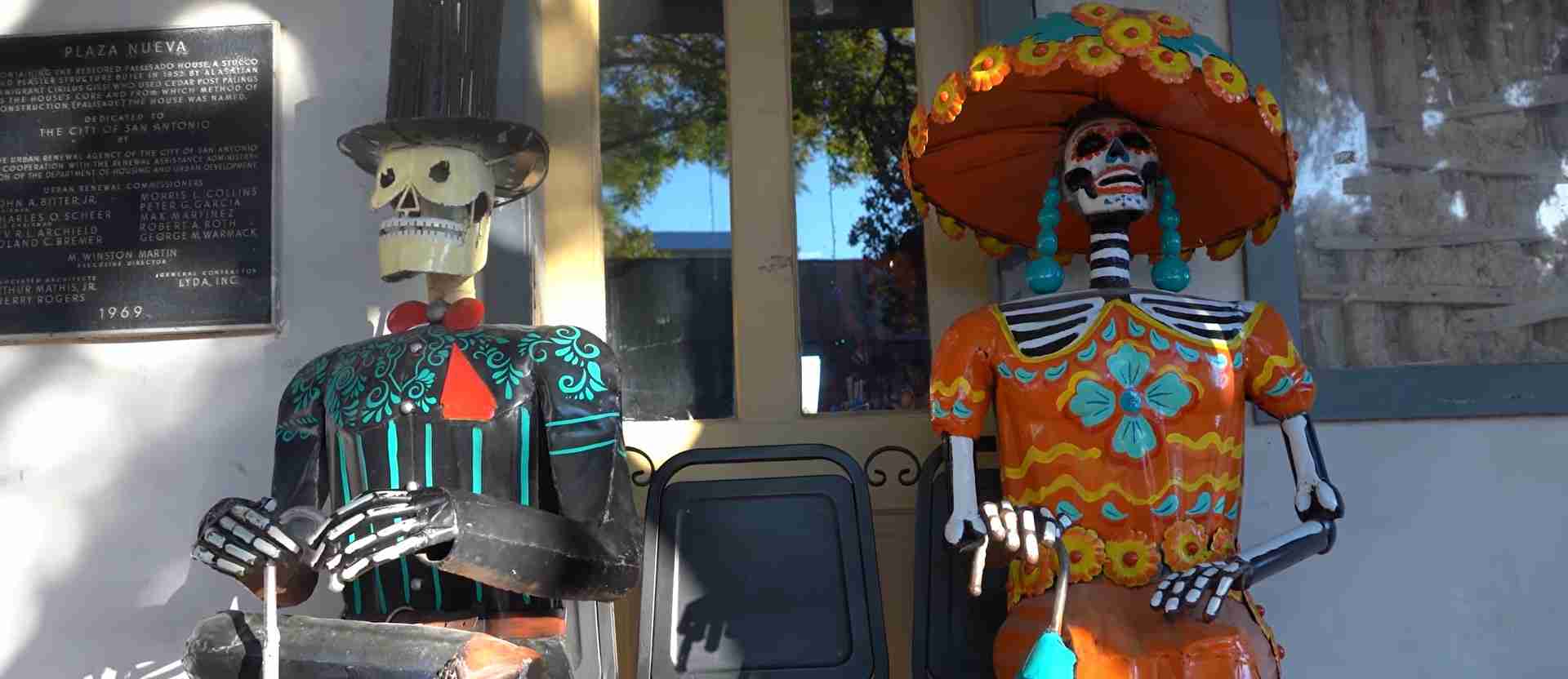
Día de los Muertos celebrations in early November fill San Antonio with free cultural programming honoring Mexican traditions around death and remembrance including elaborate altar displays at public locations viewable free, processions and cultural performances, art exhibitions interpreting Day of the Dead themes, and family-friendly activities educating about this important cultural tradition. The Muertos Fest at La Villita and other designated locations provides concentrated programming, though celebrations extend throughout the city in neighborhoods, schools, cultural centers, and public spaces making this cultural tradition accessible to all visitors regardless of admission budget.
Holiday season programming from late November through early January includes free activities such as holiday light displays in city parks and public spaces viewable without charge, Christmas tree lightings with free public ceremonies, New Year’s Eve celebrations with free public components, and seasonal cultural performances in public venues. The River Walk holiday lights remain viewable free simply by walking along the River Walk pathway during evening hours, creating festive atmosphere that millions of visitors experience annually at no cost beyond their downtown presence. H-E-B Thanksgiving Day Parade offers free viewing along parade route for early arrivals, launching the holiday season with large-scale parade through downtown streets accessible to public without tickets or costs.
Free fitness programming extends throughout the year with offerings including Wellness at The Tobin free community fitness classes multiple times weekly at River Walk plaza, various parks hosting free yoga sessions, group runs organized by running clubs welcoming visitors, cycling groups organizing free group rides, and outdoor fitness classes in parks at no charge. These free fitness opportunities enable travelers to maintain exercise routines without gym fees, create social interaction around shared activities, and deliver health benefits alongside the tourism experience.
Free Historic Districts and Neighborhood Walking Tours 2026
San Antonio’s historic neighborhoods and distinctive districts provide free self-guided exploration opportunities revealing architectural heritage, cultural evolution, and neighborhood character through simple walking without tour fees or admission charges. Armed with basic orientation information available through free tourism websites, walking tour apps, or simple observation while strolling, visitors can experience authentic San Antonio neighborhood life, examine historic architecture, and discover community character at no cost beyond comfortable walking shoes and time investment. Strategic neighborhood selection based on interests (Victorian architecture, arts culture, historic preservation, contemporary development) maximizes walking tour value while neighborhoods’ compact walkable scales enable thorough exploration without vehicle transportation needs once positioned in the area.
King William Historic District represents San Antonio’s premier Victorian-era neighborhood with 19th-century mansions lining King William Street and surrounding blocks, showcasing architectural styles including Greek Revival, Victorian Gothic, Italianate, and Queen Anne interpreted through wealthy German merchant families who built the neighborhood in the 1860s-1890s. Free self-guided walking enables visitors to admire exterior architecture, photograph distinctive homes, and absorb neighborhood character defined by towering pecans providing shade, mature landscaping creating garden atmosphere, and preservation ethos maintaining historic integrity. Some properties operate as bed-and-breakfast inns, restaurants, or museums (requiring fees for entry or services) but simply walking the public sidewalks and viewing exteriors costs nothing and delivers substantial architectural interest. The neighborhood’s location immediately south of downtown along the River Walk enables easy access via free River Walk pathway, creating car-free route from downtown to King William for visitors prioritizing walking over driving. King William Fair held annually in April as neighborhood fundraiser and celebration requires admission fees, but exploring the neighborhood on non-event days maintains free access year-round.
La Villita Historic Arts Village near the River Walk in downtown San Antonio invites free walking through restored 19th-century structures now housing artist studios, galleries, shops, and restaurants. While purchasing art or dining involves costs, simply entering the village, walking through its narrow streets and plazas, viewing architecture, and watching artists demonstrate crafts in open studios costs nothing. The village’s Market Days every Saturday bring additional vendors and activity creating lively atmosphere for free browsing and cultural immersion. Evening visits during First Friday Art Walk (monthly) find galleries open late with free receptions, making La Villita anchor point for free arts experiences. The village’s location steps from River Walk and adjacent to Arneson River Theatre creates natural combination with other free downtown activities in concentrated geographic area.
Southtown Arts District south of downtown encompasses several blocks of galleries, studios, artist spaces, restaurants, and creative businesses clustering around Blue Star Contemporary (always free admission) and radiating outward through the neighborhood. Free walking reveals street art and murals, gallery windows displaying contemporary work, historic commercial buildings repurposed for creative uses, and authentic neighborhood character contrasting with more touristic downtown areas. First Friday Art Walk transforms Southtown monthly with galleries opening free, artists present in their studios, and streets filling with arts enthusiasts creating district-wide celebration of creativity accessible to anyone willing to walk the area. Daytime visits any day of month still deliver neighborhood discovery, architectural interest, and creative community observation even if galleries maintain standard hours rather than First Friday extended access.
Pearl District represents successful adaptive reuse of historic Pearl Brewery into mixed-use development incorporating shops, restaurants, residential units, hotels, cultural venues, and public gathering spaces all accessible for free browsing even if specific purchases or services carry costs. Simply walking through Pearl reveals the retained brewery architecture, contemporary design insertions, Emma Koehler’s historic home (exterior viewing free, interior museum access may have costs), Culinary Institute of America San Antonio campus (exterior viewing free), and the Saturday Farmers Market creating weekend activity and people-watching opportunity. The Pearl Amphitheater hosts free concerts alongside ticketed events, and public plazas welcome visitors for relaxation, social gathering, or simply experiencing successful historic preservation and urban redevelopment. The area’s location along the River Walk Museum Reach enables car-free access via river pathway from downtown or Brackenridge Park areas.
Government Hill Historic District near Fort Sam Houston showcases early 20th-century homes built for military officers and civilian employees, creating neighborhood with Craftsman bungalows, Prairie Style residences, and period commercial structures reflecting military community development. Free walking reveals architectural consistency, period detail in homes, and neighborhood evolution tied to Fort Sam Houston’s century-plus military presence. The area sees fewer tourists than King William or Southtown but offers authentic residential neighborhood experience and architectural interest for visitors willing to venture beyond the usual tourist corridors.
Monte Vista Historic District northwest of downtown features homes from the 1920s-1940s representing Spanish Colonial Revival, Tudor Revival, Mediterranean Revival, and other period styles popular during San Antonio’s early 20th-century expansion. Free self-guided walking along major streets like Kings Highway and Shook Avenue reveals substantial homes reflecting the era’s prosperity, with architectural details, landscaping, and neighborhood scale creating distinct character from Victorian King William or military-adjacent Government Hill. The neighborhood’s active preservation community maintains architectural integrity while accommodating contemporary resident needs, creating living historic district rather than museum neighborhood.
Downtown historic commercial district includes Spanish colonial buildings around Main Plaza and Military Plaza (both public plazas free to enter and explore), 19th-century commercial structures along Houston Street and Commerce Street, early 20th-century buildings representing various architectural movements, and contemporary insertions creating layered urban fabric spanning three centuries. Free walking tours (self-guided with attention to architectural detail and historical markers) reveal this evolution while formal paid tours offered by various companies provide professional interpretation for visitors preferring guided experience. San Fernando Cathedral (1738 foundation making it among the oldest cathedrals in the United States) welcomes visitors free during non-service hours for architectural appreciation and historical significance, with the free Saga light show providing additional evening draw to this historic church.
Self-guided walking tour resources include free downloadable walking tour maps and narratives available through Visit San Antonio tourism website, mobile apps like GPSmyCity offering free walking tours with map overlay and descriptions accessible through smartphones, historical markers throughout neighborhoods providing free interpretation at specific sites, and simple observation enabled by walking slowly and noticing architectural details, period features, and neighborhood character. These free resources eliminate need for paid tours while enabling independent exploration at personal pace without group schedules or tour guide dependencies.
Free Activities for Families with Children 2026
San Antonio’s family-friendly free attractions create exceptional opportunities for parents traveling with children to deliver educational experiences, outdoor recreation, cultural enrichment, and simple childhood fun without the substantial costs typically associated with family tourism in major American cities. Strategic activity selection based on children’s ages, interests, and attention spans maximizes family value from San Antonio’s free offerings while the concentration of free attractions in specific areas (Brackenridge Park cluster, downtown River Walk area, Mission Reach corridor) enables efficient geographic planning reducing vehicle time between activities and maintaining children’s engagement through varied experiences within walkable or short-drive distances.
San Antonio Missions National Historical Park’s four free World Heritage missions provide children with tangible history education, outdoor exploration combining architecture with natural areas, and novelty of experiencing authentic colonial-era structures. The Junior Ranger program free at any mission visitor center transforms site visits into interactive learning with activity booklets guiding children through age-appropriate missions (junior rangers typically ages 5-12), scavenger hunt elements focusing observation on specific architectural features and historical details, and badge earning ceremony creating accomplishment and souvenir. Ranger-led tours at Mission San José (daily 10 AM and 11 AM free) adapt content for family groups, with rangers skilled at engaging children through storytelling, visual aids, and questions rather than lecture-style presentation. The Mission Reach trail connecting missions enables family cycling if children can ride 8 miles or provides walking segments between missions for active children needing movement breaks between site visits. Mission grounds accommodate running and exploring with expansive lawns, historic structures creating discovery opportunities, and acequia systems at Mission San Juan and Mission Espada showing historical water engineering that fascinates children interested in how things work.
Japanese Tea Garden’s waterfalls, koi ponds, stone bridges, and terraced levels create natural childhood interest with fish viewing (children can spend extended time watching koi behavior), water features providing movement and sound, stairs and pathways creating exploration routes with discovery element as children navigate multiple levels, and photogenic settings inspiring family pictures. The garden’s compact scale (visitable in 30-45 minutes) matches children’s attention spans while location within larger Brackenridge Park provides additional free activities when tea garden interest wanes. Brackenridge Park playgrounds offer age-appropriate play equipment at no cost, open lawns welcome ball games and running, the San Antonio River sections through the park enable water observation and potentially wading at Lambert Beach (supervision required as river currents exist), and picnic areas accommodate packed lunches brought from accommodations to control meal costs while providing pleasant outdoor dining environment. The park’s miniature train costs $3 per ride but represents modest splurge if budget allows small expenditure, while simply watching trains pass provides free entertainment for train-enthusiastic younger children.
River Walk exploration engages children through riverside pathway offering continuous interest with boats passing, ducks and fish visible in water, bridges to cross creating destination waypoints maintaining forward progress, public art installations providing discovery moments, and environmental variety between urban downtown sections and more natural Mission Reach areas. Family River Walk strategies include starting at Brackenridge Park or Pearl area with free parking, walking River Walk sections southward with snacks and water bottles, building in playground stops at parks intersecting the River Walk, and timing walks for cooler parts of day (early morning or late afternoon/evening) during summer months. Downtown River Walk sections at night feature lighting and activity creating different experience than daytime walks, with restaurants’ outdoor seating visible from pathway providing people-watching interest and Saga light show at San Fernando Cathedral (free viewing Tuesdays, Fridays, Saturdays, Sundays at 9 PM, 9:30 PM, 10 PM) creating special evening activity. Children typically find the complete 15-mile River Walk length excessive for single-day walking, suggesting strategic section selection based on age and stamina with multiple shorter walks over several days providing more successful experience than forced-march attempt to complete entire system.
Museums during free admission hours deliver indoor educational recreation protecting families from weather extremes while providing intellectual stimulation. Witte Museum free Tuesdays 3-6 PM for Bexar County residents includes the three-story HEB Body Adventure specifically designed for children learning about human body systems through interactive exhibits, natural history displays featuring dinosaurs and Texas wildlife that engage children’s natural history interests, and rotating special exhibitions often chosen for family appeal. Enhanced free Tuesday programming may include craft activities, hands-on demonstrations, or family scavenger hunts adding value beyond self-guided gallery viewing. The DoSeum Free Family Nights first and third Tuesday monthly deliver the city’s premier children’s museum experience at no cost for first 1,500 guests, creating strong incentive for early arrival to secure free admission. The museum’s extensive STEAM-focused exhibits, outdoor play areas, creative studios, and interactive learning environments typically command $17 per child admission making free nights substantial savings for families with multiple children. San Antonio Museum of Art free hours include children under 12 always free regardless of day, with family-friendly activities during Bexar County resident free times (Tuesdays 4-7 PM, Sundays 10 AM-12 PM) and First Sunday Family Programming specifically targeting children with age-appropriate art activities and guided gallery experiences.
Parks throughout San Antonio provide free playground equipment, open space for running and games, and outdoor recreation requiring no admission fees with specific family-friendly parks including Yanaguana Garden at Hemisfair (unique playground equipment offering unconventional play experiences, interactive water features during warm months, and downtown location enabling combination with River Walk and other free downtown activities), Hardberger Park (extensive playgrounds plus large dog park creating animal-watching opportunity for children who enjoy dogs), McAllister Park (playgrounds plus potential mountain bike trail riding for families with older children and appropriate bikes), and neighborhood parks throughout the city offering familiar playground experiences with swings, slides, and climbing structures at neighborhood scale.
Free community events throughout the year target families including outdoor movie nights in parks with family-friendly film selections, Síclovía car-free street events enabling family cycling and skating, holiday celebrations with free public programming, Fiesta San Antonio free events like parades and opening ceremonies, and seasonal festivals in neighborhoods and cultural centers. These events create special experiences beyond daily-available free attractions while maintaining zero-cost accessibility for families. Event calendars through city tourism websites and local media help families identify free programming coinciding with their San Antonio visit dates.
Self-guided historical exploration makes learning tangible through The Alamo free grounds access where children can connect Texas history education with authentic battle site, historical markers throughout downtown enabling scavenger hunt approach to city history learning, and mission communities showing how Spanish colonists and Native Americans lived. Educational value emerges through simply being present at significant sites, reading interpretive signage together, and discussing historical events in their actual locations rather than abstractly through textbooks or screens. This place-based learning creates memories and understanding lasting far beyond typical tourist entertainment.
Budget management for families combines free attractions with strategic modest expenditures where appropriate, such as utilizing free museums, parks, missions, and River Walk as daily activity foundation while perhaps allocating budget for one or two paid attractions like San Antonio Zoo, one commercial River Walk boat tour as special experience, or occasional commercial playground/entertainment if children request specific paid activities. The abundance of high-quality free options enables families to say “yes” to free activities enthusiastically while explaining budget constraints for paid requests, creating positive family culture around discovering free experiences rather than focusing on denied paid activities. Families staying extended periods can revisit favorite free attractions (Japanese Tea Garden multiple times, different Mission Reach trail segments, various playgrounds explored across multiple days) without concern about repeat admission costs typical at paid attractions.
Free Downtown Walking Routes and Architectural Exploration 2026
Downtown San Antonio’s compact historic core rewards pedestrian exploration with architectural layers spanning Spanish colonial period through contemporary development, public plazas serving as gathering spaces since 18th century, the iconic River Walk threading through the commercial district, and cultural landmarks accessible via free walking routes requiring no tour fees or paid admission to simply traverse and observe. Self-guided downtown walking creates authentic urban experience revealing the city’s evolution while photo opportunities, historical markers, and architectural details provide continuous interest maintaining engagement during extended walking tours. Strategic route planning based on interests (colonial architecture, Victorian commercial buildings, contemporary development, public art, or comprehensive chronological architectural survey) enables focused exploration while downtown’s grid street pattern and River Walk as orientation spine prevent disorientation even for first-time visitors.
Spanish colonial architecture concentrates around Main Plaza (Plaza de las Islas) and Military Plaza (Plaza de Armas), the twin public squares established in 1730s that anchored San Antonio’s Spanish colonial settlement and continue serving as civic gathering spaces nearly three centuries later. Free walking around these plazas reveals San Fernando Cathedral with its distinctive Gothic Revival facade fronting 18th-century sanctuary (free entry during non-service hours enables interior viewing of historic church established 1738), Spanish Governor’s Palace (exterior viewing free though interior museum tour costs $5 creating modest option for those wishing enhanced experience), and the historic Bexar County Courthouse representing later 19th-century Romanesque Revival architecture but anchoring plaza spaces shaped in colonial era. These public plazas cost nothing to enter and explore, with benches enabling rest stops, shade from mature trees providing relief during hot weather, and simply experiencing spaces that witnessed three centuries of San Antonio civic life delivering tangible connection to history.
River Walk provides linear downtown walking route entirely free following the waterway’s horseshoe curve through the heart of the commercial district, passing landmark buildings including the historic Aztec Theatre (1926 movie palace with Mesoamerican Revival facade visible from street), numerous bridges spanning the river at varying heights creating vertical interest, murals and public art installations viewable from pathway, and architectural diversity from historic buildings to contemporary hotel towers. The River Walk’s development history shows multiple eras of construction visible through architectural styles, landscape design approaches, and commercial adaptations from early WPA stone work to contemporary insertions. Walking one complete downtown River Walk loop requires approximately 1 hour at moderate pace without stopping, though frequent restaurants, overlooks, and architectural interest suggest slower exploration with pauses to absorb details and environment.
Houston Street and Commerce Street represent San Antonio’s primary historic commercial corridors with 19th and early 20th-century commercial buildings showcasing period storefronts, upper-story architectural detail often more elaborate than street-level alterations, and evolving commercial architecture from Victorian era through Art Deco and beyond. Free walking along these streets reveals architectural diversity while contemporary street-level businesses (shops, restaurants, services) maintain active street life contrasting with some preserved historic districts that become museum-like rather than living commercial environments. The gradual upward slope from River Walk level to street level creates topographic interest as walkers climb stairs or ramps connecting river pathway to street grid, revealing San Antonio’s layered urban form built around the river’s natural lower elevation.
Tower of the Americas visible from throughout downtown provides orientation landmark and photogenic subject, with the observation deck requiring admission ($18-20 for adults in 2026, subject to change) but exterior viewing and ground-level plaza areas free to visit. The Tower’s location at Hemisfair Park adjacent to Yanaguana Garden creates cluster of free activities including park walking, playground visit, and Tower photography from ground level even if elevator ride to observation level exceeds budget. The Tower represents 1968 HemisFair legacy along with the Institute of Texan Cultures and various park structures revealing urban renewal era development philosophy and World’s Fair optimism captured in architecture and planning decisions still visible in the landscape.
Contemporary downtown development including major hotels, convention center, shopping venues, and residential towers demonstrates ongoing urban evolution with modern architecture inserting into historic fabric, creating architectural juxtapositions that some appreciate as dynamic urban vitality while others critique as insufficiently respectful of historic context. Free walking enables personal assessment of these design decisions through direct observation rather than abstract debate, while simply experiencing downtown as functioning city rather than historic preservation museum reveals San Antonio’s character as living metropolitan area balancing heritage preservation with contemporary growth.
Public art throughout downtown includes murals visible from sidewalks, sculptures in plazas and parks, River Walk installations accessible via pathway, and architectural ornament on historic buildings all viewable free during walking exploration. The city’s investment in public art creates outdoor gallery experience requiring no museum admission while artists’ responses to San Antonio history, culture, and environment add interpretive layers to basic urban walking. Photographic documentation of public art creates personal collection of San Antonio creative work at zero cost beyond camera equipment or smartphone already owned.
Free walking tour apps like GPSmyCity provide downloadable self-guided tour narratives with maps showing walking routes, historical information keyed to specific locations, and audio or text descriptions accessible through smartphones without internet connectivity once downloaded. These free resources deliver guided tour structure and information without paid tour costs, enabling budget-conscious visitors to access curated routes and expert knowledge while maintaining independence and personal pacing. Official tourism website walking tour maps available free online or from visitor centers provide print options for those preferring paper maps to digital navigation.
Historical markers throughout downtown managed by Texas Historical Commission, City of San Antonio, and preservation organizations provide free detailed interpretation at significant sites with historical context, architectural information, and biographical details about notable residents or events. Reading these markers carefully while walking transforms simple stroll into educational experience revealing layered history invisible to casual observation. The concentration of markers in downtown historic district enables comprehensive historical understanding built through sequential reading and physical movement between sites creating embodied learning more memorable than passive information consumption.
Optimal walking times balance weather considerations with crowd levels and activity patterns, suggesting early morning walks (7-9 AM) for comfortable temperatures during summer months plus reduced pedestrian traffic enabling photography without crowds, late afternoon walks (4-6 PM) for angled light enhancing architectural detail photography, and evening walks for lit architecture and River Walk atmosphere with restaurant activity creating people-watching interest. Downtown’s compact scale (major historic sites concentrated within roughly 1-mile radius) enables thorough exploration over 2-3 hours of focused walking, while breaking downtown discovery into multiple shorter walks over several days prevents fatigue and allows processing information between walking sessions.
San Fernando Cathedral and Saga Light Show Free Experience 2026
San Fernando Cathedral anchors San Antonio’s Main Plaza as the oldest continuously functioning cathedral sanctuary in the United States with construction beginning 1738, creating remarkable free cultural attraction through both daytime architectural viewing and the spectacular Saga video light show transforming the cathedral facade into projection screen Tuesdays, Fridays, Saturdays, and Sundays throughout most of the year. This combination of sacred architecture and contemporary art installation provides budget-conscious visitors with accessible cultural experience requiring no admission fees or advance reservations while delivering quality matching ticketed attractions in cities where comparable experiences command premium pricing.
The cathedral building reflects San Antonio’s complex history through architectural evolution spanning nearly three centuries, with Gothic Revival facade added in 19th-century renovation contrasting with Spanish colonial origins, interior featuring religious art and historical artifacts, and ongoing active parish status as Roman Catholic church serving San Antonio’s downtown community. Free daytime visiting enables architecture appreciation, historical interpretation through informational panels, and contemplative space for reflection regardless of religious affiliation. Visitors should observe appropriate church etiquette including quiet voices, modest dress, and respectful behavior in this active place of worship while photography policies may restrict certain areas or require permission.
Saga video projection represents creation by French artist Xavier de Richemont, presenting 24-minute narrative exploring San Antonio history, Catholic faith traditions, immigration stories, and cultural heritage through sophisticated video mapping technology precisely aligning projected images with cathedral facade architecture. The show transforms flat stone into dimensional canvas with images appearing to move in and out of architectural elements, windows becoming screens within screens, and building itself becoming storytelling medium rather than passive projection surface. The technical sophistication and artistic vision rival paid light shows in other cities charging $20-30 admission while Saga maintains completely free public access as gift to San Antonio community and visitors.
Viewing Saga requires no tickets or reservations, simply arriving at Main Plaza before show times (typically 9 PM, 9:30 PM, and 10 PM on Tuesdays, Fridays, Saturdays, and Sundays, though weather dependencies and seasonal schedule adjustments warrant checking current information before planning evening visit around specific show time). Early arrival secures optimal viewing position directly facing cathedral facade with unobstructed sightlines, though the plaza’s size accommodates hundreds of viewers and most positions provide adequate viewing. Bringing portable seating like folding camp chairs creates comfortable viewing experience during the 24-minute show, though many visitors stand or sit on plaza edges. The show operates weather permitting, canceling during rain or high winds that might damage projection equipment, creating unpredictability best addressed by building flexibility into evening plans with alternative activities if weather cancels Saga showing.
The show’s narrative content makes it particularly interesting for visitors with some San Antonio history knowledge or Catholic faith familiarity providing context for visual references, though the artistic quality and technical execution create impressive experience even for viewers approaching without background knowledge. Multiple viewings over several nights reveal details missed in single viewing as the dense visual information and symbolic imagery reward repeated watching. The free nature of Saga enables guilt-free multiple viewing visits, whether watching from different plaza positions to alter perspective or simply enjoying favorite segments through repeat attendance.
Combining Saga viewing with other free downtown evening activities creates full evening without costs including River Walk evening walks with lighting and restaurant activity creating atmosphere different from daytime character, historic downtown building exteriors lit for evening creating architectural photography opportunities, and possible combination with free First Friday Art Walk in Southtown (monthly) if Saga viewing falls on first Friday of month. The Main Plaza location provides easy walking access to River Walk (approximately 3 blocks), La Villita arts village, and downtown commercial streets, enabling pre-show dinner at restaurant followed by Saga viewing then River Walk evening stroll as complete no-cost evening beyond meal expense.
Photography during Saga show is permitted and encouraged with the complex projected imagery creating compelling photographic subjects, though capturing projected images on three-dimensional facade presents technical challenges requiring camera settings appropriate for low light and moving images. Smartphone cameras capture satisfactory documentation though dedicated cameras with manual exposure control produce superior results. Sharing Saga photos through social media creates lasting records while potentially inspiring others to experience this free San Antonio attraction, amplifying the public benefit of accessible cultural programming.
The cathedral’s free accessibility both daytime and evening positions it as cornerstone free downtown attraction comparable in cultural significance and architectural interest to paid attractions in cities without San Antonio’s commitment to democratic cultural access. European cathedrals routinely charge $10-20 admission (when allowing non-worship tourist access at all), American historic churches often require donations presented as mandatory admission fees, and light shows of Saga’s technical sophistication command substantial ticket prices at commercial installations worldwide. San Antonio’s maintenance of free cathedral access and free light show demonstrates civic values around cultural accessibility and public benefit rather than revenue extraction from cultural assets, creating visitor experience where budget limitations don’t prevent participation in significant cultural moments.
Practical Planning for Maximizing Free San Antonio Experiences 2026
Strategic planning transforms San Antonio’s free attractions from scattered opportunities into comprehensive budget-conscious itinerary delivering maximum experience value through intelligent scheduling, geographic clustering, seasonal timing, and realistic pacing that respects human energy limitations while ambitious enough to justify travel investment. Understanding how free attractions relate geographically, which combinations create efficient day plans, what seasonal factors affect outdoor activity comfort, and how much time various free experiences actually require enables visitors to construct realistic plans accomplishing stated goals rather than theoretical itineraries collapsing under execution realities of heat exhaustion, walking fatigue, or underestimating time requirements.
Geographic clustering organizes San Antonio’s free attractions into logical combinations including Brackenridge Park cluster (Japanese Tea Garden, Witte Museum free Tuesday hours, Brackenridge Park trails and playgrounds, San Antonio Zoo if budget includes one paid attraction, River Walk Museum Reach access) concentrating multiple free activities within single large park complex; Downtown cluster (River Walk, Alamo, San Fernando Cathedral/Saga, Main Plaza and Military Plaza historic spaces, La Villita, downtown architecture walking) creating full days or multiple days of free downtown exploration without vehicle needs between activities; Mission Reach corridor (four UNESCO missions, Mission Reach trail, natural areas and parks along mission trail) enabling mission-focused days combining heritage sites with outdoor recreation; and Southtown/Blue Star cluster (Blue Star Contemporary always-free museum, First Friday Art Walk monthly, neighborhood walking, connection to River Walk via King William district) concentrating arts and culture experiences in walkable area.
Sample free day itineraries demonstrate practical combinations with realistic timing: Mission Day might include early start (8 AM) driving or cycling to Mission Espada at southern end of chain, exploring mission grounds (45 minutes), cycling or driving north to Mission San Juan (30 minutes exploration including acequia viewing), continuing to Mission San José (1.5 hours including ranger-led tour at 10 AM and visitor center exhibits), final mission at Concepción (45 minutes), and return via Mission Reach trail walking or River Walk corridor toward downtown, completing day with Saga light show evening viewing if falling on show night (Tuesday, Friday, Saturday, or Sunday). Downtown Cultural Day combines morning Alamo visit (9 AM arrival for timed entry, 60-90 minutes exploration), late morning River Walk walking tour heading north toward Museum Reach (90 minutes covering approximately 3 miles), lunch break (packed lunch or budget restaurant meal), afternoon at San Antonio Museum of Art during Bexar County free hours if Tuesday (4-7 PM) or substitute another activity if different day, early dinner, and Saga viewing at cathedral (9 PM or 9:30 PM showing). Park and Nature Day centers on Brackenridge Park with morning at Japanese Tea Garden (7 AM early arrival for photography and reduced crowds, 60-90 minutes exploration), mid-morning park trail walking or playground time for families, late morning/early afternoon either Witte Museum if Tuesday during free hours (3-6 PM requires later scheduling) or continued park exploration, and evening return for different lighting at tea garden if energy permits.
Museum free day scheduling requires understanding the weekly pattern with Tuesday as primary free day for Bexar County residents at major museums (San Antonio Museum of Art 4-7 PM, Witte Museum 3-6 PM) plus DoSeum Free Family Nights first and third Tuesday monthly, creating Tuesday as museum marathon day for aggressive visitors or requiring choice between museums based on interests and time available. Thursday brings McNay free admission 4-9 PM for all visitors (not just county residents) while Sundays offer San Antonio Museum of Art free mornings for Bexar County residents (10 AM-12 PM) plus McNay first Sunday monthly free admission 12-5 PM and Institute of Texan Cultures second Sunday monthly free hours creating Sunday options depending on week. Always-free museums (Blue Star Contemporary, Holocaust Memorial Museum, SAAACAM) provide flexible scheduling any day without restriction, serving as backup plans when weather, energy, or schedule disruptions alter planned museum visits on specific free days.
Seasonal timing considerations affect outdoor activity comfort significantly with November through April providing optimal temperatures for extended outdoor time including mission trail hiking, River Walk walking, park exploration, and neighborhood strolls without heat stress concerns. These cooler months (daily highs typically 60s-70s F) enable all-day outdoor itineraries with midday activity rather than requiring heat avoidance strategies. Summer months June through September bring intense heat (daily highs often 95-100+ F) requiring modified scheduling with outdoor activities concentrated early morning (6-10 AM) and late afternoon/evening (5-8 PM) while midday hours (11 AM-4 PM) better spent in air-conditioned museums during their free admission hours, indoor attractions, or rest time at accommodations. Spring (March-May) and fall (October-November) shoulder seasons balance comfortable temperatures with occasional weather variability including spring thunderstorms and fall cold fronts requiring layering clothing capability and weather monitoring.
Time requirement realism prevents overscheduling with mission visits requiring 45 minutes to 1.5 hours each depending on interest level and whether timed for ranger-led tour; museum visits during free hours consuming 1.5 to 3 hours for meaningful engagement rather than rushed checklist completion; Japanese Tea Garden visitable in 45 minutes though photography enthusiasts may spend 2 hours capturing details; River Walk walking varying tremendously from 30-minute downtown loop stroll to 4-hour Mission Reach section hike; and neighborhood walking tours ranging 45 minutes for concentrated historic district to 2 hours for expanded areas with shopping or gallery stops. Underestimating time requirements creates rushed feeling and frustration while realistic scheduling enables thorough experiences and spontaneous extensions when particular attractions prove especially engaging.
Walking distance capabilities should guide planning with 2-3 miles per day comfortable for most visitors, 4-6 miles possible for fit adults without children but requiring rest breaks, and 8+ miles total daily walking (whether single continuous walk or accumulated throughout day) approaching limit for all but serious hikers and extremely fit visitors. San Antonio’s free attractions reward walking both as transportation between sites and as the primary experience mode at attractions themselves, creating accumulated daily walking totals easily reaching 4-6 miles through combination of River Walk exploration, mission grounds touring, museum gallery navigation, and downtown strolling even without attempting the complete 15-mile River Walk system. Comfortable walking shoes are non-negotiable equipment, with inadequate footwear causing blisters and pain that ruins days and limits subsequent activity.
Rest and recovery integration prevents burnout from overly aggressive free activity schedules, suggesting patterns like alternating active outdoor days (missions, parks, extensive River Walk sections) with lighter activity days (single museum visit, neighborhood strolls, rest afternoon at accommodation), building in midday breaks during long activity days, and reserving one lower-intensity day every 3-4 days for laundry, grocery shopping, accommodation rest time, or single low-key attraction rather than packed schedules. The zero-cost nature of free attractions can paradoxically encourage overcommitment since no admission fees are being wasted through missed visits, but exhaustion and diminished enjoyment from over-scheduling wastes the greater resource of limited vacation time and energy.
Transportation between free attractions requires planning whether utilizing personal vehicle with attention to parking availability and costs (downtown parking may charge $5-15 daily though some free options exist), public transit with VIA Metropolitan Transit bus routes serving major attractions ($1.30 single ride, $2.75 day pass), bicycle rental or personal bikes for car-free mobility, or walking where distances permit. The River Walk creates continuous car-free corridor connecting multiple attraction clusters but requires 2-3 hours to traverse substantial sections, while vehicle transportation enables wider geographic coverage at expense of parking challenges and removing the transportation experience itself from attraction enjoyment.
Frequently Asked Questions About Free San Antonio Activities 2026
Are there enough free things to do in San Antonio for a week-long visit?
San Antonio easily supports week-long visits filled entirely with free activities without repetition or resort to marginal attractions to fill time. A comprehensive free week might include two full days exploring San Antonio Missions National Historical Park and Mission Reach trail with cycling or walking between four UNESCO World Heritage missions, one day devoted to Brackenridge Park cluster including Japanese Tea Garden and extensive park trails plus Witte Museum during Tuesday free hours, two days of downtown exploration covering Alamo grounds, River Walk sections, historic plazas, architectural walking tours, and La Villita arts village, one day focused on neighborhoods including King William Historic District and Southtown with First Friday Art Walk if visit timing aligns, and one flexible day for recovery, laundry, grocery shopping, or revisiting favorite discoveries with possible excursion to natural areas like Friedrich Wilderness Park or Government Canyon State Natural Area’s free programs. This seven-day framework provides structure while allowing spontaneous adjustments based on weather, energy levels, and emerging interests discovered during early visit days. Families with children could substitute DoSeum Free Family Night and additional playground park visits for architectural walking tours while maintaining full free schedules. The breadth of San Antonio’s free offerings across categories (UNESCO heritage, museums, nature, architecture, culture, festivals) prevents monotony while substantial depth within categories enables return visits to favorites rather than forced march through every possible free option.
Do San Antonio’s free museum days require advance reservations?
San Antonio museums maintain varied reservation policies for free admission days depending on institution and capacity management needs. The Witte Museum free Tuesdays for Bexar County residents strongly recommends advance online reservation through the museum website to guarantee admission as capacity is limited and same-day availability is not assured during popular times or special exhibition periods. San Antonio Museum of Art free hours for Bexar County residents (Tuesdays 4-7 PM and Sundays 10 AM-12 PM) do not require advance reservation with admission on first-come basis, though arriving early during the three-hour free window increases likelihood of smooth entry before potential crowding later in free period. McNay Art Museum free admission (Thursdays 4-9 PM and first Sundays 12-5 PM) requires no advance reservation with capacity managed through entry flow control if visitation reaches building limits. The DoSeum Free Family Nights admit first 1,500 guests without advance reservations on first-come basis, creating strong incentive for arrival at or before 5 PM opening to secure free admission rather than risking being turned away after capacity is reached. San Antonio Fire Museum free first Tuesday requires mandatory advance reservation made by 4 PM the Friday before desired Tuesday visit through the museum website, with this advance booking essential rather than optional. Always-free museums (Blue Star Contemporary, Holocaust Memorial Museum, SAAACAM) welcome visitors without reservations during all operating hours. The variation in reservation requirements suggests checking specific museum websites when planning free admission visits rather than assuming consistent policies across all institutions, with advance reservation consistently delivering better experience even at museums where it’s optional rather than required by securing entry and reducing waiting times.
Can visitors access San Antonio Missions National Historical Park year-round for free?
San Antonio Missions National Historical Park maintains free admission 362 days annually, closing only three national holidays (Thanksgiving, Christmas Day, and New Year’s Day) while remaining open all other days including weekends, other federal holidays, and weather events short of extreme conditions threatening visitor safety or damaging park infrastructure. This near-universal access means visitors can experience UNESCO World Heritage missions free regardless of travel timing with only those three specific closure dates requiring alternative activity planning. The park’s operating hours vary between visitor centers (9 AM-5 PM daily when open) and mission grounds (sunrise to sunset daily), with the extended grounds hours enabling early morning photography before visitor centers open or evening visits after centers close while still accessing the outdoor architectural features, landscaped areas, and trail connections. The year-round free access combined with minimal closure days creates remarkable reliability for budget-conscious trip planning, as the missions represent substantial activity investment (four separate sites, extensive grounds, ranger programs, trail system) and having them unavailable would significantly impact visit value. Seasonal variations affect experience quality with summer heat making midday visits uncomfortable (early morning or evening visits more pleasant during June-August), spring bringing wildflower blooms and mild temperatures ideal for extended outdoor exploration (March-May as peak mission visiting months), fall delivering comfortable weather and reduced crowds after summer tourism season (September-November), and winter providing mild conditions by national standards though occasional cold fronts can bring temperatures into 30s-40s F requiring layering (December-February still visitable with appropriate clothing). The park’s free admission eliminates the typical calculation about whether weather justifies admission expense, as poor weather simply suggests postponing visit to following day without financial penalty rather than feeling compelled to visit despite suboptimal conditions to avoid wasting prepaid tickets.
What free activities work well for visitors without personal vehicles?
San Antonio’s car-free visitors can access extensive free activities through strategic accommodation location and utilizing VIA Metropolitan Transit public bus system, River Walk as linear transportation corridor, and concentrated geographic clustering of downtown attractions. Visitors staying downtown or in neighborhoods with direct bus connections to major attractions can build comprehensive free itineraries around walkable downtown cluster (Alamo, River Walk, historic plazas, San Fernando Cathedral and Saga show, La Villita, downtown museums, architectural walking tours) completely accessible on foot from downtown accommodations; River Walk system enabling walking access to Brackenridge Park and Japanese Tea Garden (approximately 3 miles north from downtown via Museum Reach), Pearl District, and partial Mission Reach access heading south (though reaching all four missions via River Walk requires substantial walking distance over 8 miles one-way); and VIA bus routes connecting downtown to major attractions including missions (Routes 40, 42 serve mission area), Brackenridge Park/Zoo area (Routes 7, 8, 9), Pearl District (Route 9), and McNay Art Museum (Route 11), with single rides at $1.30 or $2.75 day passes making public transit economical transportation supplement to walking. The concentration of always-free museums in walkable downtown area (Blue Star Contemporary in Southtown roughly 1 mile from central downtown, Holocaust Memorial Museum and SAAACAM in La Villita area immediately adjacent to downtown) means car-free visitors can access multiple museums through walking alone. The First Friday Art Walk in Southtown creates monthly car-free cultural event accessible via downtown walk (approximately 1 mile from River Walk tourist district to Blue Star Contemporary), while Saga light show at San Fernando Cathedral requires no transportation for downtown-based visitors simply walking to Main Plaza for evening viewings. Mission access without vehicle becomes more challenging with bus routes reaching mission area but requiring transfers and extended transit times, suggesting car-free mission visitors might allocate budget for bike rental from downtown shop (approximately $25-35 daily for quality bike) enabling Mission Reach trail cycling to all four missions in single day with physical effort rather than vehicle dependence. This bike rental represents moderate expenditure in otherwise free day while delivering transportation, recreation, and mission access combined. Organized free programs like ranger-led tours at Mission San José (daily 10 AM and 11 AM) reward the effort of reaching missions via bus or bike with professional interpretation at no cost once arrival is accomplished. Car-free visitors should realistically assess whether their fitness level, schedule flexibility, and comfort with public transit navigation supports vehicle-free San Antonio exploration, as some free attractions (Friedrich Wilderness Park, Government Canyon programs, distant parks) prove practically inaccessible without vehicle despite theoretical bus access.
Are free admission hours at San Antonio museums limited to Bexar County residents?
San Antonio museum free admission policies vary by institution with some restricting free hours to Bexar County residents while others extend free access to all visitors regardless of residency. Bexar County resident-restricted free admission applies at San Antonio Museum of Art (Tuesdays 4-7 PM and Sundays 10 AM-12 PM), Witte Museum (Tuesdays 3-6 PM), and San Antonio Fire Museum (first Tuesday monthly 11 AM-2 PM), with these institutions requiring proof of county residency such as driver license showing Bexar County address or recent utility bill when accessing free admission hours. Non-Bexar County residents visiting during these restricted free hours pay regular admission prices ($15-20 typical adult admission depending on museum). Universal free admission regardless of residency occurs at McNay Art Museum (Thursdays 4-9 PM and first Sundays 12-5 PM for all visitors), Institute of Texan Cultures (second Sunday monthly for all visitors), and always-free institutions Blue Star Contemporary, Holocaust Memorial Museum, and SAAACAM that never charge admission to anyone. The DoSeum Free Family Nights (first and third Tuesday monthly) welcome all families regardless of residency on first-come basis until 1,500-guest capacity is reached. This mixed policy landscape means tourists visiting from outside Bexar County can still access substantial free museum experiences through McNay free hours (twice weekly providing good scheduling options), always-free museums (any day without restrictions), and universal free days like Institute of Texan Cultures’ second Sunday, while Bexar County resident-restricted free hours at major museums like San Antonio Museum of Art and Witte Museum remain inaccessible without residency proof. Tourists should not attempt using temporary lodging addresses or false residency claims to access county resident free hours, as this undermines the community benefit programs funded by local taxpayers and risks embarrassing confrontation at admission desks. Instead, non-residents can visit restricted-free-hours museums on non-free days if budgets include some admission spending (typical $15-20 adult admission delivering access to world-class collections justifying the expense), time visits to coincide with unrestricted free hours where available, or focus itineraries on always-free museums and outdoor free attractions where residency creates no barriers. Children under specific ages (typically 12 or under at San Antonio Museum of Art, 19 and under at McNay) receive free admission regardless of day or residency status, benefiting families with children even when adult admission fees apply.
What seasonal factors affect San Antonio’s free outdoor attractions?
San Antonio’s subtropical climate creates significant seasonal variations affecting comfort and optimal timing for outdoor free activities including missions, parks, River Walk walking, natural areas, and architectural exploration, with understanding seasonal patterns essential for trip planning maximizing outdoor experience quality. Summer months June through September bring intense heat with daily high temperatures routinely reaching 95-100+ degrees Fahrenheit, creating genuine health risks from heat exhaustion and heat stroke for visitors attempting extended outdoor activity during peak heat hours (11 AM-5 PM), requiring strict schedule modifications limiting outdoor exposure to early morning (6-10 AM when temperatures remain in 70s-80s) and late afternoon/evening (5-9 PM as heat breaks), drinking substantially increased water volumes (1 liter per hour during outdoor activity not excessive), seeking shade consistently, and recognizing heat illness symptoms to prevent medical emergencies. Summer’s free outdoor activities work best when combined with indoor air-conditioned museum visits during peak heat hours, utilizing Tuesday museum free hours for midday refuge while reserving cooler morning and evening periods for missions, River Walk, parks, and architectural walking. Fall months September through November provide transitional conditions with September retaining summer heat though slightly moderated, October delivering comfortable temperatures (70s-80s F daytime) ideal for all-day outdoor activity, and November bringing increasingly mild conditions (60s-70s F) with occasional cold fronts introducing cooler weather requiring light jackets or layers. Fall visitation benefits from reduced crowds after summer family vacation season while weather remains highly conducive to outdoor recreation, making September-November optimal for visitors prioritizing outdoor free attractions. Winter months December through February bring mild weather by national standards with average daytime highs in 50s-60s F, though periodic cold fronts (every 7-10 days typical winter pattern) can drop temperatures into 30s-40s F for 2-3 day periods requiring warm layers, hats, and awareness that San Antonio infrastructure assumes mild climate with outdoor attraction facilities potentially uncomfortable during true cold weather. Winter’s generally mild conditions enable year-round outdoor activity unusual among major American cities at this latitude, though visitors from genuinely cold climates should pack layers for variable conditions rather than assuming subtropical warmth will persist daily. Spring months March through May represent peak visitation season with March bringing spring break crowds and warming temperatures (70s-80s F typical), April delivering ideal weather (70s-80s F) coinciding with Fiesta San Antonio festival and maximum visitor volume, and May transitioning toward summer heat (80s-90s F) with increased humidity as summer moisture patterns establish. Spring wildflower blooms peak March-April at missions, natural areas, and parks, creating enhanced photographic interest and natural beauty though crowds during this prime season mean parking challenges at popular attractions, reduced space along River Walk pathways, and fuller conditions at restaurants and services. Rainfall patterns show wettest months typically May and September-October with afternoon thunderstorms common, while winter-spring period December-April sees reduced rainfall creating drier conditions for outdoor activities though occasional multi-day rain events can disrupt outdoor plans. Seasonal timing optimization for free outdoor focus suggests November-April as ideal window combining comfortable temperatures, reduced crowds (except March-April spring break surge), and weather reliability, while summer visitors should embrace early/late day schedules and indoor afternoon refuges rather than attempting outdoor marathon days in oppressive heat.
How much money can a family save by using San Antonio’s free attractions?
A family of four (two adults, two children ages 8 and 12) visiting San Antonio for one week and maximizing free attractions while avoiding paid activities saves $800-1,200 compared to typical tourist spending patterns at destinations lacking San Antonio’s free access commitment. This substantial savings calculation derives from avoided admission costs at attractions visited free in San Antonio but requiring payment in comparable cities: four UNESCO World Heritage missions explored free versus California missions charging $10-15 per adult ($40-60 saved for mission visits), The Alamo free grounds access versus Independence Hall or similar historic sites requiring reserved-time tickets or donations ($30-50 saved for landmark visit), River Walk 15-mile pathway system free versus Chicago Riverwalk or similar urban waterways with some restricted areas or transportation costs ($40-80 saved for extended waterfront access), museum visits on free days versus cities requiring full admission at comparable institutions with San Antonio Museum of Art, Witte Museum, McNay representing $20+ adult admission each ($120-180 saved for three museum visits with two adults), Japanese Tea Garden free versus botanical gardens nationally charging $12-20 adult admission ($24-40 saved for garden visit), parks and natural areas free versus state/national parks charging entrance fees ($20-40 saved for park access), cultural events and festivals free versus cities where comparable programming requires ticketing ($50-100 saved for festival participation), and architectural/historic district walking tours free self-guided versus paid commercial walking tours ($80-120 saved for multiple neighborhood explorations). The cumulative effect of zero admission costs across diverse attraction categories creates the $800-1,200 total savings estimate for week-long family visit, representing substantial reduction in traditional vacation expenses that can be redirected toward enhanced dining experiences, extending trip duration, upgrading accommodations, or simply reducing total vacation cost for budget-conscious families. These savings calculations assume the family would otherwise pay admission at comparable quality attractions in cities without San Antonio’s free access model, not that they would avoid attractions entirely if costs applied, making the savings real rather than theoretical. Beyond direct admission cost savings, free attractions deliver secondary financial benefits including reduced pressure to “get money’s worth” from expensive attraction visits enabling more relaxed pacing and authentic enjoyment, elimination of family conflicts around attraction costs when children request specific paid experiences, and psychological freedom from budget anxiety allowing spontaneous return visits to favorite free attractions without calculating cumulative admission costs. The economic accessibility created by San Antonio’s free attractions model genuinely democratizes quality cultural and historical tourism, enabling families across income levels to experience world-class attractions that create lasting memories and educational value regardless of household budget constraints.
Are there free activities suitable for solo travelers in San Antonio?
San Antonio’s free attractions provide exceptional opportunities for solo travelers seeking independent exploration, cultural enrichment, fitness activities, and safe urban environments for lone wandering without the group dynamics, family focus, or couples orientation that can make some destinations less welcoming for individual visitors. Solo travelers benefit from San Antonio’s walkable downtown core and River Walk system enabling car-free mobility without navigation assistance or companionship needs, extensive museum free hours allowing self-paced gallery exploration without group scheduling, missions and historic sites offering substantive content supporting solitary contemplation and photography, parks and natural areas accommodating solo hiking and outdoor time, and cultural events creating optional social interaction when desired while supporting independent attendance without awkward solo presence at couple-dominated activities. Specific free activities particularly suited for solo travelers include architectural photography walks through downtown, King William, or mission grounds where solo travel enables stopping for extended photography sessions without companion impatience, River Walk extended walks at personal pace covering substantial distances matching individual fitness levels and interest duration, museum visits on free admission days enabling deep engagement with specific collections or exhibits aligned with personal interests, mission trail cycling or walking allowing solo athletic challenge and heritage appreciation combined, Japanese Tea Garden contemplative visits supporting meditation, journaling, or photography without social distraction, natural area hiking at parks like Friedrich Wilderness Park or Government Canyon free programs providing solo outdoor time in pristine environments, and First Friday Art Walk creating social atmosphere enabling conversation with artists and fellow art enthusiasts while attending independently. Safety considerations for solo travelers in San Antonio compare favorably to major American cities with downtown and River Walk areas maintaining consistent pedestrian traffic and police presence creating secure environments day and evening, missions and parks offering good visibility and ranger/staff presence during operating hours, and public transportation via VIA buses providing economical mobility without vehicle rental needs though solo travelers should exercise normal urban caution avoiding isolated areas at night, securing valuables, and maintaining awareness of surroundings. The concentration of free attractions in walkable clusters enables solo travelers to construct full days without vehicle dependence, while always-free museums and unrestricted free admission days eliminate the resident verification requirements that might create awkward solo visitor experiences at county-resident-restricted free hours. Solo travelers can leverage San Antonio’s free offerings to construct budget-conscious extended stays allocating accommodation and meal budgets toward quality while eliminating admission costs, enabling location-independent workers to establish temporary San Antonio bases enjoying cultural access during non-work hours, and creating slow-travel experiences revisiting favorite free attractions across days or weeks rather than rushed forced march through checklist attractions requiring admission cost justification.
What parking costs should visitors expect when accessing free attractions?
Parking costs at San Antonio free attractions vary dramatically by location with some attractions providing dedicated free parking while others require paid parking or street parking subject to time limits and enforcement, requiring strategic parking planning to prevent parking costs from undermining free attraction access value. San Antonio Missions National Historical Park provides free dedicated parking lots at all four individual mission sites (Mission Concepción, Mission San José, Mission San Juan, Mission Espada) eliminating parking costs for mission visitors arriving by vehicle, with these lots accommodating cars, RVs, and vehicles with trailers without size restrictions or fees. Brackenridge Park including Japanese Tea Garden offers free parking in park lots though spaces fill quickly on beautiful weekend days and during peak seasons (March-May especially), suggesting early arrival (before 10 AM weekends, before noon weekdays) to secure free spaces or alternative arrival via River Walk pathway on foot or bicycle eliminating parking needs entirely. Downtown parking near Alamo, River Walk, and Main Plaza presents mixed free and paid options with some street parking free with time limits (typically 1-2 hours) requiring vigilance about time restrictions and moving vehicle before limits expire to avoid tickets, while commercial parking lots and garages charge $5-20 for daily parking depending on location and event schedules with premium locations near River Walk commanding higher rates. Strategic downtown parking includes using lots farther from River Walk core (potentially 4-6 blocks away) where rates drop to $5-8 daily, utilizing hotel parking if staying downtown (often included with room rate or charged as daily resort fee already paid), or parking at Pearl District with free parking then walking or taking free VIA Via Link downtown circulator to reach downtown attractions. Museum parking varies with San Antonio Museum of Art providing small free lot with limited spaces plus street parking, Witte Museum offering free parking in Brackenridge Park lots (subject to park parking availability discussed above), McNay Art Museum maintaining free parking in museum lot with adequate spaces typical except during major exhibition openings or special events, and Blue Star Contemporary located in Southtown with street parking (meters requiring payment weekdays typically $1-2 per hour, free evenings and weekends) and some free nearby streets if willing to walk 2-3 blocks. Natural areas like Friedrich Wilderness Park and Government Canyon State Natural Area provide free parking at trailheads for visitors accessing these attractions (though Government Canyon charges $7 per person admission fee separate from parking considerations). The variability in parking costs suggests researching specific free attraction parking situations when planning itineraries, with potential strategies including clustering downtown free attractions into single day amortizing one parking fee across multiple attractions ($10 parking cost divided across Alamo, River Walk walking, cathedral viewing, La Villita, and downtown museums yields $2 per attraction parking allocation remaining extremely economical), utilizing accommodations with free parking then relying on walking, public transit, or bike rental for attraction access, and timing visits to minimize vehicle use by staying in walkable neighborhoods rather than car-dependent suburban locations requiring driving to each attraction separately. Some visitors find downtown accommodation with included parking plus walking to attractions delivers better total value than cheaper suburban accommodation requiring daily driving and parking fees, reversing initial cost assumptions when full costs including transportation are calculated.
Can seniors find age-specific free activities in San Antonio?
San Antonio’s free attractions serve senior visitors exceptionally well through accessible facilities, intellectually engaging content matching mature interests, pace-yourself independent exploration enabling rest breaks and personal scheduling, and some institutions offering senior-specific programming during free hours, though few attractions provide senior age discounts beyond standard free access available to all ages since the baseline admission is already zero. Seniors benefit from mission accessibility with ranger-led tours accommodating slower walking paces and providing seating during talks, mission grounds featuring both accessible paved pathways and traditional stone surfaces enabling mobility-matched route selection, and ranger interpretation addressing historical depth appealing to adults with developed historical knowledge frameworks. Museum free hours attract diverse age demographics including seniors seeking cultural engagement, with San Antonio Museum of Art, Witte Museum, and McNay collections spanning ancient through contemporary periods providing intellectual stimulation across varied content areas, adequate seating in galleries enabling rest between sections, and docent-led programs during some free hours delivering deeper engagement than self-guided viewing alone. River Walk exploration accommodates senior walking abilities through level paved pathways (most sections), benches spaced regularly for rest stops, and variable distance options from short downtown loops (1-2 miles) to extended sections for fitter seniors seeking longer walks, while boat tours (requiring modest $15-20 fee) provide seated River Walk experience for seniors preferring to view scenery without extensive walking. Japanese Tea Garden’s terraced design includes both stair-intensive lower garden areas and ramp-accessible upper garden and pavilion sections, enabling seniors to calibrate exploration to personal mobility levels while still experiencing the attraction’s essential character. Historic district walking tours work well for seniors interested in architecture and preservation with King William Historic District and downtown architectural routes traversable at personal pace with frequent stops for observation or photography, though summer heat requires morning or evening timing to prevent heat stress affecting seniors more severely than younger visitors. Saga light show at San Fernando Cathedral provides seated or standing viewing accommodation (bring portable chair for seated comfort) without mobility demands beyond reaching Main Plaza, creating accessible cultural experience for seniors with evening availability. Museum programming during free hours occasionally includes senior-focused activities like weekday afternoon gallery talks, morning chamber music performances, or curator discussions timed for senior schedules, though these require checking specific museum calendars rather than assuming universal senior programming. Accessibility considerations important to some seniors include wheelchair accessibility varying by attraction (missions generally accessible at primary viewing areas though full site exploration may require stair climbing, museums uniformly wheelchair accessible in public galleries, Japanese Tea Garden upper areas accessible by ramp though lower garden requires stairs, River Walk mostly accessible with some sections requiring detours around stairs), restroom availability adequate at major attractions but limited on trail systems requiring advance planning, and climate-controlled indoor attractions (museums) providing respite from heat affecting seniors more than younger visitors. Senior couples or solo senior travelers find San Antonio’s free attractions deliver safe, engaging, intellectually stimulating experiences without the youth focus or extreme physical demands that can make some destinations less welcoming for mature travelers.
What free rainy-day alternatives exist in San Antonio?
San Antonio’s free indoor attractions provide comprehensive rainy-day alternatives when weather prevents optimal outdoor experiences at missions, parks, trails, and open-air sites, with museum free hours, always-free indoor museums, historic building interiors, covered River Walk sections, and shopping district browsing enabling full days of cultural activity sheltered from rain without admission costs. Museum free hours become especially valuable during rain with Bexar County residents accessing San Antonio Museum of Art free Tuesdays 4-7 PM or Sundays 10 AM-12 PM, Witte Museum Tuesdays 3-6 PM, and all visitors welcome at McNay Thursdays 4-9 PM or first Sundays monthly, providing 2-3 hours of climate-controlled cultural engagement in world-class collections while rain passes or during extended wet periods when rescheduling outdoor activities to following days proves necessary. Always-free museums including Blue Star Contemporary, Holocaust Memorial Museum, and San Antonio African American Community Archive and Museum operate regardless of weather with full-day access enabling extended visits during rain without time pressure from free-hour windows, though these smaller institutions may offer 1-2 hours of content rather than half-day experiences provided by larger museums. San Fernando Cathedral welcomes visitors during non-service hours for interior viewing of historic church architecture protected from weather, creating contemplative rainy-day activity though Saga exterior light show obviously cancels during rain (weather-dependent projection system requires clear conditions). Downtown covered areas including portions of River Walk with restaurant overhangs and awnings providing rain protection, enclosed shopping centers like Rivercenter Mall (browsing free though purchases optional) accessible from River Walk, and historic building lobbies open to public like Majestic Theatre or Emily Morgan Hotel creating architectural interest viewable while staying dry enable limited rainy downtown exploration though extended outdoor walking becomes impractical during substantial rainfall. La Villita Historic Arts Village galleries and artist studios provide indoor browsing during rain with free gallery viewing though craft demonstrations may relocate indoors reducing their visibility, creating acceptable rainy-day alternative to outdoor village strolling. Pearl District’s enclosed areas including CIA Culinary Institute building, Hotel Emma public spaces, and covered portions of Pearl complex enable some rainy weather exploration though the emphasis on outdoor plaza spaces means rain significantly diminishes Pearl experience. The Briscoe Western Art Museum offers free admission first Sunday monthly providing rainy-day option if weather unfortunately coincides with this limited free access window. Public libraries including San Antonio Central Library near downtown provide free climate-controlled space with WiFi, reading areas, and comfortable seating enabling productive rainy afternoons for travelers catching up on planning, reading, or work while waiting for weather improvement, though this represents utilitarian refuge rather than tourism experience. Strategic rainy-day planning might involve shifting indoor free activities (museums during their free hours) to rainy days while reserving outdoor attractions (missions, parks, trail walking) for clear weather, utilizing weather forecasts to adjust daily itineraries rather than adhering rigidly to advance plans when rain makes outdoor activities unpleasant, and maintaining flexible attitude recognizing that some rain during week-long visits is statistically likely and shouldn’t ruin the overall San Antonio experience when numerous indoor alternatives exist. Extended multi-day rain events (uncommon but possible) may exhaust free indoor options, creating situation where modest spending on commercial indoor attractions (Natural Bridge Caverns though requiring drive outside San Antonio, commercial museums, movies, or entertainment venues) becomes reasonable to maintain trip quality rather than forcing free outdoor activities in genuinely miserable weather conditions.