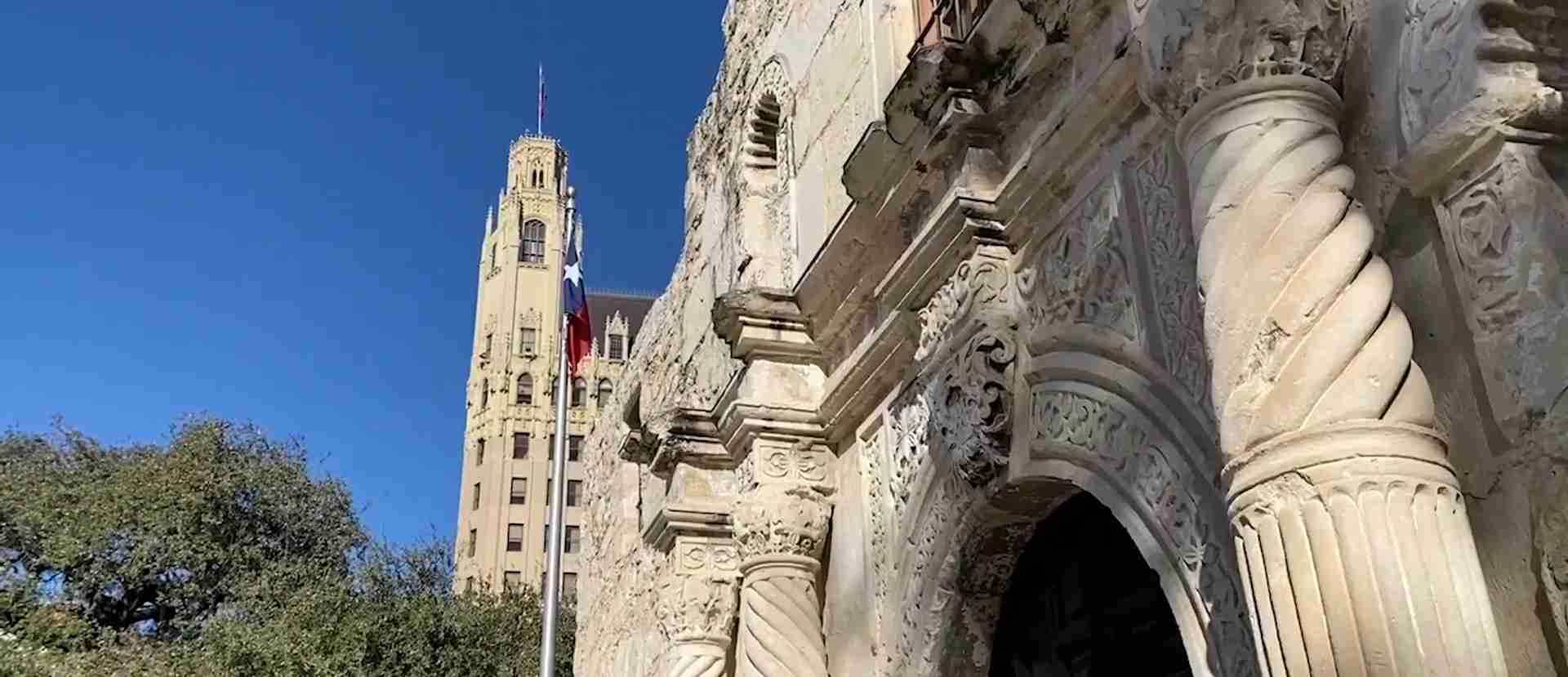
Best Time to Visit San Antonio 2026: Seasonal Planning Guide
San Antonio rewards strategic timing with dramatic variations in weather, crowd levels, and pricing across its subtropical calendar. Understanding the city’s seasonal rhythm transforms a standard visit into an optimized experience balancing comfortable temperatures, major cultural events, and budget considerations for your 2026 trip.
Key Takeaways: San Antonio 2026 Seasonal Planning
- Optimal Weather Windows 2026: April and October-November offer the most comfortable temperatures (70s-80s°F) with lower humidity than summer months, ideal for River Walk exploration and outdoor attractions
- Fiesta Season April 16-26, 2026: San Antonio’s signature 11-day cultural festival brings 100+ events including Battle of Flowers and Flambeau parades, but hotel rates increase 40-60% and advance booking becomes essential
- Summer Heat Reality 2026: June-August temperatures regularly exceed 95°F with 22+ days hitting 100°F, accompanied by high humidity making outdoor activities challenging during midday hours
- Winter Value Period 2026: December-February delivers mild 50s-60s°F temperatures with hotel rates 35-45% below peak season, perfect for budget-conscious travelers willing to pack light layers
- Shoulder Season Advantages 2026: March and September-early November combine reasonable weather, moderate crowds, and mid-range pricing while avoiding both summer heat extremes and Fiesta premium rates
- Hurricane Season Consideration 2026: June-November Atlantic hurricane season can bring heavy rainfall and flooding to San Antonio despite being 200 miles inland, with September-October representing highest risk months
People Also Ask About Best Time San Antonio 2026
What is the best month to visit San Antonio in 2026?
April and October-November represent the optimal months to visit San Antonio in 2026. April offers pleasant 70s-80s°F temperatures and coincides with Fiesta San Antonio (April 16-26), the city’s premier cultural celebration featuring 100+ events, though hotel rates increase significantly during this period. October through mid-November provides similarly comfortable weather with daytime temperatures in the 75-85°F range, lower humidity than spring, and reduced crowd levels compared to Fiesta season. These months balance ideal outdoor exploration conditions on the River Walk and at missions with moderate hotel pricing. For budget-focused travelers, January-February offers the lowest rates despite cooler 50s-60s°F temperatures.
What is the cheapest time to visit San Antonio in 2026?
January and February represent the cheapest months to visit San Antonio in 2026, with hotel rates 35-45% below peak season levels. Mid-range downtown hotels averaging $180-220 per night during Fiesta drop to $105-135 in winter months. Budget hotels fall from $85-110 to $50-70, while luxury properties decrease from $300-450 to $195-280. Winter’s mild 50s-60s°F temperatures allow comfortable outdoor touring unlike northern destinations, and major attractions maintain full operating schedules. July-August also offers competitive rates despite extreme heat, as leisure travel decreases when temperatures exceed 95°F daily. Avoiding April’s Fiesta period (April 16-26) and major holiday weekends yields the most significant savings regardless of season.
When should I avoid visiting San Antonio in 2026?
Avoid San Antonio during July-August 2026 if heat sensitivity concerns you, as temperatures regularly exceed 95-100°F with oppressive humidity levels creating feels-like temperatures of 105-110°F. The city averages 22 days annually with 100°F+ readings, concentrated in these months. Additionally, skip April 16-26 if budget constraints exist, as Fiesta San Antonio drives hotel rates up 40-60% and requires reservations months in advance. Hurricane season impacts (June-November, peaking September-October) bring flooding risks to this flood-prone region despite being 200 miles inland. Weekend periods during UTSA football season (September-November) and San Antonio Stock Show & Rodeo (mid-February) also see elevated hotel demand and pricing.
What is San Antonio’s weather like by season in 2026?
San Antonio experiences four distinct seasons in 2026. Spring (March-May) brings warming temperatures from 60s to 80s°F with peak rainfall in May averaging 3.7 inches monthly and occasional severe thunderstorms. Summer (June-August) delivers extreme heat with daily highs of 92-97°F, high humidity creating oppressive conditions, and frequent 100°F+ days. Fall (September-November) transitions from hot September (still 90s°F) to comfortable October-November (70s-80s°F) with decreasing humidity and increased rainfall in September. Winter (December-February) remains mild with 50s-60s°F daytime temperatures, occasional freezing nights, and rare snowfall events averaging once every few years with minimal accumulation.
Extended multi-day tours – 5+ days
Featured Texas Multi-Day Tour Packages
5 days
Dia de Los Muertos in San Antonio
- ✓ Comprehensive Texas tour
- ✓ Expert local guides included
- ✓ All accommodation arranged
- ✓ Transportation provided
7 days
Great Texas Stories: A Journey Through Cities, Nature, and Adventure
- ✓ Booking needs min. 2 travelers
8 days
Big Bend Exploring and Hiking (Women-Only)
- ✓ Comprehensive Texas tour
- ✓ Expert local guides included
- ✓ All accommodation arranged
- ✓ Transportation provided
Multi-day tour packages powered by TourRadar. Prices and availability subject to change.
Introduction: Strategic Seasonal Planning for San Antonio 2026
San Antonio’s subtropical climate creates distinct seasonal personalities that fundamentally alter the visitor experience throughout 2026. Unlike four-season northern destinations where winter suspends tourism, San Antonio operates year-round with trade-offs between weather comfort, cultural event access, crowd density, and pricing across twelve months. The city’s location 200 miles inland from the Gulf of Mexico moderates coastal hurricane impacts while maintaining humid subtropical characteristics that produce genuinely hot summers and pleasantly mild winters.
Understanding San Antonio’s seasonal rhythm requires moving beyond simple temperature charts to consider the complex interplay of weather patterns, major cultural events, crowd fluctuations, and dynamic pricing. April’s Fiesta celebration transforms hotel availability and rates while delivering San Antonio’s most vibrant cultural showcase. Summer’s extreme heat fundamentally changes how visitors must structure their days, while winter’s mild temperatures enable comfortable exploration at significant cost savings. Shoulder seasons offer compromise positions balancing multiple priorities.
This guide provides month-by-month analysis of San Antonio’s 2026 seasonal characteristics, examining weather patterns, major events, crowd levels, pricing variations, and strategic booking considerations. The goal is actionable intelligence enabling you to align your visit timing with your specific priorities whether those emphasize optimal weather, cultural immersion, budget optimization, or crowd avoidance. San Antonio rewards thoughtful timing with dramatically different experiences across its calendar year.
Understanding San Antonio’s Climate and Seasons in 2026
San Antonio operates within a humid subtropical climate classification (Köppen Cfa) characterized by mild winters and genuinely hot summers with no true dry season. This climate pattern produces annual temperature ranges from average January lows of 43°F to August highs of 96°F, with humidity remaining relatively constant year-round at 60-73%. The city receives approximately 32 inches of annual precipitation distributed unevenly across months, with spring and fall experiencing peak rainfall due to atmospheric instability when warm and cool air masses collide over central Texas.
The subtropical designation means San Antonio never experiences prolonged freezing conditions or snow accumulation comparable to northern cities, making year-round tourism viable. However, the climate produces summer heat that rivals desert destinations, with the added challenge of high humidity absent in dry regions like Phoenix or Las Vegas. Average summer humidity of 60-65% combined with 95-100°F temperatures creates heat index values frequently exceeding 105°F, fundamentally limiting comfortable outdoor activity during June-August midday hours.
San Antonio’s position 200 miles inland from the Gulf of Mexico creates hurricane vulnerability during Atlantic hurricane season (June-November) despite not being a coastal city. When hurricanes make landfall on the Texas coast, San Antonio experiences their remnant rainfall and wind as storms move inland. The city ranks among America’s most flood-prone regions, with drainage infrastructure struggling during heavy rainfall events. The memorable 2002 flood deposited 35 inches of rain within seven days, causing 12 deaths and widespread damage, illustrating the region’s vulnerability to tropical moisture.
Recent climate trends show San Antonio warming faster than historical averages, with annual mean temperatures increasing 1.8°F over the past three decades. This warming concentrates in summer months, where the frequency of 100°F+ days has nearly quadrupled since the 1960s. The city now averages 22 days annually exceeding 100°F compared to just six days per year in prior generations. This trend suggests summer heat will continue intensifying, making shoulder season timing increasingly attractive for comfort-focused travelers.
Understanding these baseline climate characteristics helps contextualize the month-by-month and seasonal patterns detailed in subsequent sections. San Antonio’s climate creates genuine seasonal variation despite year-round visitation viability, with spring and fall offering optimal conditions while summer and winter present distinct trade-offs between extreme heat and budget-friendly mild temperatures.
Spring in San Antonio 2026 (March-May): Fiesta Season and Wildflower Blooms
Spring represents San Antonio’s most popular tourist season in 2026, combining comfortable temperatures, the city’s premier cultural event, and the Hill Country’s legendary wildflower displays. March initiates the season with warming temperatures averaging 63-75°F, transitioning to April’s ideal 68-82°F range, and concluding with May’s warmer 74-88°F conditions that hint at approaching summer heat. Humidity begins its seasonal climb from winter’s 64% to May’s annual peak of 73%, though conditions remain far more tolerable than summer months.
Fiesta San Antonio (April 16-26, 2026) dominates the spring calendar as the city’s signature cultural celebration, drawing 2.5 million participants to 100+ events across eleven days. This massive festival commemorates the Battles of the Alamo and San Jacinto with parades, food events, music performances, and cultural exhibitions benefiting local nonprofits. The Battle of Flowers Parade (April 24) and Fiesta Flambeau illuminated night parade (April 25) represent headline events attracting 350,000 and 600,000 spectators respectively. A Night in Old San Antonio (NIOSA) delivers four evenings of food, music, and cultural displays at historic La Villita, while the Fiesta Oyster Bake at St. Mary’s University combines cuisine with live entertainment.
Fiesta’s tourism impact on San Antonio cannot be overstated. Hotel rates increase 40-60% during the festival period, with downtown River Walk properties that normally charge $150-190 for mid-range rooms rising to $220-300 during Fiesta week. Advance booking becomes essential, with popular properties selling out 3-6 months before the festival. Crowd density peaks throughout downtown, the River Walk, and event venues, creating both vibrant atmosphere and logistical challenges for navigation and restaurant reservations. Visitors seeking Fiesta immersion should embrace these trade-offs, while those prioritizing tranquil exploration should avoid April 16-26 entirely.
Beyond Fiesta, spring brings Texas Hill Country wildflower blooms peaking late March through April as bluebonnets, Indian paintbrush, and dozens of other species carpet hillsides along routes northwest of San Antonio. Day trips to Fredericksburg, Boerne, and the Willow City Loop provide spectacular displays during optimal bloom windows typically falling mid-March to mid-April depending on winter rainfall totals. Spring also delivers increasing rainfall as the season progresses, with May receiving the year’s highest precipitation at 3.7 inches average monthly total. Afternoon thunderstorms become frequent in late spring, occasionally producing severe weather with hail and damaging winds.
Spring tourism extends beyond Fiesta to include San Antonio Stock Show & Rodeo events (mid-February through early March with some spillover), UTSA sporting events, and general leisure travel drawn by pleasant weather. March and early April (pre-Fiesta) offer spring’s comfortable temperatures without Fiesta’s premium pricing, representing an attractive compromise for budget-conscious travelers. Late May begins transitioning toward summer heat, with temperatures regularly reaching upper 80s and occasional 90°F+ days signaling the approaching hot season.
Summer in San Antonio 2026 (June-August): Extreme Heat and Value Pricing
Summer confronts San Antonio visitors with genuine heat challenges that fundamentally shape daily activity patterns and require realistic expectations about outdoor comfort. June initiates summer with temperatures reaching 92-95°F, while July and August peak at 95-97°F average daily highs. However, these averages understate the frequent 100°F+ days that define San Antonio summers, with the city averaging 22 annual days exceeding 100°F concentrated in these three months. Combined with 60-65% humidity, heat index values of 105-110°F become routine during midday hours.
This extreme heat creates a two-tier daily schedule for summer visitors. Mornings before 11 AM and evenings after 7 PM permit comfortable outdoor exploration, making early River Walk walks, dawn visits to missions, and sunset downtown wandering pleasant experiences. The midday period (11 AM-6 PM) requires strategic retreat to air-conditioned attractions including museums, shopping centers, and dining establishments, or acceptance of genuinely uncomfortable heat exposure. Theme parks like Six Flags Fiesta Texas operate with reduced crowds during summer heat, offering short wait times for visitors willing to manage heat through frequent breaks, hydration, and shade-seeking.
Summer’s heat dramatically reduces leisure travel to San Antonio, creating a significant pricing advantage for heat-tolerant visitors. Mid-range downtown hotels charging $180-220 during spring Fiesta season drop to $120-165 in summer months, representing 30-35% savings. Budget properties fall from $85-110 to $55-80, while luxury hotels decrease from $300-450 to $210-325. Summer also sees promotional packages and last-minute deals as hotels compete for reduced demand. This pricing dynamic makes summer attractive for budget-focused travelers, families seeking theme park access, and visitors whose itineraries emphasize indoor cultural attractions over extensive outdoor touring.
June through November encompasses Atlantic hurricane season, with tropical systems occasionally impacting San Antonio despite its inland location. When hurricanes make Texas Gulf Coast landfall, San Antonio receives remnant heavy rainfall that can produce flooding throughout this flood-prone region. September and October represent peak months for these impacts, though June-August occasionally sees tropical influences. Visitors should monitor weather forecasts during summer months and understand that sudden heavy rainfall can disrupt plans even during otherwise sunny periods.
Summer events include Independence Day celebrations on July 4 with River Walk fireworks, various music festivals, and Conjunto Music Festival celebrating San Antonio’s conjunto musical heritage. Summer also brings intense afternoon thunderstorms that provide temporary cooling but can include dangerous lightning, requiring indoor retreat during storm passage. Despite heat challenges, summer delivers genuinely lower crowds at major attractions outside theme parks, with the Alamo, missions, and museums offering shorter wait times and easier navigation than spring or fall peak seasons.
Fall in San Antonio 2026 (September-November): Shoulder Season Excellence
Fall emerges as San Antonio’s most underrated season in 2026, combining improving weather conditions, moderate crowds, reasonable pricing, and cultural events without Fiesta’s intensity or summer’s heat extremes. September begins the season still quite hot with 90-94°F average highs and lingering summer humidity, but October transforms conditions dramatically with comfortable 78-85°F temperatures that drop to November’s delightful 68-76°F range. Humidity decreases from September’s 63% to November’s 65%, creating noticeably more comfortable conditions than spring despite similar numerical humidity levels.
October through mid-November represents San Antonio’s second optimal weather window of 2026, rivaling April’s conditions without Fiesta’s tourism surge. These months deliver ideal temperatures for River Walk exploration, mission touring, Hill Country day trips, and outdoor dining. Morning and evening temperatures drop into the pleasant 60s°F, eliminating the oppressive heat that characterizes summer mornings. Rainfall remains moderate with occasional September storms as hurricane season remnants impact the region, but October and November see decreased precipitation and abundant sunny days perfect for photography and outdoor activities.
Fall pricing occupies the middle ground between summer lows and Fiesta peaks, with mid-range hotels typically charging $140-180 per night compared to summer’s $120-165 and Fiesta’s $220-300. This represents fair value for significantly improved weather over summer while avoiding spring’s premium rates. September often sees summer-level pricing persist due to lingering heat, while late October and November approach winter rates as temperatures cool. Booking flexibility increases during fall compared to Fiesta’s advance-reservation requirements, though popular River Walk properties still benefit from advance planning.
Cultural events populate fall’s calendar starting with Dia de los Muertos (Day of the Dead) celebrations in late October and early November featuring exhibitions, altars, and cultural programming at venues citywide. Oktoberfest celebrations at various locations bring German heritage festivities throughout October. DiwaliSA celebrates the Hindu festival of lights with programming at multiple venues. UTSA football season (September-November) brings collegiate sports energy to the city, with home game weekends seeing increased hotel demand particularly in the northwest where UTSA’s campus is located.
November offers particularly strong value for fall visitors, combining cooling temperatures, reduced crowds as families return to school routines, and Thanksgiving week opportunities for long-weekend visits. The period from September 1 through mid-November represents San Antonio’s shoulder season sweet spot, balancing weather, pricing, and crowd considerations more effectively than any other extended period. Visitors seeking optimal conditions without Fiesta immersion should prioritize these months for 2026 planning.
Winter in San Antonio 2026 (December-February): Mild Weather and Budget-Friendly Timing
Winter in San Antonio delivers the year’s most budget-friendly travel period with mild temperatures that enable comfortable outdoor exploration unlike northern destinations experiencing freezing conditions and snow. December averages 47-64°F, January drops to the year’s coldest temperatures of 43-62°F, and February warms slightly to 48-66°F. These mild conditions require layering and light jackets for morning and evening but rarely produce genuinely cold days that preclude outdoor activities. The region averages just 14 freezing nights annually, with freezing temperatures typically occurring overnight and thawing during daylight hours.
Snow remains an extremely rare phenomenon in San Antonio, occurring on average once every few years with minimal accumulation that melts within hours. The city’s record snowfall of 13 inches fell in January 1985, with the most recent significant accumulation of 6 inches occurring in February 2021 during an unusual Arctic outbreak. Winter visitors should not expect snow, and when rare winter storms do impact the region, they typically bring freezing rain rather than snow accumulation. More common winter weather patterns include sunny 70°F+ days interspersed with cooler 50s°F periods and occasional overnight freezes.
Winter’s primary attraction for budget-conscious travelers lies in dramatically reduced hotel rates compared to all other seasons. Mid-range downtown properties charging $180-220 during Fiesta and $140-180 in fall drop to $105-135 in winter months, representing 35-45% savings from peak rates. Budget hotels fall to $50-70 from summer’s $55-80 and Fiesta’s $85-110. Luxury properties decrease to $195-280 from peak season’s $300-450. These savings extend to vacation rentals, with River Walk apartments and King William historic homes offering discounted monthly and weekly rates attractive for extended stays.
Winter events center around holiday programming in December including River Walk holiday lights and decorations, Holiday River Parade, and various Christmas markets and festivals. Travis Park transforms into an ice skating venue offering outdoor skating in San Antonio’s mild climate. January brings quieter periods ideal for tranquil exploration after holiday crowds dissipate. February hosts San Antonio Stock Show & Rodeo (typically mid-February through early March), a major regional event featuring rodeo competitions, carnival, livestock exhibitions, and concerts. Stock Show & Rodeo week sees increased hotel demand and pricing comparable to shoulder season rates rather than typical winter lows.
Winter’s reduced daylight (approximately 10.5 hours daily in December-January) and increased cloudiness (55% cloudy days in January) represent the season’s primary limitations beyond cooler temperatures. However, major attractions maintain full operating schedules, River Walk dining remains vibrant, and the mild climate permits comfortable mission touring and Hill Country drives. Winter particularly appeals to snowbird travelers from northern states, retirees seeking extended stays, and budget-conscious families willing to trade peak season warmth for significant cost savings.
Best Time for Different Traveler Types in 2026
Cultural immersion travelers seeking authentic San Antonio experiences should prioritize Fiesta San Antonio (April 16-26, 2026) despite premium pricing and crowds. The festival represents the city’s cultural identity distilled into eleven days of parades, food events, music, and community celebrations impossible to experience at any other time. The Battle of Flowers Parade, Fiesta Flambeau illuminated parade, NIOSA food festival, and 100+ additional events provide unmatched cultural access justifying higher costs for travelers prioritizing authentic local traditions over budget considerations.
Families traveling with children benefit most from fall (October-November) or spring (March-early April, avoiding Fiesta week) when temperatures permit comfortable outdoor activity without summer’s extreme heat. These periods enable all-day exploration at theme parks, outdoor time at Natural Bridge Caverns and outdoor attractions, and comfortable walking throughout downtown and the River Walk. School break periods during Thanksgiving week, spring break (varying by district, typically March), and summer vacation create family travel concentrations, with Thanksgiving week and non-Fiesta spring dates offering better value than summer despite heat tolerance.
Budget-conscious travelers should target winter months (December-February excluding Stock Show & Rodeo week in mid-February) when hotel rates drop 35-45% below peak season levels while maintaining comfortable touring conditions. January represents the optimal budget month, falling after holiday pricing premiums and before Stock Show & Rodeo demand. Summer (June-August) offers secondary budget opportunities with 30-35% savings from Fiesta rates, requiring heat tolerance and midday activity planning around air-conditioned venues. Advance booking during budget periods remains advisable for optimal property selection despite reduced overall demand.
Weather-focused optimal experience seekers should target April (accepting Fiesta constraints) or October-November for San Antonio’s most comfortable temperature ranges, lowest humidity periods, and ideal outdoor conditions. These months deliver 70s-80s°F temperatures, manageable crowd levels (outside Fiesta), and weather reliability with reduced rainfall compared to spring and early fall. October stands out as potentially the single best month balancing all considerations, offering comfortable post-summer temperatures without winter’s cooler evenings or spring’s premium Fiesta pricing.
Crowd-averse travelers seeking tranquil exploration should avoid Fiesta entirely (April 16-26) and target winter months (January-early February), summer weekdays (accepting heat trade-offs), or September when summer heat persists but summer vacation crowds dissipate. The Alamo, missions, River Walk, and museums experience lowest visitation during weekday winter periods and summer middays. Early morning visits (opening time) at major attractions minimize crowds year-round, with winter and summer offering the emptiest experiences for those prioritizing solitude over perfect weather.
Photography enthusiasts benefit from spring (March-April) for wildflower landscapes in Hill Country, fall (October-November) for golden hour River Walk scenes with optimal light, and winter holidays for River Walk illuminations and festive decorations. Fiesta provides unmatched cultural photography opportunities with colorful parades, traditional costumes, and vibrant celebrations, though crowd management becomes essential. Early morning golden hour year-round delivers superior light quality with minimal tourist presence at iconic locations including River Walk, missions, and downtown areas.
Seasonal Price Variations San Antonio 2026
San Antonio hotel pricing follows predictable seasonal patterns with dramatic variations across the calendar year, creating opportunities for strategic booking aligned with budget priorities. Peak season pricing concentrates around Fiesta San Antonio (April 16-26) when mid-range downtown hotels commanding $150-190 nightly during normal spring periods surge to $220-300 for Fiesta week. Budget properties jump from typical $70-90 to $85-110, while luxury River Walk hotels escalate from $250-350 to $300-450. These increases of 40-60% reflect massive demand from 2.5 million Fiesta participants requiring advance reservations months before the festival.
Spring shoulder periods (March through mid-April, excluding Fiesta week) see moderately elevated pricing with mid-range hotels at $160-200, representing 10-25% premiums over baseline rates but significantly below Fiesta levels. Easter weekend (April 20, 2026) creates a secondary spring demand spike if falling outside Fiesta dates, though 2026’s Easter timing during Fiesta amplifies the single premium period. Late April post-Fiesta and May see gradual price decreases as demand normalizes, with late May approaching summer rates as heat increases.
Summer (June-August) brings significant pricing relief as heat reduces leisure travel, with mid-range properties dropping to $120-165 (30-35% below Fiesta levels), budget hotels falling to $55-80, and luxury options decreasing to $210-325. Hotels compete for reduced demand through promotional packages, last-minute deals, and value-added offerings like breakfast inclusion or parking credits. Summer weekends see less dramatic Friday-Saturday premiums than other seasons, with weekday and weekend rates converging due to overall reduced occupancy.
Fall shoulder season (September-November) occupies middle pricing territory with September maintaining summer-like rates ($130-175 mid-range) due to lingering heat, while October-November increase slightly to $140-180 as weather improves. This represents fair value for optimal fall weather conditions significantly exceeding summer comfort. UTSA football home game weekends create localized demand spikes in northwest San Antonio but minimally impact downtown River Walk properties. Thanksgiving week sees moderate increases of 15-25% above baseline fall rates as holiday travelers arrive.
Winter (December-February) delivers the year’s lowest pricing outside major events, with mid-range hotels dropping to $105-135 (35-45% below Fiesta peaks), budget properties at $50-70, and luxury options at $195-280. December holiday weeks (Christmas-New Year) see modest 15-30% premiums above baseline winter rates but remain well below spring and fall levels. January represents the absolute lowest pricing month, falling after holiday premiums and before Stock Show & Rodeo. Mid-February’s San Antonio Stock Show & Rodeo creates a week-long demand spike raising rates to shoulder season levels ($160-200 mid-range) before returning to winter lows.
Beyond hotels, attractions maintain relatively stable year-round pricing with occasional seasonal promotions. Six Flags Fiesta Texas offers season pass deals during off-peak winter months, while some museums provide reduced admission during summer heat periods. Dining costs remain constant year-round, though River Walk restaurants may offer happy hour specials and early-bird discounts during slower winter and summer periods to attract customers. Rental car rates fluctuate minimally compared to hotel pricing, though advance booking during Fiesta remains advisable.
Strategic booking timing significantly impacts costs regardless of travel season. Fiesta reservations require 3-6 months advance notice for reasonable availability, while winter and summer permit last-minute flexibility often yielding promotional rates. Shoulder seasons (fall, early spring) benefit from 1-2 month advance booking balancing availability and potential last-minute deals. Weekend rates exceed weekday pricing 15-30% during spring and fall but converge during summer and winter. Comparing multiple booking platforms and hotel direct rates frequently reveals price variations of 10-20% for identical rooms.
Major Events and Festivals San Antonio 2026
Fiesta San Antonio (April 16-26, 2026) dominates the annual event calendar as the city’s signature celebration, drawing 2.5 million participants to 100+ official events benefiting local nonprofits. The eleven-day festival commemorates the Battles of the Alamo and San Jacinto with parades, cultural exhibitions, food festivals, and music performances creating citywide atmosphere. Major Fiesta events include Battle of Flowers Parade (April 24) attracting 350,000 spectators as America’s only major parade organized entirely by women volunteers, and Fiesta Flambeau (April 25), the nation’s largest illuminated night parade drawing 600,000 viewers with thousands of lights adorning floats, performers, and marching bands.
A Night in Old San Antonio (NIOSA, April 21-24, 2026) transforms historic La Villita into a four-evening block party featuring traditional dishes, live entertainment, and cultural displays across multiple themed areas. Fiesta Oyster Bake (April 17-18, 2026) at St. Mary’s University combines seafood, chicken-on-a-stick, carnival atmosphere, and live music as one of Fiesta’s most popular food-focused events. Texas Cavaliers River Parade (April 20) brings elaborately decorated barges down the San Antonio River in a uniquely waterborne parade format. Dozens of additional official events span music festivals, cultural celebrations, food competitions, charitable fundraisers, and neighborhood festivals throughout the eleven-day period.
San Antonio Stock Show & Rodeo (mid-February through early March 2026) represents the second major annual event, featuring professional rodeo competitions, livestock exhibitions, carnival rides, vendor markets, and nightly concerts by major country and Tejano artists. The event draws hundreds of thousands of visitors to the AT&T Center and related venues, creating hotel demand and traffic impacts primarily in the East Side and downtown areas. Educational programming, youth competitions, and agricultural exhibits complement entertainment aspects, making Stock Show & Rodeo significant both culturally and economically for the region.
Dia de los Muertos (Day of the Dead, late October-early November 2026) celebrations honor deceased loved ones through traditional altars (ofrendas), cultural programming, art exhibitions, and community gatherings at venues including La Villita, Guadalupe Cultural Arts Center, and various museums. San Antonio’s celebrations blend Mexican tradition with contemporary artistic expression, offering cultural depth beyond tourist-focused presentations. Concurrent cultural celebrations include Oktoberfest events throughout October at multiple venues bringing German heritage festivities, and DiwaliSA celebrating the Hindu festival of lights with programming across the city.
Summer events include Independence Day (July 4) River Walk fireworks and celebrations, Conjunto Music Festival celebrating San Antonio’s conjunto musical heritage with performances throughout the city, and various food truck festivals and outdoor concerts taking advantage of extended summer daylight hours despite heat challenges. Six Flags Fiesta Texas hosts Viva La Fiesta special events during select days from early April through late April, extending Fiesta-themed programming into the theme park environment.
Sports calendar highlights include UTSA Roadrunners football season (September-November) with home games at the Alamodome creating game-day atmosphere and downtown traffic impacts, San Antonio Spurs NBA basketball (October-April) with games at Frost Bank Center, and San Antonio FC soccer (March-October) at Toyota Field. San Antonio Missions minor league baseball (April-September) provides affordable family entertainment at Nelson W. Wolff Municipal Stadium. Major college basketball tournaments occasionally utilize San Antonio venues, creating tournament-week hotel demand spikes.
Holiday programming in December includes River Walk holiday lights and decorations transforming the waterway into a festive showcase, Holiday River Parade featuring decorated boats and festive atmosphere, Travis Park ice skating offering outdoor skating, and various Christmas markets, tree lightings, and seasonal festivals at venues citywide. New Year’s Eve brings celebrations and fireworks though on a smaller scale than major metropolitan centers. Martin Luther King Jr. March (January) represents one of the nation’s largest MLK commemorative events with parade and programming honoring civil rights legacy.
Avoiding Crowds: Shoulder Season Strategies 2026
Strategic shoulder season timing enables visitors to capture San Antonio’s highlights with dramatically reduced crowd density compared to peak Fiesta and summer vacation periods. The optimal crowd-avoidance windows fall in early March (post-Stock Show, pre-Fiesta), late April-May (post-Fiesta, pre-summer vacation), September (post-summer vacation, lingering heat deters crowds), and late October through mid-November (comfortable weather, no major events). These periods deliver 30-60% fewer visitors at major attractions compared to Fiesta week while maintaining reasonable weather conditions and moderate pricing.
Weekday visits universally reduce crowds year-round, with Tuesday-Thursday representing the quietest periods at the Alamo, missions, museums, and River Walk dining establishments. Monday sees some residual weekend traffic, while Friday begins weekend arrival patterns. During shoulder seasons, weekday mornings at the Alamo (opening at 9 AM) can mean near-empty visits to this typically crowded icon, transforming the experience from rushed photo opportunities to contemplative historical engagement. San Antonio Missions National Historical Park missions (Concepción, San José, San Juan, Espada) see even more dramatic crowd reductions on shoulder season weekdays.
Early morning timing (opening hours through 10 AM) minimizes crowds at virtually every attraction regardless of season, though winter and shoulder seasons amplify this advantage. The River Walk transforms from the previous evening’s bustling restaurant scene to tranquil morning serenity ideal for photography, contemplative walks, and unobstructed views. Museums including the San Antonio Museum of Art, Witte Museum, and McNay Art Museum experience lightest visitation during opening hours on shoulder season weekdays, permitting leisurely gallery exploration without crowding.
Dining reservations become optional rather than essential during shoulder periods outside Fiesta week, with popular River Walk restaurants offering walk-in seating during most meal periods. However, weekend evenings still benefit from reservations at top-tier establishments, and special occasion dining (anniversaries, celebrations) merits advance planning year-round. Food halls, casual eateries, and Tex-Mex establishments accommodate walk-ins easily during shoulder seasons even on weekends.
Theme park crowd avoidance requires different strategies than cultural attractions. Six Flags Fiesta Texas sees lowest attendance during non-holiday weekdays in spring (pre-Fiesta) and fall (September-early November), though extreme summer heat also reduces crowds for visitors tolerating the temperature. Natural Bridge Caverns, located 20 miles north of San Antonio, experiences lowest visitation on weekday mornings year-round with shoulder season weekdays offering minimal wait times for cave tours.
Specific crowd-avoidance tactics include visiting the Alamo Tuesday-Thursday mornings (9-11 AM) during March or late October-November for the emptiest possible experience at San Antonio’s most visited attraction. River Walk dining requires targeting lunch periods (11:30 AM-1:30 PM) on weekdays when business lunch crowds have dissipated but tourist dinner crowds haven’t arrived. Mission tours benefit from afternoon timing (2-4 PM) when morning tour groups have departed and evening visitors haven’t yet arrived, particularly effective during shoulder season weekdays.
Paradoxically, some visitors seeking vibrant atmosphere should avoid excessive crowd-avoidance strategies, as the River Walk’s appeal partly derives from its bustling energy. February weekdays can feel almost deserted, losing the lively ambiance that attracts many visitors. The optimal balance targets shoulder seasons (March, May, October-November) when sufficient visitors create atmosphere without overwhelming capacity, combined with strategic timing that avoids peak hours within peak days.
Booking Strategies and Planning Timeline 2026
Fiesta San Antonio (April 16-26, 2026) demands the earliest booking timeline of any San Antonio travel period, with optimal hotel reservations secured 4-6 months in advance (December 2025-February 2026). Popular River Walk properties sell out their best rooms by late February, though availability persists at premium rates or less desirable hotels through March. Waiting until March for Fiesta bookings restricts options significantly, often forcing choices between expensive luxury properties, far-from-downtown locations, or last-minute cancellations. Parade tickets and major event reservations also require advance planning, with Battle of Flowers and Flambeau parade seating selling months ahead.
Shoulder season travel (March, May, September-November) benefits from 1-2 month advance booking balancing availability optimization with potential last-minute deals. Booking 4-8 weeks before arrival secures good room selection at popular properties while avoiding Fiesta-level advance requirements. This timeline permits weather monitoring and itinerary flexibility while preventing sellouts during popular weekends. Specific event weekends (UTSA home football games, Dia de los Muertos) merit slightly earlier booking, though crowd impacts remain far below Fiesta levels.
Summer and winter budget periods permit remarkable booking flexibility, with quality last-minute reservations (1-2 weeks prior) often yielding promotional rates unavailable through advance booking. Hotels compete for reduced demand through flash sales, package deals, and rate reductions appearing weeks or even days before arrival. However, this strategy risks missing preferred property choices, and travelers with specific hotel priorities should still book 2-4 weeks ahead even during budget seasons. Holiday weeks (Christmas-New Year, Thanksgiving) require earlier planning despite winter’s overall low season status.
Vacation rental considerations follow different patterns than hotels, with River Walk apartments, King William historic homes, and neighborhood properties requiring longer advance booking across all seasons. Desirable vacation rentals book 2-3 months ahead even during shoulder seasons, though inventory significantly exceeds hotel availability creating more flexibility. Winter sees excellent vacation rental value with weekly and monthly rate discounts attractive for extended stays, though these require early booking to secure best properties.
Flight booking to San Antonio International Airport (SAT) follows standard airline pricing patterns, with optimal domestic booking windows falling 1-3 months before travel regardless of season. Fiesta week and major holiday periods benefit from earlier booking (2-3 months), while summer and off-peak winter permit 4-6 week booking windows. San Antonio’s mid-sized airport status means flight availability rarely constrains travel plans outside Fiesta week, though nonstop route options vary by origin city.
Rental car reservations merit attention during Fiesta week and major events, though San Antonio’s adequate public transportation and extensive rideshare coverage make rental cars optional for downtown-focused itineraries. Visitors planning Hill Country day trips, mission circuits beyond public transit routes, or extensive exploration benefit from rental cars across all seasons. Booking rental cars 2-4 weeks in advance secures competitive rates, with Fiesta week requiring earlier planning due to local demand spikes.
Attraction ticket pre-purchase provides minimal savings at most San Antonio venues, with the Alamo offering free admission (timed entry reservations recommended but not required), missions maintaining free access, and most museums offering modest online discounts of $1-2 per ticket. Theme park advance purchase (Six Flags Fiesta Texas, SeaWorld San Antonio) saves $10-20 per ticket compared to gate prices and avoids entrance queues. Multi-attraction passes and city tourism cards rarely provide value in San Antonio compared to destinations with expensive individual attractions, though careful calculation may reveal savings for aggressive sightseeing itineraries.
Dining reservations follow seasonal patterns aligned with overall tourism density. Fiesta week requires reservations at upscale River Walk restaurants 1-2 weeks in advance, while shoulder seasons permit 2-3 day advance booking for weekend dinners and walk-in availability most weekdays. Summer and winter eliminate reservation requirements at most establishments outside holidays. However, special occasion dining at restaurants like Bohanan’s Prime Steaks and Seafood, Rebelle, or Bliss merits advance planning year-round regardless of season.
Tour operator bookings for River Walk boat cruises, guided mission tours, Hill Country wine country excursions, and specialty experiences benefit from 1-2 week advance reservations during peak seasons and major events, though same-day availability often exists during shoulder and budget periods. Go Rio river cruises operate year-round with generally adequate capacity outside Fiesta week. Specialized tours including culinary tours, ghost tours, and historical walking tours see increased demand during comfortable weather months (March-May, October-November) but rarely sell out completely.
Weather Contingency Planning for San Antonio 2026
Summer extreme heat contingency planning transforms theoretical weather knowledge into practical daily schedule adjustments for June-August visits. The cardinal rule involves structuring outdoor activities before 11 AM and after 7 PM when temperatures moderate from midday peaks, reserving the 11 AM-6 PM window for air-conditioned attractions, dining, and rest. Morning River Walk walks (7-9 AM) offer comfortable temperatures and golden-hour photography light, while evening return visits (8-10 PM) capture the waterway’s illuminated ambiance without oppressive heat.
Midday heat management strategies include scheduling indoor attractions (museums, shopping, dining) during peak temperature hours, staying hydrated with water consumption exceeding normal levels, wearing lightweight light-colored clothing, applying sunscreen hourly during outdoor exposure, and recognizing heat exhaustion symptoms including dizziness, nausea, excessive fatigue, and headaches. The Witte Museum, San Antonio Museum of Art, McNay Art Museum, and Briscoe Western Art Museum provide excellent midday refuge with world-class collections justifying extended visits. Historic Market Square, River Center Mall, and Pearl Brewery shopping/dining complex offer air-conditioned exploration alternatives.
Rainfall contingency planning addresses San Antonio’s significant precipitation during spring (peak May with 3.7 inches monthly average) and fall (September second-wettest month). Spring thunderstorms typically arrive as afternoon or evening events rather than all-day rain, permitting morning outdoor activities before seeking covered venues by mid-afternoon. The River Walk’s covered walkway sections, restaurant awnings, and numerous bridges provide immediate rain shelter, though genuine downpours still soak pedestrians. Indoor backup plans should include museum visits, shopping venues, culinary experiences, and entertainment options deployable within 30 minutes of rainfall onset.
Hurricane season (June-November, peaking September-October) impacts San Antonio despite the city’s 200-mile inland position when tropical systems make Gulf Coast landfall. Remnant rainfall from hurricanes and tropical storms can deposit 10+ inches within 24-48 hours, creating dangerous flooding throughout this flood-prone region. Monitoring tropical weather forecasts during September-October travel enables proactive planning, though predicting specific impacts 3-4 days in advance remains challenging. When tropical systems threaten, prioritize staying in downtown or elevated areas rather than low-lying flood zones, avoid driving through any depth of water, and follow local emergency management guidance.
Winter cold snaps rarely but occasionally impact San Antonio, bringing freezing temperatures and dangerous road ice conditions. The region’s infrastructure inadequately handles ice due to its rarity, making any freezing precipitation event more hazardous than in northern cities accustomed to winter weather. When forecasts predict freezing temperatures below 32°F for extended periods (typically occurring once or twice per winter), avoid driving on overpasses and bridges where ice forms first, dress in genuine layers rather than relying on Texas’s usual mild winter, and confirm attraction operating status as some may close during rare winter weather events.
Flexible itinerary construction with backup plans transforms weather contingencies from trip-ruining obstacles into minor adjustments. Building museum days adjacent to outdoor touring days creates easy sequence swapping when weather deteriorates. Maintaining lists of indoor dining, entertainment, and cultural options enables rapid pivots from outdoor plans without sacrificing trip quality. The River Walk’s combination of indoor and outdoor spaces particularly facilitates weather-flexible exploration, with covered walkway sections connecting outdoor promenades to restaurant interiors.
Monthly Weather Summary and Tourism Calendar 2026
January 2026: Coldest month averaging 43-62°F with rare freezing nights. Lowest hotel rates of the year ($50-70 budget, $105-135 mid-range, $195-280 luxury). Minimal crowds, 55% cloudy days, 10.5 hours daylight. January features post-holiday quiet ideal for budget-conscious travelers and tranquil exploration. Martin Luther King Jr. March represents major cultural event. Attractions maintain full schedules despite reduced visitation.
February 2026: Slightly warmer at 48-66°F, still dry with minimal rainfall. Hotel rates remain winter-low ($50-70 budget, $105-135 mid-range) except San Antonio Stock Show & Rodeo week (mid-February) when rates jump to $85-110 budget, $160-200 mid-range. Stock Show & Rodeo draws major crowds and traffic. Valentine’s Day creates romantic travel mini-peak. Weather permits comfortable outdoor touring with light layering.
March 2026: Spring begins with warming to 56-75°F. Shoulder season pricing emerges ($70-90 budget, $160-200 mid-range). Stock Show & Rodeo spillover into early March. Hill Country wildflower season begins late month. Comfortable temperatures and moderate crowds make March excellent value timing. Spring break periods (varying by school district) create family travel concentrations.
April 2026: Ideal weather 68-82°F dominated by Fiesta San Antonio (April 16-26). Hotel rates peak at $85-110 budget, $220-300 mid-range, $300-450 luxury during Fiesta. Massive crowds (2.5 million participants) transform city atmosphere. Battle of Flowers Parade (April 24), Fiesta Flambeau (April 25), NIOSA, Oyster Bake among 100+ events. Pre-Fiesta (April 1-15) offers optimal weather at moderate rates. Easter Sunday (April 20) falls during Fiesta 2026.
May 2026: Warming to 74-88°F with year’s highest rainfall (3.7 inches average). Post-Fiesta rates decrease to $140-180 mid-range. Afternoon thunderstorms increase. Temperature and humidity signal approaching summer. Final comfortable month before extreme heat. Memorial Day weekend (May 25-26) creates holiday travel spike. Hill Country wildflowers wane but spring atmosphere persists.
June 2026: Summer heat arrives with 85-95°F averages and frequent 100°F+ days. Hotel rates drop to $55-80 budget, $120-165 mid-range as leisure travel decreases. Hurricane season begins though peak months occur later. Midday heat requires indoor retreat. Extended daylight hours (14+ hours) enable early/late outdoor activities. Six Flags Fiesta Texas and water parks become primary attractions for heat-tolerant visitors.
July 2026: Peak heat month with 87-97°F averages, 100°F+ days routine. Summer low pricing continues ($55-80 budget, $120-165 mid-range). Independence Day (July 4) brings River Walk fireworks and celebrations. Extreme heat creates two-tier daily schedule (early morning/evening outdoor, midday indoor). Lowest crowds at cultural attractions. Afternoon thunderstorms provide temporary cooling.
August 2026: Hottest month averaging 87-97°F with heat index frequently exceeding 105°F. Summer low rates persist ($55-80 budget, $120-165 mid-range). Back-to-school shopping begins late month. Genuinely challenging heat conditions for outdoor activities. Museums, shopping, dining dominate itineraries. Final full month of summer pricing before fall shoulder season.
September 2026: Transition month with lingering heat 82-94°F but decreasing through month. Summer-level pricing early month ($130-175 mid-range) rising to shoulder rates as weather improves. Hurricane season peak creates flooding risk from Gulf Coast landfalls. Labor Day weekend (September 1) marks symbolic summer end. UTSA football season begins, creating game-day weekend crowds. Reduced visitors create value opportunities despite persistent heat.
October 2026: Optimal fall weather 72-85°F with decreased humidity and abundant sunshine. Shoulder season pricing $140-180 mid-range represents excellent value. Dia de los Muertos programming late month, Oktoberfest celebrations, DiwaliSA. Potentially best single month balancing weather, crowds, and pricing. UTSA football home games create weekend demand. Halloween (October 31) brings costumed River Walk festivities.
November 2026: Cooling to 61-76°F, ideal comfortable temperatures. Fall pricing continues $140-180 mid-range. Dia de los Muertos celebrations extend into early November. Thanksgiving week (November 26-29) sees moderate crowd increase and 15-25% rate premiums but remains below Fiesta levels. UTSA football season concludes. Excellent weather with minimal crowds mid-month. Fall foliage in Hill Country late month.
December 2026: Winter begins with 47-64°F averages. Hotel rates drop toward winter lows except holiday weeks. River Walk holiday lights and decorations, Holiday River Parade, Travis Park ice skating, Christmas markets. Christmas week (December 20-28) sees 15-30% rate premiums above baseline winter. New Year’s Eve celebrations. Generally excellent value month outside holiday weeks with mild touring weather.
Frequently Asked Questions About Visiting San Antonio in 2026
What is the rainiest month in San Antonio in 2026?
May represents San Antonio’s rainiest month in 2026 with average monthly precipitation of 3.7 inches distributed across approximately 12 rainy days. This rainfall typically arrives as afternoon and evening thunderstorms rather than all-day events, permitting morning outdoor activities before seeking shelter by mid-afternoon. September follows as the second-wettest month averaging 3.4 inches, influenced by occasional tropical systems moving inland from the Gulf of Mexico during hurricane season peak. Spring rainfall (March-May) stems from atmospheric instability as warm and cool air masses collide over central Texas, producing severe weather potential including hail and damaging winds alongside beneficial precipitation. October and November see moderate rainfall averaging 2-3 inches monthly, while winter months (December-February) remain relatively dry at 1.5-2 inches monthly. Despite May’s rainfall totals, the month provides numerous rain-free days and outdoor activities remain viable with flexible scheduling and indoor backup plans for storm periods.
How hot does San Antonio actually get in summer 2026?
San Antonio summer heat (June-August 2026) routinely reaches 95-100°F daily maximum temperatures with an average of 22 days annually exceeding 100°F concentrated in these months. July and August peak at 96-97°F average daily highs, though these statistics understate the frequent extreme heat days. When combined with 60-65% relative humidity typical of summer months, heat index values of 105-110°F become routine during afternoon hours, creating genuinely oppressive conditions that require heat management strategies. The overnight low temperatures of 75-77°F provide minimal cooling relief, with buildings retaining heat and maintaining uncomfortable conditions through evening hours. Recent climate trends show increasing frequency of 100°F+ days, with current averages nearly quadrupling compared to 1960s-1980s baselines. Visitors should realistically plan for extreme heat requiring early morning (before 11 AM) and evening (after 7 PM) outdoor activities, midday retreat to air-conditioned venues, aggressive hydration, and recognition that summer heat fundamentally limits comfortable outdoor exploration compared to spring and fall shoulder seasons.
Is San Antonio worth visiting in winter 2026?
San Antonio delivers excellent winter value in 2026 with mild 50s-60s°F temperatures enabling comfortable outdoor exploration while hotel rates drop 35-45% below peak season levels. Mid-range downtown properties charging $220-300 during Fiesta fall to $105-135 in January-February, representing substantial savings for budget-conscious travelers. Winter’s mild climate permits full mission touring, River Walk walks, Hill Country drives, and downtown exploration with simple layering rather than heavy winter coats required in northern destinations. Major attractions maintain complete operating schedules, and winter brings unique programming including River Walk holiday lights and decorations (December), Holiday River Parade, Travis Park ice skating, and various Christmas markets. The primary trade-offs involve cooler morning and evening temperatures requiring light jackets, reduced daylight hours (10.5 hours daily versus 14+ in summer), and increased cloudiness (55% cloudy days in January) compared to sunnier spring and fall. However, these limitations pale compared to winter’s advantages of minimal crowds at attractions, walk-in availability at restaurants, significant cost savings, and weather far superior to freezing northern alternatives. Winter particularly appeals to snowbird travelers, retirees seeking extended stays, and visitors prioritizing budget optimization over perfect weather. Avoiding San Antonio Stock Show & Rodeo week (mid-February) maintains winter’s low pricing advantage.
How far in advance should I book hotels for Fiesta 2026?
Fiesta San Antonio (April 16-26, 2026) requires hotel bookings 4-6 months in advance for optimal availability and room selection at preferred properties. Beginning reservations in December 2025 through February 2026 secures best choices at River Walk hotels, downtown boutique properties, and desirable neighborhoods before the festival’s 2.5 million participants exhaust inventory. Popular River Walk hotels sell their premium rooms (river views, balconies, suites) by late February, though standard rooms persist at increasing rates through March. Waiting until March for Fiesta bookings severely restricts options, often forcing choices between expensive luxury properties charging $300-450 nightly, hotels far from downtown requiring lengthy commutes, or last-minute cancellations lacking guarantees. Budget travelers should book even earlier (5-6 months) as affordable properties near downtown exhaust inventory first, with $85-110 budget hotels selling out faster than luxury options. Vacation rentals require similar advance planning (3-4 months) for River Walk apartments and King William historic homes. Beyond hotels, Battle of Flowers Parade seating, Fiesta Flambeau reserved sections, and major event tickets (NIOSA, Oyster Bake) benefit from advance purchase as popular seating areas sell out. The booking urgency for Fiesta contrasts dramatically with other San Antonio periods permitting last-minute flexibility, making early planning non-negotiable for visitors prioritizing this cultural celebration.
What is the least crowded time to visit San Antonio in 2026?
January and summer weekdays (June-August, Tuesday-Thursday) represent San Antonio’s least crowded periods in 2026, delivering near-empty experiences at typically bustling attractions like the Alamo, missions, and River Walk. January combines post-holiday travel lulls with winter’s reduced overall visitation, creating remarkably tranquil conditions particularly during weekday morning hours when major sites open. Arriving at the Alamo at 9 AM on a January Tuesday often means virtually private access to this normally packed attraction, transforming the rushed photo-opportunity experience into contemplative historical engagement. Summer weekdays see reduced crowds despite season, as families concentrate visits on weekends and heat deters casual tourists, leaving museums, cultural sites, and River Walk dining with minimal wait times. September weekdays following Labor Day but before fall tourism increases offer similar advantages with slightly better weather than summer’s extreme heat. However, excessive crowd avoidance creates trade-offs including missing the River Walk’s vibrant atmosphere that partly defines San Antonio’s appeal. The optimal balance targets shoulder season weekdays (early March, late October-November) when sufficient visitors create energy without overwhelming capacity, combined with strategic early morning timing (opening hours through 10 AM) at major attractions. Avoiding Fiesta entirely (April 16-26) remains essential for crowd-averse travelers, as this eleven-day period concentrates annual visitation into focused intensity impossible to avoid through timing tactics.
Does San Antonio get cold enough to snow in 2026?
San Antonio rarely experiences snowfall, with accumulating snow occurring on average once every few years and rarely persisting beyond a few hours before melting. The city’s record snowfall of 13 inches fell in January 1985, with the most recent significant accumulation of 6 inches in February 2021 during an unusual Arctic outbreak that paralyzed Texas infrastructure. Winter 2026 will most likely deliver zero snowfall, as typical winters produce no snow accumulation whatsoever despite occasional overnight freezing temperatures. When rare winter precipitation does occur, it typically manifests as freezing rain or sleet rather than snow, creating dangerous road ice conditions particularly hazardous given the region’s minimal winter weather infrastructure. January averages 43-62°F with approximately 14 annual freezing nights, but these freezes occur overnight with daytime thaws restoring 50s-60s°F temperatures. Visitors planning winter 2026 trips should not expect snow and instead prepare for mild conditions requiring light jackets and layering rather than heavy winter gear. The extremely rare snow events that do occur receive extensive advance warning through weather forecasts, permitting travelers to adjust plans if unusual Arctic conditions threaten. San Antonio’s subtropical climate fundamentally prevents the sustained below-freezing conditions necessary for reliable snowfall, distinguishing it from northern Texas cities that occasionally experience winter weather.
What months have the best weather in San Antonio in 2026?
April and October-November offer San Antonio’s optimal weather conditions in 2026, combining comfortable temperatures in the 70s-80s°F range, manageable humidity levels, abundant sunshine, and moderate rainfall compared to wetter spring and drier but hotter summer months. April delivers ideal 68-82°F temperatures perfect for outdoor activities, though Fiesta San Antonio (April 16-26) creates crowd and pricing complications for some visitors. October transitions from hot September into comfortable 72-85°F conditions with decreasing humidity creating noticeably pleasant outdoor comfort. November cools further to delightful 61-76°F temperatures ideal for walking tours, mission visits, and Hill Country drives without summer’s oppressive heat or winter’s cooler mornings. March occupies secondary tier with warming 56-75°F temperatures as spring begins, though late winter cold snaps occasionally impact early March. May sees temperatures rising toward summer heat (74-88°F) with the year’s highest rainfall averaging 3.7 inches creating afternoon thunderstorm frequency. These five months (March-May, October-November) encompass San Antonio’s comfortable weather window, with April and October-November representing the absolute peaks balancing temperature, humidity, rainfall, and sunshine. Winter months (December-February) deliver pleasant 50s-60s°F conditions superior to freezing northern alternatives but requiring light jackets, while summer (June-August) produces genuinely extreme heat with 95-100°F+ temperatures limiting outdoor comfort.
How does hurricane season affect San Antonio in 2026?
Atlantic hurricane season (June 1-November 30) impacts San Antonio despite the city’s 200-mile inland position when tropical systems make Gulf Coast landfall and move inland across Texas. While San Antonio never experiences direct hurricane-force winds or storm surge, the city receives remnant heavy rainfall from tropical storms and hurricanes that can deposit 10+ inches of precipitation within 24-48 hours. September and October represent peak risk months for these impacts, though June through November maintains some vulnerability. San Antonio ranks among America’s most flood-prone cities due to rapid drainage overwhelm during intense rainfall, with the devastating 2002 flood depositing 35 inches within one week causing 12 deaths illustrating the region’s vulnerability to tropical moisture. Hurricane Harvey (2017), though making landfall near Corpus Christi, brought significant rainfall to San Antonio as the system stalled over Texas. Visitors planning September-October 2026 travel should monitor tropical weather forecasts as systems develop in the Gulf of Mexico, though specific landfall locations and impacts remain unpredictable beyond 3-4 days. When tropical threats emerge, prioritize staying in elevated downtown areas rather than flood-prone zones, avoid driving through any water depth, and follow local emergency management guidance. Most hurricane seasons pass without major San Antonio impacts, but the potential exists for trip-disrupting rainfall particularly during peak months. Travel insurance covering weather-related cancellations merits consideration for September-October bookings.
What is the driest month to visit San Antonio in 2026?
January and February tie as San Antonio’s driest months in 2026, each averaging just 1.5-1.8 inches of monthly precipitation distributed across 6-7 rainy days. These winter months deliver predominantly clear to partly cloudy conditions with minimal rainfall risk, though occasional winter frontal systems can produce moderate precipitation events. August follows as third-driest month averaging 2.1 inches despite being within humid summer season, as high pressure systems suppress rainfall despite abundant atmospheric moisture. Winter’s dry conditions contribute to the season’s appeal for visitors seeking minimal weather disruption, though cooler 50s-60s°F temperatures require light layering. The driest period overall extends from December through February, creating a reliable three-month window with reduced precipitation risk. This contrasts sharply with wet season spanning April-June (spring thunderstorms) and September (tropical influences), when monthly rainfall averages 3-3.7 inches. Winter’s dryness combined with mild temperatures makes December-February ideal for visitors prioritizing weather reliability and outdoor activity planning without rainfall contingency concerns. However, the extremely rare winter precipitation events that do occur can include freezing rain creating hazardous conditions, though these represent statistical outliers rather than typical winter patterns.
Is October a good time to visit San Antonio in 2026?
October represents potentially the single best month to visit San Antonio in 2026, balancing optimal weather conditions (72-85°F temperatures, decreased humidity), moderate pricing ($140-180 mid-range hotels representing fair value), manageable crowd levels, and cultural programming including Dia de los Muertos and Oktoberfest celebrations. The month delivers spring-like comfort without April’s Fiesta premium pricing or massive crowds, creating an underrated value proposition for weather-focused travelers. October transitions from September’s lingering summer heat into genuinely comfortable conditions ideal for River Walk exploration, mission tours, downtown walking, and Hill Country day trips. Humidity drops noticeably from summer levels while temperatures remain warm enough for outdoor dining and evening activities without requiring heavy layers. Rainfall moderates to 2-3 inches monthly compared to May’s 3.7-inch peak and September’s tropical influences. Dia de los Muertos (Day of the Dead) programming in late October brings cultural depth through traditional altars, exhibitions, and celebrations at venues citywide, offering authentic cultural engagement without Fiesta’s intensity. Oktoberfest events throughout the month provide German heritage festivities, while UTSA football home games create collegiate atmosphere on select weekends. October weekdays deliver particularly strong value with comfortable weather and minimal crowds, while weekends maintain sufficient energy for vibrant River Walk atmosphere. The month avoids summer’s extreme heat, winter’s cooler temperatures, spring’s Fiesta complications, and fall hurricane season’s worst flooding risk, emerging as the optimal compromise for travelers unable to target multiple seasons.