
San Antonio Budget Guide 2026: Complete Travel Cost Breakdown
San Antonio delivers exceptional value for travelers seeking authentic Texan culture, rich history, and vibrant urban experiences without the premium pricing of larger U.S. cities. This comprehensive guide breaks down actual 2026 costs across accommodation, dining, transportation, and attractions, helping you plan a San Antonio visit that matches your budget while maximizing cultural immersion along the iconic River Walk and historic mission sites.
Key Takeaways for San Antonio Travel Costs 2026
- Budget Travel Reality 2026: Expect $75-115 per person daily for budget-conscious exploration, assuming two sharing budget accommodation. Hostel dormitories and strategic meal planning at taco stands and food trucks keep costs low while delivering authentic San Antonio flavor.
- Mid-Range Comfort 2026: Anticipate $200-295 per person daily for mid-range comfort with two sharing hotel accommodation. This tier unlocks quality River Walk hotels, full-service restaurants serving Tex-Mex specialties, and comprehensive attraction access including SeaWorld and premium experiences.
- Weekly Budget Planning 2026: A week in San Antonio costs $525-805 per person for budget travelers, $1,400-2,065 for mid-range visitors, and $2,695-3,885 for luxury experiences, all assuming two sharing accommodation throughout the stay.
- Free Cultural Immersion: San Antonio offers exceptional free experiences including Alamo Church access, San Antonio Missions National Historical Park, River Walk strolling, Historic Market Square exploration, and Japanese Tea Garden visits, enabling rich cultural engagement regardless of budget tier.
- Transportation Value: VIA Metropolitan Transit operates efficiently throughout San Antonio at $1.30 per ride or $2.75 for unlimited daily travel, making public transport the most economical option for budget-conscious visitors navigating between downtown attractions and outlying neighborhoods.
- Seasonal Cost Fluctuations 2026: Summer (June-August) peaks see hotel rates climb 40-60% above winter pricing, with $350-450 nightly mid-range rooms dropping to $180-280 in January-February. Fiesta San Antonio in April and holiday periods (Thanksgiving, Christmas) also command premium rates across all accommodation tiers.
People Also Ask About San Antonio Budget 2026
How much does San Antonio cost per day in 2026?
San Antonio costs $75-115 per person daily for budget travelers assuming two sharing budget accommodation, $200-295 daily for mid-range comfort with two sharing mid-range hotels, and $385-555 daily for luxury experiences. Budget tier includes hostel or budget hotel shared rooms, taco stand and food truck meals, VIA bus transportation, and free attractions plus selective paid sites. Mid-range tier encompasses quality River Walk hotels, full-service restaurant dining, mixed public transit and rideshare transport, and comprehensive attraction access including river cruises and museum entries. Luxury tier delivers upscale accommodations, fine dining experiences, private transportation, and premium activities including SeaWorld and specialized tours.
What are accommodation costs in San Antonio 2026?
Accommodation in San Antonio ranges $40-80 nightly for budget options including hostels and economy hotels, $160-350 for mid-range hotels particularly along the River Walk and downtown districts, and $350-600+ for luxury properties including historic boutique hotels and premium chain locations. Per-person costs assuming two sharing: budget accommodation $20-40 nightly, mid-range $80-175, luxury $175-300. Prices fluctuate significantly by season, with summer and Fiesta periods commanding 40-60% premiums over winter low season. Neighborhoods beyond immediate River Walk vicinity offer 20-30% savings while maintaining downtown access via short rideshare trips.
How much is food and dining in San Antonio 2026?
Daily food costs in San Antonio average $30-48 for budget dining at taco stands, food trucks, and casual Tex-Mex establishments, $67-98 for mid-range restaurant experiences including River Walk dining and local favorites, and $120-180 for upscale culinary exploration. Individual meal pricing: budget breakfast tacos $5-8, lunch $10-15, dinner $15-25; mid-range breakfast $12-18, lunch $20-30, dinner $35-50; luxury dining $40-60 per meal. San Antonio Restaurant Weeks (January, August) offer three-course dinners $35-55, providing mid-range value. Fast casual options include $12 McDonald’s meals, $19 sit-down Mexican restaurants, and under-$15 meals at neighborhood taquerias.
What attractions cost money in San Antonio 2026?
Paid San Antonio attractions include SeaWorld San Antonio with day tickets starting around $100 (season passes available), Go Rio River Walk cruises $14-16 per person for 35-minute narrated tours, Tower of the Americas observation deck approximately $15-20, San Antonio Zoo general admission, Natural Bridge Caverns tours, and the Alamo Exhibit at Ralston Family Collections Center. San Antonio CityPASS bundles save up to 41% on four top attractions. Free attractions deliver substantial value: Alamo Church, San Antonio Missions National Historical Park, River Walk exploration, Japanese Tea Garden, Historic Market Square, Spanish Governor’s Palace, and numerous cultural festivals throughout the year.
Extended multi-day tours – 5+ days
Featured Texas Multi-Day Tour Packages
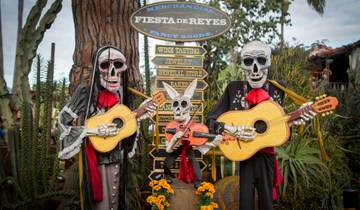
5 days
Dia de Los Muertos in San Antonio
- ✓ Comprehensive Texas tour
- ✓ Expert local guides included
- ✓ All accommodation arranged
- ✓ Transportation provided

7 days
Great Texas Stories: A Journey Through Cities, Nature, and Adventure
- ✓ Booking needs min. 2 travelers
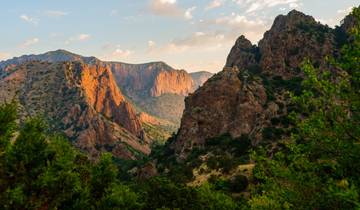
8 days
Big Bend Exploring and Hiking (Women-Only)
- ✓ Comprehensive Texas tour
- ✓ Expert local guides included
- ✓ All accommodation arranged
- ✓ Transportation provided
Multi-day tour packages powered by TourRadar. Prices and availability subject to change.
Introduction to San Antonio Travel Costs in 2026
San Antonio stands as one of America’s most affordable major metropolitan destinations, combining deep historical significance with vibrant contemporary culture across a sprawling urban landscape where Spanish colonial heritage meets modern Texas energy. The nation’s seventh-largest city delivers exceptional value across all budget tiers, from backpackers exploring UNESCO World Heritage missions on foot to luxury travelers experiencing Hill Country wine country and upscale River Walk dining.
Understanding San Antonio’s cost structure requires recognizing the city’s geographic and cultural diversity. The iconic River Walk forms the tourist epicenter, commanding premium pricing for accommodation and dining while offering unparalleled atmosphere and walkability. Venture beyond this 15-mile waterway corridor into neighborhoods like Southtown, Pearl District, King William, and the diverse Westside, and pricing drops 20-40% while maintaining authentic cultural experiences and easy downtown access via VIA Metropolitan Transit or brief rideshare trips.
San Antonio’s 2026 pricing landscape reflects post-pandemic tourism recovery combined with significant infrastructure investment. The Henry B. González Convention Center expansion completed in 2023 drives increased business travel, while the ongoing Alamo restoration project and new Frost Tower reshape downtown dynamics. Hotel inventory expanded notably from 2024-2026, particularly in the luxury segment, creating competitive pressure that benefits mid-range travelers through improved amenities and package deals.
Seasonal variation dramatically impacts San Antonio budgets. Summer heat (routinely exceeding 95°F) coincides paradoxically with peak tourism and premium pricing, as families prioritize school vacation schedules over climate comfort. Winter months (December-February) offer the best value proposition: mild 50-70°F temperatures, 40-60% lower hotel rates, and reduced attraction crowds. Spring (March-May) balances pleasant weather with moderate pricing, though Fiesta San Antonio in late April commands holiday-level premiums. Fall (September-November) delivers excellent value with comfortable temperatures and pre-holiday low season rates.
Transportation economics favor San Antonio visitors. Unlike coastal cities where car ownership creates prohibitive parking costs, San Antonio’s VIA bus system provides comprehensive coverage at $1.30 per ride, while downtown walkability and River Walk pedestrian infrastructure minimize transport needs for centrally-located visitors. The compact historic district concentrates major attractions within a 2-mile radius, enabling multi-day exploration on foot or via the affordable VIA streetcar network.
This guide presents verified 2026 pricing across all major cost categories, drawing from official tourism data, current hotel booking platforms, municipal transit authorities, and attraction operators. All figures reflect real-world costs travelers encounter when booking accommodations, purchasing meals, accessing attractions, and navigating the city. Budget tiers assume two people sharing accommodation, as solo travelers face supplemental costs detailed in dedicated sections below.
Understanding San Antonio Accommodation Costs 2026
San Antonio’s lodging market spans budget hostels to luxury historic hotels, with pricing heavily influenced by proximity to the River Walk and seasonal demand fluctuations. The accommodation landscape divides into distinct geographic zones: the premium River Walk corridor, value-oriented downtown periphery, airport-adjacent business hotels, and residential neighborhood properties offering local character at significant savings.
Budget Accommodation San Antonio 2026 ($40-80 Per Night)
Budget lodging in San Antonio centers on hostels, economy chain properties, and select independent motels, primarily clustered along Interstate 10 and Interstate 35 corridors. HI San Antonio Hostel on Broadway offers dormitory beds $40-55 nightly with shared bathrooms, common kitchen facilities, and direct VIA bus access to downtown attractions. Private hostel rooms reach $75-90, appealing to budget-conscious couples seeking hostel amenities with privacy.
Economy chain hotels including Days Inn, Econo Lodge, and Motel 6 properties price $55-80 nightly for standard rooms, typically located 3-5 miles from River Walk with parking included. Super 8 by Wyndham San Antonio locations cluster near major highway interchanges, offering basic rooms $60-75 with continental breakfast. These properties sacrifice walkability for value, requiring VIA bus trips ($1.30 each way) or rideshare ($8-12) for downtown access.
La Quinta Inn locations bridge budget and economy segments, with properties near Medical Center and airport districts pricing $70-90 nightly and offering superior amenities including pools, fitness centers, and complimentary breakfast. Red Roof Inn San Antonio properties provide pet-friendly rooms $65-85, eliminating pet fees that add $25-50 daily at many competitors. Budget accommodation typically includes free parking (a $20-35 daily value at River Walk hotels) and continental breakfast (saving $10-15 per person), significantly improving cost-effectiveness when factored into total daily budgets.
Shared accommodation through Airbnb offers alternative budget options, with private rooms in local homes pricing $45-70 nightly in neighborhoods like Tobin Hill, Dignowity Hill, and Government Hill. These residential areas position visitors 10-20 minutes from downtown via bus or rideshare while immersing them in authentic San Antonio neighborhoods beyond tourist zones.
Mid-Range Hotels San Antonio 2026 ($160-350 Per Night)
Mid-range San Antonio hotels dominate the River Walk corridor and downtown district, offering superior location, full-service amenities, and enhanced comfort that justify 200-300% premiums over budget options. Drury Plaza Hotel San Antonio Riverwalk exemplifies this category at $180-250 nightly, delivering River Walk frontage, included breakfast and evening snacks, indoor/outdoor pools, and complimentary evening beverages that reduce total daily food costs by $25-35 per person.
Holiday Inn San Antonio Riverwalk prices $190-280 for rooms with balcony river views, positioning guests at the River Walk’s vibrant nexus with walkable access to restaurants, bars, boat launches, and major attractions. Hampton Inn & Suites Downtown Riverwalk offers $170-240 rates with breakfast included, representing strong value for location and amenities. La Quinta Inn & Suites San Antonio Downtown occupies the historic Alamo National Bank building at $185-265 nightly, combining central Alamo Plaza location with period architectural character.
Boutique properties like Hotel Havana ($200-320) and Hotel Emma at Pearl Brewery ($250-400) appeal to style-conscious mid-range travelers seeking distinctive environments beyond chain uniformity. These properties occupy repurposed historic buildings, offering fewer rooms (50-100 versus 200-300 at chains) with curated design aesthetics, locally-focused dining, and neighborhood integration in emerging districts like Pearl and Southtown.
Seasonal variation dramatically impacts mid-range pricing. Summer peak (June-August) pushes River Walk properties to $300-400 nightly, while winter low season (January-February) drops identical rooms to $160-220. Booking 60-90 days advance secures optimal rates, while last-minute weekend bookings during events (Fiesta San Antonio, Stock Show & Rodeo) encounter 50-100% premiums. Mid-week stays (Sunday-Thursday) price 15-25% below weekend rates year-round.
Mid-range properties typically charge $28-45 daily for parking (valet at premium River Walk hotels), $15-25 resort fees where applicable, and $8-15 for hotel restaurant breakfast when not included. These ancillary costs add $50-80 daily to base room rates, making properties with included parking and breakfast significantly more cost-effective than comparable hotels charging separately for these services.
Luxury Accommodations San Antonio 2026 ($350-600+ Per Night)
San Antonio’s luxury tier encompasses historic landmark hotels, contemporary upscale properties, and resort destinations offering comprehensive amenities and prime positioning. Hotel Emma leads the luxury segment at $350-550 nightly, occupying the restored Pearl Brewery with 146 rooms, Michelin-quality restaurant, rooftop pool, and Pearl District cultural immersion. The property’s culinary program, architectural preservation, and local art integration justify premium positioning for discerning travelers prioritizing unique environments over chain luxury.
The St. Anthony, A Luxury Collection Hotel represents historic grandeur at $300-500, combining 1909 architectural elegance with modern luxury amenities including spa services, fine dining at Rebelle, and central Travis Park location. Thompson San Antonio Riverwalk brings contemporary design to luxury hospitality at $350-600, featuring rooftop pool, multiple dining concepts, and direct River Walk access in a striking modern tower.
Mokara Hotel & Spa appeals to wellness-focused luxury travelers at $320-480, offering full-service spa, rooftop pool with River Walk views, and downtown walkability. La Cantera Resort & Spa positions luxury seekers in Hill Country setting 20 minutes northwest of downtown, pricing $400-700 for resort rooms with championship golf, extensive spa facilities, and multiple pools, though requiring rental car for downtown exploration.
Luxury properties include valet parking ($35-50 daily), spa access, fitness facilities, rooftop or resort pools, in-room dining, concierge services, and premium bathroom amenities. Resort fees ($35-55 daily where charged) cover WiFi, fitness center access, and pool amenities. Luxury travelers budget $100-150 daily beyond room rates for parking, tips, and incidental charges.
Neighborhood Accommodation Strategies for Value 2026
Strategic neighborhood selection dramatically impacts accommodation budgets while maintaining downtown access and authentic local experience. Southtown hotels like Staybridge Suites price $140-190 for suite-style rooms with kitchenettes, enabling grocery shopping and meal preparation that reduces daily food costs by $30-50 per person. King William District bed & breakfasts offer $150-220 rooms in historic mansions, combining included breakfast with walkable access to River Walk’s southern sections.
Pearl District properties including Hotel Emma command luxury premiums, but surrounding short-term rentals in Tobin Hill and Denver Heights neighborhoods provide $100-180 nightly alternatives with Pearl’s restaurants, farmers market, and cultural venues within 10-minute walks. These residential neighborhoods offer authentic San Antonio character beyond tourist zones while maintaining easy downtown connectivity via VIA bus Route 7 or brief rideshare trips.
Medical Center and UTSA districts northwest of downtown cluster economy and mid-range chains at 30-40% discounts versus comparable River Walk properties, though requiring 20-30 minute drives or bus connections to central attractions. This strategy suits visitors with rental cars prioritizing accommodation savings over downtown walkability, particularly families seeking suite-style properties with pools and breakfast included.
Airport corridor hotels serve business travelers and budget-conscious tourists willing to trade location for value. Properties here price $90-150 for mid-range rooms, include parking and breakfast, and position travelers 15 minutes from downtown via I-410 and Highway 281 routes. VIA Metropolitan Transit Route 5 connects airport directly to downtown for $1.30, making car-free travel viable from these locations despite distance from central attractions.
Food and Dining Costs San Antonio 2026
San Antonio’s culinary landscape reflects deep Mexican heritage, Texas barbecue traditions, and emerging contemporary food scenes, with exceptional value across all price points. The city’s food costs favor visitors substantially compared to coastal U.S. metros, with authentic tacos pricing $3-5, full Tex-Mex dinners $15-25, and upscale dining $35-65 per person before beverages.
Budget Dining San Antonio 2026 ($30-48 Daily Per Person)
Budget dining in San Antonio centers on breakfast taco stands, neighborhood taquerias, food trucks, and casual Tex-Mex establishments delivering authentic flavor at minimal cost. Breakfast tacos from legendary stands like Los Barrios, Rosario’s, and Taco Cabana price $3-5 per taco, with two tacos plus coffee totaling $8-12 for substantial morning fuel. These stands operate early (many opening 6-7 AM), serving construction workers and locals alongside budget-conscious visitors.
Lunch options span $10-15 at taco trucks clustered along Fredericksburg Road, Culebra Road, and Nogalitos Street corridors. Puffy taco plates at Ray’s Drive Inn cost $12-14, providing San Antonio’s iconic specialty with beans and rice. Torta sandwiches at Mexican bakeries (panaderías) price $8-10, delivering substantial portions with fresh-baked bread. Vietnamese pho bowls in Medical Center district restaurants cost $10-13, offering filling alternative to Tex-Mex when seeking variety.
Dinner strategies for budget travelers include taco combination plates at neighborhood Mexican restaurants ($15-20 including beans, rice, and tortillas), pizza by the slice ($3-4 per slice, two slices plus drink $10-12), and food truck fare along South Alamo Street in Southtown ($12-18 for entrees). Mi Tierra Café y Panadería in Historic Market Square operates 24 hours, serving traditional Mexican meals $15-22 in festive atmosphere with mariachi music, offering experience beyond basic sustenance.
Grocery shopping at H-E-B supermarkets reduces costs further, with prepared food sections offering breakfast tacos $2-3, deli sandwiches $6-8, and hot meals $8-12. Budget travelers utilizing hostel or Airbnb kitchens source ingredients for self-prepared meals: fresh tortillas $3, pound of carne asada $8-10, beans and rice $2-3, producing multiple meals for $15-20 total investment. H-E-B locations cluster conveniently throughout San Antonio, with downtown-accessible stores in Southtown and Broadway corridors.
Budget beverage costs: tap water free at all restaurants, fountain drinks $2-3, coffee $2-4 at local cafes versus $5-7 at Starbucks, beer $4-6 at casual establishments, Mexican sodas (Jarritos, Topo Chico) $2-3. Avoiding alcohol reduces daily beverage costs from $15-25 to $5-10, significantly impacting overall food budgets for multi-day stays.
Mid-Range Dining San Antonio 2026 ($67-98 Daily Per Person)
Mid-range dining unlocks San Antonio’s full-service restaurant scene, River Walk establishments, and local favorites offering superior ambiance, table service, and expanded menus beyond basic tacos and burritos. Breakfast at restaurants like Guenther House or Magnolia Pancake Haus costs $12-18 per person including coffee, providing sit-down experience with historic settings and regional specialties.
Lunch along River Walk spans $20-30 for Tex-Mex at Casa Rio (San Antonio’s oldest River Walk restaurant), Mexican cuisine at Iron Cactus or Acenar, or American fare at County Line barbecue. These establishments factor ambiance and location into pricing, with River Walk views commanding 30-50% premiums over identical menus at non-waterfront locations. Southtown and Pearl District lunch alternatives price $15-25 for equivalent quality without River Walk tourist surcharges.
Dinner at mid-range establishments costs $35-50 per person before beverages and tips. Boudro’s Texas Bistro on River Walk serves upscale Southwestern cuisine in this range, while Biga on the Banks offers contemporary Texas fare with tableside guacamole preparation and mesquite-grilled specialties. Little Rhein Steak House combines German beer garden traditions with Texas beef at $40-55 per person. Rosario’s in Southtown delivers upscale Mexican cuisine $30-45, positioning quality ingredients and refined preparations above neighborhood taqueria standards.
San Antonio Restaurant Weeks (January and August) provide exceptional mid-range value, with participating restaurants offering three-course dinners $35-55 versus $60-80 regular pricing. This biannual event showcases over 100 restaurants, enabling travelers timing visits to these periods to access upscale dining at mid-range budgets. Reservations essential during restaurant weeks, as popular venues fill weeks in advance.
Pearl Brewery culinary district concentrates quality mid-range dining: Cured offers charcuterie and craft cocktails, Southerleigh Fine Food & Brewery serves elevated pub fare with house-brewed beers, and Supper showcases American regional cuisine. Meals here range $25-45 per person with superior ingredient quality and culinary execution compared to River Walk tourist establishments at similar price points.
Beverage costs impact mid-range dining budgets substantially: craft cocktails $12-16, local craft beer $7-10, Texas wine $10-14 per glass, imported beer $6-9. Two cocktails or three beers add $25-45 to dinner costs, pushing meals from $40 to $65-85 per person. Sticking to water or single beverages moderates costs while maintaining dining experience quality.
Upscale and Fine Dining San Antonio 2026 ($120-180+ Daily Per Person)
San Antonio’s luxury dining tier encompasses chef-driven restaurants, steakhouses, and innovative contemporary concepts showcasing Texas ingredients and global techniques. Bohanan’s Prime Steaks exemplifies this category, with premium cuts $55-85, appetizers $15-25, and wine pairings $20-40 per glass, producing $100-150 per person bills before tips. The upscale steakhouse ambiance, downtown location, and dry-aged beef justify premiums for special occasion dining.
Rebelle at The St. Anthony Hotel offers fine dining from chef Stefan Bowers, with tasting menus $95-125 per person and wine pairings adding $65-95. Bliss serves contemporary American cuisine with seasonal tasting menus $85-110, while Biga on the Banks provides upscale Southwestern flavors $45-75 per person for à la carte ordering or $95 for chef’s tasting menu.
Cured at Pearl Brewery combines charcuterie program with wood-fired cooking, pricing entrees $38-58 and offering whole-animal presentations for groups at $300-500. Southerleigh Fine Food & Brewery delivers chef-driven gastropub excellence with meals $35-55, craft beer flights $12-18, and extensive whiskey selection $12-25 per pour. These establishments balance culinary ambition with approachable pricing below pure fine dining while exceeding casual-dining quality.
Luxury dining budgets accommodate $40-60 breakfasts at hotel restaurants or upscale cafes, $50-80 lunches at chef-driven concepts, and $80-120+ dinners at premier establishments. Beverage programs add substantially: wine lists featuring California, French, and Texas bottles $60-200+ per bottle, craft cocktail programs $14-18 per drink, and rare spirits $20-50 per pour. Three-course dinners with wine pairings regularly reach $150-200 per person at top-tier venues.
Private dining and special experiences further elevate costs: chef’s table experiences $200-300 per person, private wine cellar dinners $250-400, and seasonal tasting menu events $175-250. These offerings suit celebration dining or culinary-focused visitors prioritizing gastronomy as primary San Antonio experience rather than ancillary support for sightseeing.
Neighborhood Dining Value Strategies 2026
Strategic neighborhood exploration uncovers authentic San Antonio dining at fractions of River Walk tourist pricing. Westside Mexican restaurants along Guadalupe Street and Zarzamora Street serve traditional Northern Mexican cuisine $10-18 per person, with family-owned establishments operating for decades and drawing local clientele rather than tourists. These venues lack English menus or trendy ambiance but deliver superior authenticity and value.
Southtown’s South Alamo Street corridor concentrates hip cafes, food trucks, and casual restaurants pricing $12-25 for meals combining quality ingredients with neighborhood atmosphere. Liberty Bar occupies a distinctive leaning building with American comfort food $18-30, while Rosario’s anchors the district with upscale Mexican cuisine $25-40. Food truck courts along South Alamo offer rotating vendors serving $10-15 plates from Thai, Vietnamese, barbecue, and fusion concepts.
Pearl Brewery farmers market operates weekends year-round, with prepared food vendors offering breakfast tacos $4-6, empanadas $5-8, and specialty items $8-15. Shopping the market for picnic supplies enables economical meals: artisan bread $6-8, local cheeses $8-12, prepared salads $6-10, fresh fruit $4-8, creating gourmet spreads for $30-40 serving two people versus $80-100 for equivalent restaurant meals.
Medical Center district Vietnamese and Thai restaurants cater to hospital workers and university students, producing competitive pricing: pho bowls $10-13, pad thai $11-15, bahn mi sandwiches $8-10, and rice plates $12-16. These establishments cluster along Fredericksburg Road and Medical Drive, accessible via VIA bus routes and offering superior value compared to downtown Asian restaurants charging tourist premiums.
Transportation Costs in San Antonio 2026
San Antonio’s transportation economics favor budget-conscious travelers, with comprehensive public transit, walkable downtown core, and moderate rideshare pricing enabling affordable mobility across the sprawling metropolitan area. Unlike coastal cities where car rentals create parking cost burdens, San Antonio’s infrastructure accommodates both car-free and vehicle-based exploration strategies depending on itinerary and budget priorities.
VIA Metropolitan Transit Public Transportation 2026
VIA Metropolitan Transit operates San Antonio’s bus network, serving downtown, major attractions, residential neighborhoods, and outlying districts with 75 routes covering 1,210 square miles across Bexar County. Single-ride fares cost $1.30, with exact change required on buses or contactless payment via goMobile app. Day Passes provide unlimited travel for $2.75, representing breakeven value after three rides and optimal choice for visitors making multiple daily trips.
31-Day Passes offer exceptional value for extended stays, though pricing varies by category (regular, reduced fare, express service) and requires checking VIA’s official website for current rates. Semester passes ($38) serve students but require school ID verification. Transfers between routes are free when requested upon initial boarding and valid for 2.5 hours, enabling cross-town journeys via multiple buses at single-fare cost.
VIA Prímo Route 100 operates limited-stop express service connecting Medical Center to downtown, running 4 AM to 1 AM daily with enhanced stations featuring real-time arrival displays and increased frequency versus standard routes. This route serves visitors staying in Medical Center district hotels, enabling convenient downtown access without requiring rideshare every trip. Standard VIA routes operate roughly 5 AM to midnight on weekdays with reduced weekend and holiday schedules.
Airport connectivity via VIA Route 5 provides $1.30 direct service from San Antonio International Airport to downtown, operating Monday-Friday with approximately 30-minute travel time. This eliminates $25-40 rideshare costs or $60-80 daily rental car expenses for visitors comfortable with public transit and light luggage. Route 5 frequency decreases evenings and weekends, requiring schedule consultation via VIA website or Google Maps transit planning feature.
VIA limitations include infrequent service on many routes (30-60 minute headways), limited evening and weekend coverage, and slow travel times compared to driving due to frequent stops. Routes concentrate on downtown and major corridors, with residential neighborhood coverage requiring transfers or lengthy walks from bus stops. Visitors prioritizing time efficiency over cost savings often supplement VIA with rideshare for specific trips despite higher per-trip costs.
Rideshare Services Uber and Lyft 2026
Uber and Lyft operate comprehensively throughout San Antonio, with competitive pricing averaging $8-15 for downtown-to-airport trips (7 miles, 15 minutes), $6-10 for River Walk-to-Pearl District journeys (2 miles, 8 minutes), and $12-18 for downtown-to-SeaWorld trips (14 miles, 25 minutes). Surge pricing during peak hours, events, and weekend nights increases costs 1.5-2.5x, making advance planning advisable for budget-conscious travelers.
Daily rideshare costs for car-free visitors typically total $20-40 assuming 3-4 trips mixing VIA bus for routine downtown movement with rideshare for evening returns, attraction visits requiring efficient transport, or trips to areas with poor bus coverage. This hybrid approach balances budget consciousness with practical mobility needs, avoiding the false economy of bus-only travel that consumes excessive time on multi-transfer routes.
Rideshare advantages include door-to-door service, air conditioning in San Antonio’s intense summer heat, luggage accommodation, evening safety particularly for solo travelers, and time efficiency compared to bus routes requiring transfers or lengthy walks from stops. Disadvantages include surge pricing unpredictability, driver availability delays during peak periods, and costs that quickly exceed rental car economics for groups making 6+ daily trips.
UberX and Lyft standard service typically cost 30-40% less than Uber Comfort or Lyft Lux, with basic service perfectly adequate for point-to-point transportation without premium vehicle needs. Shared rideshare options (UberPool, Lyft Shared) discontinued in many markets including San Antonio, eliminating the once-available option of $3-6 shared rides for solo budget travelers willing to accept longer travel times with multiple passenger pickups.
Rental Car Economics San Antonio 2026
Rental cars suit San Antonio visitors planning Hill Country day trips, outlying attraction visits (Natural Bridge Caverns, Gruene, Fredericksburg), or families where per-person rideshare costs exceed rental economics. Economy cars from major airport agencies (Enterprise, Hertz, Budget, Avis) price $35-60 daily during normal periods, rising to $70-100 during peak seasons and special events when fleet availability tightens.
Rental car economics require factoring multiple costs beyond base daily rate: parking $20-35 daily at River Walk hotels (free at airport corridor properties), fuel $35-50 for typical week-long visit, highway tolls if using Express Lanes on Loop 1604 or I-10, and potential additional insurance $15-25 daily if declining coverage. Total costs typically reach $60-90 daily when all factors considered, making rentals economical for groups of 3-4 splitting costs but expensive for solo travelers or couples staying primarily downtown.
Downtown parking availability varies dramatically by location. River Walk hotels charge $28-45 daily for valet (self-parking rare in dense corridor), while public lots and garages price $10-25 daily or $3-5 hourly. Attractions including San Antonio Zoo, Botanical Garden, and museums offer free parking, as do most restaurants and shops outside immediate downtown core. Pearl District provides free garage parking with validation from Pearl vendors.
Rental car advantages include Hill Country exploration enabling visits to Wimberley, New Braunfels (Schlitterbahn Waterpark), and Fredericksburg wineries impossible via public transit, freedom to visit outlying attractions on personal schedules rather than tour operators’ timing, and luggage security particularly for travelers with valuable items or multiple location trips within Texas. For downtown-focused visitors without Hill Country ambitions, rental cars create unnecessary expense and parking hassles without corresponding mobility benefits.
Walking and Biking Infrastructure 2026
San Antonio’s River Walk provides 15 miles of pedestrian pathways, with the downtown 5-mile section connecting hotels, restaurants, attractions, and entertainment venues entirely on foot without surface street navigation. This infrastructure enables car-free exploration for visitors staying in River Walk corridor, though summer heat (95-105°F) limits comfortable walking distances during peak afternoon hours June-September.
Downtown walkability extends beyond River Walk to encompass Alamo Plaza, Historic Market Square, Hemisfair Park, Spanish Governor’s Palace, and San Fernando Cathedral within a compact 1-mile radius. Visitors walking 2-3 miles daily easily access major downtown attractions without requiring any vehicular transport, though Texas summer heat necessitates early morning and evening activity schedules with midday indoor breaks.
Bike-sharing programs including SWell Cycle (powered by BCycle) operate downtown with stations concentrated along River Walk and in Pearl District. Pricing structures vary by pass type: single rides $3 for 30 minutes, day passes enabling unlimited 30-minute trips, and monthly memberships for extended visitors. This option suits active travelers comfortable cycling in urban traffic and seeking efficient movement between downtown and Pearl or Southtown districts.
Biking limitations include intense summer heat reducing comfortable cycling hours to early mornings and evenings, limited dedicated bike lane infrastructure requiring sharing roads with vehicle traffic, and hilly terrain in certain neighborhoods creating challenging climbs. River Walk Mission Reach trail provides car-free cycling connecting downtown to San Antonio Missions National Historical Park, offering scenic 8-mile route suitable for casual riders exploring UNESCO World Heritage sites.
San Antonio Attraction and Activity Costs 2026
San Antonio delivers remarkable attraction value through abundant free cultural sites combined with reasonably priced paid experiences, enabling rich itineraries across all budget tiers. The city’s UNESCO World Heritage designation for San Antonio Missions, free Alamo Church access, and extensive River Walk public space provide foundation for budget exploration, while paid attractions including SeaWorld, museums, and specialized tours add depth for visitors allocating attraction budgets.
Free Attractions San Antonio 2026
The Alamo Church provides free admission to Texas’s most iconic historic site, though reservations required for timed entry managing visitor flow through the 1718 mission chapel. The church and grounds remain open daily 9 AM-5:30 PM, with last entry 15 minutes before closing. The adjacent Alamo Exhibit in the Ralston Family Collections Center requires paid admission but delivers enhanced experience through Phil Collins artifact collection and comprehensive historical interpretation.
San Antonio Missions National Historical Park encompasses four Spanish colonial missions (Mission Concepción, Mission San José, Mission San Juan, Mission Espada) connected by Mission Trail bike/pedestrian path. All missions offer free entry, with San José featuring visitor center, museum, and active parish church still conducting services. These UNESCO World Heritage sites provide architectural beauty, historical significance, and cultural immersion without admission costs, though 8-mile spacing requires vehicle or dedicated bike rental to visit all four in single day.
River Walk exploration costs nothing beyond individual restaurant, bar, or shop patronage. The 15-mile pedestrian pathway enables unlimited strolling through downtown’s waterfront corridor, with particularly scenic sections including Museum Reach connecting downtown to Pearl Brewery and Mission Reach extending south toward Mission Trail. Go Rio boat tours provide narrated cruises, but walking delivers identical River Walk access at zero cost beyond time investment.
Japanese Tea Garden in Brackenridge Park offers free admission to serene landscape featuring koi ponds, stone bridges, pagoda structures, and extensive plantings representing Japanese garden design traditions adapted to Texas climate. The garden operates daily sunrise to sunset, providing tranquil escape from urban intensity particularly beautiful during spring bloom periods.
San Fernando Cathedral presents Light: A Saga of San Antonio projection mapping show projecting historical narratives onto the cathedral’s façade Tuesday, Friday, Saturday, and Sunday evenings year-round. This 24-minute spectacle requires no tickets or reservations, drawing crowds to Main Plaza for free cultural experience combining technology, history, and architecture.
Additional free attractions include Historic Market Square exploring traditional Mexican marketplace with shops and restaurants (though purchases cost money, wandering remains free), Spanish Governor’s Palace touring 18th-century Spanish colonial residence, art galleries in Southtown and Blue Star Arts Complex, San Pedro Springs Park as one of America’s oldest parks, and seasonal events including Fiesta San Antonio’s free parades and cultural celebrations.
Paid Attractions and Museums San Antonio 2026
The Alamo Exhibit at Ralston Family Collections Center requires paid admission (pricing varies, check official website for current rates) providing access to expanded artifact displays including Phil Collins Collection, Battle of the Alamo diorama, Donald and Louise Yena Spanish Colonial Collection, and 10,000 square feet of gallery space. The audio tour featuring Ray Benson’s narration costs $10 adults, $8 seniors and military, adding enhanced storytelling to self-guided exploration. Combined Church and Exhibit visits consume 2-3 hours and represent essential San Antonio experiences for history-focused visitors.
Go Rio San Antonio River Cruises provide 35-minute narrated tours departing multiple River Walk locations 10 AM-10 PM daily. Pricing ranges approximately $14-16 per adult, with senior and military discounts reducing costs to around $13. These cruises deliver River Walk perspective impossible from pedestrian pathways, featuring boat captain commentary on architecture, history, and cultural significance of landmarks passed during journey. River Walk shuttle service enables transportation between landing points with day passes available, though most visitors utilize cruises as sightseeing experience rather than practical transport.
Tower of the Americas observation deck provides 750-foot elevation views of San Antonio and surrounding Hill Country, pricing approximately $15-20 for adult admission including 4D theater experience. The tower’s revolving restaurant offers alternative access for dining patrons, with lunch prices $25-40 per person and dinner $40-70 representing relatively modest premiums over admission costs for visitors desiring meal with view.
San Antonio Zoo admission prices vary by age and advance purchase timing, with adult tickets typically $20-25 and child tickets $15-20. The 56-acre facility houses over 3,500 animals representing 750 species, with highlight exhibits including African Plains, Amazonia, and Kronkosky’s Nature Spot. Visitors budget 3-4 hours for comprehensive zoo exploration, with additional costs for train rides ($3-5), giraffe feeding experiences ($5-8), and special encounters with pricing varying by animal and experience level.
San Antonio Museum of Art showcases comprehensive collections spanning Latin American art, Asian art, American art, and antiquities across a repurposed Lone Star Brewery building. General admission costs approximately $20 adults, $15 seniors, with Tuesday free admission after 4 PM offering budget-conscious access. The museum’s riverfront location enables River Walk integration, while Nelson A. Rockefeller Center for Latin American Art represents nationally significant collection meriting dedicated exploration time for art enthusiasts.
Witte Museum focuses on Texas history, natural science, and cultural heritage with admission around $15-18 adults, $12-15 children. Exhibits span dinosaur fossils, Texas Wild natural history hall, People of the Pecos archeological displays, and rotating special exhibitions. The museum’s location in Brackenridge Park enables combination visits with Japanese Tea Garden, San Antonio Zoo, and park trails for comprehensive single-day cultural and nature exploration.
SeaWorld San Antonio and Major Theme Parks 2026
SeaWorld San Antonio operates as the world’s largest marine theme park, combining animal shows featuring orcas and dolphins with thrill rides including hypercoasters and water attractions. Single-day admission pricing varies dramatically by purchase timing, with advance online tickets discounted 40-60% versus gate prices. Season passes starting around $100 provide unlimited visits throughout 2026 plus free parking and in-park discounts, representing breakeven value versus two single-day tickets and exceptional value for local visitors or travelers making multiple Texas trips annually.
SeaWorld visits require full-day commitment (6-8 hours minimum for comprehensive experience), with peak summer crowds necessitating strategic arrival timing (gates opening) and show schedule planning to maximize attraction access. The park’s location 16 miles northwest of downtown requires rental car or rideshare ($18-25 each way), as public transit serves the area poorly. Parking costs $30-35 (free for season pass holders), while in-park food and beverage prices range $12-18 for meals and $4-6 for drinks, adding $50-80 per person to daily costs beyond admission.
All-Day Dining Deals provide value for visitors making multiple meal stops, pricing approximately $60 adults with 90-minute intervals between meals at participating restaurants. This option suits full-day visitors rather than half-day tourists, requiring strategic usage to achieve value versus à la carte purchases. Kids age 5 and under receive free admission throughout 2026, making SeaWorld exceptionally attractive for families with young children.
Six Flags Fiesta Texas operates 30 minutes northwest of downtown near SeaWorld, offering thrill rides, water park, and seasonal events with single-day tickets typically $70-90 depending on advance purchase and date. Season passes provide similar value proposition as SeaWorld for multiple-visit scenarios. The parks’ locations in San Antonio’s northwest quadrant enable combination visits for theme park enthusiasts dedicating 2-3 days to this activity category, though costs quickly escalate: two major parks plus parking and meals easily exceed $250-350 per person daily.
San Antonio CityPASS and Multi-Attraction Passes 2026
San Antonio CityPASS bundles admission to four attractions from menu of seven options, pricing significantly below individual ticket totals and saving approximately 41% versus gate prices. The pass includes choice of attractions: Go Rio San Antonio River Cruises, San Antonio Zoo, Tower of the Americas, The Alamo Exhibit, San Antonio Botanical Garden, Witte Museum, DoSeum, or San Antonio Museum of Art. Pricing varies by package selected, with adult passes typically $60-75 and youth passes $45-60.
CityPASS value calculation depends on attraction selection. Choosing highest-value options (Tower of Americas, Zoo, Museum of Art, River Cruise) maximizes savings, while selecting lower-priced attractions reduces value proposition below 41% theoretical maximum. The pass validity extends 9 days from first use, providing flexibility for multi-day itineraries rather than requiring compressed single-day attraction marathon. Digital delivery enables mobile redemption without physical ticket management.
Go City San Antonio Pass offers alternative multi-attraction value, with 2-choice, 3-choice, 4-choice, and 5-choice Explorer Pass options pricing proportionally to selections. This pass includes options not available in CityPASS, such as Natural Bridge Caverns, Briscoe Western Art Museum, and specialized tours. Savings reach 50% when selecting expensive attractions and using passes efficiently, though random attraction selection without strategic high-value choices reduces savings substantially.
Multi-attraction pass economics favor visitors with 3-5 day San Antonio stays planning comprehensive sightseeing programs including multiple paid attractions. Shorter visits focusing on free sites (Alamo Church, missions, River Walk) and selective paid experiences find better value purchasing individual tickets only for prioritized attractions rather than feeling pressured to maximize pass value by visiting attractions of marginal personal interest simply because pass includes them.
Tours and Guided Experiences San Antonio 2026
Walking tours of downtown San Antonio range $25-45 per person for 2-3 hour experiences led by knowledgeable guides providing historical context, architectural insights, and cultural narratives beyond self-guided exploration. Ghost tours command $30-40, combining River Walk history with paranormal tales and evening ambiance. These tours require advance booking, particularly during peak seasons and weekends when popular time slots fill days ahead.
Food tours showcasing San Antonio’s culinary traditions price $65-95 per person for 3-4 hour experiences including multiple restaurant stops, tastings of Tex-Mex specialties, historical commentary, and neighborhood exploration. These tours deliver value for food-focused visitors seeking efficient introduction to San Antonio’s dining landscape with guide curation eliminating research time and mediocre establishment risks. Tours typically include $40-60 of food value, making effective cost $25-35 beyond standalone dining.
Hill Country day trips from San Antonio via tour operators price $100-150 per person for full-day experiences visiting Fredericksburg wineries, Gruene historic town, or New Braunfels attractions including Schlitterbahn Waterpark. These tours provide transportation eliminating rental car needs, guide services, and often include one winery tasting or attraction admission. The value proposition depends on rental car economics: solo travelers save money on tours versus rental plus fuel costs, while groups of 3-4 find better value in self-drive flexibility.
Segway tours of downtown and River Walk areas cost $60-80 for 2-hour experiences providing efficient ground coverage with entertaining guide narratives. Bike tours offer similar pricing and coverage at lower per-mile effort for participants comfortable with cycling infrastructure. These active tours suit energetic visitors seeking movement-based sightseeing rather than purely walking or vehicular exploration modes.
Specialty tours including historic architecture deep-dives, brewery tours visiting San Antonio’s craft beer scene, and cultural heritage experiences focused on Mexican-American history typically range $50-90 per person. These niche offerings appeal to visitors with specific interests rather than general tourists, delivering enhanced depth on focused topics compared to overview walking tours attempting breadth across multiple subjects.
Daily Budget Breakdowns San Antonio 2026
The following budget breakdowns present realistic daily costs per person assuming two travelers sharing accommodation, a standard calculation method enabling cost comparisons across destinations while recognizing solo travelers face supplemental expenses detailed in subsequent sections.
Budget Traveler Daily Costs 2026 ($75-115 Per Person)
Budget travel in San Antonio prioritizes hostel dormitories or economy hotel rooms split between two people, breakfast tacos and food truck meals, VIA public transportation, and free cultural attractions supplemented by selective paid experiences. Accommodation $25-40 per person (hostel beds $40-55 divided by two, or budget hotels $60-80 divided by two), meals $30-48 (breakfast tacos $5-8, lunch $10-15, dinner $15-25), transportation $3-6 (VIA bus rides or short rideshares), attractions $15-20 (primarily free sites with one paid experience). Total daily range: $75-115 per person.
Budget travelers maximize free attractions including Alamo Church, San Antonio Missions National Historical Park, River Walk pedestrian exploration, Japanese Tea Garden, and San Fernando Cathedral light show. One paid experience daily (Go Rio cruise $14-16, museum admission $15-20, or Tower of Americas $15-20) provides variety without inflating budgets excessively. Strategic food choices at breakfast taco stands, lunch taquerias, and dinner food trucks deliver authentic San Antonio cuisine at minimal cost.
VIA public transit serves budget travelers well for downtown movement and mission visits via dedicated routes, though limited evening and weekend service occasionally necessitates $8-12 rideshare for safe late-night returns. Grocery shopping at H-E-B for snacks, breakfast items, and picnic supplies further reduces food costs, particularly for hostel or Airbnb stays with kitchen access enabling meal preparation.
Budget tier accommodates modest beverage spending: tap water with meals, occasional $2-3 sodas or coffee, and minimal alcohol consumption (one $5-6 beer replaces multiple drinks maintaining budget discipline). Entertainment focuses on free options including River Walk people-watching, neighborhood exploration in Southtown and Pearl, and cultural events rather than paid bars, clubs, or ticketed performances.
Mid-Range Traveler Daily Costs 2026 ($200-295 Per Person)
Mid-range San Antonio travel unlocks River Walk hotel properties split between two people, full-service restaurant dining balancing casual and upscale options, mixed public transit and rideshare transportation, and comprehensive attraction access including paid museums and experiences. Accommodation $80-110 per person (hotels $160-220 divided by two), meals $67-98 (restaurant breakfasts $12-18, lunches $20-30, dinners $35-50), transportation $15-25 (combination VIA bus and rideshares), attractions $40-60 (multiple paid museums, Go Rio cruise, specialty experiences). Total daily range: $200-295 per person.
Mid-range travelers prioritize location and comfort, selecting River Walk hotels providing walkable access to restaurants and attractions rather than requiring constant transport. Full-service dining experiences at restaurants including Boudro’s, Acenar, and Rosario’s deliver quality meals in atmospheric settings, while occasional upscale splurges at Bohanan’s or chef-driven Pearl restaurants provide memorable culinary highlights.
Transportation flexibility characterizes mid-range budgets, with VIA buses serving routine downtown movement while rideshares handle evening returns, attraction visits requiring efficient transport, and trips to areas with poor public transit coverage. This hybrid approach balances economy with practical time management rather than adhering rigidly to bus-only travel consuming excessive hours on multi-transfer routes.
Attraction budgets enable CityPASS or multi-attraction pass purchase, visit to one major paid attraction (SeaWorld, Natural Bridge Caverns, specialized museum), and participation in guided tour or experience. Beverage spending expands to include cocktails with dinner, craft beer flights at local breweries, and wine selections at upscale restaurants, though conscious moderation prevents budgets from escalating into luxury territory.
Luxury Traveler Daily Costs 2026 ($385-555+ Per Person)
Luxury San Antonio travel features upscale accommodations in properties like Hotel Emma or Thompson San Antonio split between two people, fine dining at chef-driven restaurants, private transportation via rideshare or rental car, and premium attraction experiences including VIP tours and exclusive access. Accommodation $175-225 per person (luxury hotels $350-450 divided by two), meals $120-180 (upscale dining all three meals), transportation $30-50 (rideshare for all movement or rental car with parking), attractions $60-100 (premium experiences, private tours, spa treatments). Total daily range: $385-555 per person.
Luxury travelers select distinctive properties offering superior design, service standards, and positioning that transcends mere accommodation into experiential components of San Antonio visits. Hotel Emma’s Pearl Brewery location provides culinary immersion with multiple on-site restaurants and bars, while Thompson San Antonio delivers contemporary luxury with rooftop pool and River Walk views creating resort atmosphere in urban setting.
Dining programs emphasize chef-driven establishments including Rebelle at The St. Anthony, Cured at Pearl, and Bohanan’s Prime Steaks, with wine pairings, craft cocktails, and premium ingredients standard rather than exceptional. Breakfast at hotel restaurants, lunch at upscale cafes or fine-dining spots, and dinner at premier establishments create comprehensive culinary exploration showcasing San Antonio’s evolving food scene beyond traditional Tex-Mex foundations.
Private experiences including custom tours with dedicated guides, VIP attraction access avoiding general admission lines, spa services at luxury hotel wellness facilities, and specialized culinary experiences (cooking classes, tasting menus, wine cellar dinners) distinguish luxury tier from mid-range travel. These experiences prioritize quality, exclusivity, and personalization over value optimization, creating memories and access impossible in budget-conscious frameworks.
Sample San Antonio Itineraries with Daily Cost Breakdowns 2026
The following itineraries present realistic multi-day visits across budget tiers, demonstrating how daily costs accumulate into total trip expenses while providing comprehensive San Antonio experiences suited to each tier’s priorities and constraints.
3-Day Budget Itinerary San Antonio ($225-345 Per Person Total)
Day 1 – Downtown Historical Core: Morning Alamo Church visit (free), breakfast tacos $6 at Mi Tierra, afternoon River Walk pedestrian exploration (free), lunch $12 at taco truck, Go Rio cruise $15, dinner $18 at neighborhood Mexican restaurant, evening San Fernando Cathedral light show (free). Accommodation $28 per person (hostel bed), transport $4 (two VIA bus rides). Daily total: $83 per person.
Day 2 – Missions and Cultural Sites: Early breakfast $8 including coffee at chain, VIA bus to Mission Trail, San Antonio Missions National Historical Park exploration (free, full morning), packed lunch from grocery $8, afternoon Japanese Tea Garden (free) and Brackenridge Park, dinner $20 at Southtown taqueria, evening drinks $10 (two beers at casual bar). Accommodation $28 per person, transport $5 (VIA bus plus brief rideshare). Daily total: $79 per person.
Day 3 – Museums and Departure: Breakfast tacos $6, morning Witte Museum $17, lunch $14 at food truck, afternoon Historic Market Square exploration (free) and Spanish Governor’s Palace $5, early dinner $22 before departure. Accommodation not needed (checkout morning), transport $6 (VIA plus rideshare to airport or next destination). Daily total: $70 per person.
Three-day budget total: $232 per person, falling within $225-345 range and demonstrating realistic budget tier travel combining free cultural attractions with selective paid experiences, authentic food at minimal cost, and strategic accommodation choices maximizing value without sacrificing safety or excessive discomfort.
5-Day Mid-Range Itinerary San Antonio ($1,000-1,475 Per Person Total)
Day 1 – Arrival and River Walk Immersion: Afternoon arrival, hotel check-in at River Walk property $95 per person, lunch $25 at Casa Rio, afternoon River Walk exploration (free), Go Rio cruise $15, dinner $45 at Boudro’s with cocktails, evening bar crawl $30. Transport $12 (airport rideshare split). Daily total: $222 per person.
Day 2 – Historical San Antonio: Hotel breakfast included, morning Alamo Church and Exhibit $20, lunch $28 at Iron Cactus, afternoon Tower of Americas $18 and downtown walking tour $35, dinner $50 at Rebelle at St. Anthony, nightcap $15. Hotel $95, transport $8 (rideshare). Daily total: $269 per person.
Day 3 – SeaWorld Adventure: Quick breakfast $15, full day SeaWorld $100 (admission, parking split, in-park meals), return dinner $40 at casual Southtown restaurant, drinks $20. Hotel $95, transport $25 (rideshares to/from park). Daily total: $295 per person.
Day 4 – Culture and Culinary: Hotel breakfast, morning San Antonio Museum of Art $20, lunch $32 at Pearl restaurants, afternoon brewery tour $60, dinner $55 at upscale Mexican restaurant, evening entertainment $25. Hotel $95, transport $18 (rideshares). Daily total: $305 per person.
Day 5 – Missions and Departure: Hotel breakfast, morning Mission Trail bike rental $20 exploring UNESCO sites (free), lunch $30, afternoon shopping and final River Walk stroll, early dinner $40 before departure. Transport $15 (rideshare to airport). Daily total: $105 per person.
Five-day mid-range total: $1,196 per person, demonstrating realistic mid-range San Antonio experience balancing quality accommodation and dining with comprehensive attraction coverage, comfortable transportation, and memorable experiences across cultural, culinary, and entertainment categories.
3-Day Luxury Itinerary San Antonio ($1,155-1,665 Per Person Total)
Day 1 – Arrival and Elevated Experience: Afternoon arrival, Hotel Emma check-in $200 per person, lunch $65 at Supper at Hotel Emma, afternoon spa treatment $120, dinner $110 at Bohanan’s with wine pairings, evening craft cocktails at hotel bar $35. Transport $22 (airport rideshare). Daily total: $552 per person.
Day 2 – Private Cultural Immersion: Hotel breakfast included, private morning historical tour $90, gourmet lunch $75 at Cured with wine, afternoon CityPASS attractions $65, VIP dinner experience $140 at chef’s table, evening entertainment $40. Hotel $200, transport $35 (private car service). Daily total: $645 per person.
Day 3 – Culinary Finale and Departure: Hotel breakfast, morning cooking class $95, artisan market lunch $55, afternoon wine tasting experience $80, early departure dinner $90 at fine dining establishment. Transport $30 (premium rideshare to airport). Daily total: $350 per person.
Three-day luxury total: $1,547 per person, showcasing high-end San Antonio possibilities through distinctive accommodation, chef-driven dining, private experiences, and premium services that create memorable visit emphasizing quality and exclusivity over value optimization.
Seasonal Price Variations San Antonio 2026
San Antonio’s tourism economics shift dramatically across seasons, with pricing fluctuations reaching 40-100% between peak and off-peak periods. Understanding these patterns enables strategic visit timing that saves hundreds of dollars on identical experiences while often improving overall visit quality through reduced crowds and more comfortable weather.
Peak Season Pricing Summer 2026 (June-August)
Summer represents San Antonio’s paradoxical peak tourism season despite brutal heat routinely exceeding 95-100°F. Family vacation schedules drive demand, pushing hotel rates to annual highs even as weather conditions challenge outdoor sightseeing. River Walk mid-range hotels price $280-400 nightly versus $160-220 winter rates, while luxury properties reach $500-650 compared to $350-450 off-season. Budget accommodation experiences smaller fluctuations, with hostel beds rising modestly from $40 to $50-55 and economy hotels from $70 to $85-95.
Attraction crowds peak summer weekends and holidays, with SeaWorld, Zoo, and museums operating at capacity and requiring early arrival for popular experiences. Restaurant reservations at desirable River Walk establishments require 1-2 week advance booking versus walk-in availability during low season. Summer heat forces midday indoor retreats, effectively reducing sightseeing hours to early mornings (7-10 AM) and evenings (6-9 PM) when temperatures moderate from unbearable to merely uncomfortable.
Summer’s primary advantage lies in extended operating hours at attractions, seasonal events including outdoor concerts and festivals, and vibrant evening River Walk atmosphere with maximum restaurant and bar participation. Families constrained by school schedules accept summer premiums as necessary costs, while flexible travelers find superior value and comfort visiting shoulder or low seasons.
Shoulder Season Value Spring and Fall 2026 (March-May, September-November)
Spring and fall shoulder seasons deliver San Antonio’s optimal value-to-quality ratio, combining moderate pricing with pleasant weather and reduced crowds. March-May features warm days (75-85°F) and cool evenings perfect for outdoor exploration, though Fiesta San Antonio in late April creates 10-day exception with pricing rivaling summer peaks and crowds overwhelming downtown infrastructure. Hotel rates during non-Fiesta spring average $200-280 mid-range, splitting the difference between summer peaks and winter troughs.
Fall (September-November) particularly shines for budget-conscious visitors, with September heat lingering but crowds dissipating as schools resume, October delivering ideal weather (70-80°F days, 50-60°F nights) and minimal tourist competition, and November pre-Thanksgiving period offering rock-bottom pricing before holiday travel surge. Mid-range hotels drop to $170-240 throughout fall outside Thanksgiving week, while attractions operate normal hours without summer’s extended schedules but also without oppressive heat limiting activity timing.
Shoulder seasons enable spontaneous restaurant dining without reservations, comfortable River Walk pedestrian exploration throughout daylight hours rather than heat-constrained early/late windows, and generally relaxed tourism atmosphere where locals outnumber visitors creating authentic cultural immersion rather than tourist-town dynamics. Fiesta San Antonio (April 18-28, 2026) stands as major exception requiring advance planning, premium pricing acceptance, and crowd tolerance for unique cultural festival experience.
Low Season Winter 2026 (December-February)
Winter low season (excluding Christmas-New Year week) provides San Antonio’s deepest accommodation discounts and lightest crowds, with tradeoffs including shorter daylight hours, occasional cold fronts pushing temperatures to 35-45°F, and reduced operating hours at some seasonal attractions. Mid-range River Walk hotels price $160-220 in January-February, representing 40-60% savings versus summer peaks. Luxury properties drop from $500-650 summer rates to $350-450 winter pricing, creating exceptional value for travelers prioritizing accommodation quality.
January emerges as annual low point for pricing and crowds, with post-holiday travel lull creating buyer’s market across accommodation, attractions, and even restaurants competing for limited patron traffic. This period suits flexible travelers unbothered by occasional 40°F morning temperatures (warming to 60-70°F afternoons on typical days) and shorter 10 AM-6 PM optimal sightseeing windows compared to summer’s extended daylight.
Winter advantages include San Antonio Restaurant Weeks (January 17-31) offering three-course dinners $35-55 at upscale establishments normally charging $60-100, immediate hotel availability enabling last-minute bookings, and authentic local atmosphere as tourism infrastructure serves primarily regional visitors and business travelers rather than national vacation crowds. River Walk holiday lights extend through January, providing festive ambiance without December’s premium pricing or crowds.
Christmas week (December 20-28) breaks winter low-season patterns, with holiday travel surge pushing rates toward summer levels and filling premier hotels weeks in advance. Travelers visiting this period find intermediate pricing and crowds between shoulder and peak seasons, justified by River Walk’s extensive holiday decorations, special events, and festive atmosphere unique to this annual period.
Event-Driven Pricing Spikes 2026
Beyond seasonal patterns, specific events create isolated pricing spikes requiring awareness for budget planning. Fiesta San Antonio (April 18-28) transforms normally moderate spring into peak-season economics, with hotel rates matching or exceeding summer levels and availability vanishing 2-3 months in advance at premier properties. This 10-day cultural celebration features over 100 events including parades, concerts, food festivals, and cultural exhibitions, attracting 2.5 million participants annually and overwhelming tourism infrastructure.
San Antonio Stock Show & Rodeo (February 6-23) generates similar pricing pressure, particularly for weekend dates and properties near AT&T Center venue. Hotels city-wide experience 20-40% rate increases above normal February low-season pricing, while downtown properties favored by out-of-town visitors reach shoulder-season levels despite mid-winter timing.
NCAA Final Four, when hosted in San Antonio, creates most extreme pricing event, with hotel rates tripling normal levels and availability limited to properties requiring 3-4 night minimum stays booked months in advance. San Antonio hosts this event periodically, with 2025 edition demonstrating economic impact travelers should verify when planning spring visits.
Spurs playoff games (if team qualifies) create weekend pricing spikes April-June, with downtown hotels benefiting from fan traffic and raising rates 15-30% for playoff dates versus non-game periods. This impact remains limited to game nights and immediate surrounding dates rather than sustained multi-week elevation characteristic of Fiesta or Stock Show events.
Money-Saving Strategies San Antonio 2026
Strategic planning and tactical execution enable substantial San Antonio savings without sacrificing experience quality or cultural immersion. The following strategies deliver proven results for budget-conscious travelers across accommodation, dining, transportation, and attraction categories.
Accommodation Savings Techniques
Booking timing dramatically impacts hotel costs, with 60-90 day advance reservations securing optimal rates before dynamic pricing algorithms increase costs as availability tightens. Last-minute deals (24-72 hours before arrival) occasionally emerge when hotels discount remaining inventory, though this strategy risks limited availability particularly during high-demand periods. Flexible date searching reveals pricing variations of 30-50% between weekdays and weekends for identical properties, enabling budget-conscious visitors to schedule Tuesday-Thursday visits at substantially lower costs than Friday-Sunday stays.
Loyalty program membership delivers value through points accumulation, elite status benefits including room upgrades and late checkout, and member-exclusive rates often 10-15% below public pricing. Major chains (Marriott, Hilton, IHG) operate multiple San Antonio properties spanning budget to luxury tiers, enabling points redemption and status benefits regardless of travel budget. Credit card hotel partnerships provide instant elite status and bonus points accelerating rewards earning for travelers without extensive prior stays.
Alternative accommodation platforms including Airbnb and VRBO offer apartments and homes pricing competitively with mid-range hotels while providing kitchen facilities enabling meal preparation savings of $40-80 daily per couple. Entire apartments in neighborhoods like Southtown, King William, and Tobin Hill price $120-180 nightly with 2-3 bedrooms accommodating groups or families where per-person costs drop dramatically below hotel alternatives. Monthly rates for extended stays (typically 28+ nights) discount 20-40% versus nightly pricing.
Corporate and association discounts through AAA, AARP, military status, government employment, or professional organization membership reduce hotel rates 10-20% at participating properties. These discounts apply at booking without negotiation, making membership in qualifying organizations worthwhile purely for travel savings that quickly exceed annual dues. Some hotels honor corporate rates for former employees or retirees, worth investigating for travelers with legacy Fortune 500 employment histories.
Dining Cost Reduction Strategies
Restaurant Week participation (January and August) provides premier dining access at fixed menu pricing $35-55 representing 30-50% discounts versus regular à la carte costs. Strategic targeting of high-value restaurants during these periods (establishments normally pricing $70-100 per person) maximizes savings while experiencing San Antonio’s culinary excellence. Advance reservations essential, as popular venues fill within days of restaurant week announcements.
Lunch pricing at upscale restaurants typically discounts 25-40% versus dinner menus for identical or similar dishes, enabling budget-conscious diners to experience premier establishments during midday visits. Many chef-driven restaurants offer business lunch specials $18-28 providing appetizer, entree, and dessert or beverage versus $45-65 dinner equivalents. This strategy particularly effective at steakhouses where lunch portions match dinner sizes at fraction of cost.
Grocery shopping at H-E-B for breakfast staples (yogurt, fruit, granola, breakfast tacos from prepared foods section) saves $15-25 daily per person versus restaurant breakfast, cumulating to $105-175 weekly for couples. Picnic lunch assembly from H-E-B deli, bakery, and produce sections costs $15-20 for two people versus $40-60 restaurant equivalent, enabling outdoor dining in parks or along River Walk with zero venue cost beyond food purchase.
Happy hour programs at River Walk bars and restaurants (typically 3-6 PM daily, extending later on weekdays) discount cocktails, beer, and wine 25-50% while offering appetizer specials $6-10 versus $12-18 regular pricing. Strategic late afternoon dining on appetizer menus during happy hour creates satisfying meals at fraction of dinner costs, particularly effective for couples capable of sharing plates rather than requiring individual entrees.
BYOB (bring your own bottle) policies at some San Antonio restaurants eliminate wine markup (typically 200-400% over retail) while charging modest corkage fees $15-25 per bottle. Purchasing wine at Total Wine or H-E-B ($12-25 for quality bottles) plus $20 corkage yields superior value compared to restaurant wine list pricing $40-80 for comparable selections. This strategy particularly effective for wine enthusiasts seeking premium bottles at fine dining establishments where lists focus on high-margin allocations.
Transportation and Mobility Savings
VIA 31-Day Pass delivers exceptional value for stays exceeding one week, with unlimited travel typically costing less than 12 single-ride fares and eliminating per-trip payment friction enabling spontaneous bus usage. Day Passes at $2.75 break even after just three trips, making them no-brainer purchases for any day involving multiple VIA rides regardless of total trip length. Digital pass purchase via goMobile app provides immediate access without requiring physical ticket booth visits.
Walking maximizes San Antonio’s pedestrian infrastructure while eliminating all transportation costs beyond shoe leather wear. The River Walk’s 15-mile pathway connects downtown hotels to attractions, restaurants, and entertainment venues, while Mission Trail provides 8-mile scenic route linking UNESCO World Heritage sites. Strategic accommodation selection in walkable neighborhoods (River Walk corridor, Southtown, Pearl District, King William) reduces or eliminates vehicle transport needs for downtown-focused itineraries.
Rental car cost-sharing for groups transforms economics compared to solo travel, with four people splitting $60 daily rate, $40 fuel, and $30 parking yielding $33 per-person daily cost competitive with rideshare for 3-4 trips daily. This calculation favors rentals for Hill Country day trips, outlying attraction visits, and itineraries requiring frequent movement between dispersed locations rather than concentrated downtown exploration.
Rideshare cost management through surge avoidance (requesting rides during non-peak hours), UberX versus Comfort tier selection (30-40% savings for standard service), and walking to major roads rather than requesting pickup deep in River Walk pedestrian zones (reducing base fare from minimum charge to distance-based pricing) cumulatively reduces rideshare expenses 25-40% versus casual usage without price consciousness.
Attraction and Activity Savings
CityPASS and multi-attraction bundles deliver verified savings of 35-50% when strategically selecting highest-value included attractions and fully utilizing passes during validity periods. The key lies in comparing bundle price against sum of selected attraction gate prices, not theoretical maximum savings figures that assume visiting all possible options regardless of personal interest. Purchasing passes makes sense for visitors planning 4-5 attraction days; casual tourists prioritizing 1-2 paid sites find better value in individual ticket purchases.
Free attraction focus enables rich San Antonio cultural immersion without draining budgets: Alamo Church, San Antonio Missions National Historical Park, River Walk pedestrian exploration, Japanese Tea Garden, Spanish Governor’s Palace, San Fernando Cathedral light show, Historic Market Square, and numerous galleries and cultural venues provide days of quality experiences at zero admission cost. Strategic mixing of free and paid attractions (alternating days or morning/afternoon combinations) maintains variety while controlling costs.
Discount ticket platforms including Groupon, FunEx, and attraction official websites frequently offer 10-30% promotions on gate prices for advance purchases. SeaWorld, in particular, discounts online tickets 40-60% versus gate purchases, making advance booking mandatory for value-conscious visitors. Some platforms offer package deals bundling multiple attractions or combining admission with dining credits, though careful arithmetic required to verify actual savings versus marketing claims.
Timed free admission programs at museums including San Antonio Museum of Art (Tuesday after 4 PM) and periodic free days at other cultural institutions enable budget-conscious access to paid attractions. Researching museum calendars and planning visits around these programs transforms costs from $15-20 per person to zero, though accepting limited viewing windows and potential crowds that concentrate on free access periods.
Hidden Costs and Budget Planning Considerations 2026
Comprehensive San Antonio budget planning requires accounting for costs beyond obvious categories of accommodation, meals, transportation, and attraction admission. These “hidden” expenses, while individually modest, cumulate to substantial impacts on total trip costs and catch unprepared travelers when daily spending exceeds planned budgets despite careful primary cost control.
Hotel Resort Fees and Ancillary Charges
Resort fees at premium San Antonio hotels add $20-45 daily to base room rates, ostensibly covering WiFi, fitness center access, pool amenities, and local phone calls though most travelers consider these baseline expectations rather than value-added services. These fees apply nightly and multiply across multi-day stays, adding $100-200 to week-long hotel bills. Budget hotels typically avoid resort fees, while mid-range properties implement them selectively with full disclosure during booking process (though travelers frequently overlook fine print until checkout).
Parking charges at River Walk hotels reach $28-45 daily for valet service, with self-parking rare in dense corridor. Downtown peripheral and neighborhood properties typically include free parking, creating $200-300 weekly savings for visitors choosing less central accommodation. This cost particularly impacts rental car users, as the combination of rental fees, fuel, and parking quickly approaches $100 daily versus car-free strategies utilizing VIA transit and selective rideshare.
Hotel minibar and in-room dining services carry 300-500% markups over retail pricing, with $6 sodas, $12 candy bars, and $25 breakfast deliveries shocking travelers unconditioned to luxury hospitality economics. Avoiding these conveniences in favor of nearby convenience stores, grocery shopping, or restaurant visits eliminates unnecessary hundreds of dollars in charges across multi-day stays. In-room safes occasionally carry usage fees ($3-5 daily at some properties), making valuables security a budgeted rather than complimentary service.
Tipping and Service Expectations
Tipping culture in San Antonio follows standard American practices: 15-20% at restaurants, $1-2 per drink at bars, $2-5 per bag for bellhops and valets, $3-5 daily for housekeeping, and 15-20% for tour guides and transportation services. These costs add 20-30% to stated service prices, substantially impacting daily budgets particularly for mid-range and luxury travelers utilizing full-service establishments throughout visits.
Restaurant tipping on $150 dinner bills adds $23-30, transforming advertised menu pricing into total costs requiring budget accommodation. Travelers from non-tipping cultures or budget-conscious visitors from tipping societies sometimes underestimate cumulative gratuity expenses, discovering daily costs exceeding plans by $30-50 when accounting for all tipping obligations across multiple service interactions. Pre-calculating tip expectations into meal budgets (budgeting $60 total for $50 advertised dinner) prevents surprises and ensures servers receive fair compensation for quality service.
Valet parking tips ($3-5 per retrieval) add to parking fees, creating $30-50 daily parking costs at hotels charging $25-35 base rates. Hotel housekeeping tips, while optional and frequently skipped by budget travelers, total $21-35 weekly at $3-5 daily rates for travelers appreciating quality room maintenance. Tour guide gratuities of 15-20% transform $100 day trip into $115-120 total cost, requiring budget accommodation in excursion planning.
Taxes and Transaction Fees
Texas state sales tax of 8.25% applies to most purchases including restaurant meals, attraction tickets, and retail shopping, though not hotel rooms or groceries. This hidden cost adds $8 to every $100 spent on taxable items, cumulating to $50-100+ across week-long visits involving multiple restaurant meals, attraction purchases, and souvenir shopping. Hotel occupancy taxes in San Antonio total approximately 16.75% (state, county, and city levies combined), substantially inflating advertised room rates. A $200 listed hotel room costs $233 after taxes, creating budget variance of $33 nightly or $231 weekly that catches travelers budgeting from pre-tax rates.
Credit card foreign transaction fees (typically 3% for cards without fee waivers) impact international visitors, adding $30 to every $1,000 spent and making fee-free travel cards essential for cost-conscious international tourists. ATM fees for cash withdrawals combine bank fees ($3-5 per transaction) with out-of-network charges ($2-4) and potential foreign transaction fees, making $10-15 total costs for $200 cash withdrawals. Strategic use of credit cards maximizing rewards while avoiding fees, combined with single large ATM withdrawals rather than multiple small ones, minimizes these transaction costs.
Seasonal Utility Costs
Summer air conditioning costs indirectly impact travelers through electricity surcharges at some hotels and definitely affect Airbnb properties with separate utility billing. While most hotels include utilities in room rates, extended-stay properties and Airbnb rentals occasionally charge electricity separately, with summer months seeing $100-200 monthly bills for constant AC usage in Texas heat. Reviewing utility policies before booking prevents surprises, particularly for month-long stays where electricity costs significantly impact budgets.
Water costs rarely itemize separately, but desert climate conditions in summer create beverage needs that, while modest individually, cumulate across hot outdoor days. Purchasing bottled water for $2-3 repeatedly rather than carrying refillable bottles adds $10-20 daily for couples, or $70-140 weekly in unnecessary hydration costs. Strategic water bottle carrying and fountain/tap water usage eliminates these expenses while reducing plastic waste.
Solo Traveler Budget Adjustments San Antonio 2026
Solo travelers face inherent cost disadvantages compared to couples or groups sharing accommodation, with single supplement fees and absence of cost-splitting creating 40-80% higher per-person daily expenses across identical itineraries. Strategic planning and tactical adjustments mitigate but cannot eliminate these differentials, requiring solo travelers to either accept elevated budgets or modify accommodation and activity choices.
Accommodation Solo Supplements
Hotel single occupancy pricing rarely discounts from double occupancy rates, meaning solo travelers pay full $180-220 room rates rather than $90-110 per-person split costs. This differential adds $90-110 nightly or $630-770 weekly to solo traveler budgets compared to couple counterparts, forcing accommodation tier downgrades (choosing budget properties instead of mid-range) or acceptance of substantially elevated total trip costs. Hostel dormitory beds avoid single supplements by pricing per-bed rather than per-room, making them exceptionally attractive for budget-conscious solo travelers willing to sacrifice privacy for cost savings.
Airbnb private rooms in shared homes provide middle ground, pricing $45-70 nightly without single supplements while offering more privacy than hostel dormitories and often including kitchen access and local host interaction adding cultural value beyond pure accommodation function. These arrangements suit solo travelers seeking budget consciousness, social interaction opportunities, and authentic neighborhood immersion over tourist-district hotel stays.
Single supplement mitigation strategies include hotel loyalty programs occasionally offering guaranteed room upgrades enabling booking cheapest single rooms with likelihood of complimentary upgrade to better categories, extended-stay properties charging weekly rates 20-30% below nightly pricing cumulation, and last-minute booking apps (HotelTonight, LastMinuteTravel) offering unsold inventory at discounts benefiting flexible solo travelers without advance commitments.
Dining and Activity Solo Economics
Solo dining at restaurants designed for sharing (Tex-Mex combination plates, family-style service) creates food waste or forces ordering of less interesting single-serving options rather than exciting shared plates enabling variety sampling. Compensating strategies include focusing on cuisines structured for individual service (Asian noodle bowls, sandwiches, individual pizza), utilizing bar seating for casual solo dining avoiding awkward lone table occupancy, and grocery shopping for meals eliminating restaurant solo disadvantages entirely.
Solo travelers miss cost-sharing on rental cars, making multi-day vehicle costs of $60-90 daily economically untenable compared to couples splitting these expenses. This limitation effectively restricts solo travelers to downtown and VIA-accessible areas, requiring tour operator packages for Hill Country exploration rather than self-drive flexibility. Tour costs of $100-150 per person remain identical for solo versus group participants, making guided experiences relatively more attractive to solo travelers than couples or groups for whom rental car economics favor independence.
Attraction admission costs remain constant regardless of group size, meaning solo travelers pay identical $15-20 museum entries, $100 SeaWorld tickets, and $35 walking tour fees as couples or groups. This category lacks solo penalty, providing equal-footing access to cultural experiences and activities that form core San Antonio tourism value regardless of travel party size.
Safety and Social Considerations for Solo Travelers
Solo travelers budget additional rideshare costs for evening safety, with late-night River Walk returns via Uber or Lyft ($6-10) replacing free walks that couples or groups safely undertake. These safety-driven transport choices add $50-100 weekly to solo budgets versus group travelers who walk late nights without security concerns. River Walk’s generally safe atmosphere and active evening crowds moderate these concerns, but solo traveler caution remains prudent particularly in peripheral neighborhoods or very late hours.
Hostel common areas, walking tours, and group activities provide social interaction opportunities addressing solo travel isolation while creating natural budget-consciousness communities where experience sharing, cost-splitting for meals, and activity partnering emerge organically. Many solo travelers report finding temporary travel companions for specific activities (museum visits, dinner outings, day trips) through hostel connections, effectively converting solo economics to group advantages for portions of itineraries.
Solo travel advantages include complete schedule flexibility without group compromise, ability to pursue niche interests without boring companions, easier restaurant seating without reservations (particularly at bar seating popular with solo diners), and potential for deeper local interactions as single travelers appear more approachable than couples or groups to residents offering recommendations or conversation.
Family Travel with Children Budget Considerations 2026
Family travel with children transforms San Antonio budget dynamics through free or reduced-price child admissions offsetting increased accommodation needs for rooms fitting 4+ people, dining costs multiplying across additional diners, and activity selection favoring kid-friendly attractions often commanding premium pricing.
Family Accommodation Strategies
Suite hotels offering separate bedroom and living areas with sleeper sofas accommodate families of four in single units rather than requiring two hotel rooms, with properties like Homewood Suites, Residence Inn, and Staybridge Suites pricing $170-240 nightly for two-bedroom suites versus $300-400 for two separate rooms. Included breakfast at these properties saves $40-60 daily for family of four versus restaurant meals, while in-suite kitchenettes enable dinner preparation reducing total food costs by $80-120 daily.
Airbnb entire homes sleeping 6-8 people price $180-280 nightly with full kitchens, multiple bedrooms and bathrooms, and living spaces accommodating family needs while costing less than hotel two-room alternatives. These rentals concentrate in residential neighborhoods rather than tourist corridors, providing authentic San Antonio neighborhood immersion and enabling grocery shopping at H-E-B for breakfast staples, lunch assembly, and some dinners rather than obligatory restaurant meals multiplying costs across four diners.
Family accommodation requires 50-100% more space than couples, but strategic property selection (suites, vacation rentals, extended-stay hotels with kitchens) moderates costs below linear scaling of twice the expense for twice the people. Families staying week or longer benefit from extended-stay discounts (20-30% off nightly rates for 7+ night bookings) that couples typically cannot leverage due to shorter average trip lengths.
Child Admission Discounts and Free Experiences
Children under 3-4 enter most San Antonio attractions free, while ages 4-12 receive 20-40% admission discounts. SeaWorld offers free admission throughout 2026 for children 5 and under, creating exceptional value for families with young children planning marine park visits. Natural Bridge Caverns, San Antonio Zoo, and museums implement similar child pricing tiers, with family admission for two adults and two children typically costing 60-70% of four adult tickets rather than 100%.
Free family attractions including San Antonio Missions (children enjoy mission architecture and grounds more than adults who focus on historical significance), River Walk pedestrian exploration, splash pads at parks throughout city, Japanese Tea Garden with koi feeding, and Brackenridge Park playgrounds provide quality family entertainment at zero admission cost. Families building itineraries around free attractions supplemented by selective paid experiences (one major attraction daily) control costs while maintaining engaged children through activity variety.
Do
seum children’s museum prices approximately $15 per person ages 1-64, positioning it as affordable rainy-day or indoor break option for families with young children ages 1-10. The museum’s interactive exhibits spanning science, art, literacy, and innovation engage children for 2-4 hours, providing air-conditioned summer refuge or weather contingency plan for San Antonio’s occasional winter cold fronts.
Family Dining Economics
Restaurant kids’ menus price $6-10 for meals versus $15-25 adult equivalents, providing substantial family savings at establishments offering quality children’s options beyond frozen chicken fingers. Many San Antonio Tex-Mex restaurants include chips and salsa as free appetizers, with children often satisfied by these starters plus kids’ menu quesadillas or tacos, creating $8-12 per child meal costs versus $20-30 adult spending.
Grocery shopping and in-suite meal preparation reduces family food costs more dramatically than for couples, with breakfast for family of four costing $15-20 for grocery ingredients versus $50-70 restaurant equivalents, and simple pasta or sandwich dinners totaling $25-35 versus $80-120 restaurant bills. The cumulative weekly savings of $400-600 on food easily justifies higher accommodation costs for properties with kitchen facilities.
Fast casual dining chains including Chick-fil-A, Chipotle, and Panera offer family value through kids’ meals, predictable children-friendly menus, and quick service avoiding young children’s patience challenges with full-service restaurant pacing. These options price $35-50 for family of four versus $80-120 at sit-down restaurants, creating acceptable compromise between budget consciousness and dining convenience during active sightseeing days.
Activity Selection and Pacing for Families
Child-friendly attractions including San Antonio Zoo ($80-100 family admission for 2 adults, 2 children), DoSeum ($60 for family of four), Natural Bridge Caverns ($100-120 with adventure activities), and SeaWorld ($200-300 family day including admission, parking, meals) provide age-appropriate entertainment justifying premium costs through full-day engagement and creating core family vacation memories. Budgeting 2-3 major paid attractions across week-long stay balances costs with experience variety.
Family pacing differs from adult-only travel, with children requiring more frequent breaks, earlier bedtimes eliminating late-night activities, and interests demanding different site selections (playgrounds over architectural tours, hands-on museums over art galleries). This pacing actually reduces some costs: earlier dinners before prime restaurant rush, limited evening entertainment requiring paid babysitters, and condensed sightseeing days reducing transport needs by returning to accommodations mid-afternoon for pool time or rest breaks.
Seasonal considerations prove more critical for families, with summer heat creating miserable outdoor experiences for young children despite peak vacation timing, while mild winter and spring shoulder seasons enable comfortable playground visits, River Walk strolls, and mission explorations that brutal summer temperatures render unfeasible. Strategic off-season travel yields 30-50% accommodation savings plus improved experience quality through moderate weather enabling full-day outdoor activities.
Frequently Asked Questions About San Antonio Costs 2026
Is San Antonio expensive compared to other major U.S. cities?
San Antonio ranks among the most affordable major U.S. metropolitan destinations, with daily costs 30-50% below coastal cities like San Francisco, New York, or Seattle across all budget tiers. Mid-range travelers spending $200-295 daily in San Antonio would require $350-450 in San Francisco for equivalent accommodation quality, dining experiences, and attraction access. Budget travelers similarly benefit from San Antonio’s favorable economics, with hostel beds and economy hotels priced 20-40% below comparable Northeast or West Coast alternatives. Luxury tier pricing shows smaller differentials as high-end hospitality and dining markets toward national price points regardless of local cost-of-living fundamentals, though San Antonio still offers 15-25% savings versus premium coastal destinations.
How much does a week in San Antonio cost for two people in 2026?
A week in San Antonio costs $1,050-1,610 total for two budget travelers ($525-805 per person), $2,800-4,130 for mid-range comfort ($1,400-2,065 per person), and $5,390-7,770 for luxury experiences ($2,695-3,885 per person), all assuming shared accommodation throughout the stay. These totals encompass accommodation, all meals, local transportation, and attraction admission but exclude airfare to San Antonio and souvenir shopping. Budget tier prioritizes hostels or economy hotels, taco stands and food trucks, VIA bus transport, and free attractions with selective paid sites. Mid-range tier features River Walk hotels, full-service restaurant dining, mixed transit and rideshare mobility, and comprehensive attraction access. Luxury tier delivers upscale properties, fine dining, private transportation, and premium experiences including tours and specialty activities.
What is the cheapest month to visit San Antonio?
January represents San Antonio’s cheapest month, with hotel rates reaching annual lows 40-60% below summer peaks, attraction crowds minimal enabling walk-up access without reservations, and San Antonio Restaurant Weeks (January 17-31) providing premier dining at fixed menu pricing $35-55 versus regular $60-100 costs. Mid-range River Walk hotels price $160-220 in January compared to $280-400 summer rates, while luxury properties drop from $500-650 summer peaks to $350-450 winter pricing. Weather remains mild with typical daytime temperatures 60-70°F, though occasional cold fronts push mornings to 35-45°F requiring layered clothing. January suits flexible travelers prioritizing value over guaranteed warm weather, willing to accept shorter daylight hours and occasional cool spells in exchange for dramatic cost savings and relaxed tourism atmosphere.
Are San Antonio hotels cheaper than Austin or Houston?
San Antonio hotel pricing averages 15-30% below Austin and 10-20% below Houston for comparable accommodation tiers and locations, with particularly pronounced differences in mid-range and luxury categories where Austin’s tech-driven demand and Houston’s corporate traveler base support higher rates. San Antonio mid-range hotels price $180-250 versus Austin equivalents at $220-320 and Houston corporate properties $200-280. Budget accommodation shows smaller differentials as economy chains implement regional rather than city-specific pricing, though San Antonio’s competitive hostel scene provides options Austin and Houston largely lack. These advantages reflect San Antonio’s tourism-driven economy versus Austin’s business/tech focus and Houston’s corporate demand, creating buyer’s market conditions benefiting leisure travelers prioritizing value alongside cultural experiences and historical significance.
Do I need a car in San Antonio or can I rely on public transportation?
Downtown-focused San Antonio visitors manage car-free through VIA Metropolitan Transit buses ($1.30 per ride, $2.75 day passes), River Walk walkability, and selective rideshare for evening returns or specific attraction visits. VIA serves downtown, missions, major museums, and residential neighborhoods adequately for patient travelers prioritizing budget over time efficiency. Rental cars prove essential for Hill Country day trips (Fredericksburg, Gruene, Wimberley), SeaWorld and Six Flags Fiesta Texas visits requiring efficient 30-minute drives from downtown, and itineraries emphasizing suburban attractions or multi-destination Texas travels. Groups of 3-4 find rental economics attractive at $60 daily split among passengers versus individual rideshare costs. Solo travelers and couples staying primarily downtown avoid rental expenses through walking, VIA transit, and strategic rideshare totaling $20-40 daily versus $60-90 rental car all-in costs including parking and fuel.
What free activities does San Antonio offer beyond the Alamo?
San Antonio provides exceptional free experiences including San Antonio Missions National Historical Park’s four Spanish colonial missions connected by scenic Mission Trail, River Walk pedestrian pathway enabling unlimited waterfront strolling through 15 miles of urban corridor, Japanese Tea Garden’s serene landscape and koi ponds, Historic Market Square’s traditional Mexican marketplace atmosphere, Spanish Governor’s Palace touring 18th-century colonial residence, San Fernando Cathedral’s evening projection mapping show, and Brackenridge Park’s trails and playgrounds. Southtown and Blue Star Arts Complex galleries open free to public showcasing contemporary and traditional art, while Pearl Brewery farmers market operates weekends with cultural programming, live music, and artisan vendors creating festival atmosphere without admission requirements. Seasonal events including Fiesta parade viewing, cultural celebrations, and outdoor concerts supplement year-round free attractions, enabling multi-day San Antonio explorations entirely at zero cost beyond food and accommodation.
How expensive are restaurants in San Antonio compared to other Texas cities?
San Antonio restaurant pricing averages 10-20% below Austin fine dining establishments while running comparable to Houston casual and mid-range options, creating favorable value proposition for food-focused travelers. Authentic tacos price $3-5 throughout San Antonio versus $4-6 in Austin’s trendy taco scene, while upscale dining at chef-driven San Antonio establishments costs $45-65 per person compared to Austin equivalents $55-85. River Walk tourist corridor commands premiums 30-50% above identical menus at off-waterfront locations, making neighborhood dining in Southtown, Pearl, and Westside significantly better value. San Antonio’s Mexican and Tex-Mex specialization creates intense competition and excellent quality-to-price ratios in these cuisines specifically, while contemporary American and international dining reaches parity with other major Texas metros. Budget diners find superior value in San Antonio’s neighborhood taquerias versus Austin’s gentrified casual dining scene.
Should I visit San Antonio in summer despite the heat to save on flights?
Summer flight savings rarely justify accommodation premiums and diminished experience quality from oppressive heat routinely exceeding 95-100°F June-August. Budget travelers save $100-200 on summer versus winter airfare but pay $500-800 more on hotel costs across week-long stays, while mid-range visitors face even larger hotel premium differentials negating any flight savings. Heat restricts comfortable outdoor activity to early mornings (7-10 AM) and evenings (6-9 PM), effectively reducing sightseeing time by 40-50% compared to temperate seasons when midday exploration remains pleasant. Fall (September-November) and spring (March-May excluding Fiesta week) deliver moderate pricing combining reasonable airfare with shoulder-season hotel rates and ideal weather enabling full-day outdoor exploration. Flexible travelers timing visits to these shoulder periods achieve optimal value balancing flight costs, accommodation pricing, and experience quality through comfortable temperatures and reduced crowds.
What are typical SeaWorld San Antonio costs beyond admission for families?
SeaWorld San Antonio family costs beyond $100 admission per adult (kids 5 and under free in 2026) include parking $30-35 ($0 for season pass holders), in-park meals $50-80 for family of four (single meal at $12-18 per person), beverages throughout day $20-30, souvenir shopping $40-100 if indulging children’s requests, animal encounter experiences $20-50 per person for hands-on interactions, and Quick Queue line-skip passes $40-60 per person if minimizing wait times. All-Day Dining Deal ($60 adults) provides value for full-day visitors making 3+ meal stops at 90-minute intervals, though families with young children often depart mid-afternoon making this option less economical. Total family day at SeaWorld realistically costs $350-500 for two adults and two children (one under 5 free admission) including admission, parking, food, beverages, and selective upcharges, though budget-conscious families limiting meal spending and avoiding extras reduce to $250-300.
How do San Antonio costs compare between weekdays and weekends?
Weekend San Antonio hotel pricing exceeds weekday rates 15-35% depending on property and season, with mid-range River Walk hotels jumping from $180-220 Monday-Thursday to $240-280 Friday-Saturday. This pattern reverses at business-oriented airport corridor properties where weekday corporate demand drives pricing while weekend leisure travel receives discounts, creating opportunities for budget-conscious visitors willing to sacrifice River Walk proximity for value. Restaurant reservations prove challenging weekends at popular establishments versus walk-in availability weekdays, while attraction crowds peak Saturdays creating longer lines and diminished experience quality. Strategic Tuesday-Thursday San Antonio visits optimize value through hotel savings, easier restaurant access, and lighter attraction crowds, though weekend visitors accept premiums for convenient travel timing unavailable to travelers constrained by inflexible work schedules or school calendars. Mixed itineraries starting mid-week and extending through weekends split the difference, capturing weekday value while experiencing weekend River Walk vibrancy.