San Antonio Travel Guide 2026: Ultimate Planning Resource
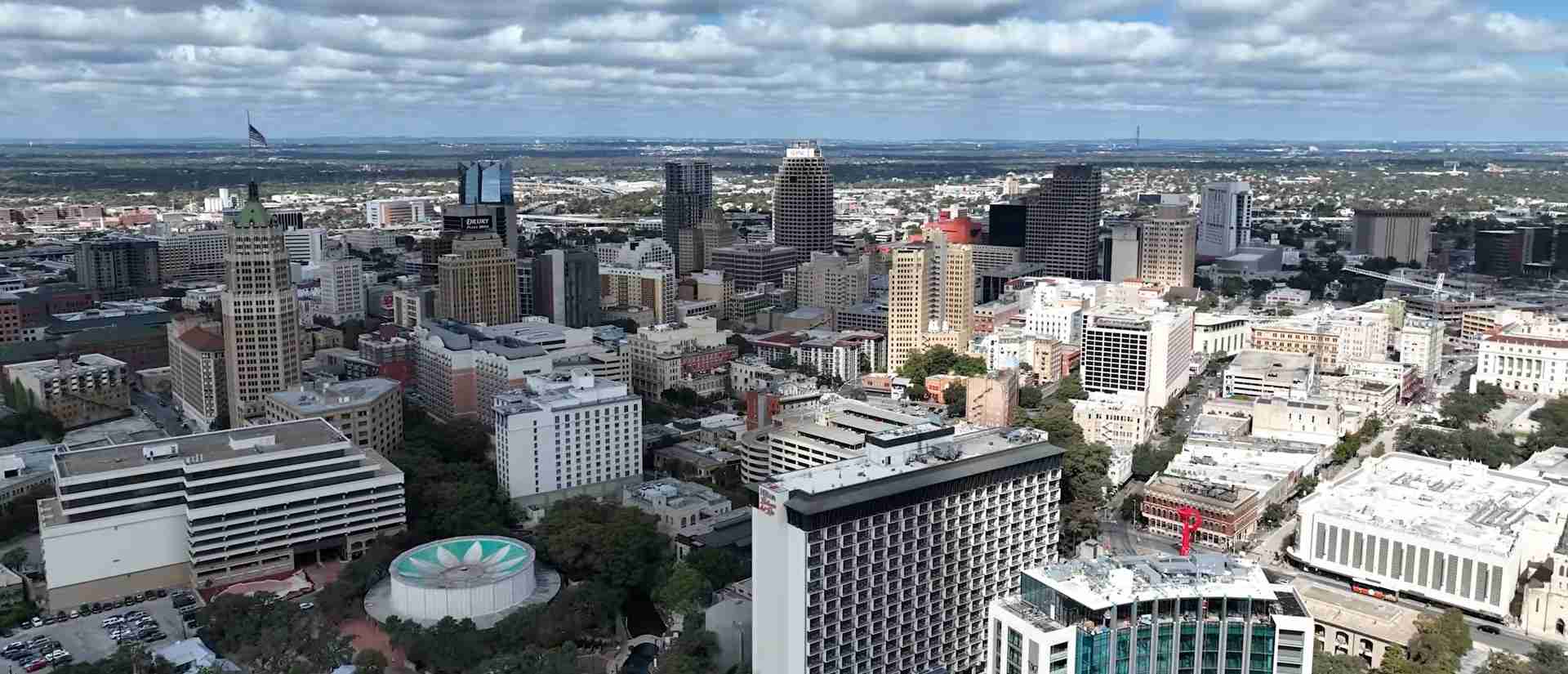
San Antonio blends three centuries of Spanish colonial heritage, Texas independence history, and modern urban vitality into America’s seventh-largest city and one of the nation’s fastest-growing destinations. The 15-mile San Antonio River Walk winds through downtown connecting UNESCO World Heritage missions, the legendary Alamo, vibrant Pearl District, and world-class attractions across a metropolitan area experiencing remarkable cultural and culinary renaissance recognized by UNESCO Creative City of Gastronomy designation and steady growth that positions the city as a gateway between traditional Texas culture and cosmopolitan innovation.
Key Takeaways: San Antonio Travel Planning 2026
- Budget-Friendly Major City: San Antonio offers exceptional value compared to other major U.S. cities, with budget travelers spending $95-130 per person daily, mid-range visitors averaging $200-290 daily, and luxury travelers investing $380-550+ per day, all assuming two sharing hotel accommodation.
- UNESCO World Heritage Missions: The San Antonio Missions National Historical Park represents the only UNESCO World Heritage Site in Texas, featuring five Spanish colonial missions including the Alamo along a 10-mile historic corridor offering free admission and extraordinary architectural and cultural significance.
- Year-Round Destination: San Antonio’s mild winters (average 50-65°F) and hot summers (85-95°F) create distinct seasonal experiences, with spring (March-May) offering ideal weather and Fiesta celebration, fall (October-November) providing comfortable temperatures and fewer crowds, and summer delivering theme park season despite heat.
- River Walk Central Hub: The 15-mile River Walk (Paseo del Río) serves as the city’s tourism spine, connecting downtown attractions, restaurants, museums, and hotels through scenic pedestrian pathways divided into distinct sections: Downtown (dining and entertainment), Museum Reach (arts and culture), and Mission Reach (historic sites and nature).
- Culinary Capital Recognition: San Antonio’s designation as UNESCO Creative City of Gastronomy and Culinary Capital of Texas reflects extraordinary Tex-Mex heritage, authentic Mexican cuisine, German influences, and innovative contemporary dining across budget taquerias serving $8-12 meals to upscale restaurants offering $55 three-course dinners during Restaurant Week events.
- Family Attraction Concentration: World-class theme parks (SeaWorld starting at $46, Six Flags Fiesta Texas, Aquatica water park), cultural institutions (Witte Museum, San Antonio Museum of Art), and outdoor experiences (Natural Bridge Caverns, Hill Country day trips) create comprehensive family entertainment within 30 minutes of downtown.
People Also Ask About San Antonio 2026
How much does a trip to San Antonio cost per day in 2026?
Daily costs in San Antonio vary significantly by travel style but remain affordable compared to other major U.S. cities. Budget travelers spend $95-130 per person daily covering hostel dormitories or budget hotels ($28-39 per person sharing), inexpensive Tex-Mex meals and tacos ($25-40 total), public transportation via VIA Metro ($3-6), and free or low-cost attractions like the Alamo and missions. Mid-range travelers average $200-290 per person daily for comfortable hotels ($53-97 per person sharing), sit-down restaurant meals ($70-95), rideshare transportation ($15-25), and paid attractions including River Walk boat tours and museums. Luxury visitors invest $380-550+ per person daily enjoying upscale River Walk hotels ($102-121+ per person sharing), fine dining experiences ($95-140), private transportation, and premium tours with VIP access.
What is the best time to visit San Antonio in 2026?
March through May represents San Antonio’s optimal visiting window in 2026, offering comfortable temperatures (65-85°F), minimal rainfall, spring blooms along the River Walk, and the legendary Fiesta San Antonio celebration (April 16-26, 2026) featuring 11 days of parades, cultural events, and citywide festivities. October and November provide the second-best window with pleasant fall weather (60-80°F), significantly fewer crowds than spring, lower hotel rates ($146 monthly average versus $189 in March), and comfortable conditions for walking the River Walk and exploring missions without summer heat or spring peak pricing. Summer (June-August) delivers theme park season and longer hours at attractions but brings intense Texas heat (90-100°F daily highs) requiring heat management strategies and higher air conditioning costs, while winter (December-February) offers the lowest prices ($146 monthly average), holiday River Walk lights, and mild temperatures (50-65°F) perfect for outdoor exploration though some water attractions close seasonally.
Is San Antonio worth visiting in 2026?
San Antonio absolutely merits inclusion in 2026 travel plans based on unique combination of authentic historical significance, cultural depth, affordability, and comprehensive attractions unavailable elsewhere in Texas or the broader Southwest. The city delivers genuine Spanish colonial history through UNESCO World Heritage missions representing 300 years of continuous operation, Texas Revolution heritage at the Alamo providing pivotal American historical context, and preserved architecture reflecting authentic cultural evolution rather than reconstructed tourist attractions. San Antonio’s UNESCO Creative City of Gastronomy designation recognizes world-class Tex-Mex and Mexican cuisine at every price point, from $3 breakfast tacos to James Beard-recognized fine dining at Pearl District establishments. The River Walk creates car-free urban experience rare in Texas, connecting hotels, restaurants, museums, and attractions through 15 miles of scenic pathways, while world-class theme parks (SeaWorld, Six Flags), natural attractions (Natural Bridge Caverns, Hill Country), and cultural institutions provide comprehensive family entertainment. Budget-conscious travelers particularly benefit from San Antonio’s value proposition offering major-city experiences at 20-30% lower costs than Austin, Houston, or Dallas while maintaining higher quality attractions and authentic cultural experiences.
How many days do you need in San Antonio in 2026?
Three to four days provides optimal San Antonio experience in 2026, allowing sufficient time for thorough downtown exploration, mission visits, at least one theme park day, and Hill Country or day trip excursion without rushing major attractions. A focused two-day visit covers essential highlights: Day 1 concentrating on downtown (Alamo morning visit, River Walk exploration, lunch at historic Market Square, afternoon Pearl District, evening River Walk dining and boat cruise) and Day 2 devoted to missions (morning Mission San José visit, afternoon Mission Concepción and Mission San Juan, evening at King William District). Three days adds theme park experience (full SeaWorld or Six Flags day) or cultural depth (Witte Museum, San Antonio Museum of Art, Brackenridge Park). Four days incorporates Hill Country day trip (Fredericksburg wineries, Enchanted Rock, Gruene), Natural Bridge Caverns, or Fiesta Texas second theme park. Week-long stays allow comprehensive exploration including multiple theme parks, all five missions, complete museum circuit, multiple Hill Country towns, and deeper neighborhood discovery across Southtown art galleries, Government Hill historic district, and extensive Pearl District culinary experiences. First-time visitors should prioritize three-day minimum stay capturing Alamo, missions, River Walk, and one major attraction (theme park or Hill Country) for satisfying introduction, while return visitors benefit from four to five days exploring secondary neighborhoods, seasonal events, and attractions missed during initial visit.
Extended multi-day tours – 5+ days
Featured Southwest Usa Multi-Day Tour Packages

3 days
National Parks Tour 3 Days Small Group Camping Tour from Las Vegas
- ✓ Comprehensive Southwest Usa tour
- ✓ Expert local guides included
- ✓ All accommodation arranged
- ✓ Transportation provided

6 days
6-Day Rockies Vacation from Calgary with Rocky Mountaineer Deluxe Train – Limited-Time Free Columbia Icefield Adventure pass
- ✓ Comprehensive Southwest Usa tour
- ✓ Expert local guides included
- ✓ All accommodation arranged
- ✓ Transportation provided

4 days
4-Day Las Vegas+Grand Canyon National Park+ Antelope Canyon+Horseshoe Bend(Bilingual: Chinese+English)
- ✓ Comprehensive Southwest Usa tour
- ✓ Expert local guides included
- ✓ All accommodation arranged
- ✓ Transportation provided
3 days
Yosemite Escape Camping – 3 Days
- ✓ Comprehensive Southwest Usa tour
- ✓ Expert local guides included
- ✓ All accommodation arranged
- ✓ Transportation provided
Multi-day tour packages powered by TourRadar. Prices and availability subject to change.
Introduction: Discovering San Antonio’s Unique Character in 2026
San Antonio stands apart from other major Texas cities through genuine historical depth, cultural authenticity, and preservation of Spanish colonial heritage spanning three centuries of continuous occupation and evolution. Founded in 1718 as the first civilian Spanish settlement in Texas, San Antonio developed as military presidio, mission complex, and crossroads connecting New Spain’s northern frontier to indigenous populations, creating unique cultural fusion reflected in architecture, cuisine, traditions, and urban character persisting into modern metropolitan development. The city’s significance transcends Texas tourism clichés, offering substantive historical engagement through UNESCO World Heritage missions representing the largest concentration of Spanish colonial religious architecture in North America, Texas Revolution battleground at the Alamo providing pivotal independence history, and preserved neighborhoods showcasing German immigration influences, Victorian prosperity, and early 20th-century urban development patterns rarely intact in rapidly growing Sunbelt cities.
Twenty-first century San Antonio experiences remarkable cultural renaissance while maintaining authentic character distinguishing it from homogenized urban development elsewhere in the region. UNESCO’s 2017 Creative City of Gastronomy designation recognizes San Antonio’s exceptional culinary heritage blending indigenous, Spanish, Mexican, German, and contemporary influences into distinctive regional cuisine unavailable elsewhere. The Pearl District transformation of the former Pearl Brewery into mixed-use culinary and cultural destination attracts James Beard-recognized chefs, artisan food producers, and weekly farmers markets showcasing Hill Country agriculture alongside historic preservation celebrating industrial architecture and community gathering spaces. River Walk expansion beyond tourist corridor creates authentic neighborhood connections through Museum Reach linking downtown to San Antonio Museum of Art, Brackenridge Park, and botanical gardens, while Mission Reach extends pedestrian and cycling pathways through eight miles of natural riparian habitat connecting four UNESCO missions along historically authentic route.
San Antonio’s contemporary tourism infrastructure supports comfortable exploration without sacrificing historical character or affordability distinguishing the city from more expensive Texas destinations. The metropolitan area hosts 1.5 million residents with 2.6 million in greater San Antonio region, creating major-city amenities, services, and attractions while maintaining manageable scale and navigability rare in cities of comparable population. Downtown concentration of hotels, restaurants, attractions, and cultural institutions within River Walk corridor enables car-free exploration for multi-day visits, supplemented by affordable public transportation ($1.30 bus rides, $3 day passes) connecting theme parks, missions, and outlying neighborhoods. Hotel inventory exceeding 45,000 rooms across all price categories provides competitive rates averaging $110 nightly compared to $150+ in Austin or Houston, while restaurant diversity spans authentic $8 taco plates to $55 multi-course dinners during biannual Restaurant Week celebrations attracting 150+ participating establishments.
Seasonal variation creates distinct San Antonio experiences throughout 2026, with spring emergence (March-May) bringing comfortable 65-85°F temperatures, River Walk spring blooms, and legendary Fiesta San Antonio (April 16-26) celebrating Texan-Mexican heritage through 100+ events, parades, and cultural programming drawing millions of participants. Summer heat (June-August averaging 90-100°F daily highs) coincides with theme park peak season, extended attraction hours, and lively River Walk nightlife though requiring heat management strategies and afternoon indoor museum visits. Fall (October-November) delivers ideal weather conditions (60-80°F), significantly reduced crowds, lower accommodation rates, and comfortable outdoor exploration perfect for mission visits, Hill Country day trips, and downtown walking tours. Winter mildness (December-February averaging 50-65°F) supports year-round outdoor activities, holiday River Walk light displays transforming downtown into festive destination, and lowest annual prices though some seasonal water attractions close and evening temperatures occasionally require light jackets.
San Antonio’s 2026 tourism landscape continues infrastructure improvements enhancing visitor experience while expanding beyond traditional River Walk corridor. VIA Metropolitan Transit’s Advanced Rapid Transit Green Line construction (completion scheduled 2028) will connect San Antonio International Airport directly to downtown and missions along dedicated bus rapid transit corridor, improving airport access and mission exploration for car-free visitors. Convention Center expansion increases meeting and event capacity, attracting larger conferences and conventions while supporting hotel development and restaurant growth. Pearl District continues evolution with new restaurant openings, boutique hotel additions, and cultural programming establishing north downtown as culinary destination rivaling River Walk’s tourist concentration. Mission areas receive continued restoration investment and visitor infrastructure improvements, making UNESCO World Heritage sites more accessible and interpretively rich for independent exploration beyond guided tours.
The city’s appeal extends beyond single-demographic tourism, serving families through world-class theme parks and educational attractions, couples seeking romantic River Walk dining and historic atmosphere, solo travelers navigating safe walkable downtown environment with excellent hostels and affordable dining, history enthusiasts engaging authentic Spanish colonial architecture and Texas Revolution sites, food lovers exploring recognized culinary destination, and budget travelers discovering major-city experiences at 20-30% lower costs than comparable destinations while maintaining quality and authenticity throughout accommodation, dining, and attraction categories.
Understanding San Antonio Costs and Budget Planning 2026
San Antonio delivers exceptional value compared to other major U.S. cities and Texas destinations, with comprehensive tourism infrastructure supporting comfortable travel across all budget categories from backpacker dormitories to luxury River Walk hotels. The city’s affordability stems from competitive hotel market exceeding 45,000 rooms, diverse restaurant scene spanning food trucks to fine dining, free access to major historical attractions (Alamo, missions, River Walk), and efficient public transportation reducing rental car necessity for downtown-focused visits. Understanding realistic daily costs, seasonal price fluctuations, and strategic spending approaches enables travelers to maximize San Antonio experiences while controlling expenditures through informed accommodation selection, dining choices, attraction prioritization, and transportation decisions.
Budget-conscious travelers discover San Antonio particularly welcoming compared to Austin, Houston, or coastal destinations, with hostel beds starting $28-39 nightly, authentic taco plates costing $8-12, public bus service operating $1.30 per ride, and free admission to Alamo, five missions, River Walk, Market Square, and numerous cultural attractions. Mid-range comfort remains affordable with hotel rooms averaging $105-194 nightly, sit-down restaurant meals ranging $15-30 per person, rideshare convenience available throughout metro area, and attraction passes bundling multiple experiences at discounted rates. Luxury travelers enjoy upscale River Walk properties ($204-241+ nightly), James Beard-recognized dining, premium guided tours, and exclusive experiences while spending considerably less than comparable luxury travel in major coastal or resort destinations.
Seasonal price variation significantly impacts San Antonio travel costs, with spring peak season (March-May, particularly Fiesta weeks in April) commanding highest hotel rates averaging $189 monthly, summer maintaining elevated pricing during theme park season, fall offering transitional rates with October-November sweet spot averaging $146 monthly, and winter delivering lowest annual prices while maintaining mild weather and attraction access. Strategic travelers visiting November or January through early February secure best value combination of low accommodation costs, comfortable weather, reduced crowds, and full attraction availability. Weekend rates exceed weekday pricing throughout the year, with Saturday commanding premium rates 20-30% above Tuesday-Thursday levels particularly in downtown River Walk corridor where leisure travel dominates.
Daily budget calculations must account for accommodation structure significantly impacting per-person costs. Single travelers pay full room rates without cost-sharing benefits, making hostel dormitories, budget motels, or off-peak hotel deals essential for low-budget travel. Couples sharing mid-range hotels achieve excellent per-person value, with $160-220 nightly rooms dividing to $80-110 per person while delivering comfort, location, and amenities unavailable in budget properties. Families benefit from hotel suites or vacation rentals accommodating four to six people, distributing accommodation costs across more travelers while providing kitchen facilities enabling breakfast and snack preparation reducing meal expenses. Understanding these structural differences prevents unrealistic budget expectations and enables appropriate accommodation selection matching travel style and group composition.
Hidden costs and fees warrant consideration in San Antonio budget planning. Downtown parking ranges $15-30 daily at hotels without included parking, though many River Walk properties include parking in resort fees. Parking meters and garages charge $2-3 hourly in downtown core, making public transportation or rideshare economical for attraction hopping. Restaurant service typically includes 18-20% gratuity for acceptable service, and many River Walk establishments add automatic gratuity for parties of six or more. Theme park parking costs $20-30 daily unless season passes include free parking benefits. Hotel resort fees ranging $15-25 nightly at some properties cover internet, pool access, and fitness facilities but increase advertised room rates. Sales tax at 8.25% applies to most purchases including restaurant meals and retail goods though not hotel stays which face different tax structure. These additional costs can add $25-50 daily to base budgets, making conservative estimates and contingency planning prudent for maintaining budget control.
Accommodation Costs and Neighborhood Selection 2026
San Antonio’s 45,000+ hotel rooms across downtown, Medical Center, airport corridor, and suburban areas create highly competitive accommodation market offering excellent value and variety at all price points. Downtown River Walk corridor concentrates tourist-focused properties ranging from budget chains to luxury boutiques, enabling car-free exploration of major attractions while commanding premium rates during peak seasons. Outlying neighborhoods provide budget options, business-class hotels, and extended-stay properties at significantly lower nightly rates while requiring transportation into downtown core. Understanding neighborhood characteristics, price patterns, and value-quality relationships enables informed accommodation selection matching budget, travel style, and exploration priorities.
Budget accommodation options (per night rates, with per-person costs assuming two sharing) include hostel dormitory beds $28-39 providing social atmosphere, shared facilities, kitchen access, and downtown locations near River Walk, though private rooms remain limited and advance booking essential during peak seasons. Budget chain hotels in airport area and Medical Center corridors range $55-78 nightly ($28-39 per person) offering basic amenities, free breakfast, and parking while requiring public transportation or rideshare for downtown access adding $10-20 daily transportation costs. Downtown budget hotels along outer River Walk sections charge $69-105 ($35-53 per person) providing walking access to attractions while sacrificing luxury amenities and views compared to premium properties. Extended-stay hotels throughout metro area offer $65-95 nightly rates with kitchen facilities enabling meal preparation, though locations typically require rental car creating additional transportation expenses offsetting accommodation savings for car-free visitors.
Mid-range accommodation ($105-194 nightly, $53-97 per person sharing) delivers comfortable San Antonio experience balancing location, amenities, and value. Three-star River Walk hotels charge $105-160 ($53-80 per person) for standard rooms with downtown location, pool access, and breakfast options while maintaining chain reliability and predictable quality. Boutique properties in Pearl District, King William, and Southtown neighborhoods range $130-180 ($65-90 per person) offering distinctive character, local flavor, and quieter atmosphere than tourist-heavy River Walk though requiring short rideshare or public transit connections to major attractions. Four-star River Walk properties command $160-220 ($80-110 per person) providing superior location, river views, upgraded amenities, and convenient attraction access while maintaining value compared to luxury tier. Business-class hotels near Medical Center and airport offer $95-140 ($48-70 per person) targeting corporate travelers with executive amenities and breakfast included, representing excellent value for tourists prioritizing comfort over downtown location and willing to use public transportation or rideshare for attraction access.
Luxury accommodation ($204-241+ nightly, $102-121+ per person sharing) positions guests in San Antonio’s most prestigious properties offering exceptional service, prime River Walk locations, and premium amenities. Historic luxury hotels along River Walk provide distinctive character, rooftop pools, fine dining, and architectural significance while charging $204-260 ($102-130 per person) for standard rooms and $300-450+ for suites with river views and luxury appointments. Contemporary luxury boutiques in Pearl District command $220-280 ($110-140 per person) attracting design-conscious travelers seeking modern aesthetics, culinary focus, and neighborhood atmosphere distinct from River Walk tourist concentration. Resort properties in Hill Country and northwest suburbs offer $240-350+ ($120-175+ per person) delivering expansive grounds, championship golf, multiple pools, and Texas Hill Country ambiance though requiring 20-40 minute drives to downtown attractions. Five-star River Walk flagships represent pinnacle accommodation charging $300-450+ ($150-225+ per person) for superior rooms and $500-800+ for premium suites, providing unmatched location, service, and amenities for travelers prioritizing luxury experience and budget-unrestricted comfort.
Seasonal rate fluctuation significantly impacts accommodation costs across all categories. Spring peak season (March-May, particularly Fiesta weeks) commands 30-40% premiums over base rates, with mid-range River Walk hotels reaching $180-220 nightly versus $130-160 off-peak. Summer rates maintain elevation during theme park season and convention activity, typically 15-25% above fall/winter baseline. Fall shoulder season (October-November) delivers best value with comfortable weather and 10-20% discounts from spring peaks, while winter (December-February) offers lowest annual rates particularly mid-January through February when hotel occupancy drops and properties discount aggressively to maintain revenue. Weekend rates exceed weekday pricing throughout year, with Friday-Saturday commanding 20-40% premiums over Tuesday-Thursday in downtown corridor where leisure travel dominates versus business-focused properties maintaining steadier weekly pricing. Advance booking 60-90 days enables best rate access and property selection, while last-minute booking occasionally secures distressed inventory deals particularly during low-demand periods though risking limited availability during peak seasons and events.
Neighborhood selection balances location convenience, price, and atmosphere based on individual priorities and exploration plans. Downtown River Walk properties ($105-450+ nightly) maximize walkability to Alamo, restaurants, museums, and nightlife while commanding premium rates and operating in tourist-concentrated environment where local character yields to visitor services. Pearl District hotels ($130-280) attract culinary-focused travelers seeking authentic neighborhood feel, farmers market access, and James Beard restaurant concentration while maintaining short rideshare connections to downtown attractions. King William and Southtown boutiques ($130-220) provide historic residential atmosphere, Victorian architecture, and quieter environment while positioning guests 10-15 minute walk or $6-8 rideshare from River Walk core. Medical Center and airport corridor properties ($55-140) deliver budget-conscious comfort requiring public transportation commitment ($1.30 bus rides, 25-35 minute travel times) or rideshare expenses ($15-25 each way) offsetting accommodation savings for car-free visitors making multiple daily downtown trips. Suburban extended-stays and business hotels ($65-120) serve rental car travelers prioritizing spacious accommodations and kitchen facilities for longer stays while accepting 20-30 minute drives to downtown and attraction areas.
Food and Dining Experiences in San Antonio 2026
San Antonio’s UNESCO Creative City of Gastronomy designation and Culinary Capital of Texas recognition reflect extraordinary culinary heritage, authentic Tex-Mex and Mexican cuisine, German immigrant influences, and contemporary dining innovation creating food scene rivaling much larger metropolitan areas. The city’s dining landscape spans $3 breakfast tacos from neighborhood panaderías to $95 multi-course tasting menus at James Beard-recognized establishments, with exceptional quality maintained across all price points through generations of culinary tradition, competitive restaurant market, and passionate commitment to authentic flavors and regional ingredients. Understanding dining costs, neighborhood specialties, and strategic meal planning enables travelers to experience San Antonio’s celebrated food culture while controlling budgets through informed restaurant selection, timing strategies, and value-focused choices.
Budget dining in San Antonio delivers authentic flavor and generous portions at remarkably low costs compared to major cities and coastal destinations. Breakfast tacos from neighborhood taquerías cost $3-5 each with flour or corn tortillas filled with eggs, bacon, potato, bean, or cheese combinations, requiring 2-3 tacos for satisfying breakfast totaling $8-12 per person. Lunch plates at authentic Mexican restaurants range $8-15 featuring combination plates with rice, beans, and multiple items (enchiladas, tacos, fajitas) providing substantial meals and often leftovers for later consumption. Food trucks throughout downtown, Southtown, and neighborhood corridors serve $6-10 meals including tacos, tortas, and regional specialties with quality matching or exceeding sit-down establishments. Historic Market Square restaurants offer $10-18 combination plates in festive atmosphere with mariachi music and outdoor seating overlooking plaza. Budget travelers eating primarily at taquerías, food trucks, and casual Mexican restaurants spend $25-40 daily covering breakfast tacos ($8-12), lunch combination plate ($10-15), and dinner street tacos or tortas ($8-13) while experiencing authentic San Antonio cuisine without tourist markup or compromise on quality.
Mid-range dining ($15-30 per person per meal) encompasses comfortable sit-down restaurants, River Walk establishments, Pearl District eateries, and neighborhood favorites offering full service, diverse menus, and quality ingredients. Tex-Mex restaurants throughout metro area charge $15-25 per person for dinner including appetizers like queso or guacamole ($8-12), entrées such as fajitas or enchiladas ($14-22), and margaritas or beer ($8-12), with lunch specials reducing costs to $12-18 including drink. River Walk restaurants command $20-35 per person for dinner in scenic setting with outdoor seating, though food quality varies and some properties emphasize location over culinary excellence making research essential for value-conscious dining. Pearl District establishments focusing on farm-to-table cuisine, artisan techniques, and local ingredients charge $18-32 per person for dinner featuring elevated Tex-Mex, contemporary American, or international flavors in renovated industrial spaces with excellent service and culinary creativity. Barbecue institutions throughout San Antonio serve $15-25 per person for brisket, ribs, sausage, and sides representing Texas Hill Country tradition and authentic pit-smoking techniques. Mid-range travelers allocating $70-95 daily for meals enjoy breakfast at hotel or café ($12-18), casual lunch at taquería or food truck ($10-15), afternoon coffee and pastry at panadería ($5-8), and sit-down dinner at mid-range restaurant ($25-35) with drinks, creating varied dining experiences balancing authentic local flavor and comfortable service.
Upscale dining in San Antonio showcases James Beard-recognized chefs, innovative cuisine, premium ingredients, and exceptional service at prices well below comparable experiences in coastal cities. Fine dining establishments in Pearl District charge $55-85 per person for multi-course dinners featuring seasonal menus, house-made pastas, Gulf seafood, and Hill Country beef with sophisticated wine pairings and refined service in restored brewery buildings and contemporary spaces. Historic River Walk fine dining institutions command $65-95 per person for steakhouse experiences, upscale Tex-Mex interpretations, and continental cuisine in elegant settings with river views and white-tablecloth service. Contemporary restaurants throughout Southtown and downtown push culinary boundaries with $45-75 per person tasting menus, chef’s counter experiences, and ingredient-driven cuisine reflecting San Antonio’s culinary renaissance and chef talent increasingly recognized nationally. Luxury travelers allocating $95-140 daily for dining experience Pearl District brunch ($25-35), afternoon café time with pastries and coffee ($12-18), and upscale dinner ($65-95) showcasing San Antonio’s rising culinary reputation while maintaining costs below comparable dining in Austin, Houston, or major coastal markets.
San Antonio Restaurant Week events (Winter: January 17-31, Summer: June 6-20) provide exceptional value with 150+ participating restaurants offering three-course lunch menus $20-30 and three-course dinner menus $35-55, enabling exploration of upscale establishments at significantly reduced costs while supporting culinary community and charitable causes. Participating restaurants include established fine dining institutions, innovative Pearl District eateries, River Walk favorites, and neighborhood gems, creating opportunity to sample diverse cuisines and service levels within controlled budget parameters. Restaurant Week requires reservations well in advance particularly for weekend slots and popular establishments, though weekday lunch provides best availability and lowest prices while delivering equivalent quality and portion sizes compared to dinner service.
Neighborhood dining characteristics reflect San Antonio’s culinary diversity and cultural heritage. River Walk restaurants emphasize tourist-friendly menus, scenic outdoor seating, and convenient downtown location while commanding premium pricing ($20-35 per person) and maintaining variable quality requiring research for authentic experiences versus tourist-focused operations. Pearl District concentrates culinary innovation and farm-to-table philosophy with farmers market (Sunday mornings), artisan food shops, and James Beard-recognized restaurants attracting local diners and food-focused visitors willing to pay premium ($18-85 per person) for exceptional quality and culinary creativity. Market Square delivers festive Mexican atmosphere with mariachi music, colorful surroundings, and authentic cuisine at tourist-friendly prices ($10-18 per person) creating accessible cultural experience particularly for first-time visitors. Southtown and King William neighborhoods offer chef-driven restaurants, quirky cafés, and local favorites ($15-45 per person) in historic settings attracting locals and culturally curious visitors seeking authentic atmosphere distinct from River Walk tourist concentration. Westside neighborhoods preserve authentic Mexican cuisine at generational taquerías and panaderías ($8-15 per person) where menus may be Spanish-only and atmosphere prioritizes locals over tourists, rewarding adventurous diners with exceptional value and genuine cultural immersion.
Strategic dining approaches maximize San Antonio food experiences while controlling costs. Breakfast tacos from neighborhood taquerías provide authentic experience and substantial fuel for morning exploration at $8-12 per person versus $15-25 hotel breakfast buffets. Lunch specials at mid-range restaurants offer dinner-quality food at reduced prices, with many establishments serving $12-18 lunch plates identical to $20-28 evening versions. Food trucks and casual spots rival sit-down restaurant quality while saving 30-40% on meal costs particularly for lunch and early dinner. Happy hour specials at River Walk and Pearl District bars (typically 3-6 PM weekdays) feature $5-8 appetizers and discounted drinks providing light dinner alternative or affordable pre-dinner snacks. Grocery shopping at H-E-B supermarket chains enables breakfast and snack preparation in hotel rooms with microwaves and mini-fridges, reducing daily meal expenses while maintaining nutrition and energy for full-day exploration. BYOB policies at some casual restaurants allow wine or beer purchases from retail stores at significant savings versus restaurant beverage markups, though confirmation of policy essential before attempting.
Transportation and Getting Around San Antonio 2026
San Antonio’s transportation landscape combines walkable downtown River Walk corridor, affordable public bus system, extensive rideshare availability, and car-dependent outlying areas creating varied mobility options based on itinerary focus, budget priorities, and exploration scope. Downtown-focused visits enable car-free travel using River Walk pedestrian pathways, public transportation connecting major attractions, and rideshare services filling gaps for mission visits and theme parks. Comprehensive San Antonio exploration including Hill Country day trips, multiple theme parks, and outer neighborhoods benefits from rental car providing flexibility and cost efficiency for groups and families. Understanding transportation costs, system capabilities, and strategic combinations enables informed decisions balancing convenience, budget impact, and exploration priorities.
Public transportation through VIA Metropolitan Transit provides affordable mobility throughout San Antonio metro area with single-ride fares $1.30, day passes $2.75, and unlimited 30-day passes $38 representing exceptional value for budget-conscious travelers and extended-stay visitors. Route 5 connects San Antonio International Airport to downtown River Walk in approximately 30 minutes for $1.30, operating daily with frequent service though requiring transfer at downtown hub for connections to other routes. Downtown streetcar-style buses serve River Walk corridor, convention center, and tourist attractions with frequent service and accessible stops though limited evening and weekend schedules require consultation of online schedules and goMobile app for real-time arrival information. Mission routes provide access to San Antonio Missions National Historical Park though infrequent service (30-60 minute intervals) and indirect routing make missions exploration challenging without rental car or rideshare supplementation. VIA Link on-demand service operates in designated zones providing point-to-point trips within coverage areas, bridging gaps where traditional fixed-route service proves inefficient.
Public transportation limitations require realistic expectations about capabilities and travel times. Downtown River Walk attractions remain well-served with 10-15 minute maximum waits during daytime hours and convenient stops near Alamo, museums, and hotels. Theme park access requires 45-60 minute bus rides with transfers, making morning arrivals and afternoon returns logistically challenging particularly for families with children requiring schedule flexibility. Mission visits via public transit consume 2-3 hours minimum with transfers and walking between widely-spaced stops, though dedicated mission riders appreciate slow pace and authentic neighborhood immersion unavailable through car-dependent rushing. Evening service reduces frequency significantly after 9 PM particularly on weekends, complicating late-night River Walk dining returns to airport corridor or suburban hotels. Budget travelers comfortable with schedule constraints and slower travel times save $40-60 daily compared to rental car costs while experiencing authentic local transportation and neighborhoods beyond tourist bubble.
Rideshare services (Uber, Lyft) provide convenient point-to-point transportation throughout San Antonio metro area with typical downtown River Walk to airport trips costing $18-25, River Walk to SeaWorld $20-28, downtown to missions $10-15 each way, and Pearl District to River Walk $6-8. Surge pricing during peak hours (morning/evening rush, weekend evenings, special events) increases base fares 1.5-2x normal rates, requiring flexible timing or public transit alternatives during high-demand periods. Shared ride options reduce costs 20-30% versus private rides while adding 10-15 minutes travel time through passenger pickups along route. Mid-range travelers using rideshare for 3-4 daily trips spend $35-60 on transportation depending on distances and timing, providing convenience and time savings justifying premium versus $3-6 daily public transit costs for budget-focused visitors. Families and groups of 3-4 travelers find rideshare cost-competitive with public transit when per-person costs divide across passengers while delivering door-to-door service and schedule flexibility particularly valuable for theme park visits, evening activities, and luggage-laden airport transfers.
Rental cars provide maximum flexibility for comprehensive San Antonio exploration while requiring parking cost consideration ($15-30 daily at downtown hotels, $20-30 at theme parks, $2-3 hourly at meters and garages) and navigation through sometimes confusing downtown one-way streets and highway interchanges. Economy cars rent $35-55 daily with unlimited mileage, insurance ($15-25 daily unless personal coverage transfers), and gas (~$40 weekly for typical tourist driving) totaling $65-95 daily for independent vehicle access. Groups of 3-4 travelers split costs creating $16-24 per person daily transportation budget competitive with rideshare and vastly superior in flexibility and convenience. Rental cars enable efficient Hill Country day trips (Fredericksburg, Boerne, Gruene), Natural Bridge Caverns visits, multiple theme park days, comprehensive mission exploration, and spontaneous attraction hopping impossible via public transit constrained schedules. Downtown parking challenges and River Walk pedestrian emphasis reduce rental car utility during downtown-focused days, making hybrid approach (public transit and rideshare for downtown, rental car for outlying attractions and day trips) optimal for many itineraries.
Walking serves as primary downtown transportation mode with River Walk pathways, pedestrian bridges, and sidewalks connecting hotels, attractions, restaurants, and cultural sites within compact tourist corridor. Alamo to Tower of the Americas spans 15-minute walk, River Walk end-to-end downtown loop requires 45-60 minutes at leisurely pace with frequent stops for photos and window shopping, Pearl District sits 25-30 minute walk from downtown core though pleasant route along Museum Reach section. San Antonio’s heat (summer afternoon temperatures reaching 95-100°F) requires morning and evening walking prioritization with midday indoor attraction retreats, water bottle carrying, and sun protection for comfortable pedestrian exploration. Winter mildness (50-65°F) creates ideal walking conditions though occasional cold fronts require light jacket for evening River Walk strolls. Comfortable walking shoes essential given uneven River Walk surfaces, frequent stairs between river level and street level, and extensive daily distances accumulating during comprehensive downtown exploration.
Strategic transportation combinations optimize San Antonio mobility while controlling costs. Car-free visitors staying downtown rely on walking for River Walk attractions, public transit for airport transfers and budget-conscious mission visits, and rideshare for evening activities, theme parks, and time-sensitive connections creating $10-25 daily transportation budget. Rental car visitors park at hotel for downtown exploration days using walking and occasional rideshare, then deploy vehicle for mission circuit, theme parks, Hill Country excursions, and outlying attractions creating $20-30 daily costs (parking, gas, occasional tolls) while maximizing flexibility. Budget-conscious travelers prioritize public transit and walking supplemented by strategic rideshare for high-value time savings (late-night hotel returns, heavy luggage movements, group trips where per-person costs compete with transit) while accepting slower pace and schedule constraints as acceptable tradeoffs for $15-25 daily savings versus rental car or rideshare-dependent approach.
Major Attractions and Activity Costs in San Antonio 2026
San Antonio’s attraction portfolio balances free historical sites, affordable cultural institutions, and premium theme parks creating comprehensive entertainment options across all budget categories and age groups. Understanding admission costs, value passes, and strategic visit timing enables optimal attraction experiences while controlling expenditures through informed prioritization, bundled tickets, and free alternative selection. Daily attraction budgets ranging from $10-20 for mission-focused exploration to $80-120 for theme park days accommodate varied interests and spending levels while maintaining access to San Antonio’s diverse offerings.
Free major attractions provide extraordinary value and historical significance impossible to replicate through paid experiences. The Alamo offers complimentary admission to church, gardens, and grounds through timed reservation system requiring advance booking via official website, with basic access including self-guided exploration, interpretive displays, and courtyard though premium guided tours ($15-25) and museum exhibits at Ralston Family Collections Center requiring separate tickets. San Antonio Missions National Historical Park encompasses four UNESCO World Heritage missions (Concepción, San José, San Juan, Espada) plus the Alamo creating only UNESCO site in Texas, providing free admission, ranger programs, interpretive trails, and extraordinary Spanish colonial architecture along 10-mile corridor accessible via car, bike, or infrequent public transit. River Walk pedestrian pathways offer free 15-mile network connecting downtown attractions, Pearl District, missions, and natural areas with scenic waterside walking, public art, historic bridges, and constant activity creating car-free exploration backbone. Market Square (El Mercado) provides free access to colorful Mexican marketplace, artisan vendors, cultural performances, and festive atmosphere though purchases and restaurant meals carry costs. Hemisfair Park, Yanaguana Garden, and public plazas offer free outdoor space, playgrounds, and people-watching near downtown core.
Cultural institutions charge modest admission creating accessible enrichment opportunities. San Antonio Museum of Art costs $20 adults showcasing comprehensive collections spanning ancient Mediterranean, Asian, Latin American, and contemporary works in restored 1904 brewery building with free admission Sundays 10 AM-noon and Tuesday evenings 4-7 PM creating budget-friendly access windows. Witte Museum charges $15 adults focusing on Texas history, natural science, and South Texas heritage with extensive dinosaur exhibits, historic home reproductions, and H-E-B Body Adventure for children creating family-friendly educational experience particularly valuable during hot summer afternoons. DoSeum children’s museum costs $15 ages 1+ providing interactive STEM learning, creative play areas, and age-appropriate exhibits rivaling larger city children’s museums while maintaining San Antonio affordability. McNay Art Museum offers free general admission to 20th-century collection in Spanish Colonial Revival mansion with beautiful grounds, rotating exhibitions occasionally requiring fees, and Sunday concerts creating cultured afternoon alternative to theme park expenses. Botanical Garden charges $15 adults for 38-acre space including rose garden, Japanese garden, and conservatory providing peaceful retreat and photography opportunities particularly beautiful during spring bloom season.
River Walk experiences range from free pathway walking to premium dining cruises and specialized tours. Standard sightseeing boat cruises cost $15-18 adults for 35-40 minute narrated loops along downtown River Walk providing historical context, architectural highlights, and entertaining commentary from local guides creating worthwhile orientation activity and relaxing break from walking particularly during midday heat. Go Rio Cruises operates multiple departure points (Rivercenter Mall, Museum Reach, Mission Reach) with identical pricing and similar routes though Museum Reach and Mission Reach sections offer different scenery and fewer crowds than downtown tourist corridor. Dinner cruises cost $50-75 per person including meal, beverage, and entertainment though food quality varies and value depends on dining expectations versus standard River Walk restaurant meals at similar prices. Specialty tours (architecture, ghost, history) charge $25-40 per person for guided walks combining River Walk segments with downtown landmarks and storytelling creating deeper engagement than self-guided exploration for history enthusiasts and first-time visitors seeking orientation and context.
Theme parks represent significant single-day expenses while providing comprehensive entertainment for families and thrill-seekers. SeaWorld San Antonio charges $56-100 single-day admission depending on booking timing and ticket type, with advance online purchase providing 20-40% discounts versus gate pricing and combination tickets bundling SeaWorld with Aquatica water park (operating seasonally March-October) offering better value than separate admission. Six Flags Fiesta Texas commands similar $60-95 single-day pricing for extensive roller coaster collection, family rides, and seasonal events (Fright Fest, Holiday in the Park) with advance purchase discounts and season passes ($100-150) providing value for local visitors or tourists making multiple visits. Natural Bridge Caverns costs $26-29 adults for standard tour of impressive underground formations with optional canopy zip lines, maze, and adventure activities adding $15-40 per person to basic admission. Tower of the Americas charges $15-18 adults for observation deck providing 360-degree downtown views, with 4D theater experience adding $7 and restaurant dining providing complimentary observation deck access when purchasing meal.
Attraction pass programs bundle multiple experiences at discounted rates creating value for visitors planning comprehensive exploration. San Antonio Explorer Pass offers admission to 2, 3, 4, or 5 attractions from menu exceeding 25 options (SeaWorld, Zoo, River Walk cruise, museums, tours) with pricing starting $59 adults for 2 attractions saving 30-40% versus separate admissions when selecting higher-value included options like SeaWorld and Tower of Americas. Go City San Antonio Pass provides similar bundling structure with different attraction selection and comparable discount percentages, requiring comparison of included attractions against individual itinerary priorities before purchase. CityPASS bundles four major attractions for $89 adults delivering 40% savings if visiting all included sites, though limited attraction selection reduces flexibility compared to Explorer Pass choose-your-own approach. Strategic pass use requires advance research matching included attractions to personal interests and confirming operational schedules since some seasonal attractions (water parks, outdoor experiences) close during winter months reducing effective pass value for off-season visitors.
Budget-conscious attraction strategies maximize San Antonio experiences while controlling costs. Free historical sites (Alamo, missions, River Walk) provide full-day experiences without admission charges, enabling comprehensive historical exploration for $10-15 daily covering parking or rideshare transportation and lunch rather than $80-120 theme park expenses. Cultural institutions’ free admission windows (San Antonio Museum of Art Sunday mornings and Tuesday evenings, McNay always free) create sophisticated entertainment at zero cost for schedule-flexible visitors. Self-guided mission tours via rental car or bike rental substitute for $40-60 guided tour costs while providing flexibility and deeper engagement through personal pacing and extended time at sites of particular interest. Advance online attraction booking secures 20-40% discounts versus gate pricing at theme parks and paid attractions, recovering booking fees through first attraction savings. Seasonal timing affects attraction access and costs, with summer delivering longest hours and most attractions operational though highest temperatures, while winter reduces some seasonal attraction availability (water parks closed, some outdoor experiences limited) but maintains mild weather and lower accommodation costs offsetting reduced attraction portfolio.
Complete Daily Budget Breakdowns for San Antonio 2026
Understanding realistic daily costs across budget tiers enables accurate trip planning and prevents mid-vacation budget surprises. These comprehensive breakdowns reflect actual 2026 San Antonio pricing for accommodation, meals, transportation, and attractions while accounting for seasonal variation and travel style differences. All costs express per-person daily rates assuming two travelers sharing hotel rooms unless otherwise noted, with single travelers paying full room rates and families achieving economies of scale through shared accommodation and attraction discounts.
Budget Travel: $95-130 Per Person Daily (Two Sharing Accommodation)
Budget-conscious travelers experience authentic San Antonio through hostel dormitories or budget motels, taquería dining, public transportation, and free historical attractions while maintaining comfortable standards and comprehensive exploration capabilities. This tier requires advance planning, schedule flexibility, and willingness to prioritize authentic local experiences over tourist conveniences, rewarding travelers with genuine cultural immersion and extraordinary value compared to other major U.S. destinations.
Accommodation costs $28-39 per person nightly assuming hostel dormitory beds ($28-35) or budget chain hotel rooms ($55-78 total, divided by two) in airport corridor or Medical Center area requiring public transit commute to downtown attractions. Breakfast tacos from neighborhood taquerías cost $8-12 per person for two to three tacos providing substantial morning fuel. Lunch combination plates at authentic Mexican restaurants run $10-15 per person including rice, beans, and generous entrée portions often providing leftover potential. Dinner from food trucks or casual taquerías costs $8-13 per person for tacos, tortas, or regional specialties maintaining authentic quality at minimal expense. Daily meal total ranges $25-40 per person across three meals plus afternoon coffee or snack from panadería.
Transportation relies primarily on VIA public transit with $2.75 day pass covering unlimited rides, occasional rideshare for late evening returns or heavy luggage movements adding $8-12, and extensive walking throughout downtown River Walk corridor creating $10-20 daily transportation total. Attractions emphasize free options including Alamo, San Antonio Missions, River Walk walking, Market Square browsing, and Hemisfair Park exploration supplemented by one paid attraction every 2-3 days (museum free admission window, discount River Walk cruise, cultural institution) averaging $5-15 daily when amortized across multi-day visit. Daily total ranges $95-130 per person covering accommodation ($28-39), meals ($25-40), transportation ($10-20), and attractions ($5-15) with additional contingency for occasional upgrades, unplanned purchases, and seasonal price variations.
Mid-Range Comfort: $200-290 Per Person Daily (Two Sharing Accommodation)
Mid-range travelers balance comfort, convenience, and authentic experiences through well-located hotels, diverse dining including sit-down restaurants, flexible transportation mixing rideshare and walking, and comprehensive attraction access combining free historical sites and paid museums or theme parks. This tier delivers quintessential San Antonio visitor experience without luxury excess or budget constraints, enabling spontaneous decisions and prioritizing quality over cost-cutting at every category while maintaining excellent value compared to other major cities.
Accommodation costs $53-97 per person nightly for comfortable three-star River Walk hotels ($105-160 total divided by two) or boutique properties in Pearl District, King William, or near downtown ($130-195 total divided by two) providing quality amenities, strategic locations, and predictable comfort. Breakfast at hotel café or nearby restaurant runs $12-18 per person for full meal with coffee. Lunch at mid-range Tex-Mex restaurant or Pearl District eatery costs $15-25 per person including entrée, beverage, and often appetizer shared with dining companion. Afternoon coffee, pastry, or snack from café runs $5-8 per person. Dinner at sit-down restaurant with full service costs $25-35 per person for entrée, beverage, and shared appetizer or dessert creating total daily dining budget of $70-95 per person across meals and snacks.
Transportation combines walking for downtown River Walk exploration, rideshare for mission visits and theme park days ($20-35 total for 2-3 round trips), occasional public transit for budget-conscious connections ($3-6), and minimal parking costs if using rental car for Hill Country day trip creating $15-25 daily per-person average when distributed across multi-day visit mixing car-free downtown days with vehicle-dependent excursions. Attractions include one major paid experience (SeaWorld $60-80, museum $15-20, River Walk cruise $15-18) every 1-2 days balanced with free historical sites, creating $25-40 daily average attraction budget supporting comprehensive exploration mixing must-see paid experiences and exceptional free offerings.
Daily total ranges $200-290 per person covering accommodation ($53-97), meals ($70-95), transportation ($15-25), and attractions ($25-40) creating comfortable exploration capability with schedule flexibility, quality dining experiences, strategic location convenience, and attraction access supporting varied interests. Mid-range budget accommodates spontaneous upgrades (nicer dinner than planned, unscheduled museum visit, premium tour substituting for self-guided exploration) while maintaining financial discipline through informed spending decisions and value awareness preventing excessive expenditure on low-value tourist traps or convenience-driven choices.
Luxury Experience: $380-550+ Per Person Daily (Two Sharing Accommodation)
Luxury travelers prioritize exceptional accommodation, fine dining, premium tours, and VIP experiences while benefiting from San Antonio’s relative affordability compared to coastal luxury destinations and major metropolitan markets. This tier emphasizes quality, service, unique experiences, and time efficiency over budget consideration, enabling stress-free exploration with expert guides, exclusive access, and memorable experiences justifying premium pricing through authenticity, expertise, and personalized attention.
Accommodation costs $102-121+ per person nightly for luxury River Walk hotels ($204-241+ total divided by two), historic properties with distinctive character, or boutique experiences emphasizing design, service, and prime location providing exceptional comfort, concierge services, and premium amenities. Breakfast at hotel restaurant or Pearl District fine dining establishment runs $25-35 per person for upscale meal with excellent coffee and fresh ingredients. Lunch at notable restaurant costs $30-45 per person for high-quality preparation and service. Afternoon refreshment at specialty café runs $12-18 per person. Dinner at James Beard-recognized establishment or upscale steakhouse costs $65-95 per person for multi-course experience with wine pairing and sophisticated service creating $95-140 total daily dining budget emphasizing San Antonio’s rising culinary reputation and exceptional food quality across all price points.
Transportation relies on rideshare for all connections ($40-60 daily for multiple trips) or rental car with valet parking ($30-45 daily) enabling convenient point-to-point travel and eliminating public transit schedule constraints or walking fatigue during comprehensive exploration days. Attractions emphasize premium experiences including private guided tours ($75-150 per person), VIP theme park access with skip-the-line privileges ($100-150), specialty River Walk dining cruise ($75-95), and exclusive cultural experiences creating $80-120 daily attraction budget supporting memorable, expertly-guided exploration unavailable through self-directed or budget approaches.
Daily total ranges $380-550+ per person covering accommodation ($102-121+), meals ($95-140), transportation ($40-60), and premium experiences ($80-120) enabling effortless San Antonio discovery emphasizing quality, expertise, and unique access while maintaining costs well below comparable luxury travel in New York, San Francisco, or major resort destinations. Luxury budget supports spontaneous decisions, expert guidance, and focus on experience quality over cost consideration while still benefiting from San Antonio’s competitive pricing and exceptional value compared to other luxury domestic destinations.
Sample San Antonio Itineraries with Cost Breakdowns 2026
Strategic itinerary planning maximizes San Antonio experiences while maintaining budget targets through informed daily scheduling, attraction sequencing, and spending allocation across accommodation, dining, transportation, and activities. These sample itineraries demonstrate realistic day-by-day exploration patterns across budget tiers, providing tested frameworks adaptable to individual interests, seasonal timing, and group composition while illustrating actual costs and practical logistics for comprehensive San Antonio visits.
Budget-Conscious 3-Day San Antonio Weekend: $285-390 Total Per Person
This efficient long-weekend itinerary emphasizes free historical attractions, authentic local dining, public transportation, and strategic timing while maintaining comprehensive downtown exploration and mission visits suitable for first-time visitors and history enthusiasts traveling on limited budgets.
Day 1 – Downtown Immersion: Arrive via Route 5 public bus from airport ($1.30), check into hostel dormitory bed near River Walk ($28-35), walk to Alamo for morning visit (free), lunch at Market Square authentic restaurant ($12-15), afternoon River Walk exploration and Pearl District walk via Museum Reach pathway (free), evening street taco dinner ($10-12), River Walk night stroll. Daily costs: accommodation $28-35, meals $22-27, transportation $2-4, attractions $0. Total: $52-66.
Day 2 – Mission Trail: Breakfast tacos from neighborhood taquería ($8-12), VIA bus to Mission San José (free admission), afternoon visits to Mission Concepción and Mission San Juan creating comprehensive UNESCO site exploration (free), return downtown via bus ($2.75 day pass), early dinner at budget Tex-Mex restaurant ($13-16), evening at Hemisfair Park and Yanaguana Garden (free). Daily costs: accommodation $28-35, meals $21-28, transportation $3, attractions $0. Total: $52-66.
Day 3 – Cultural Closure: Hotel breakfast or tacos ($8-12), morning at San Antonio Museum of Art free admission window Sunday 10 AM-noon (free), lunch from food truck ($8-12), afternoon Tower of Americas observation deck ($18), walk to King William District historic homes and Guenther House, River Walk boat cruise ($16), farewell dinner at River Walk casual restaurant ($15-18), bus to airport ($1.30). Daily costs: accommodation $28-35, meals $31-42, transportation $2, attractions $34. Total: $95-113.
Three-Day Total: Accommodation $84-105, meals $74-97, transportation $7-9, attractions $34. Grand total $199-245 plus contingency $86-145 for unplanned purchases, seasonal variation, and buffer = $285-390 per person. This budget delivers authentic San Antonio immersion through historical sites, local dining, and public transportation while maintaining $95-130 daily average supporting comfortable exploration without financial stress or significant compromises in experience quality or attraction access.
Mid-Range 5-Day Comprehensive San Antonio Exploration: $1,000-1,450 Total Per Person
This extended itinerary balances downtown attractions, mission visits, theme park day, Hill Country excursion, and neighborhood exploration through comfortable hotels, diverse dining, flexible transportation, and comprehensive activity mix suitable for couples or friends seeking thorough San Antonio experience combining historical depth, culinary discovery, and entertainment variety.
Day 1 – Arrival and Downtown Orientation: Rideshare from airport ($20-25 divided by two = $10-13 per person), check into three-star River Walk hotel ($105-160 total = $53-80 per person), lunch at Pearl District restaurant ($18-25), afternoon Alamo visit (free) and downtown walking including Market Square browsing, River Walk boat cruise ($16), dinner at mid-range River Walk Tex-Mex restaurant ($28-35). Daily costs: accommodation $53-80, meals $46-60, transportation $10-13, attractions $16. Total: $125-169.
Day 2 – Mission Trail and Southtown: Hotel breakfast ($12-15), rental car pickup for mission circuit ($40 daily rate = $20 per person), drive to Mission San José, San Juan, Espada, and Concepción (free admission), lunch at Blue Star Arts Complex in Southtown ($15-22), afternoon at San Antonio Museum of Art ($20), evening King William District walk and dinner at neighborhood restaurant ($25-35), return car. Daily costs: accommodation $53-80, meals $52-72, transportation $20, attractions $20. Total: $145-172.
Day 3 – SeaWorld Adventure: Quick hotel breakfast or drive-through ($10-12), rideshare to SeaWorld ($22-28 divided by two = $11-14 per person), SeaWorld admission ($60-80), lunch inside park ($18-25), full day exploring rides, shows, and animal exhibits, rideshare return ($11-14), dinner at hotel area casual restaurant ($22-28). Daily costs: accommodation $53-80, meals $50-65, transportation $22-28, attractions $60-80. Total: $185-253.
Day 4 – Hill Country Day Trip: Early breakfast ($12-15), rental car for Fredericksburg excursion ($45 daily = $23 per person), drive to Enchanted Rock State Natural Area ($8 entry), afternoon Fredericksburg Main Street exploration and winery tasting ($25-35), late lunch at German restaurant ($18-25), return San Antonio early evening, dinner at Pearl District upscale-casual ($30-42). Daily costs: accommodation $53-80, meals $60-82, transportation $23, attractions $33-43. Total: $169-228.
Day 5 – Cultural Finale and Departure: Hotel breakfast ($12-15), morning Witte Museum ($15), lunch at historic restaurant ($18-25), afternoon shopping Pearl District and final River Walk stroll, early dinner at favorite discovered restaurant ($25-35), rideshare to airport ($10-13). Daily costs: accommodation $53-80, meals $55-75, transportation $10-13, attractions $15. Total: $133-183.
Five-Day Total: Accommodation $265-400, meals $263-354, transportation $86-91, attractions $144-159. Grand total $758-1,004 plus contingency $242-446 for seasonal variation, spontaneous upgrades, and buffer = $1,000-1,450 per person. This budget supports comprehensive San Antonio discovery balancing historical depth, entertainment variety, culinary experiences, and neighborhood exploration while maintaining $200-290 daily average delivering mid-range comfort and attraction access without luxury excess or budget restrictions.
Luxury 3-Day San Antonio Getaway: $1,140-1,650 Total Per Person
This concentrated luxury experience emphasizes exceptional accommodation, fine dining, private guides, and VIP access creating memorable San Antonio immersion for anniversary celebrations, special occasions, or travelers prioritizing quality and expertise over budget consideration while benefiting from relative affordability compared to coastal luxury destinations.
Day 1 – Elegant Arrival: Private car service from airport ($60-75 divided by two = $30-38 per person), check into historic luxury River Walk hotel ($230-280 total = $115-140 per person), lunch at Pearl District James Beard-recognized restaurant ($38-52), private afternoon historical walking tour including Alamo and missions overview ($85 per person), early evening champagne at hotel rooftop, dinner at upscale River Walk steakhouse ($75-95). Daily costs: accommodation $115-140, meals $113-147, transportation $30-38, experiences $85. Total: $343-410.
Day 2 – Exclusive Experiences: Breakfast at hotel fine dining restaurant ($28-35), private car to Natural Bridge Caverns ($40-50 divided by two = $20-25 per person), VIP tour of caverns with extended access ($45), lunch at Hill Country winery with private tasting ($55-75), return via scenic route, late afternoon spa treatment at hotel ($120), dinner at contemporary upscale restaurant ($80-105). Daily costs: accommodation $115-140, meals $163-215, transportation $20-25, experiences $165. Total: $463-545.
Day 3 – Culinary Finale: Late breakfast at Pearl District acclaimed eatery ($32-42), private River Walk architectural boat tour ($65 per person), lunch at celebrated Tex-Mex institution ($35-45), afternoon shopping and River Walk leisure, early evening cocktails at historic hotel bar, farewell dinner tasting menu at top-rated restaurant ($95-125), private car to airport ($30-38). Daily costs: accommodation $115-140, meals $162-212, transportation $30-38, experiences $65. Total: $372-455.
Three-Day Total: Accommodation $345-420, meals $438-574, transportation $80-101, experiences $315. Grand total $1,178-1,410 plus contingency for seasonal variation and spontaneous indulgence = $1,140-1,650 per person. This luxury budget creates effortless San Antonio discovery through expert guidance, exceptional dining, and premium services while maintaining costs substantially below comparable three-day luxury experiences in New York, San Francisco, or major resort markets, demonstrating San Antonio’s extraordinary value even at highest service and quality levels.
Top Attractions and Must-See Experiences in San Antonio 2026
San Antonio’s attraction portfolio spans 300 years of continuous history, UNESCO World Heritage architecture, world-class theme parks, innovative cultural institutions, and authentic neighborhood experiences creating layered destination rewarding both surface-level tourism and deep cultural engagement. Understanding attraction significance, practical visit logistics, and strategic timing enables optimal experiences while avoiding crowds, managing costs, and sequencing visits for maximum impact and comprehension.
The Alamo: Texas Independence Icon and Historical Landmark
The Alamo represents San Antonio’s most recognizable attraction and pivotal Texas Revolution site where 189 defenders died during 13-day 1836 siege by Mexican General Santa Anna’s army, creating martyrdom narrative galvanizing Texas independence and cementing location’s significance in American frontier mythology and state identity formation. The 4.2-acre complex encompasses iconic Alamo Church, Long Barrack Museum, beautiful gardens, and interpretive exhibits exploring complex history balancing Mexican perspective, indigenous presence, mission origins, and military significance beyond simplified heroic narratives.
Practical visit logistics require advance timed reservation through official website (www.thealamo.org) for free basic admission, with morning slots (9-11 AM) providing coolest temperatures and smallest crowds particularly during summer months. Basic admission includes self-guided church exploration, courtyard gardens, and outdoor exhibits, while enhanced experiences require additional tickets: guided tours ($15-25) providing expert historical context and architectural detail, museum exhibits at Ralston Family Collections Center featuring Phil Collins artifact collection and rotating displays, and special programs including living history demonstrations and ranger talks scheduled throughout day. Allow 60-90 minutes minimum for basic visit, 2-3 hours for comprehensive exploration including museum and guided tour, and arrive 15 minutes before reservation time for security screening and orientation.
Historical context enriches Alamo experience beyond simplified battle narrative. The site began as Mission San Antonio de Valero (1718), serving as Franciscan mission for indigenous conversion and Spanish colonial expansion before secularization (1793) and military conversion creating presidio defending northern New Spain frontier. 1836 battle occurred within larger Texas Revolution context challenging Mexican centralist government policies, not simple freedom-versus-tyranny narrative taught in elementary schools. Contemporary interpretation acknowledges indigenous perspectives, Mexican military professionalism, and complex motivations driving both Texian rebels and Mexican forces, while preserving emotional resonance and architectural beauty attracting millions of annual visitors seeking connection to foundational Texas history.
San Antonio Missions National Historical Park: UNESCO World Heritage Corridor
The San Antonio Missions represent the only UNESCO World Heritage Site in Texas and largest concentration of Spanish colonial missions in North America, encompassing four mission complexes (Concepción, San José, San Juan, Espada) plus the Alamo spread along 10-mile corridor preserving architectural integrity, agricultural systems, and cultural landscapes documenting 18th-century frontier religious colonization and indigenous-Spanish interaction. Free admission, working churches maintaining active Catholic parishes, and National Park Service stewardship create accessible historical immersion unavailable through sanitized tourist reconstructions, rewarding visitors with authentic architecture, peaceful grounds, and ranger programs exploring complex mission history beyond romantic Spanish myth.
Mission San José represents the crown jewel featuring fully restored church with Rose Window (carved limestone masterpiece), extensive compound walls, granary, Native American quarters reconstruction, and comprehensive visitor center providing historical orientation and cultural context essential for understanding mission system significance and operation. Morning visits (8-10 AM) offer best photography light illuminating limestone architecture, Sunday mariachi mass (12 PM) creates living cultural experience connecting historical Catholic tradition to contemporary Hispanic worship, and ranger programs (check schedule at visitor center) deliver expert interpretation impossible through self-guided exploration alone.
Mission Concepción preserves oldest unrestored stone church in America retaining original frescoes and architectural details lost at other missions through restoration work, creating authentic connection to 18th-century craftsmanship and artistic sensibilities. Mission San Juan showcases working farm and acequia (irrigation) system demonstrating agricultural foundation supporting mission communities and providing practical context for religious conversion activities attracting indigenous populations through reliable food production and community stability. Mission Espada features iconic aqueduct still functioning after 250+ years and intimate church creating contemplative atmosphere distinct from busier San José tourist concentration.
Strategic mission exploration balances logistical efficiency and experiential depth. Rental car enables comprehensive four-mission circuit in 3-4 hours including brief stops and photography, though rushed pace sacrifices contemplative engagement and architectural appreciation. Full-day exploration allocating 45-60 minutes per mission, picnic lunch along mission grounds or nearby park, and cycling portions of Mission Trail creates immersive experience connecting sites through authentic landscape while maintaining human-scale travel speed impossible via car. Guided tours ($40-60) provide expert historical context and thematic organization preventing information overload and ensuring comprehensive understanding, particularly valuable for first-time visitors lacking mission system background or visitors uncomfortable with extensive independent driving and navigation.
River Walk (Paseo del Río): San Antonio’s Tourism Spine and Urban Waterway
The 15-mile San Antonio River Walk transforms urban flood control project into internationally recognized pedestrian destination connecting hotels, restaurants, museums, and attractions through below-street-level pathways offering shade, scenic water views, limestone architecture, and constant activity creating car-free exploration backbone. Three distinct sections provide varied experiences: Downtown (tourist-concentrated dining, shopping, nightlife), Museum Reach (arts corridor linking museums, Pearl District, botanical gardens), and Mission Reach (natural riparian habitat connecting UNESCO missions through eight-mile trail).
Downtown River Walk section concentrates tourist infrastructure with outdoor restaurant seating, retail shops, historic bridges, hotel balconies overlooking water, and constant pedestrian traffic creating vibrant urban theater. Morning walks (7-9 AM) offer peaceful exploration before crowds and restaurant activity commence, midday provides full energy and people-watching though summer heat concentrates shade-seeking tourists, and evening (7-10 PM) delivers romantic atmosphere with lights reflecting on water, live music from restaurants, and cooler temperatures supporting extended strolls and outdoor dining. River taxis and cruise boats operate throughout day providing narrated historical tours, transportation between River Walk sections, and relaxing alternative to walking during hot weather or when feet tire from extensive downtown exploration.
Museum Reach extends north from downtown connecting San Antonio Museum of Art, Pearl District, Brackenridge Park, and San Antonio Botanical Garden through landscaped pathways featuring public art installations, native landscaping, and quieter atmosphere than downtown tourist concentration. This section attracts locals for jogging, dog-walking, and cycling while providing attractive walking route between Pearl District culinary experiences and downtown hotels eliminating rideshare costs and creating authentic neighborhood immersion impossible along tourist-dominated downtown corridor. Lock sculptures, water features, and shade trees create photography opportunities and rest stops during 2.5-mile one-way walk requiring 45-60 minutes at moderate pace.
Mission Reach preserves natural character through native landscaping, wildlife habitat, and minimal development connecting Mission Concepción southward to remaining missions along eight-mile multipurpose trail favored by cyclists, bird-watchers, and walkers seeking escape from urban density while maintaining connection to historical sites. This section requires more commitment than casual downtown strolling, rewarding dedicated explorers with authentic riparian ecology, peaceful atmosphere, and cultural landscape linking missions through historically accurate routes versus modern street patterns disrupting original spatial relationships and agricultural connections between mission communities.
Pearl District: Culinary Destination and Cultural Hub
The Pearl District transformation of the former Pearl Brewery into mixed-use culinary, cultural, and residential neighborhood represents San Antonio’s most successful adaptive reuse project and contemporary cultural renaissance symbol. James Beard-recognized restaurants, Hotel Emma boutique luxury property, weekly farmers market, cooking school, and restored industrial architecture attract food-focused visitors, local residents, and urbanist admirers seeking authentic neighborhood experience distinct from River Walk tourist concentration while remaining walking-accessible (25-30 minutes) or short rideshare ($6-8) from downtown core.
Sunday farmers market (10 AM-2 PM year-round) showcases Hill Country agriculture, artisan food producers, prepared food vendors, and community gathering creating quintessential Pearl experience combining local ingredients, culinary talent, and social atmosphere reflecting San Antonio’s UNESCO Creative City of Gastronomy designation. Arrive early (10-11 AM) for best selection before popular vendors sell out, bring reusable bags for purchases, and budget $20-40 per person for prepared breakfast, artisan products, and fresh produce creating picnic provisions or unique souvenirs unavailable at conventional retail outlets.
Restaurant concentration includes acclaimed fine dining (Supper at Hotel Emma), innovative casual concepts, artisan bakeries, specialty coffee roasters, and diverse cuisines reflecting San Antonio’s multicultural heritage and contemporary culinary ambition. Advance reservations essential for popular dinner slots particularly weekends, though walk-in availability often exists for weekday lunch and off-peak hours enabling spontaneous dining without extensive planning. Restaurant Week participation (January and June) provides best value for exploring upscale Pearl establishments at $35-55 three-course dinner pricing versus typical $45-85 à la carte costs.
Non-food attractions include Culinary Institute of America public cooking demonstrations and classes ($45-85), Twig Book Shop independent bookstore, Bottling Department food hall, and green spaces hosting festivals, outdoor movies, and cultural programming throughout year. Hotel Emma offers public access to lobby, bar, and ground-floor spaces showcasing adaptive reuse craftsmanship, historic photos, and design excellence even for non-guests willing to explore and appreciate architecture without purchasing accommodations. Free WiFi throughout campus enables working visits for digital nomads and remote workers seeking inspiring environment and excellent coffee supporting productive afternoon sessions between morning and evening tourism activities.
SeaWorld San Antonio and Six Flags Fiesta Texas: World-Class Theme Parks
San Antonio hosts two major theme parks delivering Texas-scale entertainment and family experiences rivaling Orlando and California destinations while maintaining lower admission costs and reduced crowding particularly during shoulder seasons and weekdays. SeaWorld San Antonio ($56-100 admission) combines marine life exhibits, animal shows, and thrill rides across 416-acre campus representing world’s largest marine theme park, while Six Flags Fiesta Texas ($60-95) emphasizes roller coaster collection and family rides in quarry-based setting featuring dramatic limestone cliffs and themed areas. Both parks justify full-day commitments with comprehensive ride collections, show schedules, and dining options supporting dawn-to-dusk entertainment particularly valuable during hot summer when water rides and air-conditioned show venues provide essential heat relief between outdoor attractions.
SeaWorld strategic visit approach prioritizes morning animal encounters and shows when animals demonstrate highest activity levels and summer heat remains manageable, midday water rides (Journey to Atlantis, Rio Loco) providing cooling relief while crowds concentrate at dry attractions, and afternoon/evening thrill coasters (Great White, Steel Eel) during reduced wait times as families with young children depart. Quick Queue skip-the-line access ($30-60) justifies cost during peak summer and spring break weeks when major ride waits exceed 60 minutes, though unnecessary during fall and winter weekday visits when walk-on rides dominate and comprehensive park coverage achievable through strategic timing alone.
Six Flags Fiesta Texas appeals to thrill-seekers through Iron Rattler hybrid wooden-steel coaster, Batman: The Ride inverted coaster, and Poltergeist launched coaster creating intense ride lineup rivaling major Six Flags properties nationwide. Family-friendly areas (Wiggles World, Spassburg) provide age-appropriate entertainment for younger children while Crackaxle Canyon western area and Rockville high-energy zone create varied themed environments preventing visual monotony and supporting full-day engagement. Seasonal events (Fright Fest October, Holiday in the Park November-December) transform park through decorations, specialty shows, and extended hours creating return-visit incentive and distinct experiences unavailable during standard summer operating season.
Theme park cost management strategies include advance online ticket purchase saving 20-40% versus gate pricing, visiting during fall weekday periods when reduced crowds enable comprehensive park coverage without expensive skip-the-line upgrades, bringing sealed water bottles and snacks where policies permit reducing $15-20 per-person meal costs, and season pass consideration ($100-150) for local visitors or tourists planning multiple park days across visit or return trips within same year. Combination tickets bundling both parks or including Aquatica water park (SeaWorld’s seasonal water park annex) provide better value than separate admissions for comprehensive multi-day theme park itineraries.
Seasonal Considerations and Best Times to Visit San Antonio 2026
San Antonio’s subtropical climate creates year-round visitation capability while producing distinct seasonal characteristics affecting weather comfort, crowd levels, pricing, and event calendars. Understanding seasonal patterns enables strategic timing decisions balancing optimal weather, lowest prices, special events, and personal temperature tolerance while avoiding peak crowding, excessive heat, or seasonal attraction closures limiting comprehensive exploration.
Spring (March-May) represents San Antonio’s peak tourism season delivering comfortable temperatures (65-85°F daily highs), minimal rainfall, spring blooms along River Walk and botanical gardens, and legendary Fiesta San Antonio celebration (April 16-26, 2026) attracting millions of participants. March temperatures average 70-75°F creating ideal conditions for outdoor mission exploration, River Walk walking, and Hill Country excursions before summer heat intensifies. April heat increases to 75-85°F while Fiesta festivities (11 days of parades, cultural events, food festivals, neighborhood celebrations) transform city into citywide party drawing locals and visitors for Texas’s largest cultural celebration rivaling New Orleans Mardi Gras in scale and enthusiasm. May warmth (80-90°F) provides transition into summer while maintaining spring tourism momentum through Memorial Day weekend, though afternoon heat begins requiring indoor attraction retreats and morning outdoor activity emphasis.
Spring pricing reflects peak demand with hotel rates averaging $189 monthly in March representing highest annual costs, particularly during Fiesta weeks when downtown properties sell out months advance and rate premiums reach 40-60% above off-peak baseline. Advance booking 90+ days essential for Fiesta period securing reasonable rates and property selection, while early March and late May shoulder periods provide spring weather benefits at 15-25% lower costs than mid-season peaks. Spring trade-offs balance ideal weather and vibrant event calendar against highest annual prices, maximum crowds at major attractions, and advanced planning requirements for optimal accommodation and dining reservations at popular establishments.
Summer (June-August) delivers intense Texas heat (90-100°F daily highs, occasional 105°F extremes) requiring heat management strategies while providing theme park peak season, extended attraction hours, and lively River Walk nightlife supporting late-evening exploration after afternoon temperature peaks subside. June mornings remain relatively comfortable (75-85°F) enabling early outdoor activity before 11 AM heat intensification, while July-August sustained heat requires indoor museum visits, air-conditioned shopping, and pool time during 12-4 PM peak intensity. Evening cooling to 75-85°F supports outdoor dining, River Walk strolls, and attraction visits continuing until 10-11 PM at theme parks and later at downtown entertainment venues.
Summer advantages include maximum attraction availability with theme parks, water parks, and seasonal experiences operating full schedules, longer daylight hours (sunrise 6:30 AM, sunset 8:30 PM) enabling early morning and late evening outdoor activities bracketing midday heat, and school vacation timing supporting family travel and comprehensive multi-generational visits. Disadvantages center on heat stress requiring frequent hydration, indoor cooling breaks, and physical exhaustion from temperature extremes, plus increased crowds at air-conditioned attractions (museums, Alamo) where heat-weary visitors concentrate during peak afternoon hours. Hotel rates moderate from spring peaks though remain elevated versus fall/winter, averaging $165-180 monthly with weekend premiums during July 4th and peak vacation weeks.
Fall (September-November) provides San Antonio’s optimal value-weather combination with comfortable temperatures (60-80°F by October-November), significantly reduced tourist crowds, lower accommodation rates, and pleasant conditions perfect for outdoor historical exploration without spring pricing or summer heat. September maintains summer warmth (85-95°F) with gradual cooling through month creating transition period, while October delivers ideal 70-80°F days comfortable for extensive walking, mission cycling, and Hill Country excursions without heat stress or cold weather concerns. November continues pleasant weather (60-75°F) while introducing occasional cool fronts requiring light jacket for evening activities though maintaining daytime shirt-sleeve comfort for outdoor exploration.
Fall crowds diminish dramatically after Labor Day with families returning to school schedules and convention activity declining before holiday season, creating walkable attractions without lines, available restaurant seating without reservations, and peaceful River Walk exploration without spring and summer tourist concentration. Hotel rates drop to $146 monthly average in November representing best annual value, while October maintains moderate pricing between summer elevation and winter troughs. Fall trade-offs include reduced theme park hours and some seasonal water attraction closures by late October, though mild weather and crowd reduction create superior overall experience for history-focused, outdoor-enthusiastic, and budget-conscious travelers prioritizing authentic exploration over maximum attraction availability.
Winter (December-February) delivers San Antonio’s lowest annual prices, mild temperatures (50-65°F daily highs), holiday River Walk light displays, and comprehensive attraction availability (except seasonal water parks) while maintaining comfortable outdoor conditions rare in northern U.S. cities experiencing freezing temperatures and limited tourism appeal. December holiday season features 200,000+ lights transforming River Walk into festive destination, special events and parades, and seasonal dining menus creating unique winter atmosphere while maintaining 60-65°F comfortable temperatures. January-February temperatures cool to 50-60°F with occasional cold fronts dropping into 40s requiring jacket and long pants though never approaching freezing conditions or winter weather limiting outdoor exploration.
Winter advantages include lowest accommodation costs ($146 monthly average January), minimal tourist crowds enabling relaxed attraction visits and spontaneous restaurant seating, mild weather perfect for outdoor historical site exploration when northern states experience snow and ice, and holiday decorations/events creating special seasonal atmosphere during December. Disadvantages center on shorter daylight hours (sunrise 7:30 AM, sunset 5:45 PM limiting outdoor activity windows), occasional cool rainy periods requiring flexible scheduling and indoor alternatives, and water park/seasonal attraction closures reducing comprehensive family entertainment options. Winter proves ideal for couples seeking romantic River Walk atmosphere, history enthusiasts prioritizing mission and downtown exploration over theme parks, and budget travelers maximizing value through lowest annual pricing and comfortable exploration conditions unavailable during summer heat extremes.
Hill Country Day Trips and Nearby Excursions from San Antonio 2026
San Antonio’s location at Hill Country’s eastern edge positions travelers for easy day trips exploring German heritage towns, natural attractions, wineries, and distinctive small-town Texas character complementing urban historical immersion with rural landscape discovery and authentic regional experiences. Rental car requirement for Hill Country exploration ($40-55 daily) makes these excursions most economical for couples and groups sharing vehicle costs while enabling flexible timing, spontaneous stops, and comprehensive route coverage impossible via organized tours or limited public transportation serving outlying areas.
Fredericksburg: German Heritage and Wine Country (70 Miles, 1.5 Hours)
Fredericksburg represents Texas Hill Country’s premier destination combining preserved German immigrant architecture, 50+ tasting rooms and wineries, Main Street shopping, and World War II history through National Museum of the Pacific War creating full-day excursion balancing cultural exploration, culinary experiences, and wine tourism. The town’s founding by German immigrants (1846) created distinctive architectural character, language preservation (Texas German dialect spoken through mid-20th century), and cultural traditions including Sunday-closure blue laws maintained until recent decades despite tourism pressure for seven-day commerce.
Strategic Fredericksburg itinerary begins with morning National Museum of the Pacific War ($16 adults) providing world-class WWII Pacific theater interpretation honoring Admiral Chester Nimitz’s local origins and showcasing comprehensive collection spanning Pearl Harbor through Japanese surrender. Allocate 2-3 hours minimum for museum exploration including outdoor exhibitions and Pacific Combat Zone experiencing recreated battle environments. Late morning Main Street exploration covers eight-block historic shopping district featuring German bakeries, boutiques, antique stores, and lunch options ranging from authentic German restaurants ($15-25 per person) to contemporary farm-to-table establishments ($18-30).
Afternoon winery visits require advance research and tasting room reservations during peak seasons, with most operations charging $15-25 tasting fees (often waived with bottle purchase) and offering Texas wines from Hill Country appellations emphasizing tempranillo, viognier, and southern French varietals suited to Texas climate. Visit 2-3 wineries maximum allowing proper tasting pace, designated driver rotation, and appreciation of distinctive properties versus rushing through numerous superficial tastings. Grape Creek Vineyards, Becker Vineyards, and Pedernales Cellars represent established operations with quality wines and attractive grounds, while smaller boutique wineries offer intimate experiences and winemaker interaction impossible at high-volume operations.
Fredericksburg logistics require full-day commitment (8 AM-6 PM) accounting for 1.5-hour each-way drive, museum time, lunch, winery visits, and Main Street exploration totaling $60-95 per person covering gas ($15-20), museum admission ($16), lunch ($15-25), wine tastings ($20-30), and purchase budget ($0-100+ depending on wine acquisition). Advance lodging booking enables overnight stay converting day trip into weekend getaway, particularly attractive during fall harvest season, holiday light displays (November-December), and spring wildflower peak (late March-April) when bluebonnet displays transform roadsides into photographic spectacles drawing regional visitors.
Natural Bridge Caverns: Underground Wonder (20 Miles, 30 Minutes)
Natural Bridge Caverns represents Texas’s largest commercial cavern system featuring massive formations, guided tours ranging from standard 75-minute walks to challenging adventure crawls, and surface attractions including canopy zip lines, rope course, and mining sluice creating comprehensive natural attraction just 30 minutes north of downtown San Antonio. The cavern system’s discovery (1960) by college students exploring ranch property led to commercial development preserving spectacular formations while providing accessible underground experience and outdoor adventure activities supporting half-day to full-day visit depending on tour selection and surface activity participation.
Standard Discovery Tour ($26-29 adults) descends 180 feet through well-lit passages showcasing enormous rooms (King’s Palace reaches 350 feet length), massive stalagmites and stalactites, flowing formations, and constant 70°F temperature creating summer cooling relief and winter warmth unavailable at surface. Tour operates year-round with departures every 20-30 minutes requiring no advance reservation except peak summer weekends and holidays when early arrival (before 11 AM) ensures minimal wait. Hidden Passages Tour ($99-125 adults) provides adventurous alternative requiring crawling, squeezing, and climbing through undeveloped passages with headlamp illumination creating spelunking experience for physically capable visitors seeking challenge beyond standard walking tour.
Surface attractions add adventure elements extending visit beyond underground tour. Canopy Challenge rope course ($25-32) features aerial obstacles, zip lines, and confidence-building activities at multiple difficulty levels suitable for ages 7+, while canopy zip line tour ($59-69) provides fast-paced aerial perspectives and adrenaline rush complementing contemplative underground exploration. Mining sluice ($12-15) enables gemstone and fossil discovery particularly engaging for children, while maze ($8) provides outdoor puzzle-solving entertainment. Comprehensive visit including standard cave tour, canopy challenge, and surface activities requires 3-4 hours and costs $60-85 per person creating substantial day-trip experience at reasonable cost requiring only brief drive from San Antonio accommodations.
Gruene: Historic Town and Guadalupe River Recreation (30 Miles, 45 Minutes)
Gruene (pronounced “Green”) preserves authentic 1870s German heritage town including Texas’s oldest dance hall, historic mercantile building, and charming downtown district along Guadalupe River supporting summer tubing, year-round shopping and dining, and authentic Hill Country small-town atmosphere. Gruene Hall ($15-45 concert tickets) operates as working honky-tonk hosting national country, Americana, and Texas music acts in intimate setting with no air conditioning, dance floor sawdust, and genuine Texas atmosphere attracting music enthusiasts and two-step dancers year-round while maintaining accessible character versus corporate entertainment venues.
Summer Guadalupe River tubing represents primary warm-weather attraction with multiple outfitters ($20-30 per person) providing tube rental and shuttle service for 2-4 hour float through scenic limestone canyons, gentle rapids, and swimming holes creating quintessential Texas Hill Country recreation perfect for heat relief and social group entertainment. Peak season (Memorial Day-Labor Day) weekends draw massive crowds creating party-like atmosphere with coolers, music, and exuberant participants, while weekday visits and early/late season offer quieter family-friendly experiences with same scenic beauty at reduced intensity. River levels fluctuate seasonally with spring providing fastest current, summer maintaining reliable flows, and fall-winter reducing to minimal levels sometimes requiring portaging around shallow areas.
Year-round Gruene attractions include historic shopping district boutiques, Gristmill Restaurant riverside dining ($15-30 per person in converted cotton gin building), and riverside walking along scenic banks. Winter and spring visits avoid summer tubing crowds while maintaining downtown charm, pleasant outdoor dining weather, and Gruene Hall music calendar creating viable year-round destination versus seasonal summer tubing-focused trips. Half-day visit combining Gruene exploration with nearby New Braunfels attractions (Schlitterbahn water park summer only, downtown historic district, Sophienburg Museum) creates comprehensive German heritage experience complementing San Antonio’s Spanish colonial emphasis.
Practical Planning: Tickets, Passes, and Money-Saving Strategies 2026
Strategic advance planning and informed purchasing decisions significantly reduce San Antonio travel costs while maintaining comprehensive attraction access and quality experiences. Understanding ticket options, pass programs, discount sources, and timing strategies enables hundreds of dollars savings across multi-day visits through simple advance research and booking discipline avoiding expensive last-minute purchases and full-price gate admissions at major attractions.
Advance online ticket purchases provide most consistent discounts across San Antonio attractions with savings ranging 15-40% versus walk-up gate pricing. SeaWorld tickets purchased online 3+ days advance cost $56-80 versus $90-100 gate pricing, creating $30-40 savings per couple immediately recovering booking time investment and processing fees. Six Flags Fiesta Texas maintains similar discount structure rewarding advance purchase and penalizing spontaneous gate arrivals. Museum discount days (San Antonio Museum of Art free Sunday mornings 10 AM-noon, Tuesday evenings 4-7 PM; McNay Art Museum always free) provide complimentary cultural experiences equivalent to $20-40 per couple gate admission savings when scheduled into itinerary rather than overlooked through poor planning.
San Antonio Explorer Pass bundles 2, 3, 4, or 5 attractions from menu exceeding 25 options including SeaWorld ($60-80 value), San Antonio Zoo ($20 value), River Walk cruise ($16 value), Tower of Americas ($18 value), and various museums and tours. Two-choice pass starts $59 adults saving 30-50% when selecting higher-value included options like SeaWorld and zoo versus museum-only selections generating minimal savings. Pass validity extends 60 days from first use enabling flexible scheduling across extended stays or multiple San Antonio trips within two-month window. Strategic pass utilization requires advance research confirming intended attractions’ inclusion, operational schedules matching visit dates, and total value exceeding pass cost plus alternative options, though careful selection typically generates $40-80 savings per person versus separate gate admissions.
Restaurant Week events (Winter: January 17-31, Summer: June 6-20) deliver exceptional dining value with 150+ participating restaurants offering three-course lunch menus $20-30 and three-course dinner menus $35-55. Strategic Restaurant Week utilization prioritizes upscale establishments where multi-course meals normally cost $65-95, creating $30-60 savings per couple per meal versus regular pricing while enabling exploration of Pearl District fine dining, innovative contemporary restaurants, and established institutions at accessible price points. Advance reservations essential particularly weekend slots, with midweek lunches providing best availability and lowest prices ($20-30 three courses) rivaling casual restaurant single-entrée costs while delivering fine dining quality and service.
Free attraction maximization creates comprehensive itinerary days without admission costs through Alamo visit (timed reservation required but free), San Antonio Missions exploration (four UNESCO sites free admission year-round), River Walk unlimited walking, Market Square browsing, museum free admission windows, Hemisfair Park, Pearl District farmers market (Sundays), and neighborhood exploration. Strategic free-day insertion between paid attraction days (theme parks, premium tours, museums) maintains budget discipline while preventing attraction fatigue and enabling authentic local neighborhood immersion versus constant tourist-site rushing. Three-day San Antonio visit structured as Day 1: missions/Alamo (free), Day 2: SeaWorld ($60-80), Day 3: museums and River Walk (free or museum discount day) creates $80-100 attraction budget versus $150-200 all-paid approach while maintaining comprehensive experience quality.
Seasonal timing affects pricing across accommodation, attractions, and overall costs. November and January-February offer lowest hotel rates ($146 monthly average), reduced attraction crowds enabling efficient comprehensive coverage, and pleasant weather supporting outdoor exploration making these months optimal for budget-conscious visitors prioritizing value over special events. Spring peak season (March-May, particularly Fiesta weeks) commands premium pricing justifying only for travelers specifically desiring Fiesta experience or unable to travel off-peak due to schedule constraints, as 30-50% cost premiums offset weather advantages for budget-sensitive visitors. Fall shoulder season (October-November) provides best overall balance combining comfortable weather, reduced crowds, lower prices, and comprehensive attraction availability making this period ideal for flexible travelers seeking optimal value-quality-weather combination.
Local discount sources include San Antonio Public Library website offering printable museum passes and attraction discounts for library cardholders (available free to temporary San Antonio residents), AAA membership providing 10-15% hotel discounts and attraction admission reductions, military ID delivering substantial discounts at SeaWorld, museums, and some restaurants, and senior discounts (typically 62+) reducing admission costs 10-20% at attractions with valid identification. Hotel concierge desks often stock discount coupons and promotional offers for restaurants and attractions, particularly budget and mid-range properties catering to leisure travelers versus business-focused establishments prioritizing corporate amenities over tourist discount access.
San Antonio Neighborhoods: Character, Safety, and Exploration Beyond Downtown 2026
Understanding San Antonio’s neighborhood diversity enables authentic exploration beyond River Walk tourist corridor while maintaining safety awareness, cultural sensitivity, and realistic expectations about each area’s character, amenities, and visitor suitability. The metropolitan area’s 1.5 million population disperses across distinctive neighborhoods reflecting German immigration heritage, Hispanic cultural dominance, military presence, and contemporary urban development creating varied experiences from historic residential districts to culinary destinations and cultural corridors.
Pearl District and Uptown Broadway: Culinary Innovation and Urban Revival
Pearl District’s brewery-to-neighborhood transformation attracts food-focused visitors, design enthusiasts, and local residents to mixed-use environment emphasizing culinary excellence, weekly farmers market, Hotel Emma luxury property, and pedestrian-friendly spaces encouraging extended stays versus brief tourist-site visits. James Beard-recognized chefs operate multiple restaurants creating dining destination rivaling any Texas city, while Culinary Institute of America campus provides cooking classes and demonstrations accessible to visitors seeking hands-on food experiences complementing restaurant dining.
Uptown Broadway corridor connecting Pearl to downtown supports independent shops, galleries, cafés, and restaurants along rejuvenated commercial strip experiencing contemporary renaissance after decades of decline. Neighborhood exploration reveals authentic local commerce distinct from tourist-focused River Walk retail, with vintage shops, art galleries, specialty food stores, and casual dining attracting urban explorers and culturally curious visitors comfortable with edgier aesthetic than sanitized downtown tourist areas. Evening safety remains good along well-lit commercial corridors though side streets require awareness particularly late night when pedestrian traffic diminishes and property lighting varies.
King William and Southtown: Historic Residential and Arts District
King William Historic District preserves San Antonio’s finest Victorian residential architecture from 1860s-1920s German merchant prosperity period, creating museum-quality streetscapes with mansion museums, bed-and-breakfast conversions, and meticulously maintained homes showcasing Italianate, Greek Revival, and Queen Anne styles. Self-guided walking tours (downloadable maps from preservation society website) enable architectural appreciation and historical context while respecting private residences and residential neighborhood character requiring quiet respectful behavior versus tourist-site casual approach.
Southtown arts district adjacent to King William concentrates galleries, artist studios, quirky boutiques, and chef-driven restaurants in converted industrial and residential spaces creating bohemian atmosphere distinct from River Walk polish or Pearl District contemporary design emphasis. First Friday art walks (monthly evening gallery openings with refreshments and artist presence) provide accessible cultural engagement and neighborhood immersion, while Blue Star Arts Complex anchors district with multiple galleries, artisan shops, and Contemporary Art Museum creating cultural density supporting extended exploration. Dining options range from food trucks ($8-12) to upscale restaurants ($30-55 per person) with emphasis on creative approaches, local ingredients, and neighborhood authenticity versus tourist-friendly predictability.
Government Hill and Dignowity Hill: Historic Neighborhoods and Authentic Character
Government Hill north of downtown preserves working-class historic neighborhood experiencing gentrification pressure while maintaining authentic local character through longtime Hispanic residents, neighborhood panaderías and taquerías, and architectural mix spanning simple shotgun cottages to craftsman bungalows. San Antonio Botanical Garden anchors northern boundary providing 38-acre green space and cultural attraction, while SAMMinistries converted historic buildings serve homeless services creating complex socioeconomic mix and requiring daytime visit timing and awareness of panhandling situations particularly near social service facilities.
Dignowity Hill east of downtown showcases Victorian residential architecture experiencing revival after decades of decline, with preservation-focused homeowners restoring historic properties and small businesses opening along commercial corridors creating authentic neighborhood exploration opportunity for visitors seeking genuine local character versus tourist-focused experiences. Safety varies by specific streets with well-maintained residential blocks feeling secure while areas near vacant properties or industrial edges requiring caution and avoidance of evening exploration when street lighting and pedestrian presence diminish significantly.
Westside: Authentic Mexican Culture and Culinary Heritage
Westside neighborhoods west and southwest of downtown concentrate San Antonio’s working-class Hispanic population creating authentic cultural immersion unavailable in tourist areas, with Spanish-language dominance, generational taquerías and panaderías, murals celebrating Mexican heritage, and residential character reflecting economic constraints and cultural pride. Authentic food experiences at neighborhood establishments deliver exceptional value ($8-15 meals) and genuine flavors impossible to replicate in tourist-focused restaurants, though Spanish-only menus and limited English among older generation staff require basic Spanish skills or willingness to navigate language barriers through pointing, gestures, and patience.
Safety awareness remains important with petty crime and economic challenges affecting some Westside areas, though major commercial corridors and daytime exploration maintaining reasonable security for street-smart visitors avoiding obvious wealth display, remaining aware of surroundings, and respecting neighborhood privacy versus treating area as tourist attraction. Cultural sensitivity essential recognizing authentic neighborhoods versus tourist sites, with respectful behavior, appropriate photography (asking permission before photographing residents or businesses), and genuine interest versus voyeuristic poverty tourism distinguishing ethical cultural exploration from exploitative observation of economic hardship.
San Antonio with Kids: Family Attractions and Practical Strategies 2026
San Antonio’s family-friendly infrastructure combines educational attractions, world-class theme parks, interactive museums, and outdoor experiences creating comprehensive entertainment for all ages while maintaining budget-consciousness through free attractions, multi-child discounts, and strategic planning reducing family travel costs versus individual adult travel. Understanding child-specific considerations, age-appropriate activities, and logistics management enables stress-free family exploration maximizing enjoyment while maintaining parental sanity through realistic scheduling, break inclusion, and age-matched activity selection.
Theme parks deliver maximum child entertainment value with SeaWorld and Six Flags providing full-day experiences suitable for ages 4+ (younger children enjoy limited attractions though admission required). SeaWorld’s combination of marine life exhibits, shows, and rides appeals across age ranges with Sesame Street Bay of Play area serving toddlers through elementary ages, while bigger kids pursue roller coasters and water rides creating family entertainment spanning infants through teenagers. Six Flags Fiesta Texas emphasizes thrill rides suiting older children and teenagers, with Wiggles World section providing age-appropriate entertainment for younger siblings though overall park skews older versus SeaWorld’s broader age appeal.
DoSeum interactive children’s museum ($15 ages 1+) provides climate-controlled indoor exploration for toddlers through age 10 with hands-on science, art, and creativity exhibits encouraging active learning versus passive observation. Location near Pearl District enables combination visits with farmers market Sunday mornings and family-friendly restaurant options supporting efficient full-morning outings. Witte Museum ($15 adults, children under 3 free) combines natural history, Texas heritage, and dinosaur exhibits creating educational entertainment particularly engaging during summer heat when air-conditioned museum exploration provides midday refuge between morning and evening outdoor activities.
San Antonio Zoo ($20 adults, $16 children 3-11) operates year-round with comprehensive collection, playground areas, and splash pad (seasonal) creating half-day to full-day experience depending on temperature, crowd levels, and children’s engagement. Summer morning visits (arriving at 9 AM opening) enable animal viewing during active feeding times before afternoon heat reduces animal activity and increases visitor fatigue. Brackenridge Park adjacent to zoo provides playground, miniature train ride ($4), and green space supporting picnic lunch and outdoor play complementing zoo admission while maintaining single-location convenience eliminating multiple transportation segments with children.
Free family-friendly attractions reduce budget pressure while maintaining engagement quality. Alamo visit provides accessible history lesson for school-age children with junior ranger program, courtyard gardens, and living history demonstrations creating interactive experience versus dry historical lecture. San Antonio Missions exploration combines outdoor activity, architecture appreciation, and historical education while allowing children energy release through walking, running on mission grounds, and climbing (where permitted) versus constrained museum behavior. River Walk walking costs nothing while entertaining children through boat watching, duck feeding (where permitted), bridge crossing, and constant visual stimulation preventing boredom through environmental variety versus extended single-location confinement.
Family budget strategies include hotel suite selection providing separate sleeping space enabling parental evening relaxation after children’s bedtime, kitchen facilities supporting breakfast and snack preparation reducing daily meal costs, and pool access creating built-in entertainment requiring no additional expenditure. Grocery shopping for breakfast items, snacks, and picnic supplies reduces meal costs while maintaining nutrition and energy levels essential for full-day exploration versus expensive restaurant meals creating budget strain and limited healthy options. Attraction passes bundling multiple experiences provide better value than separate admissions for families visiting numerous paid attractions, with Go City Explorer Pass or CityPASS delivering 30-40% savings when selecting higher-value included options matching family interests.
Practical family logistics include stroller consideration with River Walk featuring numerous stairs between river and street levels complicating stroller navigation though manageable with planning and occasional carrying, rental car versus rideshare decision favoring rental for families requiring car seats and gear transport avoiding rideshare hassle and expense, and strategic break timing preventing meltdowns through snack inclusion, rest periods, and realistic activity pacing versus attempting adult-level full-day intensity impossible for children requiring more frequent breaks and energy management.
Solo Travel in San Antonio: Safety, Socializing, and Independent Exploration 2026
San Antonio welcomes solo travelers through safe downtown environment, hostel social opportunities, walkable attraction concentration, and affordable costs supporting independent exploration without group travel premium or safety concerns limiting destination suitability. Understanding solo-specific considerations including accommodation options, safety awareness, socializing opportunities, and budget implications enables confident independent travel maximizing flexibility benefits while maintaining security and social connection preventing loneliness during extended solo visits.
Downtown safety remains excellent with well-lit River Walk pathways, constant tourist presence, visible police patrols, and hotel concentration creating secure environment for solo evening exploration and dining. Standard urban awareness applies including avoiding isolated areas late night, maintaining awareness of surroundings particularly when using phone or camera creating distraction vulnerability, and trusting instincts when situations feel uncomfortable. River Walk tourist concentration provides safety through numbers with continuous foot traffic until 10-11 PM particularly weekend evenings, though shoulder areas and connecting streets require increased awareness when pedestrian presence diminishes after business hour endings.
Hostel accommodation provides social opportunities through shared spaces, organized activities, and fellow traveler connections impossible in standard hotels where solo occupancy creates isolation. HI San Antonio Hostel downtown location enables River Walk exploration without transportation expenses while providing dormitory beds ($28-35) and private rooms ($65-85) accommodating varied budget levels and privacy preferences. Common areas, kitchens, and organized outings (bar crawls, mission tours, group dinners) facilitate natural socializing versus forced interaction, allowing introverts quiet retreat and extroverts social engagement based on personal preference and daily mood.
Walking tours create structured social interaction and local expertise access while maintaining independence through pay-what-you-wish pricing (tip-based tours expecting $10-20 per person), flexible scheduling with multiple daily departures, and natural conversation opportunities with fellow tourists and local guides. Free downtown walking tours operate daily covering Alamo, River Walk, and historical highlights providing orientation perfect for first-day solo visitors seeking context before independent exploration. Specialized tours (food, history, architecture) attract enthusiasts creating natural conversation topics and potential dining companions for solo travelers seeking social interaction without forced group travel commitments.
Solo dining strategies include lunch counter seating enabling people-watching and casual conversation with staff and adjacent diners versus isolated table seating creating awkward solo visibility, bar seating at restaurants providing similar social opportunities and comfortable solo atmosphere, and food truck or casual takeaway enabling picnic dining along River Walk or park settings avoiding restaurant solo dining discomfort while maintaining meal quality and cost control. Pearl District farmers market (Sunday mornings) provides inherently social environment enabling natural conversations while sampling products, attending cooking demonstrations, and observing local food culture without forced interaction or awkward solo restaurant presence.
Solo budget implications include accommodation single supplement (paying full room rate without cost-sharing benefits making hostel dormitories or budget motels essential for low-cost solo travel), inability to share rideshare costs creating public transportation dependence or higher per-person transportation expenses, and difficulty sharing appetizers or tasting multiple dishes at restaurants requiring menu compromise or higher food costs versus couple travel enabling dish sharing and variety sampling. Strategic solo approaches include hostel dormitory acceptance reducing accommodation to $28-35 nightly, public transportation use despite time costs saving $15-25 daily versus rideshare dependency, and counter/bar dining creating natural social opportunities while maintaining comfortable solo atmosphere versus awkward table isolation.
Frequently Asked Questions About San Antonio Travel 2026
Do I need a car to visit San Antonio in 2026?
Car necessity depends entirely on itinerary scope and exploration priorities. Downtown-focused visits emphasizing Alamo, River Walk, Pearl District, and downtown museums function excellently without car using walking (River Walk to Alamo 10 minutes, downtown to Pearl 25-30 minutes), public transportation ($1.30 single ride, $2.75 day pass connecting airport to downtown and major attractions), and strategic rideshare ($6-8 Pearl to River Walk, $10-15 downtown to missions) creating efficient mobility at minimal cost. Comprehensive exploration including missions, theme parks, and Hill Country day trips benefits significantly from rental car ($35-55 daily plus gas and parking) providing flexibility, time efficiency, and better economics for groups when per-person costs divide across passengers. Hybrid approach works well for many visitors using public transit and rideshare for downtown days while renting car for 1-2 day mission/Hill Country excursions creating optimal balance between cost control and exploration capability.
Is San Antonio safe for tourists in 2026?
San Antonio maintains safe tourism environment in downtown River Walk corridor, Pearl District, major attractions, and established neighborhoods with violent crime rates below national averages and property crime concentrated in specific areas easily avoided through basic awareness. Downtown River Walk experiences constant police presence, security patrols, and tourist concentration creating very safe environment for walking, dining, and evening activities with standard urban awareness (avoiding isolated areas late night, securing valuables, maintaining surroundings awareness) providing adequate security for solo travelers and families. Outlying neighborhoods require more caution with some Westside and Eastside areas experiencing higher crime rates though tourist attractions and established commercial corridors maintaining reasonable security. Rideshare and public transportation prove safe throughout metro area during daytime hours, while late-night travel (after 10 PM) benefits from rideshare versus public transit particularly for solo travelers and when traveling to hotels outside downtown core.
How hot does San Antonio get in summer 2026?
San Antonio summer heat (June-August) reaches 90-100°F daily highs with occasional 105°F extremes and high humidity creating oppressive conditions requiring heat management strategies for comfortable outdoor exploration. July and August maintain most intense sustained heat with consecutive days above 95°F and evening temperatures cooling only to 75-80°F providing limited relief. Morning outdoor activities (missions, River Walk walking, outdoor attractions) work well before 11 AM when temperatures remain 75-85°F, while midday (11 AM-4 PM) requires air-conditioned indoor retreats (museums, shopping, hotel pool, restaurants) or water-based activities (theme park water rides, natural swimming areas) managing heat exposure. Evening outdoor dining and River Walk exploration become comfortable again after 7 PM when temperatures drop to 85-90°F and sun intensity decreases. Visitors from moderate climates experience significant adjustment challenges while those accustomed to southern summers or desert heat find San Antonio manageable with hydration discipline, frequent cooling breaks, and realistic activity pacing avoiding extended midday outdoor exertion.
What is the best month to visit San Antonio in 2026?
October represents optimal single month combining comfortable temperatures (70-80°F daily highs), minimal rainfall, significantly reduced crowds versus spring peak, lower accommodation costs ($146-165 monthly average), comprehensive attraction availability, and pleasant conditions for outdoor historical exploration without summer heat or spring pricing premiums. April provides alternative peak experience delivering spring bloom beauty, comfortable weather (75-85°F), and Fiesta San Antonio cultural celebration creating vibrant atmosphere and special events unavailable other times, though commanding highest annual prices and maximum crowds requiring advance planning and premium budget allocation. November offers second-best value month maintaining October’s comfortable weather while delivering lowest annual accommodation rates and minimal crowds, though some seasonal attractions close and daylight hours decrease creating trade-offs for comprehensive theme park itineraries.
How many days should I spend in San Antonio in 2026?
Three to four days provides optimal San Antonio experience balancing downtown attractions, mission visits, and at least one major additional experience (theme park day, Hill Country excursion, or comprehensive cultural institution exploration) without rushing major sites or missing essential attractions. Two-day minimum visit covers Alamo, missions, and River Walk creating satisfying introduction though sacrificing depth and requiring omission of theme parks, Hill Country, or secondary attractions. Five to seven days supports comprehensive exploration including multiple theme parks, Hill Country towns, complete museum circuit, neighborhood discovery, and relaxed pacing appropriate for families with children or visitors seeking deep cultural engagement versus surface-level tourist site checking. First-time visitors should prioritize three-day minimum capturing essential historical sites (Alamo, missions) and signature San Antonio experience (River Walk, authentic Tex-Mex dining, one major attraction) creating foundation for potential return visits exploring neighborhoods, secondary attractions, and seasonal events missed during initial discovery.
Is San Antonio expensive compared to other Texas cities in 2026?
San Antonio delivers superior value compared to Austin and Houston across accommodation, dining, and attractions while maintaining comparable quality and superior historical significance. Hotel rooms average $110 nightly in San Antonio versus $150-180 in Austin and $140-165 in Houston, with daily food costs running $69 per person versus $85-95 in Austin for equivalent quality and service. Attraction costs remain similar across Texas cities though San Antonio’s free major historical sites (Alamo, missions, River Walk) provide extraordinary value unavailable in Houston’s pay-to-enter museum and attraction concentration or Austin’s limited historical depth. Overall daily costs run 20-30% lower in San Antonio while delivering superior historical attractions, comparable or better dining quality, and more comprehensive tourist infrastructure making San Antonio Texas’s best value major city for visitors prioritizing historical tourism, cultural experiences, and budget-conscious comfort.
What should I pack for San Antonio in 2026?
Comfortable walking shoes prove essential given extensive River Walk exploration, mission visits, and downtown walking totaling 5-8 miles daily for active tourists. Summer visits (June-September) require light breathable clothing, sun protection (hat, sunglasses, sunscreen SPF 30+), and water bottle for hydration during outdoor activities, with light jacket or sweater for over-air-conditioned indoor spaces creating temperature shock when entering restaurants and museums from 95°F+ outdoor heat. Spring and fall (March-May, October-November) benefit from layering capability including shorts and t-shirts for warm afternoons plus light jacket for cool mornings and evenings when temperatures fluctuate 20-30°F daily. Winter (December-February) requires long pants, light jacket or sweater for 50-65°F daytime temperatures, and occasional warmer layer for evening activities or cold front periods dropping into 40s though never approaching freezing conditions or heavy winter clothing requirements.
Can I visit San Antonio on a tight budget in 2026?
San Antonio absolutely supports tight-budget travel through hostel accommodation ($28-35 dormitory beds), abundant taquería dining ($8-12 meals), excellent public transportation ($2.75 daily unlimited pass), and extraordinary free attraction access including Alamo, four UNESCO missions, River Walk unlimited walking, and museum free admission windows creating comprehensive experience at $95-130 daily per person. Strategic budget approach emphasizes free historical attractions (easily filling 2-3 full days), taquería and food truck dining maintaining authentic quality at minimal cost, public transportation discipline accepting slower travel versus rideshare convenience, and hostel social opportunities reducing loneliness while controlling accommodation expenses. Budget travelers comfortable with basic accommodation standards, ethnic cuisine emphasis, public transportation limitations, and free attraction prioritization discover San Antonio more accessible and rewarding than expensive coastal destinations or major metropolitan markets requiring double-or-triple San Antonio daily budgets for comparable quality experiences and attraction access.
Does San Antonio have good food for vegetarians and vegans in 2026?
San Antonio’s traditional Tex-Mex and Mexican emphasis creates abundant vegetarian options through bean and cheese combinations, vegetable-focused dishes, and customization-friendly restaurants accommodating dietary restrictions while vegan options require more research and specific restaurant selection. Bean and cheese tacos, cheese enchiladas, guacamole, chips and salsa, rice and beans, and quesadillas provide endless vegetarian variety at every price point from $3 street tacos to upscale restaurant presentations. Vegan travelers find better success at contemporary restaurants in Pearl District, Southtown, and downtown where plant-based awareness reflects national dining trends, while traditional establishments prove challenging requiring menu modification and staff education about animal product elimination. Indian, Thai, and Vietnamese restaurants throughout metro area provide extensive vegetarian and vegan selections familiar to plant-based travelers, while health-focused cafés and juice bars concentrate in Pearl District and uptown areas catering to wellness-conscious demographics.
What is Fiesta San Antonio and should I plan my 2026 trip around it?
Fiesta San Antonio (April 16-26, 2026) represents Texas’s largest cultural celebration featuring 11 days of parades, cultural events, music festivals, neighborhood parties, and citywide festivities honoring Texan-Mexican heritage and San Antonio’s multicultural character through 100+ official events attracting millions of participants. The celebration began 1891 commemorating Texas Revolution battles and evolved into comprehensive cultural festival showcasing Hispanic traditions, contemporary entertainment, and community engagement impossible to experience during normal tourism periods. Attending Fiesta justifies trip planning around dates for visitors seeking authentic cultural immersion, vibrant atmosphere, and special events unavailable other times, though requiring acceptance of maximum annual crowds, highest hotel rates (30-50% premiums over base pricing), advance accommodation booking (90+ days essential), and festival atmosphere potentially overwhelming visitors preferring quieter historical exploration. First-time visitors uncertain about crowd tolerance and budget flexibility should consider October-November timing delivering optimal weather and value, reserving Fiesta for return visits when budget and advance planning support premium pricing and festival participation.