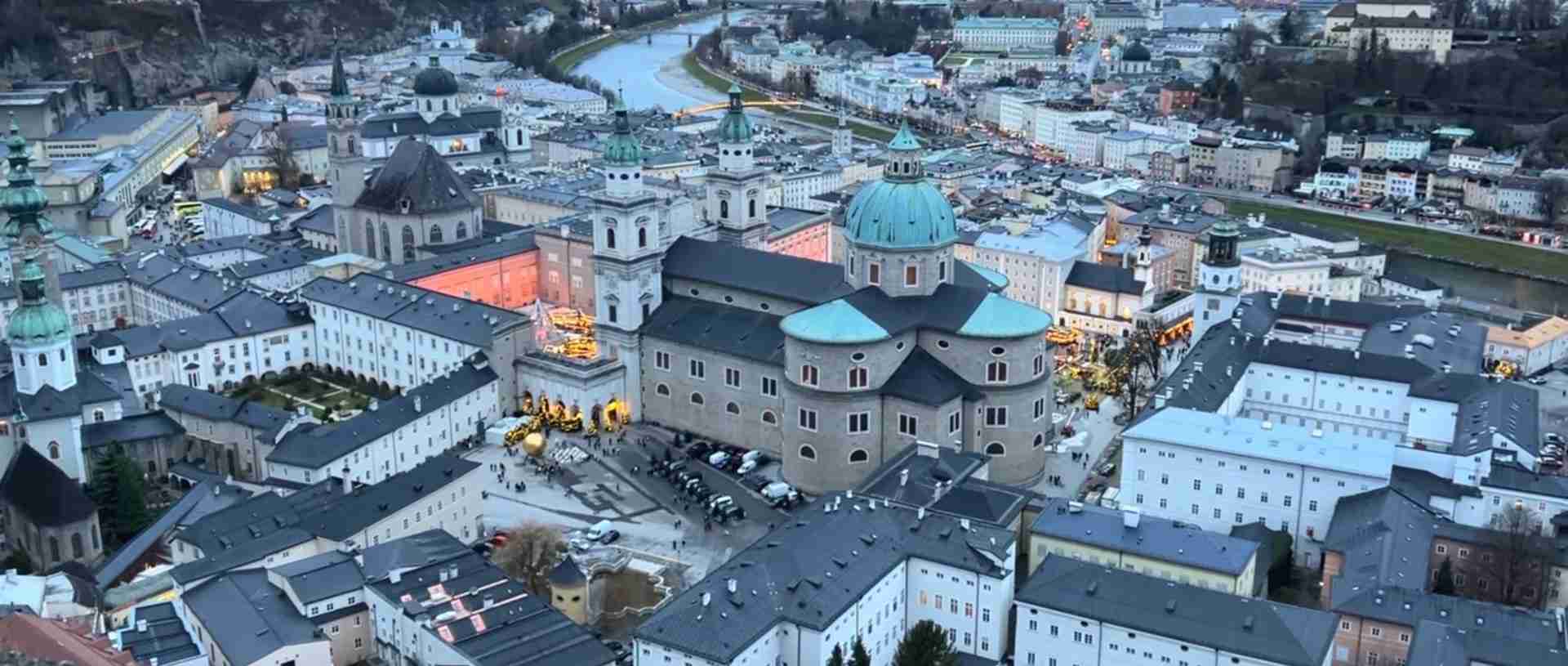
Salzburg Travel Guide 2026: Complete Planning Resource
This complete 2026 planning resource addresses every aspect of Salzburg travel from initial transportation decisions through daily itinerary construction. Whether you’re drawn by Mozart’s musical legacy, the cinematic landscapes of The Sound of Music, the architectural grandeur of baroque churches and palaces, or the alpine accessibility of surrounding mountains and lakes, comprehensive advance planning ensures you maximize every moment in this remarkable Austrian destination. The following sections provide the detailed costs, timing strategies, accommodation insights, and practical logistics needed to construct your ideal Salzburg experience for 2026.
Key Takeaways
- Salzburg offers exceptional value in 2026 with comprehensive Salzburg Card access providing admission to 30+ attractions, public transport, and discounts for €32-76 depending on duration
- Spring (April-May) and early autumn (September-October) deliver optimal weather, moderate crowds, and 20-30% lower accommodation costs compared to peak summer season
- The UNESCO-listed Old Town remains entirely walkable, with most major attractions concentrated within a 1.5km radius requiring no internal transportation costs
- Strategic advance booking for Sound of Music tours (€55-65) and Hohensalzburg Fortress visits ensures availability during 2026’s Mozart anniversary celebrations
- Budget travelers can experience Salzburg for €85-120 daily excluding accommodation, mid-range visitors €140-200, while luxury experiences range €280-400+ per person
- Mozart’s 270th birthday celebrations throughout 2026 bring enhanced programming, special exhibitions, and extended cultural offerings across the city’s concert halls and museums
Introduction to Planning Your Salzburg Visit in 2026
Salzburg stands as one of Europe’s most enchanting cultural destinations, where baroque architecture meets alpine grandeur in a UNESCO World Heritage setting that has captivated visitors for centuries. The city Mozart called home presents 2026 travelers with an extraordinary convergence of musical heritage, architectural splendor, and alpine accessibility that few destinations can match. Nestled along the Salzach River beneath the commanding presence of Hohensalzburg Fortress, this Austrian jewel delivers authentic cultural experiences within an remarkably compact and walkable historic center.
Planning your 2026 Salzburg visit opens access to a destination experiencing a particularly significant year. Mozart’s 270th birthday brings enhanced programming across the city’s renowned concert halls, special exhibitions in the composer’s birthplace and residence museums, and expanded festival offerings that complement Salzburg’s already robust cultural calendar. The city’s commitment to preserving its baroque character while embracing contemporary cultural innovation creates a destination where centuries-old traditions coexist with cutting-edge artistic presentations.
The 2026 travel landscape in Salzburg benefits from excellent infrastructure development completed in recent years. Direct rail connections link the city to Munich in 90 minutes, Vienna in 2.5 hours, and major European cities through efficient high-speed networks. The compact Old Town design eliminates most internal transportation needs, while the comprehensive Salzburg Card system provides economical access to virtually every significant attraction. Strategic planning around seasonal patterns, advance booking for key experiences, and understanding the city’s neighborhood geography transforms a Salzburg visit from pleasant to extraordinary.
People Also Ask About Salzburg 2026
How much does it cost to visit Salzburg in 2026?
Daily costs in Salzburg vary significantly by travel style and season. Budget travelers spend €85-120 per person daily excluding accommodation, covering the 24-hour Salzburg Card at €32, three budget meals totaling €25-35, local snacks and coffee €10-15, and minimal additional expenses. Mid-range visitors allocate €140-200 daily, including the 48-hour Salzburg Card at €41, restaurant dining €50-70, café culture experiences €15-20, and occasional guided tours or concerts. Luxury travelers invest €280-400+ daily, featuring the 72-hour Salzburg Card at €48, fine dining experiences €120-180, private tours €80-150, and premium concert tickets €50-120.
Accommodation adds €60-90 nightly for budget hostels and guesthouses, €120-180 for mid-range hotels in the New Town, €200-300 for boutique properties in the Old Town, and €350-600+ for luxury establishments like Hotel Sacher or Schloss Mönchstein. The Salzburg Card represents exceptional value, providing admission to 30+ attractions including Mozart’s Birthplace (€13), Mozart Residence (€13), Hohensalzburg Fortress (€16.50), DomQuartier museums (€14), and unlimited public transport. Check salzburg.info for current official rates as pricing may vary. A typical 3-day mid-range visit costs €420-600 per person excluding accommodation, while budget-conscious travelers complete similar experiences for €255-360.
What is the best time to visit Salzburg in 2026?
April through May and September through October deliver optimal conditions for 2026 Salzburg visits, combining favorable weather, manageable crowds, and moderate pricing. Spring brings temperatures of 12-20°C, blooming gardens in Mirabell and Hellbrunn, Easter concert programming, and accommodation rates 20-30% below summer peaks. Early autumn offers 14-22°C conditions, harvest festivals in nearby wine regions, exceptional fall foliage in surrounding mountains, and post-summer pricing that provides significant value. Both shoulder seasons enable enjoyable outdoor exploration without July-August crowds that can overwhelm Old Town streets and popular attractions.
Summer June through August attracts peak visitor numbers but delivers the full cultural calendar including the Salzburg Festival (late July-August), longest daylight hours for sightseeing (sunrise 5:00 AM, sunset 9:00 PM), warmest weather for alpine excursions averaging 22-28°C, and open-air concert experiences. However, accommodation rates increase 40-60%, popular tours sell out weeks ahead, and midday Old Town crowds require patience. Winter December through March presents a different Salzburg entirely, featuring Christmas markets (late November-December), reduced tourist presence, Advent concert programming, potential snow-covered landscapes, but limited alpine accessibility and reduced operating hours at some attractions with temperatures frequently below freezing.
Do you need advance bookings for Salzburg in 2026?
Advance booking proves essential for specific experiences while remaining optional for general sightseeing. Sound of Music tours sell out 2-4 weeks ahead during summer months and require 1-2 week advance booking in shoulder seasons for preferred departure times. Salzburg Festival performances (late July-August) require booking 3-6 months ahead for popular productions, while Mozart Week concerts (late January) need 2-3 month advance reservations. Hohensalzburg Fortress evening concerts and the Marble Hall chamber music series benefit from 2-4 week advance purchases for optimal seating.
Accommodation booking timelines depend on season and property type. Budget hostels and guesthouses accept 1-2 week advance reservations in shoulder seasons, while summer visits and festival periods require 6-8 weeks for availability. Mid-range Old Town hotels need 8-12 weeks for summer travel, and luxury properties like Hotel Goldener Hirsch or Schloss Mönchstein benefit from 3-4 month advance booking for preferred room categories. The Salzburg Card requires no advance purchase and remains available at tourist information centers, hotels, and major attractions throughout your stay, though online purchase before arrival saves queue time at the first attraction.
What’s the cheapest way to get to Salzburg in 2026?
Rail connections deliver the most economical and efficient Salzburg access for most European travelers. Direct trains from Munich reach Salzburg in 90 minutes for €25-45 with advance Austrian Railways (ÖBB) booking, compared to €80-120 for last-minute purchases. Vienna connections take 2.5 hours at €35-65 advance fares versus €90-140 walk-up rates. Budget carriers like FlixBus offer Munich-Salzburg service for €8-15 and Vienna-Salzburg for €12-20, though journey times extend to 2-3 hours versus 90-150 minutes by train. Regional “Bayern-Ticket” and “Euregio-Ticket” group day passes provide exceptional value for 2-5 travelers, covering unlimited regional rail travel for €25-69 total depending on group size.
Flying into Salzburg Airport (SZG) costs more than Munich or Vienna alternatives. Direct flights from London, Amsterdam, or other European hubs range €80-180 roundtrip, but the airport sits just 4km from the city center, accessible via bus line 2 for €2.70 or taxi €15-20. Budget travelers often fly into Munich (MUC) on low-cost carriers like Ryanair or easyJet for €30-80 roundtrip, then take the direct 90-minute train connection, achieving total transport costs of €55-125 versus €80-180 flying directly to Salzburg plus higher ticket prices on traditional carriers. Rental cars add €35-60 daily plus parking fees of €15-25 in Salzburg, making them economical only for travelers planning extensive alpine region exploration beyond the city.
Extended multi-day tours – 5+ days
Featured Salzburg Multi-Day Tour Packages
7 days
7 Days by Train in Munich & Zurich: Alpine Dreams & Bavarian Charms
- ✓ Comprehensive Salzburg tour
- ✓ Expert local guides included
- ✓ All accommodation arranged
- ✓ Transportation provided
5 days
5 Days in Salzburg: History, Mountains, and City Highlights
- ✓ Comprehensive Salzburg tour
- ✓ Expert local guides included
- ✓ All accommodation arranged
- ✓ Transportation provided
7 days
Christmas in Central Europe, Vienna to Berlin
- ✓ Comprehensive Salzburg tour
- ✓ Expert local guides included
- ✓ All accommodation arranged
- ✓ Transportation provided
7 days
Christmas in Central Europe, Berlin to Vienna
- ✓ Comprehensive Salzburg tour
- ✓ Expert local guides included
- ✓ All accommodation arranged
- ✓ Transportation provided
Multi-day tour packages powered by TourRadar. Prices and availability subject to change.
Essential Planning Information 2026
Current Costs and Pricing Breakdown 2026
Understanding Salzburg’s pricing structure enables accurate budget planning for 2026 visits. The Salzburg Card represents the foundation of economical sightseeing, priced at €32 for 24 hours, €41 for 48 hours, and €48 for 72 hours in 2026. Check salzburg.info for current official rates as pricing may vary. These cards include admission to 30+ attractions: Mozart’s Birthplace (standalone €13), Mozart Residence (€13), Hohensalzburg Fortress (€16.50 including funicular), DomQuartier museums (€14), Hellbrunn Palace (€14.50), Museum der Moderne (€12), plus unlimited public transport on all city buses. A visitor touring Mozart’s Birthplace, Residence, the Fortress, and DomQuartier in one day pays €56.50 without the card versus €32 with it, creating €24.50 immediate savings before transport benefits.
Dining costs vary dramatically by neighborhood and establishment type. Budget meals range €8-12 for traditional Würstelstand sausage stands, €10-15 for bakery lunches with coffee, €12-18 for casual Austrian tavern mains like Schnitzel or Käsespätzle. Mid-range restaurants charge €18-28 for traditional Austrian cuisine, €22-35 for international dining, €25-40 for riverside terrace establishments. Fine dining experiences at Michelin-recognized venues cost €45-75 per main course, €85-140 for tasting menus. Coffee culture represents significant daily expense, with traditional coffeehouses charging €4.50-7 for Melange or Einspänner, €5-8 for pastries, creating €10-15 daily café budgets for enthusiasts. Supermarket supplies cost €15-25 daily for self-catering breakfast and snacks.
Transportation Options and Schedules 2026
Salzburg’s compact Old Town eliminates most transportation needs, with the 1.5km distance between major attractions easily walkable in 15-20 minutes. The comprehensive bus network operated by Salzburg AG Verkehr serves outer neighborhoods, with single tickets costing €2.70, 24-hour passes €6.30, weekly passes €17.30. The Salzburg Card includes unlimited bus travel, adding significant value for visitors staying in New Town accommodations or planning alpine excursions to Untersberg mountain or Hellbrunn Palace. Bus routes 1, 3, 5, 6, and 25 connect the train station to Old Town in 10-15 minutes, running every 10-20 minutes from 5:30 AM to midnight, reduced to 30-minute intervals after 8:00 PM.
The Mönchsberg elevator provides convenient access to Museum der Moderne and mountain walking paths, operating 8:00 AM to 7:00 PM Monday-Saturday, 8:00 AM to 6:00 PM Sunday, for €3.90 round-trip (included in Salzburg Card). The Hohensalzburg Fortress funicular runs every 10 minutes from 8:00 AM to 10:00 PM May-September, 9:00 AM to 5:00 PM October-April, charging €16.50 round-trip including fortress admission (Salzburg Card provides free access). Bicycle rental through Salzburg City Bike costs €12 for 24 hours, €18 for 48 hours, with designated cycle paths along both riverbanks enabling scenic transportation between major sites.
Best Time to Visit Salzburg 2026
Seasonal Analysis for 2026
Spring April-May transforms Salzburg into a garden showcase, with Mirabell Gardens displaying 15,000 tulips and ornamental beds, Hellbrunn Palace grounds revealing baroque garden designs, and mountain meadows ascending through wildflower succession. Temperature ranges of 12-20°C enable comfortable all-day exploration without summer heat, while occasional rain showers (8-10 days monthly) require flexible planning. Easter programming brings enhanced concert schedules, while the absence of summer festival crowds creates relaxed sightseeing conditions. Accommodation rates remain 20-30% below July-August peaks, tour availability stays high, and restaurant reservations prove unnecessary for most establishments.
Summer June-August delivers Salzburg’s cultural pinnacle with the Salzburg Festival dominating late July through August. This world-renowned celebration of opera, drama, and classical music attracts 250,000 visitors annually, featuring 200+ performances in venues from the Felsenreitschule to the Haus für Mozart. Summer accommodation rates increase 40-60% above shoulder seasons, popular tours sell out 2-4 weeks ahead, and midday Old Town streets experience significant congestion. However, extended daylight (sunrise 5:00 AM, sunset 9:00 PM in June) maximizes sightseeing time, outdoor concerts fill squares and gardens, alpine excursions benefit from optimal weather averaging 22-28°C, and the full spectrum of cultural programming operates at maximum capacity.
Weather Patterns and Crowd Predictions 2026
Autumn September-October presents arguably ideal Salzburg conditions, combining summer’s warmth with spring’s tranquility. Temperatures of 14-22°C remain perfect for walking tours, alpine cable cars operate full schedules for mountain excursions, harvest festivals animate nearby wine regions, and fall foliage transforms surrounding mountains into spectacular color displays. The post-festival exodus after August reduces accommodation demand by 30-40%, tour availability improves dramatically, and restaurant reservations become optional again except weekend evenings. Cultural programming continues with Salzburg Culture Days (October), chamber music series, and regular concerts at Mozarteum and Marionette Theater.
Winter December-March attracts visitors seeking Christmas market atmosphere, Advent concert programming, and potential snow-covered landscapes. The traditional markets operate late November through December 26, featuring 100+ wooden chalets selling handicrafts, regional food specialties, mulled wine, and roasted chestnuts across Domplatz, Residenzplatz, and Mirabell Gardens. Temperatures frequently drop below freezing, requiring substantial winter clothing for outdoor exploration. Many alpine attractions close or operate reduced schedules, some mountain cable cars cease operation, and daylight hours compress to 8:00 AM sunrise, 4:30 PM sunset in December. However, accommodation rates drop 40-50% below summer levels, indoor attractions experience minimal crowds, and the atmospheric Christmas season creates unique cultural experiences unavailable other times.
Accommodation Strategies 2026
Budget Accommodation Options 2026
Budget travelers find excellent value in Salzburg’s hostel network and guesthouse sector, with strategic location choices balancing cost savings against convenience. Hostels in the Elisabeth-Vorstadt and Schallmoos neighborhoods charge €25-35 for dormitory beds, €60-80 for private doubles, positioning guests 15-20 minutes by bus from Old Town attractions. Properties like YOHO Salzburg, A&O Salzburg Hauptbahnhof, and Meininger Salzburg City Center include free WiFi, shared kitchens enabling €15-25 daily food budgets, common areas for traveler interaction, and 24-hour reception services. Advance booking 4-6 weeks ahead secures availability during summer months and festival periods.
Private guesthouses and family-run pensions offer quiet alternatives at €70-95 for double rooms in residential neighborhoods. Properties in Maxglan, Itzling, and Gneis provide authentic local atmosphere, breakfast included in room rates, free parking worth €15-25 daily value, and personal service from owner-operators. The 2-3 kilometer distance from Old Town translates to 20-30 minute walks or 10-15 minute bus rides on routes covered by the Salzburg Card. Budget-conscious travelers booking New Town accommodations save €40-70 nightly compared to Old Town equivalents while maintaining easy attraction access through excellent public transport.
Mid-Range and Luxury Options 2026
Mid-range hotels in Salzburg’s New Town deliver modern comfort at €120-180 nightly for doubles, featuring amenities like fitness facilities, on-site restaurants, soundproofed rooms, and often rooftop terraces with Old Town views. Properties like NH Salzburg City, Star Inn Premium, and Wyndham Grand Salzburg Conference Centre provide 10-15 minute walks to Old Town attractions, complimentary breakfast buffets worth €15-20 per person, and professional service standards. These hotels cluster near Mirabell Gardens and the train station, positioning guests optimally for both cultural exploration and efficient transportation connections.
Luxury accommodations in Salzburg’s Old Town create immersive baroque atmosphere at €200-350 nightly. Boutique properties like Altstadt Hotel Weisse Taube, Hotel Goldener Hirsch, and Arthotel Blaue Gans occupy centuries-old buildings with preserved architectural details, designer interiors blending traditional and contemporary elements, gourmet breakfast services, and concierge assistance for restaurant reservations and concert bookings. Premium establishments like Hotel Sacher Salzburg (€350-500) and Schloss Mönchstein (€450-700) deliver five-star luxury with Michelin-starred dining, spa facilities, chauffeur services, and panoramic terrace settings. Old Town locations eliminate transportation costs while maximizing atmospheric immersion, though narrow medieval streets prevent vehicle access, requiring brief walks with luggage from drop-off points.
Money-Saving Strategies 2026
Advance Booking Benefits 2026
Strategic advance booking generates substantial savings across multiple expense categories in 2026. Austrian Railways (ÖBB) Sparschiene tickets booked 3-6 months ahead deliver 40-60% discounts on standard fares, with Munich-Salzburg connections dropping from €80-120 walk-up rates to €25-45 advance purchases. Accommodation properties offer early booking discounts of 15-25% for reservations made 8-12 weeks ahead, particularly valuable during summer festival periods when last-minute rates increase dramatically. Sound of Music tours and specialized walking tours provide 10-15% online booking discounts compared to same-day purchases, while some combination tickets bundle multiple attractions at reduced rates when purchased in advance packages.
The Salzburg Card purchase timing proves flexible, with identical pricing whether bought online before arrival or at tourist information upon reaching the city. However, online purchase eliminates queue time at the first attraction, allowing immediate activation upon entering Mozart’s Birthplace or Hohensalzburg Fortress. Concert and festival tickets demonstrate the most dramatic advance booking advantages, with Salzburg Festival performances selling out 3-6 months ahead for popular productions. Early purchase ensures preferred seating at comparable prices to less desirable locations bought last-minute, while procrastination often results in complete unavailability or secondary market premiums of 50-100% above face value.
Seasonal Optimization Tips 2026
Shoulder season travel in April-May and September-October delivers automatic savings of 30-50% across accommodation, 20-30% on organized tours, and improved availability for popular experiences without advance booking pressure. The same Hotel Goldener Hirsch room costing €380 in August drops to €220-260 in May or September, while maintaining identical luxury standards and Old Town convenience. Tours running €65-75 during festival weeks reduce to €50-60 in shoulder periods, often with smaller group sizes enabling more personalized experiences and better interaction with guides.
Strategic meal timing captures significant value through lunch specials and early dining options. Many traditional restaurants offer lunch menus at €12-18 providing identical quality to €22-32 evening service, while “early bird” specials before 6:30 PM reduce dinner costs by 15-20% at participating establishments. Supermarket assembly of breakfast and snacks costs €15-25 daily versus €35-45 for café breakfasts and frequent pastry purchases. The Grünmarkt farmers market (Universitätsplatz, Monday-Saturday mornings) provides fresh produce, regional cheeses, breads, and prepared foods at 20-30% below restaurant equivalents, enabling economical picnic assembly for Mirabell Gardens or riverside enjoyment. Public drinking fountains throughout Old Town eliminate bottled water costs, while refillable bottles save €2-4 daily versus repeated purchases.
Sample 2026 Itineraries
Three-Day Classic Salzburg Experience 2026
Day 1: Old Town Immersion – Begin at Mozart’s Birthplace (Getreidegasse 9) when doors open at 9:00 AM, exploring the composer’s childhood home, family portraits, early instruments, and memorabilia spanning four floors. The yellow building’s iconic façade anchors Salzburg’s most famous shopping street, lined with wrought-iron guild signs and baroque architecture. Continue to Salzburg Cathedral (Dom), where Mozart’s baptismal font remains on display and the magnificent baroque interior showcases Donato Mascagni’s ceiling frescoes and over 4,000 organ pipes. Cross Residenzplatz to DomQuartier museums, a connected complex spanning the Residenz palace State Rooms, Residenz Gallery with European masters, Cathedral Museum treasures, and St. Peter’s Abbey long gallery, requiring 2-3 hours for comprehensive viewing.
Lunch at Stiftskeller St. Peter, Europe’s oldest restaurant (founded 803 AD), serving traditional Austrian cuisine in historic vaulted cellars at €18-28 for mains. Afternoon ascent to Hohensalzburg Fortress via funicular accesses panoramic city views, medieval state rooms, torture chamber, Golden Hall, and fortress museums documenting 900 years of military history. Return via walking paths through Mönchsberg forest to Museum der Moderne for contemporary art exhibitions and sunset terrace views across the Old Town. Evening concert at Mozarteum or dinner at Carpe Diem Finest Fingerfood for creative Austrian cuisine. Salzburg Card 24-hour €32, Mozart’s Birthplace free with card (€13 standalone), Cathedral free, DomQuartier free with card (€14 standalone), Fortress free with card (€16.50 standalone), Museum der Moderne free with card (€12 standalone), lunch €20-30, dinner €35-50, snacks €8-12. Total day cost: €95-124 per person (excluding accommodation).
Day 2: Sound of Music & Gardens – Morning Sound of Music tour departing 9:00-9:30 AM visits filming locations including Leopoldskron Palace, Hellbrunn gazebo, Nonnberg Abbey, and Mondsee village where the wedding church scenes were filmed. The 4-hour experience costs €55-65 depending on operator and includes English-speaking guides, air-conditioned transport, and multiple photo opportunities in Lake District landscapes. Check booking platforms for current tour rates and availability. Return to Salzburg for lunch at Café Tomaselli (established 1705), the city’s oldest coffeehouse, serving traditional pastries and light meals at €12-20. Afternoon exploration of Mirabell Palace and Gardens includes the Marble Hall where Mozart performed childhood concerts, baroque garden parterres, Pegasus Fountain, dwarf garden, and hedge theater featured in “Do-Re-Mi” sequences.
Cross the Salzach River to Mozart Residence (Makartplatz 8), the composer’s family home from 1773-1780, featuring period instruments, concert room, family correspondence, and audio guide narratives. Evening options include Salzburg Marionette Theater performances of Mozart operas with masterful puppetry (€25-50), traditional Austrian dinner in the Getreidegasse area at €25-40, or drinks at rooftop bars like Stein Terrasse overlooking illuminated fortress. Sound of Music tour €55-65, lunch €15-22, Mirabell Gardens free, Mozart Residence free with 48-hour Salzburg Card (€13 standalone, card total €41), dinner €30-45, concert or drinks €25-50, snacks €8-12. Total day cost: €133-195 per person (excluding accommodation).
Day 3: Alpine Excursion – Day trip to Untersberg mountain via cable car from St. Leonhard (bus 25 from city center, 30 minutes). The 9-minute cable car ascent rises 1,320 meters to summit station at 1,776 meters, providing spectacular alpine panoramas across Salzburg, Berchtesgaden Alps, and Austrian-German borderlands. Summit walking paths range from easy 30-minute panorama circuits to 2-3 hour mountain ridge traverses requiring proper footwear. The summit restaurant serves traditional mountain cuisine at €12-20, while picnic alternatives save €8-15. Cable car costs €29.50 round-trip for adults, operating 9:00 AM to 5:00 PM with last ascent at 4:00 PM.
Return to Salzburg for late afternoon visit to Hellbrunn Palace and Trick Fountains, where baroque water features surprise visitors with hidden sprays, musical water organs, and mechanical theaters powered by hydraulic systems. The palace gardens extend across 60 hectares of baroque landscape design, while the palace interior showcases Octagon Room frescoes and Chinese Cabinet curiosities. Evening farewell dinner at Restaurant Esszimmer (one Michelin star) for contemporary Austrian cuisine at €45-75 per main, or more casual alternatives like Augustiner Bräu monastery brewery serving traditional fare in communal beer hall setting at €15-25. Bus to Untersberg €2.70 each way (free with 72-hour Salzburg Card), cable car €29.50, lunch €14-20, Hellbrunn free with Salzburg Card (€14.50 standalone), dinner €40-75, snacks €8-12. Total day cost: €94-180 per person (excluding accommodation).
Budget-Conscious Weekend 2026
Day 1: Free & Low-Cost Highlights – Begin with free Old Town walking exploration covering major squares: Residenzplatz with baroque fountain, Domplatz framed by cathedral and fortress backdrop, Alter Markt preserving medieval market atmosphere, Mozart fountain plaza, and Getreidegasse’s historic shopping street with guild signs and boutiques. The Cathedral offers free admission with scheduled organ recitals (check current schedule), while cemetery St. Peter provides peaceful baroque atmosphere and catacombs dating to early Christian period. Climb Mönchsberg walking paths (free access) to Museum der Moderne terrace for panoramic views, continuing through mountain forest to Augustiner Bräu monastery brewery for lunch in beer garden setting at €8-15 for sausages, pretzels, and beer served in traditional stone mugs.
Afternoon 48-hour Salzburg Card purchase at €41 activates with Hohensalzburg Fortress visit, including funicular, fortress museums, and panoramic terraces. Evening concert at Mozarteum (student/standing tickets from €15-25) or free organ recital at Cathedral or Collegiate Church. Dinner at Würstelstand sausage stand €6-10 or supermarket picnic in Mirabell Gardens €8-12. Salzburg Card 48-hour €41, lunch at Augustiner Bräu €10-15, dinner €8-12, concert €15-25 (or free), snacks €6-10. Total day cost: €80-103 per person (excluding accommodation).
Day 2: Card Maximization – Early start at Mozart’s Birthplace when doors open at 9:00 AM, followed by DomQuartier museums complex before lunch. Midday meal at university Mensa cafeteria (Kaigasse 17) serves students and visitors at €6-10 for complete lunch menus. Afternoon visits to Mozart Residence and Hellbrunn Palace Trick Fountains both included with Salzburg Card, requiring bus transport also covered by card benefits. Evening Sound of Music Pavillon self-guided visit in Hellbrunn gardens (free after palace tour), sunset stroll along river promenade, and budget dinner at Sternbräu traditional beer hall at €12-18. All attractions covered by previous day’s 48-hour card, lunch €8-12, dinner €14-18, snacks €8-12. Total day cost: €30-42 per person (excluding accommodation).
Booking and Reservations 2026
Official Booking Channels 2026
Mozart museums, Hohensalzburg Fortress, and DomQuartier accept both walk-up visitors and online advance booking through salzburg.info, though advance purchase proves unnecessary except during peak festival weeks. The Salzburg Card remains available at tourist information centers (Mozartplatz 5, train station, airport), most hotels, and major attractions, with no advantage to advance online purchase except queue avoidance at first attraction. Austrian Railways (ÖBB) operates official booking at oebb.at for domestic and international rail connections, offering Sparschiene discount fares 3-6 months ahead and various group passes for multi-passenger travel.
Salzburg Festival tickets require booking through salzburgerfestspiele.at, opening reservations in January for July-August performances. Popular productions sell out 3-6 months ahead, while less prominent concerts and drama performances remain available closer to performance dates. The official platform guarantees authentic tickets at face value, avoiding secondary market premiums and potential fraud. Mozart Week (Mozartwoche) concerts in late January book through mozarteum.at with 2-3 month advance windows for preferred seating. Hotel booking platforms like booking.com and hotel.com provide comprehensive Salzburg property coverage with user reviews, while booking directly through hotel websites sometimes delivers 10-15% loyalty discounts or room upgrade possibilities.
Tour Operator Recommendations 2026
Sound of Music tours operate through multiple companies including Panorama Tours, Bob’s Special Tours, Fräulein Maria’s Bicycle Tours, and Maria’s Bike Tours. Panorama Tours (panoramatours.com) runs the original bus tour departing multiple times daily at €55-65 for 4-hour experiences covering Leopoldskron Palace, Hellbrunn, Nonnberg Abbey, Mondsee, and Lake District landscapes. Bob’s Special Tours (bobstours.com) offers smaller groups at €60-70 with more personalized attention and flexible photo stops. Fräulein Maria’s Bicycle Tours (mariasbicycletours.com) provides active alternatives at €38-48 for 3.5-hour cycling experiences covering city film locations and riverside paths, though skipping distant Mondsee village due to cycling range limitations.
Specialized walking tours through Salzburg Guides (salzburg-guides.at) deliver expert-led thematic experiences covering Mozart’s Salzburg (€15-20), baroque architecture (€18-25), Jewish Salzburg (€15-20), and evening ghost tours (€18-25). Private guide services cost €150-200 for 2-3 hours, accommodating specific interests and flexible pacing for small groups. Alpine excursions through local operators include Untersberg cable car, Dachstein glacier tours, Wolfgangsee lake district trips, and Werfen ice caves visits, bookable through hotel concierges or directly through operator websites. Eagle’s Nest tours to Hitler’s mountain retreat near Berchtesgaden operate from Salzburg at €65-75 for 4-5 hour experiences combining historical context with alpine scenery.
2026 Updates and Current Information
The 2026 Salzburg cultural calendar celebrates Mozart’s 270th birthday (born January 27, 1756) with enhanced programming across concert venues, special exhibitions at both Mozart museums, and expanded festival offerings throughout the year. The Mozarteum Foundation coordinates celebrations including chamber music series, historically informed performances on period instruments, and multimedia presentations exploring Mozart’s creative evolution and contemporary cultural impact. Major venues including Großes Festspielhaus, Haus für Mozart, Felsenreitschule, Mozarteum concert halls, and baroque churches host anniversary programming from January through December.
Infrastructure developments completed in recent years improve visitor experiences, including renovated DomQuartier museum complex with enhanced circulation and modern climate control, upgraded Hohensalzburg Fortress exhibition spaces with interactive displays and audiovisual presentations, and improved public transport frequency on key routes connecting accommodations to attractions. Digital innovations include enhanced audio guide systems at major attractions, mobile ticketing options reducing queue times, and integrated apps combining attraction information, transport planning, and dining recommendations.
Environmental initiatives influence 2026 travel patterns, with expanded pedestrian zones in Old Town limiting vehicle access, enhanced cycling infrastructure along riverbanks and connecting neighborhoods, and electric bus deployment on primary tourist routes. The Salzburg Card increasingly functions as comprehensive access credential, with contactless entry at participating attractions reducing paper ticket waste and improving entry efficiency. Sustainability programs at hotels emphasize local sourcing, energy efficiency, and waste reduction, while restaurant initiatives highlight regional ingredients, seasonal menus, and organic production methods aligned with Austria’s strong environmental standards.
Practical visitor information remains accessible through multiple channels: salzburg.info provides official tourism board resources including current attraction hours, pricing, and event calendars; the Salzburg Card app offers navigation assistance and real-time public transport information; and major hotel concierges maintain updated knowledge of concert programming, restaurant recommendations, and weather-dependent activity alternatives. Emergency services (police, medical) operate English-language assistance, while tourist police in Old Town provide visitor-specific help during peak seasons. Currency exchange availability extends across city center banks, while ATMs provide broad geographic coverage with standard international banking fees of €3-5 per withdrawal.
Frequently Asked Questions About Salzburg 2026
Is Salzburg expensive to visit?
Salzburg costs moderate by Western European standards, with budget travelers spending €85-120 daily excluding accommodation, mid-range visitors €140-200, and luxury travelers €280-400+. The Salzburg Card at €32-48 depending on duration provides exceptional value, including 30+ attractions and unlimited public transport. Dining costs range €10-15 for casual meals to €45-75 for fine dining. Accommodation varies from €25-35 hostel dormitories to €350-700 luxury hotels. Strategic planning around shoulder seasons (April-May, September-October) reduces costs 20-40% compared to peak summer, while advance booking delivers additional 15-30% savings on transport and accommodation.
How many days do you need in Salzburg?
Three days enables comprehensive Salzburg exploration covering major attractions, Sound of Music locations, alpine excursions, and cultural experiences without rushing. Day one focuses on Old Town highlights (Mozart museums, Cathedral, DomQuartier, Hohensalzburg Fortress), day two combines Sound of Music tour with Mirabell Gardens and evening concert, day three allows alpine cable car excursion plus Hellbrunn Palace visit. Two-day compressed itineraries cover core attractions but eliminate alpine excursions and extended cultural programming. Four-plus days enable day trips to Hallstatt, Berchtesgaden, Salzkammergut lakes, or relaxed pacing with afternoon café culture, concert attendance, and repeat favorite locations.
Is the Salzburg Card worth buying?
The Salzburg Card delivers immediate value for visitors planning 3+ major attractions daily. A single-day visitor touring Mozart’s Birthplace (€13), Hohensalzburg Fortress (€16.50), DomQuartier (€14), and Museum der Moderne (€12) pays €55.50 individually versus €32 with 24-hour card, saving €23.50 before adding unlimited public transport worth €6.30 daily. The 48-hour card at €41 proves optimal for most visitors, covering two full days of sightseeing plus flexibility for early third-day departure activities. Budget travelers focusing primarily on free Old Town walking, Cathedral visits, and single paid attraction may skip the card, while comprehensive itinerary planners save substantial sums through card purchase.
What should I wear in Salzburg?
Comfortable walking shoes prove essential for cobblestone streets, fortress steps, and mountain paths. Spring and autumn require layered clothing for 12-22°C temperatures, light rain jacket for occasional showers, and sun protection for alpine excursions. Summer visitors need breathable fabrics for 22-28°C conditions, hat and sunscreen for outdoor exploration, light sweater for air-conditioned museums and evening concerts. Winter demands substantial insulation for below-freezing temperatures, waterproof boots for snow and ice, warm accessories (gloves, hat, scarf). Concert attendance at Salzburg Festival or Mozarteum expects smart casual to formal attire depending on venue and performance, while casual dining and sightseeing accepts relaxed tourist clothing.
Can you do Sound of Music tour from Salzburg?
Multiple operators run daily Sound of Music tours departing central Salzburg pickup points. Standard 4-hour bus tours cost €55-65, visiting Leopoldskron Palace, Hellbrunn gazebo, Nonnberg Abbey exterior, Lake District landscapes, and Mondsee wedding church. Morning departures (9:00-9:30 AM) return by early afternoon, enabling combination with city sightseeing. Alternative bicycle tours at €38-48 cover city filming locations over 3.5 hours, though excluding distant Mondsee due to cycling range. Private tours accommodate flexible timing and extended photography at €300-400 for small groups. Advance booking 1-2 weeks ahead secures summer availability, while shoulder season tours accept walk-up purchases.
What food is Salzburg famous for?
Salzburg’s culinary traditions center on Austrian classics and regional specialties. Wiener Schnitzel (breaded veal cutlet) appears on virtually every menu at €18-28, while Salzburger Nockerl (sweet soufflé resembling mountain peaks) represents the city’s signature dessert at €12-18 for sharing portions. Mozartkugel chocolate balls originated in Salzburg, with original Fürst recipes available at Café Fürst locations (€1.40 each). Kasnocken (cheese dumplings), Tafelspitz (boiled beef), and Gulasch represent traditional warm dishes at €15-25. Coffee culture remains integral, with traditional houses serving Melange (cappuccino-style), Einspänner (coffee with whipped cream), and Pharisäer (coffee with rum and cream) at €4.50-7 alongside pastries like Apfelstrudel and Sachertorte.
Is Salzburg safe for tourists?
Salzburg maintains excellent safety standards with minimal violent crime and tourist-focused police presence in Old Town areas. Standard precautions against pickpocketing apply in crowded areas like Getreidegasse shopping street, Mirabell Gardens, and summer festival venues, where distracted tourists attract opportunistic theft. Keep valuables secured in front pockets or bags worn forward, avoid displaying expensive electronics unnecessarily, and remain aware in crowded transport situations. Evening safety extends across the city, with well-lit streets, frequent pedestrian activity, and reliable public transport operating until midnight. Emergency services operate efficiently, English-language assistance remains available, and tourist police provide visitor-specific help during peak seasons.
Can you walk everywhere in Salzburg?
Salzburg’s compact Old Town enables complete walking exploration, with 1.5km maximum distance between major attractions requiring 15-20 minutes unhurried pace. Mozart’s Birthplace to Hohensalzburg Fortress spans 800 meters, Mirabell Gardens to Cathedral covers 600 meters, while river crossings via pedestrian bridges (Mozartsteg, Staatsbrücke, Makartsteg) connect neighborhoods seamlessly. Fitness requirements remain minimal for Old Town exploration, though fortress access involves funicular ride or steep walking path climbing 120 meters elevation. Outer attractions like Hellbrunn Palace, Untersberg cable car, and some accommodation areas require bus transport included in Salzburg Card benefits. Extended walking enthusiasts complete Salzburg entirely on foot, while others appreciate strategic bus use for distant destinations or steep elevation changes.
What is the best area to stay in Salzburg?
Old Town locations provide maximum atmospheric immersion and walking access to attractions, though commanding premium rates (€200-500 nightly) and vehicle restrictions requiring brief luggage walks from drop-off points. The area between Mirabell Gardens and train station delivers optimal mid-range value (€120-180), combining 10-15 minute walking access to attractions with modern hotel amenities, parking availability, and convenient transport connections. Budget travelers find excellent hostel and guesthouse options in Elisabeth-Vorstadt and Schallmoos neighborhoods (€60-95), accepting 15-20 minute bus rides to Old Town. Luxury seekers consider hillside properties like Schloss Mönchstein for panoramic views and resort atmospheres, though requiring short shuttle or taxi service to city center.
What language is spoken in Salzburg?
German serves as Salzburg’s primary language, with Austrian dialect variations differing slightly from standard German in pronunciation, vocabulary, and expressions. English proficiency extends widely across tourism industry workers, hotel staff, restaurant servers, tour guides, and attraction personnel, enabling smooth communication without German knowledge. Major museums and attractions provide English audio guides, information panels, and printed materials. Restaurant menus increasingly feature English translations, while ordering assistance remains readily available. Learning basic German courtesies (Guten Tag, Danke, Bitte, Entschuldigung) demonstrates cultural respect and enhances local interactions, though communication barriers rarely impede successful tourism experiences.