Vienna Travel Tips 2026: Essential Planning & Practical Advice
Key Takeaways:
- Vienna’s 72-hour transportation pass (€17.10) covers unlimited U-Bahn, tram, and bus travel, making it essential for efficient attraction access and better value than individual tickets for 7+ rides
- Book Schönbrunn and Spanish Riding School tickets 2-3 months ahead for summer visits; most other attractions accept same-day purchases except during major holidays
- Traditional restaurant lunch menus cost 40-50% less than dinner prices for identical dishes, allowing budget-conscious travelers to experience renowned establishments like Plachutta at €16 versus €32
- The Vienna Pass (€69 for 72 hours) breaks even after visiting four major attractions and includes transportation, saving €30-50 for intensive sightseeing schedules
- Coffee house culture permits lingering over single orders for hours; locals read newspapers, work on laptops, and meet friends in these spaces functioning as informal offices and social hubs
Essential Planning Information for 2026
Vienna operates as one of Europe’s most visitor-friendly capitals, combining exceptional public transportation with compact central layout, widespread English fluency, and well-organized tourism infrastructure. Understanding the city’s rhythms, booking patterns, and cultural expectations transforms good visits into extraordinary experiences where you navigate confidently while avoiding common mistakes that cost time and money.
The city rewards advance planning for peak attractions while maintaining flexibility for spontaneous discoveries in neighborhood cafés, hidden courtyards, and local markets. This guide provides the practical foundation for maximizing your Vienna experience through strategic booking, efficient transportation use, money-saving techniques, and cultural awareness that enhances interactions with locals while respecting Austrian traditions.
Vienna’s tourism infrastructure operates year-round with seasonal variations affecting pricing, crowd levels, and attraction accessibility. Understanding these patterns allows you to choose optimal visit timing, book accommodations strategically, and plan daily activities that work with rather than against the city’s natural flow. The following sections address every practical aspect of Vienna planning from initial research through post-visit reflection.
People Also Ask About Vienna Travel Tips 2026
What’s the most important thing to book in advance for Vienna in 2026?
Schönbrunn Palace Grand Tour tickets require 2-3 month advance booking for summer visits (May-September) to secure morning time slots (9-10 AM) when crowds are minimal and photography lighting optimal. Spanish Riding School performances sell out 4-6 weeks ahead during peak season, while Vienna State Opera and Musikverein benefit from 1-2 month advance booking for desirable seating sections. Most other attractions including Hofburg, Belvedere, and museums accept same-day tickets except during major holidays (Christmas, New Year, Easter). Mid-range hotels in central districts fill 6-8 weeks ahead for summer weekends, requiring early booking for best location and rates.
How much money should I budget per day in Vienna in 2026?
Budget €95-140 per person daily excluding accommodation for moderate comfort including attractions (€20-35 with Vienna Pass savings), three meals (€45-70 combining coffee houses, traditional restaurants, and casual dining), and local transportation (€6-17 depending on pass purchase). This range covers Schönbrunn Grand Tour €32, Hofburg €18, quality restaurant meals, and coffee house experiences. Luxury travelers budget €200-300+ daily adding upscale dining (€80-120 for dinner), premium concert seats (€100-200), and taxis versus public transit. Budget backpackers manage €50-70 daily using hostel breakfasts, market lunches, limited paid attractions, and walking instead of transit passes. Mid-range hotel accommodation adds €120-180 per night for double occupancy.
Is Vienna safe for solo travelers in 2026?
Vienna ranks among Europe’s safest capitals with exceptionally low violent crime rates and well-lit streets throughout central districts. Solo travelers walk confidently at night in tourist areas and residential neighborhoods, though standard precautions against pickpockets apply in crowded locations like Stephansplatz, Naschmarkt, and U-Bahn during rush hours. Women traveling alone report minimal harassment and comfortable evening dining or concert attendance. The U-Bahn operates until midnight with security presence at major stations. Solo female travelers should use licensed taxis for late-night hotel returns rather than walking through unfamiliar areas after 1 AM, though Vienna proves far safer than most European capitals for independent exploration.
What’s the best way to get around Vienna in 2026?
The U-Bahn (metro) system provides fastest transportation between major attractions, with five lines reaching every tourist destination within 15-20 minutes. Trains run every 3-5 minutes during daytime hours (6 AM-midnight) with clear English signage and announcements. The 72-hour transportation pass (€17.10) covers unlimited U-Bahn, tram, and bus travel, proving essential value for visitors taking 7+ rides during their stay. Trams circle the Ringstrasse every 6-8 minutes, offering scenic routes past monuments. Walking suits the compact historic center where most attractions sit within 10-20 minute strolls. Taxis and Uber function for late-night transport or luggage-heavy trips but prove unnecessary for daytime sightseeing given excellent public transit frequency and coverage.
Extended multi-day tours – 5+ days
Featured Vienna Multi-Day Tour Packages

3 days
Vienna 3-Day Discovery Tour
- ✓ Comprehensive Vienna experience
- ✓ Expert local guides included
- ✓ All accommodation included
- ✓ Transportation provided

5 days
Vienna 5-Day Highlights Experience
- ✓ Comprehensive Vienna experience
- ✓ Expert local guides included
- ✓ All accommodation included
- ✓ Transportation provided
7 days
Vienna 7-Day Cultural Journey
- ✓ Comprehensive Vienna experience
- ✓ Expert local guides included
- ✓ All accommodation included
- ✓ Transportation provided
10 days
Vienna 10-Day Complete Adventure
- ✓ Comprehensive Vienna experience
- ✓ Expert local guides included
- ✓ All accommodation included
- ✓ Transportation provided
Multi-day tour packages powered by TourRadar. Prices and availability subject to change.
Transportation Mastery for 2026 Vienna Visits
Understanding Vienna’s Public Transportation System
Vienna operates an integrated public transportation network combining five U-Bahn lines, extensive tram routes, and comprehensive bus service under the Wiener Linien system. All services use unified tickets allowing transfers between modes without additional payment, with simple pricing structure based on time validity rather than distance or zones for central Vienna travel.
The U-Bahn functions as the tourist backbone, particularly the U1 and U3 lines serving Stephansplatz, Karlsplatz, and Schönbrunn. Trains run every 3-5 minutes during peak hours (7-9 AM, 4-7 PM) and every 7-10 minutes during off-peak times. Service operates 5 AM-midnight weekdays, with Friday and Saturday night service continuing until 2 AM. Sunday and holiday service begins at 6 AM.
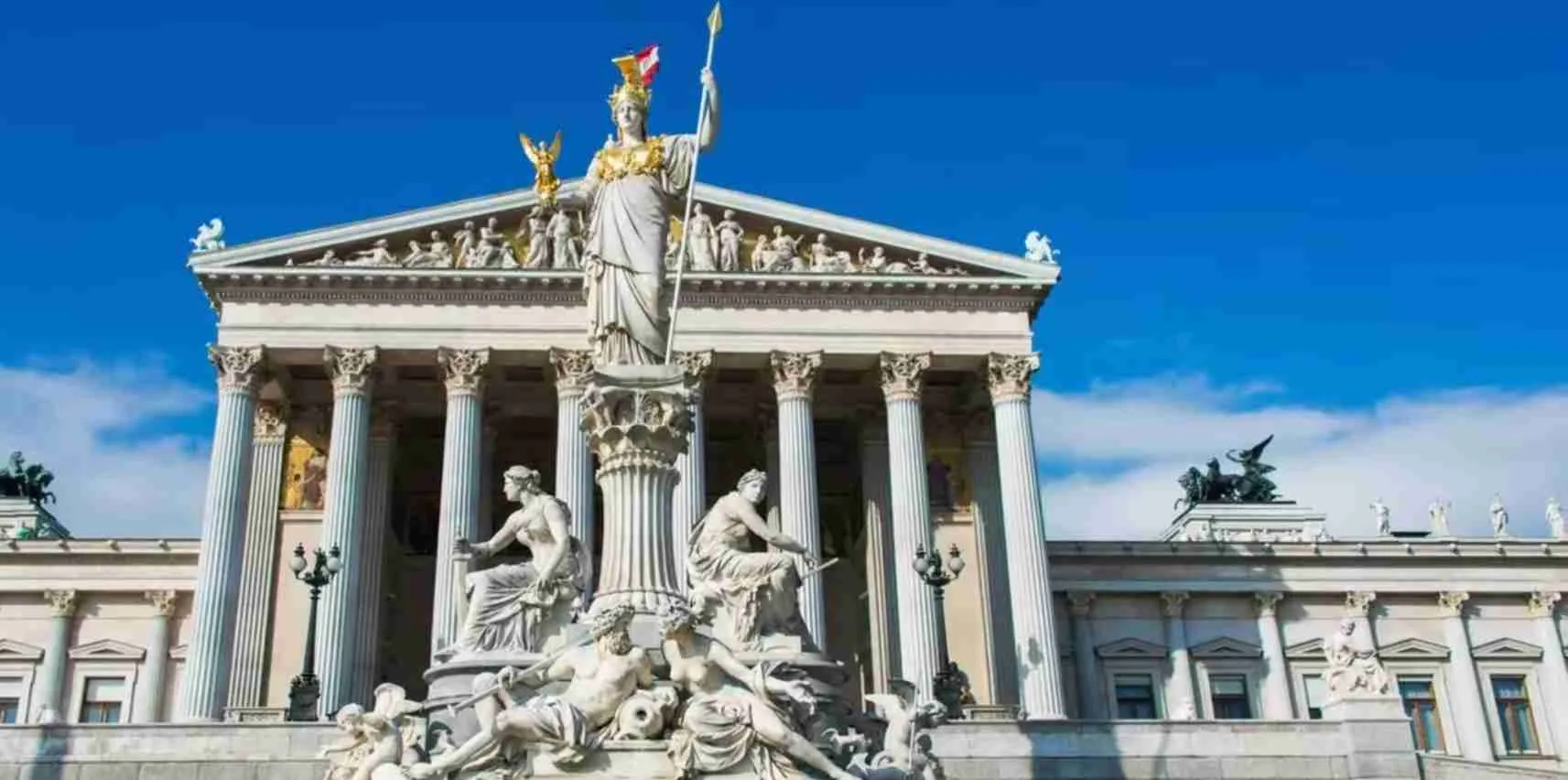
Trams provide slower but scenic transportation, particularly the Ring tram (lines 1 and 2) circling the Ringstrasse boulevard past Parliament, City Hall, Opera House, and Museums in 25-30 minutes. Trams connect residential neighborhoods to central districts and prove useful for short hops where U-Bahn stations sit slightly distant from destinations. Stops announce in German and English, with digital displays showing next stops and connections.
Night buses (N-lines) operate after midnight on main routes serving central hotels and entertainment districts. These services depart every 20-30 minutes from Schwedenplatz hub, covering routes after U-Bahn closure. Regular tickets and passes function on night buses without surcharges.
Ticket Options and Pricing Strategies 2026
Vienna transportation tickets start at €2.40 for single rides valid 90 minutes including transfers. The 24-hour ticket costs €5.80, 48-hour €11.50, and 72-hour €17.10, covering unlimited travel on all U-Bahn, trams, and buses within central zones. These passes activate upon first validation and remain valid for the time period regardless of calendar days, making a 72-hour pass purchased Friday at 10 AM valid through Monday 10 AM.
Calculate your pass value by counting planned rides: taking the U-Bahn 3-4 times daily (hotel to Schönbrunn, Schönbrunn to center, center to Belvedere, Belvedere to hotel) totals 12+ rides over three days. At €2.40 per single ride, this reaches €28.80 versus €17.10 for the 72-hour pass, saving €11.70 while providing unlimited flexibility for spontaneous exploration.
Purchase tickets at U-Bahn station ticket machines (accept credit cards and cash with English language option), tobacco shops (Tabak-Trafik), and tourist information centers. Machines accept coins, bills, and contactless credit cards. The Wiener Linien app allows mobile ticket purchase and digital validation, useful for tech-savvy travelers wanting to avoid machine queues.
Validate tickets in blue validation boxes before entering U-Bahn platforms or upon boarding trams and buses. Failure to validate results in €105 fines during spot checks by plainclothes inspectors who board randomly and check all passengers. Time-based passes (24/48/72-hour) require validation only upon first use, after which the printed timestamp serves as proof of validity.
Strategic Transportation Planning
Karlsplatz functions as Vienna’s main transportation hub where U1, U2, and U4 lines intersect. Many hotels cluster around this station providing efficient access to all attractions. Stephansplatz (U1 and U3) serves the historic center, while Westbahnhof connects long-distance trains with U3 and U6 for travelers arriving from Salzburg or Prague.
Morning rush hours (7-9 AM) bring crowded trains on commuter routes like U6 and U4. Tourist attractions generate midday crowding (11 AM-2 PM) on U3 between Stephansplatz and Herrengasse. Evening rush (4-7 PM) affects all lines. Early risers (before 8 AM) and late planners (after 7 PM) enjoy emptier trains for comfortable travel to attractions opening at 9 AM or evening concert venues.
The Ringstrasse tram (lines 1 and 2) provides scenic orientation tours showing major monuments in context while delivering legitimate transportation between museums, opera, and parliamentary districts. This circular route helps first-day visitors understand Vienna’s layout, replacing expensive hop-on-hop-off buses while serving actual transportation needs.
Download the Wiener Linien app for real-time arrival information, journey planning, and service disruption alerts. The app displays next train arrivals at your current station, calculates fastest routes between destinations, and warns of elevator outages affecting wheelchair accessibility. Journey planning includes walking portions between stations and total travel times.
Alternative Transportation Methods
Vienna rewards walking throughout the First District where pedestrian zones connect Stephansplatz to Hofburg (12 minutes), Opera House (8 minutes), and Museum Quarter (15 minutes). The compact historic center’s flat terrain suits easy strolling with frequent café breaks and architectural discoveries impossible to appreciate from transit vehicles.
Citybike Wien offers bike-sharing with 120+ stations throughout the city. The first hour costs nothing, second hour €1, third hour €2, subsequent hours €4 each. Register online or at terminal stations using credit cards. This system works best for Danube Island, Prater park, or neighborhood exploration where distances exceed comfortable walking but U-Bahn stations sit slightly removed from destinations. Bikes must be returned to any station within time limits to avoid penalty fees.
Taxis charge €3.80 base fare plus €1.42 per kilometer and €0.23 per minute waiting time. Airport trips cost €35-45 depending on destination and traffic. Uber and Bolt operate with similar pricing, providing app-based booking alternatives to traditional taxis. For most Vienna navigation, taxis prove unnecessary luxury given excellent public transit, though late-night safety or luggage situations justify occasional use.
Strategic Booking Tactics for 2026
Attraction Ticket Booking Timeline
Schönbrunn Palace Grand Tour requires earliest booking attention, with summer morning slots (9-10 AM) filling 2-3 months ahead. The official website (schoenbrunn.at) sells timed-entry tickets preventing overcrowding while guaranteeing entry at your reserved time. Evening time slots (after 3 PM) maintain better availability but coincide with harsh afternoon light for garden photography and larger tour group presence.
Spanish Riding School performances sell out 4-6 weeks ahead during peak season (April-October), particularly Saturday morning shows. Morning training sessions (Tuesday-Saturday 10 AM-noon) maintain better availability and provide more intimate atmosphere watching horses practice without full performance costumes. Book training sessions 1-2 weeks ahead for reliability, though same-day tickets sometimes appear for weekday sessions.
Vienna State Opera operates a sophisticated system where subscription holders claim seats up to performance date, with remaining tickets released progressively. Popular productions (Verdi, Mozart, Strauss) benefit from 4-8 week advance booking for desirable orchestra or loge seats. Standing room tickets (€10-15) sell 80 minutes before performance on a first-come basis, requiring in-person queueing at the opera house entrance. Arrive 90 minutes early for prime standing positions with excellent sightlines.
Musikverein and Konzerthaus release concert tickets 2-4 months ahead depending on artist reputation and program. New Year’s Concert tickets enter lottery system in February for following year; regular season performances become available August-September for the entire season through June. Book 4-6 weeks ahead for weekend concerts, while weeknight performances often maintain availability until show week.
Most museums and attractions including Hofburg Imperial Apartments, Belvedere, Kunsthistorisches Museum, and Leopold Museum accept same-day ticket purchases except during major holidays (December 24-26, January 1, Easter weekend). Online tickets provide skip-the-line access through dedicated entrances, saving 15-25 minutes during busy midday periods (11 AM-2 PM). The €2-3 booking fee proves worthwhile during summer weekends when queues extend 30-40 minutes at popular venues.
Vienna Pass Economics and Strategy
The Vienna Pass combines attraction admission with public transportation, available in 48-hour (€59), 72-hour (€69), and 6-day (€99) options. The 72-hour pass includes entry to 60+ attractions and unlimited public transport, breaking even after visiting four major paid sites: Schönbrunn Grand Tour (€32), Hofburg (€18), Belvedere (€19), and Kunsthistorisches Museum (€21), totaling €90 in admission value alone plus €17.10 transportation value.
Calculate your pass value by listing intended attractions with individual prices. Five major attractions typically reach €95-115 in admission costs, making the 72-hour pass save €26-46 while providing unlimited transportation and skip-the-line access at participating venues. Visitors planning 2-3 attractions only should purchase individual tickets rather than the pass.
The pass works best for intensive sightseeing schedules visiting 5-7 attractions over three days, averaging 2-3 venues daily. Casual visitors preferring leisurely exploration with single daily attractions gain less value from the pass unless factoring skip-the-line convenience during peak season worth €15-20 in time savings versus queueing.
Alternative combination tickets include the Sisi Ticket (€36 adults) covering Schönbrunn Grand Tour, Hofburg apartments, and Imperial Furniture Collection, proving valuable for visitors focusing specifically on Habsburg imperial sites while skipping museums. This ticket saves €14 versus purchasing separately but lacks transportation benefits and skip-the-line access at Schönbrunn.
Accommodation Booking Timing and Strategies
Book Vienna hotels 8-12 weeks ahead for summer visits (June-August) and Christmas market season (late November-December) when mid-range properties in central districts reach 85-95% occupancy and rates peak €40-60 above shoulder season prices. Early booking secures best locations near Stephansplatz, Opera House, or Museum Quarter at moderate rates before prices escalate with diminishing inventory.
Spring (April-May) and fall (September-October) offer superior value with hotel rates €20-35 lower than summer peaks while weather remains pleasant (15-22°C) and attractions operate full schedules without winter closures. Book 4-6 weeks ahead for these periods to secure preferred properties at best available rates.
January-March delivers maximum savings with rates €50-80 below peak season as tourism slows during cold weather. Luxury properties offer package deals including breakfast and attraction tickets during these months, creating opportunities to experience five-star hotels at four-star prices. Book 2-4 weeks ahead as last-minute deals appear when properties reduce rates to fill inventory.
Consider location carefully when comparing rates. First District hotels command €30-50 premiums over identical-quality properties in the Third District or near Westbahnhof, but central locations eliminate 30-40 minutes of daily transit time worth considering against the rate differential. The area around Karlsplatz and Naschmarkt provides sweet spot of central access at slightly reduced rates versus Stephansplatz immediate vicinity.
Book directly through hotel websites after comparing aggregator platforms like Booking.com and Expedia. Many properties match aggregator rates while offering breakfast inclusion, room upgrades, or flexible cancellation when booking direct. Email hotels requesting rate matching plus added value, particularly during shoulder seasons when properties actively manage occupancy through incentives.
Money-Saving Strategies for 2026 Visits
Dining Cost Optimization
Traditional Viennese restaurants offer exceptional value through weekday lunch menus (Mittagsmenü) at €12-18 for two courses that cost €28-38 at dinner. Plachutta’s renowned Tafelspitz costs €16 at lunch versus €32 at dinner for identical portions and quality. Reservations prove unnecessary for weekday lunch service 12-2 PM, though weekend lunch requires booking at popular establishments.
Coffee house breakfast provides more affordable alternatives to hotel breakfast buffets charging €18-25. Traditional coffee houses serve breakfast combinations (coffee, bread basket, jam, soft-boiled egg) for €8-12 with authentic atmosphere hotel dining rooms cannot match. Café Sperl, Café Prückel, and Café Hawelka offer full breakfast service 8-11 AM with local clientele outnumbering tourists.
Naschmarkt delivers budget lunch options €8-15 through international food vendors offering Turkish, Middle Eastern, Indian, and Asian street food. Saturday visits include flea market browsing, while weekday mornings provide best produce quality when vendors stock fresh inventory. Supermarkets near Naschmarkt (Billa, Spar) sell breakfast supplies, snacks, and drinks at €5-8 daily versus €3-5 per item at hotel minibars.
Evening dining proves most expensive at tourist-heavy restaurants near Stephansplatz and Hofburg where main courses reach €28-45. Walking three blocks into residential neighborhoods reduces costs €8-15 per person while improving food quality as restaurants depend on local repeat business rather than one-time tourists. The Seventh District (Neubau) and Fourth District near Naschmarkt offer excellent neighborhood restaurants €18-28 for main courses.
Supermarket picnic supplies create budget-friendly lunch alternatives for park or garden dining. Purchase bread, cheese, fruit, and drinks for €10-15 total, dining in Schönbrunn gardens, Stadtpark, or Belvedere grounds. This strategy saves €15-25 versus restaurant lunches while maximizing outdoor time during pleasant weather.
Free and Low-Cost Experiences
Vienna offers exceptional free attractions including St. Stephen’s Cathedral nave (exterior and basic interior access), Schönbrunn Palace gardens, Belvedere gardens, Hofburg courtyards, and Ringstrasse architecture. These world-class sites provide hours of exploration without admission fees, with many visitors spending entire mornings in Schönbrunn gardens enjoying fountains, monuments, and landscaping rivaling Versailles.
The Albertina Museum provides free admission after 6 PM on Wednesdays for its permanent collection including Dürer drawings and Monet paintings. Kunsthistorisches Museum and Natural History Museum offer free entry for visitors under 19 years old, making Vienna extremely family-friendly for cultural education. Many churches present free organ concerts during summer months (June-August), particularly St. Charles Church and St. Peter’s, providing musical experiences without concert ticket costs.
Walking tours represent Vienna’s best free offering, with city government sponsoring guided tours departing daily from tourist information offices. These 90-minute walks cover First District highlights with historical context, architectural details, and local recommendations from knowledgeable guides working for tips rather than fixed fees. Tip €5-10 per person for quality experiences.
Markets offer free cultural immersion: Naschmarkt operates Monday-Saturday 6 AM-7:30 PM (food vendors close 6 PM), Karmelitermarkt provides local atmosphere without tourist crowds, and Brunnenmarkt in the 16th District showcases Vienna’s multicultural character through Turkish, Balkan, and Middle Eastern vendors. Browsing costs nothing while providing authentic neighborhood experiences and photography opportunities.
Prater park entrance is free with the Hauptallee (main avenue) serving as Vienna’s largest public park. The giant Ferris wheel (Riesenrad) charges €14 for rides, but park grounds, playgrounds, and walking paths remain free for picnicking, jogging, or relaxing. The park stretches 5 kilometers with beer gardens, food stands, and seasonal events creating lively atmosphere May-September.
Transportation and Pass Optimization
Calculate transportation passes versus single tickets based on daily ride count. The 72-hour pass (€17.10) breaks even at 7 rides over three days versus single tickets (€2.40 each). Visitors staying in First District hotels walking to most attractions might take only 4-6 rides total for Schönbrunn and Belvedere visits, making individual tickets save €6-8 versus pass purchase.
The Vienna Pass proves worthwhile only for intensive sightseeing (5+ paid attractions over 2-3 days). Visitors planning Schönbrunn, one museum, and free sites should purchase individual tickets saving €20-30 versus pass cost. Calculate your specific intended attractions with individual prices before committing to passes that seem valuable but exceed your actual usage patterns.
Free walking replaces paid transportation throughout central Vienna. Stephansplatz to Hofburg takes 12 minutes, Hofburg to Museum Quarter 8 minutes, Opera to Belvedere 25 minutes through pleasant residential streets. Daily walking saves €5-8 in transit costs while providing architectural discoveries and neighborhood atmosphere impossible to experience from U-Bahn trains.
Cultural Etiquette and Local Customs 2026
Coffee House Culture and Etiquette
Viennese coffee houses function as informal offices and social hubs where locals spend hours reading, working, or meeting friends over single coffee orders. This cultural institution permits lingering indefinitely without pressure for additional purchases, with waiters respecting occupied tables regardless of consumption levels. Order your coffee, settle in with a newspaper (complimentary at traditional establishments), and relax for as long as desired.
Greet servers with “Grüß Gott” or “Guten Tag” when they approach, ordering in German if possible (“Eine Melange, bitte”) or English if necessary. Servers wear formal attire and maintain professional demeanor expecting polite interactions and appropriate tips (5-10% of bill, communicated when paying rather than left on table).
Coffee terminology requires basic understanding: Melange is Vienna’s cappuccino-style drink with steamed milk, Schwarzer is black coffee (small/klein or large/groß), Brauner is coffee with milk, and Einspänner is black coffee served in glass with whipped cream. Ordering “coffee” confuses servers accustomed to specific terminology describing preparation methods.
Traditional coffee houses maintain dress codes requiring neat casual minimum. Athletic wear, flip-flops, and very casual beachwear appear inappropriate at establishments like Café Central, Café Landtmann, or Demel. Smart casual (collared shirts, neat trousers, dresses) suits all traditional venues while respecting their formal heritage dating to imperial times.
Dining Customs and Tipping Practices
Austrian tipping expects 5-10% in restaurants for satisfactory service, with the practice integrated into bill payment rather than left on tables. When the server presents the bill, state the total amount you want to pay including tip. For a €34 bill with €6 tip intended, say “40 Euro bitte” and the server makes appropriate change, keeping the €6 difference as gratuity.
Restaurants seat guests at tables without waiting for servers to approach. Enter, find available seats, and servers appear within 2-3 minutes for orders. Waving or calling servers appears rude; wait for eye contact and subtle hand raising. Meals proceed at leisurely pace without rushed courses; servers clear plates only when all diners finish, and they won’t present bills until requested by saying “Zahlen bitte” (pay please).
Bread baskets at restaurants are not complimentary despite appearing automatically at tables. Charge appears on bills as “Gedeck” (cover charge) typically €2-4 per person. Some restaurants waive this charge if you don’t consume bread; others charge regardless of consumption. Budget restaurants skip bread service eliminating this charge.
Water isn’t served automatically; request “Leitungswasser” (tap water, free) or order bottled water “Mineralwasser” (€3-5). Vienna’s tap water quality exceeds bottled water, sourced from Alpine springs, making Leitungswasser both economical and high-quality. Many tourists unknowingly pay €4-5 for bottled water at each meal when free tap water tastes superior.
Concert and Cultural Performance Etiquette
Classical concert venues enforce strict dress codes with formal attire strongly preferred at Vienna State Opera, Musikverein, and Konzerthaus. Men wear dark suits or sport jackets with dress shoes; women wear dresses, skirts, or dressy pants with appropriate footwear. Jeans and sneakers mark you conspicuously as underdressed tourist lacking respect for cultural institutions.
Arrive 20-30 minutes before performance start for coat check, bathroom visits, and program orientation. Late arrivals aren’t seated until interval (intermission) regardless of ticket price, with ushers enforcing this policy strictly. Performances begin precisely at scheduled times; 7:30 PM listings mean curtain rises at 7:30 PM, not that seating begins then.
Photography and recording remain prohibited during performances with ushers ejecting violators without refunds. Phones must be silenced completely (not vibrate) as even buzzing disrupts acoustics in quiet passages. Coughing draws harsh looks from neighbors; bring cough drops if susceptible to throat irritation during Vienna’s dry heated winter concert season.
Applause follows specific protocols: clap only during designated moments (after movements in symphonies, after arias in operas, at piece conclusions). Premature applause between movements marks tourists unfamiliar with classical music etiquette. Follow lead of knowledgeable audience members, waiting for conductor to lower baton fully or singers to break character before clapping.
Standing ovations remain rare at Vienna performances, reserved for truly exceptional artistry. Locals applaud enthusiastically but remain seated for standard excellent performances, standing only when moved by extraordinary moments. Tourists jumping to feet after every performance appear unsophisticated to Viennese audiences who maintain higher standards for standing recognition.
Shopping and Service Interactions
Greet shopkeepers with “Grüß Gott” upon entering stores and “Auf Wiedersehen” when leaving, even when not purchasing. This formality extends to all retail interactions with bakeries, boutiques, and even supermarkets where greeting staff demonstrates respect for Austrian service culture. Failure to greet appears rude to staff accustomed to these protocols.
Sunday closures affect most shops except souvenir stores, pharmacies, and restaurants in tourist districts. Grocery stores close Sundays requiring Saturday shopping for breakfast supplies and snacks. Plan accordingly as even convenience stores follow Sunday closure rules outside train stations and airports.
Credit cards work at major retailers but many small shops, markets, and traditional establishments prefer cash or add 2-3% card surcharges. Carry €50-100 cash daily for coffee houses, markets, and small purchases. ATMs throughout central Vienna provide euros at competitive exchange rates (typically 1-2% above mid-market rates) far superior to airport or hotel currency exchange services charging 5-8% spreads.
Safety and Health Considerations for 2026
Personal Safety and Crime Prevention
Vienna maintains exceptional safety with violent crime rates among Europe’s lowest. Tourists walk confidently throughout central districts day and night, with well-lit streets and regular police presence. Standard urban precautions prevent petty theft: secure valuables in front pockets or cross-body bags, remain aware in crowded areas (Stephansplatz, Naschmarkt, U-Bahn during rush hours), and avoid displaying expensive jewelry or electronics unnecessarily.
Pickpockets target tourists at major attractions, particularly Schönbrunn Palace, St. Stephen’s Cathedral, and U-Bahn stations during crowded periods. Common tactics include distraction by supposed “helpers” while accomplices steal bags, crowding near train doors during boarding, and targeting backpacks on restaurant chair backs. Keep bags zipped and in sight, valuables in hotel safes, and passport copies separate from originals.
Taxi scams remain minimal in regulated Vienna market, though confirm meter activation and approximate fares before departing. Licensed taxis display clear rate cards and meters; unofficial drivers approach tourists at airports or train stations offering “cheap” rides that cost more than legitimate taxis. Use official taxi stands or established apps (Uber, Bolt) avoiding unlicensed operators.
Emergency numbers include 112 (general European emergency), 133 (police), 144 (ambulance), and 122 (fire). English-speaking operators handle calls at all emergency services. Police maintain stations throughout central Vienna with officers speaking functional English for report filing and tourist assistance.
Health Services and Medical Care
Vienna provides excellent medical care through public and private hospitals accepting international insurance and credit card payments. European Health Insurance Card (EHIC) holders receive treatment at public facilities with home country coverage; others should carry comprehensive travel insurance with medical evacuation coverage for serious incidents.
Pharmacies (Apotheke) identified by green cross signs stock international medications and employ pharmacists speaking English who can recommend over-the-counter treatments for minor ailments. Rotating 24-hour schedules post on every pharmacy door indicating nearest overnight service. Pharmacists dispense many medications available only by prescription in other countries, making them first stop for minor medical needs.
Tap water throughout Vienna meets exceptional quality standards, sourced directly from Alpine springs through dedicated aqueduct systems built in 19th century. Drink freely from taps, public fountains, and water features without health concerns. Bottled water purchases prove unnecessary unless preferring carbonated varieties.
Common health issues include dehydration during summer sightseeing (carry water bottles and refill at public fountains), blisters from extensive walking on cobblestone streets (bring comfortable broken-in walking shoes, not new footwear), and minor respiratory issues from dry heated air during winter (hydrate regularly and use moisturizers). Pace activities appropriately with rest breaks preventing exhaustion-related problems.
Accessibility and Mobility Considerations
Major attractions provide wheelchair accessibility including Schönbrunn state rooms (elevator access), Hofburg apartments, Belvedere, Museum Quarter venues, and most museums. St. Stephen’s Cathedral tower requires climbing 343 steps with no elevator alternative; the catacombs involve steep staircases unsuitable for limited mobility. Request accessibility information when booking as some historic buildings maintain architectural features limiting modern adaptations.
U-Bahn stations include elevators at most central stops (Stephansplatz, Karlsplatz, Westbahnhof), though some older stations like Schottentor or Rochusgasse lack full accessibility. The Wiener Linien website maps elevator locations for each station. Low-floor trams operate on most lines with accessible boarding, though some vintage trams on special routes maintain high entry requiring steps.
Hotels advertise accessibility features with Austria’s “Barrierefreier Tourismus” (barrier-free tourism) certification indicating wheelchair-accessible rooms, bathrooms, and public areas. Request ground-floor rooms or verify elevator dimensions accommodate wheelchairs when booking older properties where retrofitted elevators prove smaller than modern installations.
Reduced mobility doesn’t prevent enjoying Vienna’s essential imperial and cultural highlights with strategic planning. Many top attractions cluster within small areas allowing short walks between venues: Hofburg to Opera House takes 8 minutes, Opera House to Museum Quarter 12 minutes, all on flat terrain with frequent rest benches. Focus on accessible attractions (Schönbrunn palace and gardens, Belvedere, museums) while accepting some historic sites’ limitations.
Seasonal Planning and Weather Strategies 2026
Summer Visits (June-August)
Summer brings warmest weather (25-30°C) with occasional peaks to 35°C during heat waves that last 3-5 days before breaking with thunderstorms. Plan intensive outdoor activities (Schönbrunn gardens, Belvedere grounds) for morning hours 8-11 AM when temperatures prove comfortable and photography lighting optimal. Reserve afternoon hours 2-5 PM for air-conditioned museums avoiding peak heat.
Thunderstorms develop 1-2 afternoons weekly during summer, passing within 30-60 minutes but bringing heavy rain and dramatic lightning. Carry compact umbrellas and have indoor backup plans (museums, coffee houses) for sudden weather changes. Most attractions including palaces remain open during rain with indoor sections accessible.
Summer sees maximum crowds with tour groups peaking 10:30 AM-1 PM at major sites. Book timed-entry tickets for early morning slots (9-10 AM) at Schönbrunn and Hofburg avoiding crowd congestion while enjoying cooler temperatures and better photography light. Late afternoon visits after 4 PM also reduce crowds as tour groups depart for dinner preparations.
Extended daylight (sunset 8:30-9 PM) allows evening activities including Prater park visits, Danube Canal dining, and illuminated monument photography. Restaurant outdoor seating remains comfortable until 9-10 PM creating pleasant al fresco dining opportunities unavailable during cooler months.
Spring (April-May) and Fall (September-October)
Shoulder seasons deliver optimal conditions combining pleasant temperatures (15-22°C), moderate crowds, and lower hotel rates. Spring gardens bloom spectacularly April-May with tulips, roses, and flowering trees creating photography opportunities throughout palace gardens and parks. Fall foliage peaks late October with golden leaves in Stadtpark and Vienna Woods providing scenic backdrops.
Pack layers as morning temperatures (8-12°C) rise significantly by afternoon (18-22°C) requiring adaptable clothing. Light jackets, long-sleeved shirts, and comfortable walking shoes suit variable conditions. Rain proves less frequent than summer thunderstorms but bring waterproof layers for occasional drizzle lasting several hours.
Reduced crowds mean minimal wait times at attractions without advance booking requirements except weekends and Austrian school holidays. Museums and palaces operate full schedules with all sections open, unlike winter when some outdoor areas close for cold weather. Concert and opera seasons run full strength September-June making fall ideal for combining sightseeing with classical music performances.
Hotel rates drop €20-35 below summer peaks while maintaining central district availability and easy booking 4-6 weeks ahead. Restaurants offer same menus and quality at consistent prices without summer tourist surcharges some establishments add during peak season.
Winter (November-March)
Winter transforms Vienna through Christmas markets (late November-December 26) creating festive atmosphere with wooden chalets selling handicrafts, mulled wine, and traditional foods. Rathausplatz, Schönbrunn, Belvedere, and Stephansplatz host major markets with the Rathausplatz market including ice skating rink. Markets operate daily 10 AM-9 PM with free admission, though mulled wine (€4-5) and food purchases (€6-12) add costs.
Cold weather (0-5°C) with occasional snow limits garden enjoyment but creates photogenic scenes at palaces and monuments. Heavy coats, waterproof boots, gloves, and scarves become essential for outdoor exploration. Indoor attractions gain appeal during cold months, making winter ideal for intensive museum visiting including Kunsthistorisches Museum, Leopold Museum, and Albertina requiring 2-3 hours each.
Lowest hotel rates appear January-March (excluding New Year’s period) with luxury properties offering packages €60-100 below summer prices. Book 2-4 weeks ahead as last-minute deals emerge when properties reduce rates filling inventory during slowest tourism months. Five-star hotels become accessible to four-star budgets through winter promotions.
Concert and opera seasons peak during winter with Vienna Philharmonic, State Opera, and chamber ensembles performing 6-7 nights weekly. New Year’s Concert tickets enter lottery February preceding the event; regular season performances prove easier to book than summer festival events. Dress warmly for evening concert attendance as some historic venues maintain inconsistent heating.
Communication and Language Strategies 2026
Vienna’s tourism infrastructure operates primarily in German and English with hotel staff, attraction employees, restaurant servers in central districts, and transportation personnel managing English conversations comfortably. Younger Austrians (under 40) speak excellent English learned in schools, while older generations have functional to good English depending on tourism exposure.
Learning basic German phrases enhances interactions even when conducting conversations in English. Essential phrases include: “Guten Tag” (good day, standard greeting), “Bitte” (please/you’re welcome), “Danke” (thank you), “Entschuldigung” (excuse me), “Sprechen Sie Englisch?” (Do you speak English?), and “Die Rechnung, bitte” (the bill, please). Viennese appreciate attempts at German communication however basic, viewing this as respectful engagement with local culture.
Restaurant menus at major establishments include English translations with staff explaining dishes in English when requested. Traditional coffee houses maintain German-only menus at some locations but servers translate readily. Pointing to menu items and using basic food German (“Schnitzel,” “Tafelspitz,” “Sachertorte”) works universally regardless of language barriers.
Museum audio guides offer 12-16 language options including English, Spanish, French, Italian, Japanese, Chinese, and Russian at major attractions. Downloadable apps for Schönbrunn, Hofburg, and state museums provide multi-language context with map integration showing current location within complex floorplans.
U-Bahn announcements broadcast in German with major stations adding English for important connections. Station signage uses universal symbols for exits, elevators, and directions reducing language dependency. Ticket machines offer English language options with intuitive touchscreen interfaces accepting credit cards displaying English prompts.
Technology and Connectivity 2026
Vienna provides excellent free WiFi at major attractions including museums, coffee houses, hotels, and McDonald’s locations throughout central districts. Connection speeds support video calls and streaming, though security concerns recommend using VPNs for financial transactions or sensitive communications on public networks.
European SIM cards with data plans cost €15-25 for 10-20GB at mobile shops, electronics retailers, and airport kiosks. Providers like A1, Magenta, and Drei offer tourist-specific prepaid cards with registration requiring passport presentation. Data coverage proves excellent throughout Vienna with 4G/5G speeds supporting navigation, messaging, and social media usage.
Download offline maps through Google Maps or Maps.me before arrival, enabling navigation without data consumption. Vienna’s compact layout makes paper maps viable alternatives to digital navigation, with tourist information offices distributing free maps marking major attractions, U-Bahn lines, and walking routes.
Useful apps include: Wiener Linien (public transportation real-time arrivals and journey planning), Google Translate (camera function translates German menus instantly), Revolut or Wise (currency exchange without banking fees), TripAdvisor (restaurant reviews with photos), and Vienna official tourist app (attraction information, event listings, walking tours).
Hotel WiFi functions well at mid-range and luxury properties with sufficient bandwidth for work, streaming, and video calls. Budget hostels sometimes throttle speeds after certain data limits or charge for premium high-speed access. Confirm WiFi quality when booking if remote work or frequent video calls are essential during your stay.
FAQ: Vienna Travel Tips 2026
Can I use euros from other countries in Vienna?
Yes, Vienna accepts all euro notes and coins issued by any eurozone country. The euro (€) is Austria’s official currency used throughout the country since 2002. ATMs dispense euros at competitive exchange rates (typically 1-2% above mid-market), providing better value than airport currency exchange services charging 5-8% spreads. Credit cards work at major establishments with Visa and Mastercard accepted universally; American Express less commonly. Notify your bank of Austria travel dates preventing fraud blocks on your cards.
Do I need travel insurance for Vienna?
Travel insurance proves advisable covering trip cancellation, medical emergencies, and lost luggage. European Health Insurance Card (EHIC) holders from EU countries receive medical treatment at Austrian public facilities with home country coverage. Non-EU visitors should carry comprehensive travel insurance with medical coverage including emergency evacuation, as Vienna hospital treatment costs €200-500+ for emergency room visits without insurance. Trip cancellation coverage protects non-refundable bookings (flights, hotels, opera tickets) if illness or emergencies prevent travel.
What voltage does Vienna use for electronics?
Vienna operates on 230V electrical systems using Type F (Schuko) plugs with two round pins. North American devices (110V) require voltage converters for heat-producing items (hair dryers, curling irons) though modern phone chargers and laptop adapters typically handle 110-240V automatically (check device specifications). Purchase universal adapters with built-in voltage conversion (€15-25) or European-specific adapters (€8-12) before departure. Hotels sometimes provide adapters upon request, though availability isn’t guaranteed.
Can I drink tap water in Vienna?
Vienna’s tap water ranks among the world’s best, sourced directly from Alpine springs through dedicated aqueduct systems built in the 19th century. Drink freely from bathroom taps, public fountains throughout the city, and water features without health concerns. The water quality exceeds bottled water, making Leitungswasser (tap water) both more economical and superior-tasting to Mineralwasser (bottled water costing €3-5 in restaurants). Carry refillable bottles and use public fountains marked “Trinkwasser” (drinking water) for hydration during sightseeing.
How early should I arrive at Vienna Airport for flights?
Arrive 2 hours before European flights and 3 hours before intercontinental departures at Vienna International Airport (VIE). Security processing averages 15-25 minutes, though morning departure peaks (6-9 AM) extend waits to 30-40 minutes. The airport maintains efficient operations with clear English signage, multiple security checkpoints, and well-organized terminal layout preventing confusion. Check-in counters open 3 hours before departure for most airlines, with online check-in recommended for time savings and seat selection.
Are Vienna museums open on Mondays?
Most Vienna museums operate daily except major holidays (December 24-25, January 1, Easter Monday). The Kunsthistorisches Museum, Leopold Museum, and Albertina maintain seven-day schedules including Mondays. Some smaller museums close Mondays (check specific attraction websites before planning). Schönbrunn Palace, Hofburg, and Belvedere operate daily year-round with reduced hours during winter (November-March). Monday visits to major attractions avoid weekend crowds making them strategic scheduling for popular venues.
What’s the best neighborhood for first-time visitors to stay?
The First District (Innere Stadt) provides optimal location for first-time visitors, placing you within walking distance of St. Stephen’s Cathedral, Hofburg, Opera House, and Museum Quarter. Hotels near Stephansplatz, Kärntner Strasse, or Graben offer premium positioning at €140-220 per night for mid-range properties. The area around Karlsplatz and Museum Quarter delivers excellent U-Bahn connections (U1, U2, U4 intersection) at slightly lower rates €120-180 while maintaining central access. Avoid locations beyond the Gürtel ring road requiring 20-30 minute transit to central attractions, though these areas offer budget savings €60-90 per night.
Can children under 15 use public transportation free?
Children under 6 ride Vienna public transportation free without tickets when accompanied by adults. Children 6-14 require discounted tickets at €1.20 per ride or can use Sunday/holiday tickets free when traveling with adults. The 24-hour ticket costs €2.90 for children 6-14, 48-hour €5.80, and 72-hour €8.60. Families traveling Sundays or public holidays benefit from special rules allowing unlimited children to accompany ticketed adults free, making Sunday ideal for family sightseeing using public transit without per-child costs adding to budgets.
Is Vienna wheelchair accessible?
Major Vienna attractions provide good wheelchair accessibility including Schönbrunn state rooms (elevator access), Hofburg apartments, Belvedere, and Museum Quarter venues. U-Bahn elevators function at central stations (Stephansplatz, Karlsplatz, Westbahnhof) though some older stations lack full accessibility. Trams use low-floor vehicles on most routes with wheelchair boarding. St. Stephen’s Cathedral tower and catacombs require stair climbing without elevator alternatives. Historic hotels may have retrofitted elevators with limited capacity; confirm accessibility features when booking. Vienna maintains high accessibility standards with ramps, elevators, and adapted facilities at modern attractions, though some historic sites preserve architectural features limiting modifications.
Should I buy Austrian souvenirs at the airport or in the city?
Purchase Austrian souvenirs in Vienna rather than the airport for better quality, selection, and pricing. Manner wafers cost €2-3 in city shops versus €5-7 at airport stores. Mozart chocolates run €8-12 in central district shops compared to €12-18 at airport retailers. Julius Meinl coffee, Austrian crystal from Lobmeyr, and pumpkin seed oil offer better city pricing at €15-35 versus €25-50 airport equivalents. Airport shopping suits last-minute forgotten items or duty-free alcohol/tobacco, but Vienna’s shops near Stephansplatz provide superior value with identical products at authentic prices. Allow 30-45 minutes for souvenir shopping on your final day rather than relying on airport options.