
Salzburg Day Trip from Munich 2026: Complete Planning Guide
Key Takeaways:
- Regional trains connect Munich to Salzburg in 1.5-2 hours with departures every 30-60 minutes throughout the day
- Complete day trip costs €80-120 per person including transportation, attractions, and meals (excluding accommodation)
- Salzburg Altstadt, Hohensalzburg Fortress, and Mirabell Gardens provide comprehensive Austrian cultural immersion within walking distance
- Book Salzburg Card online 2-3 weeks ahead for skip-the-line access and public transport inclusion
- Early morning departures (7:00-8:00 AM) maximize exploration time with 8-10 hours in Salzburg before evening return
- Bayern-Ticket group passes reduce per-person transportation costs significantly for 2-5 travelers
Planning Your Munich to Salzburg Day Trip in 2026
Salzburg represents the quintessential Austrian cultural experience accessible within a comfortable day trip from Munich. The 150-kilometer journey transports you from Bavarian modernity to baroque Austrian elegance, offering immersion in Mozart’s birthplace, UNESCO World Heritage architecture, and Alpine scenery that defined European cultural identity. The cross-border accessibility between Germany and Austria creates seamless travel logistics, while Salzburg’s compact historic center concentrates major attractions within walkable distances perfect for day visitors.
The Munich-Salzburg corridor serves over 2 million annual travelers, establishing one of Central Europe’s most popular day trip routes. This volume creates robust transportation infrastructure with frequent departures, competitive pricing, and flexible scheduling that accommodates various travel preferences from budget backpackers to luxury tour participants. The linguistic convenience of German as the shared language eliminates communication barriers, while the euro currency simplifies financial planning across borders.
Strategic planning transforms a good Salzburg day trip into an exceptional cultural experience. Understanding transportation timing, attraction pricing structures, crowd patterns, and booking strategies allows you to maximize your 8-10 hours in Austria. The seasonal variations in weather, tourist volume, and special events create different optimal visiting strategies throughout 2026, requiring informed decision-making based on your specific travel dates and interests.
Salzburg’s dual identity as Mozart’s birthplace and Sound of Music filming location creates diverse appeal spanning classical music enthusiasts, film tourism devotees, architecture admirers, and general cultural travelers. This versatility means thoughtful itinerary customization based on personal interests significantly enhances satisfaction compared to generic sightseeing approaches. Whether you prioritize baroque architecture, musical heritage, alpine scenery, or Austrian culinary traditions, Salzburg delivers authentic experiences within the day trip timeframe.
People Also Ask About Salzburg Day Trips 2026
How much does a day trip from Munich to Salzburg cost in 2026?
A complete Munich to Salzburg day trip costs €80-120 per person in 2026 depending on transportation choices and activity selections. The Bayern-Ticket train pass costs €27 for solo travelers or €37-67 for groups of 2-5 people (check bahn.de for current official rates), providing unlimited regional train travel. Standard point-to-point regional train tickets cost approximately €35-45 round-trip, while express trains reach €60-80 round-trip for faster service.
Attraction costs add €25-45 to your daily budget. The Salzburg Card costs €33 for 24-hour access including Hohensalzburg Fortress, Mozart museums, and public transport, offering excellent value for comprehensive sightseeing. Individual attraction entries range €8-15 per site without the card. Budget €25-35 for meals including lunch at traditional Austrian restaurants, coffee and cake at historic cafés, and light snacks. Walking the compact Altstadt eliminates local transportation costs beyond what the Salzburg Card includes.
Organized day tours from Munich cost €65-95 per person including coach transportation and guided commentary, though these reduce independent exploration time. Private car rental adds €50-80 daily plus fuel (€15-20 Munich-Salzburg round-trip), suitable for groups seeking flexibility. Budget travelers using Bayern-Ticket group passes, packing snacks, and prioritizing free walking areas can complete day trips for €45-60 per person, while comprehensive cultural immersion with Salzburg Card and restaurant dining reaches €100-120.
How long does it take from Munich to Salzburg in 2026?
Regional trains (Meridian and DB Regio services) connect Munich Hauptbahnhof to Salzburg Hauptbahnhof in 1 hour 30 minutes to 2 hours depending on the specific route. Trains depart every 30-60 minutes throughout the day from approximately 5:00 AM to 11:00 PM, providing flexible scheduling for day trip planning. The scenic route passes through Bavarian and Austrian countryside, offering attractive views of Alpine foothills and traditional villages.
Express ICE and railjet services complete the journey in approximately 1 hour 20 minutes but cost significantly more than regional alternatives (€60-80 versus €35-45 round-trip). For day trips where you’ll spend 8-10 hours in Salzburg, the 10-20 minute time savings rarely justifies the premium pricing. Direct routes operate throughout the day, eliminating connection hassles and maximizing your Austrian exploration time.
Private car travel takes 1 hour 30 minutes to 2 hours depending on traffic and border crossing volume, though the latter creates minimal delays within the Schengen Area. Organized bus tours require 1 hour 45 minutes to 2 hours 15 minutes including border formalities and pickup logistics. Door-to-door timing including Munich departure transit, Salzburg arrival navigation, and return journey totals approximately 4-5 hours of travel within your 12-14 hour day trip window, leaving 8-10 hours for actual Salzburg exploration.
Is a day trip from Munich to Salzburg worth it in 2026?
Salzburg absolutely justifies the day trip investment, delivering concentrated Austrian cultural experiences unmatched by any German destination. The UNESCO World Heritage Altstadt preserves baroque urban planning and architecture that defined Central European aesthetics for centuries. Within the compact historic center, you’ll encounter Mozart’s birthplace, princely residences, fortress fortifications, cathedral masterpieces, and garden elegance representing the pinnacle of 17th-18th century European civilization.
The cultural density means you experience more architectural and historical significance in Salzburg’s 2-square-kilometer Altstadt than most travelers encounter during entire weeks in larger cities. Walking from Getreidegasse’s merchant houses to Hohensalzburg Fortress panoramas takes 15 minutes, yet encompasses 800 years of European history. This concentration proves ideal for day visitors who maximize limited hours through strategic routing rather than extensive transit between dispersed attractions.
The cross-cultural experience of transitioning from Bavarian to Austrian environments enriches your understanding of regional Central European identity. While Munich and Salzburg share Germanic language and Catholic heritage, the Habsburg architectural legacy, Alpine influences, and scaled-down Austrian lifestyle create distinctive atmospheres. This cultural comparison deepens appreciation for both destinations beyond what single-city focus provides.
Practical accessibility strengthens the value proposition. Frequent, affordable transportation eliminates complex logistics. The compact, walkable historic center requires no local navigation expertise. English-language tourism infrastructure supports international visitors. These factors mean you spend maximum time experiencing Salzburg’s cultural treasures rather than managing travel complications. For Munich visitors, Salzburg represents the highest-value day trip option considering cultural significance, accessibility, and experience quality.
What’s the best way to get from Munich to Salzburg in 2026?
Regional trains operated by Meridian and DB Regio services provide the optimal balance of cost, frequency, convenience, and experience for Munich to Salzburg day trips. Departures every 30-60 minutes throughout the day from Munich Hauptbahnhof create flexible scheduling without rigid commitment to specific departure times. The 1.5-2 hour journey passes through attractive Bavarian and Austrian countryside, offering scenic value beyond mere transportation.
The Bayern-Ticket represents exceptional value for this route, covering unlimited regional train travel across Bavaria and extending to Salzburg in Austria. Solo travelers pay €27, while groups of 2-5 people share costs from €37 total (€18.50 per person for two travelers) up to €67 total (€13.40 per person for five travelers). These group economics make regional trains significantly more affordable than individual tickets when traveling with companions. The ticket validates from 9:00 AM on weekdays and from midnight on weekends, requiring early risers to purchase standard tickets for pre-9:00 AM weekday departures.
Standard point-to-point regional tickets cost €35-45 round-trip without restrictions on departure timing, suitable for travelers departing before 9:00 AM on weekdays or those uncomfortable with Bayern-Ticket conditions. Express ICE and railjet services cost €60-80 round-trip but save only 10-20 minutes compared to regional alternatives, making them poor value for day trippers. The frequent regional departures mean missing one train merely requires waiting 30-60 minutes for the next service rather than facing expensive ticket changes.
Trains arrive at Salzburg Hauptbahnhof approximately 20 minutes walking distance from the Altstadt historic center, though local buses connect in 5-7 minutes for €2.50 per ride. The Salzburg Card includes unlimited public transport, making the bus connection cost-free for cardholders. This final leg positions you perfectly for immediate Altstadt exploration upon arrival, maximizing your Austrian cultural immersion time.
Extended multi-day tours – 5+ days
Featured Salzburg Multi-Day Tour Packages
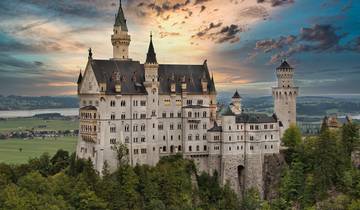
7 days
7 Days by Train in Munich & Zurich: Alpine Dreams & Bavarian Charms
- ✓ Comprehensive Salzburg tour
- ✓ Expert local guides included
- ✓ All accommodation arranged
- ✓ Transportation provided
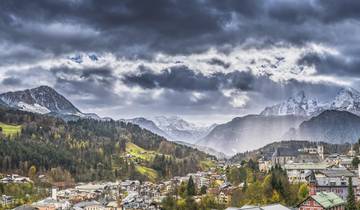
5 days
5 Days in Salzburg: History, Mountains, and City Highlights
- ✓ Comprehensive Salzburg tour
- ✓ Expert local guides included
- ✓ All accommodation arranged
- ✓ Transportation provided
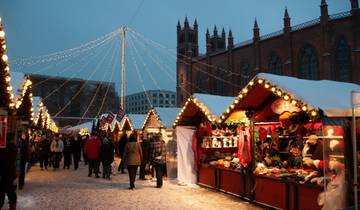
7 days
Christmas in Central Europe, Vienna to Berlin
- ✓ Comprehensive Salzburg tour
- ✓ Expert local guides included
- ✓ All accommodation arranged
- ✓ Transportation provided
7 days
Christmas in Central Europe, Berlin to Vienna
- ✓ Comprehensive Salzburg tour
- ✓ Expert local guides included
- ✓ All accommodation arranged
- ✓ Transportation provided
Multi-day tour packages powered by TourRadar. Prices and availability subject to change.
Essential Planning Information 2026
Distance and Travel Time
Munich and Salzburg lie 150 kilometers apart with the border crossing occurring approximately 100 kilometers east of Munich near Freilassing, Germany. The international boundary creates no practical barriers for EU citizens and most international visitors within the Schengen Area, with passport checks exceptionally rare and not causing delays. This seamless crossing means you focus on cultural transition rather than bureaucratic complications.
The journey traverses the Bavarian Alpine foothills, offering progressively dramatic scenery as you approach Salzburg’s mountainous setting. The terrain remains relatively flat through Munich’s suburbs before gentle rolling hills emerge near Rosenheim. The final approach into Salzburg reveals the Untersberg massif and surrounding Alpine peaks that create the city’s dramatic backdrop, providing visual cues that you’ve entered Austria’s mountain culture zone.
Door-to-door timing from central Munich hotels to Salzburg Altstadt attractions totals approximately 2-2.5 hours including Munich transit to Hauptbahnhof, train journey, and Salzburg arrival navigation. Return journey requires similar duration. These 4-5 hours of total travel within a 12-14 hour day trip window leave 8-10 hours for actual Salzburg exploration, sufficient for comprehensive Altstadt coverage, fortress visit, gardens stroll, museum entry, and relaxed Austrian dining.
Seasonal timing considerations affect your planning. Summer daylight extends from 5:30 AM to 9:00 PM, allowing early departures and late returns that maximize exploration hours. Winter daylight contracts to 7:30 AM to 4:30 PM, requiring strategic afternoon scheduling to experience fortress panoramas and outdoor attractions before darkness. Spring and autumn provide moderate 6:30 AM to 7:30 PM daylight suitable for balanced itineraries.
Transportation Options Overview
Six primary transportation methods connect Munich to Salzburg, each suited to different budgets, timeframes, and travel styles. Regional trains serve budget-conscious independent travelers seeking flexibility and scenic routes. Express trains target business travelers and those prioritizing speed over cost. Organized bus tours appeal to first-time visitors wanting guided commentary and simplified logistics. Private cars provide maximum flexibility for groups or those exploring beyond Salzburg city center. FlixBus offers ultra-budget transportation with longer journey times. Combination approaches using regional trains outbound and express return accommodate asymmetric scheduling needs.
Regional trains departing every 30-60 minutes eliminate schedule dependency common with less frequent services. This frequency means you adjust your departure based on morning readiness rather than forcing early wake-ups to catch limited trains. The return flexibility proves equally valuable, allowing you to extend Salzburg exploration if attractions prove more engaging than anticipated or to depart early if weather deteriorates or fatigue sets in.
The Bayern-Ticket’s group pricing economics strongly favor regional train selection for 2-5 travelers. A family of four pays just €16.75 per person for round-trip transportation, substantially less than any alternative except hitchhiking. Solo travelers find regional trains competitive with budget bus services while offering superior comfort and journey time. Only express train speed or organized tour convenience justify paying 2-3x regional train costs.
Private car rental makes economic sense primarily for groups visiting multiple Austrian destinations beyond Salzburg city center or those with mobility limitations requiring door-to-door service. The €50-80 daily rental plus €15-20 fuel costs distribute across 4-5 passengers reach similar per-person expenses as regional trains, while adding parking hassles (€15-25 daily in Salzburg) and navigation complexity. Most day trippers find public transportation’s stress-free experience preferable to marginal cost savings or flexibility gains from private vehicles.
Transportation Guide 2026
Train Travel Munich to Salzburg 2026
Deutsche Bahn (DB) and Österreichische Bundesbahnen (ÖBB) jointly operate the Munich-Salzburg rail corridor with Meridian-branded regional services providing the primary day trip transportation. These modern, comfortable trains feature spacious seating, power outlets, restrooms, and luggage storage suitable for day packs and small bags. Second-class carriages offer adequate comfort for the 1.5-2 hour journey without justifying first-class premiums for most travelers.
Purchase Bayern-Tickets through DB Navigator smartphone apps, ticket machines at Munich Hauptbahnhof, or DB website (bahn.de) with identical pricing across channels. The digital apps provide convenience and immediate validation, while ticket machines accept credit cards and offer English-language interfaces. Physical ticket counters charge €2 service fees, making self-service options preferable. Book Bayern-Tickets the morning of travel or up to 3 days ahead, as these regional passes don’t require advance purchase unlike express services.
Regional trains depart from Munich Hauptbahnhof platforms 27-36 (Starnberger Bahnhof section) with clear electronic departure boards showing “Salzburg Hbf” as the destination. Arrive 10-15 minutes before departure to locate your platform and board comfortably without rushing. The trains operate precise punctuality, departing exactly at scheduled times regardless of late-arriving passengers. German efficiency means missed trains result from passenger tardiness rather than service delays.
The journey stops at Rosenheim (50 minutes from Munich) and Freilassing (15 minutes from Salzburg) before reaching Salzburg Hauptbahnhof. These intermediate stations serve local passengers, creating minor delays compared to express services. The scenic route more than compensates through Alpine foothill views, traditional Bavarian and Austrian villages, and gradual cultural transition observable through changing architectural styles and landscape features.
Salzburg Hauptbahnhof features clear signage in German and English directing you toward “Zentrum/City Center” for Altstadt access. Bus stops immediately outside the main entrance connect to the historic district via lines 1, 3, 5, and 6 (€2.50 single ride, included with Salzburg Card). The 20-minute walk follows Rainerstraße directly into Altstadt, passing modern shopping districts before reaching baroque architecture, offering gradual immersion into Salzburg’s historic character.
Bus Services 2026
FlixBus operates direct Munich to Salzburg services 3-5 times daily with journey times of 2-2.5 hours depending on traffic and route variations. Ticket prices fluctuate between €8-20 based on advance booking timing and demand, with the lowest fares requiring purchase weeks ahead for off-peak departure times. This pricing variability creates opportunities for extreme budget savings but reduces flexibility compared to fixed-price regional trains.
FlixBus departs from Munich Hauptbahnhof’s ZOB (Zentraler Omnibusbahnhof) bus terminal located north of the main train station, requiring 5-10 minute walks through unfamiliar areas for first-time visitors. The terminal features basic amenities including restrooms and small shops, though comfort levels fall below train station standards. Salzburg arrivals occur at Bahnhofplatz adjacent to Salzburg Hauptbahnhof, providing identical Altstadt access routes as train arrivals.
Bus comfort significantly lags train standards with narrower seats, limited legroom, and less reliable climate control. The lack of power outlets on many buses challenges device charging during the 2+ hour journey. Luggage storage under the bus creates security concerns for valuable items compared to at-seat train storage. These comfort compromises make buses suitable primarily for extreme budget travelers willing to sacrifice convenience for €15-25 savings per round-trip.
Schedule reliability suffers compared to trains due to traffic variable unpredictability. Morning departures face Munich rush hour delays, while return journeys encounter evening congestion. Construction, accidents, or weather events create cascading delays absent from rail services. Budget 30-45 minute timing cushions when connecting FlixBus arrivals to other transportation or commitments, reducing effective time savings versus trains despite similar scheduled journey durations.
Private Car and Rental Options 2026
Car rental agencies at Munich Airport and city center locations (Sixt, Europcar, Hertz, Avis) offer vehicles from €50-80 daily depending on vehicle category and advance booking. Compact cars prove sufficient for 1-4 passengers on day trips, though larger groups benefit from minivan capacity. Book 2-3 weeks ahead for best pricing and vehicle selection, particularly during peak summer months when demand creates scarcity and price spikes.
The A8 Autobahn provides the fastest Munich to Salzburg route, covering 150 kilometers in 1 hour 30 minutes to 2 hours depending on traffic density and speed choices. German Autobahn sections near Munich lack speed limits (except construction zones and urban approaches), while Austrian Autobahn requires 100-130 km/h compliance. Purchase Austrian Autobahn vignette (toll sticker) at the border for €10 (10-day validity), mandatory for legal highway use in Austria.
Fuel costs approximately €15-20 round-trip for compact cars at 2026 European fuel prices averaging €1.80-2.00 per liter. German fuel generally costs €0.05-0.10 less per liter than Austrian equivalents, making Munich refueling slightly more economical. Combined rental, fuel, and parking (€15-25 daily in Salzburg) expenses total €80-125, distributing across multiple passengers to potentially match or beat regional train costs for groups of 4-5 travelers.
Salzburg parking proves challenging in the historic Altstadt where pedestrian zones prohibit vehicles. Park-and-ride facilities on Salzburg’s periphery cost €5-8 daily with bus connections to city center, eliminating downtown parking hassles. Central parking garages charge €15-25 daily with limited availability requiring pre-booking during peak seasons. Most day trippers find these parking complications outweigh private car flexibility benefits, making public transportation the superior choice unless visiting multiple Austrian destinations beyond Salzburg requires vehicle mobility.
Organized Tours 2026
Multiple Munich tour operators offer Salzburg day trips combining coach transportation with guided commentary, ranging from budget group tours to premium small-group experiences. Prices span €65-95 per person for standard full-day tours including round-trip coach transport and professional English-language guides. Tours depart central Munich locations (Hauptbahnhof, major hotels) at 8:00-9:00 AM, returning 6:00-7:00 PM after 9-10 hours total duration.
Typical tour itineraries allocate 4-5 hours free time in Salzburg after 1-2 hours guided walking tour introducing major Altstadt highlights. The guided portion covers Mozart’s Birthplace, Getreidegasse shopping street, Residenzplatz cathedral square, and Mirabell Gardens, providing historical context and orientation before independent exploration. Free time allows personal interest pursuit whether fortress visits, museum entries, Sound of Music locations, or Austrian dining.
Tour advantages include zero navigation stress, guaranteed comfortable seating on modern coaches, expert historical commentary enriching your understanding, and social atmosphere with fellow travelers. Groups create camaraderie and shared experiences appealing to solo travelers or those seeking structured experiences. Professional guides navigate logistics, recommend lunch spots, and handle any complications, allowing you to relax and absorb experiences rather than managing details.
Tour disadvantages include rigid schedules limiting flexibility, rushed fortress visits or museum time, larger group dynamics preventing intimate exploration, and premium pricing versus independent travel. The 4-5 hours independent time feels compressed compared to full-day train trips’ 8-10 hours, particularly when accounting for lunch requirements. Budget-conscious travelers save €30-50 organizing transportation independently, while flexibility-seekers appreciate trains’ ability to extend or shorten Salzburg time based on interest levels rather than bus departure deadlines.
Budget Planning for Your 2026 Day Trip
Transportation Costs 2026
Regional train transportation costs €27-67 depending on group size using Bayern-Ticket passes. Solo travelers pay €27 for unlimited regional travel, couples pay €37 total (€18.50 each), three travelers pay €47 total (€15.67 each), four travelers pay €57 total (€14.25 each), and five travelers pay €67 total (€13.40 each). These progressive group savings make regional trains increasingly economical as party size grows, creating strong incentives for couple and family travel on this route.
Standard point-to-point regional tickets without Bayern-Ticket restrictions cost €35-45 round-trip, suitable for early morning weekday departures before Bayern-Ticket 9:00 AM validation or travelers uncomfortable with group ticket coordination. Express ICE and railjet services reach €60-80 round-trip for minimal time savings, appealing primarily to business travelers or those with limited schedules requiring fastest possible transit. Book express services 1-2 weeks ahead for lowest fares, as last-minute purchases spike to €90-100 round-trip.
FlixBus offers €8-20 round-trip fares representing the absolute cheapest transportation option, though these low prices require advance booking 2-4 weeks ahead for unpopular departure times. Same-day FlixBus purchases typically reach €25-35, matching or exceeding regional train costs without comfort or reliability benefits. The bus savings primarily serve extremely budget-conscious backpackers willing to sacrifice convenience for maximum expenditure minimization.
Private car rental costs €50-80 daily plus €15-20 fuel plus €15-25 parking totaling €80-125, distributed across passengers to reach €20-31 per person for 4-person groups or €16-25 per person for 5-person groups. These per-person costs approximate Bayern-Ticket group pricing while adding navigation stress, parking hassles, and environmental impact. Cars make sense primarily for visiting multiple Austrian destinations beyond Salzburg city center where public transportation proves less convenient.
Salzburg Attractions Pricing 2026
The Salzburg Card costs €33 for 24-hour access including admission to major attractions, unlimited public transport, and discounts on tours. Check salzburg.info for current official rates as pricing may vary. The card includes Hohensalzburg Fortress plus funicular, Mozart’s Birthplace, Mozart Residence, Salzburg Museum, DomQuartier cathedral museums, and 20+ additional attractions creating exceptional value for comprehensive sightseers planning 3+ paid entries during their day trip.
Individual attraction pricing without Salzburg Card: Hohensalzburg Fortress €13.50 including funicular (€9 fortress only), Mozart’s Birthplace €12, Mozart Residence €11, DomQuartier €14, Salzburg Museum €9.50. Visiting fortress, both Mozart locations, and one museum totals €47 in individual tickets versus €33 Salzburg Card, generating €14 savings plus public transport inclusion and skip-the-line access at popular sites. Day trippers planning even 2-3 major attractions benefit from card purchase.
Free Salzburg attractions include Mirabell Gardens, Residenzplatz cathedral square (interior admission separate), Getreidegasse shopping street, riverside promenades, Kapitelplatz square, and most churches for worship rather than museum visits. Budget travelers can experience substantial Salzburg cultural atmosphere through strategic free attraction focus combined with 1-2 paid highlights rather than attempting comprehensive paid site coverage.
Sound of Music tours cost €50-60 for 4-hour coach tours visiting filming locations outside Salzburg city center including Mondsee church, mountain lake areas, and Alpine landscapes. These tours appeal specifically to film enthusiasts rather than general cultural travelers, creating optional rather than essential experiences. Independent travelers can visit some filming locations within the city (Mirabell Gardens, Residenzplatz, Nonnberg Abbey exterior) without tour costs, though the countryside locations require organized transportation.
Dining Budget Expectations 2026
Traditional Austrian restaurants in Salzburg’s Altstadt charge €15-25 for main courses featuring Wiener Schnitzel, Tafelspitz beef, or regional specialties like Salzburger Nockerl dessert soufflé. Three-course lunch menus at tourist-oriented restaurants cost €18-28, while upscale establishments reach €30-45 for superior ingredients and service. Budget 45-75 minutes for sit-down restaurant meals including service, suitable for travelers prioritizing culinary experiences as cultural immersion rather than mere refueling.
Quick lunch options include Würstelstand sausage stands (€4-7 for sausage and bread), bakeries offering Leberkäse and pastries (€3-6), and döner kebab shops (€6-9 for filling portions). These faster, cheaper alternatives free 30-45 minutes versus restaurant meals, redirecting both time and money toward additional sightseeing or extended attraction visits. The quality remains satisfying and authentically Austrian for street food categories rather than representing compromised tourist fare.
Salzburg’s famous café culture offers essential experiences at Café Tomaselli (Austria’s oldest café, established 1700), Café Sacher (original Sachertorte chocolate cake), and numerous other traditional coffeehouses. Coffee and cake combinations cost €8-12, while extended café sessions with multiple drinks and snacks reach €15-20. Budget 45-60 minutes for proper café experiences, observing Austrian traditions of lingering, newspaper reading, and social conversation rather than rushed American-style coffee consumption.
Supermarkets (Spar, Hofer/Aldi, Billa) near Salzburg Hauptbahnhof and on Altstadt periphery sell picnic supplies, snacks, and drinks at €2-5 for sandwiches, €1-2 for drinks, €3-6 for fruit and cheese combinations. Park or riverside benches provide pleasant outdoor dining with Salzburg scenery, particularly appealing during nice weather spring through autumn. This ultra-budget approach reduces meal costs to €8-15 daily while maintaining satisfying nutrition and cultural atmosphere through careful location selection for your picnicking.
Sample 2026 Itineraries
Classic Salzburg Day Trip Itinerary
Depart Munich Hauptbahnhof 7:30 AM on regional train using Bayern-Ticket (€27 solo, €37 for couples). Arrive Salzburg Hauptbahnhof 9:15 AM, walk or bus to Altstadt arriving 9:30 AM. Purchase Salzburg Card at tourist information for full-day access to attractions and public transport (€33). Begin at Mirabell Palace and Gardens (9:45-10:30 AM) exploring the baroque gardens, Sound of Music filming locations, and palace exterior. Free admission to gardens with palace interior included in Salzburg Card if open for visits.
Walk through Altstadt to Mozart’s Birthplace on Getreidegasse (10:45 AM-12:00 PM), experiencing the composer’s childhood home museum with original instruments, family portraits, and historical context. Salzburg Card provides skip-the-line access during morning hours before peak crowds. Explore Getreidegasse shopping street boutiques and architectural details while walking to Residenzplatz cathedral square.
Lunch at traditional Austrian restaurant (12:15-1:30 PM) featuring Wiener Schnitzel or Tafelspitz with local beer or wine (€18-25). Choose outdoor seating in pleasant weather for people-watching and Altstadt atmosphere. Alternative quick lunch at Würstelstand or bakery saves time and money (€5-8) for additional afternoon attractions.
Take funicular to Hohensalzburg Fortress (1:45-3:30 PM) for fortress museum, medieval rooms, weapons exhibitions, and panoramic city views. Salzburg Card includes fortress entry and funicular. The fortress represents Salzburg’s most impressive attraction combining history, architecture, and viewpoint photography opportunities. Budget 1.5-2 hours for comprehensive exploration including rampart walks and tower climbs.
Descend via funicular to Altstadt for DomQuartier cathedral museums or Salzburg Museum visit (3:45-5:00 PM), both included with Salzburg Card. Choose based on interests: DomQuartier for religious art and baroque architecture, Salzburg Museum for city history and cultural exhibits. Alternative: walk along Salzach River, visit churches, or enjoy café culture at historic coffeehouse.
Coffee and Sachertorte at traditional café (5:15-6:15 PM) experiencing Austrian coffeehouse culture (€10-15). This essential cultural activity provides rest before return journey while sampling Salzburg’s famous chocolate cake and observing local social customs. Evening light creates attractive photography opportunities along riversides and bridges near café locations.
Depart Salzburg Hauptbahnhof 6:45 PM or 7:45 PM regional train returning to Munich Hauptbahnhof 8:30 PM or 9:30 PM. Later departure allows extended café time, additional shopping, or sunset photography from bridges and viewpoints. Bayern-Ticket remains valid for evening return travel.
Day Cost Summary: Transportation €27 (Bayern-Ticket solo), Salzburg Card €33, lunch €20, café €12, snacks/drinks €8. Total day cost: €100 per person (excluding Munich accommodation).
Budget-Focused Salzburg Day Trip
Depart Munich Hauptbahnhof 8:45 AM regional train using Bayern-Ticket group pass for 2 travelers (€37 total, €18.50 per person). Arrive Salzburg 10:30 AM, walk 20 minutes to Altstadt saving €2.50 bus fare. Focus on free attractions and strategic paid entry to maximize cultural experiences while minimizing costs.
Begin at Mirabell Gardens (10:45-11:30 AM) for free baroque garden exploration, Sound of Music gazebo photos, and palace exterior architecture. Walk through Altstadt photographing Getreidegasse facades, Mozart’s Birthplace exterior, and historic architecture without museum entries (11:45 AM-12:30 PM). Observe street life, window shop boutiques, and absorb Austrian atmosphere.
Picnic lunch from Spar supermarket (12:30-1:15 PM) at riverside park benches with Salzburg scenery (€6-8 for sandwiches, fruit, drinks). Pack snacks and water for afternoon exploration. Walk to Nonnberg Abbey exterior viewing (Sound of Music location) and neighborhood exploration.
Purchase Hohensalzburg Fortress entry only (€9 without funicular) and walk up the steep fortress path (1:30-3:30 PM) for exercise, scenic views, and budget savings. The 15-20 minute uphill walk proves manageable for most fitness levels while reducing costs. Explore fortress courtyards, museums, and panoramic viewpoints. Walk down same path post-visit.
Visit Salzburg Cathedral interior (3:45-4:30 PM) for free admission to baroque church architecture, frescoes, and religious art. Sit for contemplation and rest after fortress walking. Explore adjacent squares and streets photographing evening light on baroque buildings.
Coffee at less touristy café outside core Altstadt (4:45-5:30 PM) for authentic prices and local atmosphere (€5-7 versus €10-15 in prime locations). Observe Austrian daily life rather than tourist-focused venues. Walk through evening Altstadt enjoying illuminated architecture and reduced crowds.
Depart Salzburg 6:45 PM train returning Munich 8:30 PM. Bayern-Ticket group pass maximizes savings with multiple travelers.
Day Cost Summary: Transportation €18.50 per person (Bayern-Ticket for 2), fortress €9, picnic lunch €7, coffee €6, water/snacks €5. Total day cost: €45.50 per person (excluding accommodation).
Cultural Deep-Dive Itinerary
Depart Munich 7:00 AM express train (€60-80 round-trip) arriving Salzburg 8:20 AM for maximum daylight hours and reduced crowds at popular attractions. Purchase Salzburg Card (€33) plus optional Mozart Week concert ticket if visiting January-February during annual festival (€30-80 depending on performance).
Early Hohensalzburg Fortress visit (8:45-10:30 AM) before tour groups arrive, experiencing medieval chambers, weapons exhibitions, and morning light on city panoramas. The funicular operates from 8:00 AM providing quick ascent. Photograph Salzburg’s baroque domes and Alpine backdrop in optimal morning conditions.
Mozart’s Birthplace detailed museum visit (10:45 AM-12:15 PM) spending extended time with original instruments, family correspondence, and historical exhibits. Audio guide included with entry provides comprehensive context. Many visitors rush this museum; allocate 90+ minutes for thorough cultural immersion appreciating Mozart’s genius and family dynamics.
Lunch at St. Peter Stiftskeller (12:30-2:00 PM), Europe’s oldest restaurant (803 AD), for upscale Austrian cuisine in historic vaulted cellars (€30-45 per person). Experience institutional dining where Mozart, Haydn, and historical figures dined. Reserve ahead for guaranteed seating, particularly during peak summer season.
DomQuartier cathedral complex (2:15-4:00 PM) exploring baroque cathedral, Residenz palace rooms, museum collections, and organ gallery overlooking cathedral interior. This comprehensive museum route connects multiple buildings through internal passages, showcasing princely architecture and religious art collections that defined Salzburg’s ecclesiastical prominence. Salzburg Card provides entry to all DomQuartier components.
Mozart Residence museum visit (4:15-5:30 PM) at the family’s later, larger home featuring different collections and exhibits than the birthplace. Audio guide provides context on Mozart’s mature period and family life. Combined with birthplace visit, these two museums offer complete Mozart biographical understanding.
Dinner at traditional Gasthaus (6:00-7:30 PM) featuring regional specialties beyond tourist-focused restaurants (€25-35). Engage servers about Austrian culture, regional differences from Bavaria, and local recommendations. Extended dinner conversation provides cultural insights beyond guidebook information.
Evening stroll along illuminated Altstadt (7:45-8:45 PM) photographing baroque architecture in dramatic lighting, crossing historical bridges, and absorbing evening atmosphere. Salzburg’s architectural illumination creates romantic ambiance different from daytime visiting. Stop for final Mozartkugel chocolate souvenirs before departure.
Depart Salzburg 9:15 PM train arriving Munich 11:00 PM. Late departure maximizes Salzburg immersion hours while accepting late Munich arrival. Express train option allows faster return journey if needed.
Day Cost Summary: Express train €70, Salzburg Card €33, St. Peter lunch €35, dinner €30, coffee/dessert €10. Total day cost: €178 per person (excluding accommodation).
Top Salzburg Attractions for Day Visitors 2026
Altstadt (Old Town) Highlights
Salzburg’s historic Altstadt represents one of Europe’s best-preserved baroque urban centers, designated UNESCO World Heritage status in 1996 for architectural significance and cultural continuity. The compact core concentrates 900 years of architectural development from medieval foundations through baroque transformation into the harmonious aesthetic unity visible today. Prince-Archbishops who governed Salzburg as independent ecclesiastical state (798-1803) created unified urban planning that eliminated medieval irregularity in favor of baroque grandeur.
Getreidegasse serves as Altstadt’s commercial heart, featuring narrow medieval street lined with tall townhouses displaying ornate wrought-iron guild signs projecting from facades. Mozart’s Birthplace occupies №9, though the entire street merits slow exploration appreciating architectural details, boutique shops, and atmospheric passageways connecting to parallel streets. The guild signs represent different trades and businesses through artistic symbols, creating outdoor museum of commercial history and decorative iron craftsmanship.
Residenzplatz functions as Salzburg’s ceremonial square, dominated by Residenz palace (prince-archbishops’ administrative seat) and ornate Residenzbrunnen fountain (1661). The square’s baroque proportions and surrounding unified architecture demonstrate planned urban design creating impressive public space for religious processions, markets, and state ceremonies. Cathedral facades overlook from adjacent Domplatz, while Mozartplatz honors the composer through bronze statue and museum proximity.
Salzach River promenades provide pleasant walking along both banks with bridge crossings offering classic Salzburg photography angles capturing fortress hillside, cathedral domes, and Alpine backdrop. The river historically divided Salzburg between ecclesiastical left bank (Altstadt proper) and bourgeois right bank (Neustadt), creating distinct architectural characters. Modern pedestrian bridges facilitate crossing, while 19th century iron bridges add architectural interest to riverine landscapes.
Hohensalzburg Fortress
Hohensalzburg Fortress dominates Salzburg’s skyline from its commanding hilltop position 120 meters above the city, representing Central Europe’s largest fully-preserved medieval fortress. Construction began 1077 under Archbishop Gebhard, with major expansions during 15th-16th centuries creating the massive fortification complex visible today. The fortress never suffered successful siege, maintaining Salzburg’s independence from Bavarian, Habsburg, and other territorial threats throughout medieval and early modern periods.
The fortress museums display medieval weapons, armor, torture instruments, and princely apartments showcasing how archbishops combined military defense with residential luxury. The Golden Hall features ornate Gothic woodwork and decorative elements demonstrating ecclesiastical wealth and artistic patronage. The fortress museum collections include coin hoards, religious artifacts, and historical exhibits explaining Salzburg’s unique position as independent church-state within the Holy Roman Empire.
Panoramic viewpoints from fortress ramparts and towers provide 360-degree vistas across Salzburg’s Altstadt, surrounding Alpine peaks, and Bavarian-Austrian borderlands. Photography opportunities peak during morning golden hour (8:00-10:00 AM) and evening magic hour (6:00-8:00 PM summer, 3:00-5:00 PM winter) when directional lighting enhances architectural details and mountain contours. Clear days reveal Untersberg, Watzmann, and distant glacier peaks creating dramatic mountain horizons.
The Festungsbahn funicular (1892) provides the traditional ascent method, operating continuously throughout opening hours and included with Salzburg Card or fortress tickets. The steep walking path offers alternative access requiring 15-20 minutes uphill climb through fortification approaches, suitable for active visitors seeking exercise and different fortress perspectives. Descending the walking path proves easier than ascending, creating popular strategy of funicular ascent and walking descent combining convenience with scenic experience.
Mirabell Palace and Gardens
Mirabell Palace represents baroque architectural elegance at residential scale, built 1606 by Prince-Archbishop Wolf Dietrich for his mistress Salome Alt, later renovated into current form following 1818 fire. The palace exterior features harmonious proportions and refined decoration characteristic of Salzburg baroque without overwhelming grandeur of larger ecclesiastical structures. Interior spaces include ornate Marble Hall used for chamber concerts and civil weddings, featuring elaborate stucco work and historical ceiling frescoes.
Mirabell Gardens achieve baroque garden perfection through geometric parterres, sculptural fountains, manicured hedges, and integrated architectural elements creating unified aesthetic experience. The central axis extends toward Hohensalzburg Fortress, deliberately framing the fortress within garden vista and demonstrating baroque principles of incorporating distant landmarks into garden design. Dwarf Garden features curious grotesque statues representing theater characters and satirical figures, providing whimsical contrast to garden formality.
Sound of Music filming location significance attracts film tourists to Pegasus Fountain and garden steps where “Do-Re-Mi” sequence was filmed. The garden’s recognition among international visitors demonstrates film tourism’s economic and cultural impact, though the gardens merit appreciation for baroque horticultural artistry independent of cinematic associations. Early morning visits (8:00-9:00 AM) allow photography before tourist crowds arrive, capturing garden symmetries and fortress backdrop in pristine conditions.
Seasonal flower displays transform gardens throughout the year with spring tulips (April-May), summer roses (June-August), and autumn dahlias (September-October) providing colorful foregrounds for architectural photography. Winter visits reveal garden structure through snow-covered parterres and ice-adorned fountains, creating different atmospheric moods from summer lushness. The gardens remain freely accessible sunrise to sunset, making them ideal budget-friendly attractions requiring no admission fees while providing substantial cultural and photographic value.
Mozart’s Birthplace
Wolfgang Amadeus Mozart’s birthplace at Getreidegasse 9 preserves the modest third-floor apartment where the composer was born January 27, 1756, and lived until age 17 before moving to larger accommodations. The museum displays original instruments including Mozart’s childhood violin and fortepiano, family portraits, original manuscript scores, and historical documents providing intimate biography through material artifacts. The cramped living quarters demonstrate middle-class 18th-century domestic conditions contrasting sharply with Mozart’s eventual international fame.
Exhibition rooms recreate Mozart’s childhood environment and trace his development from child prodigy performing across European courts to mature composer revolutionizing musical forms. Interactive audio guides (included with admission) allow visitors to hear musical excerpts corresponding to displayed scores, creating multimedia educational experience connecting visual artifacts with sonic genius. The museum successfully balances scholarly content with accessible presentation suitable for both classical music enthusiasts and general cultural tourists.
Temporary exhibitions rotate throughout the year focusing on specific Mozart works, relationships with contemporaries, or thematic investigations into his creative process. These changing displays provide returning visitor value beyond permanent collections while advancing Mozart scholarship through public programming. Concert performances occasionally occur in museum spaces, particularly during Mozart Week (late January) when Salzburg celebrates the composer’s birthday through festival performances citywide.
Mozart’s Birthplace attracts 200,000+ annual visitors, creating crowd management challenges during peak hours (11:00 AM-3:00 PM). Early morning visits (9:00-10:30 AM) or late afternoon (4:00-5:30 PM) reduce crowds and allow contemplative museum experience rather than rushed passage through packed galleries. Salzburg Card provides skip-the-line access, though this primarily benefits during absolutely peak summer weeks when general admission lines extend significantly.
Dining and Food Recommendations 2026
Traditional Austrian cuisine in Salzburg emphasizes regional ingredients, hearty portions, and time-honored recipes reflecting Alpine climate and agricultural traditions. Signature dishes include Wiener Schnitzel (breaded veal cutlet), Tafelspitz (boiled beef in broth), Kasnocken (cheese dumplings), and Salzburger Nockerl (sweet soufflé dessert representing Salzburg’s mountain peaks). Quality restaurants source local meats, dairy products, and produce from surrounding farms, maintaining authentic flavors distinct from international cuisine available in larger cities.
St. Peter Stiftskeller represents Europe’s oldest restaurant (803 AD documentation), occupying monastery cellars with vaulted ceilings and historical atmosphere. The upscale menu features refined Austrian classics with modern presentation techniques, creating special occasion dining worth the €30-45 per person investment. Reserve several days ahead particularly for weekend dinners, as limited seating and tourist demand creates high occupancy. The restaurant’s longevity and architectural setting create dining experiences connecting you to 1,200 years of Salzburg culinary tradition.
Sternbräu occupies historic brewery complex offering traditional gasthaus atmosphere with hearty portions at moderate prices (€15-25 main courses). The beer garden provides outdoor seating during warm months, creating convivial Austrian social atmosphere. Regional beer selection showcases Salzburg’s brewing heritage alongside standard Austrian and German varieties. The location near Getreidegasse makes it convenient for Altstadt lunch breaks without tourist-trap pricing afflicting some more prominent squares.
Würstelstand sausage stands throughout Salzburg serve quick, affordable meals featuring Bosna (spicy sausage with onions and curry), Käsekrainer (cheese-filled sausage), and traditional bratwurst with bread and mustard (€4-7). These street food vendors represent authentic Austrian fast food rather than tourist compromises, frequented by locals for lunch, late-night snacks, and weekend morning hangover cures. The stands near Bahnhofplatz and Residenzplatz provide convenient options for budget travelers or those maximizing sightseeing time over leisurely dining.
Café culture represents essential Austrian social tradition, with historic coffeehouses providing spaces for newspaper reading, conversation, and leisurely cake consumption rather than rushed American coffee-to-go culture. Café Tomaselli (established 1700) and Café Sacher (Sachertorte chocolate cake birthplace) offer premium atmospheres with corresponding prices (€10-15 for coffee and cake). Less famous cafés throughout Altstadt provide similar quality at €6-9, suitable for budget-conscious travelers seeking authentic experiences without paying tourism premiums.
Picnic provisions from Spar, Hofer/Aldi, or Billa supermarkets create ultra-budget meal options (€8-15 daily food costs) while maintaining nutrition and enjoyment through strategic consumption locations. Riverside parks, Mirabell Gardens lawns, and fortress approach slopes provide scenic picnicking with Salzburg architectural and mountain backdrops. This approach particularly suits nice weather spring-through-autumn visiting when outdoor dining enhances rather than compromises meal experiences.
Money-Saving Strategies 2026
Bayern-Ticket group passes create the foundation of budget Salzburg day trips, reducing per-person transportation costs from €27 solo to €13.40 with five travelers. Couples save €8 per person, families of four save €12.75 per person, creating cumulative savings of €16-50+ per group. These economics make finding travel companions advantageous, whether through hostel notice boards, online travel forums, or social connections. The shared ticket requires group members to travel together on identical trains, preventing split itineraries but creating social experiences and group decision-making dynamics.
Salzburg Card purchase makes financial sense when planning 2+ major paid attractions plus public transport use. The €33 card includes fortress, Mozart museums, DomQuartier, and transport totaling €40-50 in individual costs, generating €7-17 savings plus skip-the-line convenience and exploration flexibility. Calculate your intended attractions before card purchase, as visitors focusing solely on free sites (gardens, churches, squares) derive no benefit from card acquisition beyond public transport inclusion.
Free attraction strategic focus eliminates or reduces paid entry requirements. Mirabell Gardens, cathedral interiors, Getreidegasse facades, riverfront walks, and numerous churches provide substantial cultural experiences requiring zero expenditure beyond transportation. Combine free highlights with single paid fortress entry (€9 walking up, €13.50 including funicular) for comprehensive Salzburg experience at €30-40 total versus €80-100 comprehensive paid site visiting. This approach suits travelers prioritizing outdoor architecture over museum collections.
Weekday travel using 9:00 AM or later Bayern-Ticket departures maximizes group pass value while avoiding expensive pre-9:00 AM weekday tickets. Weekend Bayern-Ticket validation begins midnight rather than 9:00 AM, allowing earlier Saturday-Sunday departures with identical pricing. Plan Munich departure timing to match ticket restrictions, using extra morning hours for Munich hotel checkout, breakfast, or preliminary sightseeing rather than expensive early train tickets.
Supermarket picnic lunches (€6-8 per person) versus restaurant meals (€18-25) save €12-17 daily, totaling €24-34 for couples or €48-68 for families of four. These savings cover Bayern-Ticket costs or Hohensalzburg Fortress entries while maintaining satisfying nutrition and cultural experiences through scenic outdoor dining. Combine picnic lunch with single nice dinner or café experience, balancing budget consciousness with culinary cultural immersion rather than complete restaurant avoidance that misses Austrian dining traditions.
Booking and Reservations 2026
Bayern-Ticket purchases require no advance booking, available same-day through DB Navigator smartphone app, ticket machines, or DB website. This flexibility allows spontaneous day trip decisions based on weather forecasts, schedule availability, or last-minute travel inspiration. Express train tickets benefit from 1-2 week advance purchase reducing fares from €90-100 last-minute to €60-70 early booking, though most day trippers find regional train simplicity and flexibility preferable to minor time savings and booking commitments.
Salzburg Card purchases occur at Salzburg tourist information offices (Mozartplatz, Hauptbahnhof) or online through salzburg.info official website. Same-day purchase proves most flexible, avoiding commitment to specific visiting dates or activation timing. Online purchase provides minor convenience saving 5-10 minutes queue time at tourist information, though physical card pickup still required at information offices. The 24-hour activation period begins at first attraction entry, allowing morning purchase and immediate use without time waste.
Restaurant reservations prove unnecessary for most establishments except St. Peter Stiftskeller and other upscale venues during peak summer months (June-August) and Christmas markets period (late November-December). Mid-range traditional restaurants accept walk-in diners for lunch, though popular dinner times (7:00-9:00 PM) may require brief waits. Budget travelers using Würstelstand, bakeries, or picnic approaches eliminate all reservation requirements while maintaining meal quality and cultural authenticity.
Organized tour bookings require 1-2 week advance purchase during peak season when coach capacity reaches limits. Compare offerings across multiple operators for price, group size, commentary quality, and itinerary specifics before commitment. Read recent reviews assessing guide expertise, time allocation, and overall satisfaction. Off-season tours (November-March excluding Christmas) accept day-before or even same-day bookings due to reduced demand and operator capacity.
Planning Your 2026 Visit
Optimal day trip timing balances weather conditions, crowd levels, and seasonal pricing across spring (April-May), summer (June-August), autumn (September-October), and winter (November-March) periods. Spring offers moderate temperatures (12-20°C), emerging gardens, and reduced crowds compared to peak summer while avoiding winter cold and limited daylight. The Easter period and Whitsun weekend create temporary crowd spikes requiring awareness, though overall spring visitor volume remains manageable.
Summer delivers peak weather conditions (20-28°C), maximum daylight hours (14+ hours), and fully operational tourist infrastructure including extended attraction hours and frequent transportation. The tradeoff involves substantial crowds at major attractions, higher accommodation pricing for overnight stays, and increased booking competition for limited-capacity experiences. July-August represent absolute peak season requiring advance planning and acceptance of shared experiences with fellow tourists rather than contemplative solitary exploration.
Autumn provides excellent conditions through September-mid-October with moderate temperatures (15-22°C), beautiful foliage colors in surrounding landscapes, and reduced crowds post-summer vacation season. This shoulder season combines favorable weather with manageable visitor volume, creating ideal circumstances for quality experiences without summer intensity. Late October-November transitions to grey, rainy conditions with shorter daylight limiting outdoor enjoyment and photographic opportunities.
Winter visiting proves challenging through limited daylight (8-9 hours), cold temperatures (-5 to 5°C), and reduced garden/outdoor attraction appeal. The Christmas markets (late November-Christmas Eve) create magical atmospheric experiences with traditional markets, glühwein, and festive decorations compensating for weather limitations. January-February offer the quietest visiting conditions with minimal crowds and lowest pricing, suitable for Mozart Week festival attendees (late January) or travelers prioritizing museums and indoor cultural sites over outdoor exploration.
2026 Updates & Current Information
Salzburg tourism infrastructure continues expanding to accommodate 8+ million annual visitors while managing overtourism impacts on historic Altstadt preservation. The city implemented visitor management strategies including timed entry systems for peak-season fortress visits, crowd monitoring through city apps, and alternative itinerary promotion directing tourists toward undervisited neighborhoods beyond core Altstadt concentration. These measures aim to distribute tourist pressure while maintaining quality experiences for visitors and livability for residents.
Transportation infrastructure improvements include enhanced regional rail frequencies on the Munich-Salzburg corridor, upgraded Meridian train carriages featuring improved comfort and reliability, and digital ticketing expansion simplifying cross-border travel. The Bayern-Ticket now integrates seamlessly with DB Navigator app providing real-time departure updates, platform changes, and delay notifications improving day trip planning flexibility and reducing stress from service disruptions.
Sustainability initiatives target carbon neutrality for Salzburg tourism by 2040, promoting rail travel over car transportation through incentive programs and improved connections. The city expanded electric bus networks, created additional Park-and-Ride facilities encouraging peripheral parking with public transport center access, and implemented congestion pricing proposals for private vehicles entering Altstadt zones. These measures align with European green tourism trends while potentially affecting future transportation costs and access patterns.
Digital innovation enhanced visitor experiences through augmented reality apps providing historical overlays at key sites, virtual tour options for mobility-limited visitors, and comprehensive tourism apps (Salzburg Guide, Mozart City) consolidating information on attractions, transportation, events, and dining. These technological tools supplement rather than replace physical guidebooks and personal exploration, offering additional context and planning assistance for tech-comfortable travelers.
Practical Tips for 2026 Day Trippers
Pack light day bags containing water, snacks, phone chargers, sunscreen (spring-summer), umbrellas (spring-autumn), and layered clothing accommodating temperature fluctuations between morning departures and midday warmth. Salzburg’s hilly terrain and fortress climbing reward comfortable walking shoes over stylish footwear prioritizing appearance over functionality. The compact, walkable Altstadt eliminates luggage storage needs, though Salzburg Hauptbahnhof offers paid lockers if carrying larger bags from overnight Munich accommodations.
Currency considerations remain minimal as Germany and Austria both use euros, eliminating exchange requirements or foreign transaction fees. Credit cards work universally at attractions, restaurants, and major shops, though some traditional cafés, Würstelstand, and small shops prefer cash payments. ATMs throughout Salzburg provide euro withdrawals at standard European banking rates, typically lower than currency exchange booths. Bring €40-60 cash for contingency coverage of cash-only venues and small purchases avoiding minimum card payment thresholds.
Language preparation proves minimal as most Salzburg tourism workers speak functional English. Basic German phrases (Guten Tag, Danke, Bitte, Entschuldigung) demonstrate courtesy and enhance interactions with locals who appreciate effort despite limited fluency. Menus at tourist-oriented restaurants provide English translations, while museum audio guides operate in multiple languages including English. The shared Germanic language family creates recognizable cognates making German signs and information partly intelligible to English speakers through linguistic pattern recognition.
Weather preparedness requires checking Salzburg forecasts separately from Munich as Alpine proximity creates different microclimates with higher precipitation and temperature variability. Pack umbrella or light rain jacket during spring-autumn as afternoon thunderstorms occur regularly. Summer sun creates stronger UV exposure at higher elevations (fortress, mountain viewpoints), requiring sunscreen and hat protection. Winter visits demand warm layers, waterproof footwear, and glove/hat combinations for outdoor Altstadt exploration and fortress rampart viewing.
Photography timing optimization targets morning (8:00-10:00 AM) and late afternoon (4:00-6:00 PM) golden hour light creating dramatic shadows, warm tones, and dimensional architectural modeling. Midday overhead sun (11:00 AM-3:00 PM) produces harsh, flat lighting reducing photographic quality particularly for landscape and architectural subjects. Fortress panoramas benefit from morning southeast light illuminating Altstadt facades, while evening northwest light enhances mountain backdrop photography. Clear days provide Alpine visibility extending 50+ kilometers toward glacier peaks, while cloudy conditions create moody atmospheric scenes suitable for baroque architecture emphasis.
Frequently Asked Questions About Salzburg Day Trips 2026
Do I need a passport for Munich to Salzburg travel?
EU citizens require only national identity cards for cross-border Germany-Austria travel within the Schengen Area. Non-EU visitors need valid passports, though actual border checks remain rare on trains and highways due to Schengen Agreement free movement principles. Carry your passport or ID regardless of nationality as random spot checks occur occasionally, and identification proves necessary for emergency situations, hotel check-ins if extending visits, or car rental if choosing private vehicle options.
Can I use euros in both Munich and Salzburg?
Germany and Austria both use euro currency, eliminating all foreign exchange requirements and simplifying financial planning across borders. ATM withdrawals, credit card payments, and cash transactions operate identically in both cities at standard European banking rates. This monetary union creates seamless day trip economics without calculating exchange rates, foreign transaction fees, or carrying multiple currencies. Price levels in Salzburg approximate Munich costs with minimal variation affecting budget planning.
Is Salzburg better than Munich for day trips?
Salzburg and Munich serve different cultural purposes rather than representing competing alternatives. Munich offers major museum collections, contemporary culture, beer hall traditions, and urban German experiences. Salzburg provides baroque architectural unity, Mozart heritage, Alpine scenery, and scaled-down Austrian charm. Day trippers from Munich gain Salzburg access to Austrian culture without Munich sacrificing, as the cities complement rather than duplicate each other’s offerings. Both merit multi-day exploration, though logistical convenience makes Salzburg the practical day trip addition to Munich-based itineraries.
What should I eat in Salzburg?
Essential Salzburg culinary experiences include Wiener Schnitzel (breaded veal cutlet) at traditional restaurants, Salzburger Nockerl (sweet soufflé dessert) representing the city’s mountain peaks, original Sachertorte at Café Sacher, Mozartkugel chocolate balls (invented in Salzburg), and Bosna sausages from Würstelstand. Traditional Austrian meals emphasize hearty portions, quality ingredients, and time-honored recipes reflecting Alpine climate and agricultural heritage. Budget travelers find excellent value in bakery Leberkäse, street food sausages, and supermarket picnic supplies maintaining authentic flavors at lower costs than sit-down restaurant dining.
How many days do I need in Salzburg?
Day trips from Munich provide sufficient time (8-10 hours) for comprehensive Altstadt exploration, fortress visit, Mozart museums, gardens, and traditional dining experiences. Overnight stays allow extended museum time, evening classical concerts, day trips to surrounding lakes and mountains, or relaxed pacing without time pressure. Most first-time visitors find day trips adequate for major highlights, returning later for deeper exploration if Salzburg proves particularly appealing. The compact historic center concentrates attractions within walkable areas preventing the dispersed geography requiring multi-day coverage in larger cities.
Is Hohensalzburg Fortress worth visiting?
The fortress represents Salzburg’s signature attraction combining military history, architectural significance, museum collections, and unparalleled panoramic viewpoints over Altstadt and surrounding Alps. The medieval fortification preserves princely apartments, weapons displays, and historical exhibits explaining Salzburg’s unique position as independent ecclesiastical state. Photography opportunities from ramparts and towers provide essential Salzburg memories. Budget 1.5-2 hours for comprehensive exploration including museums, courtyards, and viewpoint photography. The funicular ascent adds convenience, though walking proves manageable for active visitors seeking exercise and different fortress perspectives.
Can I do a Sound of Music tour from Munich?
Multiple tour operators offer full-day Sound of Music tours departing Munich, combining coach transportation with Salzburg filming location visits including Mirabell Gardens, Nonnberg Abbey, Leopoldskron Palace, Mondsee Church, and Alpine lake landscapes. Tours cost €90-120 per person including transportation and guided commentary, requiring 10-12 hours total duration. Independent travelers can visit major city filming locations (Mirabell Gardens, Residenzplatz, Nonnberg exterior) without tour costs, though countryside locations require organized transportation or car rental for access. The tours appeal specifically to film devotees rather than general cultural travelers, creating optional rather than essential experiences.
What’s the best month to visit Salzburg from Munich?
May and September represent optimal Salzburg visiting months balancing favorable weather (15-22°C), reduced crowds versus peak summer, operational tourist infrastructure, and reasonable pricing. May offers spring gardens, longer daylight, and fresh seasonal energy, while September provides autumn colors, harvest season atmosphere, and post-summer vacation tranquility. Both months avoid July-August peak intensity and winter weather limitations while delivering excellent conditions for outdoor exploration, photography, and cultural experiences. Christmas market period (late November-December) creates magical festive atmosphere compensating for cold weather and limited daylight, suitable for travelers prioritizing seasonal traditions over optimal weather conditions.
How early should I book Salzburg day trip transportation?
Bayern-Ticket regional trains require no advance booking, available same-day through smartphone apps, ticket machines, or DB website. This flexibility allows spontaneous travel decisions based on weather forecasts or schedule changes. Express train tickets benefit from 1-2 week advance purchase for lower fares (€60-70 versus €90-100 last-minute), though most day trippers prefer regional train economics and flexibility over minimal express time savings. Organized tours require 1-2 week booking during peak season (June-August) when coach capacity reaches limits, while off-season tours accept day-before or same-day reservations due to reduced demand.
Should I buy Salzburg Card for a day trip?
Salzburg Card proves worthwhile when planning 2+ major paid attractions plus public transport use during your visit. The €33 card includes Hohensalzburg Fortress, Mozart museums, DomQuartier, Salzburg Museum, and 20+ additional attractions totaling €40-50 in individual costs. Combined with unlimited public transport and skip-the-line access at popular sites, the card generates €7-17 savings plus convenience benefits. Visitors focusing primarily on free attractions (gardens, churches, squares, outdoor architecture) or planning single paid highlight benefit from individual ticket purchase rather than comprehensive card investment. Calculate intended attractions before card purchase to ensure positive value return for your specific itinerary preferences.