
Salzburg Best Tours & Walking Routes 2026: Complete Guide
This complete 2026 guide addresses Salzburg’s full spectrum of tour offerings and walking possibilities, from the iconic Sound of Music bus experience to hidden mountain paths rarely discovered by casual visitors. Detailed route descriptions include distance calculations, elevation changes, estimated timing, and strategic stopping points for photographs, refreshments, and cultural absorption. Tour recommendations cover booking strategies, seasonal pricing variations, group size considerations, and quality indicators distinguishing exceptional operators from mediocre alternatives. Whether you prefer structured group experiences or solo wandering, comprehensive information below enables optimal decision-making for your 2026 Salzburg exploration.
Key Takeaways
- Sound of Music tours remain Salzburg’s most popular guided experience in 2026, with 4-hour bus tours costing €55-65 covering major filming locations, Lake District landscapes, and Mondsee wedding church
- Self-guided walking routes through UNESCO-listed Old Town enable comprehensive exploration at zero cost, with clearly marked heritage trails connecting Mozart museums, baroque churches, historic squares, and fortress access points
- The Mönchsberg Round Walk delivers 5km alpine forest hiking within city limits, providing panoramic terraces, contemporary art museum access, and beer garden destination entirely on foot from Old Town departure
- Specialized thematic tours covering Mozart’s life (€15-20), baroque architecture (€18-25), and culinary traditions (€65-85) offer expert-led cultural immersion beyond standard sightseeing approaches
- Strategic tour timing in shoulder seasons (April-May, September-October) reduces group sizes by 30-40%, improves guide interaction quality, and delivers identical experiences at 15-20% lower costs than peak summer rates
- Combination tour-walking route strategies maximize value, using guided morning experiences for historical context followed by independent afternoon exploration applying newly gained knowledge to additional discoveries
Introduction to Salzburg Tours and Walking in 2026
Salzburg’s compact UNESCO World Heritage center and surrounding alpine landscapes create ideal conditions for both guided tours and independent walking exploration. The 1.5km radius encompassing major Old Town attractions enables comprehensive foot-based discovery, while the city’s preserved baroque architecture, cobblestone streets, and riverside promenades reward wandering without fixed itineraries. Professional tour operators complement self-guided options by providing historical context, insider access, and efficient transportation to distant locations beyond comfortable walking range, creating synergistic approaches that combine structured learning with independent exploration.
The 2026 tour landscape in Salzburg benefits from decades of tourism infrastructure development and guide expertise. Sound of Music tours evolved from niche offerings in the 1970s to major industry pillars attracting 300,000+ annual participants, while specialized thematic tours covering culinary traditions, Jewish heritage, architectural history, and Mozart’s biographical details serve increasingly sophisticated travelers seeking depth beyond surface-level sightseeing. Walking route networks expanded through municipal investment in heritage trail signage, audio guide technology, and pedestrian zone protection, enabling independent travelers to construct personalized experiences matching individual interests and energy levels.
Understanding the distinction between guided tour value and self-guided walking benefits informs intelligent itinerary construction. Tours deliver professional narration, transportation coordination, skip-the-line access at some venues, and social interaction with fellow travelers, commanding premium pricing (€15-85 depending on experience type and duration). Walking routes provide flexibility, zero per-activity costs, self-paced exploration, spontaneous discovery opportunities, and authentic neighborhood immersion, requiring only comfortable footwear and basic navigation tools. Strategic combination approaches use morning guided tours for foundational knowledge and distant location access, followed by afternoon self-guided walking applying learned context to additional independent discoveries.
People Also Ask About Salzburg Tours 2026
What is the best tour in Salzburg in 2026?
The Sound of Music tour represents Salzburg’s most iconic guided experience, combining film location visits with Lake District scenic beauty and alpine landscape exploration. The 4-hour bus tour costs €55-65 depending on operator and includes Leopoldskron Palace exterior (scene of lake terrace and boat house shots), Hellbrunn Palace gazebo (“Sixteen Going on Seventeen” filming location), Nonnberg Abbey exterior (Maria’s convent scenes), picturesque Lake District drives through Wolfgang and Mondsee regions, and Mondsee village featuring Basilica St. Michael where the wedding scenes were filmed. Check booking platforms for current tour rates and availability as pricing may vary. Panorama Tours operates the original experience with multiple daily departures, while Bob’s Special Tours offers smaller groups enabling more personalized attention and flexible photo stops.
Alternative “best” tours depend on specific interests and priorities. Mozart enthusiasts favor specialized biographical tours (€15-20) led by musicology experts visiting birthplace, residence, concert venues, and burial locations while discussing compositional evolution and historical context. Architecture aficionados prefer baroque heritage walks (€18-25) examining Salzburg’s 17th-18th century building boom, Fischer von Erlach’s designs, and Italian master contributions to the city’s UNESCO-designated ensemble. Food lovers appreciate culinary tours (€65-85) combining market visits, traditional product tastings, coffeehouse culture, and local specialty sampling across 3-4 hour experiences. The objectively “best” tour aligns individual interests with guide expertise and experience structure rather than following popularity rankings or review aggregators.
How long do Salzburg walking tours take in 2026?
Standard guided walking tours through Salzburg’s Old Town operate 1.5-2 hours, covering core highlights including Residenzplatz, Cathedral, Festival Halls, Getreidegasse shopping street, and Mozart’s Birthplace exterior. These compact experiences suit visitors with limited time or those preferring overview introductions before independent exploration. Extended thematic walks run 2.5-3 hours, incorporating deeper historical narratives, additional neighborhoods beyond tourist-concentrated areas, and specialized focus on architectural details, cultural traditions, or biographical Mozart content. Private custom tours accommodate flexible timing from 2-6 hours depending on client interests and energy levels.
Self-guided walking routes vary dramatically by ambition and interests. The basic Old Town circuit covering major squares, Cathedral, and primary shopping streets requires 45-60 minutes at relaxed pace with brief photo stops, extending to 90-120 minutes with museum entries, café breaks, and detailed architectural appreciation. The comprehensive Mönchsberg Round Walk spans 5km over 2-3 hours including moderate elevation changes, forest paths, panoramic viewpoints, Museum der Moderne visit, and beer garden refreshment stops. Multi-neighborhood routes combining Old Town, Mirabell Gardens, Kapuzinerberg hill, and riverside promenades extend to 4-6 hours for energetic walkers seeking complete geographic coverage. Strategic rest planning at cafés, gardens, and museum interiors prevents fatigue during extended walking days.
Are walking tours in Salzburg free in 2026?
Free walking tours operate in Salzburg on tip-based models, where guides work for gratuities rather than fixed fees. These 2-hour Old Town experiences cover major highlights with English-speaking guides expecting €10-15 per participant as customary appreciation for service quality. Departure points cluster at Mirabell Gardens or Mozartplatz with scheduled times (typically 10:30 AM and 2:00 PM daily). Quality varies significantly by individual guide expertise and group size dynamics, with 20-30 person groups reducing interaction possibilities compared to paid tours capped at 12-15 participants.
Completely free self-guided walking remains unlimited throughout Salzburg’s public spaces, pedestrian zones, and open-access areas. The entire Old Town, riverside promenades, public gardens (Mirabell, Kurgarten), cemetery St. Peter, and mountain paths (Mönchsberg, Kapuzinerberg) require no admission fees. Municipal heritage trail signage provides historical context at major sites, while smartphone apps like Salzburg Audio Guide deliver free narrated routes covering architectural highlights, cultural traditions, and biographical Mozart content. Paid guided tours (€15-25) deliver superior historical depth, insider perspectives, and social interaction justifying costs for many visitors, while budget-conscious travelers complete comprehensive Salzburg exploration entirely on foot without spending beyond voluntary tips.
Is it worth taking a tour in Salzburg in 2026?
Guided tours deliver value through expert narration, efficient routing, insider access, and social frameworks that independent exploration cannot replicate. Sound of Music tours justify costs by accessing private property exteriors (Leopoldskron Palace), providing Lake District transportation requiring rental car alternatives, and delivering film history context enhancing location appreciation. Specialized thematic tours led by trained historians, musicologists, or architects provide scholarly depth transforming surface observation into meaningful cultural understanding. Skip-the-line access at some venues, pre-arranged logistics, and guaranteed English-language expertise benefit international visitors navigating Austrian cultural institutions.
However, Salzburg’s compact geography and excellent public infrastructure enable comprehensive self-guided exploration without tour dependencies. The entire Old Town remains walkable in 1-2 hours, major attractions provide English audio guides and information materials, and heritage trail signage offers historical context at key locations. Budget-conscious travelers save €15-85 per tour experience, while independent explorers gain flexibility for spontaneous discoveries, self-paced timing, and personal interest detours impossible in group structures. Optimal strategies combine tours for distant locations (Sound of Music sites, alpine excursions) or specialized topics (architectural history, culinary traditions) with self-guided walking for flexible Old Town exploration and neighborhood immersion.
What’s the best walking route in Salzburg for first-time visitors in 2026?
The Classic Old Town Loop delivers comprehensive introduction covering major highlights in 2-3 hours at moderate pace. Begin at Mirabell Gardens (Makartplatz) exploring baroque parterres, Pegasus Fountain, dwarf garden, and palace Marble Hall before crossing Makartsteg pedestrian bridge to Old Town. Follow Getreidegasse shopping street to Mozart’s Birthplace (number 9), continue to Alter Markt square with Hofapotheke pharmacy and Café Tomaselli, proceed through Residenzplatz with baroque fountain to Cathedral (Dom), explore DomQuartier complex (Residenz palace entrance), visit St. Peter’s Cemetery and catacombs, ascend to Hohensalzburg Fortress via funicular or walking path, return through Toscaninihof to Festival Hall district, and conclude at riverside promenade with fortress views.
This route covers Salzburg’s UNESCO ensemble core, provides Mozart biographical context, showcases baroque architectural mastery, delivers panoramic city views from fortress terraces, and positions visitors near numerous dining options for post-walk refreshment. Total distance approximates 3.5km with 120-meter elevation gain to fortress, manageable for average fitness levels wearing comfortable walking shoes. Strategic timing starting 9:00-10:00 AM enables museum visits at optimal crowd levels, fortress ascent before midday heat, and afternoon conclusion leaving evenings available for concerts, dining, or relaxed garden enjoyment. First-time visitors completing this route gain essential orientation enabling confident independent exploration during remaining Salzburg days.
Extended multi-day tours – 5+ days
Featured Salzburg Multi-Day Tour Packages
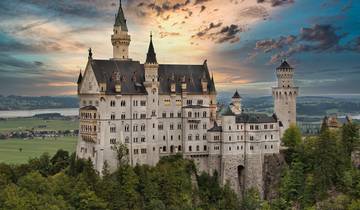
7 days
7 Days by Train in Munich & Zurich: Alpine Dreams & Bavarian Charms
- ✓ Comprehensive Salzburg tour
- ✓ Expert local guides included
- ✓ All accommodation arranged
- ✓ Transportation provided
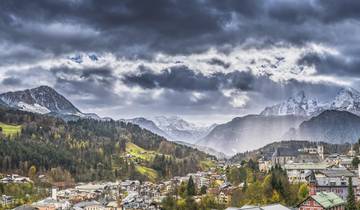
5 days
5 Days in Salzburg: History, Mountains, and City Highlights
- ✓ Comprehensive Salzburg tour
- ✓ Expert local guides included
- ✓ All accommodation arranged
- ✓ Transportation provided
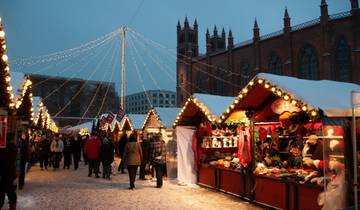
7 days
Christmas in Central Europe, Vienna to Berlin
- ✓ Comprehensive Salzburg tour
- ✓ Expert local guides included
- ✓ All accommodation arranged
- ✓ Transportation provided
7 days
Christmas in Central Europe, Berlin to Vienna
- ✓ Comprehensive Salzburg tour
- ✓ Expert local guides included
- ✓ All accommodation arranged
- ✓ Transportation provided
Multi-day tour packages powered by TourRadar. Prices and availability subject to change.
Essential Tour Planning 2026
Sound of Music Tours 2026
Sound of Music tours dominate Salzburg’s guided experience market, with multiple operators running identical 4-hour itineraries visiting major filming locations. Panorama Tours (panoramatours.com) operates the original experience departing Mirabellplatz multiple times daily (9:00 AM, 11:00 AM, 2:00 PM, 4:00 PM in peak season), charging €55-65 for adults with child discounts available. The air-conditioned coaches accommodate 40-50 passengers with multilingual audio commentary, though English departures dominate schedules. Stops include Leopoldskron Palace exterior for photo opportunities of the iconic lake terrace and boat house featured in rear garden scenes, Hellbrunn Palace grounds accessing the gazebo where “Sixteen Going on Seventeen” was filmed (note: gazebo relocated from original Leopoldskron location), and Nonnberg Abbey exterior where Maria’s convent sequences were set.
The tour continues through spectacular Lake District landscapes featured in opening aerial sequences, driving past Wolfgang and Mondsee lakes under alpine peaks reaching 1,800+ meters. The Mondsee village stop allows 30 minutes exploring Basilica St. Michael where Maria and Captain von Trapp’s wedding scenes were filmed, featuring baroque interior with distinctive yellow-gold color scheme and local shops selling Sound of Music memorabilia. Return journey provides mountain panoramas and Austrian countryside views approximating the von Trapp family’s escape route, though actual geographic directions differ from film portrayal. Total experience spans 4 hours with departure-dependent return times enabling afternoon or evening Salzburg activities.
Alternative tour operators include Bob’s Special Tours (€60-70) offering smaller groups of 18-24 passengers enabling more personalized guide interaction and flexible photo timing at stops. Fräulein Maria’s Bicycle Tours (€38-48) provide active alternatives covering city filming locations over 3.5 hours, including Mirabell Gardens “Do-Re-Mi” staircase and fountain sequences, Nonnberg Abbey approach road, Leopoldskron Palace area, and Hellbrunn grounds, though excluding distant Mondsee due to cycling range limitations. Private Sound of Music tours accommodate 1-6 passengers at €300-400 total, offering customized timing, extended photography opportunities, and narrative depth impossible in standard group experiences.
Culinary and Food Tours 2026
Salzburg’s culinary tour market expands annually, with experiences ranging from 3-hour market walks to comprehensive 5-hour restaurant progression tastings. Eating Europe Salzburg Food Tours (€75-85) operates morning experiences departing 10:00 AM from Alter Markt, visiting traditional Grünmarkt farmers market for regional cheese, bread, and charcuterie sampling, continuing to historic coffeehouses for Melange and pastry tastings, stopping at family-run butcher shops for Leberkäse and sausage varieties, and concluding at traditional taverns for Schnitzel or Kasnocken with Austrian beer pairings. The 3.5-hour experience includes 8-10 tastings totaling complete lunch equivalent, while guides provide cultural context about Austrian food traditions, seasonal ingredients, and regional specialties unique to Salzburg province.
Alternative culinary experiences include Salzburg Chocolate Tasting Tours (€45-55) focusing specifically on confectionery traditions, visiting original Fürst Mozartkugel production facilities, Holzermayr chocolate workshop, traditional konditorei pastry shops, and concluding at Café Tomaselli for dessert course presentations. Beer enthusiasts prefer Salzburg Brewery Tours (€35-45) combining Stiegl Brewery museum visits with tastings of local varieties, historical beer garden experiences at Augustiner Bräu monastery, and traditional brewing technique discussions. Private culinary experiences (€200-300 per couple) enable customization around dietary restrictions, specific cuisine interests, and flexible timing accommodating travel schedules.
Mozart and Music Tours 2026
Specialized Mozart biographical tours led by musicology graduates or professional musicians deliver scholarly depth beyond standard sightseeing approaches. The 2-hour “Mozart’s Salzburg” walk (€15-20) visits birthplace exterior at Getreidegasse 9 discussing childhood development and early compositional work, continues to Residenz palace where young Mozart performed for Prince-Archbishops, explores University Church where he served as organist, visits Mozart Residence at Makartplatz examining mature period compositions and family relationships, and concludes at St. Sebastian Cemetery visiting the Mozart family vault. Guides discuss Mozart’s complex relationship with Salzburg, his frustrated career ambitions under Archbishop Colloredo, eventual departure for Vienna, and lasting cultural impact on the city he left at age 25.
Extended musical heritage tours (€25-30, 3 hours) incorporate concert venue visits including Mozarteum foundation concert halls, examine baroque church acoustics in Collegiate Church and Cathedral where Mozart’s sacred compositions premiered, and discuss Salzburg’s contemporary classical music scene through Festival Hall architecture and programming philosophy. Private music tours (€150-200 for 2-3 hours) accommodate specific interests in particular compositions, performance practice history, or connections between Mozart’s biography and musical development. Some tours combine biographical walking with afternoon chamber music concerts in Marble Hall or evening performances at Mozarteum, creating integrated cultural experiences connecting historical context with living musical traditions.
Booking Strategies for 2026 Tours
Advance booking timelines vary by tour type and season. Sound of Music tours require 1-2 weeks ahead reservation during shoulder seasons (April-May, September-October), extending to 3-4 weeks during peak summer months (June-August) for preferred departure times. Online booking through operator websites delivers identical pricing to walk-up purchases while guaranteeing availability, with some operators offering 5-10% discounts for advance online payment. Last-minute availability exists for less popular departure times (early morning, late afternoon) even during busy periods, though optimal midday slots sell out consistently.
Specialized thematic tours (Mozart, architecture, culinary) accommodate shorter booking windows of 3-7 days for most seasons, with immediate availability common outside festival periods. However, quality guides maintain limited daily capacities, making advance contact advisable for weekend visits or specific date requirements. Private tours need 1-2 weeks notice for scheduling flexibility, particularly during summer when guide availability tightens. Group discounts apply for parties of 6+ participants on standard tours (10-15% reduction), while private tour per-person costs decrease significantly with larger groups dividing fixed fees across more participants.
Cancellation policies typically allow full refunds for cancellations 24-48 hours before scheduled departure, with shorter notice resulting in partial or zero refunds depending on operator. Weather-dependent tours like cycling experiences or alpine excursions maintain flexible rescheduling policies accommodating forecast-based decisions. Travel insurance covering tour costs provides additional protection against illness, flight delays, or unexpected itinerary changes preventing tour participation. Some credit cards offer purchase protection or trip cancellation coverage that may reimburse pre-paid tour costs under specific circumstances, warranting policy review before booking.
Best Walking Routes 2026
Classic Old Town Circuit 2026
The comprehensive Old Town walking route covers Salzburg’s UNESCO heritage core in 2.5-3.5 hours at moderate pace including brief stops for photographs, architecture appreciation, and interior visits at free-admission sites. Begin at Mirabell Gardens (Makartplatz) when gates open at 6:00 AM for early morning photography or 8:00 AM for comfortable start timing. Explore baroque garden parterres designed by Johann Bernhard Fischer von Erlach featuring Pegasus Fountain central water feature, geometric flower beds displaying 15,000+ seasonal plants, dwarf garden with whimsical statues, hedge theater for outdoor performances, and “Do-Re-Mi” staircase and terrace featured in Sound of Music filming. Enter Mirabell Palace if Marble Hall is accessible (limited public hours) to view baroque ceremonial chamber where young Mozart performed.
Cross the Salzach River via Makartsteg pedestrian bridge, pausing mid-span for classic Hohensalzburg Fortress photography framed by willow trees and baroque church spires. Descend to riverbank promenade, walk 200 meters upstream, turn left into Gstättengasse arriving at Getreidegasse, Salzburg’s most famous shopping street. This narrow medieval passage maintains wrought-iron guild signs above boutiques, preserving centuries-old commercial traditions through contemporary applications. Mozart’s Birthplace occupies number 9, identifiable by yellow façade and decorative iron scroll. Continue through Getreidegasse’s full 400-meter length to Alter Markt square featuring Hofapotheke pharmacy (established 1591), Café Tomaselli (founded 1705), and small fountain marking medieval market center.
Proceed to Residenzplatz, Salzburg’s largest baroque square dominated by central fountain (Residenzbrunnen) sculpted by Tommaso di Garzone in 1661. The Residenz palace occupies the square’s western edge, serving as Prince-Archbishop residence until 1806. Cross to Domplatz through arcade passages, emerging before Salzburg Cathedral’s magnificent baroque façade designed by Santino Solari and completed 1628. Cathedral admission remains free, with interior showcasing Donato Mascagni ceiling frescoes, 4,000-pipe organ, baptismal font where Mozart received sacrament, and crypt containing Prince-Archbishop remains. Exit Cathedral through south portal to St. Peter’s Cemetery, a remarkably peaceful baroque burial ground beneath Mönchsberg cliff featuring ornate family chapels, wrought-iron crosses, and catacombs carved into mountain rock accessible for modest admission (€2-3).
The circuit continues via funicular ascent to Hohensalzburg Fortress (€16.50 including admission) or steep walking path (free but strenuous, 20-minute climb). Fortress exploration requires 60-90 minutes for Golden Hall, state rooms, military museum, torture chamber, and panoramic terraces overlooking Old Town rooftops, Salzach River valley, and surrounding alpine peaks. Descend via alternative walking path through Nonntal neighborhood or return on funicular to Kapitelplatz. Complete the route by walking through Toscaninihof courtyard to Festival Hall district, examining Felsenreitschule’s distinctive arcaded cliff façade, continuing past University Church to return to Residenzplatz. Total distance approximates 4km with 120-meter elevation gain for fortress access, manageable for average fitness levels wearing comfortable footwear.
Mönchsberg Round Walk 2026
The Mönchsberg Round Walk delivers alpine forest hiking within immediate city limits, combining panoramic viewpoints, contemporary art museum access, traditional beer garden destination, and peaceful nature immersion without leaving urban boundaries. This 5km circular route requires 2-3 hours depending on museum visit duration and beer garden refreshment stops, gaining 60 meters elevation with moderate trail conditions suitable for standard walking shoes. Begin at Museum der Moderne (Mönchsberg 32), accessible via Mönchsberg elevator from Anton-Neumayr-Platz (€3.90 round-trip, included in Salzburg Card) or walking paths ascending from Toscaninihof or Gstättengasse.
Museum der Moderne occupies dramatic cliff-edge position providing panoramic terrace views across Old Town toward Hohensalzburg Fortress. The contemporary art collection rotates exhibitions featuring 20th-21st century works, while café-restaurant M32 serves light meals, coffee, and beverages on outdoor terrace from 9:00 AM to 1:00 AM (hours vary by season). Exit museum heading west along marked mountain path through mature beech and oak forest, following signs toward Augustiner Bräu. The trail maintains relatively level grades with occasional bench locations offering glimpses through forest canopy to city below and mountains beyond. Seasonal wildflowers line paths in spring, while autumn brings spectacular foliage colors transforming the urban forest into copper and gold displays.
The path emerges at Augustiner Bräu monastery brewery after 45-60 minutes walking, providing traditional beer garden atmosphere where locals and tourists share wooden tables in chestnut tree shade. The self-service system involves collecting stone mugs from washing stations, filling them at brewery taps (€4-5 for 0.5L), and ordering food from separate stations serving roasted chicken, sausages, pretzels, and traditional Austrian snacks at €6-12. Beer garden hours operate 3:00 PM-11:00 PM Monday-Friday, 2:30 PM-11:00 PM Saturday-Sunday, closed holidays. Continue the circuit by descending stairs from brewery to Müllner Kirche neighborhood, crossing Müllner Steg pedestrian bridge over Salzach River, and returning through New Town to Mirabell Gardens completing the loop.
Kapuzinerberg Mountain Trail 2026
Kapuzinerberg provides Salzburg’s less-touristed mountain walking experience opposite the heavily visited Mönchsberg, delivering comparable panoramic views with fraction of foot traffic. The 2.5km trail from city level to summit and return requires 90-120 minutes, climbing 210 meters through forest paths, historical Stations of the Cross, and culminating at Hettwer Bastei fortification viewpoint. Access begins at Steingasse medieval street in right-bank Old Town, ascending through Imberg-Stiege stairway (Imberg Steps) carved into mountain slope. The initial climb tackles 260 stone steps gaining 60 meters elevation, providing workout warmup before forest trail sections.
The trail continues through mixed forest with periodic clearings revealing Old Town views, fortress panoramas, and alpine backdrops. Historical Stations of the Cross line the route, featuring baroque religious artwork installed 1736 documenting Christ’s Passion narrative. Capuchin monastery occupies mid-mountain position, though closed to public visitors, maintaining contemplative atmosphere through restricted access. The summit Hettwer Bastei fortification dates to Thirty Years’ War defensive preparations, now providing peaceful picnic locations, bench seating, and 360-degree views encompassing Old Town, Salzach valley, Gaisberg mountain, Untersberg massif, and Berchtesgaden Alps in Bavaria. Descent follows identical ascent route or alternative path to Franz-Josef-Kai riverside returning through different neighborhood perspectives.
Riverside Promenade Routes 2026
Salzburg’s Salzach River provides scenic walking corridors on both banks, connecting neighborhoods through traffic-free pedestrian zones and dedicated cycle paths. The left-bank promenade extends from Lehener Brücke bridge south through Old Town to Nonntaler Brücke, spanning 2.5km of continuous riverside access. This route passes key landmarks including Mirabell Gardens river entrance, Makartsteg and Mozartsteg pedestrian bridges, Old Town historic architecture rising directly from water’s edge, and characteristic church spires punctuating the baroque skyline. The path accommodates easy walking, casual jogging, and family cycling with minimal conflicts through adequate width and separated lane systems.
The right-bank promenade follows Franz-Josef-Kai from Müllner Steg to Lehener Brücke, providing less interrupted walking through reduced cross-street traffic and lower commercial development. This 2km section delivers superior fortress photography angles from river level, willow tree-lined stretches creating natural shade corridors, and authentic residential neighborhood passage revealing Salzburg beyond tourist concentrations. Combined left-bank and right-bank circuits create 4.5km loops crossing river via pedestrian bridges at Müllner, Makart, Mozart, and Staatsbrücke locations. Strategic café, beer garden, and ice cream shop positions enable refreshment breaks every 400-500 meters, while numerous bench installations provide rest opportunities or contemplative river watching.
Guided Tour Options 2026
Architecture and History Tours 2026
Specialized architecture tours led by trained historians or art historians deliver scholarly analysis of Salzburg’s UNESCO-designated baroque ensemble. The 2.5-hour “Baroque Salzburg” walk (€18-25) examines Prince-Archbishop Wolf Dietrich’s late-16th century urban transformation, Italian architect contributions (Vincenzo Scamozzi, Santino Solari), and Austrian baroque masters’ work (Johann Bernhard Fischer von Erlach, Johann Lukas von Hildebrandt). Tours analyze Residenz palace evolution, Cathedral design principles comparing with Italian baroque precedents, Kollegienkirche’s distinctive Fischer von Erlach façade, and urban planning concepts creating theatrical square sequences throughout Old Town. Advanced discussions address baroque architectural theory, political symbolism in building programs, and relationships between sacred and secular architecture in Prince-Archbishop principality.
Alternative historical tours focus on specific periods: Roman Salzburg foundations (€15-20) examining Juvavum settlement archaeology and early Christian developments; Medieval Salzburg (€18-25) exploring pre-baroque fortress, monasteries, and guild structures; Nazi period history (€20-28) documenting annexation impacts, Jewish community persecution, and wartime experiences; or Post-War reconstruction (€15-20) analyzing preservation decisions and contemporary development pressures. Private architectural tours (€150-200) accommodate professional interests among architects, historians, or preservation specialists seeking deeper technical analysis and access to non-public building interiors through pre-arranged permissions.
Day Trip Tours from Salzburg 2026
Hallstatt excursions represent Salzburg’s most popular day trip, with tours (€55-75) providing 8-9 hour experiences including scenic alpine drive through Salzkammergut lake district, 2-3 hours Hallstatt village exploration, salt mine tour option (€34 supplement), and lakeside leisure time. The UNESCO World Heritage village occupies dramatic position between mountain cliff and Hallstattersee lake, featuring baroque church, ossuary with painted skulls, traditional wood houses, and spectacular alpine scenery. Tours depart Salzburg 9:00-9:30 AM, returning 5:30-6:30 PM, operating daily April-October with reduced winter schedules. Independent travelers alternatively access Hallstatt via train (2.5 hours, €25-35 each way) combining scenic journey with flexible exploration timing.
Eagle’s Nest tours (€65-75) travel 30km to Berchtesgaden, Germany, ascending mountain road to Hitler’s alpine retreat at 1,834 meters elevation. The 5-hour experience includes transportation, historical World War II context, elevator ride through mountain interior to summit terrace, and time for hiking, photographs, and beer garden refreshment. Spectacular alpine panoramas across Berchtesgaden Alps, Austria, and Bavaria dominate the experience, while historical interpretation balances memorial significance with natural beauty appreciation. Tours operate May-October when mountain access road opens, departing Salzburg 1:00-1:30 PM, returning 6:00-6:30 PM.
Additional day trip options include: Werfen Ice Caves (€65-75, 6 hours) featuring enormous glacier cave system 40km south of Salzburg; Grossglockner High Alpine Road (€85-95, 9 hours) traversing Austria’s highest scenic mountain pass; and Wolfgang Lake district (€55-65, 5-6 hours) combining lake cruise, mountain railway, and picturesque village visits. All organized tours provide English-speaking guides, comfortable coach transport, and coordinated logistics eliminating independent travel complexities while commanding premium pricing over equivalent public transport alternatives.
Evening and Night Tours 2026
Salzburg’s evening tour market includes ghost walks, night watchman experiences, and illuminated city tours capitalizing on atmospheric baroque architecture under artificial lighting. The “Salzburg Ghost Walk” (€18-25, 90 minutes) departs 7:30-8:00 PM exploring Old Town’s darker historical narratives including plague outbreaks, witch trials, ghost legends, and crime stories from medieval through baroque periods. Guides adopt theatrical presentation styles with period costume elements, candle lanterns, and dramatic storytelling techniques creating entertainment-focused experiences balancing historical accuracy with engaging narrative. The route covers less-visited narrow passages, cemetery areas after dark, and atmospheric courtyards inaccessible during daytime guided tours.
Night watchman tours (€15-20, 75 minutes) recreate historical security patrol experiences led by costumed guides carrying lanterns, halberds, and period equipment. The watchman character provides first-person historical narrative discussing medieval urban life, fire prevention responsibilities, crime enforcement, and social hierarchies through dramatic monologues and interactive audience participation. Tours depart 8:00 PM spring through autumn from Mozartplatz, walking through dimly lit Old Town passages while discussing historical anecdotes, superstitions, and daily life experiences of 17th-18th century Salzburg residents. The entertainment focus suits families with children appreciating theatrical presentation over scholarly historical analysis.
Self-Guided Routes 2026
Mozart Trail Self-Guided Route 2026
The comprehensive Mozart biographical walking route connects all significant locations associated with the composer’s Salzburg life, requiring 3-4 hours for complete circuit including interior museum visits. Begin at Mozart’s Birthplace (Getreidegasse 9) where Wolfgang Amadeus Mozart was born January 27, 1756, and lived until age 17. The museum preserves family apartments across four floors featuring period furniture, early instruments including childhood violin and fortepiano, family portraits, and biographical exhibits documenting compositional development. Admission costs €13 standalone or free with Salzburg Card, with audio guides included providing room-by-room narratives and musical excerpts from compositions written during specific life periods.
Continue to Collegiate Church (Kollegienkirche) three blocks west where Mozart served as organist and composed sacred music for liturgical services. The Fischer von Erlach baroque interior provides exceptional acoustics that influenced Mozart’s choral writing style. Proceed to Residenz palace complex where young Mozart performed for Prince-Archbishops, including Carabinieri Hall concerts before European aristocracy. Cross Mozartsteg pedestrian bridge to New Town, visiting Trinity Church where Mozart’s sacred compositions premiered, continuing to Mozart Residence (Makartplatz 8) where the family relocated 1773. This eight-room museum documents Mozart’s mature Salzburg period through manuscript facsimiles, personal correspondence, and period instruments, with audio guide discussing compositions written in specific rooms and family dynamics during increasingly tense relationships with Archbishop Colloredo.
The trail concludes at St. Sebastian Cemetery where Mozart’s father Leopold and wife Constanze are buried in family vault (Wolfgang died Vienna, buried in unmarked grave at St. Marx Cemetery). The peaceful baroque cemetery features Paracelsus tomb and Wolf Dietrich mausoleum, providing contemplative conclusion to biographical circuit. Comprehensive information plaques at each location offer German and English historical context, while smartphone apps like “Mozart in Salzburg” provide free audio narratives, musical excerpts, and archival images enhancing self-guided discovery. Total walking distance approximates 3.5km on flat terrain, easily managed by all fitness levels.
UNESCO Heritage Trail 2026
Salzburg’s UNESCO World Heritage designation encompasses the Historic Centre of the City of Salzburg inscribed 1996, recognized for exceptionally preserved baroque urban architecture and cultural landscape significance. The self-guided UNESCO trail follows marked heritage plaques throughout Old Town, documenting architectural significance, urban planning concepts, and cultural importance of 250+ protected structures. Begin at Mirabell Gardens examining baroque garden design principles and palace architecture, continuing through Makartplatz to Dreifaltigkeitskirche (Trinity Church) featuring Fischer von Erlach’s distinctive central dome design representing Austrian baroque architectural innovation.
Cross Staatsbrücke to Old Town Residenzplatz, examining baroque square composition principles creating theatrical urban space through coordinated building façades, central fountain focal point, and Cathedral relationship. The Cathedral represents Salzburg’s first baroque building (1628), establishing architectural language for subsequent developments. Continue through Kapitelplatz to Hohensalzburg Fortress, examining medieval fortification evolution and panoramic perspectives revealing UNESCO designation boundaries extending across both river banks and mountain ridges. Descend through Nonntal to St. Peter’s Abbey, Salzburg’s oldest monastery (founded 696 AD) documenting architectural continuity from Romanesque origins through baroque transformations.
The complete heritage circuit requires 4-5 hours including Fortress and abbey visits, covering 5km walking distance with moderate elevation changes. Information plaques at 30+ locations provide German and English UNESCO designation documentation, architectural analysis, and historical context explaining World Heritage significance. The route demonstrates exceptional baroque urban ensemble preservation while illustrating organic city development from medieval foundations through contemporary preservation challenges. Smartphone apps augment physical plaques with archival photographs, architectural drawings, and expert commentary from preservation specialists and art historians.
Photography Routes for 2026
Salzburg’s photographic opportunities concentrate in Old Town baroque architecture, riverside reflections, mountain panoramas, and seasonal light qualities favoring early morning and late afternoon shooting. The comprehensive photography route begins pre-dawn at Mirabell Gardens capturing sunrise illumination of eastern Alps behind Hohensalzburg Fortress, approximately 6:00-7:00 AM depending on season. The formal garden parterres provide foreground interest for fortress compositions, while Pegasus Fountain enables reflection photography in calm conditions. Move to Mozartsteg pedestrian bridge for classic Old Town skyline shots featuring church spires, baroque rooflines, and fortress backdrop reflected in Salzach River during golden hour light 7:00-8:30 AM.
Morning light favors Cathedral façade photography from Domplatz (8:00-10:00 AM), Getreidegasse guild sign details in diffused light avoiding harsh shadows, and Residenzplatz fountain compositions with baroque palace backgrounds. Midday shooting focuses on Museum der Moderne cliff-edge architecture, Hohensalzburg Fortress interior courtyards with controlled light quality, and shaded Mönchsberg forest path landscapes. Late afternoon positions photographers at Kapuzinerberg summit (4:00-6:00 PM) for western light illuminating Old Town architecture, golden hour river reflections from right-bank promenade (6:00-7:30 PM), and sunset alpine panoramas from Gaisberg mountain viewpoint accessible via car or bus 151 (7:30-8:30 PM summer).
Seasonal photography opportunities include: spring Mirabell Gardens tulip displays (late April-May), summer alpine meadow wildflowers in surrounding mountains (June-July), autumn foliage along Mönchsberg trails (late September-October), and winter Christmas market scenes with illuminations at Domplatz and Residenzplatz (late November-December). Blue hour twilight 30-45 minutes after sunset enables architectural illumination photography capturing baroque building lighting systems, church interior stained glass, and festival hall façade treatments. Essential equipment includes wide-angle lens (16-35mm equivalent) for architectural interiors and square compositions, telephoto zoom (70-200mm) for alpine details and compressed perspective skylines, and tripod for low-light conditions enabling long exposures of moving water, night scenes, and blue hour transitions.
Sample 2026 Tour Itineraries
One-Day Intensive: Tours and Walking Combined
Morning: Sound of Music tour departing 9:00 AM from Mirabellplatz travels through Lake District landscapes, visiting Leopoldskron Palace exterior, Hellbrunn gazebo, Nonnberg Abbey, and Mondsee wedding church over 4-hour experience. The tour returns to Salzburg approximately 1:00 PM, positioning participants for afternoon independent exploration. Tour cost €55-65 includes transportation and English-speaking guide, check booking platforms for current rates and availability. Light snacks and beverages during tour €8-12.
Afternoon: Lunch at traditional Austrian tavern in Getreidegasse area €18-25, followed by self-guided Old Town walking route covering Mozart’s Birthplace exterior, Cathedral free admission, DomQuartier museums (€14 or free with Salzburg Card), and St. Peter’s Cemetery. The 2.5-hour walking circuit provides cultural depth complementing morning’s scenic focus. Optional Salzburg Card 24-hour €32 activates with DomQuartier entry, also covering potential evening museum visits. Afternoon coffee and pastry break €8-12.
Evening: Hohensalzburg Fortress ascent via funicular €16.50 including admission for sunset panoramas and fortress museum exploration. Evening concert at Mozarteum (€25-45 depending on performance) or traditional dinner at riverside restaurant €30-45. Sound of Music tour €55-65, lunch €20-25, DomQuartier €14 (or Salzburg Card €32 covering DomQuartier plus fortress), fortress €16.50 (or covered by card), coffee €10-12, dinner €35-45, concert €25-45 (optional). Total day cost: €155-250 per person (excluding accommodation).
Two-Day Combination: Guided and Independent Balance
Day 1 Morning: Specialized Mozart biographical tour (€15-20) departing 10:00 AM provides 2-hour expert-led exploration of birthplace, residence, concert venues, and burial locations with musicologist guide. The foundation knowledge enables enhanced independent appreciation during subsequent museum visits. Follow with lunch at Café Tomaselli €15-22 experiencing historic coffeehouse atmosphere Mozart frequented. Mozart tour €18, lunch €18-22, snacks €8-10.
Day 1 Afternoon: Self-guided Mönchsberg Round Walk departing Museum der Moderne at 2:00 PM combines panoramic photography, forest trail hiking, and Augustiner Bräu beer garden destination over 2.5-3 hours. The monastery brewery provides authentic local atmosphere with beer €4-5, traditional food €8-15. Return via Müllner neighborhood exploring residential areas beyond tourist concentrations. Mönchsberg elevator €3.90 round-trip (or free with Salzburg Card €32), beer and food €12-20.
Day 2: Sound of Music tour €55-65 morning departure, returning early afternoon for independent Hohensalzburg Fortress exploration €16.50, evening concert €25-50, and farewell dinner €35-50. Two-day totals: Tours €73-85, Salzburg Card €41 (48-hour covering multiple attractions), meals €80-110, beer garden €12-20, concert €25-50, snacks €15-20. Total two-day cost: €246-326 per person (excluding accommodation).
Budget-Focused Self-Guided Routes
Morning: Free Mirabell Gardens exploration starting 8:00 AM captures optimal light for photography before tour group arrivals. Cross river via Makartsteg to Old Town, walking comprehensive heritage circuit covering Getreidegasse, Mozart’s Birthplace exterior, Cathedral free admission with organ recital (check schedule), Residenzplatz, and St. Peter’s Cemetery. Morning university Mensa cafeteria lunch €6-10 at Kaigasse 17 provides student pricing accessible to tourists.
Afternoon: Kapuzinerberg mountain trail ascent (free access) delivers panoramic views, forest hiking, and peaceful contemplation over 90-120 minutes. Descend to riverside promenade for relaxed walking, gelato from stands €4-6, and afternoon rest in public gardens. Evening free organ recital at Cathedral or Collegiate Church (schedule varies) followed by Würstelstand sausage dinner €8-12 or supermarket picnic in Mirabell Gardens €6-10. All activities free except: lunch €8-10, gelato €5-6, dinner €8-12. Total day cost: €21-28 per person (excluding accommodation).
Booking Tours for 2026
Quality Indicators and Operator Selection 2026
Distinguishing exceptional tour operators from mediocre alternatives requires evaluation across multiple quality dimensions. Maximum group sizes represent primary quality indicator, with superior operators capping groups at 12-15 participants enabling personalized interaction, flexible pacing, and audible guide commentary without amplification systems. Mass-market tours accommodating 40-50 passengers reduce per-person costs but eliminate meaningful guide interaction, create scheduling rigidity around slowest group members, and necessitate microphone systems disrupting atmospheric experience. Intermediate operators balance affordability and quality with 18-24 person groups providing some personal attention while achieving economies enabling competitive pricing.
Guide credentials significantly impact experience quality, with specialized thematic tours benefiting from academic training in musicology, art history, architecture, or relevant disciplines. Generic guides provide memorized scripts covering basic information, while expert guides respond to sophisticated questions, adapt narratives to participant knowledge levels, and provide scholarly insights impossible from standardized presentations. Reviews and testimonials reveal guide quality patterns, though individual experiences vary depending on specific guide assignment. Private tours guarantee consistent guide assignment and customized content matching participant interests, justifying premium pricing through personalized service impossible in group structures.
Logistical quality markers include: punctual departure and return timing, comfortable vehicle standards with adequate space and climate control, strategic stop selection balancing essential sites with time management, and professional customer service responding to pre-tour inquiries and special requirement accommodations. Superior operators maintain comprehensive insurance, licensed guides meeting legal requirements, and established safety protocols for all activities. Budget operators reduce costs through older vehicles, less experienced guides, compressed stop timing, and minimal customer service infrastructure, creating price advantages that may sacrifice experience quality depending on individual priorities and expectations.
Tour Comparison Strategies for 2026
Systematic tour comparison enables informed booking decisions maximizing value and experience quality. Create spreadsheet comparing operators across key dimensions: price, group size maximum, departure times, duration, included sites, guide credentials, vehicle type, cancellation policy, and customer review ratings from multiple platforms (TripAdvisor, Google, operator websites). Price analysis should calculate per-hour costs accounting for duration differences, with 4-hour tours at €60 (€15/hour) representing better value than 3-hour experiences at €50 (€16.67/hour) if covering comparable content depth.
Reading recent reviews (past 3-6 months) reveals current quality levels reflecting recent guide hiring, vehicle updates, or operational changes affecting experience standards. Sort reviews by rating to read both most positive and most negative feedback, identifying consistent praise or criticism patterns across multiple sources. Common positive indicators include “knowledgeable guide,” “perfect group size,” “comfortable vehicle,” and “excellent value.” Warning signs include “rushed experience,” “difficult to hear guide,” “overcrowded bus,” or “different from described.” Individual outlier reviews matter less than consistent patterns across 20+ recent assessments.
Contact operators directly with specific questions not addressed on websites: exact group size maximums, guide language capabilities, vehicle accessibility features, dietary accommodation for food tours, photography stop flexibility, and cancellation timeline specifics. Responsive, informative customer service suggests operational quality extending to tour execution, while delayed, vague, or unhelpful responses indicate potential experience quality issues. Some questions to ask: “What happens if weather prevents planned activities?” “How many bathroom stops are included?” “Can guides accommodate mobility limitations?” “What’s included versus additional charges?” Clear, detailed responses build confidence in operator professionalism and tour quality delivery.
Seasonal Booking Considerations 2026
Tour booking strategy shifts dramatically by season, with summer festival period (late July-August) requiring maximum 3-4 week advance booking for all popular experiences including Sound of Music tours, Mozart thematic walks, and culinary experiences. Peak season booking windows enable optimal departure time selection, preferred seating positions on bus tours, and first-choice date flexibility. Procrastination results in limited availability forcing compromise on timing, potentially sold-out conditions for popular dates, or significantly higher last-minute pricing from secondary sellers.
Shoulder seasons (April-May, September-October) accommodate shorter 1-2 week booking windows maintaining good availability while securing preferred experiences. Smaller group sizes during these periods enhance value through more personalized attention, flexible pacing accommodating group interests, and improved guide interaction opportunities. Pricing frequently discounts 10-20% below peak summer rates while delivering identical content and sometimes superior experiences through reduced crowds at visited locations. Weather variability increases during shoulder periods, warranting flexible cancellation or rescheduling policies for outdoor activities.
Winter booking (November-March excluding Christmas weeks) often accepts walk-up participation with immediate availability for most tours except specialized Christmas market experiences. Significantly reduced tourist numbers enable intimate group sizes, deeply discounted pricing up to 30-40% below summer equivalents, and maximum guide attention. However, limited daylight hours compress operational schedules, some alpine excursions close entirely, and weather-dependent activities face higher cancellation risks. Christmas market period (late November-December) reverses winter patterns, requiring advance booking comparable to summer levels for holiday-themed tours, festive culinary experiences, and advent concert combinations.
Frequently Asked Questions About Salzburg Tours and Walking 2026
Are Salzburg walking tours in English?
All major tour operators provide English-language guides as standard or primary offering, reflecting Salzburg’s international tourism market dominated by English-speaking visitors from USA, UK, Australia, and Northern Europe. Sound of Music tours operate exclusively in English given the film’s Anglo-American cultural significance, while other thematic tours (Mozart, architecture, culinary) default to English with multilingual audio guide supplements. Free walking tours and budget operators typically conduct single-language English departures, while premium operators offer German and English options on separate schedules. Private tours accommodate any language through advance arrangement, though guide availability in languages beyond German and English may require extended booking windows or higher fees for specialized linguistic expertise.
How physically demanding are Salzburg walking routes?
Old Town walking routes remain accessible to all fitness levels, covering flat cobblestone streets with occasional gentle slopes and bridge crossings. The comprehensive heritage circuit spans 3-4km over 2-3 hours at leisurely pace, requiring only comfortable walking shoes and basic mobility. Hohensalzburg Fortress access involves either funicular ride (no physical demand) or steep 20-minute walking path climbing 120 meters elevation, manageable for average fitness but challenging for those with knee issues or cardiovascular limitations. Mönchsberg and Kapuzinerberg mountain trails involve moderate elevation gains (60-210 meters) with occasional steep sections on natural dirt paths, requiring proper footwear and reasonable fitness for 2-3 hour excursions.
Tour operators typically rate physical difficulty on websites, with Sound of Music bus tours requiring minimal exertion beyond short walks from coach to viewing points. Bicycle tours need moderate fitness for 3.5-hour cycling covering 8-12km with occasional hills, though electric bike options reduce demands for less fit participants. Specialized architecture or culinary walking tours maintain slow paces with frequent stops, spanning 2-3 hours over 2-4km, accessible to most adults. Private tours accommodate specific mobility limitations through customized routing, extended rest breaks, and vehicle supplements reducing walking requirements.
What’s the best way to explore Salzburg independently?
Independent exploration combines Salzburg Card purchase (€32-48 depending on duration) with self-guided walking routes following heritage trail signage and smartphone audio guide apps. The card provides unlimited public transport eliminating navigation stress, free admission to 30+ attractions removing budget constraints on spontaneous museum visits, and skip-the-line access at some venues improving time efficiency. Begin with comprehensive Old Town circuit establishing geographic orientation and major landmark locations, then pursue specific interests through deeper museum explorations, thematic neighborhood walks, or alpine trail excursions based on personal preferences and energy levels.
Quality smartphone apps enhance independent exploration through expert narration, historical context, and efficient routing. “Salzburg Audio Guide” provides free multilingual content covering architectural highlights, cultural traditions, and biographical Mozart narratives at 50+ locations throughout the city. “Rick Steves Audio Europe” includes free Salzburg walking tour with American traveler perspective and practical tips. Google Maps offline download enables GPS navigation without international data charges, while city-provided free WiFi at major squares facilitates real-time information access. Combining digital resources with Salzburg Card benefits creates comprehensive independent exploration framework rivaling guided tour comprehensiveness at fraction of cost.
Can you combine multiple tours in one day?
Strategic scheduling enables multiple tour combinations, though energy management and timing coordination require careful planning. Morning Sound of Music tours (4 hours departing 9:00 AM, returning 1:00 PM) combine well with afternoon specialized thematic walks (2 hours) or self-guided fortress visits, creating full-day cultural immersion. Avoid booking back-to-back tours without adequate meal and rest breaks, as fatigue diminishes afternoon experience quality and appreciation. Two tours plus independent walking totals 8-10 hours active sightseeing, appropriate for energetic travelers but overwhelming for those preferring relaxed pacing.
Evening tours (ghost walks, night watchman experiences) supplement daytime activities effectively, operating 7:30-9:00 PM when energy levels typically recover after dinner rest. However, extended walking days (15,000+ steps common with comprehensive touring) can make evening commitments feel burdensome rather than enjoyable. Alternative strategies spread tours across multiple days, using one major tour daily (morning or afternoon) combined with self-guided walking and relaxation time ensuring sustained energy and engagement throughout multi-day visits. Quality over quantity principles suggest fewer in-depth experiences surpass rushed accumulation of superficial exposures.
Are private tours worth the extra cost in 2026?
Private tours justify premium pricing (€150-300 versus €15-85 for group equivalents) through customized content, flexible pacing, undivided guide attention, and personalized interests accommodation. Families with children benefit from age-appropriate narrative adjustments, flexible bathroom breaks, and activity modifications maintaining young attention spans. Specialists (architects, musicians, historians) access deeper technical discussions, specific site focuses, and professional colleague dialogue impossible in general tourist groups. Photography enthusiasts negotiate extended photo stops, optimal lighting timing, and location adjustments maximizing image quality over tour schedule priorities.
Cost-per-person calculations favor private tours for parties of 4-6 splitting fixed fees, approaching group tour pricing while maintaining private benefits. Solo travelers or couples pay full premiums, warranting careful value assessment against budget and interest priorities. Situations particularly favoring private tours include: specific mobility accommodations requiring customized routing, tight schedule constraints demanding efficient time use, deep specialized interests beyond general tour scope, or desire for completely flexible self-directed pace. Standard interests and healthy mobility often receive adequate service from quality group tours at fraction of private costs, making private upgrades luxury choices rather than necessity for most visitors.
What should I bring on Salzburg walking tours?
Essential walking tour items include: comfortable walking shoes with good ankle support for cobblestone streets and potentially irregular trail surfaces; weather-appropriate clothing layers accommodating temperature changes between sunny exposed areas and shaded forest paths; water bottle (refillable at public fountains throughout Old Town); sun protection including hat, sunglasses, and SPF 30+ sunscreen for summer months; light rain jacket for unpredictable alpine weather; and small backpack distributing weight evenly across shoulders rather than hand-carried bags causing fatigue.
Photography equipment ranges from smartphone cameras adequate for casual documentation to serious enthusiasts carrying DSLR or mirrorless systems with multiple lenses. Consider equipment weight over extended walking periods, with lighter mirrorless systems and single versatile zoom lens (24-105mm equivalent) reducing burden versus heavy DSLR and multiple prime lenses. Portable phone chargers maintain smartphone functionality for photos, GPS navigation, and tour confirmation documents throughout long sightseeing days. Small denomination euro notes and coins facilitate purchases at public bathrooms (€0.50), drinks from kiosks, or voluntary tips for free walking tour guides.
How do I find authentic local walking routes beyond tourist areas?
Authentic neighborhood exploration extends beyond Old Town tourist concentration to residential areas revealing daily Salzburg life. The Nonntal neighborhood south of Hohensalzburg Fortress features traditional architecture, local shops, neighborhood bakeries, and peaceful residential streets with minimal tourist presence despite proximity to major attractions. Maxglan and Itzling districts northwest of train station showcase 19th-20th century urban development, local markets, authentic Austrian restaurants serving neighborhood regulars, and parks used by Salzburg families rather than tour groups.
Riverside walking along Salzach’s more distant reaches north toward Müllner Steg or south toward Hellbrunn accesses natural settings, local recreation areas, and agricultural lands producing regional ingredients sold at Grünmarkt farmers market. The Gaisberg mountain road (accessible bus 151 or scenic drive) provides hiking trails used predominantly by local outdoor enthusiasts, with panoramic alpine views rivaling tourist viewpoints but requiring 30-45 minute transport from city center. University district around Paris Lodron Universität features student cafeterias, affordable restaurants, alternative cultural venues, and youthful atmosphere contrasting baroque tourism focus. Engagement with local residents through basic German courtesies and genuine cultural interest typically receives welcoming responses enabling authentic interactions beyond transactional tourist services.
What’s the difference between guided tours and audio guide apps?
Guided tours provide live expert narration, social interaction with guide and fellow participants, flexible response to questions and interests, insider anecdotes beyond standardized content, and guaranteed pacing ensuring comprehensive coverage within time limits. Professional guides adapt content to audience knowledge levels, provide current practical tips (best photo locations, crowd avoidance strategies, restaurant recommendations), and create engaging presentations through personality and enthusiasm. However, tours operate on fixed schedules, maintain group pacing that may feel rushed or slow for individual preferences, and cost €15-85 depending on experience type.
Audio guide apps (many free, some €3-8) deliver self-paced narration, unlimited replay and skipping, flexible routing following individual interests, and complete schedule control enabling spontaneous breaks, extended photo sessions, or attraction visits. Quality apps provide expert content from historians, architects, or local specialists comparable to paid tour narration. Limitations include pre-scripted content preventing question interaction, potential technical issues with GPS tracking or audio playback, and self-discipline requirements maintaining focus without group structure. Optimal strategies combine both approaches: use tours for complex topics benefiting from expert dialogue (architecture, historical analysis) and audio guides for flexible independent exploration of straightforward locations (churches, gardens, viewpoints).