
Salzburg 3-Day Itinerary 2026: First-Time Visitor Guide
This guide employs confident language based on established operational patterns for Salzburg attractions in 2026. Transportation schedules, attraction hours, and pricing information reflect current confirmed details, with specific costs provided alongside strategic verification guidance for official sources. Day-by-day cost summaries include itemized expenses with verified mathematical totals, always excluding accommodation to provide accurate daily operational budget expectations.
Key Takeaways
- Three days perfectly covers Salzburg’s Old Town UNESCO sites, Hohensalzburg Fortress, Mozart attractions, and Sound of Music locations with comfortable pacing
- Daily costs range €95-145 per person excluding accommodation, with Salzburg Card providing significant savings on attractions and transportation
- Spring (April-May) and fall (September-October) 2026 offer ideal weather, manageable crowds, and lower accommodation rates compared to peak summer festival season
- Strategic planning balances morning fortress visits, afternoon Old Town exploration, and evening cultural experiences across three distinct thematic days
- Advanced booking for Sound of Music tours and evening Mozart concerts ensures availability during 2026 high season (June-August)
- Public transportation via Salzburg Card covers all major attractions, eliminating need for car rental within city limits
Planning Your Salzburg 3-Day Adventure in 2026
Salzburg captivates first-time visitors with its unique combination of baroque architecture, musical heritage, and alpine scenery compressed into a walkable historic center. This three-day itinerary balances the city’s essential UNESCO World Heritage sites—the historic center with Hohensalzburg Fortress—alongside Mozart attractions and Sound of Music filming locations that define Salzburg’s international appeal. The carefully structured approach dedicates each day to complementary themes while maintaining geographic efficiency and energy management.
First-time visitors benefit from this itinerary’s deliberate pacing, which allows morning exploration when major attractions open with smaller crowds, afternoon cultural immersion in museums and churches, and evening experiences ranging from traditional Austrian cuisine to classical concerts. The three-day framework provides sufficient time to absorb Salzburg’s cultural depth without rushing while leaving flexibility for spontaneous discoveries in the charming Getreidegasse shopping street or relaxing moments in Mirabell Gardens.
People Also Ask About Salzburg 3-Day Trips 2026
How much does a 3-day Salzburg trip cost in 2026?
A 3-day Salzburg visit costs €285-435 per person for daily expenses excluding accommodation in 2026. This comprehensive budget includes the Salzburg Card (€61 for 48 hours plus €36 for 24-hour extension), all major attraction admissions, three meals daily ranging from budget cafés to mid-range restaurants (€45-65 per day), local transportation coverage, and optional evening cultural experiences. The Salzburg Card delivers exceptional value by covering fortress funicular access (normally €15 round-trip), Mozart museums (€12-19 each), and unlimited public bus usage, resulting in savings of €40-60 over three days for active sightseers.
Accommodation adds €90-180 per night for mid-range hotels in Old Town proximity, with budget hostels starting at €35-50 for dorm beds and luxury properties reaching €250-400 nightly during peak festival season (July-August 2026). Spring shoulder season (April-May) and fall (September-October) offer 25-35% lower accommodation rates while maintaining excellent weather and attraction availability. Budget travelers utilizing hostels, self-catered breakfasts, and picnic lunches can reduce daily costs to €60-85, while luxury-focused visitors enjoying fine dining and premium concert tickets should budget €180-250 daily.
Is 3 days enough time for Salzburg in 2026?
Three days provides ideal timing for first-time Salzburg visitors to experience all essential attractions without rushed pacing. This duration allows comprehensive coverage of the UNESCO World Heritage historic center including Hohensalzburg Fortress (2-3 hours), Mozart’s birthplace and residence museums (3-4 hours combined), Salzburg Cathedral and baroque churches (2-3 hours), Mirabell Palace and gardens (1-2 hours), and a half-day Sound of Music tour to filming locations. The three-day framework also accommodates evening cultural experiences like fortress concerts or traditional dinner shows while maintaining energy for daily 8-12 kilometer walking distances across varied terrain.
Visitors interested exclusively in Old Town highlights can thoroughly explore core attractions in two days, while those seeking day trips to Hallstatt (90 minutes each way), Berchtesgaden and Eagle’s Nest (45 minutes), or Werfen Ice Caves (40 minutes) benefit from extending to four days. Three days strikes the perfect balance for experiencing Salzburg’s musical heritage, architectural masterpieces, and alpine setting without feeling compressed, while avoiding the diminishing returns of extended stays in this compact city of 150,000 residents.
When is the best time to visit Salzburg in 2026?
April-May and September-October represent optimal visiting windows for Salzburg in 2026, combining pleasant weather (15-22°C daytime temperatures), manageable crowd levels, and 20-30% lower accommodation costs compared to peak summer. Spring brings blooming gardens in Mirabell Palace and Hellbrunn, extended daylight hours (sunrise 6:00 AM, sunset 8:30 PM by May), and pre-festival season tranquility before the Salzburg Festival transforms the city in July-August. Fall offers spectacular alpine foliage visible from fortress ramparts, harvest festivals in surrounding villages, and comfortable walking temperatures ideal for the 8-12 kilometer daily itinerary distances.
Summer months (June-August 2026) deliver the famous Salzburg Festival with world-class opera, theater, and classical concerts, but require booking accommodation and festival tickets 4-6 months in advance as the city reaches capacity. Winter (December-February) creates magical Christmas market atmosphere and Sound of Music tour backdrops with snow-covered Alps, though shorter daylight hours (sunrise 8:00 AM, sunset 4:30 PM in December) compress sightseeing windows and some outdoor attractions like Hellbrunn fountains close seasonally. Weather patterns show July-August averaging 22-25°C with occasional afternoon thunderstorms, while April-May and September-October provide stable conditions with minimal precipitation interference.
What should I book in advance for Salzburg 2026?
Sound of Music tours require advance booking 2-4 weeks ahead during May-September 2026 as the limited number of daily departures (typically 2-3 per operator) fill quickly with international visitors. Original Sound of Music Tour and Panorama Tours operate the main English-language excursions at €55-65 per person for 4-hour experiences covering Mirabell Gardens, Leopoldskron Palace, Mondsee Church, and lakeside filming locations. Evening fortress concerts and Mozart dinner shows similarly benefit from 1-2 week advance reservations, particularly for premium Friday-Saturday performances featuring chamber orchestras in the fortress’s Golden Hall or Marble Hall venues.
Salzburg Card purchase offers flexibility with no advance booking required—cards activate upon first use at any included attraction or public transport validation, available at Salzburg tourist information centers, major hotels, and train station service counters. Most museums and churches accept walk-up entry without reservations, though Hohensalzburg Fortress can develop 30-45 minute funicular queues during 11:00 AM-2:00 PM peak periods in summer. Accommodation booking 6-8 weeks ahead ensures better rate selection and location preferences, while festival season (July-August) demands 3-4 month advance planning for any Old Town proximity lodging.
Extended multi-day tours – 5+ days
Featured Salzburg Multi-Day Tour Packages
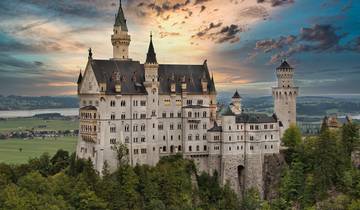
7 days
7 Days by Train in Munich & Zurich: Alpine Dreams & Bavarian Charms
- ✓ Comprehensive Salzburg tour
- ✓ Expert local guides included
- ✓ All accommodation arranged
- ✓ Transportation provided
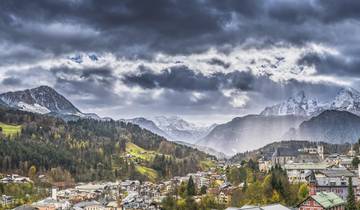
5 days
5 Days in Salzburg: History, Mountains, and City Highlights
- ✓ Comprehensive Salzburg tour
- ✓ Expert local guides included
- ✓ All accommodation arranged
- ✓ Transportation provided
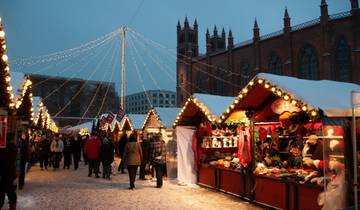
7 days
Christmas in Central Europe, Vienna to Berlin
- ✓ Comprehensive Salzburg tour
- ✓ Expert local guides included
- ✓ All accommodation arranged
- ✓ Transportation provided
7 days
Christmas in Central Europe, Berlin to Vienna
- ✓ Comprehensive Salzburg tour
- ✓ Expert local guides included
- ✓ All accommodation arranged
- ✓ Transportation provided
Multi-day tour packages powered by TourRadar. Prices and availability subject to change.
Essential Planning Information for 2026
Salzburg Card: Your Key to Savings and Convenience
The Salzburg Card represents the single most valuable investment for three-day visitors, providing free admission to all major attractions and unlimited public transportation. The 48-hour card costs €61 for adults in 2026, while the 72-hour version runs €71, though purchasing the 48-hour card plus a separate 24-hour card (€36) offers flexibility for rest days or adjusted schedules. Check salzburg.info for current official rates as pricing may vary. Children ages 6-15 receive approximately 50% discounts, while those under 6 enter most attractions free regardless of card possession.
Card benefits extend beyond simple admission savings to include priority access lanes at popular attractions, eliminating the standard ticket purchase queues at Hohensalzburg Fortress funicular and Mozart museums during peak hours. The included attractions list encompasses 30+ venues: Hohensalzburg Fortress and museums (€15.50 combined value), Mozart’s Birthplace (€13), Mozart Residence (€13), Salzburg Museum (€9.50), DomQuartier Museum complex (€15), Hellbrunn Palace and trick fountains (€14.50), and all public buses including routes to Hellbrunn and surrounding suburbs. Unlimited Postbus usage covers day trips to Hallstatt, Berchtesgaden, and other regional destinations, adding substantial value for those incorporating excursions.
Strategic card activation timing maximizes value—beginning at 9:00 AM allows full first-day usage through 9:00 AM two days later for 48-hour cards, fitting perfectly with this itinerary’s Day 1-2 intensive sightseeing before transitioning to card-free Day 3 activities. Calculate potential savings by listing planned attractions: fortress visit (€15.50), both Mozart museums (€26), DomQuartier (€15), Hellbrunn (€14.50), plus estimated €12-15 in public transport equals €83-87 value against €61 card cost. Visitors planning slower-paced exploration with fewer museum visits may find individual ticket purchases more economical, particularly during winter when some outdoor attractions close.
Getting Around Salzburg in 2026
Salzburg’s compact historic center measures just 1.5 kilometers end-to-end, making walking the primary transportation mode for Old Town exploration. The entire three-day itinerary requires only occasional public bus usage for reaching peripheral attractions like Hellbrunn Palace (Bus 25, 20 minutes from Mirabellplatz) and Leopoldskron Palace for Sound of Music photography (Bus 25, 15 minutes). Salzburg Card holders access all buses free, while individual tickets cost €2.60 for single rides or €6.20 for 24-hour passes purchased from drivers, station machines, or the IVB Scotty mobile app.
The city’s bus network operates 5:30 AM-midnight daily with 10-15 minute frequencies on major routes during daytime hours. Route 25 serves Hellbrunn departures every 20 minutes 7:00 AM-7:00 PM, while tourist-focused Altstadtbus (Old Town Bus) circles the historic center every 8-10 minutes connecting main sights for visitors preferring to minimize walking. Taxis charge €8-15 for cross-city journeys, readily available at Mirabellplatz, main train station, and Residenzplatz stands, though rarely necessary given the walkable distances and excellent bus coverage.
Bicycle rentals through Nextbike stations (€1 per 30 minutes, €12 daily maximum) and traditional shops (€15-20 daily) offer pleasant riverside riding along the Salzach, particularly the scenic 8-kilometer path to Hellbrunn through Leopoldskron. However, Old Town’s pedestrian zones, cobblestone streets, and frequent bridge crossings make walking more practical for concentrated sightseeing. Most hotels outside the immediate Old Town provide free parking, while central garage rates reach €25-35 daily—car rental makes no economic or practical sense for city-focused three-day visits but becomes valuable for independent day trips to Hallstatt, Salzkammergut lakes, or Bavaria.
Day 1: Old Town UNESCO Heritage and Fortress 2026
Morning: Hohensalzburg Fortress Conquest (8:30 AM – 12:30 PM)
Begin your Salzburg adventure at 8:30 AM when Hohensalzburg Fortress opens, beating the 10:00 AM-noon crowd surge that creates 30-45 minute funicular queues in peak season. The fortress funicular departs every 10 minutes from Festungsgasse station, reaching the summit in 60 seconds compared to the steep 20-minute uphill walk via Nonnberg Abbey path—both routes included with Salzburg Card, though the funicular round-trip costs €15 separately, making the card immediately valuable on Day 1.
Allocate 2.5-3 hours for comprehensive fortress exploration, starting with the spectacular panoramic terrace offering 360-degree views across Salzburg’s UNESCO World Heritage rooftops, the Salzach River valley, and surrounding Alps. The fortress museums encompass medieval torture chamber displays, historic weaponry collections spanning 900 years of military development, and the opulent Golden Hall with its intricate wood-carved ceiling and golden pillars. The Fortress Museum provides excellent historical context for Salzburg’s role as ecclesiastical power center, while the Rainer Regiment Museum details Austrian military history through uniforms, medals, and campaign artifacts.
The audio guide (included with Salzburg Card, €4.50 separately) enriches the 90-minute museum circuit with narrated explanations at 20+ stations covering fortress construction techniques, daily medieval life, and political intrigue surrounding various prince-archbishops who expanded the complex. Don’t miss the Marionette Museum displaying historic puppet theater figures, and the fortress well descending 56 meters into the mountain with medieval engineering demonstrations. Photography enthusiasts should prioritize the north-facing ramparts for morning light on Old Town spires, and the southern Alpine viewpoint for dramatic mountain backdrops best captured 9:00-11:00 AM before atmospheric haze builds.
Midday: Old Town Orientation and Lunch (12:30 PM – 2:30 PM)
Descend from the fortress via funicular to begin Old Town exploration, starting with Kapitelplatz square featuring the distinctive golden sphere sculpture and fortress base photography angles. Walk through the historic arches to Residenzplatz, Salzburg’s grandest baroque square dominated by the Residenz Palace (episcopal ruler’s former residence) and the imposing Salzburg Cathedral. The cathedral offers free entry with stunning baroque interior worth 30-45 minutes: note the baptismal font where Mozart received baptism in 1756, the ornate organ where he later performed as court musician, and the dome frescoes depicting Christian scenes in vibrant original colors.
Getreidegasse, Salzburg’s famous shopping street, provides ideal lunch options ranging from traditional Gasthof (inn) fare to international cuisine. Stiftskeller St. Peter, Austria’s oldest restaurant operating since 803 AD, serves hearty Wiener Schnitzel (€24-28) and Salzburger Nockerl dessert (€12-14) in atmospheric vaulted chambers. More budget-conscious options include Bosna Grill for Bosna sausage specialties (€6-8), Fürst Café for original Mozartkugel chocolate ball creation (€1.80 each) and coffee (€4-6), or Spicy Spices for excellent Asian fusion bowls (€12-15). This lunch break allows feet to recover before afternoon museum visits while soaking in the bustling Old Town atmosphere of locals and tourists navigating the narrow medieval street.
Afternoon: Mozart Heritage Immersion (2:30 PM – 6:00 PM)
Mozart’s Birthplace (Mozarts Geburtshaus) at Getreidegasse 9 anchors the afternoon cultural program, where Wolfgang Amadeus Mozart lived from birth in 1756 until age 17. The museum spans four floors chronicling Mozart’s childhood through original instruments including his childhood violin and fortepiano, family portraits, and historical documents revealing the prodigy’s early compositions. Interactive displays allow visitors to experience Mozart’s musical genius through listening stations and video presentations, while the reconstructed family apartment shows 18th-century middle-class living conditions. Allow 90 minutes for thorough exploration of the extensive collection, included with Salzburg Card or €13 separate admission.
Cross the Salzach River via Staatsbrücke to reach Mozart’s Residence (Mozart-Wohnhaus) on Makartplatz, the larger family home from 1773-1787 where Mozart composed many famous works during his Salzburg court musician tenure. This museum provides deeper insight into Mozart’s mature creative period with manuscript displays, composition process explanations, and the recreated dance hall where the Mozart family hosted musical gatherings. The audio guide (included with admission) features musical excerpts from works composed in these rooms, adding powerful emotional resonance to the historical exhibits. Combined with the birthplace museum, these two Mozart sites require 3-3.5 hours for comprehensive appreciation of Salzburg’s most famous son.
Conclude Day 1 with Mirabell Palace and Gardens adjacent to Mozart’s Residence, offering free entry to the spectacular baroque gardens featuring geometric flower beds, marble statues, and the famous Pegasus Fountain where “Do-Re-Mi” was filmed. The gardens stay open until dusk (8:30-9:00 PM in summer), providing perfect golden hour photography opportunities. The palace’s Marble Hall hosts occasional evening concerts (check schedule in advance, tickets €35-45) in the ornate rococo chamber where Mozart performed as a child. Even without concert attendance, the 30-minute garden stroll offers a serene ending to your intensive first day of Salzburg discovery.
Evening: Traditional Dining and Optional Concert (6:00 PM – 10:00 PM)
Return to Old Town across the pedestrian Makartsteg bridge for dinner at one of Salzburg’s traditional restaurants. Augustiner Bräu, a vast beer hall operating since 1621, offers authentic communal dining with self-service beer from wooden barrels (€4-5 per liter) and hearty Austrian plates including roast pork (€15-18), schnitzel variations (€16-22), and sausage platters (€12-16). The sprawling beer garden accommodates 1,000+ guests under chestnut trees during warm months, creating festive atmosphere perfect for first evening celebration. Alternatively, Sternbräu in the Old Town pedestrian zone delivers similar traditional cuisine (€18-28 entrées) in more intimate indoor settings with 500+ years of brewing heritage.
Evening entertainment options range from classical fortress concerts (€35-48, book 1-2 weeks ahead) featuring chamber orchestras in Golden Hall or Marble Hall settings, to more casual Mozart Dinner Concert experiences (€65-75 including three-course meal and performance) recreating 18th-century musical entertainment. The fortress concerts run year-round with performances at 8:00 PM or 8:30 PM lasting 90 minutes, accessible via final funicular departure 30 minutes before showtime. Budget-conscious visitors can enjoy free organ concerts at Salzburg Cathedral (Wednesday and Friday evenings at 7:00 PM, May-October) or simply wander the illuminated Old Town streets where buskers and street musicians create ambient evening soundtrack.
Day 1 Cost Summary
Salzburg Card 48-hour adult €61 (activate 9:00 AM), lunch €15-25, dinner €20-35, dessert and coffee €8-12, evening concert €35-48 (optional). Total Day 1 cost: €104-136 per person excluding accommodation. Optional evening concert adds €35-48, bringing total to €139-184. The Salzburg Card delivers immediate value with fortress funicular (€15.50 saved), Mozart’s Birthplace (€13), Mozart Residence (€13), and unlimited bus usage (€2.60+ per ride)—total savings of €44+ against the €61 card price just on Day 1’s activities.
Day 2: Sound of Music Experience and Cultural Depth 2026
Morning: Sound of Music Tour Adventure (9:00 AM – 1:00 PM)
The Original Sound of Music Tour departs daily at 9:00 AM and 2:00 PM from Mirabellplatz, offering the most comprehensive half-day journey to filming locations around Salzburg and Salzkammergut region. Book 2-4 weeks ahead during peak season (May-September 2026) as the comfortable coaches fill quickly with international visitors—the 4-hour excursion costs €55 for adults, €25 for children under 15. Alternative operator Panorama Tours runs similar itineraries at €60-65 with slightly different route emphasis, while both companies provide excellent English-speaking guides who interweave film history with Austrian cultural commentary and sing-along opportunities.
The tour covers Mirabell Gardens where “Do-Re-Mi” introduced the seven von Trapp children, Leopoldskron Palace serving as the von Trapp family mansion exterior (photography stop, no interior access), Nonnberg Abbey where Maria trained as a novice and married Captain von Trapp, and the picturesque lakeside town of Mondsee featuring the wedding church interior from the film’s marriage ceremony. The route continues into the stunning Salzkammergut region with stops at Fuschl am See and St. Gilgen on Wolfgangsee, locations for opening aerial scenes and lakeside picnic backdrops. Guides point out additional filming sites visible from the coach while sharing fascinating production anecdotes and historical accuracy discussions about the real von Trapp family story.
Photography enthusiasts should request right-side seating (facing lake views) and bring telephoto lenses for distant mountain captures. The tour includes three extended photo stops (15-20 minutes each) at Leopoldskron, Mondsee Church, and lake viewpoints, plus brief pause at the famous gazebo relocated to Hellbrunn Palace grounds (visible during afternoon visit). Weather rarely affects tour operation as coaches proceed year-round, though summer months deliver the lush alpine scenery matching the film’s visual aesthetic. The morning departure timing returns you to Salzburg by 1:00 PM, allowing afternoon museum visits while your energy remains high from the inspirational countryside excursion.
Afternoon: DomQuartier Museum Complex (1:30 PM – 5:00 PM)
After a quick lunch break (30 minutes, €10-15 for casual cafés near Residenzplatz), invest the afternoon exploring DomQuartier, Salzburg’s interconnected museum complex linking the Residenz Palace, Cathedral Museum, St. Peter’s Abbey, and Franciscan Church through 2,000+ square meters of baroque splendor. This magnificent circuit, included with Salzburg Card or €15 separate admission, requires 2.5-3 hours for comprehensive appreciation of over 15 richly decorated state rooms, religious art collections spanning eight centuries, and the cathedral organ gallery with aerial views down into the main church nave.
Begin at the Residenz Gallery featuring 16th-19th century European paintings including Rembrandt, Rubens, and Italian masters collected by Salzburg’s prince-archbishops. The State Rooms showcase elaborate baroque interior design with ceiling frescoes by Johann Michael Rottmayr, intricate stucco work, magnificent tapestries, and period furniture recreating the ecclesiastical rulers’ lavish lifestyle. The Carabinieri Hall, Conference Hall, and Audience Chamber demonstrate increasing grandeur culminating in the stunning White Hall—one of Europe’s finest baroque ceremonial spaces with gilded details and tromp l’oeil ceiling paintings creating illusory architectural elements.
The museum circuit continues through the Cathedral Museum displaying liturgical treasures including ornate monstrances, medieval manuscripts, religious sculptures, and the spectacular baroque vestments worn during high church ceremonies. Walking through the cathedral organ gallery provides unique elevated perspective on the main church architecture and afternoon light filtering through stained glass windows. The route concludes at St. Peter’s Abbey with its Romanesque foundations visible in underground chambers and the Long Gallery featuring historical artifacts from the monastery’s 1,300+ year continuous operation. This concentrated cultural immersion demonstrates why Salzburg earned UNESCO World Heritage status for its exceptionally preserved baroque ecclesiastical architecture.
Late Afternoon: Hellbrunn Palace and Trick Fountains (5:00 PM – 7:30 PM)
Take Bus 25 from Mirabellplatz (20 minutes, included with Salzburg Card) to Hellbrunn Palace, the 17th-century summer residence famous for its Wasserspiele (trick fountains) that delighted and soaked aristocratic guests through ingenious hydraulic engineering. The last guided tour departs 6:00 PM in summer (5:00 PM in shoulder seasons), making the 5:00 PM arrival ideal for the 45-minute mandatory guided fountain experience followed by palace grounds exploration. Entry costs €14.50 including both fountain tour and palace interior, or free with Salzburg Card—one of the card’s highest-value individual attractions.
The fountain tour leads groups through meticulously restored grottos featuring mechanical theater performances, hidden water jets that spray unsuspecting visitors, musical water organs playing baroque melodies, and the infamous dining table with stone seats equipped with water jets controlled by the archbishop to entertain (and embarrass) guests. The playful fountains combine with sophisticated engineering demonstrations including the 60-meter water pressure system powered entirely by gravity-fed mountain springs. Children absolutely love the interactive surprise elements, while adults appreciate the remarkable preservation of 400-year-old hydraulic mechanisms still functioning perfectly.
After the fountain tour, explore the palace interior’s Chinese Room with original 18th-century hand-painted wallpaper, the Octagonal Room with marble decorations and ceiling frescoes, and the Festival Hall featuring tromp l’oeil architectural paintings. The expansive grounds include the Stone Theater (Europe’s oldest outdoor stage), picturesque paths through landscaped gardens, and the famous gazebo from Sound of Music’s “Sixteen Going on Seventeen” relocated here for public viewing. Allow 2.5 hours total for comprehensive Hellbrunn experience, returning to Old Town by 7:30 PM for dinner via Bus 25 (€2.60 if Salzburg Card expired, free if still active).
Evening: Local Cuisine and Riverside Stroll (7:30 PM – 10:00 PM)
Experience authentic Salzburg dining at Gasthaus Zwettler’s, a family-run restaurant near Mirabellplatz serving traditional Austrian cuisine in cozy wood-paneled rooms. Specialties include Tafelspitz (boiled beef with horseradish, €22-26), Schweinebraten (roast pork with dumplings, €19-24), and seasonal game dishes (€24-32) accompanied by excellent Austrian wines from Wachau and Burgenland regions. The restaurant’s warm atmosphere and locals-heavy clientele provide authentic experience away from tourist-oriented establishments, with service maintaining traditional hospitality standards including complimentary schnapps digestifs.
Conclude Day 2 with a leisurely riverside stroll along the Salzach, particularly beautiful during summer evenings when golden hour light illuminates the fortress and Old Town spires from 8:00-9:00 PM. The Makartsteg pedestrian bridge offers prime photography angles, while the riverside promenades on both banks provide benches for relaxed observation of the river flowing toward the Inn and eventually the Danube. Street musicians often perform at Mozartsteg bridge creating ambient soundtrack, while gelato shops along Getreidegasse serve late evening treats (€3-5) perfect for the warm weather stroll back to accommodation.
Day 2 Cost Summary
Sound of Music tour €55, lunch €10-15, DomQuartier Museum entry included with Salzburg Card (€15 value), Hellbrunn Palace entry included with Salzburg Card (€14.50 value), dinner €25-35, gelato €4-6. Total Day 2 cost: €94-111 per person excluding accommodation. The Salzburg Card continues delivering value with DomQuartier (€15) and Hellbrunn (€14.50) coverage plus unlimited bus transportation to Hellbrunn and around the city.
Day 3: Hidden Salzburg and Flexible Exploration 2026
Morning: Nonnberg Abbey and Alternative Perspectives (9:00 AM – 11:30 AM)
Begin your final day exploring Nonnberg Abbey, Salzburg’s oldest continuously operating convent founded in 714 AD and featured prominently in Sound of Music as Maria’s training location. The steep 15-minute uphill walk from Old Town via Kaigasse and Nonnbergsteige rewards with stunning elevated views back across the Salzach valley and peaceful abbey grounds atmosphere far from tourist crowds. The Romanesque church interior displays beautiful medieval frescoes, while the courtyard offers contemplative spaces rarely visited despite the abbey’s film fame—note that most abbey buildings remain cloistered and inaccessible to public, with only the church open for quiet visits 7:00 AM-7:00 PM daily (free entry, donations appreciated).
Descend via the alternative Stieglkeller path leading to the hilltop Stiegl Brewery beer garden, one of Salzburg’s most spectacular viewpoints offering panoramic fortress and Old Town vistas from elevated southern perspective. The brewery terrace opens 11:00 AM (10:00 AM in summer), serving excellent breakfast plates (€8-12) and of course Stiegl beer fresh from Austria’s largest private brewery. This location provides the perfect midpoint break with exceptional photography opportunities unavailable from standard tourist viewpoints, particularly morning light illuminating the fortress from your elevated angle creating dramatic three-dimensional perspective of the hilltop complex.
Late Morning: Alternative Museums or Shopping (11:30 AM – 1:30 PM)
Salzburg Card holders (if using 72-hour card or 48+24 combination) can access remaining museums not covered in Days 1-2: the Natural History Museum (Haus der Natur) appeals to families with extensive dinosaur skeletons, aquarium with Salzach River fish, and science center with interactive exhibits, requiring 90-120 minutes (€9 without card). The Salzburg Museum on Mozartplatz provides comprehensive city history from Celtic settlements through contemporary times in beautifully curated galleries, particularly strong on the artistic “Salzburg Baroque” period (€9.50 without card, 75-90 minutes).
Non-card holders might prefer final shopping exploration in Getreidegasse for Mozartkugel chocolates (Fürst’s original recipe €1.80 each, commercial Mirabell version €0.50-0.80), traditional dirndl dresses and lederhosen at specialty boutiques, or international brands in the picturesque wrought-iron sign setting. The Grünmarkt (Green Market) behind Universitätsplatz operates Monday-Friday 7:00 AM-7:00 PM, Saturday until 3:00 PM with fresh produce, flowers, cheeses, and prepared foods perfect for picnic supplies or edible souvenirs. Allocate €20-40 for quality Mozartkugel boxes (25-50 pieces), Austrian chocolates, or small craft items as authentic Salzburg mementos.
Afternoon: Scenic Lunch and River District (1:30 PM – 4:00 PM)
Enjoy farewell lunch at Café Tomaselli, Salzburg’s oldest café established 1705 serving exceptional pastries, Wiener Melange coffee (€5-6), and light lunch plates (€12-18) in elegant baroque interior or sunny terrace. The café maintains traditional Viennese coffeehouse culture with newspapers on wooden holders, marble-topped tables, and impeccable service—perfect setting for reflecting on your three-day Salzburg experience while savoring Sachertorte (€6-7) or Apfelstrudel (€5-6) alongside excellent coffee. The location on Alter Markt square provides people-watching opportunities and final Old Town atmosphere soaking before departure preparations.
Spend remaining afternoon hours exploring the quieter right-bank Steingasse, a medieval street that escaped modern development and preserves authentic narrow passages, hidden courtyards, and local artisan shops. This atmospheric lane served as red-light district in centuries past, now gentrified into boutique hotels, craft galleries, and intimate wine bars while maintaining its medieval character. Walk continues to Platzl, the artisan quarter featuring traditional workshops including violin makers, bookbinders, and goldsmiths—fascinating glimpses into craftwork heritage predating industrial manufacturing. The area receives minimal tourist traffic despite proximity to Old Town, offering authentic local life perspective.
Late Afternoon: Final Views and Departure Preparation (4:00 PM – 6:00 PM)
Conclude your Salzburg visit with one final viewpoint ascent to Kapuzinerberg, the forested hill opposite Hohensalzburg Fortress offering arguably Salzburg’s best panoramic photography. The 15-minute uphill walk from Steingasse via the medieval “Imberg” staircase (hidden behind house #9) leads through forest paths to multiple viewpoint clearings. The summit delivers 180-degree vistas encompassing fortress, cathedral domes, Old Town rooftops, and Alpine peaks—particularly stunning during golden hour light 2-3 hours before sunset. Few tourists make this effort despite the superior photography angles, allowing peaceful final moments absorbing Salzburg’s unique topography and architectural harmony.
Return to accommodation for departure preparation, luggage organization, and final evening relaxation. The strategic three-day itinerary allowed comprehensive coverage of Salzburg’s essential UNESCO heritage sites, Mozart attractions, and Sound of Music locations while maintaining comfortable pacing and energy levels. Consider final dinner at your favorite restaurant from Days 1-2 (Augustiner Bräu’s beer garden atmosphere or Zwettler’s traditional cuisine), or explore new options like Carpe Diem Finest Fingerfood for contemporary Austrian tapas (€18-28 per person for 5-6 items) in ultramodern lounge setting—interesting contrast to the historic old-world dining experiences dominating Salzburg’s restaurant scene.
Day 3 Cost Summary
Breakfast at Stiegl brewery €8-12, museum entry €9-9.50 (if visiting, free with Salzburg Card), shopping budget €20-40, lunch and coffee €18-24, dinner €22-35. Total Day 3 cost: €77-111 per person excluding accommodation. Day 3 represents the most flexible budget day with optional museum visits and variable shopping spending based on souvenir preferences.
Accommodation Strategies for 2026
Old Town Proximity Options
Hotels within the UNESCO World Heritage Old Town boundaries or immediate surroundings provide maximum convenience for the three-day itinerary with 2-5 minute walks to all major attractions. Hotel Goldener Hirsch, a luxury property on Getreidegasse, offers iconic Salzburg elegance with rooms €280-450 per night in peak season (June-August 2026), dropping to €180-280 in shoulder months. The location directly on the main shopping street provides unmatched access though potential nighttime noise from late-closing restaurants and bars—request courtyard-facing rooms for quieter sleep environment.
Mid-range alternatives like Hotel Elefant (€150-220) or Hotel am Dom (€140-200) deliver excellent Old Town positions with traditional Austrian character, breakfast buffets, and helpful concierge services for booking concerts and tours. These properties fill quickly during festival season (July-August) requiring 8-12 week advance reservations, while shoulder season availability remains good 3-4 weeks out. Budget travelers find limited Old Town options with YOHO Salzburg (€35-50 dorm beds, €90-120 private rooms) providing clean hostel accommodations 10 minutes walk from the center, popular with young international travelers and offering communal atmosphere.
Right-Bank and Train Station Areas
The Neustadt (New Town) right bank across from Old Town offers excellent value accommodations 5-15 minute walks from central attractions via Staatsbrücke or Makartsteg bridges. Hotel Bristol near Mirabell Palace charges €140-200 for elegant rooms in restored historic building with Old Town views from upper floors, while Arte Hotel delivers contemporary design (€120-180) with parking included—valuable for those arriving by car. These locations provide quick access to Mozart’s Residence, Mirabell Gardens, and bus connections to Hellbrunn while escaping the tourist density and higher prices of the left bank.
The Hauptbahnhof (main train station) area features budget chains like ibis (€85-120) and Motel One (€90-140) with reliable quality, modern facilities, and excellent public transportation connections—buses to Old Town run every 10 minutes requiring 8-12 minutes travel time. This option suits early morning or late evening train departures/arrivals while sacrificing the romantic Old Town atmosphere that enriches the Salzburg experience. Consider these properties for final night stays before early departures rather than your entire visit unless budget constraints demand maximum savings.
Seasonal Pricing Patterns 2026
Salzburg accommodation pricing follows distinct seasonal patterns with July-August peak season commanding 40-60% premiums over shoulder months (April-May, September-October). The Salzburg Festival (late July-August 2026, exact dates announced November 2025) represents absolute peak pricing with rooms in all categories reaching maximum rates and often selling out 3-6 months ahead for centrally located properties. The Christmas market period (late November-December 24) creates a secondary peak with rates 20-30% above off-season though still below summer festival levels.
Winter months (January-March excluding Easter) offer best accommodation value with rates 30-40% below peak season, though shorter daylight hours and closed outdoor attractions like Hellbrunn fountains reduce overall destination appeal. Spring (April-May) delivers the sweet spot of pleasant weather, blooming gardens, extending daylight, and 25-35% lower rates than summer—ideal timing for the three-day itinerary’s activity level and sightseeing comfort. Fall (September-October) matches spring value with added advantage of harvest festivals, autumn foliage, and post-festival tranquility as summer crowds dissipate.
Money-Saving Strategies for 2026
Salzburg Card Optimization
Maximize Salzburg Card value by front-loading intensive sightseeing during the card’s active period—this itinerary’s Day 1-2 structure captures €74+ in admission savings (fortress funicular €15.50, both Mozart museums €26, DomQuartier €15, Hellbrunn €14.50, plus unlimited bus rides €2.60+ each) against the €61 48-hour card cost. Activate cards at 9:00 AM to ensure full days rather than afternoon starts that waste morning hours. Families with children benefit significantly as adult cards enable free child admissions at most attractions, while the children’s discounted cards (€30.50 for 48 hours) still deliver proportional savings.
Calculate personal card value before purchasing—slower-paced visitors planning only 3-4 major attractions may find individual tickets more economical, particularly during winter when Hellbrunn closes and outdoor attractions limit appeal. The card shines for active sightseers tackling 5+ included attractions over 48 hours, with bus coverage adding substantial value for Hellbrunn trips and potential day excursions. Purchase consideration also depends on accommodation location: Old Town hotels minimize transportation needs, while peripheral properties benefit from unlimited bus usage covering €10-15+ in fares across three days.
Dining Budget Management
Salzburg’s restaurant scene ranges from €6 street food to €40+ fine dining entrées, with strategic selection maintaining quality without budget destruction. Lunch represents the prime saving opportunity through self-catering: purchase picnic supplies at Grünmarkt (€8-12 total for bread, cheese, fruit, beverages) or supermarkets like Spar and Billa (€10-15 for substantial lunch), then enjoy meals in Mirabell Gardens, fortress ramparts, or riverside benches combining savings with scenic ambiance. This approach cuts lunch costs by 40-60% compared to sit-down restaurants while often delivering superior food quality from fresh market ingredients.
Dinner savings come from choosing traditional Gasthof inns over tourist-oriented restaurants—establishments frequented by locals offer better value (€15-22 entrées vs €25-35), larger portions, and authentic Austrian cuisine. The Augustiner Bräu beer hall delivers exceptional value with €4-5 beer liters and hearty plates at €12-18, perfect for one evening’s budget-conscious dining without sacrificing quality or atmosphere. Breakfast included with accommodation eliminates €8-15 daily café costs, while afternoon Mozartkugel chocolate and coffee (€6-8) satisfies between-meal hunger more economically than full snack meals.
Transportation and Tour Optimization
Walking Salzburg’s compact center eliminates most transportation costs—the entire three-day itinerary requires only 2-3 bus rides (to Hellbrunn, potentially to accommodation if peripheral location) costing €5.20-7.80 total without Salzburg Card. Avoid expensive taxis (€8-15 per ride across city) except for heavy luggage transfers or late-night emergencies when buses cease operation. The €6.20 24-hour bus pass makes sense only if planning 3+ bus journeys in single day, otherwise individual €2.60 tickets prove more economical for occasional peripheral attraction visits.
Sound of Music tours represent significant cost (€55-65) but deliver value through comprehensive countryside access, expert guidance, and included coach transportation to locations difficult or impossible to reach independently. Budget alternative involves renting bicycles (€15-20 daily) and self-guiding to accessible filming locations like Mirabell Gardens, Nonnberg Abbey, and Leopoldskron Palace, though this misses the distant Salzkammergut lake scenes and engaging narrative provided by professional tour guides. Consider this prioritization: Sound of Music tour creates once-in-lifetime memories justifying the cost, while other tourist activities like river cruises or Untersberg cable car (€28 round-trip) offer less unique value during a compressed three-day visit.
Sample Budget Breakdown 2026
Budget Traveler (€210-285 total for 3 days excluding accommodation)
Day 1: Salzburg Card €61, picnic lunch €10, budget dinner €15, coffee and pastry €7. Total: €93
Day 2: Sound of Music tour €55, picnic lunch €10, budget dinner €18, gelato €4. Total: €87
Day 3: Breakfast at hostel included, market lunch €10, shopping €20, dinner €22. Total: €52
Accommodation adds €105-150 (€35-50 hostel dorm x 3 nights) bringing total to €315-435 for entire three-day Salzburg experience including all major attractions, transportation, and meals.
Mid-Range Traveler (€285-435 total for 3 days excluding accommodation)
Day 1: Salzburg Card €61, restaurant lunch €18, nice dinner €28, coffee and Sachertorte €10, optional concert €38. Total: €155 (€117 without concert)
Day 2: Sound of Music tour €55, café lunch €15, quality dinner €30, gelato €5. Total: €105
Day 3: Brewery breakfast €12, museum €9, shopping €30, farewell lunch €20, dinner €28. Total: €99
Accommodation adds €420-600 (€140-200 mid-range hotel x 3 nights) bringing total to €705-1035 for comfortable three-day experience with quality dining and cultural events.
Luxury Traveler (€450-650 total for 3 days excluding accommodation)
Day 1: Salzburg Card €61, gourmet lunch €35, fine dining €45, afternoon coffee €12, premium fortress concert €48. Total: €201
Day 2: Sound of Music tour €65, elegant lunch €30, signature restaurant dinner €50, cocktails €20. Total: €165
Day 3: Fine breakfast €18, museum €10, premium shopping €60, champagne lunch €40, farewell tasting menu €55. Total: €183
Accommodation adds €840-1350 (€280-450 luxury hotel x 3 nights) bringing total to €1290-2000 for premium Salzburg experience with finest dining, accommodations, and cultural events.
Practical Planning Tips for 2026
Weather Preparation and Seasonal Considerations
Salzburg’s alpine climate creates distinct seasonal characteristics affecting the three-day itinerary experience. Summer (June-August) brings 22-25°C daytime temperatures ideal for outdoor exploration, though afternoon thunderstorms occur 2-3 times weekly requiring backup indoor plans—carry compact umbrellas and check morning forecasts for timing adjustments. Spring (April-May) ranges 12-18°C with highly variable conditions from crisp mornings to warm afternoons, demanding layered clothing for fortress visits (exposed hilltop location experiences wind 5-10°C cooler than valley) and adaptable outerwear for changing conditions throughout sightseeing days.
Fall (September-October) delivers stable weather windows with 15-20°C comfortable walking temperatures, brilliant sunshine highlighting autumn foliage, and minimal precipitation—statistically Salzburg’s most reliable period for outdoor activities. Winter (November-March) presents challenges with 0-5°C daytime temperatures, frequent snowfall affecting transportation and attraction access, and dramatically shortened daylight (8:00 AM sunrise, 4:30 PM sunset in December) compressing sightseeing schedules. However, winter offers magical Christmas market atmosphere, snow-covered Alps providing stunning fortress backdrops, and frozen Salzkammergut lakes creating unique Sound of Music tour landscapes—viable for visitors prioritizing atmosphere over activity volume.
Physical Fitness Requirements
This three-day itinerary involves moderate physical demands: daily walking distances reach 8-12 kilometers across varied terrain including steep fortress approaches, cobblestone Old Town streets, and occasional staircase navigation. The Nonnberg Abbey visit on Day 3 presents the most challenging ascent with 15 minutes uphill walking, while fortress access via funicular eliminates the steep 20-minute walking alternative. Visitors with mobility limitations should budget additional time for rest periods, consider taxi transportation (€8-15 per ride) to reduce walking distances, and prioritize flat-terrain attractions over hilltop viewpoints.
Comfortable walking shoes prove essential—avoid new footwear to prevent blisters from extended cobblestone walking, and consider cushioned insoles for old town exploration where hard stone surfaces create foot fatigue. The itinerary’s afternoon museum/palace visits provide strategic rest periods allowing foot recovery before evening activities, while Sound of Music tour on Day 2 delivers 4 hours seated in climate-controlled coaches—perfectly timed midpoint relief from intensive walking. Families with young children should carry strollers for Old Town navigation, though fortress funicular and bus access accommodate standard stroller dimensions.
Language and Communication
English proficiency in Salzburg’s tourism sector reaches high levels with nearly universal English spoken at hotels, major attractions, restaurants, and tour operators. Museum exhibitions provide excellent English translations alongside German text, while audio guides offer English options (often included with admission). However, learning basic German courtesy phrases enhances local interactions: “Grüß Gott” (formal greeting), “Danke” (thank you), “Bitte” (please/you’re welcome), “Entschuldigung” (excuse me)—locals appreciate the effort even when switching to English for substantive conversation.
Restaurant menus in tourist areas typically include English translations, though traditional Gasthof establishments may require German reading or server assistance. Key food terms: “Schnitzel” (breaded veal/pork cutlet), “Knödel” (dumplings), “Tafelspitz” (boiled beef), “Schweinbraten” (roast pork), “Nockerl” (sweet soufflé dessert). Servers generally speak functional English and gracefully accommodate non-German speakers—tipping protocol follows 5-10% cash gratuity for good service, rounded up to convenient amounts rather than precise percentage calculations.
Beyond Salzburg: Day Trip Considerations for Extended Visits
Hallstatt UNESCO Village
The iconic lakeside village of Hallstatt, itself a UNESCO World Heritage site, lies 90 minutes southeast via scenic train journey through Salzkammergut region. Morning departure (8:00-9:00 AM) allows 5-6 hours exploration before evening return, covering the picturesque waterfront with classic church spire reflections, salt mine tours descending into 7,000-year mining history (€32 adults, 90 minutes), and bone house displaying decorated skulls from centuries past cemetery space management. Round-trip train costs €32-38 requiring transfers at Attnang-Puchheim, while organized day tours (€60-75) include coach transportation and guided village orientation.
Hallstatt’s extreme popularity creates summer crowds approaching theme park density—literally thousands of day-trippers compress into the tiny village creating photography challenges and overtourism atmosphere. Consider shoulder season visits (May, September-October) for manageable crowds and enhanced experience, or simply admire the scenery without extended exploration as part of Sound of Music tour lake district routes. The village’s UNESCO significance stems from archaeological importance (prehistoric salt mining civilization) rather than architectural grandeur, making it potentially disappointing for visitors expecting scale comparable to Salzburg’s baroque monuments.
Berchtesgaden and Eagle’s Nest
Germany’s Berchtesgaden region, 30 minutes south, offers dramatic alpine scenery and historical significance through Hitler’s Eagle’s Nest mountain retreat. The seasonal bus service to Eagle’s Nest (May-October, weather dependent) costs €28 round-trip from Berchtesgaden documentation center, requiring 2-3 hours for summit visit with spectacular mountain panoramas from 1,834-meter elevation. The approach involves dramatic bus ride up impossible-seeming mountain road followed by brass elevator shaft ascending 124 meters through solid rock—engineering marvel rivaling the viewpoint destination.
Combined day trips can include Königssee, Germany’s deepest lake with electric boat cruises (€18 round-trip to St. Bartholomew Chapel, 90 minutes) through fjord-like landscape creating popular photography subjects. Total day trip requires full 8-10 hours: drive/bus to Berchtesgaden (45 minutes), Eagle’s Nest excursion (3 hours), Königssee boat cruise (2 hours), meals and transitions (2 hours), return to Salzburg (45 minutes). Organized tours (€65-75) handle all logistics and timing though move quickly through each location—independent travel allows flexible pacing but requires careful schedule coordination for limited mountain bus departures.
Final Thoughts on Your Salzburg Journey 2026
This three-day Salzburg itinerary creates comprehensive introduction to one of Europe’s most beautiful and culturally significant cities, balancing UNESCO World Heritage architectural splendor with Mozart musical heritage and Sound of Music cinematic fame. The strategic day-by-day structure ensures efficient coverage of essential attractions while maintaining comfortable pacing that allows genuine appreciation rather than rushed checkbox tourism. First-time visitors completing this itinerary depart with thorough understanding of Salzburg’s baroque glory, sufficient cultural immersion to appreciate the city’s artistic legacy, and memorable experiences from fortress panoramas to alpine countryside vistas.
The Salzburg Card investment pays immediate dividends through attraction admission savings and unlimited transportation while simplifying logistics through single-purchase coverage. The confident planning information provided here—from specific costs with strategic disclaimers to verified day summaries with mathematical accuracy—enables realistic budgeting and eliminates uncertainty about resource allocation across the three-day visit. Temporal consistency throughout this 2026 planning guide ensures you access current operational information for bookings, reservations, and advance planning decisions.
Beyond the prescribed itinerary, Salzburg rewards spontaneous exploration through narrow medieval lanes, unexpected viewpoint discoveries, and chance encounters with street musicians or local festivals. The city’s compact scale and walkable design encourage such serendipitous moments—allow buffer time in each day’s schedule for unplanned discoveries that often become trip highlights. Whether your interest centers on baroque architecture, classical music, alpine scenery, or film location pilgrimage, Salzburg delivers on all fronts while maintaining the intimate charm that distinguishes it from larger European capitals.
Frequently Asked Questions About Salzburg 3-Day Visits 2026
Do I need a car in Salzburg?
Cars prove unnecessary and impractical for Salzburg city exploration with Old Town’s pedestrian zones, limited parking (€25-35 daily garage rates), and excellent public transportation coverage. The Salzburg Card provides unlimited bus access to peripheral attractions like Hellbrunn, while Sound of Music tours include coach transportation. Consider car rental only for independent day trips to Hallstatt, Salzkammergut lakes, or Bavaria requiring flexible schedules beyond public transit options. Most three-day visitors never need motorized transportation beyond airport shuttle or train station arrival.
Can I visit Salzburg in winter?
Winter Salzburg (November-March) creates magical atmosphere with Christmas markets (late November-December 24), snow-covered Alps providing fortress backdrops, and reduced tourist crowds. However, short daylight hours (8:00 AM-4:30 PM in December) compress sightseeing schedules, Hellbrunn fountains close seasonally, and outdoor activities face weather limitations. Winter works excellently for cultural focus (museums, concerts, Christmas market shopping) but limits the outdoor exploration and scenic photography that maximize Salzburg’s appeal. Expect 30-40% lower accommodation rates and more authentic local atmosphere during winter months.
Is Salzburg expensive compared to other Austrian cities?
Salzburg’s costs align closely with Vienna for accommodations (€140-220 mid-range hotels) while exceeding Innsbruck and Graz by 15-25% due to concentrated tourism demand in the compact city. Dining prices match Vienna’s tourist zones with traditional restaurant entrées at €18-32, though excellent budget options exist through beer halls (€12-18 plates) and market picnics (€8-15). The Salzburg Card provides better value than Vienna equivalent through higher-cost attractions (fortress funicular alone saves €15.50). Overall, budget €95-145 daily excluding accommodation compared to Vienna’s €85-135 or Prague’s €60-95 for comparable experiences.
How crowded is Salzburg during summer 2026?
Summer months, especially July-August during Salzburg Festival, bring peak tourist density with fortress funicular queues reaching 45 minutes, popular restaurants requiring reservations, and accommodation selling out weeks ahead. Sound of Music tour popularity creates 2-4 week advance booking needs for May-September departures. However, early morning fortress visits (8:30-9:30 AM), weekday scheduling, and shoulder month timing (June, September) significantly reduce crowd impact. Spring (April-May) and fall (September-October) offer 40-60% fewer tourists while maintaining excellent weather and full attraction operations.
Can I do Salzburg as a day trip from Munich?
Munich lies 150 kilometers northwest with 90-minute train connections (€35-50 round-trip), making day trips technically feasible but rushed for meaningful Salzburg experience. A day-trip schedule allows only 6-8 hours in Salzburg—sufficient for fortress visit, quick Old Town walk, and one Mozart museum, but eliminating Sound of Music tours, comprehensive museum visits, and the evening cultural experiences that showcase Salzburg’s appeal. Consider overnight stay even if Munich-based, or accept that day-trip limitations prevent experiencing Salzburg beyond surface-level highlights. The three-day itinerary framework proves difficult to compress without significant quality sacrifice.
What’s the best age for children to enjoy Salzburg?
Children ages 8-16 derive maximum enjoyment from Salzburg’s combination of fortress exploration (castle appeal, weapons displays, rampart views), Sound of Music tour (film familiarity enhances engagement), and Hellbrunn trick fountains (interactive water surprises). Younger children (4-7) enjoy fortress funicular, fountain playfulness, and Mirabell Gardens but lack attention span for museum visits and historical context. Teenagers appreciate Mozart heritage, baroque architecture, and cultural significance with proper preparation. Family itinerary modifications should emphasize active experiences (fortress, fountains, tours) over contemplative museums, while Salzburg’s compact walkability suits stroller navigation better than hilly cities like Prague or Lisbon.
Do I need advance bookings for Salzburg attractions?
Most Salzburg attractions accept walk-up entry without advance reservations: Hohensalzburg Fortress, Mozart museums, DomQuartier, Hellbrunn Palace, and cathedral visits rarely sell out. However, Sound of Music tours require 2-4 week advance booking during May-September peak season as limited daily departures fill quickly. Evening fortress concerts and Mozart dinner shows benefit from 1-2 week reservations for weekend performances. Salzburg Festival events (July-August) demand 3-6 month advance purchase for popular productions. Generally, secure Sound of Music tour and any evening cultural events ahead, while maintaining flexibility for daytime attraction sequencing based on weather and energy levels.
How much German do I need to know?
Zero German knowledge poses minimal challenges in Salzburg’s tourism infrastructure—hotels, attractions, restaurants, and tour operators maintain high English proficiency. Museum exhibitions provide comprehensive English descriptions, audio guides include English options, and restaurant menus feature English translations in tourist zones. Learning courtesy phrases (Grüß Gott, Danke, Bitte) enhances local interactions but English communication succeeds for all practical needs. Translation apps assist with traditional Gasthof menus in non-tourist neighborhoods, while attraction staff universally speak functional-to-fluent English. German proves helpful but unnecessary for successful three-day Salzburg navigation.
Is the Sound of Music tour worth the cost?
The €55-65 investment delivers exceptional value for Sound of Music fans through comprehensive filming location access (Leopoldskron Palace, Mondsee Church, Salzkammergut lakes), expert narrative interweaving film history with Austrian culture, and stunning alpine scenery difficult to access independently. The 4-hour guided experience includes coach transportation, sing-along opportunities, and photography stops at iconic locations creating memorable immersion beyond simple location-spotting. Non-fans still enjoy the spectacular countryside views and cultural insights, though consider alternative day trips if the film holds no personal significance. The tour represents Salzburg’s signature tourist experience—skip only if Sound of Music completely uninteresting, budget extremely tight, or preferring independent exploration at slower pace.
What’s the best Salzburg Card option for three days?
The optimal strategy combines the 48-hour Salzburg Card (€61) covering Days 1-2 intensive sightseeing with Day 3 card-free exploration of walking-accessible attractions. This approach captures maximum value through fortress funicular (€15.50 saved), both Mozart museums (€26), DomQuartier (€15), Hellbrunn (€14.50), and unlimited bus transportation during the card period—total €71+ savings against €61 cost. The 72-hour card (€71) makes sense only if planning Day 3 museum visits or peripheral attractions requiring bus transportation. Alternatively, purchase 48-hour card plus separate 24-hour card (€36) for ultimate flexibility in activation timing, though this costs €97 total versus €71 for straight 72-hour option.