
Best Time to Visit Salzburg 2026: Seasonal Planning Guide
Key Takeaways
- Summer 2026 (June-August) offers peak cultural festivals including the Salzburg Festival, but expect highest prices and crowds with hotels ranging €180-350 per night
- Spring 2026 (April-May) delivers optimal value with moderate temperatures 12-18°C, 30-40% fewer tourists than summer, and accommodation rates €120-200 per night
- Christmas Markets season 2026 (late November-December) creates magical atmosphere with festive events, though temperatures drop to 0-5°C and hotel rates increase to €150-280 per night
- January-February 2026 represents budget-friendly off-season with lowest accommodation prices €80-140 per night, but limited daylight hours 8-9 hours daily and potential attraction closures
Understanding Salzburg’s Seasonal Appeal in 2026
Salzburg transforms dramatically across the seasons, each offering distinct advantages for UNESCO World Heritage exploration and Sound of Music pilgrimage. The city’s position in the northern Alps creates pronounced seasonal variations that directly impact travel costs, crowd levels, and accessibility to attractions. Understanding these patterns enables strategic planning for your 2026 visit, whether you prioritize cultural festivals, budget optimization, or weather-dependent outdoor activities.
The city’s dual identity as Mozart’s birthplace and filming location for The Sound of Music creates year-round appeal, but seasonal fluctuations in pricing, accessibility, and atmosphere warrant careful consideration. Summer brings the internationally renowned Salzburg Festival, transforming the city into classical music’s global epicenter, while winter delivers enchanting Christmas markets ranked among Europe’s finest. Spring and autumn offer compelling middle-ground options with pleasant weather, moderate crowds, and competitive pricing that many experienced travelers consider optimal.
Your ideal timing depends on balancing multiple factors: budget constraints, tolerance for crowds, weather preferences, specific festival interests, and desired activities. Peak season delivers maximum cultural programming but demands advance planning and premium pricing. Shoulder seasons provide excellent value with most attractions operational and pleasant conditions for exploration. Winter months split between festive Christmas market season and quiet January-February period with lowest prices but reduced hours and potential closures.
People Also Ask About Visiting Salzburg 2026
What is the best month to visit Salzburg in 2026?
May 2026 represents the optimal month for most travelers, combining pleasant temperatures averaging 15-18°C, minimal rainfall with 12-14 rainy days monthly, extended daylight hours providing 14-15 hours for exploration, and moderate crowds 30-35% below summer peak levels. Accommodation rates range €120-180 per night, significantly below summer pricing while all major attractions operate full schedules. The city awakens from winter with blooming gardens, outdoor concerts beginning, and comfortable conditions for walking tours through the Altstadt and Mirabell Gardens without summer heat or winter cold extremes.
How many days should you spend in Salzburg in 2026?
Three full days provides comprehensive Salzburg exploration covering Old Town UNESCO sites, Mozart attractions, Sound of Music filming locations, and day trip to nearby Berchtesgaden or Hallstatt. This timeframe allows one day for historic center (Getreidegasse, Mozart’s Birthplace, Salzburg Cathedral, Hohensalzburg Fortress), one day for palace and gardens (Mirabell Palace, Hellbrunn Palace, Leopoldskron Palace), and one day for Sound of Music tour or Alpine excursion. Budget-conscious travelers can cover highlights in two days, while those attending Salzburg Festival performances or exploring surrounding lakes and mountains benefit from four to five days.
Is Salzburg crowded in summer 2026?
Summer 2026 brings peak crowds to Salzburg, particularly during Salzburg Festival (late July through August) when daily visitor numbers reach 25,000-30,000 compared to 8,000-12,000 in shoulder seasons. Popular attractions like Hohensalzburg Fortress experience wait times of 45-90 minutes for cable car access during mid-morning and early afternoon peak periods. Getreidegasse pedestrian street becomes heavily congested between 10 AM-4 PM. Sound of Music tours sell out 4-6 weeks in advance. Restaurant reservations become essential for dinner service, and hotel rates increase 60-90% above shoulder season pricing. Despite crowds, extended daylight hours until 9 PM and full cultural programming make summer appealing for festival enthusiasts.
What is the weather like in Salzburg during different seasons of 2026?
Salzburg experiences four distinct seasons in 2026. Spring (April-May) delivers temperatures 10-18°C with increasing sunshine and occasional rain showers averaging 12-16 days monthly. Summer (June-August) provides warmest conditions 20-25°C with afternoon temperatures occasionally reaching 28-30°C, though mountain proximity keeps evenings cool requiring light jacket. Rainfall peaks in July-August with 14-18 rainy days monthly, often as afternoon thunderstorms. Autumn (September-October) brings mild temperatures 12-18°C in September declining to 8-12°C in October, with stunning foliage in surrounding mountains and decreasing rainfall. Winter (November-March) creates cold conditions 0-5°C with frequent snowfall particularly January-February, though city center remains walkable and Christmas market season (late November-December) offers magical atmosphere despite cold.
Extended multi-day tours – 5+ days
Featured Salzburg Multi-Day Tour Packages
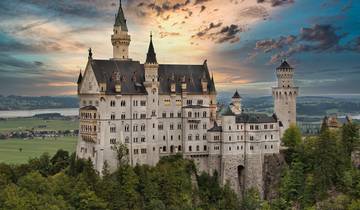
7 days
7 Days by Train in Munich & Zurich: Alpine Dreams & Bavarian Charms
- ✓ Comprehensive Salzburg tour
- ✓ Expert local guides included
- ✓ All accommodation arranged
- ✓ Transportation provided
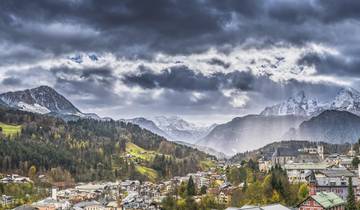
5 days
5 Days in Salzburg: History, Mountains, and City Highlights
- ✓ Comprehensive Salzburg tour
- ✓ Expert local guides included
- ✓ All accommodation arranged
- ✓ Transportation provided
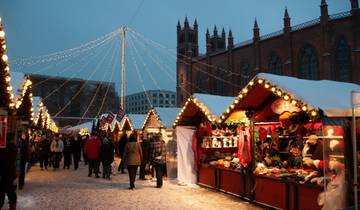
7 days
Christmas in Central Europe, Vienna to Berlin
- ✓ Comprehensive Salzburg tour
- ✓ Expert local guides included
- ✓ All accommodation arranged
- ✓ Transportation provided
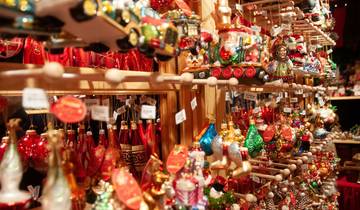
7 days
Christmas in Central Europe, Berlin to Vienna
- ✓ Comprehensive Salzburg tour
- ✓ Expert local guides included
- ✓ All accommodation arranged
- ✓ Transportation provided
Multi-day tour packages powered by TourRadar. Prices and availability subject to change.
Essential Planning Information for 2026
Understanding 2026 Seasonal Pricing Patterns
Salzburg accommodation rates fluctuate dramatically across seasons, with peak summer and Christmas market periods commanding premium pricing. Mid-range hotels in the Altstadt or near Mirabell Gardens range €180-280 per night during July-August 2026 and €150-250 during Christmas market season (late November through December 23). These same properties drop to €120-180 in shoulder seasons (April-May, September-October) and reach lowest rates €80-140 in off-peak January-February 2026.
Salzburg Festival season (late July-August) represents absolute peak pricing across all accommodation categories. Budget hostels increase from €35-45 per night in shoulder season to €60-85 during festival weeks. Mid-range hotels jump from €140-180 to €220-320, while luxury properties at Schloss Mönchstein or Hotel Goldener Hirsch reach €400-650 per night. Festival concert tickets range €50-350 depending on venue and performance, with standing room available from €25. Book accommodation 6-8 months ahead for festival period, as city reaches near-capacity with international classical music enthusiasts.
Transportation costs remain relatively stable year-round. Salzburg Card providing unlimited public transport and admission to major attractions costs €31 for 24 hours, €40 for 48 hours, and €47 for 72 hours. Individual attraction pricing varies minimally by season, with Hohensalzburg Fortress funicular and museums charging €13.50-15.50 adults year-round. Sound of Music tours operate at consistent €50-65 pricing, though summer demand requires advance booking 3-4 weeks ahead versus 1-2 weeks in shoulder seasons.
Crowd Level Analysis by Season 2026
Understanding crowd patterns enables strategic timing for your 2026 visit. Summer months June-August bring peak tourism with daily visitor counts reaching 25,000-35,000 on busy weekends, concentrated heavily in compact Altstadt area. Hohensalzburg Fortress cable car experiences longest waits 45-90 minutes between 10 AM-2 PM. Getreidegasse shopping street becomes shoulder-to-shoulder crowded during mid-day hours. Restaurant reservations become essential even for lunch service at popular establishments.
Salzburg Festival (late July-August 2026) intensifies summer crowds further, with classical music enthusiasts adding 5,000-8,000 daily visitors beyond regular tourism. Festival performances concentrate in evening hours, but daytime sightseeing faces increased competition for attraction access, dining reservations, and transportation. Book fortress, Mozart attractions, and Sound of Music tours 4-6 weeks ahead during this period.
Shoulder seasons (April-May, September-October 2026) deliver optimal crowd-to-amenity balance. Visitor numbers drop 30-40% below summer peaks while all major attractions maintain full operating hours. Fortress cable car wait times reduce to 15-25 minutes, restaurants accommodate walk-in diners at most times, and Sound of Music tour availability remains excellent with 1-2 week advance booking sufficient. Street photography and cafe enjoyment become more pleasant without constant navigation through dense crowds.
Christmas market season (late November-December 2026) brings moderate crowds focused on festive markets rather than traditional sightseeing. Visitor numbers reach 60-70% of summer levels but concentrate in market areas around Domplatz and Residenzplatz between 4-9 PM when markets operate. Museum and attraction crowds remain light during daytime hours, creating opportunity for efficient sightseeing before market browsing in evening.
Off-peak January-February 2026 delivers quietest conditions with visitor numbers dropping to 20-30% of summer levels. Attraction access becomes immediate with zero wait times, restaurants easily accommodate walk-ins, and Old Town streets feel spacious and contemplative. However, reduced operating hours at some attractions, potential closures for annual maintenance, and limited restaurant choices due to seasonal closures require advance research to avoid disappointment.
Seasonal Analysis for 2026 Planning
Spring Season 2026: Optimal Value Period (April-May)
Spring emerges as the connoisseur’s choice for Salzburg, combining favorable weather, manageable crowds, and competitive pricing. April temperatures range 10-15°C, warming to 15-20°C in May as daylight extends to 14-15 hours daily by late May. Gardens throughout the city burst into bloom, with Mirabell Gardens offering spectacular displays of tulips and early roses. Outdoor concerts and café culture resume after winter hibernation.
Weather reliability improves from April to May. Early April carries 30-35% chance of rain showers requiring waterproof jacket, but May reduces precipitation to 25-30% probability with longer sunny stretches. Mountain snow melts create rushing waterfalls at Hellbrunn Palace’s water features and in surrounding Alpine landscapes. Pack layers for variable conditions, as morning temperatures in early April hover around 8-10°C before warming to 15-18°C by afternoon.
Accommodation availability remains excellent throughout spring with advance booking 2-3 weeks ahead sufficient for choice properties. Hotels range €120-180 per night for mid-range options, representing 30-40% savings versus summer peak. Budget travelers find hostel beds €35-45 and guesthouse rooms €80-110. Luxury properties at €200-280 remain accessible compared to summer’s €350-500 premium rates.
Cultural programming accelerates through spring. Mozart Week concerts occur in late January but Easter concerts (late March-April 2026) bring world-class performances at substantially lower ticket prices than Salzburg Festival, ranging €30-80 versus summer’s €100-350. Museums maintain full hours, fortress operates daily with minimal wait times, and Sound of Music tours run frequently without requiring extensive advance booking.
Spring excursions to surrounding attractions become increasingly appealing as weather improves. Day trips to Hallstatt, Berchtesgaden, and Eagle’s Nest become fully accessible as mountain roads clear of snow by early May. Lake swimming remains cold at 12-15°C, but lakeside hiking, village exploration, and scenic photography benefit from spring light and blooming Alpine meadows without summer heat.
Summer Season 2026: Festival Peak Period (June-August)
Summer delivers Salzburg’s cultural zenith through the internationally renowned Salzburg Festival, transforming the city into classical music’s global capital from late July through August 2026. World-leading orchestras, opera companies, and chamber ensembles perform in venues ranging from intimate Mozarteum halls to grand Felsenreitschule carved into Mönchsberg cliff. Festival tickets range €50-350 with standing room from €25, but popular performances sell out 6-8 months ahead requiring early commitment.
Weather reaches annual peak with June-August temperatures averaging 20-25°C, occasionally climbing to 28-32°C during July-August heat waves. Alpine mountain proximity creates afternoon cooling and evening temperatures dropping to 15-18°C requiring light jacket for outdoor dining and evening concerts. Rainfall peaks during summer with 14-18 rainy days monthly, often as afternoon thunderstorms that clear quickly but disrupt outdoor activities temporarily.
Extended daylight transforms exploration possibilities with sunset occurring 9-9:30 PM through June-July, enabling full sightseeing days followed by evening concert attendance or outdoor dining. Morning light from 5:30-6 AM creates spectacular photography opportunities at fortress and across Old Town before crowds arrive. Alpine hiking benefits from maximum daylight with 14-15 hour days enabling ambitious mountain excursions.
Accommodation demands premium pricing and advance booking. Mid-range hotels increase to €180-280 per night, luxury properties reach €350-600, and budget hostels climb to €55-75 for dormitory beds. Festival weeks command highest rates with some properties implementing minimum 3-4 night stays. Book 4-6 months ahead for summer travel, 6-8 months for festival period accommodation. Alternative lodging in nearby towns like Hallein or Anif offers savings of 25-40% with 15-20 minute public transport connections.
Crowd management requires strategic planning. Visit fortress and major attractions at opening time 9-9:30 AM before tour groups arrive, or late afternoon 4-6 PM after day-trippers depart. Book Sound of Music tours 4-6 weeks ahead as they sell out regularly. Restaurant reservations become essential for dinner service, particularly traditional establishments in Altstadt. Consider picnic lunches from markets to avoid mid-day restaurant queues.
Summer enables full access to mountain activities including Untersberg cable car to 1,853m summit providing panoramic Alpine views, swimming in warm Wolfgangsee and Fuschlsee lakes reaching 22-25°C, and extended hiking in surrounding Salzkammergut region. Day trips to Hallstatt, Berchtesgaden, Königssee, and other Alpine destinations operate maximum schedules with earliest departure times and latest returns.
Autumn Season 2026: Shoulder Season Value (September-October)
Autumn delivers compelling advantages for culture-focused travelers avoiding summer crowds while maintaining excellent weather and full attraction access. September temperatures range 15-20°C with comfortable walking conditions and reduced rainfall compared to summer months. October cools to 10-15°C with increasing chance of rain but spectacular autumn foliage in surrounding mountains creating photographic opportunities.
Early September extends summer-like conditions with warm afternoons perfect for outdoor exploration and cafe dining. Salzburg Festival concludes by early September, triggering immediate crowd reductions of 40-50% while all attractions maintain peak-season hours through September. Cultural programming continues with regular concerts at Mozarteum and State Theatre, though at smaller scale and lower ticket prices than festival performances.
Accommodation rates drop substantially from summer peaks. Mid-range hotels decline to €130-190 per night in September, falling further to €110-160 in October as tourism winds down. Luxury properties become accessible at €220-300 versus summer’s €400-600, while budget options range €40-50 for hostels and €90-120 for guesthouses. Book 2-3 weeks ahead for choice properties, or find last-minute availability in October as visitor numbers decline.
October brings atmospheric changes with shorter days, increased rainfall probability, and cooler temperatures requiring warmer clothing layers. Daylight reduces from 13 hours in early September to 10-11 hours by late October, limiting extended outdoor activities. However, indoor cultural attractions shine during autumn months with uncrowded museum visits, fortress exploration without summer heat, and comfortable palace interiors.
Autumn excursions offer distinct appeal. Mountain foliage peaks in early October with golden larches and colorful alpine meadows. Lake temperatures remain swimmable in September at 18-20°C but cool quickly through October. Berchtesgaden National Park and Eagle’s Nest remain accessible until late October before winter closure. Hallstatt experiences spectacular autumn colors with far fewer tour buses than summer peak.
Wine harvest season in nearby Wachau Valley (90 minutes by train) creates additional attraction during September-October with vineyard tours, wine tastings, and harvest festivals. Salzburg’s own markets feature autumn produce including pumpkins, apples, and new wine. Restaurant menus shift to heartier autumn specialties including venison, mushroom dishes, and warming soups reflecting seasonal ingredients.
Winter Season 2026: Christmas Markets and Off-Peak Periods (November-March)
Winter splits into distinct periods with different appeals and considerations. Christmas market season (late November through December 23, 2026) creates magical atmosphere with festive illuminations, traditional markets, and special cultural programming. Off-peak January-February delivers lowest prices and quietest conditions but requires tolerance for cold weather, reduced hours, and potential closures.
Christmas market season transforms Salzburg into winter wonderland with major markets at Domplatz, Residenzplatz, Mirabell Gardens, and Hellbrunn Palace. Markets open late November and operate daily 10 AM-9 PM through December 23, selling traditional crafts, seasonal foods, and mulled wine (Glühwein) for €4-6 per mug. Festive concerts, Advent singing, and special Christmas performances fill cultural calendar. Accommodation increases to €150-250 per night mid-range as European visitors arrive for markets, requiring advance booking 2-3 months ahead.
December weather creates atmospheric market experience but demands warm clothing with temperatures ranging 0-5°C and frequent snow flurries. Markets provide heated vendor areas and warming fires, but extended outdoor browsing requires thermal layers, waterproof boots, and winter accessories. Daylight reduces to 8-9 hours daily with sunrise around 8 AM and sunset 4:30 PM, concentrating sightseeing into compressed timeframe.
Post-Christmas January-February period represents absolute off-peak with visitor numbers dropping 70-80% below summer levels. Accommodation reaches lowest annual rates with mid-range hotels €80-140 per night and luxury properties €180-280. Some smaller hotels and guesthouses close for annual maintenance January-mid February, but major properties remain operational. Book 1-2 weeks ahead for complete selection, or find last-minute deals as occupancy runs below 50% outside ski holiday weeks.
Winter weather challenges include cold temperatures averaging -2 to +5°C, potential snow and ice creating slippery walking conditions in Old Town’s cobblestone streets, and reduced daylight limiting outdoor activities. Indoor attractions benefit with uncrowded museum visits, fortress exploration without waits, and immediate restaurant seating. Cultural programming continues through winter with regular Mozart concerts, though without festival-level international programming.
Winter activities expand options beyond traditional sightseeing. Nearby ski areas including Flachau, Zauchensee, and Obertauern (45-90 minutes away) offer world-class skiing January-March with day passes €45-65. Christmas market season enables ice skating at Mozartplatz rink for €5-8. Salzburg’s concert halls provide warm refuge with afternoon chamber music, evening orchestral performances, and opera at State Theatre.
Some attractions reduce hours or close January-February including Hellbrunn Palace (closed November-March), water features at palace parks, and certain museum wings. Confirm operating hours before visiting during winter months. Sound of Music tours operate year-round but reduce frequency to 1-2 daily departures versus 4-6 in summer. Alpine day trips become limited as mountain roads close and some destinations like Eagle’s Nest shut completely November-April.
Weather Patterns and Climate Considerations 2026
Month-by-Month Weather Breakdown
January 2026 delivers coldest conditions with average temperatures -1 to +3°C, frequent snowfall creating 5-10cm accumulation in city center and 20-40cm in surrounding mountains. Daylight lasts only 8-9 hours with sunrise around 8 AM and sunset 4:30 PM. Rainfall and snow occur 12-15 days monthly. Dress in thermal layers, waterproof winter boots, and warm accessories for outdoor exploration. Indoor attractions provide comfortable refuge during coldest periods.
February continues winter cold with temperatures 0-5°C and improving daylight to 9-10 hours daily by month’s end. Snowfall decreases slightly with 10-12 snowy days expected. Late February brings first hints of spring with occasional warmer days reaching 8-10°C and increased sunshine. Carnival celebrations (Fasching) occur in early February with parades and festivities providing cultural interest during otherwise quiet tourism period.
March marks winter-to-spring transition with temperatures rising to 5-12°C and daylight extending to 11-12 hours. Snow becomes less frequent but still possible, particularly early month. Rain increases as temperatures warm with 12-14 rainy days monthly. Pack layers for variable conditions as morning frost gives way to afternoon warmth. Spring flowers begin appearing in protected gardens by late March, though mountain areas remain snow-covered.
April delivers genuine spring conditions with temperatures 10-16°C and extended daylight to 13-14 hours daily. Rainfall continues with 12-15 rainy days but as shorter showers rather than all-day precipitation. Gardens bloom throughout city with tulips, daffodils, and early roses. Mountains retain snow at higher elevations creating scenic backdrop. Light jacket suffices for most outdoor activities, though waterproof layer remains essential for rain showers.
May provides optimal weather for Salzburg exploration with temperatures 15-20°C, decreasing rainfall to 12-14 days monthly with more sunshine between showers, and extended daylight to 14-15 hours enabling full-day excursions. Gardens reach peak bloom at Mirabell and Hellbrunn. Mountain wildflowers emerge in Alpine meadows. Lakes warm to 14-16°C for brave swimmers. Pack light layers and walking shoes for comfortable exploration in near-ideal conditions.
June brings summer arrival with temperatures 18-24°C and maximum daylight reaching 15-16 hours with sunset around 9 PM. Rainfall increases to 14-16 days monthly, often as afternoon thunderstorms that clear quickly. Warm afternoons contrast with cool mountain evenings requiring light jacket for outdoor dining. Lakes warm to 18-20°C for comfortable swimming. Pack sun protection, breathable walking clothes, and rain jacket for variable conditions.
July delivers warmest weather with temperatures 20-26°C, occasional heat waves reaching 28-32°C, and peak rainfall at 16-18 days monthly as afternoon thunderstorms. Extended daylight provides 15 hours for activities though intense afternoon heat may drive retreat to air-conditioned museums or shaded beer gardens. Lakes reach peak warmth at 22-24°C. Pack light breathable clothing, sun protection, and rain jacket for afternoon storms.
August continues July’s warm pattern with temperatures 20-25°C and frequent afternoon thunderstorms on 15-17 days monthly. Daylight begins decreasing to 14 hours by month’s end but remains extensive. Salzburg Festival peaks during August bringing maximum crowds and cultural programming. Mountain hiking reaches peak accessibility as snow melts from all but highest peaks. Pack similar to July with focus on breathable layers and rain protection.
September transitions to autumn with temperatures 15-20°C, decreasing rainfall to 12-14 days monthly, and pleasant conditions for outdoor exploration. Daylight reduces to 12-13 hours but remains ample for full sightseeing days. Early September extends summer warmth while late September brings cooler evenings requiring warmer jacket. Mountain foliage begins changing color in higher elevations. Lakes remain swimmable at 18-20°C early month.
October delivers autumn conditions with temperatures 10-15°C, increasing rainfall to 12-14 days monthly, and autumn colors peaking in surrounding mountains. Daylight decreases to 10-11 hours limiting extended outdoor activities. Warmer clothing layers become necessary with morning temperatures dropping to 5-8°C. First snow possible in mountains by late October. Lakes cool to 12-15°C, too cold for most swimmers.
November marks winter’s arrival with temperatures 3-8°C, increasing snow and rain on 14-16 days monthly, and short daylight of 9-10 hours. Christmas markets begin late November bringing festive atmosphere despite cold. Dress in winter layers, waterproof boots, and warm accessories. Mountain activities become limited as higher elevations receive significant snowfall. Cultural focus shifts to indoor concerts, museums, and festive markets.
December brings full winter conditions with temperatures 0-5°C, frequent snow on 12-15 days monthly, and shortest daylight at 8-9 hours. Christmas markets peak in activity and atmosphere through December 23. Post-Christmas period (December 24-31) sees quieter conditions as markets close and many locals travel. New Year’s Eve brings celebrations and special concerts. Dress for cold with thermal layers and winter accessories.
Rainfall and Snow Patterns
Salzburg receives precipitation year-round averaging 12-18 days monthly, with peak rainfall during summer months June-August when afternoon thunderstorms occur frequently. These summer storms typically last 30-90 minutes before clearing, creating dramatic cloudscapes and temporary flooding in low-lying areas. Carry compact umbrella or rain jacket daily during summer months. Morning hours generally offer driest conditions with storms developing 2-6 PM.
Winter precipitation falls primarily as snow December-February when temperatures remain below freezing. Accumulation reaches 5-15cm in city center during snowfall events, with 20-40cm in surrounding mountains. Streets receive regular snow removal but cobblestone areas in Old Town become slippery requiring careful navigation. Waterproof winter boots with good traction become essential equipment for winter visits.
Spring and autumn bring variable precipitation mixing rain and occasional snow in early spring or late autumn. Showers occur more frequently but with shorter duration than summer thunderstorms. Weather can shift rapidly from sunshine to rain within hours, requiring flexibility in outdoor planning and layered clothing approach. Waterproof jacket remains essential equipment year-round except during driest months.
Budget Optimization Strategies for 2026
Seasonal Pricing Advantages
Strategic timing delivers substantial savings on Salzburg accommodation and related costs. Off-peak January-February rates run 40-60% below summer peaks, with mid-range hotels €80-140 versus summer’s €180-280. A three-night stay saves €300-420 compared to summer pricing. Budget hostels drop from €55-75 summer rates to €28-40 in January, saving €81-105 over three nights. Even luxury properties become accessible at €180-280 versus summer’s €400-650, representing savings of €660-1110 over three nights.
Shoulder seasons (April-May, September-October) deliver optimal value balancing cost savings with pleasant weather and full attraction access. Mid-range hotels at €120-180 versus summer’s €180-280 save €180-300 over three nights while maintaining complete cultural programming and comfortable exploration conditions. Sound of Music tours maintain consistent €50-65 pricing year-round but require less advance booking in shoulder seasons, providing flexibility in planning.
Flight pricing to Salzburg via Munich or Vienna hubs fluctuates with European travel seasons. Summer flights increase 30-50% above shoulder season rates, with round-trip economy from major US cities ranging €900-1400 in peak versus €600-900 in shoulder seasons. Budget carriers like Ryanair and Eurowings offer additional savings but require flexibility around less convenient times and potential additional fees for baggage.
Free and Low-Cost Activities Year-Round
Salzburg offers extensive free attractions regardless of season. Mirabell Gardens provides baroque garden beauty, Sound of Music filming location, and mountain views without admission charge year-round. Self-guided Old Town walking tours explore Getreidegasse shopping street, cathedral exterior, Residenzplatz plaza, and Mozart statue areas at no cost. River paths along Salzach offer scenic walks connecting parks and viewpoints freely accessible.
Free concerts occur regularly throughout the year at churches and cultural venues. Salzburg Cathedral hosts free organ concerts several times weekly, while university music students perform free recitals at Mozarteum regularly. Summer brings free outdoor concerts in Mirabell Gardens and various plazas. Check tourist information office or hotel concierge for current schedules during your visit.
Budget-friendly paid attractions deliver excellent value. Salzburg Card at €31 for 24 hours, €40 for 48 hours, or €47 for 72 hours provides unlimited public transport plus admission to all major attractions including Hohensalzburg Fortress (€13.50 value), Mozart’s Birthplace (€12.50 value), and numerous museums. Card pays for itself with three attraction visits plus public transport use. Purchase at tourist offices, major hotels, or online for immediate activation.
Dining costs moderate through strategic choices. Lunch specials at traditional restaurants offer substantial portions €10-15 versus dinner menus €18-28 for similar dishes. Supermarket picnics from Billa or Spar create quality meals under €10 per person using local breads, cheeses, and prepared items. University mensas (canteen-style cafeterias) serve hearty meals €6-9 available to public, not just students. Coffee and pastry at traditional cafes costs €5-8 versus €12-18 for full café meals.
Sample 2026 Itineraries by Season
Perfect Spring Weekend 2026 (3 Days in May)
Day 1 – Historic Center Exploration: Begin 9 AM arrival at Hohensalzburg Fortress via funicular, exploring medieval rooms and museums before 11 AM crowds arrive (fortress entry €13.50 with funicular). Descend to Old Town for Salzburg Cathedral visit (free entry, €5 treasury museum optional) and lunch at Stiftskeller St. Peter monastery restaurant €18-25 for traditional Austrian fare. Afternoon explores Getreidegasse shopping street, Mozart’s Birthplace museum €12.50, and riverside walk to modern art museum. Evening concert at Mozarteum €25-45 or relaxed dinner at Augustiner Bräu beer hall €15-22 including half-liter beer. Transportation via Salzburg Card. Total day cost: Fortress €13.50, Mozart’s Birthplace €12.50, lunch €22, dinner €18, concert €35, snacks and coffee €12. Total: €113 per person (excluding accommodation €140-160 mid-range May rates).
Day 2 – Palaces and Sound of Music: Morning explores Mirabell Palace and Gardens (free entry, gardens open 6 AM-dusk) with “Do-Re-Mi” fountain and stairs. Sound of Music tour departs 9:30 AM covering filming locations including Leopoldskron Palace, Nonnberg Abbey, Mondsee church, and Lake District scenery €55-65 for 4-hour tour. Tour includes mountain views and swimming lake stops. Late afternoon visits Hellbrunn Palace and trick fountains €14.50 for palace and grounds (open April-October). Evening free for Old Town dinner €20-30 at traditional restaurant or budget pizza €12-15. Transportation included in Salzburg Card plus tour pickup. Total day cost: Sound of Music tour €60, Hellbrunn Palace €14.50, lunch €15, dinner €25, snacks €8. Total: €122.50 per person (excluding accommodation).
Day 3 – Mountain Excursion and Departure: Early morning Untersberg cable car to 1,853m summit providing panoramic Alpine views €28 round-trip. Summit hiking trails and mountain restaurant breakfast €8-12. Descend mid-morning for final Old Town explorations and souvenir shopping on Getreidegasse. Lunch at market vendors or takeaway €10-15 before departure. Alternative replaces Untersberg with Hallstatt day trip via train and bus €20-25 round-trip public transport for UNESCO village exploration. Total day cost: Untersberg cable car €28, breakfast €10, lunch €12, snacks €5. Total: €55 per person (excluding accommodation).
Three-Day May Budget Summary: Accommodation €420-480 for three nights mid-range (€140-160 per night double occupancy, €210-240 per person), daily costs €290.50 per person, Salzburg Card €47 for 72 hours. Total trip cost: €757.50-817.50 per person for three-day spring Salzburg experience.
Summer Festival Experience 2026 (4 Days in August)
Day 1 – Arrival and Old Town Introduction: Afternoon arrival allows Old Town orientation walk through Getreidegasse, Residenzplatz plaza, and cathedral exterior (free). Early dinner at traditional restaurant €22-30 before 7:30 PM Salzburg Festival concert at Felsenreitschule or Mozarteum €120-180 for mid-range seats (standing room €25-40 alternative). Festival atmosphere transforms evening with elegant concert-goers and illuminated historic buildings. Post-concert drink at hotel bar or city café €6-10. Transportation via Salzburg Card. Total day cost: Dinner €26, festival concert €150, drinks €8. Total: €184 per person (excluding accommodation €220-280 August mid-range rates).
Day 2 – Complete Cultural Immersion: Morning 9 AM fortress visit avoiding mid-day crowds €13.50 including funicular, exploring medieval apartments and museums with panoramic city views. Return to Old Town for Mozart’s Birthplace €12.50 and Residence State Rooms €14.50. Lunch at outdoor café €18-25. Afternoon explores Mirabell Gardens (free) and palace interior concerts (check schedule, €20-30 if available). Casual dinner at Augustiner Bräu beer hall €18-24 before evening festival opera performance €180-250 at Grosses Festspielhaus. Late supper at café or bar €12-18. Total day cost: Fortress €13.50, Mozart museums €27, lunch €21, dinner €21, opera ticket €215, late supper €15. Total: €312.50 per person (excluding accommodation).
Day 3 – Day Trip to Berchtesgaden: Full-day excursion to Berchtesgaden National Park and Eagle’s Nest in nearby Germany. Bus tour €75-95 includes transportation and Eagle’s Nest elevator ticket, or independent travel via bus €20-25 round-trip requires Eagle’s Nest elevator purchase €21. Mountain views, WWII history, and Alpine scenery fill day. Pack lunch from supermarket €8-12 or lunch at Eagle’s Nest restaurant €18-25. Return to Salzburg for relaxed evening or optional festival chamber music concert €60-100. Dinner at casual restaurant €20-28. Total day cost with tour option: Tour €85, lunch €22, dinner €24, evening concert €80. Total: €211 per person (excluding accommodation). Independent travel alternative: Bus €22, Eagle’s Nest €21, lunch €12, dinner €20. Total: €75 per person (excluding concert and accommodation).
Day 4 – Relaxed Exploration and Departure: Morning Sound of Music tour covering filming locations €60-65 departing 9:30 AM and returning 1:30 PM. Final lunch at traditional restaurant €20-28 before departure or museum visits if time permits. Alternative morning explores Hellbrunn Palace trick fountains €14.50 or relaxed café time in gardens. Total day cost: Sound of Music tour €62, lunch €24, café €8. Total: €94 per person (excluding accommodation).
Four-Day Festival Budget Summary: Accommodation €880-1120 for four nights August mid-range (€220-280 per night double occupancy, €440-560 per person), daily costs €801.50 per person, Salzburg Card €47 for 72 hours. Total trip cost: €1,288.50-1,408.50 per person for four-day festival experience including two major performances.
Budget Winter Christmas Markets 2026 (2 Days in December)
Day 1 – Christmas Markets and Old Town: Morning explores Salzburg Cathedral (free) and Old Town Christmas decorations. Lunch at Christmas market vendors offering traditional foods: sausages €5-7, roasted chestnuts €4-6, potato dishes €6-9, plus Glühwein (mulled wine) €4.50-6. Afternoon visits Domplatz and Residenzplatz Christmas markets (free entry) browsing traditional crafts, ornaments, and local specialties. Optional Hohensalzburg Fortress visit €13.50 for illuminated evening views over Christmas markets. Dinner at traditional restaurant €18-25 or market foods €12-16. Evening Christmas concert at cathedral €15-25 or free organ recital (check schedule). Total day cost: Lunch and market sampling €18, fortress €13.50, dinner €21, concert €20, Glühwein tasting €10. Total: €82.50 per person (excluding accommodation €150-200 December mid-range).
Day 2 – Mirabell Christmas Market and Departure: Morning explores Mirabell Gardens Christmas market (free entry) and palace grounds with seasonal decorations. Final market shopping and traditional breakfast at café €10-14. Mozart’s Birthplace museum visit €12.50 or relaxed market browsing before departure. Lunch at market vendors €12-18 or restaurant €15-22. Total day cost: Breakfast €12, Mozart’s Birthplace €12.50, lunch €16, final market treats €8. Total: €48.50 per person (excluding accommodation).
Two-Day Christmas Market Budget Summary: Accommodation €300-400 for two nights December mid-range (€150-200 per night double occupancy, €150-200 per person), daily costs €131 per person, Salzburg Card €40 for 48 hours. Total trip cost: €321-371 per person for two-day Christmas market experience.
Booking Strategies for 2026 Season
Accommodation Booking Timeline
Salzburg Festival period (late July-August 2026) demands earliest booking at 6-8 months ahead for choice properties at reasonable rates. Festival accommodation sells out progressively with best mid-range options disappearing 5-6 months before arrival as international classical music enthusiasts secure lodging. Budget travelers face limited hostel availability if booking under 3 months ahead during festival weeks. Luxury properties maintain availability longer but implement premium pricing as festival dates approach.
Christmas market season (late November-December 2026) requires moderate advance planning at 2-3 months ahead for preferred accommodation near markets. European weekend travelers book heavily for December weekends creating scarcity for Friday-Saturday arrivals. Mid-week visits maintain better availability even with shorter booking windows. Consider lodging in nearby suburbs like Anif or Hallein for cost savings and easier booking, connected by public transport in 15-20 minutes.
Summer shoulder periods (June, early July, September) benefit from 4-6 week advance booking balancing selection and competitive rates. Hotels release early booking discounts 3-4 months ahead but maintain inventory for shorter-notice travelers. Spring season (April-May) and autumn (October) accept comfortable 3-4 week advance booking with excellent selection remaining. Booking platforms frequently offer better rates than direct hotel bookings during shoulder seasons due to promotional partnerships.
Off-peak January-February enables flexible 1-2 week advance booking or last-minute arrangements as occupancy runs below 50% during this quiet period. Hotels offer aggressive promotional rates and package deals including breakfast and Salzburg Card when booked directly. Some properties close for annual maintenance during January requiring advance research, but major hotels maintain year-round operations.
Activity and Tour Reservations
Sound of Music tours require advance booking varying by season. Summer months (June-August) sell out 4-6 weeks ahead for preferred morning departure times, while afternoon tours maintain availability with 2-3 week booking windows. Shoulder seasons (April-May, September-October) accept comfortable 1-2 week advance reservations with occasional same-week availability. Winter months (November-March) operate reduced schedules but easily accommodate bookings made 1 week ahead.
Salzburg Festival tickets begin sales in December 2025 for 2026 season, with most popular performances selling out within weeks of release. Opera productions and Vienna Philharmonic concerts disappear fastest requiring December-January booking. Chamber music and recitals maintain better availability through spring 2026. Standing room tickets release day-of-performance at box office for sold-out shows. Secondary markets operate but command premium pricing above face value.
Hohensalzburg Fortress accepts walk-up visitors year-round without advance tickets, though summer mid-day periods create 45-90 minute cable car waits. Skip lines by arriving at 9 AM opening or after 4 PM when day-tour groups depart. Online ticket purchases provide minimal time savings as separate entrance doesn’t bypass cable car queues. Winter and shoulder seasons rarely experience waits exceeding 15-20 minutes.
Day trips to Hallstatt, Berchtesgaden, and Eagle’s Nest operate on first-come basis for independent travelers using public transport. Organized tour companies accept bookings 1-2 weeks ahead during summer, closer to departure during shoulder seasons. Eagle’s Nest elevator reservations recommended during July-August peak to avoid waiting for access to summit building.
Transportation Planning for 2026 Visits
Getting to Salzburg
Salzburg Airport (SZG) serves primarily European destinations with limited intercontinental connections. Major European hubs provide frequent service: Vienna (multiple daily), Frankfurt (6-8 daily), London (3-4 daily), Amsterdam (2-3 daily). Airport bus #2 connects terminal to Hauptbahnhof (main train station) in 20 minutes for €2.90 single ticket or €5.70 day pass. Taxis cost €15-20 for same journey. Airport located just 4km from city center making ground transport quick and economical.
Munich Airport (MUC) serves as primary intercontinental gateway 120km from Salzburg with superior flight options and competitive pricing from North America and Asia. Lufthansa Express Bus connects Munich Airport directly to Salzburg in 2 hours for €18-20 one-way with 8-10 daily departures. Alternative train routing via Munich Hauptbahnhof requires airport S-Bahn plus intercity train totaling 2.5-3 hours and €30-40 but offers more departure flexibility.
Vienna International Airport (VIE) provides another intercontinental option 300km east of Salzburg. Direct trains operate every 1-2 hours covering journey in 2.5-3 hours for €30-45 depending on train type and booking timing. Westbahn private railway offers competitive €19-29 fares when booked online in advance. Bus services provide budget alternative at €15-25 but require 4-5 hours due to multiple stops.
Train travel from other European cities offers scenic and convenient access. Vienna connects in 2.5 hours (€30-45), Munich in 1.5-2 hours (€25-40), Zurich in 5-6 hours (€60-90), and Venice in 6-7 hours (€40-70) via direct or connection services. Book Austrian Federal Railways (ÖBB) tickets online for advance purchase discounts up to 40% versus day-of prices. Eurail and Interrail passes provide value for multi-country European itineraries including Salzburg.
Local Transportation
Salzburg Card delivers best value for tourist transportation combining unlimited public transport with attraction admission. 24-hour card costs €31, 48-hour €40, and 72-hour €47 with immediate activation upon first use. Card includes city buses, Untersberg cable car, fortress funicular, and boat transport on Salzach River during season. Purchase at tourist offices, major hotels, online, or transport hubs for convenience.
Public buses operate extensively throughout Salzburg and surrounding areas with single tickets €2.90 valid 60 minutes including transfers. Day pass costs €5.70 providing unlimited travel until 5 AM following morning. Week pass available €16.50 for stays exceeding three days without Salzburg Card. Purchase tickets at Tabak shops, ticket machines at major stops, or via smartphone app. Drivers sell tickets but do not provide change.
Old Town area prohibits private vehicles making walking the primary transportation mode for historic center exploration. Compact layout enables coverage of major attractions within 20-30 minute walking radius from most central hotels. Comfortable walking shoes essential for cobblestone streets and occasional hills leading to fortress and monastery locations. River paths provide flat alternatives for longer walks connecting outlying attractions.
Taxis operate throughout city with base fare €4.50 plus €2.10-2.50 per kilometer depending on time of day. Journey from train station to Old Town costs €8-12, airport to city center €15-20. Ride-hailing services limited compared to larger European cities with traditional taxis dominating market. Book taxi stands near major attractions or call central dispatch rather than attempting to hail on street.
Bicycle rental enables efficient exploration of river paths, parks, and outlying attractions during warm months April-October. Rental shops near train station and Old Town charge €12-18 per day for city bikes, €20-28 for electric bikes. City maintains dedicated bike paths along both banks of Salzach River connecting parks and suburbs. Steep hills approaching fortress and monastery areas challenge traditional bikes but prove manageable on electric models.
FAQ: Planning Your 2026 Salzburg Visit
What is the least crowded month to visit Salzburg in 2026?
January and February 2026 represent the quietest months with visitor numbers dropping to 20-30% of summer peak levels, providing immediate attraction access, uncrowded museum visits, and spacious Old Town streets. However, this period requires tolerance for cold temperatures 0-5°C, reduced operating hours at some attractions, potential closures for annual maintenance, and limited restaurant choices as some establishments close seasonally. Late January through mid-February delivers absolute lowest crowd levels while Christmas market season (late November-December) brings moderate crowds focused on festive markets rather than traditional sightseeing.
Does it snow in Salzburg during winter 2026?
Salzburg experiences regular snowfall December through February 2026 with snow occurring 10-15 days monthly during peak winter months. Accumulation reaches 5-15cm in city center during snow events, with 20-40cm in surrounding mountains. Old Town streets receive snow removal but cobblestone areas become slippery requiring waterproof boots with good traction. Christmas market season (late November-December) often features light snow flurries creating atmospheric market browsing, while January-February brings heavier snowfall creating winter wonderland conditions perfect for photography but challenging for extensive outdoor activities.
How far in advance should I book Salzburg Festival tickets for 2026?
Salzburg Festival tickets for 2026 season go on sale in December 2025, with most popular performances including Vienna Philharmonic concerts and marquee opera productions selling out within 2-4 weeks of release. Book in December 2025 or January 2026 for best selection of premier performances. Chamber music and recitals maintain availability through spring 2026 allowing February-April booking. Standing room tickets (€25-40) release day-of-performance at box office for sold-out shows, providing last-minute access for flexible travelers willing to stand during performances.
What months have the best weather for Sound of Music tours in 2026?
May and September 2026 deliver optimal weather for Sound of Music tours combining comfortable temperatures 15-20°C, lower rainfall probability than summer months, and beautiful scenery with spring flowers or autumn colors in Alpine landscapes. June and early September extend summer-like conditions with warm temperatures and long daylight hours enabling full appreciation of Lake District stops. July-August bring warmest weather but increased afternoon thunderstorm risk potentially affecting outdoor filming location visits. Tours operate year-round but winter months (November-March) limit mountain and lake scenery appreciation due to snow, reduced daylight, and cold temperatures.
Are Salzburg hotels more expensive during Christmas markets 2026?
Christmas market season (late November through December 23, 2026) increases accommodation rates 25-40% above shoulder season pricing, though still below summer peaks. Mid-range hotels range €150-250 per night during markets versus €120-180 in October-early November and €180-280 in July-August. Book 2-3 months ahead for preferred properties near markets as European weekend travelers create strong demand for Friday-Saturday arrivals. Consider mid-week visits for better availability and rates, or lodging in nearby suburbs like Anif or Hallein offering 20-30% savings with short public transport connections.
Can you swim in Salzburg lakes during spring 2026?
Salzburg-area lakes warm gradually through spring with temperatures reaching 14-16°C in May, comfortable for cold-tolerant swimmers but chilly for extended swimming. June brings more pleasant 18-20°C water temperatures suitable for most swimmers. Popular swimming lakes including Wolfgangsee, Fuschlsee, and Mondsee open beach facilities late May through September with peak swimming season July-August when water reaches 22-25°C. Spring lake visits focus more on lakeside hiking, village exploration, and scenic photography rather than swimming, though afternoon sunshine in May creates appealing conditions for brief swims for those acclimated to cool water.
What attractions close during winter in Salzburg?
Hellbrunn Palace and trick fountains close completely November through March due to freezing temperatures affecting water features. Some museum wings reduce hours or close for maintenance during January-February including occasional closures at Salzburg Museum and specific Residence exhibition areas. Sound of Music tours continue year-round but reduce frequency to 1-2 daily departures versus 4-6 in summer. Mountain activities become limited as higher elevation roads close and destinations like Eagle’s Nest shut November-April. Christmas market season (late November-December) brings special seasonal operations before post-Christmas closures affect some smaller attractions. Major attractions including Hohensalzburg Fortress, Mozart museums, cathedral, and Mirabell Palace maintain year-round access with full or slightly reduced hours.
Is April a good time to visit Salzburg in 2026?
April 2026 represents excellent shoulder season timing with warming temperatures 10-15°C, increasing daylight to 13-14 hours daily, blooming gardens throughout city, and accommodation rates €120-170 per night representing 30-35% savings versus summer. Weather variability requires flexible planning as rain showers occur 12-15 days monthly, though often as brief afternoon showers clearing quickly. Crowds remain light at 40-50% below summer levels enabling comfortable attraction visits without waits. All major sites operate full schedules by April including Hellbrunn Palace opening for season. Easter concerts (late March-early April 2026) provide world-class performances at fraction of Salzburg Festival ticket prices. Pack layers for variable conditions as mornings remain cool 8-10°C before afternoon warming.
How many days do you need in Salzburg for Christmas markets 2026?
Two to three days provides comprehensive Christmas market experience covering major markets at Domplatz, Residenzplatz, Mirabell Gardens, and Hellbrunn while including essential Salzburg sightseeing. First day explores Old Town markets and cathedral, second day visits Mirabell market and palace plus fortress, third optional day adds outlying markets or day trip to nearby villages with traditional markets. Markets operate daily 10 AM-9 PM late November through December 23, requiring evening visits for full illuminated atmosphere. Combine market browsing with indoor cultural activities as short December daylight (8-9 hours) concentrates outdoor activities into compressed timeframe. Budget €80-120 daily for market foods, Glühwein, shopping, plus standard accommodation and attraction costs.
What is the rainiest month in Salzburg during 2026?
July and August represent rainiest months with 16-18 days of precipitation monthly, primarily as afternoon thunderstorms developing between 2-6 PM and clearing within 1-2 hours. Summer rain falls heavily during storms but intermittently rather than all-day precipitation. Morning hours generally remain dry for sightseeing with storm risk increasing during afternoon and early evening. Spring months April-May experience 12-15 rainy days but as lighter showers spread throughout day. Winter precipitation occurs 12-15 days monthly but often as snow rather than rain. Despite high rain day counts, summer months also deliver most sunshine between showers and longest daylight hours enabling flexible scheduling around weather patterns.