Salt Lake City Travel Guide 2026: Ultimate Planning Resource
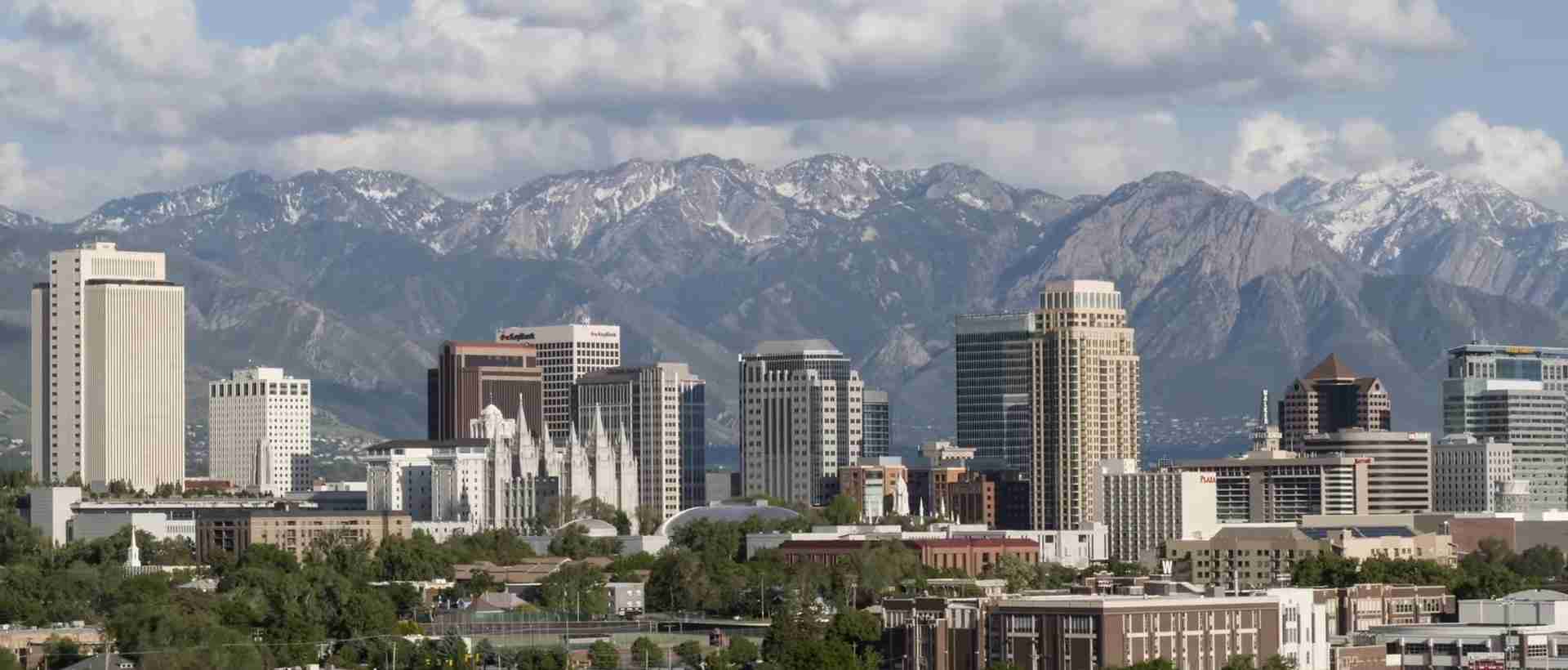
Salt Lake City stands where soaring Wasatch Mountains meet an innovative urban landscape, creating a destination that defies simple categorization. The city blends world-class ski resorts just 30 minutes from downtown with Temple Square’s architectural grandeur, natural wonders like the Great Salt Lake with thriving arts districts, and outdoor adventure with metropolitan sophistication. Whether you’re planning a mountain escape, cultural exploration, or family adventure, Salt Lake City delivers accessible experiences across every interest and budget tier.
Key Takeaways Salt Lake City 2026
- Exceptional Value Destination: Budget travelers enjoy Salt Lake City for $90-125 per person daily, mid-range comfort costs $185-255 per person daily, and luxury experiences reach $370-515+ per person daily, all assuming two sharing hotel accommodation
- Four-Season Mountain Access: Four world-class ski resorts sit within 45 minutes of downtown, offering winter skiing and summer mountain activities including hiking, mountain biking, and scenic tram rides at 11,000 feet elevation
- Outstanding Public Transportation: The TRAX light rail system connects the airport to downtown and major attractions for $3 per ride, with a free downtown zone eliminating transportation costs for urban exploration
- Rich Cultural Heritage: Temple Square anchors the historic downtown alongside the Utah State Capitol, Natural History Museum, and vibrant arts districts, blending pioneer history with contemporary creativity
- Gateway to National Parks: Salt Lake City serves as the perfect base camp for Utah’s Mighty 5 national parks, with Arches, Canyonlands, Capitol Reef, Bryce Canyon, and Zion all within day-trip or weekend excursion range
- Year-Round Destination: Summer brings festival season and canyon hiking, fall delivers golden aspen landscapes, winter offers legendary powder skiing, and spring showcases wildflower meadows and comfortable touring weather
People Also Ask About Salt Lake City 2026
How much does Salt Lake City cost per day in 2026?
Daily costs in Salt Lake City range from $90-125 per person for budget travelers, $185-255 for mid-range comfort, and $370-515+ for luxury experiences, all calculated as per-person rates assuming two sharing hotel accommodation. Budget travelers stay in hostels or budget hotels at $35-50 per person (two sharing), eat at casual restaurants for $30-45 daily, use public transit for $6-10, and visit free attractions or purchase the Salt Lake Connect Pass. Mid-range travelers choose three-star hotels at $70-105 per person (two sharing), dine at neighborhood restaurants for $60-80 daily, mix transit with rideshare for $15-25, and visit paid attractions for $25-40. Luxury visitors select upscale hotels at $155-210 per person (two sharing), dine at acclaimed restaurants for $120-180 daily, use rideshare or rental cars for $35-55, and experience premium tours and activities for $60-90.
What is the best time to visit Salt Lake City in 2026?
April through May and September through October offer the best combination of weather, activities, and value in Salt Lake City. Spring brings temperatures of 55-70°F, blooming wildflowers in mountain canyons, and hotel rates 25-35% below peak summer pricing. Fall delivers spectacular golden aspen landscapes, temperatures of 50-65°F, and excellent hiking conditions before winter snowfall. Summer (June-August) attracts peak crowds with temperatures reaching 85-95°F but offers maximum daylight for outdoor activities and the full festival calendar. Winter (December-March) brings legendary powder skiing to nearby resorts, with downtown temperatures of 25-40°F and the most affordable hotel rates, dropping 35-45% below summer peaks.
How many days do you need in Salt Lake City in 2026?
Three to four days allows comprehensive Salt Lake City exploration including downtown cultural sites, mountain canyon excursions, Great Salt Lake visits, and neighborhood discovery. First-time visitors typically spend one day exploring Temple Square, the Utah State Capitol, and downtown museums, one day experiencing mountain activities in Big or Little Cottonwood Canyon, one day visiting the Natural History Museum and Red Butte Garden, and an optional fourth day for Antelope Island at the Great Salt Lake or Park City exploration. Week-long visits incorporate day trips to Utah’s national parks, multiple canyon hikes, neighborhood food tours, and deeper cultural immersion. Weekend visitors concentrate on downtown highlights and one mountain experience, covering essential attractions in 48 hours.
Is Salt Lake City worth visiting in 2026?
Salt Lake City absolutely merits visiting in 2026 for its unique combination of outdoor accessibility and urban culture that few American cities match. The destination excels in specific areas: mountain sports enthusiasts access four world-class ski resorts within 45 minutes of downtown, outdoor adventurers find hundreds of hiking trails in Wasatch canyons starting just 15 minutes from the city center, culture seekers explore award-winning museums and historic architecture, and families discover exceptional attractions like Hogle Zoo and interactive science museums. Salt Lake City also serves as the most convenient base for exploring Utah’s national parks, positioned centrally for excursions to Arches, Canyonlands, Capitol Reef, Bryce Canyon, and Zion. The city’s efficient public transportation, walkable downtown, and genuine Western hospitality create a welcoming atmosphere for first-time visitors and returning travelers alike.
Extended multi-day tours – 5+ days
Featured Utah Multi-Day Tour Packages
3 days
Utah 3-Day Discovery Tour
- ✓ Comprehensive Utah experience
- ✓ Expert local guides included
- ✓ All accommodation included
- ✓ Transportation provided
5 days
Utah 5-Day Highlights Experience
- ✓ Comprehensive Utah experience
- ✓ Expert local guides included
- ✓ All accommodation included
- ✓ Transportation provided
7 days
Utah 7-Day Cultural Journey
- ✓ Comprehensive Utah experience
- ✓ Expert local guides included
- ✓ All accommodation included
- ✓ Transportation provided
10 days
Utah 10-Day Complete Adventure
- ✓ Comprehensive Utah experience
- ✓ Expert local guides included
- ✓ All accommodation included
- ✓ Transportation provided
Multi-day tour packages powered by TourRadar. Prices and availability subject to change.
Introduction to Salt Lake City 2026
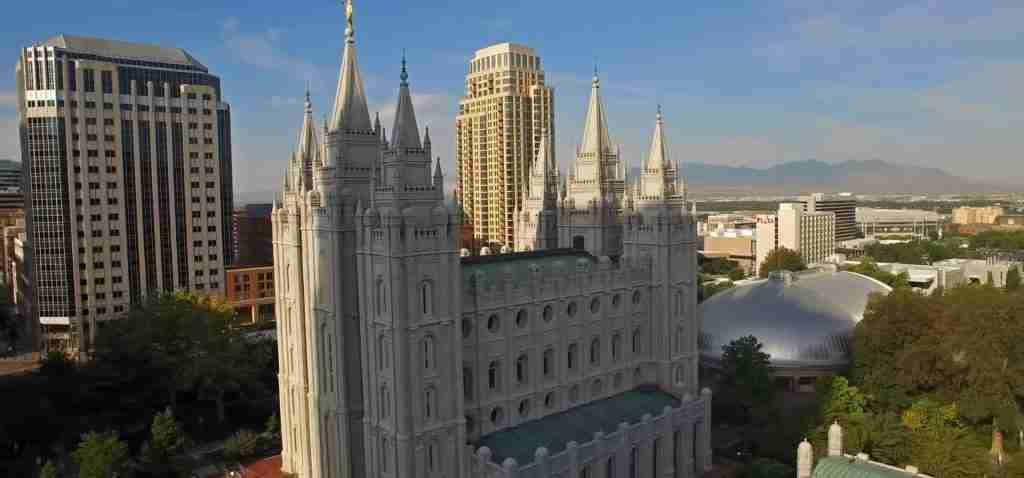
Salt Lake City occupies a remarkable position in the American West, where the Wasatch Mountains rise dramatically from an urban valley floor, creating a destination that seamlessly blends metropolitan sophistication with wilderness adventure. Founded by Mormon pioneers in 1847, the city has evolved into a dynamic metropolitan area of 1.3 million residents while maintaining strong connections to its pioneer heritage and natural surroundings. The downtown core features grand historic architecture including the iconic Salt Lake Temple, the neoclassical Utah State Capitol, and beautifully preserved 19th-century commercial buildings, all set against a backdrop of snow-capped peaks that dominate the eastern skyline.
What distinguishes Salt Lake City from other Western destinations is the extraordinary proximity of world-class outdoor recreation to a vibrant urban center. Four major ski resorts—Alta, Brighton, Snowbird, and Solitude—sit just 30-45 minutes from downtown hotels, offering legendary powder skiing in winter and extensive hiking and mountain biking networks in summer. Big Cottonwood and Little Cottonwood Canyons carve dramatic pathways into the Wasatch Range, providing access to alpine lakes, wildflower meadows, and granite peaks that rise above 11,000 feet. This geographic positioning allows visitors to explore downtown museums in the morning and hike mountain trails in the afternoon, or ski championship-caliber slopes and dine at acclaimed restaurants on the same day.
The city’s cultural landscape has diversified significantly in recent decades, creating a food scene that rivals much larger metropolitan areas and an arts community that punches well above the city’s weight. The 9th and 9th neighborhood showcases independent boutiques and farm-to-table restaurants, the Sugar House district attracts young professionals with brewpubs and coffee roasters, and downtown’s Gateway development combines shopping, dining, and entertainment in a pedestrian-friendly environment. Temple Square remains the geographic and cultural heart of the city, attracting millions of annual visitors to its meticulously landscaped ten-acre plaza, but surrounding neighborhoods offer equally compelling experiences for travelers seeking culinary adventures, craft breweries, live music, and contemporary art galleries.
Salt Lake City’s role as gateway to Utah’s national parks cannot be overstated. The city’s geographic centrality positions it as the ideal base camp for exploring the Mighty 5—Arches, Canyonlands, Capitol Reef, Bryce Canyon, and Zion—all accessible within three to five hours of driving. This strategic location allows multi-park itineraries that use Salt Lake City as both starting point and overnight base, with the city’s international airport providing efficient connections from major North American cities. The infrastructure developed for the 2002 Winter Olympics continues to benefit visitors through improved transportation networks, world-class sports facilities, and a hospitality industry experienced in handling major international events.
The 2026 travel landscape in Salt Lake City reflects ongoing evolution in urban development, transportation access, and visitor amenities. New hotel properties have opened downtown and in surrounding neighborhoods, TRAX light rail expansion has improved connectivity to suburban areas and Park City, and the restaurant scene continues introducing innovative concepts while maintaining beloved local institutions. Temple Square remains under renovation through 2027, with the Salt Lake Temple grounds accessible but the temple building itself closed for seismic upgrades and restoration. This creates opportunities to explore lesser-known cultural sites while the main attraction undergoes its most significant renovation in over a century. The city’s elevation of 4,226 feet requires acclimatization for sea-level visitors, particularly when engaging in strenuous mountain activities, but the dry climate and 300 days of annual sunshine create generally favorable touring conditions across all seasons.
Understanding Salt Lake City Costs in 2026
Salt Lake City offers exceptional value compared to other Western mountain destinations, with daily costs ranging from budget-conscious backpackers spending $90-125 per person to luxury travelers investing $370-515+ per person, all calculated as per-person rates assuming two sharing hotel accommodation. The city’s efficient public transportation system, concentration of free and low-cost attractions, and competitive restaurant prices create opportunities for cost-conscious travel without sacrificing quality experiences. Seasonal pricing variations significantly impact accommodation costs, with winter ski season (December-March) and summer peak (June-August) commanding premium rates 30-45% above shoulder season pricing in April-May and September-October.
Accommodation represents the largest budget variable, with nightly rates ranging from $70-100 for budget hotels and hostels to $275-420+ for luxury properties. Downtown location commands a premium of 15-25% over suburban properties, but eliminates parking fees and positions visitors within walking distance of major attractions and TRAX light rail stations. The University of Utah area offers excellent mid-range value, with newer properties providing modern amenities at rates 20-30% below comparable downtown hotels while maintaining easy TRAX access. Neighborhoods like Sugar House and the Avenues provide local character and dining options while keeping accommodation costs moderate.
Restaurant pricing spans an equally wide range, from $8-12 breakfast burrito stands to $80-120 fine dining tasting menus. The city’s vibrant casual dining scene offers exceptional value in the $12-18 lunch range and $18-30 dinner category, with substantial portions that often provide multiple meals. Ethnic restaurants, particularly in the growing Chinatown district and along State Street’s international corridor, deliver authentic cuisine at prices significantly below comparable coastal cities. The craft brewery boom has created a competitive happy hour culture with $4-6 pints and discounted appetizers, while coffee shop culture remains affordable at $3-5 for quality espresso drinks.
Attraction costs favor budget-conscious travelers through combination passes and numerous free options. Temple Square, the Utah State Capitol, Memory Grove Park, and numerous canyon hiking trails require no admission fees, while the Salt Lake Connect Pass provides admission to 16-18 major attractions including the Natural History Museum, Hogle Zoo, and Red Butte Garden for $85-125 depending on pass type, representing 50-80% savings versus individual admission purchases. Individual museum admissions typically range $15-25 for adults, with family rates and senior discounts widely available. Mountain recreation in summer months offers free hiking access, though parking fees at popular trailheads run $5-10 per vehicle.
Transportation costs remain minimal for visitors staying downtown and utilizing TRAX light rail. The $3 single-ride fare covers travel from the airport to downtown in 20 minutes, with unlimited daily passes available for $7 and monthly passes at $42 for those staying longer. The free downtown fare zone eliminates transit costs entirely for urban exploration between Temple Square, the Gateway, and City Creek Center. Rental cars become cost-effective for canyon exploration and national park day trips, with rates ranging $45-75 per day for economy vehicles. Rideshare services operate throughout the metro area with typical downtown to canyon trailhead trips costing $25-35 each way.
Accommodation Costs Salt Lake City 2026
Salt Lake City’s accommodation landscape encompasses budget-friendly hostels, mid-range business hotels, boutique properties, and luxury flagships, with rates varying significantly by location, season, and day of week. Downtown properties command premium pricing but offer walkability to major attractions and free public transportation through TRAX light rail access. Suburban locations provide value pricing with parking included, though reaching downtown attractions requires driving or light rail connections. The University of Utah corridor along Foothill Drive offers a sweet spot for value seekers, combining newer properties, competitive pricing, and excellent TRAX connectivity to downtown and mountain canyon access.
Budget travelers find limited but growing options in the $70-100 nightly range for two sharing a room, translating to $35-50 per person. Hostels remain scarce in Salt Lake City compared to other major Western cities, with Avenues Hostel near the University of Utah providing dormitory beds for $35-45 per person and private rooms for $80-100. Budget hotel chains cluster near the airport and along major thoroughfares including North Temple and South State Street, offering basic amenities with rates of $70-90 per night. These properties typically include free breakfast, parking, and airport shuttles, though walkability to attractions remains limited. The Metropolitan Inn downtown occasionally offers promotional rates in the $85-100 range for travelers booking well in advance or during slower periods.
Mid-range hotels ranging $140-210 nightly for two ($70-105 per person sharing) dominate Salt Lake City’s accommodation sector, with national chains and regional properties competing on amenities and location. Hampton Inn properties cluster downtown and in the University area, offering reliable quality with rates of $140-170 and included breakfast buffets. Courtyard by Marriott and Hilton Garden Inn properties provide similar standards with slightly higher rates of $160-190 but superior locations within walking distance of Temple Square and convention facilities. Boutique properties like Hotel Monaco command premiums of $180-210 but deliver distinctive design, pet-friendly policies, and evening wine receptions that add value beyond room rates alone.
The luxury tier spans $310-420+ nightly for two ($155-210+ per person sharing), with flagship properties offering distinctive experiences that justify premium pricing. The Grand America Hotel anchors Salt Lake City’s luxury segment with rates from $350-500, providing Italian marble bathrooms, expansive gardens, multiple pools, and an award-winning Sunday brunch that has become a local institution. Le Méridien downtown offers modern luxury at $310-380 with rooftop pool, mountain views, and proximity to City Creek shopping. The newly renovated Hyatt Regency brings contemporary design at $340-420, featuring locally inspired artwork and direct connections to the Salt Palace Convention Center.
Seasonal rate fluctuations create significant savings opportunities for flexible travelers. Summer peak season (June-August) commands highest rates across all categories, with downtown properties reaching $200-250 for mid-range rooms and luxury hotels exceeding $400 regularly. Ski season (December-March) brings comparable peak pricing, particularly during holiday weeks and powder storm weekends. Shoulder seasons (April-May, September-October) deliver the best value, with rates dropping 25-35% below peak levels while weather remains excellent for outdoor activities and all attractions operate on full schedules. Weekday rates typically run 15-25% below weekend pricing, with Thursday-Saturday commanding premium rates year-round.
Neighborhood choice dramatically impacts both nightly rates and overall travel experience. Downtown location eliminates parking fees of $15-25 daily, provides walking access to Temple Square and museums, and connects directly to TRAX for airport and canyon access. The University corridor offers modern properties at 20-30% discounts versus comparable downtown hotels while maintaining excellent transit connections and proximity to Red Butte Garden and Natural History Museum. Sugar House attracts visitors seeking neighborhood character, with limited hotel options but access to brewpubs, coffee shops, and the S-Line streetcar. Airport hotels serve early departures and late arrivals with free shuttles and parking, though reaching attractions requires driving or TRAX connections.
Food and Dining Expenses Salt Lake City 2026
Salt Lake City’s dining scene has evolved dramatically in recent decades, transforming from a limited selection of pioneer-era cafeterias and chain restaurants into a diverse culinary landscape featuring James Beard-nominated chefs, authentic international cuisines, and innovative farm-to-table concepts. Daily food costs range from $30-45 for budget-conscious travelers eating at casual restaurants and food trucks to $120-180 for luxury diners experiencing tasting menus and craft cocktail programs. The mid-range dining experience, costing $60-80 daily, provides access to the city’s best neighborhood restaurants, craft breweries, and local favorites that define contemporary Salt Lake City cuisine.
Breakfast options span from $6-10 coffee shop pastries and drip coffee to $18-25 full restaurant service with locally roasted espresso drinks. Waffle Love food trucks serve Belgian waffles with creative toppings for $8-12, while Eva’s Bakery offers French pastries and breakfast sandwiches in the $9-14 range. Full-service breakfast at downtown hotels typically runs $18-25 with eggs, potatoes, toast, and coffee, though many mid-range properties include breakfast buffets that eliminate this expense entirely. The University of Utah area provides student-friendly breakfast pricing with burritos at $7-10 and pancake stacks at $8-12, while downtown cafes serving the business crowd charge $12-16 for comparable meals.
Lunch represents the best value opportunity in Salt Lake City dining, with exceptional options in the $10-18 range that rival dinner quality at half the price. Food truck clusters near Temple Square and the Gateway offer tacos, Vietnamese banh mi, and Mediterranean wraps for $8-12. The growing Chinatown district along State Street delivers authentic Chinese, Vietnamese, and Korean cuisine with lunch specials in the $9-14 range including generous portions that often provide dinner leftovers. Downtown delis and sandwich shops cluster around the business district, serving $10-14 sandwiches and salads with sides. Brewpubs like Squatters and Red Rock offer lunch specials combining burgers or sandwiches with fries for $12-16, while sit-down restaurants in neighborhoods like 9th and 9th and Sugar House provide lunch entrees with sophisticated preparations for $14-20.
Dinner pricing varies dramatically by restaurant category and neighborhood. Casual dining at local favorites runs $15-25 per entree, with portions sized for American appetites that rarely require appetizers. Ethnic restaurants provide exceptional value, with Himalayan Kitchen serving Tibetan and Nepalese cuisine for $13-19, Takashi offering Japanese robata and sushi for $16-28, and Chunga’s Mexican Restaurant delivering authentic Oaxacan dishes for $12-18. Mid-range neighborhood restaurants command $18-30 per entree, with acclaimed spots like Pago in the Avenues and Stoneground Kitchen in Foothill Village representing the best of contemporary Utah cuisine. Fine dining experiences at Log Haven, Table X, and Post Office Place reach $70-120 for multi-course tasting menus, though the quality and creativity justify the investment for special occasion dining.
The craft beer revolution has created excellent happy hour value throughout Salt Lake City, with breweries and brewpubs offering $4-6 pints and $8-12 appetizer specials from 3-6 PM weekdays. Epic Brewing, Fisher Brewing, and Proper Brewing anchor the growing brewery district south of downtown, while established spots like Squatters and Desert Edge maintain loyal followings in Sugar House and The Avenues. Utah’s alcohol laws changed in 2019 to allow full-strength beer in grocery stores and permit restaurants to serve drinks without food orders, dramatically improving the casual dining and nightlife experience for visitors.
Budget-conscious travelers can maintain daily food costs of $30-45 through strategic planning. Breakfast from grocery stores or coffee shop pastries costs $6-8, lunch from food trucks or ethnic restaurants runs $10-14, dinner at casual restaurants totals $12-18, plus coffee and snacks for $4-8 daily. This approach provides substantial, satisfying meals without sacrificing quality or local character. Mid-range travelers spending $60-80 daily enjoy more restaurant variety and occasional cocktails, typically allocating $12-16 for breakfast at cafes, $14-20 for lunch at neighborhood spots, $25-35 for dinner at acclaimed restaurants, plus $10-15 for coffee, snacks, and drinks. Luxury dining budgets of $120-180 daily include upscale breakfast service at $20-30, refined lunch experiences at $25-40, multi-course dinners at fine dining establishments for $70-100, plus premium coffee and cocktails throughout the day.
Transportation Costs and Getting Around Salt Lake City 2026
Salt Lake City operates one of the most efficient public transportation systems in the Mountain West, centered on the TRAX light rail network that connects the airport, downtown, University of Utah, and southern suburbs. The system’s design allows visitors to navigate the city without rental cars for purely urban exploration, though accessing mountain canyons and national park day trips requires vehicle access. Transportation costs range from minimal for transit-focused travelers to moderate for those requiring rental cars for comprehensive regional exploration.
TRAX light rail serves as the backbone of visitor transportation in Salt Lake City, with three color-coded lines converging downtown to create a comprehensive network. Single rides cost $3 regardless of distance traveled, covering journeys from the airport to downtown in 20 minutes or connections to the University of Utah in 30 minutes. Day passes at $7 provide unlimited rides across TRAX, buses, and the S-Line streetcar, making them cost-effective for anyone taking three or more trips daily. The monthly Hive Pass at $42 serves extended-stay visitors and includes TRAX, buses, FrontRunner commuter rail, and a GREENbike bike-share membership, though most tourists find single-ride or day pass options more practical.
The free fare zone in downtown Salt Lake City eliminates transit costs entirely for urban exploration between Temple Square, City Creek Center, and the Gateway. This zone encompasses approximately 20 blocks of central downtown, allowing unlimited boarding and exiting within the designated area. Visitors staying at downtown hotels can explore major attractions, restaurants, and shopping districts without spending anything on transportation, though trips extending beyond the free zone require valid fare. The zone operates identically on TRAX trains and buses, with clear signage indicating zone boundaries.
Airport connections via TRAX provide the most economical option at $3 per person compared to rideshare services costing $25-35 or taxi fares reaching $30-40 for the same route. The Green Line departs from ground level outside Terminal 1, running every 15 minutes during peak hours and every 30 minutes during off-peak periods. The 20-minute journey to downtown includes stops at the Salt Palace Convention Center and Temple Square, with luggage racks accommodating standard suitcases. Service operates from 5 AM to midnight weekdays and 6 AM to midnight weekends, though late-night arrivals require rideshare or hotel shuttle arrangements.
Bus routes supplement TRAX service throughout the metro area, though tourists primarily utilize light rail for major destination access. The UTA bus network serves neighborhoods, shopping centers, and suburban areas not reached by TRAX, with fares identical to light rail at $3 per ride. Ski buses operate during winter months, providing direct service from downtown to Alta, Brighton, Snowbird, and Solitude ski resorts for $6-10 round-trip, though limited schedules make rental cars more practical for serious skiers planning multiple resort days. The FrontRunner commuter rail connects Salt Lake City to Ogden north and Provo south, serving day-trippers exploring the Wasatch Front but seeing limited tourist use.
Rental cars become essential for canyon hiking, national park day trips, and comprehensive regional exploration beyond the urban core. Rates range $45-75 daily for economy vehicles, with weekly rates of $250-400 providing better value for extended stays. Insurance and taxes add 25-35% to quoted rates, bringing realistic daily costs to $55-95 including full coverage. Airport rental facilities cluster in a consolidated center accessed by shuttle from terminals, while downtown locations charge premium rates but eliminate airport connection hassles. Parking at downtown hotels adds $15-25 daily, though suburban properties typically include free parking that offsets their lower room rates.
Rideshare services operate throughout Salt Lake City and surrounding areas, with typical fares of $8-12 for downtown trips, $15-20 for University area connections, and $25-35 for canyon trailhead access. Surge pricing during morning and evening commutes or weekend ski traffic can double these rates, making advance planning valuable. The services prove most cost-effective for groups of three to four splitting fares, occasional canyon access when renting cars seems excessive, or late-night returns from restaurants and entertainment venues after TRAX service ends.
GREENbike bike-share provides alternative transportation for exploring downtown and surrounding neighborhoods, with 24-hour access passes at $7 and seven-day passes at $22. The system operates 200+ bikes at 25 stations throughout the urban core, Sugar House, and the University area, though hilly terrain and 4,000-foot elevation create challenges for casual cyclists. The bikes work well for short neighborhood exploration and restaurant access, with 30-minute trip limits before additional fees apply. Serious cyclists should consider bringing their own bikes or renting from specialty shops for canyon road cycling or mountain bike trail access.
Attraction and Activity Costs Salt Lake City 2026
Salt Lake City attractions span from completely free cultural sites and natural areas to premium experiences requiring admission fees, with strategic planning allowing budget-conscious travelers to experience the city’s highlights without significant expense. The Salt Lake Connect Pass represents the best value for attraction-focused visitors, providing admission to 16-18 major sites for $85-125 depending on pass configuration, representing savings of 50-80% versus individual admission purchases. Individual attraction pricing typically ranges $15-25 for adults at museums and specialty venues, with numerous free options balancing paid experiences.
Temple Square anchors Salt Lake City’s free attraction portfolio, welcoming millions of annual visitors to its meticulously landscaped ten-acre plaza featuring the iconic Salt Lake Temple, Tabernacle, Assembly Hall, and visitors’ centers. The temple building itself remains closed through 2027 for seismic retrofitting and restoration, though the grounds remain fully accessible with beautiful gardens, fountains, and historic buildings. Free tours depart regularly throughout the day, led by missionaries who share the site’s history and religious significance while respecting visitors of all faiths and backgrounds. The Tabernacle hosts the renowned Tabernacle Choir at Temple Square during Sunday morning broadcasts and Thursday evening rehearsals, both free to attend though requiring advance online reservations.
The Utah State Capitol provides another significant free experience, with guided tours exploring the neoclassical building’s marble interiors, historical exhibits, and panoramic city views from the north steps. The building underwent comprehensive seismic upgrades and restoration completed in 2008, creating one of the finest state capitol buildings in America. Self-guided exploration remains free during business hours, while ranger-led tours departing hourly provide deeper historical context and architectural appreciation. The surrounding Capitol Hill neighborhood offers additional free attractions including Memory Grove Park, a tranquil canyon setting with walking paths and war memorials.
The Natural History Museum of Utah represents the city’s premier paid attraction, charging $20 for adults, $18 for young adults ages 13-24, and $16 for children ages 3-12 in 2026, with advance online reservations recommended during peak visitation periods. The museum occupies a stunning contemporary building designed by Ennead Architects, featuring ten permanent galleries exploring Utah’s billion-year geological and cultural history. The Past Worlds exhibit showcases world-class dinosaur fossils from Utah’s quarries, while the Great Salt Lake gallery examines this unique ecosystem through interactive displays. The museum sits in the University of Utah foothills with excellent TRAX access, opening daily from 10 AM to 5 PM with extended Wednesday hours until 9 PM.
Red Butte Garden and Arboretum sprawls across 100 acres in the University of Utah foothills, displaying botanical collections, natural gardens, and four miles of hiking trails with spectacular Wasatch Mountain views. Adult admission costs $15, seniors and military $13, and children ages 3-17 $8, with summer concert series requiring separate ticketing. The gardens showcase distinct themed areas including the water conservation garden demonstrating drought-tolerant landscaping, the rose garden featuring 1,200 plants representing 370 varieties, and the seasonal displays highlighting spring tulips, summer perennials, and fall foliage. The garden opens daily from 9 AM to dusk, with last admission one hour before closing.
Utah’s Hogle Zoo houses over 800 animals representing species from around the world, with admission priced at $22 for adults, $20 for seniors, and $16 for children ages 3-12. The zoo’s Rocky Shores exhibit features sea lions, polar bears, and seals in naturalistic settings, while African Savanna showcases giraffes, elephants, and rhinos. The Asian Highlands displays five endangered Asian cat species in authentic habitat recreations. Located in Emigration Canyon adjacent to the University area, the zoo operates year-round with hours varying seasonally, typically 9 AM to 5 PM in summer and 10 AM to 4 PM in winter.
Clark Planetarium at The Gateway offers free admission to ground-floor exhibits exploring space science, with IMAX films and planetarium shows requiring tickets priced at $10-15 per person. The facility operates two theaters showing rotating content from space exploration documentaries to Hollywood blockbusters on the giant IMAX screen. Interactive exhibits on the main floor engage all ages without admission charges, making this an excellent free activity for families on tight budgets. The planetarium opens Monday through Saturday from 10 AM to 9 PM and Sunday from noon to 6 PM.
Discovery Gateway children’s museum targets families with young children through hands-on exhibits exploring science, art, and Utah’s cultural heritage. Admission costs $18 for adults and children over age 1, with seniors and military receiving $2 discounts. The museum’s three-story space at The Gateway downtown features permanent exhibits on flight dynamics, construction principles, and creative expression, plus rotating special exhibitions. Hours run Monday through Saturday from 10 AM to 6 PM and Sunday from noon to 6 PM, with the museum closing on major holidays.
This is the Place Heritage Park commemorates Mormon pioneer arrival in the Salt Lake Valley, operating a 450-acre living history park featuring restored historic buildings, costumed interpreters, train rides, and demonstrations of pioneer crafts. Admission costs $16 for adults and $12 for children ages 3-11, with heritage village access, train rides, and gold panning included. The park operates seasonally from April through October, opening daily from 10 AM to 5 PM during summer months with reduced hours in shoulder seasons. Special events including reenactments and festivals occur throughout the season, some requiring separate admission.
Mountain canyon access provides free recreational opportunities throughout the Wasatch Range surrounding Salt Lake City. Big Cottonwood and Little Cottonwood Canyons offer dozens of hiking trails ranging from easy lakeside strolls to challenging alpine summit ascents, with trailhead access free though parking fees of $5-10 per vehicle apply at popular locations during peak season. Millcreek Canyon requires a fee for dogs and charges $3 per vehicle during summer months, while City Creek Canyon and other foothill trails remain completely free. These natural areas provide Salt Lake City’s best value experiences, offering world-class scenery and recreation without admission costs beyond nominal parking fees.
The Great Salt Lake and Antelope Island State Park deliver unique experiences 40 minutes from downtown, with park entrance fees of $15 per vehicle or $3 per cyclist/pedestrian. The island hosts free-roaming American bison herds, bighorn sheep, antelope, and diverse bird populations, plus swimming beaches where visitors float effortlessly in hypersaline water. Hiking trails explore the island’s varied terrain from lakeside wetlands to 6,500-foot summit ridges, all included in the park entrance fee. Visitor center exhibits explain the lake’s ecology and island’s history without additional charges.
Complete Daily Budget Breakdowns Salt Lake City 2026
Understanding realistic daily costs across budget tiers helps travelers plan appropriate funding and make informed decisions about accommodation, dining, and activity choices. These breakdowns reflect actual spending patterns in Salt Lake City during 2026, calculated as per-person rates assuming two sharing hotel accommodation, with all components expressed as ranges rather than single figures to acknowledge natural price variation across providers and seasons.
Budget Traveler Daily Costs ($90-125 Per Person)
Budget-conscious travelers experience excellent Salt Lake City value through strategic hostel selection, public transportation utilization, and the abundant free attractions. Accommodation in hostels or budget hotels costs $35-50 per person when two share a room, with options including Avenues Hostel at $35-45 per person for dormitory beds or budget chain hotels near the airport at $70-100 per room ($35-50 per person sharing). These properties typically include basic breakfast service or at minimum coffee and pastries, reducing morning food costs.
Food expenses of $30-45 daily allow satisfying meals without sacrificing quality or local character. Breakfast costs $6-10 from grocery stores, coffee shop pastries, or included hotel breakfast. Lunch from food trucks, ethnic restaurants, or casual cafes runs $10-14, providing generous portions. Dinner at budget-friendly restaurants, taco shops, or Asian eateries costs $12-18, with coffee and snacks adding $4-8 throughout the day. This budget emphasizes authentic local experiences at neighborhood restaurants over chain dining, with ethnic food corridors along State Street providing exceptional value.
Transportation stays minimal at $6-10 daily through TRAX light rail usage. A single airport connection costs $3, while exploring downtown within the free fare zone costs nothing. Additional trips to the University area, Sugar House, or canyon trailheads add $3-6. Budget travelers avoid rental cars by concentrating on urban attractions reachable via public transit, utilizing the free downtown zone extensively, and timing canyon hikes to avoid parking fees when possible.
Attraction costs of $15-30 daily focus on free sites supplemented by strategic paid admissions. Temple Square, the Utah State Capitol, Memory Grove Park, and canyon hiking require no fees. One or two paid attractions daily might include the Natural History Museum at $20, a planetarium show at $10, or entry to Antelope Island State Park at $3 per person. The Salt Lake Connect Pass becomes valuable for travelers staying three or more days, providing unlimited access to 16-18 major attractions for $85-125, effectively reducing daily attraction costs to $17-25 over a five-day visit.
Total budget tier daily costs: accommodation $35-50 per person (two sharing), meals $30-45, transport $6-10, attractions $15-30. Daily total: approximately $90-125 per person for budget travel comfort in Salt Lake City.
Mid-Range Traveler Daily Costs ($185-255 Per Person)
Mid-range travelers enjoy comfortable hotels, diverse dining experiences, and comprehensive attraction access while maintaining reasonable budgets. Accommodation in three-star hotels costs $70-105 per person when two share a room, with quality properties like Hampton Inn, Hilton Garden Inn, and Courtyard by Marriott providing modern amenities, convenient locations, and often included breakfast buffets. Downtown properties command premium rates at $160-210 per room ($80-105 per person) but eliminate parking fees and provide walking access to major attractions. University area hotels deliver comparable quality at $140-170 per room ($70-85 per person) while maintaining excellent TRAX connectivity.
Food expenses of $60-80 daily provide access to Salt Lake City’s acclaimed neighborhood restaurant scene. Breakfast at cafes costs $12-16, though many mid-range hotels include buffets eliminating this expense. Lunch at local favorites runs $14-20, featuring creative preparations at 9th and 9th bistros, Sugar House brewpubs, or downtown lunch spots. Dinner at mid-range restaurants costs $25-35 per person, with acclaimed establishments like Pago, Stoneground Kitchen, and Takashi representing the category. Coffee, snacks, and occasional drinks add $10-15 daily.
Transportation costs $15-25 daily through mixed public transit and occasional rideshare usage. TRAX day passes at $7 cover most urban movement, while rideshare trips to canyon trailheads or neighborhood restaurants add $15-25 for round-trips. Mid-range travelers staying downtown walk to many attractions within the free fare zone, use TRAX for University area and suburban connections, and employ rideshare for convenience when public transit proves inefficient.
Attraction expenses of $25-40 daily allow comprehensive museum visits, specialty tours, and premium experiences. Paid admissions to major museums cost $15-25 per person, with two or three attractions daily plus occasional tour participation fitting this budget. The Natural History Museum, Red Butte Garden, Hogle Zoo, and paid planetarium shows represent typical mid-range choices. The Salt Lake Connect Pass provides exceptional value for this tier, covering all major attractions for an average of $17-25 daily over extended visits.
Total mid-range tier daily costs: accommodation $70-105 per person (two sharing), meals $60-80, transport $15-25, attractions $25-40. Daily total: approximately $185-255 per person for mid-range comfort in Salt Lake City.
Luxury Traveler Daily Costs ($370-515+ Per Person)
Luxury travelers invest in premium hotels, fine dining experiences, private tours, and exclusive amenities that elevate Salt Lake City exploration to resort-quality standards. Accommodation in four-star and five-star properties costs $155-210+ per person when two share a room, with flagship hotels like The Grand America at $350-500 per room ($175-250 per person), Le Méridien at $310-380 per room ($155-190 per person), and Hyatt Regency at $340-420 per room ($170-210 per person) providing luxury service, premium locations, and distinctive amenities. These properties feature spa facilities, multiple dining venues, concierge services, and exceptional Sunday brunches that have become Salt Lake City institutions.
Food expenses of $120-180 daily access James Beard-nominated restaurants, craft cocktail programs, and multi-course tasting experiences. Breakfast at upscale hotel restaurants or acclaimed cafes costs $20-30, featuring locally sourced ingredients and artisanal preparations. Lunch at refined establishments runs $25-40, with spots like Log Haven (when visiting for lunch) and downtown fine-casual concepts representing the category. Dinner at acclaimed restaurants costs $70-100 per person for tasting menus or premium entrees, with wine pairings and craft cocktails adding significantly. Post Office Place, Table X, and Log Haven anchor the luxury dining tier, while hotel restaurants at The Grand America and Le Méridien provide equally refined options.
Transportation costs $35-55 daily through rental car usage or consistent rideshare service. Luxury travelers typically rent premium vehicles at $85-120 daily including insurance, providing freedom for canyon exploration and resort access without public transit compromises. Alternatively, rideshare services for all movement cost $35-55 daily when factoring multiple trips between hotels, restaurants, attractions, and evening entertainment. Hotel parking fees of $15-25 apply to rental car users staying downtown.
Attraction and activity expenses of $60-90 daily incorporate private tours, premium experiences, and exclusive access. Guided canyon hikes with professional naturalists cost $75-120 per person, helicopter tours over the Great Salt Lake run $150-250, and private ski instruction at nearby resorts reaches $400-600 for full-day sessions. Museum admissions remain modest at $15-25 even for luxury travelers, though VIP tours and private gallery access add premium charges when available. Scenic tram rides at Snowbird, guided historical tours, and exclusive event access round out luxury activity budgets.
Total luxury tier daily costs: accommodation $155-210+ per person (two sharing), meals $120-180, transport $35-55, attractions $60-90. Daily total: approximately $370-515+ per person for luxury travel in Salt Lake City.
Sample Budget-Conscious 3-Day Itinerary Salt Lake City 2026
This three-day itinerary demonstrates how budget travelers explore Salt Lake City’s essential attractions while maintaining daily costs of $90-125 per person. The plan emphasizes free attractions, public transportation, affordable dining, and strategic paid admission timing to maximize value without sacrificing experience quality.
Day One: Downtown Cultural Exploration
Begin at Temple Square, arriving when gates open at 9 AM to explore before crowds gather. Spend two hours walking the ten-acre grounds, photographing the Salt Lake Temple exterior, visiting the Tabernacle, and touring the visitors’ centers without any admission fee. Walk three blocks north to the Utah State Capitol, joining the 10 AM guided tour that explores marble interiors and provides historical context about Utah’s territorial period and statehood. Descend through Memory Grove Park after the capitol tour, following the creek-side path through a tranquil canyon setting back toward downtown.
Lunch at food trucks near Temple Square costs $10-12, with options including tacos, Mediterranean wraps, and Vietnamese banh mi. Afternoon exploration continues at City Creek Center for window shopping and people-watching, followed by the free fare zone TRAX ride to The Gateway for Clark Planetarium ground-floor exhibits. Spend 90 minutes exploring interactive space science displays without admission charges. Return downtown via free zone TRAX for dinner at casual restaurants in the Marmalade neighborhood, with ethnic options ranging $12-16.
Day one costs: accommodation $35-50, breakfast included at hostel, lunch $10-12, dinner $12-16, coffee/snacks $6, TRAX $3 (airport to downtown, within free zone afterward), attractions $0. Daily total: approximately $70-90 per person.
Day Two: Natural History and Canyon Access
Purchase TRAX day pass for $7 and ride to the University of Utah for Natural History Museum arrival at 10 AM opening. Allocate three hours exploring dinosaur galleries, geological exhibits, and the Great Salt Lake displays. The $20 admission represents the day’s major expense but delivers exceptional value through world-class collections and award-winning architecture. Museum cafe provides lunch option, though bringing packed lunches from grocery store purchases made previous evening saves $8-10.
Afternoon TRAX connection to Foothill Boulevard positions for evening canyon access. Take rideshare to Millcreek Canyon trailhead for $12-15, hiking two to three hours on free trails through aspens and evergreens with mountain views. Return rideshare costs $12-15. Dinner in the Foothill Village area features casual restaurants at $14-18, with brewpub options providing happy hour value.
Day two costs: accommodation $35-50, breakfast included, museum admission $20, lunch $6-8 (packed), dinner $14-18, rideshare round-trip $25-30, TRAX day pass $7, coffee/snacks $4-6. Daily total: approximately $115-140 per person.
Day Three: Great Salt Lake and Departure
Rent car for half-day at $35-40 or arrange rideshare to Antelope Island State Park, 40 miles from downtown. Park entrance fee of $15 per vehicle ($8 per person when two share) provides access to the island’s unique landscape, bison herds, and floating beaches. Arrive by 9 AM for optimal wildlife viewing, spending four hours hiking to Buffalo Point, photographing bison, and experiencing the hypersaline water. Pack lunch from grocery store purchases to avoid island cafe prices.
Return to Salt Lake City by early afternoon for final exploration or departure preparation. Those with evening flights explore Sugar House neighborhood via S-Line streetcar (covered by earlier day pass or additional $3 fare), browsing independent shops and coffee roasters. Depart for airport via TRAX Green Line at $3 per person.
Day three costs: accommodation $35-50, breakfast included, Antelope Island entrance $8, lunch $6-8 (packed), snacks $4-6, car rental half-day $35-40 ($18-20 per person sharing), TRAX to airport $3. Daily total: approximately $80-100 per person.
Three-day budget trip total: approximately $265-330 per person, demonstrating how Salt Lake City delivers comprehensive experiences well below comparable Western destinations.
Sample Mid-Range 5-Day Itinerary Salt Lake City 2026
This five-day itinerary showcases how mid-range travelers experience Salt Lake City’s complete offerings including downtown culture, mountain recreation, neighborhood exploration, and day trips, maintaining daily costs of $185-255 per person through balanced accommodation, diverse dining, and strategic attraction access.
Day One: Arrival and Downtown Introduction
Arrive Salt Lake City via afternoon flight, taking TRAX from airport to downtown Hampton Inn for $3 per person. Check in to hotel at $160 per room ($80 per person sharing), which includes breakfast buffet and downtown location within walking distance of major attractions. Explore Temple Square grounds in late afternoon light, photographing the Salt Lake Temple and touring the Tabernacle. Walk to dinner at Squatters Pub Brewery for $25-30 per person including craft beer, local favorite providing authentic Salt Lake City casual dining atmosphere.
Day one costs: accommodation $80 per person, TRAX $3, dinner $25-30, coffee $5. Daily total: approximately $115-120 per person.
Day Two: Museums and Cultural Sites
Begin with included hotel breakfast, then TRAX to University of Utah for Natural History Museum at opening. Spend morning exploring dinosaur galleries and geological exhibits at $20 admission, followed by walk through campus to Red Butte Garden at $15 admission. Pack lunch from downtown deli for $12-14, eating in garden setting. Afternoon return downtown for Utah State Capitol guided tour and Memory Grove Park exploration, both free. Dinner at Pago in the Avenues costs $30-35 per person for acclaimed contemporary American cuisine. Rideshare to restaurant and back totals $20-25 round-trip.
Day two costs: accommodation $80 per person, breakfast included, Natural History Museum $20, Red Butte Garden $15, lunch $12-14, dinner $30-35, rideshare $10-12 (split between two), coffee/snacks $8. Daily total: approximately $175-195 per person.
Day Three: Big Cottonwood Canyon Adventure
Rent car for the day at $65 including insurance, driving 30 minutes to Big Cottonwood Canyon for hiking. Park at Lake Blanche trailhead with $10 vehicle fee, hiking four hours to alpine lake surrounded by dramatic peaks. Pack substantial lunch from grocery store purchases for $10-12 per person, plus trail snacks. Afternoon descent allows stop at Silver Fork Lodge for coffee and pastries at $8-10. Return via Wasatch Boulevard to Foothill Village for dinner at Stoneground Kitchen at $28-32 per person, showcasing seasonal Utah ingredients. Return rental car evening.
Day three costs: accommodation $80 per person, breakfast included, car rental $32 per person (split), parking $5 per person, lunch $10-12 (packed), coffee/snacks $8-10, dinner $28-32. Daily total: approximately $165-180 per person.
Day Four: Antelope Island and Great Salt Lake
Rent car for full day at $75 including insurance, driving 45 minutes to Antelope Island State Park. Park entrance of $15 per vehicle provides access for complete island exploration. Hike Buffalo Point trail in morning light for bison photography, followed by beach time experiencing buoyant water. Island cafe lunch costs $14-18 per person, though packed lunches save $8-10. Afternoon wildlife watching and additional hiking before sunset photography from island’s highest points. Return to city for dinner at Log Haven in Millcreek Canyon at $60-70 per person for romantic mountain setting and exceptional cuisine, celebrating special occasion.
Day four costs: accommodation $80 per person, breakfast included, car rental $38 per person (split), island entrance $8 per person, lunch $14-18, dinner $60-70, coffee/snacks $6-8. Daily total: approximately $210-225 per person.
Day Five: Neighborhoods and Departure
Enjoy final hotel breakfast before late checkout. Explore Sugar House neighborhood via S-Line streetcar at $3, browsing vintage shops, coffee roasters, and brewpubs. Lunch at Urban Hill costs $18-22 for farm-to-table preparations. Afternoon TRAX to airport for evening departure at $3. Purchase local products and souvenirs in Sugar House before departure.
Day five costs: accommodation $80 per person, breakfast included, TRAX/S-Line $6, lunch $18-22, coffee/snacks $8-10, souvenirs variable. Daily total: approximately $115-120 per person.
Five-day mid-range trip total: approximately $780-840 per person, demonstrating comprehensive Salt Lake City exploration with comfortable accommodations, excellent dining, and diverse experiences.
Best Time to Visit Salt Lake City 2026
Salt Lake City rewards visitors year-round with distinct seasonal advantages, though spring and fall shoulder seasons deliver optimal combinations of weather, manageable crowds, and value pricing. Each season offers unique experiences from legendary powder skiing to wildflower canyon hikes, with timing decisions depending on activity priorities and weather preferences. The city’s 4,226-foot elevation creates four distinct seasons with greater temperature variation than coastal cities, while the surrounding Wasatch Mountains experience even more dramatic seasonal changes affecting outdoor recreation options.
Spring (April-May) emerges as an exceptional value period combining pleasant weather, blooming landscapes, and hotel rates 25-35% below summer peaks. April temperatures range 45-65°F with occasional rain showers and late-season snow in high mountain elevations, while May warms to 55-75°F with mostly dry conditions ideal for canyon hiking. Wildflowers bloom throughout Wasatch canyons from late April through June, creating spectacular displays along popular trails like Cecret Lake and Albion Basin. Downtown attractions operate on full schedules without summer crowds, while restaurants and museums provide attentive service and easier reservations. Spring travelers should pack layers for temperature fluctuations and occasional afternoon rain showers, though serious precipitation remains limited compared to other Western regions.
Summer (June-August) attracts peak visitor numbers with maximum daylight hours, full festival schedules, and guaranteed sunshine but brings higher prices and larger crowds. June temperatures reach 75-90°F with low humidity and brilliant sunshine, perfect for all outdoor activities though afternoon thunderstorms develop in mountains. July and August deliver 85-95°F heat in the valley with occasional 100°F+ days, though low humidity makes temperatures more comfortable than comparable readings in humid climates. Mountain canyon temperatures run 10-15 degrees cooler than downtown, creating pleasant hiking conditions even during peak summer heat. Hotel rates reach annual peaks during July-August, with downtown properties commanding $200-250 for mid-range rooms and luxury hotels exceeding $400. Summer brings maximum crowds at major attractions, longer restaurant wait times, and heavy weekend traffic to canyon trailheads, though weekday visits remain manageable.
Fall (September-October) rivals spring as the year’s best overall value period, combining stable weather, spectacular fall foliage, and declining prices. September maintains summer warmth at 70-85°F through mid-month before cooling to comfortable 60-75°F late-month ranges perfect for extended hiking. October delivers classic fall conditions with 50-65°F temperatures, brilliant aspen gold in mountain canyons, and crisp air ideal for outdoor photography. Fall foliage typically peaks late September through early October at high elevations, descending to mid-elevation canyons by mid-October. Hotel rates drop 20-30% below summer peaks after Labor Day, while attractions and restaurants shed crowds creating relaxed visiting conditions. Fall travelers should monitor weather forecasts for first winter storms that occasionally arrive late October, though September through mid-October generally provides stable conditions.
Winter (November-March) transforms Salt Lake City into a major ski destination, with nearby resorts receiving 450-550 inches of annual snowfall creating legendary powder conditions. Downtown temperatures range 25-45°F with occasional below-zero cold snaps, though sunshine remains abundant even during coldest months. Ski season runs late November through April depending on snowfall, with peak conditions typically January-March. Hotel rates during holiday weeks (Christmas, New Year’s, Presidents’ Day) rival summer peaks, though January-March non-holiday weeks offer excellent value at 35-45% below summer rates. Winter provides the year’s most affordable cultural exploration period, with museums, restaurants, and indoor attractions operating without crowds and often offering winter promotions. The combination of world-class skiing 30-45 minutes from downtown hotels and affordable urban exploration creates unique winter value unavailable in traditional ski towns where all accommodation sits at resort base areas.
Major events influence seasonal timing decisions and accommodation availability. The Sundance Film Festival in Park City (January) creates Salt Lake City overflow demand, raising hotel rates 25-35% despite winter season. The Utah Arts Festival (late June) showcases 140+ visual artists and performing arts groups downtown, creating peak summer atmosphere. Twilight Concert Series at The Gateway runs Thursday evenings July-August with free outdoor concerts attracting thousands. The Days of ’47 celebration (late July) commemorates Mormon pioneer arrival with parades, rodeos, and fireworks, filling downtown hotels. Pride Festival (early June) brings parade and celebrations to Washington Square Park and surrounding neighborhoods.
Shoulder season sweet spots for specific interests: Spring (April-May) suits budget travelers prioritizing value over guaranteed weather, hikers enjoying wildflower season, and photographers capturing fresh green landscapes. Fall (September-October) serves outdoor enthusiasts combining hiking with fall foliage, budget-conscious visitors seeking maximum value, and anyone preferring smaller crowds. Summer (June-August) attracts families on school vacation schedules, festival enthusiasts, and visitors prioritizing guaranteed sunshine over budget concerns. Winter (December-March) draws ski and snowboard enthusiasts, budget cultural explorers during non-holiday periods, and anyone seeking unique combination of mountain sports and urban attractions.
Getting to Salt Lake City 2026
Salt Lake City International Airport serves as the primary gateway for visitor arrivals, providing nonstop connections from major North American cities and select international destinations. The airport underwent complete terminal reconstruction completed in 2020, creating a modern facility with efficient TRAX light rail access, streamlined security processing, and expanded dining and retail options. The airport’s location just seven miles from downtown enables 10-15 minute drives or 20-minute TRAX connections, among the shortest airport-to-downtown transfers of any major American city.
Flight connections reach Salt Lake City from virtually every significant North American city, with Delta Air Lines maintaining its second-largest hub at the airport providing extensive domestic and international service. Nonstop flights operate from New York, Los Angeles, San Francisco, Seattle, Chicago, Boston, Miami, Atlanta, Denver, Phoenix, and dozens of other major markets, typically ranging $150-400 round-trip for domestic economy depending on booking timing and season. International nonstop service includes London, Paris, Amsterdam, Vancouver, Toronto, Mexico City, and Cabo San Lucas, though most international visitors connect through major U.S. hubs. Budget carriers including Southwest Airlines, Frontier Airlines, and Spirit Airlines provide competitive pricing on major routes, with advance booking sometimes yielding $60-80 one-way fares during promotional periods.
The airport’s new terminal features a central plaza design with all gates accessible from a single security checkpoint, eliminating the separate concourse structure of the previous facility. This design reduces connection times and simplifies navigation for first-time visitors. The terminal includes Utah-specific restaurants showcasing local cuisine, craft beer from regional breweries, and retail highlighting outdoor recreation brands headquartered in Utah. Free WiFi operates throughout the terminal, with abundant charging stations and comfortable seating areas reducing pre-flight stress.
Ground transportation from the airport includes TRAX light rail providing the most economical option at $3 per person for the 20-minute journey to downtown. Trains depart from ground level outside Terminal 1, running every 15 minutes during peak hours and every 30 minutes during off-peak periods. Service operates 5 AM to midnight weekdays and 6 AM to midnight weekends, covering most flight arrival times though requiring rideshare or hotel shuttles for late-night arrivals. The Green Line stops at Temple Square, the Salt Palace Convention Center, and continues south through the metro area, with easy transfers to Red and Blue Lines at downtown stations.
Rideshare services operate from designated pickup zones on the ground level, with typical downtown fares of $25-35 depending on traffic and time of day. Surge pricing during morning and evening peak commutes or after major event dismissals can increase rates 1.5-2 times normal levels, making TRAX more attractive during these periods. Traditional taxis queue at ground level taxi stands with metered fares to downtown typically running $30-40 plus tip. Hotel shuttles serve many properties particularly in the airport vicinity and downtown, with most requiring advance reservation either via hotel websites or by calling upon arrival.
Rental car facilities occupy a consolidated center accessed by shuttle buses from terminal baggage claim areas, with all major agencies represented including Avis, Budget, Enterprise, Hertz, and National. Economy vehicles rent for $45-75 per day depending on season and demand, with weekly rates of $250-400 providing better value for extended stays. The rental center’s location requires 5-10 minute shuttle ride from terminals, adding this time to overall airport exit process. Travelers planning urban-focused visits without canyon or national park excursions should carefully consider whether rental car costs including daily parking fees of $15-25 at downtown hotels justify the expense versus TRAX and occasional rideshare usage.
Driving to Salt Lake City suits visitors from surrounding Western states, with Interstate 15 providing the primary north-south corridor through the city connecting to Las Vegas (420 miles south), Boise (340 miles north), and the Canadian border beyond. Interstate 80 crosses east-west through northern suburbs, connecting to San Francisco (740 miles west) and Denver (530 miles east). These highway connections make Salt Lake City viable for road trip itineraries combining multiple Western destinations, though long distances between major cities require realistic time assessments. The drive from Las Vegas takes 6-7 hours, from Denver 8-9 hours, and from San Francisco 11-12 hours, with spectacular scenery along all routes but limited services across Nevada and Wyoming high desert sections.
Amtrak California Zephyr train service connects Salt Lake City to San Francisco and Chicago with daily departures, though arrival and departure times often fall during overnight hours making the service more practical for long-distance train enthusiasts than time-conscious travelers. The train station sits west of downtown requiring taxi or rideshare connections to hotels. FrontRunner commuter rail serves northern Utah communities from Ogden to Provo with Salt Lake City central connections, useful for visitors exploring the extended Wasatch Front but seeing limited tourist use compared to TRAX urban service.
Where to Stay in Salt Lake City 2026
Salt Lake City’s accommodation landscape divides into distinct neighborhoods offering different advantages for visitor stays, from walkable downtown convenience to value-priced suburban locations to neighborhood character in the Avenues and Sugar House. Understanding these geographic distinctions helps travelers match accommodation to priorities while optimizing budget allocation across all trip expenses. The city’s compact downtown core concentrates most hotels within walking distance of major attractions, while TRAX connectivity extends practical staying areas throughout the metro region.
Downtown represents the most convenient location for first-time visitors prioritizing walkability and attraction access, with properties ranging from budget chains to luxury flagships all within a half-mile radius of Temple Square. The free TRAX fare zone eliminates local transportation costs, while restaurants, shopping, and entertainment cluster densely creating vibrant street life throughout daylight hours and early evenings. Downtown hotels command premium rates of $140-210 for mid-range properties and $310-500+ for luxury options, but eliminate parking fees and position guests within five-minute walks of Temple Square, City Creek Center, The Gateway, and TRAX connections to the airport and suburbs. The neighborhood quiets considerably after business hours and on weekends when office workers depart, though safety remains excellent and late-night restaurant and bar options continue expanding.
The University of Utah corridor along Foothill Drive provides exceptional value for travelers willing to take 15-minute TRAX connections to downtown attractions. This area features primarily chain hotels including Hampton Inn, Hilton Garden Inn, and Courtyard by Marriott at rates of $140-170, typically 15-25% below comparable downtown properties while offering newer construction, included breakfast, free parking, and immediate access to the Natural History Museum and Red Butte Garden. The neighborhood lacks dense restaurant and entertainment options within walking distance, though scattered options exist and downtown remains easily accessible via Red Line TRAX. This location suits visitors prioritizing accommodation value while planning to explore both urban attractions and mountain canyons.
The Avenues neighborhood north of downtown offers limited hotel inventory but maximum local character for travelers seeking residential atmosphere over conventional hotel districts. This historic area features tree-lined streets, Victorian homes, independent coffee shops, and neighborhood restaurants, though accommodation primarily consists of vacation rentals and bed-and-breakfast properties. The few hotels operating in adjacent areas include boutique properties and historic conversions commanding rates of $160-220 with distinctive character unavailable in chain properties. The neighborhood sits within easy walking distance of downtown via Capitol Hill pathways or brief rideshare connections, making it practical for exploration while providing evening tranquility away from commercial districts.
Sugar House southeast of downtown combines neighborhood vibrancy with improving accommodation options, though hotel inventory remains limited compared to downtown. The area’s pedestrian-friendly center along 2100 South features independent restaurants, brewpubs, vintage shops, and the S-Line streetcar connecting to TRAX’s Blue Line for downtown access. The few hotels in the immediate area charge rates of $130-160, positioned 15-25% below downtown comparables while offering authentic neighborhood immersion. Sugar House appeals to travelers prioritizing local dining and shopping over quick attraction access, with evening entertainment and weekend brunch scenes rivaling downtown vitality.
Airport area hotels serve primarily early departure and late arrival travelers, with cluster of properties offering free parking, 24-hour airport shuttles, and rates of $100-140 for mid-range comfort. These properties provide minimal local character or nearby attractions, though TRAX’s Green Line connects to downtown in 20 minutes for daytime exploration. Budget-conscious travelers sometimes book airport hotels to minimize accommodation costs while spending days exploring via public transit, though this strategy sacrifices convenience and evening access to downtown dining and entertainment. Airport properties make most sense for travelers with very early departures, late arrivals after TRAX service ends, or rental car pickup plans where airport location streamlines logistics.
Suburban locations throughout the metro area offer value pricing but require vehicles or extended TRAX connections for attraction access. Properties in Murray, Midvale, and Sandy along TRAX’s Blue Line charge $120-150 for mid-range quality while providing free parking and proximity to suburban shopping centers. These locations suit visitors planning national park day trips where a rental car is required anyway, extended family gatherings where multiple rooms create budget priorities, or business travelers working in suburban office parks. The compromise involves 25-40 minute TRAX rides to downtown attractions and limited evening entertainment options within walking distance of hotels.
Booking strategies significantly impact accommodation costs in Salt Lake City’s seasonal pricing environment. Summer peak season (June-August) and ski season holiday weeks command highest rates, with advance booking 60-90 days prior often securing rates 20-30% below last-minute pricing. Shoulder seasons (April-May, September-October) deliver the best overall value, with comparable hotels costing 25-35% less than summer peaks while weather and attractions remain excellent. Midweek stays (Sunday-Thursday) typically cost 15-25% below weekend rates across all seasons, with this pattern reversed during major convention weeks when business demand dominates. Package deals combining multiple nights often yield per-night savings of 10-15% compared to single-night bookings, particularly at independent properties and boutiques.
Top Salt Lake City Neighborhoods 2026
Salt Lake City’s neighborhood diversity provides visitors with distinct experiences beyond the downtown core, from historic Avenues streetscapes to trendy Sugar House energy to university campus culture. Each area offers unique dining scenes, local character, and attractions that reveal the city’s evolution from pioneer settlement to contemporary Western metropolis. Exploring these neighborhoods via TRAX, S-Line streetcar, and rideshare creates opportunities to experience Salt Lake City as residents do rather than limiting visits to tourist zones.
The Avenues Historic District north of downtown showcases Salt Lake City’s finest collection of Victorian and early-20th-century residential architecture, with tree-lined streets climbing foothills beneath the State Capitol. The neighborhood developed during the city’s mining wealth period, creating grand homes that now attract creative professionals, academics, and established families. A grid system labeled with letters and numbers (from A Street to U Street running east-west, numbered avenues running north-south) creates easy navigation through the district. The commercial corridor along 300 East features independent coffee shops, breakfast spots, and casual restaurants including Pago’s acclaimed contemporary American cuisine. Capitol Hill anchors the neighborhood’s northern edge, with Memory Grove Park providing canyon hiking access within residential bounds.
9th and 9th refers to the intersection of 900 East and 900 South where Salt Lake City’s most concentrated dining and shopping district developed. The area transformed from working-class residential blocks to the city’s trendiest neighborhood over two decades, attracting farm-to-table restaurants, independent boutiques, specialty food shops, and craft coffee roasters. Within three blocks of the intersection, visitors find exceptional restaurants including Caffe Molise (Italian), Purgatory Bar (New American), and Stoneground Kitchen (contemporary Utah cuisine), plus Eva’s Bakery showcasing French pastries, Liberty Heights Fresh (gourmet grocery), and numerous vintage clothing shops. The neighborhood attracts younger professionals and creative industries, creating vibrant weekend brunch scenes and evening street life. Limited parking challenges visitors during peak dining hours, though the area remains easily accessible via rideshare or bus routes.
Sugar House southeast of downtown emerged as Salt Lake City’s “second downtown” with the highest residential density outside the urban core and a pedestrian-friendly commercial district along 2100 South. The neighborhood developed around a historic sugar beet processing plant (hence the name) that long ago ceased operation, with warehouses converted to breweries and restaurants. The S-Line streetcar connects Sugar House to TRAX’s Blue Line, creating transit access while the district maintains urban walkability rare in Western cities. The commercial core features independent restaurants like Urban Hill and Table Six, established brewpubs including Epic Brewing and Kiitos Brewing, vintage shops, record stores, and weekend farmers market. Sugar House Park provides 110 acres of open space including a lake, running paths, and picnic areas. The neighborhood attracts young professionals and families seeking walkable urban living with neighborhood character.
The Gateway district west of downtown transformed from railroad lands to mixed-use development anchoring the city’s western expansion. The area features open-air shopping and dining complemented by Clark Planetarium, Discovery Gateway children’s museum, and a weekly farmers market running April through October. The Olympic Legacy Plaza commemorates the 2002 Winter Games with interactive fountains popular with families during summer months. Restaurant options range from chain concepts to local favorites, with happy hour culture thriving at brewpubs and sports bars. The Gateway connects directly to downtown via TRAX and serves as the terminus for commuter rail FrontRunner service from northern and southern suburbs. Recent residential development added apartments and condominiums attracting residents seeking urban convenience with lower costs than central downtown.
The University of Utah campus occupies 1,500 acres in the Wasatch foothills, functioning as both educational institution and cultural attraction. Campus highlights include the Natural History Museum’s award-winning building, Red Butte Garden’s botanical displays, Utah Museum of Fine Arts, and Rice-Eccles Stadium that hosted 2002 Olympics opening and closing ceremonies. The surrounding neighborhood along Foothill Drive and through University Village provides student-oriented dining with value pricing, independent coffee shops, bookstores, and outdoor recreation retailers. The campus connects to downtown via TRAX’s Red Line, making it practical for visitors to combine campus exploration with urban sightseeing. The area provides more affordable hotel options than downtown while maintaining excellent access to both city attractions and mountain canyons.
The Central City neighborhood (also called Central 9th) along 900 South between downtown and the Avenues has recently gentrified into an emerging dining and arts district. Historic brick warehouses now house restaurants, breweries, art galleries, and small businesses, creating an industrial-chic aesthetic distinct from more polished neighborhoods. The area attracts artists, musicians, and creative entrepreneurs, with First Friday gallery strolls showcasing local talent. Dining options emphasize casual concepts with outdoor patios and craft beer selections. The neighborhood remains somewhat isolated from public transit, requiring rideshare or personal vehicles for most visitors, though walkability from downtown continues improving as development fills gaps between Central City and established areas.
Salt Lake City Family Travel 2026
Salt Lake City delivers exceptional family travel value through interactive museums, accessible outdoor recreation, and a cultural environment prioritizing safety and cleanliness. The compact downtown core allows families to explore major attractions without extensive driving, while TRAX’s straightforward three-line system simplifies public transit navigation that intimidates in larger cities. The combination of world-class museums, mountain access, and unique natural features like the Great Salt Lake creates diverse experiences appealing to children across age ranges while parents appreciate moderate pricing and genuine Western hospitality.
Discovery Gateway children’s museum at The Gateway provides three stories of hands-on exhibits designed for ages 0-10, encouraging creative play and scientific exploration through interactive experiences. The museum features permanent installations including a Life Flight helicopter children climb inside to understand emergency medical services, construction zone where kids operate mini excavators and pulleys, and media lab producing green-screen weather reports. Admission costs $18 for ages 1 and up with seniors receiving $2 discounts, creating a full morning of engaged learning for $50-75 for typical families. The museum opens Monday-Saturday 10 AM to 6 PM and Sunday noon to 6 PM, with Thursday evenings offering extended hours and sometimes reduced admission. The Gateway location provides immediate access to outdoor fountains, food court, and TRAX connections.
Utah’s Hogle Zoo occupies 42 acres at the mouth of Emigration Canyon, housing over 800 animals representing worldwide species in naturalistic habitats. Elephant Encounter displays African elephants and white rhinos in a multi-acre savanna setting, while Asian Highlands features five endangered Asian cat species including snow leopards and Amur leopards. The zoo’s conservation focus provides educational context beyond simple animal viewing, with keeper talks scheduled throughout the day explaining animal behaviors and habitat preservation. Admission costs $22 for adults and $16 for children ages 3-12, making family visits with two adults and two children total $76. The zoo operates year-round with hours varying seasonally, typically 9 AM to 5 PM in summer and 10 AM to 4 PM in winter. Plan three to four hours for comprehensive visits, with the zoo’s hillside location requiring moderate walking stamina.
Tracy Aviary in Liberty Park focuses exclusively on birds, housing over 400 individuals representing 135 species in walk-through habitats and exhibits. Children feed lorikeets in the Australian exhibit, watch flamingos in the wetlands display, and observe raptors during flight demonstrations scheduled multiple times daily. The aviary emphasizes conservation and species preservation, with breeding programs for endangered parrots and waterfowl. Admission costs $13 for adults and $9 for children, providing intimate bird encounters at fraction of typical zoo pricing. Liberty Park surrounding the aviary offers playgrounds, pond with ducks and geese, wide lawns for running, and easy TRAX access on the S-Line, creating full-day potential combining aviary visit with park recreation.
The Natural History Museum of Utah engages families through world-class dinosaur displays, hands-on discovery rooms, and interactive exhibits explaining Utah’s geological formation. The Past Worlds gallery showcases complete dinosaur skeletons from Utah’s fossil-rich formations, with working laboratory visible from public areas where paleontologists prepare newly discovered bones. Children interact with touchable fossils, examine replica specimens, and experience augmented reality displays bringing extinct creatures to life. The museum café serves kid-friendly meals in the $8-12 range, while the museum store offers educational toys and books reinforcing exhibit themes. Allocate three to four hours for comprehensive family visits, with outdoor terraces providing mountain views and space for children to expend energy between gallery explorations.
This is the Place Heritage Park recreates pioneer-era Utah with costumed interpreters, restored historic buildings, train rides, pony rides, and hands-on activities including gold panning and blacksmithing demonstrations. Children bake bread in wood-fired ovens, churn butter, and watch craftspeople demonstrate pioneer trades, creating interactive history lessons more engaging than passive museum visits. The park’s 450 acres include both heritage village and natural areas with walking trails. Admission costs $16 for adults and $12 for children ages 3-11, with additional fees for pony rides ($5) and train rides ($4). The park operates seasonally April through October, opening daily 10 AM to 5 PM during summer with reduced shoulder season hours. Pack lunches or plan for on-site cafe offering basic American fare in the $8-14 range.
Antelope Island State Park delivers unique Great Salt Lake experiences including floating in hypersaline water, photographing free-roaming bison herds, and exploring hiking trails with panoramic lake and mountain views. Children marvel at effortless floating in water eight times saltier than oceans, though the experience requires explanation that saltwater burns eyes and cuts. The 15-mile causeway drive to the island creates anticipation while providing wildlife viewing opportunities. Bison approach roads casually creating photo opportunities, though rangers emphasize maintaining safe distances. The park entrance fee of $15 per vehicle covers all family members, with swimming beaches, picnic facilities, and visitor center exhibits all included. Plan half-day minimum visits with full days allowing comprehensive island exploration including summit hikes and multiple beach stops.
Canyon hiking provides free outdoor recreation accessible within 20-30 minutes of downtown, with trails suitable for various ages and abilities. Millcreek Canyon offers numerous family-friendly hikes including Pipeline Trail’s gentle grade following an old water conveyance route, while Big Cottonwood Canyon’s Donut Falls trail leads to unique waterfall formation where water plunges through a hole in rock. Little Cottonwood Canyon’s Lisa Falls provides short, steep access to impressive waterfall, creating dramatic payoff for minimal hiking investment. Trailhead parking fees of $5-10 per vehicle represent the only costs, with most canyons offering picnic facilities and restroom access. Start hikes early during summer months to avoid afternoon heat and crowds, packing substantial snacks and water as canyon stores charge premium prices.
Family dining in Salt Lake City spans budget-friendly chains to creative local concepts welcoming children. The Crown Burgers local chain serves substantial burgers and pastrami combinations in the $8-12 range with portions sized for serious appetites, while Pie Pizzeria offers Neapolitan pies with simple margherita options appealing to picky eaters at $12-16. Brewpubs including Squatters and Red Rock maintain family-friendly atmospheres before evening hours, serving burgers, sandwiches, and pizzas in the $10-16 range with root beer and cream soda alternatives to craft beer for children. Many restaurants including Eva’s Bakery and The Park Cafe excel at breakfast service with pancakes, waffles, and French toast in the $8-14 range that fuel full-day exploration.
Day Trips from Salt Lake City 2026
Salt Lake City’s central position within the Mountain West creates day-trip opportunities spanning from national parks to mountain towns to historic mining districts, all accessible within three hours of driving. These excursions expand the Salt Lake City visit into comprehensive Utah experiences while maintaining the practical convenience of returning to established accommodation each evening. Vehicle rental becomes essential for most day trips, though organized tours provide alternatives for visitors avoiding driving or seeking guided expertise.
Park City sits 35 miles east via Interstate 80 and reaches easily in 45-60 minutes depending on traffic and weather. The former silver mining town transformed into an internationally renowned ski destination hosting 2002 Winter Olympics events while maintaining its historic Main Street charm. Summer visitors explore galleries, boutiques, and restaurants lining the pedestrian-friendly downtown, ride the Town Lift providing mountain access for hiking and mountain biking, or visit Utah Olympic Park to see ski jumping and bobsled facilities with museum exhibits documenting Olympic history. Winter brings world-class skiing at Park City Mountain Resort and Deer Valley, though summer and fall provide more relaxed exploration without the premium pricing and traffic congestion of ski season. Budget day trip costs for two sharing a rental car total $40-50 including fuel, while dining and activities add $30-60 per person depending on choices.
Timpanogos Cave National Monument in American Fork Canyon delivers unique underground exploration 45 minutes south of Salt Lake City via Interstate 15. The cave tour climbs 1.5 miles along a paved mountain trail gaining 1,065 feet elevation before entering three connected limestone caverns featuring dramatic formations including helictites, flowstone, and anthodites. Cave tours cost $10 for adults and $7 for children, requiring advance reservations during summer months when daily tours sell out weeks ahead. The trail’s steep grade and high altitude demand reasonable fitness, though the three-hour total experience including cave tour provides exceptional value and memorable adventure. Pack water and snacks as services at the monument remain limited, with the nearest restaurants in American Fork town 15 minutes downcanyon.
Bonneville Salt Flats stretch across 30,000 acres of blinding white salt desert 110 miles west of Salt Lake City along Interstate 80 near the Nevada border. The otherworldly landscape created by ancient Lake Bonneville’s evaporation provides one of America’s flattest surfaces, used for land speed record attempts since the 1930s. Free access allows walking onto the salt surface for surreal photography against mountains floating on the horizon, though extreme summer heat and winter flooding limit optimal visit times to spring and fall. Budget day trip costs for two include rental car at $65-75 and fuel at $25-30, with packed lunches eliminating dining expenses on this remote excursion. Wendover, the small town straddling the Utah-Nevada border, provides basic dining and casino entertainment if desired, adding $20-30 per person for meals.
The Spiral Jetty earthwork sculpture by Robert Smithson extends 1,500 feet into the Great Salt Lake’s north arm, accessible via unpaved roads 100 miles north of Salt Lake City. The 1970 land art installation has become an iconic piece of American art history, visible above water level only during low lake periods but creating dramatic photography regardless of water height. The remote location requires high-clearance vehicles and careful navigation following sometimes unclear road signs, though art enthusiasts consider the journey part of the experience. Pack substantial snacks, water, and emergency supplies as services completely absent along this route. Budget day trip costs include rental car with high-clearance capability at $85-100, fuel at $30-40, and packed meals. Allocate full day for the round-trip excursion including exploration time.
Bryce Canyon National Park sits 270 miles south of Salt Lake City, reachable in 4-4.5 hours via Interstate 15 and Highway 12 for ambitious day-trippers willing to drive 8-9 hours round-trip. The park’s amphitheater filled with orange hoodoos creates one of Earth’s most fantastical landscapes, with short rim trails providing spectacular views and longer hikes descending into the formations. Park entrance costs $35 per vehicle, valid for seven days though single-day visits remain practical for time-limited travelers. The early morning departure required for day trips allows sunrise viewing when low-angle light illuminates hoodoos dramatically. Budget costs include rental car at $75-85, fuel at $55-65 round-trip, park entrance $35 per vehicle, and packed meals totaling approximately $165-185 for two sharing a vehicle. Organized tours eliminate driving fatigue for $175-225 per person including transportation, park entry, and guiding.
Arches National Park reaches 235 miles southeast via Interstate 15 and Highway 6, requiring 3.5-4 hours one-way for another ambitious day trip to Utah’s iconic landscape. Delicate Arch anchors the park’s collection of over 2,000 natural stone arches, with moderate hikes providing access to formation viewpoints. Park entrance costs $30 per vehicle, valid for seven days. Day-trippers should start by 6-7 AM to allow four to five hours of park exploration before beginning the return drive, with sunset timing making late-day returns feasible during summer’s long daylight. Budget costs mirror Bryce Canyon totals at $160-180 for two sharing a vehicle, while guided tours run $180-240 per person for 12-14 hour excursions from Salt Lake City.
Money-Saving Strategies Salt Lake City 2026
Salt Lake City rewards strategic planning with opportunities to reduce costs significantly without sacrificing experience quality. The combination of free attractions, efficient public transportation, competitive dining pricing, and visitor passes creates a budget-friendly environment compared to other Western mountain destinations. Implementing several cost-saving techniques simultaneously allows travelers to maintain mid-range comfort while spending budget-tier amounts, or experience luxury touches while staying within mid-range budgets.
The Salt Lake Connect Pass delivers the single most significant savings opportunity for attraction-focused visitors, providing admission to 16-18 major sites for $85-125 depending on pass configuration. Individual admission to just four attractions (Natural History Museum $20, Red Butte Garden $15, Hogle Zoo $22, This is the Place $16) totals $73, meaning the pass pays for itself immediately while providing access to a dozen additional sites. The pass remains valid for 365 days from purchase, allowing visitors to return within one year without additional attraction costs, though most tourists complete their usage within three to five days. Purchase the pass before arriving via the Visit Salt Lake website to receive immediate digital delivery and avoid lines at attraction ticket counters.
TRAX day passes at $7 provide unlimited travel across all trains, buses, and the S-Line streetcar for 24 hours, paying for themselves after just three rides compared to single-fare prices of $3. Visitors taking four or more trips daily save 40-50% using day passes rather than single fares, with the added benefit of spontaneous exploration without calculating per-trip costs. The downtown free fare zone eliminates all transit expenses for urban exploration between Temple Square, The Gateway, and City Creek Center, allowing complete attraction coverage without spending anything on transportation. Strategic visitors stay in downtown hotels, explore Temple Square and surrounding areas using the free zone, then purchase day passes only for excursions to the University area, Sugar House, or canyon access.
Hotel selection dramatically impacts total trip costs through both nightly rates and ancillary expenses. Downtown location eliminates parking fees of $15-25 daily that add $105-175 to week-long stays at properties requiring vehicles. Free breakfast included at many mid-range chains saves $12-16 per person daily, totaling $85-115 per person weekly. The University corridor provides modern properties at rates 20-30% below comparable downtown hotels while maintaining excellent TRAX access, creating savings of $20-35 nightly that accumulate to $140-245 over week-long visits. Booking directly through hotel websites sometimes yields better rates than third-party aggregators, particularly when promotional codes or loyalty programs apply, though price comparison across platforms remains worthwhile.
Dining costs drop significantly through lunch-focused restaurant visits rather than dinner, with many establishments serving identical dishes at 30-40% lower prices during midday hours. Salt Lake City’s lunch special culture creates exceptional value in the $10-18 range for meals that cost $18-30 at dinner. The ethnic restaurant corridor along State Street and growing Chinatown district deliver authentic cuisine at prices 40-50% below downtown tourist areas, with generous portions often providing leftovers for second meals. Grocery stores including Whole Foods, Harmons, and Trader Joe’s offer prepared food sections with salads, sandwiches, and hot entrees in the $7-12 range, perfect for trail lunches or light hotel dinners that save $15-25 per person compared to restaurant dining.
Canyon hiking provides world-class outdoor recreation without admission costs beyond nominal parking fees of $5-10 per vehicle at popular trailheads. Millcreek Canyon, Big Cottonwood Canyon, and Little Cottonwood Canyon offer dozens of trails ranging from easy waterfall walks to challenging alpine summit ascents, all accessible within 30 minutes of downtown. Starting hikes early avoids parking fees at some locations where enforcement begins at 9 AM, while providing cooler temperatures and smaller crowds. Pack substantial trail lunches from grocery stores rather than relying on canyon cafe prices that run 50-75% above city rates for comparable items. A family of four hiking three days saves $120-180 in attraction admission costs compared to choosing paid museums and zoos exclusively.
Shoulder season travel in April-May and September-October delivers the most dramatic savings, with hotel rates dropping 25-35% below summer peaks while weather and attractions remain excellent. A couple booking a week-long mid-range trip in September versus July saves $175-280 on accommodation alone, with similar percentage savings on rental cars and some tours. Weekday travel creates additional savings through hotel rates typically 15-25% below weekend pricing, particularly valuable during summer when weekend demand peaks from regional visitors escaping hot desert cities. Tuesday-Wednesday-Thursday arrivals and departures maximize these weekday discounts while avoiding Friday-Saturday-Sunday premium pricing.
Free attractions including Temple Square, the Utah State Capitol, Memory Grove Park, Liberty Park, and numerous canyon trails provide full days of exploration without admission costs. The Tabernacle Choir at Temple Square performs free Sunday morning broadcasts and Thursday evening rehearsals, both requiring online reservations but charging no admission. Self-guided walking tours of historic downtown neighborhoods, the University of Utah campus, and the Avenues provide architectural appreciation and cultural understanding without fees. The Utah State Capitol offers free guided tours departing hourly, providing historical context and building access superior to self-guided exploration. Combining these free experiences with two or three paid attractions creates balanced itineraries maintaining daily costs below $50 per person for activities.
Group travel creates per-person savings through shared rental car costs, split accommodation in multi-bedroom vacation rentals, and family-style restaurant dining. Four travelers sharing a rental car reduce individual transportation costs to $15-20 daily versus $55-70 for solo drivers, while vacation rentals with full kitchens allow grocery shopping and meal preparation saving $50-75 daily per family compared to restaurant dining for all meals. Attraction family passes and group tour discounts provide additional savings, with many museums offering family admissions capping costs for two adults and children rather than charging per-person rates.
Hidden Costs and Budget Surprises Salt Lake City 2026
Salt Lake City presents fewer hidden costs than many tourist destinations, though several expenses catch unprepared travelers by surprise when budgets fail to account for them. Understanding these additional charges allows accurate budget planning and prevents end-of-trip financial stress when cumulative small fees exceed expectations. Most hidden costs relate to dining and beverage service, transportation parking, and mountain recreation access.
Restaurant tipping follows standard American expectations of 15-20% for table service, though this expense often surprises international visitors from countries where service charges include in menu prices. A $25 dinner entree actually costs $30-32 after tip, while $65 for two becomes $78-80. Salt Lake City restaurants sometimes include suggested tip amounts on receipts showing 18%, 20%, and 22% calculations, creating subtle pressure toward higher percentages. Counter-service establishments including coffee shops and casual lunch spots display tip jars or digital prompts suggesting 15-20% for simple order-taking and food delivery, though these remain optional unlike table service tipping.
Sales tax of 7.75% applies to restaurant meals, retail purchases, and some services, adding $8 to every $100 spent on taxable items. This rate ranks moderate among Western states but exceeds expectations of visitors from lower-tax regions. Hotel taxes vary by jurisdiction but typically total 13-15% including state, county, and tourism promotion assessments, adding $20-30 to a $200 hotel room or $130-150 to week-long $1,000 accommodation bookings. These taxes appear as separate line items on bills rather than including in advertised rates, creating end-of-stay surprises for travelers budgeting exactly to advertised prices.
Parking fees at downtown hotels range $15-25 per night, adding $105-175 to week-long stays when rental cars seem necessary for canyon access. Many travelers budget rental car costs at $45-75 daily but overlook parking fees that increase actual vehicle expense to $60-100 daily. Valet parking commands premiums of $5-10 above self-parking rates, while in-and-out privileges sometimes cost extra beyond single-entry parking. Downtown street parking remains challenging, with meters charging $1-2 hourly and enforcement operating 8 AM to 6 PM Monday through Saturday. Parking tickets cost $25-40 for meter violations and $50+ for restricted zone parking, quickly eliminating any savings from choosing street parking over garage fees.
Resort fees remain rare at Salt Lake City hotels compared to Las Vegas and other tourist destinations, though some luxury properties charge $15-30 daily for WiFi, fitness center access, and other amenities previously included. Always confirm total nightly costs including all fees when booking to avoid surprises at checkout. Budget and mid-range properties typically include all standard amenities without additional fees, though premium services like spa access or in-room movies cost extra.
Altitude impact surprises sea-level visitors through increased alcohol effects and dehydration during outdoor activities. Salt Lake City’s 4,226-foot elevation creates noticeable changes in how bodies process alcohol, with drinks affecting people more quickly and intensely than at lower elevations. Budget an extra $10-15 daily for bottled water during summer months when dehydration risk increases, particularly when hiking in canyons where elevations reach 8,000-11,000 feet. Headaches, fatigue, and shortness of breath during strenuous activity signal altitude effects requiring rest, hydration, and acclimatization rather than pushing through discomfort.
Utah’s alcohol laws changed significantly in 2019 but some restrictions remain that surprise visitors from other states. Full-strength beer (up to 5% ABV) sells in grocery stores and gas stations, while higher-alcohol craft beers require liquor stores or breweries. Restaurants serve full-strength alcohol without requiring food orders, eliminating the previous appetizer requirement that frustrated many visitors. Liquor stores close Sundays and holidays, requiring advance planning for private alcohol purchases. Bars cannot serve drinks stronger than 2.75 ounces of primary alcohol, though this limit rarely impacts casual drinking. These regulations create minimal practical impact for most visitors but warrant awareness when planning alcohol purchases.
Canyon parking fees of $5-10 per vehicle at popular trailheads add unexpected costs for hikers planning multiple outings. Big Cottonwood and Little Cottonwood Canyons charge fees at major trailheads during summer and fall, while Millcreek Canyon requires a fee for dogs and charges $3 per vehicle during peak season. These modest fees accumulate quickly for families hiking three to four days, adding $30-40 to budgets. Some trailheads remain free by arriving before fee enforcement begins at 8-9 AM, though this strategy requires very early starts impractical for families with young children.
Seasonal Price Variations Salt Lake City 2026
Salt Lake City’s seasonal pricing patterns create significant opportunities for value-focused travelers willing to plan trips around shoulder seasons rather than peak summer and winter periods. Understanding these variations allows budget stretching of 30-45% through strategic timing, or experiencing luxury properties during off-peak windows when rates drop to mid-range levels. The city’s four distinct seasons each carry different pricing structures across accommodation, attractions, and transportation.
Summer peak season (June-August) commands highest accommodation rates across all property categories, with mid-range downtown hotels reaching $200-250 nightly compared to $140-170 during shoulder seasons. Luxury properties exceed $400 regularly versus $310-360 in spring and fall. Weekend rates during summer run 15-25% above weekday pricing as regional visitors from surrounding states escape desert heat for Salt Lake City’s mountain proximity. Popular canyon trailhead parking fees apply throughout summer, adding $10 per vehicle for weekend hiking trips. Restaurant demand increases creating longer wait times at popular spots, though pricing remains stable year-round. Attraction crowds peak during summer school vacation weeks, with museums and zoos experiencing highest visitation July-August.
Ski season (December-March) creates secondary peak pricing comparable to summer rates, with premium holiday weeks (Christmas, New Year’s, Presidents’ Day) exceeding summer peaks by 15-25%. Mid-range hotel rates during non-holiday ski season weeks run $180-220, while luxury properties command $380-450. Rental car demand and pricing increase 20-30% during ski season as visitors require vehicles for resort access, with rates climbing to $65-95 daily versus $45-75 in shoulder seasons. Downtown restaurants remain moderately busy through ski season though canyon lodge dining reaches capacity regularly. The combination of world-class skiing 30-45 minutes from downtown hotels and affordable urban exploration creates unique winter value unavailable in traditional ski resort towns where all accommodation costs reflect slope-side premiums.
Spring shoulder season (April-May) delivers exceptional value with hotel rates dropping 25-35% below summer peaks while weather improves dramatically from winter. Mid-range downtown properties cost $140-170 nightly versus $200-250 in summer, creating savings of $420-560 over week-long stays. Wildflower season in mountain canyons peaks late April through June, creating spectacular hiking opportunities without summer crowds. April weather remains variable with occasional rain and late-season mountain snow, though May typically brings stable conditions with temperatures of 55-75°F ideal for outdoor activities. Attractions operate on full schedules without summer crowds, while restaurants provide attentive service and easy reservations. The combination of excellent weather, blooming landscapes, and value pricing makes May particularly attractive for budget-conscious travelers.
Fall shoulder season (September-October) rivals spring for overall value and often surpasses it for weather reliability. September maintains summer warmth through mid-month before transitioning to classic fall conditions of 60-75°F days and 40-50°F nights. October delivers peak aspen color in mountain canyons, creating photographer’s paradise with golden foliage against evergreens and granite peaks. Hotel rates drop 20-30% below summer levels after Labor Day, with mid-range properties returning to $140-180 range and luxury hotels offering promotions at $280-340. Fall attracts fewer families due to school schedules, creating quieter attraction visits and shorter restaurant waits. The period from mid-September through mid-October represents Salt Lake City’s sweet spot balancing excellent weather, spectacular scenery, and value pricing.
Winter off-season (January-March, excluding holiday weeks) provides the year’s lowest accommodation rates for travelers prioritizing cultural exploration over skiing. Non-holiday weekday rates drop 35-45% below summer peaks, with mid-range hotels available at $120-140 and luxury properties occasionally offering $220-280 promotions. Downtown museums, restaurants, and indoor attractions operate without crowds, creating relaxed visiting conditions. The combination of affordable accommodation and world-class skiing nearby creates exceptional value for visitors combining one or two ski days with urban cultural exploration. Snow season in mountains runs November through April, though December-March provides most reliable conditions.
Frequently Asked Questions Salt Lake City 2026
Is three days enough for Salt Lake City?
Three days provides sufficient time for first-time visitors to explore Salt Lake City’s essential attractions including downtown cultural sites, one mountain canyon experience, and neighborhood discovery. A well-planned three-day itinerary typically includes one day covering Temple Square, the Utah State Capitol, downtown museums, and walkable neighborhoods, one day dedicated to the Natural History Museum and mountain canyon hiking, and one day for the Great Salt Lake or Park City excursion. This timeframe allows comprehensive downtown exploration while sampling mountain recreation that defines the region. Travelers seeking deeper immersion in specific interests (extensive hiking, multiple museum visits, neighborhood food tours, national park day trips) benefit from extending visits to five to seven days, while weekend warriors successfully cover highlight attractions in 48 hours by focusing exclusively on downtown and one canyon experience.
Do you need a car in Salt Lake City?
Visitors focusing exclusively on downtown attractions and urban neighborhoods successfully navigate Salt Lake City without rental cars through TRAX light rail and occasional rideshare usage. The system connects the airport to downtown in 20 minutes for $3, operates a free fare zone covering Temple Square and City Creek Center, and reaches the University area including the Natural History Museum in 30 minutes. Downtown hotel guests walk to most attractions, restaurants, and entertainment without requiring any transportation. However, experiencing Salt Lake City’s defining mountain canyons, hiking trails, and day trips to national parks or the Great Salt Lake requires vehicle access as public transit serves limited recreational destinations. Strategic travelers stay downtown car-free for three to four days of urban exploration, then rent vehicles for one or two days of canyon and regional access, balancing transit savings against rental costs of $45-75 daily.
What should I pack for Salt Lake City?
Salt Lake City’s high desert climate, 4,226-foot elevation, and proximity to mountains require versatile packing for variable conditions regardless of season. Summer visitors (June-August) need sun protection including wide-brim hats, sunscreen rated SPF 30 or higher, and sunglasses as intense high-altitude sun causes rapid burning, plus layers for temperature swings from 55°F mornings to 95°F afternoons. Spring and fall (April-May, September-October) demand true layering systems with base layers, insulating mid-layers, and weatherproof outer shells as temperatures range 40-75°F with occasional rain. Winter visitors (December-March) require cold-weather gear for 25-45°F downtown conditions plus serious insulation and waterproofing if planning ski resort visits. All seasons warrant comfortable walking shoes as downtown exploration and canyon hiking involve substantial distances on varied terrain. The elevation causes increased dehydration, making reusable water bottles essential for all outdoor activities. Formal attire remains unnecessary as even upscale restaurants maintain Western casual atmosphere accepting clean jeans and collared shirts.
Is Salt Lake City expensive?
Salt Lake City ranks moderate to affordable among major Western cities, with daily costs of $90-125 per person for budget travel, $185-255 for mid-range comfort, and $370-515+ for luxury experiences, all significantly below comparable mountain destinations like Denver, Seattle, or San Francisco. Hotel rates range from $70-100 for budget properties to $310-500+ for luxury flagships, positioning between affordable Midwest cities and expensive coastal markets. Restaurant pricing remains competitive with casual meals at $12-18, mid-range dinners at $25-35, and fine dining at $70-120, comparable to other Western cities but well below coastal metropolitan areas. The combination of free major attractions including Temple Square and the State Capitol, efficient $3 TRAX light rail service, and abundant free mountain recreation creates opportunities for budget-conscious travel unavailable in cities where comparable experiences require significant spending. Strategic visitors utilizing public transit, mixing free and paid attractions, and dining at neighborhood restaurants rather than tourist zones successfully explore Salt Lake City for 30-40% less than initially expected.
What is the altitude in Salt Lake City and how does it affect visitors?
Salt Lake City sits at 4,226 feet elevation with surrounding mountain canyons reaching 8,000-11,000 feet, creating noticeable effects for sea-level visitors including increased dehydration, faster alcohol absorption, and shortness of breath during strenuous activity. Most people experience no serious issues at city elevation, though hikers ascending to alpine areas may develop headaches, fatigue, or nausea from rapid altitude gain. The thin air accelerates alcohol intoxication, making drinks affect people more quickly and intensely than at sea level, while the arid climate causes faster dehydration requiring increased water consumption of 50-75% above typical amounts. Visitors should allow 24-48 hours for initial acclimatization before attempting strenuous mountain hikes, drink water consistently throughout the day, limit alcohol consumption during the first day or two, and recognize altitude symptoms to avoid pushing through serious discomfort. Most people adjust fully within two to three days, allowing normal activity levels while maintaining increased hydration.
Can you drink alcohol in Salt Lake City?
Salt Lake City’s alcohol laws changed dramatically in 2019, eliminating most restrictions that previously frustrated visitors and creating a normal drinking environment comparable to other American cities. Restaurants now serve full-strength alcohol without requiring food orders, bars operate without the previous private club membership requirements, and grocery stores sell full-strength beer up to 5% ABV alongside wine coolers and hard seltzers. Craft breweries, distilleries, and cocktail bars operate throughout the city with creative beverage programs rivaling larger metropolitan areas. Remaining restrictions include liquor stores closing on Sundays and holidays (requiring advance planning for private purchases), bars limiting primary alcohol to 2.75 ounces per drink (rarely affecting casual drinking), and draft beer in restaurants capped at 5% ABV (though bottles and cans can exceed this). The city’s craft beer scene has exploded with excellent breweries including Epic, Fisher, Proper, and established favorites like Squatters and Wasatch, while downtown cocktail bars showcase creative mixology. The Mormon influence creates a less alcohol-saturated culture than some cities, but doesn’t prevent enjoyable drinking experiences for visitors.
Is Salt Lake City safe for tourists?
Salt Lake City maintains excellent safety for tourists with violent crime rates well below national averages and a visible police presence in downtown tourist areas. The downtown core including Temple Square, City Creek Center, The Gateway, and surrounding neighborhoods remains safe for walking during daylight hours and early evening, with crowds and activity creating natural security. Late-night downtown becomes quieter as business districts empty, though safety remains good with common-sense precautions including staying on well-lit streets and being aware of surroundings. The city’s homeless population concentrates in specific downtown blocks west of Temple Square, creating visible but generally non-threatening presence. Petty theft including car break-ins occurs at canyon trailheads where vehicles sit unattended for hours, requiring valuables be removed from view or locked in trunks. The University area, the Avenues, Sugar House, and other neighborhoods maintain residential safety suitable for evening strolls and outdoor dining. Salt Lake City welcomes LGBTQ+ visitors with pride celebrations, inclusive businesses, and generally progressive urban culture despite the state’s conservative reputation. Women traveling solo report feeling comfortable throughout the city, particularly in established tourist areas and during daylight hours.
What is the best area to stay in Salt Lake City?
Downtown represents the most convenient location for first-time visitors, providing walking access to Temple Square, City Creek Center, The Gateway, museums, and restaurants while eliminating transportation costs through the free TRAX fare zone and positioning guests within quick light rail connections to the airport and suburbs. Hotels range from budget chains to luxury flagships all within a half-mile radius, with rates of $140-210 for mid-range comfort and $310-500+ for luxury properties. The University of Utah corridor along Foothill Drive offers exceptional value for travelers comfortable with 15-minute TRAX connections to downtown, featuring modern chain hotels at $140-170 with included breakfast, free parking, and immediate access to the Natural History Museum and Red Butte Garden. Sugar House attracts visitors seeking neighborhood character over tourist zones, with limited hotel inventory but access to independent restaurants, brewpubs, and the S-Line streetcar connecting to downtown. Airport area properties serve primarily early departures and late arrivals with rates of $100-140 and free shuttles, though lacking local character or nearby attractions. The Avenues provides minimal hotel options but maximum residential charm for travelers booking vacation rentals seeking tree-lined streets and historic architecture within easy walk to downtown.
How far is Salt Lake City from Utah’s national parks?
Salt Lake City sits centrally positioned for exploring Utah’s Mighty 5 national parks, with Arches and Canyonlands reachable in 3.5-4 hours (235 miles), Capitol Reef in 3.5 hours (220 miles), Bryce Canyon in 4-4.5 hours (270 miles), and Zion in 4.5-5 hours (310 miles). These distances make ambitious day trips possible for travelers willing to drive 8-10 hours round-trip, though overnight stays near parks provide more relaxed experiences allowing sunset and sunrise viewing impossible with day-trip schedules. The city functions better as a multi-park itinerary hub where visitors spend two to three nights in Salt Lake City for urban exploration before departing for three to four nights camping or staying in park gateway towns, then returning for final nights before flights home. This approach combines Salt Lake City’s cultural attractions, mountain access, and convenient international airport with comprehensive park exploration, creating balanced Utah experiences showcasing both urban sophistication and natural wonders. Organized multi-day tours from Salt Lake City visit three to five parks in week-long itineraries, eliminating driving fatigue while providing expert guiding for $1,200-1,800 per person.
What is there to do in Salt Lake City besides Temple Square?
Salt Lake City offers extensive attractions beyond Temple Square including world-class museums, mountain recreation, unique natural features, and vibrant neighborhoods that reveal the city’s evolution into a contemporary Western metropolis. The Natural History Museum showcases Utah’s geological and cultural history through dinosaur fossils, interactive exhibits, and award-winning architecture, while Red Butte Garden displays botanical collections across 100 acres of themed gardens and natural areas. Mountain canyons including Big Cottonwood, Little Cottonwood, and Millcreek provide hundreds of hiking trails accessing alpine lakes, waterfalls, and summit vistas all within 30 minutes of downtown. The Great Salt Lake and Antelope Island deliver unique experiences including floating in hypersaline water and photographing free-roaming bison herds. Neighborhoods like the Avenues showcase Victorian architecture and independent coffee shops, 9th and 9th concentrates farm-to-table restaurants and boutiques, and Sugar House provides brewpubs and weekend farmers markets. The city’s craft brewery scene has exploded with excellent options throughout the metro area, while downtown’s evolving restaurant landscape features James Beard-nominated chefs and innovative concepts challenging perceptions of Utah dining.