
Salt Lake City Best Tours & Walking Routes 2026: Complete Travel Guide
Salt Lake City offers guided tours ranging from theatrical trolley experiences to wildlife expeditions at Antelope Island, plus self-guided walking routes through downtown’s pioneer heritage and mountain trails in nearby canyons. Hop-on hop-off buses operate year-round at $35 daily, while specialized tours explore Temple Square’s Mormon history, the Utah State Capitol, and the Great Salt Lake ecosystem. Downtown walking routes connect historic landmarks within a compact 2-mile radius, complemented by canyon hiking trails just 20 minutes from the city center.
Key Takeaways
- Tour Variety 2026: Salt Lake City provides hop-on hop-off buses ($35 daily), theatrical trolley shows ($39), guided walking tours ($39-75), and Antelope Island wildlife expeditions ($100-135), accommodating different interests from Mormon history to Great Basin ecology.
- Self-Guided Walking Freedom: Downtown’s grid system enables easy navigation between Temple Square, Utah State Capitol, and historic districts on free self-guided routes covering 2-4 hours, with mobile apps providing audio narration at major landmarks.
- Canyon Hiking Access 2026: Big Cottonwood and Little Cottonwood Canyons sit 20-30 minutes from downtown, offering trails from easy lakeside boardwalks to strenuous alpine ascents, with no canyon entry fees though some trailhead parking requires permits.
- Seasonal Tour Considerations: Summer brings full tour schedules and accessible canyon trails, while winter limits some outdoor routes but maintains downtown walking tours and bus experiences with heated vehicles and climate control.
- Combination Value: Multi-day passes ($65 for two days) and combo packages (tour plus Tabernacle Choir $75-85) deliver better value than single experiences, particularly for visitors planning 3-4 days of exploration.
- Booking Timing 2026: Reserve Antelope Island tours and Tabernacle Choir combination experiences 1-2 weeks ahead during peak summer months (June-August), while hop-on hop-off and downtown walking tours accept same-day bookings year-round.
People Also Ask About Salt Lake City Tours 2026
How much do Salt Lake City tours cost in 2026?
Hop-on hop-off buses cost $35 for one-day passes and $65 for two-day passes in 2026 (check operator websites for current official rates as pricing may vary). Guided city tours range $39-75 depending on duration and inclusions, with theatrical trolley experiences at $39 for adults and specialized tours commanding premium pricing. Antelope Island wildlife tours cost $100-135 for half-day experiences including transportation and guides. Self-guided downtown walking routes remain free, though optional audio app downloads range $10-15 for lifetime access. Food tours reach $150 for culinary experiences combining tastings with historical narratives.
What are the best free walking routes in Salt Lake City 2026?
The Temple Square to State Capitol route covers 2 miles with pioneer monuments, historic architecture, and panoramic valley views, requiring 2-3 hours at moderate pace. Downtown’s Main Street historical walk spans 1.5 miles connecting City Creek Center, historic commercial buildings, and pioneer-era structures in 90 minutes. Big Cottonwood Canyon’s paved recreation path offers easy 2-mile walks alongside the creek with mountain scenery 20 minutes from downtown. These routes require no fees, though Temple Square visitor centers provide free guided tours if preferred.
Should I book Salt Lake City tours in advance for 2026?
Antelope Island tours and Tabernacle Choir combination experiences require 1-2 weeks advance booking during summer peak season (June-August) as small group sizes (typically 13-14 maximum) sell out frequently. Hop-on hop-off buses and standard city tours accept same-day bookings year-round, though morning departures may fill on summer weekends. Multi-day national park tours departing Salt Lake City need 2-4 weeks advance reservation during peak season. Walking tours typically accommodate walk-ups, but reserving online guarantees preferred time slots.
What tours combine well with Salt Lake City walking routes in 2026?
Morning hop-on hop-off orientation (2 hours) followed by afternoon self-guided Temple Square exploration creates comprehensive first-day coverage. Guided trolley tours (90 minutes) introduce city layout before independent downtown walking through historic districts. Big Cottonwood Canyon hiking excursions pair naturally with evening downtown strolls when return timing permits. Antelope Island morning tours (4-6 hours) leave afternoons free for State Capitol area walks or City Creek shopping district exploration.
Extended multi-day tours – 5+ days
Featured Utah Multi-Day Tour Packages
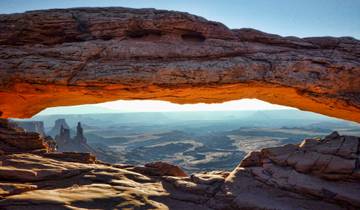
8 days
8-Day Utah's Mighty 5 from Salt Lake City
- ✓ Comprehensive Utah tour
- ✓ Expert local guides included
- ✓ All accommodation arranged
- ✓ Transportation provided
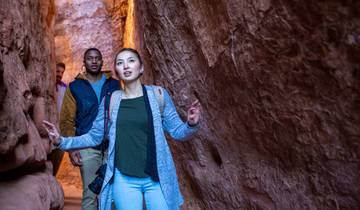
9 days
Camping Utah's Mighty 5
- ✓ Comprehensive Utah tour
- ✓ Expert local guides included
- ✓ All accommodation arranged
- ✓ Transportation provided

4 days
Arches & Canyonlands Hiking & Glamping
- ✓ Comprehensive Utah tour
- ✓ Expert local guides included
- ✓ All accommodation arranged
- ✓ Transportation provided
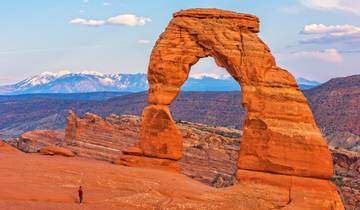
4 days
Womens Best of Moab Basecamp Tour
- ✓ Booking needs min. 2 travelers
Multi-day tour packages powered by TourRadar. Prices and availability subject to change.
Introduction
Salt Lake City emerged from isolation as a Mormon pioneer settlement in 1847 to become a major western metropolis, its transformation visible in contrasts between Temple Square’s 19th-century granite architecture and modern downtown towers. This evolution created layered touring opportunities spanning religious heritage sites, Olympic venues from 2002, Great Basin ecology, and Wasatch mountain recreation. The city’s compact downtown grid enables walkability between major landmarks, while surrounding canyons and Great Salt Lake shorelines require guided transportation for efficient access.
Tour operators in Salt Lake City range from established companies with 45-year operational histories to newer specialized wildlife guides, offering experiences from theatrical performances on vintage trolleys to serious hiking expeditions tracking bison herds. The distinction between downtown cultural tours and wilderness excursions shapes daily planning, as Temple Square and State Capitol explorations occupy different time commitments than Antelope Island safaris or canyon trail hiking. Understanding which routes permit independent exploration versus requiring guided access determines optimal tour selections.
The 2026 touring landscape reflects both continuity and change. Temple Square’s main temple remains under renovation with completion expected early 2027, shifting emphasis to the Tabernacle, Conference Center, and surrounding gardens still accessible to visitors. Hop-on hop-off services expanded routes in 2025-2026 to include more neighborhood stops beyond traditional downtown circuits. Canyon access faces ongoing watershed protection discussions affecting parking and trail regulations, though major routes remain open with permit systems managing crowding during peak summer weekends.
Seasonal variation significantly impacts tour availability and experience quality. Summer (June-September) brings full operating schedules, accessible high-elevation trails, and extended daylight for evening experiences, but also maximum crowds at popular sites and higher temperatures requiring early morning starts for strenuous activities. Winter (December-March) reduces some outdoor tour options while maintaining downtown experiences and transforming canyon recreation to skiing rather than hiking. Spring and fall shoulder seasons deliver moderate weather, thinner crowds, and discounted pricing on some tour packages, though variable conditions can affect canyon accessibility.
This guide examines Salt Lake City’s tour ecosystem comprehensively, from hop-on transportation systems through specialized thematic walking routes, canyon trail networks, and wilderness expeditions beyond city limits. Each section provides 2026-specific operational details, pricing structures allowing accurate budget planning, and strategic combinations maximizing limited vacation time. The analysis separates truly self-guided possibilities from experiences requiring professional guides or specialized transportation, enabling informed decisions matching individual preferences, fitness levels, and schedule constraints.
Understanding Salt Lake City’s Tour Landscape 2026
Salt Lake City’s touring infrastructure divides into three distinct geographic zones requiring different transportation approaches and time allocations. The downtown core encompasses Temple Square, State Capitol, historic districts, and commercial areas within a walkable 2-mile radius where self-guided exploration succeeds alongside structured tours. The intermediate zone extends to neighborhoods like the Avenues, Sugar House, and Olympic Park venues 3-8 miles from center requiring either hop-on systems or personal vehicles. The outer recreation zone includes Antelope Island, Big Cottonwood Canyon, Little Cottonwood Canyon, and Bonneville Salt Flats 15-80 miles distant where guided tours or rental cars become necessary.
Downtown’s grid system simplifies navigation but conceals complexity in vertical terrain. Temple Square sits at relatively flat elevation while State Capitol perches 300 feet higher on a prominent hill, creating strenuous climbs on direct walking routes. The city platted blocks in 660-foot squares (ten acres each) making distances deceptive—what appears as “just a few blocks” on maps translates to significant walking. East-west streets remain relatively level following valley floor contours, while north-south routes climbing toward Wasatch foothills gain elevation steadily.
Tour operators cluster into several operational models. Hop-on hop-off companies run continuous loop services with multiple daily departures and unlimited re-boarding privileges during pass validity periods. Traditional guided tours follow fixed itineraries departing specific times with groups staying together throughout. Theatrical trolley experiences blend entertainment performance with sightseeing, prioritizing audience engagement over exhaustive landmark coverage. Wilderness expeditions focus on natural history, wildlife observation, and outdoor activity rather than urban architecture or cultural sites.
The Mormon heritage narrative dominates many Salt Lake City tours given the city’s founding and ongoing Latter-day Saint institutional presence. Temple Square tours emphasize pioneer journey history, church architecture, and faith community development. Secular alternatives exist examining mining boom economics, railroad development, Greek Town immigrant communities, and 2002 Olympics transformation, though these occupy smaller market segments. Visitors uncomfortable with religious-themed content should research specific tour descriptions carefully, as even general city tours incorporate substantial Mormon history given its centrality to Salt Lake’s development.
Canyon access presents unique considerations. Big Cottonwood and Little Cottonwood Canyons function as protected watersheds supplying Salt Lake Valley drinking water, creating regulations prohibiting dogs on trails and requiring careful waste management. These canyons offer spectacular hiking 20-30 minutes from downtown but lack public transportation, necessitating either rental vehicles or guided hiking tours. Parking fills rapidly at popular trailheads on summer weekends, sometimes by 7-8 AM for premier destinations like Lake Blanche.
Tour booking platforms range from operator direct websites offering lowest-price guarantees and flexible cancellation to aggregator services like Viator and GetYourGuide providing consolidated options but potentially higher fees. Direct booking typically delivers better value for single-operator experiences, while aggregators help comparing multiple providers when specific company preference doesn’t exist. Many operators enforce 24-hour advance cancellation policies for full refunds, with same-day or no-show cancellations forfeiting payment.
Weather patterns influence tour feasibility year-round. Summer temperatures reach 90-100°F in valleys during July-August afternoons, making morning departures preferable for strenuous activities and midday shade essential for downtown walking. Canyon temperatures run 10-15°F cooler providing comfortable hiking conditions. Winter brings 20-40°F downtown temperatures with occasional snow, though most guided bus and trolley tours continue with heated vehicles. Spring and fall deliver 50-70°F ideal walking weather but variable precipitation requiring flexible planning.
Hop-On Hop-Off Bus Tours 2026
Hop-on hop-off bus services in Salt Lake City operate double-decker vehicles (both open-top and enclosed configurations) following continuous loops with designated stops at major attractions, allowing passengers unlimited boarding throughout pass validity periods. Primary operator SLC Bus Tours maintains routes covering Temple Square, Utah State Capitol, Natural History Museum, Gateway Mall, and additional landmarks with buses circulating every 30-35 minutes during operating hours. One-day passes cost $35 and two-day passes cost $65 in 2026, with children’s rates typically discounted 30-40% below adult pricing (verify current rates on operator websites as pricing updates occur).
Route design prioritizes major tourist destinations over comprehensive neighborhood coverage. The main circuit connects downtown core attractions in 60-75 minute complete loops when riding without disembarking. Stops include multiple Temple Square access points, the State Capitol complex, This Is the Place Heritage Park, Natural History Museum of Utah, and shopping districts. Night tour variants operate select evenings showcasing illuminated architecture and city lights from elevated vantage points. Real-time bus tracking through mobile apps shows exact vehicle locations and estimated arrival times at each stop, eliminating frustrating wait uncertainty.
Vehicle comfort varies by season and bus type. Enclosed double-deckers provide climate control essential during July-August heat and December-January cold, with heating and air conditioning maintaining comfortable interior temperatures. Open-top configurations maximize photography angles and sensory experience during temperate months but expose riders to weather extremes. Most services offer both options, with operators switching vehicle types based on conditions. Upper deck seating delivers superior views but requires stair climbing; lower decks accommodate mobility limitations more readily.
Onboard narration quality distinguishes premium from basic services. Professional guides provide live commentary on SLC Bus Tours rather than recorded audio loops, allowing question interaction and adjusting content to passenger interests. Narration covers Mormon pioneer history, architectural highlights, Olympic Games legacy, and contemporary Salt Lake culture. The theatrical element on some routes incorporates entertainment alongside education, though serious history enthusiasts may prefer straightforward factual presentations.
Strategic use maximizes hop-on value. Morning orientation rides (staying aboard complete loops without disembarking) establish city layout and attraction positioning before afternoon independent exploration. Identifying must-visit sites during orientation prevents backtracking later when traveling on foot. The unlimited re-boarding privilege works best when touring 4-6 widely separated attractions requiring transportation between each—attempting to walk these distances wastes vacation time better spent inside venues. For visitors concentrating on Temple Square and immediate downtown, hop-on systems provide less value than simple walking.
Two-day passes cost $65 versus $35 for single days, representing only 85% price increase for double duration—clear value for multi-day visitors. The math favors two-day passes when planning 3-4 days total in Salt Lake City, as one complete orientation day plus selective use on a second day for specific distant attractions justifies the modest upcharge. Single-day passes suit brief layovers or focused downtown visits not requiring extensive transportation.
Operational hours typically run 9 AM-5 PM daily during peak season (May-September) with reduced schedules in shoulder months and winter. First and last buses determine earliest possible starts and latest returns, constraining itinerary flexibility for early risers or evening activity seekers. Confirming current schedules before planning day structures prevents disappointment when buses stop running earlier than anticipated.
Night tours operate as separate ticket purchases rather than included with day passes, usually departing 7-8 PM for 90-minute evening experiences. These showcase illuminated Temple Square, State Capitol exterior lighting, and downtown architecture under dramatic nighttime presentation. Evening temperatures drop 15-25°F below afternoon peaks, requiring jackets even during summer. Night tours cost $35-45 separately, making combined day-night packages (when offered) better value at $60-70 total.
Accessibility features include wheelchair-accessible buses on most routes with hydraulic lifts or ramps, though confirming specific vehicle availability when booking ensures accommodation. Strollers fold for storage or ride alongside passengers depending on bus configuration. Service animals accompany passengers following standard access regulations. Hearing-impaired passengers may struggle with audio narration quality depending on bus acoustics; some operators provide written tour scripts upon request.
Guided City Bus and Trolley Tours 2026
Traditional guided bus tours depart fixed times with groups remaining together throughout experiences, contrasting with hop-on flexibility but delivering more comprehensive narration and often including interior building access not available on drop-off services. City Sights operates Salt Lake City’s longest-running tour company (45+ years) providing standard bus tours and unique theatrical trolley experiences combining sightseeing with live entertainment performances.
The City Sights Guided Bus Tour covers major landmarks in 2.5-3 hours, visiting Utah State Capitol (with interior access and guide accompaniment), This Is the Place Heritage Park monument, Temple Square grounds, and Olympic Park venues. Guides provide detailed historical context exceeding typical hop-on narration depth, with opportunities for questions and customized information based on group interests. Tours cost $65-75 per adult in 2026 (verify current pricing on operator website), departing twice daily during peak season from downtown hotel pickup points.
The Salt Lake Trolley Tour presents sightseeing as theatrical entertainment, featuring three costumed actor-guides delivering history through songs, skits, and comedic performances aboard vintage-style trolleys. This 90-minute experience appeals particularly to families and visitors seeking lighter presentation over academic depth. Tours cost $39 for adults and $19 for children, departing 10 AM and 1 PM daily during summer with reduced winter schedule. Complimentary Cracker Jack boxes and bottled sodas enhance nostalgic atmosphere. Stops include Cathedral of the Madeleine interior visit, State Capitol exterior photo opportunities, and historic downtown districts.
Interior building access differentiates guided tours from self-guided efforts. State Capitol tours with guides include rotunda access with historical context about Utah statehood struggles, suffrage movement achievements, and architectural symbolism not apparent from exterior viewing. Cathedral of the Madeleine visits reveal interior art and architecture invisible from street level. These inclusions justify higher pricing versus simple transportation services.
Tabernacle Choir combination packages merge city sightseeing with live choir rehearsal or broadcast attendance. Thursday evening tours (departing 5:45 PM) include guided bus portion followed by 7:30 PM rehearsal access in the Tabernacle or Conference Center. Sunday morning packages (departing 8 AM) combine sightseeing with live broadcast attendance. These experiences cost $75-85 reflecting choir performance value addition. The world-famous Tabernacle Choir maintains rigorous standards and draws international audiences, making these combination packages among Salt Lake City’s most distinctive offerings.
Small group tours from specialized operators provide more personalized experiences than large bus crowds. Companies like Southwest Adventure Tours limit groups to 10-14 passengers in Mercedes Sprinter vans, enabling greater flexibility in pacing, photo stops, and question interaction. These tours cost $85-120 per person but deliver superior guide attention and often access less-visited perspectives regular tours skip.
Booking directly through operator websites typically guarantees lowest pricing and most flexible cancellation policies. City Sights offers free cancellation up to 24 hours before departure when booking direct, versus potentially stricter terms through third-party platforms. Direct booking also ensures communication goes to actual operators rather than intermediary customer service lacking tour-specific knowledge.
Seasonal schedule variations affect tour availability. Full daily departures run May-September with multiple time options accommodating different visitor schedules. October-April sees reduced frequency, sometimes limiting to weekend-only operations for certain tours. Winter weather rarely cancels tours but may alter routes when road conditions affect canyon or hillside access. Confirming current schedules when planning trips prevents booking disappointment.
Group discounts typically apply for 10+ passengers booking together, ranging 10-20% below standard per-person rates. Corporate groups, school organizations, and large family reunions should inquire about group pricing when reserving. Private tours for smaller parties cost premium rates ($400-600 for 4-6 people) but provide complete itinerary customization and departure time flexibility.
Walking Tours Downtown Salt Lake City 2026
Professional walking tours in downtown Salt Lake City range from free gratuity-based experiences to premium culinary adventures, with most falling in $39-75 per person category for 2-3 hour guided walks. These tours emphasize pedestrian-scale details invisible from bus windows while covering less total distance than vehicle-based alternatives. Standard walks typically span 2-3 miles over 2-3 hours at leisurely pace with frequent stops for storytelling and photography.
Historical walking tours focus on Mormon pioneer heritage, explaining Brigham Young’s 1847 arrival, city grid planning philosophy, and architectural development through 19th century. Guides detail tensions between Mormon settlers and federal government during Utah Territory period, suffrage movement achievements (Utah granted women’s voting rights decades before many states), and railroad boom transforming isolated settlement into regional hub. Tours visit Temple Square grounds, Beehive House (Brigham Young’s former residence), City and County Building, and historic Main Street commercial architecture. Pricing ranges $39-55 per person depending on duration and operator.
Cultural evolution tours examine Salt Lake City’s development beyond Mormon narrative, highlighting Greek Town immigrant community, mining industry influence, and transformation from conservative religious center toward more diverse modern city. These walks explore neighborhoods where different ethnic groups settled, discuss prohibition-era speakeasy culture, and explain 2002 Olympics impact on urban development. Southwest Adventure Tours’ downtown walking experience costs $55-65 incorporating these alternative perspectives alongside standard pioneer history.
Food tours combine culinary sampling with neighborhood storytelling, visiting multiple restaurants and specialty shops over 2-3 hours. A typical food walk includes 5-7 tasting stops featuring local cheeses, artisan chocolates, ethnic cuisine samples, and craft beverages while guides explain Salt Lake’s evolving food scene. These premium experiences cost $150 per person, positioning at higher end of walking tour spectrum but including substantial food value offsetting ticket price. Tours accommodate dietary restrictions with advance notice, substituting appropriate alternatives for vegetarian, gluten-free, or other requirements.
Free walking tours operate on gratuity-based model where no upfront fee applies but guides depend on tips for compensation. These typically cover downtown highlights in 2-2.5 hours with less detailed presentation than paid alternatives. Quality varies significantly by guide expertise and group size. Tipping expectations generally suggest $10-20 per person for satisfactory experiences, making “free” tours ultimately cost similar to low-priced paid options while providing less guaranteed quality.
Evening walking tours capitalize on illuminated architecture and cooler temperatures. Salt Lake City’s Night Tour combines history with culinary stops including chocolate tasting at specialty markets and artisan ice cream in historic buildings. The 90-minute experience costs $65-75 per person, departing 7-8 PM and showcasing Temple Square lights, State Capitol exterior illumination, and downtown ambiance distinct from daytime atmosphere.
Architecture-focused walks examine building styles from pioneer-era vernacular through modern skyscrapers. Salt Lake City displays Victorian, Romanesque Revival, Art Deco, and contemporary architecture concentrated in downtown blocks. Specialized guides explain construction techniques, historical preservation challenges, and architectural symbolism in religious and governmental buildings. These tours appeal to design enthusiasts and photographers seeking expert interpretation beyond self-guided observation.
Ghost and mystery tours blend historical facts with legendary tales, visiting sites associated with alleged hauntings, unsolved crimes, and unusual occurrences. These entertainment-oriented walks depart evenings (typically 8-9 PM) and cost $35-45 per person for 90-minute experiences. Content quality varies—some emphasize documented history while others prioritize theatrical storytelling over factual accuracy. Reviews help distinguish serious historical presentations from pure entertainment.
Self-guided audio walking tours provide middle ground between fully guided experiences and independent exploration. Apps like GPSmyCity and Action Tour Guide offer downloadable content covering Salt Lake City landmarks with GPS-triggered audio narration activating automatically as walkers approach sites. Lifetime access typically costs $10-15 per tour route, enabling re-use on future visits. Audio quality and content depth vary by provider; reading sample reviews before purchasing prevents disappointment with thin or poorly produced content.
Walking tour physical demands remain generally moderate but vary by route and pace. Downtown tours typically encounter minimal elevation change except routes incorporating State Capitol ascent, which climbs 300 vertical feet over several blocks. Most operators accommodate slower walkers and provide rest stops, but participants should possess ability to stand/walk 90+ minutes with brief breaks. Summer heat necessitates water carrying, sunscreen application, and scheduling morning or evening tours avoiding midday temperature peaks.
Booking strategies differ by tour type. Popular food tours and evening experiences may sell out 3-7 days ahead during peak summer season, warranting advance reservation. Standard historical walks typically accommodate same-day bookings though guaranteed preferred time slots require advance purchase. Free tours accept walk-ups but may decline additional participants once group sizes exceed manageable levels (typically 15-20 maximum).
Self-Guided Downtown Walking Routes 2026
Independent walking through downtown Salt Lake City succeeds easily given grid layout, abundant signage, and concentrated landmark positioning. Several established routes provide structured frameworks for self-guided exploration, ranging from 1-3 hour walks covering major highlights to specialized theme routes focusing on architecture, art, or history.
The Temple Square to State Capitol route covers Salt Lake City’s most iconic landmarks in 2-3 hours walking 2.2 miles at moderate pace. Begin at Temple Square’s south entrance on South Temple Street, exploring the Conference Center (observation deck provides city views), gardens, and historical monuments. The Tabernacle offers free organ recitals daily at noon—remarkable acoustic demonstrations in building designed without electronic amplification. Exit Temple Square’s north gate, proceed north on State Street climbing toward Capitol Hill. The ascent gains 300 vertical feet over 0.7 miles, with steepest grades on final approaches. Rest benches appear periodically along route. Utah State Capitol opens for self-guided interior exploration Monday-Friday 7 AM-8 PM, weekends 8 AM-6 PM, with volunteer docents providing free tours during business hours. The Gold Room features native marble, gold-leaf decorations, and ornate chandeliers. South plaza provides panoramic Salt Lake Valley views extending to Oquirrh Mountains on clear days.
Main Street Historical Walk spans 1.5 miles through downtown’s commercial core, examining architectural evolution from 1860s through present. Start at City Creek Center (modern shopping development on site of pioneer-era creek), proceeding south on Main Street. Notable buildings include ZCMI Center Department Store (1876 cast-iron facade), Boston and Newhouse Buildings (Victorian commercial architecture), Salt Lake Theatre site (demolished 1928 but marked historically), and Devereaux House (1857 mansion now serving as event venue). Exchange Place, a narrow street perpendicular to Main, displays concentrated collection of early 20th-century commercial buildings housing financial institutions during city’s mining boom period. The walk concludes at Rio Grande Depot (1910 Beaux-Arts railroad station), now housing Utah State History museum. Total time 90 minutes-2 hours depending on building entry interest.
City Creek Canyon Nature Walk provides urban greenspace escape 10 minutes from Temple Square. Access the paved recreation path at canyon mouth near Memory Grove Park. The path extends 5.6 miles into canyon following City Creek with minimal elevation gain for first 2 miles before steepening. Popular turnaround points include 2-mile (40 minutes round-trip) and 4-mile (90 minutes round-trip) marks. The canyon serves as watershed protection area prohibiting dogs on even-numbered calendar days and restricting motorized traffic. Bicycles share path—pedestrians should remain aware of approaching cyclists. Shade from mature cottonwoods and narrower canyon walls create cooler microclimate 5-10°F below downtown temperatures during summer.
Art and Architecture Loop focuses on public art installations and significant buildings in 2-mile downtown circuit requiring 1.5-2 hours. Begin at Gallivan Center (public plaza hosting events), noting Meridian sculpture and seasonal installations. Walk east to Library Square and Salt Lake City Main Library (2003 Moshe Safdie design with dramatic curved architecture and rooftop garden). Proceed north through Regent Street arts district viewing murals and gallery storefronts, then west to Abravanel Hall (concert venue with distinctive geometric copper exterior). Return south past Conference Center (world’s largest religious auditorium with rooftop garden) completing loop. Free gallery access available in Library Square during operating hours.
Self-guided routes require basic preparedness. Download offline maps (Google Maps allows area downloading) preventing cellular coverage gaps from disrupting navigation. Carry water bottles especially May-September when temperatures exceed 85°F. Many historic buildings offer public restroom access during business hours. Free WiFi coverage exists in Library Square, Gallivan Center, and City Creek shopping areas but not throughout downtown—offline content ensures continuous audio guide access.
Timing considerations affect experience quality. Temple Square crowds peak midday; morning (before 10 AM) or late afternoon (after 4 PM) visits encounter fewer people. State Capitol interior tours concentrate business hours Monday-Friday; weekend visits rely on self-guided exploration with limited docent availability. Main Street commercial buildings mostly restrict access to business lobbies rather than full interiors—architectural appreciation comes primarily from exterior observation.
Temple Square renovation status impacts 2026 access. The main temple remains under seismic upgrade and renovation with completion expected early 2027, limiting some traditional photo perspectives with construction barriers visible. Tabernacle, Assembly Hall, Conference Center, Joseph Smith Memorial Building, and gardens remain fully accessible. Visitor centers provide exhibits explaining temple construction history and showcasing interior replica details not viewable during renovation. Free guided tours of accessible buildings depart throughout day from visitor centers.
Safety in downtown Salt Lake City remains generally high during daylight hours in tourist-concentrated areas. Standard urban awareness applies: maintain awareness of surroundings, secure belongings, and avoid isolated areas after dark. Pioneer Park area several blocks west of Temple Square experiences higher transient population presence; while violent crime remains rare, comfort levels vary. Rio Grande Depot vicinity and adjacent blocks see similar dynamics—daytime visits present no unusual concerns but evening solo walking may feel less comfortable for some visitors.
Free public restroom access exists at Temple Square visitor centers, Library Square, City Creek Center, Gallivan Plaza, and State Capitol. Water fountains appear in City Creek Canyon path, Library Square, and various public buildings. Summer hydration becomes essential—plan water refills or carry sufficient quantity for entire walk duration.
Canyon Hiking and Walking Trails 2026
Big Cottonwood Canyon and Little Cottonwood Canyon provide mountain recreation 20-30 minutes from downtown Salt Lake City, offering trails from easy boardwalk strolls to strenuous alpine ascents. These canyons function as protected watersheds supplying drinking water to Salt Lake Valley, creating regulations prohibiting dogs on all trails and requiring careful waste management. No fees apply for canyon entry, though some trailhead parking requires permits during peak summer weekends.
Big Cottonwood Canyon access follows State Route 190 southeast from downtown, climbing 15 miles to Brighton Ski Resort at canyon head. The scenic byway gains 3,500 vertical feet from canyon mouth to upper reaches, passing numerous trailheads and picnic areas. Travel time averages 35-40 minutes from downtown to upper canyon destinations. Little Cottonwood Canyon parallels Big Cottonwood several miles south, accessing Alta and Snowbird ski resorts with similar driving times and elevation profiles.
Lake Blanche Trail represents Big Cottonwood Canyon’s most popular hiking destination despite 6-mile round-trip distance and 2,700-foot elevation gain. The strenuous trail departs from Mill B South Fork trailhead 4.4 miles up-canyon, climbing through aspen and conifer forest to three alpine lakes (Blanche, Florence, Lillian) beneath dramatic Sundial Peak. Most hikers complete the route in 3.5-5 hours depending on pace and lake area exploration time. Parking lot fills by 7-8 AM on summer weekends; weekday or very early starts avoid parking frustration. The trail gains elevation steadily without extreme steepness until final lake basin approach. Views justify effort—Sundial Peak’s quartzite cliffs rise 1,200 feet above Lake Blanche creating spectacular mountain amphitheater.
Brighton Lakes Trail offers moderate 4.5-mile loop visiting mountain lakes near Brighton Ski Resort. Starting from resort parking area at 8,700-foot elevation, the trail accesses Dog Lake, Lake Mary, Lake Martha, and Lake Catherine through subalpine terrain with gradual elevation changes totaling 1,000 feet gain. The loop requires 2.5-3.5 hours at casual pace with opportunities for extended lake shore relaxation. Wildflower displays peak late July through early August. Trail remains mostly snow-free June-October depending on winter snowpack.
Silver Lake Nature Trail provides easiest Big Cottonwood option—a 1-mile boardwalk loop circling Silver Lake near Solitude Nordic Center. The completely flat trail accommodates strollers and wheelchairs, requiring only 30-40 minutes to complete. Interpretive signs explain mountain ecology, wetland ecosystems, and wildlife. Moose sightings occur regularly in wetland areas surrounding the lake, particularly during early morning or evening hours. The trail remains accessible late May through October.
Cecret Lake Trail in Little Cottonwood Canyon near Alta provides short but rewarding alpine lake access. The 2-mile round-trip gains 400 feet over mostly moderate grades, reaching picturesque lake beneath Catherine Pass. Wildflower meadows surrounding the lake peak mid-July through early August with remarkable diversity and density. The trail requires 60-90 minutes total. Alta requires summer parking at Albion Base Area with shuttle service to trailheads ($5 per person) preventing overcrowding and protecting fragile alpine environment.
Hidden Falls in Big Cottonwood Canyon delivers waterfall access in short 0.4-mile hike from Mill B North Fork parking area at S-Curve. The easy trail reaches modest waterfall in 15-20 minutes, suitable for families with young children or visitors seeking brief nature exposure without extended commitment. Flow varies seasonally—peak runoff (May-June) produces best waterfall volume while late summer sees reduced flow.
Donut Falls represents Little Cottonwood Canyon’s most family-friendly destination. The 1.5-mile round-trip trail gains 250 feet through forest to distinctive waterfall cascading through hole in rock formation creating “donut” appearance. Moderate grades and relatively short distance make this accessible to most fitness levels. The trail requires 45-75 minutes total. Parking lot 9 miles up Little Cottonwood Canyon accommodates 20-30 vehicles; overflow parking extends along roadside on busy weekends.
Trail conditions vary significantly by season and recent weather. Snowmelt runoff creates muddy conditions and stream crossings May-June on many routes. July-September provides driest, most stable trail surfaces though afternoon thunderstorms produce brief wet periods. Fall colors peak late September through mid-October, with aspen groves displaying gold against evergreen backdrop. First significant snowfalls typically arrive late October or November, ending hiking season for higher elevation trails. Lower elevation routes sometimes remain accessible into December during dry years.
Altitude affects exertion levels—trailheads range 5,000-8,500 feet elevation with destinations reaching 9,000-10,000 feet. Visitors arriving from sea level may experience mild altitude effects including faster fatigue, shortness of breath, and headaches. Acclimatization helps—spending first day at lower elevations before attempting strenuous high-altitude hikes reduces symptoms. Staying hydrated and maintaining moderate pace reduces altitude impact.
Bear and moose presence requires awareness. Black bears inhabit canyon areas; while attacks remain extremely rare, hikers should make noise on trails, properly store food at trailheads, and give bears wide berth if encountered. Moose appear more commonly, particularly in wetland areas and lake basins. Moose can act aggressively if surprised or during calving season (May-June)—maintain 25-yard minimum distance and retreat slowly if moose displays agitation (ears back, raised hackles).
Trail parking challenges peak summer weekends. Popular trailheads like Lake Blanche and Donut Falls fill completely by 7-8 AM Saturdays and Sundays June-August. Arriving before 7 AM or hiking weekdays avoids parking frustration. Some trailheads now require online permit reservations during peak season—check canyon recreation websites for current requirements. Parking along canyon roads outside designated areas risks citations as authorities enforce parking regulations protecting roadway access for emergency vehicles.
Self-guided hiking requires standard mountain preparedness. Carry water (1-2 liters per person for moderate hikes), snacks, first aid supplies, and extra clothing layers as mountain weather changes rapidly. Cell phone coverage exists at some trailheads but disappears in canyon areas—download offline trail maps before departure. Most maintained trails feature adequate signage at junctions but GPS-enabled apps provide additional security. Start early on longer hikes allowing return before afternoon thunderstorms that develop regularly July-August.
Antelope Island and Great Salt Lake Tours 2026
Antelope Island State Park sits 15 miles northwest of downtown Salt Lake City in Great Salt Lake, accessible via 7-mile causeway from Syracuse. The island hosts free-roaming bison herds (500+ animals), pronghorn antelope, mule deer, coyotes, and 250+ bird species in 28,000-acre Great Basin ecosystem. Guided tours provide reliable wildlife viewing, historical context, and transportation eliminating rental car necessity. Self-driving remains possible but guided experiences deliver superior wildlife spotting through experienced guides knowing animal movement patterns and seasonal locations.
Half-day Antelope Island tours operate 4-6 hours including round-trip transportation from downtown Salt Lake City hotels. Tours depart 7:30-8:30 AM or early afternoon depending on operator and seasonal scheduling. Pricing ranges $100-135 per person in 2026 (verify current rates on operator websites as pricing updates occur). Small group sizes typically limit to 10-14 passengers in Mercedes Sprinter vans or similar vehicles, providing personal attention and flexibility impossible in large coach tours.
Southwest Adventure Tours operates comprehensive Great Salt Lake and Antelope Island experience emphasizing ecological education alongside wildlife viewing. Their 5.5-hour tour includes causeway transit with Great Salt Lake history explanation, stops at multiple island viewpoints, visit to Fielding Garr Ranch (Utah’s oldest building dating to 1848), and 1-mile hike to Buffalo Point overlook. Guides explain lake’s hypersalinity, brine shrimp ecology, migratory bird significance, and bison management. Tour cost includes $5 per person donation to Great Salt Lake preservation efforts. Pricing runs $115-125 per adult.
Sunset wildlife tours capitalize on golden hour photography opportunities and increased animal activity during cooler evening temperatures. These 4.5-hour experiences depart mid-afternoon, positioning participants at Buffalo Point or other scenic overlooks for sunset viewing. Late afternoon timing produces different wildlife encounter opportunities than morning tours as animals emerge from daytime shade for feeding. Pricing matches standard half-day rates at $110-130 per person.
Private Antelope Island tours accommodate 2-6 participants in dedicated vehicles with customized itineraries, departure times, and activity emphasis. Families with young children benefit from flexibility adjusting pace to child needs. Photography enthusiasts arrange extended wildlife observation stops and prime lighting positioning. Private tours cost $400-600 total for small groups, representing 30-50% premium over standard group rates but delivering complete schedule control.
Island access requires $15 per vehicle day-use fee at causeway entrance (separate from tour costs for self-drivers). Fee includes parking at island visitor center, Fielding Garr Ranch, and trailheads. Annual passes cost $75 for visitors planning multiple Antelope Island visits during calendar year. Tour packages typically include these fees in total pricing—confirm inclusions when booking.
Wildlife viewing success varies seasonally. Bison remain visible year-round as herds range across open grasslands, though summer heat drives animals to shaded areas mid-day while winter cold concentrates them in sheltered valleys. Spring (April-May) brings birthing season with calves visible alongside adults. Fall (September-October) features rutting behavior and dramatic herd movements. Pronghorn antelope occupy higher elevation areas and require more searching than ubiquitous bison. Bird populations peak during spring and fall migrations when hundreds of thousands of waterfowl use Great Salt Lake as continental flyway stopover.
Fielding Garr Ranch provides historical perspective on island ranching heritage. The 1848 adobe structure represents Mormon pioneer settlement patterns and Great Basin livestock operations. Guided ranch tours explain 19th-century frontier life, Mormon migration history, and environmental challenges of island isolation. Ranch exhibits display period furnishings, tools, and historical photographs documenting ranch operations through 1981 when state park acquisition ended private ownership.
Buffalo Point hiking represents tour physical activity component. The 0.9-mile trail gains 200 feet to ridgeline overlook providing panoramic Great Salt Lake and Wasatch Mountain views. Moderate grades suit most fitness levels; trail surface consists of dirt and rock requiring stable footwear but not technical hiking boots. Guides adjust hiking pace to group capabilities and discuss island geology, vegetation adaptation to saline environment, and Great Salt Lake ecological significance during ascent.
Great Salt Lake itself fascinates through unique characteristics. Hypersalinity (5-27% salt concentration depending on location and season) exceeds ocean salinity three-fold, preventing fish survival but supporting massive brine shrimp populations forming base of ecosystem food chain. The lake’s large surface area creates localized weather patterns and temperature moderation affecting Salt Lake Valley climate. Water levels fluctuate dramatically based on annual precipitation—recent drought years reduced lake elevation significantly, exposing extensive beaches and concentrating salinity levels.
Photography opportunities abound throughout tours. Bison herds against Wasatch Mountain backdrop create iconic Western imagery. Sunset views from elevated points showcase lake’s vast scale and surrounding basin-and-range topography. Antelope Island’s stark beauty—golden grasslands, white salt flats, azure water—produces distinctive Great Basin aesthetic difficult capturing elsewhere. Tours pause regularly for photography allowing participants optimal shooting positions.
Tour physical demands remain moderate but require outdoor activity tolerance. Summer temperatures reach 85-95°F on island with minimal shade; sun protection, water carrying, and heat tolerance become essential. Wind blows consistently across open terrain—layers protect against cooling effect. Winter tours face 20-40°F temperatures with occasional snow; warm clothing, gloves, and winter boots ensure comfort. Spring and fall deliver 50-70°F ideal conditions with moderate weather variability.
Booking windows differ by season. Summer tours (June-August) often sell out 1-2 weeks ahead as limited small group sizes fill quickly. Shoulder season (April-May, September-October) requires less advance notice, sometimes accommodating bookings 2-3 days prior. Winter tours (November-March) typically accept bookings up to departure day barring weather cancellations. Flexible cancellation policies (usually 24-hour notice for full refund) protect against weather forcing plan changes.
Specialized Thematic Tours 2026
Beyond standard sightseeing circuits, Salt Lake City supports specialized tour categories appealing to particular interests ranging from dark sky astronomy to culinary exploration to Olympic venue visits. These niche experiences cost premium prices but deliver depth impossible in general overview tours.
Dark sky tours capitalize on Antelope Island’s minimal light pollution creating exceptional stargazing conditions. Evening expeditions depart Salt Lake City after sunset, arriving at island locations far from city glow. Professional astronomy guides provide telescopes, laser pointers for constellation identification, and explanation of celestial objects visible in season. Milky Way photography becomes feasible during new moon periods when galaxy core displays prominently. Winter offers longest observation windows though cold temperatures require extreme warmth preparation. Tours cost $110-135 per person for 3-4 hour experiences. Limited scheduling (typically new moon periods) requires advance booking 2-4 weeks ahead.
Food and culinary tours explore Salt Lake City’s evolving dining scene blending Utah regional cuisine with international immigrant influences. Downtown food walks visit 5-7 establishments sampling cheeses, charcuterie, chocolates, ethnic cuisines, and craft beverages while guides explain neighborhood development, chef backgrounds, and ingredient sourcing. Premium experiences cost $150 per person for 2-3 hour walks with substantial tastings offsetting ticket price through actual food value consumed. Fasting Fork Food Tours and similar operators accommodate dietary restrictions (vegetarian, vegan, gluten-free) with advance notice.
Brewery and distillery tours examine Utah’s craft beverage evolution despite state alcohol regulations historically limiting industry development. Tours visit production facilities, explain brewing/distilling processes, and provide tastings of local products. Utah alcohol laws permit tastings at production facilities though retail sales follow strict state monopoly systems. Tours typically cost $55-75 per person for 2-3 hour experiences visiting 2-3 locations. Age restrictions (21+) apply strictly.
Olympic venues tours revisit 2002 Winter Olympics legacy examining facilities still operating for training and competition. Utah Olympic Park (Park City, 30 minutes from Salt Lake City) maintains ski jumping, bobsled/luge tracks, and freestyle aerial training facilities. Self-guided museum access costs $12, while guided tours adding behind-scenes facility access and Olympic history presentation cost $25-35. Extreme experiences allow public bobsled rides down actual competition track at 60+ mph for $200+ per person (separate from tour pricing, requires advance booking).
Mormon history deep-dive tours provide comprehensive examination of Latter-day Saint settlement, doctrine, and cultural development beyond surface coverage in general city tours. These 3-4 hour experiences visit Temple Square with LDS church perspective guides, Brigham Young’s residences, early settlement sites, and discussion of polygamy history, Utah War conflicts, and religious persecution prompting westward migration. Tours emphasize believing church member perspective rather than secular academic analysis. Free tours operate through LDS church; paid versions from historical tour companies cost $65-85 and incorporate broader contextual frameworks.
Photography tours guide participants to optimal shooting locations during premium lighting conditions. Professional photographer guides select viewpoints, explain exposure techniques for challenging Great Basin lighting, and suggest composition approaches maximizing Salt Lake City’s visual potential. Tours operate sunrise, sunset, or blue hour capitalizing on dramatic light. Specialized workshops cover city lights (nighttime architecture), wildlife (Antelope Island), and landscape (canyon scenery). Pricing runs $150-200 per person for 3-4 hour intensive instruction.
Rock climbing guide services operate in canyons surrounding Salt Lake City, particularly Big Cottonwood’s S-Curve area. Half-day instructional sessions introduce climbing fundamentals, equipment use, and belay techniques on moderate routes suitable for beginners. Full-day adventures tackle more challenging terrain with experienced guidance ensuring safety and technique development. Costs range $150-200 per person for half-day instruction, $250-350 for full-day climbing including equipment rental.
Scenic flight tours provide aerial Great Salt Lake perspectives impossible from ground level. Small aircraft flights departing South Valley Regional Airport circle Antelope Island, overfly salt flats, and showcase lake’s vast scale from 1,500-3,000 feet elevation. Thirty-minute flights cost $100-125 per person in shared aircraft (2-3 passengers), while private flights run $300-400 total for small groups. Clear weather requirements restrict scheduling—bookings should remain flexible allowing weather cancellations.
Architectural tours examine Salt Lake City’s building heritage from pioneer vernacular through contemporary design. University of Utah architecture faculty or professional architects guide participants through downtown, explaining construction techniques, stylistic evolution, and preservation challenges. Tours range 2-3 hours covering Temple Square religious architecture, commercial district buildings, and residential neighborhood development. Specialized focus areas include Art Deco examples, mid-century modern buildings, and contemporary sustainable design. Costs run $75-95 per person for expert-led experiences.
These specialized tours generally require advance booking given limited scheduling and smaller participant pools. Food tours, dark sky experiences, and photography workshops book 1-2 weeks ahead during peak season. Climbing instruction and aerial flights need similar advance notice plus weather flexibility. Some operators impose minimum participant requirements (4-6 people) potentially affecting tour confirmation—booking early increases likelihood of tours operating as scheduled.
Multi-Day Tour Packages from Salt Lake City 2026
Salt Lake City functions as gateway for multi-day excursions to Utah’s Mighty Five national parks, Yellowstone, Grand Teton, and other western destinations. Guided packages eliminate rental car logistics, highway navigation challenges, and accommodation booking complexity while concentrating scenery and activity in compressed timeframes. These tours depart Salt Lake City, include transportation, guides, park admissions, and sometimes meals/lodging, returning participants to city at tour conclusion.
Three-day Yellowstone and Grand Teton tours represent most popular multi-day packages given proximity (350 miles, 6-hour drive to Yellowstone South Entrance). Tours depart Salt Lake City early morning day one, arriving Yellowstone by afternoon with wildlife viewing en route. Day two explores Yellowstone’s geothermal features (Old Faithful, Grand Prismatic Spring, Mammoth Hot Springs) and wildlife areas (Lamar Valley, Hayden Valley). Day three visits Grand Teton National Park before return to Salt Lake City by evening. Tours typically include two nights lodging (near Yellowstone in cabins or hotels), national park admission fees, guide services, and some meals. Pricing ranges $400-600 per person depending on accommodation quality and meal inclusions. Small group sizes (typically 10-14 maximum) in Mercedes Sprinter vans provide comfort and flexibility.
Mighty Five national parks tours cover Utah’s concentration of distinctive parks (Zion, Bryce Canyon, Capitol Reef, Canyonlands, Arches) in 3-5 day itineraries. Three-day abbreviated versions focus on Zion and Bryce Canyon as most accessible from Salt Lake City. Five-day comprehensive tours attempt all five parks though pacing becomes rushed given driving distances. These tours cost $700-1,200 per person for 3-5 days depending on duration, accommodation level, and group size. Budget-conscious options use camping or budget motels while premium packages provide upscale lodging.
Monument Valley and Arizona Southwest tours combine Utah’s southern parks with Arizona’s iconic red rock landscapes. Four-day itineraries visit Zion, Bryce Canyon, Antelope Canyon (Navajo Nation permit required, typically included), Monument Valley, and Horseshoe Bend. These tours require longer driving segments given distances involved. Pricing runs $750-1,000 per person for four days including most meals, park fees, and mid-range accommodations.
Bonneville Salt Flats day trips provide shorter alternative for visitors with limited time. Half-day tours (4-5 hours) travel 120 miles west to Bonneville examining vast white salt desert where land speed records occur. Tours explain geological formation, speed racing history, and Great Salt Lake Desert ecology. Stops include Bonneville Speedway, Tree of Life sculpture, and Great Salt Lake State Park. Pricing ranges $100-125 per person. Full-day extended versions add stops at Wendover historic sites or continue to Nevada border areas, costing $160-180 per person.
Combination city and canyon tours maximize limited vacation time with 2-3 day packages including Salt Lake City sightseeing plus canyon hiking. Day one covers Temple Square, State Capitol, and downtown highlights. Day two explores Big Cottonwood Canyon hiking and scenic drives. Optional day three adds Antelope Island or Bonneville Salt Flats. Two-day versions cost $300-400 per person with budget lodging, while three-day packages run $500-650 depending on accommodation and activity inclusions.
Multi-day tour booking requires advance planning given accommodation coordination. Summer departures (June-August) book 3-4 weeks ahead as limited small group sizes fill completely. Shoulder season (April-May, September-October) requires 1-2 weeks notice. Winter tours reduce frequency given weather unpredictability affecting canyon and mountain pass access. National park congestion peaks summer weekends—weekday tour departures encounter lighter crowds providing better experience.
Tour inclusions vary significantly between operators and price points. Budget tours provide transportation, guides, and park admissions while excluding meals and charging supplemental fees for optional activities. Mid-range packages include breakfasts and some dinners with lodging in comfortable chain hotels. Premium tours feature upscale lodging, most meals, and additional experiences like helicopter flights or river rafting. Carefully comparing included items prevents sticker shock from unexpected supplemental charges.
Physical activity levels range from mostly driving with minimal walking to moderate hiking requirements. Canyon hiking portions typically involve 2-4 mile trails with 500-1,000 foot elevation gains—manageable for regular walkers but challenging for sedentary participants. Tour descriptions specify activity intensity; inquiring about specific fitness requirements ensures appropriate tour selection matching physical capabilities.
Weather affects multi-day tour feasibility. Summer desert heat exceeds 100°F in southern Utah parks—early morning departures and evening activities avoid peak temperatures. Spring and fall deliver ideal 60-80°F conditions though weather variability increases. Winter tours face road closures, snow at elevation, and reduced daylight limiting activity windows. Flexible cancellation policies protect against weather forcing trip postponement.
Planning Your Salt Lake City Tour Strategy 2026
Effective tour planning maximizes limited vacation time and budget by strategically combining guided experiences, self-guided exploration, and rest periods preventing exhaustion. The optimal approach depends on total days available, specific interests, fitness levels, and whether visitors travel independently or in groups with varying capabilities.
First-time visitors spending 2-3 days in Salt Lake City benefit from morning orientation via hop-on bus or trolley tour establishing city layout and attraction positioning. This 90-minute to 2-hour introduction prevents wasted time backtracking between distant sites when walking later. Post-orientation afternoon hours suit independent Temple Square exploration, State Capitol visits, or shopping districts given familiarity established during morning tour. Day two focuses on single intensive experience—either Antelope Island wildlife tour or Big Cottonwood Canyon hiking depending on nature versus history preference. Day three combines downtown self-guided walking through neighborhoods skipped during orientation with afternoon at specific museums or attractions identified as personal priorities.
Multi-day visitors (4-7 days) expand beyond Salt Lake City proper into surrounding attractions. Dedicate one day each to downtown cultural sites, Antelope Island, canyon hiking, and day trip to Park City, Bonneville Salt Flats, or other regional destinations. This pacing prevents rushing while allowing depth exploration matching specific interests. Build rest half-days into schedule—consecutive full activity days lead to fatigue reducing enjoyment of later experiences.
Budget-conscious strategies prioritize free self-guided walking over paid tours when time permits. Temple Square, State Capitol, Main Street architecture, and City Creek Canyon walks cost nothing beyond personal time investment. Hop-on systems provide better value than multiple individual guided tours when visiting 4+ separated attractions requiring transportation between each. Two-day hop-on passes ($65) cost less than combining separate transportation and admission for equivalent coverage. Food tours, while expensive, deliver actual meal value offsetting ticket cost—$150 tour replacing lunch/dinner expenditure provides better economics than supplemental expense beyond normal dining budget.
Family considerations influence tour selection significantly. Theatrical trolley experiences engage children through entertainment while educating simultaneously. Standard bus tours bore younger children during extended narration periods. Antelope Island wildlife viewing captivates across age ranges given animal appeal. Downtown walking tours exhaust small children unable maintaining adult pace for 2+ hours—shorter 60-90 minute variations or frequent breaks become necessary. Playground stops at City Creek Park or Liberty Park provide activity outlets between structured touring allowing physical energy release.
Photography enthusiasts should prioritize timing over specific tours. Sunrise at Temple Square (no tour required, simply arrive early) produces golden light on architecture without crowds. Sunset at Buffalo Point (Antelope Island tour component) delivers dramatic landscape imagery. Midday harsh light produces poor photography—schedule indoor activities (museums, building interiors) during flat lighting hours. Blue hour evening (30 minutes after sunset) showcases illuminated architecture brilliantly—simple downtown walks this hour yield excellent images.
Weather contingency planning prevents complete day losses during precipitation or temperature extremes. Rain cancels most canyon hiking but leaves downtown walking perfectly viable under umbrella. Summer heat exceeding 95°F makes afternoon outdoor activities miserable—shift hiking to early morning (5-8 AM) then transition to afternoon indoor museum time. Winter cold limits extended outdoor exposure—heated bus tours and brief outdoor photo stops at major landmarks provide compromise between sightseeing and comfort.
Booking strategy timing varies by tour type. Hop-on buses and standard city tours accept same-day bookings except peak summer weekends when morning departures may sell out. Antelope Island small group tours require 1-2 weeks advance notice during summer. Multi-day tours need 3-4 weeks booking lead time. Flexible cancellation policies (typically 24-hour notice for full refund) allow early booking securing spots while retaining weather flexibility.
Combination packages deliver superior value when interests align. Hop-on pass plus Tabernacle Choir performance bundled together costs less than purchasing separately. Some operators offer multi-experience discounts when booking multiple tours concurrently. Inquiring about package options during initial booking contact reveals savings opportunities not advertised prominently.
Solo travelers face different economics than groups. Per-person guided tour pricing remains identical regardless of party size for standard group tours. Private tours favor larger groups (4-6 people) where $400-600 total cost divides into reasonable per-person amounts but penalizes solo travelers paying entire fee alone. Solo visitors optimize value through standard group tours over private alternatives unless itinerary customization justifies premium.
Accessibility considerations affect tour feasibility. Downtown walking tours involve substantial standing/walking duration challenging for mobility-limited visitors—inquiring about route modifications or rest frequency prevents uncomfortable situations. Hop-on buses provide wheelchair access via hydraulic lifts on most vehicles (confirm specific accessibility when booking). Canyon hiking requires physical capability managing uneven terrain, elevation gain, and extended outdoor exposure—participants should honestly assess fitness against stated trail difficulty levels.
Transportation and Logistics 2026
Salt Lake City tour participation requires understanding transportation options connecting accommodations to departure points, navigating pickup schedules, and coordinating timing across multiple activities. Downtown hotels concentrate within walking distance of major tour departure locations, while suburban accommodations necessitate either rental cars or rideshare services reaching tour meeting points.
UTA public transit operates TRAX light rail connecting Salt Lake City International Airport to downtown, University of Utah, and southern valley suburbs. The Green Line serves Temple Square area with stops at Courthouse and City Creek Center stations. Red Line parallels Green Line through downtown before branching toward University and Sandy. Blue Line serves west valley communities. Single rides cost $3, day passes cost $6.50, and three-day passes cost $18. TRAX operates 5 AM-11 PM weekdays with reduced weekend schedules. Most downtown tour departures occur within three blocks of TRAX stations—Hotel Monaco, Radisson, and Little America pickup points all sit near Temple Square or Arena stations.
Rental cars provide maximum flexibility for canyon exploration and multi-destination daily routing but face downtown parking challenges. Major rental agencies (Enterprise, Hertz, National) operate airport locations with shuttle transfers from terminals. Daily rates range $45-75 for economy vehicles, $60-95 for SUVs during summer peak season (verify current rates as pricing fluctuates). Downtown parking costs $8-15 daily at commercial lots, though street parking occasionally appears free with time limits. Canyon visits require no parking fees except at specific trailheads implementing permit systems during peak weekends. Rental cars make economic sense for 3+ canyon visits during single trip when guided tour costs exceed multi-day rental expense plus fuel.
Rideshare services connect downtown accommodations to tour departure points reliably, with 5-10 minute typical wait times and $8-15 costs for downtown area trips. Airport rideshare pickup occurs at designated zones outside baggage claim requiring short walks from terminals. Downtown to Big Cottonwood Canyon trailheads costs $25-35 one-way, making rideshare viable for single canyon visits but expensive for multiple trips where rental car becomes better value.
Tour operator pickups follow standard protocols. Guided tours typically offer hotel pickup from major downtown properties with 7:30-8:30 AM collection windows. Operators provide specific pickup times when confirming bookings—arriving 5 minutes early at hotel entrance prevents missing departures. Tours departing fixed central locations specify exact meeting points and times. Arriving 10-15 minutes early allows locating guides, addressing last-minute questions, and boarding vehicles ahead of departure.
Luggage storage becomes relevant for travelers on tight schedules. Salt Lake City International Airport charges $10-15 per bag for daily storage at baggage claim area services. Some downtown hotels accommodate luggage storage for departing guests during final day touring before evening flights. Tour operators generally prohibit large luggage on day trips—small backpacks carrying water, snacks, and extra layers remain acceptable while roller bags create vehicle space problems.
Cell phone coverage and WiFi access vary by location. Downtown Salt Lake City maintains excellent coverage across major carriers. Big Cottonwood and Little Cottonwood Canyons experience spotty coverage with complete dead zones in deeper canyon sections and near trailheads. Antelope Island maintains coverage near visitor center and causeway but loses signal in island interior. Downloading offline maps before departing prevents navigation issues in coverage gaps. Public WiFi appears at Library Square, City Creek Center, Temple Square visitor centers, and most hotels but not along walking routes or in natural areas.
Seasonal Tour Variations 2026
Salt Lake City tour availability and experience quality shift dramatically across seasons, with summer providing maximum options but highest crowds and temperatures, winter reducing outdoor activities while maintaining downtown experiences, and shoulder seasons delivering moderate weather with variable tour scheduling.
Summer season brings full tour schedules with daily departures for all major categories. Hop-on buses run continuous loops, trolley tours operate multiple daily departures, and Antelope Island expeditions schedule morning and afternoon options. Canyon hiking accesses all trails with snow-free conditions and comfortable temperatures at elevation. Summer challenges include afternoon valley temperatures making midday downtown walking uncomfortable, popular trailhead parking filling by 7-8 AM weekends, and maximum crowds at Temple Square and State Capitol. Optimal summer strategy involves early morning canyon activities followed by air-conditioned midday bus tours or museum visits, then evening downtown walking after temperatures drop.
Fall shoulder season provides ideal touring conditions with moderate temperatures, thinner crowds as school resumes, and spectacular aspen color in canyons peaking late September. Tour schedules remain robust through September then reduce frequencies in October. Canyon hiking continues through October though higher elevation trails may encounter early snowfall after mid-month. Fall colors transform Big Cottonwood Canyon’s Lake Blanche trail and Brighton Lakes into gold-and-green spectacles rivaling any autumn destination. Antelope Island experiences moderate temperatures perfect for extended outdoor time, while migratory birds concentrate on Great Salt Lake during fall migration creating exceptional birdwatching opportunities.
Winter season transforms Salt Lake City touring toward indoor cultural experiences and nearby ski resort activities rather than hiking and wildlife tours. Downtown walking tours continue year-round with heated trolley and bus options providing comfortable sightseeing despite winter temperatures and occasional snow. Temple Square’s Christmas lights display creates premier winter attraction drawing crowds for evening viewing—specialized holiday light tours operate during this period. Canyon recreation shifts entirely to skiing and snowboarding at Brighton, Solitude, Alta, and Snowbird resorts. Antelope Island tours reduce frequency to weekend-only operations or suspend entirely depending on operator. Visitors should confirm tour availability when planning winter trips as many nature-focused experiences pause operations November-March.
Spring shoulder season delivers variable conditions as winter transitions toward summer. Early April may encounter lingering snow at higher elevations while late May provides near-summer weather. Tour schedules expand through spring—April sees weekend-only operations for some activities while May returns to near-daily frequency. Canyon hiking becomes possible at lower elevations in April though upper trails remain snow-covered until May. Wildflower season begins late May continuing through July. Spring weather unpredictability requires flexible planning as rain, snow, and sudden temperature swings occur frequently. Booking refundable tours allows weather-based rescheduling without financial penalty.
Money-Saving Strategies for Salt Lake City Tours 2026
Strategic planning reduces Salt Lake City touring costs significantly without sacrificing experience quality. Free and low-cost alternatives exist for many paid tours, while timing and booking tactics lower expenses on necessary paid experiences.
Free self-guided walking provides zero-cost alternative to paid downtown tours. Temple Square, State Capitol, Main Street architecture, and City Creek Canyon all permit independent exploration without fees. Temple Square offers free guided tours led by church missionaries departing throughout day from visitor centers. State Capitol provides free docent-led tours weekdays during business hours. Total cost for comprehensive downtown self-guided experience with free Temple Square tour: $0 versus $39-75 for equivalent paid walking tour.
Two-day hop-on passes deliver better per-day value than single-day tickets. At $65 for two days versus $35 for one, the per-day cost drops representing savings. More significantly, two-day passes enable covering twice the territory with same daily time investment. Visitors should calculate whether they’ll actually use two full days before paying premium; those spending majority of time walking downtown neighborhoods gain little from extended pass validity.
Combination packages cost less than purchasing components separately. Hop-on bus plus Tabernacle Choir performance bundled together runs $75-85 versus higher costs if purchased individually. Tour operators offering multiple experiences often discount when booking multiple tours concurrently. City Sights provides package pricing across their trolley, bus tour, and choir experience lineup.
Advance booking captures early-bird discounts some operators offer. Tours departing weeks ahead occasionally carry discounts for bookings made in advance. These deals appear more commonly during shoulder seasons when operators seek early commitment securing minimum group sizes. Signing up for operator email lists provides notification of flash sales and seasonal promotions.
Weekday touring costs less than weekends for some services. Certain tours charge weekend premiums during peak summer months when demand concentrates on Saturday-Sunday. Shifting touring to Monday-Thursday may save on identical experiences. Canyon hiking costs nothing regardless of day, but parking availability improves dramatically weekdays versus weekend challenges at popular trailheads.
Group discounts apply for parties booking together. Extended family reunions, corporate groups, or organized travel clubs should negotiate group rates potentially saving per person. Private tours for several people cost premium per-person rates but split among group members may equal or beat group tour pricing while delivering complete itinerary control.
Public transportation substitutes for rental cars when downtown concentration suits itinerary. TRAX three-day pass plus bus service costs substantially less than rental car plus parking fees plus fuel. However, this only works for visitors whose activities concentrate in accessible areas—canyon exploration and Antelope Island require either rental car or paid tours since public transit doesn’t serve these destinations.
Packed lunches save money daily versus restaurant dining during tours. Many guided experiences include snack stops but not full meals, leaving participants purchasing lunch at expensive tourist-area restaurants. Preparing sandwiches, snacks, and beverages at hotel or rental accommodation then carrying in daypack reduces daily food costs significantly. Canyon hiking particularly suits packed lunch approach as trail dining amid mountain scenery enhances experience.
Off-season travel delivers discounts while maintaining access to core attractions. Visiting September-October or April-May captures lower hotel rates, reduced tour pricing on some experiences, and better availability without advance booking. Temple Square, State Capitol, and downtown walking remain equally accessible year-round. Canyon hiking continues September-October with bonus fall colors. Only specialized winter-season experiences become unavailable, while core Salt Lake City touring proceeds normally at substantial savings.
Sample Salt Lake City Tour Itineraries 2026
Structured daily schedules demonstrate optimal tour sequencing, timing, and combination strategies for different trip durations and interest profiles. These examples provide frameworks adaptable to individual preferences and physical capabilities.
Three-Day First-Time Visitor Itinerary
Day One – Downtown Orientation: Start with trolley tour establishing city layout and major landmark positions. Post-tour, walk independently through Temple Square gardens and visitor centers, observing ongoing temple renovation and exploring accessible buildings. Lunch at City Creek Center food court. Afternoon State Capitol visit including free interior tour if weekday, then walk downhill through Capitol Hill neighborhood to Cathedral of the Madeleine. Evening downtown stroll through Main Street historic district.
Day Two – Antelope Island Wildlife: Depart early for Antelope Island guided tour returning approximately mid-afternoon. Afternoon rest at hotel or explore City Creek shopping district. Evening walk through This Is the Place Heritage Park exterior areas watching sunset over valley.
Day Three – Canyon Hiking: Depart early for Big Cottonwood Canyon, arriving Lake Blanche trailhead early securing parking. Hike Lake Blanche trail. Pack trail lunch. Return to city by early afternoon. Afternoon at Natural History Museum of Utah or shopping. Evening Tabernacle choir rehearsal if Thursday, otherwise evening downtown walking.
Five-Day Comprehensive Exploration Itinerary
Day One – Arrival and Downtown Introduction: Afternoon arrival, hotel check-in. Evening self-guided walk through Temple Square and downtown.
Day Two – Guided City Tour and Culture: Morning City Sights bus tour with Tabernacle Choir performance. Afternoon at Church History Museum and Library Square architectural exploration. Evening food tour if budget permits or independent dinner exploration.
Day Three – Big Cottonwood Canyon Full Day: Morning Lake Blanche hike, afternoon Brighton Lakes Trail. Pack full day provisions. Evening return, casual dinner.
Day Four – Antelope Island and Great Salt Lake: Full-day Antelope Island tour with extended time. Evening rest and downtown casual dinner.
Day Five – Little Cottonwood Canyon and Departure: Morning Cecret Lake trail hike or Silver Lake boardwalk if preferring easier option. Return to city, hotel checkout, afternoon departure. Pack breakfast and lunch.
Weekend Quick Visit Itinerary
Saturday – Maximum Efficiency Day: Early departure for Antelope Island guided tour returning midday. Quick lunch downtown. Afternoon hop-on bus orientation ride. Disembark at Temple Square for independent exploration through gardens and visitor centers. Evening trolley tour if second departure available or self-guided downtown dinner walk.
Sunday – Cultural Focus: Morning Tabernacle choir broadcast attendance followed by extended Temple Square time. Midday State Capitol visit with free tour. Afternoon at Natural History Museum or shopping. Departure.
Safety and Practical Considerations 2026
Salt Lake City maintains relatively safe tourism environment with standard urban awareness preventing most problems. Specific considerations apply to different tour types ranging from wildlife encounters during nature tours to altitude effects during canyon hiking.
Downtown safety remains generally high in tourist-concentrated areas during daylight hours. Temple Square, State Capitol, Main Street, and City Creek Center experience constant foot traffic and security presence. Standard precautions apply: secure belongings, maintain awareness of surroundings. Evening safety continues in well-lit main thoroughfares though isolated side streets warrant caution. Pioneer Park area west of downtown sees higher transient populations—while violent crime remains rare, comfort levels vary.
Wildlife encounters during Antelope Island tours require specific protocols. Bison appear docile but act unpredictably and charge without warning when approached too closely. Maintain minimum distance from all bison—guides enforce this strictly as injuries occur regularly nationwide from tourists approaching too near. Never position between mother bison and calves. Coyotes generally avoid humans but occasionally approach expecting food—never feed wildlife under any circumstances.
Canyon hiking altitude affects exertion levels and health responses. Trailheads range from moderate to high elevations—significantly higher than most sea-level visitors experience normally. Altitude sickness symptoms include headache, nausea, dizziness, and unusual fatigue. Most visitors experience only mild effects if spending first day at lower elevations before attempting strenuous high-altitude hikes. Proper hydration, gradual acclimatization, and moderate pacing reduce symptoms.
Weather changes rapidly in mountains. Summer afternoon thunderstorms develop regularly, sometimes producing lightning, heavy rain, and temperature drops. Start canyon hikes early allowing return before typical afternoon storm development. Carry rain jacket even on clear mornings. Lightning poses serious danger on exposed ridges and peaks—retreat immediately to treeline when thunder sounds nearby.
Heat exhaustion and dehydration threaten summer valley activities when temperatures exceed high levels. Prevention involves drinking water continuously throughout activities, scheduling strenuous activities for early morning, taking shade breaks, and recognizing personal limits.
Sun exposure at elevation intensifies compared to sea level. Sunburn occurs faster even on partly cloudy days. Apply sunscreen before activities, reapplying regularly. Hats, sunglasses, and lightweight long sleeves provide additional protection.
Trail safety requires proper footwear, adequate supplies, and route knowledge. Hiking boots or sturdy trail runners prevent ankle rolling on rocky terrain. Carry water, snacks providing quick energy, basic first aid supplies, and extra clothing layers. Download offline trail maps preventing navigation issues in cell coverage gaps. Tell someone outside hiking party about plans and expected return time.
Emergency services operate throughout Salt Lake City and surrounding areas. Dial 911 for serious medical emergencies, accidents, or crimes in progress. Search and rescue operations respond to hiking emergencies through dispatch with sheriff’s offices coordinating canyon rescues. Emergency room facilities include University of Utah Hospital and several other major medical centers downtown.
Frequently Asked Questions
Do Salt Lake City tours operate in winter?
Downtown bus tours, trolley experiences, and city walking tours continue year-round with heated vehicles and indoor building access maintaining comfort during winter temperatures and occasional snow. Temple Square and State Capitol remain open for touring regardless of season. Canyon hiking tours suspend operations November-March as trails become snow-covered and recreation shifts to skiing at resort areas. Antelope Island tours reduce to weekend-only schedules or pause entirely depending on operator. Tabernacle Choir performances and combination city tours continue throughout winter. Visitors planning December-February trips should confirm specific tour availability when booking rather than assuming summer schedule options.
How physically demanding are Salt Lake City walking tours?
Downtown walking tours involve several miles over multiple hours at leisurely pace with frequent stops for narration and photography. Terrain remains mostly flat except routes including State Capitol ascent climbing vertical feet over several blocks. Most participants with ability to stand and walk for extended periods manage standard downtown tours comfortably. Food tours walk similar distances but interrupt with seated restaurant stops reducing continuous walking time. Canyon hiking ranges from easy boardwalk strolls to strenuous climbs gaining significant elevation. Tour descriptions specify difficulty levels—moderate fitness handles most standard experiences while strenuous canyon hikes require regular exercise habits and hiking experience.
Can I visit Temple Square independently without taking a tour in 2026?
Temple Square allows free public access daily during daylight hours without requiring tour participation. Visitors walk grounds independently, photograph exteriors, visit gardens, and enter accessible buildings without guides. Free guided tours led by church missionaries depart visitor centers throughout day for those seeking narration and historical context. The main temple remains under renovation through early 2027 with construction barriers limiting some traditional viewing angles but not preventing grounds access. Independent visits suit visitors preferring self-paced exploration over structured tour timing, though missing guided narration means lacking detailed historical context casual observation doesn’t provide.
What’s the best way to see Antelope Island without joining a paid tour?
Self-driving to Antelope Island requires rental car and day-use fee at causeway entrance. The causeway from Syracuse to island provides dramatic Great Salt Lake views. Once on island, paved roads access Fielding Garr Ranch, visitor center with exhibits, and various beaches and viewpoints. Wildlife viewing succeeds through patient driving and scanning open areas where bison, antelope, and other animals roam freely. Buffalo Point hiking trail reaches scenic overlook independently. Self-driving works well for budget-conscious visitors comfortable navigating without guides, though missing expert wildlife spotting knowledge means potentially seeing fewer animals than guided tours locate.
How far in advance should I book Salt Lake City tours for summer 2026?
Antelope Island small group tours require advance booking during peak summer season as limited capacities sell out frequently, particularly for sunset tours and weekends. Multi-day tours to Yellowstone or national parks need several weeks notice as accommodation coordination affects availability. Tabernacle Choir combination packages book ahead securing performance admission along with tour components. Hop-on buses, standard city tours, and most walking tours accept same-day bookings year-round though morning departures may fill summer weekends if reserving day-of. Booking early guarantees preferred tour dates and times while flexible cancellation policies protect against weather or schedule changes requiring modifications.
Are Salt Lake City tours suitable for families with young children?
Theatrical trolley tours engage children through entertainment, songs, and interactive presentations holding attention better than standard narration tours. Hop-on buses work well for families as unlimited reboarding permits exiting whenever children need breaks rather than completing fixed-duration experiences. Antelope Island wildlife viewing captivates across age ranges given animal appeal. Downtown walking tours may exhaust small children unable maintaining adult pace for extended periods; families should seek shorter variations, plan frequent playground stops, or split groups allowing one parent touring while another supervises children separately. Easy canyon trails accommodate families with strollers or young walkers better than strenuous hikes. Most operators welcome children on standard tours though age restrictions apply to specialized activities.
What tours include food in Salt Lake City 2026?
Dedicated food tours operate as culinary experiences visiting multiple establishments sampling cheeses, chocolates, ethnic cuisines, and beverages while guides explain neighborhood development and food scene evolution. These premium tours cost approximately $150 per person for multiple hours with substantial tastings offsetting ticket price through actual meal value. Standard city tours sometimes include complimentary snacks. Most other tour categories exclude meals entirely, leaving participants purchasing food independently during breaks or carrying packed lunches. Multi-day tour packages to national parks sometimes include breakfasts and some dinners depending on package level, but standard Salt Lake City day tours assume participants handle their own dining arrangements.
Can I combine Salt Lake City tours with skiing in 2026?
Winter visitors can combine downtown cultural touring with skiing at nearby resorts located minutes from city center. Brighton, Solitude, Alta, and Snowbird operate in Big Cottonwood and Little Cottonwood Canyons where summer hiking trails transform into ski terrain. Multi-day trips allocate some days to resort skiing and others to Salt Lake City museum visits, Temple Square touring, and indoor cultural activities. Some tour operators offer ski resort shuttle services though most visitors rent cars providing flexibility for dawn ski departures. Summer visitors find no skiing opportunities as resorts close once snow melts, though mountain recreation shifts entirely to hiking, mountain biking, and scenic lift rides at resorts maintaining summer operations.
Do Salt Lake City tours accommodate dietary restrictions?
Food tours accommodate vegetarian, vegan, gluten-free, and allergy requirements when notified during booking process—operators arrange substitute tastings at participating restaurants replacing items containing restricted ingredients. Standard city tours involving no meal service present no dietary accommodation issues. Multi-day tours including group meals can arrange alternatives for common restrictions with advance notice, though very specialized diets may limit options particularly on remote national park tours where restaurant selection narrows. Tour participants should communicate dietary needs clearly when booking. Carrying personal snacks provides backup for individuals with severe allergies or highly specific dietary requirements.
What’s the difference between self-guided audio tours and live guided tours in Salt Lake City?
Self-guided audio tours using smartphone apps cost approximately $10-15 one-time purchase providing lifetime access to narration as visitors walk routes independently. These deliver flexibility in pacing, starting time, and route modifications while eliminating live guide interaction, question opportunities, and group social elements. Audio quality and content depth vary by provider—some offer rich historical detail while others provide only surface coverage. Live guided tours cost more depending on type and duration, providing expert guides answering questions, adjusting content to group interests, ensuring participants don’t miss highlights, and offering social interaction with fellow tourists. Live tours follow fixed schedules and pacing suiting group overall rather than individual preferences. Budget-conscious solo travelers often prefer audio tours while social visitors, families, and those valuing expert interpretation choose live guided experiences despite higher cost.