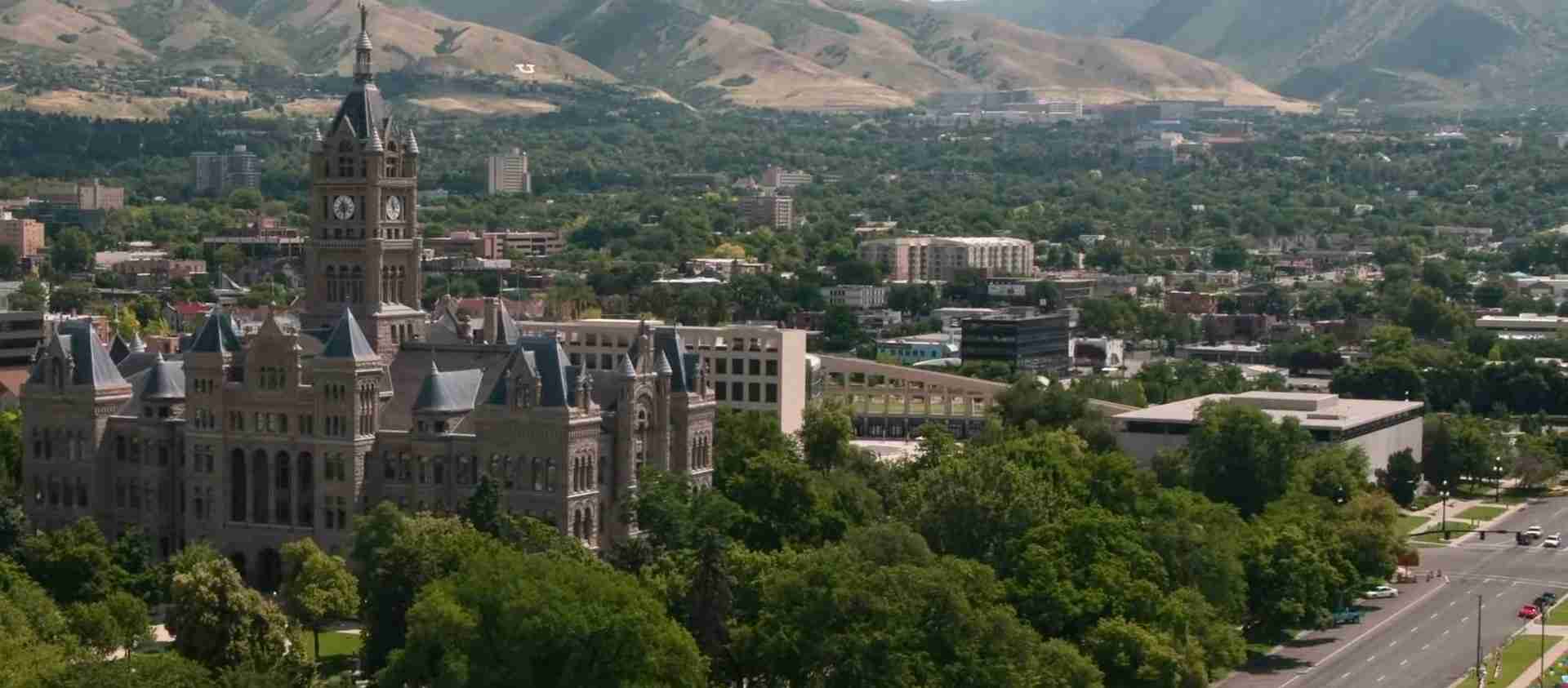
Salt Lake City Best Time Visit 2026: Seasonal Planning Guide
Salt Lake City offers distinct seasonal experiences throughout 2026, from world-class skiing and winter sports in the Wasatch Mountains to summer festivals and outdoor recreation under brilliant blue skies. The city’s four-season climate creates dramatically different visitor experiences depending on when you arrive, with winter powder skiing from November through April, vibrant spring cultural events in May, hot dry summers perfect for mountain hiking, and golden autumn foliage in September.
Key Takeaways: Salt Lake City 2026 Seasonal Planning
- Winter Ski Season Excellence 2026: The 2025-2026 ski season runs from late November through mid-April, with four world-class resorts (Alta, Snowbird, Brighton, Solitude) accessible within 40 minutes of downtown offering legendary powder snow and 500+ inches of annual snowfall.
- Spring Festival Peak May 2026: May 15-17, 2026 brings three major cultural festivals simultaneously—the Utah Arts Festival, Living Traditions Festival, and Kilby Block Party music festival—creating the city’s most vibrant cultural weekend of the year.
- Summer Weather Advantages 2026: July and August deliver consistent 90-95°F days with extremely low humidity (around 37%), creating comfortable conditions for mountain hiking and outdoor activities despite high temperatures, with virtually guaranteed sunshine and minimal rainfall.
- Hotel Cost Variations 2026: Accommodation prices fluctuate significantly by season, ranging from $110-160 per night during shoulder seasons (April-May, September-October) to $180-280 during peak ski season (December-March) and summer festivals (June-August), with November offering the best value at $90-130 nightly.
- Crowd Avoidance Windows 2026: Visit during transition periods—late April to early May or mid-September to mid-October—to experience pleasant weather, moderate hotel prices, and significantly fewer tourists than peak summer or ski season periods.
- Airport and Access Considerations 2026: Salt Lake City International Airport serves as a major hub with direct flights from over 90 destinations, making the city accessible year-round, though winter weather occasionally causes brief delays during major storms from December through February.
People Also Ask About Salt Lake City Best Time Visit 2026
What is the best month to visit Salt Lake City in 2026?
September 2026 stands out as the optimal month for visiting Salt Lake City, combining warm pleasant weather (70-80°F daily highs), brilliant autumn foliage in the Wasatch Mountains, moderate hotel prices ($120-170 per night), and minimal crowds after summer tourists depart. The ski resorts remain closed so lodging costs drop significantly below winter rates, while temperatures stay comfortable for hiking, biking, and exploring the city without summer’s heat or winter’s cold. Late September specifically offers the best conditions before the first autumn cold fronts arrive in October.
When is ski season in Salt Lake City 2026?
The 2025-2026 ski season in Salt Lake City runs from late November 2025 through mid-April 2026, with resorts opening progressively starting November 19 (Solitude Resort), November 21 (Alta Ski Area), and November 27 (Snowbird). Peak skiing conditions occur from mid-January through early March when snowpack reaches maximum depths of 100-150 inches at higher elevations. Most resorts close their lifts by mid-April, though Snowbird occasionally extends operations into May depending on snowpack levels. The four Cottonwood Canyon resorts receive an average of 500 inches of snow annually, creating legendary powder conditions just 30-40 minutes from downtown.
What are the warmest months in Salt Lake City 2026?
July and August 2026 are Salt Lake City’s warmest months, with daily high temperatures averaging 90-95°F and occasionally reaching 100°F or higher during heat waves. July represents the absolute hottest period, with temperatures peaking during the last week of the month when highs average 96°F. Despite the heat, the city’s extremely low humidity (averaging 37% in July) and 4,226-foot elevation create more comfortable conditions than similar temperatures in humid climates. Overnight temperatures drop to 62-68°F, providing relief after sunset and allowing comfortable evening activities downtown.
Is Salt Lake City expensive to visit in 2026?
Salt Lake City ranks as moderately expensive compared to other Western US cities, with budget-conscious travelers managing on $95-140 per person daily while mid-range visitors spend $160-240 daily for comfortable accommodations, dining, and activities. Hotel costs drive most price variations, ranging from $90-160 nightly during shoulder seasons to $180-280 during peak ski season and summer festivals. The city offers significant value compared to nearby Park City, which charges 40-60% more for comparable lodging and dining. November and early December present the best value periods, offering low hotel rates before ski season pricing begins while most attractions remain fully operational.
Extended multi-day tours – 5+ days
Featured Utah Multi-Day Tour Packages
8 days
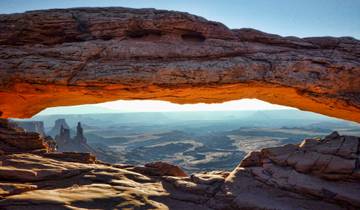
8-Day Utah's Mighty 5 from Salt Lake City
- ✓ Comprehensive Utah tour
- ✓ Expert local guides included
- ✓ All accommodation arranged
- ✓ Transportation provided
9 days
Camping Utah's Mighty 5
- ✓ Comprehensive Utah tour
- ✓ Expert local guides included
- ✓ All accommodation arranged
- ✓ Transportation provided

4 days
Arches & Canyonlands Hiking & Glamping
- ✓ Comprehensive Utah tour
- ✓ Expert local guides included
- ✓ All accommodation arranged
- ✓ Transportation provided
4 days
Womens Best of Moab Basecamp Tour
- ✓ Booking needs min. 2 travelers
Multi-day tour packages powered by TourRadar. Prices and availability subject to change.
Introduction: Understanding Salt Lake City’s Seasonal Patterns in 2026
Salt Lake City experiences four dramatically distinct seasons that fundamentally alter the visitor experience, making timing decisions critical for trip planning in 2026. The city’s location at 4,226 feet elevation in a high-desert valley surrounded by the Wasatch Mountains creates unique weather patterns—cold snowy winters perfect for world-class skiing, hot dry summers ideal for outdoor recreation, and pleasant transitional seasons offering the best balance of weather and value. Understanding these seasonal characteristics allows travelers to match their visit with specific interests, whether pursuing powder snow on legendary ski slopes, attending major cultural festivals, exploring five nearby national parks, or simply experiencing the city’s attractions without peak-season crowds.
The 2026 calendar brings particularly strong reasons for strategic timing. The 2025-2026 ski season promises excellent conditions following improved snowpack patterns, with resorts opening in late November 2025 and operating through mid-April 2026. Spring 2026 features an exceptional concentration of cultural events, with the Utah Arts Festival, Living Traditions Festival, and Kilby Block Party music festival all scheduled for May 15-17, creating an unprecedented weekend of performances, art exhibitions, and international cultural celebrations. Summer 2026 continues the city’s expansion as a festival destination, with concerts, outdoor performances, and special events filling the calendar from June through August.
Hotel pricing patterns in 2026 follow predictable seasonal fluctuations, with winter ski season (December through March) and summer (June through August) commanding premium rates as demand peaks from both recreational skiers and summer tourists. Shoulder seasons—particularly April-May and September-October—offer the most attractive combination of pleasant weather, lower accommodation costs, and manageable crowd levels. Understanding these patterns allows savvy travelers to save 30-50% on lodging while experiencing the destination at its most accessible.
This guide examines each season in 2026 with specific attention to weather conditions, major events and festivals, hotel pricing trends, crowd levels, and outdoor recreation opportunities. Each month receives detailed analysis to help visitors identify the optimal window for their particular interests and priorities, whether those center on skiing and winter sports, cultural immersion, outdoor adventure, family activities, or budget-conscious exploration of this dynamic mountain city.
Winter in Salt Lake City 2026: Ski Season Excellence
Winter transforms Salt Lake City into one of North America’s premier ski destinations, with four world-class resorts in Big and Little Cottonwood Canyons offering legendary powder snow just 30-40 minutes from downtown. The 2025-2026 ski season runs from late November 2025 through mid-April 2026, with Alta Ski Area, Snowbird, Brighton, and Solitude Mountain Resort collectively providing over 7,500 acres of skiable terrain, 40+ lifts, and access to some of the continent’s most reliable snowfall.
The ski season begins progressively, with Solitude Resort opening November 19, 2025, Alta Ski Area launching November 21, and Snowbird following on November 27. Early season conditions depend on pre-Thanksgiving snowfall, with November typically bringing 30-50 inches of accumulation to upper elevations. December accelerates snowpack development, with the resorts receiving an average of 80-100 inches during this month alone. By Christmas week, most terrain opens and conditions stabilize for consistent skiing through early spring.
January through March represents peak ski season, delivering the deepest snowpack, most reliable powder conditions, and the full resort experience. January brings continued heavy snowfall averaging 60-80 inches at resort elevations, building base depths to 100-150 inches by month’s end. February maintains these conditions with slightly less precipitation but excellent snow quality, while March delivers the season’s best combination of deep powder and longer daylight hours as spring approaches. Late-season skiing in April offers softer snow conditions, smaller crowds, and discounted lift tickets, with resorts closing progressively through mid-month depending on snowpack levels.
Downtown Salt Lake City experiences considerably different winter weather than the mountain resorts 20-30 miles away. Valley temperatures average 30-40°F during January (the coldest month) with overnight lows dropping to 20-25°F. Snowfall in the city totals 60 inches annually compared to 500+ inches at higher elevations, creating manageable urban conditions while mountains receive epic powder. The city rarely experiences prolonged periods of extreme cold, with temperatures dropping below 10°F only a few times each winter.
Winter hotel pricing reflects peak demand from the global ski community. Expect to pay $180-280 per night for mid-range downtown hotels during December through March, with rates peaking during Christmas week, Presidents’ Day weekend, and major holiday periods when prices surge to $250-350 nightly. Budget accommodations range $110-160, while luxury properties command $300-450 per night. Booking 3-4 months in advance secures better rates, particularly for specific holiday weekends when last-minute availability disappears and prices spike further.
Beyond skiing, winter 2026 offers urban attractions free from summer crowds. Temple Square, the Natural History Museum of Utah, Clark Planetarium, and the Leonardo Museum provide indoor cultural experiences between ski days. The city’s restaurant scene thrives during winter as the ski industry brings international visitors, with dining reservations easier to secure than in resort towns like Park City where demand concentrates.
Transportation considerations become significant during winter. Little and Big Cottonwood Canyons require vehicles equipped with proper tires or chains during storms, though UTA ski buses provide reliable service from downtown to all four resorts. Canyon traffic intensifies on powder days when thousands of skiers converge simultaneously, making early departures (before 7 AM) or ski bus usage strategic choices. Salt Lake City International Airport handles winter weather effectively, though occasional major storms cause brief delays or cancellations.
Spring Awakening Salt Lake City 2026: Festival Season
Spring 2026 brings dramatic transformation to Salt Lake City, with warming temperatures, blooming landscapes, and an exceptional concentration of cultural festivals creating the year’s most dynamic visitor experience. The season progresses through three distinct phases: early spring (March) remains winter-like with occasional snow and cool temperatures, mid-spring (April) delivers wildflower blooms and warming trends, while late spring (May) explodes with festivals, outdoor events, and perfect hiking weather.
March represents a transitional month where winter gradually releases its grip. Downtown temperatures rise from 40°F lows to 55°F highs by month’s end, while ski resorts continue operating with excellent late-season conditions. This overlap creates unique opportunities to ski powder in the morning and explore the warming city by afternoon. Hotels begin lowering rates as ski season winds down, dropping from winter’s $180-280 range to more moderate $140-200 levels. The final weeks of March offer particularly good value as ski traffic diminishes but spring tourist season hasn’t yet begun.
April transforms the valley with spring weather firmly established by mid-month. Temperatures climb to 55-65°F daily, with sunshine dominating the forecast and precipitation decreasing significantly from winter levels. The Wasatch Mountain foothills explode with wildflowers, creating spectacular hiking conditions on trails like the Living Room Trail, Ensign Peak, and City Creek Canyon. This marks ideal timing for outdoor recreation without summer heat, though higher elevation trails remain snow-covered. Hotel prices stabilize in the $120-170 range, representing excellent value before May festival crowds arrive.
The famous Tulip Festival at Thanksgiving Point in Lehi (25 minutes south) runs from late April through early May 2026, displaying 750,000 tulips across 50 acres of gardens. This event draws significant regional visitation and merits dedicated planning for photography enthusiasts and garden lovers. Admission costs $18 for adults, with the festival typically operating from late April through the first or second week of May depending on bloom timing.
May 2026 stands as the undisputed highlight of Salt Lake City’s cultural calendar, with May 15-17 bringing three major festivals simultaneously. The Utah Arts Festival transforms downtown into an enormous outdoor celebration featuring 160+ visual artists, four stages of live music and dance, street performers, food vendors, and hands-on art activities. The three-day festival attracts 80,000+ visitors and costs $15 for a day pass or $30 for a three-day pass.
Simultaneously, the Living Traditions Festival celebrates Utah’s diverse cultural heritage with performances, demonstrations, and authentic cuisine from over 30 cultural communities. This free festival occurs in the same downtown area, creating a remarkably rich weekend of cultural immersion. The Kilby Block Party music festival adds another dimension, bringing national touring bands and local acts to outdoor stages at the Utah State Fairpark for a three-day celebration of independent music.
This May 15-17 weekend requires advance planning. Hotels book months ahead for this period, with rates spiking to $190-280 for mid-range properties and $300-450 for luxury options. Budget travelers find rooms scarce, with remaining availability typically $140-200 nightly. Booking by February or March secures better selection and pricing. The concentration of festival-goers creates vibrant downtown energy but also crowds at restaurants, parking challenges, and fully booked popular venues.
Beyond festival weekend, May offers superb conditions for visiting. Temperatures reach 65-75°F with minimal rainfall, making outdoor activities ideal. The ski resorts close by mid-month, allowing hiking and mountain biking on resort trails. National parks within day-trip range—including Arches (230 miles), Canyonlands (240 miles), Capitol Reef (215 miles), and Bryce Canyon (270 miles)—experience perfect weather for exploration before summer heat arrives.
Summer in Salt Lake City 2026: Mountain Recreation
Summer 2026 brings hot, dry weather perfect for mountain recreation and outdoor festivals, with Salt Lake City experiencing its warmest temperatures, lowest humidity, and most consistent sunshine of the year. The season extends from early June through late August, characterized by daily highs of 90-95°F, overnight lows of 60-68°F, and virtually guaranteed blue skies day after day.
June eases into summer with temperatures climbing from 75°F early in the month to the upper 80s by month’s end. This represents ideal timing for visitors who prefer warm weather without July and August’s intense heat. The city hosts numerous outdoor concerts and events as the festival season accelerates, with venues like Red Butte Garden and the Gallivan Center presenting evening performances. Hotel rates begin their summer climb, reaching $160-220 for mid-range properties, though early June offers better values than later summer months.
July and August represent peak summer conditions, with July standing as the year’s hottest and driest month. Temperatures average 90-95°F daily, with heat waves pushing readings to 100°F or higher approximately 5 days during these two months. The saving grace: humidity averages just 37%, creating far more comfortable conditions than similar temperatures in humid climates. The city receives minimal rainfall during these months (averaging 0.3 inches in July), with only occasional late-afternoon thunderstorms providing brief relief.
Mountain recreation dominates summer activities, with dozens of hiking trails in the Wasatch Range offering escape from valley heat. Popular trails like Donut Falls, Lake Blanche, and Red Pine Lake provide access to alpine environments 20-30 degrees cooler than the valley floor. Most trailheads sit just 20-40 minutes from downtown, making day hikes easily accessible. Mountain biking, rock climbing, and trail running thrive during summer months, with the Bonneville Shoreline Trail offering 100+ miles of singletrack circling the valley.
The nearby ski resorts transform into summer recreation zones, with scenic gondola rides, mountain biking trails, hiking routes, and zip lines operating at Snowbird and Solitude. These mountain escapes provide relief from valley temperatures while offering stunning alpine views. Gondola rides cost $25-35 per adult, with mountain biking and zip line adventures ranging $50-120 depending on activity.
Summer festivals and events fill the calendar throughout June, July, and August 2026. The Twilight Concert Series brings free outdoor concerts to downtown’s Gallivan Center on Thursday evenings, featuring national touring acts and local favorites. The Days of ’47 celebration in late July commemorates Utah’s pioneer heritage with a massive parade, rodeo, and fireworks. August continues with neighborhood festivals, outdoor film screenings, and cultural celebrations.
Summer represents peak tourism season for Salt Lake City and surrounding national parks, creating the year’s highest hotel demand and pricing. Expect to pay $180-260 for mid-range downtown accommodations during July and August, with luxury properties commanding $280-420 nightly. Budget hotels and motels range $120-180, offering significant savings but filling quickly on weekends. Booking several months ahead secures better rates and selection, particularly for multi-night stays.
The Great Salt Lake itself becomes accessible for recreation during summer, though swimming requires heading to Antelope Island State Park or other designated areas. The lake’s extreme salinity (5-8 times saltier than the ocean) creates unique floating experiences, though facilities remain limited and the lake’s historically low water levels in recent years have restricted some recreational access.
Day trips to Utah’s national parks become appealing during summer, though visitors must accept intense heat at lower-elevation parks like Arches and Canyonlands where temperatures routinely exceed 100°F. Higher-elevation parks such as Bryce Canyon (8,000-9,000 feet) and portions of Capitol Reef offer more moderate temperatures and serve as popular escapes from Salt Lake City’s summer heat.
Fall Colors and Shoulder Season 2026: Optimal Value
Autumn 2026 offers Salt Lake City’s most balanced visitor experience, combining pleasant weather, spectacular mountain foliage, moderate hotel pricing, and manageable crowds as summer tourists depart before winter skiers arrive. The season progresses from warm early September conditions through crisp October weather to winter’s approach in November, creating distinct windows for different travel priorities.
September delivers exceptional conditions, with early month temperatures still reaching 80-85°F before moderating to the low 70s by month’s end. The first autumn cold fronts typically arrive mid-to-late September, bringing cooler temperatures and occasional rain showers that mark summer’s definitive end. Hotel prices drop significantly from summer peaks, settling into the $120-180 range for mid-range properties—a 25-35% decrease from July and August rates. This pricing drop combined with excellent weather makes September arguably the year’s best value for visiting.
Outdoor recreation remains outstanding throughout September, with hiking conditions ideal on both valley and mountain trails. Water temperatures in nearby reservoirs stay warm enough for recreation through early September, while mountain biking trails experience prime conditions with dry weather and comfortable temperatures. The autumn light creates exceptional photography opportunities, particularly during golden hour when the Wasatch Mountains glow in warm tones.
October transforms the landscape with autumn foliage reaching peak colors typically during the second and third weeks of the month. The Wasatch Mountain canyons—particularly Big and Little Cottonwood, Millcreek, and City Creek—display brilliant golden aspens against dark evergreen pines and dramatic granite peaks. Weekend drives through these canyons attract significant local traffic as residents flock to view the changing colors, making weekday visits more peaceful.
Weather in October becomes more variable, with temperatures ranging from 55-65°F during the day and dropping to 35-45°F overnight. The first snow of the season occasionally dusts higher peaks in late October, creating dramatic contrasts between autumn colors below and white summits above. Precipitation increases compared to summer’s dry conditions, with October averaging 1.5-2 inches of rain and occasional snow in the mountains. Packing layers becomes essential as temperature swings between morning cold and afternoon warmth reach 30 degrees.
Hotel pricing remains moderate through most of October, with mid-range properties averaging $120-170 nightly. The final week of October and beginning of November offer the year’s absolute lowest rates as autumn ends but ski season hasn’t begun, creating opportunities to secure $90-140 rooms at quality properties. This window provides exceptional value for travelers focused on urban attractions, cultural sites, and lower-elevation outdoor activities.
Salt Lake City’s cultural calendar includes several notable October events. The Utah Pride Festival, one of the state’s largest LGBTQ+ celebrations, typically occurs in early October (though 2026 dates weren’t yet confirmed in available sources). Various neighborhoods host autumn festivals, farmers markets continue through October, and the arts community presents gallery openings and performances as the fall season progresses.
November represents a transitional month when winter begins asserting itself. The ski resorts open in late November (Solitude on the 19th, Alta on the 21st, Snowbird on the 27th), creating anticipation among the local ski community though early-season conditions vary depending on snowfall timing. Downtown temperatures drop to 40-50°F daily with overnight lows reaching 25-30°F. November brings 10-15 inches of snow to the city and significantly more to mountain elevations.
This pre-ski season window (November through mid-December) offers the absolute best value for budget-conscious travelers. Hotels drop rates to annual lows, with mid-range properties available for $90-130 nightly and luxury options discounting to $140-220. Most attractions operate on regular schedules, downtown restaurants maintain normal hours, and visitors experience the destination without summer or winter crowds. The trade-off: cold weather, shorter daylight hours, and limited outdoor recreation options as ski season begins but hasn’t yet reached full operation.
Weather Patterns Throughout 2026
Salt Lake City experiences a continental climate with four distinct seasons, characterized by cold snowy winters, hot dry summers, and pleasant transitional spring and fall periods. The city’s 4,226-foot elevation and location in a desert valley surrounded by mountains creates unique weather patterns that fundamentally differ from coastal or humid continental climates.
Winter weather (December through February) brings cold temperatures averaging 30-40°F during the day and 20-25°F overnight, with January representing the year’s coldest month. The city receives approximately 60 inches of snow annually, distributed primarily from November through March. Most snowfall occurs during December, January, and February when Pacific storm systems funnel moisture into the Wasatch Range, creating the legendary powder conditions at nearby ski resorts. Valley snow in the city itself typically melts within days of falling, while mountain accumulations build steadily through winter reaching depths of 100-200 inches at higher elevations.
The key distinction: weather in the Salt Lake Valley differs dramatically from conditions just 20-30 miles away in the mountains. While downtown experiences moderate snowfall and temperatures rarely dropping below 10°F, the Cottonwood Canyon ski resorts at 8,000-10,500 feet elevation receive 500+ inches of annual snowfall and significantly colder conditions. This separation allows comfortable urban exploration even during winter months while world-class skiing thrives in nearby mountains.
Spring weather (March through May) progresses through dramatic changes as the region transitions from winter cold to summer warmth. March averages 45-55°F with lingering snow showers and cold nights, while April warms to 55-65°F with increasing sunshine and diminishing precipitation. May completes the transformation with temperatures climbing to 65-75°F and minimal rainfall, creating ideal outdoor conditions. The spring season experiences greater weather variability than summer or fall, with occasional late-season snowstorms in March, unpredictable April showers, and rare May cold snaps that can drop temperatures 20-30 degrees below normal.
Summer weather (June through August) delivers Salt Lake City’s most predictable and consistent conditions, with hot dry days, cool nights, abundant sunshine, and minimal precipitation. July stands as the hottest and driest month, averaging 90-95°F during the day with overnight lows around 62-68°F. The extreme dryness—July receives just 0.3 inches of precipitation on average—combines with low humidity (averaging 37%) to create comfortable conditions despite high temperatures. The mountain location produces significant daily temperature swings, with overnight readings dropping 25-30 degrees from afternoon peaks.
Summer’s reliable weather makes planning straightforward, with virtually guaranteed sunshine day after day. Occasional afternoon thunderstorms develop over mountains during July and August, sometimes bringing brief intense rainfall to the valley, though these storms typically pass within 30-60 minutes. The low humidity distinguishes Salt Lake City summer weather from humid regions—95°F with 37% humidity feels considerably more comfortable than 85°F with 80% humidity in coastal or southern climates.
Fall weather (September through November) reverses spring’s progression, with warm September days (70-80°F) gradually cooling through October (55-65°F) to November’s pre-winter cold (40-50°F). September maintains much of summer’s dry character with minimal precipitation and abundant sunshine, making it one of the year’s most pleasant months. October brings increasing cloudiness and precipitation as Pacific storm systems return after summer’s dry period. November marks winter’s arrival with the first significant snowfalls, cold temperatures, and shorter daylight hours.
Autumn weather shows greater day-to-day variability than summer, with temperature swings of 20-30 degrees common as cold fronts move through. A warm 75°F September afternoon can be followed by a 50°F morning after a cold front passage. This variability requires travelers to pack layers and prepare for changing conditions, particularly during October and November.
The city receives approximately 16 inches of annual precipitation, making Salt Lake City one of the drier urban areas in the United States. This precipitation falls primarily during spring months (March through May) and autumn months (October through November), with summer (June through August) experiencing minimal rainfall. The famous Wasatch Mountains just east of the city create an orographic effect, wringing moisture from Pacific storms and producing the heavy snowfall that makes Utah’s skiing legendary while leaving the valley relatively dry.
Elevation changes weather dramatically across the region. The valley floor sits at 4,226 feet, downtown areas at 4,300 feet, and the Cottonwood Canyon ski resorts range from 7,000 to 11,000 feet. This 4,000-7,000 foot elevation difference creates temperature variations of 20-35 degrees, with mountain temperatures consistently cooler year-round. Summer visitors can escape 95°F valley heat by driving 30 minutes to 8,000-foot elevations where temperatures hover around 65-75°F, while winter skiers enjoy powder snow in the mountains even when the valley experiences rain.
Major Events and Festivals Calendar 2026
Salt Lake City’s 2026 events calendar features diverse offerings from world-class music festivals to cultural celebrations, theatrical performances, and sporting events, creating multiple compelling reasons to visit specific periods throughout the year.
January 2026 typically brings the Sundance Film Festival to nearby Park City (30 miles away), though this internationally renowned event primarily benefits the resort town rather than Salt Lake City proper. The festival runs for 10 days in mid-to-late January, bringing film industry professionals, celebrities, and cinema enthusiasts to the region. While screenings concentrate in Park City, some events and activities occur in Salt Lake City, and the festival’s presence creates elevated hotel demand and pricing throughout the Wasatch Front.
Winter continues with the Winter Roundup event on February 7, 2026, in downtown Salt Lake City, featuring Professional Bull Riders (PBR) competition and western culture celebrations. This event draws rodeo fans and creates a distinctly Western atmosphere in the city center.
April and May 2026 bring the most concentrated festival activity of the year. The Tulip Festival at Thanksgiving Point (in nearby Lehi) runs from late April through early May, displaying 750,000 spring flowers across 50 acres of gardens. Admission costs $18 for adults, with the festival operating through the first or second week of May depending on bloom timing.
The exceptional weekend of May 15-17, 2026, stands as the year’s cultural highlight, with three major festivals occurring simultaneously. The Utah Arts Festival transforms downtown into a massive outdoor celebration with 160+ visual artists displaying and selling work, four stages of continuous live music and dance performances, international food vendors, hands-on art activities for children, and street performers throughout the festival grounds. The three-day event draws 80,000+ attendees and costs $15 for a single-day pass or $30 for a three-day pass (check the official website for current 2026 rates as pricing may vary).
The Living Traditions Festival runs concurrently May 15-17, celebrating Utah’s diverse cultural communities with performances, demonstrations, traditional arts, and authentic cuisine from over 30 different cultural groups. This free festival occurs in the same downtown area as the Utah Arts Festival, creating remarkable cultural density. Visitors experience traditional dances, music, crafts, and food representing communities from across the globe, all within a concentrated area.
The Kilby Block Party music festival adds a third dimension to this remarkable weekend, bringing national indie rock, alternative, and local bands to outdoor stages at the Utah State Fairpark. The three-day festival attracts music enthusiasts with diverse lineups spanning multiple genres. Early 2026 lineup announcements indicate major headliners will be revealed in March 2026.
This May 15-17 concentration requires strategic planning. Hotels throughout the Salt Lake Valley book months in advance, with downtown properties selling out completely. Visitors should book accommodations by February or March 2026 to secure reasonable rates and preferred locations. The density of festival-goers creates parking challenges downtown, making public transportation (UTA TRAX light rail) or rideshare services more practical than personal vehicles.
May continues with the Utah High School Musical Theatre Awards on May 9, 2026, at the Eccles Theater, bringing 600+ students from 40 high schools for performances and scholarship awards. While primarily of interest to families with participating students, the event showcases impressive young talent.
Late May brings Riverdance performances May 22-24, 2026, at the Eccles Theater. This 30th-anniversary tour of the legendary Irish dance production offers an exceptional cultural experience during one of the year’s most pleasant weather periods.
Summer 2026 continues with concerts and performances throughout June, July, and August. The Twilight Concert Series presents free outdoor concerts at the Gallivan Center on Thursday evenings during summer months, featuring national touring acts and local musicians across diverse genres. These free events draw thousands of attendees and create vibrant downtown atmosphere on summer evenings.
June 1, 2026, brings Ringo Starr & His All-Starr Band to the Eccles Theater, offering a rare opportunity to see the legendary Beatles drummer in an intimate venue setting. Summer concerts continue throughout the season at various venues including America First Field, the Delta Center, and outdoor amphitheaters.
The Days of ’47 celebration in late July (typically July 20-24) commemorates Utah’s pioneer heritage with a massive parade through downtown, rodeo events, and fireworks. This multi-day festival creates significant downtown activity and hotel demand during peak summer season.
August brings music festivals including major acts at outdoor venues. Concert listings for August 2026 show Portugal. The Man scheduled for August 20 at Utah First Credit Union Amphitheatre in nearby West Valley City, exemplifying the summer concert season that extends through Labor Day weekend.
Fall 2026 events include neighborhood festivals, cultural celebrations, and the arts community’s autumn programming. The Utah Symphony and Utah Opera begin their fall seasons in September, presenting performances at Abravanel Hall through spring 2027. Various neighborhood fall festivals celebrate autumn harvests, with farmers markets continuing through October.
The approach of winter brings ski film festivals, gear swaps, and season-opening celebrations as the ski community prepares for the upcoming season. Resort opening days in late November (Solitude November 19, Alta November 21, Snowbird November 27) create excitement among locals and early-season ski enthusiasts, though full terrain and optimal conditions typically develop in December.
Accommodation Pricing Strategies for 2026
Hotel costs in Salt Lake City fluctuate significantly by season, day of week, and specific events, creating opportunities for strategic travelers to save 30-50% by timing visits carefully and understanding pricing patterns. The city offers accommodation ranging from budget motels at $70-110 nightly to luxury properties at $250-450, with mid-range options dominating the downtown and airport areas.
Peak pricing periods occur during three distinct seasons. Winter ski season (December through March) drives the highest annual rates as skiers from around the world converge on the Wasatch resorts. Mid-range downtown hotels charge $180-280 per night during this period, with rates spiking to $250-350 during Christmas week, Presidents’ Day weekend, and major ski holidays. Luxury properties command $300-450 nightly, while budget options range $110-160. The ski season premium reflects demand from international visitors, domestic ski enthusiasts, and business travelers attracted by the city’s convention facilities.
Summer high season (June through August) brings the year’s second pricing peak as tourists arrive for warm weather, national park access, and summer festivals. Mid-range hotels charge $180-260 during July and August, with luxury properties at $280-420 and budget options at $120-180. The Days of ’47 celebration in late July and major summer concerts create additional demand spikes when available rooms become scarce and last-minute bookings face steep premiums.
The May 15-17 festival weekend represents a unique demand surge, with hotel rates spiking to $190-280 for mid-range properties and $300-450 for luxury options despite occurring during an otherwise moderate-priced shoulder season. This three-day period when the Utah Arts Festival, Living Traditions Festival, and Kilby Block Party occur simultaneously creates the year’s most concentrated hotel demand, with downtown properties selling out completely and suburban hotels filling rapidly. Booking by February or March 2026 secures significantly better rates and selection than waiting until April or May.
Shoulder seasons (April-May and September-October) offer the best combination of pleasant weather and moderate pricing. April and early May (before festival weekend) see mid-range hotels averaging $120-170 nightly, while September and October deliver similar rates of $120-180. These periods represent 25-35% savings compared to peak summer and winter pricing while maintaining excellent weather and full attraction accessibility.
The absolute lowest rates occur during November and early December before ski season pricing begins. Mid-range properties drop to $90-130 nightly, luxury hotels discount to $140-220, and budget options fall to $70-110. Late April and early May (avoiding festival weekend) also provide good values, as do the first two weeks of January after New Year celebrations end but before MLK weekend.
Day-of-week pricing patterns favor mid-week stays, with Sunday through Thursday nights averaging 15-20% less than Friday and Saturday. Business travel drives weekday demand during convention periods, but leisure travel dominates weekends throughout the year. Budget-conscious travelers booking Sunday-Thursday stays at mid-range properties during shoulder seasons can secure rooms for $100-140 that would cost $180-240 on summer weekends.
Neighborhood location significantly impacts pricing. Downtown hotels command premiums of 20-30% over airport-area properties of comparable quality, reflecting proximity to Temple Square, restaurants, entertainment, and convention facilities. Properties along I-15 in Murray, Midvale, and Sandy (8-12 miles south of downtown) offer 25-35% savings while maintaining reasonable access to both downtown and ski resorts via TRAX light rail.
Booking timeline influences rates substantially. Reservations made 3-4 months ahead typically secure 20-30% better pricing than last-minute bookings during peak periods, particularly for winter ski season and summer weekends. Festival weekends like May 15-17 require even earlier booking—February or March—to access reasonable rates before availability tightens.
Package deals through airlines, travel websites, or ski resort partnerships occasionally offer value, particularly for winter visits when flight-plus-hotel bundles discount total costs 10-15% below booking components separately. The Ski City Super Pass provides combined lift access to all four Cottonwood Canyon resorts plus UTA public transit, available starting October 15 (check official sources for current 2026 pricing). This pass delivers significant savings for multi-day skiers compared to daily lift tickets.
Alternative accommodation options including Airbnb, VRBO, and vacation rentals compete with hotels in certain neighborhoods, particularly for groups or families seeking multi-bedroom units. Sugar House, Avenues, and neighborhoods east of downtown offer rental options that can prove cost-effective for 4+ person groups, though availability varies seasonally and many properties implement minimum night requirements during peak periods.
Budget travelers willing to stay outside Salt Lake City proper find additional savings in suburban communities. West Valley City, Murray, Sandy, and South Jordan offer chain hotels at $80-130 nightly during peak seasons when comparable Salt Lake City properties charge $150-220. The trade-off: additional driving time to downtown attractions and ski resorts, though UTA public transit partially mitigates this inconvenience.
Transportation and Airport Access 2026
Salt Lake City International Airport serves as the region’s primary gateway, located just 4 miles west of downtown and providing the closest major airport to ski resorts in the United States. The airport operates as a Delta Air Lines hub, offering direct flights from over 90 domestic and international destinations and making the city easily accessible year-round.
Ground transportation from the airport to downtown takes 10-15 minutes by car, with multiple options available. Taxis and rideshare services (Uber and Lyft) cost $20-30 for downtown trips, while hotel shuttles serve many properties free or for nominal fees. The UTA TRAX Green Line light rail connects the airport directly to downtown, University of Utah, and southern suburbs for $2.50 per ride, operating from early morning until late evening with 15-minute frequency during peak hours.
Rental cars make sense for visitors planning ski trips, national park excursions, or extensive regional exploration. All major rental agencies operate at the airport, with rates ranging $40-80 per day depending on vehicle class and booking timing. Winter visitors should reserve vehicles with four-wheel drive or all-wheel drive capability for canyon access during storms, though front-wheel-drive vehicles equipped with proper tires or chains suffice for most conditions. Rental agencies charge $15-25 daily for ski racks or cargo boxes needed for equipment transport.
Downtown Salt Lake City functions well without a personal vehicle, with most hotels, restaurants, and attractions concentrated within a walkable core. Temple Square, City Creek Center shopping, the convention center, Vivint Arena, and numerous restaurants sit within a compact 10-block radius. The free fare zone on TRAX light rail covers downtown during specific hours, allowing zero-cost transportation within the central business district.
UTA (Utah Transit Authority) provides comprehensive public transportation throughout the Salt Lake Valley, with TRAX light rail serving three lines (Red, Blue, Green) connecting downtown to suburbs, the university, airport, and suburban communities. Buses supplement rail service with routes throughout the region. A day pass costs $6.50 and allows unlimited rides on all UTA services, while single rides cost $2.50. The Ski City Super Pass includes unlimited UTA transit along with lift access to four ski resorts, providing excellent value for multi-day ski trips.
Accessing ski resorts from downtown requires either personal vehicle or public ski buses. UTA operates ski buses from downtown to Big and Little Cottonwood Canyons during winter, with morning departures starting around 7 AM and return trips continuing until early evening. These buses eliminate parking hassles and canyon traffic stress, though they require coordination with bus schedules and typically add 60-90 minutes to the total trip time compared to driving directly.
Little Cottonwood Canyon (serving Alta and Snowbird) and Big Cottonwood Canyon (serving Brighton and Solitude) experience significant traffic congestion on powder days, with vehicles filling canyon roads by 8 AM on peak weekends. Arriving before 7 AM avoids the worst congestion, while ski buses bypass parking issues entirely. Both canyons require vehicles to carry chains or have four-wheel/all-wheel drive capability during winter storms, with enforcement checkpoints turning back non-compliant vehicles.
Parking in downtown Salt Lake City costs $5-15 per day at surface lots and garages, though many hotels include parking in their room rates or charge $10-25 daily. Street parking operates under meter and time restrictions in commercial districts. The city’s grid system makes navigation straightforward, with numbered streets running east-west and numbered avenues running north-south, all counted from Temple Square as the central reference point.
Regional day trips to national parks require personal vehicles, as public transportation doesn’t reach these destinations. Arches National Park sits 230 miles southeast (4 hours drive), Canyonlands 240 miles (4.5 hours), Capitol Reef 215 miles (3.5 hours), and Bryce Canyon 270 miles (4.5 hours). These distances make day trips feasible but exhausting, with early departures and late returns necessary. Multi-day trips allow more relaxed exploration but require accommodation bookings in gateway towns near the parks.
Bike-sharing programs operate in downtown Salt Lake City and some suburbs, providing alternative transportation for short trips. The GREENbike system offers stations throughout the urban core with rentals starting at $1.50 for 30 minutes. The city maintains 145+ miles of bike lanes and paths, though winter snow and summer heat limit cycling appeal during certain seasons.
Crowd Management and Peak Tourism Periods 2026
Understanding Salt Lake City’s crowd patterns allows strategic visitors to avoid peak congestion periods while experiencing the destination at its most accessible and affordable. Tourism volumes fluctuate dramatically by season, with three distinct high-traffic periods and equally pronounced quiet windows offering peaceful exploration.
Winter ski season (late December through mid-March) brings the year’s largest tourist influx, with visitors from around the world converging on the Wasatch resorts. Weekends see significantly higher volumes than weekdays, with Saturday representing the peak ski traffic day when canyon roads fill by 8 AM and resort parking lots reach capacity. The specific holiday periods—Christmas week (December 20-January 2), MLK weekend (mid-January), Presidents’ Day weekend (mid-February), and spring break weeks (typically mid-March)—experience the most intense crowding and highest pricing.
Downtown attractions maintain moderate crowds during winter weekdays even as ski resorts buzz with activity, creating opportunities to visit Temple Square, museums, and restaurants without summer’s tourist density. The separation between downtown and mountain resort areas means city attractions remain accessible even during peak ski periods.
Summer season (June through August) delivers the year’s second major tourist wave, with both national park visitors using Salt Lake City as a base and summer festival attendees filling hotels and restaurants. July and August weekends see the highest downtown activity, particularly during major events like the Days of ’47 celebration in late July. Temple Square, the Natural History Museum, and popular restaurants experience their longest wait times during summer afternoons.
The May 15-17 festival weekend creates the most concentrated downtown crowding of the entire year, with 80,000+ festival attendees converging for the Utah Arts Festival, Living Traditions Festival, and Kilby Block Party simultaneously. Downtown streets close to vehicle traffic, creating pedestrian-only zones that become densely packed during peak afternoon and evening hours. Restaurants near festival areas implement wait times of 45-90 minutes, parking becomes virtually impossible, and public transportation operates at capacity. Visitors attending these festivals should embrace the crowds as part of the energetic atmosphere while planning accordingly with advance restaurant reservations, public transit usage, and flexible schedules.
Shoulder seasons (April, early May excluding festival weekend, September, October) offer the most balanced experience with moderate visitor volumes, accessible attractions, and minimal wait times. September particularly stands out, with summer tourists departed, ski season crowds not yet arrived, and pleasant weather allowing comfortable outdoor exploration. Weekday visits during these months provide nearly private access to many attractions.
November and early December represent the year’s quietest period, with minimal tourist activity between autumn foliage viewers and ski season arrivals. This window allows peaceful exploration of all city attractions without crowds, though shorter daylight hours and cold weather temper outdoor activities.
Temple Square experiences relatively consistent visitation year-round as a major religious site and tourist attraction, though summer brings peak volumes. The square’s 35 acres and multiple buildings distribute crowds reasonably well, though tabernacle tours and organ recitals fill to capacity during summer afternoons. Early morning visits (before 10 AM) or evening visits provide more peaceful experiences.
Restaurant crowds peak during convention weeks when business travelers fill downtown, typically Tuesday-Thursday evenings. Popular dining spots like Red Iguana (Mexican), The Copper Onion (contemporary American), and Valter’s Osteria (Italian) consistently operate with 45-90 minute waits on Friday and Saturday evenings during peak seasons. Advance reservations through OpenTable or direct booking mitigate this congestion, while weekday lunches and early dinners (before 6 PM) offer easier access.
The Natural History Museum of Utah at the University of Utah maintains manageable crowds most of the year, with summer weekends bringing the highest visitation. This world-class facility showcases Utah’s natural history, paleontology, and anthropology through exceptional exhibits, with admission at $18 for adults (check official website for current 2026 rates as pricing may vary).
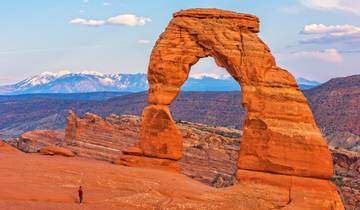
National parks within day-trip range experience severe crowding during summer months, particularly at iconic locations like Delicate Arch in Arches National Park. Visitors planning national park day trips should depart Salt Lake City by 6 AM to arrive at park entrances early enough to secure parking at popular trailheads before 9-10 AM capacity limits kick in.
Outdoor Recreation Seasonal Opportunities 2026
Salt Lake City’s location at the base of the Wasatch Mountains creates year-round outdoor recreation opportunities, with seasonal variations determining which activities dominate different periods. Understanding these patterns allows visitors to align trips with specific recreational interests.
Winter recreation centers entirely on skiing and snowboarding at the four Cottonwood Canyon resorts—Alta Ski Area, Snowbird, Brighton, and Solitude Mountain Resort. These four destinations collectively offer 7,500+ acres of terrain, 500+ inches of annual snowfall, and conditions rivaling any North American ski destination. Alta operates as a skiers-only mountain (no snowboarders allowed), while the other three welcome both disciplines. Day lift tickets range $140-180 during peak season (check official resort websites for current 2026 rates as pricing may vary), with multi-day passes and season passes offering better per-day value.
Backcountry skiing and snowboarding attract advanced users to the Wasatch Range’s vast ungroomed terrain, though avalanche danger requires proper training, equipment, and knowledge. Guided backcountry tours provide safer introductions to this increasingly popular winter pursuit. Snowshoeing offers gentler winter recreation, with trails at Solitude Mountain Resort, Mill Creek Canyon, and Big Cottonwood Canyon providing marked routes through snowy forests.
Cross-country skiing and Nordic skiing operate at Soldier Hollow (50 miles southeast, site of the 2002 Olympic cross-country events) and at various groomed trails throughout the Wasatch. These gentler alternatives to downhill skiing appeal to fitness-focused visitors and those seeking quieter mountain experiences.
Spring recreation transitions from snow-based activities to hiking, mountain biking, and trail running as snowpack melts at lower elevations. April brings the first accessible hiking trails in the foothills, with popular routes like Ensign Peak, City Creek Canyon, and the Living Room Trail opening as snow retreats. These trails offer 3-7 mile roundtrips with elevation gains of 800-1,400 feet, providing excellent workouts and panoramic city views.
May expands trail access dramatically as higher elevations become snow-free, opening classic hikes like Donut Falls (1.5 miles roundtrip), Lake Blanche (6 miles roundtrip, 2,700 feet elevation gain), and Red Pine Lake (8 miles roundtrip, 2,400 feet elevation gain). These routes penetrate deep into the Wasatch wilderness, reaching alpine lakes and dramatic granite cirques.
Mountain biking season begins in earnest during May as trail systems dry out from spring moisture. The Bonneville Shoreline Trail, a 100+ mile singletrack route circling the valley at the mountain-valley interface, offers dozens of access points and riding segments suitable for various skill levels. Corner Canyon near Draper (15 miles south) provides 55+ miles of purpose-built mountain bike trails ranging from beginner flow trails to expert technical descents.
Summer (June through August) represents peak season for hiking, mountain biking, trail running, and alpine recreation. Higher-elevation trails reaching 9,000-11,000 feet become fully accessible by late June, opening spectacular alpine environments. White Pine Lake, Red Baldy, and Lone Peak represent challenging full-day hikes reaching the Wasatch’s most dramatic landscapes.
Rock climbing thrives during summer months, with Little and Big Cottonwood Canyons offering world-class granite climbing on thousands of established routes. These canyons attract climbers globally, with classic areas like Gate Buttress and Storm Mountain providing sport and traditional climbing across all difficulty levels. Guided climbing introductions cost $150-250 for half-day sessions (check local guide services for current 2026 rates).
The Snowbird and Solitude ski resorts transform into summer recreation zones, operating scenic gondola rides ($25-35 per adult), mountain biking lift-access parks, zip line courses, and guided nature programs. These resort activities provide easy mountain access for visitors preferring mechanized uphill travel, with stunning views and alpine environments accessible without extensive hiking.
Trail running explodes during summer as the running community takes to mountain trails for training and recreation. Organized trail races occur regularly from June through September, with events ranging from 5K fun runs to 50-mile ultra-marathons on Wasatch trails.
Fishing opportunities exist year-round though seasons and locations vary. The Provo River (45 miles southeast) provides blue-ribbon trout fishing, while numerous mountain lakes and streams in the Uintas (60-90 miles east) offer high-country angling. Guided fly fishing trips cost $250-450 for full-day experiences (check current rates with local outfitters).
Fall recreation (September through October) maintains excellent conditions for all summer activities with the added bonus of autumn foliage. Late September and early October deliver peak colors in the canyons, creating spectacular hiking backdrops. Temperatures moderate from summer’s heat while remaining pleasant for outdoor activities, making this arguably the year’s best season for hiking and biking.
Mountain biking continues strongly through October on lower-elevation trails, though higher routes begin closing as early snows arrive. The shoulder season brings fewer trail users, creating peaceful hiking experiences compared to summer’s crowds.
Budget Planning Different Seasons 2026
Daily travel costs in Salt Lake City vary significantly by season, accommodation choices, dining preferences, and activity selection, with budget-conscious visitors managing on $95-140 per person daily while mid-range travelers spend $160-240 for comfortable experiences including quality lodging, diverse dining, and paid attractions.
Winter ski season represents the year’s most expensive period for visitors focused on skiing. Lift tickets at Alta, Snowbird, Brighton, and Solitude cost $140-180 per day during peak season (check official resort websites for current 2026 rates as pricing may vary), with equipment rentals adding $40-70 daily for full ski or snowboard packages. Mid-range hotel accommodations run $180-280 nightly during December through March, while meals at resort base areas cost $18-35 for lunch and $25-50 for dinner.
A mid-range ski-focused day costs approximately $220-320 per person including lift ticket, equipment rental (if needed), lunch, hotel accommodation share, and basic expenses. Multi-day ski passes reduce per-day costs significantly, with three-day passes at many resorts offering 15-20% savings over individual day tickets. The Ski City Super Pass provides access to all four Cottonwood Canyon resorts plus UTA transit, delivering excellent value for extended ski trips.
Budget ski visitors reduce costs by staying in suburban accommodations ($110-160 nightly), using ski buses instead of rental cars, packing lunches, and targeting early or late season when lift tickets discount 20-30% from peak pricing. This approach creates daily costs of $150-220 per person while still accessing quality skiing.
Summer travel costs less than winter ski trips but more than spring or fall shoulder seasons. Mid-range summer accommodation averages $180-260 nightly during July and August, with dining costs at $45-75 per person daily for three meals including one restaurant dinner. Major attractions like the Natural History Museum ($18 per adult) and various cultural sites add to daily expenses, though many city attractions including Temple Square remain free.
A typical mid-range summer day in Salt Lake City costs $130-190 per person including accommodation share, meals, local transportation, and activities. This assumes two people sharing a hotel room, diverse dining mixing restaurant meals and casual options, public transit or moderate driving, and a mix of free and paid attractions.
Budget summer travelers reduce costs to $95-140 per person daily by choosing budget accommodations ($120-180 nightly for two people), emphasizing free attractions (Temple Square, hiking trails, city parks, Twilight Concert Series), preparing some meals, and limiting paid activities. This budget provides comfortable if modest summer travel without severe restrictions.
Shoulder seasons (April-May and September-October) offer the best value, with mid-range hotel rates dropping to $120-170 nightly, pleasant weather enabling free outdoor recreation, and attractions operating without peak-season crowds. Mid-range daily costs during these periods average $110-165 per person, representing 20-30% savings compared to summer while maintaining comfortable travel standards.
Dining costs vary by venue selection, with excellent options across price ranges. Budget meals at local chains, fast-casual restaurants, and ethnic eateries cost $10-18 per person, while mid-range sit-down restaurants run $18-35, and upscale dining reaches $45-80 per person before beverages. The city’s diverse restaurant scene includes exceptional values at Mexican (Red Iguana), Vietnamese (Pho Tay Ho), Greek (Aristo’s), and Middle Eastern (Mazza) restaurants where high-quality meals cost $12-22 per person.
Grocery stores including Smith’s, Harmons, and Whole Foods allow self-catering for budget-conscious travelers, with breakfast supplies, snacks, and picnic components reducing daily meal costs by 30-50% compared to full restaurant dining. Many hotels include breakfast, eliminating one meal cost entirely.
Transportation costs depend on rental car usage versus public transit. UTA day passes ($6.50) provide unlimited local transit, while weekly passes ($33) offer better value for extended stays. Rental cars cost $40-80 daily plus fuel at approximately $3.50 per gallon, with parking fees adding $5-15 daily in downtown areas. Visitors limiting their geographic range can skip rental cars entirely, using rideshare for occasional longer trips at lower total cost than multi-day rentals.
Free attractions and activities include Temple Square and its buildings, Utah State Capitol building and grounds, walking tours of historic downtown neighborhoods, numerous hiking trails in Wasatch foothills, City Creek Canyon (pedestrian and bike access), Liberty Park and various city parks, Thursday evening Twilight Concert Series in summer, and the downtown art galleries during monthly Gallery Stroll events.
These free options create realistic low-cost itineraries, particularly during shoulder seasons when weather allows extensive outdoor recreation without paid facility access.
Frequently Asked Questions: Salt Lake City 2026 Seasonal Planning
What is the cheapest month to visit Salt Lake City in 2026?
November 2026 offers the lowest hotel rates and overall costs of the year, with mid-range accommodations averaging $90-130 per night compared to $180-280 during peak winter and summer seasons. Early December (before ski season crowds arrive) and late April (avoiding festival weekend) also provide excellent values. November delivers cold weather and shorter daylight hours as trade-offs for the savings, while late April offers pleasant spring conditions with moderate temperatures and accessible hiking trails. Budget-conscious travelers visiting in November can secure quality downtown hotels for prices 40-50% below peak-season rates while accessing all city attractions without crowds.
When should I avoid visiting Salt Lake City in 2026?
The May 15-17 festival weekend presents the most challenging conditions for general visitors, with hotels sold out months in advance, downtown streets closed to vehicles, massive crowds at restaurants (45-90 minute waits common), and accommodation rates spiking to $190-280 for mid-range properties. Unless specifically attending these festivals, visitors should avoid this weekend. Christmas week (December 20-January 2) also brings severe hotel availability constraints and peak pricing as ski season demand peaks. Mid-summer (July 15-August 15) delivers the year’s hottest weather with temperatures routinely exceeding 95°F, making outdoor urban exploration uncomfortable during afternoon hours, though mountains remain pleasant.
How many days should I spend in Salt Lake City in 2026?
Three to four days allows thorough exploration of Salt Lake City’s primary attractions including Temple Square, the Natural History Museum, City Creek shopping, various neighborhoods, and several restaurant experiences, plus one day trip to nearby attractions like Antelope Island or Park City. Visitors focused on skiing should plan 4-7 days to justify travel costs and fully experience the four Cottonwood Canyon resorts. Travelers using Salt Lake City as a base for national parks need 5-7 days minimum to allow day trips to Arches (4 hours drive), Canyonlands, or Bryce Canyon while maintaining a reasonable pace. Weekend visitors (2-3 days) can experience downtown highlights, one ski day, or selected cultural attractions but should focus priorities rather than attempting comprehensive coverage.
What is peak season in Salt Lake City 2026?
Salt Lake City experiences two distinct peak seasons in 2026. Winter peak runs from late December through mid-March when ski season drives international visitation, with the highest demand during Christmas week, Presidents’ Day weekend, and spring break periods. Summer peak extends from mid-June through August when warm weather attracts tourists, with the Days of ’47 celebration in late July creating particularly high demand. Both peaks see hotel rates increase 40-60% over shoulder seasons, with mid-range properties charging $180-280 nightly versus $120-170 during April-May and September-October. The May 15-17 festival weekend represents a unique concentrated peak within an otherwise moderate shoulder season.
Can you visit Salt Lake City year-round in 2026?
Salt Lake City functions as an excellent year-round destination with distinct seasonal appeals. Winter offers world-class skiing just 30-40 minutes from downtown, spring brings cultural festivals and wildflower blooms, summer delivers outdoor recreation and consistent sunshine, while fall provides spectacular foliage and pleasant hiking weather. All major attractions operate year-round including Temple Square, museums, restaurants, and shopping districts. The city’s infrastructure handles winter weather effectively with cleared roads and functioning public transit, while summer’s dry heat remains manageable due to low humidity and cool mountain escapes nearby. Year-round accessibility combined with seasonal variety creates compelling reasons to visit any month depending on visitor interests.
Does Salt Lake City get crowded in summer 2026?
Summer brings significant tourist volumes to Salt Lake City, though crowding remains moderate compared to major coastal or European destinations. Popular downtown restaurants implement 45-90 minute waits on Friday and Saturday evenings during July and August, Temple Square sees its highest visitation, and hotels book solidly on weekends. However, the city’s size and infrastructure accommodate these volumes reasonably well, with severe crowding limited to specific events like the Days of ’47 celebration in late July. Visitors using advance restaurant reservations, visiting attractions during weekday mornings, and maintaining flexible schedules experience minimal crowd frustration. National parks within day-trip range experience more severe crowding than Salt Lake City itself, with iconic spots like Delicate Arch requiring very early arrivals to secure parking.
What should I pack for Salt Lake City in winter 2026?
Winter packing for Salt Lake City requires layers to handle variable indoor-outdoor temperature swings and potential canyon trips to ski resorts. Essential items include warm coat for downtown (20-40°F typical temperatures), lighter jacket for indoor-heavy days, moisture-wicking base layers for skiing or outdoor activities, insulated mid-layers, waterproof shell jacket, winter boots suitable for snow and ice, warm hat and gloves, and sunscreen plus sunglasses (high-altitude sun remains intense even in winter). Visitors planning to ski should pack or rent appropriate ski clothing including waterproof pants, ski-specific jacket, ski gloves or mittens, goggles, and neck gaiter or face covering for cold lift rides. The extremely dry climate causes dehydration and dry skin, making lip balm and moisturizer essential items often overlooked by visitors from humid climates.
Is Salt Lake City worth visiting without skiing in 2026?
Salt Lake City offers substantial non-ski attractions making winter visits worthwhile even for non-skiers. Temple Square provides world-class architecture and religious history, the Natural History Museum showcases exceptional paleontology and anthropology collections, the Utah State Capitol building features beautiful Beaux-Arts architecture and free tours, City Creek Center delivers upscale shopping and dining, and the city’s diverse restaurant scene rivals much larger metropolitan areas. Cultural offerings include Utah Symphony performances at Abravanel Hall, Utah Opera productions, various theatrical companies, and monthly Gallery Stroll events. Winter often provides easier access to these attractions with smaller crowds than summer tourism peaks. Non-skiers traveling with skiers can easily fill days with urban exploration, shopping, museum visits, and dining while companions hit the slopes.
How is the weather in Salt Lake City during spring 2026?
Spring 2026 progresses from winter-like conditions in March (40-55°F daily temperatures with occasional snow) through pleasant April weather (55-65°F with increasing sunshine) to warm May conditions (65-75°F with minimal precipitation). March remains unpredictable with temperature swings of 20-30 degrees common as cold fronts move through, while April settles into more stable spring patterns. May delivers consistently pleasant weather ideal for outdoor activities, with only occasional cool spells interrupting the warming trend. Precipitation decreases through spring, with March averaging 2 inches, April 1.5 inches, and May under 1 inch. The variability requires flexible packing including warm layers, rain protection, and summer-weight clothing to handle all conditions spring might deliver.
What festivals happen in Salt Lake City during 2026?
The 2026 festival calendar features exceptional offerings concentrated in May and extending through summer. The Tulip Festival at Thanksgiving Point runs from late April through early May displaying 750,000 flowers across 50 acres. The remarkable weekend of May 15-17 brings three simultaneous festivals—the Utah Arts Festival (160+ artists, four music stages, three-day pass $30), the Living Traditions Festival (free, celebrating 30+ cultural communities), and the Kilby Block Party music festival (national indie and alternative acts). Summer continues with the Twilight Concert Series presenting free outdoor concerts Thursday evenings at the Gallivan Center throughout June, July, and August. The Days of ’47 celebration in late July commemorates pioneer heritage with parades, rodeos, and fireworks. Individual concerts and performances occur throughout the year at venues including the Eccles Theater, Delta Center, and various outdoor amphitheaters, with 2026 confirmed events including Riverdance (May 22-24) and Ringo Starr & His All-Starr Band (June 1).