
Salinas Grandes Day Trip from Salta 2026: Salt Flats Guide
Key Takeaways:
- Full-day tours from Salta to Salinas Grandes cost $36-85 per person in 2026, departing at 7:00 AM and lasting 12-13 hours
- The salt flats sit at 3,450 meters altitude covering 3,200 square miles, making them the fourth-largest salt flats in the world
- Tours include stops at Purmamarca’s Hill of Seven Colors, Cuesta de Lipán, and the Quebrada de Humahuaca canyon
- The dry season from May to December offers the best conditions for photography and exploration
- Budget day trips range $36-50, mid-range options $60-85, with private tours from $180 per person in 2026
- Optional Ojo del Salar visit adds $3.50 per person to tour costs
Introduction to Salinas Grandes Day Trips 2026
Salinas Grandes stands as one of Argentina’s most breathtaking natural wonders, a vast white expanse stretching across the border between Salta and Jujuy provinces. The salt flats create an otherworldly landscape where brilliant white hexagonal salt formations meet deep blue skies, producing surreal photographic opportunities and unforgettable visual experiences. Located at 3,450 meters above sea level, this natural marvel covers more than 3,200 square miles, ranking as the fourth-largest salt flat in the world and earning recognition as one of the 7 Wonders of Argentina.
Day trips from Salta combine the stunning salt flats with equally impressive stops along the route, including the charming village of Purmamarca at the base of the famous Cerro de los Siete Colores (Hill of Seven Colors), the engineering marvel of Cuesta de Lipán mountain road, and the dramatic landscapes of Quebrada de las Conchas. The journey itself becomes as compelling as the destination, offering travelers a comprehensive introduction to northwestern Argentina’s geological wonders and cultural heritage.
Planning a Salinas Grandes day trip in 2026 requires understanding the seasonal variations, transportation options, tour inclusions, and budget considerations that shape the experience. The salt flats maintain their striking appearance year-round, but timing, weather conditions, and tour selection significantly impact the quality and comfort of your visit. This comprehensive guide provides all the practical information needed to plan an exceptional Salinas Grandes experience from Salta in 2026.
People Also Ask About Salinas Grandes Day Trips 2026
How much does a Salinas Grandes day trip from Salta cost in 2026?
Full-day tours from Salta to Salinas Grandes cost $36-85 per person in 2026, depending on group size and tour type. Budget shared group tours range $36-50 per person and include transportation, bilingual guide, and multiple scenic stops along the route. Mid-range tours with smaller groups (maximum 15 travelers) cost $60-85 per person and offer more personalized experiences with additional comfort features. Private tours range $180-215 per person for groups of 2-4 travelers, providing flexible scheduling and customized itineraries.
The optional visit to Ojo del Salar, a unique pool formation within the salt flats, adds approximately $3.50 per person to tour costs. Most operators include this option during the tour, allowing travelers to decide on-site whether to participate. Tour prices include round-trip transportation in air-conditioned vehicles, professional bilingual guides, and stops at Purmamarca, Cuesta de Lipán, and various scenic viewpoints. Lunch is not included in tour prices and costs $15-25 per person at restaurants in Purmamarca or local establishments along the route.
What is the best time to visit Salinas Grandes in 2026?
The dry season from May through December offers the best conditions for visiting Salinas Grandes in 2026. During these months, the salt flats maintain their characteristic white crust formation, creating ideal conditions for the surreal photography that makes Salinas Grandes famous. Clear skies dominate this period, with minimal rainfall and excellent visibility for capturing the dramatic color contrasts between white salt, blue sky, and surrounding mountains.
June through September represent peak season for Salinas Grandes visits, combining dry conditions with comfortable daytime temperatures ranging 15-22°C (59-72°F) at the salt flat elevation. These months also coincide with Argentina’s winter season, bringing larger crowds to the region but ensuring consistently beautiful weather. Tours depart daily during this period, with multiple departure times available from both Salta and smaller towns like Purmamarca.
How long does the drive from Salta to Salinas Grandes take in 2026?
The drive from Salta to Salinas Grandes takes approximately 3-3.5 hours covering 195 kilometers (121 miles) via Route 9 and Route 52. Tours depart Salta at 7:00 AM, reaching Salinas Grandes by 10:30-11:00 AM after making several scenic stops along the route. The journey includes a photo stop at Purmamarca (approximately 2 hours from Salta), followed by the dramatic ascent up Cuesta de Lipán, a zigzagging mountain road climbing to 4,170 meters elevation.
The return journey takes 3-4 hours, with tours arriving back in Salta between 7:00-8:00 PM, making the total tour duration 12-13 hours. Some operators offer alternative return routes providing different perspectives of the landscape and avoiding the repetition of seeing the same scenery twice. The long travel time reflects the remote location of Salinas Grandes and the mountainous terrain separating the salt flats from Salta, but the spectacular scenery throughout the journey makes the extended drive worthwhile.
Do Salinas Grandes tours from Salta include lunch in 2026?
Most Salinas Grandes tours from Salta do not include lunch in the base tour price, instead allocating 1-1.5 hours of free time in Purmamarca or another town along the route for travelers to purchase their own meals. This approach allows flexibility for different dietary preferences and budgets. Restaurants in Purmamarca offer traditional Northwestern Argentine cuisine, with typical lunch costs ranging $15-25 per person for a full meal including drinks.
Some premium or private tours include lunch as part of the package, particularly those priced above $100 per person. These tours arrange meals at specific restaurants, often featuring regional specialties like locro (hearty stew), empanadas, or llama meat dishes. When booking a tour, confirm whether lunch is included or if you’ll need to budget separately for meals. Bringing snacks is recommended regardless, as the high altitude and long tour duration can increase appetite and the need for energy throughout the day.
Extended multi-day tours – 5+ days
Featured Salta Multi-Day Tour Packages

3 days
Salta 3-Day Discovery Tour
- ✓ Comprehensive Salta experience
- ✓ Expert local guides included
- ✓ All accommodation included
- ✓ Transportation provided

5 days
Salta 5-Day Highlights Experience
- ✓ Comprehensive Salta experience
- ✓ Expert local guides included
- ✓ All accommodation included
- ✓ Transportation provided
7 days
Salta 7-Day Cultural Journey
- ✓ Comprehensive Salta experience
- ✓ Expert local guides included
- ✓ All accommodation included
- ✓ Transportation provided
10 days
Salta 10-Day Complete Adventure
- ✓ Comprehensive Salta experience
- ✓ Expert local guides included
- ✓ All accommodation included
- ✓ Transportation provided
Multi-day tour packages powered by TourRadar. Prices and availability subject to change.
Essential Planning Information for 2026 Salinas Grandes Trips
Understanding Salinas Grandes Geography and Significance
Salinas Grandes occupies a unique position in Argentina’s northwestern landscape, straddling the border between Salta and Jujuy provinces in the Puna de Atacama region. The salt flat formed over millions of years as ancient lakes evaporated, leaving behind massive salt deposits that created the distinctive white crust covering the desert floor. At 3,450 meters (11,319 feet) above sea level, the elevation creates specific challenges for visitors while contributing to the surreal visual quality that makes Salinas Grandes extraordinary.
The salt flats extend across 3,200 square miles (approximately 8,300 square kilometers), creating what appears as an endless white expanse under the intense high-altitude sun. The characteristic hexagonal salt patterns form naturally as the salt crystallizes and contracts, creating geometric shapes that extend to the horizon. During certain times of year, particularly after rare rains, thin water layers can form over parts of the salt flat, creating mirror effects that double the visual impact and provide unique photographic opportunities.
Salinas Grandes ranks as the fourth-largest salt flat in the world, following Bolivia’s Salar de Uyuni, Salar de Coipasa, and Chile’s Salar de Atacama. While smaller than its Bolivian neighbor, Salinas Grandes offers easier access, better infrastructure, and the advantage of combining salt flat visits with other northwestern Argentina attractions in single-day itineraries. The salt flat has gained recognition as one of the 7 Wonders of Argentina, acknowledging its geological significance and visual impact.
Local communities have historically extracted salt from Salinas Grandes for commercial purposes, and small-scale salt mining continues today alongside tourism. Visitors can observe traditional salt harvesting methods at certain locations within the salt flats, where workers create pools to extract and process salt using techniques passed down through generations. This cultural dimension adds depth to the Salinas Grandes experience beyond the purely visual aspects.
High Altitude Considerations for 2026 Visits
The 3,450-meter elevation at Salinas Grandes creates significant altitude considerations for visitors, particularly those arriving from sea-level or low-altitude locations. The reduced oxygen levels at this elevation can cause altitude sickness symptoms including headaches, nausea, dizziness, and shortness of breath. While the relatively short time spent at the salt flats (1-1.5 hours during most tours) minimizes risk compared to overnight stays at high altitude, visitors should take precautions to ensure comfortable experiences.
Spending 1-2 days in Salta (1,152 meters elevation) before attempting the Salinas Grandes trip helps acclimatization and reduces altitude sickness risk. Salta’s moderate elevation provides an intermediate step between sea level and the salt flat altitude, allowing your body to begin adjusting to lower oxygen levels. Drinking abundant water throughout the day before and during the tour helps combat dehydration, which exacerbates altitude symptoms. Avoiding alcohol the night before the tour also reduces altitude sickness risk.
Coca tea, widely available in Salta and throughout northwestern Argentina, contains mild stimulants that help counteract altitude symptoms. Many hotels and restaurants offer coca tea free to guests, and bringing coca candies or leaves for the journey provides ongoing altitude support. Prescription altitude sickness medications like Diamox can be obtained from pharmacies in Salta for those particularly concerned about elevation effects, though most healthy travelers manage the altitude without pharmaceutical assistance.
The ascent up Cuesta de Lipán reaches even higher elevations than the salt flats themselves, peaking at 4,170 meters. This dramatic mountain pass involves rapid elevation gain over a relatively short distance, which can trigger more intense altitude symptoms than the salt flats themselves. Tours make frequent photo stops during the ascent, providing opportunities to acclimatize gradually and rest if needed. Moving slowly, breathing deeply, and avoiding overexertion at these stops helps minimize altitude discomfort.
Weather Patterns and Seasonal Considerations for 2026
Northwestern Argentina experiences distinct wet and dry seasons that significantly impact Salinas Grandes experiences. The dry season extends from May through December, offering consistently clear skies, low rainfall probability, and optimal conditions for salt flat visits. During this period, the salt maintains its characteristic white crust, creating the surreal landscape that makes Salinas Grandes famous. Temperatures during the dry season range from 15-22°C (59-72°F) during midday, though mornings and late afternoons can be significantly cooler due to the high altitude.
The wet season from January through April brings more variable conditions to Salinas Grandes. While total rainfall remains relatively low compared to other regions, the occasional rains that occur during these months can alter the salt flat’s appearance dramatically. Light rains create thin water layers over the salt, producing stunning mirror effects that attract photographers seeking unique reflections of sky and mountains. However, heavier rains can make portions of the salt flats temporarily inaccessible and create muddy conditions along approach roads.
Wind conditions at Salinas Grandes vary throughout the year but tend to be strongest during the austral spring months (September-November). The high-altitude location exposes the salt flats to sustained winds that can exceed 30-40 km/h, creating challenging conditions for photography and outdoor comfort. Bringing windproof layers is essential regardless of season, as even calm mornings can develop strong afternoon winds. The wind also creates constant evaporation, contributing to the extremely dry air that characterizes the high-altitude environment.
Sun intensity reaches extreme levels at Salinas Grandes due to the combination of high altitude and the reflective white salt surface. UV radiation at 3,450 meters is approximately 30-40% stronger than at sea level, and the salt reflects additional sunlight directly onto exposed skin. High SPF sunscreen (50+ recommended), sunglasses with UV protection, and wide-brimmed hats are essential protection against sunburn and eye damage. Reapplying sunscreen every 1-2 hours during the visit protects against the intense reflected light from all directions.
Tour Options and Operators for 2026
Budget Shared Group Tours from Salta
Budget shared group tours represent the most economical way to visit Salinas Grandes from Salta, with prices ranging $36-50 per person in 2026 (check operators for current rates as pricing may vary). These tours combine travelers into groups of 15-20 people, departing Salta at 7:00 AM and returning approximately 7:00-8:00 PM. Transportation consists of air-conditioned minibuses or small coaches, with bilingual guides providing commentary in both Spanish and English throughout the journey.
Standard budget tours include hotel pickup from centrally located Salta accommodations within 8 blocks of Plaza 9 de Julio. Hotels outside this central zone receive designated meeting points, with pickup schedules communicated 24 hours before departure. Tours make planned stops at Purmamarca for photographs of the Hill of Seven Colors, Cuesta de Lipán for dramatic mountain views, and the Quebrada de Humahuaca valley. Free time at Salinas Grandes lasts 1-1.5 hours, allowing exploration of the salt flats and photographic opportunities.
The shared format creates opportunities to meet fellow travelers while keeping costs low. However, larger group sizes mean less flexibility in stop durations and less personalized attention from guides. Photography stops at Salinas Grandes can become crowded during peak season when multiple tour groups arrive simultaneously. Budget tours also tend to visit the same locations at the same times, creating predictable but sometimes congested experiences at major viewpoints.
Reputable budget tour operators include Say Hueque Argentina, Denomades, and various local Salta-based companies with established track records. When selecting a budget tour, verify that the operator includes entrance fees to any attractions requiring payment, provides adequate time at Salinas Grandes for exploration, and operates modern, well-maintained vehicles with functioning air conditioning. Reading recent reviews helps identify operators with reliable service and knowledgeable guides.
Mid-Range Small Group Tours
Mid-range tours limit group sizes to 10-15 travelers and cost $60-85 per person in 2026, providing enhanced comfort and more personalized experiences compared to budget options. These tours operate in newer vehicles with more comfortable seating, better suspension for mountain roads, and improved amenities. Guides on mid-range tours offer more detailed commentary about the geology, history, and culture of the region, taking time to answer questions and provide additional context at each stop.
Extended time allocations at key locations distinguish mid-range tours from budget options. Stops at Purmamarca include 30-40 minutes rather than the 15-20 minutes typical of budget tours, allowing for artisan market visits and more thorough exploration of the village. Salinas Grandes visits extend to 1.5-2 hours, providing ample time for photography, walking to different areas of the salt flats, and visiting the Ojo del Salar if desired. The pace feels less rushed, creating a more relaxed and immersive experience.
Many mid-range operators include additional stops or experiences not featured in budget tours. These might include visits to small villages along the route, stops at local cooperatives selling artisan goods, or extended photography sessions at lesser-known viewpoints. Some mid-range tours arrange traditional lunch experiences at local family-run restaurants, showcasing authentic Northwestern Argentine cuisine in intimate settings rather than at the larger tourist-oriented establishments typical of budget tours.
Premium touches in mid-range tours might include bottled water provided throughout the day, coca tea service during the journey, and snack stops featuring regional specialties. Communication from mid-range operators tends to be more responsive and detailed, with comprehensive pre-trip information provided about what to bring, what to expect, and how to prepare for the high altitude. The combination of smaller groups, better amenities, and more experienced guides justifies the higher price for travelers seeking enhanced comfort and quality.
Private and Customizable Tour Options
Private tours offer maximum flexibility and personalization, with prices ranging $180-215 per person for groups of 2-4 travelers in 2026. These tours allow complete control over departure times, stop durations, route variations, and additional destinations. Private groups can request early departures to reach Salinas Grandes before the arrival of larger tour groups, creating opportunities for photographs without crowds. Alternatively, later departures allow more relaxed morning preparations and different lighting conditions at the salt flats.
Customization options in private tours extend to route planning and additional destinations. Groups interested in photography can request extended time at Salinas Grandes during optimal light conditions, while those interested in culture might add visits to small villages or artisan workshops not included in standard tours. Private tours can combine Salinas Grandes with other nearby attractions like the Serranía de Hornocal (Hill of 14 Colors) by extending the tour to 14-15 hours, though this requires physical stamina and altitude tolerance.
Vehicle quality in private tours typically exceeds that of group tours, with options including comfortable SUVs, luxury vans, or even 4×4 vehicles for those wanting to explore less-accessible areas around the salt flats. Professional driver-guides in private tours often have deeper knowledge of the region and can adapt commentary to your specific interests, whether geological, cultural, historical, or photographic. The intimate setting allows for detailed conversations and questions impossible in larger groups.
Private tour operators provide enhanced services including flexible meal arrangements, photography assistance, and the ability to adjust itineraries based on weather conditions or group interests discovered during the journey. Some private tours include gourmet picnic lunches prepared with regional ingredients, served at scenic locations along the route. While significantly more expensive than shared tours, private options deliver experiences tailored precisely to your preferences and schedule, making them worthwhile for special occasions, serious photographers, or travelers with specific interests.
Detailed Itinerary Breakdown for 2026 Salinas Grandes Tours
Morning Departure and Journey to Purmamarca
Salinas Grandes day trips from Salta begin with early morning pickups between 6:30-7:15 AM from centrally located hotels. Tours depart Salta by 7:30 AM, heading north on Route 9 through the scenic Lerma Valley. The first hour passes through agricultural areas where tobacco cultivation dominates the landscape, with distinctive adobe chimneys marking traditional tobacco drying facilities. The valley floor maintains moderate elevations around 1,200-1,400 meters, allowing gradual acclimatization before reaching higher altitudes.
The journey enters Jujuy province after approximately 90 minutes, with landscapes transitioning from agricultural valleys to more arid mountain terrain. Towns like Volcán and Tumbaya appear along the route, offering glimpses of traditional Andean architecture and local life. The volcanic landscape becomes increasingly dramatic as the elevation rises, with red and ochre rock formations creating striking contrasts against the deep blue sky characteristic of high-altitude regions.
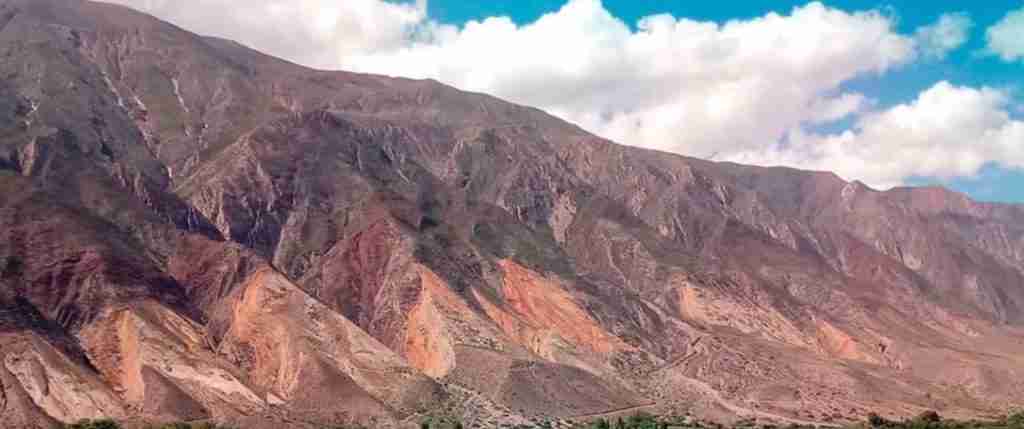
Purmamarca appears approximately 2 hours from Salta, nestled at the base of the Cerro de los Siete Colores (Hill of Seven Colors). Tours stop for 20-40 minutes depending on operator and group size, providing time to walk through the village, visit the artisan market surrounding the main plaza, and photograph the distinctive multicolored mountain. The hill displays layers of red, yellow, orange, white, and green created by different mineral deposits formed over millions of years of geological processes.
The Purmamarca artisan market offers authentic regional handicrafts including alpaca and llama wool textiles, leather goods, ceramics, and traditional musical instruments. Prices at the market remain reasonable compared to tourist-oriented shops in larger cities, though negotiation is expected and prices drop 10-20% with friendly bargaining. The colonial church on the plaza dates to 1648 and features simple whitewashed architecture typical of early Spanish settlements in the region. Public restrooms are available near the plaza, making this stop practical for facilities breaks before continuing to higher elevations.
Ascending Cuesta de Lipán
The ascent of Cuesta de Lipán begins shortly after leaving Purmamarca, climbing from 2,195 meters to 4,170 meters over approximately 20 kilometers of dramatic switchback road. This engineering marvel features dozens of hairpin turns carved into the mountainside, gaining elevation rapidly while offering spectacular views of the valley below and the mountain ranges extending in all directions. The road surface varies from well-maintained asphalt to rougher gravel sections, requiring skilled driving and creating an adventure aspect to the journey.
Multiple viewpoints along Cuesta de Lipán allow tours to stop for photographs and acclimatization breaks. The most dramatic viewpoint sits approximately halfway up the climb, offering panoramic vistas across the Quebrada de Purmamarca valley with the Hill of Seven Colors visible in the distance. The stark beauty of the high-altitude landscape becomes apparent at these elevations, with sparse vegetation limited to hardy grasses and low shrubs adapted to extreme conditions.
The summit of Cuesta de Lipán crosses the Abra de Potrerillos pass at 4,170 meters, marked by colorful prayer flags and stone cairns left by travelers. Many tours stop briefly at the summit for photographs and to allow travelers to experience the highest point of the journey. The thin air at this elevation affects everyone differently, with some experiencing slight breathlessness or mild headaches. The brief stop duration minimizes altitude exposure while providing the experience of standing above 4,000 meters.
Geological formations along Cuesta de Lipán reveal the tectonic forces that created the Andes mountains. Rock layers tilted at dramatic angles show evidence of the collision between the Nazca and South American tectonic plates, while volcanic remnants indicate periods of intense geological activity. Guides point out these features, explaining how the landscape continues to evolve through ongoing tectonic processes, weathering, and erosion. The barren beauty of the high Puna plateau unfolds beyond the summit, preparing travelers for their first glimpse of Salinas Grandes.
Arrival and Exploration at Salinas Grandes
The salt flats appear suddenly after crossing the Abra de Potrerillos pass, sprawling across the horizon in a brilliant white expanse that seems to merge with the sky. Tours descend from the summit to the salt flat elevation of 3,450 meters, reaching the main access point approximately 30-40 minutes after crossing the pass. A small visitor center and facilities mark the entrance to Salinas Grandes, where tours park and travelers begin their exploration of the salt desert.
Walking onto the salt flats creates an immediate sensory impact—the crunching sound of salt crystals underfoot, the blinding reflection of sunlight from all directions, the vast emptiness stretching to distant mountains, and the otherworldly silence broken only by wind. The hexagonal salt patterns extend in all directions, creating geometric designs that shift in appearance as you move across the surface. The hard salt crust supports walking easily, though rough sections require watching your footing to avoid twisted ankles on uneven formations.
Tours allocate 1-1.5 hours for salt flat exploration, allowing time for photography, walking to different areas, and experiencing the landscape’s unique qualities. The flat surface and white background create ideal conditions for creative photography, with many travelers creating perspective-play images using the endless flat horizon. Professional photography equipment isn’t necessary—modern smartphones capture stunning images in the intense light and dramatic landscape, though polarizing filters help manage the extreme brightness.
The optional Ojo del Salar visit adds approximately 15-20 minutes to the salt flat time, requiring a short drive to a section where salt mining creates pools of turquoise brine. These pools form where salt extraction disturbs the surface, allowing mineral-rich water to accumulate and create vivid blue-green colors that contrast dramatically with the white salt. The additional $3.50 per person fee supports local communities managing access to this area. Photography opportunities at Ojo del Salar include unique compositions combining the pools’ colors with the broader salt flat landscape.
Local salt workers sometimes demonstrate traditional extraction techniques at Salinas Grandes, showing how they create pools, evaporate water, and harvest salt using methods largely unchanged for generations. Small artisan stands near the parking area sell salt-based crafts, packaged salt in decorative containers, and other regional souvenirs. These purchases support the local economy and provide authentic mementos of the Salinas Grandes experience. The extreme sun exposure during the salt flat visit makes frequent sunscreen application and hat wear essential—the reflected light from the white surface creates sunburn risk even on cloudy days.
Return Journey and Afternoon Stops
The return journey from Salinas Grandes begins in early to mid-afternoon, depending on how long tours spend at the salt flats. Many operators take alternative routes back to Salta, avoiding the repetition of seeing the same landscapes twice. These alternative routes might include stops at small villages like Huacalera or Tilcara, offering different perspectives on traditional Andean culture and architecture. The varying routes also distribute tourist traffic across different communities, spreading economic benefits more broadly across the region.
Lunch stops occur either in Purmamarca on the return journey or at other towns along the route, with tours allocating 1-1.5 hours for meals. Restaurants in these towns specialize in Northwestern Argentine cuisine, featuring dishes like locro (hearty corn and meat stew), empanadas filled with spiced meat or cheese, tamales wrapped in corn husks, and cazuela (meat and vegetable casserole). Vegetarian options remain limited but usually include cheese empanadas, vegetable soups, and simple pasta dishes. Meal costs range $15-25 per person for a full lunch including drinks.
The descent from high altitude back toward Salta reverses the morning’s climb, with Cuesta de Lipán appearing less dramatic in descent but still spectacular. Afternoon light creates different shadows and colors on the mountain faces compared to morning conditions, offering fresh photographic opportunities at the same locations visited earlier. The return journey allows more relaxed observation of landscapes that passed quickly during the morning’s outbound travel, with guides often pointing out details or features not mentioned during the morning ascent.
Tours arrive back in Salta between 7:00-8:00 PM, completing a full 12-13 hour day. The long duration reflects the remote location of Salinas Grandes and the importance of maintaining a reasonable pace that allows for altitude acclimatization, rest stops, and genuine engagement with the landscapes rather than rushing through them. Despite the long day, most travelers find the experience energizing rather than exhausting, though the combination of early start, high altitude, and intense sun creates genuine fatigue that makes early bedtimes advisable.
Budget Planning for 2026 Salinas Grandes Day Trips
Tour Costs and Booking Strategies
Full-day Salinas Grandes tours from Salta cost $36-85 per person in 2026 for shared group tours, $180-215 per person for private tours of 2-4 people (check operators for current rates as pricing may vary). Budget shared tours at $36-50 per person provide economical access to the salt flats with basic but adequate services, while mid-range tours at $60-85 per person offer smaller groups, better vehicles, and enhanced experiences. Private tours deliver maximum flexibility and personalization but cost 3-5 times more than shared options.
Booking in advance (2-4 weeks before travel dates) secures better availability and sometimes offers early booking discounts of 5-10% compared to last-minute bookings. High season months (June-September) see tours selling out regularly, particularly for smaller mid-range and private options, making advance booking essential during these periods. Low season (January-April) offers more last-minute availability but weather variability increases, making flexible booking policies valuable for potential rescheduling if conditions deteriorate.
Most operators offer free cancellation up to 24 hours before departure, providing protection against illness, weather changes, or travel plan modifications. When booking, confirm cancellation policies clearly and understand refund timelines. Some operators charge 10-20% processing fees on cancellations even within the free cancellation window, while others provide full refunds. Payment methods accepted include credit cards, PayPal, bank transfers, and sometimes cash payment to drivers on departure day, though advance payment secures your reservation more reliably.
Group discounts become available for parties of 6+ travelers on some shared tours, reducing per-person costs by 10-15%. Family discounts sometimes apply for children under 12, though the high altitude and long tour duration make Salinas Grandes trips challenging for young children. Senior discounts (65+) are rare but worth inquiring about when booking. Comparing multiple operators helps identify the best value combination of price, group size, inclusions, and vehicle quality for your budget and preferences.
Additional Costs and Daily Expenses
Beyond tour costs, budget for lunch at $15-25 per person at restaurants in Purmamarca or other stops along the route. These meals include a main course, dessert or coffee, and non-alcoholic beverages. Beer or wine adds $3-5 to meal costs. Bringing snacks for the journey—energy bars, fruit, nuts, chocolate—costs $5-10 per person when purchased in Salta before departure and helps maintain energy during the long day and high altitude exposure.
The optional Ojo del Salar visit costs approximately $3.50 per person, paid directly to site managers during the tour. This small fee provides access to the distinctive blue pools and supports local communities. Some tours include this in the base price, while others present it as an optional add-on. Bringing cash in small bills (10, 20, 50 peso notes) facilitates these small payments without change issues.
Artisan purchases at Purmamarca market range from $5-50 depending on item size and quality. Small souvenirs like keychains or magnets cost $5-8, while quality alpaca scarves range $20-35 and larger textiles or blankets cost $40-80. Negotiating reduces prices 10-20%, particularly for multiple item purchases. Credit cards are rarely accepted at market stalls, making cash essential for purchases. Packaged salt products at Salinas Grandes cost $3-10 for decorative containers ranging from small jars to larger bags.
Gratuities for guides and drivers total $5-10 per person for budget tours, $8-12 per person for mid-range options, based on service quality and group satisfaction. Tipping is customary but not mandatory in Argentina, and exceptional guides deserve recognition for their knowledge, safety consciousness, and engagement with the group. Some operators include tip suggestions in their pre-trip communications, providing guidance on local customs and expectations.
Sample Budget Breakdowns for Different Travel Styles
Budget Day Trip: Shared group tour $40, lunch $18, snacks $8, Ojo del Salar $3.50, souvenirs $15, tips $8. Total day cost: $92.50 per person (excluding Salta accommodation).
Mid-Range Day Trip: Small group tour $70, lunch $22, snacks $10, Ojo del Salar $3.50, souvenirs $30, tips $10. Total day cost: $145.50 per person (excluding Salta accommodation).
Premium Private Trip (for 2 people): Private tour $190 per person, gourmet lunch $35, premium snacks $12, Ojo del Salar $3.50, quality artisan purchases $60, tips $12. Total day cost: $312.50 per person (excluding Salta accommodation).
These budgets exclude Salta accommodation costs, which range $25-40 per night for budget hostels, $60-90 for mid-range hotels, and $120-180 for upscale options. Transportation to/from Salta adds to total trip costs, with bus tickets from Buenos Aires or other cities costing $50-120 depending on distance and service class. Flights to Salta from Buenos Aires range $80-200 depending on booking timing and carrier.
Sample 2026 Salinas Grandes Day Itinerary
Full-Day Shared Group Tour Experience
6:45 AM: Hotel pickup in central Salta, boarding air-conditioned minibus with 14 other travelers and bilingual guide. Vehicle departs Salta at 7:30 AM, heading north on Route 9 through the Lerma Valley. Guide provides introduction to the day’s itinerary, regional geography, and preliminary acclimatization advice during the initial driving segment.
8:00-8:45 AM: Transit through tobacco-growing region, with guide explaining traditional cultivation and drying processes visible in the landscape. Short rest stop in Volcán allows for facilities break and first views of increasingly mountainous terrain. Coffee and coca tea available at local cafes for $2-3 per cup.
9:30-10:10 AM: Arrival in Purmamarca at the base of the Hill of Seven Colors. Forty minutes of free time allows exploration of the artisan market, photography of the multicolored mountain, and facilities breaks. Purchase alpaca scarf for $28 after negotiating from initial $35 asking price. Brief visit to colonial church and observation of traditional architecture in the village.
10:15-11:15 AM: Ascent of Cuesta de Lipán with multiple photo stops at dramatic viewpoints. Guide explains geological formations and tectonic processes that created the Andean landscape. Summit stop at Abra de Potrerillos (4,170 meters) provides highest point experience and panoramic views. Brief altitude symptoms (slight breathlessness) quickly pass after descending slightly toward salt flats.
11:30 AM-1:00 PM: Arrival at Salinas Grandes and 1.5 hours of salt flat exploration. Walk across brilliant white salt crust, photograph hexagonal formations, and create perspective-play images against the endless horizon. Optional Ojo del Salar visit ($3.50) provides access to striking turquoise pools. Purchase decorative salt container as souvenir ($8). Return to vehicle for bottled water and brief rest before departure.
1:15-2:30 PM: Lunch stop in Purmamarca at traditional restaurant. Order locro (hearty corn stew) with empanada starter and coffee, total cost $22 including tip. Seventy-five minutes allows leisurely meal and additional time to explore areas of town missed during morning stop.
2:45-4:30 PM: Return journey via alternative route through Quebrada de Humahuaca valley. Stops at Tilcara for views of pre-Incan ruins (no entry, observed from road) and Huacalera for Tropic of Capricorn marker. Guide provides cultural and historical commentary about indigenous communities and Spanish colonial period throughout the region.
4:45-7:15 PM: Transit back to Salta through scenic valleys with changing afternoon light creating different colors on mountain faces. Guide concludes with recommendations for other northwestern Argentina attractions and answers remaining questions about the region. Final rest stop in Valle de Lerma allows facilities break before returning to Salta.
7:30 PM: Drop-off at Salta hotels, concluding 12-hour day trip. Total costs: Tour $40, Ojo del Salar $3.50, morning coffee $2.50, lunch $22, souvenirs $36, afternoon snack $4, guide tip $8. Total day cost: $116 per person (excluding accommodation).
Best Time to Visit Salinas Grandes 2026
Seasonal Weather Analysis for 2026
The dry season from May through December represents optimal timing for Salinas Grandes visits in 2026, with June through September offering peak conditions combining clear skies, comfortable temperatures, and the dramatic white salt crust that makes the landscape extraordinary. During these months, rainfall probability drops below 5%, creating reliable weather for planning day trips without significant risk of rain disruptions. Clear blue skies dominate, providing the color contrast that makes Salinas Grandes photographs so striking.
Winter months (June-August) bring cooler temperatures but excellent visibility and photographic conditions. Daytime temperatures at the salt flats range 15-20°C (59-68°F) during midday, dropping to 5-10°C (41-50°F) in early morning and late afternoon. The high altitude creates significant diurnal temperature variation, making layered clothing essential even during summer months. Winds during winter remain moderate, averaging 15-25 km/h, which creates comfortable conditions for outdoor exploration.
Spring months (September-November) offer warming temperatures and wildflower blooms at lower elevations, though wind speeds increase during this period. The combination of clear skies, moderate temperatures, and spring energy makes September-October particularly appealing, though increased wind can create challenging conditions for photography and outdoor comfort. Bringing windproof outer layers becomes essential during spring visits, as afternoon wind gusts can exceed 40 km/h.
Summer months (December-February) coincide with the wet season, bringing increased rainfall probability and more variable weather conditions. While total precipitation remains low compared to other regions, the occasional summer rains can create thin water layers over the salt flats, producing mirror effects that attract photographers. However, heavier rains can make access difficult and reduce the crisp white appearance that characterizes dry season visits. Summer temperatures reach 22-25°C (72-77°F) at midday but remain comfortable due to low humidity.
Crowd Patterns and Peak Season Considerations
Peak tourist season in northwestern Argentina extends from June through September, coinciding with Argentina’s winter school vacation period (July) and the optimal weather window for regional travel. During these months, Salinas Grandes sees significantly higher visitor numbers, with multiple tour groups arriving simultaneously at the salt flats during mid-morning to early afternoon. The increased crowds create photography challenges as maintaining isolation in images becomes difficult when dozens of other visitors occupy the same space.
Booking tours 3-4 weeks in advance during peak season ensures availability, particularly for mid-range small group tours and private options that operate with limited daily departures. Budget tours generally maintain availability even during peak periods due to their larger capacity and multiple daily departures, though the quality of the experience can suffer when vehicles operate at full capacity. Premium operators known for excellent guides and small groups sell out earliest, requiring advance booking during peak months.
Shoulder season months (April-May and October-November) offer reduced crowds while maintaining largely favorable weather conditions. April marks the transition from wet to dry season, with improving weather patterns and decreasing rainfall probability as the month progresses. May provides excellent conditions with minimal crowds, as many travelers focus on winter destinations during this period. October sees increasing visitor numbers but remains less crowded than mid-winter months, while November brings variable weather as the wet season approaches.
Off-season travel (January-March) delivers the most solitude at Salinas Grandes, with far fewer tour groups operating during these months. The wet season weather creates uncertainty, but travelers accepting some risk can experience Salinas Grandes in near-isolation, particularly on weekdays. The reduced demand also creates opportunities for negotiating private tour rates, as operators seek to fill available capacity during slower periods. Flexible itineraries that can adjust to weather conditions maximize success during off-season visits.
Photography Timing and Light Conditions
Morning light at Salinas Grandes provides soft, angled illumination that enhances the texture of salt formations and creates pleasing shadows that add depth to photographs. Tours arriving between 10:30-11:30 AM benefit from this optimal morning light, which also coincides with comfortable temperatures and generally calm wind conditions. The angle of sunlight during morning hours reduces the harsh overhead glare that characterizes midday conditions, creating more balanced exposures and richer color saturation in images.
Midday visits (12:00 PM-2:00 PM) present challenging lighting conditions for photography, with harsh overhead sun creating strong contrasts and washing out details in the brilliant white salt. However, this timing also produces the most intense color contrasts between white salt and deep blue sky, creating the surreal quality that makes Salinas Grandes famous. Photographers shooting at midday benefit from using polarizing filters to manage the extreme brightness and enhance sky colors without overexposing the salt surface.
Afternoon light transforms the salt flats as the sun descends, creating warmer color tones and longer shadows that add drama to landscape compositions. Tours staying at Salinas Grandes past 2:00 PM capture different photographic opportunities compared to morning visits, though afternoon wind typically increases during this period. The golden hour before sunset would provide spectacular light, but most day tours from Salta depart the salt flats by early afternoon to ensure timely return to the city.
Weather conditions significantly impact photographic opportunities at Salinas Grandes. Clear days provide the classic white salt and blue sky contrast, while partial cloud cover adds visual interest and creates dynamic lighting as shadows move across the vast expanse. Rare post-rain conditions transform the salt flats into mirrors reflecting clouds and sky, creating unique photographic opportunities that attract professional photographers willing to accept weather uncertainty for extraordinary images.
Transportation Options to Salinas Grandes 2026
Organized Tours from Salta
Organized tours represent the most practical and popular method for visiting Salinas Grandes from Salta, with dozens of operators offering daily departures throughout peak season. Tours handle all logistics including transportation, guiding, route planning, and timing coordination, allowing travelers to focus on experiencing the landscape without navigating unfamiliar mountain roads. The combination of convenience, safety, and cost-effectiveness makes organized tours optimal for most visitors, particularly those without extensive high-altitude driving experience.
Departure times from Salta cluster around 7:00-7:30 AM to ensure arrival at Salinas Grandes during optimal morning light while allowing return to Salta before evening. Some operators offer slightly earlier departures (6:30 AM) for travelers prioritizing maximum time at the salt flats or hoping to arrive before other tour groups. Later departures (8:00 AM) sacrifice optimal morning light but allow more relaxed morning preparations, appealing to travelers who struggle with very early starts or prefer sleeping longer after previous travel days.
Vehicle types in organized tours range from 15-passenger minibuses for budget shared tours to luxury SUVs for private groups. Mid-range tours operate comfortable vans with 8-12 passenger capacity, offering more spacious seating and better suspension for the rough sections of mountain roads. Premium tours use newest-model vehicles with enhanced climate control, superior suspension systems, and amenities like WiFi and USB charging ports. Vehicle condition significantly impacts comfort during the 6-7 hours of driving that constitute the bulk of tour duration.
Pickup service from Salta hotels is standard for tours, with central accommodation within 8 blocks of Plaza 9 de Julio receiving direct pickup. Hotels in outer neighborhoods receive designated meeting points, requiring guests to walk or taxi to these locations for tour departure. Confirming exact pickup times and locations 24-48 hours before departure ensures smooth coordination, as pickup schedules vary based on the number of hotels serviced and their locations relative to the departure route.
Self-Drive Options and Car Rental
Renting a car in Salta and driving independently to Salinas Grandes offers maximum flexibility in timing, stops, and route selection, though this option requires comfort with high-altitude mountain driving and navigating unpaved road sections. Car rental costs in Salta range $40-80 per day for economy to mid-size vehicles, with 4×4 vehicles costing $80-120 per day (check operators for current rates). The 390-kilometer round trip consumes $30-40 in fuel, making total driving costs $70-160 depending on vehicle choice and rental duration.
The drive from Salta to Salinas Grandes via Route 9 and Route 52 is well-signed and straightforward, though the Cuesta de Lipán section requires careful navigation of switchback turns and attention to road conditions. Gravel sections appear intermittently along the route, particularly at higher elevations, requiring reduced speeds and cautious handling. Standard sedans manage the route adequately during dry conditions, but 4×4 vehicles provide enhanced safety margins on rough sections and better performance at high altitude where engine power diminishes due to reduced oxygen.
Allowing 4-4.5 hours for the one-way drive provides time for photo stops, rest breaks, and acclimatization to increasing altitude without rushing. Starting early (6:00-7:00 AM departure from Salta) ensures arrival at Salinas Grandes by late morning when light conditions remain optimal and afternoon winds haven’t yet developed. Returning via alternative routes through the Quebrada de Humahuaca provides different scenery and distributes the day’s driving across varying landscapes, maintaining visual interest throughout the long journey.
Self-driving allows extended time at Salinas Grandes beyond the 1-1.5 hours typical of organized tours, creating opportunities for thorough exploration, photography in different light conditions, and experiencing the salt flats without the pressure of group schedules. Independent drivers can also visit during less conventional times, such as late afternoon or sunset (requiring overnight stay in the region), when the quality of light creates exceptional photographic conditions unavailable to standard day tour participants.
Alternative Departure Points and Routes
Purmamarca serves as an alternative departure point for Salinas Grandes visits, located much closer to the salt flats (approximately 65 kilometers) and eliminating the long drive from Salta. Staying overnight in Purmamarca allows morning departures as late as 8:00-8:30 AM while still reaching Salinas Grandes by 10:00 AM. Local tour operators in Purmamarca offer half-day tours to Salinas Grandes for $20-35 per person, providing economical access for travelers already in the area.
San Salvador de Jujuy, the capital of Jujuy province, sits between Salta and Purmamarca and offers another departure option with tours costing slightly less than those from Salta. The proximity to both Salinas Grandes and other regional attractions makes Jujuy an efficient base for travelers planning multiple excursions in northwestern Argentina. Hotels in Jujuy cost 10-20% less than equivalent properties in Salta, creating additional budget savings for travelers willing to base themselves in the smaller provincial capital.
Tilcara, a picturesque town in the Quebrada de Humahuaca valley, provides yet another departure option with the advantage of allowing multi-day itineraries combining Salinas Grandes with archaeological sites, mountain villages, and other regional attractions. The artistic community and relaxed atmosphere make Tilcara appealing as a base for exploring northwestern Argentina at a more leisurely pace than possible with day trips from Salta. Local tour operators in Tilcara arrange Salinas Grandes visits as part of broader regional tours.
Some adventurous travelers combine Salinas Grandes visits with extended road trips along Route 40, Argentina’s legendary north-south highway paralleling the Andes. This approach integrates the salt flats into broader northwestern Argentina exploration including Cachi, Cafayate, the Quebrada de las Conchas, and other spectacular landscapes. Multi-day itineraries reduce the rushed feeling of day trips while creating opportunities for experiencing the region’s diverse geography, culture, and cuisine at a more immersive pace.
Photography Tips and Creative Approaches for 2026
Technical Considerations for Salt Flat Photography
The extreme brightness at Salinas Grandes challenges camera exposure systems, with the brilliant white salt surface reflecting intense sunlight and creating exposure conditions unlike typical landscapes. Using exposure compensation (-1 to -2 stops) prevents overexposing the salt while maintaining detail in the sky and distant mountains. Shooting in RAW format preserves maximum editing flexibility, allowing recovery of highlight and shadow detail during post-processing that would be lost in JPEG files.
Polarizing filters significantly improve salt flat photography by reducing glare from the reflective surface, deepening sky blue tones, and enhancing contrast between sky and salt. Rotating the polarizer to maximum effect creates dramatic color saturation that emphasizes the surreal quality of the landscape. UV filters protect lenses from dust and salt particles that can scratch lens elements, particularly important given the constant fine salt dust suspended in the air by wind.
Wide-angle lenses (16-35mm equivalent) capture the vast expanse of the salt flats and create compositions that emphasize the endless horizon and dramatic scale. Including foreground elements like salt formations, people for scale, or the hexagonal patterns provides context and depth in wide shots. Telephoto lenses (70-200mm+) compress distance and isolate interesting formations or create abstract compositions focusing on salt patterns, colors in distant mountains, or details invisible in wide views.
Smartphone cameras produce excellent results at Salinas Grandes despite their technical limitations compared to professional equipment. The intense light compensates for smaller sensors, while computational photography features in modern phones help manage the challenging exposure conditions. Using HDR modes or bracketing multiple exposures allows combining the best elements of different exposures during editing, recovering detail in both bright salt and darker sky or mountain areas.
Creative Composition Strategies
Perspective play photographs exploit the flat, featureless surface to create images where distance becomes impossible to judge. Positioning subjects at different distances from the camera while using props (sunglasses, shoes, toy figures, water bottles) creates amusing illusions where people appear to stand in glasses, be lifted by balloons, or interact impossibly with objects. The uniform white background eliminates distance cues that normally provide scale reference, making these trick photographs surprisingly convincing.
Reflections in post-rain conditions or the Ojo del Salar pools create mirror effects that double the visual impact of clouds, mountains, and sky. Positioning the camera low to emphasize reflections while including interesting sky formations creates ethereal images where real and reflected elements merge. Sunrise or sunset timing (requiring overnight stay in the region) produces extraordinary reflection opportunities as changing light paints both sky and its reflection in vibrant colors.
Silhouette photography against the bright salt and sky creates dramatic human figures that emphasize shape and pose while eliminating distracting details. Jumping photographs capture subjects suspended against the white background, creating dynamic compositions that convey energy and joy. Group formations—letters, shapes, human pyramids—add creative elements that personalize standard landscape photography and create memorable images showing interaction with the unique environment.
Abstract compositions focusing on salt patterns, textures, and geometric formations create images that emphasize the alien quality of the landscape. Close-up photographs of hexagonal patterns, salt crystal details, or the boundary between different salt formations reveal complexity invisible in wide landscape views. These abstract approaches provide variety in photography portfolios and highlight the geological processes that create and maintain the salt flat ecosystem.
Equipment Protection and Practical Considerations
Salt dust permeates everything at Salinas Grandes, creating real risks for camera equipment and electronics. Keeping cameras in sealed bags when not actively shooting limits salt exposure, while frequent lens cleaning with microfiber cloths removes accumulating dust before it can damage optics. Avoid changing lenses in the open air if possible, as salt particles easily enter camera bodies and contaminate sensors. Using fixed focal length lenses or zoom lenses that seal completely when powered off provides better protection than open-element zoom designs.
Bringing backup batteries is essential, as the combination of cold temperatures at high altitude and intensive shooting depletes batteries faster than typical conditions. Cold reduces battery capacity by 20-40%, while the excitement of photographing Salinas Grandes leads to far more shots than usual. Keeping spare batteries warm in inside jacket pockets maintains their charge better than carrying them in external camera bags exposed to ambient temperatures.
Memory cards should offer more capacity than seems necessary, as the spectacular scenery inspires extensive shooting. A 32GB card easily fills during a Salinas Grandes visit for photographers shooting in RAW format, while 64-128GB cards provide comfortable margins. Bringing multiple smaller cards (2x32GB rather than 1x64GB) provides backup if a card fails or becomes corrupted, preventing total loss of images from the day.
Protecting equipment from sun exposure between shots maintains optimal operating temperatures and prevents damage from extreme heat. Cameras left in direct sunlight on the white salt surface can exceed safe operating temperatures within 15-20 minutes, potentially damaging sensors and internal components. Keeping cameras covered with light-colored cloths or storing them in shaded bags between shooting sessions extends equipment life and maintains performance throughout the visit.
Practical Travel Tips for 2026 Salinas Grandes Visits
What to Pack and Bring
Layered clothing provides flexibility for temperature variations throughout the day, from cool early morning conditions in Salta (8-12°C) to midday warmth at the salt flats (18-22°C) to potentially cold conditions during the mountain pass crossing (5-10°C). Start with a moisture-wicking base layer, add an insulating mid-layer like fleece or down vest, and finish with a windproof outer shell that protects against the sustained winds common at high altitude. This system allows adding or removing layers as temperatures and conditions change.
Sun protection requires serious attention at Salinas Grandes due to the combination of high altitude, intense sun, and reflective salt surface. SPF 50+ sunscreen applied generously to all exposed skin provides baseline protection, but reapplication every 1-2 hours maintains effectiveness as sweating and wind remove initial applications. Lip balm with high SPF prevents painful sunburn on lips, which receive reflection from below in addition to direct sun from above. Wide-brimmed hats shade face and neck, while neck gaiters provide additional protection for areas that hats don’t cover.
High-quality sunglasses with UV protection are absolutely essential—the reflected light from white salt creates painful glare and can damage eyes during extended exposure. Polarized sunglasses reduce glare more effectively than standard UV glasses, making them worth the additional cost for salt flat visits. Bringing a backup pair provides insurance against losing or breaking your primary glasses, which would severely diminish the experience and potentially create health risks from UV exposure.
Hydration supplies combat the extreme dryness at high altitude, where low humidity and increased respiration rates create rapid dehydration. Bringing 2-3 liters of water per person ensures adequate hydration throughout the 12-13 hour day. Electrolyte supplements or sports drinks help replace salts lost through sweating and the increased urination that accompanies altitude acclimatization. Many tours provide some water, but bringing your own ensures sufficient supply regardless of tour quality.
Health and Safety Considerations
Altitude sickness prevention begins before the Salinas Grandes trip with 1-2 days of acclimatization in Salta (1,152 meters) allowing initial adaptation to reduced oxygen levels. During this acclimatization period, avoid alcohol consumption, stay well-hydrated, and maintain light physical activity that helps the body adjust without overexertion. Coca tea consumed 2-3 times daily provides mild stimulant effects that counteract altitude symptoms, while coca candies offer portable altitude support during the tour.
Recognizing altitude sickness symptoms allows early intervention before conditions worsen. Mild symptoms include headache, slight nausea, dizziness, and fatigue—these affect most travelers to some degree and usually resolve with rest, hydration, and avoiding overexertion. Severe symptoms like persistent vomiting, severe headache, confusion, or difficulty breathing require immediate descent to lower altitude and potentially medical attention. Tours carry basic first aid supplies and guides trained in altitude sickness recognition, but travelers should monitor their own symptoms and communicate concerns immediately.
Walking carefully on the salt flat surface prevents twisted ankles from uneven formations and rough sections. The hard salt crust supports walking easily, but irregular areas and edges of hexagonal patterns create tripping hazards for those not watching their footing. Comfortable walking shoes with good ankle support reduce injury risk compared to sandals or fashion footwear. The intense reflected light can create depth perception challenges that make judging surface irregularities difficult, requiring extra attention to foot placement.
Emergency services in the region are limited, with the nearest hospitals located in San Salvador de Jujuy (approximately 2 hours from Salinas Grandes) or Salta (3+ hours away). Tours carry basic first aid supplies for minor injuries and altitude symptoms, while guides maintain contact with emergency services if serious medical situations develop. Travel insurance covering high-altitude activities provides important protection, as medical evacuation from remote locations creates significant costs not covered by standard health insurance policies.
Cultural Etiquette and Environmental Responsibility
Respecting the salt flats’ fragile ecosystem maintains the pristine conditions that make Salinas Grandes extraordinary. Walking only in designated areas prevents damage to undisturbed salt formations and protects areas undergoing natural crystallization processes. Taking only photographs and leaving no trash preserves the environment for future visitors—even small items like water bottle caps or food wrappers create visual pollution in the stark white landscape and can take years to break down in the dry, cold conditions.
The salt flats hold cultural significance for local communities who have harvested salt from Salinas Grandes for generations. Observing salt workers without interfering with their labor shows respect for their livelihood and traditional practices. If workers offer to demonstrate techniques or explain their processes, small tips (5-10 pesos) acknowledge their time and expertise. Purchasing salt products or crafts at reasonable prices supports the local economy and helps maintain traditional livelihoods alongside tourism development.
Photography involving local people should always request permission before capturing images, particularly close-up portraits or photographs that might be used commercially. Many indigenous people in the region prefer not to be photographed due to cultural beliefs or privacy concerns. Respecting these preferences maintains positive relationships between visitors and residents. If permission is granted, offering small gratuities (10-20 pesos) acknowledges the contribution to your photographic collection.
Interactions with artisan vendors at markets should reflect fair business practices and cultural respect. Negotiating prices is expected and appropriate, but extreme bargaining that drives prices to unreasonably low levels undermines artisan livelihoods and devalues their craftsmanship. Recognizing the significant labor involved in producing handmade textiles, ceramics, and other crafts justifies fair prices that provide artisans with sustainable income. Purchasing authentic local crafts rather than mass-produced items supports traditional skills and cultural preservation.
FAQ: Salinas Grandes Day Trips 2026
Can you visit Salinas Grandes independently without a tour?
Yes, independent visits to Salinas Grandes are possible by renting a car in Salta and driving the 195-kilometer route via Routes 9 and 52. The drive takes 3-3.5 hours each way, requiring comfort with mountain driving and high-altitude conditions. Car rental costs $40-120 per day depending on vehicle type (check operators for current rates), plus $30-40 in fuel for the round trip. Independent visits allow flexible timing and extended stays at the salt flats beyond the 1-1.5 hours typical of organized tours, but require navigating mountain roads including the challenging Cuesta de Lipán section with its numerous switchbacks and elevation changes. The route is well-signed and manageable during dry season, though organized tours eliminate navigation stress and provide expert commentary about the geology and culture of the region.
Is Salinas Grandes suitable for children and families?
Salinas Grandes tours present challenges for families with young children due to the long duration (12-13 hours), early departure times (7:00 AM), and high altitude exposure. Children over 8 who are comfortable with extended travel days and who have demonstrated tolerance for altitude typically manage well, while younger children may struggle with the combination of early start, long bus rides, and altitude effects. The salt flats themselves fascinate children with the unusual landscape and opportunities for creative photography, making the destination worthwhile for families willing to manage the logistics. Some operators offer family-friendly private tours that can adjust timing and pace to accommodate children’s needs, though these cost significantly more than standard shared tours.
What happens if weather conditions are bad on tour day?
Tours to Salinas Grandes operate in most weather conditions, as the dry season (May-December) brings minimal rainfall and generally favorable conditions. Light rain can actually enhance the salt flat experience by creating mirror effects, though heavier rains may make portions temporarily inaccessible. Most operators offer free cancellation up to 24 hours before departure, allowing rescheduling if severe weather threatens. Tours canceled by operators due to dangerous road conditions receive full refunds or rescheduling options without penalties. Checking weather forecasts 2-3 days before travel allows informed decisions about potential rescheduling, though weather in the high Andes can change rapidly and forecasts prove less reliable than in lower-altitude regions.
Can you swim or wade in the salt flat pools?
The salt flat surface at Salinas Grandes remains solid and dry during most of the year, making swimming impossible except in the Ojo del Salar pools where salt mining creates water accumulation. These pools contain highly concentrated brine that supports floating similar to the Dead Sea, though the water is extremely cold year-round due to the high altitude. Most tours do not allocate time for swimming, and the cold temperatures make extended water contact uncomfortable without specialized equipment. Photography opportunities at Ojo del Salar focus on the striking turquoise color rather than recreational swimming. Some tour operators arrange extended visits allowing brief wading or floating experiences for those interested, but this requires specific advance requests and warm clothing for after-water warmth recovery.
How does Salinas Grandes compare to Bolivia’s Salar de Uyuni?
Salinas Grandes covers approximately 3,200 square miles compared to Salar de Uyuni’s 4,000+ square miles, making it smaller but still vast enough to create the impression of endless white expanse. Both offer spectacular photography opportunities, hexagonal salt formations, and surreal landscapes, but Salinas Grandes provides easier access from major cities (3 hours from Salta vs. longer overland journeys to Uyuni) and can be visited as a day trip rather than requiring multi-day tours. Uyuni offers more dramatic mirror effects during its wet season and includes unique features like the Train Cemetery and Isla Incahuasi cactus island. For travelers limited to northwestern Argentina, Salinas Grandes provides exceptional salt flat experiences without requiring international border crossings, while those with more time might consider visiting both to compare the different scales and characteristics of South America’s remarkable salt flats.
Are there accommodation options near Salinas Grandes?
Purmamarca, located approximately 65 kilometers from Salinas Grandes, offers the nearest accommodation options with hotels, hostels, and guesthouses ranging from budget ($25-40 per night) to mid-range ($60-100 per night) to upscale boutique properties ($120-200+ per night). Staying in Purmamarca allows early morning departures to reach Salinas Grandes during optimal light while avoiding the long drive from Salta. The charming village provides authentic northwestern Argentina experiences with its artisan market, colonial architecture, and spectacular setting beneath the Hill of Seven Colors. Other nearby accommodation options include Tilcara (40 kilometers from Purmamarca) and Humahuaca (80 kilometers), both offering similar amenities at comparable prices. Overnight stays in these villages transform Salinas Grandes visits from rushed day trips into more relaxed multi-day regional explorations.
What wildlife can you see at Salinas Grandes?
The extreme environment at Salinas Grandes supports limited wildlife due to the high altitude, intense sun, minimal water, and salt-saturated conditions. Flamingos occasionally visit the salt flat edges where freshwater streams enter, though sightings are irregular and depend on water availability. The journey to and from Salinas Grandes offers better wildlife opportunities, with vicuñas (wild relatives of llamas) grazing in high-altitude grasslands, Andean foxes visible in early morning or late afternoon, and various high-altitude bird species including Andean condors occasionally visible soaring above mountain peaks. The Quebrada de Humahuaca valley and surrounding areas support more diverse wildlife, including Andean geese, mountain caracaras, and various endemic rodent species adapted to the harsh high-altitude environment.
Can you collect salt from Salinas Grandes as a souvenir?
Collecting salt directly from the surface is technically prohibited to protect the salt flat ecosystem and support local salt harvesters who depend on salt sales for their livelihoods. However, vendors at Salinas Grandes sell packaged salt in various formats including decorative containers, flavored salts, and specialty processing variations. These packaged salts cost $3-10 depending on size and packaging, providing legal and practical souvenirs that support the local economy. The salt sold by authorized vendors comes from the same source but is processed, packaged, and sold through legitimate channels that provide income to local communities. Purchasing from these vendors rather than collecting directly shows respect for local livelihoods while still acquiring authentic Salinas Grandes salt as a memorable souvenir of your visit.
Is there mobile phone coverage at Salinas Grandes?
Mobile phone coverage at Salinas Grandes is limited and unreliable, with signal strength varying by carrier and specific location within the salt flats. The remote location and high altitude create challenges for cellular infrastructure, resulting in weak signals or complete lack of coverage in many areas. Some spots near the main access point may receive intermittent signal, but extended exploration of the salt flats typically means no connectivity. The journey between Salta and Salinas Grandes includes sections with good coverage near towns like Purmamarca and Tilcara, but mountain passes and remote areas have no signal. Planning to be offline during the tour means bringing downloaded entertainment for the long drives, having offline maps if self-driving, and informing family or friends about expected communication gaps during the day.
What should vegetarians and people with dietary restrictions know?
Northwestern Argentine cuisine emphasizes meat dishes, making vegetarian options somewhat limited but available. Most restaurants along Salinas Grandes tour routes offer cheese empanadas, vegetable soups, pasta dishes, and salads as vegetarian alternatives to the meat-focused traditional dishes. Informing tour guides about dietary restrictions during booking ensures guides recommend appropriate restaurants during lunch stops. Vegans face more significant challenges, as many seemingly vegetarian dishes contain cheese, eggs, or meat-based stocks. Bringing supplementary snacks ensures adequate nutrition during the long day, particularly for those with strict dietary requirements. Gluten-free travelers find empanadas and some traditional dishes challenging, though grilled meats and simple vegetable dishes provide safe options. Communicating dietary needs clearly and bringing emergency food supplies helps ensure comfortable eating throughout the tour.