Cafayate Wine Tour from Salta 2026: Calchaquí Valley Guide
Key Takeaways:
- Full-day wine tours from Salta to Cafayate cost $60-85 for shared groups, $180-215 for private tours in 2026
- Cafayate produces Argentina’s signature Torrontés white wine at vineyards ranging 1,700-3,000+ meters altitude
- Tours include Quebrada de las Conchas canyon with formations like Devil’s Throat and natural Amphitheater
- Wine tastings visit 1-2 prestigious wineries featuring Torrontés, Malbec, Tannat, and Cabernet varietals
- The 390-kilometer round trip from Salta takes 12-14 hours including scenic stops and winery visits
- March-May and September-November offer optimal weather with harvest season activities and comfortable temperatures
Introduction to Cafayate Wine Tours 2026
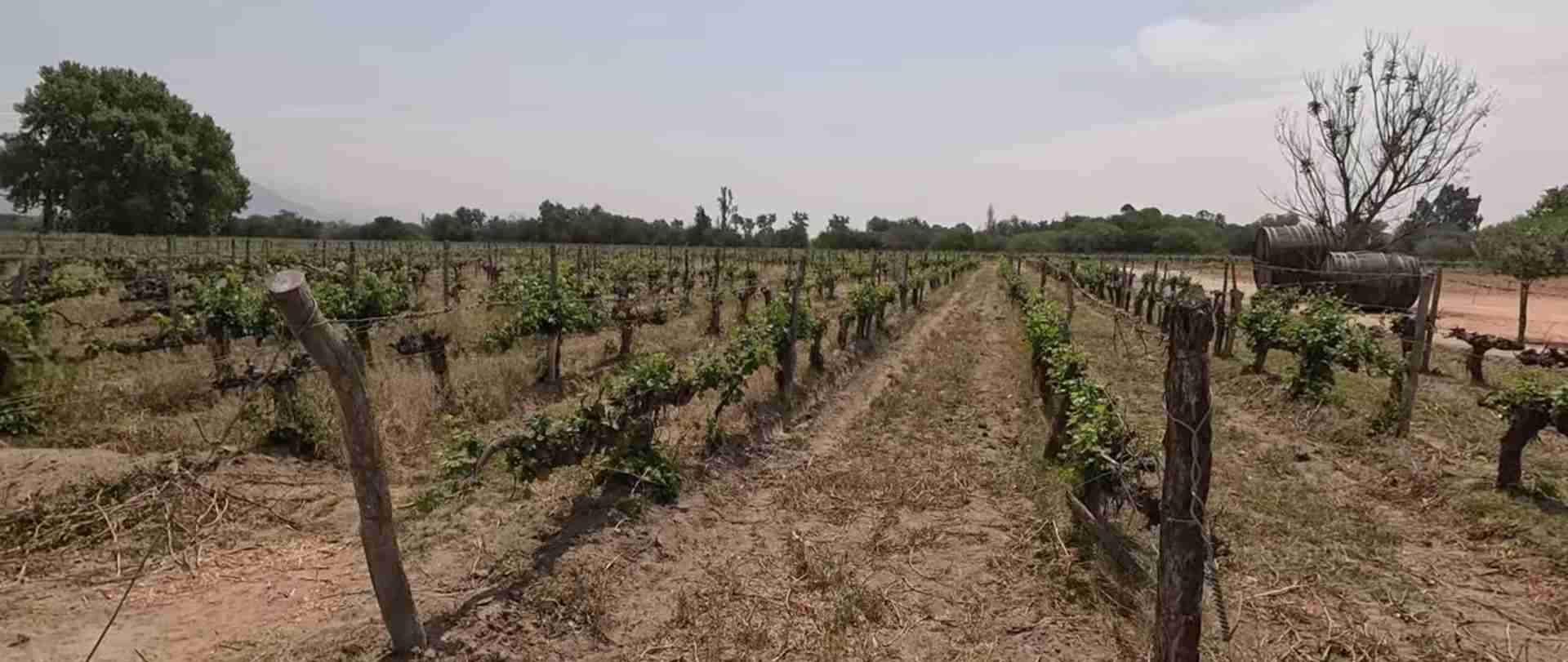
Cafayate stands as Argentina’s premier high-altitude wine region, a picturesque town nestled in the Calchaquí Valley 190 kilometers southwest of Salta. The region produces exceptional wines at altitudes ranging from 1,700 to over 3,000 meters above sea level, making these some of the highest vineyards in the world. Cafayate’s signature grape is Torrontés, an aromatic white wine unique to Argentina that thrives in the intense sun, dramatic temperature variations, and dry climate of the high Andes valleys.
Day trips from Salta to Cafayate combine world-class wine tasting with spectacular natural scenery along the Quebrada de las Conchas (Shell Gorge), a stunning canyon featuring dramatic red rock formations carved by millions of years of geological processes. The journey itself rivals the destination, offering jaw-dropping landscapes including formations named Devil’s Throat, natural Amphitheater, Castles, and House of the Parrots. This unique combination of wine culture, geological wonders, and traditional Andean villages makes Cafayate tours among northwestern Argentina’s most rewarding experiences.
Planning a Cafayate wine tour in 2026 requires understanding the seasonal wine production cycle, selecting appropriate wineries, timing visits for optimal conditions, and coordinating the long-distance logistics from Salta. The region’s wine industry has evolved significantly over recent decades, with traditional family wineries now joined by boutique operations and internationally recognized estates producing wines that compete at the highest global levels. This comprehensive guide provides all essential information for planning exceptional Cafayate wine experiences from Salta in 2026.
People Also Ask About Cafayate Wine Tours 2026
How much does a Cafayate wine tour from Salta cost in 2026?
Full-day Cafayate wine tours from Salta cost $60-85 per person for shared group tours in 2026 (check operators for current rates as pricing may vary). Budget shared tours accommodating 15-20 travelers cost $60-70 per person and include transportation, bilingual guide, and visits to 1-2 wineries with tastings. Mid-range tours with smaller groups (8-12 people) cost $75-85 per person and offer enhanced experiences with additional winery visits, better vehicle comfort, and more personalized guide attention.
Private wine tours range $180-215 per person for groups of 2-4 travelers, providing complete flexibility in winery selection, timing, and itinerary customization. These premium options allow visiting boutique wineries not accessible to larger tours, extended tasting sessions with winemakers, and custom scheduling around harvest activities or special events. Wine tastings at most Cafayate wineries cost $5-15 per person when visiting independently, but organized tours typically include basic tastings in their package prices, with premium tastings or wine purchases available at additional cost.
What is the best time for Cafayate wine tours in 2026?
March through May represents optimal timing for Cafayate wine tours in 2026, coinciding with harvest season (vendimia) when vineyards burst with activity as workers pick grapes and begin fermentation processes. Visiting during harvest allows witnessing the winemaking cycle firsthand, with opportunities to observe grape sorting, crushing operations, and early fermentation stages. Temperatures during autumn months range 18-25°C (64-77°F) with comfortable conditions for outdoor vineyard walks and extended wine terrace sessions.
September through November offers excellent spring conditions with warming temperatures, blooming vegetation, and vines beginning new growth cycles after winter dormancy. The shoulder season provides smaller crowds compared to peak winter months (June-August) while maintaining favorable weather and full winery operations. Summer months (December-February) bring warmer temperatures (25-30°C/77-86°F) and occasional afternoon thunderstorms, though morning tours avoid the hottest periods and rain typically clears quickly in the dry climate.
How long does the drive from Salta to Cafayate take in 2026?
The drive from Salta to Cafayate takes approximately 3-3.5 hours covering 190 kilometers via Route 68 through the scenic Quebrada de las Conchas. Tours depart Salta at 7:00-8:00 AM, arriving in Cafayate by 11:00 AM-12:00 PM after making multiple scenic stops for photography and geological observation. The return journey follows the same route, taking 2.5-3 hours with fewer stops, arriving back in Salta by 7:00-8:00 PM for a total tour duration of 12-14 hours.
The route quality varies between well-maintained asphalt sections and rougher dirt road segments, particularly near some rock formations where vehicles leave the main highway for closer access to geological features. Some tour operators offer alternative return routes through different valleys, extending total travel time by 30-60 minutes but providing varied scenery and visiting different villages. The long travel time reflects Cafayate’s remote location in the Calchaquí Valley, though the spectacular landscapes throughout the journey make the extended drives engaging rather than tedious.
What wines should you try in Cafayate in 2026?
Torrontés is Cafayate’s signature wine and the primary focus of most tastings, representing Argentina’s unique contribution to global white wine varieties. This aromatic white displays intense floral notes of jasmine and rose, tropical fruit flavors, and crisp acidity that makes it exceptionally food-friendly. Cafayate Torrontés achieves optimal expression in the region’s high-altitude conditions, where cool nights preserve acidity while intense daytime sun develops complex aromatics.
Malbec, Argentina’s international flagship red variety, performs exceptionally in Cafayate’s extreme conditions, producing wines with concentrated fruit, firm tannins, and distinctive mineral qualities different from lower-altitude Mendoza expressions. Tannat, originally from Uruguay but increasingly important in northwestern Argentina, creates powerful reds ideal for pairing with traditional Argentine asado (barbecue). Cabernet Sauvignon, Syrah, and Bonarda round out the red varietals, each developing unique high-altitude characteristics. Many wineries also produce rosés, late-harvest dessert wines, and experimental blends showcasing creative winemaking approaches.
Extended multi-day tours – 5+ days
Featured Salta Multi-Day Tour Packages
3 days
Salta 3-Day Discovery Tour
- ✓ Comprehensive Salta experience
- ✓ Expert local guides included
- ✓ All accommodation included
- ✓ Transportation provided

5 days
Salta 5-Day Highlights Experience
- ✓ Comprehensive Salta experience
- ✓ Expert local guides included
- ✓ All accommodation included
- ✓ Transportation provided

7 days
Salta 7-Day Cultural Journey
- ✓ Comprehensive Salta experience
- ✓ Expert local guides included
- ✓ All accommodation included
- ✓ Transportation provided
10 days
Salta 10-Day Complete Adventure
- ✓ Comprehensive Salta experience
- ✓ Expert local guides included
- ✓ All accommodation included
- ✓ Transportation provided
Multi-day tour packages powered by TourRadar. Prices and availability subject to change.
Essential Planning Information for 2026 Cafayate Tours
Understanding Cafayate Wine Region Geography
The Calchaquí Valley extends over 200 kilometers through northwestern Argentina, with Cafayate serving as the wine region’s epicenter at 1,660 meters elevation. Vineyards surrounding the town climb hillsides reaching 3,000+ meters, making this one of the highest continuous wine-producing areas globally. The extreme altitude creates unique growing conditions—intense UV radiation increases grape skin thickness and concentrates flavors, while dramatic diurnal temperature variations (temperature differences between day and night reaching 20°C/36°F) preserve acidity and develop complex aromatics.
The valley’s geology consists primarily of sandy and rocky soils with excellent drainage, forcing vines to develop deep root systems that access minerals and create distinctive terroir expressions. Limited rainfall (200-300mm annually) necessitates irrigation from snowmelt-fed rivers descending from the Andes, giving winemakers precise control over vine water stress and grape quality. The dry climate also means minimal disease pressure, allowing many estates to farm organically or biodynamically without the intensive chemical interventions required in humid regions.
Cafayate’s wine district includes several sub-regions with varying characteristics. The town’s immediate surroundings host most established wineries with mature vineyards dating to the 1800s. Higher-altitude sites like Yacochuya (2,035 meters) and Las Nubes (over 3,000 meters) represent extreme high-altitude viticulture experiments producing limited-production wines with intense concentration. The Quebrada de las Conchas approach from Salta passes through varied microclimates, with some experimental vineyards planted in protected valley pockets along the route.
Approximately 3,000 hectares of vines cultivate Cafayate’s wine production, with Torrontés occupying roughly 40% of plantings, followed by Malbec (25%), Cabernet Sauvignon (15%), Tannat (8%), and other varieties filling remaining acreage. Production scales range from large commercial operations producing 500,000+ bottles annually to tiny boutique estates making just 5,000-10,000 bottles of ultra-premium wines. This diversity creates tasting opportunities across price points and style spectrums, from everyday drinking wines to collectors’ items commanding $50-150+ per bottle.
High-Altitude Viticulture and Wine Characteristics
Cafayate’s extreme altitude profoundly affects viticulture and wine quality in ways that distinguish the region from lower-elevation wine areas. The intense ultraviolet radiation at 1,700-3,000 meters increases anthocyanin (color compound) development in red grape skins, creating deeply colored wines with concentrated flavors. For white grapes like Torrontés, the same UV intensity develops aromatic compounds responsible for the variety’s distinctive floral and fruit character while the cool nights preserve the crisp acidity that balances the intense aromas.
Temperature variations between day and night reach 20-25°C (36-45°F) during the growing season, with hot days (often exceeding 30°C/86°F) driving photosynthesis and sugar accumulation, while cool nights (dropping to 10-15°C/50-59°F) halt respiration and acid loss. This pattern creates wines with the rare combination of high sugar ripeness (producing adequate alcohol levels) and maintained acidity (providing freshness and aging potential). Lower-altitude regions struggle to achieve both simultaneously, making high-altitude wines particularly valued for their balanced intensity.
The dry climate extends the growing season by reducing disease pressure and allowing grapes to remain on vines longer without rot risk. Extended hang time develops physiological ripeness—where seeds, stems, and skin tannins mature fully—creating wines without the green, bitter characters sometimes present in grapes picked early to avoid rain damage. The long, slow ripening also develops complex flavor profiles layering fruit, floral, and mineral notes in ways that rapid ripening in hot, humid climates cannot achieve.
Irrigation management becomes crucial in the desert environment, with winemakers precisely controlling water application to induce controlled stress that concentrates flavors without compromising vine health. Drip irrigation systems deliver water directly to root zones, minimizing waste while allowing fine-tuned management. Some premium producers practice “deficit irrigation,” intentionally under-watering vines to force deeper rooting and increase flavor concentration, though this requires careful monitoring to avoid excessive stress that would damage fruit quality.
Quebrada de las Conchas Geology and Formations
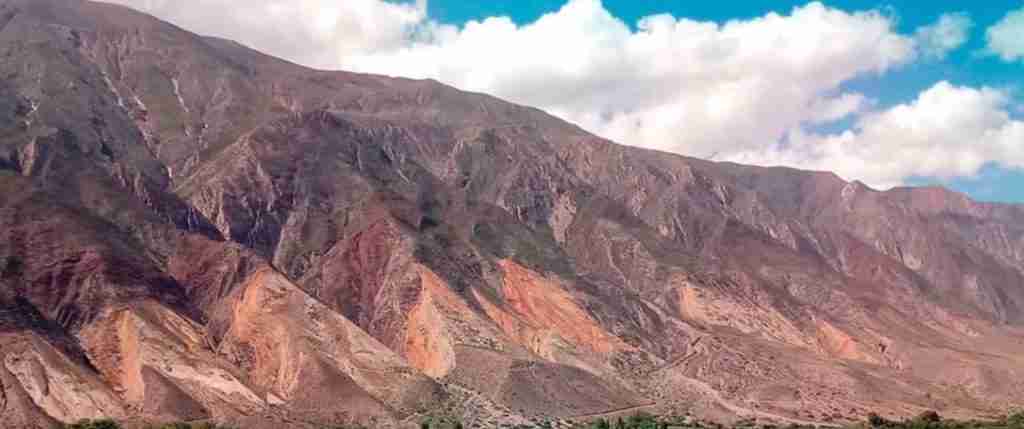
The Quebrada de las Conchas (Shell Gorge) connects Salta with the Calchaquí Valley through a spectacular canyon carved by the Río de las Conchas over millions of years. The gorge exposes sedimentary rock layers deposited during various geological periods, creating a timeline of Earth’s history visible in the canyon walls. Red sandstones dominate the formations, colored by iron oxide and laid down approximately 15-20 million years ago when the region sat beneath ancient seas and lakes.
Distinctive rock formations punctuate the 80-kilometer canyon route, each shaped by erosion processes working on rock layers of varying hardness and composition. The Garganta del Diablo (Devil’s Throat) consists of tall red cliffs forming a narrow slot canyon where the river has cut a deep vertical channel. The natural Amphitheater features curved rock walls creating acoustic properties that amplify sounds, formed where softer layers eroded faster than surrounding harder strata, leaving a semi-circular alcove.
The Castles formation displays weathered rock pinnacles and towers resembling medieval fortifications, created as differential erosion carved the softer sedimentary layers while harder capstones protected underlying material. Los Colorados showcases intensely red rock faces where iron-rich sediments oxidized over millennia, creating colors ranging from deep crimson to orange-red. The House of the Parrots features holes and cavities in rock faces where parakeets and other birds nest, carved by wind and water erosion working on soft pockets within harder surrounding rock.
Geological processes continue shaping the Quebrada de las Conchas today, with seasonal floods during summer months (December-February) carrying sediment that gradually deepens the canyon while undermining rock faces and causing occasional collapses. The arid climate slows erosion compared to humid regions, but the dramatic temperature variations—freezing nights even in summer at higher elevations—create freeze-thaw cycles that crack rock and accelerate weathering. This combination of ongoing processes means the canyon continues evolving, with changes visible over decades as new formations develop and existing features alter.
Premier Cafayate Wineries for 2026 Tours
Established Heritage Wineries
Bodega El Esteco ranks among Cafayate’s oldest continuously operating wineries, founded in 1892 and maintaining production through various ownership changes. The estate spans 800 hectares with vineyards at multiple elevations, producing a range from approachable everyday wines to premium single-vineyard expressions. Their Torrontés showcases classic Cafayate aromatic intensity, while their Don David Reserve Malbec competes in international competitions. Tours include historical cellars, modern production facilities, and tastings on terraces overlooking vineyards against mountain backdrops.
Domingo Hermanos/Finca Las Nubes operates Argentina’s highest vineyards at over 3,000 meters elevation, producing extremely limited quantities of intense, concentrated wines. The family-run estate maintains organic farming practices and minimal intervention winemaking, creating wines that express pure terroir with minimal manipulation. Their Malbec and Tannat achieve remarkable concentration and complexity, commanding premium prices ($80-120 per bottle) that reflect the extreme conditions and tiny production volumes. Visits require advance booking due to limited capacity and remote location.
Bodega Nanni represents traditional Cafayate winemaking with a family operation spanning four generations. The compact estate focuses on quality over quantity, with carefully tended vineyards producing grapes for a small portfolio of wines including Torrontés, Malbec, Cabernet Sauvignon, and Tannat. Their tasting room maintains an intimate atmosphere where family members often conduct tastings personally, sharing stories of Cafayate’s wine history and their family’s role in regional development. Prices remain accessible ($10-30 per bottle) while quality rivals more expensive options.
Vasija Secreta combines modern winemaking technology with respect for traditional Calchaquí Valley practices, producing wines that balance contemporary style with regional character. Their extensive portfolio includes single-varietal wines and innovative blends, with particular success in Torrontés-based white blends and Malbec-Tannat red combinations. The visitor center offers comprehensive tours explaining viticultural practices specific to high-altitude conditions, followed by structured tastings comparing different terroirs and winemaking approaches within their range.
Boutique and Premium Estates
Bodega San Pedro de Yacochuya represents a collaboration between Michel Rolland (internationally renowned wine consultant) and the Etchart family, producing ultra-premium wines from vineyards at 2,035 meters elevation. The estate’s flagship wine, Yacochuya, combines Malbec, Cabernet Sauvignon, and Tannat into a powerful, age-worthy blend regularly scoring 92+ points from international critics. Production remains intentionally limited, creating wines that sell out quickly upon release at prices exceeding $100 per bottle. Visits accommodate only small groups and require advance reservations, but provide intimate experiences including vineyard walks and extensive tastings guided by estate winemakers.
Amalaya produces modern-styled wines emphasizing fruit purity and drinkability while showcasing Cafayate’s distinctive terroir. Their Torrontés achieves exceptional balance between the variety’s naturally intense aromatics and refreshing acidity, making it one of the region’s most food-friendly whites. The winery’s architecture blends into the landscape with earth-toned buildings designed to minimize environmental impact while providing spectacular views. Tastings often include food pairings demonstrating how high-altitude wines complement both traditional Northwestern Argentine cuisine and international dishes.
Piatelli Vineyards brings Tuscan-inspired architecture and Italian winemaking philosophy to Cafayate, creating a striking contrast between traditional regional styles and international wine aesthetics. The estate’s contemporary facility features a restaurant serving gourmet lunch pairings with their wines, making it popular for extended visits combining wine education with culinary experiences. Their wine range spans approachable everyday bottles to reserve-level wines, with particular success in Torrontés and Malbec expressing clear varietal character while maintaining balance and elegance.
Bodega Colomé operates Argentina’s oldest vineyard (planted 1831) alongside some of the world’s highest at Altura Máxima estate (3,111 meters), creating a portfolio that spans historical significance and extreme viticulture experimentation. The winery pioneered biodynamic farming in the region, with all vineyards certified organic and managed according to biodynamic principles. Their estate restaurant offers exceptional food and wine pairings in a spectacular setting, while the adjacent James Turrell Museum houses large-scale light and space installations providing unexpected contemporary art experiences in the remote Calchaquí Valley.
Accessible and Tourist-Friendly Options
Bodega El Porvenir de Cafayate maintains a central location in Cafayate town with a welcoming tasting room that accommodates walk-in visitors throughout the day. The family operation produces reliable, well-made wines across their portfolio, with prices remaining accessible ($12-25 per bottle) while quality exceeds expectations for the value. Their Torrontés and rosé prove particularly popular with visitors seeking approachable wines that showcase regional character without demanding extensive wine knowledge to appreciate. The relaxed atmosphere and flexible visiting hours make El Porvenir ideal for travelers on independent schedules or those adding winery visits to other Cafayate activities.
Piattelli represents larger-scale production while maintaining visitor-friendly facilities and comprehensive tour programs. Multiple daily tours in English and Spanish accommodate varying group sizes, from solo travelers joining shared groups to private family tours. The modern tasting room provides comfortable settings for learning about high-altitude viticulture, with visual aids and guided comparisons helping visitors understand how elevation, climate, and soil affect wine character. Their wine shop stocks full portfolios with knowledgeable staff providing recommendations based on preferences and budgets.
Finca Quara combines winery visits with cultural experiences including traditional Argentine asado demonstrations and folk music performances during peak season. The estate’s commitment to showcasing Northwestern Argentine culture alongside their wines creates immersive experiences that appeal to travelers interested in regional traditions beyond pure wine focus. Their tour packages often include lunch pairings featuring local specialties like empanadas, locro, and tamales alongside wine tastings, providing comprehensive introductions to Cafayate’s culinary and wine cultures simultaneously.
Detailed Tour Itinerary for 2026 Cafayate Wine Tours
Morning Departure and Quebrada de las Conchas Transit
Cafayate wine tours from Salta begin with hotel pickups between 7:00-8:00 AM from centrally located accommodations. The later start compared to other northwestern Argentina day trips reflects the shorter distance to Cafayate and the focus on wine tasting, which benefits from late morning to early afternoon timing when tasting rooms operate fully staffed with optimal service. Vehicles depart Salta by 8:30 AM, heading southwest on Route 68 through the Lerma Valley’s agricultural lowlands.
The first hour passes through tobacco and vegetable farming areas where traditional adobe structures and modern agricultural operations coexist. Towns like Cerrillos and La Merced provide glimpses of daily life in northwestern Argentina, with morning markets, colonial churches, and local cafes serving traditional breakfasts. The gradual elevation gain from Salta (1,152 meters) to the Quebrada de las Conchas approach (1,400-1,600 meters) minimizes altitude impacts, though the wine region’s elevation still requires modest acclimatization.
Entering the Quebrada de las Conchas approximately 90 minutes from Salta marks a dramatic landscape transition from green agricultural valleys to red sandstone canyon scenery. The first major formation, La Yesera, displays white gypsum deposits contrasting with red sandstones, creating striking color combinations. Tours stop for 10-15 minutes allowing photography and initial geological orientation from guides explaining the sedimentary processes that created the canyon over millions of years.
Subsequent stops at major formations occur every 15-20 minutes, creating a progression through the canyon’s geological wonders. The Garganta del Diablo (Devil’s Throat) stop allows walking into the narrow slot canyon where vertical red walls tower overhead and the confined space amplifies sounds. The natural Amphitheater stop demonstrates acoustic properties as guides or travelers sing or speak, with the curved rock walls reflecting sound to create cathedral-like reverberations. Los Castillos (The Castles) provides dramatic backdrops for photography with its eroded towers and pinnacles.
Arrival in Cafayate and First Winery Visit
Tours arrive in Cafayate between 11:30 AM-12:30 PM depending on the number and duration of Quebrada de las Conchas stops. The charming town of 12,000 residents centers around Plaza 20 de Febrero, surrounded by colonial architecture, artisan shops, and numerous wine bars offering tastings from local producers. Many tours allow 15-20 minutes for facilities breaks and quick orientation walks through the plaza before proceeding to winery visits, providing travelers with context about the town’s wine culture and traditional architecture.
First winery visits occur during late morning to early afternoon, optimal timing for wine tasting when palates remain fresh and wineries operate full educational programs. Shared group tours visit larger, established wineries equipped to accommodate 15-20 people simultaneously with structured tasting programs. These visits last 60-90 minutes including vineyard walks (weather permitting), production facility tours showing fermentation tanks and barrel aging rooms, and guided tastings of 4-6 wines representing the estate’s range from entry-level to reserve offerings.
Winery guides explain Cafayate’s unique viticultural conditions, demonstrating how altitude, climate, and soil create the region’s distinctive wine character. Vineyard walks highlight the sandy, rocky soils and training systems adapted to intense sun and dry conditions. Production tours showcase modern temperature-controlled fermentation alongside traditional concrete tanks and oak barrel aging programs. The educational component helps visitors understand why Cafayate wines taste different from lower-altitude regions, building appreciation for the efforts required to produce wine in extreme high-altitude conditions.
Tastings progress systematically through white wines (emphasizing Torrontés), rosés, and red wines in order of increasing body and tannin. Guides provide tasting notes describing expected aromas, flavors, and structural elements while encouraging participants to develop their own impressions. Spittoons allow professional tasting without consuming every pour, though many visitors choose to drink given the limited alcohol content across 4-6 small pours. Light snacks—cheese, crackers, nuts—often accompany tastings, helping cleanse palates between wines and providing food that highlights wine characteristics.
Lunch and Second Winery Experience
Lunch breaks occur between 1:30-2:30 PM, with tours either allocating free time for independent dining or arranging group lunches at specific restaurants. Cafayate’s restaurant scene emphasizes traditional Northwestern Argentine cuisine with wine-focused menus designed to showcase local varietals. Popular lunch dishes include empanadas (savory pastries filled with spiced meat, cheese, or vegetables), locro (hearty corn and meat stew), cazuela de llama (llama meat casserole), and grilled meats paired with regional wines.
Restaurant costs in Cafayate range $15-25 per person for a full lunch including starter, main course, dessert or coffee, and a glass of wine. Many restaurants offer tasting menus specifically designed for wine tour participants, featuring 3-4 small courses paired with different local wines for $25-35 per person. These experiences provide structured wine and food pairing education while supporting local restaurants and introducing travelers to traditional dishes they might otherwise overlook. Vegetarian options remain somewhat limited but include cheese and vegetable empanadas, salads, pasta dishes, and vegetable-based stews.
Second winery visits occur during mid-to-late afternoon, often at smaller, boutique estates offering more intimate experiences than the larger first-visit wineries. These secondary visits might include meeting winemakers personally, tasting library wines showing age development, or experiencing specialized offerings like late-harvest dessert wines or experimental small-batch productions. The more relaxed afternoon timing allows extended conversations about winemaking philosophy, viticulture challenges, and the estate’s history within Cafayate’s wine evolution.
Some premium tours arrange special experiences at second wineries including private barrel tastings (sampling wines still aging before bottling), vineyard picnics among the vines, or sunset terrace sessions overlooking valleys and mountains. These curated experiences significantly enhance the wine tour’s value by providing access unavailable to standard visitors and creating memorable moments that extend beyond simple wine consumption. Photography opportunities abound with dramatic mountain backdrops, perfectly aligned vine rows, and golden afternoon light illuminating the landscape.
Return Journey and Evening Arrival
The return journey to Salta begins between 3:30-4:30 PM, allowing 2.5-3 hours for the transit back through the Quebrada de las Conchas. Most tours reduce the number of stops during the return compared to the morning approach, making 2-3 brief photo stops at formations not visited in the morning or where afternoon light creates different visual effects. The western sun during late afternoon illuminates rock faces differently than morning light, creating warmer tones and longer shadows that add drama to the red sandstone formations.
Some operators offer alternative return routes through secondary valleys, adding 30-45 minutes to travel time but providing varied scenery and visiting villages not seen during the outbound journey. These alternative routes might include stops in small towns like Animaná or San Carlos, offering glimpses of traditional rural life in the Calchaquí Valley. The additional travel time trades efficiency for diversity of experience, appealing to travelers who prefer varied routes over retracing the same roads twice.
The journey’s final hour traverses the Lerma Valley as daylight fades, with the setting sun creating dramatic light on the surrounding mountains. Tours arrive back in Salta between 7:00-8:00 PM, completing 11-13 hour days that feel shorter than the duration suggests due to the varied activities and spectacular scenery. The combination of geological wonders, wine education, excellent food, and beautiful landscapes creates satisfying experiences despite the long hours, though the extended day creates genuine fatigue that makes early bedtimes advisable.
Budget Planning for 2026 Cafayate Wine Tours
Tour Costs and Package Comparisons
Shared group Cafayate wine tours from Salta cost $60-85 per person in 2026, with variations reflecting group sizes, winery selections, and included amenities (check operators for current rates as pricing may vary). Budget tours at $60-70 per person visit one or two established wineries with standard tastings included, provide basic transportation in minibuses or small coaches, and allocate free time in Cafayate for independent lunch arrangements. Mid-range tours at $75-85 per person limit groups to 8-12 travelers, visit two premium wineries with enhanced tasting programs, provide better vehicles with superior comfort, and sometimes include light snacks or one meal.
Private wine tours range $180-215 per person for 2-4 travelers, delivering complete customization of winery selections, timing, and itinerary elements. These premium experiences allow visiting boutique estates not accessible to larger tours, arranging meetings with winemakers, and adjusting schedules to accommodate specific interests like extended tasting sessions or additional cultural stops. Private tours also permit flexibility in lunch arrangements, from picnics among vineyards to reservations at Cafayate’s top restaurants, creating highly personalized wine experiences worth the significant cost premium for serious wine enthusiasts or special occasions.
Half-day wine tours from Cafayate itself cost $95-120 per person for 6-hour experiences visiting 2-3 wineries without the Quebrada de las Conchas component. These tours appeal to travelers already in Cafayate or those visiting Salta for extended periods who prefer splitting wine tasting and canyon scenery into separate excursions. The focused wine emphasis allows visiting more estates and allocating more time at each, though missing the Quebrada de las Conchas eliminates one of the tour’s signature elements.
Multi-day wine tours combining Cafayate with other northwestern Argentina wine regions like Molinos or Cachi cost $450-650 per person for 2-3 day programs including accommodations, meals, and extensive winery visits. These immersive experiences appeal to serious wine enthusiasts wanting comprehensive exploration of Argentina’s high-altitude wine production without the rushed feeling of single-day tours. The multi-day format also allows experiencing Cafayate at different times of day including sunset and evening when the town’s restaurants and wine bars create vibrant social scenes impossible to experience on day trips.
Wine Purchases and Shipping Considerations
Wine prices at Cafayate wineries range from $10-15 per bottle for entry-level everyday wines to $40-80 for reserve and single-vineyard expressions, with ultra-premium limited productions commanding $100-150+ per bottle. Purchasing directly from wineries often provides 10-15% discounts compared to retail wine shops, while some estates offer additional discounts for multiple bottle purchases (buy 6, receive 10% off; buy 12, receive 15% off). Paying in cash sometimes yields further discounts of 5-10%, as wineries avoid credit card processing fees.
International shipping from Cafayate to Europe, North America, or other distant markets faces significant logistical challenges and costs. Minimum shipments range 12-24 bottles, with shipping costs often exceeding $150-250 depending on destination and quantity. Import duties, taxes, and customs clearance add further costs that can approach 50-100% of wine value in high-tax markets. The complexity and expense make international shipping practical only for high-value wines ($50+ per bottle) where the total landed cost remains competitive with retail prices in destination markets.
Travelers from within Argentina or neighboring countries face fewer shipping obstacles, with domestic Argentine shipment costing $20-40 for 12 bottles to Buenos Aires or other major cities. Chilean, Uruguayan, and Brazilian travelers sometimes arrange regional shipping, though import regulations vary significantly by country. Carrying wines in checked luggage provides the most practical solution for moderate purchases (6-12 bottles), though wrapping bottles carefully in clothing and using wine bottle protectors minimizes breakage risk during airline handling.
Some wineries offer wine club memberships providing regular shipments, advance access to limited releases, and discounts on future purchases. These programs appeal to travelers who develop strong affinity for specific estates and want ongoing relationships beyond single visits. Annual fees range $80-150 with requirements to purchase minimum quantities (typically 4-6 bottles) several times yearly, making them worthwhile only for committed enthusiasts who plan to make repeated purchases regardless of membership benefits.
Sample Budget Breakdowns for Different Wine Tour Styles
Budget Wine Tour Day: Shared group tour $65, lunch $18, wine purchases $40 (three bottles), souvenirs $12, tips $8. Total day cost: $143 per person (excluding Salta accommodation).
Mid-Range Wine Tour Day: Small group tour $80, enhanced lunch with wine pairings $28, wine purchases $90 (five bottles including one premium), artisan products $25, tips $10. Total day cost: $233 per person (excluding Salta accommodation).
Premium Private Wine Tour Day: Private tour $190 per person, gourmet lunch with pairings $45, premium wine purchases $180 (three reserve bottles), artisan cheese and products $40, tips $15. Total day cost: $470 per person (excluding Salta accommodation).
These budgets exclude Salta accommodation costs ($25-180 per night depending on category) and transportation to/from Salta. Wine purchases represent optional expenses based on personal preferences, with some travelers choosing not to buy bottles while others invest heavily in building wine collections. The range of experiences available means Cafayate wine tours accommodate budgets from $150-500+ total per person depending on tour selection, dining choices, and wine purchasing decisions.
Sample 2026 Cafayate Wine Tour Itinerary
Full-Day Shared Group Wine Tour Experience
7:30 AM: Hotel pickup in central Salta, boarding comfortable van with 11 other travelers and bilingual wine-focused guide. Vehicle departs at 8:00 AM heading southwest on Route 68 through the Lerma Valley. Guide provides introduction to Cafayate wine history, Torrontés characteristics, and preview of the day’s winery visits during initial driving segment.
8:30-9:15 AM: Transit through tobacco farming region with guide explaining traditional cultivation visible in adobe drying structures. Coffee stop in La Viña allows facilities break and opportunity to purchase regional empanadas ($2 each) for mid-morning snacks. Local cafe offers coca tea and strong Argentine coffee preparing travelers for the day’s wine tasting.
9:30-11:00 AM: Progression through Quebrada de las Conchas with stops at major rock formations. Twenty minutes at Garganta del Diablo (Devil’s Throat) allows walking into the slot canyon and experiencing dramatic red rock walls. Fifteen minutes at the natural Amphitheater demonstrates acoustic properties with guide singing traditional Argentine folk music. Ten minutes at Los Castillos provides photography opportunities with iconic eroded towers. Guide explains geological processes throughout, connecting rock layers to timeline of Earth’s history.
11:15-11:45 AM: Arrival in Cafayate town with brief orientation walk around Plaza 20 de Febrero. Admire colonial church, browse artisan market stalls displaying local crafts, and use facilities at plaza cafe. Purchase small goat cheese from local producer ($8) to enjoy with wine later.
12:00-1:30 PM: First winery visit at Bodega El Esteco, large established estate with comprehensive facilities. Thirty-minute guided tour includes vineyard walk explaining high-altitude viticulture, view of fermentation tanks and barrel aging rooms, and explanation of estate history spanning 130+ years. Sixty-minute tasting includes five wines: Torrontés, rosé, entry-level Malbec, reserve Cabernet Sauvignon, and late-harvest dessert wine. Guide provides structured tasting notes while encouraging personal impressions. Purchase two bottles of Torrontés ($26 total) impressed by crisp acidity balancing floral aromatics.
1:45-3:00 PM: Lunch at traditional restaurant El Rancho. Order empanadas starter ($6), cazuela de llama main course ($15), and glass of local Malbec ($4). Seventy-five minutes allows leisurely meal and conversation with fellow tour participants sharing wine experiences and travel stories.
3:15-4:30 PM: Second winery visit at boutique estate Bodega Nanni, family operation with intimate atmosphere. Forty-five-minute tour led by family member includes detailed viticulture explanation focusing on organic practices and minimal intervention winemaking philosophy. Thirty-minute tasting includes four wines: Torrontés, Malbec, Tannat, and experimental Torrontés-Viognier blend. Extended conversation about high-altitude wine characteristics and regional terroir variations. Purchase single bottle of reserve Malbec ($32) representing Cafayate’s premium expressions.
4:45-7:15 PM: Return journey through Quebrada de las Conchas with reduced stops. Twenty minutes at Los Colorados formation not visited during morning, where late afternoon sun creates intense red colors in iron-rich rock faces. Brief stops for photography at locations where afternoon light creates superior conditions compared to morning shadows. Guide provides additional geological information and answers remaining questions about wine region.
7:30 PM: Drop-off at Salta hotels, concluding 12-hour wine-focused day trip. Total costs: Tour $80, coffee and empanadas $6, lunch $25, wine purchases $58, cheese $8, guide tip $10. Total day cost: $187 per person (excluding accommodation).
Best Seasons for Cafayate Wine Tours 2026
Harvest Season (March-May) Experiences
The grape harvest (vendimia) from mid-March through April represents the most dynamic period for Cafayate wine tours, when vineyards pulse with activity as workers hand-pick grapes and wineries begin fermentation. Visiting during harvest provides opportunities to witness the entire winemaking process from vine to tank, including grape sorting, crushing, and early fermentation stages. Many wineries welcome visitors to participate in harvest activities, allowing hands-on experiences picking grapes, sorting fruit, and even foot-treading traditional-style crushes recreating historical methods.
Harvest timing varies by grape variety and vineyard elevation, with early-ripening white grapes like Torrontés harvested in late February through early March, while later-ripening reds like Cabernet Sauvignon and Tannat continue into late April. This extended harvest window means almost any March-April visit encounters some harvest activity, though peak action occurs mid-March through mid-April when multiple varieties ripen simultaneously. The energy and excitement around harvest creates particularly engaging winery experiences as winemakers balance visitor hospitality with the intensive demands of processing freshly picked grapes.
Weather during autumn months remains excellent for touring, with temperatures ranging 18-25°C (64-77°F) providing comfortable conditions for outdoor vineyard activities and extended wine terrace sessions. Rainfall probability increases slightly compared to winter but remains low, with occasional afternoon thunderstorms clearing quickly and rarely disrupting tour schedules. The autumn light creates beautiful photography conditions with softer, more golden tones compared to the harsh summer sun, while vine leaves changing color add visual variety to vineyard landscapes.
Booking harvest season tours requires advance planning as this period sees increased visitor numbers from wine enthusiasts specifically targeting vendimia timing. Reservations 4-6 weeks ahead secure availability, particularly for smaller boutique wineries with limited visitor capacity. Some estates host harvest festivals during late March or early April, featuring traditional music, regional food, and special wine releases that create festive atmospheres ideal for cultural immersion alongside wine education.
Spring Growing Season (September-November)
Spring months bring vineyards to life after winter dormancy, with vines budding out and beginning new growth cycles. Visiting during spring allows observing the early stages of the annual vineyard cycle, from bud break through flowering to initial fruit set. While less dramatic than harvest, the spring period offers educational value as guides explain canopy management techniques, flowering biology, and the critical decisions winemakers make about crop loads that determine final wine quality months later.
Weather during spring proves highly variable, with warming trends interrupted by occasional cold snaps that can threaten vine development. Temperatures range from cool mornings (8-12°C/46-54°F) to warm afternoons (20-25°C/68-77°F), requiring layered clothing that adapts to changing conditions throughout the day. Rainfall increases compared to winter, though total precipitation remains modest and rarely creates extended tour disruptions. The desert vegetation surrounding vineyards blooms during spring, adding wildflowers and greenery that contrast beautifully with the red rock landscapes.
Tourist numbers during spring remain moderate, creating comfortable conditions at popular wineries without the peak season crowds of June-August. This shoulder period offers better value, with some operators providing early/late season discounts of 5-10% compared to peak winter pricing. The reduced pressure on wineries also means staff can allocate more time to individual visitors, creating opportunities for extended conversations and more personalized attention than possible during busier periods.
Spring wine releases bring new vintages to market as wineries bottle wines that have completed aging. Many estates host release parties or special tastings introducing their latest productions, providing opportunities to taste freshly bottled wines showing youthful fruit characteristics before age development. These events create social atmospheres where visitors interact with winemakers, local wine enthusiasts, and fellow travelers in convivial settings celebrating the region’s wine culture.
Winter Peak Season (June-August)
Winter months constitute Cafayate’s peak tourist season, coinciding with ideal weather conditions and school vacation periods that bring Argentine domestic travelers to the northwest. Clear skies dominate throughout winter, with rainfall nearly absent and temperatures remaining comfortable during midday hours (15-22°C/59-72°F) despite cold nights. The reliable weather creates optimal touring conditions, though increased visitor numbers mean busier wineries and more crowded tour experiences compared to shoulder seasons.
Vineyard dormancy during winter means vines appear as bare wood without leaves or fruit, reducing the visual appeal compared to growing or harvest seasons. However, the stark winter landscape highlights the dramatic mountain backdrops and allows clearer views of vineyard structure, training systems, and soil characteristics that lush foliage obscures during other seasons. Winter pruning activities provide educational opportunities as guides explain how pruning decisions shape next season’s crop quality and quantity.
Winter festivals and cultural events enliven Cafayate during June-August, with the town hosting traditional music performances, regional food fairs, and wine celebrations that showcase Northwestern Argentine culture. These events create opportunities for cultural immersion beyond pure wine focus, introducing travelers to folk traditions, artisan crafts, and local cuisine that contextualize wine within broader regional heritage. The social energy during winter peak season creates vibrant town atmospheres, particularly during evenings when restaurants and wine bars fill with visitors and locals.
Booking winter tours requires maximum advance planning, with popular operators and premium wineries selling out 6-8 weeks ahead during July (peak vacation period). Last-minute availability becomes limited to budget tours or less desirable time slots, making early booking essential for travelers with fixed schedules. Accommodation in Cafayate itself becomes scarce during peak winter weeks, with many travelers opting for Salta-based tours rather than attempting to secure Cafayate lodging.
Transportation and Logistics for 2026 Cafayate Tours
Organized Tour Options from Salta
Organized wine tours represent the practical choice for most Cafayate visitors, handling all logistics including transportation, winery reservations, and timing coordination while allowing participants to enjoy wine tastings without driving concerns. Daily departures from Salta occur throughout the year, with multiple operators offering tours at various price points and experience levels. Tours depart between 7:00-8:00 AM from central Salta hotels, with later starts compared to other regional excursions reflecting the wine-focused nature and optimal mid-morning to afternoon tasting timing.
Vehicle types range from basic minibuses for budget tours to luxury vans for mid-range options to premium SUVs for private experiences. Comfort levels significantly impact the 6-7 hours of driving that constitute significant portions of tour duration, making vehicle quality an important consideration when comparing tour options. Mid-range and premium tours provide features like individual climate control, USB charging ports, WiFi connectivity, and superior suspension systems that handle the occasionally rough road sections more smoothly than budget vehicles.
Guide quality varies considerably across operators, with the best guides possessing deep wine knowledge, engaging presentation skills, and genuine enthusiasm for sharing Cafayate’s wine culture. Premium operators employ guides with formal sommelier training or extensive wine industry experience, while budget tours may use general guides with basic wine knowledge. Reading recent reviews helps identify operators with consistently excellent guides, as guide quality dramatically affects tour educational value and overall enjoyment regardless of wineries visited.
Winery access through organized tours often includes preferential treatment compared to independent visitors, with tour groups receiving priority scheduling, dedicated guide attention, and sometimes access to areas or wines not available to walk-in guests. Established relationships between tour operators and wineries create mutually beneficial arrangements where wineries receive regular visitor streams while tours guarantee quality experiences for their clients. These partnerships particularly benefit visitors during peak season when wineries might limit walk-in visitors to maintain service quality for reserved groups.
Self-Drive and Independent Visit Strategies
Renting a car in Salta and driving independently to Cafayate offers flexibility for wine enthusiasts wanting to customize winery selections, timing, and overall itinerary. Car rental costs $40-80 per day for standard vehicles adequate for the route (check operators for current rates), with the 380-kilometer round trip consuming $30-40 in fuel. Self-drivers must abstain from wine consumption or designate a non-drinking driver, as Argentina’s strict drunk driving laws carry severe penalties including license confiscation and potential jail time for violations.
The Route 68 drive from Salta to Cafayate presents no significant technical challenges, following well-maintained asphalt with clear signage throughout. The Quebrada de las Conchas section includes some narrow passages and occasional rough patches, but standard vehicles manage easily during dry conditions. Allowing 3-3.5 hours for the one-way journey provides time for photo stops at major formations without rushing, with early starts (6:00-7:00 AM) ensuring arrival in Cafayate by late morning when wineries begin daily operations.
Independent visitors should make winery reservations in advance, as many estates require appointments particularly during peak season or for specialized tours. Calling or emailing wineries 1-2 weeks ahead secures preferred time slots and ensures staff availability for guided experiences. Some larger, tourist-oriented wineries accommodate walk-ins throughout the day, but boutique estates strictly operate by appointment only. Creating an itinerary visiting 2-3 wineries with 90-minute allocations each, plus lunch and travel time, allows comprehensive experiences without excessive rushing.
Hiring a private driver eliminates the designated driver requirement while maintaining independent itinerary control. Driver services in Salta cost $120-180 per day for full-day Cafayate trips, with drivers providing transportation but not wine guide services. This option proves economical for groups of 4+ travelers splitting costs, while providing complete wine tasting freedom. Some drivers possess extensive regional knowledge and provide informal guide commentary, though their wine expertise rarely matches dedicated wine tour guides.
Multi-Day Cafayate Base Strategies
Staying in Cafayate for 2-3 days allows thorough wine region exploration without the rushed feeling of day trips from Salta. Accommodation options in Cafayate range from budget hostels ($25-40 per night) to charming boutique hotels ($80-150 per night) to luxury wine lodges ($200-400 per night). Basing in Cafayate enables visiting wineries at optimal times including morning when palates remain fresh, afternoon when golden light enhances vineyard photography, and evening for sunset terrace sessions.
Bus service between Salta and Cafayate operates 4-5 times daily with travel times of 4-4.5 hours and fares around $12-18 depending on service class. The buses provide economical transportation for travelers planning extended Cafayate stays, though the lack of Quebrada de las Conchas stops means missing the geological highlights that constitute significant portions of day tour value. Some travelers combine one-way bus service with one-way day tour, traveling to Cafayate independently then returning via organized tour or vice versa.
Multi-day Cafayate stays allow participating in evening activities impossible on day trips, including wine bar visits, restaurant wine pairing dinners, and cultural performances. The town’s wine bars offer tastings from dozens of local producers, creating opportunities to sample wines from estates not visited during the day. Traditional folk music performances at various venues showcase Northwestern Argentine culture, while artisan workshops provide chances to meet craftspeople and purchase authentic regional products.
Expanding beyond Cafayate wine district allows visiting more remote high-altitude vineyards like Colomé (2 hours south) or exploring the broader Calchaquí Valley including villages like Molinos and Cachi. Multi-day itineraries combining wine tasting with cultural exploration, archaeological sites, and natural landscapes create comprehensive northwestern Argentina experiences that single-day wine tours cannot match. Rental cars or hired drivers provide flexibility for these extended explorations, though some tour operators offer multi-day programs handling all logistics for travelers preferring guided experiences.
Wine and Food Pairing in Cafayate 2026
Signature Northwestern Argentine Dishes
Traditional Northwestern Argentine cuisine emphasizes hearty, spiced preparations utilizing local ingredients including maize, potatoes, squash, quinoa, and various meats. Locro, a thick stew combining hominy corn, beans, meat (beef, pork, or chorizo), and vegetables, represents the region’s iconic dish particularly popular during national holidays and festivals. The rich, warming stew pairs excellently with full-bodied Cafayate reds like Malbec or Tannat, with the wine’s tannins cutting through the stew’s richness while complementing the spiced flavors.
Empanadas come in numerous regional variations, with Northwestern styles featuring ground beef spiced with cumin, paprika, and sometimes raisins for sweetness contrast. The savory-sweet flavor profile creates interesting pairings with Cafayate Torrontés, where the wine’s floral aromatics and crisp acidity balance the empanada’s richness while its subtle fruit notes complement the meat’s spices. Cheese and vegetable empanadas pair beautifully with rosés or lighter-styled Malbecs that won’t overwhelm the more delicate fillings.
Tamales wrapped in corn husks and filled with spiced meat, vegetables, or cheese showcase indigenous cooking techniques predating Spanish colonization. The moist, corn-based preparation matches well with aromatic whites like Torrontés or Viognier blends, where the wine’s intensity stands up to the bold seasonings while the fresh acidity cuts through the tamale’s richness. For meat-filled versions, lighter reds like young Bonarda or Malbec rosés provide excellent balance without overwhelming the corn’s sweetness.
Cazuela preparations featuring slow-cooked meats (often llama or goat) with vegetables and regional spices create deeply flavored dishes ideal for structured red wine pairings. Cafayate Tannat’s powerful tannins and dark fruit match the intensity of well-seasoned llama meat, while aged Malbec’s developed complexity complements the slow-cooking methods that build layered flavors. These traditional preparations demonstrate how Northwestern Argentine cuisine evolved alongside the region’s wine production, creating natural harmonies between local foods and wines.
Modern Cafayate Dining and Wine Experiences
Contemporary Cafayate restaurants blend traditional Northwestern ingredients with modern techniques and international influences, creating innovative dishes that showcase the region’s products while pushing beyond purely traditional preparations. Grilled llama carpaccio with Andean herbs, quinoa risotto with local cheese, and duck confit with sweet potato purée represent the creative approaches elevating Cafayate’s culinary scene. These dishes pair excellently with the region’s premium wines, creating sophisticated food and wine experiences rivaling Argentina’s more established gastronomic destinations.
Several Cafayate wineries operate on-site restaurants offering comprehensive wine and food pairing experiences where dishes are specifically designed to complement estate wines. Multi-course tasting menus ($40-70 per person) progress through 5-7 small plates paired with corresponding wines, demonstrating how thoughtful food and wine combinations enhance both elements. These experiences provide educational value as sommeliers explain pairing principles while showcasing the versatility of high-altitude wines across diverse cuisine styles.
Artisan cheese production in the Calchaquí Valley creates excellent pairing opportunities for Cafayate wines, with local goat and sheep milk cheeses ranging from fresh, soft styles to aged, hard varieties. Young, fresh cheeses pair beautifully with crisp Torrontés or rosés, while aged varieties with concentrated flavors match well with reserve Malbecs or Cabernet Sauvignons. Cheese platters combining local production with cured meats (salames, prosciutto), olives, and dried fruits create traditional Argentine picada that serves as excellent accompaniment for wine tastings.
Dessert pairings showcase Cafayate’s late-harvest and fortified wines, which match beautifully with regional sweets like dulce de leche-based preparations, alfajores (sandwich cookies), and fruit tarts. The concentrated sweetness and acidity in late-harvest Torrontés balances rich desserts while the wine’s floral notes add aromatic complexity. Some wineries produce small quantities of fortified wines in Port or Sherry styles, creating unique pairing opportunities with chocolate, nuts, and aged cheeses that demonstrate Cafayate’s winemaking creativity beyond standard table wines.
FAQ: Cafayate Wine Tours 2026
Can you visit Cafayate wineries independently without a tour?
Yes, independent winery visits are possible in Cafayate, with many estates welcoming walk-in visitors during business hours (10:00 AM-6:00 PM) or by appointment. Larger, tourist-oriented wineries like El Esteco, Piattelli, and Vasija Secreta accommodate independent visitors with regular tour schedules throughout the day. Boutique estates require advance reservations, typically by phone or email 1-2 weeks ahead. Independent visitors should designate a non-drinking driver or hire local transportation ($30-50 for half-day driver services in Cafayate area) to visit multiple wineries safely. While missing the Quebrada de las Conchas scenery that constitutes significant value in Salta-based tours, Cafayate-based independent visits allow deeper wine region immersion with flexible timing and personalized winery selection.
What is the difference between Cafayate and Mendoza wines?
Cafayate wines differ dramatically from Mendoza production due to extreme altitude (1,700-3,000+ meters vs. 600-1,200 meters in Mendoza), creating wines with more intense aromatics, higher acidity, and distinctive mineral qualities. Cafayate Malbec shows firmer structure, brighter fruit, and more pronounced mineral notes compared to Mendoza’s softer, riper expressions. The signature Torrontés variety rarely succeeds in Mendoza but thrives in Cafayate’s high-altitude conditions, producing intensely aromatic whites with crisp acidity. Cafayate’s extreme diurnal temperature variation preserves acidity while developing full ripeness, creating wines with better balance and aging potential than many lower-altitude regions. The smaller production scale and relative obscurity mean Cafayate wines offer better value than comparable-quality Mendoza wines, particularly at premium levels where the price differential becomes pronounced.
Is Cafayate suitable for non-wine drinkers?
Cafayate tours appeal to non-wine drinkers through the spectacular Quebrada de las Conchas scenery, which constitutes significant tour value independent of wine interest. The dramatic red rock formations, geological education, and photographic opportunities engage travelers regardless of wine enthusiasm. Cafayate town offers colonial architecture, artisan markets, and traditional Northwestern Argentine culture worth experiencing beyond wine focus. Non-drinking tour participants can taste and spit at wineries (standard professional practice), enjoy vineyard landscapes, and appreciate the agricultural and geological aspects of high-altitude viticulture. Many tours include cultural elements like traditional music or artisan workshops that broaden appeal beyond pure wine content. Couples or groups with mixed wine interest find Cafayate tours accommodate diverse preferences better than some specialized wine regions.
Can children participate in Cafayate wine tours?
Many Cafayate wine tours welcome children, though the long duration (12-14 hours) and wine focus create challenges for younger kids. Children over 10 who are comfortable with extended travel days typically manage well, enjoying the Quebrada de las Conchas scenery and learning about viticulture even if unable to participate in tastings. Some family-friendly wineries offer grape juice tastings for children alongside wine tastings for adults, creating inclusive experiences. Teenagers interested in agriculture, geology, or food science find educational value in winery tours explaining viticulture and winemaking processes. Private tours provide flexibility to adjust itineraries for family needs, incorporating additional non-wine stops or shorter winery visits. Parents should confirm operator policies regarding children during booking, as some premium tours limit or prohibit child participation to maintain focused wine education atmospheres.
How does altitude affect wine tasting experiences?
Cafayate’s moderate elevation (1,660 meters) creates minimal altitude impacts for most visitors, particularly compared to higher destinations like Salinas Grandes. The gradual elevation gain from Salta minimizes acclimatization challenges, though staying hydrated throughout wine tasting helps counteract altitude and alcohol effects. Alcohol absorption may feel slightly more pronounced at elevation, making pacing important during multiple winery visits. Using spittoons for professional-style tasting (tasting but not swallowing) allows experiencing more wines without cumulative alcohol effects. The altitude affects wines themselves more than tasting experiences, with the extreme conditions creating the distinctive characteristics that make Cafayate wines notable. Visitors sensitive to altitude should monitor symptoms during tours and communicate any concerns to guides, though serious altitude issues are rare at Cafayate’s moderate elevation.
What souvenirs should you buy in Cafayate?
Wine represents the obvious Cafayate souvenir, with bottles ranging $10-150 providing portable memories of your visit. Purchasing directly from wineries ensures authenticity and often provides discounts compared to retail shops. Artisan products including goat cheese, olive oil, honey, and traditional preserves showcase regional agriculture beyond wine. Handcrafted textiles woven using traditional Andean techniques, ceramics featuring indigenous designs, and leather goods reflect Northwestern Argentine cultural heritage. The artisan market in Cafayate town offers authentic local crafts at reasonable prices, with negotiation expected and typical. Wine-related accessories like corkscrews featuring local designs or wine-themed art created by regional artists provide themed souvenirs for wine enthusiasts. Packaged alfajores (traditional sandwich cookies) and regional spice blends offer edible souvenirs representing Northwestern Argentine flavors.
Are Cafayate wine tours accessible for people with mobility limitations?
Accessibility varies significantly across Cafayate wineries and tour operators. Larger, modern estates like Piattelli and El Esteco feature flat, paved paths and accessible facilities accommodating wheelchairs and walkers. Smaller, traditional wineries often occupy historic buildings with stairs, uneven surfaces, and limited accessibility infrastructure. Tour operators can recommend accessible wineries and customize itineraries for mobility limitations, though advance communication during booking ensures appropriate arrangements. The Quebrada de las Conchas stops remain largely accessible as most viewpoints require minimal walking from parking areas, though some formations involve uneven terrain. Private tours provide maximum flexibility for accessibility needs, allowing selection of appropriate wineries and adjustment of physical activity levels. Travelers with mobility concerns should discuss specific limitations during booking to ensure tours can accommodate their needs comfortably.
What wine varieties besides Torrontés grow in Cafayate?
Malbec represents Cafayate’s most important red grape, producing structured, age-worthy wines with distinctive high-altitude characteristics including firm tannins, bright acidity, and pronounced mineral notes. Cabernet Sauvignon thrives in the extreme conditions, creating powerful reds with good aging potential. Tannat, increasingly important in northwestern Argentina, produces deeply colored, tannic wines ideal for traditional Argentine asado pairings. Syrah shows promise in experimental plantings, developing distinctive white pepper and dark fruit characteristics. Bonarda creates approachable, fruit-forward reds for everyday drinking. White varieties beyond Torrontés include Chardonnay (limited production), Viognier (often blended with Torrontés), and experimental plantings of Sauvignon Blanc and Riesling. Some producers create innovative blends combining multiple varieties, showcasing creative winemaking approaches and demonstrating Cafayate’s versatility beyond single-varietal focus.
How do Cafayate wine tours compare in value to other wine regions?
Cafayate wine tours deliver exceptional value compared to established wine tourism destinations like Napa Valley, Bordeaux, or Tuscany. Tour costs ($60-215 depending on style) include spectacular scenic drives through the Quebrada de las Conchas, comprehensive winery visits, and wine tastings, creating multi-faceted experiences beyond pure wine focus. Wine prices at Cafayate wineries remain significantly lower than comparable-quality European or Californian wines, with excellent bottles available for $15-40 and premium expressions under $100. The relative obscurity and developing tourism infrastructure mean less commercialization and more authentic experiences compared to over-touristed wine regions. The combination of dramatic landscapes, unique high-altitude viticulture, approachable prices, and genuine hospitality creates remarkable value for wine enthusiasts and general travelers alike.
What languages are Cafayate wine tours conducted in?
Most organized wine tours from Salta operate in both Spanish and English, with bilingual guides providing commentary in both languages for mixed-nationality groups. Larger wineries employ English-speaking guides or provide written materials in multiple languages, accommodating international visitors. Smaller, family-run estates may operate primarily in Spanish, though owners often manage basic English for wine descriptions and tasting notes. Private tours can request English-speaking guides specifically, ensuring comprehensive understanding throughout experiences. Independent visitors with limited Spanish may struggle at smaller wineries without English-capable staff, making phrase books or translation apps helpful. The Cafayate wine region sees increasing international tourism, driving improvements in English availability compared to 5-10 years ago, though Spanish fluency still enhances experiences particularly at boutique estates where personal interactions with winemakers create tour highlights.