
Salento Puglia Travel Guide 2026: Complete Planning Resource
Key Takeaways
- Salento accommodation ranges €60-120 for budget hotels, €100-180 for mid-range properties, and €180-350 for luxury masserie and boutique hotels in 2026
- Transportation from Brindisi or Bari airports to Salento costs €35-65 via regional trains, €80-120 for private transfers, with local buses connecting towns for €2-5 per journey
- Daily costs average €80-120 per person for mid-range travel including accommodation, meals, attractions, and transportation in 2026
- Best travel timing for 2026 includes May-June for perfect weather and manageable crowds, or September-October for swimming conditions without peak season prices
- Essential Salento experiences include Lecce’s baroque architecture, Otranto’s historic center, Gallipoli’s old town, coastal drives along both Adriatic and Ionian shores, and traditional cuisine exploration
- Beach access remains free at most locations with sunbed rentals costing €8-15 per day, though pristine coastlines allow easy towel placement on sand or rocks
Introduction: Discovering Salento in 2026
Salento, Italy’s sun-drenched heel extending into the Mediterranean, has emerged from relative obscurity to become one of Southern Europe’s most captivating destinations. This distinctive peninsula combines baroque architectural splendor in Lecce, pristine coastlines along both Adriatic and Ionian seas, centuries-old olive groves, whitewashed coastal towns, and authentic Southern Italian culture largely untouched by mass tourism’s homogenizing effects.
The region occupies Puglia’s southernmost territory, stretching from Brindisi down to Santa Maria di Leuca where the two seas meet. Lecce serves as the cultural capital, earning its “Florence of the South” nickname through extravagant baroque churches and palaces carved from golden limestone. Otranto guards the easternmost point, its castle and cathedral bearing witness to centuries of Mediterranean history. Gallipoli occupies a limestone island connected to mainland, its old town preserving medieval character. Smaller towns like Galatina, Nardò, and Ugento maintain traditional rhythms largely ignored by guidebook crowds.
Planning effective 2026 Salento travel requires understanding geographic spread, transportation options, seasonal patterns, accommodation distribution, and budget allocation across different trip components. This comprehensive guide provides detailed planning information for creating memorable Salento experiences whether pursuing cultural immersion, beach relaxation, culinary exploration, or comprehensive regional discovery.
Salento’s growing popularity has expanded tourism infrastructure with new boutique hotels, improved transportation connections, sophisticated restaurant scenes, and professionally organized experiences. However, the region maintains essential character through agricultural traditions, family-run establishments, local festivals, and communities where traditional life continues alongside tourist development.
People Also Ask About Salento Puglia 2026
How many days do you need in Salento in 2026?
Salento exploration requires 4-7 days for experiencing primary highlights with balanced pacing. Four days covers Lecce (2 days), one coastal area thoroughly, and basic regional overview. Five days adds second coastal area or day trip to Valle d’Itria. Six days allows comprehensive coastal exploration plus Lecce cultural immersion. Seven days enables complete regional coverage including Lecce, both coasts, inland towns, and relaxation time. Many travelers combine Salento with Valle d’Itria or Bari for 10-14 day Puglia trips. Budget travelers spending more time in each location need fewer days, while those seeking comprehensive coverage or slower pacing benefit from week-long stays.
What is the best way to get around Salento in 2026?
Rental cars provide maximum flexibility for Salento exploration, costing €35-65 daily for compact vehicles in 2026. Cars enable accessing remote beaches, inland towns, coastal drives, and flexible scheduling unavailable through public transport. Regional buses connect major towns for €2-5 per journey but operate limited schedules. Trains link Lecce with Otranto, Gallipoli, and Brindisi for €3-8 per journey though frequencies reduce outside summer season. Organized tours eliminate driving concerns for those uncomfortable with Italian roads. Consider car rentals for 3+ day Salento stays, using public transport for shorter Lecce-focused visits or when staying exclusively in one coastal town.
Is Salento expensive compared to other Italian regions in 2026?
Salento offers excellent value compared to northern Italy and Tuscany while costing moderately more than less-developed Southern Italian areas. Mid-range travelers budget €80-120 daily per person including accommodation, meals, activities, and transportation. Hotels cost 30-40% less than equivalent Florence or Venice properties. Restaurant meals run €25-45 versus €40-70 in tourist-heavy northern cities. Budget travelers manage €50-70 daily, luxury travelers spend €200-300 daily. Beach access remains free, cultural sites charge €8-15 admission, and local transportation costs €2-5 per journey. Overall, Salento provides strong value for quality experiences.
When is the best time to visit Salento in 2026?
May-June and September-October provide optimal Salento travel conditions in 2026. May brings perfect weather (20-25°C), wildflowers, festival season beginning, and moderate crowds. June delivers excellent beach weather (25-30°C), longer days, and pre-peak season pricing. September maintains warm water temperatures, reduces crowds significantly, and offers harvest season experiences. October provides pleasant weather (18-24°C) despite occasional rain, minimal tourists, and great value accommodation. July-August bring hottest weather (28-35°C), maximum crowds, highest prices, and essential advance booking. April and November serve budget travelers accepting variable weather and reduced operating hours for some establishments.
Extended multi-day tours – 5+ days
Featured Puglia Multi-Day Tour Packages

7 days
7-Day Puglia Essence: Alberobello, Otranto and Lecce, Private Tour
- ✓ Comprehensive Puglia tour
- ✓ Expert local guides included
- ✓ All accommodation arranged
- ✓ Transportation provided
8 days
Highlights of Puglia
- ✓ Comprehensive Puglia tour
- ✓ Expert local guides included
- ✓ All accommodation arranged
- ✓ Transportation provided

8 days
Highilights of Apulia, 8 day Tour from Bari to Bari
- ✓ Comprehensive Puglia tour
- ✓ Expert local guides included
- ✓ All accommodation arranged
- ✓ Transportation provided
7 days
Taste of Salento-Authentic Culinary Experience
- ✓ Comprehensive Puglia tour
- ✓ Expert local guides included
- ✓ All accommodation arranged
- ✓ Transportation provided
Multi-day tour packages powered by TourRadar. Prices and availability subject to change.
Essential Planning Information 2026
Current Costs and Pricing Breakdown
Salento travel costs in 2026 range from budget-conscious €50-70 daily to luxury €200-300+ daily per person. Accommodation represents the largest expense, followed by dining, transportation, and activities. Check accommodation platforms and official attraction websites for current rates as pricing varies by season and specific location.
Accommodation costs divide into clear categories: budget hotels and B&Bs €60-120 nightly for doubles (€30-60 per person), mid-range hotels and agriturismi €100-180 nightly for doubles (€50-90 per person), and luxury masserie and boutique hotels €180-350+ nightly for doubles (€90-175+ per person). Prices peak July-August, drop 20-30% in May-June and September, and offer 40-50% discounts November-March. Book directly with properties for best rates and flexibility.
Dining expenses vary by venue choice: breakfast €3-8 at bars, lunch €12-25 at trattorias or €8-15 for street food and takeaway, aperitivo €8-15 with buffet, dinner €25-45 at mid-range restaurants or €50-80 at upscale establishments. Budget €40-60 daily for three quality meals, €80-100 for dining at better restaurants, or €25-35 combining market shopping with one restaurant meal. Wine costs €12-25 per bottle in restaurants, €4-10 in shops.
Transportation costs include rental cars €35-65 daily for compacts (fuel adds €40-60 weekly), trains €3-8 for regional journeys, buses €2-5 per ride, and airport transfers €35-65 by train or €80-120 for private services. Weekly car rental totals €245-455 plus fuel. Public transport users spending most time in Lecce significantly reduce costs, budgeting €20-40 weekly for trains and buses.
Attraction costs remain modest with church entry €3-8, museums €8-15, archaeological sites €10-18, guided tours €25-65 per person, and cooking classes €75-150. Many churches offer free entry with €2-3 donations requested. Beach access stays free with sunbed rentals optional at €8-15 daily. Budget €30-60 weekly for cultural attractions or €80-150 including guided experiences.
Geographic Overview and Town Selection
Salento divides into distinct zones each offering different experiences and advantages for base selection. Understanding geographic layout and town characteristics optimizes planning and prevents excessive driving or backtracking.
Lecce, the baroque capital, occupies an inland position in northern Salento approximately 40 kilometers from both coasts. The city delivers unparalleled cultural richness, sophisticated dining, vibrant nightlife, excellent accommodation variety, and central location for day trips. Lecce suits travelers prioritizing architecture, history, and urban culture over beach time. Two full days minimum explores the city properly, with 3-4 days allowing thorough immersion and day trips.
Otranto, the Adriatic coast’s primary town, combines historic interest with beach proximity. The walled old town features a stunning cathedral mosaic, Aragonese castle, and atmospheric streets while excellent beaches extend north and south. Otranto works brilliantly as a base for Adriatic coast exploration, combining cultural interest with swimming access. The town offers substantial accommodation, dining variety, and lively summer atmosphere without overwhelming crowds.
Gallipoli occupies an island in the Ionian Sea connected by bridge to mainland. The old town preserves medieval character with narrow streets, baroque churches, and fishing port atmosphere while mainland new town provides modern amenities. Gallipoli accesses spectacular Ionian beaches including Baia Verde and extends to remote southern coast. The town suits those preferring Ionian waters and seeking balanced old town character with beach proximity.
Santa Maria di Leuca marks Salento’s southern tip where Adriatic and Ionian seas meet. This small resort town offers dramatic cliff scenery, lighthouse, grand villas, and strategic location for exploring both coastlines. Leuca provides quiet alternative to busier towns, though limited nightlife and dining variety compared to Otranto or Gallipoli. The location suits travelers prioritizing beaches and coastal drives over cultural immersion.
Inland towns including Galatina, Nardò, Specchia, and Presicce offer authentic glimpses of traditional Salento life with baroque churches, historic centers, and agricultural surroundings. These towns lack beach access but provide cultural interest and extreme value accommodation. Consider inland bases for those with cars seeking authentic experiences and budget accommodation while making beach day trips.
Sample 2026 Itineraries
Five-Day Salento Essentials
Day 1 – Arrive Lecce: Arrive Brindisi airport, train to Lecce (€5, 30 minutes), check accommodation, afternoon walking introduction to baroque center visiting Basilica di Santa Croce, Piazza del Duomo, and Roman amphitheater (free exterior viewing), aperitivo in historic center (€10), dinner at traditional trattoria featuring Salentine specialties (€28). Train €5, aperitivo €10, dinner €28. Total day cost: €43 per person (excluding accommodation €50-90).
Day 2 – Lecce Deep Dive: Morning exploring Lecce Cathedral interior (€3), Museo Faggiano archaeological house (€6), shopping artisan crafts on Via Trinchese, lunch at Osteria degli Spiriti (€18), afternoon walking food tour including pasticciotto tastings and market visit (€75), evening independent dinner and passeggiata (€25). Cathedral €3, museum €6, lunch €18, food tour €75, dinner €25. Total day cost: €127 per person (excluding accommodation).
Day 3 – Otranto and Adriatic Coast: Morning drive to Otranto (30km), park near town walls, explore Otranto Cathedral with floor mosaic masterpiece (€3), Aragonese castle (€5), old town streets, lunch at waterfront restaurant (€32), afternoon at Baia dei Turchi beach north of Otranto (free entry), return Lecce evening, simple dinner near accommodation (€20). Cathedral €3, castle €5, lunch €32, car fuel €8, dinner €20. Total day cost: €68 per person (excluding accommodation and car rental).
Day 4 – Gallipoli and Ionian Coast: Morning drive to Gallipoli (45km), explore old town including Sant’Agata Cathedral (free), Greek fountain, fishing port, coffee and pasticciotto at historic caffè (€4), lunch at seafood restaurant in old town (€35), afternoon at Baia Verde beach south of town (free entry, sunbeds optional €12), return Lecce, final evening exploring historic center, dinner at upscale restaurant celebrating the trip (€48). Coffee and pastry €4, lunch €35, sunbeds €12, car fuel €10, dinner €48. Total day cost: €109 per person (excluding accommodation and car rental).
Day 5 – Departure: Morning leisurely cappuccino and cornetto at local bar (€3.50), last walk through Lecce streets, train to Brindisi airport (€5, 30 minutes). Breakfast €3.50, train €5. Total day cost: €8.50 per person (excluding accommodation).
Seven-Day Comprehensive Salento Journey
Day 1 – Lecce Arrival and Introduction: Arrive Brindisi, transfer to Lecce via private service (€40 per person for shared transfer), settle accommodation, afternoon introduction walk including Piazza Sant’Oronzo with Roman amphitheater, Sedile Palace, Via Vittorio Emanuele shopping street, aperitivo at stylish bar (€12), welcome dinner at Alle Due Corti featuring refined Salentine cuisine (€42). Transfer €40, aperitivo €12, dinner €42. Total day cost: €94 per person (excluding accommodation).
Day 2 – Lecce Cultural Immersion: Morning guided walking tour of baroque masterpieces including Santa Croce, Duomo, Piazza Sant’Oronzo (€35 for 3-hour tour), lunch at Le Zie Trattoria (€16), afternoon visiting Museo Provinciale Castromediano for Messapian artifacts and art collections (€8), cooking class session making orecchiette and pasticciotto (€95 including dinner). Walking tour €35, lunch €16, museum €8, cooking class €95. Total day cost: €154 per person (excluding accommodation).
Day 3 – Transfer to Otranto Base: Morning checkout Lecce, drive to Otranto (30km), check coastal accommodation, lunch at L’Altro Baffo featuring crudo di mare and grilled fish (€38), afternoon exploring Otranto historic center, Cathedral floor mosaic (€3), Aragonese castle (€5), evening sunset walk along bastions, dinner at La Bella Idrusa (€32). Car fuel €8, lunch €38, cathedral €3, castle €5, dinner €32. Total day cost: €86 per person (excluding accommodation and car rental).
Day 4 – Adriatic Coast Exploration: Morning drive north exploring Torre dell’Orso beach and bay (free access), Roca Vecchia archaeological site (€5), continue to Alimini Lakes natural area, picnic lunch from Otranto market provisions (€15), afternoon at Baia dei Turchi pristine beach (free access), return Otranto, evening passeggiata, casual dinner at pizzeria (€18). Archaeological site €5, picnic supplies €15, car fuel €12, dinner €18. Total day cost: €50 per person (excluding accommodation and car rental).
Day 5 – Southern Salento Discovery: Morning drive to Santa Maria di Leuca visiting lighthouse, Sanctuary basilica (free entry), scenic viewpoints, continue to Grotta della Poesia natural swimming pool near Roca (free access with careful scrambling), lunch at coastal restaurant in Marina di Novaglie (€28), afternoon exploration of Castro old town perched on cliffs, return Otranto, dinner at Il Mignano showcasing local fish (€36). Car fuel €18, lunch €28, dinner €36. Total day cost: €82 per person (excluding accommodation and car rental).
Day 6 – Inland Cultural Towns: Morning drive to Galatina visiting Basilica di Santa Caterina d’Alessandria with stunning frescoes (€5), traditional pasticceria coffee break with pasticciotto (€3), continue to Specchia exploring one of Italy’s most beautiful villages, lunch at trattoria in Presicce (€20), afternoon visiting Nardò historic center, return Otranto, farewell dinner at upscale restaurant (€55). Basilica €5, coffee €3, car fuel €15, lunch €20, dinner €55. Total day cost: €98 per person (excluding accommodation and car rental).
Day 7 – Final Morning and Departure: Leisurely morning at Otranto beach, final swim in Adriatic, late checkout, lunch at waterfront (€25), afternoon drive to Brindisi airport (45km), return rental car. Car fuel €10, lunch €25. Total day cost: €35 per person (excluding accommodation and car rental).
Lecce: The Baroque Capital 2026
Essential Lecce Sights and Experiences
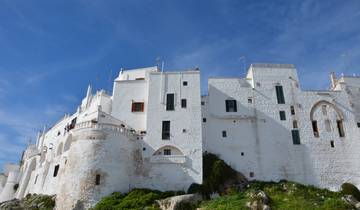
Lecce demands minimum two days for properly experiencing the baroque architectural concentration and urban atmosphere that distinguish it as Salento’s cultural heart. The golden pietra leccese (Lecce stone) carved into extravagant facades creates a cohesive visual identity unmatched elsewhere in Southern Italy.
Basilica di Santa Croce represents Lecce baroque’s pinnacle with its elaborate facade featuring fantastical creatures, fruit garlands, and sculptural excess. The adjacent former Celestine monastery shares the ornate character. Interior visits reveal more restrained spaces compared to exterior exuberance. Admission remains free with €3 donation suggested. Dedicate 30-45 minutes appreciating the sculptural details best viewed in morning or late afternoon light emphasizing depth and shadow.
Piazza del Duomo creates one of Italy’s most spectacular baroque ensembles with the Cathedral, bell tower, Bishop’s Palace, and Seminary surrounding the enclosed square. The Cathedral interior dazzles with ceiling frescoes and elaborate altars. Entry costs €3 with bell tower climb additional €5 offering panoramic city views. Visit during morning hours when sunlight illuminates the golden stone most beautifully. The square’s evening transformation with strategic lighting creates magical atmospheres for aperitivo.
Roman amphitheater excavations in Piazza Sant’Oronzo reveal Lecce’s ancient foundations with partial arena seating visible in the modern square. The adjacent Sedile palace and Column of Sant’Oronzo complete the historic layering. The amphitheater offers free exterior viewing with occasional access to underground sections during special events. The square functions as Lecce’s living room with cafes, street performers, and social gathering throughout the day.
Museo Faggiano archaeological house museum presents extraordinary underground discoveries beneath a private residence including Roman granaries, Knights Templar symbols, medieval frescoes, and Messapian tombs. The quirky museum developed accidentally when the owner began renovations. Admission costs €6 with guided tours explaining the archaeological layers. Allow 45 minutes for this unique experience showing Lecce’s millennia of continuous habitation.
Church hopping throughout historic center reveals remarkable baroque interiors in Chiesa di Sant’Irene, Chiesa del Rosario, and Chiesa di San Matteo. Most churches welcome visitors free with €2-3 donations requested. Modest dress codes apply. Strategic evening lighting transforms church facades into spectacular nocturnal displays. Walk the main Via Vittorio Emanuele connecting monuments while browsing artisan shops selling papier-mâché crafts, ceramics, and local products.
Where to Stay in Lecce 2026
Lecce accommodation spans historic center palazzi converted to boutique hotels, modern business hotels in new town districts, and family-run B&Bs throughout residential areas. Staying within historic center maximizes atmosphere and walkability despite typically higher costs and potential street noise.
Historic center boutique hotels like Risorgimento Resort, Patria Palace, and Suite 68 occupy restored baroque palaces offering luxury accommodations with period details, rooftop terraces, and prime locations. Expect €180-320 nightly for doubles in peak season, €120-220 in shoulder months. These properties deliver memorable stays with architectural character and convenient positions for sightseeing and dining.
Mid-range accommodations include B&B Prestige, Centro Storico, and Dimora San Giuseppe offering comfortable rooms with breakfast in restored buildings at €90-160 nightly. These family-run properties provide local knowledge and personalized service while maintaining historic center locations. Book directly for flexibility and occasional upgrades.
Budget options like B&B Lecce and various Airbnb apartments offer clean accommodations with shared or private bathrooms for €60-100 nightly. Accept simpler amenities and potentially peripheral locations. Many budget properties occupy residential buildings near historic center requiring 5-10 minute walks to main monuments. Consider apartment rentals for stays exceeding three nights, allowing kitchen access for market shopping and laundry facilities.
New town hotels serve business travelers and those prioritizing parking convenience over atmosphere. Properties like 8Piuhotel and Hilton Garden Inn charge €80-150 nightly with modern amenities, parking, and 10-15 minute walks to historic center. These hotels suit travelers with rental cars seeking secure parking without historic center navigation challenges.
Coastal Salento 2026: Beaches and Towns
Adriatic Coast Highlights
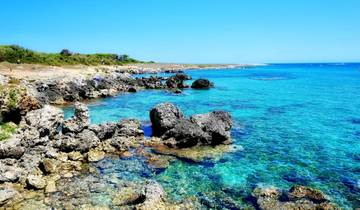
Salento’s Adriatic coastline extends from Torre dell’Orso south to Santa Maria di Leuca, featuring white sand beaches, rocky coves, crystal-clear turquoise waters, and dramatic cliff formations. The coast attracts summer crowds but maintains accessible beauty without overwhelming development.
Torre dell’Orso creates Salento’s most photographed beach scene with two rock stacks (Due Sorelle) rising from turquoise waters and a wide sandy crescent backed by pine forests. The beach offers free access with parking €5-8 daily in peak season. Sunbed and umbrella rentals cost €15-20 daily though towel placement on sand works perfectly. Arrive before 10 AM in July-August for parking and prime beach positioning. Several beach clubs provide restaurant service, changing rooms, and amenity access for €25-35 daily per person including sunbed and umbrella.
Baia dei Turchi, north of Otranto, delivers pristine natural beauty with white sand, dune vegetation, and limited development. The bay earned its name from a 1480 Turkish landing during siege of Otranto. Access requires 10-minute walk from parking area (€5 daily) through protected natural landscape. The relative access effort reduces crowds compared to more accessible beaches. No facilities exist on the beach itself, so bring supplies and prepare for basic conditions. The unspoiled beauty rewards the minimal effort.
Alimini Lakes area combines freshwater lakes with coastal beaches in protected natural setting north of Otranto. The two connected lakes (Alimini Grande and Alimini Piccolo) offer birdwatching, nature walks, and picnic areas while adjacent beaches provide swimming access. Several beach clubs operate along the coast with varying service levels and pricing. The area suits families and those seeking nature immersion alongside beach time.
Castro Marina combines beach access with old town Castro perched dramatically on cliffs above. The town offers excellent seafood restaurants, historic ambiance, and strategic position for exploring northern and southern Adriatic coast. Small beaches and swimming platforms provide water access while the elevated old town delivers sunset viewing and atmospheric dining. Castro represents an excellent alternative to busier Otranto for travelers seeking quieter bases.
Santa Maria di Leuca occupies Salento’s tip with lighthouse, grand villas, waterfront promenades, and meeting of two seas. The small resort town provides access to both Adriatic and Ionian coastlines plus dramatic cliff scenery. Beaches include Lido Lido Zen, Lido Chiosco Azzurro, and rocky swimming areas. Boat tours explore coastal grottos and swimming spots inaccessible from land, costing €25-45 per person for 2-3 hour excursions.
Ionian Coast Highlights
Salento’s Ionian coastline runs from Gallipoli north to Porto Cesareo, characterized by sandy beaches, shallow warm waters, golden hour sunsets, and more developed tourist infrastructure compared to the Adriatic side. The Ionian attracts families with young children given the gradual water entry and calmer conditions.
Gallipoli’s Baia Verde extends south from the town with wide sandy beaches, numerous beach clubs, bars, restaurants, and vibrant summer atmosphere. This developed beach zone offers full amenities with sunbed rentals €12-18 daily, parking €5-8, and easy access from Gallipoli. The area suits travelers prioritizing service, facilities, and social atmosphere over isolated natural beauty. Evening transforms Baia Verde into party central with beach bars, clubs, and summer events.
Punta Prosciutto, north of Porto Cesareo, ranks among Puglia’s finest beaches with Caribbean-quality turquoise shallows, white sand, and protected marine environment. The beach requires parking (€8-10 daily) with limited spaces filling early in summer. Several beach clubs provide service while significant free beach sections allow towel placement. The shallow warm waters extend far from shore, creating ideal conditions for families. Punta Prosciutto exemplifies why Salento attracts beach-focused travelers from across Europe.
Porto Cesareo functions as the Ionian coast’s primary resort town with extensive beaches, marina, seafood restaurants, and developed tourism infrastructure. The town offers abundant accommodation, dining variety, and services while accessing excellent nearby beaches. Torre Lapillo, just south, features stunning shallow bay with island visible offshore and white sand beaches. Porto Cesareo suits those seeking resort amenities and services while exploring Ionian coastline.
Smaller Ionian beaches like Punta della Suina, Baia di Sant’Isidoro, and Torre Inserraglio offer variations on the theme of sandy beaches, shallow waters, and summer beach club operations. Explore multiple beaches given the relatively short distances and abundant parking (€5-10 daily) to discover personal preferences between developed serviced beaches and more natural settings.
Beach Strategy and Timing 2026
Successful Salento beach experiences require understanding seasonal patterns, daily timing, and facility expectations differing from northern European or American beach cultures.
Peak season (July-August) brings maximum crowds with arrival before 10 AM essential for securing parking and prime beach positioning at popular locations. Sunbed reservations work at some beach clubs, particularly for weekend visits. Afternoon (2-6 PM) sees slight crowd reduction as Italian families return home for rest. Late afternoon (5-7 PM) provides pleasant swimming conditions with fewer people and beautiful light.
Shoulder season (June and September) delivers ideal beach conditions with warm water temperatures, manageable crowds, and full beach club operations. June water reaches 22-24°C, perfect for extended swimming. September maintains 24-26°C water into month’s end. Shoulder season allows spontaneous beach visits without advance planning or early arrival requirements. Many travelers consider these months optimal for beach-focused Salento trips.
Beach clubs (stabilimenti balneari) operate May-September providing sunbeds, umbrellas, changing rooms, showers, bars, and restaurants. Daily rates range €12-20 per sunbed set (2 beds + umbrella) with weekly and seasonal passes offering better value for extended stays. Some clubs require membership fees (€15-25 seasonal) plus daily bed fees. Higher-end clubs charge €25-35 daily including amenity access. Beach club culture emphasizes social aspects with regular clientele occupying same positions throughout season.
Free beach (spiaggia libera) sections exist at most locations allowing towel or umbrella placement without charges. These sections often occupy less prime beach areas with limited or no facilities. Bring your own umbrellas, chairs, coolers, and supplies. Free beaches work excellently for budget travelers or those preferring independence from commercial beach operations.
Transportation and Logistics 2026
Getting to Salento
Reaching Salento requires planning appropriate to the region’s peripheral southern location. Multiple transportation options serve different budget levels, scheduling preferences, and onward travel plans.
Brindisi Airport (Salento Airport) functions as the primary gateway, located 40 kilometers north of Lecce. Ryanair, Wizz Air, and occasional legacy carriers serve the airport with connections from major European cities. Regional trains connect the airport to Brindisi Centrale station (€1.50, 15 minutes) where connections continue to Lecce (€3-5, 30 minutes). Total journey time from airport to Lecce ranges 60-90 minutes depending on connection timing. Trains operate hourly during daytime with reduced evening service.
Private transfer services between Brindisi Airport and Lecce cost €60-90 for up to 4 passengers, eliminating connection hassles and fixed schedules. Shared shuttle services charge €15-20 per person with fixed departure times requiring advance booking. Private transfers work efficiently for groups, travelers with substantial luggage, or those arriving outside convenient train schedules.
Bari Airport serves as an alternative gateway, particularly for travelers flying airlines not serving Brindisi. The journey from Bari to Lecce requires 90-120 minutes by car or train. Trenitalia regional trains operate hourly (€10-15, 90 minutes) making Bari feasible despite increased distance. Car rentals at Bari work efficiently for travelers planning immediate Salento road trips.
Naples provides another access point via fast Frecciarossa trains reaching Lecce in 4.5-5 hours (€45-75 depending on booking timing). This routing suits travelers visiting Naples, Pompeii, or Amalfi Coast before continuing to Salento. The train journey reveals Southern Italian landscapes across Campania, Basilicata, and Puglia regions.
Car Rental Considerations
Car rentals dramatically enhance Salento mobility, enabling beach exploration, inland town visits, coastal drives, and flexible scheduling impossible with public transport. Rental decisions require weighing convenience benefits against costs, driving comfort levels, and planned activity patterns.
Rental costs range €35-65 daily for compact vehicles in 2026 depending on season, booking timing, and rental duration. Weekly rentals (7+ days) reduce daily rates by 20-30%. Book through aggregators like Auto Europe or directly with major agencies (Europcar, Hertz, Sixt) comparing prices carefully. Insurance options include basic CDW (collision damage waiver) typically included in rates, plus supplemental full coverage (€12-25 daily) eliminating deductibles. Check credit card rental insurance coverage potentially eliminating supplemental insurance needs.
Fuel costs add €40-70 weekly for typical Salento touring covering 400-600 kilometers. Diesel vehicles cost less to fuel than gasoline, though rental rates may be slightly higher. Automatic transmissions cost €5-15 daily premium over manual, though availability remains limited compared to manual dominance in Italian rental fleets.
Driving in Salento proves relatively straightforward compared to chaotic Naples or Florence. Roads maintain good conditions, signage remains clear, and traffic levels stay moderate outside July-August peak. Historic centers in Lecce, Otranto, and Gallipoli restrict vehicle access (ZTL zones) requiring parking outside old towns. Parking costs €1-2 per hour in paid lots, with free street parking available in peripheral areas requiring walks to centers.
GPS navigation proves essential despite smartphone mapping providing alternatives. Download offline Google Maps areas before departure ensuring navigation during cellular dead zones. Italian address systems sometimes confuse GPS, so combine technology with traditional map awareness and signage observation.
Consider car rentals for: stays exceeding 4 days, beach exploration priorities, groups of 3-4 splitting costs, travelers uncomfortable with Italian public transport, or those seeking maximum flexibility. Skip car rentals for: Lecce-focused cultural trips, single coastal town stays, solo travelers prioritizing value, or those stressed by Italian driving conditions.
Public Transportation Options
Public transportation in Salento combines regional trains (Trenitalia and FSE), buses (STP and private operators), and urban transit limited to larger towns. Services concentrate on major routes with reduced frequencies outside summer season and weekends.
Trenitalia operates trains from Lecce to Brindisi (€3-5, 30 minutes, hourly), Lecce to Gallipoli (€4-6, 50 minutes, 8-12 daily), and Lecce to Otranto (€3-5, 40 minutes, 10-15 daily in summer). FSE (Ferrovie del Sud Est) runs narrow-gauge trains serving smaller towns with vintage rolling stock operating reduced schedules. Purchase tickets from station machines or tobacco shops before boarding, validating in platform machines. Onboard ticket purchases incur surcharges.
STP buses connect Lecce with coastal towns, inland destinations, and beaches during summer months. Routes to popular beaches operate June-September with increased frequencies in July-August. Fares range €2-5 depending on distance. Bus schedules favor Italian tourist patterns with morning outbound services and late afternoon returns, sometimes limiting beach time. Check current timetables at lecce.stpspa.it or obtain printed schedules from bus station information offices.
Urban transit in Lecce operates limited bus routes connecting train station, historic center, and new town districts. Most visitors walk within compact historic center, using buses only for reaching accommodation in peripheral areas. Single tickets cost €1-1.50 purchased from tobacco shops or newsstands before boarding.
Public transport works adequately for: Lecce-based cultural trips with day excursions to Otranto or Gallipoli, budget travelers accepting schedule limitations, solo travelers avoiding car rental costs, or those combining Salento with other Italian regions using train connections. Public transport struggles with: comprehensive beach exploration, inland town visits, flexible scheduling, carrying beach equipment, or accessing remote locations.
Dining and Culinary Scene 2026
Salentine Cuisine Specialties
Salentine cuisine distinguishes itself from broader Pugliese traditions through Greek influences, distinct preparations, and local products reflecting the peninsula’s geographic isolation and cultural heritage.
Pasticciotto represents Salento’s signature pastry, consisting of shortcrust filled with custard cream, baked until golden, and consumed warm for breakfast or afternoon breaks. Every pasticceria produces versions with subtle variations in pastry texture and cream sweetness. Prices range €1.50-2.50 per pastry with Pasticceria Natale, Alvino, and Martinucci in Lecce producing exceptional examples. Order “un pasticciotto caldo” (one warm pasticciotto) for the optimal experience.
Rustico leccese constitutes savory counterpart to pasticciotto with puff pastry encasing béchamel, mozzarella, and tomato filling. Bars throughout Lecce serve rustici (€2.50-3.50) throughout the day as snacks or light meals. Quality rustici demonstrate flaky exteriors with creamy interiors without excessive greasiness. Pasticceria Alvino produces renowned versions though many bars maintain high standards.
Ciceri e tria showcases Salento’s distinctive pasta dish combining chickpeas with two pasta preparations: some boiled, some fried to create textural contrast. The dish reflects cucina povera traditions stretching limited ingredients. Restaurants charge €12-18 for portions serving 1-2 people. Le Zie Trattoria and Osteria degli Spiriti in Lecce prepare authentic versions.
Puccia salentina serves as the local sandwich bread, a round flatbread stuffed with vegetables, cheese, and occasionally meat. Street vendors and focaccerie sell pucce for €4-7 creating portable lunch options. Fillings range from traditional tomato-olive-onion to contemporary interpretations with burrata, prosciutto, or vegetarian combinations.
Raw seafood (crudo di mare) dominates coastal restaurant menus with sea urchins (ricci), oysters, prawns, and fish prepared without cooking. Quality crudo restaurants source from day’s catch, serving immediately on ice with lemon and olive oil. Expect to pay €18-35 for mixed crudo platters at specialized venues. L’Altro Baffo in Otranto and coastal establishments in Gallipoli excel in crudo preparations.
Restaurant Recommendations by Category
Salento dining spans simple street food to sophisticated contemporary cuisine with everything between. Understanding restaurant categories and expectations optimizes dining choices.
Budget dining (€12-25 per person) centers on traditional trattorias serving cucina casalinga (home cooking) with daily specials, generous portions, and informal service. Le Zie in Lecce, Trattoria Il Vecchio Arco in Galatina, and numerous family establishments throughout Salento deliver authentic meals at exceptional value. Pizzerias operate evening-only serving wood-fired pizzas for €6-12. Rosticcerie and tavole calde sell prepared dishes by weight for €4-8 per portion.
Mid-range restaurants (€35-55 per person) balance quality, creativity, and value with refined preparations showcasing local ingredients. Osteria degli Spiriti and Alle Due Corti in Lecce, La Bella Idrusa in Otranto, and numerous coastal seafood venues serve expertly prepared regional cuisine with professional service and carefully selected wine lists. Reserve 1-2 weeks ahead for dinner during peak season.
Upscale dining (€65-120+ per person) concentrates in Lecce and select coastal locations with chefs earning national recognition. Bros in Lecce holds a Michelin star for avant-garde Salentine cuisine with tasting menus €140-180. Le Quattro Spezierie offers refined traditional preparations in atmospheric baroque palazzo setting. Coastal luxury comes at Grotta Palazzese in Polignano a Mare (just north of Salento) with cave dining overlooking the Adriatic at premium prices reflecting spectacular setting.
Seasonal Dining Patterns
Restaurant operations follow strong seasonal patterns with summer representing peak activity, spring and fall maintaining good availability, and winter bringing reduced hours and closures.
Summer (June-August) operates at maximum capacity with restaurants fully staffed, extended hours, outdoor seating filled, and advance reservations essential for popular venues. Many establishments open lunch and dinner daily with continuous service at beach locations. Beach restaurants and bars operate exclusively during summer months, closing entirely September-May. Urban restaurants maintain year-round operations though summer crowds may compromise service quality at overwhelmed venues.
Spring (April-May) and fall (September-October) deliver optimal dining experiences with excellent service, seasonal ingredients at peak, comfortable outdoor dining temperatures, and reasonable reservation timelines. Many travelers consider these shoulder seasons ideal for food-focused visits. Most restaurants operate full schedules though some coastal establishments may open only weekends in early spring or late fall.
Winter (November-March) sees significant operational reduction with many restaurants closing 1-2 days weekly, reduced hours, limited outdoor seating, and some establishments closing entirely for annual vacation. Major restaurants in Lecce maintain regular service while coastal venues severely reduce operations or close completely. Winter dining requires flexibility, advance confirmation of operating hours, and acceptance of limited options compared to warmer months. However, winter delivers exceptional value and easier reservations at remaining venues.
Accommodation Strategy 2026
Where to Base Yourself
Accommodation location profoundly impacts Salento experience quality, daily logistics, and overall trip satisfaction. Strategic base selection requires balancing priorities across culture, beaches, budget, and transportation.
Lecce-based stays work brilliantly for cultural prioritization, avoiding car rentals, maximizing restaurant variety, and experiencing urban Salento life. The city provides excellent public transport connections for day trips to Otranto (40 minutes) and Gallipoli (50 minutes) while offering unmatched accommodation variety, dining options, and evening activities. However, Lecce requires 30-45 minute drives or train journeys for beach access. Choose Lecce for trips emphasizing baroque architecture, museums, sophisticated dining, and cultural immersion over beach time.
Otranto or Gallipoli coastal bases deliver immediate beach access, seaside atmosphere, and strategic positions for exploring respective coastlines. These towns combine historic interest with swimming proximity and sufficient dining variety. Coastal stays require cars for comprehensive exploration or acceptance of single-town focus. Choose coastal bases for trips prioritizing beaches and swimming over cultural depth, particularly for summer visits when daily beach time dominates schedules.
Multi-base strategies involve splitting time between Lecce and a coastal town, typically 3 nights Lecce + 3-4 nights coastal location for week-long trips. This approach maximizes diverse experiences while requiring mid-trip accommodation changes and packing/unpacking. The strategy suits travelers seeking comprehensive Salento coverage including culture and beaches. Book both accommodations before arrival to ensure availability and avoid mid-trip searching.
Masseria stays offer countryside immersion in restored farmhouse complexes surrounded by olive groves. These properties range from budget agriturismi to luxury retreats with pools, spa facilities, and gourmet dining. Masserie suit travelers with cars seeking peaceful rural settings and are willing to drive 15-30 minutes for town dining and sightseeing. Properties like Masseria Moroseta and Masseria Torre Coccaro deliver exceptional experiences though require significantly higher budgets (€180-400 nightly).
Booking Strategies and Timing
Strategic accommodation booking significantly impacts costs, availability, and overall trip quality. Understanding seasonal patterns, cancellation policies, and booking platforms optimizes the process.
Book 2-4 months ahead for July-August peak season when popular properties fill completely and prices peak at maximum levels. Delays beyond this timeline reduce choices significantly, particularly for budget and mid-range categories with limited room inventories. Luxury properties maintain better availability though still command premium rates requiring early booking for rate optimization.
Shoulder season (May-June, September-October) allows 4-8 weeks advance booking while securing good availability and value. Properties often discount 15-25% compared to peak rates while maintaining full operations and services. This timeframe balances planning certainty with reasonable booking lead times.
Low season (November-March) enables last-minute booking with properties desperate for business offering significant discounts (30-50% below peak) and eager to negotiate rates. However, verify operating hours, heating provisions, and included services before committing as some properties reduce amenities during quiet periods.
Booking platforms including Booking.com, Airbnb, and direct property websites serve different purposes. Booking.com provides maximum inventory visibility with generally flexible cancellation policies (though confirm before booking). Airbnb works well for apartments and unique properties though cleaning fees and service charges inflate total costs. Direct booking with properties often secures best rates (5-15% lower than platforms) plus relationship benefits including upgrades, flexibility, and local knowledge.
Cancellation policies vary dramatically from free cancellation until 24-48 hours before arrival to completely non-refundable rates offering 10-20% discounts. Book flexible rates when travel plans remain uncertain, accepting slightly higher costs for change security. Non-refundable rates work for definite travel plans where savings justify commitment. Read cancellation terms carefully before booking, noting date/time deadlines and any partial refund provisions.
Practical Tips for 2026 Visits
Weather and Packing Considerations
Salento weather patterns strongly influence appropriate packing and activity planning across different seasons.
Summer (June-August) brings hot, dry conditions with daytime temperatures 28-35°C, intense sun exposure, and minimal rainfall. Pack lightweight breathable clothing, broad-brimmed hats, high-SPF sunscreen (€12-18 for quality products in Italian pharmacies), sunglasses, and multiple swimsuits allowing rotation while drying. Evening temperatures drop only to 22-26°C, maintaining warm conditions throughout nights. Air conditioning becomes essential in accommodation rather than luxury amenity. Beach equipment needs include towels (many properties don’t provide beach towels), beach bags for carrying supplies, and water shoes for rocky beach entries.
Spring (April-May) and fall (September-October) deliver pleasant 18-26°C temperatures with occasional rain requiring layering capabilities and light rain jackets. Pack mix of short and long sleeves, light sweaters for evening, comfortable walking shoes, and swimwear for warm days. These transitional seasons feature variable conditions requiring flexibility across warm sunny days and cooler cloudy periods. Sunscreen remains important despite moderate temperatures as Mediterranean sun intensity causes burns even at comfortable temperatures.
Winter (November-March) ranges 8-16°C with increased rainfall, occasional strong winds, and considerably cooler evening temperatures. Pack warm layers, waterproof jacket, closed-toe shoes, and cold-weather accessories if visiting December-February. Many accommodations lack central heating, providing only space heaters requiring warm sleeping clothing. Winter visits prioritize cultural activities over beaches, though occasional warm winter days allow pleasant outdoor exploration.
Money and Budgeting
Financial planning and money management optimize Salento travel value while preventing budget overruns or cash shortages.
Daily budgets range from €50-70 for strict budget travel combining hostel beds, street food, free activities, and public transport, €80-120 for comfortable mid-range travel with quality hotels, restaurant meals, some tours, and rental cars, or €200-300+ for luxury experiences including boutique hotels, upscale dining, private tours, and premium services. Most travelers find €100 daily per person provides satisfying quality across accommodations, dining, and activities without significant compromise.
Cash remains important despite increasing card acceptance. Carry €100-200 for street food, markets, small purchases, parking meters, and establishments preferring cash. ATMs distribute euros throughout Salento with standard international transaction fees (€3-5 per withdrawal plus currency conversion). Withdraw larger amounts less frequently to minimize fees. Credit cards work at hotels, larger restaurants, rental agencies, and major retailers though small trattorias, bars, and shops often prefer cash or enforce card minimums (€10-20).
Hidden costs easily overlooked include accommodation tourist taxes (€1-4 per person per night), parking fees accumulating to €40-70 weekly, sunbed rentals adding €80-120 weekly for daily beach visits, and incidental food expenses like morning coffee/pastries, afternoon gelato, and evening drinks totaling €15-25 daily beyond meal costs. Budget 15-20% above baseline estimates for these extras preventing budget stress.
Communication and Connectivity
Staying connected requires appropriate planning for data access, WiFi availability, and communication needs.
Mobile data access for EU residents includes roaming within Italy at domestic rates under EU regulations. Non-EU visitors need either international roaming (expensive), temporary Italian SIM cards (TIM, Vodafone, Wind offering tourist packages €15-30 for 2-4 weeks with 20-50GB data), or relying on WiFi only. Purchase SIM cards at airport shops, mobile carrier stores, or tobacco shops, bringing passports for registration. Temporary cards activate within hours and provide economical data access.
WiFi availability varies by accommodation category with hotels offering free WiFi as standard while some budget properties provide limited or charged access. Restaurants and bars increasingly offer free WiFi with password requests though speeds may frustrate heavy usage. Coastal beach areas often lack reliable cellular coverage, particularly at remote beaches. Download offline Google Maps, restaurant information, and relevant travel details before leaving WiFi zones.
Communication with Italian businesses often works better via WhatsApp than email or phone calls. Many restaurants, tours, and services maintain WhatsApp business accounts providing easier communication than language-barrier phone calls. Save important confirmation messages, screenshots, and booking details offline for reference without data access. Translation apps including Google Translate provide essential assistance though work imperfectly with Italian dialects and regional expressions.
FAQ: Salento Puglia Travel 2026
Is Salento safe for tourists?
Salento ranks among Italy’s safest regions with minimal violent crime, though typical tourist-area petty theft requires standard urban precautions. Secure valuables in accommodations, avoid displaying expensive cameras/jewelry in crowded areas, and watch bags in restaurants. Pickpocketing remains rare compared to Rome or Naples. Women travel safely solo throughout Salento during day and evening in populated areas. Beach theft sometimes occurs when leaving belongings unattended while swimming, so use beach bag locks or leave valuables in cars/accommodations. Remote beach areas require more caution with isolated parking areas occasionally targeted. Overall, Salento poses minimal safety concerns beyond reasonable traveler awareness.
Do I need to speak Italian to visit Salento?
Basic English functions at hotels, popular restaurants, and tourist offices while traditional establishments operate primarily in Italian. Upscale venues and youth-oriented businesses employ English speakers, older family establishments may have limited English comprehension. Learn essential phrases including “Vorrei” (I would like), “Quanto costa?” (How much?), “Dov’è?” (Where is?), and basic food vocabulary. Translation apps bridge communication gaps though require patience. Younger Italians generally speak better English than older generations. Salento locals appreciate earnest Italian attempts, responding warmly to linguistic efforts even when comically imperfect. Dining without Italian knowledge works through pointing, gesturing, and smartphone translation. Consider Salento linguistically manageable though more challenging than northern Italian tourist centers.
Can I visit Salento with children and families?
Salento excels for family travel given Italian culture’s child-welcoming nature, safe conditions, excellent beaches, manageable distances, and child-friendly dining. Ionian coast beaches provide ideal family conditions with shallow warm waters, gradual entries, and beach club facilities. Restaurants welcome children, offering simple pasta and pizza preparations without fuss. Family rooms or connecting rooms work at most hotels. However, Salento suits older children better than toddlers given walking required for sightseeing, hot summer conditions, limited playground infrastructure, and restaurant dining rather than fast food. Families with young children should rent cars for flexibility, stay at accommodations with pools, and plan beach-focused itineraries rather than intensive cultural touring. Overall, Salento provides excellent family experiences with appropriate planning.
What are the biggest mistakes tourists make in Salento?
Common errors include trying to cover too much territory too quickly given distances and traffic conditions, arriving without accommodation reservations during July-August, attempting beach exploration via public transport, overdressing for summer heat, expecting northern European service speeds and efficiency, disregarding siesta closures (1-4 PM) when shops and offices shut, arriving at beaches after 11 AM in peak season expecting parking and positioning, booking exclusively coastal accommodation then wanting extensive Lecce time requiring backtracking, underestimating July-August heat intensity, and assuming widespread English comprehension. Avoid these pitfalls through realistic itinerary pacing, understanding Italian culture and timing patterns, booking ahead for peak season, and approaching Salento on its own terms rather than expecting familiar northern European patterns.
How does Salento compare to other Italian beach destinations?
Salento offers superior value compared to Amalfi Coast, Cinque Terre, or Sardinia while maintaining authentic character versus overdeveloped destinations. Beaches rival Sardinia quality at lower costs and easier access. Cultural richness through Lecce baroque surpasses most beach destinations lacking architectural heritage. However, Salento provides less dramatic scenery than Amalfi cliffs, fewer luxury resort options than Costa Smeralda, and less tourist infrastructure than long-established destinations. Salento suits travelers prioritizing authenticity, value, and balanced cultural-beach experiences over maximum luxury, spectacular scenery, or extensive English-speaking tourist services. The region attracts those seeking real Italy versus manicured tourist destinations.
What’s the ideal number of days for first-time Salento visitors in 2026?
First-time visitors should allocate 5-7 days for satisfying introduction balancing Lecce cultural immersion, beach exploration, and regional overview without exhausting pace. Five days covers essentials with strategic choices, six days allows more comprehensive beach sampling, seven days enables relaxed pacing with downtime. Visitors trying to squeeze Salento into 2-3 days will rush constantly and miss the region’s character. Those with more time can extend to 10 days incorporating Valle d’Itria or focusing on specific interests like cooking classes, wine tours, or comprehensive coastal exploration. Balance planned activities with unstructured time for spontaneous discoveries reflecting slower Southern Italian rhythms.
Should I visit Salento or Valle d’Itria?
Salento and Valle d’Itria serve different priorities making them complementary rather than competitive choices. Choose Salento for beach priorities, baroque architecture interest, coastal atmosphere, and longer trips combining culture and swimming. Choose Valle d’Itria for inland beauty, trulli architecture, wine tourism, countryside masserie stays, and avoidance of beach crowds. Ideal Puglia trips combine both regions allocating 5-7 days Salento plus 3-4 days Valle d’Itria for comprehensive regional coverage. The regions sit close enough (60-90 minutes apart) for practical combination while offering distinct experiences. Solo region focus works perfectly for single-week trips with specific priorities. Both regions provide exceptional value, authenticity, and memorable Italian experiences.
What should I know about Salento in winter?
Winter Salento (November-March) delivers extreme value and authentic local life at the cost of limited services, variable weather, and minimal beach activity. Expect 30-50% accommodation discounts, easy reservations, empty attractions, and genuine local atmosphere without tourist crowds. However, many coastal restaurants close completely, beach clubs shut entirely, reduced public transport schedules limit mobility, and cool rainy days reduce outdoor activity appeal. Winter suits cultural travelers focusing on Lecce baroque, inland towns, and authentic Salento life rather than beach activities. Warm winter days occasionally allow pleasant outdoor exploration and some hardy swimming. Pack warm layers and rain gear. Winter Salento provides completely different experience from summer’s beach paradise, appealing to specific traveler types seeking value and authenticity over comfort and convenience.
How do I experience authentic Salento beyond tourist areas?
Authentic Salento exploration requires venturing from primary tourist circuits into inland towns, agricultural areas, local festivals, and family establishments. Visit inland baroque towns like Galatina, Nardò, and Specchia where tourism remains minimal and daily life continues traditionally. Attend evening passeggiata in any town experiencing Italian social rituals. Shop at weekly markets (mercato settimanale) in various towns mixing with locals buying produce and household goods. Eat at neighborhood trattorias in Lecce’s residential areas rather than tourist-heavy historic center venues. Explore olive groves and agricultural landscapes by car or bike. Time visits with local festivals (sagre) celebrating regional products and traditions. Stay in agriturismo properties where working farm families provide accommodation and home-cooked meals. Learn basic Italian enabling genuine interactions beyond tourist transactions. Approach Salento with curiosity and flexibility rather than checklist mentality.
What makes Salento special compared to other Italian regions?
Salento’s distinctiveness stems from geographic isolation creating unique cultural blend of Greek, Arab, Norman, and Spanish influences overlaid on Italic foundations. The region preserves traditions lost elsewhere through relative poverty historically limiting development and modernization. Baroque architectural concentration in Lecce rivals Sicily without overwhelming tourist crowds. Pristine coastlines maintain character versus overdevelopment plaguing northern Italian coasts. Exceptional value versus expensive northern regions allows luxury experiences at mid-range budgets. Authentic Southern Italian culture welcomes visitors without tourist-industry cynicism common in established destinations. However, Salento lacks dramatic mountain scenery found in Dolomites or Cinque Terre, extensive art collections of Florence or Rome, and polished tourist infrastructure of developed destinations. Salento appeals to travelers seeking authenticity, value, and cultural immersion in Southern Italian contexts rather than iconic tourist experiences or maximum luxury.
Conclusion: Your Salento Journey 2026
Salento presents exceptional opportunities for travelers seeking authentic Southern Italian experiences combining cultural richness, natural beauty, culinary traditions, and remarkable value. The 2026 travel season offers improved infrastructure, increased accommodation variety, and expanded services while maintaining the essential character that makes Salento special.
Successful Salento travel requires embracing different rhythms and expectations from northern European or North American contexts. Accept afternoon closures, flexible timing concepts, and interpersonal interactions prioritized over efficiency. These cultural differences create Salento’s charm rather than representing obstacles to overcome.
Strategic planning balances structured preparation ensuring accommodation, transportation, and must-see experiences with flexibility allowing spontaneous discoveries and unexpected delights. Over-planning risks missing serendipitous encounters while under-planning creates logistical stress and missed opportunities. Find appropriate middle ground matching personal travel styles.
Budget allocation should prioritize experiences providing lasting value: quality accommodation creating comfort bases for daily exploration, memorable meals showcasing regional cuisine, and strategic rentals or tours enabling comprehensive discovery. Balance these investments with free beaches, low-cost trattorias, and simple pleasures like passeggiata and people-watching.
Approach Salento with curiosity, patience, and willingness to engage with different cultural patterns. The region rewards travelers bringing open attitudes, basic Italian efforts, and genuine interest in local life rather than expecting familiar tourist-industry patterns. Your flexibility and cultural sensitivity will return exponentially through memorable interactions, authentic experiences, and deeper appreciation for Southern Italian culture.
The 2026 Salento journey awaits with golden baroque facades glowing in afternoon light, turquoise waters lapping pristine beaches, pasticciotti emerging warm from bakery ovens, and welcoming smiles from locals proud to share their beautiful homeland with respectful visitors.