Puglia Food Guide 2026: Complete Culinary Experience Planning
Key Takeaways
- Puglia offers exceptional value dining with authentic meals ranging €12-25 in local trattorias and €35-65 in upscale restaurants in 2026
- Street food specialties like panzerotti, focaccia barese, and sgagliozze cost €2-5, making budget-friendly culinary exploration accessible throughout the region
- Cooking classes and food tours range €65-180 per person in 2026, providing immersive experiences in pasta-making, olive oil production, and wine tasting
- Spring (April-May) and fall (September-October) offer optimal timing for food tourism in 2026 with harvest festivals, sagre celebrations, and perfect dining weather
- Advance reservations for acclaimed restaurants require 2-4 weeks booking ahead in 2026, while cooking classes and specialty food tours book 1-2 months in advance
- Regional specialties vary significantly by province: orecchiette in Bari, bombette in Valle d’Itria, pasticciotto in Salento, burrata in Andria
Introduction: Puglia’s Culinary Revolution in 2026
Puglia has emerged as Italy’s most exciting culinary destination, transforming from a hidden gastronomic secret into a celebrated food tourism powerhouse. The 2026 dining scene showcases exceptional regional authenticity combined with innovative interpretations of traditional recipes, all while maintaining the remarkable value that distinguishes Puglia from more expensive Italian regions.
The region’s culinary identity draws from centuries of Mediterranean influences, Arab trading heritage, Greek colonization, and generations of cucina povera traditions that transformed simple ingredients into extraordinary dishes. Puglia produces more olive oil than any other Italian region, cultivates exceptional durum wheat for pasta and bread, maintains traditional cheese-making methods for burrata and caciocavallo, and harvests abundant seafood from 800 kilometers of Adriatic and Ionian coastline.
Planning your 2026 Puglia food journey requires understanding regional variations, seasonal specialties, booking requirements for sought-after experiences, and budget allocation across different dining categories. This comprehensive guide provides the detailed planning information necessary for creating an unforgettable culinary adventure through Italy’s heel.
The food tourism infrastructure has expanded significantly with new cooking schools, specialized food tours, agriturismo experiences, and wine trail developments making Puglia more accessible than ever for culinary travelers. Whether pursuing street food adventures, Michelin-starred dining, hands-on cooking experiences, or wine education, 2026 offers unprecedented opportunities for food-focused exploration.
People Also Ask About Puglia Food 2026
What are the must-try foods in Puglia in 2026?
Essential Puglia specialties include orecchiette con cime di rapa (ear-shaped pasta with turnip greens), bombette (meat rolls from Valle d’Itria), burrata from Andria, focaccia barese with tomatoes and olives, panzerotti (fried calzones), tiella barese (rice and potato casserole), ricci di mare (sea urchins from Taranto), pasticciotto (sweet pastry from Salento), and rustico leccese (savory puff pastry). Regional olive oils and primitivo wines complement these dishes. Street vendors sell panzerotti for €3-4, trattorias serve orecchiette dishes for €12-15, and burrata costs €8-12 in cheese shops.
How much does dining out cost in Puglia in 2026?
Dining costs in Puglia remain exceptionally affordable compared to northern Italy. Street food costs €2-5 per item, casual lunch at a trattoria runs €12-18, mid-range dinner with wine costs €25-35 per person, and upscale restaurants charge €50-80 per person. A panzerotto costs €3-4, focaccia slices €2-3, full pasta dishes €12-18, fresh fish mains €18-28, and complete tasting menus €65-120. Budget €40-60 daily for three quality meals including wine, or €80-120 for dining at acclaimed restaurants. Check current menus as pricing varies by location and season.
When is the best time for food tourism in Puglia in 2026?
Spring (April-May) and fall (September-October) provide optimal conditions for 2026 food tourism. April brings artichoke season, fava beans, and Easter specialties. May features sagre (food festivals) celebrating local products. September offers grape harvest experiences and excellent dining weather. October brings olive harvest activities and mushroom season. Summer (June-August) offers abundant fresh produce and seafood but crowded restaurants and high temperatures. Winter (November-March) features reduced restaurant hours but excellent olive oil season and winter vegetable dishes. Many food tours operate year-round with seasonal menu adjustments.
Do I need advance reservations for Puglia restaurants and food experiences in 2026?
Reservation requirements vary by venue and season. Acclaimed restaurants require 2-4 weeks advance booking for dinner, while lunch often accepts walk-ins. Cooking classes and specialized food tours book 1-2 months ahead, particularly for April-October peak season. Wine estate visits need 3-7 days notice. Casual trattorias and street food vendors require no reservations. Book masserie dining experiences 2-3 weeks ahead. Reserve olive oil mill tours during October-December harvest season at least 10 days in advance. Coastal restaurants in July-August need 1-2 weeks advance booking.
Extended multi-day tours – 5+ days
Featured Puglia Multi-Day Tour Packages
7 days
Taste of Salento-Authentic Culinary Experience
- ✓ Comprehensive Puglia tour
- ✓ Expert local guides included
- ✓ All accommodation arranged
- ✓ Transportation provided

7 days
7-Day Puglia Essence: Alberobello, Otranto and Lecce, Private Tour
- ✓ Comprehensive Puglia tour
- ✓ Expert local guides included
- ✓ All accommodation arranged
- ✓ Transportation provided
8 days
Highlights of Puglia
- ✓ Comprehensive Puglia tour
- ✓ Expert local guides included
- ✓ All accommodation arranged
- ✓ Transportation provided

8 days
Highilights of Apulia, 8 day Tour from Bari to Bari
- ✓ Comprehensive Puglia tour
- ✓ Expert local guides included
- ✓ All accommodation arranged
- ✓ Transportation provided
Multi-day tour packages powered by TourRadar. Prices and availability subject to change.
Essential Planning Information 2026
Current Costs and Pricing Breakdown
Puglia food experiences range from budget-friendly street food to luxury dining. Street food costs €2-5 per item in 2026, casual dining €12-25 for complete meals, mid-range restaurants €35-55 per person with wine, and upscale establishments €65-120 for full dining experiences. Check restaurant menus and food tour websites for current official rates as pricing may vary by season and location.
Specific pricing examples include panzerotti €3-4, focaccia barese €2-3 per slice, rustico leccese €2.50-3.50, sgagliozze (fried polenta) €3-5, burrata €8-12 per portion, orecchiette dishes €12-18, fresh fish mains €18-28, meat secondi €15-25, local wine €12-25 per bottle in restaurants, aperitivo buffets €8-15, espresso €1-1.50, pasticciotto €1.50-2, and gelato €2.50-4.50 per cone.
Cooking classes cost €75-120 for half-day pasta-making sessions, €150-200 for full-day comprehensive courses, and €180-250 for specialized experiences including market visits. Wine tours range €45-80 for basic tastings, €85-120 for estate tours with food pairings, and €150-200 for full-day multi-winery experiences. Food walking tours cost €65-95 per person for 3-4 hour experiences including multiple tastings.
Weekly food budgets vary significantly by dining choices. Budget travelers allocate €40-60 daily (€280-420 weekly) combining street food, market shopping, and casual trattorias. Mid-range travelers budget €80-120 daily (€560-840 weekly) for quality restaurants and occasional food tours. Luxury food travelers spend €150-250 daily (€1050-1750 weekly) including Michelin-starred dining, private cooking classes, and exclusive wine experiences.
Regional Food Zones and Specialties
Puglia divides into distinct culinary regions, each with characteristic dishes and ingredients. Understanding these regional variations enhances planning and ensures experiencing authentic local specialties rather than generic Italian food.
Bari province centers on orecchiette production, focaccia barese traditions, and seafood cuisine. The Bari vecchia (old town) features the famous orecchiette-making signore who hand-craft pasta on their doorsteps, selling fresh orecchiette for €5-8 per kilogram. Focaccia bakeries operate throughout the city, with Panificio Fiore and Forno Santa Rita producing exceptional examples. Raw seafood culture thrives with ricci di mare (sea urchins) served in specialized venues for €12-18 per portion.
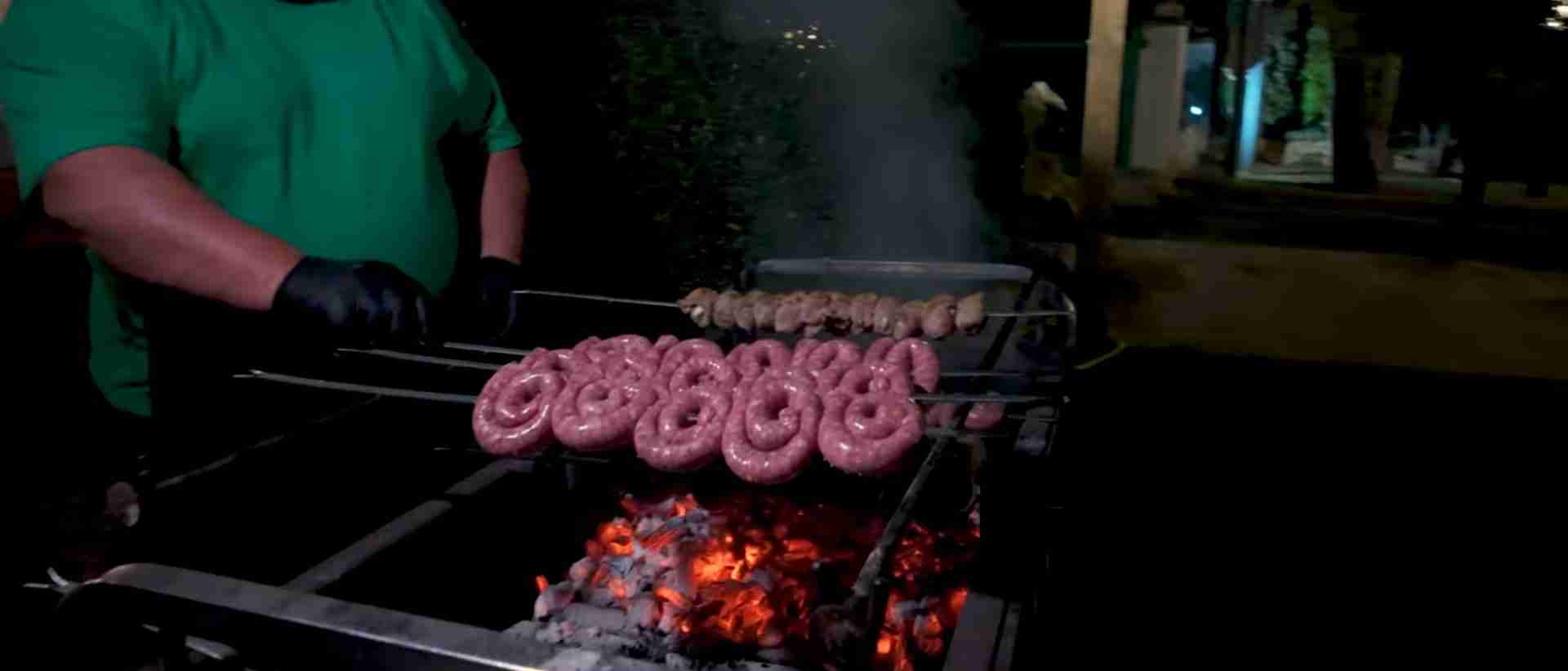
Valle d’Itria (Martina Franca, Locorotondo, Cisternino) specializes in bombette (meat rolls), grilled meats, capocollo salami, and caciocavallo cheese. The famous macellerie-bracerie (butcher-grill shops) in Cisternino allow selecting cuts from refrigerated displays and having them grilled immediately, costing €15-25 for generous portions with sides. Cheese caves produce traditional caciocavallo podolico from ancient cattle breeds.
Salento (Lecce, Otranto, Gallipoli) offers distinct cuisine featuring pasticciotto pastries, rustico leccese, ciceri e tria (chickpeas and pasta), tiella (baked rice dishes), and seafood preparations influenced by Greek heritage. Lecce’s historic center contains numerous pasticcerie where fresh pasticciotti cost €1.50-2 each. Coastal towns specialize in crudo di mare (raw seafood) and frittura di paranza (mixed fried fish).
Gargano peninsula provides distinctive mountain-influenced cuisine with caciocavallo podolico cheese, forest mushrooms, lamb preparations, and coastal seafood in Vieste and Peschici. The Strada del Caciocavallo Podolico connects traditional cheese producers offering tastings for €8-12.
Sample 2026 Food Itineraries
Three-Day Bari and Valle d’Itria Food Tour
Day 1 – Bari Food Culture: Begin with cappuccino and pasticciotto at Caffè Vergnano (€3.50), explore Bari vecchia watching orecchiette production, purchase fresh pasta (€6-8/kg), visit Mercato del Pesce for seafood displays, lunch at Terranima featuring orecchiette con cime di rapa (€14), afternoon focaccia tasting at Panificio Fiore (€3), aperitivo at Speakeasy 26 (€12), dinner at Biancofiore showcasing Pugliese cuisine (€45). Cappuccino €3.50, pasta purchase €7, lunch €14, focaccia €3, aperitivo €12, dinner €45. Total day cost: €84.50 per person (excluding accommodation).
Day 2 – Valle d’Itria Traditions: Morning cooking class in Locorotondo covering orecchiette and focaccia production (€95), lunch included in cooking class, afternoon visit to Caseificio Palazzo for burrata tasting (€10), drive to Cisternino for traditional macelleria-braceria experience at Fornello Sant’Angelo selecting and grilling meats (€22), evening passeggiata with gelato in Martina Franca (€3.50). Cooking class with lunch €95, cheese tasting €10, dinner €22, gelato €3.50. Total day cost: €130.50 per person (excluding accommodation).
Day 3 – Wine and Food Pairing: Half-day wine tour visiting two estates in Valle d’Itria with tastings and light lunch (€85), afternoon at leisure exploring Alberobello, dinner at Evo Ristorante in Alberobello featuring modern Pugliese cuisine (€55), digestivo at local bar (€6). Wine tour with lunch €85, dinner €55, digestivo €6. Total day cost: €146 per person (excluding accommodation).
Five-Day Comprehensive Puglia Food Journey
Day 1 – Lecce Introduction: Arrive Brindisi, transfer to Lecce, lunch at Le Zie Trattoria featuring Salentine specialties (€16), afternoon pasticciotto tasting at Pasticceria Natale (€2), walking food tour of Lecce historic center (€75), dinner independent exploration (€25). Lunch €16, pasticciotto €2, food tour €75, dinner €25. Total day cost: €118 per person (excluding accommodation).
Day 2 – Salento Coast and Seafood: Morning drive to Otranto, seaside lunch at L’Altro Baffo featuring crudo di mare and grilled fish (€38), afternoon exploring Otranto castle and historic center with gelato break (€3.50), return to Lecce for aperitivo at Corte dei Pandolfi (€12), dinner at Agli Archi showcasing traditional Salentine cuisine (€32). Lunch €38, gelato €3.50, aperitivo €12, dinner €32. Total day cost: €85.50 per person (excluding accommodation).
Day 3 – Transfer to Valle d’Itria with Ostuni: Morning checkout, drive to Ostuni with lunch at Osteria del Tempo Perso featuring local specialties (€28), afternoon arrival in Martina Franca, evening street food exploration with panzerotti and rustico (€8), dinner at Trattoria Fornello showcasing Valle d’Itria meat traditions (€35). Lunch €28, street food €8, dinner €35. Total day cost: €71 per person (excluding accommodation).
Day 4 – Masseria Experience: Full-day agriturismo experience at masseria near Cisternino including cooking demonstration, multi-course lunch with wine pairings, olive grove tour, and afternoon relaxation (€120), light evening snack at accommodation or local bar (€10). Masseria experience €120, evening snack €10. Total day cost: €130 per person (excluding accommodation).
Day 5 – Polignano a Mare and Bari: Morning drive to Polignano a Mare, cliff-side lunch at Grotta Palazzese or similar venue featuring seafood (€65), afternoon arrival Bari, sunset aperitivo on the lungomare (€12), final dinner at Al Pescatore or Biancofiore celebrating the food journey (€48). Lunch €65, aperitivo €12, dinner €48. Total day cost: €125 per person (excluding accommodation).
Street Food Guide 2026
Essential Street Food Specialties
Puglia’s street food culture represents the region’s cucina povera heritage, transforming simple ingredients into flavorful portable meals that cost €2-5 per portion in 2026.
Panzerotti lead Puglia’s street food scene, particularly in Bari where the tradition originated. These half-moon shaped fried calzones contain tomato and mozzarella filling, served piping hot from specialized fritterie. Panzerotti Fiore in Bari vecchia and Luini-style vendors throughout the region produce exceptional versions costing €3-4 each. Variations include prosciutto and mozzarella, ricotta and spinach, or spicy salami versions.
Focaccia barese distinguishes itself from Ligurian focaccia through its thinness, crispy texture, and toppings of cherry tomatoes, olives, and olive oil. Traditional bakeries prepare fresh focaccia throughout the day, selling slices for €2-3. Panificio Fiore, Forno Santa Rita in Bari, and countless neighborhood bakeries offer authentic versions. Variations include focaccia with potatoes, onions, or plain with sea salt.
Rustico leccese, Salento’s signature street food, consists of puff pastry filled with béchamel, mozzarella, and tomato, baked until golden and flaky. Pasticcerie and bars throughout Lecce province sell rustici for €2.50-3.50 each, best consumed warm. Pasticceria Alvino in Lecce produces exceptional examples using traditional recipes passed through generations.
Sgagliozze feature in Bari’s street food repertoire, consisting of fried polenta triangles seasoned with salt, served in paper cones. These golden, crispy morsels cost €3-5 per portion from specialized vendors in Bari vecchia and local markets. The contrasting crispy exterior and creamy interior makes sgagliozze a beloved afternoon snack.
Popizze, similar to zeppole, are fried dough balls sometimes filled with vegetables or cheese, sold by street vendors for €3-5 per portion. These represent true cucina povera, stretching simple flour and water dough into satisfying street food through expert frying technique.
Where to Find the Best Street Food in 2026
Bari vecchia remains Puglia’s street food capital, with narrow streets hosting numerous vendors and shops. Via Arco Basso features famous orecchiette makers who also sell panzerotti. Panificio Fiore on Via Bligny serves exceptional focaccia and panzerotti. Mercato del Pesce area contains multiple street food vendors offering sgagliozze and fried seafood.
Lecce’s historic center, particularly around Piazza Sant’Oronzo and Via Palmieri, contains numerous bars and pasticcerie selling rustico leccese and pasticciotto. Pasticceria Natale, Alvino, and Martinucci produce outstanding examples. Market days (morning hours) feature additional street food vendors selling local specialties.
Cisternino and Martina Franca in Valle d’Itria offer unique street food scenes with macellerie-bracerie selling grilled meat portions for takeaway consumption. While not traditional street food, these butcher-grill shops sell generous meat portions with bread for €12-18, creating affordable mobile meals.
Coastal towns during summer months feature beach-side vendors selling panini with porchetta, grilled vegetables, and local cheeses. Polignano a Mare, Monopoli, and Otranto host these seasonal street food options along with permanent establishments selling focaccia and other regional specialties.
Restaurant Categories and Budget Planning 2026
Budget Dining Options (€12-25)
Budget dining in Puglia delivers exceptional quality and authenticity without compromising the culinary experience. Traditional trattorias, family-run osterias, and pizzerias serve complete meals for €12-25 per person including wine.
Traditional trattorias operate throughout Puglia offering fixed lunch menus (menu del giorno) for €12-18 including primo, secondo, contorno, and water. These establishments serve authentic regional dishes prepared using time-tested recipes. Examples include Trattoria Terra Terra in Bari, Le Zie in Lecce, and Osteria Il Tempo Perso in Ostuni. Dinner at these venues costs €18-25 per person with house wine.
Pizzerias provide another budget dining option with excellent Neapolitan-style pizzas costing €6-12, drinks €2-4, and cover charges €1-2. Many pizzerias open only for dinner, operating from 7 PM onwards. Quality pizzerias use wood-fired ovens and fresh ingredients, producing pizzas comparable to famous Neapolitan establishments at lower prices.
Rosticcerie and tavole calde sell ready-prepared dishes by weight or portion, allowing budget-conscious travelers to sample multiple dishes. Pasta dishes cost €4-8, meat and vegetable sides €3-6 per portion, creating complete meals for €10-18. These establishments excel for solo travelers or those seeking lighter meals.
Self-catering from markets provides the ultimate budget option. Mercato del Pesce in Bari, Mercato di Campagna Amica locations, and weekly market days offer incredible produce, cheese, bread, and prepared foods. Burrata costs €3-5, fresh pasta €5-8 per kilogram, excellent bread €2-4 per loaf, and local wine €4-8 per bottle. A market meal for two costs €15-25 total.
Mid-Range Restaurants (€35-55)
Mid-range restaurants balance quality, atmosphere, and value, serving expertly prepared regional cuisine with professional service and carefully selected wine lists. These venues charge €35-55 per person for complete dining experiences including wine.
Examples include La Tana in Polignano a Mare, Osteria del Tempo Perso in Ostuni, Ciccio e Toto in Martina Franca, and Alle Due Corti in Lecce. These restaurants feature seasonal menus, local ingredient sourcing, creative presentations maintaining traditional foundations, and knowledgeable servers explaining dishes and wine pairings. Reserve 1-2 weeks ahead for dinner, particularly during April-October peak season.
Seafood-focused mid-range restaurants along the coast serve incredibly fresh catches prepared simply to showcase quality. Expect to pay €18-28 for grilled fish mains, €15-22 for pasta with seafood, €12-18 for crudo di mare selections, and €6-10 for contorni (sides). Complete seafood dinners with house wine range €40-60 per person. Examples include Al Pescatore in Bari and coastal venues in Polignano, Monopoli, and Otranto.
Agriturismo dining rooms attached to working farms serve exceptional meals featuring estate-produced ingredients. Multi-course set menus cost €35-50 per person including wine, with many farms requiring advance reservations. These experiences combine excellent food with agricultural tourism, olive grove tours, and pastoral settings. Many masserie in Valle d’Itria and Salento offer these dining experiences.
Upscale Dining (€65-120+)
Puglia’s upscale dining scene has exploded in recent years with innovative chefs earning national recognition while maintaining deep regional roots. These restaurants charge €65-120+ per person for tasting menus and complete dining experiences.
Due Camini in Borgo Egnazia represents Puglia’s only two-Michelin-star restaurant (as of 2024), offering innovative interpretations of regional cuisine in luxury resort surroundings. Tasting menus range €180-250 per person plus wine pairings. Reserve 1-2 months ahead for dinner.
Bros in Lecce earned its Michelin star through avant-garde techniques applied to Salentine ingredients and traditions. The sensory dining experience includes unique presentations and flavor combinations costing €140-180 for tasting menus. Reserve 3-4 weeks ahead minimum.
Il Poeta Contadino in Alberobello maintains a Michelin star while celebrating Valle d’Itria agricultural traditions. Tasting menus cost €85-120 per person, with exceptional wine pairings showcasing regional producers. Reserve 2-3 weeks ahead.
Antiche Mura in Polignano a Mare, Biancofiore in Bari, and Evo Ristorante in Alberobello represent the upscale-but-not-Michelin category, offering refined regional cuisine in beautiful settings for €55-80 per person. These venues require 1-2 weeks advance booking for dinner.
Grotta Palazzese in Polignano a Mare offers the region’s most spectacular setting, dining in a cave overlooking the Adriatic. The location commands premium pricing with dinners ranging €90-150 per person. Quality remains solid though some argue the view overshadows the cuisine. Reserve 1-2 months ahead for summer dinner.
Cooking Classes and Culinary Experiences 2026
Hands-On Cooking Classes
Cooking classes provide immersive experiences learning traditional Pugliese techniques while creating complete meals. Classes in 2026 range €75-200 per person depending on duration, location, and inclusions.
Half-day classes (3-4 hours) focus on specific skills like orecchiette-making, focaccia baking, or pasta techniques, costing €75-120 per person including ingredient costs and meals. These classes suit travelers with limited time who want focused learning experiences. Gianni & Franco Cooking Experience in Locorotondo, Cooking Experience in Puglia near Ostuni, and various Bari-based classes offer excellent half-day programs.
Full-day classes (5-7 hours) create comprehensive experiences beginning with market visits, ingredient selection, multi-course preparation, and leisurely meals consuming the prepared dishes. These experiences cost €150-200 per person and provide deep immersion in Pugliese culinary culture. Many include wine pairings, olive oil tastings, and cultural context about ingredients and traditions.
Private classes for couples or small groups offer personalized attention and customized menus, costing €180-250 per person with 2-4 participant minimums. These classes can focus on specific dietary requirements, skill levels, or ingredient preferences. Many masserie and agriturismi offer private class options in beautiful rural settings.
Specialized classes focus on specific products like bread-baking workshops (€85-120), pasta-making intensives (€95-140), cheese-making with local producers (€110-150), or olive oil production education (€75-120). These specialized experiences appeal to food professionals or passionate enthusiasts seeking deep knowledge of specific traditions.
Food and Wine Tours
Guided food tours eliminate planning stress while providing expert context about Pugliese culinary culture. Walking food tours of cities cost €65-95 per person for 3-4 hour experiences including multiple tastings. Tours typically visit 5-8 venues sampling street food, traditional dishes, wine, pastries, and local products while guides explain culinary history and cultural significance.
Bari street food tours explore the old town visiting bakeries, panzerotti shops, pasta makers, and seafood markets for €65-85 per person. Lecce food tours combine baroque architecture with culinary stops featuring pasticciotto, rustico, wine, and traditional dishes for €70-95 per person. Valle d’Itria tours blend hilltop towns with countryside cheese makers and wineries for €85-120 per person.
Wine estate tours range €45-80 for basic tastings of 3-5 wines with light appetizers, €85-120 for comprehensive tours including vineyard walks, cellar visits, and food pairings, and €150-200 for private full-day experiences visiting multiple estates with complete meals. Valle d’Itria, Salento, and areas around Gioia del Colle host the primary wine touring routes.
Olive oil mill tours operate primarily during October-December harvest season, offering demonstrations of traditional and modern production methods, tastings of different oil styles, and explanations of quality factors. Tours cost €35-65 per person for 2-3 hour experiences. Some mills offer broader agricultural tourism with cheese tastings, wine, and meals included in comprehensive experiences costing €85-120.
Multi-day food and wine tours combining accommodation, transportation, guided experiences, and meals operate throughout Puglia. These comprehensive packages cost €800-1500 per person for 3-4 day experiences eliminating independent planning while providing expert guidance. Companies like Walks of Italy, Context Travel, and regional specialists offer various itineraries.
Seasonal Food Calendar 2026
Spring Season (March-May)
Spring brings Puglia’s agricultural awakening with fresh vegetables, early seafood, and Easter celebrations. March features wild asparagus, artichokes, fava beans, and early bitter greens appearing in restaurant menus. Coastal areas begin seafood season with improved weather allowing fishing. April intensifies spring produce availability with artichokes (carciofi) at their peak, fava beans fresh from fields, and wild herbs abundant. Traditional Easter dishes dominate restaurant menus including lamb, cartellate pastries, and special bread preparations. May represents peak spring with all seasonal vegetables available, sagre (food festivals) celebrating local products beginning throughout the region, and perfect weather for outdoor dining. Restaurant terraces open fully, coastal venues launch summer schedules, and food tourism reaches early peak season.
Summer Season (June-August)
Summer delivers maximum tourist activity, abundant produce, and peak seafood availability alongside high temperatures and crowded restaurants. June features tomatoes beginning ripening, eggplant and peppers abundant, melons and stone fruits available, and seafood in prime condition. July intensifies summer abundance with tomatoes at peak ripeness, seafood exceptional quality, fruit production maximal, but restaurant crowds heaviest and advance reservations essential for acclaimed venues. August represents peak tourism with many restaurants booked weeks ahead, some establishments closing for vacation (chiusura per ferie), but sagre and festivals throughout the region, and exceptional fresh produce offsetting the crowds. Coastal restaurants serve predominantly seafood menus, inland venues feature vegetable-centric preparations, and lighter dishes dominate reflecting the heat.
Fall Season (September-October)
Fall provides optimal food tourism conditions with harvest activities, moderate weather, and exceptional ingredients. September begins grape harvest (vendemmia) with wine tourism peaking, late summer vegetables still available, crowds diminishing from August peak, and comfortable dining weather returning. Many travelers consider September ideal for food-focused visits balancing pleasant weather, ingredient quality, and reasonable restaurant availability. October marks olive harvest beginning, mushroom season starting in Gargano forests, wine estate visits at peak with new vintages, and sagre celebrating harvest. The olive harvest creates special tourism opportunities with mill visits, new oil tastings, and agricultural experiences throughout the region. November continues olive harvest through month’s end, introduces winter vegetables and preparations, and sees some establishments reducing hours though major restaurants remain open.
Winter Season (December-February)
Winter represents low season with reduced tourist activity, seasonal closures, but unique culinary experiences and exceptional value. December features Christmas specialties, new olive oil availability, winter vegetables including cavolo nero and cime di rapa, and significantly fewer tourists. January brings annual closures for many restaurants, reduced food tour operations, but excellent dining value and easier reservations at remaining venues. Some coastal restaurants close entirely, inland establishments reduce hours, but major city restaurants maintain regular service. February represents deep winter with coldest weather, minimal tourist activity, but purciddizzi (traditional fritters) and Carnival specialties appearing, and signs of spring approaching toward month’s end. Winter dining focuses on heartier preparations, slow-cooked meats, pasta with robust sauces, and warming traditions contrasting summer’s lighter fare.
Regional Product Deep Dives 2026
Olive Oil Education and Tasting
Puglia produces 40% of Italy’s olive oil and 10% of global production, making oil education central to any serious food tourism experience. Understanding quality factors, production methods, and tasting techniques enhances appreciation for this fundamental ingredient.
Extra virgin olive oil quality depends on harvest timing, processing speed, extraction temperature, and olive cultivar. Puglia’s primary cultivars include Ogliarola, Coratina, and Cellina producing oils with distinct characteristics. Coratina creates bold, bitter oils with high polyphenol content, Ogliarola generates milder, fruity profiles, and Cellina produces balanced oils with almond notes.
Tasting techniques parallel wine evaluation using small portions (1-2 tablespoons) in dark glasses, warming between hands, inhaling aromatics, then sipping while drawing air to distribute oil across the palate. Quality oils display fruitiness, bitterness, and pungency without defects. The characteristic throat-catch (pizzica) indicates fresh oil with high polyphenol content.
Mill visits during October-December harvest season show traditional stone pressing or modern continuous extraction methods. Tours cost €35-65 per person including tastings of different styles, explanations of production processes, and often sales opportunities for estate oils. Many producers offer shipping services for international visitors.
Oil purchases in Puglia range from mass-market supermarket bottles (€5-10 per liter) to estate-produced extra virgin oils (€15-30 per liter) and premium single-cultivar or limited-production oils (€35-60 per liter). Buy directly from mills or specialty shops rather than tourist-focused stores to ensure quality and fair pricing.
Cheese Traditions and Producers
Puglia’s cheese-making heritage produces several nationally significant cheeses including burrata, mozzarella, caciocavallo podolico, canestrato, and ricotta forte. Understanding production methods and visiting makers enhances appreciation for these products.
Burrata originated in Andria in 1920s, consisting of mozzarella outer shell filled with cream and mozzarella strands (stracciatella). Fresh burrata consumed within 24-48 hours of production provides the ultimate experience with creamy interiors and delicate mozzarella wrappers. Caseificio Palazzo outside Bari, La Filiera in Andria, and various artisanal producers offer tours and tastings for €8-12 per person. Quality burrata in shops and restaurants costs €8-12 per portion.
Caciocavallo podolico comes from milk of ancient Podolica cattle producing limited quantities of rich milk. The cheese ages in traditional caves developing complex flavors over months or years. Young caciocavallo (2-6 months) remains semi-soft and mild, aged versions (12+ months) become hard and intensely flavored suitable for grating. The Strada del Caciocavallo Podolico in Gargano connects traditional producers offering tastings and sales. Prices range €18-35 per kilogram depending on age.
Canestrato cheese derives its name from the wicker baskets (canestro) used for forming, creating characteristic patterns on rinds. This sheep’s milk cheese ages 2-8 months developing sharp, salty characteristics. Find canestrato in markets and specialty shops for €15-25 per kilogram, with aged versions commanding premium prices.
Ricotta forte, a fermented spread with powerful flavor, represents true acquired-taste territory. This grey-brown paste packs intense, sharp, almost aggressive character used sparingly in traditional dishes or spread on bread. While off-putting to some visitors, ricotta forte exemplifies Puglia’s bold flavor traditions. Purchase small containers (€3-5) from markets to sample this distinctive product.
Wine Routes and Tastings
Puglia produces substantial wine quantities with quality revolution occurring over past 20 years. The region specializes in bold red wines from Primitivo and Negroamaro grapes plus distinctive whites from local varietals.
Primitivo grows primarily around Manduria in Salento producing powerful, high-alcohol reds with dark fruit characteristics. The grape’s genetic connection to California’s Zinfandel creates familiar profiles for American wine enthusiasts. Quality Primitivo ranges from affordable everyday drinking (€8-15 per bottle) to serious estate wines (€25-50). Many producers offer tastings for €20-35 per person.
Negroamaro, Salento’s signature red grape, creates deeply colored wines with cherry, plum, and herbal notes. The name translates as “black bitter” referencing the grape’s dark skins and slight tannic bitterness. Negroamaro appears in varietal wines and blends throughout Salento. Quality examples cost €12-30 per bottle with aged riserva versions reaching €35-60.
Valle d’Itria produces distinctive wines including Verdeca and Bianco d’Alessano white varieties creating fresh, mineral whites perfect with local seafood and cheeses. These lesser-known whites offer excellent value and interesting alternatives to mainstream varieties, costing €10-20 per bottle.
Wine estate visits provide immersive experiences combining vineyard tours, cellar visits, tastings, and food pairings. Basic tastings cost €45-65 per person for 3-4 wines with appetizers, comprehensive experiences range €85-120 including estate tours and full food pairings, and private visits reach €150-200 for multi-winery days with transportation. Reserve 3-7 days ahead for most estates, 2-3 weeks for sought-after producers.
Notable wine estates include Tormaresca (near Bari), Leone de Castris (Salento), Tenuta Monaci (Salice Salentino), and numerous Valle d’Itria producers. Many estates offer accommodation allowing multi-day wine tourism immersion.
Booking Strategies for 2026 Food Experiences
Restaurant Reservations
Restaurant booking requirements vary dramatically by venue category, season, and day of week. Understanding reservation timelines prevents disappointment while allowing spontaneous dining where possible.
Michelin-starred and acclaimed upscale restaurants require the longest advance booking. Due Camini needs 1-2 months for dinner reservations, Bros requires 3-4 weeks minimum, Il Poeta Contadino needs 2-3 weeks, and popular venues like Grotta Palazzese book 1-2 months ahead for summer dinner. Many upscale restaurants accept reservations opening 60-90 days before date, so plan accordingly when scheduling 2026 travel.
Mid-range restaurants need 1-2 weeks advance booking for dinner during April-October peak season, particularly for Friday-Saturday evenings. Lunch reservations at these venues often accept shorter notice (2-3 days) or walk-ins. During November-March low season, many mid-range restaurants welcome walk-ins even for dinner though reservations remain advisable for certainty.
Traditional trattorias and casual dining typically operate first-come-first-served without reservations. However, popular lunch venues in tourist areas may require advance calls during peak season to secure tables. Language barriers sometimes complicate phone reservations, so consider using WhatsApp messaging in Italian or having hotel concierges assist with bookings.
Booking platforms including The Fork, OpenTable (limited Puglia coverage), and direct restaurant websites facilitate reservations. Many restaurants prefer telephone or email contact, particularly traditional family establishments without sophisticated online systems. Save confirmation emails or screenshot WhatsApp confirmations to present upon arrival.
Cooking Class and Tour Reservations
Cooking classes and food tours require advance booking with longer lead times than most restaurant reservations. Popular cooking schools and tour operators fill 1-2 months ahead during April-October peak season, so integrate these bookings into early 2026 trip planning.
Cooking classes accept bookings 2-8 weeks ahead depending on popularity and group size. Small-group classes with maximum 4-6 participants fill faster than larger programs accommodating 12-15 participants. Private classes for couples or families require 2-4 weeks notice to arrange customized menus and dedicated instructor attention. Book cooking classes before finalizing accommodation to ensure preferred dates and locations align.
Food walking tours operate with more flexibility accepting bookings 1-2 weeks ahead, sometimes accommodating last-minute requests within 2-3 days. However, specialized tours focusing on specific topics (cheese production, olive mills, wine estates) need longer advance notice for coordinating property access and producer availability. Summer weekends require earliest booking given tourist demand.
Wine estate visits need 3-7 days minimum notice for basic tastings, 1-2 weeks for comprehensive tours including meals, and 2-3 weeks for private experiences. Harvest season (September-October) creates maximum demand requiring earliest possible booking. Some prestigious estates accept visits only through advance reservations and may have minimum group sizes or purchase requirements.
Cancellation policies vary by experience type. Cooking classes typically require 48-72 hours notice for refunds, food tours allow 24 hours cancellation, and restaurant reservations expect courtesy calls if canceling same-day. Private experiences may require 7-14 days notice depending on customization level. Purchase travel insurance covering non-refundable food experiences if booking expensive cooking classes or private tours far in advance.
Money-Saving Booking Strategies
Strategic booking timing and approach significantly impacts food tourism costs. Lunch generally costs 20-30% less than dinner at the same restaurants, with many upscale venues offering lunch tasting menus at reduced prices (€45-65 versus €85-120 for dinner). Consider scheduling your most expensive dining for lunch to maximize value.
Shoulder season travel (April-May, September-October) provides better restaurant availability with slightly lower prices than peak July-August while maintaining excellent ingredient quality and weather. November-March delivers maximum value for mid-range and upscale dining with 15-25% lower prices and much easier reservations, though some venues reduce hours or close entirely.
Prix-fixe menus and tasting menus often provide better value than à la carte ordering at upscale restaurants. A €55-75 tasting menu typically includes 5-7 courses plus wine pairings, delivering more food and variety than individual ordering at similar total cost. Ask servers about tasting menu options even when not prominently featured on menus.
Local wine by the carafe or house bottles cost €12-20 versus €25-50 for labeled estate wines on restaurant lists. While estate wines offer higher quality and specific provenance, house wines in Puglia generally deliver solid quality given the region’s excellent production. Save expensive bottles for special dinners while enjoying house wines at casual meals.
Market shopping for some meals dramatically reduces daily food costs. Excellent bread (€2-4), cheese (€8-15), salami (€10-18), and produce (€5-10) from markets creates memorable picnic meals for €25-40 for two people versus €50-80 for restaurant lunches. Many agriturismi and vacation rentals provide kitchen facilities allowing market cooking.
Dietary Considerations and Restrictions 2026
Vegetarian Dining in Puglia
Puglia excels for vegetarian dining given the cuisine’s foundation in vegetables, grains, and olive oil. Many traditional dishes naturally avoid meat including orecchiette con cime di rapa, pasta with tomato sauce, fava bean purees, eggplant preparations, peppers and zucchini dishes, vegetable-focused contorni, and grain salads. Vegetarians find abundant options throughout the region without requiring specialized restaurants.
Communicate preferences clearly as some seemingly vegetarian dishes include meat products for flavoring. Ask “È vegetariano?” (Is it vegetarian?) to confirm dishes don’t contain meat, fish, or meat-based broths. Traditional servers understand vegetarian requests, particularly in tourist-frequented areas where English-speaking staff can clarify ingredients.
Market shopping provides vegetarians exceptional options with incredible produce, fresh mozzarella and burrata, bread, and prepared vegetables. Self-catering for some meals expands vegetarian possibilities while reducing costs.
Vegan Dining Considerations
Vegan dining presents more challenges than vegetarianism given Puglia’s extensive cheese use, though manageable with communication and planning. Traditional dishes naturally vegan or easily adaptable include pasta with tomato sauce (confirm no parmesan added), pasta with vegetables and olive oil, vegetable contorni prepared simply, bread and focaccia (usually egg and dairy-free), and fava bean purees.
Many pasta dishes feature cheese or butter traditionally, so specify “senza formaggio, senza burro, senza latte” (without cheese, without butter, without milk) when ordering. Traditional cooks accommodate these requests readily, sometimes creating improvised vegan versions of classic dishes. High-end restaurants typically handle vegan requests more smoothly than traditional trattorias where menu flexibility may be limited.
Several larger cities now host dedicated vegan restaurants or vegetarian venues with vegan options. Lecce, Bari, and Foggia offer specialized establishments, though outside major cities vegan-specific restaurants remain rare. Traditional restaurants suffice with proper communication and menu knowledge.
Gluten-Free Dining
Gluten-free dining in Italy benefits from strong celiac disease awareness and national certification programs for restaurants and products. The AIC (Associazione Italiana Celiachia) certifies restaurants meeting strict gluten-free standards, with participating venues displaying AIC signage. Search “ristoranti gluten free Puglia” or check AIC website for certified locations.
Certified restaurants serve gluten-free pasta including orecchiette, prepare dedicated fryers for avoiding cross-contamination, and maintain separate preparation areas. Expect to pay €2-4 premium for gluten-free pasta versus regular versions, though quality continues improving. Many restaurants stock gluten-free bread and can prepare meat and fish dishes with certified protocols.
Communicate celiac disease or gluten intolerance clearly using “Sono celiaco/a” (I am celiac) or “Ho intolleranza al glutine” (I have gluten intolerance). Servers take these declarations seriously, often consulting with kitchen staff about safe preparations and flagging potential cross-contamination risks.
Supermarkets throughout Puglia stock extensive gluten-free products including pasta, bread, cookies, and prepared foods, often in dedicated sections. Pharmacies also sell certified gluten-free products. Market shopping for naturally gluten-free foods (produce, cheese, meat, fish) provides additional options.
Food Safety and Practical Considerations 2026
Food Safety Standards
Puglia maintains high food safety standards aligned with EU regulations. Restaurants, markets, and food producers follow strict hygiene protocols with regular health inspections. Travelers rarely experience food safety issues beyond occasional mild digestive adjustment to different preparations and olive oil richness.
Tap water throughout Puglia remains safe for drinking, meeting EU standards. Some visitors prefer bottled water for taste preferences, costing €1-2 for large bottles in supermarkets or €2-4 in restaurants. Request “acqua naturale” for still water or “acqua frizzante” for sparkling.
Raw seafood (crudo di mare) served in specialized venues comes from certified sources meeting safety standards. Sea urchins, oysters, raw prawns, and raw fish undergo inspections and handling protocols. Eat raw seafood only in established restaurants rather than informal venues or beach vendors to ensure proper handling and freshness.
Summer heat requires extra attention to food storage when market shopping. Cheese, salami, and prepared foods need refrigeration within 1-2 hours during hot weather. Many markets provide insulated bags or ice packs for purchases. Plan market shopping for morning hours when temperatures remain moderate and refrigerate purchases promptly upon returning to accommodation.
Tipping and Payment Practices
Italian tipping customs differ significantly from American expectations. Service charges (servizio) may appear on bills as 1-2 euros per person or 10-15% of total. When servizio appears, additional tipping remains optional though rounding up or leaving 5-10% for excellent service shows appreciation. When no servizio appears, leave 5-10% for good service at mid-range and upscale restaurants. Casual trattorias expect rounding up the bill or leaving 1-2 euros per person. Leave cash tips on tables rather than adding to credit card payments.
Cover charges (coperto) of €1-3 per person appear on most restaurant bills covering bread and table service. This standard practice doesn’t require additional payment despite feeling redundant to American visitors. Some establishments now eliminate coperto, advertising “servizio e coperto incluso” (service and cover included).
Credit cards see wide acceptance at restaurants in cities and tourist areas, though small trattorias, street food vendors, and market stalls often prefer cash. Carry €50-100 cash for casual dining, markets, and street food. ATMs distribute euros throughout Puglia with standard international transaction fees. Notify banks before travel to avoid card blocks from foreign transactions.
Language Considerations
English proficiency varies significantly across Puglia’s food establishments. Upscale restaurants and tourist-focused venues employ English-speaking staff, while traditional trattorias and street food vendors may operate entirely in Italian. This language reality shouldn’t deter travelers but requires basic preparation and patience.
Learn essential food vocabulary including “Vorrei” (I would like), “Il conto, per favore” (The bill, please), “Acqua naturale/frizzante” (Still/sparkling water), “Vino rosso/bianco” (Red/white wine), “Quanto costa?” (How much does it cost?), and dietary terms discussed above. These phrases facilitate basic transactions even without full Italian comprehension.
Translation apps including Google Translate provide real-time assistance with menus and conversations. The camera feature translates written menus instantly, though results sometimes appear comically incorrect. Servers appreciate translation attempts, often using apps themselves to assist with English communication.
Pointing and gesturing works effectively in casual settings. Street food vendors understand fingers indicating quantities, market stalls allow pointing at desired items, and traditional restaurants appreciate earnest attempts at communication regardless of linguistic accuracy. Smile, show patience, and embrace inevitable communication humor.
FAQ: Puglia Food Tourism 2026
Is Puglia food expensive compared to other Italian regions?
Puglia offers exceptional value compared to northern Italian regions and Tuscany. Meals that cost €45-60 in Florence or Venice run €25-35 in Puglia. Even upscale dining remains 20-30% less expensive than equivalent experiences in Rome or Milan. Budget €40-60 daily for three quality meals versus €80-120 in more expensive regions. Street food and market shopping provide additional savings opportunities unavailable in touristy northern cities.
Can I rely on street food and casual dining without missing important experiences?
Budget dining in Puglia delivers authentic experiences without sacrificing quality. Traditional trattorias serve the same dishes grandmothers prepare at home, street food represents centuries-old traditions, and casual venues often outperform tourist-focused restaurants. Schedule 1-2 splurge meals at acclaimed restaurants to experience innovative modern cuisine, but build your food journey primarily around humble authentic venues. The most memorable Pugliese meals often occur in simple settings.
How far in advance should I book cooking classes for spring 2026?
Book cooking classes 6-8 weeks ahead for April-May travel, particularly for popular schools in Locorotondo, Cisternino, and areas near Ostuni. Classes accommodate limited participants (4-8 people), so fill quickly once travelers finalize spring itineraries. Some schools accept bookings 2-3 months ahead, allowing very early planning. Less sought-after classes or larger group programs may have availability with 2-3 weeks notice even during spring peak.
Do I need a car for food tourism in Puglia?
Cars significantly enhance food tourism flexibility, particularly for accessing countryside masserie, small-town trattorias, wine estates, and olive mills. Public transportation covers major cities and larger towns but cannot reach many rural food destinations. Consider renting a car for Valle d’Itria and countryside exploration while using trains for city connections like Bari, Lecce, and Brindisi. Some food tours include transportation, eliminating car needs for those specific experiences. Solo travelers can join group food tours to access rural destinations without independent vehicles.
What are the most overrated versus underrated Puglia food experiences?
Overrated experiences include some tourist-focused “trulli restaurants” in Alberobello serving mediocre food at inflated prices in atmospheric buildings, beach restaurants charging premium prices for average seafood based on views rather than quality, and generic “Puglia cooking classes” lacking authenticity or expertise. Underrated experiences include neighborhood bakeries in Bari vecchia producing extraordinary focaccia for €2-3, family-run trattorias in small towns serving incredible meals for €15-20, market shopping creating gourmet picnics, and lesser-known wine producers offering equal quality to famous names at half the price.
Can I visit Puglia as a solo food traveler without feeling isolated?
Solo food travel works excellently in Puglia. Restaurants welcome solo diners, particularly at lunch when locals dine alone frequently. Counter seating at osterias and trattorias facilitates conversation with servers and fellow diners. Group cooking classes and food tours provide social interaction with fellow food enthusiasts while learning together. Consider staying in central accommodation areas where evening strolls naturally lead to dining opportunities and aperitivo scenes. Italians appreciate solo travelers who demonstrate genuine interest in their food culture, often striking up conversations and offering recommendations.
How does Puglia food compare to other Italian regional cuisines?
Puglia cuisine differs significantly from northern Italian traditions. Expect bold flavors, generous olive oil use, minimal butter and cream, seafood prominence along coasts, vegetable-centric dishes reflecting agricultural abundance, and rustic presentations versus refined plating. Puglia emphasizes simplicity showcasing ingredient quality rather than complex preparations. Those accustomed to northern Italian cuisine may find Puglia initially rustic or simple before recognizing the sophistication in perfect ingredient selection and time-tested preparations. The cuisine rewards those who embrace its differences rather than expecting familiar northern dishes.
What food souvenirs should I bring home from Puglia in 2026?
Best food souvenirs include extra virgin olive oil in 250-500ml bottles (€8-18), dried orecchiette pasta from artisan producers (€4-8 per package), taralli crackers in various flavors (€3-6 per bag), dried tomatoes preserved in oil (€6-10), chili pepper products (€4-8), regional wines under 5kg weight limit (€15-40 per bottle), and vacuum-sealed caciocavallo cheese (€18-25 per kilo). Avoid fresh burrata and mozzarella unless consuming immediately, as these products survive only 24-48 hours. Purchase olive oil and wine directly from producers for best quality and prices. Ship larger quantities through producer services or specialized shipping companies for international delivery.
Are there Puglia food festivals worth planning travel around in 2026?
Puglia hosts numerous sagre (food festivals) celebrating local products throughout the year. Locorotondo Sagra degli Spaghetti (August) celebrates pasta, various artichoke festivals occur in April, mushroom sagre happen in Gargano during October-November, and olive oil festivals celebrate new harvests in November-December. These local celebrations feature food stalls, live music, dancing, and community gathering, providing authentic cultural experiences. However, festivals create crowds, require cash payments, and sometimes deliver chaotic rather than refined dining. Consider attending for cultural immersion but maintain realistic expectations about food quality compared to good restaurants.
How accessible is Puglia for travelers with mobility limitations seeking food experiences?
Accessibility varies significantly across Puglia food venues. Modern restaurants in cities typically provide accessible entrances and restrooms, while historic center locations in hilltop towns feature stairs, narrow alleys, and uneven cobblestones creating challenges. Many agriturismi and masserie occupy rural locations with unpaved approaches and minimal accessibility modifications. Cooking classes requiring standing for 3-4 hours may challenge those with mobility limitations, though some schools accommodate seated participation. When booking food tours, inquire specifically about walking requirements, surface conditions, and accessibility features. Coastal restaurants often provide easier access than historic center venues, and modern establishments generally exceed historic buildings for accessibility.
Conclusion: Planning Your Puglia Food Journey 2026
Puglia food tourism in 2026 offers extraordinary opportunities for culinary exploration combining remarkable value, authentic traditions, innovative contemporary interpretations, and immersive learning experiences. The region’s transformation from hidden gem to celebrated destination has expanded food tourism infrastructure while maintaining the genuine character that makes Puglia special.
Successful food journey planning balances structured experiences like cooking classes and food tours with spontaneous discoveries found wandering historic centers, following locals to their favorite trattorias, and trusting instinct when enticing aromas emerge from unassuming doorways. The most memorable Puglia meals often occur in unexpected settings.
Budget allocation should prioritize experiences that provide lasting value: cooking classes teaching skills you’ll use at home, wine estate visits building appreciation for regional production, and carefully selected splurge meals at acclaimed restaurants. Balance these investments with abundant street food, market shopping, and casual trattoria meals that deliver authentic flavors at remarkable prices.
Respect the region’s culinary heritage by approaching food with genuine curiosity rather than touristic consumption. Learn why certain ingredients matter, understand historical contexts that shaped dishes, appreciate techniques passed through generations, and recognize that cucina povera transforming humble ingredients into extraordinary food represents sophisticated tradition rather than primitive cooking.
The 2026 Puglia food scene welcomes travelers with open arms, generous portions, and passionate commitment to preserving traditions while embracing innovation. Your willingness to explore beyond comfort zones, communicate across language barriers, and trust local guidance will reward you with unforgettable culinary memories and deeper understanding of Italian food culture at its most authentic.