Sahara Desert Morocco Complete Guide 2026: Merzouga & Erg Chebbi Experience
Key Takeaways
- Merzouga serves as the gateway to Erg Chebbi dunes, offering Morocco’s most accessible Sahara desert experience with dunes reaching 150 meters in height and extending 28 kilometers from north to south
- Desert tours in 2026 range from €45-200 per person depending on duration and comfort level, with overnight camel treks starting at €65 and luxury desert camps reaching €180-200 per night
- The optimal visiting window spans October through April when daytime temperatures remain comfortable at 20-28°C, while summer months exceed 45°C making desert activities extremely challenging
- Transportation from major Moroccan cities takes 8-10 hours from Marrakech (€15-25 bus, €200-280 private transfer) and 7-8 hours from Fes (€12-20 bus, €180-240 private)
- Budget travelers manage complete Sahara experiences for €85-120 daily including accommodation, meals, and desert activities, while mid-range visitors spend €140-200 and luxury travelers €250-400+ per day
- Advance booking 4-8 weeks ahead secures better rates and guarantees availability during peak season (December-February), with last-minute bookings often paying 30-40% premium rates
Introduction to Sahara Desert Morocco Planning for 2026
The Moroccan Sahara represents one of the world’s most accessible desert wilderness experiences, combining dramatic landscapes with rich cultural traditions and surprisingly comfortable tourism infrastructure. Merzouga, a small village on the edge of the Erg Chebbi dunes, serves as the primary gateway for visitors seeking authentic Sahara encounters without requiring expedition-level logistics or extreme adventure credentials. The golden sand dunes rising from the desert floor create one of Morocco’s most photographed landscapes, attracting over 200,000 visitors annually who come to experience camel treks, stargazing, Berber culture, and the profound silence of the desert wilderness.
Planning a Sahara desert visit in 2026 requires understanding seasonal patterns, transportation logistics, accommodation options, and activity pricing to create memorable experiences within realistic budgets. The desert tourism industry in Merzouga operates year-round but experiences dramatic seasonal variations in both visitor numbers and weather conditions, making timing decisions critical for comfort and enjoyment. The infrastructure supporting desert tourism has evolved significantly over the past decade, with options ranging from basic nomadic-style camps to luxury properties offering air conditioning, private bathrooms, and gourmet dining in the middle of the dunes.
This comprehensive guide provides practical information for planning your 2026 Sahara adventure, covering everything from transportation options and accommodation choices to activity pricing and seasonal considerations. Whether you envision a single overnight camel trek or an extended desert exploration, understanding the logistics, costs, and timing will help you create an unforgettable Sahara experience. The information presented reflects current 2026 pricing structures, transportation schedules, and operational patterns while acknowledging that desert tourism continues evolving with new camps opening and services expanding annually.
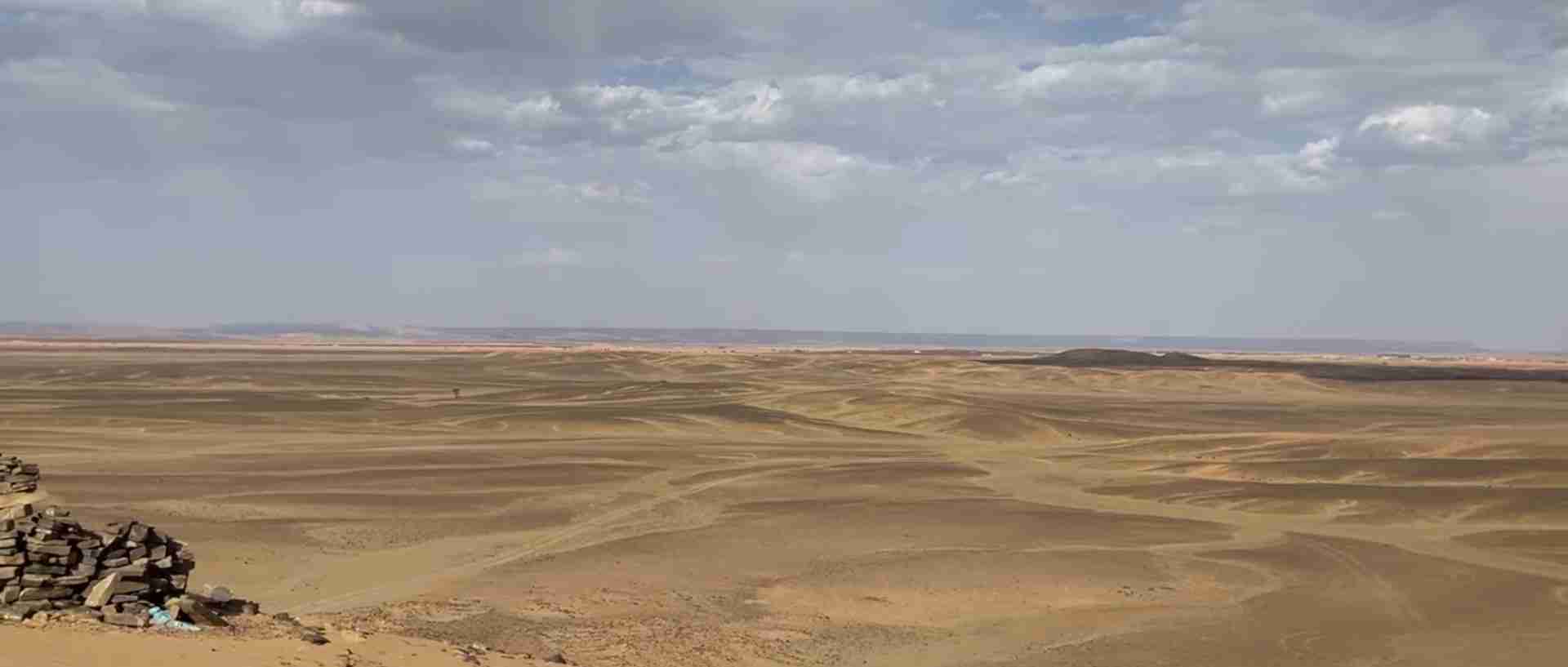
The Erg Chebbi dunes extend approximately 28 kilometers from north to south and reach widths of 5-7 kilometers, creating a substantial sand sea that provides genuine desert immersion despite being relatively accessible from paved roads. The dunes reach maximum heights of 150 meters, offering spectacular sunrise and sunset viewpoints and opportunities for sandboarding, photography, and contemplative desert experiences. Unlike more remote Saharan regions requiring multi-day expeditions, Merzouga allows visitors to reach the dune edge within minutes by vehicle and experience deep desert landscapes with relatively minimal logistical complexity.
People Also Ask About Sahara Desert Morocco 2026
How much does a Sahara desert tour cost in 2026?
Sahara desert tours from Merzouga cost €45-75 for day trips without overnight stays, €65-95 for standard overnight camel treks with basic camp accommodation, €110-150 for premium overnight experiences with upgraded camps, and €180-200 for luxury desert camps featuring private tents, en-suite bathrooms, and gourmet dining. Multi-day desert expeditions visiting remote dunes and oases range €200-400 depending on duration and comfort level. Check tour operator websites for current official rates as seasonal pricing and availability vary throughout 2026.
The cost variations reflect significant differences in accommodation quality, group sizes, included meals, transportation methods, and additional activities. Basic tours accommodate 8-15 guests in communal nomadic-style tents with shared facilities, while luxury experiences limit groups to 4-6 guests and provide individual climate-controlled tents with private bathrooms. Premium pricing includes services like professional photography, cultural performances, cooking classes, and extended camel trekking routes exploring less-visited dune systems beyond the main Erg Chebbi formation.
What is the best time to visit the Sahara Desert in 2026?
The optimal months for Sahara desert visits span October through April when daytime temperatures range 20-28°C and nights cool to 5-15°C, creating comfortable conditions for outdoor activities and camel trekking. November through February represents peak season with maximum visitor numbers and highest accommodation rates but delivers the most pleasant weather conditions. March and April offer excellent value with fewer crowds and warming temperatures, while October provides comfortable conditions as summer heat dissipates. May through September brings extreme temperatures exceeding 45°C making daytime desert activities dangerously hot and substantially reducing visitor enjoyment.
Do you need advance bookings for Sahara tours in 2026?
Advance booking 4-8 weeks ahead secures preferred dates and accommodation categories during peak season (December-February) when popular camps and tour operators reach full capacity. November, March, and April typically allow 2-3 week advance booking windows, while shoulder months (October, May) often accommodate last-minute bookings 3-7 days ahead. Walk-in bookings remain possible year-round but limit accommodation choices and potentially incur 20-30% premium rates, particularly during holiday periods when Moroccan and European travelers fill available capacity.
How do you get to Merzouga for Sahara tours in 2026?
Merzouga connects to major Moroccan cities via CTM and Supratours bus services costing €15-25 from Marrakech (9-10 hours), €12-20 from Fes (7-8 hours), and €8-12 from Erfoud (1 hour). Private transfers cost €200-280 from Marrakech, €180-240 from Fes, and €35-50 from Erfoud, offering door-to-door convenience and flexible departure times. Shared taxis operate between Rissani and Merzouga for €5-8 per person, while rental cars provide maximum flexibility for exploring surrounding desert regions and neighboring villages at self-directed pace.
Extended multi-day tours – 5+ days
Featured Sahara Multi-Day Tour Packages
3 days
Sahara 3-Day Discovery Tour
- ✓ Comprehensive Sahara experience
- ✓ Expert local guides included
- ✓ All accommodation included
- ✓ Transportation provided
5 days
Sahara 5-Day Highlights Experience
- ✓ Comprehensive Sahara experience
- ✓ Expert local guides included
- ✓ All accommodation included
- ✓ Transportation provided
7 days
Sahara 7-Day Cultural Journey
- ✓ Comprehensive Sahara experience
- ✓ Expert local guides included
- ✓ All accommodation included
- ✓ Transportation provided
10 days
Sahara 10-Day Complete Adventure
- ✓ Comprehensive Sahara experience
- ✓ Expert local guides included
- ✓ All accommodation included
- ✓ Transportation provided
Multi-day tour packages powered by TourRadar. Prices and availability subject to change.
Essential Planning Information for 2026 Sahara Adventures
Understanding Sahara Desert Geography and Access Points in 2026
The Moroccan Sahara encompasses vast territories extending from the Atlas Mountains south to Mauritania and east to Algeria, but tourism concentrates primarily around two main dune systems: Erg Chebbi near Merzouga and Erg Chigaga near M’Hamid. Erg Chebbi represents the more accessible option with paved road access, developed tourism infrastructure, and proximity to established travel routes connecting Marrakech, Fes, and the Todra Gorge. The dunes begin just 3-4 kilometers from Merzouga village, allowing visitors to reach the desert edge within 10-15 minutes by 4×4 vehicle.
Erg Chebbi stretches 28 kilometers from the village of Merzouga in the north to beyond Taouz in the south, creating Morocco’s longest continuous dune field and offering numerous access points for desert excursions. The dunes reach their most impressive dimensions in the central sections where heights approach 150 meters and widths extend 5-7 kilometers inland from the desert edge. This substantial sand sea provides genuine desert immersion with spectacular landscapes, complete silence away from village sounds, and the profound sense of isolation that characterizes true Saharan experiences.
The geography surrounding Erg Chebbi includes the seasonal Dayet Srji salt lake that fills with water during wet winters and attracts flamingos and other migratory birds between December and March. The lake lies just west of Merzouga village and provides additional landscape variety when conditions bring sufficient rainfall. East of the dunes, the terrain transitions to hammada (rock desert) extending toward the Algerian border, while south the landscape opens into vast desert plains punctuated by occasional volcanic formations and ancient caravan routes.
Merzouga village itself sits at approximately 700 meters elevation in a depression surrounded by rocky desert on three sides and the Erg Chebbi dunes to the east. The village population fluctuates between 1,200 permanent residents and over 3,000 during peak tourism season when temporary workers staff desert camps and tourism services. Most tourism infrastructure concentrates along the main road connecting to Rissani and in the desert edge zone where hotels and camp operators maintain their base facilities.
Current Costs and Pricing Breakdown for 2026
Standard overnight camel trek packages cost €65-95 per person in 2026, including camel transport to and from camp (approximately 1.5 hours each direction), dinner, breakfast, basic nomadic-style tent accommodation with mattresses and blankets, and evening entertainment around the campfire. Premium overnight packages cost €110-150 per person, upgrading accommodation to larger tents with better mattresses, private tent options for couples, enhanced meal quality featuring multiple courses, and additional activities like sandboarding or extended camel routes. Luxury desert camp experiences reach €180-200 per person per night, providing climate-controlled private tents, en-suite bathrooms with hot water, gourmet dining, professional entertainment, and concierge services. Check tour operator websites for current official rates as pricing and availability vary seasonally throughout 2026.
Day trip desert excursions without overnight camping cost €45-75 per person depending on duration and included activities. Basic day trips include 4×4 transport to various dune viewpoints, sunset or sunrise viewing, tea with nomadic families, and 30-45 minute camel rides. Extended day programs add sandboarding, visits to Khamlia village for Gnawa music performances (separate €3-5 tip expected), fossil workshops, or trips to seasonal wetlands when water levels permit wildlife viewing.
Multi-day desert expeditions exploring remote regions beyond Erg Chebbi range €200-400 per person for 2-3 day itineraries including camping equipment, 4×4 transportation, guide services, all meals, and visits to isolated oases, nomadic settlements, and less-traveled dune systems. These extended trips typically accommodate small groups of 4-8 participants and venture into areas requiring experienced navigation and self-sufficient camping capabilities, providing authentic wilderness experiences unavailable on standard overnight tours.
Independent costs for visitors arranging their own desert experiences include camel rental at €15-25 per person for 1-2 hour rides, 4×4 vehicle hire with driver at €80-120 for half-day excursions or €150-200 for full-day trips, and camping equipment rental (tent, sleeping bag, mattress) at €15-25 per day if planning unguided desert camping. Guide services cost €50-80 per day when arranged independently, though most visitors find packaged tours more convenient and often better value when accounting for meal preparation, transportation logistics, and local knowledge.
Transportation Options and Travel Logistics for 2026
Bus transportation from major Moroccan cities provides the most economical access to Merzouga, with CTM and Supratours operating daily services from Marrakech (€15-25, 9-10 hours), Fes (€12-20, 7-8 hours), and intermediate cities like Erfoud (€8-12, 1 hour). Buses depart major cities in early evening (6:00-8:00 PM) and arrive in Merzouga early the following morning (6:00-8:00 AM), making overnight travel the standard pattern. Return journeys typically depart Merzouga in the afternoon (3:00-5:00 PM) for overnight arrival in origin cities.
The bus journey from Marrakech crosses the High Atlas Mountains via the Tizi n’Tichka pass, descends through Ouarzazate and the Dades Valley, passes through Tinghir and Todra Gorge, continues via Erfoud and Rissani, and finally reaches Merzouga approximately 10 hours after departure. The route showcases diverse Moroccan landscapes from snow-capped peaks to verdant valleys to rocky desert plains, though most travelers sleep through portions of the overnight journey. Buses stop every 2-3 hours for bathroom breaks and brief meal opportunities at roadside restaurants.
Private transfers offer door-to-door convenience and flexible departure timing, costing €200-280 from Marrakech (8-9 hours), €180-240 from Fes (7-8 hours), and €35-50 from nearby Erfoud (1 hour). Private transfers accommodate up to 4 passengers in sedans or up to 6-8 in minivans, with per-vehicle pricing making group travel economical when splitting costs. Drivers typically speak English or French and can incorporate stops at Atlas Mountain kasbahs, Todra Gorge viewpoints, or Rissani markets when requested, transforming the transfer into a sightseeing opportunity rather than just transportation.
Rental cars from Marrakech or Fes provide maximum flexibility for exploring the Sahara region and surrounding attractions at self-directed pace. Standard sedans rent for €25-40 per day with 4×4 vehicles costing €60-90 daily, though insurance and fuel add €20-30 daily to operational costs. The drive from Marrakech takes 8-9 hours via paved roads through spectacular scenery, while Fes connects in 7-8 hours through Middle Atlas mountains and Ziz Valley. Rental cars allow visits to Todra Gorge, Dades Valley, Ait Ben Haddou, and other Atlas region attractions before or after Sahara desert experiences.
Shared taxis between Rissani and Merzouga operate throughout the day when passenger numbers reach 6 per vehicle, costing €5-8 per person for the 35-kilometer journey. These grand taxis provide economical transportation for travelers arriving via bus to Rissani or returning from Merzouga to connect with onward bus services. Departure times depend on passenger availability rather than fixed schedules, with waits ranging from immediate departure to 30-60 minutes during slower periods.
Best Time to Visit the Sahara Desert in 2026
Seasonal Analysis for 2026 Desert Travel
October through April constitutes the optimal window for Sahara desert visits when daytime temperatures range 20-28°C and nights cool to 5-15°C, creating comfortable conditions for camel trekking, sandboarding, camping, and outdoor activities. December through February represents peak season when visitor numbers reach maximum levels and accommodation rates increase 20-30% above shoulder season pricing, but weather conditions deliver the most consistently pleasant temperatures and minimal precipitation risk.
November stands out as an excellent compromise month offering comfortable temperatures averaging 22-26°C during day and 8-12°C at night, fewer crowds than peak winter months, and lower accommodation rates while maintaining reliable weather patterns. Late October provides similar advantages as summer heat dissipates and desert conditions become increasingly pleasant for outdoor activities. March continues the favorable weather pattern with warming temperatures (24-28°C days, 10-15°C nights) and declining visitor numbers as European Easter holidays conclude, creating excellent value opportunities for budget-conscious travelers.
April represents the transition month when temperatures begin rising (28-34°C days, 15-20°C nights) but desert activities remain generally comfortable, particularly in morning and evening hours. May marks the beginning of challenging conditions with daytime temperatures reaching 35-40°C and making midday camel trekking uncomfortable despite lower accommodation rates and minimal crowds. June through September brings extreme heat exceeding 40-45°C during day making outdoor desert activities dangerous and substantially reducing visitor enjoyment, though overnight temperatures remain tolerably warm at 25-30°C.
Rainfall occurs rarely in the Merzouga region, averaging less than 100mm annually with most precipitation concentrated in November through February. When rain does fall, the Dayet Srji seasonal lake fills with water creating temporary wetland habitats that attract flamingos, egrets, and other migratory birds. The lake typically holds water for 2-4 months following sufficient rainfall, with viewing opportunities best between January and March when bird populations peak. Dry years see the lake remain empty, eliminating this wildlife viewing opportunity entirely.
Weather Patterns and Crowd Predictions for 2026
Winter months (December-February) deliver the most comfortable desert conditions with daytime temperatures averaging 18-24°C and overnight lows dropping to 2-8°C, occasionally reaching freezing particularly in January. These cool nights enhance stargazing opportunities as clear, cold air creates exceptional visibility and dramatic temperature contrasts heighten the desert experience. The combination of pleasant daytime temperatures and crisp nights makes winter ideal for photography, outdoor activities, and comfortable camping despite requiring warm sleeping bags and evening layers.
Peak season crowds concentrate during European winter holidays, particularly Christmas-New Year period (December 20-January 10), February school breaks (mid-February), and Easter week (early April in 2026). These periods see accommodation prices increase 25-40% above standard rates and popular camps booking full capacity 6-8 weeks in advance. Booking at least 8-10 weeks ahead secures preferred dates during these ultra-peak periods, while last-minute availability becomes extremely limited and potentially 40-50% more expensive than advance bookings.
Spring transition (March-April) offers excellent value as temperatures warm pleasantly without reaching summer extremes, crowds diminish after winter peak, and accommodation rates drop 15-25% below high season pricing. Sandstorms occur more frequently during spring months when wind patterns shift, with March and April seeing occasional dust events that temporarily reduce visibility and make photography challenging. Most sandstorms last 6-24 hours before clearing, and serious events affecting travel remain relatively rare, occurring 3-5 times annually on average.
Summer months (June-September) experience extreme heat with afternoon temperatures regularly exceeding 45°C and occasionally reaching 50°C during heat waves. The intense heat makes midday activities impossible and confines outdoor experiences to early morning (before 9:00 AM) and evening hours (after 6:00 PM). Summer visitors pay 30-40% less than peak season rates and encounter minimal crowds, but the uncomfortable conditions substantially reduce enjoyment for most travelers. Only heat-tolerant visitors seeking extreme solitude should consider summer desert trips.
Fall transition (October-November) sees temperatures moderating from summer extremes, with October offering warm but manageable conditions (30-35°C days, 18-22°C nights) and November delivering nearly ideal temperatures (24-28°C days, 10-14°C nights). These months attract increasing visitor numbers as European markets resume after summer, but crowds remain significantly lighter than winter peak season. October provides particularly good value with pleasant conditions, moderate pricing, and reasonable availability with 3-4 week advance booking windows sufficient for most dates.
Accommodation Strategies for 2026 Sahara Visits
Budget Accommodation Options in Merzouga
Budget guesthouses in Merzouga village cost €15-30 per night for basic double rooms with shared bathrooms, including breakfast and often dinner options for €5-8 per person. These properties provide simple accommodation with clean rooms, hot water showers, rooftop terraces for relaxation, and direct connections to desert tour operators offering discounted rates for guests. Budget guesthouses typically run by local families offer authentic cultural interactions and opportunity to experience Moroccan hospitality in relaxed, informal settings.
Basic desert camps in the dunes cost €20-35 per person per night when booked independently without transportation packages, including nomadic-style tent accommodation with mattresses and blankets, dinner, breakfast, and access to shared bathroom facilities with cold water washing. These camps provide essential desert experiences without luxury amenities, suitable for budget travelers prioritizing authentic environments over comfort. The shared facilities, communal dining, and social atmosphere create opportunities to meet other travelers and exchange experiences around evening campfires.
Booking strategy for budget travelers combines Merzouga village guesthouse accommodation (€18-25 per night) with separately arranged overnight desert camps (€25-35), potentially saving €15-25 compared to packaged 2-night experiences from tour operators. This approach allows flexibility to explore different camp operators, compare offerings, and potentially negotiate rates during slower periods. Budget-conscious travelers booking 4-5 nights in Merzouga can spread fixed transportation costs across multiple days and explore various desert activities without premium package pricing.
Camping independently requires equipment rental or personal gear and provides the most economical desert experience at €5-15 per night for camping permits and fees paid to camp operators or Berber families controlling dune access zones. Independent camping necessitates hiring guides (€50-80 per day) for navigation, arranging camel transport (€15-25 per person), and managing food preparation and water supplies, making this option practical only for self-sufficient travelers comfortable with basic desert logistics.
Mid-Range and Luxury Accommodation Options for 2026
Mid-range hotels in Merzouga village cost €45-75 per night for double rooms with private bathrooms, air conditioning, swimming pools, and restaurant facilities serving international and Moroccan cuisine. These properties provide comfortable bases for exploring the desert while offering respite from heat and dust with reliable hot water, WiFi connectivity, and professional service standards. Many mid-range hotels operate their own desert camps and offer integrated packages combining village accommodation with overnight desert experiences at inclusive rates.
Premium desert camps cost €80-120 per person per night, providing upgraded tent accommodation with comfortable beds, better mattresses, private tent options for couples, en-suite bathroom facilities with hot water, and enhanced dining featuring multiple-course dinners and varied breakfast selections. These camps maintain higher standards for cleanliness, food quality, and service while preserving authentic desert atmosphere with traditional Berber tent designs, campfire entertainment, and opportunities for cultural interactions with staff and local musicians.
Luxury desert camps and ecolodges reach €150-200 per person per night, delivering boutique hotel comfort in desert settings with climate-controlled private tents, en-suite bathrooms featuring hot showers and modern fixtures, gourmet dining with wine selections, professional entertainment, concierge services, and premium activities like professional photography sessions or extended camel trekking routes. These properties attract couples celebrating special occasions, photographers seeking optimal conditions, and travelers prioritizing comfort without sacrificing authentic desert locations.
Ultra-luxury properties including fixed luxury camps and desert hotels cost €250-400 per night for double occupancy, providing the highest comfort levels with substantial private tents or permanent structures, full bathroom facilities, air conditioning, fine dining restaurants, swimming pools, spa services, and curated experiences including private stargazing sessions, cooking classes, and customized excursions. These properties suit luxury travelers seeking exclusive desert experiences without compromising on amenities or service quality.
Transportation Guide for 2026 Sahara Access
Public Transport Options and Schedules
CTM bus services connect Marrakech to Merzouga with daily departures at 8:00 AM (€18-22, arriving approximately 6:00 PM same day) and 8:30 PM (€20-25, arriving approximately 6:30 AM following morning). The overnight service proves most popular with travelers maximizing daytime hours at both origin and destination. Return services from Merzouga depart at 4:00 PM daily for overnight arrival in Marrakech around 2:00 AM. Tickets book online via CTM website or purchase at bus stations, with advance booking recommended 1-2 weeks ahead during high season to secure preferred departure times.
Supratours operates complementary services with slightly different timing, departing Marrakech at 8:30 PM (€17-23) and arriving Merzouga approximately 6:00 AM. Return journeys depart Merzouga at 3:30 PM for overnight travel reaching Marrakech early morning. Supratours buses coordinate with train schedules at major stations, offering integrated travel options for visitors arriving in Morocco via Casablanca or Tangier with onward connections through Marrakech.
Bus services from Fes to Merzouga operate via CTM and Supratours with evening departures (7:00-8:00 PM, €15-20) arriving early morning (5:00-6:00 AM following day). Return services depart Merzouga in afternoon (3:00-4:00 PM) for overnight travel. The Fes route crosses Middle Atlas mountains via Ifrane and Azrou, descends through Ziz Valley past Errachidia, and continues through Erfoud to reach Merzouga after approximately 8 hours including rest stops.
Local bus services connect Merzouga with Rissani (€3-5, 45 minutes) and Erfoud (€5-8, 1 hour) operating 4-6 times daily between 7:00 AM and 6:00 PM. These local connections provide access to larger towns with banks, pharmacies, and markets when extended stays in Merzouga region require additional services or supplies. Schedules vary seasonally with more frequent service during peak tourism months and reduced frequency in summer.
Private Transport and Car Rental Options for 2026
Private transfers arranged through accommodation providers or transport companies cost €200-280 from Marrakech (8-9 hours), €180-240 from Fes (7-8 hours), and €140-180 from Ouarzazate (6-7 hours) with prices covering up to 4 passengers in sedans or 6-8 in minivans. These services include driver, fuel, and vehicle costs but exclude meals and entrance fees to attractions visited during journey. Private transfers offer flexibility for departure timing, accommodation for luggage, and opportunity to customize routes including stops at kasbahs, gorges, or viewpoints without group travel constraints.
Rental cars from Marrakech or Fes cost €25-40 per day for standard sedans with automatic transmission, €35-55 for larger sedans with better comfort features, and €60-90 for 4×4 vehicles suitable for off-road exploration beyond paved routes. Additional costs include comprehensive insurance (€12-18 per day recommended), fuel (€50-70 for round-trip Marrakech-Merzouga), and potential additional driver fees (€8-12 per day). Rental agreements typically require credit card deposits of €500-1000 and valid international driving permits alongside national licenses.
The self-drive route from Marrakech to Merzouga covers approximately 560 kilometers via N9 highway crossing Tizi n’Tichka pass (2260 meters elevation), continuing through Ouarzazate, Dades Valley, and Todra Gorge before reaching Merzouga. The journey requires 8-9 hours driving time plus stops for photos, meals, and rest breaks, making 10-12 hours realistic total journey time. Road conditions remain excellent on main highways with well-maintained asphalt surfaces, though mountain sections include numerous curves requiring careful navigation.
Parking in Merzouga village operates informally with hotels and guesthouses providing secure parking for guests and public parking areas charging €2-5 per night near the main square. Rental vehicles remain safe in supervised parking areas and hotels, though removing valuable items and securing vehicles appropriately remains advisable. Most desert camps arrange transportation from Merzouga to dune camps via 4×4 vehicles, meaning rental cars remain parked in village during overnight desert excursions.
Money-Saving Strategies for 2026 Sahara Adventures
Advance Booking Benefits and Seasonal Optimization
Booking desert tours and accommodation 6-8 weeks ahead during peak season (December-February) secures standard rates and avoids 30-40% premium pricing applied to last-minute reservations when availability becomes limited. Tour operators offer early booking discounts of 10-15% for reservations confirmed 3+ months in advance, particularly for multi-day tours and luxury camp bookings. Advance planning also guarantees preferred dates and accommodation categories that sell out completely during high-demand periods like Christmas holidays and European school breaks.
Shoulder season visits (October-November, March-April) deliver 20-30% savings on accommodation and tour prices compared to peak winter months while maintaining comfortable weather conditions and adequate services. October and March particularly offer excellent value with pleasant temperatures, lighter crowds, and negotiable rates at most properties. Budget travelers visiting during these months enjoy similar experiences to peak season visitors while saving €30-50 daily on accommodation and activities.
Group bookings for 4+ travelers unlock substantial savings through shared transportation costs and group discounts on tours and activities. Private transfers from Marrakech costing €240 total split among 4 travelers equals €60 per person compared to €20-25 bus fares, but adds flexibility and comfort justifying the modest €35-40 premium. Desert tour packages often reduce per-person rates by 15-25% for groups of 4-6, with maximum savings achieved for groups of 6-8 splitting fixed costs across more participants.
Multi-night stays in Merzouga village (4-5 nights) allow spreading fixed transportation costs across more days and negotiating accommodation rates for extended stays, with many guesthouses offering 10-20% discounts for 3+ night bookings. Extended visits enable day trips to various dune systems, visits to nearby Rissani market, excursions to seasonal wetlands when filled, and opportunities to experience multiple desert activities without rushing between locations. The slower pace reduces daily spending while deepening cultural connections and desert experiences.
Budget Optimization Techniques for Independent Travelers
Independent negotiation with desert tour operators in Merzouga often yields better rates than advance online bookings, particularly during slower periods when operators compete for business and travelers can compare offerings from multiple providers. Walking to several tour offices, explaining desired experiences, and requesting detailed pricing breakdowns enables informed comparisons and leverage for negotiating discounts of 10-20% off initial quoted rates. This approach works best for flexible travelers not bound by tight schedules who can adapt plans based on best available value.
Combining Merzouga village accommodation with separately booked overnight desert camps costs €40-55 per person total (€18-25 village guesthouse + €22-30 desert camp) compared to €65-95 for packaged tour operator experiences, saving €20-35 while maintaining control over accommodation selection and timing flexibility. This strategy works particularly well for travelers planning 3-4 night Merzouga stays who want multiple desert experiences without paying premium integrated package rates for each night.
Self-catering reduces meal expenses from €20-30 daily at restaurants to €8-15 for groceries and prepared meals, though limited grocery options in Merzouga favor purchasing supplies in larger towns like Rissani or Erfoud before arriving. Many budget guesthouses offer kitchen access for guest use, enabling preparation of breakfast and simple meals while dining out for dinners at local restaurants serving tajines for €5-8 and mixed grills for €6-10. This balanced approach saves money without sacrificing opportunities to sample Moroccan cuisine.
Free and low-cost activities around Merzouga include hiking to dune viewpoints near village (free), visiting Khamlia village for Gnawa music demonstrations (€3-5 tips appreciated), exploring Rissani market on market days (Sunday, Tuesday, Thursday – free entry), and observing sunset from village edge viewpoints (free). These activities complement paid desert tours and camel treks, filling itinerary days while minimizing entertainment expenses for budget-conscious travelers.
Sample 2026 Sahara Desert Itineraries
Two-Day Budget Desert Experience
The minimal viable Sahara desert experience spans 2 days/1 night, providing taste of desert landscapes and overnight camping without extended time commitment or substantial budget requirements. This itinerary suits travelers with limited time or budget constraints who want authentic desert encounters while maintaining efficient overall Morocco travel schedules.
Day 1 – Arrival and Desert Excursion: Arrive Merzouga via morning bus from Marrakech or Fes (€15-25), check into budget guesthouse (€18-25), rest during midday heat, join afternoon camel trek departing village edge 4:00-5:00 PM for 1.5 hour ride to desert camp, arrive camp for sunset viewing, dinner in camp, evening entertainment around campfire, overnight in nomadic-style tent. Accommodation €22-30 (desert camp), dinner included, breakfast included. Day 1 costs: transport €15-25, guesthouse unused but typically required booking, desert camp €22-30. Total Day 1: €37-55 per person (excluding Marrakech/Fes accommodation).
Day 2 – Sunrise and Departure: Wake before sunrise for dune climbing and photography (5:30-6:30 AM depending on season), breakfast at camp 7:00-8:00 AM, camel trek return to village edge arriving 9:30-10:30 AM, shower and rest at guesthouse, afternoon exploration of Merzouga village and nearby viewpoints, evening departure via bus to Marrakech/Fes (€18-25) or overnight accommodation if extending stay. Accommodation €18-25 (village guesthouse if staying), lunch €6-10, snacks €5-8, return transport €18-25. Total Day 2: €47-68 per person (excluding onward destination accommodation).
Two-Day Total Costs: Transportation €33-50, accommodation €40-55, meals €11-18 (most included in camp package), desert tour included in camp pricing. Total 2-day experience: €84-123 per person for minimal Sahara experience from Merzouga village base. This budget excludes costs reaching Merzouga from major cities and assumes booking basic camp package independently rather than through tour operators.
Four-Day Comprehensive Desert Exploration
An extended 4-day Merzouga itinerary enables multiple desert experiences, visits to surrounding attractions, and deeper cultural immersion while spreading transportation costs across more days and allowing negotiation of better accommodation rates for longer stays.
Day 1 – Arrival and Orientation: Arrive Merzouga via morning bus or private transfer (€15-25 bus or €50-70 per person private split), check into mid-range hotel (€45-65 double occupancy = €22-32 per person), explore village, visit Hassilabied village adjacent to dunes, afternoon rest, sunset viewing from hotel terrace or nearby viewpoint, dinner at local restaurant. Accommodation €22-32, transport €15-70, lunch €8-12, dinner €8-12, snacks €5-8. Total Day 1: €58-134 per person depending on transport choice.
Day 2 – Premium Desert Camp Experience: Morning visit to Khamlia village (15km, €10-15 shared taxi or included in tour) for Gnawa music performance (€5 tip appreciated), return to hotel for lunch and pool time, afternoon departure 4:00-5:00 PM for premium desert camp via camel trek (1.5 hours), arrive camp for sunset, multi-course dinner, evening Berber music entertainment, overnight in upgraded tent with private option. Premium camp €90-120 per person including all meals and activities. Total Day 2: €105-145 per person (excluding hotel unused but required for luggage storage).
Day 3 – Sunrise, Exploration, and Village Life: Wake for sunrise viewing and photography, breakfast at camp, morning sandboarding on dunes, camel return to village edge by 10:00 AM, shower at hotel, lunch in Merzouga, afternoon excursion to Rissani market (35km, €5-8 shared taxi round-trip) for cultural experience and shopping, return to Merzouga for dinner, overnight at hotel. Accommodation €22-32, transport €5-8, lunch €8-12, dinner €8-12, activities €10-15 (tips and miscellaneous). Total Day 3: €53-79 per person (excluding camp night accommodation).
Day 4 – Regional Exploration and Departure: Morning visit to seasonal lake (if filled) via hired 4×4 (€20-30 per person with driver for half-day shared tour) or fossil workshop near Rissani, lunch in Merzouga, afternoon rest and packing, evening departure via bus to Marrakech/Fes (€18-25) or overnight for next day departure. Morning activity €20-30, lunch €8-12, snacks €5-8, transport €18-25. Total Day 4: €51-75 per person.
Four-Day Total Costs: Accommodation €66-96 (3 hotel nights split between two people sharing double room), desert camp €90-120 (one premium night), meals €56-84 (mix of included camp meals and independent dining), activities €35-58 (transport, music performance, excursions), departure transport €18-25. Total 4-day comprehensive experience: €265-383 per person for varied desert activities and comfortable accommodation (excluding arrival transportation from major cities and assuming double occupancy throughout).
One-Week Extended Desert and Southern Morocco Journey
A full week in the Merzouga region and surrounding areas enables comprehensive desert exploration, visits to multiple dune systems, cultural immersion in Berber villages, and excursions to nearby natural and historical attractions while achieving best value through extended stay negotiation.
Days 1-2: Arrival and Initial Desert Experience following two-day budget itinerary pattern with village accommodation and basic overnight desert camp. Costs: €84-123 per person covering initial desert immersion.
Days 3-4: Regional Exploration including full-day 4×4 excursion to remote dunes beyond main Erg Chebbi (€80-120 per person for 2-day expedition with camping, meals, and guide), visiting nomadic families, exploring smaller oases, and experiencing less-traveled desert regions. Costs: €80-120 per person for specialized multi-day tour.
Days 5-6: Cultural Activities and Luxury Experience with day trip to Todra Gorge (€60-80 per person for guided full-day excursion including lunch and entrance fees), return for overnight at luxury desert camp (€150-200 per person for premium accommodations and services), experiencing highest quality desert camping with gourmet dining and exclusive activities. Costs: €210-280 per person for cultural excursion and luxury camp.
Day 7: Relaxation and Departure with morning at hotel pool, afternoon village exploration, optional spa services (€25-45 for massage and hammam), evening departure or overnight for next day travel. Costs: €47-87 per person for final day activities and accommodation.
Week-Long Total Investment: One-week extended journey costs €421-610 per person covering comprehensive desert experiences from budget camping to luxury accommodations, cultural excursions to surrounding regions, specialized activities like multi-day remote dune expeditions, and adequate time for photography, relaxation, and cultural immersion. This budget assumes double occupancy hotel rooms, independent meal arrangements averaging €15-25 daily, and mix of group and private activities for optimal value.
Booking and Reservations for 2026 Sahara Visits
Official Booking Channels and Tour Operators
Reputable desert tour operators in Merzouga include established companies like Sahara Desert Tours, Morocco Desert Camps, Merzouga Luxury Desert Camps, and numerous locally-owned operations offering reliable services and competitive pricing. Most operators maintain websites with online booking systems, WhatsApp contact for direct inquiries, and email addresses for detailed itinerary customization and questions. Reading recent reviews on TripAdvisor, Google Reviews, and travel forums helps identify operators with consistent service quality and appropriate pricing for advertised experiences.
Booking directly through accommodation providers often delivers better value than third-party booking platforms since hotels and camps avoid commission fees and can offer discounts for direct reservations. Many Merzouga hotels operate their own desert camps and provide integrated packages combining village accommodation with overnight desert experiences at inclusive rates typically 10-20% below separately booked components. Contacting properties via email or WhatsApp enables detailed questions about included services, meal quality, tent configurations, and specific requests for photography opportunities or cultural experiences.
Major accommodation booking platforms like Booking.com, Airbnb, and Agoda list Merzouga hotels and guesthouses with verified guest reviews, clear cancellation policies, and secure payment processing. These platforms serve well for village accommodation but often exclude desert camp experiences or offer limited inventory at premium pricing. Booking village accommodation through platforms while arranging desert camps directly with operators represents a balanced approach combining convenience and value.
Local tourism information offices in Merzouga provide lists of licensed tour operators and assist travelers seeking recommendations or help resolving issues with booked services. The tourism office near the main square operates daily except Fridays and can verify operator credentials, explain typical pricing structures, and suggest alternatives when preferred operators show full booking during peak periods. The office also maintains information about current road conditions, weather forecasts, and seasonal events affecting desert access or activities.
Tour Operator Recommendations and Specialized Services
Photography-focused desert experiences require specialized operators understanding lighting conditions, optimal shooting locations, and timing for sunrise/sunset captures. These services cost €120-180 per person for 2-day programs including transport to premium viewpoints, guidance on composition and camera settings, access to less-visited dune systems with better lighting, and flexible timing accommodating optimal photographic conditions. Photography tours suit serious enthusiasts seeking professional-quality images rather than casual smartphone photography.
Family-oriented desert tours adapt standard programs for children with shorter camel rides (45-60 minutes instead of 1.5 hours), camps providing family tents sleeping 4-5, activity modifications like gentle dune sliding instead of aggressive sandboarding, and earlier evening timing accommodating children’s schedules. Family packages cost €55-85 per person (children under 12 typically pay 50-70% of adult rates) and include additional safety considerations and flexibility for changing plans based on children’s energy levels and comfort.
Romantic and honeymoon desert experiences feature private tents separated from main camp areas, candle-lit dinners with upgraded menu selections, couples massage services, champagne or wine accompaniment (where operator licenses permit), and flexible scheduling for private camel rides and photography sessions. These premium romantic packages cost €180-250 per couple and suit travelers celebrating anniversaries, honeymoons, or special occasions seeking exclusive experiences without other tourists nearby.
Accessibility-adapted desert experiences accommodate travelers with limited mobility through 4×4 transport replacing camel rides, camps with wheelchair-accessible facilities, shorter walking distances, and adjusted activity schedules reducing physical demands. Specialized operators understand accessibility requirements and provide appropriate equipment and support for travelers requiring assistance, with pricing typically 20-30% higher than standard tours reflecting additional logistical requirements and equipment costs.
Planning Your 2026 Sahara Desert Adventure
Essential Pre-Departure Preparations
Packing for Sahara desert visits requires balancing warmth for cold nights and sun protection for hot days, with layering essential for managing temperature swings of 25-30°C between afternoon and midnight. Essential clothing includes lightweight long-sleeve shirts for sun protection, warm fleece or jacket for evenings (particularly winter months), comfortable loose-fitting pants, closed-toe shoes for walking on hot sand, sunglasses, and wide-brimmed hat or turban-style head covering. Desert camps provide blankets and mattresses but sleeping bags offer additional warmth during cold winter nights when temperatures approach freezing.
Photography equipment recommendations include wide-angle lenses (16-35mm) capturing expansive dune landscapes, telephoto options (70-200mm) for sunrise/sunset details and distant camel caravans, polarizing filters reducing glare on bright sand, lens cleaning supplies managing dust infiltration, and extra batteries since cold nights drain power faster. Protecting cameras from sand requires sealed bags during windy conditions, regular cleaning with blower brushes, and avoiding lens changes during sandstorms when fine particles infiltrate camera bodies.
Health preparations include sunscreen with SPF 50+ for intense desert sun exposure, lip balm preventing chapped lips from dry air, moisturizer counteracting humidity levels often below 20%, hand sanitizer maintaining hygiene without reliable water access, basic first aid supplies for minor cuts and blisters, and prescription medications in original containers with generic name documentation. Drinking water stays available at camps and guesthouses but carrying personal water bottles (1-2 liters) enables proper hydration during day excursions and camel treks.
Financial preparations involve carrying sufficient cash in Moroccan dirhams since ATMs exist in Rissani (35km from Merzouga) and Erfoud (60km away) but not in Merzouga village itself. Most desert camps and tour operators accept cash only, with few properties equipped for card payments. Bringing mixed denominations (20, 50, 100, 200 dirham notes) facilitates small purchases and tips without requiring change from large bills. Budget travelers should carry €200-300 (2000-3000 dirhams) per person covering accommodation, activities, meals, and contingencies for 3-4 day stays.
Cultural Considerations and Etiquette Guidelines
Berber cultural traditions emphasize hospitality, with tea service representing important social ritual welcoming guests and creating opportunities for conversation. Accepting offered tea demonstrates respect and appreciation, with three small glasses customary in traditional service. Visitors can politely decline after the first glass without causing offense if time constraints or preferences require departure, though participating in the complete ritual shows genuine cultural interest and builds rapport with local hosts.
Photography etiquette requires requesting permission before photographing people, particularly women and children, with monetary expectations common for posed portraits (10-20 dirhams appropriate). Many Berber families welcome photography during cultural demonstrations or music performances included in tour packages, but candid street photography in villages often meets resistance from residents preferring privacy. Desert landscapes, camels, and camp facilities photograph freely without permission requirements or fees.
Dress codes in conservative rural Morocco favor modest clothing with shoulders covered and pants/skirts extending below knees for both men and women. While desert camps tolerate Western-style casual wear, visiting nearby villages, markets, and religious sites requires conservative dress showing respect for local customs. Swimwear restriction to pool areas rather than common spaces demonstrates cultural sensitivity, and removing shoes when entering tents follows traditional Berber practice.
Tipping practices include 5-10 dirhams for restaurant servers, 20-30 dirhams daily for desert camp staff (divided among kitchen workers, tent attendants, and entertainers), 10-15 dirhams for camel guides, and 50-80 dirhams for drivers on multi-day tours. Group tours often collect shared tips distributing among all service providers, while independent travelers tip individually based on service quality. Tipping serves as important income supplement for tourism workers earning modest base wages, with generous tipping acknowledging exceptional service and building positive relationships.
2026 Updates and Current Information
Recent Infrastructure Developments
Road improvements completed in 2024-2025 upgraded the N13 highway between Rissani and Merzouga to smooth asphalt standards, reducing travel time from 45 minutes to 30 minutes and improving access for buses and private vehicles. The enhanced road surface eliminates previous rough sections requiring careful navigation and makes the journey more comfortable for all travelers. Future planned improvements include upgrading the Erfoud-Rissani section scheduled for 2026-2027 construction, potentially further reducing travel times from major cities.
New desert camps opening in 2025-2026 expand accommodation capacity and introduce premium service standards not previously available in Merzouga region. These properties include the Luxury Erg Chebbi Ecocamp featuring solar power and advanced waste management systems, the boutique Nomad Desert Lodge offering suites with full bathrooms and air conditioning, and several mid-range camps targeting budget-conscious travelers seeking upgrades from basic nomadic-style accommodation. The expanded inventory improves availability during peak season and drives competitive pricing benefiting all budget categories.
Technology improvements include expanding mobile phone coverage in Merzouga village and immediate surroundings, with Maroc Telecom and Inwi towers providing 4G service throughout the village and extending 2-3 kilometers into dune regions. Desert camps beyond 5 kilometers from village remain without mobile coverage, preserving the disconnected wilderness experience many travelers seek. WiFi availability extends to most hotels and guesthouses in the village, though speeds remain limited to basic communication and internet browsing rather than video streaming or large downloads.
Environmental initiatives implemented by local authorities include restrictions on motorized vehicle access to dune interior regions, limiting 4×4 and quad bike activities to designated routes preventing dune ecosystem damage. New regulations require tour operators to pack out all waste from desert camps, implement composting toilets, and maintain proper waste water disposal systems preventing groundwater contamination. These measures protect the fragile desert environment while maintaining tourism viability for local economy dependent on visitor spending.
Seasonal Updates and Special Events for 2026
The annual Merzouga International Festival scheduled for March 2026 celebrates Berber music and culture with three days of performances, traditional arts demonstrations, camel racing, and cultural exhibitions. The festival attracts musicians from throughout Morocco and neighboring countries, with evening concerts held at large tents erected at the dune edge and daytime activities scattered throughout the village. Festival visitors pay no entry fees for main events but should book accommodation 8-12 weeks in advance as hotels and camps fill completely during this peak cultural period.
Ramadan in 2026 falls during late February and early March (approximately February 28 – March 29), affecting restaurant operating hours and meal timing but not significantly impacting desert tourism activities. Most restaurants in Merzouga close during daylight hours or serve only non-Muslim guests, with evening meals after sunset providing opportunity to experience festive breaking of fast traditions. Desert camps continue normal operations with adjusted meal timing, and camel treks proceed on standard schedules since tourism activities fall outside Ramadan fasting restrictions for non-Muslims.
Migration patterns in 2026 show increasing European and North American visitor numbers during shoulder seasons (October-November, March-April) as travelers seek to avoid crowds and high prices of December-February peak period. This shift creates better availability during traditional high season while potentially limiting accommodation options during previously quiet months. Booking 6-8 weeks ahead maintains adequate safety margins across all seasons except extreme summer (June-August) when immediate availability remains common.
Weather pattern predictions for 2026 suggest normal precipitation ranges with possible above-average rainfall during January-February creating excellent opportunities for seasonal lake viewing and bird watching. Climate trends show gradually warming temperatures with summer heat extremes becoming more intense and extended, potentially pushing comfortable visiting seasons earlier (September gaining popularity) and later (May becoming increasingly challenging). These gradual shifts affect long-term planning but don’t significantly alter the October-April optimal visiting window established over previous decades.
Frequently Asked Questions About Sahara Desert Morocco
Is it safe to visit the Sahara Desert in Morocco?
The Sahara Desert region around Merzouga ranks among Morocco’s safest tourist destinations with negligible crime rates and well-established tourism infrastructure supporting hundreds of thousands of annual visitors without significant safety incidents. The primary safety considerations involve heat management during summer months, proper hydration during all seasons, and following guide instructions during desert activities. Tour operators maintain excellent safety records with experienced guides trained in emergency procedures and desert navigation, making organized tours far safer than independent exploration without local knowledge.
What should I wear in the Sahara Desert?
Optimal Sahara clothing includes lightweight long-sleeve shirts protecting from sun exposure, loose-fitting long pants in breathable fabrics preventing leg sunburn and managing temperature, closed-toe shoes protecting feet from hot sand (temperatures reach 60-70°C at surface during summer), sunglasses blocking intense glare, and wide-brimmed hats or traditional turbans shielding face and neck from direct sun. Evening wear requires warm layers including fleece jackets or sweaters and long pants for temperatures dropping 20-30°C after sunset, particularly during winter months when overnight lows approach freezing requiring substantial insulation.
How long should I stay in Merzouga?
Minimum recommended stay spans 2 days/1 night enabling basic desert camp experience with camel trek and overnight camping, while 3-4 days allows multiple desert experiences, visits to surrounding attractions, and deeper cultural immersion without rushing between activities. Extended stays of 5-7 days suit photographers seeking optimal lighting conditions across multiple sunrise/sunset opportunities, travelers interested in comprehensive regional exploration including Todra Gorge and Dades Valley, and visitors seeking relaxed pace with adequate rest time between activities. Single overnight visits feel rushed and require immediate onward travel, limiting opportunity to appreciate desert landscapes and absorb cultural experiences.
Can I visit the Sahara Desert with children?
The Sahara Desert accommodates family visits successfully with appropriate planning and age-appropriate activity modifications. Children 5+ typically enjoy camel rides when limited to 45-60 minute durations rather than full 1.5 hour treks, appreciate sandboarding and gentle dune sliding, and benefit from cultural music performances and stargazing opportunities. Family-friendly camps provide larger tents accommodating parents with multiple children, adjust meal timing for earlier dinners, and offer flexibility for schedule modifications when children require rest or show discomfort with activities. Very young children (under 3) face challenges with heat exposure, camel ride duration, and unpredictable sleeping conditions in desert camps, making Sahara visits more suitable for families with school-age children.
What is the best way to book Sahara tours?
Optimal booking strategies combine advance research through review platforms like TripAdvisor identifying reputable operators with direct contact via WhatsApp or email for customization and rate negotiation. Booking 6-8 weeks ahead during peak season (December-February) secures preferred dates and accommodation categories at standard rates without premium last-minute pricing, while shoulder season visitors book successfully 2-4 weeks ahead with adequate selection. Direct booking through tour operator websites or communication channels typically delivers 10-15% better rates than third-party platforms charging operators commission fees ultimately passed to customers through higher pricing. Reading recent reviews from travelers with similar interests and comfort expectations helps match operators to individual preferences and avoid mismatches between advertised and delivered experiences.
Are camel rides uncomfortable?
Camel rides produce mild discomfort for most first-time riders during initial 15-20 minutes as bodies adjust to swaying motion and unfamiliar sitting position, with discomfort typically subsiding as riders relax and find comfortable posture. The wooden saddles provide basic padding but create pressure points during extended rides, particularly for riders over 90kg who compress cushioning more significantly. Wearing thick pants or adding small cushions reduces discomfort, while maintaining upright posture with slight forward lean distributes weight more effectively than slumping backward against rear saddle post. Most riders adapt within 30 minutes and find the experience more comfortable than anticipated, though 1.5 hour treks to camps create noticeable soreness for sedentary individuals unused to similar positions.
Can I see stars in the Sahara Desert?
The Sahara Desert offers world-class stargazing conditions with minimal light pollution, dry air, and high altitude creating exceptional visibility for night sky observation and astrophotography. Clear nights reveal the Milky Way as brilliant band stretching across the sky, with thousands of individual stars visible to naked eye compared to hundreds visible in light-polluted urban environments. New moon periods provide optimal darkness for stargazing and photography, while full moon creates bright illumination reducing star visibility but offering opportunity to photograph moonlit dunes. Winter months (December-February) deliver the clearest skies with minimal humidity and dust, while spring and fall also provide excellent conditions most nights when weather systems remain distant from the region.
What wildlife can I see in the Sahara?
Desert wildlife around Merzouga includes fennec foxes occasionally spotted near camps during evening hours, jerboa (desert jumping mice) active at night near vegetation patches, various lizard species including spiny-tailed agamids sunning on dune slopes, scorpions requiring caution when moving rocks or items left on sand overnight, and numerous beetle species creating intricate tracks across dune surfaces each morning before heat drives them to underground refuges. The seasonal Dayet Srji lake attracts flamingos, egrets, and other wading birds during wet winters when water persists for several months, providing unexpected contrast between pink flamingo flocks and surrounding golden dunes. Birdwatching opportunities peak January-March when migratory species pause during African journeys.
Do I need travel insurance for Sahara visits?
Travel insurance provides essential protection for Sahara visits covering medical emergencies, evacuation costs to proper medical facilities in Erfoud or Errachidia (60-90 km from Merzouga), trip cancellation due to illness or weather conditions, and lost/damaged belongings during desert activities. Medical facilities in Merzouga consist of basic clinic providing first aid and stabilization before transfer to regional hospitals, making medical evacuation coverage particularly important for serious injuries or illnesses. Comprehensive travel insurance costs €30-50 for week-long Morocco trips including Sahara components, with policies covering adventure activities including camel riding and sandboarding requiring specific inclusions rather than standard tourism coverage excluding these activities.
Can I use credit cards in the Sahara Desert?
Credit card acceptance in Merzouga remains extremely limited with most accommodations, restaurants, and tour operators accepting cash only in Moroccan dirhams. The nearest ATMs operate in Rissani (35 km away) and Erfoud (60 km away), making advance cash withdrawal essential before reaching Merzouga. Higher-end hotels in Merzouga occasionally accept credit cards but charge 3-5% processing fees, while desert camps universally operate on cash basis. Visitors should bring sufficient dirhams for entire stay including accommodation, activities, meals, tips, and contingency funds, with €200-300 (2000-3000 dirhams) appropriate for 3-4 day visits assuming mid-range spending patterns.