
Marrakech Travel Guide 2026: Medina, Souks & Hidden Gems
This comprehensive 2026 guide provides practical planning information for maximizing your Marrakech medina adventure, covering orientation strategies for first-time visitors, detailed souk navigation instructions, major monument visiting tips, accommodation recommendations within the medina walls, budget breakdowns for different travel styles, sample itineraries optimizing time and energy, and insider knowledge on hidden gems that escape most tourist attention. Whether you’re planning a weekend escape or an extended cultural immersion, this guide equips you with essential intelligence for experiencing Morocco’s Red City authentically and efficiently in 2026.
Key Takeaways
- Marrakech medina, a UNESCO World Heritage Site since 1985, combines imperial monuments, labyrinthine souks, and Africa’s most famous square in Morocco’s tourism capital
- Major monument entries cost €5-10 in 2026, with comprehensive three-day exploration budgets ranging €180-500 depending on accommodation and dining preferences
- Spring (March-May) and autumn (September-November) provide optimal visiting conditions, while summer heat (35-42°C) requires strategic early morning and evening scheduling
- The medina divides into distinct quarters including the northern souks district, central derb residential areas, southern mellah (former Jewish quarter), and Kasbah area near Saadian tombs
- Hidden gems beyond Jemaa el-Fnaa include rooftop terrace gardens, artisan workshops in residential quarters, secret courtyards, and lesser-known historical monuments
- Accommodation within the medina walls ranges €25-400 per night with riads offering authentic Moroccan architecture and convenient access to attractions
Introduction to Marrakech Medina Exploration 2026
Marrakech stands as Morocco’s most visited city and the gateway to the country’s imperial heritage, desert adventures, and Atlas Mountain expeditions. The medina, enclosed within 19 kilometers of 12th-century ramparts, functions as a living museum where centuries-old traditions persist amid vibrant commercial activity, tourist infrastructure, and cultural performances. At its heart lies Jemaa el-Fnaa, Africa’s most famous square where storytellers, musicians, acrobats, snake charmers, and henna artists create sensory chaos from dawn until midnight. Beyond this iconic square spreads a labyrinth of narrow alleys containing souks organized by craft guilds, hidden riads with tranquil gardens, magnificent palaces showcasing Islamic architecture, and residential neighborhoods where daily Moroccan life unfolds away from tourist crowds.
Planning your 2026 Marrakech experience requires understanding the medina’s geography, navigating its overwhelming but rewarding complexity, timing visits to monuments and markets strategically, budgeting across wide-ranging accommodation and dining options, and discovering hidden gems that reveal layers of history and culture beyond the well-trodden tourist circuits. The medina rewards patient exploration with unexpected discoveries around every corner: a stunning carved door leading to a family courtyard, an artisan’s workshop producing traditional crafts using centuries-old techniques, a rooftop terrace offering panoramic views across the ochre cityscape, or a neighborhood bakery where locals gather for fresh bread and morning conversation.
People Also Ask About Marrakech Travel 2026
How much does it cost to visit Marrakech in 2026?
Visiting Marrakech costs €50-150 per person daily in 2026 depending on travel style and accommodation choices. Budget travelers spend €50-80 daily including basic medina riad €25-45, street food and local restaurant meals €15-25, monument entries €8-12, and local transport €3-5. Mid-range visitors budget €90-150 daily with comfortable riads €60-100, mix of local and tourist restaurants €30-50, guided tours €20-40, and occasional taxis. Luxury travelers spend €200-400+ daily covering boutique riads €150-300, fine dining €60-100, private guides, spa treatments, and exclusive experiences. Entry fees for Marrakech’s major monuments including Bahia Palace (€7), Saadian Tombs (€7), and Ben Youssef Madrasa (€5) total approximately €25-30 for comprehensive sight coverage. Check official tourism websites for current rates as pricing may vary seasonally. Weekly budgets range €350-560 budget, €630-1,050 mid-range, and €1,400-2,800 luxury for complete Marrakech experiences.
What is the best time to visit Marrakech in 2026?
Spring (March-May) and autumn (September-November) provide optimal conditions for visiting Marrakech in 2026, offering comfortable temperatures, manageable crowds, and excellent value. March through April delivers perfect weather with temperatures 18-26°C, ideal for extensive medina walking and monument exploration. May begins warming (22-30°C) with increasing tourist numbers as European vacation season approaches. September maintains summer warmth (28-35°C) with fewer crowds than spring. October offers the best combination of pleasant weather (20-28°C), reduced tourist numbers compared to spring, and lower accommodation rates. November sees cooler temperatures (15-24°C) with occasional rain but excellent rates and authentic atmosphere with fewer visitors. Winter (December-February) brings cool evenings (8-12°C) though comfortable days (16-22°C), lowest accommodation prices, and smallest crowds. Summer (June-August) presents challenges with intense heat (35-42°C) requiring early morning and evening schedules, though accommodation rates drop significantly outside July-August peak domestic tourism weeks.
Is Marrakech safe for tourists in 2026?
Marrakech maintains good safety standards for tourists in 2026 with visible tourist police presence throughout the medina, particularly around Jemaa el-Fnaa square and major monument areas. Common issues include aggressive vendors and unofficial guides approaching tourists in high-traffic zones, managed through polite but firm refusals and avoiding eye contact with persistent harassers. Pickpocketing occurs in crowded areas like Jemaa el-Fnaa during peak evening hours and dense souk passages, requiring vigilant bag security with cross-body bags kept in front, avoiding back pockets for phones or wallets, and remaining alert in crush situations. After-dark medina navigation requires caution in poorly-lit residential quarters, with many riads offering porter escort service for evening returns (€3-5 tip) providing both navigation assistance and security presence. Women travelers face moderate unwanted attention and comments, particularly in tourist areas, though serious incidents remain rare with common-sense precautions like confident body language, ignoring catcalls, and dressing modestly reducing though not eliminating hassling.
How many days do you need in Marrakech in 2026?
Marrakech requires minimum 3-4 days for thorough medina exploration, major monument coverage, and souk discovery in 2026, with 5-7 days allowing deeper cultural immersion, day trips to nearby attractions, and relaxed pacing. Three days covers Jemaa el-Fnaa familiarization, major monuments (Bahia Palace, Saadian Tombs, Ben Youssef Madrasa, Koutoubia Mosque exterior), souk navigation basics, and one full day wandering residential quarters discovering hidden gems. Four to five days adds Atlas Mountain day trips to Imlil village or Ourika Valley, Majorelle Garden and Yves Saint Laurent Museum visits, cooking class or hammam experiences, and time for longer souk shopping sessions exploring specialized craft areas. Week-long stays enable day trips to Ait-Ben-Haddou UNESCO kasbah (8-hour round trip) or Essaouira coastal medina, comprehensive artisan workshop visits, deeper neighborhood exploration, and unhurried enjoyment of riad amenities including rooftop terraces, pools, and in-house restaurants providing authentic Moroccan dining.
Extended multi-day tours – 5+ days
Featured Marrakesh Multi-Day Tour Packages

1 days
1 Day Private Excursion to Ourika Valley & berber villages…
- ✓ Comprehensive Marrakesh tour
- ✓ Expert local guides included
- ✓ All accommodation arranged
- ✓ Transportation provided
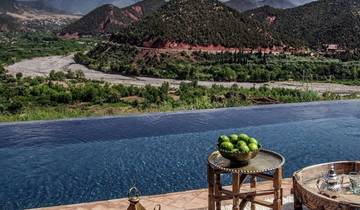
1 days
1-Day Private Excursion To Ourika Valley & The Atlas Mountains & Kasbah bab Ourika
- ✓ Comprehensive Marrakesh tour
- ✓ Expert local guides included
- ✓ All accommodation arranged
- ✓ Transportation provided

1 days
Day trip to Essaouira from Marrakech
- ✓ Comprehensive Marrakesh tour
- ✓ Expert local guides included
- ✓ All accommodation arranged
- ✓ Transportation provided
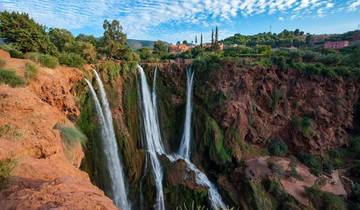
1 days
Marrakech Ouzoud excursion with guide and lunch
- ✓ Comprehensive Marrakesh tour
- ✓ Expert local guides included
- ✓ All accommodation arranged
- ✓ Transportation provided
Multi-day tour packages powered by TourRadar. Prices and availability subject to change.
Essential Marrakech Planning Information 2026
Current Costs and Pricing Breakdown for 2026
Monument entry fees in Marrakech range €5-10 for major sites in 2026, with comprehensive touring requiring €25-35 total for all significant monuments. Bahia Palace costs €7 for entry to this 19th-century vizier’s residence featuring extensive gardens and painted ceilings. Saadian Tombs charge €7 admission to the rediscovered royal necropolis with extraordinary zellige tilework. Ben Youssef Madrasa requires €5 for access to this beautifully restored 14th-century Islamic college. The Dar Si Said Museum (Berber arts and crafts) costs €3 entry. El Badi Palace ruins charge €5 for exploring the massive courtyard and underground passages of this former 16th-century palace. Check marrakech.ma and official monument websites for current rates as pricing may vary. The Koutoubia Mosque, Marrakech’s signature 12th-century minaret, offers free exterior viewing from surrounding gardens though interior access remains restricted to Muslims only.
Accommodation costs within Marrakech medina vary dramatically based on property type, location proximity to Jemaa el-Fnaa, and seasonal demand. Budget riads and guesthouses cost €25-55 per night for basic rooms with shared bathrooms in northern medina quarters and the mellah. Mid-range riads with private bathrooms, breakfast, rooftop terraces, and often small pools range €60-130 nightly, concentrated in the derb residential areas between the souks and Kasbah district. Luxury heritage riads occupying restored palaces charge €150-400+ per night offering museum-quality architecture, full-service amenities including hammams and spas, fine-dining restaurants, and prime locations near major monuments. Peak season (March-April, October-November) sees prices increase 40-60% above shoulder season rates, with advance booking 4-8 weeks essential for preferred properties during high-demand periods.
Dining options span street food tagines €3-6, local eateries serving authentic Moroccan cuisine €8-15, medina tourist restaurants €15-30, and upscale riad restaurants and international establishments €35-70 per person. The Jemaa el-Fnaa evening food stalls offer grilled meats, seafood, tagines, and snail soup €5-12 for substantial meals amid chaotic atmosphere. Local restaurants in residential quarters serve excellent couscous, pastilla, and daily specials €10-18 with minimal tourist markup. Tourist restaurants near major monuments charge premiums for location and English menus. Budget €20-35 daily for three meals using local establishments, €40-65 mixing local and tourist restaurants, or €80-120 for upscale dining exclusively. Mint tea in local cafes costs €0.70-1.50 versus €4-7 in tourist establishments, with multiple daily tea breaks adding €3-10 to budgets depending on venue choices.
Transportation and Getting Around Marrakech 2026
Marrakech-Menara Airport (RAK) sits 6 km southwest of the medina with multiple transportation options to reach medina accommodations. Official airport taxis charge fixed rates €8-12 to medina gates (agree on price before departing, insist on using meter for legitimate rates, or arrange fixed price with riad for €10-15 including porter assistance to your door). Bus #19 provides budget connection (€0.50, 30-40 minutes) from airport to Jemaa el-Fnaa operating 6 AM-9:30 PM with departures every 20-30 minutes, though challenging with large luggage on crowded buses. Many riads arrange airport transfers €15-25 including meet-and-greet service and porter who navigates medina alleys to your accommodation, worth the premium for first arrivals when medina navigation proves daunting.
Within the medina, walking represents the primary transportation mode given the car-free environment of narrow alleys. The medina measures approximately 2 km north-south and 1.5 km east-west, requiring 30-40 minutes to cross entirely though frequent stops to navigate twisting passages extend journey times. Petit taxis (small red vehicles) serve routes around the medina exterior and to new town destinations, costing €2-6 for typical trips with meters required by law though many drivers prefer negotiated fares. Insist on meter use or agree fixed price before departing. Calèches (horse-drawn carriages) offer tourist transport around medina perimeter and to nearby attractions like Majorelle Garden at €15-30 per hour for the carriage (not per person), providing romantic though expensive and sometimes controversial (animal welfare concerns) transportation option.
Bicycle and scooter rentals exist primarily in the new town (Gueliz and Hivernage districts) with limited utility for medina exploration given pedestrian-only alleys. Renting cars makes sense only for day trips to Atlas Mountains, Essaouira, or Ait-Ben-Haddou, not for medina navigation or short local trips. Rental rates €25-50 daily for economy cars through agencies like Hertz, Avis, or local operators. Many riads arrange day trip transportation with drivers €50-100 daily depending on destination and vehicle size, eliminating parking and navigation challenges while providing cultural insights during drives. For Atlas Mountain treks or multi-day excursions, organized tours (€40-80 per person) include transportation, guides, and sometimes meals, offering good value compared to independent car rental plus guide hiring.
Best Time to Visit Marrakech in 2026
Seasonal Weather Patterns and Optimal Visiting Windows
Spring 2026 (March-May) delivers ideal conditions for Marrakech medina exploration with comfortable temperatures perfect for extensive walking and outdoor dining. March temperatures range 15-24°C with cool evenings requiring light jackets for rooftop dinners and occasional afternoon warmth reaching mid-20s. Blooming orange and lemon trees throughout the medina fill alleys with fragrance, while gardens at Bahia Palace and riad courtyards explode with color. April warms to 18-28°C with peak tourist season crowds and corresponding accommodation price premiums. May transitions toward summer with 22-32°C temperatures, increased visitor numbers during European school holiday weeks, and occasional afternoon heat requiring siesta planning. Spring advantages include perfect weather for monument photography, comfortable evening souk browsing, and active cultural calendar including music festivals and religious celebrations.
Autumn 2026 (September-November) provides Marrakech’s second optimal visiting window with similar advantages to spring but distinct character and timing considerations. September maintains summer warmth (26-36°C) with lingering heat making early morning and evening schedules necessary for comfortable sightseeing. October delivers excellent conditions (20-30°C) with warm days perfect for medina wandering and cooler evenings ideal for rooftop dining under clear skies. November sees temperatures cooling (15-25°C) with occasional rain showers though generally pleasant touring conditions and significant accommodation discounts compared to October peak. Autumn benefits include harvest season produce at markets, post-summer accommodation availability and pricing, superb photography light during shorter days with golden hour extending longer, and reduced European tourist numbers after mid-October school return dates.
Winter 2026 (December-February) presents distinct advantages and challenges for budget-conscious travelers seeking authentic experiences. Daytime temperatures remain comfortable (16-22°C) for sightseeing though evenings turn cool (8-14°C) requiring warmer clothing for outdoor activities. Riad architecture designed for summer heat retention proves challenging in winter with many budget properties lacking heating, though mid-range and luxury riads provide fireplaces and modern heating systems. Winter advantages include lowest accommodation rates of the year (40-50% below peak spring/autumn rates), smallest tourist crowds enabling peaceful monument visits and stress-free souk navigation, and authentic atmosphere with more interaction between visitors and local residents. Christmas-New Year weeks see moderate tourist increase and corresponding price jumps though levels remain well below spring peak.
Summer Survival Strategies and Off-Season Opportunities
Summer 2026 (June-August) requires strategic planning to manage Marrakech’s intense heat while taking advantage of dramatically reduced accommodation costs and smaller crowds. June temperatures range 28-38°C with July-August regularly exceeding 40°C during afternoon hours (2-6 PM). Successful summer visiting demands schedule restructuring: begin sightseeing early (6:30-11 AM) when temperatures remain tolerable and morning light beautifully illuminates monuments, retreat to riad pools or air-conditioned rooms during brutal midday hours (11 AM-5 PM), resume evening exploration (5-9 PM) as temperatures drop and medina life intensifies with residents emerging after daytime heat. Many restaurants and riads offer rooftop terraces that become pleasant evening venues under starlight with gentle breezes and dramatically cooler temperatures than street level.
Summer accommodation pricing creates significant value opportunities with mid-range riads dropping to budget rates and luxury properties offering 40-50% discounts during June and September (July-August sees some domestic tourism demand maintaining moderate rates). Properties with pools become essential amenities rather than luxury extras during summer, justifying slightly higher rates for midday relief. Air-conditioning proves mandatory for comfortable sleep, though many traditional riads lack modern climate control relying on thick walls and natural ventilation that proves insufficient during peak summer nights when temperatures remain above 25°C until midnight. Book properties with verified air-conditioning reviews and pool access when visiting summer months, accepting higher costs for these essential features.
Ramadan observance significantly impacts Marrakech visiting dynamics in 2026, with the holy month falling approximately March 1-29 based on lunar calendar determinations confirmed closer to the date. During Ramadan, restaurants and cafes close during daylight hours (approximately 6 AM-7 PM), though tourist establishments in the medina and new town districts typically remain open with discreet service. Monument hours may reduce or shift earlier in the day with some sites closing entirely during afternoon prayer times. Ramadan offers unique cultural experiences including special prayers at historic mosques (observable from exteriors as non-Muslims cannot enter active mosques), evening iftar breaking-fast celebrations in Jemaa el-Fnaa with communal meals and festive atmosphere, and reduced tourist crowds as many international visitors avoid this period. Post-Ramadan Eid al-Fitr celebrations (late March-early April 2026) bring joyful festivities though also peak domestic tourism affecting accommodation availability and requiring advance bookings.
Navigating Marrakech Medina: Orientation and Geography 2026
Understanding Medina Quarters and Key Landmarks
The Marrakech medina divides into distinct geographical quarters, each with unique character, attractions, and navigation challenges. The northern medina encompasses the souk district extending from Jemaa el-Fnaa northward toward Bab Doukkala gate, containing the densest concentration of tourist activity, craft markets, and artisan workshops. This area features the Ben Youssef Madrasa, Marrakech Museum, and maze of covered souks selling everything from carpets to metalwork, spices to leather goods. The souks organize by craft guilds with distinct areas for different products: Souk Semmarine (main covered market), Souk Ableuh (leather goods), Souk Cherratine (leather workers), Souk Addadine (metalwork), and Souk Attarine (spices and perfumes).
Central residential quarters (derbs) spread throughout the medina in neighborhoods like Derb Dabachi, Riad Zitoun el-Jedid, and Riad Zitoun el-Kdim, where local families live in traditional houses surrounding interior courtyards. These areas contain many converted riads now operating as guesthouses, providing authentic neighborhood atmosphere away from tourist concentration zones. Navigating residential quarters requires patience and frequent asking for directions as street names often exist only on modern maps while locals navigate by landmark references (“near the blue fountain,” “past the baker’s”). The Kasbah quarter occupies the southern medina near Bab Agnaou gate, containing the Saadian Tombs, El Badi Palace ruins, Royal Palace (exterior viewing only), and upscale riad properties in prestigious historical neighborhoods.
The mellah (former Jewish quarter) sits in the southeastern medina between the Kasbah and Jemaa el-Fnaa, characterized by distinctive architecture including balconies projecting over narrow streets and taller buildings compared to Muslim quarters. The mellah contains few tourists compared to northern souks despite interesting spice markets (Place des Épices), the restored Lazama Synagogue, and the fascinating mellah cemetery. This area offers authentic local shopping experiences with prices 20-30% lower than tourist-focused northern souks. The western medina includes residential neighborhoods extending toward Bab Doukkala and Bab Laksour gates, containing excellent budget riads, neighborhood bakeries where locals gather for fresh bread, and traditional hammams serving Moroccan families rather than tourists.
Practical Navigation Strategies for First-Time Visitors
Successful medina navigation begins with accepting that getting lost forms an inevitable and ultimately rewarding part of the Marrakech experience. The medina’s approximately 2,500 alleys and passages intentionally create labyrinthine confusion designed historically for defensive purposes, making orientation challenging even for experienced travelers. Begin orientation by learning the medina’s four cardinal gates as reference points: Bab Doukkala (northwest), Bab Debbagh (northeast), Bab Agnaou (south), and Jemaa el-Fnaa (approximate center and ultimate reference for finding your way). When disoriented, ask for directions to Jemaa el-Fnaa rather than your specific riad, then navigate from the square using more precise landmarks near your accommodation.
Download offline maps (Google Maps, Maps.me) showing detailed medina street layouts, though recognize that GPS accuracy deteriorates within the dense urban fabric and narrow alleys. Maps provide general orientation and help identify your approximate position relative to major landmarks, even if precise turn-by-turn navigation proves impossible. Photograph distinctive landmarks near your riad (decorative doors, distinctive fountains, unusual architectural features) and major intersections along your route, providing visual reference for return journeys. Many successful navigators photograph the reverse view when leaving their riad, capturing what they’ll see when returning from the opposite direction.
Hire official guides (€25-40 half-day, available through tourist office near Jemaa el-Fnaa or arranged by riads) for initial orientation tours covering major monuments, souk organization, and safe navigation basics. This investment pays dividends throughout your stay by establishing mental maps, identifying trustworthy shops for future purchases, and learning essential Arabic phrases for asking directions. Unofficial guides (faux guides) frequently approach tourists offering assistance, sometimes leading to shops where they receive commissions or demanding payment for unsolicited help. Politely but firmly decline unsolicited offers with “La, shukran” (No, thank you) and continue walking purposefully to discourage persistent individuals. If you do accept help from locals, offer €2-5 tips for genuine assistance rather than agreeing to open-ended payment before receiving help.
Jemaa el-Fnaa Square: Heart of the Medina 2026
Understanding the Square’s Daily Rhythm and Atmosphere
Jemaa el-Fnaa functions as Marrakech’s pulsating heart where the medina’s energy concentrates from dawn until midnight in ever-changing spectacle. Morning (6-11 AM) sees orange juice vendors and dried fruit merchants establishing positions along the square’s perimeter, fresh juice costing €0.70-1 for large glasses squeezed from mountains of oranges. Snake charmers and water sellers in traditional dress begin attracting tourist photos (expect €1-3 tips for posed photographs). The square serves as transportation hub with petit taxis congregating, tour buses parking along the edges, and tourists orienting themselves for souk explorations. Morning atmosphere remains relatively calm with manageable crowds and comfortable temperatures year-round, ideal for first-time visitors familiarizing themselves with the square’s layout and energy.
Midday through afternoon (11 AM-5 PM) intensifies activity as musicians, acrobats, storytellers, and henna artists establish territories throughout the square. Gnaoua musicians in embroidered caps play hypnotic spiritual music accompanied by large iron castanets, while Berber musicians perform traditional songs. Acrobat troupes perform coordinated routines drawing crowds of spectators who gather in circles around performers, creating organic amphitheaters throughout the square. Storytellers recite traditional tales in Darija (Moroccan Arabic) entertaining local audiences who respond to dramatic moments with laughter and exclamations. Henna artists approach tourists offering intricate hand designs €3-10 depending on complexity and negotiation skills, though watch for quality as some use harmful chemical-laden black henna rather than traditional reddish-brown natural henna.
Evening transformation (6 PM-midnight) represents Jemaa el-Fnaa’s most spectacular period as dozens of food stalls assemble throughout the square creating open-air restaurants serving grilled meats, seafood, tagines, couscous, snail soup, and Moroccan salads. Each stall features illuminated displays of ingredients, numbered signs for identification, and aggressive touts competing for customers. Meals cost €5-12 for substantial plates including sides and bread, with stall numbers 1, 14, 31, and 72 enjoying reputations for consistent quality though prices and standards remain similar across most stalls. Smoke from grills fills the air creating atmospheric but somewhat overwhelming sensory experience, while entertainment continues amid dining crowds with performers intensifying efforts during peak evening tourist hours (7-10 PM). The square remains active past midnight though winds down gradually as food stalls close and entertainment disperses.
Maximizing Your Jemaa el-Fnaa Experience in 2026
Strategic timing optimizes Jemaa el-Fnaa visits across different periods capturing the square’s varied character. Visit early morning (7-9 AM) for peaceful observation, excellent photography light, fresh orange juice, and watching the square’s infrastructure assemble as vendors arrive. Return late afternoon (5-7 PM) to witness the transformation as food stalls construct elaborate setups in remarkable synchronized chaos, musicians tune instruments, and entertainment begins intensifying. Experience peak evening energy (8-10 PM) dining at food stalls amid maximum crowd activity and entertainment, though prepare for overwhelming sensory stimulation, aggressive touts, and occasional aggressive behavior from vendors competing for business. Sunset viewing from rooftop cafes surrounding the square (Café de France, Café Restaurant Argana) costs €5-8 for drinks providing elevated perspectives watching the square’s transition from day to night, particularly beautiful during spring and autumn when light quality peaks.
Photography in Jemaa el-Fnaa requires sensitivity and strategic approach balancing authentic documentation with respect for performers and vendors. Performers expect tips €1-3 for posed photographs, with some becoming aggressive if photographed without payment. Discretely photograph general square atmosphere and crowds from rooftop perspectives avoiding close-up performer shots that invite confrontation. Snake charmers and water sellers particularly expect payment for photography given their tourist-oriented business models. Photographing food stalls and general activity proves less controversial, though some vendors dislike cameras assuming you’re avoiding eating at their establishments. Balance genuine documentation desires with ethical considerations recognizing that performers and vendors view their activities as livelihood rather than free tourist entertainment.
Safety and scam awareness proves essential for Jemaa el-Fnaa navigation given intense commercial activity and tourist-targeting schemes. Common approaches include unofficial guides offering help navigating the square or souks (firmly decline unless you engaged them), henna artists grabbing hands before discussing pricing (pull away immediately unless genuinely interested), and performers placing snakes or monkeys on tourists then demanding payment for removal. Keep valuables secure as pickpockets work crowds during peak evening hours, using distraction techniques while accomplices lift phones or wallets. Food stall touts may inflate prices for tourists or add unwanted extras (starters, desserts) to bills, so verify prices before ordering and check final bills carefully. Despite these challenges, millions of visitors enjoy Jemaa el-Fnaa safely annually using basic vigilance, firm but polite refusals, and maintaining awareness of surroundings rather than becoming completely absorbed in spectacle.
Souk Navigation Guide: Shopping the Medina Markets 2026
Understanding Souk Organization and Craft Districts
Marrakech souks extend north from Jemaa el-Fnaa in interconnected covered and open-air markets organized by traditional craft guilds and product types. The main artery, Souk Semmarine, runs northward from the square as a wide covered passage lined with shops selling tourist goods including leather bags, lanterns, carpets, textiles, and ceramics. This primary route funnels tourists northward while side passages branch into specialized market areas requiring exploration to discover authentic workshops and better prices. Major souk districts include Souk Ableuh focusing on olive and dried fruit vendors, Souk Haddadine featuring blacksmiths crafting wrought iron lanterns and furniture, Souk Cherratine containing leather workers producing bags and slippers, and Souk Smata selling textiles and traditional clothing.
Specialized craft souks occupy dedicated areas where artisans work traditional techniques passed through generations. The tanneries in the northern medina near Bab Debbagh gate process leather using centuries-old methods with vegetable dyes, though viewing opportunities exist primarily through leather goods shops offering terrace access to overlook the tannery pits (€1-3 tips expected, aggressive sales pitches follow). The Souk des Teinturiers (dyers’ souk) historically featured colorful yarn hanging to dry though modernization reduced traditional activity. Metalwork souks contain copper craftsmen hammering intricate designs into tagine pots and tea trays, while carpentry souks produce carved cedar furniture and decorative screens. Each specialized area provides opportunities to observe traditional craftsmanship while shopping directly from artisans eliminating middleman markups common in tourist-focused shops.
Souk timing affects crowd levels, vendor behavior, and shopping atmosphere significantly. Early morning (8-11 AM) provides peaceful browsing as vendors open shops and prepare inventory with minimal tourist competition and more relaxed sales approaches. Midday (11 AM-2 PM) sees intense activity with tour groups flooding souks creating crowded passages and aggressive vendor competition for customer attention. Late afternoon (4-7 PM) offers balanced conditions with manageable crowds, vendors active but less desperate than midday, and pleasant shopping temperatures. Evening (7 PM-midnight) transforms souk character as locals shop for household goods, food vendors operate in non-tourist sections, and tourist-focused shops begin closing. Some restaurants and tea cafes in souk areas remain open late providing atmospheric dining amid the market environment.
Shopping Strategies: Negotiation, Quality Assessment, and Fair Prices
Successful souk shopping requires understanding pricing structures, negotiation protocols, and quality indicators for common tourist purchases. Initial prices in tourist-focused shops typically inflate 200-400% above fair rates, requiring aggressive negotiation to reach reasonable final prices. Start by asking prices at multiple shops without buying to establish market rates for desired items, then return to preferred vendors for serious negotiation. Begin negotiations at 30-40% of the initial asking price, expect counteroffers around 70%, and settle somewhere between 40-60% of original prices depending on item quality, shop location, and negotiation skills. Walking away often prompts vendors to recall you with better offers, though be prepared to actually leave if your target price isn’t met rather than using walk-away as mere tactic.
Quality assessment prevents purchasing inferior goods at premium prices, particularly important for leather goods, carpets, and ceramics where quality variation significantly impacts value and longevity. Leather products should feature smooth, supple material without chemical odors, reinforced stitching at stress points, quality hardware on bags and zippers, and appropriate weight (too light suggests thin, low-grade leather). Carpets merit careful examination of knot density (higher density indicates superior quality and value), natural versus synthetic dyes (natural dyes show color variation in pile creating depth while synthetic dyes appear uniform), hand-knotting versus machine production (hand-knotted rugs show irregularities while machine-made rugs display perfect symmetry), and regional style authenticity (Berber rugs from Atlas regions feature geometric patterns while Arab-influenced rugs show floral motifs).
Fair pricing in 2026 varies by item type, quality level, and shop location though general ranges help prevent extreme overpaying. Leather bags cost €20-60 for decent quality depending on size and craftsmanship, with initial asking prices €80-200. Moroccan slippers (babouches) range €8-20 fair prices versus €30-60 asking prices. Ceramic tagine pots cost €12-30 for decorative pieces (not suitable for actual cooking, which requires unglazed traditional pots), while functional cooking tagines from specialized vendors run €15-35. Argan oil prices vary dramatically with quality: tourist shop decorative bottles cost €10-25 for 250ml while authentic cosmetic-grade argan oil runs €15-30 and culinary argan oil costs €20-40 from reputable cooperatives. Spices should cost €2-8 per 100g depending on variety, with saffron commanding premium prices €15-30 per gram for authentic product (beware fake saffron common in tourist shops).
Major Monuments and Cultural Sites Guide 2026
Bahia Palace: 19th-Century Vizier’s Residence
Bahia Palace represents one of Marrakech’s most impressive 19th-century monuments, occupying 8,000 square meters in the southern medina near the mellah. Grand Vizier Si Moussa commissioned the palace in the 1860s with his son Ba Ahmed expanding it significantly in the 1890s, creating a complex of courtyards, gardens, and elaborate reception rooms showcasing the height of Moroccan architectural and decorative arts. The palace name translates as “brilliance” or “beautiful,” reflecting the vizier’s favorite wife whom he intended to impress with this spectacular residence. Entry costs €7 in 2026 with the site open daily 9 AM-5 PM (extended hours to 5:30 PM spring-summer). Check marrakech-riad.net or local tourism offices for current official rates as pricing may vary.
Visiting Bahia Palace requires 60-90 minutes for thorough exploration photographing intricately painted cedar ceilings, zellige tilework covering walls and floors in geometric patterns, elaborate stucco carvings featuring Islamic calligraphy and floral motifs, and multiple courtyards each designed with distinct character and decorative schemes. The Grand Courtyard features Italian marble tiles and elaborate painted ceilings, while the Council Chamber showcases extraordinary stucco work and stained glass windows filtering colorful light across interior spaces. The palace gardens contain orange trees, banana plants, and flowers providing peaceful respite from ornate interior spaces. Visit early morning (9-10:30 AM) avoiding tour group concentrations that arrive midday, or late afternoon (3:30-5 PM) when light beautifully illuminates courtyards and fewer visitors allow contemplative appreciation of decorative details.
Photography at Bahia Palace proves challenging given the crowds though stunning results reward patient visitors. Interior spaces benefit from natural light streaming through courtyards and stained glass windows, creating dramatic lighting conditions late morning and mid-afternoon. Wide-angle lenses capture room scale and ceiling details, while close-ups highlight intricate zellige and stucco patterns. Avoid flash photography that disturbs other visitors and flattens the delicate interplay of light and shadow across decorated surfaces. The palace serves as popular venue for Moroccan weddings and events, occasionally closing specific areas during private functions, though most spaces remain accessible year-round. No café exists within the palace requiring visitors to bring water, with the nearest refreshment options located just outside the main exit gate.
Saadian Tombs: Royal Necropolis Rediscovered
The Saadian Tombs house the elaborate mausoleums of Saadian dynasty rulers who governed Morocco in the 16th and early 17th centuries, representing one of Marrakech’s most exquisite examples of Islamic decorative arts concentrated in intimate spaces. Sultan Ahmad al-Mansur constructed the tombs in the 1590s during Morocco’s golden age when the Saadian Empire controlled trans-Saharan trade routes and extended influence across West Africa. Subsequent Alaouite dynasty rulers sealed the tombs in the early 18th century, hiding them from public knowledge until French colonial authorities rediscovered and restored the site in 1917. Entry costs €7 in 2026 with the tombs open daily 9 AM-5 PM year-round. Check official tourism sources for current rates as pricing may vary.
The tomb complex contains approximately 60 Saadian princes and nobles buried in two main mausoleums surrounded by gardens with over 100 additional graves. The principal mausoleum, the Hall of Twelve Columns, features extraordinary zellige tilework, carved cedar domes, and marble columns creating one of Morocco’s most beautiful interior spaces despite its small scale. The decorative density concentrates incredible artistry in the modest chamber, with every surface receiving elaborate treatment including honeycomb muqarnas ceilings, calligraphic inscriptions, and complex geometric patterns. Sultan Ahmad al-Mansur’s tomb occupies the central position with his family members buried in surrounding chambers. The second mausoleum contains the tomb of al-Mansur’s mother and additional family members, while the gardens feature tombstones marking less prominent dynasty members with carved epitaphs and decorative motifs.
Visiting strategy for Saadian Tombs requires patience navigating the single narrow entrance passage that creates bottlenecks during peak periods (10 AM-3 PM) when tour groups converge. Arrive early (9-9:45 AM) for manageable crowds enabling unhurried viewing of the Hall of Twelve Columns, which accommodates only 15-20 visitors comfortably. Late afternoon (4-5 PM) provides an alternative quiet window as most tour groups depart before closing. The site requires 30-45 minutes for thorough exploration, less if crowded conditions prevent extended viewing. Photography proves challenging given the cramped interior spaces, crowds, and limited natural light, though the extraordinary decorative work rewards patient photographers. Located in the Kasbah quarter, combine Saadian Tombs visits with El Badi Palace (5-minute walk) and exploration of the surrounding upscale residential neighborhoods featuring some of Marrakech’s finest riads.
Ben Youssef Madrasa: Islamic College Architecture
Ben Youssef Madrasa represents North Africa’s largest historical Islamic college and one of Morocco’s most beautifully preserved examples of 14th-16th century educational architecture. Marinid Sultan Abu al-Hassan founded the original madrasa in the 14th century, with Saadian Sultan Abdullah al-Ghalib extensively renovating and expanding it in the 1560s, creating the structure visitors see today. The madrasa functioned as residential college housing up to 900 theology students until closing in 1960, reopening as museum and cultural monument after extensive restoration in the 1980s. Entry costs €5 in 2026 with hours 9 AM-6 PM daily. Check official sources for current rates as pricing may vary.
The madrasa centers on a spectacular courtyard featuring a large ablutions pool surrounded by galleries on two levels with intricate zellige tilework covering walls, carved cedar screens protecting upper galleries, and elaborate stucco work featuring Quranic inscriptions, geometric patterns, and floral motifs. The main prayer hall opens off the courtyard showcasing exquisite mihrab (prayer niche) decorated with carved marble and stucco highlighting the kiblah direction toward Mecca. Student cells occupy upper levels, tiny chambers measuring approximately 2×3 meters where students lived and studied, numbering over 130 rooms surrounding the courtyard. Visiting provides insight into traditional Islamic education systems and daily life for medieval theology students, with the austere cell accommodations contrasting dramatically with the elaborate public courtyard decoration.
Optimal visiting requires 45-60 minutes exploring the courtyard, prayer hall, upper galleries, and student cells while appreciating decorative details and architectural features. Early morning visits (9-10 AM) offer excellent natural light illuminating the courtyard and fewer crowds enabling contemplative appreciation of the space. The madrasa combines with nearby Marrakech Museum, Almoravid Koubba, and souk exploration in efficient half-day northern medina circuits. Photography thrives in the courtyard’s balanced natural light, with the ablutions pool creating reflections of surrounding architecture. Wide-angle lenses capture the courtyard scale while detail shots highlight zellige patterns, carved cedar, and stucco calligraphy. The madrasa represents one of few religious structures in Morocco fully accessible to non-Muslims, providing rare opportunity to experience Islamic architectural traditions and educational spaces otherwise closed to non-Muslim visitors.
Hidden Gems: Beyond the Tourist Trail 2026
Secret Gardens and Tranquil Courtyards
Le Jardin Secret occupies a restored 19th-century riad in the northern medina, providing a peaceful garden oasis steps from chaotic souk activity. The property features two distinct gardens: an exotic garden with plants from around the world and a traditional Islamic garden following Quranic paradise descriptions with geometric water channels, fruit trees, and pavilions. Entry costs €5 with tower access an additional €2 providing rooftop views across the medina’s terracotta landscape. Hours run 9:30 AM-7:30 PM daily with the on-site café serving mint tea, fresh juices, and light meals €8-15 in shaded garden setting. Visit mid-afternoon (2-5 PM) escaping peak heat while enjoying the gardens at their most tranquil as morning tour groups depart. The interpretive center explains traditional Islamic garden design principles and historical water management systems essential to garden survival in Morocco’s arid climate.
Riad courtyards throughout the medina offer glimpses into traditional Moroccan residential architecture and daily life patterns, though most remain private family homes. Many riads operating as guesthouses welcome non-guests to visit their courtyards for tea €3-8, providing opportunities to experience authentic architectural spaces while supporting small businesses. Particularly notable examples include Riad Laksiba near Ben Youssef Madrasa featuring a beautiful restored courtyard and rooftop terrace (€5 tea minimum), Riad Yima showcasing contemporary Moroccan art in traditional architecture (free entry to ground floor gallery), and Riad Dar Si Said near the museum offering tea service in an elaborate courtyard filled with antiques and crafts €6-10. These hidden courtyard oases provide peaceful respites from medina intensity while revealing the private domestic spaces that remain invisible to visitors focusing solely on public monuments and markets.
Mouassine Fountain, tucked in a small square in the northern medina, represents one of Marrakech’s finest 16th-century public fountains with beautiful zellige work and carved stucco rarely visited by tourists focused on major monuments. The Saadian Sultan Abdullah al-Ghalib commissioned the fountain as part of broader neighborhood development including the adjacent Mouassine Mosque. Free to view anytime, the fountain square contains several cafes where locals gather for tea and conversation, offering authentic neighborhood atmosphere. The nearby streets contain artisan workshops producing traditional crafts, small groceries selling produce and spices at local prices, and residential derbs showcasing everyday medina life. Explore early evening (5-7 PM) when the fountain square fills with neighborhood residents and golden light beautifully illuminates the decorated facade.
Artisan Workshops and Traditional Crafts
Ensemble Artisanal, a government-operated craft center on the medina’s southern edge near Bab Khemis, provides excellent opportunities to observe traditional crafts and purchase quality goods at fixed prices eliminating negotiation stress. The center features dozens of workshops where artisans demonstrate carpet weaving, woodcarving, metalwork, ceramic painting, and leather production using traditional techniques. Entry remains free with no pressure to purchase, though shops sell products at government-regulated prices typically 20-30% below tourist souk rates for equivalent quality. Hours run 9 AM-7 PM daily with demonstrations most active morning through mid-afternoon. The center serves as excellent education before souk shopping, allowing quality assessment skill development and fair price establishment for comparison during later market negotiations.
Independent artisan workshops throughout the medina provide authentic craft observation and often better prices than tourist-focused shops. The cooperative d’Argan in the mellah demonstrates argan oil extraction while selling authentic certified argan products free from the adulteration common in tourist markets. The Anou women’s weaving cooperative near Bab Debbagh features Berber women creating traditional carpets with transparent pricing and direct artisan payment. Leather workshops in the northern medina near the tanneries produce high-quality bags, jackets, and shoes with craftsmen often working in small shops open to street view, allowing customers to observe production and negotiate directly with artisans. These workshops typically offer 30-40% better prices than tourist-focused souk shops while supporting craftspeople directly rather than middlemen.
Pottery workshops in the industrial areas outside medina walls (Bab Ghmat quarter) produce the ceramics sold throughout Marrakech souks, with some workshops welcoming visitors to observe production and purchase directly from source. Traditional pottery cooperatives use wood-fired kilns producing genuine Moroccan ceramics, while many souk shops sell Chinese-manufactured imitations at authentic pottery prices. Visiting requires hiring taxi €10-15 round trip with waiting time, though savings on major purchases and production observation justify the effort. Metalwork workshops concentrated around Souk Haddadine demonstrate traditional blacksmithing techniques creating wrought iron lanterns, furniture, and decorative objects with artisans hammering designs using hand tools and traditional methods maintained through generations. Observe morning (9 AM-noon) when workshops operate most actively before midday heat forces afternoon breaks.
Neighborhood Bakeries and Local Food Culture
Traditional neighborhood bakeries (ferranes) throughout the medina provide fascinating windows into daily Moroccan life and opportunities for authentic culinary experiences impossible in tourist restaurants. These bakeries operate wood-fired ovens baking bread for surrounding neighborhoods with families bringing homemade dough and prepared tagine pots for communal baking. Fresh bread rounds cost €0.30-0.50 with bakeries busiest morning (7-11 AM) and late afternoon (4-6 PM) when families collect bread for meals. Many bakeries sell pastries including msemmen (flaky flatbread), harcha (semolina bread), and beghrir (honeycomb pancakes) €0.50-1.50 providing excellent breakfast or snack options at local prices without tourist markup. The ovens create gathering spaces where neighbors socialize, exchange news, and maintain community bonds essential to medina social fabric.
Local snack shops (hanout) scattered throughout residential quarters sell packaged goods, drinks, and prepared foods at neighborhood prices offering alternatives to tourist restaurant meals. These small shops provide olives, fresh bread, cheese wedges, canned fish, nuts, and dates creating picnic supplies €3-6 total, plus cold drinks €0.50-1 including bottled water, sodas, and local dairy drinks. Some hanout prepare fresh sandwiches €2-3 using local bread filled with various combinations of tuna, egg, olives, cheese, and vegetables. Purchase supplies, then find quiet courtyard fountains or shaded medina corners for impromptu picnics experiencing how local residents eat casually between formal meals. Markets surrounding Bab Ghmat and Bab Doukkala gates feature produce stalls, meat vendors, and spice merchants serving neighborhood residents rather than tourists, with prices 40-60% below tourist market levels and authentic atmosphere free from aggressive selling tactics.
Street food beyond Jemaa el-Fnaa exists throughout the medina offering authentic local snacks and meals at minimal cost. Morning (8-11 AM) street vendors sell hard-boiled eggs €0.30-0.50, fresh squeezed orange juice €0.70-1, and fresh bread with olive oil and harissa €1-2. Lunch carts (noon-2 PM) serve merguez sandwiches €2-3, sheep’s head soup €3-4, and daily tagine specials €4-6. Evening snack vendors (5-8 PM) offer roasted chickpeas, candied peanuts, and seasonal fruits. These mobile vendors concentrate near medina gates, neighborhood squares, and busy commercial areas, identifiable by crowds of local customers and absence of tourist languages. Sampling street food requires normal traveler precautions (observing hygiene, avoiding raw items, watching food preparation), though vendors serving local crowds generally maintain safe practices given their regular customer base and reputation stakes. Budget €5-12 daily for street food combination meals providing authentic culinary experiences at fraction of restaurant costs.
Sample Marrakech Itineraries for 2026
Three-Day Essential Marrakech Experience
Day 1 focuses on orientation and Jemaa el-Fnaa immersion: begin morning (8-9 AM) with riad breakfast, then walk to the square observing morning activities and fresh orange juice vendors. Navigate into northern souks following Souk Semmarine (9-11:30 AM) browsing shops and observing craft areas without purchase pressure, establishing mental map and price awareness for later shopping. Return to riad for midday break and pool time (11:30 AM-3 PM) escaping afternoon heat. Visit Ben Youssef Madrasa (3-4 PM) when afternoon light beautifully illuminates the courtyard. Explore surrounding derbs and Le Jardin Secret (4-5:30 PM) before returning to riad to refresh. Experience Jemaa el-Fnaa evening transformation (7-11 PM) with sunset from rooftop café followed by dinner at food stalls. Day 1 costs: Ben Youssef €5, Le Jardin Secret €5, lunch €8-12, dinner €10-15, drinks and snacks €5-10. Total: €33-47 per person (excluding accommodation).
Day 2 covers southern medina monuments and cultural sites: early start (8:30 AM) with breakfast followed by Bahia Palace visit (9-10:30 AM) before tour group crowds arrive. Walk through mellah neighborhood (10:30 AM-noon) exploring spice markets and observing distinctive architecture, stopping for mint tea €1-2 at local café. Light lunch in mellah restaurant €8-15 before riad siesta (1-3:30 PM). Visit Saadian Tombs (4-5 PM) during quiet late afternoon period, then explore Kasbah neighborhood (5-6:30 PM) walking residential streets and viewing Royal Palace exterior. Return to riad for evening preparation before dinner at mid-range medina restaurant €20-30 or riad dining room if arranged. Optional evening activity includes attending Moroccan music performance or visiting hammam for traditional spa treatment €15-30. Day 2 costs: Bahia Palace €7, Saadian Tombs €7, meals €35-60, optional activities €15-30. Total: €64-104 per person (excluding accommodation).
Day 3 provides flexibility for day trips or deeper medina exploration: option A involves Atlas Mountain excursion to Imlil village (€40-70 organized tour including transport, guide, lunch) departing early (8 AM) and returning evening (6-7 PM) showcasing Berber villages and mountain scenery. Option B focuses on Marrakech cultural immersion with morning cooking class (€40-60, 9 AM-1 PM) learning Moroccan cuisine techniques including market shopping and hands-on preparation. Afternoon dedicated to serious souk shopping (2-6 PM) visiting previously identified shops, negotiating purchases, and carrying final items to riad. Evening departure preparations or relaxed final riad dinner. Day 3 costs: cooking class or day trip €40-70, or souk shopping budget €50-150, plus meals if independent. Three-day total costs (excluding accommodation): budget €180-280 using local restaurants and self-guided exploration; mid-range €350-500 including guided tours, cooking class, and restaurant dining; luxury €600-900 with private experiences, fine dining, and spa treatments.
Five-Day Deep Dive Marrakech Cultural Immersion
Extend the three-day essential itinerary with additional experiences: Day 4 explores new town attractions including Majorelle Garden (€15 entry, €6 additional for YSL Museum, 9 AM-noon) visiting Yves Saint Laurent’s restored botanical paradise and fashion museum. Afternoon hammam experience (€25-80 depending on luxury level, 2-6 PM) in traditional medina hammam or upscale spa. Evening free for relaxed riad time or medina wandering without agenda. Day 5 options include Essaouira coastal day trip (€8-12 bus each way, departing 8 AM, returning 6 PM) or comprehensive medina neighborhood exploration visiting hidden courtyards, artisan cooperatives, and residential quarters away from tourist zones. Alternatively book afternoon hot air balloon flight over palmery and surrounding countryside (€150-250 per person including champagne breakfast, 5-9 AM departure) followed by relaxed afternoon riad enjoyment before final evening in Marrakech. Five-day costs add €200-600 to three-day budgets depending on activities chosen, accommodation style, and dining preferences, with luxury options including multiple spa treatments, private guides, fine dining, and exclusive experiences pushing totals toward €1,200-1,800 for comprehensive Marrakech immersion.
Accommodation in Marrakech Medina 2026
Budget Riads and Guesthouses (€25-55 Per Night)
Budget accommodations within Marrakech medina provide authentic riad experiences at accessible prices, though comfort levels and amenities vary significantly across properties. Basic riads in the northern medina near the souks, the mellah, and western quarters near Bab Doukkala cost €25-40 per night for simple rooms with shared bathrooms, communal terraces, and continental breakfast. These properties occupy traditional houses surrounding interior courtyards, maintaining architectural authenticity while offering minimal modern amenities. Hot water availability varies (confirm before booking), air-conditioning often absent (natural ventilation only), and WiFi proves unreliable though most properties provide it. Noise from neighboring rooms affects some budget riads given thin walls and courtyard sound amplification, while street-level rooms near medina alleys experience traffic and vendor noise starting early morning.
Upgraded budget options €35-55 offer private bathrooms, better breakfast quality, more reliable hot water, and sometimes small pools or air-conditioned rooms, bridging the gap toward mid-range properties. Properties in this range often feature better English-speaking staff, more comprehensive tourist information and assistance with tour bookings and restaurant recommendations, and enhanced cleanliness standards compared to bottom-tier budget options. Location within the medina significantly affects value at budget level, with properties in less touristy quarters offering better quality for equivalent prices compared to riad clusters near Jemaa el-Fnaa or major monuments where location premiums inflate rates 30-50%. Consider budget riads in Derb Dabachi, around Mouassine Fountain, or near Bab Laksour gate for optimal value combining reasonable access to attractions with authentic neighborhood atmosphere and reduced tourist density.
Booking strategies for budget accommodations include direct contact via email or phone for better rates than online travel agency commissions add, reading recent reviews carefully regarding cleanliness, hot water reliability, and staff helpfulness, and verifying exact location within medina to ensure reasonable walking distance to attractions and manageable luggage transport from nearest taxi-accessible gates. Many budget riads lack porter services, requiring guests to navigate medina alleys with luggage independently or hiring separate porters €5-10 at medina gates. Confirm whether breakfast includes traditional Moroccan options (fresh bread, olives, cheese, jam) versus minimal continental offerings (toast and instant coffee), as quality varies dramatically affecting morning satisfaction. Budget accommodations suit travelers prioritizing authentic medina living over luxury comforts, willing to accept basic conditions in exchange for cultural immersion and significant cost savings enabling longer stays or enhanced dining and activity budgets.
Mid-Range Riads: Comfort and Character (€60-130 Per Night)
Mid-range riads deliver optimal balance of authentic Moroccan architecture, comfortable modern amenities, and reasonable pricing making them the sweet spot for most Marrakech visitors. Properties in this category typically feature 5-10 rooms surrounding beautifully restored courtyards with fountains, 8-12 rooms in larger riads, all with private bathrooms featuring hot water showers, air-conditioning or adequate natural cooling systems, WiFi throughout, and substantial breakfast spreads including traditional Moroccan breads, jams, fresh fruits, yogurt, eggs, and fresh-squeezed orange juice. Many mid-range riads include small rooftop pools (3-5 meters square), larger ones offering pools big enough for actual swimming rather than just cooling off, and multiple terrace levels providing sun and shade options throughout the day.
Architectural details distinguish quality mid-range riads including original or expertly restored zellige tilework, hand-carved cedar ceilings and doors, traditional tadelakt plaster finishes in bathrooms and wet areas, antique furnishings mixing Moroccan pieces with comfortable seating, and thoughtful design balancing period authenticity with contemporary comfort needs. The best mid-range riads employ knowledgeable staff providing excellent local recommendations for restaurants, authentic shopping experiences, and cultural activities beyond standard tourist circuits. Many offer optional dinner service €15-25 per person with advance notice, providing convenient traditional Moroccan meals in atmospheric courtyard settings eliminating need to navigate dark medina alleys after evening monument visits or long touring days.
Location within the medina affects mid-range riad character and pricing significantly, with properties near major monuments commanding premiums while those in quieter residential quarters offer better value. Derb residential areas between the northern souks and southern Kasbah district provide optimal positioning for accessing attractions while maintaining peaceful neighborhood character. Riads in the Kasbah quarter offer upscale locations near Saadian Tombs and Bahia Palace with sophisticated surroundings though sometimes lacking the dense cultural immersion of more central medina quarters. Properties near Bab Doukkala in the western medina provide excellent value, easy taxi access, and authentic neighborhood atmosphere while remaining 10-15 minute walks from Jemaa el-Fnaa. Book mid-range riads 4-8 weeks ahead during peak seasons (March-April, October-November) to secure preferred properties and better rates, with last-minute bookings during shoulder seasons potentially scoring upgrades or discounts as properties adjust to softer demand.
Luxury Heritage Riads: Palatial Experiences (€150-400+ Per Night)
Luxury riads in Marrakech medina occupy restored palaces, grand merchant houses, and noble residences transformed into sophisticated boutique hotels maintaining historical architecture while delivering five-star amenities and personalized service. Properties in this category feature museum-quality restoration showcasing the finest Moroccan decorative arts, often housing important collections of antiques, traditional crafts, and contemporary Moroccan art. Rooms and suites, typically 8-16 per property to maintain intimate scale, showcase individually designed spaces mixing period architectural details with modern luxury including premium bedding, spa-quality bathrooms with soaking tubs, high-end toiletries, climate control, and entertainment systems hidden within traditional furnishings. Private plunge pools, hammams, massage treatment rooms, and multiple courtyards create resort-like environments within compact medina footprints.
Services distinguish luxury riads from mid-range properties, including airport transfers with meet-and-greet and porter service directly to riad, concierge arranging private guides for monuments and souks, restaurant reservations at Marrakech’s finest establishments, cooking classes with notable chefs, exclusive access to artisan workshops and cultural experiences unavailable to typical tourists, and ability to customize virtually any aspect of stay. Many luxury riads employ in-house chefs producing sophisticated contemporary interpretations of Moroccan cuisine available à la carte or as set menus, eliminating need to dine outside property if desired. Rooftop restaurants feature sunset views across medina roofscapes toward the Atlas Mountains, creating memorable dining backdrops complementing excellent food quality. Bars serve alcohol in licensed properties, significant amenity given Morocco’s Islamic heritage limiting alcohol availability to tourist establishments only.
Location for luxury riads concentrates in prestigious medina quarters including the Kasbah area near the royal palace, select properties in the Mouassine neighborhood, and hidden gems in prime residential derbs offering maximum peace and exclusivity. Some luxury properties occupy multiple connected riads creating unusually spacious compounds with gardens, multiple pools, and extensive common areas impossible in single traditional houses. Prices vary dramatically by season with peak March-April and October-November commanding full rack rates €250-500+ per night, while summer (June-September excluding July-August domestic high season) and winter (December-February excluding holidays) see rates drop 40-50% creating opportunities for luxury experiences at semi-mid-range budgets. Luxury riads suit travelers seeking refined cultural experiences combining authentic Moroccan heritage with contemporary comfort, personalized attention, and exclusivity impossible in standard hotels, particularly appealing for special occasions, honeymoons, significant anniversaries, or travelers for whom accommodation quality significantly enhances overall trip satisfaction.
Marrakech Practical Tips and Insider Intelligence 2026
Health and Safety Considerations
Marrakech presents minimal serious health risks for tourists following standard precautions, though gastrointestinal upset remains common from rich tagines, unfamiliar spices, and hygiene standard differences compared to developed Western countries. Stick to bottled water (€0.50-1 per 1.5L available everywhere) for drinking and tooth brushing especially during initial days allowing digestive systems to adjust. Avoid uncooked vegetables in budget establishments, raw salads in questionable hygiene environments, and ice in drinks unless confident in water source. Fresh fruits you can peel yourself (bananas, oranges, pomegranates) prove safe, while berries and pre-cut fruit carry risks. Cooked street food from busy vendors with high turnover rates remains generally safe given rapid food rotation, while emptier stalls with food sitting under flies merit caution.
Common health issues include traveler’s diarrhea (treat with over-the-counter anti-diarrheal medications available at ubiquitous pharmacies throughout medina and new town, staff often speak French or English), heat exhaustion during summer months (prevent with constant hydration, sun protection, and midday rest periods), and respiratory irritation from souk dust and smoke particularly in carpet and metalwork areas (sensitive individuals should limit extended souk time). Moroccan pharmacies sell most medications available in Western countries without prescriptions, providing convenient access to treatments for minor ailments at reasonable prices €3-15 for common medications. Private clinics in new town offer consultations with English-speaking doctors €40-80 providing Western-standard care for anything beyond minor issues treatable with pharmacy medications. Travel insurance remains essential covering medical treatment and emergency evacuation, particularly for travelers with pre-existing conditions or those engaging in Atlas Mountain trekking or other adventurous activities.
Safety concerns center on petty theft rather than violent crime, with pickpocketing concentrated in Jemaa el-Fnaa during crowded evening hours and dense souk passages. Cross-body bags worn in front, internal money belts or hidden pouches for passports and excess cash, avoidance of back pockets for phones or wallets, and general awareness of surroundings prevent most theft attempts. Aggressive vendors and unofficial guides present persistent annoyances rather than genuine threats, managed through polite but firm refusals (“La, shukran” – no thank you), confident body language suggesting you know where you’re going even when lost, and ignoring persistence without engaging in extended conversations that vendors interpret as opportunities. Women travelers face moderate harassment including catcalls, persistent sales approaches, and occasionally aggressive behavior from desperate vendors, though serious incidents remain rare with common-sense precautions including modest dress (shoulders and knees covered), confident demeanor, sunglasses to avoid extended eye contact, and traveling with companions during evening hours reducing unwanted attention.
Money, Tipping, and Financial Planning
Moroccan Dirham (MAD) serves as national currency with exchange rates approximately 10 MAD = €0.90 or $1 USD in 2026, fluctuating based on market conditions. Exchange money at airports (convenient but 3-5% worse rates than city banks), banks in medina or new town (best rates but limited hours typically 9 AM-3 PM), or exchange offices (acceptable rates, longer hours including evenings and weekends). ATMs provide best exchange rates (interbank rate plus card foreign transaction fees 1-3%) and operate throughout medina and new town accepting Visa and Mastercard widely. Withdraw larger amounts (€200-400) minimizing per-transaction fees rather than multiple small withdrawals. Notify your bank of Morocco travel plans preventing fraud blocks on legitimate foreign transactions. Carry mixed denominations including small bills (20-50 dirham notes) for taxis, tips, and street purchases, as change-making proves challenging with larger bills (200-500 dirham) at small vendors.
Credit cards function at tourist hotels, upscale restaurants, tour operators, and some larger souk shops though cash remains essential for street food, small restaurants, budget accommodations, taxis, most souk vendors, and any off-tourist-track establishments. Visa and Mastercard enjoy widest acceptance while American Express faces limited acceptance. Foreign transaction fees (2-3% typical) apply to credit card purchases in Morocco. Budget €300-500 cash weekly for comprehensive coverage of daily expenses and shopping, supplementing with ATM withdrawals as needed rather than carrying excessive cash risking loss or theft. Money belts or hidden pouches worn under clothing secure large amounts while keeping spending money in regular wallets or pockets for convenient access during markets and restaurants.
Tipping customs in Morocco follow different patterns than Western countries though remain expected in tourist services. Restaurant servers receive 10% tips for good service, sometimes included as service charge on bills (verify before adding additional tips). Café waiters receive small change (1-5 dirham) per round of drinks. Hotel porters carrying bags earn 5-10 dirham per bag depending on distance and difficulty. Riad staff receive 5-10 dirham per service (bringing tea, arranging taxis), while end-of-stay gratuities for exceptional service run 50-100 dirham for multi-night stays. Official guides merit 10% of tour fee for excellent guiding, while unofficial helpers assisting with directions deserve 5-10 dirham for genuine assistance. Photographers asking permission before shooting portraits expect 2-5 dirham tips. Jemaa el-Fnaa performers demand 1-3 dirham for posed photos. Hammam attendants receive 20-50 dirham tips depending on service level and establishment type. Budget €5-15 daily for standard tipping in normal tourist activities, increasing for luxury experiences or extensive guided services.
Communication and Technology
Mobile connectivity in Marrakech reaches excellent standards in medina and new town with 4G coverage from Morocco’s three major carriers: Maroc Telecom (Orange), Inwi, and Meditel. Tourist SIM cards available at airport shops and carrier stores throughout city cost €5-8 with packages offering 10-20GB data plus local calls running €10-20 for 30-day validity. Data-only packages suit travelers using WhatsApp, Skype, or FaceTime for voice calls versus traditional phone service. Purchase requires passport presentation for registration. International roaming charges prove expensive (€8-15 per day) making local SIM investment worthwhile for stays exceeding 3-4 days. WiFi reaches ubiquitous availability in riads, cafes, restaurants, and even many shops throughout medina with varying quality and reliability, typically adequate for messaging, web browsing, and photo uploads though frustrating for video streaming or large file transfers.
Essential apps for Marrakech navigation and logistics include Google Maps offline maps for medina navigation, Maps.me providing detailed street-level medina mapping, WhatsApp for communication with riad owners and tour operators, Google Translate with offline Arabic and French language packs for real-time translation needs, XE Currency for accurate exchange rate calculations preventing overcharging, and prayer time apps if visiting mosques to avoid accidentally arriving during prayer sessions when non-Muslims cannot approach even for exterior viewing. TripAdvisor provides restaurant reviews and recommendations though verify information across multiple sources as review manipulation occurs. Weather apps help plan daily schedules around heat and occasional rain particularly important for summer visits when hourly forecasts inform optimal touring times.
Language skills benefit Marrakech visitors with French proving most useful given colonial legacy and continued educational system emphasis. English reaches increasingly common usage in tourism sector though remains limited outside tourist-focused establishments. Arabic (specifically Moroccan Darija dialect differing significantly from Modern Standard Arabic) dominates daily life among locals. Learning basic greetings and phrases demonstrates respect: “salam alaikum” (peace be upon you – universal greeting), “shukran” (thank you), “afak” (please), “la shukran” (no thank you), “b’shhal?” (how much?), “ghali bezzaf” (too expensive), “wakha” (okay/agreed). French phrases help in restaurants, hotels, and transportation contexts. Many tourism professionals speak multiple languages including Spanish in northern Morocco and Italian or German in heavily-touristed areas. Translation apps bridge most communication gaps using voice recognition or camera text translation for menu reading, sign comprehension, and basic conversation when needed.
FAQ: Marrakech Travel Planning 2026
Is Marrakech expensive for tourists?
Marrakech costs vary dramatically based on travel style from budget-friendly to expensive depending on accommodation and dining choices. Budget travelers spend €50-80 daily including basic medina riad €25-45, street food and local restaurant meals €15-25, monument entries €8-12, and minimal transport, making Marrakech quite affordable compared to European or North American destinations. Mid-range visitors budgeting €90-150 daily find excellent value in comfortable riads, quality local dining, and guided cultural experiences. Luxury travelers spending €200-400+ access world-class boutique accommodations and sophisticated experiences at prices competitive with similar quality destinations globally. The medina’s shopping offers exceptional value for traditional crafts, textiles, and artisan products unavailable elsewhere, with handmade items at prices fraction of equivalent Western retail costs. Overall, Marrakech provides excellent value proposition for conscious travelers making strategic choices about accommodation, dining, and shopping while offering luxury options for those seeking refined experiences.
Do you need a guide in Marrakech or can you explore independently?
Marrakech medina allows perfectly successful independent exploration for confident travelers comfortable with getting lost and navigating ambiguous urban environments. The medina’s compact size means you never wander more than 15-20 minutes from major landmarks even when disoriented, and locals generally prove helpful providing directions when politely asked. However, hiring guides for specific purposes adds value: initial orientation tour €25-40 establishes mental maps and souk organization making subsequent independent navigation easier; monument guides provide historical context invisible to casual observers at major sites like Bahia Palace and Saadian Tombs; souk shopping guides negotiate better prices and identify quality craftsmanship preventing tourist-targeted overpricing. Many successful visitors combine independent wandering with strategic guide employment for specific activities, gaining both freedom and expertise without constant guide dependence. Official guides wear badges and charge standardized rates available through tourist offices or riad arrangements, while unofficial guides offer variable quality at lower costs requiring careful vetting.
What should you wear in Marrakech?
Marrakech dress codes remain relatively moderate compared to more conservative Muslim regions, though respectful coverage proves advisable particularly in residential medina neighborhoods and religious sites. Women benefit from covering shoulders and knees using lightweight long sleeves or cardigans, loose pants or maxi skirts, and breathable fabrics managing heat while maintaining modesty. Tank tops, shorts, and revealing clothing attract unwanted attention without being formally prohibited. Headscarves remain optional for non-Muslim women in most contexts though respectful when visiting mosques or religious sites. Men face fewer restrictions though shorts and sleeveless shirts work better for tourist areas than residential neighborhoods. Comfortable walking shoes prove essential for medina navigation over uneven cobblestones and lengthy touring days. Bring sunglasses and sun hats for harsh Moroccan sun year-round. Evening dining at upscale riad restaurants and new town establishments justifies bringing nicer outfits though casual dress suffices for most medina contexts. Layers help manage significant temperature variations between hot days and cool evenings particularly during spring, autumn, and winter months.
Can you drink alcohol in Marrakech?
Alcohol remains legally available in Morocco despite Islamic traditions limiting consumption, with Marrakech offering wider alcohol access than most Moroccan cities given heavy tourist presence. Licensed establishments including tourist hotels, upscale riads, new town restaurants and bars, and nightclubs serve alcohol with prices €5-12 for local beers, €20-40 for wine bottles, and €8-15 for cocktails. Traditional medina establishments and budget restaurants generally don’t serve alcohol both for religious reasons and lacking necessary licenses. Carrefour supermarket in Gueliz district and specialist wine shops sell beer, wine, and spirits for off-premise consumption, useful for evening riad terrace enjoyment. Drinking alcohol openly in public streets or squares remains inappropriate and potentially illegal, though consumption in private properties and licensed establishments causes no issues. Ramadan observance restricts alcohol availability even in tourist establishments during daytime hours of the holy month with evening service sometimes available in tourist areas. Overall, alcohol-seeking visitors find adequate though not overwhelming options in Marrakech while respecting local sensibilities around consumption.
Is bargaining expected in Marrakech souks?
Bargaining represents fundamental cultural practice in Moroccan souks with vendors expecting negotiation and initially pricing goods 200-400% above fair market rates anticipating extended bargaining sessions. Refusing to negotiate results in massive overpaying as posted prices bear little relation to realistic values. Start negotiations at 30-40% of asking prices, expect counteroffers around 70%, and settle between 40-60% of initial quotes depending on item quality and negotiation success. Walking away often prompts vendors to recall you with better offers when they realize you know approximate fair prices. Bargaining proceeds playfully rather than aggressively in successful transactions, with friendly banter, mint tea sharing, and mutual respect creating positive experiences for both parties. Fixed-price shops exist primarily in government craft centers and some upscale boutiques, clearly marked with “prix fixe” signs, offering convenience without negotiation for travelers uncomfortable with bargaining processes. Markets near medina gates serving local residents rather than tourists feature minimal bargaining compared to tourist-focused souk areas where negotiation represents expected entertainment as much as commerce.
What are the biggest mistakes tourists make in Marrakech?
Common Marrakech tourist mistakes include over-concentrating time in Jemaa el-Fnaa without exploring quieter medina neighborhoods showcasing authentic daily life; overpaying in tourist-focused souk shops near major monuments without price-comparing in residential quarters offering 40-60% better rates for equivalent quality; visiting only during peak summer heat (June-August) without realizing superior spring and autumn weather enables more comfortable extensive exploration; booking accommodation outside medina walls missing authentic immersion and requiring constant taxi use versus staying within walking distance of attractions; attempting comprehensive sightseeing during midday heat rather than embracing Moroccan rhythm of early morning and evening activity periods with afternoon rest breaks; eating exclusively in tourist restaurants near Jemaa el-Fnaa missing exceptional local eateries in residential quarters serving better food at fraction of prices; and failing to hire guides for initial orientation then struggling with navigation and missing cultural context that experienced guides effortlessly provide elevating experiences beyond surface-level tourist encounters.
Is Marrakech suitable for families with children?
Marrakech works well for families with school-age children offering fascinating cultural exposure, though some practical challenges require management. The medina’s sensory intensity, aggressive vendors, and navigation complexity stress some families while exciting others depending on children’s personalities and travel experience. Jemaa el-Fnaa provides endless entertainment for children fascinated by street performers, musicians, and chaotic energy, though overwhelming crowding and persistent hassling from vendors and performers demanding tips frustrate some families. Major monuments like Bahia Palace gardens and Saadian Tombs interest history-focused older children though younger kids may find extended touring boring requiring shorter sessions with frequent breaks. Riad pools provide essential respite allowing afternoon swimming and recovery from morning sightseeing. Family-friendly activities include cooking classes introducing Moroccan cuisine, hammam visits (older children only), Atlas Mountain day trips offering outdoor adventure breaking up urban intensity, and garden visits like Majorelle providing peaceful green spaces. Book family rooms or suites providing adequate space, consider quieter medina quarters reducing sensory overload, plan shorter touring blocks with swimming and play time built into schedules, and maintain realistic expectations acknowledging Marrakech’s challenging aspects for children while embracing its unique cultural education opportunities unavailable elsewhere.