Perched above Cusco, the ancient Inca fortress of Sacsayhuaman offers travelers a rare blend of history and breathtaking landscapes. This UNESCO World Heritage Site showcases massive stone walls and sweeping vistas of the Sacred Valley, making it a cornerstone of Andean cultural exploration. Visitors here walk through centuries-old ruins that once hosted ceremonial events and strategic military planning.
For those who prefer independent discovery, this guide provides detailed insights without sacrificing flexibility. It combines practical advice with historical context, empowering travelers to explore at their own pace. From navigating the zigzagging walls to understanding the site’s role in Inca society, every detail is crafted to deepen your connection to this archaeological marvel.
Whether you’re drawn by the precision of the stonework or the panoramic views of Cusco, our recommendations ensure a seamless visit. Learn how to maximize your time, avoid crowds, and uncover hidden details often missed by casual observers.
Key Takeaways
- Discover UNESCO-recognized ruins with expert-curated historical context.
- Enjoy flexible exploration tailored to personal interests and schedules.
- Gain insider tips for navigating the site efficiently and avoiding peak crowds.
- Understand the engineering brilliance behind the fortress’s iconic stone structures.
- Access practical advice on transportation, timing, and nearby attractions.
Introduction to Sacsayhuaman
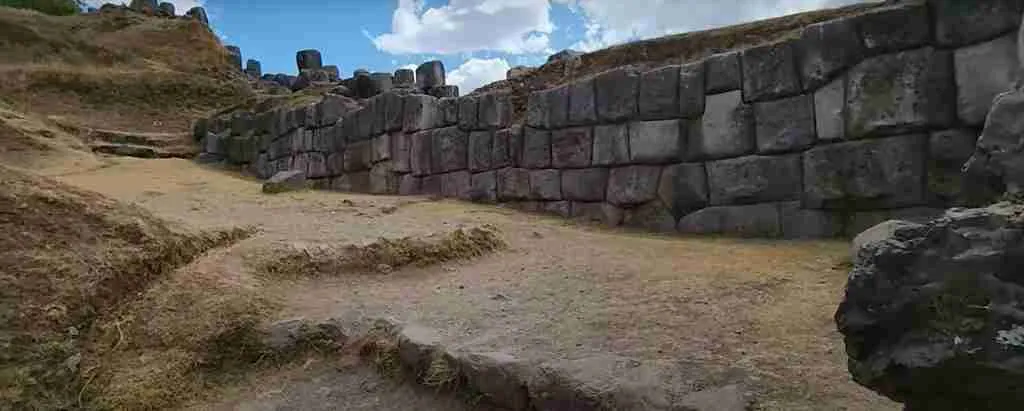
The monumental ruins captivate visitors with their precision-crafted stones and strategic design. Towering walls stretch across the hillside, forming zigzag patterns that mirror the jagged Andean peaks. These terraced structures, built without mortar, showcase an engineering feat unmatched in pre-Columbian America.
Overview of the Ruins
Three tiers of limestone walls dominate the site, some weighing over 100 tons. The stones fit together so tightly that not even a blade of grass slips between them. Terraces behind the main battlements reveal defensive planning, while panoramic views highlight the location’s military advantage.
Significance and First Impressions
Approaching through the main entrance, visitors often feel dwarfed by the scale of the masonry. A guide—whether human or well-researched notes—helps decode the symbolism in the stonework. Many describe their first glimpse of the fortress as humbling, a tangible connection to Inca cosmology and craftsmanship.
Historical Overview & Cultural Significance
Construction of this iconic fortress began under Inca Pachacuti in the 15th century, evolving from military stronghold to spiritual nexus. Its story spans empires—from hosting sun ceremonies for 20,000 attendees to serving as a quarry during colonial rule. Today, it stands as a testament to resilience, drawing visitors seeking connections to Andean cosmology.
Inca Engineering Marvel
Workers transported limestone blocks weighing up to 125 tons using ramps, ropes, and ingenious water-lubricated sledges. The technique of “ashlar masonry” allowed stones to fit like puzzle pieces through:
- Precision carving with bronze tools
- Test-fitting stones in nearby quarries
- Strategic placement for earthquake resistance
Evolution Through the Centuries
After Spanish conquest, much of the complex was dismantled to build colonial structures in Cusco city. Modern preservation efforts began in the 1930s, with the site gaining UNESCO status in 1983. Visitors today need a tourist ticket (70-130 soles) that combines access with other nearby ruins.
Local Legends and Myths
Oral traditions claim the fortress was built by the mountain deity Illapa using lightning bolts. As one resident shares:
“The stones moved by themselves at night—workers simply woke to find them in place.”
These tales, often shared bylocal guides, transform weathered rocks into storytellers of divine intervention.
Planning Your Sacsayhuaman Self-Guided Tour
Timing and logistics determine the quality of your visit to this archaeological treasure. Strategic planning lets you appreciate the site’s grandeur without competing for space or views.
Best Times to Visit
Mornings between 6:30-8:30 AM offer golden-hour lighting and minimal crowds. Afternoons (3:30-5:30 PM) provide dramatic shadows highlighting the stonework. Midday visits often coincide with tour groups—arrive early to secure solitude near the iconic zigzag walls.
Ticketing and Entrance Fees
Access requires the Boleto Turístico, a combined pass covering 16 sites. Choose between:
| Ticket Type | Price (Soles) | Inclusions |
|---|---|---|
| Partial (1 Day) | 70 | Ruins, Qenqo, Tambomachay |
| Full (10 Days) | 130 | All sites + museums + Plaza de Armas |
Purchase tickets at the Dirección Regional de Cultura office near Plaza de Armas or online. The full pass includes entry to the Coricancha temple—plan extra hours to explore its golden history post-visit.
How to Get There from Cusco
Reaching this archaeological wonder combines modern convenience with echoes of ancient pathways. Travelers choose between a scenic climb through historic neighborhoods or swift rides offering panoramic views. Each option reveals layers of the Inca Empire’s enduring influence on Cusco’s layout.
Walking Routes from Plaza de Armas
Start at Plaza de Armas and follow Suecia Street uphill. Pass the San Cristóbal Church—a colonial-era place built atop Inca foundations. The 45-minute trek gains 300 meters in elevation, challenging at 3,400 meters above sea level. Sturdy shoes and water are essential.
Along Resbalosa Street, cobblestones transition to dirt paths. Locals recommend pausing at Mirador de San Cristóbal for valley vistas. This route mirrors paths used by Inca messengers, blending exercise with historical immersion.
Taxi and Colectivo Options
Licensed taxis display official stickers and meters. Confirm the price (15-25 soles) before departing. For budget travelers, shared colectivos leave from Calle Puputi every 20 minutes. Fare: 3-5 soles per person.
Drivers often share stories about nearby Inca Empire sites during the 10-minute ride. Verify licenses through hotel concierges or official taxi apps. Avoid unmarked vehicles—safety first at high altitude.
| Transport | Time | Price Range | Best For |
|---|---|---|---|
| Walking | 45-60 mins | Free | Fitness-focused explorers |
| Taxi | 10 mins | 15-25 soles | Time-sensitive visitors |
| Colectivo | 15 mins | 3-5 soles | Budget travelers |
Morning departures beat afternoon rains. Those pressed for time gain an extra hour at the site by taking motorized transport. Either choice positions travelers to appreciate the place’s strategic importance in Andean history.


Exploring the Architecture and Stonework
Walking through the ruins, visitors encounter a masterclass in pre-industrial engineering. The site’s design blends form and function, with terraces acting as both agricultural platforms and defensive barriers. These layered structures channel rainwater while creating visual harmony with the surrounding mountains.
Terraces and Massive Stones
The zigzagging walls feature stones weighing up to 125 tons—equivalent to 10 adult elephants. Engineers positioned these megaliths using a system of ropes, ramps, and wooden rollers. Modern researchers remain awed by how workers achieved millimeter precision without metal tools or written plans.
Inca Construction Techniques
Workers used “ashlar masonry”—carving stones to interlock like 3D puzzles. This method distributed seismic forces during earthquakes, a key reason the walls stand intact today. As one structural engineer noted:
“Their understanding of physics rivals modern principles. The angles and weight distribution are mathematically perfect.”
A full day allows travelers to trace the quarry-to-wall journey of these stones. Start at the Rodadero rock formation, where drag marks reveal ancient transport routes. End at the main plaza, where the setting sun casts dramatic shadows across the masonry.
For those short on time, taxis from Cusco provide quick access to the most photogenic sections. Yet lingering reveals hidden details: tool marks near the base stones, alignment with solstice sunrises, and acoustic properties in ceremonial spaces.
Navigating the Extensive Complex
Exploring this ancient marvel feels like stepping into a stone labyrinth where history whispers from every corner. Clear directional markers and restored pathways help visitors connect key areas while maintaining a sense of discovery. Strategic planning transforms wandering into purposeful exploration.
Key Sections and Layout Insights
The site divides into three main zones. The iconic zigzag walls form the northern boundary, while the central plaza hosts ceremonial platforms. Southward terraces reveal agricultural experiments and hidden water channels. Look for carved seats near Muyuq Marka—these “thrones” likely hosted Inca nobility during rituals.
Self-Exploration Strategies
Grab a free map at the entrance to pinpoint these features:
- Rodadero’s natural rock slides
- Underground chambers near the main gate
- Viewpoints overlooking Cusco’s red-tiled roofs
Morning light best illuminates the fortress’s eastern walls. Allow 2-3 hours to absorb details most tours rush past.
Interpreting the Ancient Pathways
Crisscrossing stone streets served dual purposes—processional routes and drainage systems. Follow their slopes to discover how engineers channeled rainwater into reservoirs. Archaeologist Maria Rostworowski noted:
“The Incas designed spaces to mirror constellations. Walking these paths becomes celestial navigation.”
| Aspect | Self-Guided | Organized Tours |
|---|---|---|
| Flexibility | Pause at will for photos/reflection | Fixed itinerary |
| Historical Context | Supplement with audio guides | Live explanations |
| Pace | Personalized | Group-dependent |
| Cost | Ticket only | +Guide fees |
For deeper engagement, pair site maps with mobile apps detailing construction phases. Notice how smaller stones near the plaza transition to megaliths at the periphery—a visual timeline of architectural evolution.
Essential Tips for Acclimatizing and Safety
The thin air at 3,700 meters demands respect and strategic adjustments for visitors exploring ancient pathways. Proper preparation transforms challenging conditions into manageable adventures, letting travelers focus on the site’s grandeur rather than physical discomfort.
Altitude Preparation Guidelines
Spend 48-72 hours in Cusco before tackling steep walks through the ruins. Light activity during initial hours helps the body adapt. Heavy exertion risks headaches or nausea. Locals recommend chewing coca leaves or sipping mate de coca tea—natural remedies that ease altitude discomfort.
Staying Hydrated and Energized
Dehydration accelerates altitude sickness symptoms. Carry a reusable bottle and sip water hourly—aim for 3-4 liters daily. Pair hydration with high-carb snacks like choclo (Andean corn) to maintain stamina during multi-hour explorations.
| Symptom | Quick Action | Prevention |
|---|---|---|
| Shortness of breath | Rest on stone seating | Pace movement |
| Headache | Drink coca tea | Hydrate consistently |
| Fatigue | Eat glucose tablets | Frequent snack breaks |
Proper footwear proves essential when navigating uneven stone surfaces. Schedule breaks every 45 minutes—use these pauses to photograph intricate masonry. As one seasoned traveler notes:
“Respecting the mountain’s rhythm turns physical challenges into profound cultural connections.”
Must-Have Items for Your Visit
Exploring ancient ruins demands thoughtful preparation to balance comfort with discovery. Strategic packing transforms challenging terrain into manageable adventures, letting travelers focus on the site’s grandeur rather than logistical hiccups.
Packing Essentials and Gear Recommendations
Seasoned travelers prioritize lightweight yet durable items. Sturdy hiking shoes with ankle support prove vital for navigating uneven stone pathways. Pair them with moisture-wicking socks to prevent blisters during multi-hour explorations.
Weather shifts rapidly at high altitudes. Pack layers like a breathable base, fleece jacket, and waterproof shell. A compact daypack carries essentials while leaving hands free to photograph intricate masonry or consult guidebooks.
| Item | Purpose | Recommended Brands |
|---|---|---|
| UV-blocking hat | Sun protection | Sunday Afternoons |
| Collapsible water bottle | Hydration | HydraPak |
| Portable charger | Device power | Anker |
High-energy snacks like nuts and dried fruit sustain energy across the sprawling complex. Travel blogger Elena Márquez advises:
“Pack layers you can remove quickly—stone terraces trap heat unexpectedly. I’ve seen people shed jackets three times in an hour.”
Don’t forget a detailed site map and offline translation app. These tools help decode informational plaques while preserving phone battery for capturing the perfect sunset shot over the ancient walls.
Discovering Nearby Attractions and Local Gems
Cusco’s cultural treasures extend far beyond its iconic fortress walls. Visitors often find the surrounding landmarks deepen their understanding of Andean history through contrasting architectural styles and layered narratives.
Highlight: Cristo Blanco
A 15-minute walk from the fortress leads to the gleaming Cristo Blanco statue. This 8-meter sentinel offers panoramic views of Cusco’s terracotta rooftops against mountain backdrops. Built in 1945 as a Brazilian peace offering, its outstretched arms mirror the sacred valley’s embrace.
Exploring Other Cusco Landmarks
The historic center reveals living connections between Inca and colonial eras. Key sites include:
- Plaza de Armas: Once the Inca Empire’s ceremonial square, now framed by Spanish arcades
- Qorikancha: Sun Temple ruins beneath the Santo Domingo church
- San Pedro Market: Vibrant stalls selling textiles and traditional foods
Local guides recommend spending a bit extra time at the Plaza de Armas at dusk. As street lamps illuminate the square, musicians often perform Andean ballads near the cathedral steps.
| Site | Distance | Transport |
|---|---|---|
| Cristo Blanco | 1.2 km | Walk/Taxi |
| Plaza de Armas | 3 km | Colectivo |
| San Blas | 2.5 km | Walking |
Knowledgeable guides transform stone walls into storytellers. As one explains:
“These sites are puzzle pieces—each reveals new links between Inca cosmology and Spanish conquest.”
Morning walks between locations let travelers absorb the city’s rhythm. Evening taxis provide efficient links between dinner spots and hotel districts. Either approach rewards visitors with fresh perspectives on Cusco’s layered identity.
Comparing Self-Guided Tours to Guided Experiences
Choosing how to explore archaeological wonders shapes both experience and understanding. Independent adventurers and structured itineraries each reveal distinct layers of history, with trade-offs between freedom and expertise.
Benefits of Independent Exploration
Setting your own rhythm lets visitors linger at the zigzag walls for 20 uninterrupted minutes or sketch intricate carvings. Mobile apps provide historical snippets while allowing spontaneous detours to hidden viewpoints. Many find this approach ideal for photography enthusiasts and contemplative travelers.
When to Consider Hiring a Guide
In-depth knowledge transforms scattered stones into storytelling tools. Guides excel during solstice events, explaining celestial alignments invisible to untrained eyes. They’re particularly valuable for visitors spending limited time at the site—experts streamline routes to cover key areas in 90 focused minutes.
| Aspect | Self-Guided | Guided |
|---|---|---|
| Historical Depth | Supplemental resources | Live commentary |
| Flexibility | Unlimited pauses | Group pacing |
| Cost | Ticket only | +$25-$50 |
As travel blogger Clara Reyes notes:
“Guides unlocked meanings I’d have missed—like how wall angles match mountain silhouettes.”
First-time visitors often benefit from starting at the information center for orientation. Those revisiting the site frequently craft personalized routes. Match your approach to curiosity levels—whether craving architectural deep dives or meditative connection.
Making the Most of Your In-Depth Exploration
Local experts reveal secrets that transform surface-level visits into profound journeys through time. Their knowledge unlocks hidden narratives within weathered stones, offering fresh perspectives on a site shaped across centuries.
Local Insider Tips and Tricks
Photography enthusiasts should head to the northern terraces at dawn. Early light accentuates carvings resembling celestial patterns—details often missed in midday glare. One Quechua guide shares:
“The 15th-century builders aligned these symbols with June solstice sunrises. Stand near the third zigzag wall at 6:15 AM to witness the effect.”
For efficient time management, divide your visit into three phases:
| Focus Area | Time Allocation | Key Benefit |
|---|---|---|
| Iconic Walls | 45 minutes | Golden-hour photography |
| Hidden Terraces | 60 minutes | Discover rare carvings |
| Ceremonial Plaza | 30 minutes | Understand ritual layouts |
Local artisans near the eastern exit sell replica quipus (Inca recording devices). These tactile artifacts deepen understanding of the site’s original information systems. Pair purchases with questions about their ancestral significance.
Research enhances every step. Download the “Andean Pathways” app for augmented reality reconstructions of 15th-century structures. Offline maps highlight water channels and storage rooms most visitors overlook.
Conclusion
Standing where Inca engineers once shaped history without mortar, visitors inherit a legacy carved in stone. This archaeological marvel rewards those who embrace preparation—studying its layered history while packing smartly for high-altitude exploration. Every zigzag wall and terraced pathway tells stories of innovation that defy modern logic.
Travelers gain unmatched freedom to connect with the site’s energy at their own pace. By foot, they trace ancient routes where workers moved megaliths through sheer ingenuity. The absence of mortar in these walls becomes a silent teacher, revealing secrets of seismic resilience and celestial alignment.
Our guide equips adventurers to:
- Decode symbolic stonework through historical context
- Navigate efficiently using sunrise/sunset strategies
- Respect cultural heritage while capturing memories
Let curiosity lead your journey through these timeworn stones. Start planning with the insights shared here, then extend your discovery through trusted resources on Andean engineering. As you tread where imperial architects once stood, remember: their footprints shaped a civilization—yours can honor its enduring wonder.
