Sacred Valley of the Incas Budget Guide 2026: Complete Cost Breakdown
This comprehensive budget guide breaks down all Sacred Valley costs for 2026, from archaeological site entrance fees and transportation options to accommodation strategies and daily meal expenses. Whether planning a budget-conscious backpacking adventure (€50-80 daily) or a comfortable mid-range experience (€100-150 daily), understanding the valley’s pricing landscape enables strategic allocation of travel resources while maximizing cultural immersion at these extraordinary Inca heritage sites.
Key Takeaways
- Budget Daily Costs: Sacred Valley visits cost €50-80 per person daily (excluding accommodation), with entrance fees ranging €20-30 for major archaeological sites
- Accommodation Range: Budget hostels start at €15-25 per night, mid-range hotels €45-75, luxury Sacred Valley lodges €200-400+ per night
- Transportation Savings: Collectivo vans from Cusco cost €2-4 compared to private transfers at €40-60, saving 90% on valley transportation
- Multi-Site Passes: Cusco Tourist Ticket (Boleto Turístico) covers 4 Sacred Valley sites for €40, saving 40% versus individual entrance fees
- Peak Season Premium: Visit April-May or September-October for 20-30% lower accommodation rates while maintaining excellent weather conditions
- Advance Planning Benefits: Book accommodations 2-3 months ahead for best rates, reserve guided tours 4-6 weeks early for group discounts up to 25%
- Contact us by filling out the trip planner form, our expert travel advisors will work closely with you to create your tailor-made itinerary (Free Service)
Introduction: Planning Your Sacred Valley Budget for 2026
The Sacred Valley of the Incas, stretching 60 kilometers along the Urubamba River between Cusco and Machu Picchu, represents one of South America’s most culturally significant archaeological regions. This UNESCO World Heritage component encompasses spectacular Inca sites including Pisac, Ollantaytambo, Chinchero, and Moray, offering travelers an immersive journey through 15th-century Incan civilization at elevations between 2,800-3,800 meters.
Budget planning for Sacred Valley exploration in 2026 requires understanding Peru’s dual pricing structure, seasonal accommodation fluctuations, and strategic transportation choices. The valley’s compact geography enables efficient multi-site visits through affordable collectivo transportation, while the Cusco Tourist Ticket provides substantial savings for archaeology enthusiasts visiting multiple Inca ruins.
The Sacred Valley’s positioning as a lower-altitude acclimatization base before Machu Picchu visits makes budget planning particularly important for multi-day Peru itineraries. Strategic accommodation selection in valley towns like Urubamba or Ollantaytambo offers 30-40% savings compared to Cusco hotels while providing authentic cultural experiences in traditional Andean communities. This guide provides the detailed cost information needed to plan an unforgettable Sacred Valley adventure within any budget parameter.
People Also Ask About Sacred Valley Budget 2026
How much does it cost to visit Sacred Valley in 2026?
Daily Sacred Valley costs range €50-80 for budget travelers, €100-150 for mid-range visitors, and €200-300+ for luxury experiences in 2026. The Cusco Tourist Ticket covering four major Sacred Valley sites costs €40 for international visitors, €20 for students with valid ID. Check the official Cusco tourism website for current official rates as pricing may vary. Individual site entries without the tourist ticket cost €10-15 per location. Transportation between sites via collectivo costs €2-4 per trip, while private taxis charge €15-25 for similar routes. Budget €20-35 daily for meals depending on restaurant choices, with local markets offering set menus (menú del día) for €3-5 and tourist-oriented restaurants charging €10-18 per meal.
What is the cheapest way to explore Sacred Valley in 2026?
The most economical Sacred Valley exploration strategy combines collectivo van transportation (€2-4 per trip), the Cusco Tourist Ticket (€40 covering four sites), and accommodation in valley towns rather than Cusco. Base yourself in Urubamba (€15-25 nightly for hostels) or Ollantaytambo (€18-30 nightly) to eliminate daily round-trip transportation from Cusco, saving €10-15 daily on bus fares. Eat at local markets and picanterías for authentic Peruvian meals at €3-6 versus tourist restaurants at €12-20. Visit sites independently rather than joining guided tours, saving €25-45 per day on guide fees. The combination of strategic accommodation, local transportation, and the multi-site tourist ticket reduces daily Sacred Valley costs to €50-65 per person.
When is the cheapest time to visit Sacred Valley in 2026?
Shoulder seasons from April-May and September-October offer the best value for Sacred Valley visits in 2026, with accommodation rates 20-30% lower than June-August peak season while maintaining excellent weather conditions. January-March rainy season sees the lowest hotel prices (40-50% below peak), but afternoon downpours limit outdoor archaeological exploration and create muddy hiking conditions. November offers transitional pricing with clearing weather patterns. Mid-week visits (Tuesday-Thursday) provide 10-15% lower accommodation rates compared to weekend premiums in popular towns like Ollantaytambo. Book 2-3 months ahead during April-May and September-October for optimal rate selection before prices increase closer to travel dates.
Do I need a guide for Sacred Valley sites in 2026?
Licensed guides are not required for Sacred Valley archaeological sites in 2026, though they significantly enhance cultural understanding and historical context. Independent exploration costs only site entrance fees (€10-15 per location or €40 for the tourist ticket covering four sites), while guided tours add €25-65 per person depending on group size and tour duration. Pisac, Ollantaytambo, Chinchero, and Moray all provide English-language information panels at major structures, enabling self-guided visits. Hiring local guides at site entrances costs €20-30 for 1-2 hour tours (negotiate prices before starting), compared to organized tour packages at €45-85 including transportation. For travelers prioritizing budget over in-depth historical interpretation, independent visits with supplemental guidebook research provide substantial savings.
Extended multi-day tours – 5+ days
Featured Machu Picchu Multi-Day Tour Packages
5 days
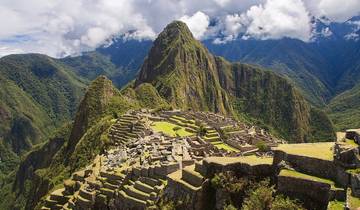
5 Day Journey of colors to Machu Picchu
- ✓ Comprehensive Machu Picchu tour
- ✓ Expert local guides included
- ✓ All accommodation arranged
- ✓ Transportation provided

2 days
2-Day Short Inca Trail to Machu Picchu with Hotel & Vistadome Train
- ✓ Comprehensive Machu Picchu tour
- ✓ Expert local guides included
- ✓ All accommodation arranged
- ✓ Transportation provided
4 days
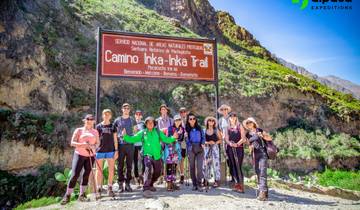
Classic Inca Trail Trek 4D/3N to Machu Picchu (Group service )
- ✓ Comprehensive Machu Picchu tour
- ✓ Expert local guides included
- ✓ All accommodation arranged
- ✓ Transportation provided
4 days
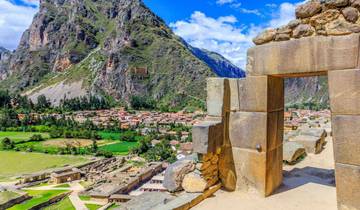
4 days – Traditional Cusco & Machu Picchu
- ✓ Comprehensive Machu Picchu tour
- ✓ Expert local guides included
- ✓ All accommodation arranged
- ✓ Transportation provided
Multi-day tour packages powered by TourRadar. Prices and availability subject to change.
Essential Planning Information for 2026
Understanding Sacred Valley Pricing Structure in 2026
Sacred Valley pricing operates on a dual-tier system with distinct rates for international visitors, Peruvian nationals, and Andean Community residents (Bolivia, Colombia, Ecuador). International visitors pay full rates for the Cusco Tourist Ticket at €40, while Peruvian citizens receive 50% discounts and Cusco residents enter many sites free. Student discounts of 50% apply with valid ISIC cards or university identification, though verification standards vary by site. Children under 10 enter most archaeological sites free, while those 10-17 receive student pricing.
The Cusco Tourist Ticket (Boleto Turístico del Cusco) provides the most economical access to Sacred Valley sites in 2026. The full circuit ticket costs €40 and remains valid for 10 days, covering Pisac, Ollantaytambo, Chinchero, and Moray in the Sacred Valley, plus six additional Cusco-area sites including Sacsayhuamán and Qenqo. Check the Cusco tourism office for current official rates as pricing may vary. This represents 40% savings compared to purchasing individual site tickets at €10-15 each. The ticket is non-transferable and requires passport verification at each entry point. Purchase locations include the Cusco tourism office on Avenida Sol, the Pisac archaeological site entrance, and authorized travel agencies throughout Cusco.
Private transportation in the Sacred Valley operates on negotiated rates rather than metered fares. Standard taxi charges from Cusco to Pisac cost €15-20 one-way (45 minutes), Cusco to Ollantaytambo €35-45 (90 minutes), and Cusco to Chinchero €12-18 (30 minutes). Collectivo vans departing from Cusco’s Pavitos station charge fixed rates of €2-4 per person for the same routes, operating on departure-when-full schedules throughout daylight hours. Many valley hotels offer private transfer services at premium rates of €50-80 for Cusco airport pickups.
Currency and Payment Methods in 2026
The Peruvian Sol (PEN) serves as the Sacred Valley’s primary currency, with exchange rates in 2026 fluctuating around 3.7-3.9 soles per US dollar and 4.0-4.3 soles per euro. Major archaeological sites accept both soles and US dollars for entrance fees, though exchange rates for dollar payments may be unfavorable. Credit cards are accepted at mid-range and upscale accommodations, tour agencies, and established restaurants, but budget guesthouses, local markets, and collectivo transportation require cash payment in soles.
ATMs in Sacred Valley towns (Urubamba, Ollantaytambo, Pisac) dispense soles with daily withdrawal limits of 700-1,000 soles (€150-220). International transaction fees typically add €3-6 per withdrawal, making larger withdrawals more economical despite carrying cash. Cusco offers more favorable exchange rates and greater ATM availability for initial cash acquisition before entering the Sacred Valley. Many valley merchants accept US dollars for purchases above $10-20, returning change in soles at rounded exchange rates that rarely favor customers.
The Cusco Tourist Ticket requires payment in soles at purchase locations, though credit cards are accepted at the main tourism office. Collectivo vans and local restaurants operate exclusively in cash soles. Mid-range hotels typically accept credit cards but may add 3-5% surcharges for card payments or offer cash discounts. Budget €5-10 daily in ATM fees and currency exchange costs when planning Sacred Valley expenses.
Accommodation Costs in Sacred Valley 2026
Budget Accommodation Options (€15-35 per night)
Sacred Valley budget accommodations center on basic hostels and guesthouses in Urubamba, Ollantaytambo, and Pisac, offering essential amenities at backpacker-friendly rates. Dormitory beds in Ollantaytambo hostels cost €12-18 per night during low season (January-March, November), increasing to €15-25 during shoulder seasons (April-May, September-October) and €18-28 during peak season (June-August). Private double rooms in basic guesthouses range €25-35 per night depending on season and facilities.
Budget accommodation amenities typically include shared bathrooms, basic breakfast (bread, jam, coffee, fruit), communal kitchens, and WiFi. Hot water availability varies significantly, with many budget properties offering only solar-heated showers that run cold on cloudy days or in early mornings. Ollantaytambo’s backpacker hostels provide the best budget accommodation value due to competition from 15+ properties serving Machu Picchu-bound travelers. Urubamba offers slightly higher prices (€3-5 more per night) with fewer properties but superior town infrastructure and restaurant selection.
Pisac budget accommodations cost €18-30 for private rooms during the weekly Sunday market, dropping to €15-22 on weekdays. The town’s smaller size limits budget options to 8-10 hostels and guesthouses. Advance booking is essential for Saturday nights before Sunday market days, when budget properties fill completely. Many Sacred Valley budget accommodations offer discounts for stays exceeding three nights, typically 10-15% off standard rates. Booking direct through property websites or in-person often yields better rates than third-party platforms, which charge 12-18% commission fees that increase guest costs.
Mid-Range Accommodation Options (€45-90 per night)
Mid-range Sacred Valley hotels provide comfortable amenities including private bathrooms with consistent hot water, breakfast buffets, tour booking assistance, and valley views from many properties. Urubamba mid-range hotels cost €50-75 per night for double occupancy during shoulder seasons, increasing to €65-90 in peak season. Ollantaytambo’s mid-range properties range €45-70, benefiting from higher competition among 25+ hotels serving Machu Picchu travelers.
Mid-range accommodations typically feature colonial-style architecture with interior courtyards, on-site restaurants serving Peruvian and international cuisine, 24-hour hot water, heating in rooms (essential for cold valley nights), and English-speaking staff. Many properties occupy restored colonial buildings or traditional haciendas, providing authentic architectural ambiance. Standard amenities include private bathrooms, WiFi throughout properties, tour booking desks, luggage storage, and airport transfer arrangements.
Chinchero offers emerging mid-range accommodation options at €40-65 per night, positioning the town as a value alternative to more touristic Urubamba and Ollantaytambo. The trade-off involves limited restaurant infrastructure and 45-minute distances from other Sacred Valley sites. Calca, situated midway along the valley, provides mid-range hotels at €38-55 per night with excellent access to both Pisac and Urubamba but minimal tourism development.
Mid-range hotels offer the best value for travelers seeking comfort without luxury pricing, balancing amenities with reasonable rates. Three-night minimum stays often yield 15-20% discounts, and direct booking with properties typically secures rates €5-10 lower than online travel agency prices. Many mid-range hotels offer package deals combining accommodation with tours to Machu Picchu, Moray, and salt mines, providing 10-15% overall savings compared to booking components separately.
Luxury Accommodation Options (€150-400+ per night)
Luxury Sacred Valley lodges deliver world-class experiences combining stunning natural settings, gourmet cuisine, spa facilities, and immersive cultural programs. Properties like Tambo del Inka in Urubamba, Sol y Luna in Urubamba, and Inkaterra Hacienda Urubamba cost €200-350 per night for standard rooms, increasing to €400-700 for suites with private terraces and valley views. These establishments feature on-site restaurants showcasing novo-Andean cuisine, full-service spas offering traditional treatments, heated pools, private excursion programs, and luxurious amenities including 400-thread-count linens and L’Occitane bath products.
All-inclusive luxury lodges like Explora Valle Sagrado charge €800-1,200+ per person per night including all meals, guided excursions, transfers, and entrance fees. These ultra-luxury properties provide complete Sacred Valley and Machu Picchu experiences with expert guides, gourmet dining, premium accommodations, and comprehensive cultural programming. The all-inclusive model suits travelers prioritizing convenience and exclusive experiences over budget considerations.
Boutique luxury hotels in Ollantaytambo range €150-280 per night, offering personalized service, designer interiors, farm-to-table dining, and intimate atmospheres in properties with 8-15 rooms. Many boutique establishments occupy restored colonial buildings with centuries of history, combining historical architecture with contemporary luxury amenities. Package deals including multi-night stays, meals, and guided tours provide 20-25% savings compared to à la carte pricing.
Luxury Sacred Valley accommodations deliver exceptional value compared to equivalent properties in Cusco, with rates 15-20% lower for similar quality levels. The valley’s tranquil setting, dramatic mountain views, and proximity to archaeological sites justify the premium for travelers seeking memorable Peru experiences. Book luxury properties 3-6 months ahead for June-August peak season, when premier lodges often reach full capacity.
Dining Budget Strategies for 2026
Budget Dining Options (€3-8 per meal)
Sacred Valley budget dining centers on local markets, picanterías (traditional Peruvian restaurants), and small family-run eateries serving authentic Andean cuisine at minimal cost. The menú del día (set daily menu) represents Peru’s greatest dining value, offering three courses (soup, main course, drink, sometimes dessert) for €3-5 at local restaurants throughout Urubamba, Ollantaytambo, and Pisac. These set menus rotate daily and feature traditional dishes like lomo saltado (stir-fried beef), ají de gallina (chicken in spicy cream sauce), and cuy chactado (fried guinea pig).
Local markets provide the most economical Sacred Valley dining, with breakfast options including fresh fruit, bread, and cheese for €1.50-2.50, while hot lunch plates at market stalls cost €2.50-4. Pisac’s Sunday market offers exceptional food diversity with 30+ vendors selling traditional dishes, fresh juices (€0.80-1.20), and baked goods. Urubamba’s daily municipal market operates excellent comedores (dining areas) where locals eat, ensuring authentic cuisine at €2.80-3.50 per meal.
Street food and casual eateries along Sacred Valley’s main roads sell empanadas for €0.60-1, tamales for €0.80-1.20, and anticuchos (grilled meat skewers) for €1.50-2.50. Fresh juices cost €0.80-1.50, bottled water €0.60-1, and Inca Kola or Coca-Cola €1-1.50. Small bakeries (panaderías) offer fresh bread for €0.30-0.80 and pastries for €0.60-1.20, ideal for picnic supplies when visiting archaeological sites.
Budget travelers eating exclusively at local establishments and markets spend €8-15 daily on food, achieving authentic Peruvian culinary experiences at minimal cost. Purchasing groceries at valley supermarkets (available in Urubamba) and preparing simple meals at hostel kitchens reduces daily food costs to €5-8. Breakfast supplies including bread, cheese, jam, and instant coffee cost €3-5 for 2-3 days when self-catering.
Mid-Range Dining Options (€10-20 per meal)
Mid-range Sacred Valley restaurants blend Peruvian and international cuisine in comfortable settings with tourist-friendly service, English menus, and diverse dish selection. Three-course dinners at Urubamba’s tourist-oriented restaurants cost €12-18, while Ollantaytambo’s establishments near the fortress charge €10-16 for similar meals due to higher competition. Pizzerias throughout the valley offer wood-fired pizzas for €8-14, providing familiar comfort food for travelers seeking breaks from Peruvian cuisine.
Mid-range restaurants feature specialties like alpaca steaks (€12-18), trout from nearby farms (€10-14), and novo-Andean fusion dishes (€11-16) incorporating traditional ingredients with contemporary techniques. Appetizers cost €4-8, soups €3-5, and desserts €4-6. Wine lists include Peruvian and Chilean bottles at €15-30, while local beers (Cusqueña, Cristal) cost €2.50-4 and pisco sours €5-7.
Popular mid-range dining establishments in Urubamba include Tunupa (€12-18 per entrée), El Huacatay (€14-20 per entrée, reservations recommended), and Red Pub (€10-16 for pub-style food). Ollantaytambo’s Hearts Cafe (€8-14) supports community projects, while Il Piccolo Forno (€9-15) serves excellent Italian cuisine. Many mid-range restaurants offer menú ejecutivo lunch deals (€7-10) providing better value than dinner service.
Mid-range dining three times daily costs €30-45 per person, though mixing mid-range dinners with budget lunches at local markets reduces daily food expenses to €20-28. Many travelers adopt this hybrid strategy, enjoying cultural authenticity at lunch and comfortable dining for dinner. Vegetarian and vegan options have expanded significantly in Sacred Valley restaurants, with most mid-range establishments offering 3-5 plant-based dishes at similar pricing to meat entrées.
Luxury Dining Options (€25-50+ per meal)
Luxury Sacred Valley dining showcases novo-Andean gastronomy at upscale restaurants and hotel establishments, highlighting indigenous ingredients, sophisticated presentations, and wine pairings. MIL Centro in Moray (€85 per person for 8-course tasting menu) delivers one of Peru’s most extraordinary culinary experiences, combining high-altitude gastronomy with cultural immersion in an architectural masterpiece overlooking the agricultural terraces. Reservations are essential and must be made months ahead for peak season visits.
Upscale hotel restaurants at Tambo del Inka, Sol y Luna, and Inkaterra Hacienda Urubamba charge €25-45 per entrée with tasting menus at €65-95 per person. These establishments source ingredients from on-site organic gardens and local producers, offering farm-to-table experiences with exceptional quality standards. Three-course dinners with wine pairings cost €55-85 per person, while à la carte dining ranges €35-60 per person before beverages.
Ollantaytambo’s upscale dining scene includes Puka Rumi (€18-28 per entrée) and El Albergue restaurant (€20-32 per entrée, reservations essential), both offering refined cuisine in intimate settings. These establishments feature extensive wine lists with Peruvian, Chilean, and Argentine bottles at €25-80, premium pisco selections, and craft cocktails at €8-12.
Luxury dining in the Sacred Valley costs €80-120 per person daily when including upscale breakfasts (€15-25), lunches (€20-35), and dinners (€35-60) before beverages and tips. Many travelers reserve luxury dining for special occasions while maintaining mid-range spending for most meals, creating balanced culinary experiences without excessive costs. Hotel package deals often include breakfast and sometimes dinner, reducing standalone luxury dining expenses significantly.
Transportation Costs in Sacred Valley 2026
Public Transportation Options
Collectivo vans provide the most economical transportation throughout the Sacred Valley, operating on fixed routes between Cusco and valley towns from early morning until evening. Cusco to Pisac collectivos depart from Puputi terminal every 20-30 minutes (6 AM – 7 PM), cost €2 per person, and complete the 33-kilometer journey in 45-60 minutes depending on passenger pickups. Cusco to Urubamba collectivos depart from Pavitos terminal every 15-20 minutes, charge €2.50-3 per person, and take 90 minutes for the 78-kilometer route.
Ollantaytambo-bound collectivos depart Cusco’s Pavitos terminal every 30-45 minutes, cost €3-4 per person, and require 90-120 minutes depending on the route through the valley. Direct services travel via Chinchero and Urubamba, while some collectivos stop in every village along the route, significantly extending journey times. Confirm destinations before boarding to avoid indirect routing. Between valley towns, collectivos charge €1-2 for trips under 20 kilometers, with services operating until 6-7 PM daily.
Local buses operate similar routes at slightly lower costs (€1.50-2.50 for Cusco-valley connections) but make more frequent stops and carry more passengers, extending journey times 20-40 minutes beyond collectivo schedules. Buses lack guaranteed seating and may become uncomfortably crowded during peak hours. Tourist buses operated by companies like Peru Hop and Peru Bus offer comfortable Cusco-Sacred Valley connections at €15-25 per person, including direct hotel pickups and drop-offs, air conditioning, WiFi, and on-board guides. These services suit travelers prioritizing comfort over budget considerations.
Within Sacred Valley towns, walking covers most distances in 10-20 minutes. Pisac’s archaeological site sits 3 kilometers uphill from the town, accessible via steep walking paths (free) or taxi rides (€3-4 each way). Ollantaytambo’s fortress lies within walking distance of the town center, while Chinchero’s archaeological site sits adjacent to the main plaza. Moray and Maras salt mines require vehicle access due to their remote locations 7-9 kilometers from main roads.
Private Transportation and Taxis
Private taxis in the Sacred Valley operate on negotiated rates rather than meters, requiring price confirmation before departure. Standard taxi rates from Cusco include: €15-20 to Chinchero (30 minutes), €18-25 to Pisac (45 minutes), €25-35 to Urubamba (75 minutes), and €35-45 to Ollantaytambo (90 minutes). Between valley towns, taxis charge €8-12 for Urubamba-Ollantaytambo, €10-15 for Pisac-Urubamba, and €12-18 for Ollantaytambo-Chinchero routes.
Full-day private driver services for Sacred Valley circuits cost €50-80 depending on vehicle size and season, providing flexibility to visit multiple sites at your own pace. These arrangements suit groups of 3-4 travelers, reducing per-person costs to €12-20 while eliminating the coordination challenges of collectivo schedules. Many Cusco hotels and hostels arrange private Sacred Valley tours with transportation and guide services for €45-65 per person in small groups (6-12 participants).
Motorcycle taxis (mototaxis) operate within valley towns at €1-2 for short rides under 2 kilometers, providing quick connections between accommodations, restaurants, and town centers. These three-wheeled vehicles accommodate 2-3 passengers but offer no weather protection or luggage security. Confirm prices before departing, as drivers quote inflated rates to foreign tourists. Local residents pay €0.80-1.20 for equivalent distances.
Car rentals from Cusco agencies cost €35-55 per day for economy vehicles, requiring valid driver’s licenses, credit cards for deposits, and comfort navigating mountain roads with minimal signage. Fuel costs add €20-30 for full-day Sacred Valley explorations covering 150-200 kilometers. Self-drive options suit experienced travelers comfortable with Peruvian driving conditions, though the combination of collectivo transportation and occasional taxis provides better value for most visitors.
Train Services and Machu Picchu Connections
Train services from Ollantaytambo to Aguas Calientes (Machu Picchu village) represent the Sacred Valley’s most expensive transportation, with one-way tickets ranging €30-35 for basic Expedition class (Peru Rail) or Voyager class (Inca Rail), €50-60 for Vistadome/360° services with panoramic windows, and €150-200+ for luxury Hiram Bingham service including gourmet meals and premium amenities. Check official Peru Rail and Inca Rail websites for current official rates as pricing may vary seasonally and by departure time.
The 90-minute train journey through the Urubamba Canyon offers spectacular scenery and comfortable seating, though the captive market allows premium pricing significantly above standard transportation rates. Morning departures (6-9 AM) often cost €5-8 more than afternoon trains due to Machu Picchu entry time preferences. Return trains from Aguas Calientes to Ollantaytambo maintain similar pricing, with afternoon departures (4-8 PM) accommodating most Machu Picchu visit schedules.
Budget alternatives to train transportation include hiking the Inca Trail (requires €500-800 organized treks booked months ahead) or combining collectivo vans to Hidroeléctrica (€5-8 from Cusco) with 2-3 hour walks along train tracks to Aguas Calientes (free). The Hidroeléctrica route saves €50-60 on transportation but requires full-day commitment (6-8 hours from Cusco to Aguas Calientes) and physical fitness for extended walking at altitude.
Booking train tickets 2-3 months ahead during peak season secures better rate availability and timing preferences, though last-minute options exist at premium prices. Many Machu Picchu tour packages include round-trip train transportation, reducing costs 10-15% compared to purchasing tickets separately. The official Peru Rail website offers 20% resident discounts for Peruvian citizens and 50% discounts for Cusco residents, benefits unavailable to international tourists.
Activities and Attraction Costs 2026
Archaeological Site Entrance Fees
The Cusco Tourist Ticket (Boleto Turístico del Cusco) provides the most economical access to Sacred Valley archaeological sites in 2026, covering Pisac, Ollantaytambo, Chinchero, and Moray for €40 (valid 10 days). Check the Cusco tourism office for current official rates as pricing may vary. This represents significant savings compared to individual site entries: Pisac ruins €10, Ollantaytambo fortress €15, Chinchero archaeological site €10, and Moray agricultural terraces €12. The tourist ticket also includes six Cusco-area sites (Sacsayhuamán, Qenqo, Puca Pucara, Tambomachay, Tipón, and Piquillacta), enhancing overall value for travelers exploring the region thoroughly.
The Maras salt mines (Salineras de Maras) operate independently from the tourist ticket system, charging €4 entrance fees. Andean textile centers in Chinchero and Pisac offer free admission to observe traditional weaving demonstrations, with revenue generated through craft sales rather than entrance fees. Many villages throughout the Sacred Valley maintain small archaeological sites with free access, including terraces, aqueducts, and residential ruins providing authentic exploration opportunities without entrance costs.
Student discounts of 50% apply to the Cusco Tourist Ticket with valid ISIC cards or university identification (€20 student rate versus €40 standard rate). Children under 10 enter all sites free, while those 10-17 receive student pricing. Peruvian citizens pay 50% discounted rates (€20), and Cusco residents enter many sites free with proper identification. The tourist ticket is non-refundable and non-transferable, requiring passport presentation at each site entry point for verification.
Additional cultural attractions include the Ollantaytambo CATCCO Museum (€3 entry) showcasing local ethnographic collections, the Chinchero textile museum (€2-3 suggested donation) demonstrating traditional weaving techniques, and various churches throughout valley towns (free entry, donations encouraged). Photography permits at archaeological sites are included in entrance fees, though professional equipment may require special permissions costing €10-20 depending on site policies.
Guided Tours and Organized Excursions
Guided Sacred Valley day tours from Cusco cost €35-85 per person depending on group size, included sites, and lunch provisions. Budget group tours (12-20 participants) charge €35-45 and typically visit Pisac, Ollantaytambo, and Chinchero with transportation and guide services included, excluding entrance fees and meals. Mid-range tours (8-12 participants) cost €55-75 and often include buffet lunches at Urubamba restaurants plus visits to artisan workshops and textile centers.
Private Sacred Valley tours with dedicated guides and drivers range €120-180 for 2-4 participants, providing flexibility to customize itineraries, timing, and site selection. These premium options include transportation, bilingual guides, entrance fees coordination, and personalized attention throughout 8-10 hour excursions. Private tours offer substantial value for small groups, with per-person costs dropping to €30-45 when sharing among four travelers.
Specialized tours focusing on adventure activities include: mountain biking from Chinchero to Maras (€45-65 per person with equipment and guide), white-water rafting on the Urubamba River (€35-55 per person for half-day trips), and horseback riding through valley trails (€40-60 per person for 3-4 hour rides). These active experiences combine cultural exploration with outdoor adventure, appealing to physically active travelers seeking variety beyond archaeological site visits.
Multi-day Sacred Valley and Machu Picchu packages cost €400-900 per person depending on accommodation levels, included meals, and guiding services. These comprehensive tours eliminate logistical complexity, providing seamless experiences with expert guides, comfortable transportation, quality accommodations, and entrance fees included. Budget packages utilize basic hotels and train services (€400-550), mid-range offerings feature better accommodations and Vistadome trains (€550-750), while luxury experiences include upscale lodges and premium train services (€800-900+).
Cultural Experiences and Workshops
Traditional weaving workshops in Chinchero cost €15-25 per person for 2-3 hour sessions demonstrating natural dye preparation, spinning techniques, and traditional patterns. These hands-on experiences support local women’s cooperatives and provide authentic cultural immersion, with many programs including opportunities to purchase textiles directly from artisans at fair-trade prices. Larger groups (4-8 participants) often negotiate reduced per-person rates of €12-18.
Cooking classes focusing on Peruvian cuisine cost €35-55 per person for half-day experiences including market visits, hands-on preparation of traditional dishes, and communal meals. Several Urubamba restaurants and hotels offer these programs, teaching recipes for ceviche, lomo saltado, papas a la huancaína, and traditional soups. Classes typically include recipe booklets and certificates, creating memorable educational experiences beyond standard tourism activities.
Andean spiritual ceremonies (pago a la tierra or offerings to Pachamama) led by local shamans cost €20-35 per person, providing insight into traditional Andean cosmology and religious practices. These 1-2 hour experiences combine ritual demonstrations with cultural explanations, often conducted at sacred sites or in traditional communities. Many travelers find these ceremonies meaningful supplements to archaeological explorations, deepening understanding of Inca spiritual traditions still practiced in rural Andean communities.
Traditional music and dance performances occur at several valley restaurants and cultural centers, with shows costing €8-15 entry fees plus optional dinner packages at €25-40 per person. Urubamba’s Ayllu Native Cultural Center and similar venues throughout the valley offer weekly performances showcasing Andean instruments, traditional costumes, and regional dances. Some performances include audience participation, teaching basic dance steps and allowing visitors to try traditional instruments like the quena (flute) and charango (small stringed instrument).
Sample 2026 Budget Breakdowns
Budget Sacred Valley Experience (€50-80 daily)
The budget Sacred Valley experience prioritizes authentic local experiences, strategic accommodation choices, and collectivo transportation, achieving comprehensive valley exploration at minimal cost. This approach suits backpackers, budget-conscious students, and travelers willing to forgo luxury for cultural immersion and extended travel duration.
Daily Cost Breakdown:
Accommodation €18 (hostel dorm bed in Ollantaytambo), breakfast €2 (market fruit and bread), collectivo to Pisac €2, Pisac ruins €10 (partial tourist ticket), lunch €4 (market menú del día), collectivo to Urubamba €1.50, snacks €2, collectivo to Ollantaytambo €1.50, dinner €6 (local restaurant), water and drinks €3. Total day cost: €50 per person (excluding accommodation €18).
Three-Day Budget Itinerary:
Day 1 – Pisac and Surroundings: Accommodation €18 per night (hostel dorm), breakfast €2, collectivo Cusco-Pisac €2, Pisac ruins entry €10, lunch €4, snacks €2, collectivo return €2, dinner €5, drinks €3. Total: €48 per person (excluding accommodation).
Day 2 – Ollantaytambo and Moray: Accommodation €18, breakfast €2, collectivo to Moray €2, Moray terraces €12, lunch picnic supplies €3, collectivo return to Ollantaytambo €2, Ollantaytambo fortress €15, snacks €2, dinner €6, drinks €2. Total: €64 per person (excluding accommodation).
Day 3 – Chinchero and Maras: Accommodation €18, breakfast €2, collectivo to Chinchero €1.50, Chinchero ruins €10, weaving demonstration (free), lunch €4, taxi to Maras salt mines €4 (shared), Maras entry €4, collectivo return €1.50, dinner €5, drinks €3. Total: €53 per person (excluding accommodation).
Three-Day Total: €165 per person (€111 daily costs + €54 accommodation). This budget approach provides comprehensive Sacred Valley exploration including major archaeological sites, traditional communities, and authentic cultural experiences at minimal expense. The €55 per day average (including accommodation) demonstrates the accessibility of Sacred Valley tourism for budget-conscious travelers.
Mid-Range Sacred Valley Experience (€100-150 daily)
The mid-range Sacred Valley experience balances comfort and authenticity, combining pleasant hotels, mix of local and tourist restaurants, occasional private transportation, and guided tour options. This approach suits travelers seeking quality experiences without luxury pricing, providing comfortable amenities while maintaining reasonable overall costs.
Daily Cost Breakdown:
Accommodation €65 (mid-range hotel double room, €32.50 per person), buffet breakfast included, guided Sacred Valley day tour €65 (including transportation and guide), tour lunch €12, snacks and drinks €8, dinner €18 (mid-range restaurant), evening drinks €6. Total day cost: €109 per person (excluding accommodation €32.50).
Four-Day Mid-Range Itinerary:
Day 1 – Guided Sacred Valley Tour: Accommodation €32.50 per person, breakfast included, full-day guided tour €65 (includes transportation and guide to Pisac, Ollantaytambo, Chinchero), tourist ticket €40, tour lunch €12, snacks €6, dinner €16, drinks €5. Total: €144 per person (excluding accommodation).
Day 2 – Independent Moray and Maras: Accommodation €32.50, breakfast included, private taxi to Moray €15 (shared among 2 people = €7.50 per person), Moray entry €12, lunch at Moray restaurant €14, taxi to Maras €8 (€4 per person), Maras entry €4, snacks €5, dinner €18, drinks €6. Total: €70.50 per person (excluding accommodation).
Day 3 – Ollantaytambo and Relaxation: Accommodation €32.50, breakfast included, morning Ollantaytambo fortress visit €15, lunch €15 (mid-range restaurant), afternoon weaving workshop €20, snacks €6, dinner €20 (upscale restaurant), pisco sours €8. Total: €84 per person (excluding accommodation).
Day 4 – Cusco Return via Chinchero: Accommodation €32.50, breakfast included, private taxi to Chinchero €10 (€5 per person shared), Chinchero visit €10, textile purchase €30, lunch in Chinchero €12, private taxi to Cusco €25 (€12.50 per person), afternoon Cusco exploration, dinner €18, drinks €6. Total: €93.50 per person (excluding accommodation).
Four-Day Total: €522 per person (€392 daily costs + €130 accommodation). The €130.50 daily average (including accommodation) provides comfortable Sacred Valley exploration with guided expertise, quality dining, and pleasant accommodations. This mid-range approach offers excellent value, balancing experiences with reasonable costs while avoiding luxury premiums.
Luxury Sacred Valley Experience (€250-400+ daily)
The luxury Sacred Valley experience delivers exceptional comfort through boutique hotels, gourmet dining, private guides, and exclusive experiences. This approach suits travelers prioritizing convenience, expertise, and memorable experiences over budget constraints, providing seamless logistics and premium services throughout the valley visit.
Daily Cost Breakdown:
Accommodation €250 (luxury lodge double room, €125 per person), gourmet breakfast included, private guided tour €150 (€75 per person for 2 travelers), entrance fees €15, upscale lunch €35, snacks and premium drinks €15, gourmet dinner €45, wine and cocktails €20, spa treatment €40. Total day cost: €245 per person (excluding accommodation €125).
Three-Day Luxury Itinerary:
Day 1 – Private Sacred Valley Exploration: Accommodation €125 per person, gourmet breakfast included, private driver and guide full day €150 (€75 per person for 2), tourist ticket €40, lunch at upscale valley restaurant €35, afternoon spa treatment €40, snacks €12, gourmet hotel dinner €45, wine €25. Total: €272 per person (excluding accommodation).
Day 2 – MIL Centro and Cultural Immersion: Accommodation €125, breakfast included, private transfer to Moray €60 (€30 per person), MIL Centro 8-course tasting menu €85, afternoon cultural workshop €45, private transfer return €30 per person, relaxation time, hotel gourmet dinner €45, cocktails €18. Total: €253 per person (excluding accommodation).
Day 3 – Ollantaytambo and Machu Picchu Prep: Accommodation €125, breakfast included, private morning Ollantaytambo tour €60 (€30 per person for 2), entrance €15, lunch at El Albergue €30, afternoon private shopping tour with expert €50, train ticket to Aguas Calientes €60 (Vistadome), evening at Machu Picchu village. Total: €185 per person (excluding accommodation) plus Machu Picchu expenses.
Three-Day Total: €1,085 per person (€710 daily costs + €375 accommodation). The €361.67 daily average (including accommodation) delivers exceptional Sacred Valley experiences combining luxury accommodations, gourmet gastronomy, private guiding, and exclusive access. This premium approach eliminates logistics stress, provides expert cultural interpretation, and creates unforgettable memories through world-class services and accommodations.
Money-Saving Strategies for 2026
Timing and Seasonal Optimization
Visit the Sacred Valley during shoulder seasons (April-May or September-October) to achieve 20-30% savings on accommodation while maintaining excellent weather conditions. April offers post-rainy-season green landscapes with clearing skies and moderate temperatures, while September-October provides dry conditions with comfortable temperatures before peak summer crowds arrive. Mid-week arrivals (Tuesday-Thursday) deliver 10-15% lower hotel rates compared to weekend premiums when domestic tourists from Lima visit the valley.
Book accommodations 6-8 weeks ahead during shoulder seasons for optimal rate selection before prices increase. Last-minute bookings (1-2 weeks ahead) occasionally yield discounts at properties with empty rooms, though selection becomes limited and quality options fill quickly. During January-March rainy season, accommodation rates drop 40-50% below peak pricing, though afternoon downpours, muddy trails, and reduced visibility compromise outdoor archaeological exploration.
Plan Sacred Valley visits at the beginning of Cusco stays before Machu Picchu trips, eliminating round-trip transportation costs from Cusco. Basing in Ollantaytambo or Urubamba for 3-4 days provides full valley access while avoiding daily €4-8 collectivo expenses from Cusco. This strategy also supports gradual altitude acclimatization, reducing soroche (altitude sickness) risks before higher-elevation Machu Picchu visits.
The Sunday Pisac market offers the valley’s most vibrant cultural experience but creates accommodation premiums in Pisac town. Stay in Urubamba (20 minutes away) and take morning collectivos to Pisac for market visits, saving €8-12 on Saturday night hotel costs while maintaining easy access. Most market vendors arrive Saturday evening and depart Sunday afternoon, allowing flexible timing without overnight Pisac stays.
Transportation and Logistics Optimization
Master collectivo transportation systems to eliminate private taxi costs throughout Sacred Valley explorations. Collectivos from Cusco’s Pavitos terminal to Ollantaytambo cost €3-4 compared to private taxis at €35-45, delivering 90% savings. Between valley towns, collectivos charge €1-2 versus taxis at €8-15, with regular daylight service eliminating schedule concerns. Arrive at collectivo terminals 30 minutes before planned departures to secure window seats for better views during scenic valley drives.
Purchase the full Cusco Tourist Ticket (€40 valid 10 days) rather than individual site tickets when visiting 3+ Sacred Valley locations. The ticket covers Pisac, Ollantaytambo, Chinchero, and Moray (combined individual value €47) plus six Cusco-area sites (additional individual value €30), providing €37 overall savings. The 10-day validity allows flexible scheduling across multiple Sacred Valley visits without rushed itineraries.
Share taxi costs among multiple travelers for remote sites like Moray and Maras salt mines where collectivo service is limited. A taxi from Urubamba to Moray costs €15 one-way, dropping to €3.75 per person when shared among four travelers. Use hostel common areas and hotel lobbies to organize cost-sharing arrangements with other tourists visiting similar destinations on matching schedules.
Walk between adjacent valley towns when time permits and fitness allows, eliminating transportation costs entirely. Urubamba to Calca (8 kilometers, 2 hours) and Calca to Yucay (3 kilometers, 45 minutes) follow relatively flat valley floors with spectacular mountain views. These walks provide intimate valley perspectives impossible from vehicle windows while supporting budget goals through zero transportation expense.
Dining and Food Cost Reduction
Eat at local markets and picanterías for authentic Peruvian cuisine at 60-70% below tourist restaurant prices. The menú del día at local establishments costs €3-5 for three courses compared to €12-18 at tourist-oriented restaurants for similar portions. Urubamba’s municipal market offers excellent comedores with daily rotating menus, while Ollantaytambo’s market stalls near the main plaza serve traditional dishes to local workers and visiting Peruvians.
Shop at valley supermarkets (found in Urubamba) for picnic supplies when visiting archaeological sites, eliminating restaurant lunch costs. Bread, cheese, fruit, and drinks for full-day provisions cost €5-8 compared to €12-18 for restaurant lunches. Many archaeological sites lack food vendors, making self-sufficient provisions practical necessities rather than just budget strategies. Carry reusable water bottles and refill at accommodation to eliminate €2-3 daily bottled water expenses.
Request breakfast inclusion when booking accommodations, as separately purchased breakfasts cost €5-10 at most valley restaurants. Mid-range hotels typically include breakfast buffets in quoted rates, while budget hostels offer simple breakfasts (bread, jam, coffee, fruit) for €2-3 supplements. Calculating total costs with breakfast included often reveals better overall value from slightly higher-priced hotels offering comprehensive morning meals.
Limit alcohol consumption at tourist restaurants where beer costs €3-4 and cocktails €6-8, compared to local tiendas (corner stores) selling similar beers for €1.20-1.80. Purchase drinks at supermarkets for evening consumption at accommodations, saving €10-15 daily on beverage costs. Many hostels maintain communal refrigerators for guest use, facilitating this money-saving strategy without logistical complications.
Activity and Experience Optimization
Visit archaeological sites independently rather than joining guided tours, saving €25-45 per day on guide fees while maintaining flexibility for self-paced exploration. English-language information panels at major sites like Pisac, Ollantaytambo, and Moray provide sufficient context for meaningful visits. Supplement independent explorations with €8-12 guidebooks offering comprehensive site histories, architectural details, and cultural context at one-time costs rather than per-day guide expenses.
Hire local guides at site entrances for 1-2 hour tours at €20-30 rather than booking organized day tours at €45-85 per person. This strategy provides expert interpretation for specific sites of highest interest while eliminating transportation and lunch costs included in full-day tour packages. Negotiate guide prices before starting tours, establishing clear expectations for duration and content coverage.
Attend free cultural demonstrations at textile cooperatives in Chinchero and Pisac rather than paying for organized weaving workshops at €15-25. These demonstrations showcase traditional techniques, natural dye preparation, and historical context without entrance fees, with revenue generated through fair-trade craft sales to interested visitors. Many travelers find these authentic community experiences more meaningful than commercialized workshop programs.
Combine multiple Sacred Valley activities into single days to minimize accommodation expenses. Visit Pisac ruins in the morning, explore the artisan market at midday, and travel to Ollantaytambo for afternoon fortress exploration, eliminating overnight stays between destinations. This intensive approach suits active travelers comfortable with full-day explorations, reducing total Sacred Valley accommodation costs by 30-40% compared to leisurely multi-day programs.
Accommodation and Booking Strategies
Book direct with Sacred Valley hotels and hostels through property websites or in-person visits to eliminate 12-18% commissions charged by online booking platforms. Many properties offer direct booking discounts of €3-8 per night, with additional benefits like free room upgrades, late checkouts, or complimentary breakfasts. Email accommodations directly referencing prices seen on booking platforms and request matching or better rates for direct reservations.
Negotiate extended stay discounts for Sacred Valley visits exceeding three nights, typically receiving 10-15% reductions on total costs. Most properties prefer longer-term guests who reduce turnover work and provide steady occupancy. Present intended stay duration upfront when checking availability to open discount discussions rather than attempting renegotiation after initial booking.
Consider accommodation in less touristy valley towns like Calca or Yucay, where hotels charge 15-25% less than Urubamba or Ollantaytambo for equivalent quality levels. These towns offer authentic valley life with excellent access to major sites, though restaurant infrastructure and evening activities remain limited. The trade-off of reduced tourism development for lower costs appeals to budget-focused travelers prioritizing financial efficiency.
Travel during Peruvian holiday periods (Holy Week, Christmas, New Year) only if necessary, as accommodation rates increase 30-50% and availability becomes severely limited. Most domestic tourists from Lima vacation during these periods, filling valley hotels and driving prices well above international tourist season rates. Plan Sacred Valley visits around these holiday periods to avoid premium pricing and maintain comfortable budget parameters.

Frequently Asked Questions About Sacred Valley Budget 2026
Is Sacred Valley expensive to visit?
The Sacred Valley offers excellent value compared to many international tourist destinations, with budget travelers spending €50-80 daily, mid-range visitors €100-150 daily, and luxury travelers €250-400+ daily. The Cusco Tourist Ticket at €40 provides economical access to four major archaeological sites, while collectivo vans cost only €2-4 for inter-town transportation. Accommodation ranges from €15-25 for hostel beds to €45-90 for comfortable mid-range hotels, offering options for all budget levels. Local restaurants serve authentic Peruvian meals for €3-6, while tourist-oriented establishments charge €12-18 for similar dishes. Overall costs depend heavily on accommodation choices, dining preferences, and transportation selections rather than inherent destination expense.
How much cash should I bring to Sacred Valley?
Bring sufficient cash in Peruvian soles for 2-3 days of expected expenses, approximately 300-500 soles (€65-110) for budget travelers, 600-900 soles (€130-195) for mid-range visitors, and 1,200+ soles (€260+) for luxury experiences. ATMs operate in Urubamba, Ollantaytambo, and Pisac with daily withdrawal limits of 700-1,000 soles (€150-220) and €3-6 international transaction fees per withdrawal. Collectivo transportation, local markets, archaeological site entrances, and budget restaurants require cash payment, while mid-range hotels and upscale restaurants accept credit cards (often with 3-5% surcharges). Exchange US dollars at Cusco banks or official cambios before entering the Sacred Valley for better rates than valley exchange services. Carry small bills (10-50 soles) for ease of payment at markets and collectivo vans where change availability may be limited.
Can I visit Sacred Valley on a tight budget?
The Sacred Valley accommodates tight budget travel effectively through strategic planning and local resource utilization. Hostel dormitory beds cost €12-18 per night, local market meals €3-5, collectivo transportation €2-4 between major towns, and the Cusco Tourist Ticket €40 for multiple site access. A minimalist three-day Sacred Valley visit costs approximately €165-180 per person including accommodation, food, transportation, and entrance fees. Self-catering breakfast at hostels, lunchtime menú del día meals at local picanterías, and evening meals at small family restaurants maintain daily food costs at €8-12. Walking between adjacent sites, attending free weaving demonstrations, and visiting small archaeological ruins without entrance fees supplement paid attractions. Budget travelers allocate €50-65 daily for comprehensive Sacred Valley experiences including major sites, authentic cultural immersion, and comfortable basic accommodation.
Should I stay in Cusco or Sacred Valley?
Basing in the Sacred Valley provides superior value and convenience compared to Cusco accommodation for travelers prioritizing valley exploration. Sacred Valley hotels cost 15-20% less than equivalent Cusco properties, eliminating daily round-trip collectivo costs (€4-8) for valley visits, and supporting gradual altitude acclimatization before Machu Picchu trips. Ollantaytambo offers the best budget accommodation value with 15+ hostels competing for backpacker business, while Urubamba provides excellent mid-range options with superior restaurant infrastructure. Sacred Valley nights are quieter and more restful than Cusco’s bustling Plaza de Armas area, benefiting travelers sensitive to urban noise. However, Cusco’s superior restaurant diversity, nightlife options, and cultural attractions make it preferable for travelers prioritizing evening entertainment and urban amenities. The optimal strategy combines 2-3 nights in the Sacred Valley for archaeological exploration followed by Cusco nights for cultural immersion and pre-departure shopping.
Is the Cusco Tourist Ticket worth buying?
The Cusco Tourist Ticket represents exceptional value for travelers visiting 3+ Sacred Valley archaeological sites, providing €37+ savings compared to individual entrance fees. The full circuit ticket at €40 (valid 10 days) includes Pisac ruins, Ollantaytambo fortress, Chinchero site, and Moray terraces in the Sacred Valley, plus six additional Cusco-area locations. Individual entries cost €10-15 per site, totaling €77 for all included locations. The 10-day validity eliminates rushed itineraries, allowing flexible scheduling across multiple valley visits. Purchase the tourist ticket at the Cusco tourism office on Avenida Sol, Pisac site entrance, or authorized travel agencies. Student discounts reduce costs to €20 with valid ISIC cards or university ID, enhancing value further. Skip the tourist ticket only if visiting 1-2 valley sites exclusively, purchasing individual entries at lower combined cost.
What is the best value town for accommodation?
Ollantaytambo offers the best overall accommodation value in the Sacred Valley, combining budget hostel availability (€12-18 per dorm bed), mid-range hotel competition (€45-70 per double room), and superior tourism infrastructure with 40+ dining options and convenient Machu Picchu train connections. The town’s popularity among backpackers creates competitive pricing and frequent promotional rates, particularly during shoulder seasons when occupancy drops. Urubamba provides 5-8% higher accommodation costs but superior restaurant diversity, better supermarket selection, and central valley positioning for multi-site explorations. Budget travelers prioritizing minimum costs choose Ollantaytambo, while those valuing comfort and convenience at modest premiums prefer Urubamba. Avoid basing in Pisac unless visiting specifically for Sunday market experiences, as the town’s limited accommodation supply (8-10 properties) reduces competitive pricing pressure. Calca offers 15-20% lower costs than Ollantaytambo but lacks tourism infrastructure, suitable only for travelers comfortable with minimal restaurant options and limited evening activities.
Are guided tours necessary for Sacred Valley?
Guided tours provide valuable historical context and cultural interpretation but are not necessary for meaningful Sacred Valley experiences. Major archaeological sites feature English-language information panels explaining architectural features, historical significance, and cultural context adequate for self-guided exploration. The Cusco Tourist Ticket costs €40 independently versus €75-85 for full-day guided tours including the same sites, offering €35-45 savings for budget-conscious travelers. Independent exploration allows flexible timing, photography opportunities without group coordination, and personalized pacing matching individual interests. However, guides offer insights into Inca architecture, agricultural systems, and cosmology unavailable from written panels, significantly enriching visitor understanding. The optimal strategy hires local guides at 1-2 sites of highest interest (€20-30 per site) while independently exploring remaining locations, balancing budget efficiency with educational value. Travelers prioritizing comprehensive cultural education benefit from full-day guided tours despite higher costs.
How much should I budget for Machu Picchu from Sacred Valley?
Budget €180-250 per person for Machu Picchu visits from Sacred Valley accommodations, including round-trip train transportation (€60-70 for Expedition class from Ollantaytambo), Machu Picchu entrance ticket (€45 for foreign adults), bus transportation from Aguas Calientes to site (€12 each way), and basic meals in Aguas Calientes (€15-25 for lunch and snacks). Mid-range experiences cost €280-380 including Vistadome train service with panoramic windows (€100-120 round-trip), guided tours at Machu Picchu (€25-35), and comfortable Aguas Calientes dining. Luxury visitors spending €500-800+ choose premium Hiram Bingham train service (€300-400 round-trip including meals), private guides, and upscale Sanctuary Lodge meals. Book all Machu Picchu components 2-3 months ahead during peak season (June-August) when availability becomes limited and prices increase. Budget travelers reduce costs by hiking from Hidroeléctrica to Aguas Calientes (saving €50+ on train fares) or taking 6 AM buses from Ollantaytambo to Hidroeléctrica (€5-8), though these options require 8-10 total hours of transportation time versus 90-minute trains.
What unexpected costs should I expect?
Unexpected Sacred Valley costs include ATM withdrawal fees (€3-6 per transaction, plan larger withdrawals to minimize), credit card surcharges at restaurants and hotels (3-5% added fees for card payments), tourist toilet fees at archaeological sites (€0.30-0.50 per use), baggage storage at accommodations during day trips (€2-4 daily), bottled water at archaeological sites (€1.50-2 versus €0.60 at supermarkets), and taxi surcharges during evening hours (20-30% premiums after 8 PM). Photography permits for professional equipment at some sites cost €10-20, though standard tourist cameras are free. Altitude sickness medication (soroche pills) sold at pharmacies costs €3-5 per box, useful for travelers experiencing symptoms at Sacred Valley’s 2,800-3,800 meter elevations. Laundry services at valley accommodations charge €5-8 per load versus €3-4 at local lavanderías. Tips are not obligatory in Peru but appreciated, with 10% restaurant tips customary at tourist-oriented establishments (though rarely included in bills). Plan additional 10-15% budget buffer beyond calculated expenses to cover these incidental costs comfortably.
Is travel insurance necessary for Sacred Valley?
Travel insurance provides valuable protection for Sacred Valley visits given altitude-related medical risks, potential transportation disruptions, and adventure activity hazards. Comprehensive policies costing €40-70 for 2-week Peru trips cover emergency medical treatment (important at 2,800-3,800 meter elevations where altitude sickness affects 25-30% of visitors), emergency evacuation (helicopter rescue from remote valley locations costs €5,000-15,000), trip cancellation/interruption (protecting €400-2,000 prepaid Machu Picchu tours and train tickets), and lost/stolen belongings. Standard policies exclude adventure activities like white-water rafting and mountain biking common in Sacred Valley, requiring adventure sports riders (additional €15-30) for coverage. Peru’s public health system provides basic care to tourists but lacks English-speaking staff and modern equipment in rural valley areas. Private clinics in Cusco (45-90 minutes from valley towns) offer superior care at significant cost without insurance coverage. Budget the €40-70 insurance expense as essential rather than optional, providing peace of mind and financial protection throughout Sacred Valley and broader Peru explorations.
Conclusion: Maximizing Your Sacred Valley Budget in 2026
The Sacred Valley of the Incas offers extraordinary value for travelers seeking immersive Peruvian cultural experiences across all budget levels. Strategic planning, local transportation utilization, and smart accommodation selection transform this UNESCO World Heritage region into an accessible destination for budget backpackers (€50-80 daily) through luxury travelers (€250-400+ daily) alike. The valley’s concentration of spectacular archaeological sites, traditional Andean communities, and dramatic mountain scenery creates unmatched cultural immersion opportunities without the premium pricing of more commercialized destinations.
The Cusco Tourist Ticket represents the valley’s most significant budget optimization, providing €37+ savings on archaeological site access while enabling flexible 10-day exploration schedules. Collectivo van transportation at €2-4 per trip delivers 90% savings compared to private taxis, with regular daylight service eliminating schedule concerns. Accommodation in valley towns rather than Cusco reduces lodging costs 15-20% while supporting authentic cultural experiences in traditional communities. The combination of strategic timing during shoulder seasons, local dining at picanterías and markets, and independent site exploration maintains comprehensive Sacred Valley visits at remarkably economical cost points.
Success in Sacred Valley budget management requires advance planning for peak season visits (booking 2-3 months ahead), flexibility in accommodation and dining choices, and willingness to use local resources rather than tourist-focused services. The valley rewards travelers who invest time understanding collectivo systems, identifying authentic dining venues, and exploring lesser-known archaeological sites without entrance fees. These efforts deliver not only financial savings but enhanced cultural authenticity, creating more meaningful connections with Andean traditions and contemporary valley communities.
The Sacred Valley serves as Peru’s most accessible window into Inca civilization, offering budget-conscious alternatives to commercialized Machu Picchu experiences while maintaining extraordinary historical and cultural significance. Whether allocating €165 for minimalist three-day explorations or €1,085 for luxury three-day immersions, visitors discover that careful budget planning enables unforgettable experiences at this extraordinary UNESCO World Heritage destination. The valley’s combination of spectacular archaeology, living cultural traditions, and strategic positioning along the Urubamba River justifies its reputation as an essential Peruvian destination offering unmatched value across all price points in 2026.