
Rudas Baths Budapest: Ottoman Turkish Bath Guide
Rudas Baths stands as Budapest’s most authentic Ottoman-era thermal complex, preserving 450 years of Turkish bathing tradition within its original 16th-century hammam core. Commissioned by Governor Sokollu Mustafa Pasha between 1566-1578 during Ottoman rule, this historic bath features a magnificent octagonal pool beneath a 10-meter hemispherical dome supported by eight massive pillars, exemplifying classical Turkish bath architecture that has survived centuries of political change, war, and modernization.
Key Takeaways
- Ottoman Architectural Heritage: Rudas preserves one of Europe’s finest examples of 16th-century Turkish hammam architecture, featuring the iconic octagonal central pool under a domed ceiling with eight supporting pillars, small glass dome openings allowing natural light beams, and traditional Turkish bath progression through spaces of varying temperatures
- Historical Continuity: The site’s bathing history extends from 13th-century Knights of St. John through 145 years of Ottoman occupation (1541-1686), Habsburg rule beginning with Emperor Leopold I’s 1703 gift to Buda, 19th-century expansions adding European spa features, and continuous operation for over 450 years
- Architectural Fusion: The complex uniquely blends original Ottoman Turkish core with 19th-century European additions, 2006 restoration that preserved historical integrity, and 2014 modern wellness facilities including a rooftop panoramic pool overlooking the Danube, creating dialogue between multiple architectural eras
- Thermal Spring Waters: Three distinct thermal springs—Hungária, Attila, and Juventus—supply mineral-rich waters at 40-42°C containing radioactive elements, calcium, magnesium, and sulfates that treat joint diseases, hernias, neuralgia, and chronic inflammations according to both traditional Turkish and modern medical understanding
- Cultural Significance: Known in Turkish as “Yeşil Direkli Hamam” (Green Column Bath), Rudas was designed as an “ilidza” type bath built directly over thermal springs, following prestigious Ottoman bath traditions from Istanbul and reflecting Sokollu Mustafa Pasha’s connection to Grand Vizier Sokollu Mehmed Pasha
- Traditional Bathing Customs: Rudas maintains authentic Turkish bathing practices including gender-separated days (men-only and women-only periods), traditional apron wearing during segregated bathing, hammam steam treatments, and nighttime bathing on Friday-Saturday (10pm-3am), preserving customs that have largely disappeared from modern Turkish baths
People Also Ask About Rudas Baths Budapest
What makes Rudas Baths architecturally significant?
Rudas Baths represents one of the most important surviving examples of Ottoman Turkish bath architecture outside Turkey, preserving authentic 16th-century hammam design that has remained structurally intact for over 450 years. The architectural centerpiece—an octagonal pool chamber crowned by a 10-meter diameter hemispherical dome supported by eight massive pillars—exemplifies classical Ottoman bath construction that follows design principles developed in Istanbul and transported across the Ottoman Empire. The dome features small glass openings (oculi) that allow natural light to penetrate the bathing space, creating dramatic light beam effects through steam that characterize traditional hammam atmospheres.
The architectural significance extends beyond mere preservation to encompass the bath’s representation of Ottoman cultural transplantation. Sokollu Mustafa Pasha, nephew of Grand Vizier Sokollu Mehmed Pasha, commissioned Rudas to echo the design and dimensions of prestigious Istanbul baths, making it a deliberate architectural statement of Ottoman authority and sophistication in occupied Buda. The construction quality—featuring hard ceramic pipes and tiles brought from Turkey—demonstrates the resources committed to creating an authentic Ottoman bathing experience rather than a provincial imitation. The survival of this original core through centuries of political change, war, and modernization makes Rudas an invaluable document of Ottoman architecture and cultural practices that have largely disappeared from contemporary Turkey.
Who built Rudas Baths and when?
Rudas Baths was commissioned by Sokollu Mustafa Pasha, the Ottoman governor (beylerbey) of Buda, between 1566 and 1578, with most sources citing specific construction dates of 1571/1572. Sokollu Mustafa Pasha served as governor of Buda during a critical period of Ottoman expansion and consolidation in Hungary, and his commissioning of Rudas reflected both personal prestige and Ottoman cultural policy of establishing permanent bathing infrastructure in conquered territories. His position as nephew to Grand Vizier Sokollu Mehmed Pasha—one of the most powerful Ottoman officials of the 16th century—gave him access to resources, technical expertise, and architectural models from Istanbul.
The bath was known in Turkish as “Yeşil Direkli Hamam,” meaning “Green Column Bath,” referencing distinctive green columns that reportedly remain visible within the structure. The construction followed the “ilidza” model—a Turkish term meaning the bath was built directly over the thermal springs it utilized, rather than requiring water to be piped from distant sources. This direct connection to the Attila, Hungária, and Juventus springs made Rudas a particularly prestigious facility, as ilidza baths were considered superior to those using transported water. The construction employed Ottoman building techniques and materials, including specialized ceramic pipes and decorative tiles imported from Turkey, ensuring authentic Turkish bath quality rather than local Hungarian adaptations.
How does Rudas’s Ottoman architecture differ from Art Nouveau baths?
Rudas’s Ottoman architecture represents fundamentally different design philosophy and cultural approach to bathing compared to Budapest’s Art Nouveau thermal baths like Gellért and Széchenyi. Ottoman hammam architecture emphasizes geometric purity, structural clarity, and atmospheric effects created through light and space, rather than elaborate surface decoration. The octagonal pool, hemispherical dome, and radial symmetry of eight supporting pillars create mathematical precision and spatial harmony rooted in Islamic geometric traditions. Decoration remains subordinate to architectural form, with the dome’s small light openings providing functional illumination while creating spiritual and contemplative atmosphere through light beams penetrating steam.
In contrast, Art Nouveau baths prioritize ornamental richness, decorative integration, and visual complexity. Where Rudas uses plain stone and minimal decoration to emphasize architectural form, Art Nouveau baths feature elaborate mosaics, colored tiles, stained glass, sculptural programs, and ornamental metalwork that transform every surface into decorative opportunity. The philosophical differences reflect distinct cultural values: Ottoman bathing culture emphasizes purification, contemplation, and social ritual within architecturally defined spaces, while early 20th-century European spa culture treats bathing as aesthetic experience where beauty and therapy reinforce each other. Rudas’s survival allows visitors to experience these different approaches to bath architecture within a single city, understanding how culture shapes built environment.
What happened to Rudas after Ottoman rule ended?
When Habsburg forces expelled Ottoman Turks from Buda in 1686, ending 145 years of Ottoman occupation, Rudas Bath came under Habsburg control. Emperor Leopold I gifted the bath to the city of Buda in 1703, marking its transformation from Ottoman military and cultural facility to civic public institution serving the local Hungarian population. This transition initiated Rudas’s evolution from purely Turkish bath to hybrid facility incorporating both Ottoman traditions and European bathing customs. Throughout the 18th century, the bath underwent gradual modifications that maintained the Turkish core while adding European-style facilities.
The 19th century brought major expansions and renovations, particularly in 1866 and 1883, that modernized the facility while preserving the original Ottoman bath chamber. In 1896, Budapest’s second indoor swimming pool was added—filled with 29°C medicinal water—creating mixed-gender bathing opportunities that departed from traditional Turkish segregation practices. The bath complex evolved to include hotel accommodations, restaurant facilities, and social spaces where music performances occurred in the courtyard, transforming Rudas from simple bathing facility to social destination. These additions created the architectural layering visible today, where visitors can experience both preserved Ottoman spaces and later European developments within a single complex, documenting Budapest’s multicultural architectural heritage.
Extended multi-day tours – 5+ days
Featured Budapest Multi-Day Tour Packages

3 days
Hungary: Christmas Markets in Budapest
- ✓ Booking needs min. 2 travelers
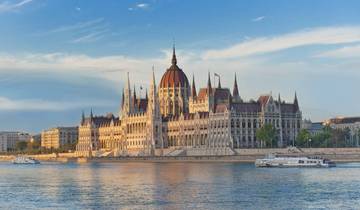
5 days
Highlights of Budapest & Danube Bend – 5 Days
- ✓ Comprehensive Budapest tour
- ✓ Expert local guides included
- ✓ All accommodation arranged
- ✓ Transportation provided
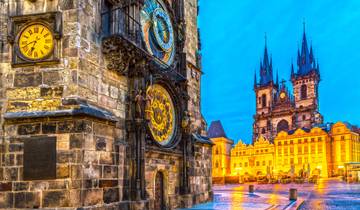
7 days
A Piece of Europe GO
- ✓ Comprehensive Budapest tour
- ✓ Expert local guides included
- ✓ All accommodation arranged
- ✓ Transportation provided
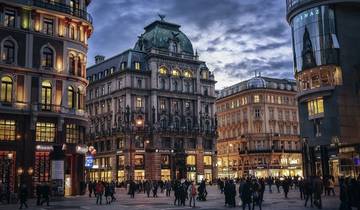
6 days
6 Day Vienna, Salzburg, Budapest, Bratislava, and the Danube Valley
- ✓ Comprehensive Budapest tour
- ✓ Expert local guides included
- ✓ All accommodation arranged
- ✓ Transportation provided
Multi-day tour packages powered by TourRadar. Prices and availability subject to change.
Introduction: Budapest’s Ottoman Legacy
Rudas Thermal Bath occupies a unique position within Budapest’s bathing culture as the city’s most authentic surviving Ottoman-era facility, offering contemporary visitors direct connection to 16th-century Turkish bathing traditions. Located at the foot of Gellért Hill on the Buda bank of the Danube, Rudas stands among four Ottoman baths that survived the 145-year Turkish occupation of Budapest (1541-1686)—the others being Király, Veli Bej (formerly Császár), and Rácz baths. While each preserves Ottoman architectural elements, Rudas maintains the most complete and impressive Turkish bath chamber, with its octagonal pool and massive dome remaining structurally intact and atmospherically powerful after over four and a half centuries.
The bath’s significance extends beyond architectural preservation to encompass its role in documenting cultural transplantation and adaptation across political regimes. Ottoman bathing culture represented sophisticated hygienic, therapeutic, and social practices that the Turkish occupiers brought from Anatolia and implemented throughout their empire. The hammam served multiple functions in Ottoman society: ritual purification for Islamic prayer, therapeutic treatment for various ailments, social gathering space where community bonds were strengthened, and luxury amenity that demonstrated Ottoman cultural superiority. By building substantial bath complexes like Rudas in occupied Buda, the Ottomans asserted permanent presence and cultural transformation of conquered territories.
What makes Rudas particularly valuable historically is its continuous operation through dramatically changing political circumstances: from Ottoman military outpost to Habsburg civic facility, through Hungarian national periods, communist control, and contemporary democratic governance. Each era adapted the bath to new social needs and cultural expectations while maintaining functional continuity that preserved the essential spatial and architectural character. This unbroken operational history—spanning over 450 years—makes Rudas not merely a preserved monument but a living cultural institution that maintains authentic bathing traditions while accommodating contemporary wellness expectations. The recent additions of modern facilities, including the 2014 rooftop panoramic pool, demonstrate how historical thermal baths can evolve without abandoning their heritage character.
Historical Background: From Medieval Springs to Ottoman Hammam
Pre-Ottoman Bathing History
The thermal springs that feed Rudas Baths have attracted human settlement and use since ancient times, with evidence suggesting Roman awareness of the area’s hot springs during their occupation of Pannonia. More definitively documented is the 13th-century presence of the Knights of St. John—the same Catholic military-hospitaller order that operated healing facilities at the future Gellért site—who established a therapeutic center utilizing the natural thermal waters. This medieval facility represented early systematic application of thermal therapy in Central Europe, treating various ailments through bathing and water consumption according to medieval medical understanding.
The Knights of St. John’s choice of this location reflected recognition of the springs’ exceptional qualities: consistent high temperature, abundant flow, and mineral composition that medieval physicians associated with healing properties. The medieval bathing center operated for several centuries, serving both religious and civilian populations, and established bathing traditions that would continue through subsequent political regimes. When Ottoman forces conquered Buda in 1541, they inherited not just natural springs but established bathing culture that aligned well with their own highly developed hammam traditions.
Ottoman Conquest and Cultural Transformation (1541-1686)
The Ottoman capture of Buda Castle in 1541 initiated 145 years of Turkish rule that fundamentally transformed the city’s architectural and cultural character. The Ottomans brought sophisticated urban infrastructure traditions including water management systems, public fountains, mosques, and—crucially for Budapest’s future identity—monumental bath complexes. Ottoman culture valued bathing highly, considering it essential for Islamic ritual purification, therapeutic health maintenance, and social interaction. The discovery of abundant natural thermal springs in Buda must have seemed providential to Ottoman administrators, offering ideal conditions for constructing hammams of the highest quality.
During the Ottoman period, Turkish administrators commissioned construction of several major bath complexes along the Danube, utilizing the deep underground hot spring waters for traditional hammam facilities. These Ottoman baths followed established architectural and functional patterns developed in Anatolia and transported across the empire, creating recognizable bathing environments that maintained cultural continuity for Ottoman soldiers, administrators, and settlers far from their Anatolian homeland. The baths served not only hygienic and therapeutic purposes but also functioned as important social spaces where men gathered, conducted business, and maintained community bonds essential to Ottoman urban life.
Construction of Rudas (1566-1578)
The commission for Rudas Baths came from Sokollu Mustafa Pasha, who governed Buda as beylerbey between 1566 and 1578. Sokollu Mustafa’s tenure represented a period of Ottoman consolidation in Hungary, as military conquest gave way to permanent administration and cultural establishment. His connection to Grand Vizier Sokollu Mehmed Pasha—one of the most powerful Ottoman officials during Sultan Suleiman the Magnificent’s reign and subsequent rulers—provided access to imperial resources, technical expertise, and architectural knowledge from Constantinople.
The bath’s Turkish name, “Yeşil Direkli Hamam” (Green Column Bath), referenced distinctive architectural elements that remain visible within the structure. Construction followed the prestigious “ilidza” model—built directly over the thermal springs rather than requiring water transport from distant sources. The Hungária, Attila, and Juventus springs provided abundant hot water of exceptional mineral quality, making Rudas comparable to the finest hammams in the Ottoman capital. The construction employed materials and techniques imported from Turkey, including specialized hard ceramic pipes resistant to mineral deposits and decorative tiles that created authentic Ottoman aesthetic environments.
The architectural design deliberately echoed prestigious Istanbul baths in both dimensions and design, representing Sokollu Mustafa Pasha’s ambition to create a provincial bath worthy of imperial standards. The octagonal central pool surrounded by smaller pools of varying temperatures, covered by a hemispherical dome with eight supporting pillars and small light openings, followed established Ottoman bath typology. This design created the characteristic hammam experience: progression through spaces of different temperatures, atmospheric light effects through steam, acoustic properties that encouraged quiet contemplation, and architectural monumentality that elevated simple bathing to spiritual and aesthetic experience.
Ottoman Bathing Culture and Social Life
During Ottoman rule, Rudas functioned as central institution in Buda’s Turkish community life. Islamic practice required ritual ablution before prayer, making access to bathing facilities religiously necessary. Beyond religious requirements, Ottoman culture considered regular bathing essential for health, with hammams serving therapeutic purposes through both the mineral-rich waters and the traditional progression through hot and cool environments. The baths provided treatments for various ailments recognized in Ottoman medicine, including joint problems, skin conditions, respiratory issues, and general exhaustion.
Socially, the hammam served as masculine gathering space where men across social classes mixed, conducted business, discussed community affairs, and maintained the social networks essential to Ottoman urban life. While religious and hygienic considerations prohibited mixed-gender bathing, Ottoman baths typically designated specific days or times for women, creating female social spaces rare in Islamic societies where gender segregation characterized most public life. This gender segregation tradition survived at Rudas into the 21st century, with the bath maintaining men-only and women-only periods until relatively recent mixed-gender integration.
Habsburg Period: Adaptation and Expansion (1686-1918)
The Habsburg reconquest of Buda in 1686 ended Ottoman rule but preserved the bath infrastructure, as the new Christian rulers recognized the value of these established facilities. Emperor Leopold I’s 1703 gift of Rudas to the city of Buda marked the transition from imperial Ottoman property to municipal civic facility, initiating the bath’s transformation from exclusively Turkish operation to increasingly European-style spa. Throughout the 18th century, the bath underwent gradual modifications that maintained the Ottoman core while adapting to European bathing customs and medical theories.
The 19th century brought major renovations that expanded Rudas beyond its original Ottoman footprint. The 1866 and 1883 renovation campaigns added European-style facilities including steam bath sections, additional therapy rooms, and modern plumbing systems that supplemented but did not replace the original thermal pools. In 1896, construction of an indoor swimming pool—Budapest’s second—marked significant departure from traditional hammam design by creating a large pool for swimming rather than contemplative soaking, reflecting European emphasis on exercise and recreation alongside therapy.
During this period, Rudas evolved into a hybrid institution that offered both traditional thermal bathing in the preserved Ottoman chambers and modern European spa services in the newer additions. The bath became a focal point of Budapest social life, with music performances in the courtyard, attached hotel and restaurant facilities, and a social clientele that used bathing as recreational and social activity rather than merely hygienic or therapeutic necessity. This 19th-century expansion created the architectural layering still visible today, where distinct construction periods and cultural influences coexist within a single complex.
20th Century: World Wars and Communist Era
Rudas survived both World Wars with less damage than some other Budapest baths, though the general hardships of wartime and post-war periods affected maintenance and operations. During the communist era, the bath continued operating as a public facility, maintained primarily for therapeutic rather than luxury purposes. The communist government’s emphasis on public health and accessible services meant that thermal baths received some investment, though aesthetic considerations took secondary priority to functional maintenance. Rudas retained its traditional character during this period, avoiding the modernization that affected some other facilities.
The gender-segregated bathing traditions persisted strongly during the 20th century, with the Turkish bath section operating as men-only facility except for designated women-only days. This segregation reflected both Ottoman historical precedent and conservative social attitudes about mixed-gender bathing in intimate settings. The preservation of traditional practices—including optional apron wearing instead of swimsuits during gender-segregated periods—maintained authentic hammam customs that had largely disappeared even in Turkey. Rudas thus became a living museum of bathing practices that contemporary Turkish baths had abandoned in favor of modern mixed-gender wellness centers.
Modern Restoration and Contemporary Development
The major turning point in Rudas’s modern history came with the comprehensive 2006 restoration that addressed decades of deferred maintenance while preserving the bath’s historical integrity. This restoration focused primarily on the Ottoman-era core, stabilizing structural elements, conserving decorative features, and upgrading mechanical systems without compromising architectural character. The project employed conservation specialists who understood both Ottoman architectural traditions and modern preservation standards, ensuring work respected historical authenticity while meeting contemporary safety and operational requirements.
The 2014 expansion represented the most dramatic modern intervention: addition of a rooftop wellness facility including a panoramic pool overlooking the Danube, modern sauna complex, and contemporary spa services. This addition deliberately contrasts with the historical sections, using modern materials and design language that acknowledge rather than imitate the Ottoman architecture. The rooftop pool creates spectacular bathing experiences with views across Budapest, combining thermal water therapy with dramatic urban landscapes. This contrast between preserved historical Ottoman chambers and contemporary rooftop facilities demonstrates how heritage sites can incorporate modern amenities without compromising historical integrity, expanding appeal while maintaining authentic character.
Recent updates in 2024 included enhanced wellness facilities and eco-friendly heating systems, continuing Rudas’s evolution as both heritage site and contemporary spa destination. The bath now offers experiences ranging from historically authentic Ottoman bathing in the preserved 16th-century chambers to thoroughly modern rooftop spa experiences, attracting diverse audiences including heritage tourists, local therapeutic bathers, and international wellness seekers. This functional diversity ensures economic sustainability that supports ongoing conservation of the irreplaceable Ottoman architectural core.
Ottoman Architecture: Hammam Design Principles
The Octagonal Pool and Dome Structure
The architectural centerpiece of Rudas—and what makes it exceptional among surviving Ottoman baths—is the central octagonal pool chamber crowned by its magnificent hemispherical dome. This octagonal plan represents a fundamental Ottoman architectural form, combining geometric purity with symbolic significance. The eight-sided pool creates radial symmetry that organizes the surrounding space, with each of the eight sides aligned to one of the eight massive stone pillars that support the dome above. This geometric organization creates mathematical harmony and spatial clarity characteristic of Islamic architecture’s emphasis on geometric order reflecting divine order.
The dome itself spans approximately 10 meters in diameter, creating a monumental interior space that elevates simple bathing into architectural and spiritual experience. The hemispherical form—a perfect half-sphere—represents cosmological symbolism in Islamic architecture, with the dome suggesting the vault of heaven sheltering the earthly realm represented by the pool and bathing space below. The construction required sophisticated engineering, as the dome’s weight must be distributed through the eight pillars to foundation walls without intermediate supports that would obstruct the central space. Ottoman builders achieved this through careful masonry techniques, using graduated stone courses that distribute loads efficiently while maintaining the dome’s pure geometric form.
Light, Steam, and Atmospheric Effects
One of the most distinctive features of Ottoman bath architecture—brilliantly demonstrated at Rudas—is the use of small circular openings (oculi) in the dome to admit natural light. These openings are deliberately small and strategically positioned to create dramatic light beam effects, especially when steam rises from the hot thermal water below. The light beams penetrate the steam-filled atmosphere, creating visible shafts of illumination that move across the space as the sun’s position changes throughout the day. This ephemeral light-and-steam interaction creates constantly changing atmospheric effects that enhance the contemplative and almost mystical quality of the bathing experience.
The architectural control of light serves both practical and aesthetic purposes. Practically, the small openings provide ventilation, allowing steam to escape while preventing excessive heat loss. Aesthetically, the limited and directed natural light creates dimmer, more intimate atmosphere than European baths with their large windows and glass roofs. This darker, more mysterious environment encourages quiet contemplation and inward focus rather than social display or architectural appreciation, reflecting different cultural attitudes about bathing’s purpose and meaning. The acoustic properties of the domed space also contribute to atmosphere, with sounds reverberating in ways that encourage lowered voices and quieter behavior.
Spatial Hierarchy and Bathing Progression
Ottoman bath design follows established spatial hierarchies that structure the bathing experience through architectural progression. Visitors move from entrance areas through transitional spaces of increasing warmth and humidity before reaching the central hot bathing chamber. This progression serves both physiological and ritual purposes: gradually acclimating the body to temperature changes reduces health risks while creating a sense of journey from ordinary outside world to special interior sanctuary. At Rudas, the progression moves from changing rooms through moderately warm spaces before culminating in the dramatic octagonal pool chamber.
Surrounding the central octagonal pool, smaller pools of varying temperatures—28°C, 30°C, 33°C, and 42°C—allow bathers to experience different thermal effects and customize their bathing according to therapeutic needs or personal preference. This temperature variety reflects Ottoman medical understanding that different conditions benefit from different water temperatures, and that alternating between hot and cool water provides therapeutic benefits beyond simple hot soaking. The architectural arrangement of these pools around the central chamber creates natural circulation patterns, with bathers moving between pools according to individual rhythms while maintaining the central pool as communal focal point.
Material Authenticity and Turkish Craftsmanship
The construction of Rudas employed materials and techniques imported from Turkey, ensuring authentic Ottoman quality rather than provincial adaptation. Sokollu Mustafa Pasha specifically ordered hard ceramic pipes from Turkey, as these resisted the mineral deposits that would clog lesser pipes over time. Decorative tiles were similarly imported, bringing Turkish ceramic traditions and aesthetic standards to Buda. This material authenticity meant that Ottoman soldiers and administrators bathing at Rudas experienced environments comparable to prestigious Istanbul hammams, maintaining cultural continuity despite geographic distance from the imperial capital.
The stone masonry demonstrates sophisticated Ottoman building techniques, with carefully dressed stones fitted together in ways that distribute structural loads efficiently while creating visually satisfying geometric patterns. The dome construction required particular expertise, as each stone must be precisely shaped and positioned to maintain the hemisphere’s perfect curvature while contributing to overall structural stability. The eight supporting pillars represent massive stone construction, each capable of bearing tremendous weight while maintaining relatively slender proportions that avoid visually dominating the space. The survival of this original Ottoman construction for over 450 years testifies to the quality of materials and craftsmanship.
Decorative Restraint and Geometric Emphasis
Unlike later European thermal baths with their elaborate decorative programs, Ottoman bath architecture emphasizes structural and geometric clarity over surface ornamentation. At Rudas, decoration appears primarily in tile work and architectural details rather than figural sculpture or elaborate mosaics. This decorative restraint reflects Islamic artistic traditions that favor geometric and calligraphic decoration over representational imagery. The tiles that do appear feature primarily geometric patterns—interlocking shapes, repeated motifs, and mathematical arrangements that reflect Islamic emphasis on abstract beauty and divine order expressed through geometry.
The architectural elements themselves provide visual interest through their proportions, relationships, and geometric purity rather than applied decoration. The interplay between the octagonal pool, eight pillars, and hemispherical dome creates visual complexity through geometric interaction rather than ornamental elaboration. This approach creates environments that focus attention on bathing experience, thermal sensation, and contemplative atmosphere rather than architectural spectacle. The relative simplicity also ensures that the architecture ages gracefully, as there are fewer decorative elements to deteriorate or require maintenance, contributing to Rudas’s exceptional preservation.
Gender Segregation Architecture
Traditional Ottoman baths incorporated architectural provisions for gender segregation, typically through separate entrances, changing areas, and bathing chambers, or through designated time periods when facilities were reserved exclusively for men or women. At Rudas, the historical approach involved temporal rather than spatial segregation: the Turkish bath section operated as men-only facility most days, with specific days or times designated for women’s exclusive use. This system allowed a single bathing chamber to serve both genders without requiring duplicate facilities, though it meant women had more limited access than men.
The preserved Turkish bath section maintains architectural features designed for traditional bathing customs including optional apron wearing instead of modern swimsuits. During gender-segregated periods, bathers can use traditional cloth wraps rather than contemporary swimwear, experiencing bathing customs that have largely disappeared from modern Turkish baths. The architectural accommodation of these practices—including changing areas designed for apron storage and use—preserves cultural practices alongside architectural heritage. The gradual shift toward mixed-gender bathing in swimsuits represents significant cultural change, as does the integration of modern wellness facilities that operate on entirely different gender integration assumptions.
Hammam Traditions and Cultural Practices
The architectural spaces at Rudas were designed to accommodate specific hammam traditions and bathing rituals that structured Ottoman bathing culture. These included not just thermal soaking but also steam treatments, traditional massage, body scrubbing with special mitts, and progressive temperature transitions. Architectural provisions for these practices appear in the surrounding chambers and alcoves where different treatments occurred. The spatial arrangement encouraged particular bathing sequences: beginning with steam and heat to open pores and promote sweating, followed by scrubbing and cleaning, then thermal soaking, and finally cooling in progressively cooler pools.
The social dimensions of hammam culture also influenced architectural design. Ottoman baths functioned as social gathering spaces where community bonds were maintained, news exchanged, and social hierarchies both reinforced and temporarily suspended. The architectural spaces—particularly the central pool chamber—provided settings for these social interactions while maintaining enough acoustic separation that multiple conversations could occur simultaneously without excessive noise. The dome’s acoustic properties naturally encouraged quieter speech, creating atmosphere conducive to confidential discussions and intimate socializing that characterized hammam social culture.
Thermal Springs and Healing Waters
The Three Sacred Springs
Rudas Baths draws its thermal waters from three distinct underground springs: Hungária, Attila, and Juventus. Each spring has unique mineral composition and reputed therapeutic properties, though all share high temperatures (40-42°C at source) and rich mineral content. The springs emerge from deep geological formations beneath Gellért Hill, heated by geothermal processes and mineralized through interaction with surrounding rock strata. These natural thermal resources have flowed continuously for millennia, providing consistent water supply that made this location valuable for bathing facilities across successive civilizations.
The Juventus spring—whose name means “youth” in Latin—acquired particular legendary status for supposed rejuvenating properties. A stone inscription in the bath, dating to the Ottoman period, specifically references the Juventus spring’s believed rejuvenating effects. This tradition reflects ancient and medieval beliefs in “fountains of youth” and healing waters that could restore vitality, slow aging, or cure diseases. While modern medicine recognizes legitimate therapeutic benefits from mineral waters, the specific rejuvenating claims remain in the realm of folk tradition rather than scientific validation. Nevertheless, these legendary associations contributed to the springs’ reputation and the bath’s appeal across centuries.
Mineral Composition and Therapeutic Properties
The thermal waters contain complex mineral compositions including radioactive elements, calcium, magnesium, sulfates, and various trace minerals. The radioactive elements—primarily radon—occur naturally in many thermal springs and are used therapeutically in some European spa traditions, though their safety and efficacy remain subjects of medical debate. The calcium and magnesium contribute to bone and muscle health, while sulfates support skin health and detoxification processes. The combination of minerals, consistent high temperature, and the bathing practices themselves create therapeutic effects that have been recognized across cultures and time periods.
Medical indications for Rudas’s thermal waters include joint diseases, hernias, neuralgia, and chronic inflammations. The thermal heat increases circulation, reduces muscle tension, and can temporarily relieve pain from various musculoskeletal conditions. Immersion in mineral-rich water allows minerals to be absorbed through the skin, though the extent and significance of this absorption remains debated in scientific literature. The combination of heat, mineral exposure, buoyancy reducing joint stress, and relaxation reducing muscle tension creates multiple therapeutic mechanisms that work synergistically. Traditional Ottoman medical understanding, medieval European balneotherapy, and modern physical therapy all recognize benefits from thermal bathing, though they explain those benefits through different theoretical frameworks.
Drinking Cures and Internal Therapy
Beyond bathing, Rudas offers medicinal drinking wells that provide water from the three springs for internal consumption. This drinking cure tradition dates to medieval European spa culture but was also practiced in Ottoman contexts. The belief holds that drinking mineral-rich waters can treat digestive disorders, support metabolism, aid detoxification, and address various internal conditions that external bathing cannot reach. Visitors can taste waters from different springs, each with distinct mineral profiles and recommended uses based on traditional spa medicine.
Modern understanding confirms that consuming mineral waters can provide dietary minerals, support hydration, and may benefit certain digestive conditions, though many traditional claims exceed scientific validation. Nevertheless, the drinking cure tradition represents important cultural practice that connects Rudas to broader European spa culture. The ceremonial presentation of drinking waters—with designated fountains, specific consumption rituals, and traditional recommendations—transforms simple water drinking into therapeutic ritual, potentially providing placebo benefits alongside any direct mineral effects. The persistence of this practice demonstrates how traditional healing approaches can coexist with modern medical understanding within contemporary wellness contexts.
Temperature Variations and Thermal Progression
The pools at Rudas maintain temperatures ranging from 28°C to 42°C, allowing bathers to experience different thermal effects and practice traditional temperature progression therapies. The hottest pools (38-42°C) promote maximum vasodilation, sweating, and muscle relaxation but can only be tolerated for limited durations. Moderate temperature pools (33-36°C) provide therapeutic heat while allowing longer soaking periods without excessive physiological stress. Cooler pools (28-30°C) offer refreshment and temperature contrast that promotes circulation when alternated with hotter pools.
Traditional Ottoman bathing practice emphasized progressive temperature changes: beginning in moderate warmth to acclimate the body, advancing to maximum heat for intense sweating and muscle relaxation, then cooling gradually through progressively cooler pools. This progression reflects empirical understanding—developed across centuries—that sudden temperature changes can be physiologically shocking while gradual transitions allow the body to adapt safely. Modern hydrotherapy continues to recognize benefits from contrast bathing, validating traditional practices through contemporary physiological understanding. The architectural arrangement of pools at different temperatures facilitates this traditional progression, guiding bathers through therapeutic sequences developed long before modern medical science.
Modern Additions: Rooftop Pool and Contemporary Wellness
The 2014 Rooftop Development
The 2014 addition of rooftop wellness facilities represented the most significant modern intervention in Rudas’s architectural history. This development added a panoramic thermal pool on the building’s roof with spectacular views across the Danube River to the Pest side of Budapest, modern sauna complex, contemporary spa treatment rooms, and stylish relaxation spaces. The architectural approach deliberately contrasted with the historical Ottoman sections, using modern materials—glass, steel, concrete—and contemporary design language that acknowledges rather than imitates the historic architecture. This honest differentiation allows visitors to clearly distinguish historical fabric from modern additions.
The rooftop pool quickly became one of Budapest’s most popular bathing destinations, offering unique combination of thermal therapy and urban landscape viewing. Bathers can soak in mineral-rich thermal water while observing Budapest’s iconic bridges, parliament building, castle hill, and river traffic, creating experiences that blend traditional healing waters with contemporary leisure culture. The pool operates year-round, with winter bathing offering particularly dramatic experiences as steam rises from the hot water into cold air, creating atmospheric effects reminiscent of traditional hammam steam chambers but in entirely different architectural context.
Architectural Integration and Dialogue
The challenge of adding modern facilities to a historically significant building required careful architectural thinking about how new and old should relate. The designers chose an approach of respectful contrast: the modern additions are clearly identifiable as contemporary interventions rather than historical pastiche, using materials and forms that could not be confused with Ottoman construction. However, the additions respect the historic building’s scale, proportions, and urban presence, avoiding overwhelming dominance that would diminish the original architecture’s significance.
The vertical separation—placing modern facilities literally on top of the historic structure—creates physical and experiential distinction between historical Ottoman bathing in the ground-floor chambers and contemporary wellness experiences on the rooftop. This stratification allows visitors to choose their desired experience: traditional atmospheric bathing in dimly lit historical spaces versus modern panoramic soaking with city views. The ability to move between these different environments within a single visit demonstrates how heritage sites can offer multiple layers of experience, appealing to diverse audiences with different motivations and expectations.
Contemporary Wellness Services
The modern wellness section offers comprehensive spa services that go beyond traditional thermal bathing. Professional massage therapists provide various treatments including Swedish massage, Thai massage, and Hungarian specialties. The Rudas special—a traditional massage combining vigorous Swedish techniques with thermal water jets and hand-poured medicinal water, using soap made from Rudas’s own spring water—represents contemporary interpretation of historical bathing traditions. These modern services attract clientele seeking comprehensive wellness experiences rather than merely therapeutic soaking, expanding Rudas’s market beyond traditional medical bathing users.
The sauna facilities include various types—Finnish sauna, salt room, steam rooms—that supplement the thermal pools with different heat therapy modalities. These additions reflect contemporary wellness culture’s emphasis on variety and choice, allowing visitors to customize experiences according to personal preferences. The integration of these modern wellness approaches with traditional thermal bathing demonstrates how heritage sites can remain economically viable and culturally relevant by adapting to changing visitor expectations while maintaining core identity and historical integrity.
Nighttime Bathing Experience
One of Rudas’s most distinctive contemporary offerings is nighttime bathing every Friday and Saturday from 10pm to 3am. This late-night operation creates entirely different atmosphere than daytime visits, with Budapest’s illuminated nighttime cityscape providing dramatic backdrop for rooftop pool bathing. The service attracts younger, more socially-oriented clientele than traditional daytime therapeutic bathing, creating revenue streams and audience diversity that support the bath’s economic sustainability. Nighttime bathing also references historical spa culture where evening visits represented social events rather than purely therapeutic activities.
The nighttime experience includes music, specialized lighting, and bar service that create party-like atmosphere very different from contemplative daytime bathing. This programming demonstrates pragmatic approach to heritage site management: using the facilities flexibly to serve multiple markets and functions, ensuring economic viability that funds preservation of irreplaceable historical elements. While some purists might object to party atmosphere in a heritage bath, the economic reality is that contemporary tourism and entertainment revenue supports conservation work that pure therapeutic bathing could not sustain alone.
Cultural Heritage and Bathing Traditions
Gender Segregation and Contemporary Integration
Rudas maintained traditional gender-segregated bathing longer than most Budapest baths, with the Turkish bath section operating as men-only facility for most of the week through the early 21st century. Women could access the Turkish bath section on designated Tuesday women-only days, creating temporal segregation that preserved traditional hammam practices. This segregation reflected both Ottoman cultural heritage and conservative attitudes about mixed-gender bathing in intimate settings. The segregated days also allowed traditional apron bathing—using cloth wraps instead of modern swimsuits—maintaining authentic hammam customs.
The gradual shift toward mixed-gender bathing in recent years represents significant cultural change. Starting in 2006, specific days (Thursday, Friday, and weekends) became co-educational with swimsuit requirements, while maintaining gender-segregated traditional bathing on other days. This compromise attempted to balance heritage preservation, cultural sensitivity, tourism demands, and contemporary gender equality expectations. The increasing proportion of mixed-gender time reflects changing social norms, economic pressures from tourism, and younger generations’ different attitudes about gender segregation in public spaces.
Traditional Bathing Customs and Etiquette
Hungarian thermal bathing culture maintains specific etiquette and customs that visitors should understand and respect. These include mandatory showering before entering pools, quiet conversation rather than loud socializing, respect for others’ privacy and personal space, and adherence to specific rules about food, drinks, and photography. The traditional approach emphasizes thermal bathing as contemplative, therapeutic activity rather than active recreation or social performance. This cultural framework differs from some international spa cultures that treat bathing as luxury entertainment or social display.
The customs also include practical elements: wearing flip-flops or water shoes outside pools for hygiene, bringing or purchasing towels (rental typically not available), and using designated changing facilities appropriately. Swimming caps are required in some pools but not others, with the Turkish thermal baths generally not requiring caps while swimming pools do. Understanding these practical requirements prevents disappointment and ensures comfortable experiences. The persistence of these customs demonstrates how bathing culture maintains distinctive practices that differentiate it from generic international wellness experiences.
Medical Bathing and Therapeutic Traditions
Rudas maintains significant role in Budapest’s medical and therapeutic culture, with many visitors using the baths not for tourism or luxury but as prescribed medical treatment. Doctors recommend thermal bathing for various chronic conditions, and some patients receive insurance coverage or medical supervision for their bathing regimens. This medical legitimacy connects Rudas to centuries of therapeutic bathing tradition while incorporating contemporary medical understanding. The bath operates medical consultation services where physicians can assess conditions and recommend appropriate bathing protocols.
The therapeutic approach involves regular, repeated visits following specific protocols regarding water temperature, duration, frequency, and combination with other treatments. This differs from tourist bathing, which typically involves single visits motivated by curiosity or relaxation rather than ongoing therapeutic programs. The coexistence of medical patients and tourists creates interesting social dynamics, as different user groups have different expectations, behaviors, and relationships to the facilities. Managing these diverse uses while maintaining both therapeutic legitimacy and tourism appeal represents ongoing challenge for bath management.
Social History and Community Function
Throughout its history, Rudas has functioned as important social institution beyond its therapeutic and hygienic roles. During Ottoman times, the hammam served as masculine gathering space where social bonds were formed and maintained. In later periods, the bath became meeting place for various Budapest communities, with regular patrons developing routines and social networks around bathing schedules. This social infrastructure created community attachment and ensured the bath’s survival through political and economic changes that might have endangered purely commercial operations.
The bath’s social significance extends to its role in preserving cultural memory and identity. For many Hungarians, thermal bathing represents distinctively national practice that distinguishes Hungarian culture from neighboring countries. The Ottoman legacy, rather than being rejected as foreign occupation, has been integrated into Hungarian cultural identity as historical layer that contributes to Budapest’s unique character. Rudas specifically embodies this integration of Turkish heritage into Hungarian identity, demonstrating how conquered peoples can selectively adopt and preserve elements of occupier cultures when those elements provide valuable resources or distinctive identity markers.
Conservation and Preservation Challenges
Structural Conservation of Ottoman Core
Preserving Rudas’s 16th-century Ottoman architectural core presents unique challenges due to the structure’s age, continuous operation in harsh wet environments, and the specialized knowledge required to understand and maintain traditional Turkish construction. The dome and supporting pillars represent critical structural elements whose failure would be catastrophic, requiring regular monitoring for cracks, movement, or deterioration. The stone masonry needs periodic repointing and consolidation to prevent water infiltration that could weaken structural integrity. Conservation work must employ traditional materials and techniques appropriate to Ottoman construction rather than modern methods that might prove incompatible.
The continuous operation as working bath creates additional stresses: constant humidity, temperature variations, mineral-rich water that can damage materials, and vibrations from modern mechanical systems. These operational factors mean the building experiences more aggressive deterioration than preserved monuments that no longer serve their original functions. Regular maintenance, monitoring, and preventive conservation become essential to identify problems before they become critical. The challenge is balancing preservation needs with operational requirements, as closing the bath for extended conservation work impacts both revenue and the local users who depend on it for therapeutic bathing.
The 2006 Restoration Project
The comprehensive 2006 restoration addressed decades of deferred maintenance and accumulated inappropriate repairs. The project employed conservation specialists with expertise in Ottoman architecture, as preserving Turkish heritage required understanding construction traditions and materials specific to that culture. The restoration stabilized structural elements, conserved decorative features including remaining Turkish tiles and architectural details, upgraded deteriorated mechanical systems, and removed inappropriate modern interventions that had damaged historical fabric or altered spatial character.
The restoration philosophy emphasized minimal intervention—doing only what was necessary to preserve the structure while maintaining maximum original fabric. This approach differs from more aggressive restoration that might recreate lost elements or “improve” the building according to contemporary standards. Where intervention was necessary, the work used reversible techniques where possible, ensuring future conservators could modify or remove the interventions without damaging original materials. Documentation throughout the process created detailed records of existing conditions, interventions performed, and materials used, providing essential information for future conservation work.
Balancing Heritage and Modern Use
Operating Rudas as both heritage site and working spa creates inherent tensions between preservation and use. Heavy visitor traffic accelerates wear on historical materials: stone floors become polished and eroded by thousands of feet, constant water exposure degrades materials, and mechanical stresses from modern systems affect old structures. However, the economic viability that allows preservation depends on tourist revenue that requires keeping the facility attractive, comfortable, and competitive with modern wellness centers. Finding the balance between preservation and necessary modernization remains ongoing challenge.
The 2014 rooftop addition represents one approach to this balance: adding modern facilities that attract contemporary audiences while preserving the historical core intact. This strategy accepts that heritage sites can include contemporary elements as long as those elements don’t compromise or overwhelm the historical architecture. The approach requires careful design that respects historical character while honestly acknowledging modern additions. Success depends on maintaining clear distinction between old and new, ensuring additions are reversible if future generations decide differently, and prioritizing preservation of irreplaceable historical elements over convenience or profit.
Climate Change and Future Threats
Climate change presents new conservation challenges for thermal bath facilities. Changing temperature and precipitation patterns may affect the underground aquifers that feed the thermal springs, potentially altering water temperature, flow rates, or mineral composition. More intense storm events could damage roof structures and drainage systems designed for historical climate conditions. Higher average temperatures might stress mechanical cooling systems or affect the thermal comfort balance that makes hot bathing pleasant. Conservation planning must anticipate these potential changes and develop adaptive strategies.
The thermal springs themselves face potential threats from changing groundwater conditions, increased groundwater extraction for other purposes, or geological changes affecting aquifer characteristics. While the springs have flowed for millennia, human activities and climate change could affect them in ways that natural processes have not. Monitoring spring conditions—temperature, flow, mineral composition—provides early warning of changes that might require intervention. Protecting the springs requires not just conserving the bath building but also managing the broader hydrological systems that supply the thermal waters.
Visitor Experience and Practical Information
Experiencing the Ottoman Bath
Visiting the historic Turkish bath section provides direct connection to 16th-century Ottoman bathing traditions. Upon entry, visitors proceed through changing facilities into the atmospheric central octagonal chamber with its soaring dome and dramatic light effects. The relative darkness compared to modern glass-roofed baths, the reverberating acoustics, and the massive stone architecture create immersive historical experience. The thermal water’s warmth, mineral content, and therapeutic effects remain essentially unchanged from what Ottoman bathers experienced over four centuries ago, providing rare continuity with historical practice.
The bathing progression through pools of different temperatures follows traditional hammam sequences. Starting in moderate warmth allows the body to acclimate, while the hottest pools provide intense heat therapy that promotes sweating and deep muscle relaxation. Moving to progressively cooler pools afterward helps the body cool gradually while maintaining therapeutic benefits. This traditional progression requires time—rushing through defeats the therapeutic purpose—and benefits from repeated visits that allow understanding the rhythms and effects. Regular users often develop personal routines based on their therapeutic needs and preferences.
Rooftop Pool and Panoramic Views
The rooftop pool offers dramatically different experience from the historical sections, combining thermal bathing with spectacular urban views. The panoramic perspectives across the Danube to Pest, with parliament building, bridges, and castle hill visible, create memorable visual experiences that complement the therapeutic bathing. The pool operates year-round, with winter visits offering particular drama as steam rises into cold air and the contrast between hot water and cold air intensifies the thermal experience. Evening and nighttime bathing provides illuminated cityscape views that transform the urban landscape into theatrical backdrop.
The rooftop facilities include comfortable deck areas for relaxing between bathing periods, bar service providing beverages, and modern changing facilities. The atmosphere is more social and recreational than the contemplative historical sections, appealing to different motivations and user groups. Many visitors combine both experiences within a single visit: beginning with traditional Ottoman bathing for therapeutic and cultural immersion, then moving to the rooftop for social relaxation and view appreciation. This combination demonstrates how heritage sites can offer layered experiences that serve multiple interests simultaneously.
Sauna and Wellness Facilities
The sauna complex includes multiple types—Finnish sauna, salt room, steam rooms—providing heat therapy variety beyond thermal pools. Each sauna type offers different physiological effects and atmospheric qualities, allowing visitors to customize experiences according to preferences. The salt room, with walls covered in mineral salts, provides supposed respiratory benefits through salt particle inhalation. The steam rooms create high-humidity environments different from dry saunas. Moving between saunas, thermal pools, and cooling areas creates comprehensive thermal therapy experiences that address multiple systems and conditions.
Professional massage and treatment services complement the self-directed bathing and sauna experiences. The Rudas special massage—combining traditional techniques with thermal water applications—represents contemporary interpretation of historical bathing traditions. Other treatments include aromatherapy massages, couples massages for shared experiences, and medical prescription-required treatments for specific conditions. These professional services transform simple bathing into comprehensive wellness experiences, appealing to visitors seeking pampering and luxury alongside therapeutic benefits.
Practical Visitor Guidance
Visiting Rudas requires some preparation and understanding of operational details. Essential items include swimwear (required during mixed-gender periods), towel (not provided, but available for purchase), and water shoes or flip-flops for walking between pools. Swimming caps are required for the main swimming pool but not for thermal baths. The complex operates different schedules for different sections, with gender-segregated traditional bathing on some days and mixed-gender bathing on others. Checking the current schedule before visiting ensures access to desired facilities and avoids disappointment.
Ticket pricing operates on complex structures with different rates for various combinations of facilities, treatment inclusions, and time periods. Online ticket purchase often provides discounts and guaranteed entry, particularly important during busy periods when capacity limits may prevent admission. Understanding what each ticket type includes—access to which pools, sauna use, locker versus cabin rental—helps visitors choose appropriate options. The bath can become crowded during peak hours (weekends, evenings), while weekday mornings and early afternoons typically offer quieter experiences better suited to relaxation and therapeutic bathing.
Etiquette and Cultural Sensitivity
Respecting Hungarian bathing culture and other visitors enhances everyone’s experience. This includes showering before entering pools, maintaining quiet conversation rather than loud talking, not splashing or creating disturbances, and being mindful of others’ personal space and privacy. Photography policies should be carefully observed, as taking pictures of other people without permission is inappropriate and may be prohibited. Many visitors come for serious therapeutic bathing rather than tourism, and their needs for quiet, contemplative environment should be respected even when visiting for recreation or cultural interest.
During gender-segregated periods in the Turkish bath, additional etiquette applies regarding apron use, behavior in intimate changing areas, and respect for traditional practices that may differ from visitors’ home cultures. Understanding these customs demonstrates cultural respect and helps preserve the authentic character that makes Rudas valuable. The nighttime bathing periods have different social norms—more social interaction, music, somewhat party atmosphere—appropriate to that context but not during traditional daytime therapeutic bathing. Adapting behavior to different settings and respecting the various ways people use the facilities ensures positive experiences for all visitors.
Frequently Asked Questions
What is the history of Rudas Baths?
Rudas Baths was commissioned by Ottoman Governor Sokollu Mustafa Pasha between 1566-1578 during Ottoman occupation of Budapest. The site previously hosted 13th-century Knights of St. John healing facilities. After Ottoman rule ended in 1686, Emperor Leopold I gifted the bath to Buda in 1703. The facility underwent major renovations in 1866 and 1883, added a swimming pool in 1896, received comprehensive restoration in 2006, and gained modern rooftop facilities in 2014. The bath has operated continuously for over 450 years.
What makes Rudas’s architecture special?
Rudas preserves one of Europe’s finest examples of 16th-century Ottoman Turkish hammam architecture. The central octagonal pool sits beneath a 10-meter hemispherical dome supported by eight massive pillars, with small glass openings creating dramatic light beam effects through steam. This original Turkish bath chamber remains structurally intact and atmospherically powerful after over four centuries. The architectural design follows prestigious Istanbul bath models, representing authentic Ottoman construction rather than provincial adaptation.
Who was Sokollu Mustafa Pasha?
Sokollu Mustafa Pasha served as Ottoman governor (beylerbey) of Buda from 1566-1578. As nephew of Grand Vizier Sokollu Mehmed Pasha—one of the most powerful Ottoman officials—he had access to imperial resources and architectural expertise from Constantinople. He commissioned Rudas as a prestigious facility comparable to Istanbul’s finest hammams, using materials and craftsmen from Turkey to ensure authentic Ottoman quality. The bath’s Turkish name “Yeşil Direkli Hamam” (Green Column Bath) references distinctive architectural elements from his construction.
What are the three thermal springs at Rudas?
Rudas draws water from three underground thermal springs: Hungária, Attila, and Juventus. Each has unique mineral composition though all share high temperatures (40-42°C) and rich mineral content including radioactive elements, calcium, magnesium, and sulfates. The Juventus spring acquired legendary status for supposed rejuvenating properties, referenced in Ottoman-era inscriptions. The springs emerge from deep geological formations beneath Gellért Hill, providing consistent supply for over 450 years.
Does Rudas still have gender-segregated bathing?
Rudas maintained traditional men-only bathing with designated women-only days longer than most Budapest baths. Currently, the Turkish bath section operates on mixed schedules: some periods remain gender-segregated with traditional apron bathing allowed, while Thursday, Friday, and weekends offer co-educational bathing in swimsuits. This compromise balances heritage preservation, tourism demands, and contemporary gender equality expectations. Check current schedules before visiting to ensure access to preferred bathing format.
What is the rooftop pool at Rudas?
The 2014 rooftop addition created a panoramic thermal pool overlooking the Danube with spectacular Budapest city views. This modern facility deliberately contrasts with historical Ottoman sections, using contemporary materials and design. The rooftop operates year-round, offering unique experiences combining thermal therapy with urban landscape viewing. Evening and nighttime bathing (Friday-Saturday 10pm-3am) provides illuminated cityscape views and more social atmosphere. The addition demonstrates how heritage sites can incorporate modern amenities while preserving historical integrity.
What does “ilidza” mean in Turkish bath terminology?
Ilidza is a Turkish term meaning the bath was built directly over the thermal springs it utilizes, rather than requiring water to be piped from distant sources. This direct connection to natural springs was considered superior, as it maintained water temperature and mineral composition better than transported water. Rudas as an ilidza bath represented prestigious construction comparable to the finest Istanbul hammams. The Hungária, Attila, and Juventus springs flow directly beneath the building, providing continuous natural supply.
Can I drink the thermal water at Rudas?
Yes, Rudas provides medicinal drinking wells offering water from the three thermal springs for consumption. This drinking cure tradition treats digestive disorders, supports metabolism, and addresses internal conditions that bathing cannot reach. Each spring has distinct mineral composition and traditional recommendations based on spa medicine. Modern understanding confirms some benefits from consuming mineral waters, though many traditional claims exceed scientific validation. The ceremonial presentation of drinking waters transforms simple consumption into therapeutic ritual.
How does Rudas compare to other Budapest baths?
Rudas offers the most authentic Ottoman Turkish bathing experience in Budapest, with its preserved 16th-century hammam core unique among surviving Ottoman baths. Unlike Art Nouveau baths (Gellért, Széchenyi) emphasizing elaborate decoration, Rudas prioritizes geometric purity, structural clarity, and atmospheric effects. The combination of historical Turkish sections and modern rooftop facilities provides diverse experiences within one complex. Rudas attracts visitors seeking cultural immersion and historical authenticity alongside contemporary wellness amenities.
What should I bring when visiting Rudas?
Essential items include swimwear (required during mixed-gender periods), towel (not provided but available for purchase), and water shoes or flip-flops for walking between pools. Swimming caps are required for the main pool but not thermal baths. Check the schedule before visiting to understand gender-segregated versus mixed-gender bathing days. Online ticket purchase often provides discounts and guaranteed entry during busy periods. Prepare for different experiences between contemplative historical sections and social modern rooftop facilities.