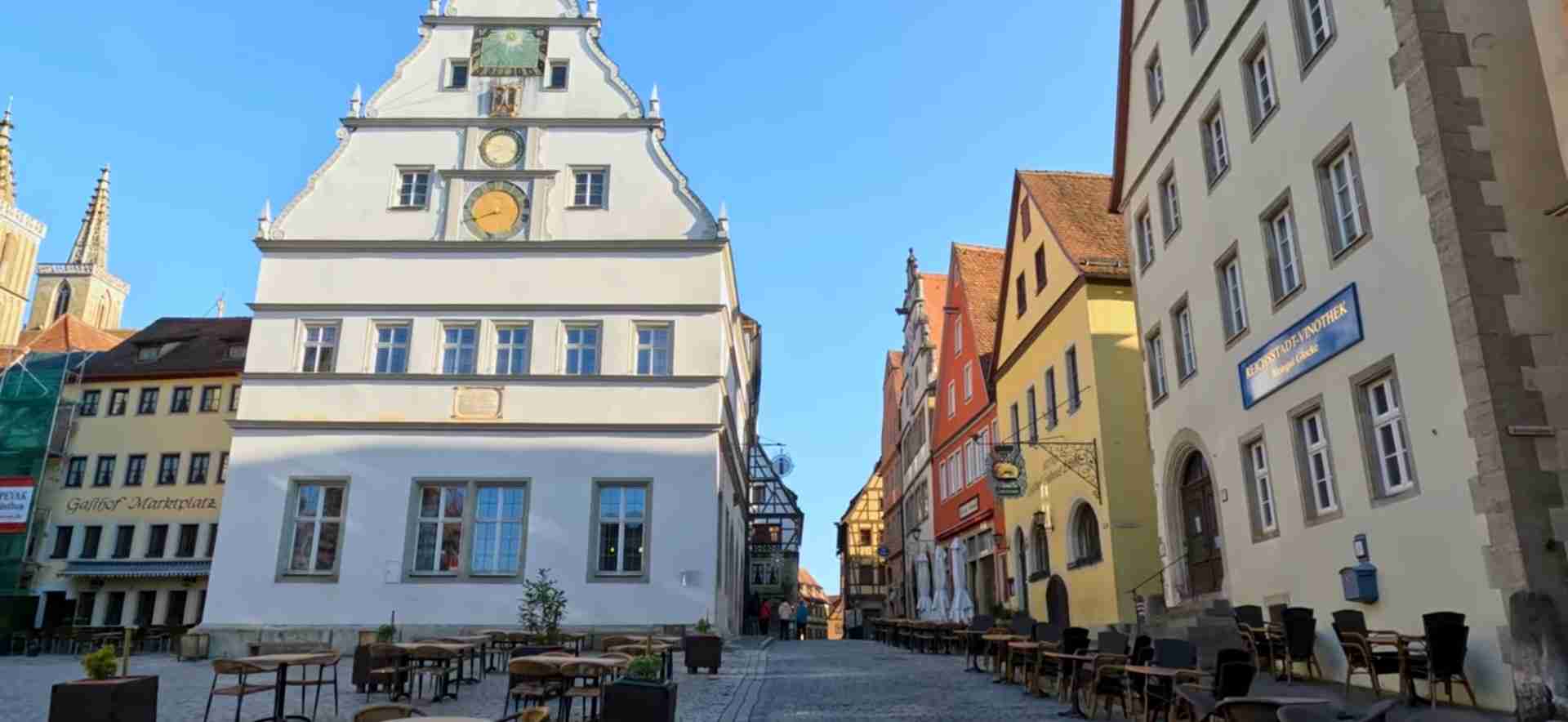
Rothenburg ob der Tauber: Medieval Fairytale Guide
This guide explores Rothenburg’s historical development from Hohenstaufen fortress through Free Imperial City prosperity to modern heritage preservation, analyzes the architectural elements making the townscape so distinctive, examines cultural traditions maintaining medieval customs into the present, and provides comprehensive guidance for photographing and experiencing this remarkable medieval jewel. Understanding Rothenburg requires appreciating not just what survived, but why preservation occurred and how modern conservation efforts maintain authenticity while accommodating millions of visitors exploring the world’s finest medieval townscape.
Key Takeaways:
- Rothenburg ob der Tauber preserves the most complete medieval town fortifications in Germany with 2.5 kilometers of intact walls, 42 gates and towers, and virtually unchanged street patterns from the 14th century
- The town’s strategic position above the Tauber River valley made it a Free Imperial City from 1274-1803, granting direct allegiance to the Holy Roman Emperor and fostering architectural wealth visible throughout the historic center
- Rothenburg’s survival from World War II destruction stems from a single American officer’s intervention in April 1945, preserving what bombing campaigns had partially damaged and enabling authentic restoration
- The town’s half-timbered houses, cobblestone streets, and medieval market square create the archetypal German medieval aesthetic inspiring countless fairy tales, films, and tourism representations of medieval Europe
- Conservation efforts maintain strict architectural controls requiring historical accuracy in building restoration, traditional materials in construction, and preservation of medieval street layouts despite modern utility requirements
- Photography opportunities abound from sunrise to sunset with constantly changing light transforming the town’s character across seasons and times of day, from morning mists to evening illumination
Introduction: Understanding Rothenburg’s Medieval Heritage
Rothenburg ob der Tauber stands as Europe’s most perfectly preserved medieval walled town, offering visitors an immersive journey into the architectural, cultural, and social landscape of late medieval Germany. Located in the Franconian region of Bavaria, this extraordinary settlement perches on a plateau overlooking the scenic Tauber River valley, its complete ring of fortifications, watchtowers, and gates encircling a remarkably intact historic center that appears frozen in the 14th and 15th centuries.
The town’s exceptional preservation stems from unique historical circumstances that spared it from the modernization waves transforming most European cities during the industrial revolution. Economic decline following the Thirty Years’ War (1618-1648) and loss of Free Imperial City status in 1803 left Rothenburg without resources for significant rebuilding, inadvertently preserving its medieval character when wealthier cities demolished old quarters for railway stations, factories, and modern infrastructure. This poverty-driven preservation created what would later become the town’s greatest asset: authentic medieval architecture untouched by Victorian “improvements” or industrial-era development.
Rothenburg’s significance extends beyond architectural preservation to cultural importance as the embodiment of romantic medieval ideals. The town inspired 19th-century artists, writers, and architects seeking authentic medieval aesthetics during the Romantic movement’s fascination with the Middle Ages. Later, its complete preservation attracted filmmakers, creating the visual template for medieval settings in countless films, television series, and illustrated fairy tales. Walking Rothenburg’s cobblestone lanes, climbing watchtower stairs, and viewing the marketplace’s medieval proportions transports visitors into living history textbooks where academic knowledge transforms into tangible, walkable reality.
People Also Ask About Rothenburg ob der Tauber
What makes Rothenburg ob der Tauber architecturally significant?
Rothenburg’s architectural significance stems from its status as the most complete surviving medieval walled town in Germany, preserving not just individual historic buildings but an entire urban ecosystem of fortifications, civic structures, religious architecture, merchants’ houses, and street patterns functioning together as they did centuries ago. The town maintains 2.5 kilometers of intact defensive walls with 42 gates and towers offering the rare opportunity to walk a complete medieval fortification circuit while experiencing the defensive architecture’s strategic design.
The architectural preservation encompasses multiple building types creating comprehensive medieval urban fabric. The Rathaus (Town Hall) combines 13th-century Gothic elements with Renaissance additions, the St. Jakob’s Church houses world-class late Gothic artwork including Tilman Riemenschneider’s Holy Blood Altar, and hundreds of half-timbered houses display construction techniques and decorative patterns spanning several centuries. This diversity within preserved context allows architectural study of medieval urban development, construction methods, defensive strategies, and social hierarchies readable through building scale, decoration, and positioning within the town structure.
Unlike reconstructed or heavily restored medieval towns, Rothenburg preserves original fabric with minimal post-war rebuilding. The walls, gates, towers, churches, and majority of houses retain authentic medieval and early modern construction, some buildings standing since the 13th century with minimal structural alteration. This authenticity provides irreplaceable documentation of medieval building practices, urban planning principles, and architectural aesthetics impossible to understand through archaeological remains or theoretical reconstructions alone.
Who built Rothenburg ob der Tauber and when?
Rothenburg’s origins trace to the Hohenstaufen dynasty’s fortress construction around 1070 on the plateau commanding the Tauber River valley, though the settlement’s name first appears in historical records in 1142. The Hohenstaufen emperors, particularly Frederick I Barbarossa, recognized the site’s strategic value controlling trade routes between Franconia and Swabia, establishing a fortress that evolved into a significant administrative center during their dynasty’s dominance of the Holy Roman Empire.
The town’s major development occurred following its elevation to Free Imperial City status in 1274, granting self-governance under direct imperial authority without intermediate feudal lords. This political independence combined with strategic positioning on major trade routes generated wealth enabling construction of the defensive walls (built in stages 1274-1400), the Gothic Town Hall (begun 1250, expanded 1501-1578), St. Jakob’s Church (1311-1484), and the prosperous merchants’ houses lining market squares and principal streets. The town’s medieval prosperity peaked in the 14th and 15th centuries when its population reached approximately 6,000 inhabitants, significant for the period and region.
Multiple construction phases created Rothenburg’s layered architectural character. The inner defensive walls date to the 13th century, outer fortifications were added in the 14th century as the town expanded, and Renaissance modifications updated the Town Hall in the 16th century. No single builder created Rothenburg; rather, successive generations of emperors, town councils, wealthy merchants, religious institutions, and craftsmen guilds contributed to the medieval townscape’s creation over three centuries of continuous development from 1100-1400.
What art collections can you see at Rothenburg?
Rothenburg houses several significant art collections despite its small size, with the crown jewel being Tilman Riemenschneider’s Holy Blood Altar in St. Jakob’s Church. This late Gothic masterpiece, created 1499-1505, ranks among Germany’s finest medieval woodcarvings, featuring intricate lime wood figures depicting the Last Supper with extraordinary emotional expression and technical virtuosity. The altar’s central shrine shows Christ and the apostles in remarkable detail, while the wing panels contain additional carved and painted scenes demonstrating late medieval artistic achievement at its pinnacle.
St. Jakob’s Church contains additional artistic treasures including the Twelve Apostles Altar (circa 1466) with painted wing panels, numerous late Gothic sculptures, stained glass windows from the 14th-15th centuries, and baroque additions from later renovation periods. The church building itself functions as artistic environment with its soaring Gothic architecture, vaulted ceilings, and stone carvings creating the sacred space these artworks originally enhanced during medieval worship services.
The Medieval Crime and Justice Museum (Mittelalterliches Kriminalmuseum) preserves Europe’s most extensive collection of legal history artifacts spanning punishment devices, torture instruments, shame masks, and legal documents explaining medieval justice systems’ operation. While sensationalist elements attract general tourism, the collection provides scholarly value documenting legal evolution, social control mechanisms, and cultural attitudes toward crime and punishment across centuries. The museum’s artifacts, many from Rothenburg’s own judicial history, illuminate medieval daily life’s harsher realities beyond romantic architectural aesthetics.
The Imperial City Museum (Reichsstadtmuseum) housed in a former Dominican convent preserves Rothenburg’s civic history through paintings, sculptures, furniture, weapons, and everyday objects spanning the town’s Free Imperial City period. The collection includes the famous Meistertrunk tankard commemorating the legendary 1631 incident, historical weapons and armor, religious art from dissolved monasteries, and domestic furnishings showing wealthy merchant lifestyle. The building itself, with medieval cloister, chapter house, and monk’s dormitory, enhances the exhibition’s historical immersion.
What’s the best way to photograph Rothenburg ob der Tauber?
Photographing Rothenburg successfully requires understanding how changing light transforms the town’s character throughout the day and across seasons, with optimal photography occurring outside midday hours when harsh sunlight flattens architectural details and crowds fill narrow streets. Early morning (6:30-9:00 AM) provides soft golden light illuminating half-timbered facades, empty streets allowing unobstructed compositions, and atmospheric mist rising from the Tauber valley creating ethereal backdrops for valley viewpoints.
Evening photography (one hour before sunset through blue hour) delivers magical conditions as warm light bathes red-tiled roofs and yellow-plastered walls, long shadows emphasize architectural relief, and evening illumination activates when street lamps create period-appropriate ambiance impossible during daylight. The Plönlein intersection becomes particularly photogenic during golden hour when low-angle sunlight penetrates the funnel-shaped street space, while the Burggarten gardens offer sunset views across valley landscapes to distant villages and forests.
Key photographic locations include the Plönlein corner where Kobolzeller Gate and Sieber Tower frame the cobblestone intersection, the Marktplatz (Market Square) showing the Town Hall’s Renaissance arcade and stepped gables, views from the town walls looking across red rooftops to distant countryside, the Röderbogen arch framing St. Mark’s Tower, and elevated positions in the Burggarten capturing valley panoramas. Each location offers different compositional opportunities depending on focal length, time of day, and seasonal characteristics.
Technical considerations include wide-angle lenses (16-35mm) for capturing street scenes and architectural ensembles within narrow medieval lanes, normal lenses (35-85mm) for isolating architectural details and creating intimate street portraits, and telephoto lenses (85-200mm) for compressing perspective along wall circuits and isolating tower details against sky backgrounds. Tripods prove essential for low-light interior church photography and evening blue-hour exposures, though crowded streets during midday make tripod use impractical. Polarizing filters reduce reflections on shop windows and enhance sky contrast, particularly valuable for architectural photography in mixed lighting conditions.
Extended multi-day tours – 5+ days
Featured Bavaria Multi-Day Tour Packages
4 days
4 Day Munich Including Neuschwanstein Castle
- ✓ Comprehensive Bavaria tour
- ✓ Expert local guides included
- ✓ All accommodation arranged
- ✓ Transportation provided
5 days
5 Days Munich and Bavaria (Including Salzburg & Garmisch)
- ✓ Comprehensive Bavaria tour
- ✓ Expert local guides included
- ✓ All accommodation arranged
- ✓ Transportation provided
4 days
Springfest Munich (3-Star Hotel Senator)
- ✓ Booking needs min. 2 travelers
8 days
8 Day Munich including Nuremberg, Salzburg, Rothenburg & Neuschwanstein Linderhof
- ✓ Comprehensive Bavaria tour
- ✓ Expert local guides included
- ✓ All accommodation arranged
- ✓ Transportation provided
Multi-day tour packages powered by TourRadar. Prices and availability subject to change.
Historical Background: From Fortress to Free Imperial City
Hohenstaufen Origins and Early Medieval Development
Rothenburg’s strategic importance emerged during the Hohenstaufen dynasty’s consolidation of power in the Holy Roman Empire during the 11th and 12th centuries. The plateau above the Tauber River offered natural defensive advantages with steep valley slopes on three sides and commanding views across surrounding territories, making it ideal for fortress construction controlling trade routes between Franconia and Swabia. The Hohenstaufen emperors, recognizing this strategic value, established a fortress (Burg) around 1070, though the exact founding date remains debated among historians due to limited documentary evidence from the period.
The settlement’s name “Rothenburg” (Red Fortress) likely derives from the red sandstone used in early construction, though alternative theories suggest corruption of “Rauten” (diamonds) referencing the Hohenstaufen coat of arms. The earliest definitive documentary reference appears in 1142 when Emperor Conrad III confirmed possessions to St. Mergen’s monastery, establishing Rothenburg’s existence as a functioning settlement by the mid-12th century. Under Frederick I Barbarossa (1152-1190), the fortress gained enhanced importance as the emperor maintained strong connections to the region and possibly resided in Rothenburg during his territorial circuits.
The town’s development accelerated under King Conrad IV (1237-1254) who held court in Rothenburg and granted significant privileges elevating the settlement’s status beyond typical fortress town. This imperial favor attracted merchants, craftsmen, and religious institutions creating the foundation for medieval urban prosperity. The construction of substantial stone buildings including early phases of St. Jakob’s Church (begun 1311 though earlier structures existed on the site) and defensive walls demonstrates Rothenburg’s transformation from simple fortress settlement to significant urban center during the 13th century.
Free Imperial City Status and Medieval Prosperity
Rothenburg achieved Free Imperial City (Freie Reichsstadt) status in 1274, a pivotal development granting self-governance under direct imperial authority without intermediate feudal lords. This political independence created the legal and economic framework enabling the town’s medieval prosperity, as Free Imperial City status brought rights to levy taxes, maintain armed forces, administer justice, regulate trade, and participate directly in imperial diets where Holy Roman Empire policy decisions occurred.
The town’s prosperity during the 14th and 15th centuries stemmed from strategic positioning on major trade routes connecting Nuremberg, Würzburg, Augsburg, and other commercial centers. Rothenburg became an important market center for agricultural products, wine, textiles, and manufactured goods, with merchant wealth funding construction of elaborate half-timbered houses, guild halls, and the impressive Town Hall renovations. The population peaked around 6,000 inhabitants during this period, making Rothenburg a significant urban center comparable to many modern German cities.
Guild organizations dominated economic and political life, with separate guilds controlling wine production, textile manufacture, metalworking, leather crafting, and other specialized trades. These guilds maintained quality standards, regulated prices, controlled training through apprenticeship systems, and wielded considerable political influence through representation on the town council. The guilds’ wealth manifests in surviving guild halls and elaborate house decorations along principal streets showing their social and economic importance in medieval Rothenburg’s urban fabric.
Religious life flourished with multiple churches, monasteries, and religious foundations serving the population’s spiritual needs while contributing to architectural development. St. Jakob’s Church received continuous improvements and artistic commissions throughout the 14th-15th centuries, Dominican and Franciscan monasteries established substantial complexes (later converted to civic uses), and numerous smaller chapels served neighborhood devotions. The impressive investment in religious architecture reflected both genuine piety and the towns’ desire to demonstrate prosperity and importance through magnificent sacred buildings.
Decline, Preservation, and Rediscovery
Rothenburg’s prosperity ended catastrophically with the Thirty Years’ War (1618-1648), which devastated much of Central Europe through military campaigns, disease, and economic collapse. The town suffered occupation by Catholic imperial forces in 1631, narrowly escaping complete destruction through the legendary Meistertrunk incident when Mayor Nusch allegedly drank 3.25 liters of wine at the conquering general’s challenge, impressing him enough to spare the town. Whether historical fact or later legend, this story became central to Rothenburg’s self-identity and annual festival commemorations.
The war’s aftermath left Rothenburg impoverished and depopulated, with the population declining from approximately 6,000 to fewer than 2,000 inhabitants. The town never recovered its medieval prosperity, losing Free Imperial City status in 1803 when Napoleon’s territorial reorganizations incorporated it into Bavaria. This economic decline proved paradoxically beneficial for architectural preservation, as poverty prevented the modernization transforming wealthier cities during the 19th century’s industrialization. Rothenburg lacked resources to demolish medieval walls for railway stations, replace half-timbered houses with modern buildings, or widen streets for vehicular traffic, inadvertently preserving what prosperity would have destroyed.
The 19th century’s Romantic movement rediscovered Rothenburg as the ideal embodiment of medieval German townscapes. Artists, writers, and architects seeking authentic medieval aesthetics championed Rothenburg’s preservation, establishing it as a cultural symbol and tourist destination. This romantic interest generated the revenue enabling conservation rather than demolition, creating early historic preservation consciousness protecting the town from modernization pressures affecting other medieval centers. By the late 19th century, Rothenburg had transformed from backwater town into celebrated heritage site, though the tourism exploitation that would later dominate remained relatively modest.
World War II brought new threats when Allied bombing in March 1945 damaged approximately 40% of the historic core, particularly the eastern quarter. However, the town escaped the complete destruction visited upon many German cities through the intervention of Assistant Division Commander Frank, who recognized Rothenburg’s cultural significance and negotiated its surrender rather than bombardment. Post-war restoration relied on donations from around the world, particularly America, with individual houses “adopted” by sponsors funding reconstruction. This international effort emphasized Rothenburg’s global cultural significance transcending national boundaries, establishing precedents for international heritage cooperation.
Architectural Significance: Medieval Urban Fabric
Defensive Fortifications and Military Architecture
Rothenburg’s defensive walls represent the most complete surviving medieval town fortification system in Germany, preserving not just sections but the entire 2.5-kilometer circuit of walls, towers, and gates demonstrating medieval military architecture’s evolution across several construction phases. The fortifications consist of two concentric wall rings built in different periods, with the inner wall dating to the 13th century and outer wall added during 14th-century expansion as the town grew beyond original boundaries.
The wall circuit includes 42 gates and towers serving different defensive and civic functions. Major gates like the Rödertor (Röder Gate), Klingentor (Klingen Gate), and Galgentor (Gallows Gate) featured elaborate multi-level defensive systems with outer barbicans, inner gatehouses, drawbridges or removable bridges, and murder holes for pouring hot liquids or dropping stones on attackers. These gates also served administrative functions controlling trade through customs collection, regulating access during plague outbreaks, and ceremonially welcoming important visitors through elaborate portal architecture demonstrating the town’s wealth and importance.
The wall-walk (Wehrgang) allows visitors to experience defensive perspectives, walking along the elevated rampart within the protective parapet where medieval guards patrolled watching for approaching threats. This walkable circuit, accessible along most of the wall’s length, offers constantly changing views across the town’s red-tiled roofscape, into interior courtyards invisible from street level, and outward across the Tauber valley and surrounding agricultural landscapes. The preserved roof structure covering the wall-walk demonstrates medieval weather protection for guards during their patrols, a practical consideration often missing from purely reconstructed fortifications.
Tower types served specialized functions readable through their architectural design. Round towers provided better fields of fire covering wall approaches from multiple directions, rectangular towers offered more interior space for storage and garrison housing, and pointed-roof watchtowers elevated observers above surrounding structures for early threat detection. The surviving towers preserve medieval construction techniques including corbelling to expand upper stories outward over lower walls, machicolations for defensive bombardment, and arrow slits designed for specific weapon types showing evolution from crossbows to early firearms.
Civic Architecture and Public Buildings
The Rathaus (Town Hall) dominates the Marktplatz, combining Gothic and Renaissance elements across multiple construction phases revealing Rothenburg’s political and economic evolution. The original Gothic structure from the 13th century forms the building’s core, though the devastating town hall fire of 1501 necessitated major reconstruction creating the present combination of Gothic tower and Renaissance administrative wing designed by Leonhard Weidmann.
The Renaissance arcade fronting the Marktplatz exemplifies 16th-century architectural sophistication with its regular rhythm of arched openings, classical proportions, and decorative stonework demonstrating awareness of Italian Renaissance principles filtering through German interpretation. The arcade served practical functions protecting market activities from weather while creating covered circulation space for civic business, combining aesthetic ambition with functional necessity characteristic of successful civic architecture. The stepped gables crowning the roofline display typical German Renaissance character combining classical vocabulary with northern European roof traditions adapted to heavy snow loads.
The Town Hall tower, surviving from the medieval structure, provides panoramic viewing platform after climbing 220 steps through increasingly narrow passages to the observation deck. The tower’s Gothic construction demonstrates medieval masonry skill with carefully fitted ashlar blocks creating impressive structural height without flying buttresses or other Gothic cathedral elements. The tower served multiple civic functions beyond defensive watch, including fire observation, bell tower for municipal time-keeping and alarm ringing, and symbolic representation of civic power and independence visible across the surrounding countryside.
Other civic structures preserve medieval administrative and commercial functions. The Meat and Dance House (Fleisch- und Tanzhaus) combined ground-floor butchery operations controlled by the powerful butchers’ guild with upper-floor ceremonial space for civic celebrations and guild gatherings. The Town Weighing House maintained standard weights and measures ensuring fair commerce, while the Baumeisterhaus (Master Builder’s House) demonstrates how wealthy civic officials proclaimed status through elaborate Renaissance facade decoration.
Religious Architecture and Sacred Spaces
St. Jakob’s Church represents Rothenburg’s most architecturally significant religious structure, combining impressive Gothic scale with exceptional artistic content creating the spiritual and aesthetic focal point for medieval and modern communities. Construction began 1311 on the site of earlier church buildings, with the main structure completed by 1484 though continuous modifications and artistic commissions extended through the 16th century. The church’s Gothic design follows hall church principles with three aisles of nearly equal height, creating the spacious interior characteristic of German Gothic rather than the high nave and low aisles of French Gothic cathedrals.
The exterior demonstrates late Gothic masonry skill with carefully fitted sandstone blocks, elaborate tracery in window openings, and flying buttresses transferring roof loads to exterior piers allowing thin walls with extensive glass areas admitting natural light. The twin west towers create distinctive skyline silhouette visible throughout Rothenburg, though only one tower achieved intended height due to structural concerns discovered during construction. The asymmetrical result creates visual interest and historical narrative readable in the building’s fabric, documenting medieval construction challenges and decision-making processes.
Interior spaces preserve late Gothic spatial character with soaring vaulted ceilings, slender columns creating rhythm through the nave, and large window areas originally filled with stained glass illuminating the sacred space with colored light. The architectural setting enhances artistic commissions including Tilman Riemenschneider’s Holy Blood Altar, the Twelve Apostles Altar, and numerous sculptural and painted works creating comprehensive gesamtkunstwerk (total artwork) where architecture, sculpture, and painting unified expressing medieval religious devotion through all artistic means.
Other religious structures demonstrate Rothenburg’s medieval ecclesiastical landscape. The Dominican monastery complex (now housing the Reichsstadtmuseum) preserves cloister architecture with covered walkways surrounding central courtyard, chapter house for monastic meetings, and dormitory spaces showing monastic life organization. St. Wolfgang’s Church built into the fortification wall uniquely combines religious and defensive functions, with its tower serving both spiritual and military purposes. The Franciscan Church contributes additional Gothic architecture, while numerous smaller chapels scattered through the town demonstrate neighborhood religious devotion’s importance in medieval urban life.
Residential Architecture and Urban Vernacular
Rothenburg’s half-timbered houses (Fachwerkhäuser) create the distinctive medieval streetscape character visitors experience walking the historic core. These structures employ timber frame construction with exposed wooden structural members filled with wattle-and-daub, brick, or plaster creating the characteristic decorative patterns varying by construction period and builder’s status. The technique allowed efficient use of materials, structural flexibility for building on irregular medieval plots, and distinctive aesthetic character now synonymous with German medieval towns.
The half-timbered construction reveals social hierarchies through building scale, decorative elaboration, and material quality. Wealthy merchants’ houses feature ornate carved decorations on timber members, greater overhangs creating more interior space on upper floors without increasing ground-floor footprint taxed by area, and higher quality materials in both timber selection and infill treatments. Modest craftsmen’s houses show simpler construction with less ornamentation, smaller overall scale, and more basic finishes, though still maintaining structural integrity allowing centuries of continuous use with periodic maintenance and repair.
Window treatments evolved across construction periods, with medieval houses featuring small window openings minimizing heat loss and expensive glass usage, while Renaissance additions introduced larger windows with decorative frames demonstrating increased glass availability and changing aesthetic preferences. Many houses preserve original window tax evidence, where blocked windows show economic responses to taxation systems, and later reopening documents changing tax regimes and building uses across centuries.
Interior arrangements followed typical medieval patterns with ground floors serving commercial or workshop functions, upper floors providing living quarters for the building owner’s family, and top floors or attic spaces housing servants or apprentices and storing goods. The vertical social hierarchy placing wealthier families on piano nobile (main living floor) above working spaces and below service areas mirrors patterns throughout European medieval urbanism. Many interiors preserve original timber ceilings, staircases, and structural elements alongside modernizations like heating systems and updated bathrooms balancing heritage preservation with contemporary residential comfort.
Cultural Impact: Living Medieval Traditions
Festivals and Historical Commemorations
Rothenburg maintains vibrant festival traditions connecting contemporary residents to medieval heritage through annual celebrations blending historical commemoration with community celebration. These festivals transform the town from museum-like preservation into living cultural landscape where history informs present identity rather than existing as purely touristic spectacle.
The Meistertrunk (Master Draught) festival commemorates the legendary 1631 incident when Mayor Nusch’s prodigious drinking supposedly saved the town from destruction during the Thirty Years’ War. Whether historical fact or later myth, the story embodies Rothenburg’s self-understanding as a community overcoming existential threats through extraordinary effort. The festival features historical reenactments in Market Square with period costumes, dialogue performances, and the symbolic drinking ceremony drawing crowds witnessing this civic legend’s theatrical representation. The event strengthens community bonds through shared historical narrative while attracting visitors interested in experiencing living tradition rather than static heritage.
The Hans-Sachs-Spiele (Hans Sachs Festival) celebrates the medieval poet and Meistersinger through summer theater performances in period settings throughout the historic core. These productions connect audiences to late medieval cultural production, reviving interest in poetry forms, musical traditions, and theatrical conventions from Rothenburg’s prosperous period. The festival demonstrates how heritage preservation extends beyond architecture into performing arts maintaining cultural continuity across centuries.
The Reichsstadt-Festtage (Imperial City Festival) recreates medieval market atmosphere with craftsmen demonstrating period trades, merchants selling goods using historical techniques, and performers presenting medieval music, dance, and entertainment. These living history events educate visitors about daily medieval life beyond architectural preservation, showing how buildings functioned within complete social and economic systems. The festival balances historical authenticity with practical considerations, creating accessible entry points for understanding medieval culture without requiring specialized knowledge.
Craft Traditions and Artisanal Heritage
Rothenburg preserves traditional crafts maintaining techniques, tools, and aesthetic principles from medieval and early modern periods. These working traditions demonstrate heritage’s practical dimensions beyond architectural preservation, keeping skills alive through continuous practice rather than museum documentation alone.
Traditional woodworking survives through furniture makers, carvers, and toy manufacturers employing hand techniques and period designs creating products for contemporary use while maintaining historical continuity. These craftspeople work with traditional materials following construction principles predating industrial mass production, producing unique pieces carrying cultural significance beyond functional utility. The preservation of hand skills provides educational opportunities for apprentices learning through direct mentorship continuing medieval guild training principles adapted to modern contexts.
Textile production maintains historical techniques through specialty workshops creating traditional Franconian costumes, embroidered linens, and decorative fabrics using patterns and methods documented in historical examples. While these products primarily serve festival use and tourist markets rather than everyday wear, their production maintains technical knowledge about fiber processing, natural dyes, weaving patterns, and embroidery stitches otherwise lost to industrial textile manufacturing’s efficiency.
The famous Rothenburg Schneeballen (snowball pastries) represent culinary heritage combining practical historical function with contemporary tourism appeal. These deep-fried pastry balls coated in powdered sugar or chocolate originated as celebratory foods for weddings and festivals, their name referencing snowball appearance and winter preservation when ingredients remained available. Multiple bakeries maintain production using traditional recipes and techniques, though flavor variations and modern packaging adapt the product for contemporary tastes and travel requirements.
Educational Role and Heritage Interpretation
Rothenburg functions as outdoor classroom for understanding medieval urbanism, architecture, social organization, and cultural production through immersive environment impossible to replicate through textbooks or museum exhibits alone. This educational dimension attracts school groups, university courses, and professional development programs using the town’s preserved fabric as primary source material for architectural history, urban planning, conservation studies, and cultural heritage management.
The town’s museums provide structured educational programming explaining contexts visitors cannot deduce from building observation alone. The Medieval Crime Museum offers insights into legal systems, social control mechanisms, and cultural attitudes toward punishment and justice, topics requiring expert interpretation beyond artifact display. The Imperial City Museum contextualizes Rothenburg within broader Holy Roman Empire political structures, trade networks, and religious controversies shaping medieval urban development. These institutions transform tourism into educational experience through careful exhibition design, multilingual interpretation, and programs addressing diverse audience knowledge levels.
Conservation workshops and architectural documentation projects provide hands-on learning for building professionals, conservators, and heritage specialists studying traditional construction techniques, material properties, and preservation challenges. Rothenburg serves as laboratory for developing conservation approaches balancing historical authenticity with practical requirements including structural safety, environmental comfort, and modern utilities. The lessons learned inform heritage practice globally, demonstrating how well-preserved sites contribute to broader conservation knowledge beyond their individual significance.
Photography Guide: Capturing Medieval Magic
Essential Locations and Compositional Strategies
Successful Rothenburg photography requires identifying locations offering distinctive perspectives beyond the heavily photographed iconic views, understanding how light transforms scenes throughout days and seasons, and developing compositional approaches emphasizing the town’s medieval character rather than merely documenting tourist presence.
The Plönlein intersection at the convergence of Untere Schmiedgasse, Hintere Schmiedgasse, and Kobolzeller Straße creates Rothenburg’s most photographed composition, featuring the Sieber Tower and Kobolzeller Gate framing a narrow cobblestone funnel. Photographing this scene successfully requires timing for optimal light (early morning or late afternoon when low sun illuminates facades while creating dimensional shadows), using wide-angle lenses (16-24mm) to capture complete architectural framing, and accepting that achieving crowd-free compositions requires sunrise shooting or winter visits when tourist numbers diminish.
The Marktplatz offers multiple compositional opportunities depending on focal length and perspective choices. Wide-angle shots from the square’s center capture the Town Hall’s full Renaissance arcade with surrounding patrician houses creating complete urban ensemble. Longer focal lengths (70-200mm) isolate architectural details like the Town Hall tower’s Gothic stonework, sculptural decorations on house facades, or the Ratstrinkstube’s elaborate clock mechanism. Elevated positions from the Town Hall tower itself provide unique downward perspectives across the marketplace documenting urban space relationships invisible from ground level.
The town wall circuit provides constantly changing photographic opportunities as the elevated walkway reveals perspectives impossible from street level. Shooting along the wall itself creates dramatic leading lines with the parapet, roofline, and tower punctuation points guiding viewer attention through compositions. Outward views across the Tauber valley capture agricultural landscapes, distant villages, and forest horizons demonstrating Rothenburg’s commanding plateau position. Inward views document the sea of red roof tiles, church spires rising above domestic architecture, and hidden courtyards invisible to street-level photographers.
The Burggarten (Castle Garden) and Toppler Castle viewpoint overlook the Tauber valley with the double bridge and water mill creating picturesque middle-ground elements connecting Rothenburg’s elevated position to the valley floor below. Sunset photography from these viewpoints captures warm light on distant hills while foreground trees create natural framing elements. Autumn foliage and spring blossoms add seasonal color variation to these landscape compositions, while winter snow transforms the scene into the fairy-tale atmosphere Rothenburg embodies.
Technical Approaches and Lighting Considerations
Technical excellence in Rothenburg photography requires understanding how the town’s medieval architecture, narrow streets, and diverse architectural elements demand specific technical approaches for optimal results across different photographic goals and conditions.
Wide-angle lenses (14-35mm range) prove essential for capturing complete architectural compositions within Rothenburg’s narrow medieval streets where backing up to include full facades becomes impossible. These lenses introduce perspective distortion requiring careful camera positioning keeping the sensor parallel to building facades when architectural documentation accuracy matters, though deliberately emphasized converging verticals create dramatic compositions emphasizing soaring towers and compact street spaces. Tilt-shift lenses correct perspective distortion while maintaining wide coverage, though their high cost and specialized operation limits use to dedicated architectural photographers.
Normal and short telephoto lenses (35-85mm) excel for isolating architectural details, creating environmental portraits integrating people with historic surroundings, and capturing intimate street scenes without excessive distortion. These focal lengths approximate human vision perspective, creating natural-looking images emphasizing specific elements rather than grand architectural gestures. Detail photography of carved timber decorations, window treatments, tower corbelling, and other medieval craftsmanship benefits from these lenses’ ability to render subjects at their actual proportions without geometric distortion.
Low-light photography inside St. Jakob’s Church, along shadowed medieval lanes, and during blue hour requires technical capabilities beyond basic camera settings. Fast lenses (f/1.4-2.8 maximum apertures) gather more light enabling handheld shooting in marginal conditions, though tripods prove necessary for optimal sharpness in very dark church interiors or evening architectural compositions. High ISO capabilities (3200-6400+) expand photographic possibilities when tripods become impractical due to crowds or time constraints, though managing noise through proper exposure and post-processing remains critical for quality results.
HDR (High Dynamic Range) techniques help manage the extreme contrast between bright sky and shadowed medieval lanes, sunlit facades and dark archway interiors, or evening illumination against dark sky backgrounds. Bracketed exposures combined in post-processing preserve detail in both highlights and shadows, creating naturalistic results matching what human vision perceives rather than what single exposures capture. However, excessive HDR processing creates unrealistic appearances inappropriate for documentary architectural photography, requiring restraint maintaining photographic integrity.
Seasonal Variations and Weather Conditions
Rothenburg’s character transforms dramatically across seasons, offering photographers distinctive opportunities depending on timing preferences and desired aesthetic outcomes. Understanding seasonal variations helps photographers select optimal visit periods aligning with specific photographic goals rather than defaulting to summer when weather proves most predictable but crowds reach annual peaks.
Spring photography (April-May) captures awakening landscapes with fruit trees blooming in the Tauber valley, fresh green foliage emerging throughout the town, and dramatic cloud formations creating dynamic skies contrasting with red-tiled roofs. Spring light produces clean, crisp quality enhancing architectural detail and color saturation without summer’s haze or extreme contrast. However, weather variability requires flexibility as rainy periods alternate with sunny spells, demanding responsive shooting adapting to changing conditions rather than rigid schedules.
Summer conditions (June-August) deliver reliable sunshine, maximum daylight hours extending shooting time from early morning through late evening, and vibrant flower decorations adorning window boxes and town gardens. However, harsh midday light creates severe shadows and blown highlights challenging dynamic range management, while peak tourist crowds fill every photogenic location making people-free compositions nearly impossible between 10 AM-5 PM. Summer photographers succeed through very early morning shooting (before 8 AM) when streets remain empty and light stays soft, or evening sessions capturing golden hour and blue hour magic as tourists retreat to hotels and restaurants.
Autumn photography (September-October) rivals spring as Rothenburg’s most photogenic season with stunning foliage colors in surrounding forests, warm light creating golden tones on plastered facades, and harvest decorations adding seasonal character to market squares and shops. Early autumn maintains summer’s extended daylight while reducing crowd pressure as European vacations end, creating ideal conditions balancing light quality, weather reliability, and photographic access. Late autumn introduces dramatic weather including moody overcast skies, fog rising from the Tauber valley, and occasional early snow creating atmospheric conditions absent during more predictable seasons.
Winter photography (November-February) transforms Rothenburg into the fairy-tale townscape inspiring countless artistic representations, particularly when snow covers red roofs and cobblestone streets creating quintessential medieval winter scenes. Christmas markets (late November-December) add decorative elements and atmospheric lighting creating unique photographic opportunities unavailable other seasons, though extreme crowds during market weekends rival summer peak seasons. Cold temperatures reduce tourist presence outside market periods, enabling crowd-free compositions throughout the day though short daylight hours limit shooting time. Winter light quality stays soft throughout abbreviated days, though low sun angles create long shadows and challenging exposure conditions requiring technical skill managing extreme contrast.
Conservation Efforts: Preserving Authenticity
Architectural Conservation Standards and Practices
Rothenburg maintains strict architectural conservation protocols ensuring that preservation efforts maintain authentic character rather than creating sanitized replicas losing historical integrity through over-restoration or inappropriate interventions. These conservation approaches evolved through decades of practice balancing preservation philosophy with practical realities of maintaining functional historic buildings within active urban environments.
The conservation philosophy emphasizes preserving original historic fabric through minimal intervention, repairing rather than replacing deteriorated materials when structurally safe, using traditional materials and techniques in necessary renovations, and clearly distinguishing new work from historic fabric while maintaining overall visual harmony. This approach contrasts with earlier restoration practices that “improved” historic buildings through aesthetic interventions imposing contemporary tastes on medieval structures, or reconstructed buildings to idealized medieval appearance removing authentic later additions documenting buildings’ continuous use and evolution.
Material conservation focuses on traditional building materials including sandstone masonry, timber framing, lime plaster, and clay roof tiles maintaining aesthetic coherence across the historic townscape. Modern materials like concrete, steel, and synthetic finishes face restrictions in exterior renovations visible from public spaces, though internal modernizations accommodate contemporary living standards including updated electrical systems, plumbing, heating, and insulation improving energy efficiency without compromising exterior appearance. This balance maintains historic character visible to visitors while ensuring buildings remain economically viable for residential and commercial use rather than becoming museum pieces requiring constant subsidy.
Structural interventions address foundation settlement, timber decay, and masonry deterioration threatening buildings’ long-term survival. Conservation engineers employ techniques matching original construction principles including like-for-like material replacement, discrete structural reinforcement hidden within existing fabric, and reversible interventions allowing future conservators to modify approaches as knowledge advances. Documentation standards require detailed recording before, during, and after conservation work creating permanent record of interventions, original conditions, and decision-making rationales guiding future maintenance and research.
Tourism Management and Heritage Sustainability
Managing mass tourism while preserving Rothenburg’s authentic character presents ongoing challenges as visitor numbers strain historic infrastructure, commodify cultural traditions, and threaten the very authenticity attracting tourists initially. Balancing heritage preservation with economic benefits from tourism requires sophisticated strategies addressing carrying capacity, visitor behavior, economic sustainability, and community well-being.
Visitor management strategies include promoting off-peak season tourism through marketing campaigns emphasizing spring and autumn advantages, encouraging overnight stays distributing visitor impact across extended time periods rather than concentrating day-trippers during midday hours, and developing peripheral attractions like valley hiking trails dispersing crowds beyond the medieval core. These approaches attempt redistributing visitor pressure both temporally and spatially, reducing concentrated impact during peak summer afternoons when the historic center reaches carrying capacity limits.
Infrastructure limitations require careful management as medieval streets, drainage systems, and public facilities never intended for millions of annual visitors face stress from contemporary tourism levels. Pedestrian-only zones protect cobblestone streets from vehicle damage while creating safer, more pleasant visitor environments. Public toilet facilities, directional signage, and trash management systems balance practical necessities with historical aesthetics through sensitive design integrating modern requirements into historic context without visual disruption.
Economic sustainability considerations ensure that tourism revenue supports rather than undermines heritage preservation. While tourism provides essential income funding conservation work and sustaining local businesses, over-dependence on tourism makes communities vulnerable to economic shocks and encourages commercialization undermining authentic character. Rothenburg navigates these tensions through mixed economic development supporting traditional crafts, professional services, and residential vitality alongside tourism, maintaining diverse economic base preventing complete transformation into open-air museum or theme park.
Community Involvement and Local Stewardship
Successful heritage preservation requires active local community engagement beyond professional conservation experts and tourism operators. Rothenburg’s residents serve as primary stewards maintaining daily care for historic properties, participating in conservation decision-making, and sustaining cultural traditions connecting contemporary life to medieval heritage creating living culture rather than preserved museum piece.
Resident participation in conservation programs includes individual property owners maintaining historic buildings according to conservation guidelines, community organizations supporting specific preservation projects through fundraising and volunteer labor, and civic engagement in planning processes shaping Rothenburg’s future development within heritage preservation frameworks. Educational programs teach residents about their properties’ historical significance and appropriate maintenance techniques, building conservation capacity among property owners responsible for day-to-day heritage stewardship.
Cultural preservation extends beyond buildings to sustaining traditions, festivals, crafts, and social practices connecting residents to medieval heritage. While some traditions like the Meistertrunk Festival attract tourist attention, their primary function serves community identity formation and cultural continuity for residents. Supporting these living traditions requires genuine community participation rather than staged performances for tourist consumption, maintaining authenticity distinguishing Rothenburg from purely commercial heritage attractions.
Balancing resident needs with heritage preservation demands sensitivity to how conservation regulations affect daily life. Restrictions on building modifications, commercial signage, satellite dishes, and other contemporary conveniences create legitimate frustrations for residents navigating heritage requirements. Successful conservation acknowledges these tensions, seeking compromises allowing reasonable modern comfort while protecting essential historic character, rather than imposing rigid regulations ignoring residents’ practical needs and economic realities.
Frequently Asked Questions About Rothenburg’s Heritage
Why did Rothenburg survive when other medieval towns were destroyed?
Rothenburg’s survival stems from unique combination of economic decline preventing modernization, romantic movement advocacy creating preservation consciousness, and World War II intervention by Allied officer recognizing cultural significance. The town’s post-Thirty Years’ War impoverishment meant it lacked resources for 19th-century modernization demolishing medieval quarters in wealthier cities building railways and factories. This poverty preserved what prosperity would have destroyed, creating the authentic medieval fabric later generations valued.
The 19th century Romantic movement championed Rothenburg as ideal medieval townscape, generating tourism revenue supporting conservation rather than demolition. Early preservation advocates prevented wall demolitions and inappropriate modernizations, establishing conservation principles protecting the town from development pressures. When World War II bombing damaged approximately 40% of the historic center in March 1945, Assistant Division Commander Frank intervened preventing further bombardment, recognizing Rothenburg’s cultural value transcending military objectives. Post-war international restoration funding rebuilt damaged sections using traditional materials and techniques maintaining architectural continuity.
How authentic is Rothenburg’s medieval appearance?
Rothenburg maintains high authenticity levels with most buildings preserving original medieval and early modern fabric, though understanding what “authentic” means requires recognizing buildings’ continuous evolution across centuries rather than frozen medieval snapshot. The defensive walls, major gates, churches, Town Hall, and hundreds of residential buildings retain substantial original construction from 13th-16th centuries, with later modifications documenting buildings’ continuous adaptation to changing needs and tastes.
Post-World War II reconstruction affected approximately 40% of the town following March 1945 bombing, though restoration work employed traditional materials, construction techniques, and historical documentation creating reconstructions closely matching pre-war appearance. Some debate surrounds whether these reconstructions constitute “authentic” medieval architecture or skillful replicas, though international funding and careful workmanship produced results maintaining visual and structural continuity with undamaged sections. The reconstructed areas remain identifiable through detailed documentation, though casual visitors cannot easily distinguish them from original fabric.
Modern interventions exist throughout the town including updated utilities, fire safety systems, accessibility improvements, and residential comfort upgrades, though these modifications typically remain hidden behind historic facades maintaining exterior appearance. Complete authenticity would render buildings uninhabitable by contemporary standards, so Rothenburg balances preservation with practical functionality enabling continued use sustaining economic vitality rather than creating uninhabitable museum pieces.
What role does Rothenburg play in German cultural identity?
Rothenburg functions as powerful cultural symbol representing idealized medieval German heritage, influencing national identity narratives and international perceptions of German history and culture. The town embodies romantic notions of the German Middle Ages as period of civic virtue, artistic achievement, and cultural flowering, counterbalancing narratives emphasizing medieval period’s violence, disease, and social oppression.
The Romantic movement’s 19th-century rediscovery of Rothenburg coincided with German nationalist movements seeking historical legitimization through medieval heritage, making preserved medieval towns like Rothenburg important to emerging national consciousness. The town appeared in countless artworks, literature, and later films establishing its visual vocabulary as archetypal German medieval aesthetic. This cultural prominence makes Rothenburg significant beyond its architectural merits as symbol carrying ideological weight in debates about German identity, heritage, and historical memory.
International perceptions of Germany often incorporate Rothenburg imagery as representative German medieval experience, though this creates oversimplified understanding reducing German medieval diversity to single aesthetic model. The town’s tourism success depends partly on fulfilling visitor expectations shaped by media representations, creating feedback loop where Rothenburg’s image influences perceptions subsequently confirmed through tourism experiences. Understanding this dynamic reveals how heritage sites function as active participants in cultural identity construction rather than passive containers of objective history.
How does conservation funding work for Rothenburg?
Conservation funding comes from multiple sources including private property owners maintaining individual buildings, municipal government supporting public infrastructure and civic buildings, state and federal heritage programs providing grants and technical assistance, tourism revenue funding specific restoration projects, and international donations supporting major conservation initiatives. This diversified funding model distributes financial burden while ensuring continued preservation investment.
Property owners bear primary responsibility for maintaining private buildings including residential houses and commercial properties, though heritage designation imposes conservation standards requiring specialized materials and techniques increasing costs beyond typical building maintenance. Government grant programs help offset these additional costs making heritage compliance economically feasible, though bureaucratic requirements and funding limitations mean property owners still shoulder significant expenses. This creates equity concerns as heritage regulations impose costs without compensating property owners for maintaining public cultural assets benefiting society broadly.
Major restoration projects like church renovations, defensive wall repairs, and public building conservation typically involve partnership funding combining municipal resources, state heritage grants, federal programs supporting cultural preservation, and specialized fundraising campaigns. The post-World War II reconstruction exemplified international cooperation with American donors “adopting” individual houses funding their rebuilding, establishing precedent for transnational heritage funding continuing through subsequent conservation projects. EU cultural heritage programs now provide additional resources supporting preservation in member states including Germany.
What challenges does Rothenburg face for future preservation?
Future preservation challenges include climate change impacts on historic buildings and materials, mass tourism pressures testing carrying capacity limits, economic sustainability balancing conservation costs with revenue generation, demographic changes affecting resident community vitality, and evolving conservation philosophies questioning current approaches and priorities.
Climate change produces increasingly severe weather events including heavy rainfall flooding medieval drainage systems, extreme heat affecting timber structures and painted surfaces, freeze-thaw cycles damaging masonry and mortar, and changing moisture patterns encouraging rot and pest infestation in timber framing. Adaptation strategies must balance building resilience against climate impacts with preservation requirements limiting modern interventions, creating tensions between conservation philosophy and practical necessity protecting irreplaceable historic fabric.
Tourism growth threatens to overwhelm the town’s capacity for sustainable visitor management, with peak season crowds creating uncomfortable conditions for both visitors and residents while physical wear on cobblestone streets, building facades, and infrastructure exceeds maintenance capacity. Finding equilibrium between tourism revenue funding preservation and tourism pressure undermining the authentic character attracting visitors requires sophisticated management strategies possibly including visitor number limits, pricing mechanisms redistributing demand temporally, and enhanced infrastructure supporting increased visitation sustainably.
Maintaining resident community vitality amid tourism pressure challenges Rothenburg’s future as living town rather than open-air museum. Housing costs driven by vacation rental conversion reduce residential affordability, tourism-oriented retail replaces everyday services residents require, and visitor numbers create quality-of-life impacts discouraging residential occupancy. Policies protecting residential housing stock, supporting local services, and managing tourism impacts prove essential for sustaining the community stewardship and cultural traditions making Rothenburg more than architectural preservation.
Conclusion: Rothenburg’s Enduring Medieval Magic
Rothenburg ob der Tauber stands as irreplaceable testament to medieval German urbanism, preserving not just individual historic buildings but complete urban ecosystem of fortifications, civic structures, religious architecture, and residential fabric functioning together as medieval towns did centuries ago. The town’s significance extends beyond architectural preservation to cultural importance as symbol of medieval heritage, living laboratory for conservation practices, and educational resource providing tangible connection to historical periods otherwise accessible only through documents and archaeological remains.
Understanding Rothenburg requires appreciating complex interplay between historical accident, preservation philosophy, tourism economics, and community stewardship creating the remarkable medieval townscape visitors experience today. The town’s survival stems not from single cause but convergence of factors including post-war impoverishment preventing modernization, romantic movement advocacy establishing preservation consciousness, World War II intervention sparing complete destruction, and sustained conservation investment maintaining authentic character across generations. This multi-faceted preservation history demonstrates how heritage conservation succeeds through sustained commitment from diverse stakeholders rather than isolated interventions.
Visiting Rothenburg offers opportunities for architectural study, historical education, cultural immersion, and photographic exploration depending on individual interests and approaches. The town rewards varied visiting styles from quick day-trip overviews hitting major highlights to extended stays exploring details and experiencing quieter periods when day tourists depart. Understanding how to photograph the town effectively, what times offer optimal experiences, which architectural elements merit attention, and how conservation efforts maintain authenticity enhances visitor experiences beyond superficial tourism producing deeper engagement with this remarkable medieval jewel.
Rothenburg’s future depends on balancing preservation imperatives with practical realities of contemporary use, tourism pressures, climate change impacts, and community vitality. The town cannot remain frozen in medieval amber but must adapt to changing conditions while maintaining the essential character making it culturally significant. This dynamic preservation approach recognizing heritage as living rather than static creates ongoing challenges requiring sophisticated responses from conservators, planners, residents, and tourism managers working together sustaining Rothenburg’s magic for future generations while honoring the medieval craftsmen, civic leaders, and ordinary residents who created this extraordinary place centuries ago.