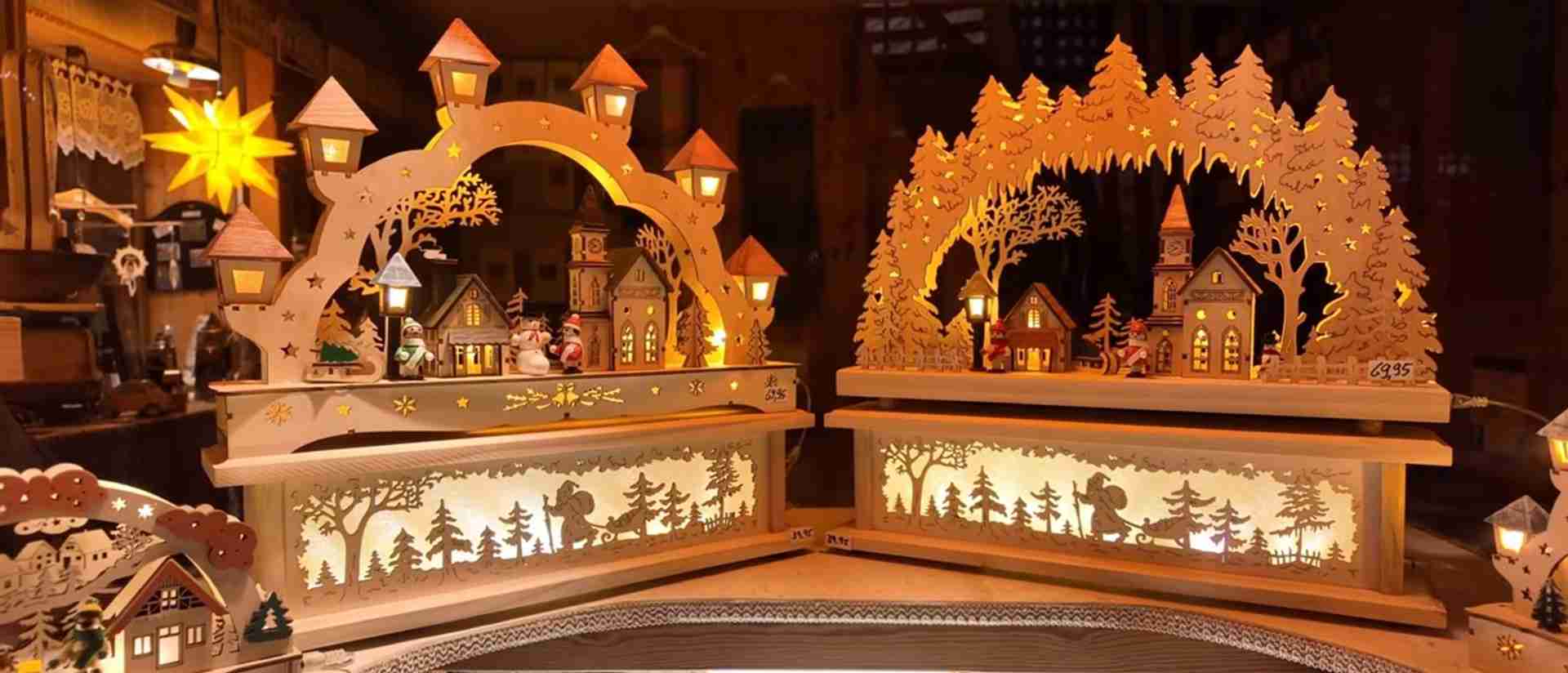
Rothenburg Christmas Market Guide 2026: Complete Planning Resource
Key Takeaways:
- Rothenburg’s Reiterlesmarkt operates November 29 – December 23, 2026, creating Germany’s most atmospheric medieval Christmas market experience
- Daily costs range €60-95 per person for market visits including mulled wine, traditional foods, and souvenirs (excluding accommodation €120-280 per night)
- Book accommodation 8-12 weeks in advance for Christmas season, as Rothenburg’s limited hotels fill quickly during peak December weekends
- The market opens daily 11 AM – 8 PM (some vendors close at 7 PM), with Friday-Saturday evenings attracting maximum crowds
- Mid-week visits (Monday-Thursday) provide the best balance of festive atmosphere and manageable crowds for quality Christmas market experiences
- Transportation from major cities requires advance planning, as regional trains increase frequency but still fill during Christmas season weekends
Experience Rothenburg’s Medieval Christmas Magic in 2026
Rothenburg ob der Tauber transforms into a living Christmas fairy tale each winter, with the historic Reiterlesmarkt creating Germany’s most authentic medieval holiday atmosphere. Unlike commercialized Christmas markets in major cities, Rothenburg’s market maintains intimate scale and traditional character through strict vendor standards, architectural preservation, and centuries-old customs. The medieval town’s complete fortification walls, timber-framed houses, and gas-lit cobblestone streets provide an unmatched backdrop for festive celebrations drawing visitors from across Europe and beyond.
Planning your 2026 Christmas market visit requires understanding seasonal timing, accommodation scarcity, and crowd patterns that distinguish Rothenburg from larger German Christmas destinations. The Reiterlesmarkt spans November 29 through December 23, with December weekends representing peak periods when day-trippers combine with overnight visitors to create dense but magical crowds. Strategic planning around mid-week visits, early accommodation booking, and understanding market layout maximizes enjoyment while minimizing holiday season challenges.
The 2026 Christmas season introduces enhanced digital navigation systems, improved crowd management protocols, and expanded vendor offerings while maintaining the market’s traditional character and authenticity. Rothenburg’s Christmas Museum remains open year-round for context-building, while specialized Christmas stores throughout the historic center complement the seasonal market with unique ornaments, decorations, and holiday gifts unavailable elsewhere in Germany.
People Also Ask About Rothenburg Christmas Market 2026
When is Rothenburg Christmas Market 2026?
The Rothenburg Reiterlesmarkt operates from November 29 through December 23, 2026, opening daily from 11 AM to 8 PM. Some individual vendor stalls close at 7 PM, while food and beverage stands typically remain open until the 8 PM market close. The market does not operate on December 24-26, as Rothenburg observes traditional German Christmas celebrations when families gather privately and the town quiets significantly.
Peak attendance occurs during the four Advent weekends (November 29-30, December 5-6, December 12-13, December 19-20) when domestic and international tourists combine with regional day-trippers. Mid-week dates (Monday-Thursday) provide substantially lighter crowds while maintaining full festive atmosphere, making them optimal for travelers seeking quality Christmas market experiences without weekend congestion. The market’s relatively short season compared to larger cities creates concentrated demand requiring advance planning for accommodation and transportation.
How much does visiting Rothenburg Christmas Market cost in 2026?
A complete day at Rothenburg Christmas Market costs €60-95 per person including market foods, drinks, and souvenirs (excluding accommodation). Mulled wine (Glühwein) costs €3.50-4.50 per mug plus €2-3 returnable deposit, bratwurst and traditional foods run €4-7 per portion, and souvenir ornaments range €8-35 depending on craftsmanship. Check individual vendor stalls for current pricing as costs may vary. Budget €30-45 for food and drinks throughout a full day, plus €20-40 for gift purchases and traditional sweets.
Accommodation represents the largest expense during Christmas season, with Rothenburg hotels ranging €120-180 per night for budget options, €180-280 for mid-range properties, and €280-450+ for premium historic hotels during peak December weekends. Prices drop 20-30% for mid-week stays (Sunday-Thursday nights), making Tuesday-Wednesday visits particularly economical while still capturing full festive atmosphere. Add transportation costs (€29-65 depending on origin city and method) for comprehensive budget planning.
Is Rothenburg Christmas Market worth visiting in 2026?
Rothenburg’s Christmas market absolutely merits the journey for travelers seeking authentic medieval festive atmosphere impossible to find in modern German cities. The market’s intimate scale (40-50 vendor stalls versus 200+ at major markets), historical setting within complete medieval fortifications, and traditional character create experiences distinctly different from commercialized urban Christmas markets. Photography enthusiasts, holiday tradition enthusiasts, and travelers prioritizing atmosphere over scale find exceptional value in Rothenburg’s Christmas offerings.
The market excels at creating immersive historical ambiance through gas-lit streets, medieval architecture, traditional crafts, and period music performances. Unlike Frankfurt or Munich Christmas markets dominated by mass-produced items and generic food stalls, Rothenburg emphasizes artisan craftsmanship, regional specialties, and authentic traditions. Visitors seeking Instagram-worthy medieval Christmas scenes, unique handcrafted ornaments, and genuine German holiday experiences consistently rate Rothenburg among Europe’s top Christmas destinations despite its smaller size and higher accommodation costs.
What makes Rothenburg Christmas Market special compared to other German markets in 2026?
Rothenburg’s Reiterlesmarkt distinguishes itself through authentic medieval setting, strict vendor quality standards, and intimate scale that larger markets cannot replicate. The market occupies Marktplatz and adjacent streets within complete 14th-century fortification walls, creating atmospheric backdrop of timber-framed houses, cobblestone streets, and gas-lit corners. This historical authenticity attracts photographers, filmmakers, and travelers seeking genuine medieval Christmas experiences rather than generic modern festival atmospheres.
Vendor selection emphasizes traditional craftsmanship and regional products, excluding mass-produced items common at commercialized markets. Wood carvers, glass blowers, candle makers, and textile artists demonstrate centuries-old techniques while selling unique handcrafted goods. Food vendors focus on Franconian and Bavarian specialties rather than generic market fare, offering local wines, regional bratwurst varieties, and traditional baked goods unavailable at larger Christmas markets prioritizing volume over authenticity.
Extended multi-day tours – 5+ days
Featured Bavaria Multi-Day Tour Packages

4 days
4 Day Munich Including Neuschwanstein Castle
- ✓ Comprehensive Bavaria tour
- ✓ Expert local guides included
- ✓ All accommodation arranged
- ✓ Transportation provided

5 days
5 Days Munich and Bavaria (Including Salzburg & Garmisch)
- ✓ Comprehensive Bavaria tour
- ✓ Expert local guides included
- ✓ All accommodation arranged
- ✓ Transportation provided
8 days
8 Day Munich including Nuremberg, Salzburg, Rothenburg & Neuschwanstein Linderhof
- ✓ Comprehensive Bavaria tour
- ✓ Expert local guides included
- ✓ All accommodation arranged
- ✓ Transportation provided
4 days
Springfest Munich (3-Star Hotel Senator)
- ✓ Booking needs min. 2 travelers
Multi-day tour packages powered by TourRadar. Prices and availability subject to change.
Essential Planning Information 2026
Market Dates and Operating Hours
The 2026 Reiterlesmarkt runs from November 29 (First Advent) through December 23, operating daily from 11 AM to 8 PM. Individual vendor hours vary slightly, with some artisan stalls closing at 7 PM while food and beverage stands remain open until the official 8 PM close. The market reaches peak activity between 4-7 PM when day-trippers combine with overnight visitors and locals, creating atmospheric but dense crowds around central Marktplatz stalls.
Special programming occurs on weekend evenings including traditional choir performances (6-7 PM), historical reenactments, and evening processions featuring medieval costumes and period music. The Rathaus (Town Hall) hosts free Advent concerts on December weekends, while St. Jakob’s Church offers special Christmas vespers services throughout the season. These events add cultural depth to market visits but also attract additional crowds requiring strategic timing for comfortable experiences.
The market closes December 24-26 for Christmas holidays, reopening briefly December 27-30 for post-Christmas visitors in some years (confirm dates on rothenburg.de closer to 2026). Most shops and restaurants in Rothenburg observe traditional Christmas closures, with limited dining options available December 24-25. Plan travel accordingly if visiting during holiday period, as transportation services also operate on reduced schedules Christmas Day.
Current Costs and Pricing Breakdown for 2026
Understanding Christmas market costs helps budget accurately for your Rothenburg visit. Glühwein (mulled wine) costs €3.50-4.50 per mug throughout the market, with decorative ceramic mugs requiring €2-3 refundable deposits you can return or keep as souvenirs. Check individual vendor stalls for current pricing as costs may vary. Hot chocolate and apple cider punch run €3-4 per serving, while specialty liqueurs and regional wines cost €4-6 per glass.
Traditional market foods include bratwurst at €4-6 per portion with bread, roasted almonds €3-5 per bag, Lebkuchen (gingerbread) €2-4 per piece, Stollen (Christmas bread) €5-8 per slice, and seasonal pastries €2-4. Full meal combinations (bratwurst, sauerkraut, potato pancake) cost €8-12, offering substantial portions suitable for lunch or dinner. Budget €25-35 per person for full day of market foods and drinks sampling multiple vendors throughout your visit.
Souvenir and gift pricing varies dramatically based on craftsmanship and materials. Hand-carved wooden ornaments start at €8-12 for simple designs, reaching €25-50 for detailed artisan pieces. Glass-blown decorations cost €10-35, traditional nutcrackers €15-75, handcrafted candles €6-15, and textile items (scarves, tablecloths) €20-80. Quality Christmas pyramids and traditional decorations range €40-200+ for museum-quality craftsmanship. Budget €30-60 for meaningful gift purchases or souvenirs from your visit.
Weather and What to Wear
December weather in Rothenburg ranges from mild (5-10°C) to cold (-2 to 5°C), with occasional snow creating picture-perfect Christmas atmosphere though rarely accumulating significantly. Temperatures drop further in evenings, particularly after sunset around 4:30 PM when market lighting creates peak atmospheric conditions but cold intensifies. Dress in warm layers including thermal base layers, insulated jacket, hat, scarf, and waterproof gloves for comfortable multi-hour market exploration.
Rothenburg’s medieval cobblestones become slippery when wet or icy, requiring footwear with excellent traction and waterproofing. Insulated boots prove essential for extended outdoor market time, as feet chill quickly standing on cold stone. Avoid fashion footwear or smooth-soled shoes that become hazardous on uneven, potentially icy surfaces. Hand warmers and pocket heat packs provide additional comfort during coldest evenings, particularly for photography enthusiasts spending extended time outdoors.
Market Layout and Highlights 2026
Central Marktplatz Area
The Reiterlesmarkt centers on Marktplatz, Rothenburg’s historic square dominated by the Gothic-Renaissance Town Hall and surrounded by timber-framed guild houses. Approximately 25-30 vendor stalls cluster in the square, focusing on artisan crafts, traditional decorations, and premium regional products. The central location features the market’s iconic Christmas tree (typically 8-10 meters tall), evening lighting displays, and primary performance areas for choirs and musical groups.
Marktplatz stalls emphasize quality craftsmanship including wood carvers demonstrating traditional techniques, glass blowers creating ornaments while visitors watch, and textile artists selling handwoven holiday items. Food vendors in this central area offer regional specialties: Franconian bratwurst, local wines, seasonal pastries, and traditional sweets. The square’s intimate scale creates atmospheric Christmas ambiance but also concentrates crowds, particularly 5-7 PM when visitors gather for performances and evening illumination.
Herrngasse and Side Street Vendors
Additional market stalls extend along Herrngasse (Rothenburg’s most picturesque street) and adjacent side streets, adding 15-20 vendor positions specializing in diverse offerings. These satellite locations typically feature pottery, jewelry, leather goods, specialty foods, and regional wine producers. The expanded market footprint distributes crowds more effectively than pure Marktplatz concentration, creating opportunities for relaxed browsing away from central congestion.
Herrngasse vendors benefit from exceptional medieval architecture backdrop, with timber-framed houses, wrought-iron signs, and narrow street perspective creating Instagram-worthy Christmas scenes. Evening gas lighting along this street produces particularly atmospheric photographs unavailable at modern electric-lit markets. Budget extra time exploring these peripheral stalls, as many artisans offer higher-quality items and more personalized service than can be provided at busy central square locations.
Permanent Christmas Stores
Rothenburg’s year-round Christmas stores complement the seasonal market, remaining open throughout December with extended holiday hours. Käthe Wohlfahrt’s flagship Christmas Village (on Herrngasse) spans multiple buildings with 4,000+ square meters of Christmas merchandise including ornaments, pyramids, nutcrackers, and seasonal decorations from traditional to contemporary styles. Prices range €5-500+ depending on item complexity and craftsmanship, with artisan-quality pieces commanding premium rates.
Additional Christmas stores like Käthe Wohlfahrt’s Plönlein location, Weihnachtsdorf, and smaller specialty shops offer diverse selection beyond market stall limitations. These permanent retailers provide climate-controlled shopping, broader inventory, credit card acceptance, and international shipping services unavailable at outdoor market vendors. Consider dividing Christmas shopping between atmospheric market stall purchases (small items, food gifts) and larger permanent store investments (fragile ornaments, major decorative pieces) for optimal experience and practical logistics.
Budget Planning for 2026 Christmas Market Visit
Daily Market Experience Costs
Budget-conscious Christmas market visits cost €60-75 per person for full day including moderate food/drink consumption and selective souvenir purchases. Start with €25-30 for market refreshments: 2 mulled wines (€7-9), bratwurst lunch (€5-6), afternoon pastry (€3-4), roasted almonds (€4), evening hot chocolate (€3.50). Add €20-25 for modest gifts: 2-3 simple ornaments (€15-20), traditional gingerbread (€3-5), small craft item (€8-12). This economical approach delivers authentic Christmas market experiences without excessive spending.
Mid-range market days (€85-110 per person) allow enhanced sampling and quality purchases: 3-4 beverages including specialty wines (€15-20), substantial lunch plus snacks (€18-25), premium craft ornaments (€30-40), traditional decorations (€15-25), and regional food products to take home (€12-18). This budget level supports extended market time sampling diverse vendors, purchasing meaningful souvenirs, and enjoying relaxed festive atmosphere without constant cost consciousness.
Premium market experiences (€130-180+ per person) emphasize artisan quality purchases and culinary exploration: unlimited beverages throughout day (€30-40), multiple food samplings (€35-50), museum-quality crafts and decorations (€60-100+), specialty regional products (€20-30). This investment suits serious Christmas decoration collectors, gift shoppers seeking unique items, and travelers prioritizing quality over quantity in market purchases.
Complete Visit Budget Including Accommodation
Two-day Rothenburg Christmas market visits (recommended for full experience) require comprehensive budgeting including accommodation, meals, market spending, and transportation. Budget travelers complete weekend visits for €280-380 per person: budget accommodation €120-160 for 2 nights, market foods and drinks €50-70, restaurant dinners €40-60, souvenirs €30-50, transportation €40-70 depending on origin city. This economical approach sacrifices some comfort but delivers authentic Christmas market immersion.
Mid-range two-day visits cost €480-650 per person, balancing comfort with reasonable spending: mid-range hotel €220-340 for 2 nights in historic properties, market sampling €80-120, traditional restaurant meals €90-130, quality craft purchases €60-100, transportation €50-80. This budget level provides comfortable accommodation, diverse culinary experiences, and meaningful souvenir selections without luxury pricing.
Premium Christmas market experiences run €750-1,100+ per person for elevated comfort and exclusive opportunities: luxury historic hotels €350-550 for 2 nights, extensive market participation €120-180, fine dining €150-220, premium artisan purchases €120-250, private guided experiences €80-150, comfortable transportation €60-100. This investment delivers memorable luxury Christmas market experiences with exceptional accommodation and dining complementing market festivities.
Accommodation Strategies for 2026 Christmas Season
Within Medieval Walls (Premium Location)
Hotels and guesthouses inside Rothenburg’s medieval walls provide unmatched convenience and atmosphere during Christmas season, though limited inventory (approximately 25-30 properties, 800-1,000 total rooms) creates intense demand. Book 10-14 weeks ahead for December weekends, 8-10 weeks for mid-week dates to secure preferred properties. Prices range €120-220 per night for budget/mid-range options during Christmas season, €220-450+ for luxury historic hotels.
Prime in-wall options include Hotel Eisenhut (historic luxury, €280-450 per night December), Hotel Herrnschlösschen (boutique comfort, €180-320), Villa Mittermeier (romantic setting, €200-380), and Gästehaus Alte Hofschule (value option, €100-160). These properties offer immediate market access, atmospheric medieval settings, and ability to retreat from crowds between market sessions. Early booking essential, as best properties fill 3-4 months ahead for December weekends.
Just Outside Walls (Practical Balance)
Accommodations immediately outside medieval fortifications (5-10 minute walk to market) provide practical alternatives when in-wall properties fill or exceed budget. These options cost 20-35% less than equivalent in-wall properties: €90-140 per night budget range, €140-200 mid-range, €200-300 premium. Availability extends longer than inside-wall inventory, though December weekends still require 6-8 weeks advance booking.
Recommended outer-wall options include Hotel Merian (comfortable modern, €140-220), Hotel Reichsküchenmeister (traditional atmosphere, €160-240), and various Pensionen offering basic but clean accommodation (€80-130). These properties sacrifice some atmospheric immersion but deliver practical advantages: easier parking access, potentially better breakfast buffets, and peaceful environments contrasting market area intensity. Factor short walk times through gates when planning evening market visits and returns.
Neighboring Towns (Maximum Economy)
Budget-conscious travelers consider accommodation in nearby towns (Schillingsfürst, Creglingen, Weikersheim) 10-25 km from Rothenburg, where Christmas season pricing remains moderate (€70-120 per night) compared to Rothenburg’s inflated December rates. This strategy requires rental car or understanding of limited regional bus schedules, as public transportation becomes challenging for evening market visits and returns. Save €40-80 per night compared to Rothenburg in-wall properties.
The approach works best for travelers with cars willing to sacrifice some convenience for budget savings and potentially more spacious modern accommodation. Drive times run 15-30 minutes, with parking in Rothenburg’s outer lots costing €5-8 daily. Calculate transportation costs, parking fees, and reduced spontaneity against accommodation savings to determine whether neighboring town strategy delivers net value for your Christmas market visit plans.
Transportation to Rothenburg Christmas Market 2026
From Munich (240 km, 2.5-3.5 hours)
Regional trains via Bayern-Ticket provide the most economical Munich-Rothenburg connection during Christmas season, operating on standard schedules with some additional evening services December weekends. The ticket costs €29 for solo travelers, €37 for two people, €45 for three, €53 for four, €61 for five in 2026, covering unlimited regional train travel throughout Bavaria. Journey requires transfer at Steinach to dedicated Rothenburg shuttle train, with total travel time averaging 2.5-3.5 hours depending on connections.
Book Bayern-Tickets through DB Navigator app or station machines, noting weekend validity begins midnight versus 9 AM weekday activation. December weekend trains fill earlier than typical periods, making advance seat reservations (€2.50-4 per person) valuable for guaranteed seating. First Munich departures (7-8 AM) arrive Rothenburg by mid-morning, while return services run until 8-9 PM accommodating full market days including evening atmospherics.
From Frankfurt (150 km, 2-2.5 hours)
Direct regional trains connect Frankfurt to Würzburg (70 minutes), then continue to Steinach for Rothenburg shuttle transfer. Hessen/Bayern combined regional tickets cost €35-42 depending on group size, covering both state networks for this cross-border journey. Alternative IC trains reduce Frankfurt-Würzburg segment to 60 minutes but require separate tickets (€25-35) plus regional connection to Rothenburg.
Frankfurt departures begin around 6:30 AM weekdays, 7 AM weekends, with hourly service throughout day. Christmas season sees additional evening trains accommodating market visitors, though verify schedules on bahn.de as special timetables apply December weekends. The shorter journey versus Munich makes Frankfurt a practical base for multi-day Rothenburg Christmas market visits, particularly for international travelers arriving at Frankfurt Airport.
From Nuremberg (90 km, 1.5-2 hours)
Nuremberg provides the closest major city access to Rothenburg, with regional trains (Bayern-Ticket valid) departing hourly throughout the day. Journey time runs 1.5-2 hours via Ansbach or direct connections during peak periods, making Nuremberg particularly suitable for Christmas market day trips without overnight Rothenburg accommodation. Return trains operate until 9-10 PM, allowing full evening market experiences before return to Nuremberg hotels.
Consider combining Nuremberg’s massive Christkindlesmarkt (one of Germany’s largest Christmas markets) with Rothenburg’s intimate medieval market for contrasting Christmas experiences. Stay in Nuremberg (accommodation more plentiful and economical than Rothenburg) while day-tripping to Rothenburg for authentic medieval atmosphere unavailable in larger cities. This strategy maximizes Christmas market variety while minimizing accommodation costs and booking challenges.
Private Car and Parking Considerations
Driving to Rothenburg during Christmas season requires understanding limited parking and potential traffic congestion, particularly December weekends. Parking lots outside medieval walls (P1-P5) cost €5-8 for all-day rates, located 5-15 minute walks from market areas. Arrive before 11 AM December weekends for guaranteed parking availability, as lots fill by midday during peak periods. No parking available inside medieval walls except for hotel guests at specific properties.
The A7 autobahn provides primary access from north/south, exiting at Rothenburg ob der Tauber and following B25 east into town. GPS navigation works reliably, though follow parking signage to designated visitor lots rather than attempting to enter historic center. Rental cars from major cities cost €40-70 daily in 2026, plus fuel (€25-40 for typical round-trips), making groups of 3-4+ people economical versus train tickets but solo/pair travel more expensive.
Sample 2026 Christmas Market Itinerary
Day 1: Arrival and Market Immersion
Arrive Rothenburg by late morning (10-11 AM) via regional train or car, checking into accommodation before market exploration begins. Spend early afternoon (11 AM-2 PM) walking medieval streets outside market hours, photographing architecture in natural daylight, and visiting Christmas Museum (€7.50 entry) for historical context about German Christmas traditions. This pre-market orientation allows understanding Rothenburg’s layout before crowd intensifies.
Enter Reiterlesmarkt around 2-3 PM when stalls fully open but before peak 5-7 PM crowds. Begin at peripheral Herrngasse vendors, working toward central Marktplatz as afternoon progresses. Sample first mulled wine (€3.50-4.50 plus deposit), browse artisan crafts identifying items for potential purchase, and orient to food vendor locations. Afternoon daylight provides optimal photography conditions for detail shots of ornaments, crafts, and vendor arrangements.
Continue market exploration through evening (4-8 PM), experiencing atmospheric gas-lit streets and illuminated stalls creating magical Christmas ambiance. Sample traditional market foods for dinner: bratwurst €5-6, roasted almonds €4, Stollen slice €6, hot chocolate €3.50. Purchase favorite craft items identified during afternoon browsing: handcrafted ornaments €20-30, regional wine €12-15, gingerbread assortment €8. Attend evening choir performance (typically 6-7 PM weekends) before market close at 8 PM.
Day 2: Deep Exploration and Surrounding Experiences
Spend morning (9-11 AM) exploring Rothenburg beyond Christmas market: walk complete town wall circuit (2-2.5 hours, free), climb Town Hall Tower (€3) for panoramic views, visit Medieval Crime Museum (€9) for historical context. These activities provide balance to market focus while the stalls remain relatively quiet before 11 AM opening. Morning light enhances photography of medieval fortifications and surrounding Tauber valley landscapes.
Return to market for midday session (12-3 PM), focusing on any vendors or items flagged from previous evening. Mid-week visits offer relaxed browsing without weekend crowds, allowing extended conversations with artisans about craftsmanship techniques and product stories. Sample different food vendors than Day 1: traditional sausage varieties, local cheese with bread, seasonal pastries, regional wine tasting. Complete major gift purchases during uncrowded afternoon hours when vendors have time for personalized service.
Dedicate final market session (4-7 PM) to favorite atmospheric locations, capturing sunset and evening lighting photography. Make final souvenir selections, enjoy farewell mulled wine watching locals and tourists mingle in festive atmosphere, and absorb final impressions of medieval Christmas ambiance. Traditional restaurant dinner (€25-40 per person) at historic establishment provides celebratory conclusion before evening departure or overnight rest for next morning travel.
Sample Two-Day Cost Summary
Accommodation €140-180 for mid-range property (2 nights mid-week), Christmas Museum €7.50, Town Hall Tower €3, Medieval Crime Museum €9, mulled wine and market beverages €25-35, market foods across both days €40-55, traditional restaurant dinner €28-35, artisan craft purchases €45-65, souvenir ornaments and gifts €30-45, regional food products €15-20. Total cost: €342-453 per person for two-day visit (excluding transportation from origin city). Solo travelers pay full accommodation rates; couples sharing rooms reduce per-person costs to €265-350 range.
Booking and Timing Strategies for 2026
Optimal Visit Windows
Early December (November 29 – December 10) offers the best combination of festive atmosphere and manageable crowds in 2026. The First Advent weekend (November 29-30) launches the season with full programming but hasn’t yet reached peak December congestion. Weekdays December 1-3 and 7-10 provide exceptional value: complete market atmosphere without weekend crowds, better restaurant availability, and 20-30% lower accommodation rates than December weekends.
Mid-season weekends (December 5-6, 12-13) deliver maximum festive intensity but also peak crowds and highest prices. These dates suit travelers specifically seeking vibrant Christmas market energy and willing to navigate congestion for atmospheric payoff. Second and Third Advent weekends feature special programming, extended vendor hours, and additional entertainment but require accommodation booking 12+ weeks advance and patience with crowded medieval streets.
Late season (December 14-23) maintains full market operation with gradually reducing crowds as December 24 approaches. The days immediately before Christmas (December 20-23) see decreased international tourism as domestic travelers return home for family celebrations, creating opportunities for quieter market experiences. However, some vendors reduce inventory or close early as the season ends, making mid-month visits preferable for full market variety.
Advance Booking Timeline
Book Rothenburg accommodation 10-14 weeks before December weekend visits (by mid-September for early December, by late September for mid-December). Mid-week accommodation requires 6-8 weeks advance booking, though some availability may remain closer to dates if willing to accept less central locations or higher prices. Use booking platforms (Booking.com, HRS.de) or direct hotel websites, comparing prices and cancellation policies before committing.
Reserve train tickets (Bayern-Ticket and similar regional passes) 1-7 days before travel, as these tickets don’t require early booking but benefit from advance planning to identify optimal departure times. Book any seat reservations simultaneously for guaranteed seating on busy December weekend trains. Private guided tour experiences or special Christmas concerts require 4-8 weeks advance booking for December dates, as limited availability fills quickly.
Flexible Planning Strategies
Build schedule flexibility for weather adaptations, as December conditions vary from mild and dry to cold and snowy. Book refundable accommodation when possible (typically 10-20% premium over non-refundable rates) allowing weather-based rescheduling if severe conditions threaten travel plans. Monitor long-range forecasts 2-3 weeks before travel, using flexible booking windows to optimize weather prospects for outdoor market enjoyment.
Consider booking accommodation Sunday-Tuesday or Monday-Wednesday for optimal value and crowd avoidance. Sunday nights typically cost 15-25% less than Friday-Saturday, while Monday-Tuesday market sessions offer most relaxed browsing without sacrificing festive atmosphere. This approach requires greater travel flexibility but delivers superior quality experiences through reduced congestion and better pricing.
Money-Saving Tips for 2026 Christmas Market Visits
Accommodation Cost Reduction
Book mid-week stays (Sunday-Thursday nights) saving 20-35% versus weekend rates while experiencing identical market atmosphere and vendor selection. A Tuesday-Wednesday overnight costs €90-160 versus €140-220 for Friday-Saturday at equivalent properties, delivering €100-120 savings for couples over weekend visit. Market quality remains high throughout the week, making this single strategy the most impactful budget optimization available.
Consider accommodation just outside medieval walls (5-10 minute walk) rather than premium in-wall properties, saving €40-80 per night for comparable comfort levels. The brief walk provides authentic residential neighborhood experiences and quieter evenings contrasting market area intensity. Couples can split outer-wall double rooms for €70-100 per person per night versus €110-160 per person in-wall, multiplying savings across multi-night stays.
Transportation and Market Savings
Maximize Bayern-Ticket value by traveling in groups, where per-person costs drop to €12-18 for 3-5 people versus €29 solo. Coordinate Christmas market visits with friends or family, combining social experience with transportation savings. Weekend Bayern-Tickets activate midnight rather than 9 AM weekdays, allowing earlier departures without additional ticket costs for travelers with schedule flexibility.
Set mulled wine budget limits (3-4 mugs maximum per day) to control beverage spending, as unlimited sampling quickly exceeds €30-40 per person. Purchase one decorative mug to keep (€2-3 deposit), then return subsequent mugs for deposit refunds rather than collecting multiple souvenirs. Alternate alcoholic mulled wine with less expensive hot chocolate or apple cider punch for variety without premium wine pricing.
Strategic Shopping and Dining
Eat one restaurant meal per day, supplementing with market foods for other meals. Traditional restaurant lunch costs €15-25 versus €25-40 for dinner, providing identical regional cuisine at lower prices. Market snacks (€8-15 total) adequately cover remaining meals when combined with hotel breakfast, avoiding €40-60 daily restaurant costs while maintaining authentic culinary experiences.
Purchase gifts and ornaments from peripheral market stalls rather than central Marktplatz vendors, where slightly lower foot traffic sometimes translates to 10-15% better pricing for equivalent quality. Small craft items make meaningful souvenirs at €8-15 versus €25-50 premium ornaments requiring careful packing. Regional food products (wine, gingerbread, mustard) provide excellent gifts at €5-12 per item, easily transportable and universally appreciated.
2026 Updates and Enhanced Visitor Services
Digital Navigation and Information Systems
Rothenburg implements enhanced QR code information systems throughout 2026, allowing visitors to access English, German, French, Spanish, and Mandarin audio guides through personal smartphones. Scan codes at major market areas, historical sites, and vendor clusters for detailed background information, vendor directories, and current programming schedules. The official Rothenburg Tourism app provides offline maps ensuring navigation capability without mobile data consumption.
Real-time crowd density maps appear on the tourism app, showing current congestion levels at different market areas and suggesting optimal visit timing for popular sections. The system updates every 15 minutes based on anonymized mobile phone density data, helping visitors avoid peak congestion while identifying quieter market moments. Push notifications alert to special performances, opening announcements for popular vendors, and weather updates affecting market operations.
Accessibility Improvements
The 2026 Christmas market introduces improved accessibility features including designated wheelchair-friendly paths through market areas, ramped access to previously step-restricted zones, and accessible restroom facilities at three market locations. While medieval cobblestones present inherent accessibility challenges, marked routes minimize slope and uneven surface difficulties for visitors with mobility limitations. Contact tourist office in advance for detailed accessibility maps and assistance planning appropriate visits.
Enhanced signage in English complements German market information, with pictographic systems helping non-German speakers navigate vendor categories, pricing, and facilities. Major vendors accept credit cards in 2026 (Visa, Mastercard widely supported), reducing cash dependency though smaller artisan stalls still prefer cash transactions. ATMs located at three convenient market-area positions provide easy cash access for vendors requiring traditional payment methods.
Sustainable Tourism Initiatives
Rothenburg’s 2026 Christmas market emphasizes sustainability through reusable mug programs (eliminating disposable cups), composting stations for food waste, and vendor requirements for minimal packaging. The traditional deposit system for Glühwein mugs continues, encouraging mug returns or conscious souvenir collection rather than waste generation. Bring reusable shopping bags for market purchases, as vendors increasingly eliminate plastic bags in favor of paper or customer-provided options.
Public transportation incentives continue, with Bayern-Ticket holders receiving 10% discounts at selected market vendors and restaurants. This program encourages eco-friendly train travel over private cars while supporting local businesses participating in sustainability initiatives. Regional train service adds extra evening connections during Christmas season, making car-free market visits more practical than previous years while reducing parking congestion and emissions in the medieval town center.
Frequently Asked Questions: Rothenburg Christmas Market 2026
How crowded is Rothenburg Christmas Market?
Rothenburg Christmas Market experiences moderate to heavy crowds December weekends (Friday-Sunday) when day-trippers combine with overnight visitors. Mid-week dates (Monday-Thursday) offer 40-50% lighter crowds while maintaining full festive atmosphere and vendor participation. The market’s intimate scale (40-50 stalls) means even light crowds create cozy atmosphere, while peak periods require patience navigating congested central Marktplatz areas.
Can you visit Rothenburg Christmas Market as a day trip?
Yes, Rothenburg Christmas Market works well as day trip from nearby cities like Nuremberg (1.5-2 hours), Würzburg (45 minutes), or even Munich (2.5-3.5 hours). Market hours (11 AM – 8 PM) accommodate full-day visits including arrival, exploration, dining, and evening atmospheric experiences before return trains. However, overnight stays allow morning medieval town exploration and evening market sessions without travel time pressures.
What should I buy at Rothenburg Christmas Market?
Priority purchases include handcrafted wooden ornaments from local artisans (€8-50), traditional nutcrackers (€15-75), glass-blown decorations (€10-35), regional Franconian wine (€8-15 per bottle), local gingerbread and baked goods (€5-15), and authentic Schneeballen pastries (€3-4.50). Focus on items unavailable at home, emphasizing artisan craftsmanship over mass-produced decorations for meaningful souvenirs and gifts.
Is Rothenburg Christmas Market cash only?
Rothenburg Christmas Market operates on mixed payment system in 2026: larger vendors and permanent shops accept credit cards (Visa, Mastercard), while many artisan stalls and food vendors prefer or require cash. Carry €80-120 cash per person for market spending, using ATMs (available in three market-area locations) for additional withdrawals as needed. Some vendors implement contactless payment systems, though cash remains most universally accepted.
What is the best day to visit Rothenburg Christmas Market?
Tuesday, Wednesday, or Thursday provide optimal Rothenburg Christmas Market experiences, balancing full festive atmosphere with manageable crowds and 20-30% lower accommodation costs versus weekends. Early December weekdays (December 1-3, 7-10) offer particularly good value before mid-month peak period intensifies. Avoid December weekends if prioritizing relaxed browsing over maximum festive energy.
How long should I spend at Rothenburg Christmas Market?
Plan 4-6 hours minimum for comprehensive market exploration including vendor browsing, traditional food sampling, craft shopping, and atmospheric evening experiences. Overnight visits work best, allowing evening market session (5-8 PM) on arrival day and morning town exploration plus afternoon market time (12-7 PM) on following day before departure. Single-day visits feel rushed given travel time from major cities.
Do I need to book Rothenburg accommodation far in advance for Christmas?
Yes, book Rothenburg accommodation 10-14 weeks ahead for December weekend stays, 6-8 weeks for mid-week dates. The town’s limited hotel inventory (800-1,000 total rooms) fills quickly during Christmas season, particularly prime in-wall properties. Last-minute bookings (1-2 weeks before) face limited availability and premium pricing, often requiring accommodation in neighboring towns rather than Rothenburg itself.
What food should I try at Rothenburg Christmas Market?
Essential tastings include traditional Glühwein (mulled wine with spices, €3.50-4.50), Franconian bratwurst (regional sausage variety, €5-6), roasted almonds (€3-5), Lebkuchen (spiced gingerbread, €2-4), Stollen (Christmas fruit bread, €5-8), and Feuerzangenbowle (flaming rum punch, €5-7). Sample Schneeballen pastries from permanent shops as traditional Rothenburg specialty, though technically not market-specific food.
Can I take photos at Rothenburg Christmas Market?
Yes, photography is permitted and encouraged throughout Rothenburg Christmas Market for personal use. Vendors appreciate courtesy requests before photographing their products or stalls directly. Evening hours (5-8 PM) provide most atmospheric lighting with illuminated stalls, gas-lit streets, and medieval architecture. Bring tripod for low-light photography, respecting crowded walkways by setting up at peripheral locations rather than blocking main market traffic flow.
What language do vendors speak at Rothenburg Christmas Market?
Vendors primarily speak German, though many artisan stallholders speak conversational English for international customer communication. Permanent shops and larger vendors typically employ English-speaking staff during Christmas season. Basic German phrases appreciated but not essential for successful market navigation, as pricing displays, product labels, and pictographic signage help overcome language barriers for practical transactions.