
Rome Travel Tips 2026: Essential Practical Guide
This guide compiles essential practical information for navigating Rome smoothly in 2026. From avoiding common tourist scams to understanding restaurant tipping customs, from conquering public transportation to managing summer heat, these tips transform potential frustrations into manageable situations. The advice reflects current 2026 conditions including updated metro lines, new pedestrian zones, and evolving tourism regulations.
Key Takeaways
- Arrive at major monuments before 9 AM to avoid 90-minute security lines and 2,000+ person crowds that form by 10:30 AM at Colosseum and Vatican
- Use contactless payment everywhere as 85% of Roman businesses accept cards in 2026, eliminating currency exchange fees and ATM charges averaging €5-8 per withdrawal
- Download offline Google Maps before arrival to navigate Rome’s labyrinthine streets without data charges, as free public WiFi covers only 15% of historic center
- Validate train and metro tickets before boarding or face €50 fines enforced by plain-clothes inspectors who target tourists on Line A connecting Termini to Vatican and Spanish Steps
- Book restaurants 2-3 days ahead for 2026 as popular trattorias fill completely by 7 PM, and standby options near tourist sites charge 40-60% premiums for mediocre food
- Carry small denominations (€5-10 bills) for bathrooms (€1-1.50), tipping (€5-10), and small shops that refuse cards under €10 despite legal requirements to accept all amounts
Introduction: Mastering Rome’s Practical Realities in 2026
Rome’s magnificence conceals practical complexities that trip up unprepared visitors. The Eternal City operates on rhythms and systems dramatically different from Northern Europe or North America, with midday closures, aggressive touts near monuments, pickpocket concentrations, and Byzantine bureaucratic procedures that frustrate efficiency-minded travelers. Success requires understanding these realities before arrival rather than learning through expensive mistakes.
Rome rewards prepared travelers who adapt to local customs while maintaining awareness of tourist-targeting schemes. The city’s complexity demands strategic thinking about timing, location selection, and resource allocation. Master these practical fundamentals and you’ll spend more time appreciating art and savoring cuisine, less time solving preventable problems or recovering from avoidable mistakes.
People Also Ask About Rome Travel Tips 2026
Is Rome safe for tourists in 2026?
Rome maintains safe conditions for aware tourists who follow standard precautions. Violent crime against visitors remains extremely rare, with pickpocketing representing the primary concern concentrated around Colosseum, Termini Station, crowded buses (especially 64 and 40), and touristy piazzas. Carry bags across body worn in front, keep wallets in front pockets, minimize jewelry display, and maintain situational awareness in crowds. Scam artists operate near major monuments offering “free” friendship bracelets, petition signatures, or photography services that transition into payment demands. Firmly decline all street approaches with “No grazie” and continue walking. After dark, stick to well-lit tourist areas and avoid Termini’s south side and isolated parks. Solo female travelers report feeling safe using common sense precautions like avoiding empty metro cars late evening and taking licensed taxis rather than walking extensive distances after 11 PM.
Do I need cash in Rome in 2026 or can I use cards everywhere?
Rome accepts cards at 85% of businesses in 2026, including restaurants, hotels, museums, and chain stores. However, carry €100-150 cash in small denominations for situations requiring physical currency: public bathrooms (€1-1.50), market vendors, small family trattorias, churches accepting donations, tipping tour guides (€5-15), and occasional “card machine broken” claims at tourist-area restaurants. ATMs dispense cash reliably, though independent machines in tourist zones charge €5-8 fees versus €0-3 at bank-operated machines. Contactless payment works on public transportation since 2024 metro and bus system upgrades. Small shops legally must accept cards regardless of purchase amount, though some impose unofficial €10 minimums. Carry cash backup but rely primarily on cards to avoid currency exchange losses and theft risk.
What should I avoid doing in Rome in 2026?
Avoid these common mistakes that mark inexperienced visitors: eating in restaurants with photo menus near major monuments (prices 40-60% higher, quality 50% lower than local spots 5 blocks away), taking taxis from Termini without verifying they’re licensed white cabs with taxi light and meter, accepting “free” items from street vendors (friendship bracelets, roses, petition signatures all transition to aggressive payment demands), throwing coins in fountains other than Trevi (illegal at most fountains with €50-200 fines), wearing revealing clothing attempting Vatican or church entry (guards enforce dress codes strictly), taking photos during Sistine Chapel visit (guards confiscate phones of violators), feeding pigeons in any location (€500 fines enforced), sitting on monument steps (Piazza di Spagna now prohibits sitting with €250 fines), and ordering cappuccino after 11 AM in local cafes (marks you as tourist unfamiliar with Italian coffee culture, though no one will refuse service).
How early should I arrive at Rome attractions in 2026?
Arrive 60-90 minutes before opening at major attractions without skip-the-line tickets to secure spots near front of security queues. Colosseum, Vatican Museums, and Borghese Gallery develop 500+ person lines by 30 minutes after opening during peak season (April-October). Security screening adds 15-25 minutes regardless of crowd size due to bag checks and metal detectors. Skip-the-line ticket holders arrive 15-20 minutes before entry time for security processing. Morning visits (8:00-10:00 AM) provide optimal experiences with cooler temperatures, better lighting, and manageable crowds before midday tourist floods. Popular restaurants require reservations 2-3 days ahead or accept walk-ins arriving exactly at opening (7:00-7:30 PM) before prime-time (8:00-9:30 PM) crowds fill available tables. Churches and free-entry basilicas experience minimal queues except St. Peter’s, which develops 30-45 minute security lines by 10 AM.
Extended multi-day tours – 5+ days
Featured Rome Multi-Day Tour Packages
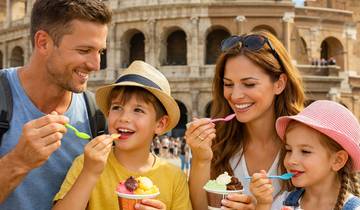
5 days
The Ultimate Rome Food & Cultural Small-Group Tour Package – 5 Days
- ✓ Comprehensive Rome tour
- ✓ Expert local guides included
- ✓ All accommodation arranged
- ✓ Transportation provided
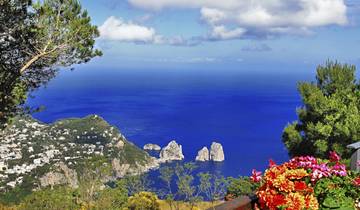
3 days
3-Day Pompeii, Capri & Sorrento Mini Tour
- ✓ Comprehensive Rome tour
- ✓ Expert local guides included
- ✓ All accommodation arranged
- ✓ Transportation provided
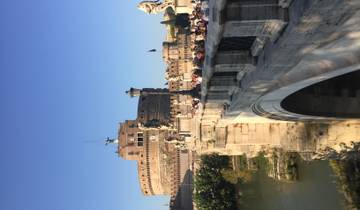
3 days
Advent in Rome: Markets, Churches & Tiramisu
- ✓ Booking needs min. 2 travelers
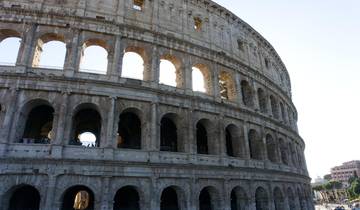
5 days
Ciao Italia: 5 Days, 2 Cities, Infinite Wonders
- ✓ Comprehensive Rome tour
- ✓ Expert local guides included
- ✓ All accommodation arranged
- ✓ Transportation provided
Multi-day tour packages powered by TourRadar. Prices and availability subject to change.
Essential Planning Information 2026
Best Times to Visit Rome in 2026
Rome’s optimal visiting periods balance weather, crowds, and pricing. April-May and September-October deliver perfect conditions with 18-25°C temperatures, manageable tourist levels, and full service availability. Spring brings blooming gardens and Easter celebrations, while autumn offers harvest festivals and fewer American tourists after school resumption. Book these periods 3-4 months ahead as hotels and tours fill earliest for prime shoulder season dates.
Summer (June-August) brings intense heat (28-35°C), maximum crowds, and highest prices but longest daylight hours (sunrise 5:30 AM, sunset 8:45 PM) and most extensive programming. August sees Romans abandon the city for beach holidays, creating paradoxical emptiness in residential neighborhoods while tourist sites maintain full capacity. Many local restaurants close for 2-4 week holidays, though tourist-area establishments stay open. Summer visits require serious heat management and early morning strategies.
Winter (November-February except Christmas-New Year) offers lowest prices, smallest crowds, and mild 8-15°C temperatures with occasional rain (7-9 days monthly). Museums and monuments maintain full hours, while reduced tourist pressure transforms experiences at Trevi Fountain, Pantheon, and other crowded sites. Christmas period (December 20-January 6) reverses winter advantages with peak pricing and crowds for holiday markets and Vatican celebrations. For budget-conscious travelers comfortable with cooler weather and occasional rain, January-February deliver exceptional value.
What to Pack for Rome in 2026
Comfortable walking shoes represent your most critical packing decision. Rome’s cobblestones, uneven ancient paving, and 8-12 kilometer daily walking demand supportive footwear with good arch support and cushioning. Break in new shoes 2-3 weeks before travel to prevent blisters. Pack two pairs alternating daily to allow drying and recovery. Avoid heels, flip-flops, and unsupportive sandals regardless of fashion appeal.
Summer packing includes lightweight breathable clothing, wide-brim hat, sunscreen SPF 30-50, refillable water bottle (1 liter capacity), and portable fan or cooling towel. Bring one outfit covering shoulders and knees for church and Vatican visits (lightweight pants or maxi skirt, short-sleeve shirt). Pack swimsuit for hotel pools or day trips to beaches. Light rain jacket handles occasional summer storms. Winter packing requires layered clothing, waterproof jacket, umbrella, and scarf for variable conditions and church interior cold.
Universal packing essentials include day backpack or cross-body bag with anti-theft features, universal power adapter (Italy uses Type L plugs though Type C also fits), external battery pack (10,000 mAh minimum) for smartphone charging during full days out, photocopies of passport and credit cards stored separately from originals, basic first-aid kit with pain relievers and antacids, and prescription medications in original containers with doctor’s note. Pack light as streets and metro stations include numerous stairs without elevator alternatives.
Money and Budget Strategies 2026
Understanding Rome’s Pricing Structure
Rome operates dual pricing tiers: local spots offering excellent value and tourist zones charging premium rates. Restaurant prices near Colosseum, Trevi Fountain, Pantheon, and Piazza Navona run 40-80% higher than equivalent quality 4-5 blocks away. Coffee at St. Peter’s Square costs €3-4 versus €1.20 at neighborhood bars. Gelato in tourist piazzas charges €4-6 per cone versus €2.50-3.50 at artisan gelaterias two streets over.
The key to budget management involves identifying local versus tourist establishments. Local spots display Italian-only menus, serve primarily Italian customers, lack photo menus and multilingual hawkers outside, and charge cover (coperto) fees of €1.50-3 rather than €3-5 tourist rates. Verify prices before ordering, as some establishments practice strategic omission of costs from menus then surprise with inflated bills. Tourist-trap warning signs include overeager staff outside, huge photo menus, and prime-location real estate near monuments.
Museum and monument pricing ranges €10-17 for major sites (Colosseum €18, Vatican Museums €17, Borghese Gallery €15), with combination tickets offering savings. Roma Pass at €52 (48-hour) or €72 (72-hour) includes transportation plus first 1-2 major sites and discounts on additional attractions. The pass breaks even at 4-5 sites over 2-3 days for active sightseers. Skip-the-line tours add €15-30 premiums but save 2-3 hours queuing during peak season, valuable trade-off for time-limited visitors.
Payment Methods and Currency Tips for 2026
Credit and debit cards work at 85% of Roman businesses, with contactless payment accepted widely including metro, buses, and small purchases. Visa and Mastercard enjoy universal acceptance, while American Express works at upscale establishments and major chains but faces frequent rejection at small businesses. Notify banks before international travel to prevent fraud blocks that leave you cardless at critical moments.
ATMs provide best exchange rates for cash needs, superior to airport or street currency exchange bureaus charging 8-12% commissions. Use bank-operated ATMs rather than independent machines in tourist areas that charge €5-8 fees. Withdraw larger amounts (€200-300) less frequently to minimize per-transaction fees averaging €3-5. Decline dynamic currency conversion offers that convert to home currency at ATM, accepting charges in euros instead for better rates.
Tipping practices differ from American expectations. Restaurants include service charges (servizio) in bills, making additional tipping optional though locals round up €2-5 for good service. Tip tour guides €5-15 depending on tour length and quality, taxi drivers by rounding up to nearest euro, and hotel housekeeping €1-2 daily. Bartenders expect no tips for counter coffee service. Budget €20-40 weekly for tipping needs beyond restaurant service charges already in bills.
Free and Low-Cost Experiences in Rome 2026
Rome offers substantial free experiences for budget-conscious travelers. Churches including Santa Maria Maggiore, San Giovanni in Laterano, and Santa Maria in Trastevere display spectacular art, mosaics, and architecture without admission fees (donations appreciated). The Pantheon, architectural marvel and engineering achievement, welcomes visitors free though lines develop by 11 AM. Sunday Mass at St. Peter’s Basilica provides free entry bypassing standard security queues.
Public fountains throughout Rome dispense free drinkable water, saving €15-25 weekly on bottled water purchases. Carry reusable bottle and refill at nasoni (small fountains with constant flow) marked with “Acqua Potabile” signs. Orange Garden (Giardino degli Aranci) offers free sunset viewpoints over Rome’s rooftops. Villa Borghese park provides extensive green space, people-watching, and monument views without costs.
Free walking tours operate on tip-based models with €10-15 suggested gratuities, offering budget-friendly guided experiences. Self-guided neighborhood exploration through Trastevere, Monti, Jewish Ghetto, and Testaccio costs nothing while revealing authentic local life. Markets including Campo de’ Fiori and Testaccio provide entertainment and cultural immersion without purchase obligations. Strategic combination of free experiences with paid major sites creates balanced budgets spanning €50-150 daily depending on accommodation choices and meal spending.
Transportation Mastery 2026
Navigating Rome’s Public Transportation System
Rome’s integrated public transportation includes metro, buses, and trams operating on single-ticket system. Single tickets cost €1.50 for 100 minutes unlimited transfers (validate once when starting journey). Day passes at €7, three-day at €18, and weekly at €24 provide better value for active users taking 5+ rides daily. Purchase tickets at tobacco shops (tabacchi), metro stations, and some newsstands before boarding, as onboard sales ended in 2023.
Metro Lines A (red) and B (blue) intersect at Termini Station, covering major tourist areas: Line A reaches Piazza di Spagna, Piazza del Popolo, and Vatican (Ottaviano stop), while Line B serves Colosseum and Circo Massimo. Line C (green) connects suburbs without tourist relevance. Trains run 5:30 AM-11:30 PM weekdays (12:30 AM Friday-Saturday), with 5-10 minute frequencies. Validate contactless payment cards or tickets at turnstiles, as €50 fines target tourists on inspection sweeps.
Buses complement metro in areas lacking underground service. Route 64 (Termini-Vatican) serves tourists heavily, attracting pickpocket concentration—maintain vigilance with bags and wallets. Routes 40 and 916 connect major monuments efficiently. Enter buses through front or rear doors, validating tickets in yellow machines immediately after boarding. Exit through middle doors. Buses run until midnight with limited night service (routes starting with “n”) continuing through early morning hours. Real-time arrival information displays at major stops, though accuracy varies 10-15 minutes from schedule.
Taxi and Ride-Share Guidelines for 2026
Licensed Roman taxis are white with “TAXI” roof sign, taxi number on doors, and taximeters visible to passengers. Fixed rates from Fiumicino Airport to city center cost €50, from Ciampino €31. In-city rides use meters starting at €3 base (€4.50 Friday-Saturday after 10 PM, €6.50 Sunday/holidays), adding €1.10-1.60 per kilometer depending on time and day. Legitimate drivers activate meters immediately without requiring requests. Surcharges add €1 per bag over one and €1.50-2 for airport trips.
Avoid unlicensed “gypsy cabs” soliciting passengers at airports and Termini Station. These illegal operators quote fixed prices 2-3x official rates and intimidate passengers refusing inflated charges. Use official white taxi stands or call radio taxi services (060609) rather than accepting street solicitations. Verify meter activation and functioning before departure. For airport transfers, book licensed private car services online for €45-55 through reputable companies providing peace of mind over street taxi uncertainty.
Uber operates in Rome with limited availability and pricing comparable to licensed taxis. The service provides English-language interface and cashless payment convenience for smartphone-comfortable travelers. Free Now app offers licensed taxi booking with estimated pricing and digital payment. For groups of 3-4, taxis often cost less than 4 metro tickets while providing door-to-door service and luggage accommodation. Evaluate transportation on per-trip basis rather than defaulting to single mode.
Walking Rome: Routes and Safety Considerations
Rome’s compact historic center makes walking the optimal transportation for monument-to-monument movement. Colosseum to Pantheon spans 2 kilometers (25-minute walk), Pantheon to Piazza Navona just 400 meters (5 minutes), Trevi Fountain to Spanish Steps 600 meters (8 minutes). Walking reveals hidden piazzas, artisan shops, and architectural details invisible from vehicles while providing free transportation between nearby attractions.
Cobblestones and uneven paving require attention to footing, especially after rain when stones become slippery. Ancient ruins and Forum areas feature rough stone surfaces challenging for mobility-limited visitors. Dedicated pedestrian zones throughout historic center eliminate vehicle concerns, though scooters and bicycles occasionally ignore restrictions. Major streets lacking sidewalks force pedestrian-vehicle coexistence demanding vigilance, particularly as Roman drivers treat traffic laws as suggestions rather than requirements.
Evening walking remains safe in tourist areas with street lighting and active businesses. Stick to well-trafficked routes between major piazzas after dark, avoiding isolated side streets and parks. Termini Station’s south side and areas beyond immediate tourist zones warrant caution after 11 PM. Solo travelers benefit from basic awareness: appear confident, avoid distractions like smartphone absorption while walking, and trust instincts about uncomfortable situations. Rome’s pedestrian-friendly character makes walking the default transportation, supplemented strategically with metro for longer distances and taxis for late evening returns to accommodations.
Safety and Scam Prevention 2026
Common Tourist Scams and How to Avoid Them
Rome’s tourist-dependent economy attracts scam artists targeting unprepared visitors. The “friendship bracelet” scam operates near Colosseum and Spanish Steps, with individuals approaching tourists, quickly tying bracelets on wrists, then demanding €10-20 payment while blocking departure until paid. Counter with firm “No” while walking away immediately, removing bracelet later if attached. Similarly, individuals with clipboards requesting “charity signatures” use distraction for pickpocket partners or demand donations after signing. Decline all street solicitations without guilt.
Restaurant scams include menu price manipulation (different prices on Italian versus English menus), spontaneous cover charge increases above menu rates, and automatic inclusion of expensive house wine without customer orders. Always verify prices before ordering and review bills carefully before payment. Some establishments near major monuments charge €8-12 cover per person versus €2-3 standard rates. Check bill line-items matching menu prices plus official cover and service charges clearly displayed in restaurant windows by law.
Taxi scams target airport arrivals through rigged meters, refusing to activate meters claiming “fixed price” at 2-3x official rates, or taking circuitous routes inflating short rides to €30-40. Combat by using official white taxis from designated stands, verifying meter activation before departure, and knowing approximate journey costs beforehand. Photo document taxi number displayed on door for complaint evidence if issues arise. Legitimate drivers provide printed receipts showing all charges when requested.
Pickpocket Hotspots and Prevention Strategies
Pickpockets concentrate at transportation hubs (Termini Station, metro platforms), crowded buses (particularly 64 to Vatican), Colosseum exterior queues, Trevi Fountain crowds, and Spanish Steps. Groups of 2-4 individuals work together with distraction techniques: one creates commotion or asks questions while partners extract wallets or phones. Children occasionally participate, exploiting reduced suspicion targeting youth. Stay alert in crowds, keeping bags zippered and worn in front, wallets in front pockets with hands covering them in tight spaces.
Metro Line A from Termini to Vatican and Spanish Steps represents Rome’s highest-risk pickpocket corridor. Plain-clothes police conduct periodic enforcement sweeps, but daily theft reports continue. Hold bags firmly, avoid phone usage in crowded cars, and position yourself against walls preventing rear access. Empty pockets entirely before sleep on overnight trains or buses to/from airports. Consider using hotel safes for excess cash, backup credit cards, and passport copies, carrying only daily necessities during sightseeing.
Anti-theft accessories provide practical protection: cross-body bags with locking zippers, money belts worn under clothing, RFID-blocking wallets preventing wireless card scanning, and slash-proof bag materials. Women should avoid purses with easy-opening magnetic clasps, preferring zipper or button closures. Separate money into multiple locations (pocket, bag, money belt) preventing total loss from single theft incident. Photocopy passport identity page and credit cards, storing separately from originals for emergency replacement facilitation.
Emergency Contacts and Medical Care in 2026
Emergency services in Italy operate through unified 112 number connecting police (Carabinieri), ambulance, and fire services. English-speaking operators provide assistance. Police tourist assistance offices (Polizia di Stato) located at major tourist sites handle theft reports required for insurance claims. Report pickpocketing immediately despite low recovery rates, as documentation supports credit card dispute and travel insurance processes.
Rome Cavalieri Medical Excellence services foreigners through multilingual medical center near Vatican (via Giuseppe Pisanelli 2), open 24/7 with English-speaking doctors. Emergency room (pronto soccorso) at public hospitals treats urgent conditions with wait times ranging 30 minutes-3 hours depending on severity triage. European Health Insurance Cards (EHIC) provide EU citizens access to public healthcare at Italian resident rates, while other nationalities pay direct fees (doctor visit €100-150, emergency room €150-300) then seek travel insurance reimbursement.
Pharmacies (farmacie) marked with green crosses stock prescription and over-counter medications. Regular pharmacies close Sundays and evenings, but rotating 24-hour pharmacies (farmacie di turno) serve emergencies with locations listed on all pharmacy doors and online. Pharmacists provide basic medical consultation and recommend treatments for minor ailments. Carry prescription medications in original labeled containers plus doctor’s note specifying medical necessity for customs clearance and replacement facilitation if lost.
Cultural Etiquette and Local Customs 2026
Restaurant and Dining Etiquette
Roman dining operates on schedules and customs distinct from Northern European and American norms. Lunch runs 12:30-2:30 PM, dinner starts 7:30-8:00 PM with peak times 8:30-10:00 PM. Arriving before 7:30 PM marks you as tourist, though restaurants serve early arrivals. Italians view dining as social ritual requiring 1.5-3 hours for complete meals with multiple courses. Rushing through meals or requesting bills mid-meal seems rude—servers bring checks only when requested through universal check-signing gesture or verbal “Il conto, per favore.”
Cover charges (coperto) of €1.50-3 per person appear on all restaurant bills, covering bread service and table setting. Service charges (servizio) ranging 10-15% may or may not be included—bills state “servizio incluso” when included. Additional tipping remains optional, with locals rounding up €2-5 for good service. Never tip on service charges already in bills. Water arrives bottled (still or sparkling) requiring purchase unless specifically requesting “acqua del rubinetto” (tap water), though many restaurants discourage free water service.
Cappuccino and milk-based coffee drinks are breakfast beverages consumed only before 11 AM by locals. Ordering cappuccino after meals marks tourists unfamiliar with Italian coffee culture. Post-meal coffee means espresso (caffè), served in small cups at bar counters for €1-1.50 versus €3-4 at tables with service charges. Stand at bar like locals for lowest prices and authentic experience. Coffee culture discourages prolonged cafe sitting without continued ordering—to-go cups are tourist accommodation unavailable in traditional establishments.
Church and Vatican Visiting Protocol
Church dress codes require covered shoulders and knees for both men and women. Tank tops, shorts, miniskirts, and revealing clothing result in entry denial at St. Peter’s Basilica, Vatican Museums, and major churches with enforced policies. Bring lightweight cardigan or scarf for covering shoulders when needed, even during 35°C summer days. Long pants, maxi skirts, or capri pants below knee satisfy requirements. Guards stationed at church entrances turn away violators without exceptions for tourists claiming ignorance.
Maintain quiet respectful behavior inside churches as they function as active places of worship, not merely tourist attractions. Silence mobile phones, speak in whispers, and avoid loud tourist group behaviors. Photography policies vary by church—Vatican Museums allow photos without flash except Sistine Chapel where photography is strictly forbidden with guards confiscating phones of violators. Many churches permit photography without flash, though some request donations for camera permits. When masses proceed, tourists must remain in designated areas avoiding disruption to religious services.
Sunday morning masses provide free St. Peter’s Basilica entry bypassing security lines affecting regular visitors. Attend for religious purposes rather than purely touristic access, maintaining appropriate behavior. Easter and Christmas periods see special events requiring advance ticketing for papal masses and ceremonies. Vatican’s official website provides English information about upcoming events and attendance procedures.
Social Interactions and Communication
Italians value warmth and personal connection in interactions. Greet shopkeepers, bartenders, and service workers with “Buongiorno” (morning/afternoon) or “Buonasera” (evening) before transactions. This courtesy matters more than language proficiency. Learn basic phrases: “Per favore” (please), “Grazie” (thank you), “Mi scusi” (excuse me), and “Non parlo italiano” (I don’t speak Italian). Attempts at Italian, however broken, earn respect and better service than English-only approaches assuming comprehension.
Personal space standards differ from Northern cultures. Italians stand closer during conversations and use expressive hand gestures accompanying speech. This communication style reflects cultural norms rather than aggression or disrespect. Queuing culture remains loosely enforced with “lines” appearing more like crowds, though major tourist sites impose organized queue systems. Romans speak at higher volumes than Northern Europeans find comfortable—this represents normal conversation, not anger or disputes.
Shopping small establishments requires patience as Italian retail service emphasizes personal attention over efficiency. Rushing shopkeepers or appearing impatient damages relationships and reduces service quality. Traditional markets accept negotiation on prices, particularly for multiple purchases, while fixed-price stores prohibit haggling. Business hours include midday closures (riposo) 1:00-3:30 PM at small shops, though major retailers and tourist-area businesses maintain continuous service. Sunday sees widespread closures except restaurants, bars, and tourist-focused establishments.
Technology and Communication 2026
Internet Access and Mobile Data
Free public WiFi exists at major piazzas, metro stations, and some museums, though coverage remains limited to 15% of historic center with unreliable connections during peak usage. Hotel WiFi works adequately for basic browsing and messaging. Travelers requiring consistent connectivity need mobile data plans purchased before arrival or immediately upon landing. EU regulations mandate roaming-free service for European Union mobile plans, allowing French, German, Spanish customers to use domestic data allowances in Italy without surcharges.
Non-EU visitors purchase Italian SIM cards at mobile phone shops, airports, or tobacco shops selling TIM, Vodafone, and Wind Tre prepaid plans. Tourist SIM cards cost €15-30 for 15-30GB data valid 15-30 days with domestic calls included. Bring unlocked phone capable of European frequencies (most current smartphones work universally). Activate SIM following instructions or request shop assistance for configuration. Data enables real-time navigation, restaurant research, translation apps, and ride-sharing services eliminating WiFi dependency.
Download offline resources before travel to reduce data usage: Google Maps offline sections (select “Download offline map” for Rome area), translation dictionaries, and cultural guide apps. WhatsApp dominates Italian communication, with locals preferring it over SMS for messaging and calls. Install before travel for communicating with hotels, restaurants, tour operators, and new Italian friends. Essential apps for 2026 Rome visits: Google Maps (navigation), ATAC Roma (public transport), The Fork (restaurant reservations), Google Translate (communication), and Omio (intercity train bookings).
Essential Apps for Rome 2026
Google Maps remains fundamental for navigation with detailed Rome coverage including business hours, user reviews, and public transportation routing. Download offline maps before arrival covering city center and neighborhoods you’ll visit. The app provides walking directions respecting one-way streets and pedestrian zones while estimating journey times accurately for Roman pace. Enable location services for real-time positioning and route adjustments.
ATAC Roma official app displays real-time bus and tram arrivals, metro service updates, and journey planning across public transportation network. The interface supports English with ticket purchase options through app (requires credit card). Alternative Moovit app provides similar functionality with more intuitive interface and better user experience, though ATAC remains official source for service disruptions and planned maintenance affecting routes.
The Fork (formerly Yelp Reservations) dominates Rome restaurant booking with verified reviews and reservation systems. The app identifies authentic local spots versus tourist traps through Italian user reviews and offers special discounts (20-50% off) at participating restaurants during off-peak hours. Filter searches by neighborhood, cuisine, price range, and available reservation times. Google Maps reviews supplement with broader perspectives, though quantity sometimes overwhelms quality with generic 4-star assessments providing limited differentiation.
Power Adapters and Electronics
Italy uses Type L power outlets (three round prongs) operating at 230V, 50Hz. Type C plugs (two round prongs) fit Type L sockets, making Type C adapters function for most devices. Purchase universal adapters before departure (€8-15) rather than airport prices (€20-30). Verify device voltage compatibility—most modern electronics (laptops, phone chargers, cameras) handle 110-240V automatically, requiring only adapter. Hair dryers, flat irons, and other heat-producing devices may require voltage converters if designed for 110V operation only, though dual-voltage travel versions eliminate conversion needs.
USB charging ports appear at airports, some hotels, and train stations, though availability varies. Carry portable battery pack (10,000-20,000 mAh capacity) for smartphone charging during full days out. Heavy smartphone usage (photos, maps, social media) drains batteries by early afternoon, making portable power essential for navigation and communication. Multiple device users (phone, tablet, camera, e-reader) benefit from multi-port USB chargers consolidating charging needs into single outlet.
Hotel power outlets often provide limited options (2-3 sockets) requiring shared charging schedules or power strips. Italian hotel rooms traditionally include one or two outlets, insufficient for modern travelers carrying multiple devices. Bring compact power strip (ensure it’s surge protector compatible with European voltage) allowing simultaneous charging of multiple devices from single outlet. Power adapters with multiple USB ports plus standard outlets optimize limited hotel electrical access.
Seasonal Considerations 2026
Summer Heat Management Strategies
Rome’s summer temperatures reach 30-35°C with high humidity creating oppressive conditions for extensive walking. Start days early (8:00-9:00 AM) visiting outdoor monuments before heat peaks at 1:00-4:00 PM. Take midday breaks in air-conditioned museums (Vatican Museums, Borghese Gallery, National Roman Museum) or hotels, resuming outdoor activities after 5:00 PM when temperatures moderate to 25-28°C. Evening passeggiata (stroll) from 6:00-9:00 PM captures pleasant conditions and authentic local life.
Hydration requires 2-3 liters daily during summer months. Carry refillable bottle and use Rome’s 2,500+ nasoni drinking fountains providing free potable water. Dehydration causes headaches, fatigue, and reduced enjoyment more than tourists anticipate. Avoid excessive alcohol during daytime heat as it accelerates dehydration. Wear light-colored, breathable fabrics allowing sweat evaporation. Wide-brim hats provide sun protection while keeping head cool. Apply and reapply sunscreen SPF 30-50 every 2 hours on exposed skin preventing burns in intense Mediterranean sun.
Seek shade during peak heat hours. Orange Garden (Giardino degli Aranci), Villa Borghese park, and cloister gardens provide respite from sun-blasted streets. Many restaurants and cafes offer outdoor seating under awnings or umbrellas creating pleasant dining conditions despite heat. Church interiors maintain naturally cool temperatures through thick stone walls and high ceilings, offering free air-conditioned rest stops between monuments. Pack portable fan or cooling towel for additional heat relief during unavoidable afternoon outdoor time.
Winter Rain and Cold Weather Preparation
November-February brings 7-9 rainy days monthly with temperatures ranging 5-15°C. Rain typically arrives in short intense bursts rather than all-day drizzle, allowing tours between showers with proper planning. Carry compact umbrella and waterproof jacket daily, regardless of morning weather, as afternoon conditions change rapidly. Layer clothing for variable temperatures that fluctuate 5-8°C between morning and afternoon. Churches and indoor monuments feel cold (10-12°C) due to stone construction and minimal heating, requiring additional layers beyond street clothing.
Cobblestones become slippery when wet, demanding careful footing and appropriate footwear. Choose shoes with good traction and water resistance avoiding smooth-soled fashion footwear risking falls on wet stone. Rome’s drainage systems struggle with heavy rain, creating puddles and flooding in low-lying areas like Forum and around Colosseum. Waterproof or water-resistant footwear prevents soaked feet from puddle navigation. Pants dry faster than long skirts and maintain warmth better during wet conditions.
Winter provides strategic advantages despite weather challenges. Museums and monuments remain uncrowded allowing leisurely viewing without summer masses. Photography benefits from dramatic cloudy skies and occasional post-rain clarity. Christmas markets (mid-December through early January) and holiday decorations create festive atmosphere. Hotel and tour prices drop 30-40% compared to peak season, making luxury more affordable. Pack for variable conditions and winter delivers rewarding experiences at fraction of summer costs.
Shoulder Season Sweet Spots
April-May and September-October represent Rome’s optimal visiting windows combining favorable weather, moderate crowds, and reasonable pricing. Spring temperatures range 15-25°C with blooming gardens, Easter celebrations, and renewed energy after winter. Fall offers 20-28°C warmth with harvest festivals, new wine season, and departing summer crowds after school resumption. Both periods provide 11-13 hours daylight allowing full days of sightseeing without summer’s extreme heat or winter’s early darkness.
Shoulder season requires booking major sites (Borghese Gallery, Colosseum underground, Vatican early entrance) 3-4 weeks ahead as optimal weather attracts savvy travelers avoiding summer crowds. Hotels and tours cost 15-25% less than peak summer while maintaining full service availability unlike winter’s selective closures. Restaurants display spring vegetables (artichokes, fava beans) or fall specialties (porcini mushrooms, game meats) in seasonal menus showcasing regional products at peak quality.
Pack layered clothing handling 10°C morning-to-afternoon temperature swings common during transitional seasons. Mornings start cool (12-15°C) requiring light jacket, while afternoons warm to 20-25°C comfortable in short sleeves. Occasional rain (5-7 days monthly) poses minimal disruption with standard rain gear. Shoulder season provides best balance of conditions for first-time visitors uncertain about temperature preferences or crowd tolerance, delivering reliably pleasant experiences without extreme compromises on weather, crowds, or budget.
Rome Travel Tips 2026: Essential Reminders
Final Practical Advice for Smooth Visits
Success in Rome requires balancing preparation with flexibility. Pre-book major monument tickets eliminating queue stress, but leave unscheduled time for spontaneous discoveries like stumbling into hidden courtyards or sitting in quiet piazzas observing local life. Rome rewards wandering as much as planned sightseeing, with every street revealing architectural details, artisan workshops, and neighborhood character impossible to experience rushing between scheduled tours.
Adjust expectations about Italian pace and service. Rome operates slower than Northern European or American standards—waiters don’t rush tables, shops close midday for riposo, and queues move deliberately rather than efficiently. This relaxed tempo reflects cultural values prioritizing quality of life over productivity maximization. Fighting local rhythms creates frustration; embracing them as authentic cultural experience transforms potential annoyances into charming differences. When locals seem “inefficient,” they’re actually maintaining human connection over transactional speed.
Budget extra time for everything. Journey times are longer than Google Maps suggests once accounting for getting lost in labyrinthine streets, stopping for photos, and discovering unexpected sights. Restaurant meals take 1.5-2 hours minimum even when not lingering. Museum visits extend as masterpiece discoveries multiply. Build buffer time preventing stress from running late to reservations or missing planned activities. Rome’s greatest moments often emerge from unplanned encounters rather than scheduled attractions.
FAQ: Rome Travel Tips 2026
Do Romans speak English in 2026?
English proficiency varies by location and generation. Tourist-area hotels, restaurants, and shops employ English speakers serving international visitors. Major museums and monuments provide English signage, audio guides, and staff with functional English. Younger Romans (under 40) generally speak conversational English from school education, while older generations have more limited proficiency. Away from tourist zones in residential neighborhoods, English becomes less common requiring basic Italian phrases or translation apps. Learning “Mi scusi” (excuse me), “Non parlo italiano” (I don’t speak Italian), and “Parla inglese?” (Do you speak English?) facilitates communication. Italians appreciate language attempts regardless of proficiency, responding more warmly to broken Italian than English-only assumptions of comprehension.
Can I drink tap water in Rome in 2026?
Rome’s tap water is completely safe drinking meeting EU quality standards. The city’s 2,500+ nasoni public fountains provide constant flow of potable water from same source as tap water. Carry refillable bottle and use fountains liberally to stay hydrated, saving €15-25 weekly versus bottled water purchases. Restaurants serve bottled water (still or sparkling) as default requiring explicit requests for “acqua del rubinetto” (tap water), though many discourage free tap water service. Hotel tap water is identical to fountain water, suitable for drinking, brushing teeth, and making coffee. Some travelers prefer bottled water’s taste, but safety concerns are unfounded—Rome’s water quality equals or exceeds most major European and North American cities.
How much cash should I carry daily in Rome 2026?
Carry €40-60 daily covering situations requiring cash: public bathroom use (€1-1.50 per visit), market purchases, occasional restaurant cards-only refusals, church donations, and tips. Leave larger amounts in hotel safes bringing only daily needs to limit theft exposure. Small denominations (€5, €10, €20 bills) work better than €50s or €100s frequently refused at small establishments. Separate cash into multiple locations (pocket, bag, money belt) preventing total loss from single pickpocketing incident. Contactless payment works for metro, buses, and most retail eliminating need for extensive cash, though complete cashless travel remains impractical for all situations. Withdraw €150-200 from bank ATMs weekly rather than exchanging currency at poor rates or using tourist-area independent ATMs charging €5-8 fees per transaction.
Are Rome’s pickpockets really that bad in 2026?
Pickpocketing occurs frequently enough warranting serious precautions but shouldn’t paralyze travel enjoyment. Hotspots include Termini Station, metro Line A (particularly stations near tourist sites), bus 64 to Vatican, Colosseum queues, Trevi Fountain crowds, and Spanish Steps. Professional thieves target distracted tourists absorbed in smartphones, cameras, or maps. Use cross-body bags worn in front with zippers covered by hand in crowds, keep wallets in front pockets, avoid back pocket phone storage, and maintain situational awareness in crowded spaces. Don’t let hypervigilance ruin your visit, but do implement basic precautions becoming second nature after first day. Thousands of tourists visit daily without incident through simple awareness and anti-theft accessories. Travel insurance covers losses, and credit card fraud protection limits liability for unauthorized charges, providing safety nets beyond prevention.
Should I buy Roma Pass for 2026 or individual tickets?
Roma Pass suits visitors planning 8+ site visits over 2-3 days with heavy public transportation use. The €52 (48-hour) or €72 (72-hour) passes include first 1-2 major site admissions plus unlimited metro/bus access and discounts on additional attractions. The pass breaks even at 4-5 sites when factoring transportation costs (€1.50 per ride adds up quickly). However, the pass excludes Vatican Museums (Rome’s most visited attraction) and doesn’t guarantee skip-the-line access during peak season when separate priority tickets save 2-3 hours. For visitors focusing on Vatican, Colosseum, and 2-3 other sites over 4-5 days, individual skip-the-line tickets plus occasional metro rides cost less than pass. Calculate your specific itinerary: if visiting 2 sites daily over 3 days with 4+ metro rides daily, Roma Pass delivers value; if visiting 1 site daily with walking between locations, individual tickets work better.
What’s the best way to avoid tourist traps in Rome 2026?
Avoid restaurants within 2 blocks of major monuments (Colosseum, Trevi Fountain, Pantheon, Piazza Navona) where prices run 40-80% higher for mediocre food. Warning signs include photo menus in 6 languages, aggressive hosts soliciting sidewalk traffic, and prime location real estate. Walk 5-10 minutes away from monuments into residential neighborhoods finding trattorias serving Italian customers with Italian-language menus. Check Google Maps reviews filtering for Italian names revealing local favorites. The Fork app identifies authentic spots with verified reviews and reservation systems. Price verification prevents bill surprises—menus legally must display all prices including cover charges before seating. Tourist traps near St. Peter’s, Spanish Steps, and Termini Station offer worst value, while Testaccio, Prati, Monti, and San Lorenzo neighborhoods maintain quality at reasonable prices. Time investment walking away from monuments yields exponentially better food and value.
Do I need advance reservations for Rome restaurants in 2026?
Popular local restaurants require reservations 2-3 days ahead, especially Thursday-Saturday when Romans dine out. Tourist-area restaurants accept walk-ins more readily but deliver lower quality and higher prices. Peak dining hours (8:30-9:30 PM) fill completely at quality establishments, though arriving at opening (7:00-7:30 PM) often yields tables without reservations. Book through The Fork app or call directly using hotel assistance for Italian translation. Fine dining and Michelin-starred restaurants require 1-2 week advance booking. Casual trattorias and pizzerias maintain better walk-in availability, particularly weekday lunches. Budget 30-45 minutes searching alternatives if lacking reservations during peak hours. Many exceptional restaurants operate in residential neighborhoods with easier seating availability than tourist-zone spots. Strategic booking of 1-2 special meals plus flexibility for casual dining creates balance between planned experiences and spontaneous discoveries.
Is Rome accessible for travelers with disabilities in 2026?
Rome presents accessibility challenges due to ancient infrastructure, cobblestones, and limited elevators, though major sites implement improvements. Vatican Museums and St. Peter’s Basilica provide wheelchair access with advance notification for guided routes avoiding stairs. Colosseum offers elevator access to first level, though upper tiers and underground remain inaccessible. Many churches have steps at entrances without ramps. Metro stations include limited elevator coverage (roughly 50% of Line A stations, better on newer Line C), with older stations requiring stairs. Buses feature wheelchair-accessible “kneeling” models on main routes, though frequency varies. Taxis accommodate wheelchairs with advance booking through radio taxi services. Ancient sites like Forum and Palatine Hill present rough uneven terrain with limited paved paths. Private accessible tours arrange appropriate vehicles and modified routes maximizing accessibility while acknowledging unavoidable limitations in historical areas. Contact specific sites directly about current accessibility status before visit, as infrastructure improvements continue expanding access options annually.
How do I handle Rome’s siesta closures in 2026?
Traditional midday closures (riposo) from 1:00-3:30 PM affect small shops, some restaurants, and family businesses maintaining old customs. Banks close entirely while major retailers, supermarkets, and tourist-area establishments maintain continuous service. Plan morning shopping and errands before 1 PM or resume after 4 PM. Midday provides optimal timing for lunch (Italian lunch peaks 1:00-2:30 PM) or returning to hotel for rest and air conditioning during hottest afternoon hours. Museums and monuments maintain full-day hours without midday closures. Embrace riposo as opportunity for leisurely lunch, gelato breaks, or afternoon rest recharging for evening explorations. Romans work longer evening hours compensating for midday breaks, with shops open until 7:30-8:00 PM and restaurants serving until 11:00 PM-midnight. Adjust expectations from Northern European continuous service to Mediterranean rhythm balancing work with quality of life, using midday breaks for cultural immersion rather than fighting local customs.
What’s the dress code for Rome beyond church requirements in 2026?
Romans dress elegantly by American casual standards, particularly evenings when locals emerge for passeggiata and dining. Avoid wearing athletic clothing, flip-flops, baseball caps, or obvious tourist gear in restaurants and cultural venues where locals maintain smart casual standards minimum. Men wear long pants or neat shorts (not athletic shorts) with collared shirts or polo, while women choose dresses, skirts, or stylish pants with appropriate tops. Italian fashion emphasizes quality over quantity with neutral colors and classic styles rather than bright patterns or logo-heavy clothing. That said, tourists aren’t expected to match local fashion standards, though effort toward neat, put-together appearance receives better treatment at restaurants and shops. Comfortable walking shoes dominate daytime for practical reasons, though Romans somehow walk cobblestones in stylish footwear through mysterious ability. Pack one nice outfit for upscale restaurants or opera attending, maintaining casual but neat standards for general sightseeing. Churches require covered shoulders and knees, but overall Rome’s dress culture prioritizes style over athletic comfort American travelers default toward.