
Visiting Rome with Kids 2026: Complete Family Guide
This guide provides comprehensive advice for visiting Rome with children in 2026, from toddlers requiring strollers to teenagers seeking independence. You’ll find age-appropriate activity recommendations, budget strategies for family travel, practical tips for managing logistics, and sample itineraries balancing everyone’s needs. Whether planning your first family international trip or adding Rome to extensive travel experience, these insights help create successful adventures all family members enjoy and remember.
Key Takeaways
- Interactive experiences engage children better than traditional tours – gladiator schools, pizza-making classes, and treasure hunts maintain attention spans where museum walks fail
- Family tickets save €20-40 at major sites with children under 18 entering free at Colosseum, Vatican, and most monuments when accompanied by paying adults
- Book apartments over hotels for 2026 to access kitchens saving €40-60 daily on restaurant meals, laundry facilities, and living space for rest time and toy storage
- Visit major monuments before 9 AM when children have peak energy, crowds remain manageable, and temperatures stay comfortable for outdoor exploration
- Plan rest breaks every 2-3 hours at playgrounds, parks, or gelato shops preventing meltdowns and maintaining family morale through long sightseeing days
- Gelato functions as powerful behavioral currency – promise gelato after museum visits or long walks to motivate cooperation and create positive associations with cultural experiences
Introduction: Making Rome Magical for Families in 2026
Rome presents unique family travel opportunities combining education with adventure. Children who study ancient civilizations gain living context for classroom lessons, while younger kids delight in sword-wielding gladiators, mysterious underground passages, and spectacular fountains perfect for coin-tossing wishes. The Eternal City delivers family memories impossible to replicate at theme parks or beach resorts.
However, Rome also challenges families with extensive walking distances, midday heat, complex transportation, and museums designed for adult attention spans. Success requires strategic planning balancing educational experiences with physical activity, serious monuments with playful breaks, and structured touring with spontaneous discoveries. The key lies in setting realistic expectations and adapting classic Rome itineraries to family rhythms and energy levels.
People Also Ask About Rome with Kids 2026
What is the best age to take kids to Rome in 2026?
Children ages 8-14 gain maximum value from Rome visits, possessing historical context from school while maintaining enthusiasm for hands-on experiences like gladiator schools and treasure hunts. This age group walks substantial distances without strollers, stays engaged during 2-3 hour activities, and remembers experiences long-term. Children ages 5-7 enjoy Rome’s spectacle (Colosseum, fountains, gelato) without deep historical appreciation, requiring frequent breaks and simplified explanations. Teenagers (15+) benefit from Rome’s educational value for advanced history or art courses while seeking independence through photography, shopping, and food exploration. Toddlers (2-4) present maximum challenges with limited historical interest, extensive stroller needs, and frequent meltdowns, though determined parents create successful trips through modified expectations and flexible schedules. Ultimately, any age works with appropriate planning – the “best” age depends on your family’s travel style, children’s temperaments, and willingness to adapt standard tourist itineraries to developmental needs.
How much does a Rome family trip cost in 2026?
Budget family trips (hostels, apartments, picnic lunches, free activities) cost €150-220 daily for family of four: accommodation €80-120, food €50-80, transportation €10-15, occasional paid activities €10-25. Mid-range family travel (3-star hotels, mix of restaurants and grocery meals, skip-the-line tours, interactive experiences) runs €300-450 daily: accommodation €150-220, food €100-150, activities €50-80. Luxury family experiences (boutique hotels, all restaurant meals, private tours, special activities) reach €600-900+ daily: accommodation €300-450, dining €200-300, premium activities and tours €100-150. These estimates cover Rome itself – factor international flights adding €400-1,200 per person depending on origin. Weekly Rome family trips range €1,450-2,200 (budget), €2,800-4,200 (mid-range), or €5,200-7,500+ (luxury) for family of four excluding flights. Children under 18 enter major monuments free, creating significant savings versus adult-only travel. Strategic timing during shoulder season (April-May, September-October) reduces accommodation costs 20-30% while maintaining pleasant weather and manageable crowds.
Is Rome too walking-intensive for young children in 2026?
Rome requires 8-12 kilometers daily walking for standard tourist itineraries, challenging for children under 8. Successful strategies include renting strollers for children 5 and under (€10-15 daily), using metro and buses strategically for longer distances between neighborhoods (€1.50 per ride), taking taxis for tired afternoon returns to accommodation (€10-20 trips), and planning itineraries concentrating activities within compact areas. Ancient Rome (Colosseum, Forum, Palatine) keeps major sites within 1-kilometer radius. Vatican area similarly clusters St. Peter’s, Vatican Museums, and Castel Sant’Angelo. Historic center (Pantheon, Trevi, Spanish Steps) offers 400-800 meter walks between highlights. Avoid attempting comprehensive city coverage in single day – focus on 1-2 neighborhoods daily with mid-morning gelato breaks and afternoon rest time at accommodations. Villa Borghese park provides playground stops and bike rentals allowing children active exploration without purposeless walking. Cobblestones and ancient uneven paving challenge stroller navigation and require sturdy wheels, though major routes remain accessible. Balance walking days with pool time at accommodations or Villa Borghese playground mornings maintaining physical variety preventing walking fatigue.
Are Rome restaurants welcoming to children in 2026?
Roman restaurants embrace families with children, particularly neighborhood trattorias serving local clientele including multigenerational groups. Servers accommodate dietary restrictions, provide simple pasta or pizza for picky eaters, and tolerate moderate noise levels from children. Italian dining culture includes children at meals from infancy, creating family-friendly atmosphere Americans appreciate. However, expect 1.5-2 hour meal service at traditional restaurants – bring coloring books, small toys, or tablets for occupying children during slower paced service. High-end restaurants maintain formal atmosphere less suitable for younger children, though teenagers dining respectfully face no restrictions. Early dining (7:00-7:30 PM arrivals) finds restaurants emptier and more accommodating versus peak 8:30-9:30 PM crowds. Pizzerias and casual trattorias work best for families with young children, while fine dining suits families with older children and teenagers. High chairs (seggiolone) are available at most establishments when requested. Many restaurants lack changing tables, requiring strategic bathroom visits at accommodations or larger venues. Tourist-area restaurants near major monuments cater extensively to international families with English menus and familiar offerings, though local neighborhood spots provide more authentic experiences at better value.
Extended multi-day tours – 5+ days
Featured Rome Multi-Day Tour Packages
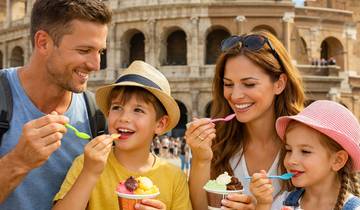
5 days
The Ultimate Rome Food & Cultural Small-Group Tour Package – 5 Days
- ✓ Comprehensive Rome tour
- ✓ Expert local guides included
- ✓ All accommodation arranged
- ✓ Transportation provided
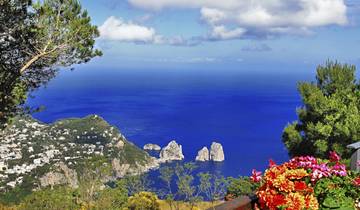
3 days
3-Day Pompeii, Capri & Sorrento Mini Tour
- ✓ Comprehensive Rome tour
- ✓ Expert local guides included
- ✓ All accommodation arranged
- ✓ Transportation provided
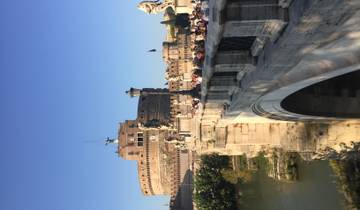
3 days
Advent in Rome: Markets, Churches & Tiramisu
- ✓ Booking needs min. 2 travelers
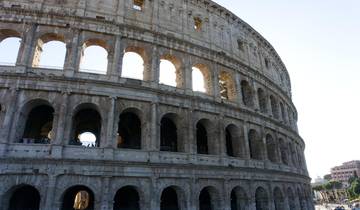
5 days
Ciao Italia: 5 Days, 2 Cities, Infinite Wonders
- ✓ Comprehensive Rome tour
- ✓ Expert local guides included
- ✓ All accommodation arranged
- ✓ Transportation provided
Multi-day tour packages powered by TourRadar. Prices and availability subject to change.
Age-Appropriate Activities and Attractions 2026
Best Rome Experiences for Ages 5-8
Young children respond best to visually spectacular, interactive, and story-driven experiences. Colosseum exterior viewing captivates through sheer scale and gladiator stories (“This is where fighters battled lions!”), though interior tours lasting 2+ hours exceed attention spans. Keep Colosseum visits to 45-60 minutes external viewing and photo opportunities, skipping detailed archaeological explanations. Entrance costs €18 for adults, children under 18 free (check coopculture.it for current official rates).
Trevi Fountain transforms into magical experience through coin-tossing tradition. Explain the legend (throw coin with right hand over left shoulder for guaranteed Rome return), provide each child €1-2 in coins, and photograph the moment. Visit early morning (7:00-8:00 AM) avoiding crowds that make coin-throwing and fountain-edge access impossible later. The surrounding gelaterias offer post-fountain rewards. Pantheon’s oculus (hole in ceiling) fascinates children understanding rain falls directly onto floor, with guides explaining ancient Romans’ engineering genius creating waterproof marble floors with subtle drainage slopes.
Villa Borghese park provides essential outdoor time with playgrounds, bike rentals (€5-8 per hour), pedal boats on small lake (€5 per 20 minutes), and Bioparco zoo (€17 adults, €14 children 3-12, under 3 free). The zoo houses 200+ species in relatively naturalistic enclosures, offering respite from monument touring through familiar animal-focused activities. Plan 2-3 hour Villa Borghese visits mid-morning or afternoon when children need active play versus more museum walking. Gelato breaks at strategic intervals (budget €3-4 per cone) function as behavioral management tools and energy boosters throughout days.
Interactive Experiences for Ages 9-12
Pre-teen children benefit from hands-on educational experiences transforming historical sites into engaging adventures. Gladiator school experiences cost €60-85 for children and accompanying adults, teaching ancient combat techniques with replica wooden weapons over 2-hour sessions. Instructors dress participants in tunics, demonstrate sword and shield formations, and explain gladiatorial culture through active participation. These interactive classes engage restless children while educating about Roman entertainment and social structures. Book 3-4 weeks ahead for 2026 peak season availability.
Pizza-making classes at €40-60 per child (€70-95 per adult) deliver 2-3 hour experiences teaching dough stretching, sauce preparation, and topping selection before eating creations. Children gain practical cooking skills plus cultural education about Italian food traditions. Classes accommodate dietary restrictions and maintain entertaining atmosphere through chef instructors experienced working with families. The hands-on format maintains engagement far better than passive museum touring, creating lasting memories tied to tangible skills.
Treasure hunt and scavenger tours designed for families cost €120-160 for groups of 4-6, offering gamified historical exploration through puzzle-solving and clue-following over 2.5-3 hours. Guides lead families through historic center neighborhoods presenting challenges requiring observation skills, historical knowledge, and teamwork. Children earn points for correct answers while parents learn alongside kids through collaborative problem-solving. This age group particularly appreciates competitive elements and interactive technology in self-guided scavenger hunt apps (€15-20 per family) allowing independent exploration without guide costs.
Engaging Teenagers (13-17) in Rome 2026
Teenagers benefit from deeper historical content, artistic appreciation opportunities, and independence during Rome visits. Vatican Museums guided tours with art-focused commentary suit teenagers studying Renaissance art or Western civilization, providing context for Raphael’s School of Athens and Michelangelo’s Sistine Chapel frescoes. Small group tours (€75-95 per person, teens count as adults) deliver superior experience to wandering independently through overwhelming collections. Early entrance tours at 7:30 AM transform Sistine Chapel from chaotic to contemplative, justifying premium pricing.
Photography-focused activities engage image-conscious teens carrying smartphones everywhere. Photography tours with professional guides (€75-110 per person, 3-4 hours) teach composition techniques while visiting photogenic locations like Pincio Terrace, Orange Garden, and Gianicolo Hill. Teens develop technical skills while creating Instagram-worthy content, merging personal interests with cultural education. Sunset tours capture golden hour lighting for dramatic cityscape photography incorporating St. Peter’s dome and ancient monuments.
Provide limited independence through structured freedom: give teens €20-30 and 2-3 hour free time exploring Spanish Steps shopping area, Campo de’ Fiori market, or Trastevere neighborhoods while parents visit museums requiring adult attention spans. Establish meeting points and times, ensure phones have local data plans, and review basic Italian phrases and safety protocols. This independence balances family togetherness with teenage autonomy needs, preventing resentment over forced participation in every activity. Food tours (€70-90 for teens) engage through eating and neighborhood exploration, educational yet entertaining.
Family-Friendly Rome Itineraries 2026
Three-Day Rome Family Itinerary (Ages 6-12)
Day 1 – Ancient Rome Introduction: Start early (8:30 AM) at Colosseum exterior for photos and storytelling (45 minutes). Walk to Roman Forum for selective viewing focusing on Arch of Constantine and Temple of Vesta with stories about Vestal Virgins (30 minutes). Colosseum admission €18 adults, children free. Mid-morning gelato break at nearby gelateria (€12-16 for family). Return to accommodation for rest time or pool (11:30 AM-2:00 PM). Afternoon visit to Capitoline Museums with ancient statue hall featuring giant marble foot fascinating children (€13 adults, children free, 1.5 hours). Early dinner at family pizzeria in Monti (€45-60). Evening passeggiata to Trevi Fountain for coin tossing (coins €5-8). Total day cost: €93-115 for admission/transport/coins, plus €70-95 for meals. Daily total: €163-210 for family of four excluding accommodation.
Day 2 – Vatican and Interactive Experiences: Vatican Museums opening time entry (8:30 AM, pre-booked tickets €17 adults, children free), focusing on Egyptian mummies, map gallery, and Sistine Chapel with simplified explanations (2 hours maximum). Exit to St. Peter’s Square for exterior photos and guard viewing (30 minutes). Lunch at nearby pizzeria (€50-70). Afternoon gladiator school experience (€240-340 for family of four including parents, 2 hours, 3:00 PM start). Evening gelato walk through Prati neighborhood (€12-16). Total day cost: €34 for Vatican admission, €240-340 for gladiator school, €62-86 for meals and gelato. Daily total: €336-460 for family of four excluding accommodation.
Day 3 – Baroque Rome and Villa Borghese: Morning walking tour covering Pantheon, Piazza Navona, and Spanish Steps with gelato stops (self-guided, 2 hours). Lunch picnic purchased at Campo de’ Fiori market (€25-35 for family). Afternoon Villa Borghese park with playground, bike rentals (€24-32 for family, 2 hours), and Bioparco zoo visit (€62 for 2 adults, 2 children). Early dinner at Trastevere trattoria (€60-80). Evening Trastevere exploration and sunset viewpoint at Gianicolo Hill. Total day cost: €111-147 for bikes, zoo, picnic, dinner, gelato. Daily total: €111-147 for family of four excluding accommodation.
Three-Day Family Total: €610-817 for activities, admissions, meals, transport for family of four, plus €240-420 for apartment accommodation (€80-140 per night). Complete three-day experience: €850-1,237 for Rome family introduction balancing education, activity, and rest.
Five-Day Rome Family Itinerary (Ages 8-14) for 2026
Day 1: Ancient Rome deep dive with skip-the-line Colosseum tour including arena floor (€220-280 for family with 2 adults, 2 children, 3 hours). Afternoon rest at accommodation. Evening pizza-making class (€280-380 for family, includes dinner). Daily cost: €500-660 excluding accommodation and lunch (budget €25-35 for lunch).
Day 2: Vatican Museums early entrance tour (€340-380 for family with guide, 3 hours). Afternoon Castel Sant’Angelo with audio guides (€52 adults, €26 reduced for teens 18-25, under 18 free, 1.5 hours). Evening treasure hunt game through historic center (€140-160 for family). Daily cost: €532-618 excluding accommodation and meals (budget €75-100 for meals).
Day 3: Day trip to Ostia Antica archaeological site (€12 train tickets, €48 admission for 2 adults, children free, self-guided exploration). Pack lunch (€30-40 groceries). Return afternoon for Villa Borghese activities and pool time. Evening family dinner in Testaccio (€70-90). Daily cost: €130-190 excluding accommodation.
Day 4: Morning Borghese Gallery guided tour (€220-280 for family with private guide, 2 hours). Afternoon Villa Borghese bike rental and playground (€25-35, 3 hours). Evening food tour through Trastevere (€380-440 for family, includes dinner tastings). Daily cost: €625-755 excluding accommodation and lunch.
Day 5: Morning underground Rome tour visiting catacombs and San Clemente (€140-180 for family, 3 hours). Afternoon shopping and free time at Campo de’ Fiori and surrounding areas. Evening rooftop restaurant with Colosseum views for farewell dinner (€120-160). Daily cost: €260-340 excluding accommodation and lunch.
Five-Day Total: €2,047-2,563 for activities and most meals for family of four, plus €400-700 for mid-range apartment accommodation (€80-140 per night). Complete five-day experience: €2,447-3,263 for comprehensive Rome family immersion with quality experiences and comfortable pacing.
Seven-Day Rome Family Schedule with Rest Days
Seven-day stays allow strategic rest days preventing exhaustion and maintaining family morale. Schedule intensive touring days alternating with relaxed pool/playground days:
Day 1 – Arrival and Orientation: Light afternoon arrival activities, neighborhood walk, early dinner. Cost: €60-80 for dinner and gelato.
Day 2 – Ancient Rome: Colosseum, Forum, Capitoline Museums with breaks. Cost: €180-240 excluding accommodation.
Day 3 – Pool/Rest Day: Morning accommodation pool time, afternoon Villa Borghese, casual dining. Cost: €80-120 for activities and meals.
Day 4 – Vatican and Interactive: Vatican Museums, St. Peter’s, gladiator school or cooking class. Cost: €350-480 excluding accommodation.
Day 5 – Day Trip: Ostia Antica or Tivoli with packed lunch, evening rest. Cost: €90-150 excluding accommodation.
Day 6 – Baroque Rome and Culture: Walking tour, Borghese Gallery, Trastevere food experience. Cost: €380-520 excluding accommodation.
Day 7 – Flexible/Shopping: Morning market visits, souvenir shopping, farewell dinner. Cost: €100-150 excluding accommodation.
Seven-Day Total: €1,240-1,740 for family of four, plus €560-980 for accommodation (€80-140 nightly). Complete week: €1,800-2,720 with balanced pacing preventing burnout.
Budget Strategies for Rome Families 2026
Accommodation Cost Management
Apartments deliver superior family value versus hotels through kitchen access saving €40-60 daily on restaurant meals, in-unit laundry eliminating packing excessive clothing, and living space for afternoon rest without bedroom confinement. Two-bedroom apartments in central neighborhoods (Monti, Prati, Testaccio) cost €100-140 nightly during shoulder season, €150-200 during peak summer. Book through Vrbo, Airbnb, or Booking.com 3-4 months ahead for 2026 optimal selection and pricing.
Location strategy balances central access against budget constraints. Trastevere, Monti, and Prati neighborhoods offer authentic local character, good restaurants, and metro/bus connections while costing 20-30% less than immediate Colosseum or Spanish Steps areas. These residential zones provide playgrounds, grocery stores, and neighborhood life versus purely touristic atmospheres. Accommodation within 10-minute walk of metro stations (Line A or B) enables efficient transportation to major sites without taxi dependency.
Family rooms at hotels (€120-180 nightly) provide cleaning service, breakfast (saving €20-30 daily), and sometimes pools, though kitchens remain unavailable. Compare total costs: apartment at €120 plus €60 groceries (€180 daily) versus hotel room at €150 including breakfast plus €80 restaurant meals (€230 daily). The €50 daily savings accumulates to €350 weekly, funding additional activities or upgrading transportation convenience. Families comfortable with basic cooking achieve significant budget advantages through apartment selection.
Food Cost Reduction Without Sacrificing Experience
Strategic meal planning balances authentic Italian dining with budget control. Apartment kitchens enable breakfast preparation (€15-25 groceries feeding family versus €30-50 hotel breakfast or €40-60 cafe breakfast). Stock basics (milk, cereal, bread, juice, yogurt, fruit) at local supermarkets Conad, Carrefour Express, or Despar located throughout residential neighborhoods. Italian grocery stores offer excellent quality at reasonable prices.
Lunch represents prime savings opportunity through market picnics or pizzeria slices. Campo de’ Fiori market sells fresh produce, cheeses, and bread creating €25-35 picnic lunches for families versus €60-90 restaurant meals. Pizza al taglio (by-the-slice shops) offers €2-4 per large slice, feeding family for €15-25 including drinks. These casual lunches maintain cultural authenticity (Romans eat pizza al taglio frequently) while controlling costs. Reserve sit-down meals for dinners when children are less tired and families enjoy relaxed service.
Restaurant dinners 3-4 nights weekly with market/grocery meals other nights balance experience and budget. Neighborhood trattorias in Testaccio, Monti, Pigneto, or San Lorenzo serve authentic Roman cuisine at €12-20 per adult entrée, €8-12 for children’s pasta or pizza. Avoid restaurants within 2 blocks of major monuments charging €18-30 entrées for inferior quality. Water costs €3-5 per large bottle in restaurants versus €0.50 at grocery stores – carry refillable bottles filling at Rome’s 2,500+ free drinking fountains (nasoni) saving €15-20 daily on beverage costs.
Free and Low-Cost Family Activities
Rome offers substantial free family experiences. Pantheon entrance remains free (donations appreciated), providing spectacular ancient architecture accessible to all. Churches including Santa Maria Maggiore, San Giovanni in Laterano, and Santa Maria in Trastevere display stunning mosaics, art, and architecture without admission fees. St. Peter’s Basilica allows free entry (security lines 30-45 minutes) showcasing Michelangelo’s Pietà and magnificent interior. Sunday Mass provides queue bypass for religious participants.
Villa Borghese park delivers extensive free entertainment through playgrounds, walking paths, lake views, and people-watching. Children burn energy while adults appreciate green space respite from urban intensity. The park’s size (80 hectares) accommodates hours of exploration without boredom. Orange Garden (Giardino degli Aranci) offers free sunset viewpoints with St. Peter’s dome views, creating magical family photo opportunities. Gianicolo Hill provides similar panoramic vistas plus weekend puppet shows (small donation suggested).
Self-guided neighborhood walks through Trastevere, Jewish Ghetto, and Monti cost nothing while revealing authentic local life. Market visits to Campo de’ Fiori, Testaccio, or Trionfale provide cultural immersion and entertainment without purchase obligations, though children enjoy selecting fresh fruit or snacks. Trevi Fountain coin-tossing costs only €1-2 per person yet creates memorable rituals. Strategic combination of free experiences with paid major sites and interactive activities creates balanced budgets maintaining quality experiences without excessive spending.
Practical Logistics for Rome Families 2026
Transportation with Children
Rome’s public transportation system accommodates families effectively with proper strategies. Metro and bus tickets cost €1.50 each valid 100 minutes with unlimited transfers. Children under 10 ride free when accompanied by paying adults (maximum 2 free children per adult). Day passes at €7 suit families taking 5+ trips daily. Three-day passes (€18) or weekly passes (€24) deliver better value for longer stays with frequent transportation use. Purchase tickets at tobacco shops (tabacchi), metro stations, or validate contactless payment cards at turnstiles.
Stroller navigation requires planning as metro stations feature extensive stairs with limited elevators. Line B stations generally offer better elevator access than older Line A stations. Check station accessibility before trips or prepare to carry strollers and children up/down stairs. Folding umbrella strollers prove more practical than full-size models for Rome’s cobblestones, narrow sidewalks, and transit system navigation. Rent strollers (€10-15 daily) rather than traveling with them if flying, eliminating airport hassles and potential damage.
Taxis provide flexible door-to-door service especially valuable for tired children, luggage transport, or late evening returns to accommodations. Licensed white taxis charge €3 base fare plus €1.10-1.60 per kilometer with €1 per bag surcharge. Family trips within central Rome cost €10-20, comparable to 4 metro tickets while offering convenience and speed. Download Free Now app for English-language taxi booking with upfront pricing. For airport transfers, book private car service (€45-55) providing certainty over taxi meter concerns and space for family luggage.
Managing Summer Heat with Children
Rome’s summer temperatures (30-35°C) challenge family touring through heat exhaustion, sunburn, and dehydration risks. Start days early (8:00-8:30 AM) visiting outdoor monuments before heat peaks. Colosseum, Forum, and Palatine Hill lack shade, making morning visits essential during June-August. Return to air-conditioned accommodations for 12:00-3:00 PM midday rest periods when heat reaches maximum intensity and children need quiet time. Resume activities after 4:00 PM when temperatures moderate to 25-28°C.
Hydration requires 1-1.5 liters daily per child with more during active outdoor exploration. Carry refillable bottles for all family members, using Rome’s free drinking fountains (nasoni) throughout historic center. Dehydration causes headaches, fatigue, and behavioral issues in children faster than adults recognize. Monitor for symptoms (dry lips, reduced urination, irritability) and enforce regular water breaks every 30-45 minutes during outdoor time. Avoid excessive sugary drinks exacerbating thirst rather than satisfying hydration needs.
Sun protection includes wide-brim hats, lightweight long-sleeve clothing, and frequent sunscreen application (SPF 30-50, reapply every 90-120 minutes). Children’s sensitive skin burns quickly in intense Mediterranean sun. Seek shade whenever possible at churches, museums, cafes with covered outdoor seating, or parks with tree coverage. Villa Borghese provides substantial shade under mature trees, offering afternoon alternatives to sun-blasted monument sites. Schedule indoor activities (Vatican Museums, Capitoline Museums, shopping) during hottest afternoon hours maintaining progress without heat exposure.
Packing Essentials for Rome Families
Comfortable walking shoes represent critical packing priority for all family members. Rome’s cobblestones and 8-12 kilometer daily walking demand supportive footwear with good arch support. Break in new shoes 2-3 weeks before travel preventing blisters. Pack second pair for each person allowing daily alternation and backup if shoes get wet. Avoid fashion sandals, flip-flops, and unsupportive footwear regardless of summer heat – children’s complaints about foot pain derail entire days.
Day backpack carries family essentials: refillable water bottles (1 liter per person), snacks (granola bars, crackers, fruit avoiding melty chocolate), sunscreen, first-aid kit with children’s pain reliever and bandages, portable charger for phones, travel documents photocopies, small toys or coloring supplies for restaurant waiting, wet wipes for hand cleaning, and tissues. This prepared approach prevents minor issues (thirst, hunger, boredom, minor injuries) escalating into family crises derailing carefully planned itineraries.
Summer packing includes lightweight breathable clothing, wide-brim sun hats, swimsuits for hotel pools, and one outfit per person covering shoulders and knees for church visits. Bring layers for air-conditioned museums and restaurants feeling cold after outdoor heat exposure. Winter requires warm jackets, waterproof outerwear, umbrellas, and layered clothing handling 8-15°C temperatures. Pack prescription medications in original containers plus basic over-counter remedies (pain reliever, antacids, antihistamine, anti-diarrheal). Bring familiar comfort items for younger children (stuffed animal, special blanket, favorite snack) easing adjustment to unfamiliar environments.
Child-Friendly Restaurants and Dining 2026
Best Family Restaurant Neighborhoods
Testaccio neighborhood offers authentic working-class Roman cuisine in family-friendly trattorias serving multigenerational local clientele. Restaurants like Flavio al Velavevodetto and Da Felice welcome children while maintaining quality traditional cooking. These establishments provide simple pasta or pizza options for picky eaters alongside adventurous options (oxtail, tripe, lamb) for experimental family members. Expect €12-18 adult entrées, €8-10 children’s portions, €2-3 cover charges, creating €50-75 family meals with house wine.
Prati neighborhood near Vatican combines tourist accessibility with residential character, hosting pizzerias and trattorias balancing tourist-friendly service with local quality standards. Via Cola di Rienzo offers various family dining options from casual pizza-by-slice shops (€3-5 per large slice) to sit-down restaurants (€40-70 family meals). The area’s proximity to Vatican makes it convenient post-museum dining without returning to distant accommodations. Streets slightly away from main thoroughfare (Via Germanico, Via Ottaviano) provide better value than immediate St. Peter’s area.
Monti neighborhood delivers hip local atmosphere with international and traditional options suiting varied family tastes. Small restaurants line Via del Boschetto and Via Panisperna offering €50-80 family dinners in relaxed environments. The area’s traffic-calmed streets allow children freedom to walk around between courses without constant vehicle concerns. Gelato shops, cafes, and artisan stores provide post-dinner entertainment within compact walkable area. Monti balances authentic local character with tourist amenities including English menus and accommodating service.
Handling Picky Eaters in Rome
Roman cuisine’s pasta focus provides universal appeal to most children. Plain pasta with butter (pasta al burro) or tomato sauce (pasta al pomodoro) appears on all menus, offering familiar fallback options for resistant eaters. Margherita pizza (tomato, mozzarella) represents another universally available kid-friendly option. Communicate dietary restrictions and preferences clearly when ordering – Italian restaurants accommodate requests readily, preparing simple variations even if not listed on menus.
Introduce adventurous eating gradually through shared plates and tasting portions. Order traditional Roman dishes (carbonara, amatriciana, cacio e pepe) for adults, encouraging children to try single bites without forcing consumption. Many children who resist new foods at home become more experimental during travel through positive peer influence and excitement of authentic cultural experiences. However, don’t create mealtime battles – having pasta backup options prevents hunger and maintains family harmony.
Supermarkets stock familiar international brands plus Italian options for breakfast and lunch preparation at apartments. Nutella remains universally popular with children, while Italian cookies (biscotti), breadsticks (grissini), and fruit yogurt provide familiar snacks. Pack portable foods (granola bars, crackers) from home for extremely selective eaters requiring specific brands. Most children adapt within 2-3 days, accepting Italian food options once initial resistance passes. Gelato functions as powerful motivational tool – promise gelato after trying new foods encouraging cooperation and positive associations with culinary exploration.
Restaurant Timing and Service Expectations
Italian restaurants open 7:30-8:00 PM for dinner with peak seating 8:30-10:00 PM. Families with young children benefit from early arrival (7:00-7:30 PM) when restaurants are emptier, service faster, and tables more available without reservations. Early timing also ensures children eat at reasonable hours maintaining regular schedules preventing overtired meltdowns. Make reservations 2-3 days ahead for popular restaurants, especially Thursday-Saturday when Roman families dine out.
Restaurant service moves deliberately through multiple courses with waiters avoiding rushing diners. Expect 1.5-2 hour meals for complete multi-course experiences. Bring quiet entertainment (coloring books, small toys, tablets with headphones) occupying children during slower service between courses. Italian culture embraces children at restaurants, tolerating moderate noise and movement. However, teach children appropriate restaurant behavior – some running and loud disruption acceptable, but destructive or dangerous behavior requires parental management.
Bills arrive only when requested through universal check-signing gesture or verbal “Il conto, per favore.” Waiters interpret bringing unsolicited checks as rushing diners, considered rude in Italian dining culture. This custom extends meals beyond American norms but reflects cultural values prioritizing social experience over transactional efficiency. Cover charges (coperto) of €1.50-3 per person including children cover bread service and table settings, appearing as separate line items on bills. Service charges (servizio) may or may not be included – check bills for “servizio incluso” before adding additional tips.
Safety and Health Considerations 2026
Keeping Children Safe in Crowded Tourist Areas
Rome’s tourist concentrations around Colosseum, Trevi Fountain, Vatican, and Spanish Steps create challenging crowd conditions and pickpocket risks. Maintain constant visual contact with children in dense crowds – hold younger children’s hands firmly, establish stay-close expectations with older children, and use wrist links or tethers for wandering toddlers. Bright distinctive clothing helps identify children quickly in crowds. Take photos each morning showing children’s current outfits aiding identification if separated.
Establish meeting points and protocols before entering crowded sites. Designate specific locations (information desk, specific statue, entrance gate) where separated family members reunite. Teach children identifying marks (Trevi Fountain’s central Oceanus statue, Vatican’s Swiss Guards uniforms, Colosseum’s Arch of Constantine) serving as landmarks. Provide older children and teenagers with mobile phones containing parent contact numbers, accommodation address, and basic Italian phrases (“Sono perso/a” – I’m lost, “Aiuto” – Help). Photograph children holding paper showing accommodation name and parent phone number for emergency assistance.
Pickpockets target families distracted managing children. Use cross-body bags worn in front with zippers covered by hand, front pockets for valuables, and hotel safes for excess cash and passport copies. Avoid displaying expensive cameras, jewelry, or electronics marking you as affluent tourist target. Stay alert in crowds, declining street vendor solicitations and petition signature requests that distract while partners steal. Metro Line A (Vatican-Spanish Steps route) experiences highest pickpocket activity – maintain extra vigilance during Termini-Ottaviano journeys with children and luggage.
Medical Care and Common Childhood Issues
Locate nearby pharmacies (farmacie marked with green crosses) upon arrival, noting 24-hour rotating emergency pharmacies (farmacie di turno) listed on all pharmacy doors. Pharmacists provide consultation for minor ailments (upset stomachs, mild fever, coughs, rashes) recommending over-counter treatments. Italian children’s medicines include liquid ibuprofen (Nurofen Bambini) and acetaminophen (Tachipirina), available without prescriptions. Bring familiar medications from home ensuring you recognize brands and dosages during stressful illness situations.
Common travel issues affecting children include digestive upset from dietary changes, heat exhaustion from inadequate hydration, and minor injuries from extensive walking. Pack first-aid kit with adhesive bandages, antiseptic wipes, pain relievers, anti-diarrheal medication, and antihistamine for allergic reactions. Electrolyte solutions help children recover from dehydration or stomach bugs – Italian pharmacies stock rehydration powders (Reidratante) mixing with water. Most childhood travel illnesses resolve within 24-48 hours with rest, fluids, and basic medication without requiring medical intervention.
Rome Cavalieri Medical Excellence near Vatican provides English-speaking doctors for tourists (via Giuseppe Pisanelli 2, 24/7 service). Urgent issues receive treatment at hospital emergency rooms (pronto soccorso) with 30 minutes-3 hours wait times depending on severity triage. European Health Insurance Cards (EHIC) provide EU citizens public healthcare access at Italian resident rates, while non-EU visitors pay direct fees (doctor visit €100-150) seeking travel insurance reimbursement afterward. Carry copies of children’s vaccination records and prescriptions for necessary medications. Know your accommodation location clearly communicating addresses during emergencies.
Setting Realistic Expectations and Managing Meltdowns
Family travel inevitably includes challenging moments when children (or parents) reach frustration thresholds. Recognize early warning signs: increased whining, physical complaints, reduced cooperation, and emotional sensitivity signaling need for breaks. Don’t push through gathering storms hoping conditions improve – take 30-minute timeouts at gelato shops, playgrounds, or quiet piazzas allowing everyone to reset emotionally. Fifteen-minute breaks prevent hour-long meltdowns derailing entire afternoons.
Build buffer time and flexibility into itineraries. When planning activities taking “2 hours,” budget 3 hours accounting for bathroom breaks, unexpected delays, and slower-than-adult walking paces. Avoid scheduling back-to-back commitments without breathing room. Some days simply don’t go as planned – abandoned itineraries in favor of pool time or neighborhood exploration sometimes save family dynamics more valuable than forced museum visits. Children remember positive emotional experiences more than specific monument viewing.
Validate children’s feelings while maintaining necessary boundaries. Acknowledge “Yes, walking is hard and your feet hurt” while explaining “We need to walk 10 more minutes to reach restaurant.” Offer choices within acceptable parameters: “Should we visit fountain now or after gelato?” providing autonomy while maintaining itinerary progress. Reward cooperation with promised treats (gelato remains universal motivator). Some battles aren’t worth fighting – if dress code compliance requires arguing or the church isn’t priority, skip that church choosing family harmony over complete checklist accomplishment. Successful family travel prioritizes connection and positive shared experiences over perfect execution of ambitious plans.
Making Educational Connections for Children 2026
Pre-Trip Preparation and Learning
Prepare children before Rome arrival through age-appropriate resources building excitement and educational foundation. Picture books for ages 5-8 introduce Roman history through engaging stories: “Ancient Rome” by Simon James, “Pompeii…Buried Alive!” by Edith Kunhardt, or “Tiberius the Cat” following feline character through ancient Rome. These accessible introductions create context without overwhelming young readers with complex historical details.
Children ages 9-12 benefit from more detailed resources like “You Wouldn’t Want to Be a Roman Gladiator!” series or “National Geographic Kids Ancient Rome” providing facts, images, and activities. Watch age-appropriate videos or documentaries together: Netflix’s “Roman Empire” series offers visual context (preview for appropriateness), while YouTube channels like Crash Course World History explain Roman civilization accessibly. Discuss what children will see, building anticipation for specific sites connecting to learning materials.
Teenagers studying Western civilization, Latin, or art history connect Rome experiences to coursework through advance reading. Assign relevant chapters from textbooks, scholarly articles about Renaissance art, or historical novels set in ancient Rome. Create photo assignments or travel journals encouraging observation, reflection, and personal engagement. Frame Rome as living classroom rather than vacation destination, validating educational value while acknowledging enjoyment aspects. Advance preparation transforms abstract classroom concepts into concrete experiences children understand deeply through physical presence at historical locations.
On-Site Learning Activities and Engagement
Transform passive sightseeing into active learning through engagement strategies maintaining children’s interest. Create scavenger hunts at major sites: “Find column with carved leaves,” “Locate inscription mentioning emperor,” or “Photograph three different arch types.” These focused observation tasks engage children purposefully versus wandering aimlessly. Provide clipboards, paper, and pencils for sketching architectural details or monument features, encouraging artistic interpretation alongside historical learning.
Audio guides designed for children (available at major museums and monuments) explain content at appropriate comprehension levels using engaging narration and sound effects. These specialized guides maintain attention better than adult versions boring young listeners. Download educational apps before arrival: “Rome Reborn” offers 3D reconstructions showing ancient Rome’s original appearance, while “Google Arts & Culture” provides detailed information and virtual tours supplementing physical visits. Combine digital tools with physical experiences creating multi-modal learning engaging various learning styles.
Encourage questions and curiosity through positive reinforcement. When children ask “Why did Romans build that?” or “How did they move those stones?” praise inquiry and research answers together using smartphones or guidebooks. Teach critical thinking by discussing what remains unknown – “Archaeologists aren’t sure about that” models uncertainty and ongoing learning. Purchase relevant books or souvenirs connecting to specific interests (mythology, engineering, art) for continued engagement after returning home. These learning investments create lasting educational impact beyond temporary tourist experiences.
Post-Trip Projects and Memory Preservation
Extend Rome’s educational value through post-trip projects consolidating learning and preserving memories. Create photo books or albums organizing images by themes (ancient monuments, food experiences, family moments) with children writing captions describing what they learned. This reflection process reinforces memories while developing writing skills. Design presentation boards or PowerPoint slideshows children share with classes, explaining Roman history, culture, or personal travel experiences to peers.
Cooking projects recreate Roman dishes experienced during trip: prepare carbonara, cacio e pepe, or pizza together researching authentic techniques and ingredient histories. These culinary activities engage multiple senses while teaching cultural traditions and practical skills. Artistic projects drawing or painting favorite monuments, creating Roman-style mosaics with colored paper, or constructing Colosseum models from cardboard maintain engagement through hands-on creativity. Display completed projects prominently celebrating children’s accomplishments and maintaining visible trip connections.
Develop ongoing learning through library books about Roman history, mythology, or archaeological discoveries. Watch related movies (appropriate selections from Gladiator for older children, family-friendly Roman-themed animations for younger). Research specific topics sparked during visit – if child became fascinated with gladiators, aqueducts, or Renaissance art, pursue deeper learning through age-appropriate resources. Connect Rome experiences to current events, geography lessons, or cultural studies creating lasting educational frameworks. These sustained engagements transform week-long trip into year-long learning opportunity developing children’s curiosity and knowledge beyond initial travel investment.
Rome with Kids 2026: Final Family Travel Wisdom
Successful Rome family visits balance ambitious cultural goals with realistic childhood limitations. The city rewards strategic planning through early starts, frequent breaks, and activity variety maintaining engagement across age groups. Embrace flexibility – some days pool time provides more value than forced museum visits pushing exhausted children beyond reasonable limits. Quality experiences with positive family dynamics trump comprehensive sightseeing checklist completion.
Invest in interactive experiences transforming passive monument viewing into active participation. Gladiator schools, cooking classes, and treasure hunts cost more than independent sightseeing but deliver exponentially greater engagement creating lasting memories. These experiential activities justify higher budgets through educational value and family enjoyment. However, balance expensive interactive experiences with free activities (parks, fountains, neighborhood walks) maintaining sustainable budgets.
Prepare children appropriately through age-specific advance learning, establishing context and building excitement. On-site engagement through games, questions, and technology maintains interest during visits. Post-trip projects extend learning and preserve memories long after return home. Rome offers unparalleled educational opportunities when approached as living classroom rather than simply vacation destination. The combination of preparation, strategic planning, and flexible execution creates family experiences simultaneously educational and enjoyable, enriching children’s understanding while building treasured shared memories.
FAQ: Rome with Kids 2026
What is the best month to visit Rome with kids in 2026?
May and October offer optimal conditions combining pleasant weather (18-25°C), manageable crowds, and reasonable pricing. May brings spring blooms and Easter celebrations (early April 2026) plus extended daylight without summer’s oppressive heat. October delivers warm weather (20-26°C), harvest festivals, and reduced crowds after school resumption. Both months allow comfortable all-day outdoor exploration without heat exhaustion concerns plaguing June-August visits. Shoulder season accommodation costs 20-30% less than peak summer while maintaining full service availability. School-age families constrained to summer breaks should target early June or late August over mid-July through mid-August when temperatures peak at 32-35°C and crowds reach maximum density. September provides excellent conditions but falls during school start, limiting availability for families with school-age children. April works well despite occasional rain (6-8 days monthly), offering lower prices and spring weather ideal for active families. Winter (January-February) delivers lowest costs and smallest crowds but requires cold/wet weather tolerance.
How many days do you need in Rome with kids?
Five to seven days provides ideal balance covering major sites without exhausting children through overscheduling. Three-day minimum trips allow ancient Rome highlights (Colosseum, Forum), Vatican Museums, and one interactive experience (gladiator school or cooking class) but feel rushed and eliminate rest days critical for younger children. Five days enable comprehensive coverage including major monuments, interactive activities, day trip (Ostia Antica), and strategic rest/pool days preventing burnout. Seven-day visits add depth through specialized museums (Borghese Gallery), multiple day trips, and flexible scheduling accommodating unpredictable childhood needs (illness, fatigue, weather). Longer stays suit families combining Rome with Italian beach resorts or countryside, using Rome as cultural education component of broader vacation. The key is realistic pacing – attempting 10-day pure Rome sightseeing exceeds most children’s tolerance for monument touring. Plan 2-3 active sightseeing days alternating with 1 rest/pool day for trips exceeding 4 days. Quality experiences with happy children trump exhaustive coverage with miserable family dynamics.
Are strollers practical in Rome?
Strollers work on major tourist routes but face challenges with cobblestones, narrow sidewalks, metro stairs, and monument accessibility. Lightweight umbrella strollers prove more practical than full-size models, maneuvering better through crowds and lifting easier for frequent stairs. Many metro stations lack elevators requiring carrying strollers and children up/down substantial staircases – Line B generally offers better accessibility than Line A. Ancient sites (Forum, Palatine) feature rough uneven terrain unsuitable for smooth stroller rolling, requiring baby carriers for comfortable infant transport. However, for toddlers (2-4 years) requiring naps, strollers provide essential rest options during full sightseeing days preventing total schedule collapse from overtired children. Rent strollers locally (€10-15 daily) rather than traveling with them if flying internationally. Consider baby carriers (backpack or front-facing) as primary transport supplemented by occasional stroller use for nap times. Older children (5+) should walk independently with strategic metro/taxi use for long distances, as stroller dependency at this age creates mobility limitations worse than fatigue management. Plan itineraries concentrating activities geographically, minimizing long walking distances requiring stroller support.
Can kids enter churches and the Vatican in shorts?
Vatican and major churches enforce strict dress codes requiring covered shoulders and knees for all visitors including children. Tank tops, shorts, miniskirts, and revealing clothing result in entry denial at St. Peter’s Basilica and Vatican Museums with guards turning away violators without exceptions. Pack lightweight long pants, capri pants (below knee), or maxi skirts for children plus short-sleeve or three-quarter sleeve shirts covering shoulders. Bring shawl or light cardigan for quick shoulder coverage over tank tops if needed. During 35°C summer heat, this dress code requirement challenges comfort but remains non-negotiable. Many families carry lightweight cover-ups in bags, changing children before church entry then reverting to shorts/tanks afterward. Smaller neighborhood churches exercise variable enforcement – some maintain strict codes while others display lenient tolerance, though Vatican-area churches universally enforce coverage requirements. Rather than fighting battles over clothing, frame dress code as “special outfit for special places” similar to wearing dressy clothes for formal events. The coverage requirement applies regardless of age – toddlers in tank tops face same entry denial as adults. Plan accordingly to avoid disappointment and wasted time after queuing for entry.
What if my child has food allergies in Rome?
Italian restaurants accommodate dietary restrictions when clearly communicated using specific terms: “allergia” (allergy), “celiachia” (celiac disease), “latticini” (dairy), “noci” (nuts), “glutine” (gluten). Rome’s substantial celiac population ensures widespread gluten-free options with many restaurants offering dedicated “senza glutine” menus. Pharmacies stock celiac-certified products. Nut allergies require vigilance as pesto, some pastries, and desserts contain nuts not always obvious in Italian names. Dairy allergies face challenges given cheese’s prominence in Roman cuisine, though restaurants prepare dairy-free alternatives when requested. Carry allergy cards in Italian (download from translation sites) specifying child’s allergens showing to servers and explaining severity. Apartment accommodations with kitchens provide safety backup, controlling ingredients completely for meals. Supermarkets stock hypoallergenic and allergen-free products (look for “Bio” organic sections). Carry emergency medications (Epipen, antihistamine) accessible at all times with instructions translated to Italian for emergency medical responders. Research hospital locations near accommodation before arrival. Most Italian establishments take food allergies seriously, prioritizing guest safety over convenience, though verification and clear communication remain parent responsibility.
Is Rome safe for children at night?
Rome maintains safe evening atmosphere in tourist areas and residential neighborhoods frequented by locals dining and socializing. Families walking between restaurants, gelaterias, and accommodations until 10-11 PM encounter zero issues in areas like Trastevere, Monti, Prati, or historic center. Italian culture embraces children at all hours with families dining late and young children visible in restaurants and piazzas through 11 PM. Street lighting illuminates major routes adequately, while active businesses and pedestrian traffic create natural security through numbers. Exercise standard precautions: stick to well-lit well-trafficked areas, avoid isolated parks after dark, maintain awareness of surroundings, and travel in family groups rather than children wandering independently. Termini Station’s south side warrants caution after 10 PM with less foot traffic and occasional rough characters, though north side toward historic center maintains busier safer conditions. Teach older children/teenagers basic awareness: stay in groups, avoid phone distraction while walking, trust instincts about uncomfortable situations. Rome’s evening social culture values families publicly, creating welcoming rather than threatening atmosphere. The bigger safety concerns involve pickpockets during crowded daytime at tourist sites rather than nighttime violent crime virtually nonexistent in areas tourists frequent.
What are the best rainy-day activities with kids in Rome?
Vatican Museums provide 4-5 hours indoor exploration through galleries, Sistine Chapel, and connecting St. Peter’s Basilica (separate but adjacent). The extensive collection engages children through diverse content: Egyptian mummies, ancient statues, map gallery, and famous Renaissance frescoes. However, crowds intensify during rain as other tourists pursue same indoor strategy – book morning time slots for better conditions. Capitoline Museums offer 2-3 hour indoor experiences with ancient sculpture collection including giant marble foot and hand fragments fascinating children. The museum’s connected buildings allow extended exploration without outdoor exposure.
Pizzeria cooking classes operate indoors teaching pizza-making skills entertaining children regardless of weather while providing lunch or dinner. These 2-3 hour experiences combine education and activity, replacing outdoor plans perfectly. Children’s museum Explora (Via Flaminia 82) caters to ages 3-11 with hands-on educational exhibits about science, environment, and communication (€8-10 admission, advance booking required). The interactive format engages young children better than art museums requiring passive observation.
Shopping provides rainy-day refuge at covered malls or boutique neighborhoods. Coin department store near Piazza della Repubblica offers multiple floors of shopping plus supermarket section. Via del Corso provides kilometers of covered retail opportunities from Spanish Steps to Piazza Venezia. Combine shopping with indoor gelato stops, cafe breaks with hot chocolate, and covered arcade exploration. Cinema Warner Village Moderno near Piazza della Repubblica screens occasional English-language films providing entertainment option for older children and teenagers. Bowling (Bowling Brunswick, multiple locations) offers American-familiar activity popular with Italian families. Rainy days ultimately provide justification for slower pacing – remain at apartment with movies, games, and rest rather than forcing miserable wet sightseeing when everyone prefers indoor comfort.
Should I book skip-the-line tickets for kids?
Skip-the-line tickets deliver exponential value for families with children who lack patience for 60-90 minute security queues at Colosseum and Vatican Museums during peak season. Children under 18 enter free at both sites, so family costs only adult skip-the-line tickets (€18-24 per adult at Colosseum including reservation fee versus €16 standard ticket, €17 Vatican Museums). The €2-8 per adult premium saves 90-180 minutes queuing – when translated to hourly value (€15-30 saved per hour eliminated from queue), skip-the-line represents excellent investment. Children’s limited patience makes long lines particularly challenging, creating frustrated dynamics before even entering sites. The time saved allows additional activities, gelato breaks, or earlier returns to accommodations for rest. However, pre-booking requires commitment to specific dates and times with limited flexibility for spontaneous schedule changes. For shoulder season visits (November-March), standard tickets often involve minimal queuing (15-30 minutes) making skip-the-line premium unnecessary. Evaluate based on travel dates, children’s ages and temperaments, and schedule flexibility. With young children (under 8) or during peak season (May-September), skip-the-line tickets prevent preventable suffering strongly recommended for family sanity.
What souvenirs do kids enjoy from Rome?
Gladiator swords, shields, and armor (foam or plastic replicas) found at tourist shops near Colosseum delight children fascinated by ancient warriors, providing physical connection to historical learning (€8-20 depending on elaborateness). Colosseum miniature models ranging from small metal keychains (€3-5) to detailed large replicas (€25-50) allow children to “take home” Rome’s most iconic monument. Mosaic craft kits sold at museum shops teach ancient art techniques through hands-on creation (€12-18). Children who enjoyed Roman mythology stories appreciate illustrated mythology books in English available at bookshops (€10-25). Rome-themed puzzles, building block sets featuring Colosseum or Pantheon, and educational games combine entertainment with learning reinforcement (€15-35). For teenage girls, Italian jewelry or scarves from local boutiques provide fashionable mementos with genuine utility. Teenage boys often prefer soccer jerseys from Rome’s teams (AS Roma, SS Lazio, €40-80 for official versions) connecting sports interests to travel memories. Food souvenirs work for all ages: quality pasta shapes, pesto, balsamic vinegar, or chocolate appealing to children who enjoyed Italian cuisine. Avoid cheap plastic trinkets from street vendors favoring quality items from established shops providing lasting value. Let children select one meaningful souvenir within specified budget, teaching decision-making while ensuring personal connection to chosen item preserving positive Rome memories.
Can we do Rome on a tight budget with kids?
Absolutely – Rome offers substantial free and low-cost family activities creating memorable experiences without excessive spending. Children under 18 enter all major monuments free, eliminating largest expense category for families. Apartment rental with kitchen enables breakfast and some meal preparation, reducing food costs 40-50% versus full restaurant dining (€60-80 daily saved through strategic cooking). Supermarket picnics at Villa Borghese or Orange Garden cost €20-30 feeding family versus €60-90 restaurant lunches. Rome’s 2,500+ free drinking fountains eliminate beverage costs – carry refillable bottles saving €15-20 daily on bottled water.
Free activities include Pantheon entry, church visits (Santa Maria Maggiore, Santa Maria in Trastevere), Trevi Fountain, Spanish Steps, Villa Borghese park with playgrounds, Orange Garden viewpoint, neighborhood walks through Trastevere and Monti, market browsing at Campo de’ Fiori, and self-guided exploration throughout historic center. Public transportation (€1.50 per adult ride, children under 10 free) provides affordable mobility versus taxis. Budget €150-220 daily for family of four including budget accommodation (€80-120 nightly for apartment or hostel family room), strategic grocery and restaurant combination meals, and selective paid activities every 2-3 days. Weekly stays totaling €1,450-2,200 deliver authentic Rome experiences without financial strain through smart choices prioritizing free activities supplemented with occasional paid highlights. The key is accepting trade-offs – skip expensive guided tours favoring self-guided exploration with downloaded audio tours (free Rick Steves app), choose apartments over hotels, eat lunches picnic-style, and make ice cream rather than expensive toys your souvenir strategy. Budget-conscious families create exceptional Rome memories proving expensive doesn’t equal memorable.