
Rome 5-Day Itinerary 2026: Ultimate Planning Resource
Rome rewards extended exploration, with five days providing the ideal timeframe to experience the city’s essential ancient monuments, Vatican treasures, baroque fountains, and authentic neighborhood life without the constant rush that characterizes shorter visits. This comprehensive 2026 itinerary balances must-see UNESCO World Heritage sites with hidden neighborhood gems, incorporates advance booking strategies for avoiding massive crowds, and provides verified current pricing across accommodations, attractions, and dining to transform planning stress into confident execution.
Key Takeaways
- Advance Booking Essential for 2026: Vatican Museums and Colosseum require online tickets purchased weeks ahead during peak season, with Vatican tickets costing €25 through official channels and selling out 30-60 days before visit dates.
- Strategic Day Sequencing Matters: This itinerary front-loads major attractions (Vatican Day 1, Ancient Rome Day 2) when energy is highest, reserves mid-trip for intensive walking tours, and schedules lighter neighborhood exploration for Day 5 when fatigue sets in.
- Multi-Day Transport Passes Offer Value: The 72-hour metro pass at €22 covers Days 1-3’s extensive public transport needs, while the 7-day pass at €29 provides best value for the complete five-day visit.
- Neighborhood-Based Accommodation Strategy: Staying near Termini Station or Monti provides central metro access to all major sites, with mid-range hotels ranging €80-120 nightly and budget options from €40-60 nightly in 2026.
- Daily Budget Planning by Travel Style: Budget travelers manage on €80-125 daily through hostel stays and trattoria dining, mid-range visitors spend €170-255 daily for comfort and flexibility, while luxury experiences command €320-620+ daily.
- Free Sunday Museum Access: The first Sunday of each month grants free entry to state museums including Colosseum and Borghese Gallery, though significantly higher crowds offset the savings for most visitors.
People Also Ask About Rome 5-Day Itinerary 2026
Is 5 days in Rome enough time in 2026?
Five days in Rome provides sufficient time to experience the city’s essential highlights, major museums, and neighborhood character without constant rushing, representing the minimum duration for comprehensive exploration while allowing breathing room for spontaneous discoveries. This timeframe permits visiting all UNESCO World Heritage areas including Vatican Museums, Ancient Rome monuments, and historic center piazzas, while incorporating at least one day trip to nearby attractions like Tivoli or Ostia Antica. Visitors can complete the primary bucket-list attractions (Vatican, Colosseum, Roman Forum, Pantheon, Trevi Fountain, Spanish Steps) within three days, leaving two additional days for deeper neighborhood exploration, specialized museums, culinary experiences, or recovery time. However, five days only scratches Rome’s surface—the city rewards weeks or months of exploration with layers of history, art, and culture extending far beyond tourist highlights. First-time visitors with five days should focus on quality experiences at major sites rather than attempting comprehensive coverage, accepting that significant areas (Borghese Gallery, Appian Way, Catacombs, Villa d’Este, countless churches) will necessarily await future trips.
What is the best time of year to visit Rome in 2026?
The optimal times to visit Rome in 2026 are April-May and September-October when temperatures average 15-25°C, crowds moderate compared to summer peaks, and hotel pricing remains below July-August levels by 20-30%. Spring months (April-May) offer comfortable weather for extensive walking, longer daylight hours extending to 8:00 PM by late May, and Easter celebrations adding cultural richness despite slightly elevated prices during Holy Week. Autumn (September-October) rivals spring with pleasant temperatures, golden afternoon light enhancing photography, and the September harvest season bringing fresh seasonal ingredients to restaurant menus, though October introduces increasing rainfall risk averaging 7-8 rainy days monthly. Summer (June-August) guarantees sunny weather and maximum daylight but subjects visitors to intense heat reaching 32-35°C, massive tourist crowds requiring advance booking months ahead, and premium pricing across accommodations and tours. Winter (November-March) delivers the lowest prices and smallest crowds but shorter daylight hours (sunset by 4:30 PM in December), occasional rain, and cooler temperatures requiring layers, though Christmas season (mid-December through January 6) creates beautiful decorations and festive atmosphere offsetting the weather limitations.
How much does a 5-day trip to Rome cost in 2026?
Budget travelers allocate €200-300 for hostel accommodation (€40-60 nightly × 5 nights), €125-175 for meals at trattorias and street food vendors (€25-35 daily × 5 days), €50-75 for attraction tickets focusing on major sites, and €15-25 for public transportation using multi-day passes. Total: €390-575 per person. Mid-range travelers spend €400-600 on three-star hotel accommodation (€80-120 nightly × 5 nights), €250-350 on quality restaurant meals including wine (€50-70 daily × 5 days), €150-250 on comprehensive attraction access including skip-the-line tickets and audio guides, and €50-75 on combination of public transport and occasional taxis. Total: €850-1,275 per person. Luxury travelers invest €750-1,500+ in four-star boutique hotels (€150-300+ nightly × 5 nights), €400-700 on upscale dining experiences (€80-140 daily × 5 days), €300-500 on private guides and exclusive access tours, and €100-200 on private drivers and premium transportation. Total: €1,550-2,900+ per person. These estimates exclude international flights but include all in-destination expenses, with actual costs varying based on specific accommodation choices, dining frequency at upscale venues, shopping, and optional experiences like cooking classes or opera tickets.
Should I book Vatican and Colosseum tickets in advance for 2026?
Yes, booking Vatican Museums and Colosseum tickets weeks or months in advance is essential for 2026 visits, with peak season dates selling out 30-60 days ahead and last-minute availability often limited to less desirable time slots or higher-priced tour packages. Vatican Museums release tickets 60 days in advance through their official website at €25 (€20 entry + €5 online booking fee), with popular morning slots (9:00-11:00 AM) disappearing within days of release during April-October. The Colosseum operates a 30-day advance booking window, with standard tickets becoming available exactly 30 days before visit dates through the official Parco Archeologico website, and underground/arena floor access selling out within hours of release. Attempting to purchase tickets on arrival creates multiple risks: completely sold-out dates forcing itinerary changes, relegation to afternoon time slots when heat and crowds peak, paying premium prices (€40-60) through third-party resellers for basic access, or wasting 2-3 hours waiting in long ticket queues instead of touring sites. The minimal effort required for advance booking—15 minutes on official websites with credit card payment—prevents these frustrations and costs far less than the time and money lost through poor planning.
Extended multi-day tours – 5+ days
Featured Rome Multi-Day Tour Packages
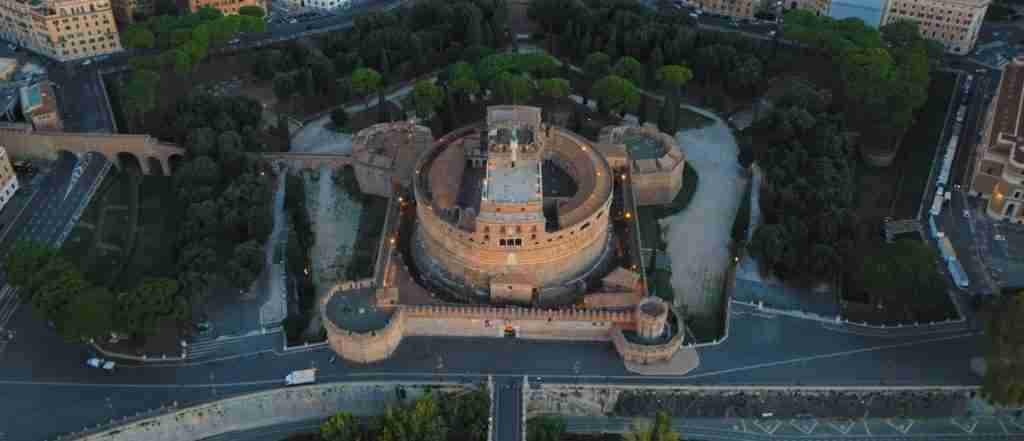
3 days
Rome 3-Day Discovery Tour
- ✓ Comprehensive Rome experience
- ✓ Expert local guides included
- ✓ All accommodation included
- ✓ Transportation provided

5 days
Rome 5-Day Highlights Experience
- ✓ Comprehensive Rome experience
- ✓ Expert local guides included
- ✓ All accommodation included
- ✓ Transportation provided
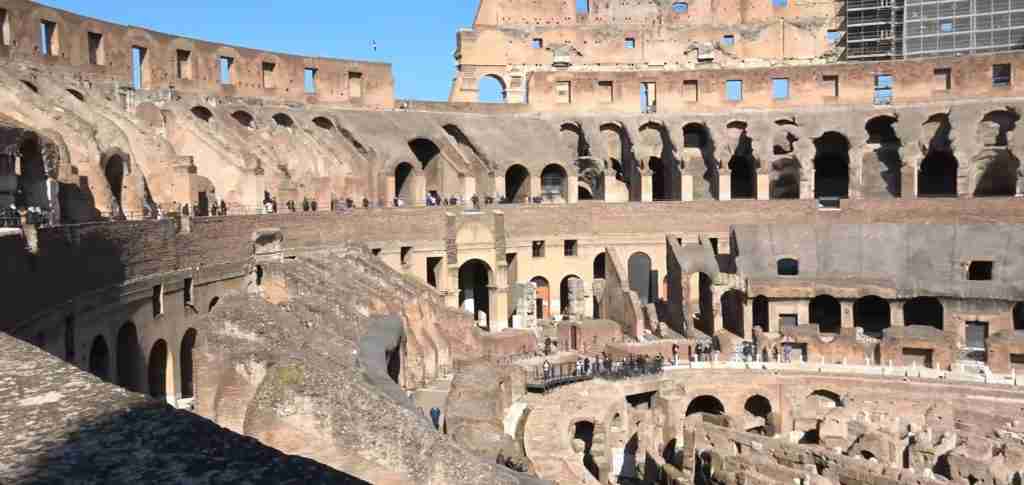
7 days
Rome 7-Day Cultural Journey
- ✓ Comprehensive Rome experience
- ✓ Expert local guides included
- ✓ All accommodation included
- ✓ Transportation provided
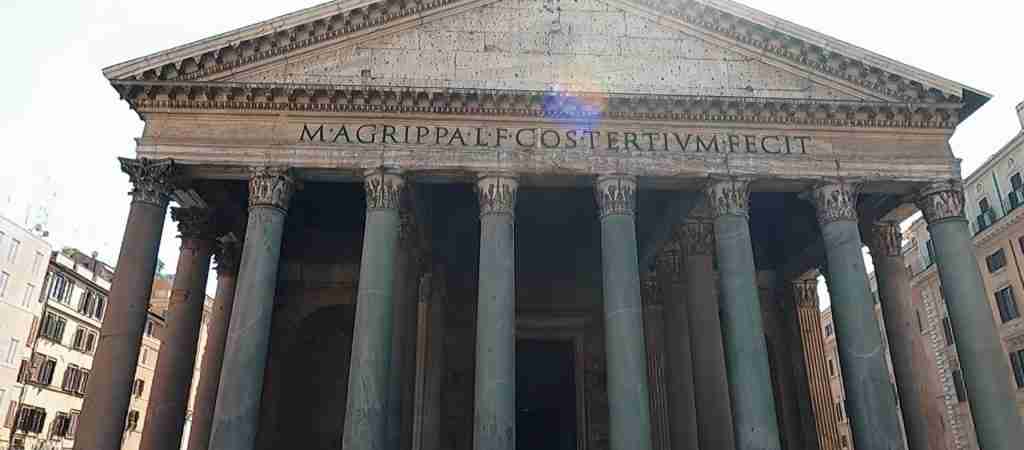
10 days
Rome 10-Day Complete Adventure
- ✓ Comprehensive Rome experience
- ✓ Expert local guides included
- ✓ All accommodation included
- ✓ Transportation provided
Multi-day tour packages powered by TourRadar. Prices and availability subject to change.
Introduction
Rome’s layered history spanning 2,800 years creates a uniquely complex destination where ancient ruins stand alongside Renaissance palaces, baroque fountains punctuate every piazza, and modern Roman life flows through streets walked by emperors and popes. The city functions as an open-air museum where world-class art and architecture exist not behind museum walls but integrated into daily urban fabric—Bernini fountains serve as neighborhood meeting points, Michelangelo frescoes crown working churches, and millennia-old monuments frame contemporary cafes and shops. This integration of past and present, sacred and secular, monumental and intimate defines the Roman experience and distinguishes it from cities where historical sites cluster in designated tourist zones separate from authentic local life.
Five days in Rome provides the minimum timeframe for experiencing this complexity without reducing the visit to a breathless monument chase. Shorter three-day itineraries force impossible choices between Vatican and Ancient Rome, allow no time for wandering neighborhoods where authentic Roman character emerges, and create exhaustion from relentless sightseeing that turns enrichment into endurance test. Five days permits strategic pacing: intensive mornings at major monuments when crowds and heat remain manageable, midday breaks for leisurely lunches following Roman meal culture, afternoon explorations of secondary sites or neighborhoods, and evening passeggiata joining locals in traditional strolls through illuminated historic center. This rhythm transforms tourism from checkbox exercise into genuine cultural immersion.
The 2026 calendar presents specific considerations affecting Rome visit planning. The Vatican Jubilee year, officially beginning December 24, 2024, and extending through January 6, 2026, brings millions of additional religious pilgrims to the city, creating sustained pressure on accommodation inventory and attraction capacity throughout the year. Hotel pricing reflects this exceptional demand with rates 15-25% above 2024 levels, particularly in neighborhoods near Vatican and major basilicas where pilgrims concentrate. Advance booking becomes even more critical than usual, with desirable central accommodation filling 3-6 months ahead for spring and autumn dates. However, the Jubilee also enhances Rome’s cultural calendar with special exhibitions, extended museum hours, and religious celebrations that provide unique experiences unavailable during normal years.
Planning a five-day Rome itinerary requires balancing must-see monuments with neighborhood discovery, managing physical stamina across multiple intensive walking days, coordinating advance ticket bookings across different official platforms, and budgeting realistically for a city where costs accumulate quickly through attraction fees, restaurant meals, and constant temptations for gelato, coffee, and spontaneous purchases. This guide addresses these challenges through day-by-day itineraries tested against real visitor experience, verified 2026 pricing across all major expenses, strategic booking timelines preventing sold-out disappointments, and honest assessments of physical demands helping visitors pace themselves effectively. The goal is transforming Rome from overwhelming complexity into navigable adventure.
Day 1: Vatican Museums and St. Peter’s Basilica 2026
Vatican Museums demand full-day attention with their 54 galleries, 20,000 artworks, and 7 kilometers of potential walking distance creating physical and sensory overload that defeats attempts to combine Vatican exploration with other major sites. This first-day placement capitalizes on arrival energy and establishes strong foundation for the remaining itinerary, while addressing Vatican ticket complexities when mental sharpness peaks. Most visitors require 3-4 hours minimum for abbreviated Vatican visit hitting essential highlights, while comprehensive exploration extends to 6-8 hours including breaks. Starting early—preferably the 9:00 AM opening slot—provides crucial advantages: cooler temperatures in the largely un-air-conditioned museums, lighter crowds in popular galleries like the Raphael Rooms, and prime Sistine Chapel viewing before afternoon masses pack the chapel.
Vatican Museums tickets cost €25 when purchased through the official website (tickets.museivaticani.va), representing €20 base admission plus €5 mandatory online booking fee, with no on-site sales available and check current official rates as pricing may vary based on special exhibitions. The 60-day advance booking window opens exactly two months before visit dates, with popular time slots (9:00-11:00 AM) selling out 2-4 weeks ahead during peak season April-October. Alternative ticketing through authorized resellers (GetYourGuide, Tiqets) costs €35-45 but occasionally secures availability when official tickets sell out, while guided tours (€50-80) provide expert commentary and skip general ticket lines though still experiencing same museum crowds. Children under 6 enter free, while ages 6-18 and students under 26 qualify for €8 reduced admission. St. Peter’s Basilica entry remains free without tickets required, though security lines stretch 30-90 minutes during midday peak.
The strategic Vatican route begins at museum entrance, proceeds directly through Egyptian and Classical sculpture galleries to the Gallery of Maps’ 120-meter frescoed corridor, continues to Raphael Rooms where four chambers showcase the Renaissance master’s Vatican frescoes, and culminates in the Sistine Chapel where Michelangelo’s ceiling and Last Judgment alter wall create the visit’s artistic zenith. Many visitors linger too long in earlier galleries, leaving insufficient time and energy for the Raphael Rooms and Sistine Chapel—the two must-see elements justifying the ticket price. From Sistine Chapel, an often-overlooked left exit provides direct passage to St. Peter’s Basilica, bypassing the external security lines that plague visitors who exit museums and attempt separate Basilica entry. Inside the Basilica, priorities include Michelangelo’s Pietà, Bernini’s bronze baldachin over the papal altar, and the dome ascent (€10 for elevator to terrace plus 320 steps to cupola summit, offering 360-degree Rome views).
Lunch opportunities near Vatican split between tourist traps charging €20-30 for mediocre pasta near museum exits and authentic options requiring 10-15 minute walks into residential neighborhoods. Borgo Pio street, running parallel to Via della Conciliazione, offers traditional trattorias like Ristorante dei Musei (€12-18 pasta dishes, €20-28 secondi) frequented by Vatican employees rather than tour groups. Alternatively, the Prati neighborhood northeast of Vatican provides genuine Roman dining at Cacio e Pepe (€14-16 pasta, €18-25 mains) and other local favorites where prices drop 30-40% from Vatican-adjacent tourist zones. Budget travelers should pack lunch from morning supermarket stop, eating in the Vatican Museums’ Pine Courtyard or nearby park benches to avoid inflated restaurant costs.
Evening options following Vatican exhaustion typically favor nearby Castel Sant’Angelo (€14 admission, open until 7:30 PM) providing Roman history through a converted papal fortress, or simply crossing the Tiber to wander the Centro Storico’s northern section around Piazza Navona and Pantheon. The latter requires no tickets or planning, allowing spontaneous exploration when decision-making capacity diminishes after intensive museum day. Most first-day visitors reach accommodation by 8:00-9:00 PM, ready for dinner in their hotel neighborhood before collapsing from jet lag combined with 15,000-20,000 steps logged during Vatican marathon.
Day 2: Ancient Rome – Colosseum, Forum, and Palatine Hill 2026
Ancient Rome’s archaeological core encompasses the Colosseum, Roman Forum, and Palatine Hill as an integrated ticketed complex requiring 4-6 hours for thorough exploration, with the single ticket covering all three areas and preventing the frustration of purchasing separate admissions. This second-day positioning assumes recovery from first-day jet lag while maintaining enough energy for extensive walking on uneven ancient surfaces, climbing Palatine Hill’s elevations, and navigating the Forum’s sprawling ruins under open sky where summer heat intensifies afternoon conditions. Early arrival—ideally 8:30-9:00 AM for 9:00 AM opening—proves essential since crowds build exponentially from 10:00 AM onward and shade becomes precious commodity once temperatures rise.
Colosseum tickets operate through a 30-day advance booking system via the official Parco Archeologico del Colosseo website (coopculture.it), with standard full-price tickets and reduced rates varying by visitor category. The ticket grants 24-hour validity from first entry, theoretically allowing split visits though most visitors complete all three sites in one continuous morning-afternoon session. Standard tickets provide access to Colosseum first and second levels, the entire Roman Forum, and Palatine Hill, while premium options (€22 supplement) include underground chambers and arena floor requiring separate booking and selling out within hours of 30-day advance release. Skip-the-line tickets through authorized resellers (€30-45) eliminate ticket office queues but not security screening lines, providing modest 15-30 minute time savings versus official tickets pre-purchased online.
The recommended sequence begins at the Colosseum when opening crowds remain lightest, allocates 60-90 minutes for the amphitheater’s two accessible levels and exterior viewing, then proceeds through the Arch of Constantine to the Roman Forum entrance. Many visitors reverse this order, tackling the sprawling Forum first when heat and crowds remain moderate, but Colosseum’s timed entry creates scheduling pressure that Forum’s untimed access avoids. The Roman Forum’s vast extent defies quick visits—dozens of temples, basilicas, arches, and administrative buildings require 2-3 hours minimum for navigating while maintaining historical context. Audio guides (€5) help identify ruins that often appear as anonymous stone foundations without explanation, while printed maps from information desks provide essential orientation through the complex.
Palatine Hill crowns the Forum’s southern edge, offering Rome’s legendary founding site, imperial palace ruins, and the best panoramic views over the Forum’s full extent. The hill’s multiple levels, gardens, and museums warrant 90-120 minutes, though many exhausted visitors reduce this after marathon Forum exploration. The Palatine Museum houses exceptional sculptures, frescoes, and artifacts from the hill’s palaces, providing climate-controlled respite from outdoor summer heat. Strategic visitors save Palatine for afternoon, using its shaded paths and museum galleries as relief from the Forum’s exposed terrain where temperatures peak 5-7°C above surrounding areas due to stone’s heat retention and minimal vegetation.
Lunch options near Ancient Rome span from tourist traps immediately surrounding Colosseum (avoid these €18-25 mediocre pasta joints) to authentic Roman osterie in nearby Monti neighborhood. Walking 10 minutes northeast into Monti reveals Taverna Romana (€12-15 pasta, €16-22 mains), La Carbonara (€14-18 pasta specializing in namesake dish), and other locals-oriented restaurants where quality matches or exceeds tourist-zone establishments at 30-40% lower prices. Alternatively, the Aventine Hill area southwest of Palatine provides quieter dining at family-run trattorias like Flavio al Velavevodetto (€14-16 pasta, €20-26 secondi) popular with neighborhood residents rather than tour groups.
Evening energy typically permits one additional activity after Ancient Rome’s physical demands, with options including the nearby Capitoline Museums (€15, excellent classical sculpture collection and city views from cafeteria terrace), sunset viewing from Vittorio Emanuele Monument’s terrace (€12, 360-degree panoramas), or simply wandering through the Jewish Ghetto’s narrow streets sampling fried artichokes (carciofi alla giudia, €6-8) and bakery treats. Most visitors appreciate relatively early dinner (7:30-8:30 PM) and accommodation return after logging 18,000-22,000 steps across uneven ancient surfaces.
Day 3: Centro Storico Walking Tour 2026
Rome’s historic center (Centro Storico) encompasses the dense medieval and Renaissance core between the Tiber River and Via del Corso, containing hundreds of churches, palaces, fountains, and piazzas within a walkable area measuring roughly 2 x 1.5 kilometers. Unlike Days 1-2’s ticketed sites with timed entries, the Centro Storico permits spontaneous wandering, flexible timing, and freedom from advance reservations—though this apparent ease masks the physical challenge of covering 5-7 kilometers while navigating cobblestone streets and stopping frequently for monuments, cafes, and shopping. This third-day placement provides recovery from the previous days’ intensive site visits while maintaining momentum before mid-itinerary fatigue sets in.
The strategic route begins at the Pantheon (free entry, open 9:00 AM – 7:00 PM Monday-Saturday, 9:00 AM-6:00 PM Sunday) when morning light streams through the oculus illuminating the ancient dome’s coffers, proceeds northwest to Piazza Navona’s baroque fountains and street artists, continues west to Campo de’ Fiori’s morning market (active until 2:00 PM), crosses the Tiber via Ponte Sisto to Trastevere for lunch, returns via Tiber Island, and terminates at the Trevi Fountain for evening crowd-watching and obligatory coin toss. This circular route totals approximately 6 kilometers excluding detours, requires 6-8 hours at tourist pace including lunch and breaks, and incorporates free sites eliminating the ticket costs that dominated previous days.
The Pantheon represents ancient Rome’s best-preserved monument and remains free to visit, though recent proposals for nominal admission fees (€2-5) may implement by 2026—check current status before visiting. The building’s perfect proportions, 43-meter dome diameter matching its height, and revolutionary concrete construction techniques inspire architectural pilgrims while functioning as active church hosting regular masses. Arrive at 9:00 AM opening to appreciate the space before tour group crowds overwhelm the interior by 10:30 AM. Nearby Santa Maria sopra Minerva church (free entry) houses Michelangelo’s Risen Christ sculpture and the tomb of Fra Angelico, often overlooked by visitors rushing between Pantheon and Piazza Navona.
Piazza Navona, built atop Domitian’s ancient stadium and retaining that oval footprint, showcases three fountains including Bernini’s Fontana dei Quattro Fiumi (Fountain of Four Rivers) with its dramatic personifications of Nile, Ganges, Danube, and Rio de la Plata. The piazza’s cafes charge premium prices (€5-7 espresso, €8-12 cappuccino) for outdoor seating with fountain views, creating classic tourist trap versus value dilemma. Budget-conscious visitors photograph the fountains, use restrooms at free-entry churches, and continue to Campo de’ Fiori for more reasonable coffee prices at traditional bars frequented by market vendors and local workers.
Trastevere lunch represents the day’s main meal, with this formerly working-class neighborhood now offering hundreds of restaurants spanning tourist traps to authentic family-run osterie. Quality options include Da Enzo al 29 (€14-16 pasta, €18-24 mains, reservations essential due to intense popularity), Flavio al Velavevodetto (€12-18 pasta, excellent carbonara and amatriciana), and Tonnarello (€14-20 pasta with generous portions popular among locals). Expect 90-120 minute leisurely Italian lunch experience including wine (€4-6 house wine by glass, €15-25 per bottle), making midday meal a rest period rather than quick refueling stop.
The Trevi Fountain experiences peak crowds from 4:00 PM through midnight when artificial lighting creates dramatic nighttime display, though 9:00-10:00 AM morning visits offer relatively empty viewing for photographs without competing with hundreds of other tourists. The tradition of tossing one coin over left shoulder with right hand supposedly ensures Rome return, with an estimated €1.5 million in coins thrown annually and collected nightly for charity. Nearby gelato shops (€3-5 for two-scoop cup) provide classic Roman refreshment, though the quality varies dramatically—seek shops displaying gelato in covered metal containers rather than overflowing mounds indicating industrial production with excessive air content.
Day 4: Borghese Gallery and Villa 2026
The Borghese Gallery houses one of the world’s finest private art collections within a jewel-box villa surrounded by 80-hectare Borghese Gardens, requiring mandatory advance reservations limiting visits to two-hour time slots that prevent overcrowding while forcing strategic planning. This fourth-day placement provides mid-itinerary artistic enrichment before final-day neighborhood wandering, while the gallery’s timed entry and limited physical demands offer respite from previous days’ extensive walking and monument crowds. The two-hour visit restriction seems severe but proves appropriate for the collection’s compact size, with most visitors finding sufficient time to appreciate Bernini’s sculptures, Caravaggio’s paintings, and the building’s frescoed galleries.
Borghese Gallery tickets cost €20 (€15 admission + €5 mandatory reservation fee) when booked through the official website (galleriaborghese.beniculturali.it), with the two-hour entry slots releasing 30 days in advance and selling out 1-2 weeks ahead during peak season. The reservation system operates strictly—late arrivals lose their slot without refunds, early arrivals wait until their designated time, and extending beyond two hours triggers ejection by gallery staff. Booking the 9:00-11:00 AM or 11:00 AM-1:00 PM slots provides optimal morning light in the ground-floor sculpture galleries and allows afternoon flexibility for gardens or alternative activities, while later slots (3:00-5:00 PM, 5:00-7:00 PM) work well for splitting the day between other morning attractions and afternoon gallery visit.
The gallery’s ground floor showcases Bernini’s masterpiece sculptures including Apollo and Daphne, Rape of Proserpina, and David, each demonstrating the baroque master’s ability to render dynamic movement and emotional intensity in marble. Canova’s neoclassical sculpture of Pauline Bonaparte as Venus Victrix occupies the first room, greeting visitors with its sensual reclining figure. The first floor houses the painting collection dominated by Caravaggio’s six works including Boy with a Basket of Fruit, David with the Head of Goliath, and Madonna of the Palafrenieri, plus Raphael’s Deposition and Titian’s Sacred and Profane Love. Audio guides (€5) provide essential context for artworks and building history, while the gallery’s compact size makes navigation intuitive without requiring complex planning.
The Borghese Gardens surrounding the villa offer 80 hectares of paths, artificial lakes, classical temples, and shaded groves providing green escape from the city’s stone-and-marble density. Entry to the gardens remains free, attracting Romans for jogging, picnicking, and weekend recreation alongside tourists exploring between gallery visits. The Pincio terrace at the garden’s southwest corner provides one of Rome’s finest panoramic views over Piazza del Popolo to St. Peter’s dome in the distance, particularly spectacular during sunset hours. Bike rentals (€5 per hour) allow efficient garden exploration, while the small lake hosts rowboat rentals (€3 per 20 minutes) popular with couples and families.
Lunch options near Borghese Gallery divide between expensive tourist restaurants immediately outside the park gates (avoid unless budget-unlimited) and authentic trattorias in surrounding Salario and Pinciano residential neighborhoods. Walking 10-15 minutes from the gallery reveals neighborhood restaurants like Osteria Margutta (€14-18 pasta, €20-28 mains) and Colline Emiliane (€16-20 pasta including renowned tortellini in brodo), where local clientele and reasonable prices contrast sharply with park-adjacent tourist traps. Alternatively, picnic supplies from morning supermarket stop transform Borghese Gardens into outdoor dining room, saving €15-25 per person while enjoying superior setting to restaurant tables.
Afternoon options following Borghese visit include the nearby Spanish Steps and designer shopping district (Gucci, Prada, Valentino flagships along Via Condotti), the Ara Pacis museum (€12, Augustus’s peace altar with multimedia displays), or simply relaxing in gardens before evening activities. Many visitors appreciate the lighter Day 4 schedule after intensive previous days, using spare afternoon hours for laundry, accommodation rest, or leisurely cafe time rather than additional monument-chasing.
Day 5: Trastevere, Testaccio, and Hidden Rome 2026
The final day abandons major monuments for neighborhood immersion in Trastevere and Testaccio, two distinct Roman districts where authentic daily life continues alongside tourism, providing contrast to the previous days’ museum and monument focus. This positioning acknowledges typical end-of-trip fatigue that makes intensive sightseeing counterproductive, instead channeling remaining energy into relaxed wandering, local market exploration, and final Roman meals before departure. The flexible structure permits sleeping later, lingering over breakfast, and approaching the day without rigid schedules or advance reservations—luxuries unavailable during the previous days’ timed-entry attractions.
Trastevere (“across the Tiber”) retains medieval street patterns, artisan workshops, and local trattorias despite escalating tourism pressure, particularly in the Santa Maria in Trastevere area where restaurants and bars now primarily serve visitors rather than residents. Morning exploration (9:00-11:00 AM) catches the neighborhood before tour groups arrive, revealing corner bakeries, neighborhood markets, and elderly residents hanging laundry from Renaissance-era windows. The Basilica of Santa Maria in Trastevere (free entry) houses 12th-century mosaics and functions as active parish church hosting daily masses, while the nearby Botanical Garden (€8 admission) provides peaceful respite with 12 hectares of Mediterranean and tropical plantings.
Testaccio, south of Aventine Hill, operates as working-class neighborhood largely overlooked by tourists, making it Rome’s most authentic food district where traditional Roman cuisine survives at neighborhood trattorias charging 30-40% below historic center prices. The Testaccio Market (Via Beniamino Franklin, open Monday-Saturday 7:00 AM-3:30 PM) combines fresh food vendors serving neighborhood residents with lunch stands offering traditional Roman street food including supplì (fried rice balls, €3-4), trapizzino (stuffed pizza pockets, €4-5), and porchetta sandwiches (€5-6). This market lunch experience costs €10-15 per person versus €25-35 at sit-down restaurants, providing both budget savings and cultural authenticity through food-hall atmosphere and standing-room consumption.
The Protestant Cemetery (Cimitero Acattolico, €3 donation suggested, open 9:00 AM-5:00 PM Monday-Saturday, 9:00 AM-1:00 PM Sunday) near Testaccio houses the graves of Keats, Shelley, and other non-Catholic foreigners who died in Rome, creating unexpectedly moving experience through its romantic landscaping, ancient pyramids backdrop, and literary history. Adjacent Monte Testaccio, a 35-meter hill constructed entirely from ancient Roman pottery shards, anchors the neighborhood and hosts nightclubs tunneled into the artificial mountain’s caves—though these clubs operate only during weekend evenings, limiting daytime visitor interest to the unusual archaeology.
The Aventine Hill, separating Testaccio from the city center, offers the Giardino degli Aranci (Orange Garden) providing spectacular sunset views over Rome, plus the famous Knights of Malta keyhole through which St. Peter’s dome perfectly frames. The orange garden entry remains free, attracting Romans and tourists for evening picnics and photography, particularly during golden hour 90 minutes before sunset. The medieval Santa Sabina church (free entry) maintains 5th-century doors carved with biblical scenes and a nave supported by ancient columns, while the nearby Sant’Anselmo monastery occasionally hosts Gregorian chant vespers open to public attendance (check schedules locally).
Evening options on the final day typically favor neighborhood dinner in Testaccio or Trastevere rather than returning to tourist-zone restaurants, with late dining (9:00-10:00 PM) reflecting Roman meal customs. Testaccio’s Flavio al Velavevodetto (€14-18 pasta, €22-28 grilled meats) specializes in traditional quinto quarto (offal) dishes alongside standard Roman pasta, while Trastevere’s Da Enzo (reservations essential) and Tonnarello serve classic preparations. Budget travelers can assemble final-night picnic from Testaccio Market purchases, consuming on Aventine Hill while watching sunset—a zero-cost experience rivaling expensive restaurant dining for memorable Roman conclusion.
Where to Stay in Rome 2026
Accommodation in Rome 2026 ranges from €40-60 nightly for hostel dormitories and budget hotels to €80-120 for mid-range three-star properties, and €150-300+ for boutique four-star hotels, with exact pricing varying by neighborhood, booking timing, and seasonal demand. The 2026 Vatican Jubilee year elevates prices 15-25% above normal levels, particularly in neighborhoods near St. Peter’s and major basilicas where religious pilgrims concentrate, making advance booking 3-6 months ahead essential for securing reasonable rates and availability. Location dramatically affects both daily convenience and total costs, with trade-offs between central proximity commanding premium prices versus peripheral neighborhoods offering better value but requiring additional transit time to major attractions.
The Termini Station area provides Rome’s most practical base for first-time visitors, combining central location, metro access to all major sites, and accommodation options across all budget levels. Mid-range hotels like Hotel Impero (€90-130 nightly) and Dharma Hotel (€80-110 nightly) place visitors within 10-minute walks of metro lines A and B, enabling 15-30 minute commutes to Vatican, Colosseum, and historic center. Budget travelers find multiple hostels (€25-45 dormitory beds, €60-90 private rooms) within the Termini area, though the neighborhood’s grittier character and evening safety concerns require standard urban caution. The area’s abundant restaurants, supermarkets, and late-night services provide practical advantages despite lacking historic center’s romantic atmosphere.
The Monti neighborhood, immediately northeast of the Colosseum, offers excellent value combining walkable access to Ancient Rome sites, authentic trattoria dining, and lower accommodation costs than historic center proper. Three-star hotels like Hotel Nerva (€85-120 nightly) and Monti Palace Hotel (€80-110 nightly) provide comfortable rooms in medieval buildings, while boutique properties like Palazzo Manfredi (€200-400 nightly) command premium prices for Colosseum views. The neighborhood’s pedestrian-friendly streets, local wine bars, and artisan shops create residential atmosphere impossible in heavily touristed areas, though this also means fewer late-night restaurant options and some uphill walking navigating the area’s varying elevations.
Trastevere attracts visitors seeking romantic medieval ambiance, riverside location, and evening restaurant scene, though escalating tourism pressure inflates prices 20-30% above equivalent quality in less-discovered neighborhoods. Mid-range options like Hotel Santa Maria (€120-180 nightly) and Relais Le Clarisse (€100-150 nightly) occupy converted historic buildings around quiet courtyards, providing charming accommodations at premium rates. The neighborhood’s cobblestone streets prohibit wheeled luggage navigation, the distance from major metro lines requires bus dependence or lengthy walks, and the evening party atmosphere creates noise concerns for early sleepers. However, the immediate access to dozens of restaurants and bars eliminates dinner transit time and places visitors in Rome’s most photogenic neighborhood.
The Prati neighborhood, northwest of Vatican between St. Peter’s and Castel Sant’Angelo, serves Vatican-focused visitors and those seeking residential Roman atmosphere in a well-connected, safe area lacking tourist saturation. Three-star hotels (€70-110 nightly) provide better value than equivalent properties in historic center, while the neighborhood’s authentic markets, local trattorias, and metro access (Line A) balance convenience with Roman character. However, the distance from Colosseum and historic center requires 30-40 minute commutes via metro or bus, making Prati less practical for itineraries emphasizing Ancient Rome over Vatican attractions.
Budget travelers should explore hostels in Termini area (€25-45 dormitories, €60-90 private rooms), budget hotel chains like B&B Hotels (€50-80 nightly) in peripheral neighborhoods with metro access, or religious guesthouses (€60-100 nightly) often providing exceptional value with simple accommodations and central locations. Advance booking remains critical even for budget options during 2026’s Jubilee-elevated demand, with many hostels selling out 2-3 months ahead for spring and autumn dates. Mid-range travelers benefit from booking directly with hotels rather than through aggregator sites, often securing 10-15% better rates plus breakfast inclusion and flexible cancellation policies.
Getting Around Rome in 2026
Rome’s public transport system operates through ATAC (Azienda per i Trasporti Autoferrotranviari del Comune di Roma) managing metro lines, buses, and trams with integrated ticketing allowing transfers across modes. The metro network consists of three lines—A (orange), B/B1 (blue), and C (green)—with Lines A and B intersecting at Termini Station and serving the majority of tourist attractions, while Line C primarily serves residential periphery with minimal tourist utility. The system operates daily 5:30 AM-11:30 PM weekdays (until 1:30 AM Friday-Saturday), with 10-15 minute intervals during daytime hours extending to 20-30 minutes during early morning and late evening periods. Rome’s relatively limited metro coverage compared to Paris or London means many destinations require combining metro with walking, buses, or taxis.
The single BIT ticket costs €1.50 and provides 100 minutes of unlimited transfers on metro, buses, and trams from first validation, with the restriction that metro exit and re-entry counts as separate journey requiring new ticket. This pricing represents exceptional value for European transit, maintained through government subsidy despite operational cost pressures. The 24-hour pass at €8.50, 48-hour at €15, 72-hour at €22, and 7-day at €29 offer progressively better value for multi-day stays, with the 7-day pass providing best economics for the five-day itinerary at €5.80 daily (calculation: €29 ÷ 5 = €5.80) versus €6-7.50 daily through individual tickets. Tickets purchased before July 1, 2025, cost less under previous pricing (24-hour €7, 72-hour €18, 7-day €24), though these older tickets remain valid through October 31, 2025, if purchased before the price increase.
Tap-and-go contactless payment using credit cards, smartphones, or smartwatches functions at metro turnstiles and select buses, automatically charging €1.50 per journey and capping at €8.50 (24-hour pass equivalent) if six or more trips occur within 24 hours. This best-fare system eliminates the need for physical tickets while providing automatic optimization, though it requires using the same payment device for all trips to trigger the cap. Children under 10 travel free with accompanying adults without requiring tickets, while reduced fares (€12 weekly pass, €18 monthly pass) apply to Rome residents—tourists pay full standard pricing regardless of age beyond the free child threshold.
Strategic metro use connects major attractions efficiently: Line A serves Vatican (Cipro or Ottaviano stations), Spanish Steps (Spagna), Trevi Fountain area (Barberini), and terminates at San Giovanni Laterano near the basilica. Line B serves Colosseum (Colosseo station), Circus Maximus, Piramide (Protestant Cemetery and Testaccio), and connects to Fiumicino Airport via Leonardo Express train. The historic center (Pantheon, Piazza Navona, Campo de’ Fiori) lacks direct metro access, requiring bus routes (40, 64, 492) or walking from Barberini or Spagna stations. This metro coverage limitation means most five-day itineraries involve significant walking—15,000-22,000 steps daily typical—rather than depending primarily on transit.
Taxis operate via meter starting at €3 base fare, then €1.10 per kilometer within city walls and €1.60 per kilometer beyond walls, with supplements for luggage (€1 per bag), late-night service 10:00 PM-6:00 AM (€3.50), Sundays and holidays (€4), and airport trips (€48 fixed rate to/from Fiumicino, €30 to/from Ciampino). Uber operates in Rome but often costs 20-40% more than traditional taxis while providing minimal service improvement—stick with official white taxis at designated stands or phone dispatch (3570). Short city-center trips typically cost €8-15, making taxis reasonable for groups of 3-4 splitting costs but expensive for solo travelers managing on budget. Ride-sharing apps Free Now and IT Taxi offer alternatives to street hailing, often providing 10-15% discounts versus meter rates.
Walking remains the most practical transport mode within the historic center’s compact 2-3 kilometer radius, with Google Maps or Rome-specific apps (Moovit, Citymapper) providing accurate walking directions accounting for pedestrian-only streets and one-way restrictions that affect driving routes. Comfortable walking shoes prove essential given cobblestone streets, uneven ancient paving, and 15,000+ daily steps across multiple days. Many visitors underestimate Rome’s hilliness—the original seven hills plus various secondary elevations create elevation changes requiring climbing equivalent to 30-50 flights of stairs daily across a typical five-day itinerary.
Daily Cost Breakdown by Travel Style 2026
Budget travel in Rome 2026 requires €80-125 daily per person, allocating €40-60 for hostel dormitory or budget hotel accommodation, €25-35 for meals at pizzerias and trattorias including breakfast, lunch, and dinner, €10-20 for attraction tickets focusing on free sites plus 1-2 paid major monuments, and €5-10 for public transportation using multi-day passes. This budget assumes hostel stays (€25-35 dormitory, €50-70 private room split between two), breakfast from supermarkets (€3-5 for coffee and cornetto), lunch from bakeries or street food vendors (€8-12 for pizza slices or sandwiches), and dinner at authentic neighborhood trattorias (€14-18 for pasta primi plus water or house wine). Attraction costs minimize through strategic use of free Sundays (first Sunday monthly grants free state museum entry including Colosseum), free sites (Pantheon, Trevi Fountain, Spanish Steps, all churches), and selective paid entry only to must-see attractions (Vatican €25, Borghese €20, perhaps one other museum). Daily walking averages 18,000-24,000 steps to minimize bus fares beyond the basic pass, requiring strong fitness and tolerance for foot fatigue.
Mid-range travel costs €170-255 daily per person, supporting €80-120 for three-star hotel accommodation in central neighborhoods, €50-70 for restaurant dining including wine and coffee, €30-50 for comprehensive attraction tickets with audio guides and skip-the-line access, and €10-15 for mixed public transport and occasional taxis. This budget provides comfortable private rooms (€80-120 split between two), cafe breakfast (€8-12 for cappuccino and pastry), sit-down trattoria lunches (€18-25 for primo, secondo shared, wine), and quality dinner reservations (€25-35 per person for multi-course meal with wine). Attraction access includes all major sites (Vatican €25, Colosseum standard ticket, Borghese €20, Capitoline Museums €15, Castel Sant’Angelo €14) plus audio guides (€5 each), while transportation mixes metro passes with strategic taxi use for late-evening returns or luggage transport. This budget level permits spontaneous gelato (€3-5), afternoon coffee breaks (€4-6), and modest souvenir purchases without constant cost anxiety.
Luxury travel demands €320-620+ daily per person, funding €150-300+ for four-star boutique hotels or five-star properties, €80-140 for upscale dining experiences, €60-120 for private guides and exclusive access tours, and €30-60 for private drivers and premium transportation. Luxury accommodation (€200-400 nightly split between two) provides central location, rooftop terraces, spas, and superior service, while dining emphasizes Michelin-starred or celebrity-chef restaurants (€50-80 per person for tasting menus, €100-200 with wine pairings). Private guides (€250-400 for half-day) deliver personalized Vatican or Ancient Rome tours with skip-the-line access and expert commentary, while private drivers (€70-100 per hour) eliminate public transport and enable efficient multi-site itineraries. This budget comfortably accommodates shopping at designer boutiques, opera tickets (€80-200), cooking classes (€100-150), and other premium experiences elevating the trip beyond standard sightseeing.
Actual spending typically exceeds planned budgets through accumulating small expenses: mid-morning espresso (€1.50-3), afternoon gelato (€3-5), bottled water throughout hot days (€1.50-2 from vendors, €0.50 from supermarkets), attraction lockers for luggage storage (€2-5), restroom fees in tourist areas (€0.50-1), and unplanned snacks or drinks. These incremental costs add €15-25 daily beyond calculated meal and attraction budgets, making daily totals realistically €95-145 budget (calculation: €80 + €15 = €95 low, €125 + €25 = €150 high, adjusted to €145 accounting for overlapping expenses), €185-280 mid-range (calculation: €170 + €15 = €185 low, €255 + €25 = €280 high), and €335-645+ luxury (calculation: €320 + €15 = €335 low, €620 + €25 = €645 high) when including all actual expenses. Credit cards function universally at hotels, restaurants, and attractions, though small trattorias and markets often require cash—withdrawing €100-150 every 2-3 days from ATMs avoids carrying excessive cash while maintaining payment flexibility.
Dining Costs and Restaurant Recommendations 2026
Roman restaurant pricing operates through distinct tiers reflecting location, atmosphere, and target clientele, with authentic neighborhood trattorias charging €12-18 for pasta primi, €18-28 for meat or fish secondi, €4-6 for house wine by glass, while tourist-zone establishments near major monuments command 40-60% premiums for equivalent or inferior quality. Understanding the cover charge (coperto) tradition—a €2-4 per-person fee appearing on bills regardless of ordering—prevents surprise when calculating costs, though this practice is declining at casual establishments competing for budget-conscious diners. Service charges (servizio) of 10-12% sometimes appear on bills, particularly for groups of 6+, making careful bill review essential before adding discretionary tips that Italians rarely leave beyond rounding up to the next euro.
Breakfast costs €3-8 at local bars for traditional Italian continental fare—cappuccino and cornetto consumed standing at the bar counter where pricing remains 40-50% below table service rates at the same establishment. Tourist-area cafes near Spanish Steps or Trevi Fountain charge €5-8 for cappuccino when seated at outdoor tables with fountain views, creating classic tourist trap scenario versus stepping two blocks into side streets where neighborhood bars charge €1.50-2.50 for identical drinks. Hotel breakfast buffets (€8-18 when not included in room rates) provide convenience and variety but cost 2-3 times equivalent quality obtainable at neighborhood bakeries and bars.
Lunch options range from €8-12 quick meals at bakeries and pizzerias (pizza al taglio €3-4 per slice, supplì €2-3, sandwiches €5-7) to €18-30 sit-down trattoria meals including primo, bread, water, and cover charge. The traditional Roman lunch extends 90-120 minutes as social ritual rather than pure refueling, though tourist-oriented establishments accommodate faster service for visitors operating on tighter schedules. Markets like Campo de’ Fiori and Testaccio offer exceptional value through food stalls serving fresh-cooked meals for €10-15, consumed at standing tables with paper plates and plastic utensils—informal but authentic and budget-friendly.
Dinner represents the day’s main meal, with restaurant reservations essential at popular trattorias (Da Enzo in Trastevere, Flavio al Velavevodetto in Testaccio, Armando al Pantheon near Piazza Navona) that fill completely 7:00-9:30 PM. Expect €35-55 per person for complete dinner including antipasto, primo, secondo shared between two, contorno vegetable, house wine, water, and dessert at mid-range neighborhood restaurants, while equivalent meals cost €55-85 in historic center tourist zones. Budget diners can manage €20-28 per person by ordering only primo pasta dish, salad, and water—perfectly acceptable in casual trattorias though upscale restaurants expect multi-course ordering. Romans dine late (9:00-10:00 PM standard, with restaurants filling 8:30 PM onward), making early dinner reservations (7:00-7:30 PM) often easier to secure at popular establishments.
Traditional Roman dishes to prioritize include carbonara (pasta with guanciale, egg, pecorino cheese), amatriciana (tomato and guanciale), cacio e pepe (pecorino and black pepper), and carciofi alla giudia (Jewish-style fried artichokes). Authentic preparations avoid cream in carbonara (tourist versions often add cream masking technique flaws), use guanciale rather than pancetta or bacon, and achieve proper texture through careful technique rather than heavy sauces. Pizzerias operate differently from trattorias, specializing in wood-fired thin-crust pizza (€8-14) served as individual meal rather than sharing, with house wine (€4-5 per carafe) and simple antipasti completing typical pizza dinner.
Money-Saving Strategies for Rome 2026
The first Sunday of each month grants free admission to all state-run museums and archaeological sites including the Colosseum, Roman Forum, Palatine Hill, Borghese Gallery, and Castel Sant’Angelo, potentially saving €75-100 per person across a five-day itinerary if visit timing aligns with this monthly opportunity. However, the savings come with significantly higher crowds (50-100% more visitors than typical days) and longer entry wait times (90-180 minutes for Colosseum versus 20-40 minutes on paid days), making the trade-off economically attractive but experientially questionable. Advance online reservations still apply—free-day tickets release simultaneously with paid tickets and sell out even faster, requiring vigilant booking exactly when the monthly allocation appears online.
Advance booking accommodation 3-6 months ahead delivers 20-30% savings compared to last-minute rates, particularly during 2026’s Jubilee-elevated demand when popular hotels sell out entirely 4-6 weeks before high-season dates. Booking directly with hotels rather than aggregator platforms often secures additional 10-15% discounts plus breakfast inclusion, flexible cancellation policies, and room upgrades when availability permits. The psychological commitment of advance payment can feel restrictive, but the savings fund 2-3 additional restaurant meals or attraction entries that flexible booking would eliminate through premium pricing.
Multi-day public transport passes provide better value than individual tickets once daily travel exceeds 4-5 trips, with the 72-hour pass (€22) costing €7.33 daily (calculation: €22 ÷ 3 = €7.33) versus €9-12 through single tickets for typical tourist travel patterns. The 7-day pass (€29) represents best value for five-day visits at €5.80 daily (calculation: €29 ÷ 5 = €5.80), covering the complete itinerary plus airport transport via metro connections. Purchasing passes from tobacco shops (tabacchi) or automated machines avoids the small surcharges some hotels add for selling transport tickets as guest convenience service.
Lunch from markets and bakeries saves €12-18 daily compared to sit-down restaurant meals while providing authentic Roman food experiences. Campo de’ Fiori market vendors sell fresh fruit (€2-3 per serving), cheese and salumi (€5-7 for picnic portions), and bread (€2-3 for sandwich-sized portions) enabling €10-12 complete lunches consumed in nearby piazzas or parks. Testaccio Market food stalls serve hot traditional Roman dishes (€4-6 per item) with standing-room consumption saving the cover charge, table service costs, and time that sit-down restaurants require. This strategy redirects lunch savings toward upgraded dinners at quality trattorias where the full Roman meal ritual provides cultural value beyond pure sustenance.
Strategic timing shifts 1-2 weeks outside peak season (avoiding Easter week, June-August, Christmas-New Year) reduces accommodation costs 25-40% while maintaining excellent weather and manageable crowds. Late March or early April pre-Easter, September, and early October offer ideal conditions with May-June quality at notably lower pricing. This requires flexible vacation scheduling impossible for families tied to school calendars but highly achievable for retirees, remote workers, and couples controlling their travel timing.
Practical Tips and Essential Information for 2026
Rome’s dress code for churches requires covered shoulders and knees, enforced strictly at St. Peter’s Basilica and major basilicas but variably at smaller churches where guards may admit inappropriately dressed visitors during quiet periods. Carrying a lightweight scarf or shawl enables converting sleeveless dresses or shorts into acceptable coverage, avoiding the frustration of being denied entry after trekking across the city. The Vatican employs dedicated clothing inspectors who refuse entry to thousands daily—plan outfits accordingly or accept restriction to exterior plaza viewing.
Pickpocketing concentrates on metro lines A and B, particularly crowded trains during rush hours and tourist-heavy routes between Termini and Vatican or Colosseum. Standard urban precautions—front pockets for valuables, bags held in front of body, awareness of surrounding people—reduce risk significantly. The classic distraction technique involves one thief engaging in conversation or creating deliberate commotion while accomplices rifle pockets or bags. Smartphones represent prime targets due to high value and distracted owners, making zippered pockets or bags essential for device security. Violent crime against tourists remains rare in Rome, though late-night caution around Termini Station and isolated areas applies as in any major city.
Bottled water from street vendors costs €1.50-2 versus €0.30-0.50 from supermarkets, creating easy daily savings of €5-8 for visitors hydrating properly during hot weather. Alternatively, Rome’s 2,500+ public drinking fountains (nasoni) provide safe, cold, free water at fountains citywide—bring a refillable bottle and locate fountains via free smartphone apps. Drinking water quality meets or exceeds bottled water standards, though psychological resistance to “tap water” persists among some visitors accustomed to bottled-water-dependent destinations.
Restaurant service follows Italian pacing where leisurely meals span 90-120 minutes as cultural norm rather than staff inefficiency. Servers won’t bring the check until requested (asking prematurely implies dissatisfaction), and lingering after paying is perfectly acceptable—Italians socialize at tables long after finishing meals. This rhythm frustrates visitors accustomed to faster American-style service but represents fundamental cultural difference rather than poor training. Adjusting expectations and appreciating the relaxed atmosphere transforms potential annoyance into cultural appreciation.
Pharmacy (farmacia) locations marked by green crosses provide professional medical consultation for minor ailments, often recommending over-counter treatments and eliminating expensive doctor visits. Italian pharmacists train as healthcare professionals capable of addressing common traveler complaints—upset stomach, minor infections, allergic reactions, sunburn—at no consultation charge beyond purchasing recommended medications. This contrasts sharply with American pharmacy culture where medical advice requires separate doctor appointments.
Luggage storage services (€6-12 per day) operate near Termini Station and major attractions, enabling final-day touring without dragging suitcases through museums or restaurants. Radical Storage network connects dozens of partner locations (hotels, shops, cafes) offering secure storage bookable via smartphone app, while traditional station lockers provide lower cost but less convenient locations. This service particularly benefits visitors with afternoon or evening departures who check out of accommodation morning but have 6-8 hours before airport departure.
Frequently Asked Questions
Can I see the Vatican and Colosseum in one day in 2026?
While theoretically possible to visit both Vatican Museums and Colosseum in a single day, this approach creates an exhausting, unsatisfying experience that shortchanges both sites while risking complete physical exhaustion that ruins subsequent days. The Vatican Museums alone require 3-4 hours minimum for abbreviated visits hitting essential galleries, while comprehensive exploration extends to 6-8 hours including St. Peter’s Basilica and dome ascent. Adding Colosseum, Roman Forum, and Palatine Hill (the integrated archaeological area requiring 4-6 hours total) creates a 7-12 hour marathon of walking, standing in lines, processing overwhelming artistic and historical information, and navigating between sites separated by 4 kilometers requiring 30-45 minutes transit time. The combined ticket costs total €45-50 per person (€25 Vatican + €20-25 Colosseum), representing poor value when insufficient time at each site prevents meaningful engagement with the collections and monuments. Visitors attempting this combination typically rush through the Vatican to reach Colosseum, arrive exhausted and less receptive to the Ancient Rome experience, or abandon one site mid-visit after realizing the schedule impossible. The five-day itinerary dedicates separate full days to each site for excellent reasons—these represent two of the world’s most significant cultural destinations deserving proper time and energy rather than checkbox completion.
Do I need to book restaurants in advance in Rome in 2026?
Advance restaurant reservations prove essential for popular trattorias and any Michelin-starred dining in Rome 2026, with sought-after establishments like Da Enzo (Trastevere), Flavio al Velavevodetto (Testaccio), and Armando al Pantheon booking completely 1-3 weeks ahead for dinner service during peak season March-October. These restaurants maintain small dining rooms (20-40 seats) creating intimate atmosphere but limited inventory, accepting reservations via phone calls (English often limited) or third-party platforms like TheFork that streamline booking through smartphone apps. Attempting walk-in dining at prime-time 8:00-9:00 PM slots typically results in rejection or 90-minute waits at these popular establishments, wasting valuable evening hours and potentially requiring settling for less desirable fallback options. However, many neighborhood trattorias and all casual pizzerias operate on walk-in basis without reservations, creating spontaneous dining opportunities for visitors who explore beyond the famous establishments. The strategic approach involves making advance reservations for 2-3 special dinners at top-choice restaurants, while leaving other evenings flexible for spontaneous discovery. Mid-afternoon reservations (6:00-7:00 PM before prime Roman dinner hours) often secure same-day availability even at popular spots, accommodating visitors who prefer confirming plans day-of rather than weeks ahead. The Jubilee year intensifies reservation competition with 15 million additional visitors, making the advance-booking recommendation even stronger for 2026 than typical years.
Is the Roma Pass worth buying for a 5-day Rome visit in 2026?
The Roma Pass, Rome’s official tourist card offering free museum entries, attraction discounts, and unlimited public transport, delivers questionable value for most five-day visitors in 2026 when carefully comparing pass costs against actual attraction plans and transport usage. The 72-hour pass (€52) includes free entry to two museums or sites, discounted admission at subsequent attractions, and unlimited ATAC transport, while the 48-hour version (€32) covers one free entry, discounts, and transport. The apparent savings evaporate when considering that the two most expensive attractions—Vatican Museums (€25) and Colosseum (€20-25)—don’t accept the pass, eliminating the highest-ticket items from the value calculation. If visitors use the pass for Borghese Gallery (€20) and Capitoline Museums (€15), they receive €35 value (calculation: €20 + €15 = €35) toward the €52 cost, then must achieve €17+ additional value (calculation: €52 – €35 = €17) through transport and discounted attractions to break even. The 72-hour transport included (€22 standalone) provides genuine value, but can be purchased separately and used independently across the full five-day visit. The break-even calculation improves slightly for visitors planning multiple secondary museum visits (Castel Sant’Angelo €14, Ara Pacis €12, various other sites), though these attractions often represent lower priorities worth skipping rather than forcing into itineraries purely for pass value extraction. Alternative approaches typically deliver better economics: purchasing the 7-day transport pass (€29) separately, paying individual entry for only essential attractions, skipping secondary museums in favor of free sites and neighborhood exploration. The pass does provide convenience—single purchase covers transport and museums without individual transactions—though this minor benefit rarely justifies the premium cost. Visitors planning intensive museum itineraries hitting 5-7 paid attractions across three days may find the pass worthwhile, while typical five-day visitors following this guide’s itinerary save money through selective individual tickets.
What should I do if it rains during my Rome trip in 2026?
Rain in Rome creates opportunities for indoor cultural experiences and covered attraction visits rather than trip-ruining disasters, with the city’s museums, churches, and covered sites providing exceptional rainy-day alternatives to outdoor monument touring. The Vatican Museums function perfectly in rain since the entire visit occurs indoors except brief outdoor transitions between buildings, making rainy days ideal for executing the Day 1 Vatican itinerary without weather concerns. Similarly, the Borghese Gallery, Capitoline Museums, National Roman Museum locations (Palazzo Massimo, Palazzo Altemps, Baths of Diocletian), and dozens of smaller museums offer indoor refuge while delivering cultural value matching or exceeding outdoor sites. Rome’s hundreds of churches remain accessible during rain, with major basilicas (St. Peter’s, Santa Maria Maggiore, San Giovanni Laterano, Santa Maria in Trastevere) housing artistic treasures rivaling dedicated museums while maintaining free entry. The covered Galleria Alberto Sordi shopping arcade near Trevi Fountain provides shopping and cafe options, while the extensive underground archaeological area beneath Trevi (€8 admission) reveals ancient Roman street level and water systems in climate-controlled environment. Rainy days also suit neighborhood exploration in Trastevere or Monti where narrow medieval streets provide natural weather protection through building overhangs and covered passages, while numerous cafes and wine bars enable extended dry refuge with coffee or wine service justifying indoor lingering. The primary rain concern involves outdoor walking between sites, manageable through compact travel umbrellas (€5-8 from street vendors, €3-4 from supermarkets) and strategic taxi use (€8-15 for short central rides) when moving between indoor attractions. The September-October shoulder season averages 7-8 rainy days monthly, while April-May sees similar frequencies, making rain contingency planning appropriate for spring and autumn visits rather than purely summer-season concern.
How do I get from the airport to central Rome in 2026?
Rome’s two airports—Fiumicino (FCO, primary international airport 30 kilometers west) and Ciampino (CIA, secondary budget carrier airport 15 kilometers southeast)—offer multiple transportation options to central Rome ranging from €1.50 public transport to €60 private transfers. From Fiumicino, the Leonardo Express train provides fastest connection to Termini Station, departing every 15 minutes, completing the journey in 32 minutes, and costing €14 per person without advance booking requirements or reservations. This direct non-stop service operates 6:23 AM-11:23 PM from airport and 5:35 AM-10:35 PM from Termini, creating predictable transfer timing ideal for visitors with onward train connections or central accommodations near Termini. Alternative regional trains (FL1 line) cost only €8 and serve the same route with additional stops extending journey time to 45-50 minutes—budget travelers save €6 per person (calculation: €14 – €8 = €6) accepting the slower service. The new Rome Metro Line C extension planned for late 2025/early 2026 may create metro connection from Fiumicino for €1.50 single ticket price, though completion schedules remain uncertain and current information should be verified before departure. Airport shuttle buses (Terravision, SIT) charge €6-7 per person for direct Termini service, taking 55-75 minutes depending on traffic and operating approximately every 30 minutes. Taxis from Fiumicino to central Rome operate on fixed €48 flat rate covering up to four passengers with luggage, making them cost-competitive for groups of three or more versus train tickets (€42-56 for 3-4 people, calculated as €14 × 3 = €42 and €14 × 4 = €56) while providing door-to-door hotel delivery eliminating stairs, luggage dragging, and final walking segments. Private transfers pre-booked through companies like Welcome Pickups or Rome Cabs cost €50-65 for standard cars with meet-and-greet service including flight monitoring and guaranteed vehicle, offering minor premium over street taxis for guaranteed availability and English-speaking drivers. From Ciampino airport, bus services (Terravision, SIT, Atral) provide €5-6 direct Termini transfers taking 40-55 minutes, while taxis operate on €30 fixed rate to central Rome. The smaller Ciampino lacks rail connection, making buses the primary budget option and taxis the convenience alternative. Departure transportation should be booked or confirmed the evening before based on flight times, with general rule of arriving at airport 2.5-3 hours before international departures accounting for Rome traffic unpredictability and security processing times.
Are credit cards widely accepted in Rome in 2026?
Credit cards function universally at hotels, established restaurants, chain stores, museums, and major attractions in Rome 2026, though cash remains essential for small purchases at markets, street vendors, neighborhood bakeries, some taxis, and family-run trattorias that avoid card processing fees. Visa and Mastercard enjoy near-universal acceptance where cards work at all, while American Express faces more limited acceptance requiring backup Visa/Mastercard for reliable payment capability. Contactless payment via physical cards or smartphone apps (Apple Pay, Google Pay) has expanded significantly with metro turnstiles, some buses, and increasing retail locations accepting tap payments, though coverage remains less comprehensive than major cities like London or Singapore. The European chip-and-PIN system dominates over signature authorization, occasionally creating issues with older US magnetic-stripe cards that some merchants reject—travelers should request chip-enabled cards from their banks before departure and know their four-digit PIN for terminal transactions. ATMs (bancomat) appear frequently throughout Rome dispensing euros with typical foreign transaction fees of 1-3% plus flat per-withdrawal charges (€3-5) from card issuers, making larger withdrawals (€150-250) more efficient than frequent small amounts. The strategy balancing security against convenience involves: carrying €50-100 cash daily for small purchases and backup payment capability, using credit cards for restaurant meals and attraction tickets where accepted, withdrawing additional cash every 2-3 days from bank ATMs (avoid independent ATM operators charging premium fees), and keeping backup cards in hotel safe rather than carrying complete payment arsenal that would be lost if wallet stolen. Restaurant bills should be reviewed carefully before adding PIN—though rare, some establishments attempt overcharging tourists through incorrect totals or adding unauthorized items, made easier when customers input PINs without verifying screen amounts. The increasing cashless trend makes 2026 Rome notably more card-friendly than five years prior, though fully cashless travel remains impossible unlike Scandinavian cities where cash has nearly disappeared from circulation.
Can I visit Rome with children in 2026?
Rome welcomes family travel and children of all ages visit successfully, though the city’s intensively cultural character, extensive walking requirements, and limited child-specific attractions create legitimate challenges that require realistic assessment and strategic planning. Young children (ages 4-8) typically enjoy gladiator stories at the Colosseum, throwing coins in Trevi Fountain, feeding cats at ancient ruins, and Italian gelato at every opportunity, while finding Vatican Museums’ art galleries and lengthy adult-focused tours mind-numbingly boring. The 15,000-22,000 daily steps across uneven cobblestones and ancient paving exhausts small legs rapidly, requiring frequent rest stops, gelato bribes, and parental patience when children melt down from over-stimulation and fatigue. Stroller navigation through Rome’s cobblestone streets, metro stairs (limited elevator coverage), and crowded attractions ranges from difficult to impossible, making baby carriers essential for infants and toddlers despite the back strain they create for parents. Museums and attractions offer free entry for children under 6 (Vatican, Colosseum, most sites), reduced tickets for ages 6-17, and family tickets providing modest savings for two parents plus 2+ children, creating some economic benefit from family travel despite the added logistical complexity. The pragmatic family itinerary modifies this guide’s adult-focused schedule: reducing Vatican Museums from 3-4 hours to 90-120 minutes hitting only Sistine Chapel and Raphael Rooms, visiting Colosseum exterior and first level while skipping Forum’s extensive ruins, choosing Borghese Gardens over Borghese Gallery for running space instead of art viewing, and incorporating gelato breaks every 90 minutes as motivation and cooling relief. Many families find better success spreading Rome across 6-7 days instead of intensive five-day adult pace, allowing rest days at hotel pools, playground time in Villa Borghese or Aventine Orange Garden, and accepting that fewer sites visited deeply trumps more sites visited while battling exhausted, complaining children. Teenagers (ages 14-18) often engage more successfully with Rome’s history and art while maintaining stamina for extensive walking, though their enthusiasm varies wildly based on individual interests and whether they view the trip as educational opportunity or parent-imposed ordeal preventing time with friends. The children question ultimately resolves to honest family self-assessment: families accustomed to cultural travel, museum visits, and walking-intensive cities will navigate Rome successfully with age-appropriate expectations, while families preferring beach resorts, theme parks, and child-focused entertainment might consider postponing Rome until children mature into enthusiastic cultural travelers rather than resistant participants suffering through parental vacation priorities.
What are the best day trips from Rome in 2026?
Tivoli represents Rome’s finest day trip destination, combining Villa d’Este’s Renaissance water gardens and Hadrian’s Villa ancient ruins in a compact hillside town 30 kilometers east of Rome accessible via 30-minute regional train (€2.60 from Termini to Tivoli station) or organized tours (€50-80 including transport and guided visit). Villa d’Este’s terraced gardens cascade down the hillside through hundreds of fountains powered by gravity-fed hydraulics, creating spectacular water features amid Renaissance landscaping—UNESCO World Heritage status recognizes the site’s exceptional integration of architecture, landscape design, and hydraulic engineering. Entry costs €12 (€2 during winter months), with audio guides (€4) providing essential context for fountain symbolism and garden history that remains opaque without explanation. Hadrian’s Villa, Emperor Hadrian’s 2nd-century retreat sprawling across 120 hectares, preserves the largest imperial villa complex in the Roman Empire with temples, theaters, baths, and libraries scattered across the archaeological park (€12 admission, €5 audio guide). The two sites require 5-7 hours total including walking between them (2.5 kilometers, 45 minutes) or taking local bus (€1.30), making full-day commitment appropriate. Organized day tours eliminate train scheduling and inter-site navigation while adding guide commentary, though independent travelers save €35-45 per person accepting modest logistics complexity. Tivoli day trips work best on Day 4 or 5 when Rome fatigue makes escaping to nearby hills refreshing alternative to additional urban monuments.
Is Rome safe for solo travelers in 2026?
Rome proves generally safe for solo travelers including solo women, with violent crime against tourists remaining rare and the primary concerns focusing on opportunistic property theft (pickpocketing, bag snatching) rather than personal safety threats. Solo travelers should exercise standard urban caution including avoiding empty metro cars late at night, staying aware of surroundings in crowded tourist areas where pickpockets operate, keeping expensive jewelry and watches understated to avoid attracting attention, and choosing well-lit routes through populated areas rather than shortcuts through parks or isolated streets after dark. Solo women report generally positive Rome experiences, though persistent aggressive flirtation and unwanted commentary from some Italian men creates annoyance requiring confident responses and willingness to ignore catcalling rather than engaging. The Termini Station area and some streets east of the station show elevated nighttime sketchiness with drug dealing, prostitution, and occasional aggressive panhandling, though serious threats remain uncommon even in these grittier zones. Solo dining proves completely normal in Rome where many locals eat alone at trattoria bars or outdoor tables, eliminating the awkwardness some cultures associate with solitary restaurant meals—bring a book or smartphone for company during waits between courses if desired, though observing surrounding Roman life provides entertainment without electronic distractions. Solo travelers enjoy scheduling flexibility impossible for groups or couples, setting their own wake times, changing plans spontaneously based on energy levels or weather, lingering at favorite sites without compromise, and moving at optimal personal pace rather than group consensus. The five-day itinerary works equally well solo or with companions, though solo travelers should calculate accommodation costs realistically recognizing that single occupancy in mid-range hotels often costs 60-75% of double occupancy rather than half, affecting daily budgets accordingly. Joining small group tours for Vatican or Ancient Rome provides social interaction alternatives for solo travelers seeking occasional company rather than complete independence, while hostel common areas naturally facilitate meeting other travelers for potential shared meals or attraction visits.
Should I learn Italian before visiting Rome in 2026?
Learning basic Italian phrases enhances the Rome experience through facilitating restaurant orders, asking directions, and showing cultural respect, though English comprehension among Roman service workers, hotel staff, and attraction personnel makes Italian fluency unnecessary for successful navigation. Essential phrases include greetings (buongiorno, buonasera, grazie, prego), restaurant terms (il conto for check, posso avere for “can I have”), and basic questions (dov’è for “where is,” quanto costa for “how much”), with these dozen phrases solving 80% of daily interaction needs. Romans appreciate even minimal Italian attempts from tourists, responding more warmly to travelers making language efforts versus assuming English entitlement, though patience often wears thin when visitors attempt complex interactions with limited vocabulary creating confusion rather than communication. Museum audio guides, restaurant menus, and major attraction information provide English versions universally, while Google Translate’s camera function instantly translates Italian text through smartphone screens—essentially eliminating language barriers for reading while leaving conversational communication as the remaining challenge. Younger Romans (under 40) generally speak functional English particularly in tourist-heavy areas, while older residents and neighborhood service workers often lack English confidence making basic Italian essential for shopping at local markets, ordering at neighborhood trattorias, or seeking directions in residential areas. The investment of 10-15 hours pre-trip learning basic vocabulary and pronunciation through apps like Duolingo or Babbel pays dividends in smoother daily interactions and deeper cultural engagement, though expecting fluent conversation from brief study creates unrealistic pressure—focus on courtesy phrases, common questions, and food vocabulary rather than comprehensive language mastery. The Rome experience remains fully accessible to English-only speakers willing to navigate occasional communication challenges through patience, smartphone assistance, and good humor when misunderstandings inevitably occur. Language barriers should not deter Rome visits, though willingness to attempt Italian phrases transforms tourists into engaged visitors showing cultural respect through linguistic effort rather than expecting the world to accommodate English convenience.