What to do in Rome for 4 days: 2026 Essential Planning & Practical Advice
Four days in Rome delivers an ideal balance between experiencing the city’s essential ancient monuments, Renaissance masterpieces, and vibrant neighborhoods without the exhausting pace of rushed two-day visits or the redundancy of week-long stays where you’ve already seen the highlights. This practical itinerary structures your time strategically—ancient Rome and classical sites the first two days, Renaissance art and Vatican City the next, followed by neighborhood exploration—while providing specific costs, booking strategies, and timing guidance that transforms generic advice into actionable plans for maximizing your 2026 Rome experience.
Key Takeaways: Rome 4-Day Itinerary 2026
- Strategic day ordering maximizes energy and crowds: Visit the Colosseum and Roman Forum Day 1 when jet lag keeps you awake early for 8:30 AM opening, tackle Vatican Museums Day 2 or 3 with advance-booked first-entry tickets bypassing crowds, reserve Day 4 for flexible neighborhood wandering when monument fatigue peaks.
- Advance booking proves essential, not optional: Colosseum tickets (€18 including booking fee) release 30 days before visits and sell out for popular summer timeslots within hours, while Vatican Museums (€25 with online booking) fill 2-4 weeks ahead during April-October peak season—booking both before arriving in Rome eliminates sold-out disappointment.
- Budget €320-560 for four-day accommodation: Mid-range hotels near Termini or Trastevere cost €80-140 per night (€320-560 total for 4 nights) during shoulder seasons, rising to €120-200 nightly in summer peaks, with tourist tax adding €3-7 per person per night (€12-28 for 4 nights) paid at checkout.
- Public transport economics favor multi-day passes: Single metro/bus tickets cost €1.50 for 100 minutes while 72-hour passes run €22—break-even at 15 rides across three days makes passes optimal for tourists visiting dispersed attractions, though Rome’s compact historic center remains largely walkable.
- Free admission Sundays eliminate major costs: First Sunday each month grants free Colosseum and Roman Forum entry plus many museums, though crowds triple normal volumes—worthwhile for flexible-schedule budget travelers willing to accept masses in exchange for €18-24 savings per person.
- Daily food budgets range €40-80 per person: Budget travelers eating market sandwiches and pizzeria slices spend €35-45 daily, mid-range visitors with trattoria lunches and sit-down dinners average €55-70, while restaurant-every-meal approaches reach €90-120—strategic mixing (market breakfast, nice dinner) optimizes both budget and experience.
People Also Ask About Rome 4-Day Visits 2026
Is 4 days enough for Rome in 2026?
Four days provides sufficient time to visit Rome’s essential monuments (Colosseum, Roman Forum, Vatican Museums, Sistine Chapel, Pantheon, Trevi Fountain), experience 2-3 distinct neighborhoods (Trastevere, Monti, Centro Storico), and enjoy leisurely meals without constant rushing between attractions. This duration strikes the optimal balance for first-time visitors—long enough to appreciate Rome beyond superficial photo stops yet short enough to maintain fresh enthusiasm throughout. Two days proves too compressed for proper Vatican and ancient Rome coverage, while week-long stays reveal diminishing returns as you’ve already seen major highlights by day five. Four days allows proper pacing: two days intensive monument viewing, one day Vatican immersion, one day neighborhood exploration and hidden gems.
What is the best area to stay in Rome for 4 days in 2026?
The Monti neighborhood adjacent to the Colosseum provides ideal accommodation positioning for four-day Rome visits in 2026, placing you within 10-15 minute walks to ancient monuments while offering authentic restaurants, wine bars, and boutique hotels at rates 20-30% below prime Centro Storico properties. Trastevere represents alternative excellent choice combining atmospheric medieval streets, superior dining, and reasonable €80-120 nightly mid-range hotel costs, though requires 15-20 minute walks or brief tram rides reaching Colosseum and Vatican areas. Avoid accommodations near Termini train station despite apparent convenience—the area lacks charm, evening safety, and quality restaurants while requiring transport to actual attractions anyway. Similarly, properties advertising “near Vatican” often sit in bland residential zones requiring walks to both Vatican and historic center attractions.
How much money do I need for 4 days in Rome 2026?
Budget €571-914 per person for four days in Rome 2026 covering accommodation (€320-560 for mid-range hotels at €80-140 nightly × 4 nights), daily expenses (€239-326 total for meals at €40-70 daily, attraction tickets including Colosseum €18 and Vatican €25 plus museums, transportation, coffee and gelato), and tourist tax (€12-28 for 4 nights at €3-7 per person nightly). Budget travelers minimizing restaurant meals and staying hostels manage €450-600 total, while luxury approaches with 4-5 star hotels, fine dining, and guided tours exceed €1,500 per person easily. Couples sharing accommodation reduce per-person costs substantially since €120 hotel rooms split to €60 each, though meal and attraction expenses remain individual. These figures exclude international flights but include all in-Rome expenses from arrival through departure.
Should I book a guided tour or visit Rome independently in 2026?
Independent visits using pre-booked skip-the-line tickets, audio guides (€8 at Vatican, free apps for Colosseum), and this detailed itinerary deliver maximum flexibility and significant cost savings compared to €60-90 per person group tours, though guided experiences add valuable historical context and priority entry benefits at the Vatican’s separate group entrance. The optimal strategy combines both: book independent skip-the-line tickets for the Colosseum where excellent free audio apps and clear signage make guides optional, then invest in a guided Vatican tour where the overwhelming collection and prohibition on guides speaking in the Sistine Chapel makes pre-Sistine explanations invaluable. Alternatively, free walking tours of neighborhoods (tip-based, budget €10-15 per person) provide excellent context without major expense, useful for Day 1 orientation or Day 4 Trastevere exploration.
Extended multi-day tours – 5+ days
Featured Rome Multi-Day Tour Packages

5 days
The Ultimate Rome Food & Cultural Small-Group Tour Package – 5 Days
- ✓ Comprehensive Rome tour
- ✓ Expert local guides included
- ✓ All accommodation arranged
- ✓ Transportation provided
3 days
3-Day Pompeii, Capri & Sorrento Mini Tour
- ✓ Comprehensive Rome tour
- ✓ Expert local guides included
- ✓ All accommodation arranged
- ✓ Transportation provided
3 days
Advent in Rome: Markets, Churches & Tiramisu
- ✓ Booking needs min. 2 travelers
5 days
Ciao Italia: 5 Days, 2 Cities, Infinite Wonders
- ✓ Comprehensive Rome tour
- ✓ Expert local guides included
- ✓ All accommodation arranged
- ✓ Transportation provided
Multi-day tour packages powered by TourRadar. Prices and availability subject to change.
Introduction: Making the Most of 4 Days in Rome 2026
Rome rewards strategic planning more than spontaneous wandering—attempting to “figure it out when you arrive” results in sold-out monument tickets, hours wasted in avoidable queues, and frustrating discoveries that the restaurant you wanted closed for August holidays. The 2026 travel landscape continues normalizing post-pandemic patterns with accommodation costs settling 15-20% above 2019 levels, attraction tickets requiring advance booking more strictly than ever, and Jubilee 2025 infrastructure improvements carrying forward into smoother 2026 visitor experiences. Four days demands prioritization impossible to achieve without clear daily structures guiding morning monument visits, afternoon neighborhood exploration, and evening dining strategies.
The fundamental challenge Rome presents: 3,000 years of accumulated history compressing into a walkable city center where you’ll pass world-class monuments simply walking from your hotel to dinner. This abundance creates paralysis—with 900+ churches, 280 fountains, countless museums, and endless restaurants, how do you choose? The answer involves accepting you cannot see everything and building an itinerary balancing iconic must-sees (Colosseum, Vatican, Pantheon) with atmospheric neighborhood experiences (Trastevere evening, Campo de’ Fiori market, Monti wine bars) that create complete Rome understanding beyond monument checklist completion.
The following four-day structure reflects field-tested experience optimizing energy levels, crowd patterns, and practical logistics. Day 1 tackles ancient Rome (Colosseum, Forum, Palatine) when early arrival and jet lag enable 8:30 AM starts beating crowds. Day 2 shifts to Vatican Museums and St. Peter’s Basilica requiring full-day commitment to extraordinary Renaissance collections. Day 3 explores Centro Storico highlights (Pantheon, Trevi Fountain, Spanish Steps, Piazza Navona) at relaxed pace allowing gelato stops and cafe breaks. Day 4 provides flexible time for deeper neighborhood immersion, museum visits based on personal interests, or day trip options to Tivoli or Ostia Antica when Rome fatigue strikes.
Each day section provides specific routing minimizing backtracking, realistic timing accounting for lines and lunch breaks, and authoritative costs for attractions visited that day. Cross-references to comprehensive sections (Where to Stay, Getting Around, Money Tips) avoid redundant information while maintaining daily itinerary clarity. The structure assumes you’re staying centrally (Monti, Trastevere, or Centro Storico neighborhoods) enabling walks to most attractions, though transport guidance adapts for alternative accommodation locations. Breakfast occurs at hotels or local cafes near accommodation, lunch integrates with sightseeing locations, dinners happen in recommended neighborhoods.
Day 1: Ancient Rome – Colosseum, Roman Forum & Palatine Hill
Start your Rome experience at the Colosseum opening time (8:30 AM) when morning light illuminates the exterior beautifully and crowds remain manageable compared to mid-morning tour group arrivals peaking 10 AM-noon. Pre-booked timed-entry tickets (mandatory reservation, €18 standard entry including €2 booking fee) grant access to Colosseum ground and second levels plus Roman Forum and Palatine Hill within 24-hour validity window centered on your Colosseum entry time. Book exactly 30 days in advance when tickets release online at the official Colosseo website, as popular summer morning slots (8:30-10 AM) sell out within hours while afternoon times remain available longer.
The standard €18 ticket delivers excellent value covering three distinct archaeological areas requiring 4-5 hours minimum for proper exploration. Upgrade options include Full Experience Arena ticket (€24) adding 20-minute arena floor access from gladiator perspective, Full Experience Underground (€24, extremely limited availability) revealing subterranean chambers and mechanical systems, or Full Experience Attic (€24, sells out fast) accessing upper levels with panoramic city views. However, standard tickets satisfy most first-time visitors—the arena and underground visits, while fascinating, aren’t essential for understanding Colosseum significance and substantially complicate booking given their scarcity.
Spend 90-120 minutes at the Colosseum proper: enter through security (arrive 15-20 minutes before ticket time for screening), collect free official app audio guide (My Colosseum app, available Italian and English), explore ground level amphitheater seating with views down into arena and underground areas, ascend to second level for elevated perspectives and exhibitions about gladiatorial games, then exit toward Roman Forum around 10:30-11 AM. The Colosseum’s compact interior means thorough visits don’t require multiple hours—quality focus on understanding its historical context through audio guide commentary surpasses rushed photo-taking at every angle.
Continue directly to Roman Forum (Foro Romano) using your same ticket, entering from Via dei Fori Imperiali or from Colosseum-adjacent entrances. The Forum sprawls across ancient Rome’s political, commercial, and religious center where senators debated, citizens traded, and emperors built monuments glorifying military victories. Key Forum highlights requiring 90-120 minutes: Arch of Titus commemorating Jerusalem conquest, Temple of Saturn with standing columns dominating western Forum, Curia (Senate House) with original bronze doors, Basilica of Maxentius showcasing Roman engineering with massive vaulted ceilings, and Sacred Way (Via Sacra) where triumphal processions paraded through Rome’s heart.
Palatine Hill constitutes your final ancient Rome area accessed with the same ticket, positioned above the Forum providing elevated views across archaeological ruins and modern Rome. According to legend, Romulus founded Rome here in 753 BC, making Palatine the city’s birthplace. Imperial palaces dominate the hill—House of Augustus preserves remarkably intact frescoes showing original decoration schemes, while sprawling ruins of Palace of Domitian reveal how emperors lived in luxury overlooking their empire. Budget 60-90 minutes for Palatine exploration including gardens, palace ruins, and Stadium of Domitian where emperors hosted private games separate from Colosseum public spectacles.
Break for lunch 1:30-2:30 PM in Monti neighborhood (10-minute walk from Palatine’s Colosseum-side exit via Via Cavour), where traditional Roman trattorias serve carbonara, amatriciana, and cacio e pepe pasta dishes €10-14 plus wine €4-6 per glass at establishments like Taverna Romana or La Carbonara. Alternatively, grab quick pizza al taglio (pizza by the slice) €3-5 per portion at Pizzeria alle Carrette near Colosseum if maintaining momentum toward afternoon sights. Avoid restaurants immediately surrounding Colosseum—these tourist traps charge €8-12 for mediocre pasta versus €10-14 for superior quality three blocks away in Monti.
Spend afternoon exploring Capitoline Hill and Museums (15-minute walk from Palatine) showcasing classical sculpture collection including famous Capitoline Wolf bronze, or visit nearby Vittorio Emanuele Monument (free entry) for panoramic Rome views from rooftop terrace. If energy remains, walk to Circus Maximus archaeological area (10 minutes from Palatine) where ancient chariot races entertained 250,000 spectators—now mostly grassy field with information panels explaining original grandeur. Return to accommodation for rest period 4-5 PM (essential for combating jet lag and preventing evening exhaustion), then venture to Trastevere for dinner 8-9 PM at traditional Roman osteria like Tonnarello or Da Enzo serving authentic Roman-Jewish dishes amid atmospheric medieval streets.
Day 1 costs per person (excluding accommodation): Colosseum ticket €18, lunch €15-20, afternoon coffee/gelato €5-7, dinner €25-35, transport minimal if staying centrally (maybe €3 if using metro/bus), total daily budget €66-83 per person. First-day energy levels enable heavy walking—expect 15,000-20,000 steps covering ancient Rome areas thoroughly without feeling rushed or exhausted. The monument-heavy structure front-loads major sights while you’re fresh, reserving later days for lighter neighborhood exploration when enthusiasm for ruins naturally diminishes.
Day 2: Vatican City – Museums, Sistine Chapel & St. Peter’s Basilica
Vatican Museums demand full-day commitment to properly appreciate the extraordinary Renaissance art collection spanning 54 galleries, culminating in Michelangelo’s Sistine Chapel ceiling and Last Judgment. Book skip-the-line tickets (€20 admission + €5 online booking fee = €25 total) directly through official Vatican Museums website 2-4 weeks before your visit, selecting earliest available timeslot (typically 9 AM or 9:30 AM) to experience galleries before mid-morning crowds transform quiet contemplation into shoulder-to-shoulder shuffling. Standard admission includes Sistine Chapel access—no separate Sistine Chapel ticket exists, as you must walk through Vatican Museums to reach the chapel positioned at tour route’s terminus.
Arrive Vatican Museums entrance (Viale Vaticano) 15-20 minutes before your ticket time for mandatory security screening applying to all visitors regardless of skip-the-line status. The “skip-the-line” designation means bypassing ticket purchase queues (potentially 1-3 hours during peak season) but doesn’t eliminate security lines (typically 10-30 minutes). Navigate through entrance hall following “Skip the Line/Online Tickets” signage to dedicated fast-track gates, then plan your museum route immediately upon entry—the overwhelming collection’s 7 kilometers of galleries require strategic selectivity rather than attempting to see everything.
The essential Vatican Museums route for first-time visitors spans 2.5-3 hours covering key masterpieces: begin at Egyptian Museum for context-setting ancient artifacts, continue to Octagonal Courtyard housing famous Laocoön and Apollo Belvedere classical sculptures, proceed through Gallery of Maps with spectacular ceiling frescoes and 16th-century cartographic paintings, enter Raphael Rooms where School of Athens and other Renaissance masterpieces cover entire wall surfaces commissioned by Pope Julius II, then follow directional flow toward Sistine Chapel. Budget 20-30 minutes for Sistine Chapel itself—photography prohibited, silence strictly enforced, guards actively managing crowds and directing photo-takers to delete images or exit.
Guided tours (€60-90 per person for 2.5-3 hour experiences) provide valuable context the overwhelming collection otherwise obscures, with expert guides explaining theological symbolism, artistic techniques, and historical significance enriching rather than replacing visual appreciation. However, independent visitors using audio guides (€8 rental at entrance, or free Rick Steves audio tour app) achieve similar educational outcomes while maintaining schedule flexibility—the optimal middle ground for budget-conscious travelers wanting context without rigid tour timing. Small-group tours (maximum 12-15 people) cost premium €80-100 but deliver superior experience versus massive 25+ person groups where you struggle hearing guides.
Exit Vatican Museums through Sistine Chapel following crowds toward official exit, or book guided tours including direct St. Peter’s Basilica passage (premium €70-100 tours) bypassing the separate 30-60 minute basilica security line via special corridor connecting museum exit directly to basilica interior—significant time-saving worth considering for comprehensive Vatican visits. Independent visitors exit museums completely, walk 10 minutes around Vatican walls to St. Peter’s Square, then queue for basilica security screening arriving at separate entrance serving world’s largest church (free admission once through security).
St. Peter’s Basilica rewards 60-90 minute exploration encompassing Michelangelo’s Pietà sculpture protected behind bulletproof glass (right of entrance), elaborate baldachin bronze canopy marking St. Peter’s tomb beneath dome, and dome climb (€10 elevator to roof level then 320 stairs to cupola summit, or €8 for 551 stairs from ground level) delivering spectacular 360-degree Rome views. The dome climb proves worthwhile for reasonably fit visitors—narrow spiral staircases and confined spaces challenge claustrophobes, but panoramic perspectives across Vatican City and Rome justify the strenuous ascent. Visit basilica before 11 AM or after 3 PM avoiding peak crowds when tour groups clog central nave.
Break for lunch 2-3 PM in Prati neighborhood (5-minute walk from Vatican) where locals eat at reasonable prices escaping tourist-trap restaurants ringing St. Peter’s Square. Pizzarium Bonci serves exceptional pizza al taglio €4-6 per generous portion representing Rome’s best takeaway pizza, while sit-down trattorias like Hostaria Dino e Toni offer traditional Roman pastas €12-15 amid businesspeople and neighborhood regulars rather than camera-laden tourists. Alternatively, pack picnic supplies and eat in Vatican Gardens (€37 guided tour add-on) or shaded spots near Castel Sant’Angelo combining lunch with afternoon castle exploration.
Spend afternoon at Castel Sant’Angelo (€15 entry, 10-minute walk from Vatican), Emperor Hadrian’s mausoleum transformed into papal fortress showcasing Renaissance apartments, medieval prison cells, and rooftop terrace views across Tiber River toward St. Peter’s dome. Budget 75-90 minutes for thorough castle exploration including papal apartments’ frescoed rooms and weapons collection. Alternatively, rest at accommodation 3-5 PM recovering from morning’s intensive museum marathon, then explore nearby Cola di Rienzo shopping street or riverside paths along Tiber before evening activities.
Evening options include returning to Centro Storico for dinner near Piazza Navona or Campo de’ Fiori (15-20 minute walk or quick bus ride from Vatican area), sampling wine bars in Monti neighborhood, or experiencing Trastevere’s atmospheric evening energy with outdoor dining and street performers. Vatican area restaurants generally deliver poor value targeting one-time tourists versus repeat local business—travel 15+ minutes toward authentic Rome neighborhoods for superior dining experiences at comparable or lower costs.
Day 2 costs per person (excluding accommodation): Vatican Museums ticket €25, St. Peter’s dome climb €8-10, lunch €12-18, afternoon coffee/gelato €5-7, dinner €25-35, transport €3-6 if using buses between Vatican and evening dinner neighborhood, total daily budget €78-101. Vatican Museums’ intensive art concentration creates mental fatigue—pacing yourself with breaks, limiting gallery time to 3 hours maximum, and avoiding “must see everything” pressure prevents overwhelming exhaustion diminishing appreciation for genuine masterpieces.
Day 3: Centro Storico – Pantheon, Trevi Fountain, Spanish Steps & Piazza Navona
Day 3 shifts focus to Rome’s baroque and Renaissance historic center, exploring monuments concentrated within 1-kilometer radius enabling leisurely walking pace with frequent gelato, coffee, and window-shopping breaks absent from previous days’ intensive ancient Rome and Vatican schedules. Begin mid-morning (9:30-10 AM) at the Pantheon (free entry, recently shifted from free to €5 entry fee implemented 2023, verify current policy), arriving before tour group crowds peak 11 AM-1 PM to appreciate the perfectly preserved Roman temple’s oculus-illuminated interior and Raphael’s tomb in relative quiet.
The Pantheon represents ancient Rome’s best-preserved monument—Emperor Hadrian’s 126 AD architectural masterpiece featuring world’s largest unreinforced concrete dome with central oculus opening to sky creating dramatic light effects as sun traverses overhead. Spend 30-45 minutes examining Corinthian columns, marble floor patterns, and architectural innovations predating modern engineering by 2000 years, then exit to Piazza della Rotonda’s outdoor cafes where coffee costs €1.20 at bar versus €5 seated at tables facing Pantheon’s columned facade—quintessential Roman markup for prime real estate views.
Walk 5 minutes northeast to Trevi Fountain (Fontana di Trevi), baroque masterpiece where tradition demands tossing coins over shoulder into fountain ensuring Roman return visit. Arrive before 11 AM for manageable crowds versus afternoon mob scenes when accessing fountain edge requires aggressive positioning and patience. The fountain’s elaborate 18th-century sculptures and cascading waters create spectacular photo opportunities, though pickpockets operate heavily in tight crowds surrounding the monument—maintain awareness of bags and phone pockets while focusing cameras on Neptune statues.
Continue 10-minute walk to Spanish Steps (Scalinata di Trinità dei Monti), monumental 135-step baroque staircase connecting Piazza di Spagna to Trinità dei Monti church commanding elevated position above luxury shopping streets. Current regulations prohibit sitting on steps (€250 fines enforced actively)—controversial policy frustrating visitors seeking rest while protecting 18th-century travertine from wear and food damage. Climb to church platform for elevated piazza views, then descend to explore Via Condotti’s luxury boutiques (Gucci, Prada, Bulgari) where window shopping costs nothing while actual purchases require serious budgets.
Break for lunch 1-2 PM in Campo de’ Fiori area (10-minute walk southwest from Spanish Steps), timing visit after morning market vendors pack up stalls transforming bustling produce market into restaurant-ringed piazza. Forno Campo de’ Fiori bakery serves exceptional pizza bianca (white pizza) €3-4 and suppli (fried rice balls) €2.50 for quick standing lunch, while Salumeria Roscioli combines gourmet deli with restaurant offering extraordinary carbonara €16 and extensive wine selection—reserve ahead or arrive exactly at opening (12:30 PM) securing tables without waits.
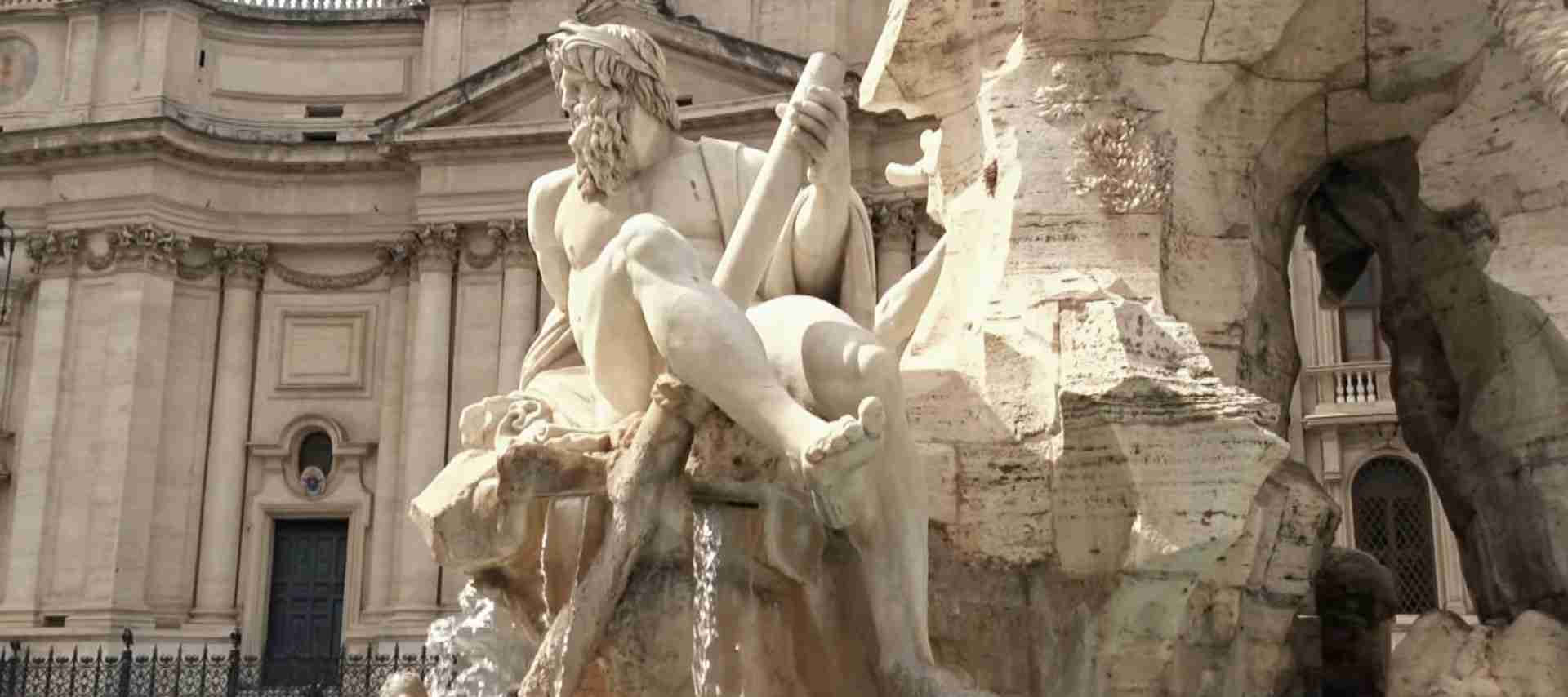
Afternoon explores Piazza Navona (5-minute walk from Campo de’ Fiori), Rome’s most theatrical baroque square featuring Bernini’s Fountain of Four Rivers centerpiece surrounded by outdoor restaurants, street artists, and musicians creating vibrant atmosphere from morning through late evening. The piazza’s oval footprint follows ancient stadium outline where Romans watched athletic competitions before medieval transformation into residential square. Church of Sant’Agnese in Agone flanks western side showing Borromini’s architectural mastery competing with Bernini’s fountain opposite—Rome’s greatest baroque rivalry manifested in stone.
Options for remaining afternoon time include: visiting nearby Galleria Doria Pamphilj (€15 entry) housing extraordinary private art collection featuring Caravaggio and Velázquez works in original aristocratic palace setting; exploring Jewish Ghetto neighborhood (10-minute walk from Piazza Navona) for Roman-Jewish cuisine like fried artichokes (carciofi alla giudia) and pastries at traditional bakeries; or crossing Tiber River to Trastevere for early evening aperitivo culture preceding dinner. Alternatively, return to accommodation for 3-5 PM rest period, then venture out refreshed for evening activities maintaining energy through long Roman nights.
Evening dining options concentrate in Trastevere neighborhood across river, where medieval streets lined with ivy-draped buildings house trattorias serving exceptional cacio e pepe and gricia pasta dishes €10-14 at establishments like Da Enzo (reserve days ahead), Osteria der Belli specializing Roman-Jewish cuisine, or wine bars like Bir & Fud combining craft beer with creative Roman dishes. Campo de’ Fiori and surrounding Centro Storico offer alternatives: Armando al Pantheon (reserve ahead) serves traditional Roman cuisine near Pantheon, while Pierluigi near Campo specializes seafood at premium prices justified by quality.
Day 3 costs per person (excluding accommodation): Pantheon entry €5 (if current fee applies) or free, lunch €12-18, afternoon gelato/coffee €6-8, optional museum entry €12-15 if visiting Doria Pamphilj, dinner €25-35, transport minimal (walkable day), total daily budget €60-81. The relaxed pace and distributed timing prevent the previous days’ monument marathon exhaustion, allowing spontaneous discoveries of hidden piazzas, artisan shops, and neighborhood cafes creating memorable Rome experiences beyond guidebook must-sees.
Day 4: Flexible Day – Neighborhoods, Museums or Day Trips
Day 4 provides deliberate flexibility accommodating varied interests, energy levels, and weather conditions after three intensive sightseeing days. Options include deeper neighborhood exploration (Trastevere morning market and church visits, Testaccio food tour, Monti boutique shopping), museum visits matching personal interests (Borghese Gallery requiring advance booking €20 for extraordinary Renaissance/Baroque art, Capitoline Museums €16 for classical sculpture, MAXXI contemporary art museum €12), or day trips escaping Rome entirely when city fatigue strikes.
Option A—Trastevere & Gianicolo Hill
Spend morning exploring Trastevere’s medieval streets, visiting Santa Maria in Trastevere church (free entry) with golden mosaics predating most Rome churches, browsing Sunday morning Porta Portese flea market (if visiting weekends) selling everything from antiques to questionable goods, then ascending Gianicolo Hill (20-minute walk uphill from Trastevere center) for panoramic Rome views without Vittoriano crowds. The hilltop Fontanone fountain and adjacent park provide peaceful respite with spectacular city panoramas spanning seven hills. Descend via Botanical Gardens (€8 entry) showcasing Mediterranean plants in former papal estate grounds, or walk directly back to Trastevere for lunch at neighborhood favorites.
Option B—Borghese Gallery & Villa Borghese Gardens
Book Borghese Gallery tickets (€20 including €2 booking fee, mandatory timed entry with 2-hour visit windows) days or weeks in advance experiencing one of Rome’s finest art collections in intimate palace setting. Bernini sculptures including Apollo and Daphne demonstrate baroque mastery, while Caravaggio paintings and Titian works represent Renaissance peaks. The 2-hour enforced visit time proves sufficient for gallery’s compact collection, after which Villa Borghese park surrounding the museum invites picnics, boat rentals on artificial lake, or simply wandering landscaped gardens dotted with fountains and temples. Pincio Terrace within Villa Borghese delivers sunset views across Rome toward Vatican dome.
Option C—Day Trip to Tivoli
Escape Rome entirely visiting Tivoli’s Villa d’Este (€12 entry, 30 kilometers east via COTRAL bus from Ponte Mammolo metro station, 60-minute journey) showcasing Renaissance gardens with spectacular fountains and water features cascading down terraced hillsides. The villa’s hundreds of fountains powered by gravity create aquatic spectacle rivaling Versailles, while frescoed interior rooms demonstrate cardinal wealth. Combine with nearby Hadrian’s Villa (€10 entry, separate archaeological site 5 kilometers from Villa d’Este requiring taxi connection) where Emperor Hadrian’s sprawling country retreat reveals imperial luxury through palace ruins, libraries, and pools. Budget full day for Tivoli excursion (depart Rome 8-9 AM, return 5-6 PM) including transport, both villas, and lunch in Tivoli town.
Option D—Testaccio Food Tour & Market
Explore working-class Testaccio neighborhood (20-minute walk or metro from central Rome) for authentic Roman food culture at Testaccio Market selling produce, cheese, meat, and prepared foods frequented by locals rather than tourists. Food tour companies operate 3-4 hour walking experiences (€60-80 per person) sampling supplì, trapizzino (stuffed pizza pockets), porchetta sandwiches, and gelato while learning neighborhood’s working-class history and culinary traditions. Alternatively, self-guided market exploration combined with lunch at Flavio al Velavevodetto (classic Roman trattoria overlooking ancient Monte Testaccio pottery shard hill) or Trapizzino for innovative street food delivers similar cultural immersion at fraction of guided tour costs.
Option E—Appian Way & Catacombs
Visit ancient Appian Way (Via Appia Antica) for countryside escape 6 kilometers south of central Rome, renting bikes (€15-20 daily) at Appia Antica Caffè to pedal along 2000-year-old Roman road lined with umbrella pines, ancient tombs, and archaeological ruins. Stop at San Callisto or San Sebastiano catacombs (€8-10 entry, guided tours included) exploring underground Christian burial chambers from Rome’s early centuries. The traffic-free ancient road sections enable peaceful cycling through countryside atmosphere mere kilometers from city chaos. Pack picnic or eat at roadside restaurants serving simple pastas and grilled meats near catacomb entrances.
Day 4 costs vary dramatically by choice: staying in Rome with museum visits runs €35-61 per person (museum €12-20, meals €20-35, transport €3-6), Tivoli day trip totals €52-67 (transport €10 round-trip, villa entries €22, meals €15-25, local transport €5-10), while food tours or Borghese Gallery raise costs to €80-120. This flexibility allows budget adjustments—splurge on Borghese Gallery if underspending previous days, or choose free Trastevere wandering if nearing budget limits. The day’s unstructured nature prevents checklist stress, allowing spontaneous neighborhood discoveries and personal interest pursuits creating authentic Rome connections beyond monument tourism.
Where to Stay in Rome 2026: Accommodation Costs and Neighborhoods
Rome accommodation in 2026 ranges €80-140 per night for mid-range hotels in optimal neighborhoods during shoulder seasons (April-May, September-October), rising to €120-200 nightly during summer peaks (June-August) with additional mandatory tourist tax €3-7 per person per night (varies by hotel star rating, maximum 10 consecutive nights) paid at checkout adding €12-28 for typical four-night stays. Budget hostel dormitories cost €25-45 per bed in central locations, while luxury 4-5 star properties reach €200-450 per night depending on proximity to major monuments and seasonal demand. Advance booking 2-4 months ahead secures best rates and property selection, with prices rising 30-50% for last-minute summer reservations when optimal hotels sell out.
Monti Neighborhood
Monti neighborhood provides ideal first-time visitor positioning adjacent to Colosseum within 10-15 minute walks of ancient Rome attractions while offering authentic trattorias, wine bars (enotecas), and boutique shopping along cobblestoned streets. Mid-range boutique hotels like Monti Palace Hotel or The Fifteen Keys cost €100-150 per night (shoulder season) delivering character-filled rooms in renovated historic buildings. The neighborhood’s central location enables walking to most major monuments (Colosseum immediate, Roman Forum 5 minutes, Trevi Fountain 15 minutes) while maintaining residential atmosphere with locals shopping at neighborhood markets and eating at family-run trattorias. Metro access (Cavour station) connects quickly to Vatican when walking proves excessive.
Trastevere
Trastevere across Tiber River delivers atmospheric medieval streets, exceptional dining concentration, and vibrant evening energy attracting younger travelers and couples seeking romantic settings. Hotels cost €90-130 per night for mid-range properties (shoulder season) in this increasingly trendy neighborhood where character compensates for locations requiring 15-20 minute walks or brief tram rides reaching Colosseum and Vatican. Trastevere excels for evening experiences—dozens of restaurants, wine bars, and gelato shops cluster within blocks creating dining variety impossible in more tourist-focused areas. However, uphill accommodation requiring stairs challenges travelers with mobility limitations or heavy luggage.
Campo de’ Fiori and Centro Storico
Campo de’ Fiori and Centro Storico neighborhoods position visitors amid Rome’s baroque heart with Pantheon, Piazza Navona, and Campo de’ Fiori market all within 5-10 minute walks. Premium central locations command €140-220 per night for mid-range hotels during shoulder seasons, rising further in summer peaks when location convenience justifies costs for time-limited visitors. The area’s compact geography enables returning to accommodation easily for midday rest periods before evening activities—valuable luxury during intensive four-day itineraries. However, restaurant quality varies dramatically between tourist traps surrounding major monuments and excellent neighborhood spots requiring local knowledge to identify.
Areas to Avoid
Termini train station area attracts budget travelers seeking cheap accommodation (€60-90 mid-range hotels, €20-35 hostels) near transport connections, but this convenience proves false economy—the neighborhood lacks charm, quality restaurants, and evening safety while still requiring metro rides reaching actual attractions. Similarly, properties near Vatican advertise proximity to St. Peter’s but often sit in bland residential zones requiring walks to both Vatican entrance and historic center monuments. The €15-20 nightly savings versus Monti or Trastevere accommodation gets consumed by transport costs and time wasted commuting between characterless accommodation and actual Rome neighborhoods worth experiencing.
Apartment Rentals
Apartment rentals through Airbnb or VRBO cost €100-180 per night for 1-bedroom central units, rising to €180-280 for 2-bedroom apartments accommodating families or groups splitting costs. Apartments work particularly well for 4+ night stays enabling grocery shopping, breakfast preparation, and midday returns for rest without restaurant costs. However, Rome’s short-term rental regulations limit supply while tourist tax (€3.50 per person per night for apartments) adds to quoted rates—confirm tax inclusion when comparing prices. Additionally, apartments in medieval buildings often lack elevators, requiring stair-climbing with luggage up 2-5 floors.
Getting Around Rome in 2026: Transportation Costs and Strategies
Rome public transportation costs €1.50 per single journey (BIT ticket valid 100 minutes allowing unlimited bus/tram/metro transfers), €8.50 for 24-hour passes, €15 for 48-hour passes, €22 for 72-hour passes, and €29 for 7-day passes as of July 2025 fare adjustments specifically targeting tourists while maintaining single-ticket rates for residents. The ATAC system operates 3 metro lines (A, B/B1, C with limited extension), 100+ bus routes, and 6 tram lines covering most tourist destinations, though Rome’s compact historic center remains largely walkable—expect 12,000-18,000 daily steps during intensive sightseeing days covering Colosseum to Vatican to Trevi Fountain circuits.
Metro System
Metro Line A proves most useful for tourists, connecting Spanish Steps (Spagna station), Vatican (Ottaviano station), and Termini central hub where lines A and B intersect enabling transfers. Metro Line B serves Colosseum (Colosseo station) and connects to Termini. However, Rome’s ancient underground archaeology limits metro expansion—most historic center monuments lack nearby metro access requiring surface buses or walking. Metro operates 5:30 AM-11:30 PM daily (extended to 1:30 AM Fridays and Saturdays), with trains arriving every 5-10 minutes during peak hours and 10-15 minutes off-peak.
Multi-Day Pass Economics
Multi-day pass economics favor tourist usage patterns: the 72-hour pass (€22) breaks even at 15 single tickets across three days—easily achieved when combining Vatican visits (4 metro rides), Colosseum trips (2 metro rides), evening transport to Trastevere (2 bus rides), plus various short hops totaling 10-15 journeys. However, genuinely walkable historic center clusters mean many visitors buy single tickets only when needed for Vatican/Colosseum connections rather than investing in passes rarely used. Calculate your specific itinerary: staying in Monti with Day 1 Colosseum walk, Day 2 metro to Vatican, Day 3 all walking, Day 4 metro to Villa Borghese requires only 6-8 tickets (€9-12) making 72-hour pass (€22) wasteful.
Contactless Payment
Tap-and-go contactless payment enables using credit cards, debit cards, or smartphone payment apps directly at metro gates and some bus validators without buying paper tickets—the system automatically charges €1.50 per journey with “best fare” protection capping daily charges at €8.50 after 6+ rides preventing overcharges. This technology eliminates tobacconist ticket-buying hassles, particularly valuable Sundays when many tobacco shops close. However, not all buses support tap-and-go yet—carry paper tickets as backup when relying exclusively on this payment method.
Taxis and Ride Apps
Taxis cost €15-25 for typical historic center journeys (Colosseum to Trastevere, Vatican to hotel, etc.) with metered fares starting €3.50 weekday daytime or €6.50 nights/Sundays plus €1.10 per kilometer. Airport transfers run €50-60 to central Rome hotels via metered taxis (legal fixed rates apply for Fiumicino airport: €50 to addresses within Aurelian Walls) preventing price gouging. Uber and Free Now apps connect riders with licensed taxis using meter rates, avoiding street-hail scams though not providing cheaper alternatives to regulated taxi pricing. Budget occasional taxis for heavy shopping days, late evenings when buses stop running, or mid-afternoon heat when walking proves miserable.
Walking as Primary Transportation
Walking remains Rome’s primary transportation method for tourists—the entire historic center from Piazza del Popolo to Colosseum spans approximately 3 kilometers (45 minutes casual walk), with most monument-to-monument distances running 10-20 minutes enabling continuous exploration without transport dependency. However, summer heat (30-35°C afternoon temperatures June-August) makes midday walks uncomfortable—structure routes finishing before 1 PM, rest during hottest hours, resume walking after 4 PM when temperatures moderate. Comfortable walking shoes prove absolutely essential as cobblestone streets and uneven ancient paving punish inappropriate footwear relentlessly across 15,000+ daily steps.
Money and Practical Tips for Rome 2026
Rome operates exclusively in euros with credit cards widely accepted at hotels, restaurants, and major attractions while small trattorias, market vendors, and cafes often maintain cash-only policies requiring €40-60 daily cash minimum for flexibility. ATMs throughout historic center dispense euros with €3-5 per-transaction fees from Italian banks plus home bank international charges (typically 1-3%) and potential out-of-network fees—verify your bank’s specific foreign transaction costs before travel and consider international travel cards from providers like Wise offering mid-market exchange rates without markup, reducing total costs 2-4% versus traditional bank cards.
Tourist Tax
Tourist tax (tassa di soggiorno) applies to all Rome accommodation at €3-7 per person per night depending on hotel star rating, capped at 10 consecutive nights and paid directly to hotels at checkout rather than included in booking websites’ quoted rates. Budget €12-28 additional for typical four-night mid-range hotel stays (€3-4 per person per night × 4 nights) beyond advertised room costs. Children under 10 often exempt from tourist tax though policies vary by property—confirm at booking. This mandatory tax catches unprepared travelers expecting quoted booking.com prices to represent total costs rather than pre-tax estimates.
Tipping Customs
Tipping in Rome follows Italian rather than American customs: service charges (servizio) appearing on restaurant bills eliminate tipping obligations, though rounding bills up or leaving €2-5 for exceptional service represents appreciated gestures without being required. Bars expect no tips for espresso consumed standing (€1-1.50 typical price), while table service justifies rounding €4 coffee to €5. Taxi drivers appreciate rounding fares to next euro or €2-3 for helpful service like luggage assistance but don’t expect 15-20% American-style tips. Hotel staff welcoming porters with €1-2 per bag and housekeeping with €1-2 daily represents fair acknowledgment.
Free Attractions
Free attractions significantly reduce daily costs: St. Peter’s Basilica charges no entry fee (dome climb €8-10 separate), Pantheon recently shifted from free to €5 entry (verify current policy), Trevi Fountain and Spanish Steps remain freely accessible outdoor monuments, while first Sundays each month grant free Colosseum, Roman Forum, and many museum entries. However, free Sunday crowds triple normal volumes—arriving at 8:30 AM Colosseum opening proves essential securing entry before capacity limits trigger long waits or afternoon closures. Budget travelers strategically timing visits around free Sundays save €20-50 per person on attraction costs.
Roma Pass Value Analysis
Roma Pass offers bundled value for museum-heavy itineraries: the 72-hour pass (€58.50) includes free entry to two museums/monuments (use for Colosseum €18 and Borghese Gallery €20 saving €38), discounted entry to additional sites, and unlimited public transport (€22 value separately), creating total €60 value from €58.50 cost plus added convenience of single pass versus multiple tickets. However, the pass only makes economic sense when visiting expensive attractions (Colosseum, Borghese) rather than free churches and outdoor monuments dominating this four-day itinerary. Calculate your specific plans: visiting only Colosseum (€18) and Vatican (€25, not covered by Roma Pass) with limited transport usage means the pass costs more than pay-as-you-go approaches.
Strategic Dining Cost Reduction
Dining costs vary dramatically based on location and meal type: espresso costs €1-1.50 at neighborhood bars versus €4-5 at tables facing Pantheon or Piazza Navona, while pasta dishes run €10-14 at local trattorias versus €16-22 at tourist-area restaurants serving identical carbonara. Strategic dining saves €20-30 daily: eat breakfast at hotels or local cafes near accommodation (€5-8 cappuccino and cornetto versus €15-20 hotel buffets), grab quick pizza al taglio lunch (€5-8 filling meal) rather than sit-down restaurant (€15-25), then splurge on quality dinner (€25-40) at neighborhood restaurants worth premium versus tourist traps charging similar amounts for inferior food.
Free Drinking Water
Water fountains (nasoni) throughout Rome dispense free drinking water from municipal supply tested rigorously for safety—refill reusable bottles rather than buying bottled water at €1-2 per bottle from vendors, saving €8-15 weekly while reducing plastic waste. The water tastes different from bottled due to mineral content but meets European Union safety standards strictly. Romans drink fountain water freely; tourists should embrace local practice confidently. However, avoid drinking from decorative fountains in piazzas (Trevi, Piazza Navona) versus designated drinking fountains marked with spouts.
Frequently Asked Questions About Rome 4-Day Visits 2026
Can I see both the Colosseum and Vatican in one day?
Visiting both Colosseum and Vatican in single day proves technically possible but practically miserable—each site demands 3-4 hours minimum for proper exploration (Colosseum 90 minutes, Forum 90 minutes, Palatine 60 minutes totaling 4+ hours; Vatican Museums 2.5-3 hours plus St. Peter’s Basilica 90 minutes totaling 4+ hours), requiring 8+ hours intensive sightseeing plus transport time between locations creating exhausting marathon denying either site the attention deserved. The Colosseum opens 8:30 AM while Vatican Museums open 9 AM—starting Colosseum at opening, rushing through by 11:30 AM, then reaching Vatican by 1 PM for afternoon visit leaves you depleted and unable to appreciate Renaissance masterpieces properly. Spread these flagship experiences across separate days maximizing enjoyment while preventing monument fatigue.
Do I need to book Colosseum and Vatican tickets in advance for 2026?
Advance booking proves mandatory rather than optional for Colosseum and highly recommended for Vatican Museums during 2026 visits—Colosseum tickets require reservation selecting specific entry times, with popular summer morning slots (8:30-10 AM) selling out within hours when released 30 days before visits, while walk-up ticket purchases risk arriving to find only late afternoon times available or complete sellouts on busy days. Vatican Museums technically allow same-day ticket office purchases but queue times reach 1-3 hours during peak season (April-October) versus 10-minute security screening with advance skip-the-line tickets, making the €5 online booking fee worthwhile purely for time savings. Book both attractions 2-4 weeks before Rome arrival, earlier if visiting July-August peaks when tickets vanish fastest.
What is the best month to visit Rome in 2026?
April-May and September-October represent optimal 2026 visiting windows for Rome, delivering comfortable 18-25°C temperatures enabling all-day walking without heat exhaustion, manageable tourist crowds substantially lower than summer peaks, shoulder-season accommodation rates 25-40% below June-August pricing, and reliable sunshine (70-80% probability) with minimal rain. Easter 2026 (April 5) brings massive crowds and inflated hotel costs requiring avoidance or very early booking, while May and September avoid both Easter chaos and summer heat extremes. October particularly shines with continued warm weather (20-24°C), autumn colors in Villa Borghese parks, and post-summer crowd reduction creating ideal conditions. June and early September offer acceptable compromises when schedule flexibility proves limited, though expect warmer temperatures and higher crowds than shoulder months.
Is Rome safe for tourists in 2026?
Rome remains generally safe for tourists with violent crime rare and most risks involving petty theft—pickpocketing on crowded metro lines and buses (particularly Line A serving Spanish Steps and Vatican), bag-snatching near major monuments (Colosseum, Trevi Fountain), and scams targeting obvious tourists (overpriced restaurants near monuments, taxi drivers suggesting “scenic routes” inflating fares, street vendors selling fake designer goods then demanding payment). Standard urban precautions eliminate most risks: wear crossbody bags in front on crowded transport, keep phones in front pockets with hands covering them in tourist areas, use licensed white taxis with meters versus unlicensed drivers at airport/train station, and verify restaurant prices before ordering avoiding bill shock. Termini train station area and some peripheral neighborhoods warrant caution after dark, though historic center tourist zones maintain safety throughout evenings with crowds and police presence deterring crime.
Can I drink tap water in Rome?
Rome tap water meets European Union safety standards making it completely safe for drinking, cooking, and brushing teeth despite different taste from bottled water due to mineral content and chlorination treatment. Free drinking fountains (nasoni—distinctive curved spouts) throughout the city dispense this same municipal water tested rigorously, enabling refillable bottle use saving €10-20 weekly versus buying bottled water. Romans drink fountain water freely without health concerns, and tourists should confidently embrace this practice. However, avoid drinking from decorative fountains in piazzas (Trevi, Piazza Navona, etc.) which recirculate water for visual effect rather than consumption, versus the dedicated drinking fountains marked with spouts specifically designed for filling water bottles.
Do I need to cover my shoulders and knees at churches?
Yes—churches throughout Rome including St. Peter’s Basilica enforce conservative dress codes requiring covered shoulders and knees with varying strictness depending on church significance. St. Peter’s Basilica, major basilicas (Santa Maria Maggiore, San Giovanni in Laterano), and Vatican-controlled churches enforce firmly, turning away visitors in tank tops, shorts above knee, or revealing clothing regardless of queue time invested. Smaller neighborhood churches operate more flexibly though still appreciate respectful covering. Carry lightweight scarves or shawls in bags for improvised shoulder covering transforming sleeveless tops into acceptable attire when entering churches spontaneously during hot days. Men wearing shorts above knee and women in short skirts or low-cut tops face entry denial at strictly enforced sites—long pants, knee-length skirts, and modest tops represent safe choices for church-heavy sightseeing days.
How much does a Rome vacation cost for 4 days in 2026?
Budget €571-914 per person for four-day Rome vacation covering accommodation (€320-560 for mid-range hotels at €80-140 per night × 4 nights), daily expenses (€239-326 total including meals at €40-70 daily, attraction tickets for Colosseum €18 and Vatican €25 plus 2-3 museums, transportation, coffee and gelato), and tourist tax (€12-28 for 4 nights at €3-7 per person per night). Budget travelers minimizing restaurant meals, staying hostels, and using free attraction days manage €450-600 total, while luxury approaches with 4-5 star hotels, daily guided tours, and fine dining exceed €1,500 per person easily. Couples sharing accommodation reduce per-person costs substantially since €120 hotel rooms split to €60 each, though meal and attraction expenses remain individual. These figures exclude international flights but include all in-Rome expenses from arrival through departure.
Should I rent a car in Rome?
No—renting cars in Rome represents transportation masochism creating problems rather than solving them, as chaotic traffic, aggressive driving culture, ZTL (Limited Traffic Zone) restricting historic center vehicle access with automatic cameras issuing €80+ fines to violators, and scarce expensive parking (€2-4 hourly or €25-40 daily garages) make cars liabilities within city limits. Rome’s compact historic center proves faster navigating on foot or metro than driving through congested streets searching for impossible parking near monuments. However, cars become useful for day trips beyond Rome (Tivoli, Ostia Antica, Castelli Romani hill towns) when rental costs €40-60 daily split among 3-4 passengers prove economical versus organized tours €60-80 per person. Rent cars only when actually departing Rome for countryside exploration, picking up vehicles at departure rather than arrival avoiding days of expensive garage parking while the car sits unused.
What should I pack for Rome in 2026?
Comfortable broken-in walking shoes represent the single most important packing item for Rome’s cobblestone streets, uneven ancient paving, and 12,000-18,000 daily steps exploring monuments and neighborhoods—new shoes guarantee blisters ruining vacation days while inappropriate footwear (heels, fashion sneakers, sandals without arch support) creates foot pain by day two. Pack layers accommodating variable conditions: lightweight breathable fabrics for hot days, cardigan or light jacket for air-conditioned museums and churches, scarf for church shoulder coverage and evening breezes, comfortable pants or knee-length skirts meeting church dress codes. Sun protection proves critical March-October: high-SPF sunscreen, sunglasses blocking UV rays, wide-brimmed hat preventing painful sunburns. Daypack carries daily essentials (water bottles, sunscreen, camera, snacks, layers) more conveniently than purses. Reusable water bottles save money refilling at fountains versus buying bottled water. Medications including pain relievers, anti-diarrheal medication, and prescription drugs in original containers prevent pharmacy searches during illnesses.
Can I visit Rome during August 2026?
Yes, though August represents Rome’s most challenging month combining oppressive 32-38°C heat making afternoon walking genuinely unpleasant, peak accommodation costs at summer maximums, and Italian holiday period (especially around August 15 Ferragosto) when many Romans leave the city and local restaurants/shops close for 1-2 weeks creating odd ghost-town atmosphere in residential neighborhoods despite continued tourist presence. However, August delivers longest daylight hours (sunrise 6 AM, sunset 8:30 PM) enabling early morning and late evening sightseeing bracketing scorching midday hours, reduced local crowds at major monuments as Romans vacation elsewhere, and vibrant outdoor evening energy in Trastevere and Centro Storico neighborhoods. Visit only if schedule prevents shoulder-season travel, structure days around heat (sightsee 7-11 AM and 5-8 PM, rest midday in air-conditioned museums or accommodation), and confirm restaurant reservations as closures affect even tourist-area establishments around mid-August Ferragosto holiday.