Romania UNESCO World Heritage Sites: Complete Guide to All 11 Properties
Romania preserves eleven UNESCO World Heritage Sites spanning two millennia of history, from ancient Dacian fortresses to modernist sculpture, medieval painted monasteries to Europe’s largest wetland wilderness. These properties showcase the country’s position as a crossroads between civilizations, where Byzantine spirituality, Saxon craftsmanship, and Carpathian wilderness converge to create one of Europe’s most diverse heritage collections.
Key Takeaways
- Eleven Inscribed Properties: Romania preserves eleven UNESCO World Heritage Sites comprising nine cultural properties and two natural sites, inscribed between 1991 and 2024.
- Geographic Distribution: Sites span the entire country from the Danube Delta on the Black Sea coast to Transylvanian fortified villages, Moldavian painted monasteries in the northeast, and Dacian fortresses in the Carpathian Mountains.
- Architectural Diversity: Properties represent multiple architectural traditions including Byzantine Orthodox monasteries, Gothic Saxon fortified churches, traditional timber architecture, Brâncovenesc style, and pre-Roman Dacian military engineering.
- Natural Heritage: The Danube Delta constitutes Europe’s most extensive wetland ecosystem and best-preserved delta, while primeval beech forests represent ancient European woodland biodiversity shared across eighteen countries.
- Historical Span: Sites encompass over two thousand years from 1st century BC Dacian fortifications through medieval settlements to 20th century modernist masterpieces, reflecting Romania’s layered cultural identity.
- Living Heritage: Properties include active monasteries maintaining centuries-old artistic traditions, fortified villages preserving medieval settlement patterns, and functioning religious communities continuing Orthodox spiritual practices.
People Also Ask About Romania UNESCO World Heritage Sites
How Many UNESCO World Heritage Sites Does Romania Have?
Romania preserves eleven UNESCO World Heritage Sites as of 2026. The country accepted the UNESCO World Heritage Convention on May 16, 1990, and the first site, the Danube Delta, was inscribed in 1991. The collection comprises nine cultural properties and two natural sites. Cultural properties include the Monastery of Horezu, Villages with Fortified Churches in Transylvania, Churches of Moldavia, Historic Centre of Sighișoara, Dacian Fortresses of the Orăștie Mountains, Wooden Churches of Maramureș, Roșia Montană Mining Cultural Landscape, and the Monumental Ensemble of Constantin Brâncuși in Târgu Jiu. Natural properties encompass the Danube Delta and Ancient and Primeval Beech Forests of the Carpathians and Other Regions of Europe, the latter being a transnational site shared among eighteen European countries.
What Is Romania’s Most Recently Inscribed UNESCO Site?
The Monumental Ensemble of Constantin Brâncuși in Târgu Jiu received UNESCO inscription in 2024, becoming Romania’s most recent World Heritage property. Created between 1937 and 1938, this modernist sculpture ensemble honors Romanian World War I heroes through three monumental works aligned along a symbolic axis spanning over one kilometer through the town. The ensemble comprises the Table of Silence, the Gate of the Kiss, and the Endless Column, representing Brâncuși’s mature sculptural philosophy expressed through geometric abstraction and traditional Romanian folk motifs. The inscription recognizes the site as one of the twentieth century’s most significant public art installations, demonstrating the transformation of vernacular cultural elements into universal modernist language.
Which Romanian UNESCO Sites Are Natural Properties?
Romania preserves two natural UNESCO World Heritage properties. The Danube Delta, inscribed in 1991, constitutes Europe’s most extensive wetland and the continent’s best-preserved delta, hosting over 300 bird species and 45 fish species across 5,500 square kilometers of channels, lakes, and reed beds. The Ancient and Primeval Beech Forests of the Carpathians and Other Regions of Europe, a transnational property shared among eighteen countries with Romanian components added in 2007 and expanded in 2011, 2017, and 2021, protects primeval beech woodlands over a century old. These forests harbor significant biodiversity including brown bears, with Romania hosting sixty percent of Europe’s brown bear population within these and adjacent Carpathian ecosystems.
Can You Visit All Romania’s UNESCO Sites in One Trip?
A complete tour of all eleven UNESCO sites in Romania requires approximately two weeks with private transport, though most travelers concentrate on specific regions for shorter journeys of five to seven days. Geographic clustering allows regional focus: Transylvania encompasses the Historic Centre of Sighișoara, Villages with Fortified Churches, and Dacian Fortresses within relatively compact area; northeastern Bucovina contains the Churches of Moldavia painted monasteries; Maramureș in the northwest preserves the Wooden Churches; while the Danube Delta requires dedicated excursion to Romania’s southeastern extremity. The Monastery of Horezu in Wallachia, Roșia Montană in the Apuseni Mountains, and the Brâncuși Ensemble in southwestern Oltenia each demand separate routing. Strategic planning focusing on two or three geographic clusters proves more practical for most visitors than attempting comprehensive coverage.
Extended multi-day tours – 5+ days
Featured Romania Multi-Day Tour Packages

7 days
Authentic Transylvania: 7-Day Small-Group Journey
- ✓ Comprehensive Romania tour
- ✓ Expert local guides included
- ✓ All accommodation arranged
- ✓ Transportation provided
10 days
Best of Romania in 10 days
- ✓ Comprehensive Romania tour
- ✓ Expert local guides included
- ✓ All accommodation arranged
- ✓ Transportation provided
4 days
Transylvania Castles tour in 4 days from Bucharest
- ✓ Comprehensive Romania tour
- ✓ Expert local guides included
- ✓ All accommodation arranged
- ✓ Transportation provided
8 days
Transylvanian Village Life: 8-Day Carpathian Hiking & Cultural Journey
- ✓ Comprehensive Romania tour
- ✓ Expert local guides included
- ✓ All accommodation arranged
- ✓ Transportation provided
Multi-day tour packages powered by TourRadar. Prices and availability subject to change.
Introduction
Romania’s UNESCO World Heritage portfolio reveals a nation positioned at the intersection of civilizations, where Orthodox Christianity encountered Western Catholicism, where Dacian and Roman cultures fused to create a Romance-language enclave in Slavic and Hungarian territories, and where Byzantine artistic traditions evolved into distinctive national expressions. The eleven inscribed properties trace this complex heritage from pre-Roman fortifications through medieval religious architecture to twentieth-century modernist innovation, while natural sites preserve wilderness ecosystems increasingly rare in contemporary Europe.
The geographic distribution of Romania’s World Heritage Sites reflects the country’s historical provinces and their distinct cultural identities. Transylvania, the central highland region surrounded by the Carpathian arc, preserves Saxon settlements where Germanic communities created fortified villages between the thirteenth and sixteenth centuries as defensive responses to Ottoman pressure. These settlements, alongside the Dacian fortresses predating Roman conquest, demonstrate Transylvania’s role as contested borderland between empires. The Historic Centre of Sighișoara represents urban medieval development within this Saxon colonial context, maintaining street patterns and building stock from its founding period.
Northeastern Moldavia developed distinctive religious artistic traditions during the fifteenth and sixteenth centuries when Orthodox monasteries served as centers of political and cultural resistance against Ottoman expansion. The exterior fresco programs covering monastery walls constitute unique Byzantine artistic development, transforming religious architecture into comprehensive visual theology accessible to largely illiterate populations. These painted churches represent high points of Orthodox artistic achievement during periods when other Orthodox territories fell under Ottoman control and artistic production declined.
Northwestern Maramureș evolved different architectural responses to religious and political pressures, developing sophisticated timber construction techniques that produced distinctive wooden churches when stone construction was prohibited or impractical. The resulting structures demonstrate local adaptation of Gothic and Byzantine forms to available materials and traditional carpentry knowledge, creating regionally specific architectural language still visible in rural settlement patterns.
The Danube Delta, where Europe’s second-longest river disperses into the Black Sea, preserves wetland ecosystems that once characterized much broader territories before agricultural development and river regulation eliminated most European deltas. The site provides critical habitat for migratory bird populations moving between European and African ranges, functioning as essential stopover and breeding ground for species increasingly pressured by habitat loss elsewhere. Ancient beech forests scattered through Carpathian ranges represent surviving examples of woodland types that once covered much of temperate Europe before agricultural clearing and intensive forestry altered continental forest composition.
Recent inscriptions demonstrate evolving heritage recognition extending beyond traditional medieval monuments to encompass industrial landscapes and modern artistic achievement. The Roșia Montană Mining Cultural Landscape documents two millennia of gold extraction from Roman galleries through modern industrial mining, though immediate inscription on the List of World Heritage in Danger reflects continuing threats from proposed mining resumption. The Brâncuși Ensemble represents UNESCO’s recognition of twentieth-century modernist contribution to world heritage, acknowledging that cultural significance extends beyond ancient and medieval properties to include contemporary artistic innovation.
Romania’s participation in the UNESCO World Heritage system began with the 1991 Danube Delta inscription, shortly after the country’s 1990 accession to the World Heritage Convention following the end of communist governance. The timing reflects both the new government’s desire to integrate with international cultural institutions and recognition that Romania preserved heritage properties of global significance requiring coordinated conservation efforts. Subsequent inscriptions through the 1990s established the core collection of medieval and ancient sites, while twenty-first century additions have expanded recognition to modern and industrial heritage.
The sites collectively illustrate themes central to understanding Romanian and broader European history: the tension between empires competing for control of resource-rich territories, the adaptation of religious communities to political pressure through artistic and architectural innovation, the persistence of traditional lifeways in geographically marginal regions, and the transformation of vernacular cultural elements into vehicles for universal expression. They also demonstrate ongoing conservation challenges including tourism management, climate change impacts on natural sites, industrial development pressures, and maintaining traditional practices in changing economic contexts.
Danube Delta Biosphere Reserve
The Danube Delta, inscribed in 1991, became Romania’s first UNESCO World Heritage Site following the country’s acceptance of the World Heritage Convention in 1990. Spanning 5,500 square kilometers where Europe’s second-longest river disperses into the Black Sea, the delta constitutes the continent’s most extensive wetland ecosystem and its best-preserved delta formation. The site encompasses intricate networks of channels, lakes, reed beds, sand dunes, and gallery forests creating diverse habitat mosaic supporting exceptional biodiversity.
The Danube flows 2,850 kilometers from Germany’s Black Forest through ten countries before reaching the delta, where it divides into three primary distributaries—the Chilia, Sulina, and Sfântu Gheorghe arms—that further subdivide into countless smaller channels forming labyrinthine waterway patterns. Annual sediment deposition continuously extends the delta seaward, with land building advancing at rates of twenty to thirty meters per year in some areas. This ongoing geomorphological process creates dynamic landscape where channels shift, islands emerge and disappear, and vegetation patterns respond to changing hydrological conditions.
Over 300 bird species utilize the delta, including great white pelicans, herons, eagles, and cormorants, making the site internationally critical for both breeding populations and migratory species moving between European and African ranges. The delta hosts Europe’s largest pelican colonies, with breeding populations of both Dalmatian and white pelicans returning annually to nest in remote reed bed colonies. Migratory waterfowl numbers peak during spring and autumn passages, when tens of thousands of ducks, geese, and waders concentrate in the delta’s shallow lakes and marshes. Rare species including pygmy cormorants, ferruginous ducks, and red-breasted geese find essential habitat within the protected area.
More than 45 fish species populate delta waters, including carp, pike, and sturgeon. The sturgeon populations, though dramatically reduced from historical levels by overfishing and dam construction on the main Danube channel, still represent the most significant remaining populations in European waters. Pike-perch, catfish, and various carp species support both subsistence and commercial fisheries that traditional delta communities have practiced for centuries. Reed beds covering extensive areas provide spawning habitat and juvenile nursery grounds essential for fish population maintenance.
Human occupation of the delta spans thousands of years, with archaeological evidence documenting settlement from ancient Greek and Roman periods through Byzantine and Ottoman eras to contemporary fishing and agricultural communities. Traditional lifeways centered on fishing, reed harvesting, and limited agriculture developed sophisticated knowledge of delta ecology and seasonal patterns. These practices continue in modified form, with local communities maintaining fishing rights and reed harvesting concessions within the biosphere reserve framework that balances conservation with sustainable resource use.
The delta’s inscription as both UNESCO World Heritage Site and UNESCO Biosphere Reserve reflects its dual significance for nature conservation and as landscape shaped by human-environment interaction. The biosphere reserve framework establishes core zones where natural processes proceed with minimal intervention, buffer zones allowing traditional sustainable uses, and transition zones accommodating settlement and more intensive economic activities. This approach recognizes that long-term conservation requires maintaining viable local economies dependent on sustainable resource utilization rather than excluding human presence entirely.
Reed beds dominating much of the delta provide critical ecosystem functions including water filtration, sediment stabilization, and wildlife habitat while also supporting traditional industries. Reed harvesting for construction materials and cellulose production has occurred for centuries, with sustainable management protocols now regulating harvest seasons, rotation patterns, and protected areas. The industry provides income for delta communities while maintaining ecological functions when conducted according to established guidelines that prevent overexploitation.
Willow and poplar gallery forests along channel levees create linear woodland corridors through otherwise open wetland landscapes. These forests provide nesting habitat for tree-nesting bird species, refuge for mammals including wild boar and foxes, and visual diversity in expansive marshland settings. Forest management focuses on maintaining natural regeneration processes and preventing conversion to agricultural uses that would eliminate habitat values.
Climate change impacts increasingly affect delta ecosystems through sea level rise, altered precipitation patterns, and changing temperature regimes that influence species distributions and phenological patterns. Rising Black Sea levels threaten low-lying delta areas with inundation, while changes in Danube River discharge patterns affect sediment delivery and flooding regimes that maintain wetland habitats. Conservation strategies must adapt to these evolving conditions while maintaining core ecological functions that support biodiversity and human communities.
Tourism development presents opportunities and challenges for delta conservation. Birdwatching, wildlife photography, and nature-based tourism generate income supporting conservation efforts and local economies, but visitor pressure requires careful management to prevent habitat degradation and wildlife disturbance. Established visitor routes, seasonal closures of sensitive areas, and interpretive programs that educate visitors about delta ecology attempt to balance access with protection.
The delta demonstrates functional wetland ecosystem processes at continental scale, providing reference conditions for wetland restoration efforts elsewhere in Europe where delta systems have been heavily modified by agricultural conversion, channel regulation, and urban development. Scientific research programs study ecosystem dynamics, species populations, and management effectiveness to inform both site-specific conservation and broader wetland management policies across the region.
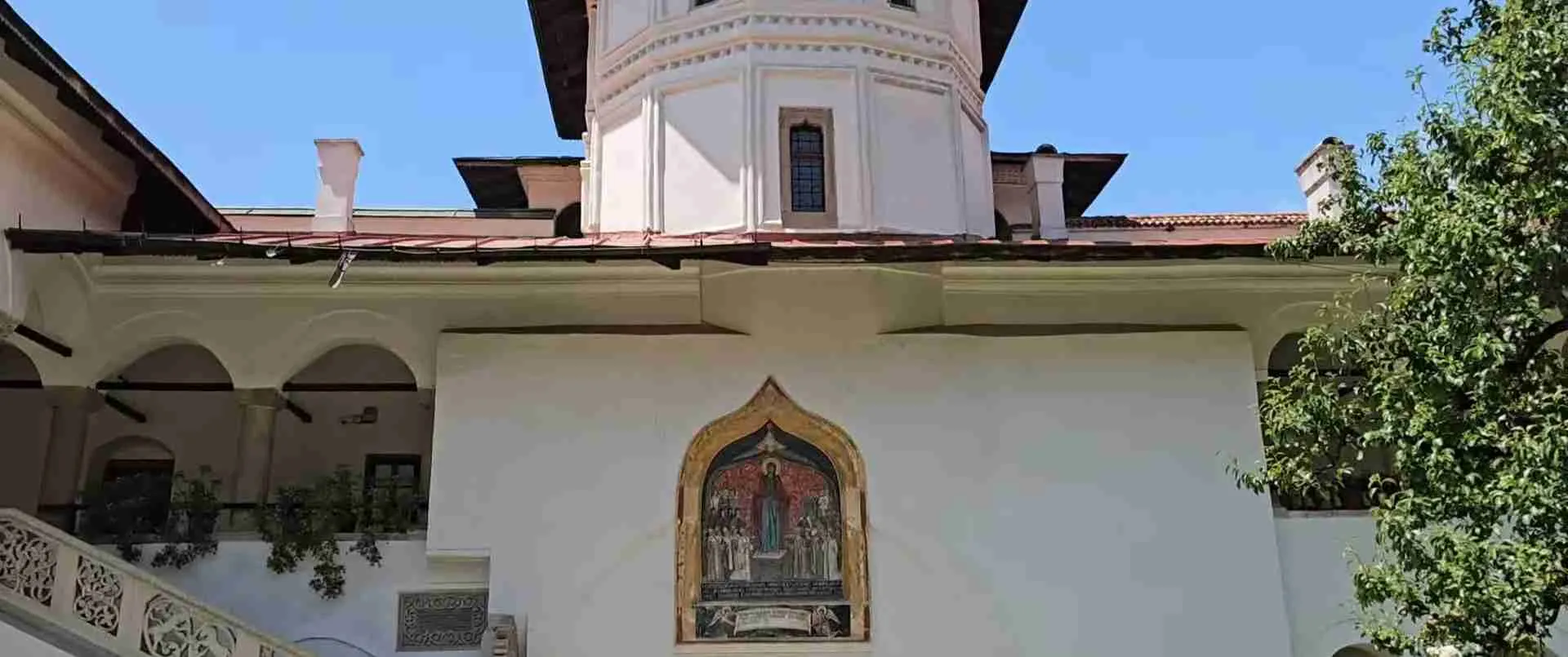
Monastery of Horezu
Founded in 1690 by Prince Constantin Brâncoveanu, the Monastery of Horezu became the perfect expression of the Brâncovenesc style—an elegant fusion of Byzantine tradition with Renaissance and Baroque elements, receiving UNESCO inscription in 1993. Nestled in the Oltet River Valley at the foothills of the Căpățânii Mountains in Vâlcea County, the monastery complex demonstrates architectural synthesis that emerged during Wallachia’s cultural flowering in the late seventeenth and early eighteenth centuries when Orthodox traditions absorbed Western European influences through increased diplomatic and commercial contacts.
The Brâncovenesc architectural style, named for its princely patron who commissioned numerous churches and monasteries during his reign from 1688 to 1714, combines Byzantine structural principles with Renaissance proportional systems and Baroque decorative exuberance. Characteristics include whitewashed walls punctuated by elaborate stone carving, open loggias with carved columns, symmetrical courtyard arrangements, and emphasis on horizontal rather than vertical composition. This architectural language represented conscious cultural synthesis, expressing Orthodox identity while demonstrating familiarity with Western European artistic developments.
The main katholikon, or central church, dedicated to Saints Constantine and Helena, occupies the complex’s center following traditional Orthodox monastery planning. The church plan follows triconch configuration with three semicircular apses extending from a central square bay topped by cylindrical drum and dome. This arrangement permits liturgical processions while creating spatial hierarchy emphasizing the altar sanctuary. Exterior surfaces feature elaborate stone carving including twisted columns, foliate capitals, and sculpted panels depicting religious symbols and geometric patterns executed with exceptional precision.
Interior frescoes covering walls and vaulted ceilings represent masterworks of Orthodox iconographic painting from the period, executed by the monastery’s painting school under Preda’s direction. The program follows traditional Byzantine iconographic arrangement with Christ Pantocrator in the central dome, the Virgin and Child in the apse, and narrative cycles depicting Gospel events, saints’ lives, and Last Judgment scenes arranged in hierarchical zones. The painting style demonstrates technical sophistication in modeling, perspective treatment, and color harmonies while maintaining theological correctness required for liturgical contexts.
Horezu functioned as a center of learning, with its painting school influencing generations of artists and helping preserve Romanian Orthodox art during a period of cultural transition. The monastery maintained scriptorium and icon painting workshop training artists in traditional techniques while developing distinctive stylistic approaches that characterized Brâncovenesc art. Works produced in the Horezu school circulated throughout Wallachia and Moldavia, establishing artistic standards and iconographic models that influenced Orthodox religious art across Romanian territories.
Subsidiary churches, monastic cells, refectory, library, and defensive walls complete the architectural ensemble arranged around courtyards following traditional Orthodox monastery planning principles. The complex served both spiritual and defensive functions, with fortified walls and towers providing refuge during periods of Ottoman raids and internal conflict. Water systems including wells, fountains, and channels demonstrate sophisticated hydraulic engineering adapted to the hillside site’s topography.
Carved wooden furnishings including iconostases, episcopal thrones, reading lecterns, and door frames represent high points of traditional woodcarving craft. Artisans employed techniques passed through generations of guild training, creating intricate compositions combining geometric patterns, stylized vegetal motifs, and representational religious imagery. These wooden elements contribute to the ensemble’s artistic unity, demonstrating coordination across multiple craft traditions under overall artistic direction.
The monastery complex demonstrates principles of harmony and balance emphasized in UNESCO’s inscription justification. Building proportions follow mathematical relationships creating visual coherence across structures of different scales and functions. Courtyard spaces provide contemplative environments conducive to monastic life while creating architectural sequences that guide movement through the complex. Architectural detailing maintains consistent vocabulary of forms and ornamental motifs that unify diverse structures into coherent ensemble.
Ceramics production at Horezu developed distinctive traditions that continue in the surrounding region, with pottery techniques and decorative motifs transmitted through family workshops. Traditional Horezu pottery features characteristic forms, incised or painted decorative patterns, and glazing techniques that produce the recognized regional style. The craft received separate recognition through UNESCO’s Intangible Cultural Heritage list, acknowledging the monastery’s historical role in fostering artistic production extending beyond architecture and painting to include ceramic arts.
Conservation challenges include maintaining structural stability in earthquake-prone region, preserving deteriorating frescoes affected by moisture infiltration and air pollution, and managing tourism impacts on fragile architectural fabric and monastic community. Restoration projects have addressed structural reinforcement, roof system repairs, fresco consolidation, and visitor management systems that balance public access with preservation of contemplative monastic environment.
The monastery continues functioning as active Orthodox monastic community, maintaining liturgical practices and daily routines that have characterized the site since its founding. This living heritage dimension adds authenticity to the World Heritage property, demonstrating continuation of spiritual traditions that motivated the complex’s construction. The monastic community participates in conservation decision-making and interpretation programs that communicate religious significance alongside architectural and artistic values.
Villages with Fortified Churches in Transylvania
Seven fortified churches in Transylvanian villages received UNESCO inscription in 1993, with the property expanded in 1999, recognizing architectural responses to military threats developed by Saxon communities between the thirteenth and sixteenth centuries. The inscribed churches at Biertan, Câlnic, Dârjiu, Prejmer, Saschiz, Valea Viilor, and Viscri represent outstanding examples from over 150 fortified churches constructed by Transylvanian Saxons, preserving medieval defense systems integrated with religious architecture.
Transylvanian Saxons arrived during the twelfth and thirteenth centuries under Hungarian royal invitation to settle sparsely populated territories, develop agriculture and trade, and provide defensive presence along the kingdom’s southeastern frontier. These Germanic settlers established autonomous communities governed by Saxon law, developing distinctive settlement patterns, architectural traditions, and social organization that persisted through centuries of Ottoman pressure, Habsburg rule, and eventual integration into Romanian national territory. The fortified churches represent the communities’ responses to recurring military threats in frontier regions lacking centralized defensive infrastructure.
Fortification systems surrounding churches rather than entire settlements reflect limited resources of relatively small communities that prioritized protection of religious structures, community valuables, and temporary refuge capacity over permanent defensive perimeters. Fortification designs vary according to topography, available building materials, construction periods, and specific defensive requirements. Common elements include massive walls measuring two to three meters thick, multiple defensive towers positioned at strategic points, residential levels within wall circuits providing temporary accommodation during sieges, and elaborate gate systems controlling access.
The church at Biertan, serving as seat of Lutheran bishops from 1572 to 1867, demonstrates the most elaborate fortification system with triple concentric walls ascending a hilltop site. The innermost wall directly adjoins the Gothic church, with second and third defensive circuits following contour lines creating layered defensive zones. Six defensive towers at strategic positions provided observation points and artillery platforms commanding approaches to the church. Interior residential levels accommodated community members during extended siege conditions, with storage chambers for provisions, water cisterns, and defensive equipment.
Câlnic presents contrasting defensive strategy with massive donjon tower dominating a courtyard fortification. The four-story residential tower, originally constructed in the thirteenth century as aristocratic residence, was later incorporated into church fortifications when the community acquired the complex. This combination of noble tower and parish church fortification represents architectural adaptation reusing existing defensive structures rather than constructing entirely new systems.
Prejmer’s fortification reaches four stories high with residential chambers accessible through narrow staircases, each family maintaining designated refuge space during emergencies. The complex fortification system includes over 270 chambers arranged around the interior circuit, demonstrating organizational sophistication required to accommodate entire community during extended siege conditions. Defensive galleries with firing positions command the exterior approaches, while interior courtyard provides protected space for assembly and distribution during crises.
The churches themselves display Gothic architectural influence transmitted through Central European construction traditions, with architectural details including ribbed vaulting, pointed arches, tracery windows, and sculptural programs following German Late Gothic conventions. Interior furnishings represent remarkable preservation of medieval liturgical equipment including carved altarpieces, baptismal fonts, pulpits, and pews largely intact from original installation periods. These interiors provide rare surviving examples of complete medieval church furnishing ensembles preserved through centuries of religious and political changes.
Fortification construction spanned several centuries as communities responded to evolving military threats and technological developments in siege warfare. Early fortifications relied on height and massive walls to resist assault, while later modifications incorporated gun ports and bastions responding to artillery development. This evolutionary development visible in complex archaeological stratigraphy provides evidence for changing defensive strategies across medieval and early modern periods.
Settlement patterns around fortified churches maintain medieval characteristics with radial street patterns focusing on church hilltops, traditional house forms following Saxon architectural conventions, and agricultural field systems surrounding compact village cores. These settlement morphologies, though modified through subsequent centuries, preserve fundamental spatial organization established during medieval founding periods. Agricultural landscapes retain traditional field patterns, orchards, and pasture systems that supported Saxon communities for centuries.
Lutheran church communities continue religious use of most inscribed properties, maintaining liturgical traditions and congregational life that provide continuity with founding Saxon populations. Though demographic changes have dramatically reduced ethnic German populations since World War II, remaining communities and their Romanian successors maintain church buildings and participate in conservation efforts that preserve architectural heritage while accommodating contemporary religious needs.
Tourism represents both opportunity and challenge for fortified church villages. Visitor interest generates income supporting conservation and village economies, but also creates pressure on fragile architectural fabric, disrupts small community life, and requires infrastructure development potentially compromising authentic village character. Sustainable tourism strategies attempt to balance access, interpretation, and economic benefits with preservation of authentic qualities that motivated World Heritage inscription.
Conservation projects address structural deterioration, roof system failures, moisture damage, and necessary adaptations for continued church use while maintaining architectural authenticity. International cooperation between Romanian authorities, Lutheran church organizations, and heritage agencies in Germany and other Saxon origin countries provides technical expertise and financial support for restoration projects that might exceed local community resources.
Churches of Moldavia
Eight painted monastery churches in northeastern Moldavia received UNESCO inscription in 1993, including churches at Arbore, Humor, Moldovița, Pătrăuți, Probota, Suceava, Voroneț, and Sucevița. Constructed between the late fifteenth and mid-sixteenth centuries during Moldavia’s cultural and political florescence, these churches demonstrate unique development in Orthodox religious architecture characterized by comprehensive exterior fresco programs covering entire wall surfaces with biblical narratives, theological imagery, and portrait cycles.
The exterior fresco tradition represents innovative response to multiple factors including desire to make religious instruction accessible to largely illiterate populations, assertion of Orthodox identity during period of Ottoman expansion, and development of monumental artistic programs displaying princely patronage. The practice of covering exterior walls with religious imagery constitutes distinctive Moldavian innovation without direct precedents in Byzantine architecture, where exterior decoration typically remained limited to architectural ornament rather than comprehensive figurative programs.
The Church of the Resurrection at Sucevița Monastery, completed in 1585, preserves the most extensive surviving fresco program with virtually complete exterior decoration covering all four walls. The program includes traditional Byzantine iconographic subjects arranged in hierarchical zones, with lower registers depicting saints and martyrs, middle zones presenting Gospel narratives and Christological cycles, and upper areas showing eschatological scenes including Last Judgment. The famous Ladder of Virtues composition on the north wall depicts souls ascending toward heaven while demons attempt to pull them toward hell, presenting complex theological concept through accessible narrative imagery.
Voroneț Monastery church, constructed in 1488 and frescoed in 1547, achieved renown for its distinctive blue pigment, popularly termed “Voroneț blue,” that dominates the color palette creating striking visual effect. The pigment’s composition remained uncertain for centuries, with various theories attributing the color to lapis lazuli, azurite, or local mineral sources. Recent analysis identified combination of azurite and other minerals creating the characteristic hue that has survived centuries of exposure with remarkable color retention. The west wall features comprehensive Last Judgment composition organized in multiple registers showing resurrection of the dead, judgment proceedings, heaven and hell, and Christ in Majesty presiding over the cosmic drama.
The Church of the Beheading of John the Baptist at Arbore, frescoed in 1503, presents characteristic Moldavian architectural form with open narthex porch leading to enclosed naos and sanctuary. The exterior frescoes emphasize narrative clarity with simplified compositions and bold color contrasts designed for legibility from ground level. Processions of martyrs, Genesis cycles, and Last Judgment scenes flow across wall surfaces in continuous bands creating comprehensive visual theology surrounding the building.
Humor Monastery church demonstrates integration of architectural form and pictorial program with tower, nave, and sanctuary each receiving appropriate iconographic treatment. The exterior frescoes date from 1535 and include rare depiction of the Siege of Constantinople showing Ottoman assault on Christian capital, reflecting contemporary political realities and Orthodox community concerns during period of Turkish military pressure. The siege scene transforms historical event into theological statement about faith resistance to external threats.
Pătrăuți church, among the earliest in the group with construction in 1487, exhibits more limited exterior fresco preservation but demonstrates the tradition’s establishment by late fifteenth century. The church represents architectural type developed in earlier period with tall proportions, cylindrical tower over naos, and fortress-like exterior walls reflecting security concerns in frontier regions. Surviving frescoes show characteristic style elements including emphasis on linear composition, hierarchical scale showing theological importance, and vegetal ornamental borders framing narrative scenes.
Moldovița Monastery church, completed in 1532 with frescoes added in 1537, preserves well-maintained exterior program including famous Siege of Constantinople composition covering the entire south wall. The fortress monastery complex demonstrates combination of religious and defensive functions with walls and towers protecting church and monastic buildings against military raids. The fortification system reflects realities of life in contested frontier regions where religious communities required defensive capacity.
Technical analysis of fresco programs reveals sophisticated artistic production systems with preliminary drawings incised into plaster surfaces, standardized iconographic models transmitted through pattern books, and collaborative workshop organizations executing large-scale programs during brief summer painting seasons when weather permitted exterior work. Pigment studies document use of mineral and organic colorants including cinnabar for reds, malachite and azurite for greens and blues, ochres for earth tones, and carbon blacks, all bound in lime-based media that integrated with plaster surfaces.
Conservation challenges include weathering from freeze-thaw cycles, biological growth including lichen and moss colonization, atmospheric pollution affecting pigment stability, and structural deterioration of supporting walls threatening fresco integrity. International conservation projects have implemented programs including salt extraction from wall surfaces, biological growth removal, fresco consolidation, and protective sheltering systems for particularly vulnerable areas. These interventions aim to stabilize deterioration while maintaining authentic patina and avoiding over-restoration that would compromise historical authenticity.
The monasteries function as active religious communities maintaining Orthodox liturgical practices and monastic routines that provide living continuity with founding periods. Monks and nuns participate in site interpretation and conservation decision-making, ensuring that preservation efforts respect religious functions and maintain contemplative environments essential to monastic life. This living heritage dimension adds depth to visitor experience, demonstrating that the churches remain vital religious centers rather than museum artifacts.
Regional tourism has increased dramatically following UNESCO inscription, bringing economic benefits to previously isolated rural areas but also creating management challenges including visitor crowding during peak seasons, infrastructure demands, and commercial development pressures in traditionally agricultural communities. Tourism management strategies attempt to distribute visitors across multiple sites, establish visiting protocols respecting religious functions, and channel economic benefits toward community development and conservation funding.
Historic Centre of Sighișoara
The Historic Centre of Sighișoara received UNESCO inscription in 1999, recognized as an exceptionally well-preserved and inhabited medieval town representing Saxon settlement in Transylvania. Founded in the twelfth century by German craftsmen and merchants invited by the Hungarian Crown to settle the region, the town developed as important trading center along routes connecting Ottoman territories with Central Europe. The citadel district preserves complete medieval urban fabric including fortification walls, defensive towers, residential architecture, religious buildings, and public spaces maintaining authentic character through continuous occupation.
The town occupies strategic hilltop location commanding the Târnava Mare River valley, with fortified upper town developing on the elevated citadel plateau surrounded by later lower town expansion beyond defensive walls. This topographic situation determined urban morphology with steep access streets climbing toward the fortified core, creating dramatic spatial experiences contrasting enclosed upper town with more open lower districts. Medieval planning principles emphasized defensive capacity with limited access points controlled by fortified gates and sight lines commanded from tower positions.
Fortification walls measuring up to five meters high encircle the citadel district, punctuated by fourteen original towers and bastions, nine of which survive. The towers served dual defensive and social functions, with craft guilds responsible for maintaining specific towers that bore guild names including the Tailors’ Tower, Butchers’ Tower, Shoemakers’ Tower, and Furriers’ Tower. This system distributed defensive responsibilities across community while reinforcing corporate guild organization central to medieval urban society. The Clock Tower, tallest and most elaborate defensive structure, functioned as main citadel entrance and town hall, combining military, administrative, and symbolic roles.
The Clock Tower, reconstructed multiple times following fires and conflicts, displays late medieval architectural forms with massive square base supporting octagonal upper levels and baroque cupola added during eighteenth-century reconstruction. The tower houses museum collections documenting local history and provides observation platform commanding views across the medieval town and surrounding countryside. Mechanical clock mechanisms with figurines representing days of week and other allegorical subjects date from seventeenth century and continue operating, maintaining connection with traditional timekeeping technologies.
Gothic-style Lutheran church dominates the citadel plateau, constructed during the fourteenth and fifteenth centuries as parish church for German community. The church interior preserves late medieval furnishings including carved altar, baptismal font, and painted panels, while exterior displays characteristic Gothic features with buttresses, pointed arch windows, and stone tracery. Adjacent cemetery contains notable funerary monuments documenting prominent Saxon families across several centuries.
Residential architecture represents exceptional preservation of medieval and early modern building stock with approximately 200 structures maintaining historical character. Building types range from modest artisan houses to substantial merchant residences, demonstrating social stratification within urban society. Characteristic architectural features include ground-floor commercial or workshop spaces, upper residential levels, steep-pitched roofs with dormer windows, and courtyard arrangements typical of Central European burgher architecture. Many buildings retain medieval structural systems with timber framing, stone foundations, and traditional roofing materials.
The covered wooden staircase, constructed in 1642, provides sheltered access between lower and upper town levels, climbing steep hillside through roofed passageway with 175 steps. The structure served practical function protecting students and teachers traveling between lower town residences and hilltop school during harsh weather while creating memorable architectural feature that has become iconic symbol of the medieval town. Structural system employs traditional timber carpentry techniques adapted to challenging hillside site conditions.
Street patterns maintain medieval configuration with narrow winding streets, irregular building lots adapted to topography, and small squares providing limited open spaces within densely built fabric. This organic urban morphology contrasts sharply with planned modern cities, offering visitors experience of medieval spatial organization where functional requirements rather than aesthetic regularity determined urban form. The preservation of historical street patterns provides authentic context for architectural heritage while creating distinctive pedestrian environment.
Sighișoara’s association with Vlad III of Wallachia, historically known as Vlad the Impaler and literary inspiration for Dracula, adds popular cultural dimension to heritage tourism. The house where Vlad was born in 1431 stands in the citadel, now functioning as restaurant and small museum. This connection generates significant tourist interest, though historical Vlad bears little resemblance to fictional vampire character created by Bram Stoker in 1897. The conflation of historical personage with fictional monster demonstrates complex relationship between authentic heritage and popular culture in contemporary tourism contexts.
Living historic center designation reflects continued residential occupation and commercial activity within medieval fabric rather than museum preservation isolating heritage from contemporary life. Residents occupy historic buildings, businesses operate in ground-floor commercial spaces, and community functions continue in public buildings, maintaining urban vitality that contributes to authentic character. This living heritage approach requires balancing preservation standards with resident needs for modern amenities and building modifications.
Conservation challenges include structural deterioration of aging building stock, inappropriate modern alterations, tourism pressures including commercial development and visitor crowding, and depopulation trends affecting traditional crafts and community character. The World Heritage designation brought increased attention and funding for conservation but also accelerated tourism development with associated pressures. Management strategies emphasize maintaining residential character, supporting traditional economic activities, controlling commercial tourism development, and ensuring conservation standards for building interventions.
The annual medieval festival transforms the citadel into open-air celebration of historical heritage with costumed performers, traditional crafts demonstrations, historical reenactments, and cultural programs attracting tens of thousands of visitors. The festival generates significant economic activity and promotes heritage awareness but requires careful management to prevent damage to fragile historic fabric and maintain authentic character beyond commercialized spectacle.
Dacian Fortresses of the Orăștie Mountains
Six Dacian fortresses in the Orăștie Mountains received UNESCO inscription in 1999, preserving remains of military and religious centers constructed during the Dacian Kingdom’s peak in the first centuries BC and AD. The fortresses at Sarmizegetusa Regia, Costești-Cetățuie, Costești-Blidaru, Piatra Roșie, Bănița, and Căpâlna represent sophisticated pre-Roman Iron Age civilization that controlled Carpathian territories before conquest by Emperor Trajan’s forces in 106 AD.
Sarmizegetusa Regia, capital of the Dacian Kingdom under King Decebalus, occupies mountain plateau at 1,200 meters elevation in the Șureanu Mountains, defended by natural topography and elaborate fortification systems. The site encompasses religious sanctuary area with distinctive circular and rectangular temples, residential zones, workshops, and administrative structures distributed across approximately 30,000 square meters. The sacred precinct contains unique circular sanctuaries constructed with precisely cut limestone blocks fitted without mortar, demonstrating advanced stone-working techniques and astronomical knowledge reflected in building orientations.
The circular sanctuary, termed by archaeologists as the “sun temple” though actual function remains debated, comprises concentric rings of wooden posts supported on stone foundations, creating complex geometric pattern interpreted variously as astronomical observatory, calendar system, or ritual space. The precision of post placement and sophisticated geometric layout demonstrate mathematical and engineering knowledge comparable to contemporary Mediterranean civilizations. Stone disc fragments and post-hole patterns suggest elaborate wooden superstructure rising above stone foundations.
Fortification systems protecting Dacian strongholds employ sophisticated defensive architecture including murus dacicus construction technique combining timber framework with rubble infill faced with ashlar masonry. This construction method created walls up to four meters thick capable of resisting siege equipment while permitting rapid construction adapting to mountainous terrain. The defensive circuits follow natural topography, incorporating cliff faces and steep slopes into defensive schemes that multiplied the effectiveness of artificial fortifications.
Water management systems demonstrate engineering capabilities essential for maintaining large populations in mountain locations. Sophisticated water channels, cisterns, and drainage systems captured rainfall and springs, distributing water throughout fortress complexes and preventing erosion of defensive earthworks. Clay pipe systems conducted water to specific buildings, indicating specialized facilities requiring reliable water supply.
Iron and gold working workshops excavated at multiple fortress sites document sophisticated metallurgical capabilities. The Orăștie Mountains region contained rich gold deposits that provided economic foundation for Dacian Kingdom power, with mining and refining technologies comparable to contemporary Roman capabilities. Iron production supported weapons manufacture and agricultural implement fabrication. Workshop areas contain slag heaps, furnace remains, and tool debris documenting production scales.
Ceramic production at fortress sites displays distinctive Dacian ceramic traditions including wheel-thrown pottery with characteristic forms and surface treatments. Storage vessels, cooking pots, serving dishes, and ritual vessels represent complete ceramic assemblages documenting daily life activities. Decorative techniques including incision, stamping, and applied decoration create distinctive visual styles allowing archaeological identification of Dacian cultural materials.
The Dacian fortresses represent political and religious centers of kingdom that organized resistance to Roman expansion for several decades. Historical sources document two major Roman campaigns, with initial conquest attempt by Emperor Domitian in 87 AD repulsed by Dacian forces, followed by successful campaigns under Emperor Trajan in 101-102 and 105-106 AD. Trajan’s Column in Rome depicts detailed scenes of the Dacian wars including fortress sieges, providing rare visual documentation of military operations and Dacian defensive technologies.
Roman conquest ended Dacian independence but initiated fusion of Dacian and Roman cultures that produced Romanian language and identity. The romanization process transformed Dacia into Roman province while Dacian populations adopted Latin language and Roman customs. This cultural synthesis created Romance-language community surviving within largely Slavic-speaking region, maintaining distinctive identity through medieval and modern periods.
Archaeological research at the fortress sites continues revealing new information about Dacian civilization. Excavations document construction techniques, religious practices, social organization, economic activities, and military technologies. Ongoing studies employ geophysical surveying, remote sensing, and digital documentation methods to investigate unexcavated areas and create comprehensive site records. These investigations demonstrate sophisticated civilization capable of monumental construction, complex social organization, and technological innovation comparable to contemporary Mediterranean societies.
Site conservation presents challenges typical of mountain archaeological locations including erosion, vegetation growth, structural instability, and weather impacts. Stabilization projects address wall consolidation, drainage system maintenance, vegetation management, and visitor infrastructure development. Conservation approaches balance site protection with public access, attempting to present archaeological remains comprehensibly while preventing deterioration from exposure and visitor impacts.
Sarmizegetusa Regia’s remote mountain location limits visitor numbers compared to more accessible heritage sites, contributing to preservation of contemplative atmosphere appropriate for experiencing archaeological remains in natural landscape settings. The journey to the site requires hiking through forested mountains, enhancing appreciation for the strategic location’s defensive advantages while demonstrating challenges ancient populations faced maintaining large communities in mountain environments.
The fortresses contribute to Romanian national identity as symbols of pre-Roman indigenous civilization resisting imperial conquest. This historical narrative emphasizes Romanian cultural continuity from ancient Dacians through Roman period to medieval and modern Romanian state. The World Heritage designation reinforces international recognition of Dacian civilization as significant contributor to European Iron Age cultural development deserving preservation and study.
Wooden Churches of Maramureș
Eight wooden churches in Maramureș region received UNESCO inscription in 1999, representing distinctive regional architectural tradition developed in response to religious restrictions and demonstrating sophisticated timber construction techniques. The churches at Bârsana, Budești, Desești, Ieud, Plopis, Poienile Izei, Rogoz, and Șurdești preserve examples from broader tradition of approximately 1,500 wooden churches once scattered across Romanian territories, with Maramureș maintaining highest concentration of surviving structures.
Historical context for wooden church construction includes seventeenth and eighteenth century restrictions imposed by Habsburg authorities and Hungarian Catholic establishment prohibiting Orthodox communities from constructing stone churches. These limitations forced Orthodox congregations to build in wood, material exempted from prohibitions. Romanian carpenters transformed restrictions into opportunities for architectural innovation, developing distinctive timber construction traditions creating monumental religious structures from wooden materials while maintaining Orthodox liturgical requirements and incorporating regional folk art traditions.
Characteristic Maramureș church form features tall, slim tower rising above entrance narthex, steeply pitched roof extending over relatively small nave and sanctuary areas, and timber construction employing horizontal log construction with corner notching. The exaggerated tower proportions, sometimes reaching sixty meters height with tower constituting two-thirds of total church length, create distinctive silhouettes dominating village landscapes and asserting Orthodox presence despite construction material restrictions.
The Church of the Presentation of the Virgin to the Temple in Bârsana, constructed in 1720, demonstrates characteristic architectural form with forty-seven meter tower rising from square base through progressively diminishing stages to pyramidal spire. Interior space divides into three traditional zones—narthex, nave, and sanctuary—separated by carved wooden iconostasis screens. The tall proportions create soaring vertical spaces unusual in timber architecture, demonstrating structural engineering solving challenges of achieving height with relatively slender wooden tower forms.
Șurdești church tower reaches fifty-seven meters, making it Romania’s tallest wooden church and among Europe’s tallest timber structures. Construction in 1766 employed traditional carpentry techniques without metal fasteners, relying on mortise and tenon joinery, wooden pegs, and compression of stacked timber courses to create stable structure. The tower’s remarkable height demonstrates master carpenters’ understanding of structural principles including lateral bracing, weight distribution, and wind resistance requirements for tall timber structures.
Ieud Deal Church, dating from 1364, ranks among Romania’s oldest surviving wooden churches, with dendrochronological analysis confirming construction timber felling dates. The church preserves fourteenth-century architectural forms before later stylistic developments elongated tower proportions. Interior frescoes from the original construction period provide rare surviving examples of medieval religious painting in rural church contexts, though subsequent overpaintings and deterioration compromise the original program’s visibility.
Construction techniques demonstrate sophisticated timber carpentry traditions passed through generations of specialized craftsmen. Horizontal log construction employs carefully selected and prepared timber, usually oak or fir, assembled with corner notching creating interlocking joints resisting lateral forces. Wall logs receive adzing to create flat interior surfaces and weatherproof exterior profiles. Roofing employs wooden shingles, traditionally split from straight-grained timber and installed in overlapping courses providing weather protection while allowing natural material movement. These construction methods create durable structures surviving centuries of harsh Carpathian weather when properly maintained.
Interior painting programs cover walls and ceilings with religious imagery following Orthodox iconographic traditions adapted to timber surfaces. Artists developed techniques for painting on wood that differed from fresco methods used on masonry churches, employing binding media appropriate for wooden substrates. Iconographic programs include traditional subjects arranged according to theological hierarchies, with local stylistic interpretations reflecting regional folk art traditions and individual artist approaches. The paintings demonstrate fusion of Orthodox religious art with vernacular decorative traditions creating distinctive regional styles.
Carved wooden iconostasis screens separating nave from sanctuary represent high points of traditional woodcarving craft. These elaborate screens feature carved columns, ornamental panels with geometric and vegetal motifs, and icon placement zones for painted panels depicting Christ, the Virgin, and saints. Carving techniques employ both relief and openwork approaches creating intricate compositions demonstrating master carvers’ technical abilities and artistic sensibilities. The iconostases function liturgically as barriers maintaining sanctuary sanctity while providing visual focus for congregational worship.
Church towers contain wooden bell frames suspending church bells, with ringing chambers providing acoustic resonance. The bells function for calling communities to worship, marking liturgical hours, and announcing significant events. Tower construction must accommodate bell weight and swinging forces while providing access for ringers and maintenance. The integration of structural, acoustic, and functional requirements demonstrates sophisticated engineering solving multiple design challenges within traditional construction methods.
Maramureș region’s geographic isolation in Carpathian mountain valleys contributed to preservation of traditional lifeways including timber architecture traditions. Limited road access and economic development until late twentieth century meant traditional construction methods continued in practical use longer than in more accessible regions where modern materials replaced traditional techniques. This isolation paradoxically protected cultural heritage by limiting development pressures that eliminated traditional architecture elsewhere.
The wooden churches continue functioning as active Orthodox parishes maintaining liturgical practices and community religious life. Regular services, feast day celebrations, and life-cycle rituals continue traditional religious observances within historic buildings, providing living heritage dimension beyond architectural preservation. Local communities maintain churches through volunteer labor and fundraising, demonstrating continued cultural connection to religious heritage.
Conservation challenges specific to timber architecture include rot from moisture infiltration, insect damage, structural deterioration from aging timber, fire risk, and maintenance of traditional materials and techniques. Modern preservation approaches emphasize preventive conservation including moisture management, pest monitoring, structural monitoring detecting early deterioration, and maintaining traditional roof coverings providing weatherproofing. When replacement of deteriorated elements becomes necessary, conservation protocols specify use of traditional materials and techniques matching original construction methods rather than introducing modern materials incompatible with historical fabric.
Tourism development brings economic benefits supporting church maintenance and rural communities but also creates management challenges. Visitor access requires balancing tourism with religious functions and building preservation. Small church interiors cannot accommodate large tour groups, limited parking exists in rural villages, and interpretation infrastructure must develop without compromising village character. Sustainable tourism strategies distribute visitors across multiple churches, establish visiting protocols respecting religious observances, and develop interpretation programs communicating cultural context.
Ancient and Primeval Beech Forests of the Carpathians and Other Regions of Europe
Ancient and Primeval Beech Forests of the Carpathians and Other Regions of Europe, a transnational World Heritage property shared among eighteen European countries, includes Romanian components added in 2007 with subsequent expansions in 2011, 2017, and 2021. The property protects outstanding examples of temperate forest ecosystems dominated by European beech (Fagus sylvatica) representing the species’ natural range across the continent and demonstrating ecological processes in relatively undisturbed conditions rare in densely populated and intensively managed European landscapes.
European beech constitutes dominant tree species across much of temperate Europe, with natural range extending from southern Scandinavia through Central Europe to Mediterranean mountains. The species demonstrates remarkable ecological amplitude, thriving across diverse soil types, climatic conditions, and elevation ranges from sea level to over 1,500 meters in mountain regions. This adaptability allowed beech to expand rapidly following the last glacial period, colonizing territories as ice sheets retreated and establishing dominance over large areas through competitive advantages including shade tolerance and efficient nutrient cycling.
Romanian forest components within the transnational property encompass multiple protected areas in the Carpathian mountain ranges. These forests contain trees exceeding 350 years age with some individuals approaching 500 years, representing old-growth characteristics increasingly rare in European contexts where intensive forestry has converted most woodlands to managed plantations with shortened rotation periods. Old-growth attributes include diverse age structure with multiple generations coexisting, substantial volumes of standing dead timber and fallen logs providing habitat for specialized species, complex canopy structure creating varied light conditions, and natural regeneration patterns following small-scale disturbances rather than plantation-style uniform age classes.
Biodiversity values extend beyond tree species to encompass complete forest ecosystem communities. Understory vegetation includes diverse herb and shrub layers responding to canopy light conditions created by old-growth structure. Fungal communities include numerous mycorrhizal species forming essential symbiotic relationships with beech roots facilitating nutrient uptake, plus decomposer species processing fallen timber and leaf litter recycling nutrients. Invertebrate assemblages include rare saproxylic beetles dependent on dead wood habitats, plus diverse communities of flies, wasps, spiders, and other groups. Bird communities feature woodpeckers exploiting dead timber for nesting and foraging, forest raptors including honey buzzards and goshawks, plus numerous songbird species utilizing various vertical forest strata.
Romanian Carpathian forests harbor brown bear populations, with Romania hosting sixty percent of Europe’s brown bear population within these and adjacent forest ecosystems. Large carnivores including wolves and lynx also utilize these forest habitats, representing complete predator guilds rare in European contexts where human persecution eliminated large carnivores from most regions. Herbivore populations including red deer, roe deer, and wild boar play important ecological roles through browsing impacts on forest regeneration and nutrient redistribution. The presence of complete predator-prey communities allows observation of natural population dynamics and ecological relationships less common in managed landscapes.
Forest ecosystem processes observable in protected primeval forests include natural disturbance regimes, succession patterns, and nutrient cycling dynamics. Small-scale disturbances from individual tree mortality create canopy gaps permitting regeneration, while larger disturbances from windstorms and avalanches create more extensive openings initiating secondary succession. These natural processes create forest mosaics with patches at different successional stages providing diverse habitats. Nutrient cycling through decomposition of fallen timber and leaf litter maintains soil fertility without human intervention, demonstrating forest sustainability under natural conditions.
Climate change research utilizing these forests as reference sites documents species responses to changing temperature and precipitation patterns. Long-term monitoring plots track growth rates, mortality patterns, and regeneration success under varying climate conditions. These data inform predictions about forest responses to projected climate scenarios and guide management strategies for commercial forests adapting to climate change. The primeval forests provide baseline conditions against which anthropogenic impacts can be assessed, quantifying human influences on forest structure and function.
The transnational property structure recognizes that significant ecological values transcend national boundaries, requiring coordinated conservation approaches across multiple jurisdictions. The eighteen participating countries collaborate through joint management framework coordinating conservation policies, research programs, and monitoring protocols ensuring consistent protection standards across the entire property. This international cooperation demonstrates feasibility of multinational heritage conservation addressing shared environmental values.
Threats to forest conservation include illegal logging, climate change impacts potentially shifting beech’s optimal range, browsing pressure from high deer populations affecting regeneration, invasive species introductions, and recreation pressures from hiking and tourism. Conservation strategies address these challenges through law enforcement preventing illegal timber extraction, population management of herbivores where necessary, early detection and rapid response protocols for invasive species, and visitor management systems directing recreation away from most sensitive areas.
Scientific research programs active in Romanian forest components investigate forest ecology, biodiversity, dead wood dynamics, large carnivore ecology, and ecosystem responses to environmental changes. Long-term monitoring plots established decades ago provide valuable time series data documenting forest development under protected conditions. These research programs contribute to fundamental ecological understanding while informing practical conservation management approaches applicable beyond protected areas.
Local community relationships with protected forests present both challenges and opportunities. Traditional forest uses including mushroom gathering, medicinal plant collection, and limited timber extraction conflict with strict protection regimes while representing cultural practices with deep historical roots. Management approaches attempt to accommodate traditional sustainable uses where compatible with conservation objectives while preventing activities threatening forest integrity. Educational programs communicate conservation values to local communities, building support for protection by demonstrating long-term benefits of forest conservation.
Roșia Montană Mining Cultural Landscape
Roșia Montană Mining Cultural Landscape received UNESCO inscription in 2021 and was immediately placed on the List of World Heritage in Danger due to ongoing threats from proposed mining resumption. The property documents two millennia of gold mining from Roman galleries through medieval and early modern operations to twentieth-century industrial extraction, creating cultural landscape where mining activities shaped terrain, settlement patterns, social organization, and community identity. The dual inscription on both the World Heritage List and Danger List reflects the site’s exceptional values alongside imminent threats requiring urgent international attention.
Roman exploitation of Roșia Montană gold deposits during Dacia’s incorporation into the Roman Empire produced the most extensive surviving Roman mining complex. Following conquest in 106 AD, Roman engineers surveyed gold-bearing ore bodies and established systematic underground mining operations employing techniques transmitted from Spanish and other Roman mining provinces. The underground gallery networks extend over seven kilometers, with main galleries measuring up to two meters height permitting human passage and smaller working levels following ore veins. Construction employed Roman mining engineering including systematic gallery layouts, ventilation systems, water management, and support structures preventing collapses.
The Roman mining galleries preserve evidence of ancient mining technology including chisel marks on gallery walls showing hand-tool excavation techniques, soot deposits from oil lamp lighting, wooden equipment fragments including ladders and platforms, and engineering features including shafts providing ventilation and ore extraction. Archaeological investigations documented working methods, with gallery profiles showing systematic excavation approaches following geological structures. Water management systems including channels and drainage galleries prevented flooding of working areas, essential for operations extending below water table levels.
Roman mining produced enormous quantities of gold supporting imperial finances and making Dacia province economically valuable despite military costs of conquest and garrison maintenance. Historical estimates suggest Dacia provided over 200 tons of gold during Roman occupation, though exact production figures remain uncertain. The economic significance explains Roman determination to conquer and hold Dacia despite its peripheral location and challenging military logistics.
Medieval mining resumed following centuries of abandonment, with Hungarian and Saxon miners working deposits from the medieval period through early modern era. Medieval galleries, distinguishable from Roman work through different construction techniques and tools, exploited ore bodies Romans left or did not discover. The medieval operations introduced new technologies including more efficient ventilation systems, improved pumping mechanisms for dewatering, and gunpowder blasting after its introduction in seventeenth century revolutionized rock excavation rates.
The underground mining created distinctive surface landscape with mine openings, waste rock piles, processing areas, and settlement patterns adapted to mining economy. The village of Roșia Montană developed along valley floor with residential areas, churches, administrative buildings, and infrastructure supporting mining workforce. Traditional houses reflect regional vernacular architecture while mining company buildings represent more formal architectural styles demonstrating corporate presence and administrative functions.
Mining galleries also served non-mining functions over centuries. During religious persecutions, underground spaces provided refuge and clandestine worship locations for communities practicing prohibited faiths. The stable underground temperatures and humidity made galleries suitable for storage, with some chambers used for aging cheese and other foodstuffs. This adaptive reuse demonstrates mining landscape’s continuing cultural significance beyond purely extractive functions.
Twentieth-century state mining operations under communist government industrialized extraction with open-pit proposals and cyanide processing facilities dramatically enlarging mining scale and environmental impacts. These plans encountered opposition from heritage advocates, environmental organizations, and local communities concerned about landscape destruction, historical monument loss, and pollution risks. The controversy between economic development advocates promoting mining jobs and revenue versus conservation interests protecting heritage and environment created extended debates spanning decades.
The inscription on the World Heritage in Danger List resulted from imminent threats including proposed open-pit mine that would destroy historical galleries, archaeological sites, and traditional settlement areas. The danger listing represents UNESCO’s most serious designation, applied when World Heritage properties face specific and proven threats requiring urgent protective measures. The designation brings international attention and can trigger technical assistance, but also implies potential delisting if threats cannot be addressed satisfactorily.
Contemporary debates over Roșia Montană reflect broader tensions between heritage conservation and economic development in post-communist Romania. Mining proponents argue for employment opportunities, tax revenues, and utilizing natural resources for economic benefit, particularly in regions with limited alternative employment. Conservation advocates emphasize irreplaceable heritage values, environmental risks, and alternative economic models including heritage tourism potentially providing sustainable livelihoods without destruction. These debates engage fundamental questions about development priorities, heritage values, and sustainable resource use relevant far beyond this specific site.
Local community divided over mining proposals, with some residents supporting mining employment while others prioritize heritage preservation and environmental protection. The community division creates social tensions complicating conservation efforts and requiring approaches addressing legitimate economic needs alongside heritage protection. Sustainable tourism development, heritage conservation employment, and alternative economic initiatives attempt to demonstrate viable development pathways not dependent on destructive mining.
Archaeological research continues documenting Roman and medieval mining technologies through gallery surveys, artifact analysis, and comparative studies with other ancient mining sites. These investigations contribute to understanding ancient mining engineering, Roman provincial economy, and technological transfer across Roman Empire. The site provides unique evidence for Roman mining practices in non-Mediterranean territories, expanding knowledge of provincial resource exploitation.
Monumental Ensemble of Constantin Brâncuși in Târgu Jiu
The Monumental Ensemble of Constantin Brâncuși in Târgu Jiu, inscribed in 2024, represents the sculptor’s most significant public commission and one of twentieth-century art’s great monumental works. Created between 1937 and 1938 to commemorate Romanian soldiers who died defending against German invasion during World War I, the ensemble comprises three sculptural elements aligned along a 1.6 kilometer axis through the town: the Table of Silence, the Gate of the Kiss, and the Endless Column. The work demonstrates Brâncuși’s mature artistic philosophy synthesizing modernist abstraction with traditional Romanian folk motifs to create universal symbolic language.
Constantin Brâncuși (1876-1957) achieved recognition as pioneering modernist sculptor whose work influenced abstract sculpture’s development throughout the twentieth century. Working primarily in Paris from 1904, Brâncuși developed distinctive approach emphasizing essential forms stripped of decorative detail, direct carving respecting material qualities, and engagement with non-Western artistic traditions challenging European academic conventions. His sculptures in bronze, marble, and wood explored themes of flight, portraiture, and organic forms through progressively simplified geometries that retained symbolic and spiritual dimensions.
The Table of Silence (Masa Tăcerii), positioned in park setting near the Jiu River, comprises circular stone table surrounded by twelve stone seats, each composed of two semicircular elements creating hourglass profiles. The ensemble measures 2.15 meters diameter with seats 0.43 meters high, creating intimate gathering space inviting contemplation. The circular form references Romanian folk traditions of communal meals and gatherings around circular tables, while the number twelve suggests symbolic associations with apostles, months, and zodiac signs. The work transforms vernacular furniture type into monumental sculptural statement about community, commemoration, and shared mourning.
The Gate of the Kiss (Poarta Sărutului), located 540 meters from the Table along the commemorative axis, frames ceremonial pathway through its 5.13 meter high travertine structure. The gate comprises two vertical piers supporting horizontal lintel, all carved with repeated motif of embracing figures derived from Romanian folk art traditions. The kiss motif, appearing throughout Brâncuși’s work in various materials and scales, represents love, union, and eternal bonds transcending death. The monumentalization of this intimate gesture creates powerful symbol for memorial context, suggesting spiritual reunion of deceased soldiers with loved ones.
The Endless Column (Coloana Infinitului), terminus of the commemorative axis located 1.6 kilometers from the Table, rises 29.35 meters comprising fifteen rhomboidal modules plus two half-modules at base and apex. Cast in brass-covered iron, the structure employs repetitive geometric units stacked vertically creating ascending rhythm suggesting infinite extension beyond visible elements. The endless column concept, explored in Brâncuși’s studio work from 1918, achieves monumental scale in this commission, transforming gallery sculpture into public landmark visible across the landscape. The form references Romanian vernacular wooden columns supporting house porches while abstracting the motif into modern geometric language addressing universal themes of aspiration, transcendence, and commemoration.
The axial alignment of the three elements creates processional sequence from intimate circular gathering space through ceremonial gate to vertical monument directing attention skyward. This progression moves from horizontal earthbound contemplation through transitional threshold to vertical aspiration, creating spatial narrative about mourning, memory, and spiritual transcendence. The 1.6 kilometer axis integrates sculptural elements into urban fabric rather than isolating them in museum or gallery contexts, demonstrating Brâncuși’s conception of sculpture engaging public space and civic life.
Material choices reflect Brâncuși’s sophisticated understanding of stone and metal properties. Travertine for the Table and Gate provides durable limestone suitable for outdoor exposure with warm coloration and workable characteristics permitting carving. Brass cladding over iron core for the Endless Column combines visual effect of precious metal with structural strength of iron framework. These material selections demonstrate practical engineering considerations alongside aesthetic intentions, ensuring structures withstand weathering while achieving desired visual qualities.
The ensemble’s creation resulted from commission by Romanian National League of Gorj County Women to honor local soldiers killed defending against German forces. Brâncuși, though resident in Paris, maintained connections to his native Romania and accepted the commission as opportunity to realize monumental public work integrating his sculptural concepts with commemorative functions. The project allowed artist to transcend studio scale and explore how modernist sculpture could serve civic purposes and engage community memory.
Contemporary reception of the ensemble mixed incomprehension and admiration, with some viewers puzzled by abstract forms they expected realistic figurative monuments to memorialize war dead. Over subsequent decades, critical appreciation grew as modernist art gained broader acceptance and Brâncuși’s significance in twentieth-century sculpture became established. The site evolved from controversial memorial to recognized masterpiece, with UNESCO inscription confirming international consensus about the work’s outstanding universal value.
Conservation challenges include structural monitoring of the Endless Column requiring periodic engineering assessment, surface treatment of metal and stone elements preventing deterioration, managing vegetation growth around monuments, and maintaining clear sight lines along the axis. The Column has undergone multiple restoration campaigns addressing corrosion, structural stability, and surface finishes. These interventions require balancing preservation of original materials and techniques with ensuring public safety and structural integrity.
Public engagement with the ensemble continues through its accessibility in public spaces rather than museum enclosure. Residents and visitors interact with the works daily, sitting on the Table’s stone seats, passing through the Gate, and viewing the Column from various urban perspectives. This continuing public use fulfills Brâncuși’s intention that his sculpture engage lived experience rather than remaining isolated art objects. The integration into community life provides authentic context for memorial function while demonstrating modernist sculpture’s capacity for public meaning.
The ensemble represents rare example of complete modernist public art installation preserved largely in original configuration. Many twentieth-century public sculptures were removed, relocated, or altered, making intact survivals particularly valuable for understanding period’s artistic intentions and public art conceptions. The Târgu Jiu ensemble provides crucial evidence for studying modernist sculpture’s engagement with commemoration, public space, and community memory.
Understanding Romania’s UNESCO Heritage System
Romania’s engagement with UNESCO World Heritage Convention reflects the nation’s recognition that its cultural and natural properties possess significance transcending national boundaries, requiring international cooperation for effective protection. The progression of inscriptions from 1991 through 2024 documents evolving understanding of heritage values, expanding from traditional medieval monuments to encompass natural sites, industrial landscapes, and modern artistic achievements. This evolution mirrors broader international heritage discourse recognizing diverse property types merit protection rather than privileging exclusively ancient or architectural monuments.
The concentration of cultural properties relating to religious architecture reflects Romania’s historical position at Orthodox Christianity’s northwestern frontier where Byzantine traditions encountered Western European influences. The painted monasteries, fortified churches, and wooden churches each represent distinctive responses to religious and political circumstances, creating architectural traditions with few direct parallels elsewhere. This uniqueness strengthens arguments for international protection, as loss of these properties would eliminate irreplaceable evidence of cultural traditions developed under specific historical conditions.
Natural properties demonstrate Romania’s preservation of relatively undisturbed ecosystems increasingly rare across densely populated Europe. The Danube Delta’s inscription recognized Europe’s need to protect remaining large wetland systems before development pressures eliminate them. Similarly, primeval beech forests represent baseline forest conditions against which impacts of centuries of intensive forestry can be assessed. These natural heritage values complement cultural properties, demonstrating Romania’s diverse heritage encompassing both human achievement and natural conservation.
Management of World Heritage properties in Romania involves multiple governmental levels and institutional actors. National heritage authorities establish protection regulations and oversee conservation standards. Regional and local governments implement site management and coordinate with property custodians including religious organizations, local communities, and park administrations. This multi-level governance requires coordination ensuring consistent protection standards while respecting diverse ownership and management arrangements. The World Heritage designation adds international dimension to domestic heritage protection, bringing technical expertise, monitoring, and potential assistance for conservation projects.
Tourism represents both opportunity and challenge for World Heritage properties. Increased visitation following UNESCO inscription generates revenue supporting conservation and local economies but also creates pressures requiring management. Strategies balancing access with protection include visitor capacity limits, seasonal closures of sensitive areas, guided tour requirements, admission fees funding conservation, and interpretation programs educating visitors about heritage values. Sustainable tourism approaches attempt to maximize economic benefits while minimizing negative impacts on heritage fabric and local communities.
Conservation funding combines national government support, international assistance, private sector contributions, and tourism revenues. European Union structural funds provided significant conservation financing following Romania’s 2007 EU accession. International organizations including UNESCO, World Monuments Fund, and various national heritage agencies provide technical assistance and project funding. These diverse funding sources enable conservation programs exceeding capacities of domestic resources alone, though ensuring stable long-term funding remains ongoing challenge.
Community engagement in heritage conservation varies across property types. Active religious communities at monasteries and churches participate directly in conservation decisions and daily maintenance. Rural communities surrounding natural sites and fortified villages maintain traditional practices contributing to cultural landscape preservation. Urban communities in historic centers like Sighișoara navigate tensions between heritage protection and contemporary development needs. Effective heritage management requires engaging these diverse communities as partners rather than simply restricting their activities, recognizing that successful conservation depends on community support and participation.
Climate change presents emerging threats across multiple property types. Rising temperatures affect natural sites through species range shifts, altered precipitation patterns impacting forest and wetland hydrology, and increased extreme weather events. Cultural properties face accelerated deterioration from more frequent freeze-thaw cycles, moisture problems from changing precipitation, and structural stresses from extreme weather. Adaptation strategies include enhanced monitoring systems detecting early impacts, preventive conservation addressing vulnerabilities, and long-term planning accounting for projected climate scenarios.
The Roșia Montană situation demonstrates tensions between heritage conservation and economic development that affect many World Heritage properties globally. Similar conflicts arise worldwide where heritage protection limits extractive industries, infrastructure development, or urban expansion. The international attention generated by World Heritage status can strengthen conservation advocacy but also intensifies debates about development priorities and heritage values. Resolving these tensions requires approaches addressing legitimate economic needs while protecting irreplaceable heritage, often through alternative development models including heritage tourism and sustainable resource use.
Romania’s tentative list contains nineteen additional properties being prepared for potential nomination, indicating ongoing identification of heritage meriting international recognition. Properties on the tentative list undergo documentation, management planning, and stakeholder engagement preparing formal nomination dossiers for UNESCO evaluation. The tentative list process allows systematic assessment of potential World Heritage properties and strategic planning for nominations addressing gaps in existing inscriptions.
Planning Your Visit to Romania’s UNESCO Sites
Visiting Romania’s eleven UNESCO World Heritage Sites requires strategic planning accounting for geographic distribution, seasonal considerations, access logistics, and time requirements. The properties scatter across the country from the Danube Delta on the Black Sea coast to northwestern Maramureș and southwestern Oltenia, with concentrations in Transylvania and northeastern Moldavia. Comprehensive coverage demands minimum two weeks with private transport, though most visitors focus on specific regions for more manageable itineraries of five to seven days.
Transylvania offers the highest concentration of UNESCO sites within relatively compact area, making the region logical focus for visitors with limited time. A five to seven day Transylvanian circuit encompasses the Historic Centre of Sighișoara, multiple Villages with Fortified Churches including Biertan, Viscri, and Prejmer, and Dacian Fortresses in the Orăștie Mountains. This routing provides diverse heritage experience spanning medieval urban development, Saxon rural fortifications, and ancient Iron Age archaeology within single geographic region. Starting from major cities including Cluj-Napoca or Brașov provides access to good roads and tourism infrastructure while remaining close to heritage sites.
Northeastern Moldavia concentrates the painted monasteries within Bucovina region, facilitating efficient visitation of multiple Churches of Moldavia properties. A three to four day itinerary based in Suceava or Gura Humorului permits visiting Voroneț, Humor, Moldovița, Sucevița, and other painted churches through day trips from centralized accommodation. The compact geographic distribution allows seeing multiple monasteries daily while minimizing driving time. Spring and summer provide optimal conditions for appreciating exterior frescoes under favorable light conditions, though autumn foliage adds scenic beauty and lower tourist numbers. Winter visitation proves challenging due to snow and limited daylight affecting fresco visibility.
Maramureș wooden churches require dedicated routing to Romania’s northwestern region, typically accessed from Cluj-Napoca or by crossing from Ukraine border posts. The churches distribute across rural Maramureș with villages connected by secondary roads winding through Carpathian valleys. A three day visit permits seeing multiple inscribed churches while experiencing traditional Maramureș rural culture maintaining historical lifestyles. Sunday visits offer opportunities witnessing Orthodox liturgies in active churches, though confirm services schedule as some churches hold services infrequently. The region’s geographic isolation means fewer international tourists compared to Transylvania, providing more intimate heritage experiences.
The Danube Delta demands specialized planning as access differs fundamentally from terrestrial sites. Reaching the delta requires travel to gateway towns including Tulcea, from which boat transportation accesses interior waterways and channels. Wildlife viewing expeditions typically operate as multi-day boat tours with accommodation on boats or in delta guesthouses, as limited road access reaches interior areas. Birdwatching proves most rewarding during spring and autumn migration periods when waterfowl populations peak. Summer offers best weather but also highest mosquito populations requiring repellent and protective clothing. Advance booking proves essential for quality guided tours, as experienced guides’ knowledge dramatically enhances wildlife observation success and delta ecology understanding.
The Monastery of Horezu in Wallachia and Roșia Montană in the Apuseni Mountains require routing separate from main Transylvanian circuit, typically involving day trips from regional centers or integration into broader Romanian itineraries. Horezu lies relatively accessible from the Carpathian spine between Bucharest and Transylvania, permitting incorporation into north-south routing. Roșia Montană’s position in the Apuseni Mountains creates more challenging access but rewards visitors with dramatic mountain scenery complementing mining landscape heritage.
The Brâncuși Ensemble in Târgu Jiu occupies southwestern Oltenia near Serbia border, requiring deliberate routing as the town lies off main tourist circuits. Visitors typically allocate half-day for viewing the three monuments distributed along the commemorative axis. The site works well as stopover when traveling between Transylvania and destinations further south or west, or as day trip from regional centers. The monuments’ public accessibility in parks and streets means informal visitation possible anytime, though guided tours available through local tourism offices provide valuable artistic and historical context.
Seasonal timing significantly affects visit quality. Summer (June-August) offers warmest weather and longest daylight but also peak tourist crowds at popular sites like Sighișoara and major monasteries. Spring (April-May) and autumn (September-October) provide moderate weather, excellent lighting for photography, and lower visitor numbers while avoiding winter cold and limited daylight. Winter visitation proves challenging at mountain sites and rural locations with limited infrastructure, though Christmas and Easter periods offer opportunities experiencing Orthodox religious celebrations in traditional settings if weather cooperates.
Transportation options include rental cars providing maximum flexibility for rural sites with limited public transport, though driving requires navigation of variable road conditions ranging from modern highways to narrow village streets. Public transport serves major towns but proves impractical for reaching dispersed rural sites efficiently. Organized heritage tours provide comprehensive logistics but limit independent exploration. Private drivers offer middle ground with flexibility and local knowledge without driving responsibilities. Each approach suits different travel styles and priorities, though independent travelers targeting rural sites essentially require own transportation.
Accommodation ranges from international chain hotels in major cities to rural guesthouses providing immersive cultural experiences and direct income to local communities. Monastery guesthouses at some painted churches offer unique opportunity experiencing monastic environment while supporting religious communities. Village guesthouses in Transylvania and Maramureș provide authentic cultural context and opportunities interacting with hosts maintaining traditional lifestyles. Advance booking proves essential during peak season, particularly for limited accommodation in rural areas near heritage sites.
Entry fees vary by site, with most properties charging modest admission supporting conservation and site operations. Religious sites typically request donations rather than fixed fees, respecting visitors’ financial situations while raising funds for maintenance. Some fortified churches maintain irregular opening hours dependent on volunteer key-holders, requiring advance contact confirming access. Guided tours prove valuable for understanding heritage significance and accessing areas not open for independent visitation. Photography policies vary, with some religious sites prohibiting flash or restricting interior photography respecting sacred spaces.
Visitor facilities range from well-developed at popular sites like Sighișoara to minimal at remote locations like Dacian fortresses. Major sites provide interpretive signage, visitor centers, restrooms, and refreshment facilities, while smaller properties offer basic access without extensive infrastructure. This variation reflects differing visitation levels and available resources. Visitors should prepare for limited facilities at rural and archaeological sites, bringing water, snacks, and appropriate footwear for potentially challenging terrain.
Cultural sensitivity proves particularly important when visiting active religious sites. Appropriate dress codes require covered shoulders and knees, with women often required to wear headscarves in Orthodox churches. Photography restrictions respect liturgical space sanctity. Quiet behavior and respectful demeanor acknowledge that these remain functioning religious buildings, not merely tourist attractions. Attending liturgical services offers profound cultural experiences when done respectfully and following congregational norms. Understanding these expectations enriches visits while demonstrating respect for living religious traditions.
Frequently Asked Questions About Romania UNESCO World Heritage Sites
What Criteria Qualified Romania’s Sites for UNESCO World Heritage Status?
Romania’s UNESCO sites met various criteria from UNESCO’s ten-criterion evaluation framework. The Danube Delta qualified under natural criteria for outstanding ecological and biological processes, containing superlative natural phenomena and habitats of threatened species. Cultural sites qualified under criteria including representing masterpieces of human creative genius (Horezu Monastery, Brâncuși Ensemble), exhibiting important interchange of human values over time (fortified churches, painted monasteries), bearing unique testimony to cultural traditions (wooden churches), being outstanding examples of architectural types (Sighișoara, Dacian fortresses), and representing traditional human settlement types (Villages with Fortified Churches). Most cultural properties met multiple criteria simultaneously, demonstrating their multifaceted significance. The inscriptions acknowledge that these properties possess outstanding universal value transcending local or national importance, meriting protection and recognition by the international community.
Are Romania’s UNESCO Sites Well Preserved?
Preservation conditions vary across Romania’s UNESCO properties depending on site type, management resources, and specific threats. Well-funded sites with active conservation programs including the major painted monasteries and Sighișoara maintain good conditions through regular maintenance and restoration projects. Some remote sites like certain Dacian fortresses face preservation challenges from limited funding, erosion, and vegetation encroachment, though regular monitoring prevents critical deterioration. Wooden churches require constant maintenance due to timber’s vulnerability to moisture and insects, with some structures receiving better care than others depending on congregation resources. The Danube Delta faces pressures from pollution, invasive species, and climate impacts requiring ongoing management. Roșia Montană’s immediate Danger List inscription reflects serious threats from proposed mining. Overall, Romania demonstrates commitment to heritage conservation though resource limitations affect preservation consistency across all sites. International cooperation through UNESCO and heritage organizations supplements domestic efforts for critical conservation projects.
Can You Visit All UNESCO Sites Without a Car?
Visiting all eleven UNESCO sites without private vehicle proves extremely challenging and impractical within reasonable timeframes. Major towns including Sighișoara connect to Romania’s rail network permitting public transport access, but rural sites including fortified church villages, wooden churches, Dacian fortresses, and painted monasteries require road access not served by regular public transport. Occasional rural bus services exist but operate infrequent schedules incompatible with efficient multi-site tourism. The Danube Delta requires boat access from gateway towns reachable by bus or train, making this site technically accessible without cars though logistics remain complex. Realistic approaches for car-free travelers include focusing on accessible sites reached by public transport, booking organized heritage tours providing transportation, or hiring private drivers for rural site clusters. Complete eleven-site coverage without vehicle essentially requires prohibitive time commitments coordinating sporadic public transport or significant expense for private transport and guided tours.
Which UNESCO Site Should First-Time Visitors Prioritize?
First-time visitors with limited time should prioritize Transylvania’s heritage cluster including the Historic Centre of Sighișoara and Villages with Fortified Churches as most accessible introduction to Romanian UNESCO heritage. Sighișoara’s complete medieval urban fabric provides concentrated heritage experience within walkable town center with excellent tourism infrastructure including accommodations, restaurants, and interpretation. The fortified churches, particularly popular sites including Biertan, Viscri, and Prejmer, lie within comfortable day-trip distances offering scenic rural landscapes and authentic village experiences. This combination delivers architectural diversity, manageable logistics, good access from major cities, and representative introduction to Romanian medieval heritage within compact geographic area suitable for three to five day visits. Alternatively, visitors emphasizing religious art and Byzantine traditions might prioritize Bucovina’s painted monasteries, while nature enthusiasts favor the Danube Delta. The optimal choice depends on individual interests, available time, and tolerance for rural travel logistics.
What Photography Restrictions Apply at Romania’s UNESCO Sites?
Photography policies vary significantly across site types. Outdoor archaeological sites including Dacian fortresses permit unrestricted photography for personal use. Historic towns like Sighișoara allow exterior architectural photography freely. Religious sites impose varying restrictions: many painted monasteries prohibit interior photography entirely to protect frescoes from flash damage and respect liturgical space sanctity, though exterior photography typically permitted. Some churches allow interior photography without flash, while others permit photography for small donations. Wooden churches’ policies depend on individual parish decisions. Professional or commercial photography typically requires advance permissions and potential fees regardless of location. Visitors should always ask permission before photographing people, particularly at religious sites and rural villages where locals may object to being photographed. Drone photography usually requires official permits and faces restrictions near religious sites and populated areas. Respecting posted photography rules and asking permission when uncertain demonstrates cultural sensitivity appropriate for heritage sites functioning as active religious and community spaces.
Are There Dangers or Safety Concerns Visiting These Sites?
Romania’s UNESCO sites present minimal safety risks with standard travel precautions. Urban sites like Sighișoara experience typical tourist-area petty crime including pickpocketing in crowded areas, remedied through awareness and secure valuables storage. Rural sites pose virtually no crime concerns but require preparation for remote locations with limited services. The Dacian fortresses involve mountain hiking requiring appropriate footwear, water, and weather preparation, with trails sometimes poorly maintained and steep sections demanding caution. The Danube Delta presents water-related hazards requiring following guide instructions and appropriate safety equipment on boats. Wildlife including bears inhabit Carpathian forests, though human encounters remain rare and following recommended precautions (noise, groups, avoiding dawn/dusk) virtually eliminates risks. Road conditions vary from modern highways to narrow village streets, requiring defensive driving and caution on unfamiliar rural roads. Summer heat necessitates hydration and sun protection. Winter conditions bring cold and potential snow/ice hazards in mountains. Medical facilities concentrate in cities, with rural areas offering limited emergency services, making travel insurance advisable. Overall, standard travel awareness and preparation address the modest risks these heritage sites present.
What Languages Do Site Staff Speak?
Language capabilities vary considerably across Romania’s UNESCO sites. Major tourist sites including Sighișoara and popular painted monasteries typically have staff speaking English and often German, French, or Italian, reflecting Western European visitor demographics. Rural sites including smaller fortified churches and wooden churches frequently have only Romanian-speaking staff or volunteers, requiring language apps, phrasebooks, or guides for detailed communication. The Danube Delta tourism operators catering to international visitors offer English-speaking guides. Younger Romanians generally speak English more proficiently than older generations who may speak French or German from school instruction during communist era. Major cities and tourist centers provide easy English communication while rural areas require more linguistic resourcefulness. Learning basic Romanian phrases demonstrates respect and facilitates basic interactions even where English unavailable. Hiring guides fluent in visitors’ languages proves valuable both for linguistic assistance and cultural interpretation depth exceeding what limited-English staff provide at many sites. Mobile translation apps partially bridge communication gaps when personal interaction language capabilities limit conversation.
How Much Time Should You Allocate for Each Site?
Time requirements vary substantially by site type and visitation depth. The Danube Delta demands minimum two to three days for meaningful wildlife observation and ecosystem appreciation, with longer stays permitting deeper exploration. Sighișoara warrants half-day to full day for thorough historic center exploration including museums, churches, and defensive towers. Individual fortified churches require one to two hours each, with full day accommodating three to four churches including travel between villages. Painted monasteries justify one to two hours each for architecture and fresco appreciation, with full day covering three to four monasteries. Wooden churches require thirty minutes to one hour each, with full day potentially including five to six churches given their geographic dispersion. Dacian fortresses demand two to four hours each accounting for hiking access and site exploration, with Sarmizegetusa Regia warranting full day given remoteness and extent. The Horezu Monastery merits two to three hours for complete complex exploration. The Brâncuși Ensemble requires two to three hours for viewing all three monuments along the axis. Roșia Montană justifies full day covering mining galleries, museum, and mountain scenery. These estimates assume moderate-paced visits with time for photography and reflection rather than rushing through multiple sites superficially.
What Local Foods Should Visitors Try Near Heritage Sites?
Romanian cuisine varies regionally with traditional dishes reflecting agricultural patterns and cultural influences. Transylvania’s Saxon heritage influences regional specialties including sausages, sauerkraut dishes, and pastries. Polenta (mămăligă) appears throughout Romania as staple accompaniment to stews and meats. Sarmale (cabbage rolls stuffed with meat and rice) represents classic Romanian dish found nationwide. Mici (grilled ground meat rolls) characterize casual eating. Ciorba (sour soups) come in countless variations including ciorba de burta (tripe soup) and ciorba de perisoare (meatball soup). Maramureș preserves traditional preparation methods including smoked meats and dairy products. Moldavia’s proximity to Ukraine introduces borscht influences. Local cheeses from small dairies near mountain sites provide authentic regional products. Cozonac sweet bread appears for celebrations. Țuică (plum brandy) represents traditional spirit found throughout rural areas. Restaurants near heritage sites increasingly offer traditional preparations for tourists seeking authentic culinary experiences, though quality varies. Village guesthouses often serve family-style meals featuring local ingredients and traditional recipes providing genuine culinary cultural immersion beyond restaurant tourism menus.
Are There Combination Tickets or Passes for Multiple Sites?
Romania lacks unified ticketing system spanning multiple UNESCO sites due to diverse ownership and management. Each property maintains independent admission systems with proceeds supporting local site management rather than centralized UNESCO administration. The painted monasteries, though geographically clustered, charge separate admissions as individual monastic communities control each property. Fortified churches similarly operate independently under local Lutheran parish management. The Dacian fortresses, all state-managed archaeological sites, theoretically could coordinate ticketing but currently charge individually if fees collected. Sighișoara’s citadel contains multiple museums and attractions each charging separate admissions without combination passes. This fragmentation reflects Romania’s decentralized heritage management and diverse ownership patterns. Visitors should budget for multiple individual admissions rather than expecting integrated ticketing common at some other heritage destinations. The modest individual fees make lack of combination passes minimally consequential financially, though separately purchasing tickets at numerous sites creates administrative inconvenience. Some organized tour packages include admission costs in tour prices, providing effective ticket bundling through commercial tour operators rather than official site coordination.