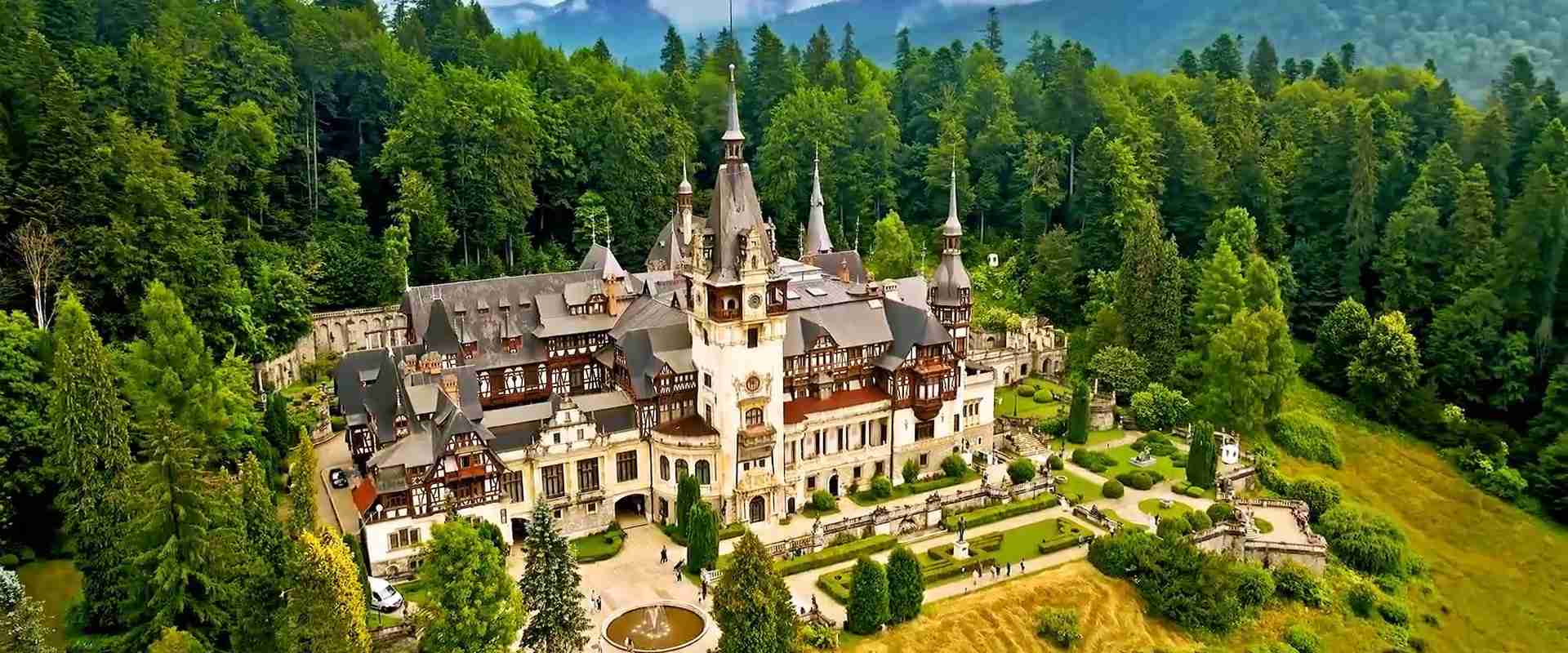
Romania Travel Guide 2026: Ultimate Planning Resource
Romania in 2026 offers travelers an extraordinary blend of medieval citadels, painted monasteries, pristine Carpathian wilderness, and authentic village life at costs well below Western Europe. This comprehensive guide provides everything needed to plan your Romanian adventure, from budget breakdowns and visa requirements to UNESCO World Heritage Sites and regional itineraries across Transylvania, Moldavia, Wallachia, and the Danube Delta.
Key Takeaways About Visiting Romania in 2026
- Budget-Friendly Destination: Romania remains one of Europe’s most affordable destinations in 2026, with budget travelers spending $35-65 per person daily (two sharing budget accommodation), mid-range travelers $90-155 daily, and luxury visitors $220-375 daily for exceptional comfort and experiences.
- Visa-Free Entry for Most: Romania joined the Schengen Area fully in January 2025, allowing citizens of 59 countries including the US, UK, Canada, and Australia to visit visa-free for 90 days within any 180-day period across all Schengen nations, with ETIAS pre-authorization expected late 2026.
- Rich UNESCO Heritage: Romania preserves 11 UNESCO World Heritage Sites including the painted monasteries of Bucovina, Transylvania’s fortified churches, Maramureș wooden churches, Sighișoara’s medieval citadel, and the biodiverse Danube Delta.
- Optimal Travel Seasons 2026: May through June and September through October deliver ideal conditions with pleasant weather, lower accommodation costs (20-30% below July-August peaks), manageable crowds, and vibrant landscapes for photography and outdoor exploration.
- Excellent Transportation Network: Romania’s extensive rail system connects major cities affordably (Bucharest-Brașov trains $13-15, Bucharest-Cluj $20-27), while regional buses serve smaller towns and the rental car option ($29-56 daily) provides flexibility for exploring rural Transylvania and mountain regions.
- Diverse Regional Experiences: Beyond Bucharest and Brașov, Romania rewards exploration with authentic Saxon villages in Transylvania, Byzantine monastery complexes in Moldavia, Danube Delta wildlife expeditions, dramatic Carpathian hiking, and traditional Maramureș communities largely unchanged for centuries.
People Also Ask About Romania Travel 2026
Is Romania Safe for Tourists in 2026?
Romania ranks as one of Europe’s safest destinations in 2026, with crime rates significantly lower than Western European capitals and travelers reporting overwhelmingly positive experiences. Bucharest, Brașov, Cluj-Napoca, Sibiu, and Timișoara maintain visible police presence in tourist areas, and violent crime against visitors remains exceptionally rare. Standard travel precautions apply: watch belongings in crowded markets and public transport, avoid isolated areas late at night, and use reputable taxi services or Uber rather than unmarked cabs. Pickpocketing occurs occasionally in Bucharest’s Old Town and at major train stations but remains far less prevalent than in Paris, Barcelona, or Rome. Romania’s hospitality culture means locals frequently offer assistance to lost tourists, and English proficiency among younger generations and tourism professionals continues improving. The European Emergency Number 112 operates throughout Romania for police, medical, or fire emergencies, and major cities maintain well-equipped hospitals with English-speaking staff.
How Much Does a Week in Romania Cost in 2026?
A week-long Romanian vacation costs $245-455 per person for budget travelers (two sharing hostel dorms or guesthouses, cooking some meals, using public transport, and focusing on free or low-cost activities), $630-1,085 per person for mid-range comfort (two sharing 3-star hotels, restaurant meals, occasional taxis, and paid attractions), and $1,540-2,625 per person for luxury experiences (two sharing boutique or 5-star hotels, fine dining, private transport, and premium guided tours). These figures exclude international flights but include accommodation, all meals, ground transportation, attraction entries, and daily activities. Budget-conscious travelers reduce costs further by visiting May, September, or October when accommodation prices drop 20-30% below peak summer rates, booking advance train tickets for intercity travel, enjoying complimentary walking tours in major cities, and shopping at local markets rather than tourist-area restaurants. Mid-range travelers balance comfort and value by selecting 3-star hotels in residential neighborhoods rather than historic centers, mixing restaurant meals with occasional supermarket meals, and combining independent exploration with selective day tours for experiences like bear watching or Transfăgărășan drives that genuinely benefit from guides.
Do I Need a Visa to Visit Romania in 2026?
Most international visitors do not need a visa for Romania in 2026 following the country’s full Schengen Area integration in January 2025. Citizens of 59 visa-exempt countries including the United States, United Kingdom, Canada, Australia, New Zealand, Japan, South Korea, and most EU and Latin American nations can enter Romania without advance visa applications for tourism, business, or family visits lasting up to 90 days within any 180-day period. This 90-day allowance applies across all 29 Schengen countries combined rather than per country, meaning time spent in France, Germany, or any other Schengen nation counts toward your 90-day limit. Your passport must remain valid for at least three months beyond your planned departure date and contain at least two blank pages for entry stamps. Late 2026 will see the launch of ETIAS (European Travel Information and Authorization System), requiring visa-exempt travelers to complete a simple online pre-authorization before entering Schengen countries, similar to the US ESTA system. ETIAS costs €7, remains valid for three years or until passport expiration, and processes within hours for most applicants. Citizens of countries not on the visa-exempt list must apply for Romanian short-stay (Type C) or long-stay (Type D) visas at Romanian embassies or consulates before travel.
What Are Romania’s Must-Visit Destinations in 2026?
Romania’s essential destinations in 2026 span medieval Transylvania, painted monastery regions, mountain wilderness, and coastal deltas. Brașov serves as Transylvania’s gateway, offering Gothic architecture, cable car access to Mount Tâmpa, and proximity to Bran Castle (the Dracula fortress), Prejmer Fortified Church, and Poiana Brașov ski resort. Sighișoara’s perfectly preserved Saxon citadel, where Vlad the Impaler was born, transports visitors to medieval times with cobbled lanes, pastel burgher houses, and the iconic Clock Tower. The painted monasteries of Bucovina near Suceava showcase Byzantine art masterpieces with vivid exterior frescoes covering 500-year-old monastery walls. Sibiu combines Germanic architecture with vibrant cultural life, serving as the 2007 European Capital of Culture with its three-tiered squares, Brukenthal Museum, and proximity to Transfăgărășan Highway access. Cluj-Napoca, Transylvania’s unofficial capital, pulses with university energy, third-wave coffee culture, and contemporary arts while maintaining Gothic and Baroque monuments. The Danube Delta Biosphere Reserve near Tulcea offers Europe’s largest wetland wilderness, boat expeditions through reed channels, and exceptional birdwatching with over 300 species. Maramureș preserves traditional wooden architecture and rural customs in villages like Bârsana, Ieud, and Săpânța, where centuries-old ways of life continue largely unchanged.
Extended multi-day tours – 5+ days
Featured Romania Multi-Day Tour Packages
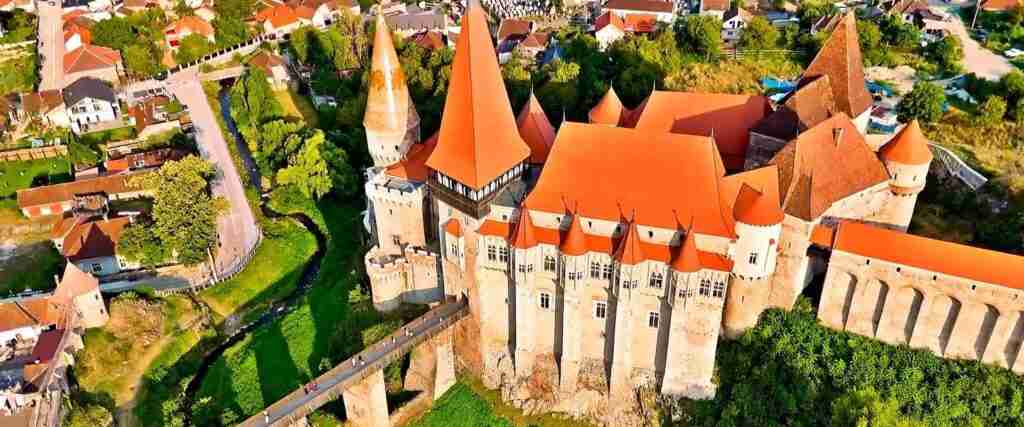
3 days
Romania 3-Day Discovery Tour
- ✓ Comprehensive Romania experience
- ✓ Expert local guides included
- ✓ All accommodation included
- ✓ Transportation provided
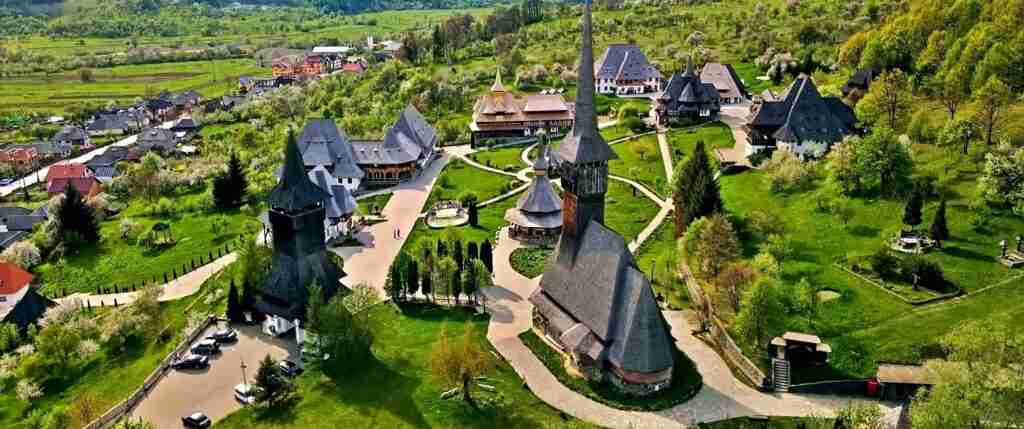
5 days
Romania 5-Day Highlights Experience
- ✓ Comprehensive Romania experience
- ✓ Expert local guides included
- ✓ All accommodation included
- ✓ Transportation provided
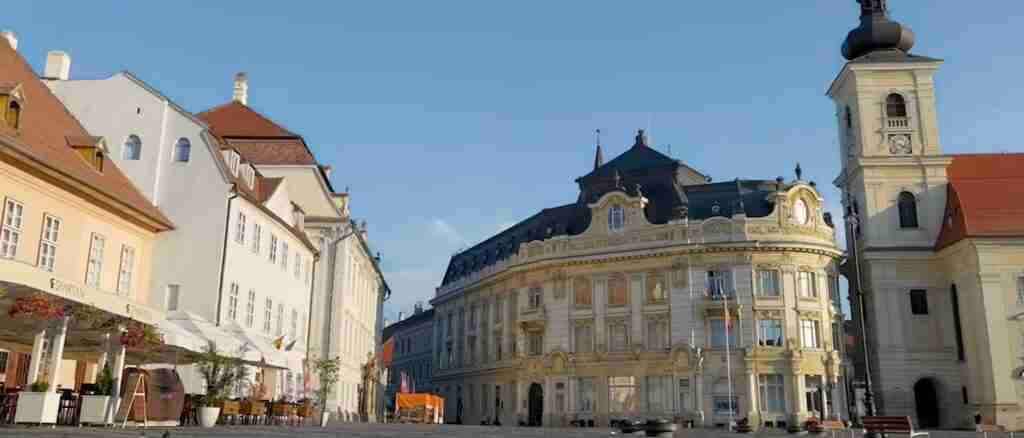
7 days
Romania 7-Day Cultural Journey
- ✓ Comprehensive Romania experience
- ✓ Expert local guides included
- ✓ All accommodation included
- ✓ Transportation provided

10 days
Romania 10-Day Complete Adventure
- ✓ Comprehensive Romania experience
- ✓ Expert local guides included
- ✓ All accommodation included
- ✓ Transportation provided
Multi-day tour packages powered by TourRadar. Prices and availability subject to change.
Introduction: Romania Travel Planning for 2026
Romania stands at the crossroads of Central, Eastern, and Southeastern Europe, a nation where medieval fortresses crown Carpathian peaks, where Byzantine monasteries preserve artistic traditions eight centuries old, and where Europe’s last virgin forests shelter wolves, lynx, and the continent’s largest brown bear population. In 2026, Romania offers international travelers exceptional value alongside authentic cultural experiences increasingly rare elsewhere in Europe. Since joining the Schengen Area fully in January 2025, Romania has become even more accessible for international visitors, eliminating border checks for travelers arriving from other Schengen nations and streamlining entry procedures for visa-exempt visitors worldwide.
The Romanian landscape unfolds in dramatic contrasts. The Carpathian Mountains arc through the country’s center, separating Transylvania’s Saxon villages and fortified churches from Wallachia’s plains and Moldavia’s rolling hills. Europe’s second-longest river, the Danube, forms Romania’s southern border before fragmenting into the Danube Delta, a 2,200-square-mile wetland wilderness recognized as a UNESCO Biosphere Reserve and one of the planet’s most significant bird sanctuaries. Along the Black Sea coast, resort towns like Constanța and Mamaia provide beach alternatives to Romania’s predominantly mountainous and historical attractions.
Romania’s architectural heritage reflects centuries of cultural crosscurrents. Transylvania preserves over 150 medieval fortified churches built by Saxon settlers between the 13th and 16th centuries, defensive structures where entire communities sheltered during Ottoman invasions. Moldavia’s painted monasteries showcase exterior frescoes depicting biblical narratives in vivid blues, reds, and golds, artistic masterpieces commissioned by Moldavian princes as both spiritual centers and cultural symbols. Maramureș’s wooden churches demonstrate vernacular architecture using interlocking timber construction without nails, massive oak beams supporting tall spires visible across valley landscapes. Wallachian monasteries like Horezu exemplify the Brâncovenesc style, a Romanian Renaissance synthesis blending Byzantine, Ottoman, and Western influences into distinctive decorative programs.
Romania’s 11 UNESCO World Heritage Sites anchor itineraries but represent only a fraction of cultural attractions. Bucharest, the capital of 1.8 million, combines Belle Époque boulevards, Orthodox cathedrals, Communist-era brutalist monuments, and burgeoning creative districts. The massive Palace of Parliament, second-largest administrative building globally after the Pentagon, dominates the skyline as both architectural marvel and totalitarian excess. Beyond major cities, Romania rewards slow travel through Saxon villages where shepherds still drive flocks along medieval lanes, through Bucovina where nuns maintain centuries-old iconographic traditions, through Maramureș where traditional dress remains everyday wear rather than tourist performance.
Romanian cuisine centers on hearty peasant traditions adapted across regional variations. Sarmale, cabbage rolls stuffed with pork and rice, appears at celebrations nationwide. Mămăligă, a polenta-like cornmeal preparation, accompanies stews and grilled meats or serves as breakfast with cheese and sour cream. Mici, grilled spiced sausages served with mustard and bread, dominate street food and casual dining. Cozonac, a sweet bread filled with walnuts, poppy seeds, or Turkish delight, appears during holidays and celebrations. Local wines from regions like Dealu Mare and Murfatlar provide excellent value, while țuică and pălincă (fruit brandies) accompany toasts and traditional meals.
The Romanian language, a Romance tongue surrounded by Slavic neighbors, shares Latin roots with Italian, French, Spanish, and Portuguese, making basic phrases recognizable to speakers of other Romance languages. English proficiency varies significantly by generation and location, with younger urban populations speaking English conversationally while rural and older populations rely primarily on Romanian. Tourist areas in Brașov, Bucharest, Sibiu, and Cluj maintain multilingual services, but exploring smaller villages and remote regions benefits from basic Romanian phrases or translation apps.
Romania’s recent history shapes present-day infrastructure and attitudes. The 1989 revolution ending Nicolae Ceaușescu’s Communist dictatorship marked the last violent overthrow of an Eastern European Communist regime. The subsequent transition to democracy and market economy brought economic challenges alongside gradual modernization. European Union membership since 2007 accelerated infrastructure development, and Schengen integration in 2024-2025 removed final barriers to full European participation. Contemporary Romania balances rapid modernization in urban centers with preservation of rural traditions, creating the cultural complexity that rewards extended exploration.
Planning a Romanian journey in 2026 requires understanding seasonal variations, regional distances, and accommodation booking patterns. Summer (June-August) brings peak tourism to Transylvania and mountain regions, with hotel prices rising 30-50% above shoulder season rates and major attractions experiencing their largest crowds. Winter (December-February) caters primarily to ski tourism in Poiana Brașov, Sinaia, and other Carpathian resorts, with most other attractions maintaining reduced hours and some mountain passes closing entirely. Spring (April-May) and autumn (September-October) deliver optimal conditions for cultural tourism, with blooming landscapes or autumn colors enhancing photography, comfortable temperatures supporting hiking and city walking, and significantly lower accommodation costs and crowd levels making advance booking less critical.
Transportation infrastructure connects Romania’s regions through extensive rail networks, intercity bus services, and increasingly viable car rental options. Romanian Railways (CFR) operates routes linking Bucharest to all major cities, with modern Intercity trains serving primary corridors while regional trains serve smaller towns at slower speeds but rock-bottom fares. Bus companies like FlixBus provide alternatives often faster than trains for certain routes. Rental cars offer flexibility for exploring Saxon villages, painted monasteries, or Carpathian mountain regions where public transit reaches only major towns. Domestic flights between Bucharest and Cluj, Timișoara, or Iași save time on Romania’s longest routes when airfare sales make flying cost-competitive with ground transport.
This guide provides comprehensive planning information for Romania in 2026, covering visa and entry requirements, detailed budget breakdowns by traveler type, accommodation strategies across budget to luxury categories, transportation options for intercity travel and local exploration, region-by-region destination guides, sample itineraries for different trip lengths and interests, practical tips for currency, language, safety, and cultural norms, and answers to frequently asked questions about Romania travel.
Entry Requirements and Visa Information for Romania 2026
Romania’s entry requirements in 2026 follow standard Schengen Area protocols following the country’s full integration into the Schengen zone in January 2025. This membership means Romania participates in the common visa policy and border-free travel area encompassing 29 European countries, fundamentally simplifying entry procedures for most international visitors.
Visa-Free Entry Countries and Duration Limits 2026
Citizens of 59 visa-exempt countries can enter Romania without advance visa applications for stays up to 90 days within any 180-day period. This category includes United States, United Kingdom, Canada, Australia, New Zealand, Japan, South Korea, Singapore, Malaysia, Israel, Brazil, Argentina, Chile, Mexico, and most EU and EEA nations. The 90-day allowance applies cumulatively across all Schengen countries combined rather than per individual country, meaning time spent in France, Germany, Spain, or any other Schengen nation counts toward your 90-day limit. Travelers must track their Schengen days carefully using online calculators or apps to avoid overstay violations that trigger entry bans and fines. The 180-day reference period uses a rolling calculation looking backward from any given date rather than calendar semesters or fixed periods.
To enter Romania under visa-free provisions, your passport must satisfy two requirements. First, it must remain valid for at least three months beyond your intended departure date from the Schengen Area, not just from Romania specifically. Second, your passport must contain at least two blank pages for entry and exit stamps, though these stamps will become less common as the Entry/Exit System (EES) digital tracking replaces physical stamping. Airlines may refuse boarding if your passport fails to meet these validity requirements, and Romanian border officials can deny entry for non-compliant documents regardless of visa-exempt status.
ETIAS Pre-Authorization System Launching Late 2026
The European Travel Information and Authorization System (ETIAS) is scheduled to launch in late 2026, likely October or November pending final EU confirmation. Once operational, visa-exempt travelers from the 59 countries currently enjoying visa-free entry will need to obtain ETIAS authorization before traveling to Romania or any Schengen country. ETIAS functions similarly to the United States ESTA or Canadian eTA systems, requiring online applications providing passport details, travel plans, and answers to security and health questions. The system cross-references applications against EU security databases and issues approvals typically within hours, though complex cases requiring manual review may take up to four days.
ETIAS costs €7 for adults aged 18-70, with travelers under 18 or over 70 exempt from fees but still required to complete applications. Each authorization remains valid for three years or until passport expiration, whichever comes first, and permits multiple entries throughout its validity period. ETIAS does not replace passport validity requirements or eliminate border controls entirely; border officials will verify ETIAS authorization electronically when travelers present passports at entry points, and missing or invalid ETIAS can result in boarding denials or entry refusals. The European Commission will announce the ETIAS launch date at least six months in advance through the official ETIAS website and member state channels. Until ETIAS becomes mandatory, visa-exempt travelers continue entering Romania using only valid passports.
Entry/Exit System Biometric Registration 2026
The Entry/Exit System (EES) began phased implementation at Schengen borders in October 2025 and approaches full operational status across all border crossings by April 2026. EES replaces manual passport stamping with digital registration capturing biometric data (fingerprints and facial photographs) alongside passport information and entry/exit dates for all non-EU visitors. The first time you enter any Schengen country after EES implementation, border officials will collect your fingerprints using electronic scanners and photograph your face using digital cameras, linking this biometric data to your passport number in the EES database. Subsequent entries at any Schengen border will reference your stored biometrics for identity verification without requiring new fingerprint collection.
EES registration typically adds 1-3 minutes to border crossing times per traveler, with initial implementation seeing longer delays at high-volume airports as systems stabilize and travelers familiarize themselves with procedures. Families with children face longer processing as each child above age 12 requires individual biometric capture. EES aims to improve border security by accurately tracking visitor movements and overstay compliance while eventually reducing processing times once initial registration completes. Travelers cannot opt out of EES registration; providing biometric data becomes a mandatory entry condition for all non-EU nationals regardless of visa-exempt status or ETIAS authorization.
Romanian Short-Stay Visa Requirements for Non-Exempt Countries
Citizens of countries not on the visa-exempt list must obtain Romanian short-stay visas (Type C/Schengen visa) before travel. This requirement applies to nationals of China, India, Russia, Turkey, South Africa, most African nations, several Asian countries, and some Latin American countries. Romanian embassies and consulates worldwide process Schengen visa applications according to the standard application procedure requiring completed application forms, valid passports with three months validity beyond travel dates, passport photographs meeting Schengen specifications, proof of accommodation throughout the stay (hotel bookings, rental confirmations, or invitation letters from Romanian hosts), proof of sufficient financial means (bank statements covering the previous three months showing adequate funds for daily costs), round-trip flight reservations or detailed travel itinerary, and travel medical insurance with minimum €30,000 coverage valid throughout the Schengen Area.
Romanian short-stay visas process within 15 calendar days for most applications, though complex cases or peak application periods may extend processing to 30-45 days. Visa fees in 2026 stand at €80 for adults and €40 for children aged 6-12, with children under 6 exempt from fees. Applicants must schedule appointments at Romanian embassies or consulates serving their jurisdiction, as visa applications cannot be submitted by mail or through third-party services in most countries. The visa interview may include questions about trip purpose, financial situation, employment status, and plans after visiting Romania. Schengen visa rejection rates average 9-11% globally, with common rejection reasons including insufficient proof of financial means, unconvincing explanations of trip purpose, concerns about overstay risk, or inadequate travel insurance documentation.
Long-Stay Visa and Residence Permits for Extended Stays 2026
Visits exceeding 90 days require Romanian long-stay visas (Type D/national visa) applied for at Romanian embassies before travel, with subsequent residence permit applications filed within Romania after arrival. Long-stay visa categories include employment (requiring work permits approved by Romanian employers before visa applications), study (requiring acceptance letters from Romanian universities and proof of financial support approximately €200 monthly), family reunification (requiring proof of family relationship to Romanian citizens or legal residents), and business establishment (requiring Romanian company registration and business plans). Long-stay visa applications require more extensive documentation than short-stay applications, including criminal background checks, medical certificates, proof of accommodation for the extended period, and category-specific requirements like employment contracts or university enrollment confirmations.
Long-stay visa processing times extend to 60-90 days for most categories, making advance planning essential for anyone considering extended Romanian stays. After entering Romania on long-stay visas, visa holders must apply for residence permits at the Romanian Immigration Office (Inspectoratul General pentru Imigrări) within 30 days of arrival. Residence permits authorize continued stay beyond the initial visa period and require additional documentation including proof of Romanian address, proof of financial means for the permit duration, and medical insurance coverage. EU Blue Card provisions for highly qualified workers apply to Romania, allowing expedited residence permit processing for non-EU citizens holding job offers meeting salary thresholds and qualification requirements.
Passport Validity and Documentary Requirements 2026
All international visitors to Romania must carry valid passports as primary identification documents, with passport validity requirements varying slightly by visitor category. Visa-exempt visitors need passports valid three months beyond departure dates, while visa holders need passports valid throughout the visa validity period plus three months. National ID cards suffice for EU/EEA citizens entering Romania, though passports remain safer choices for travelers planning to visit non-Schengen countries during the same trip. Photocopies of passport data pages stored separately from original passports facilitate replacement procedures if passports are lost or stolen during travel.
Proof of onward travel becomes increasingly important in 2026 as Romanian border officials verify compliance with 90-day stay limits. While authorities rarely request onward tickets from clearly identified tourists entering for obvious vacation purposes, business travelers, digital nomads, or visitors with unclear trip purposes may face requests for return flight confirmations or exit tickets to neighboring countries. Proof of accommodation (hotel reservations, rental confirmations, or host invitation letters) and proof of sufficient financial means (bank statements, credit cards, or cash) strengthen entry cases, though officials typically request this documentation only when visitor circumstances raise concerns about overstay risks or illegal employment intentions.
Customs Regulations and Prohibited Items 2026
Romania’s customs regulations in 2026 follow EU standards for duty-free allowances and prohibited items. Travelers aged 17+ entering from non-EU countries can import duty-free 200 cigarettes or 100 cigarillos or 50 cigars or 250g tobacco, plus 1 liter of spirits over 22% alcohol or 2 liters of fortified wine, sparkling wine, or alcoholic beverages under 22%, plus 4 liters of wine, plus 16 liters of beer. Travelers entering from EU countries face no quantity limits on goods purchased with EU taxes paid, though guidelines suggest reasonable quantities for personal use (800 cigarettes, 10 liters of spirits, 90 liters of wine, 110 liters of beer). Exceeding personal use quantities may trigger questions about commercial resale intentions and potential tax assessments.
Cash declarations become mandatory when entering or leaving the EU carrying €10,000 or more (or equivalent in other currencies, securities, or financial instruments). Travelers must complete declaration forms before passing through customs, with undeclared amounts subject to confiscation and penalties. Romania prohibits importation of counterfeit goods, endangered species products covered by CITES regulations, weapons and ammunition without proper permits, narcotics and illegal drugs, and meat and dairy products from non-EU countries (to prevent animal disease transmission). Prescription medications require original containers with prescriptions or medical certificates, particularly for controlled substances. Travelers with expensive electronics, cameras, or jewelry may request customs documentation at entry to facilitate duty-free re-export when departing Romania.
Understanding Romania Costs 2026: Complete Budget Analysis
Romania’s position as one of Europe’s most affordable destinations persists in 2026, though inflation and tourism growth since EU accession have moderated the extreme bargains characterizing Romanian travel a decade ago. Current costs place Romania below Western European nations but roughly comparable to Poland, Croatia, or Portugal, with significant regional variations between Bucharest, tourist-heavy Transylvania, and rural areas. This section breaks down daily expenses across accommodation, food, transportation, and activities for three traveler types, followed by weekly and longer trip cost projections.
Daily Budget Breakdown by Traveler Type 2026
Budget travelers exploring Romania in 2026 spend approximately $35-65 per person daily assuming two people sharing budget accommodation (hostel dorms or guesthouses), preparing some meals independently while eating inexpensively at local establishments, using public transportation exclusively, and focusing on free or low-cost activities like hiking, walking tours, and complimentary museums. This budget tier requires conscious spending decisions but allows comfortable exploration without severe restrictions. Budget accommodation options include hostel dormitories $11-16 per person nightly, private rooms in hostels $18-22 per person when two share, budget guesthouses or pensions in rural areas $14-20 per person with two sharing, and basic 2-star hotels occasionally matching hostel prices outside peak season.
Budget daily food costs $18-30 per person through strategic combinations of self-catering and cheap local eateries. Breakfast from supermarkets (bread, cheese, fruit, coffee) costs $3-5, lunch at daily special restaurants (meniul zilei) serving complete meals for $5-8 stretches food budgets significantly, dinner at casual restaurants with mains $7-12 or street food like mici and shawarma $3-5 keeps evening costs manageable, and coffee, snacks, and occasional beer or wine add $3-5 daily. Cooking in hostel kitchens or guesthouse rooms reduces daily food costs to $12-18 for travelers willing to shop at supermarkets and prepare simple meals. Budget transportation costs $2-5 daily within cities using public transit (buses, trams, or metro in Bucharest) with single rides $1 and day passes $2, while intercity travel by regional trains or buses maintains low costs detailed in the transportation section. Budget activities and attractions cost $5-12 daily, as many Romanian experiences cost nothing (hiking, village walks, Orthodox church visits, public parks and gardens), while museums and castles charge $2-9 admission, and free walking tours in major cities accept tips rather than fixed fees.
Mid-range travelers spend approximately $90-155 per person daily assuming two people sharing 3-star or boutique hotels, eating restaurant meals regularly, using taxis or rideshares occasionally, and including paid attractions and some guided tours. Mid-range accommodation ($17-39 per person nightly with two sharing) includes 3-star hotels in residential neighborhoods away from historic centers, boutique guesthouses with breakfast included, and Airbnb apartments offering space and kitchen facilities for longer stays. These properties provide private bathrooms, comfortable beds, WiFi, and often breakfast, representing the comfort sweet spot for many travelers balancing cost and convenience.
Mid-range daily food costs $48-74 per person with breakfast at hotels or cafes $8-12, lunch at sit-down restaurants with mains $15-22 including drinks, dinner at quality restaurants with wine $20-32, and coffee shops plus occasional snacks $5-8. This budget allows sampling regional specialties, trying different restaurant types, and enjoying Romanian wines without constant price scrutiny. Mid-range transportation costs $8-15 daily combining public transit for most movement with occasional taxis or Uber for convenience, luggage-heavy trips, or late-night returns. Mid-range activities and attractions cost $15-25 daily covering museum entries, castle visits, cable car tickets, and occasional half-day guided tours priced $25-45 per person. This tier participates in most experiences without luxury additions but includes quality rather than bargain basement options.
Luxury travelers invest approximately $220-375+ per person daily assuming two people sharing 4-5 star hotels or boutique luxury properties, enjoying fine dining experiences, using private transportation or car rentals, and booking premium guided tours and exclusive experiences. Luxury accommodation ($56-111+ per person nightly with two sharing) includes 5-star hotels in Bucharest or Brașov with spa facilities, historic boutique properties in converted monasteries or castles, and upscale mountain resorts offering all-inclusive packages. These properties provide superior locations, exceptional service, gourmet breakfast buffets, and premium amenities like pools, spas, and concierge services.
Luxury daily food costs $105-157 per person with gourmet hotel breakfasts or upscale cafes $15-22, refined lunch experiences $30-45, sophisticated dinner restaurants with wine pairings $50-75, and specialty coffee plus afternoon drinks or snacks $10-15. Luxury transportation costs $25-45 daily through rental cars with full insurance, private airport transfers, and occasional private drivers for day trips. Luxury activities and attractions cost $35-60 daily including premium guided tours with expert guides, private bear watching expeditions, helicopter tours over Carpathian peaks, and VIP access experiences at major attractions.
Weekly and Extended Stay Costs 2026
A one-week Romanian trip costs approximately $245-455 per person for budget travelers (two sharing budget accommodation throughout), $630-1,085 per person for mid-range comfort (two sharing 3-star hotels), and $1,540-2,625+ per person for luxury experiences (two sharing upscale accommodations). These weekly totals exclude international flights but include all ground expenses from accommodation through meals, local transportation, and activities. Budget weekly totals assume spending the lower end of daily ranges in smaller cities and rural areas where costs run 20-40% below Bucharest prices, while upper range reflects higher Brașov and Bucharest costs during peak summer weeks. Mid-range weekly figures similarly reflect destination and season variations, with May or September visits to Sibiu, Sighișoara, and rural areas tracking toward $630-800 weekly, while July visits to Bucharest and Brașov approach $900-1,085 weekly.
Two-week Romanian itineraries cost approximately $490-910 per person for budget travelers, $1,260-2,170 per person for mid-range travelers, and $3,080-5,250+ per person for luxury travelers. These extended durations allow deeper regional exploration, with budget travelers covering major cities plus less-visited areas where costs drop significantly, mid-range travelers balancing Transylvania highlights with Moldavia monasteries and Danube Delta excursions, and luxury travelers incorporating exclusive experiences like private castle dinners, premium bear tracking safaris, and helicopter transfers over mountain ranges. Weekly car rental costs (detailed in the transportation section) become more economical than per-day rentals for extended trips, while weekly accommodation discounts at pensions and apartments reduce per-night costs compared to nightly rates.
Monthly costs for extended stays or digital nomads range from $1,050-1,950 for budget lifestyles (renting rooms or budget apartments, cooking most meals, using public transit exclusively), $2,700-4,650 for comfortable mid-range living (studio or one-bedroom apartments in good neighborhoods, mixing cooking with restaurant meals, having car access), and $6,600-11,250+ for luxury expatriate lifestyles (premium apartments or houses, daily restaurant meals, maintaining private vehicles). Monthly accommodation rentals in Romanian cities offer substantial discounts versus nightly rates, with Bucharest studio apartments available $400-700 monthly, Cluj studios $350-600 monthly, and smaller cities like Brașov or Sibiu offering studios $300-500 monthly. Digital nomads establishing temporary residence benefit from monthly gym memberships $20-35, coworking spaces $80-150 monthly, and local SIM cards with unlimited data $10-15 monthly.
Accommodation Costs by Category and Region 2026
Romanian accommodation costs vary dramatically by city, season, and establishment type, with summer price increases of 30-50% common in Transylvania tourist centers while shoulder seasons deliver exceptional value. Bucharest accommodation prices remain relatively stable year-round given the city’s business travel base, though weekends see slight leisure traveler premiums. Budget accommodation options include hostel dormitories $11-16 per person nightly in major cities, with Bucharest hostels typically $13-18 and smaller cities $11-14. Private hostel rooms range $35-45 nightly for doubles, providing budget privacy at twice dorm rates. Basic guesthouses and pensions particularly prevalent in Transylvania villages charge $28-45 nightly for doubles with breakfast included, offering authentic experiences in family-run properties where owners provide local recommendations and sometimes traditional dinners.
Mid-range accommodation ($70-155 per room nightly) encompasses 3-star hotels, boutique pensions, and superior guesthouses providing comfort without luxury prices. Bucharest 3-star hotels in good neighborhoods range $75-120 nightly for doubles, while Brașov equivalents cost $80-135 in summer and $60-95 in shoulder seasons. Boutique properties in restored historic buildings command premiums for character and location, with Sighișoara medieval center boutiques $90-140 nightly and Sibiu atmospheric properties $85-130 nightly. Airbnb apartments in Romanian cities offer mid-range value particularly for stays exceeding three nights, with Bucharest one-bedroom apartments $50-85 nightly, Cluj apartments $45-75 nightly, and smaller city apartments $40-65 nightly. These apartments provide full kitchens, more space than hotel rooms, and local neighborhood experiences.
Luxury accommodation ($220-600+ per room nightly) includes 5-star hotels, castle hotels, and exclusive mountain resorts offering premium locations, superior service, and extensive amenities. Bucharest luxury hotels like InterContinental, JW Marriott, or Epoque Hotel range $180-320 nightly for standard doubles, providing central locations, rooftop bars, spa facilities, and business centers. Brașov lacks true 5-star hotels but offers luxury mountain resorts like Alpin Resort in Poiana Brașov ($220-380 nightly) combining ski access with spa facilities and gourmet restaurants. Castle hotels scattered across Transylvania deliver unique luxury experiences, with properties like Bran Castle Hotel or Castel Daniel providing atmospheric stays in historic structures $250-450 nightly. Exclusive mountain lodges in Carpathian regions charge $280-500+ nightly for all-inclusive packages with gourmet meals, guided hiking, and wildlife watching included.
Specialized accommodation options supplement standard hotels and hostels for particular travel styles. Monastery accommodations at working religious sites offer budget pilgrimage experiences $10-20 per person nightly with basic rooms and simple meals, though travelers should respect religious atmospheres and modest dress codes. Mountain cabanas (refuges) along Carpathian hiking routes provide hikers overnight shelter $15-30 per person including meals, essential for multi-day treks. Rural homestays through networks like ANTREC place visitors with farming families for authentic village experiences $25-40 nightly per person with all meals, often including participation in agricultural activities. Camping in designated campgrounds costs $8-15 per person with tent space plus shared facilities, while wild camping in Carpathian wilderness remains tolerated with appropriate precautions though discouraged near protected areas or private property.
Food and Dining Costs Across Budget Categories 2026
Romanian dining costs rank among Europe’s lowest while offering hearty portions and increasingly sophisticated urban food scenes. Budget dining strategies center on supermarket meals, street food, and restaurants serving meniul zilei (daily specials with soup, main course, and dessert for fixed prices $5-8). Supermarket groceries allow budget travelers to eat well spending $5-6 daily per person: fresh bread $1, local cheese $2-3, fruit and vegetables $2-3, yogurt and eggs $2-3, and coffee or tea supplies $1-2. Local markets offer even better values than supermarkets for fresh produce, cheese, and meats, with friendly vendors often including extra items or explaining preparation methods to interested tourists.
Street food and quick meals serve budget travelers throughout Romania at $2-5 per meal. Mici (grilled spiced sausages) served with bread and mustard cost $3-4 at grill stands, shawarma wraps filled with grilled meat and vegetables run $3-5, Romanian pizza by the slice (pizza cu tot felul) costs $1-2 per large slice, covrigi (large pretzels, Romania’s street food staple) sell for $0.50-1, and kürtőskalács (chimney cake, Hungary-influenced pastry popular in Transylvania) ranges $2-3. Bakeries and pastry shops (cofetării) provide breakfast pastries $1-2 and sandwiches $2-3, while fast-food chains offer familiar but pricier alternatives $5-7 per meal.
Restaurant meals at casual establishments cost $7-15 per person for mains, with complete meals including soup, main course, bread, and drinks totaling $10-20. Traditional Romanian restaurants (hanuri) serving classic dishes charge mains $7-12, with sarmale (cabbage rolls) $8-10, mici (5-6 sausages with sides) $7-9, ciorbă (sour soups) $5-7, mămăligă with cheese and sour cream $6-8, and papanași (fried dough dessert) $4-5. Meniul zilei specials at workday lunch restaurants provide the best value, offering three courses plus bread for $5-8 between 11 AM and 2 PM Monday through Friday. Beer costs $2-3 per 0.5L at casual restaurants, house wine by the glass $3-4, and soft drinks $1-2.
Mid-range restaurant dining costs $15-30 per person for mains with quality wines, service, and atmosphere elevating prices above casual establishments. Urban restaurants in Bucharest, Cluj, and Brașov old towns serve refined takes on Romanian classics plus international cuisines, with appetizers $6-12, mains $15-25, desserts $5-8, and local wines by the glass $4-7 or bottles $15-35. Italian restaurants popular throughout Romanian cities offer pasta $12-18, pizza $10-15, and mains $18-28. Steakhouses increasingly common in major cities charge grilled meats $20-35 per portion with sides additional. International chains (TGI Friday’s, Hard Rock Cafe) present in Bucharest charge Western European prices $15-28 for mains, offering minimal value advantage over independent restaurants.
Fine dining restaurants concentrated in Bucharest and Cluj charge $30-60 per person for mains, with complete tasting menu experiences running $60-100 per person before drinks. Bucharest’s top restaurants like Kaiamo, The Artist, and Kane serve contemporary Romanian cuisine with international techniques, tasting menus $70-95 per person with wine pairings adding $40-70. Cluj restaurants like Roata and Baracca approach Bucharest quality at slightly lower prices, mains $25-45 and tasting menus $55-80. Fine dining wine lists feature Romanian vintages alongside international selections, with bottles ranging $30-150 for quality choices and premium selections exceeding $200. Bucharest’s wine bar scene allows mid-range prices for quality Romanian wines, with wine bars like Wine’o’Clock offering flights $12-20 and bottles $20-45 in comfortable atmospheres.
Specialty coffee culture flourishes in Romanian cities, particularly Bucharest, Cluj, Brașov, and Timișoara, with third-wave cafes serving espresso drinks $3-4, pour-over coffee $4-5, and specialty brews $5-6. These prices match London or Berlin rather than reflecting general Romanian cost levels, as imported beans, specialized equipment, and trained baristas create premium pricing. Traditional Romanian coffee shops charge significantly less at $1-2 per coffee, though quality varies considerably. Craft beer bars in major cities charge $4-6 per pint for Romanian craft beers and $5-8 for imports, with local beers Ursus, Timișoreana, and Ciuc costing $2-3 per pint at regular bars and restaurants.
Transportation Costs for Intercity and Local Travel 2026
Romanian transportation costs remain extremely affordable for train and bus travel, moderately priced for car rentals, and variable for domestic flights. Romanian Railways (CFR) operates the nation’s train network with service categories ranging from modern Intercity trains on major routes to aging regional trains serving smaller towns. Bucharest to Brașov Intercity trains (2.5 hours) cost $13-15 second class, Bucharest to Cluj Intercity trains (6-7 hours) cost $20-27 second class, Bucharest to Timișoara trains (7-9 hours) cost $18-25 second class, and Bucharest to Sibiu trains (4-5 hours) cost $15-19 second class. First-class tickets add 40-50% to these prices for marginally more comfortable seats with slightly more legroom, a premium rarely worth the cost on shorter journeys but appreciated on longer routes.
Regional trains connecting smaller towns cost significantly less but travel substantially slower, with local fares running $0.30-0.60 per 10 kilometers. Brașov to Sighișoara regional trains (2.5 hours) cost $8-10, while faster Regio or InterRegio trains on the same route charge $10-13 and save 30-45 minutes. Cluj to Sighișoara trains (2-3 hours depending on service) cost $10-15, and Suceava to painted monastery villages served by bus connections from Gura Humorului or Vama stations cost $2-4 per leg. Train tickets purchased online at cfrcalatori.ro or through the CFR app sometimes offer small discounts versus station purchases, though Romanian railways maintain low fares regardless of purchase timing unlike Western European advance-purchase systems.
Intercity buses operated by companies like FlixBus, Atlassib, and local operators provide alternatives often faster than trains for certain routes. Bucharest to Brașov buses (2.5-3 hours) cost $8-12, Bucharest to Sibiu buses (4 hours) cost $12-16, Cluj to Brașov buses (3.5 hours) cost $10-14, and Brașov to Sighișoara buses (1.5 hours) cost $6-9. FlixBus routes linking Romania to neighboring countries offer exceptional value, with Brașov to Budapest buses $18-28 (8 hours) undercutting flights significantly and Bucharest to Belgrade buses $25-35 (10-11 hours) serving budget travelers exploring multiple Balkan nations. International buses to Western Europe run considerably more expensive, with Bucharest to Vienna buses $45-65 (17 hours) making flights more attractive when factoring in time value.
Domestic flights between Bucharest and Romanian cities save substantial time on longer routes when airfare sales make flying cost-competitive with ground transport. Bucharest to Cluj flights (1 hour) cost $35-80 depending on booking timing and airline, dramatically undercutting the 6-7 hour train journey particularly for travelers with limited vacation time. Bucharest to Timișoara flights (1 hour) similarly offer time savings over 7-9 hour ground travel at $40-90, while Bucharest to Iași flights $45-95 compress 7-8 hour drives or train rides into 1-hour flights. Budget airlines like Wizz Air base operations at Bucharest and maintain lower fares than national carrier Tarom, though Wizz Air charges fees for checked bags, seat selection, and airport check-in that can double advertised base fares for travelers unprepared for ultra-low-cost carrier policies.
Rental cars in Romania cost $29-56 daily for economy vehicles, $40-70 daily for mid-size cars or SUVs, and $85-140 daily for premium or luxury vehicles. Weekly rentals reduce daily costs by 20-30%, with week-long economy car rentals $180-320 and mid-size vehicles $240-420 weekly. Mandatory insurance coverage adds $15-25 daily unless travelers have comprehensive policies through credit cards or separate policies covering Romanian rentals. Fuel costs approximately $7 per liter ($1.60 USD equivalent), with small cars achieving 40-50 mpg and larger vehicles 25-35 mpg. Parking costs $1-3 hourly in Romanian city centers with daily maximums $8-15, while accommodations outside historic centers often provide complimentary parking. Highway tolls remain minimal compared to Western Europe, though Romania’s Rovinieta electronic vignette system requires advance purchase online or at border crossings, with prices based on vehicle type and duration ranging from $3 for cars for one day to $35 for two months.
Local transportation within Romanian cities relies heavily on public transit systems including buses, trams, and Bucharest’s limited metro network. Single ride tickets cost $1 in most cities, with day passes $2-3 and weekly passes $7-10 providing better value for visitors staying multiple days. Bucharest’s metro system requires separate tickets from surface transport, with metro rides $0.70 per journey and day passes $2. Taxis in Romania charge official rates around $0.50-0.70 per kilometer plus $1-2 initial charge, making short trips within cities extremely affordable at $3-6 typically. However, unlicensed taxi drivers particularly at airports and train stations charge tourist prices 3-5 times official rates, making Uber or Bolt (both operate throughout Romania) safer choices that eliminate fare disputes and overcharging risks. Uber and Bolt rides within city centers cost $3-7 typically, with airport transfers to city centers $12-22 in Bucharest and $8-15 in other major cities.
Attraction and Activity Costs 2026
Romanian cultural and historical attractions maintain remarkably low admission prices compared to Western European equivalents, with most museums and monuments charging $2-9 per person. Major castle admissions include Bran Castle $11-14 (Dracula’s castle, Romania’s single most-visited attraction), Peleș Castle $10-13 for grand apartments tour and $6-8 for ground floor tour, Corvin Castle $6-8, and Sighișoara Clock Tower $3-5. UNESCO painted monasteries in Bucovina typically charge $2-4 per monastery, though monastery museums sometimes add $1-3 additional fees. Brukenthal Museum in Sibiu, Romania’s oldest museum, charges $4-6 per section or $12-15 for combination tickets accessing all buildings. National museums in Bucharest range $3-7 per museum, with Village Museum (outdoor ethnographic collection) $6-8, National Art Museum $5-7, and History Museum $4-6.
Natural attraction access costs nothing in most cases, as Carpathian National Parks charge no entry fees for hiking trails, viewpoints, or wilderness access. Cable cars and ski lifts provide the primary mountain access costs, with Brașov’s Tampa cable car $6-8 round-trip, Sinaia gondola to Cota 1400 $10-13 round-trip, and Poiana Brașov ski lifts $30-45 for day passes during winter season. Danube Delta boat tours cost $25-45 for half-day excursions, $65-95 for full-day expeditions including lunch, and $120-180 for overnight delta experiences with accommodation on floating lodges or delta villages. Bird watching tours with specialized guides charge $80-140 per person for full-day expeditions focused on delta birding rather than general sightseeing.
Guided day tours from major cities provide local expertise and transportation for full-day or half-day experiences. Bucharest day trips to Bran Castle, Peleș Castle, and Brașov cost $40-65 per person for group tours in small buses (10-16 people), or $120-180 per person for private tours with English-speaking guides and private vehicles. Cluj day trips to Turda Salt Mine, Alba Iulia fortress, and traditional villages range $35-55 per person for group tours. Bear watching tours from Brașov into Carpathian forests cost $50-85 per person for evening expeditions with wildlife guides and bear hide access, representing specialized experiences worth the premium for genuine bear encounters in natural habitats. Transfăgărășan Highway driving tours with stops at Bâlea Lake and mountain viewpoints charge $60-95 per person for full-day experiences that remain impossible via public transport.
Activity costs beyond sightseeing include skiing or snowboarding in winter Carpathian resorts where daily lift passes cost $30-45, equipment rentals $20-35 daily, and lessons $35-55 per hour for private instruction or $25-35 per person for group lessons. Spa experiences at Romania’s numerous thermal bath complexes range from $10-18 for basic entry at public thermal pools to $35-60 for premium spa facilities with saunas, pools, and treatments. Therme București, Europe’s largest wellness complex, charges $18-28 for day entry with pools, saunas, and relaxation areas, though massage treatments and premium areas require additional fees $40-100. Adventure activities include canyoning tours $65-95, rock climbing guided experiences $55-80, white water rafting $45-70, and paragliding flights over Carpathian valleys $85-130 per flight.
Best Time to Visit Romania 2026: Seasonal Planning Guide
Romania’s seasonal variations create distinct travel experiences, with shoulder seasons (May-June and September-October) offering optimal combinations of pleasant weather, manageable crowds, and lower costs while peak summer delivers long daylight hours offset by tourist concentration and price premiums. Winter divides into ski season opportunities in Carpathian resorts versus limited cultural tourism appeal elsewhere, and spring brings blooming landscapes tempered by unpredictable weather.
Spring Travel to Romania 2026 (April-May)
Spring in Romania begins hesitantly in April when Carpathian snow still blankets higher elevations while lowland cities experience warming temperatures and blooming trees. April temperatures range 45-65°F in Transylvania and Moldavia, with significant day-to-day variations and occasional cold snaps bringing frost to higher elevations. May represents Romania’s most reliable spring month, with temperatures 55-75°F, longer daylight hours extending past 8 PM, and countryside landscapes transformed by wildflowers and flowering fruit trees. Spring wildflowers in Carpathian meadows peak late April through May, creating spectacular hiking conditions as snow recedes from mountain trails revealing crocuses, primulas, and endemic species.
Spring advantages include shoulder season pricing with accommodation 20-30% below summer rates, minimal tourist crowds at major attractions allowing unhurried exploration, and ideal conditions for photography with dramatic light and fresh vegetation. The painted monasteries of Bucovina appear particularly striking against spring greenery, while Transylvania’s Saxon villages maintain authentic atmospheres without summer tour bus congestion. Spring disadvantages center on weather unpredictability requiring flexible clothing layers and occasional rain gear, some mountain roads remaining closed into May limiting high-elevation access, and shorter museum hours at smaller attractions not yet operating summer schedules.
Spring events worth timing visits around include Orthodox Easter celebrations (date varies annually, typically April) when painted egg traditions and midnight church services showcase religious heritage, and village spring festivals marking agricultural season beginnings with traditional music and crafts particularly in Maramureș and Bucovina regions. May’s longer daylight and reliable weather make it arguably Romania’s best overall month for first-time visitors seeking value and comfort without extreme weather or crowds.
Summer Travel to Romania 2026 (June-August)
Summer represents Romania’s peak tourist season, with July and August bringing maximum visitor numbers to Transylvania’s major attractions alongside maximum accommodation prices and longest daylight hours. June emerges as summer’s best month, delivering summer weather without July-August peak crowds and prices while maintaining 15-16 hour daylight for extensive daily exploration. June temperatures range 65-80°F with occasional hot spells reaching 85-90°F, while July and August regularly hit 85-95°F in Bucharest and lowland areas with Carpathian mountain regions remaining 10-15 degrees cooler providing refuge from heat.
Summer advantages include guaranteed warm weather for hiking and outdoor exploration, all attractions operating full hours with English-speaking staff, maximum festival and cultural event schedules, and optimal Danube Delta access when birdwatching peaks and boat tours run most frequently. Summer disadvantages include accommodation prices 30-50% above shoulder season rates in Transylvania tourist centers, major attractions experiencing crowds particularly weekends and Romanian holiday periods, advance booking requirements for popular hotels and experiences, and oppressive heat in Bucharest making city exploration uncomfortable during midday hours. Heat waves in July-August see Bucharest temperatures exceeding 100°F for several days consecutively, driving locals to mountain resorts and creating ghost town atmospheres in the capital.
Summer events attracting visitors include medieval festivals in Sighișoara (late July), Electric Castle music festival near Cluj (mid-July), and numerous regional folk festivals celebrating harvest traditions. Romanian seaside resorts along the Black Sea coast reach peak operation during summer, though most international visitors prioritize cultural and mountain attractions over beach destinations. Summer evenings remain the season’s highlight, with 10 PM sunsets allowing dinner al fresco and evening walks through illuminated historic centers without oppressive heat.
Autumn Travel to Romania 2026 (September-October)
Autumn rivals spring as Romania’s optimal travel season, with September maintaining summer-like weather without peak crowds or prices, and October delivering spectacular fall foliage alongside crisp temperatures ideal for hiking and city exploration. September temperatures range 60-75°F, nearly matching June while offering post-summer accommodation rates and diminished crowds as Romanian schools resume and European vacationers return to work. October brings temperatures 45-65°F, shorter daylight approaching 11 hours by month’s end, and Carpathian forests transforming into gold, orange, and red displays peaking mid-October through early November.
Autumn advantages include shoulder season pricing matching or beating spring rates as hotels drop prices after summer season ends, comfortable temperatures for extensive daily walking without summer heat exhaustion, excellent hiking conditions as trails dry from summer rains and snow has not yet arrived, and magnificent photography opportunities with fall colors enhancing Transylvania’s already photogenic landscapes. Painted monasteries appear stunning framed by autumn foliage, while vineyard regions around Dealu Mare celebrate harvest season with wine festivals and tasting events. Autumn disadvantages involve gradually shortening daylight requiring earlier dinner reservations and limiting daily sightseeing hours, cooling temperatures demanding warmer clothing particularly for morning and evening, some smaller attractions reducing hours or closing for winter starting mid-October, and increased rainfall compared to summer particularly in October averaging 8-10 rainy days monthly.
Autumn events include wine harvest celebrations throughout Romanian wine regions, particularly notable in Dealu Mare and Murfatlar areas, and traditional harvest festivals in rural communities featuring folk performances, local crafts, and seasonal foods. October’s cooler weather makes Bucharest exploration more pleasant than summer months while cultural season commences with opera, theater, and classical music performances resuming after summer breaks. Late October brings Halloween-themed events around Bran Castle capitalizing on Dracula connections, though these remain tourist-focused rather than traditional Romanian celebrations.
Winter Travel to Romania 2026 (November-March)
Romanian winters divide sharply between ski resort destinations maintaining high season with premium prices versus cultural centers experiencing low season with minimal tourist infrastructure. November and March represent shoulder months with unpredictable conditions, while December through February deliver reliable winter weather with Carpathian snowfall, lowland temperatures frequently below freezing, and short daylight hours limiting sightseeing windows. Ski resorts like Poiana Brașov, Sinaia, and Predeal operate peak season mid-December through mid-March, with Christmas and New Year weeks plus February school holidays seeing maximum prices and crowds.
Winter advantages center on ski opportunities in Carpathian resorts offering affordable lift tickets and equipment rentals compared to Alpine equivalents, authentic winter landscapes photographing beautifully particularly in Bucovina where painted monasteries appear fairytale-like under snow cover, and minimal tourist crowds at cultural attractions allowing private experiences at major sites. Winter hotel rates in non-ski destinations drop to annual lows, with Bucharest and cultural tourism centers offering 40-50% discounts versus summer rates and negotiable walk-in prices. Christmas markets in Bucharest, Brașov, Cluj, and Sibiu operate December, providing festive atmospheres and handicraft shopping though remaining smaller and less elaborate than Central European equivalents.
Winter disadvantages include many smaller museums and attractions closing November through March for winter season, short daylight hours (8-9 hours December-January) severely limiting daily sightseeing windows, extremely cold temperatures particularly in mountainous regions where -10 to -20°F occurs regularly, and rural road conditions potentially hazardous with ice and snow requiring winter tires or chains. Public transportation to remote painted monasteries or Saxon villages reduces to minimal service or ceases entirely outside major routes. January and February bring Romania’s coldest and least appealing conditions for non-ski travel, with cultural centers appearing dreary under gray skies and many businesses maintaining reduced hours or temporary closures.
Winter events include Orthodox Christmas celebrations (January 7) maintaining traditional customs largely abandoned in Western Christmas commercialization, New Year’s festivities with fireworks in major cities, and rural winter festivals featuring traditional masked dances (especially in Maramureș and Moldavia regions). Orthodox Epiphany (January 19) ceremonies at rivers and lakes where priests bless waters create unique photo opportunities. Ski season represents winter’s primary draw, with Romanian resorts offering beginner through advanced terrain at prices 40-60% below comparable Austrian or French destinations while maintaining modern lift systems and adequate snowmaking capabilities.
Month-by-Month Conditions and Recommendations 2026
January brings Romania’s harshest winter weather with temperatures 20-35°F in cities, frequent snow in mountains, and minimal daylight. Skip unless skiing in Poiana Brașov or Sinaia where conditions remain excellent with short lift lines and discounted accommodation except peak New Year week. February maintains cold conditions 25-40°F with slightly longer days, good skiing until mid-month, but limited appeal for cultural tourism. March transitions toward spring with temperatures 35-55°F, melting snow creating muddy conditions, and unpredictable weather mixing winter and spring characteristics. Late March sees cultural attractions reopening winter closures and cities coming alive as days lengthen, though countryside access remains challenging with road conditions and reduced transport schedules.
April delivers genuine spring weather 45-65°F, blooming landscapes, and Easter celebrations, though weather unpredictability requires flexible layers. Higher elevation roads like Transfăgărășan remain closed until late June or July. May ranks among Romania’s best months, with temperatures 55-75°F, full spring bloom, increasing daylight, shoulder season pricing continuing, and reliable weather making advance planning practical. June initiates summer season with temperatures 65-80°F, long daylight until 9 PM, all attractions operating full hours, and prices rising as peak season begins. Early June maintains some shoulder season advantages before mid-month transition to summer rates and crowds.
July and August represent peak summer with temperatures 75-95°F, maximum crowds at major attractions, highest accommodation prices, advance booking requirements, and intense heat in Bucharest while mountains provide cooler refuges. Mountain roads including Transfăgărășan and Transalpina operate fully June through September, with July-August delivering most reliable conditions. September offers exceptional value with summer-like weather 60-75°F but post-season pricing and diminished crowds as schools resume and Europeans return to work. October brings fall colors peaking mid-month, temperatures 45-65°F, increasing rainfall, and some attractions beginning winter hour reductions. Wine harvest festivals and pleasant hiking conditions make October highly recommended despite shorter days.
November transitions to winter with temperatures 35-50°F, frequent rain transitioning to snow in mountains, most attractions maintaining reduced hours, and minimal tourist infrastructure operating. This shoulder month sees lowest accommodation rates but weather unpredictability and limited services reduce appeal. December brings Christmas markets and winter festive atmosphere, cold temperatures 25-40°F, reliable snow in ski resorts, and holiday travelers creating brief high season around Christmas and New Year while early and mid-December remain quieter with better prices. Orthodox Christmas celebrations January 7 create unique cultural experiences unavailable in Western European destinations.
Major Destinations and Regional Guides 2026
Romania’s regions offer distinct experiences, from Transylvania’s Gothic atmosphere and Saxon heritage through Moldavia’s painted monastery complexes to Wallachia’s princely capitals and the Danube Delta’s wetland wilderness. This section explores Romania’s essential destinations with practical information for planning regional itineraries.
Bucharest: Romania’s Capital City 2026
Bucharest combines Belle Époque elegance, Communist-era monumentality, and contemporary creative energy into Romania’s largest city and primary international gateway. Henri Coandă International Airport (OTP) serves as Romania’s main hub 10 miles north of city center, with express buses operating 24/7 to downtown for $2 and taxis or rideshares costing $12-18 for 30-40 minute transfers depending on traffic. Bucharest’s atmosphere divides sharply between grand boulevards lined with 19th-century mansions, massive Communist-era apartment blocks dominating peripheral districts, and rapidly gentrifying neighborhoods showcasing art galleries, specialty coffee shops, and innovative restaurants.
The Palace of Parliament dominates Bucharest’s skyline and visitor itineraries as the world’s heaviest building and second-largest administrative building after the Pentagon. Commissioned by dictator Nicolae Ceaușescu and built using forced labor during the 1980s, the Palace contains 1,100 rooms covering 12 stories above ground plus four underground levels, all constructed using Romanian materials including massive quantities of marble, wood, crystal, and textiles. Guided tours (mandatory for entry) operate daily showing a tiny fraction of the structure’s interior, with standard tours $11 and extended tours including underground areas $18. The Palace epitomizes totalitarian excess while demonstrating remarkable Romanian craftsmanship, making visits conflicting experiences of architectural wonder and moral horror.
Bucharest’s Old Town (Lipscani district) centers on pedestrian lanes lined with cafes, restaurants, and nightlife venues occupying 18th and 19th-century merchant buildings restored following decades of Communist neglect. Tourist-focused establishments dominate the area, with prices 30-50% above similar venues five blocks away in less picturesque settings. Stavropoleos Church, built 1724, showcases Romanian Orthodox architecture with intricate stone carvings and frescoes in a tiny footprint surrounded by modern buildings, providing quiet refuge from Old Town commerce. The Romanian Athenaeum on Victory Avenue exemplifies 19th-century neoclassical architecture, hosting the George Enescu Philharmonic Orchestra in an acoustically superb concert hall where performances occur regularly September through June.
The Village Museum (Muzeul Satului) in Herăstrău Park presents Romania’s rural heritage through authentic peasant houses, churches, and mills relocated from villages nationwide to create an open-air ethnographic collection. The museum covers 30 acres along Herăstrău Lake, with paths connecting windmills from Dobruja, wooden churches from Maramureș, fortified gates from Transylvania, and farmhouses from all Romanian regions. Detailed English explanations accompany most structures, and occasional folk demonstrations showcase traditional crafts. Entry costs $6-8, and the museum requires 2-3 hours for thorough exploration, providing countryside experiences without leaving Bucharest.
Therme București claims status as Europe’s largest wellness and entertainment complex, offering thermal pools, saunas, wave pools, and tropical gardens under massive glass domes north of the city. Day passes cost $18-28 depending on season and day of week, providing access to multiple temperature pools, palm-tree landscaped relaxation areas, and various saunas and steam rooms. While Therme represents modern commercial spa rather than traditional Romanian thermal bath, the facility offers relaxation between cultural sightseeing days and works particularly well for families with children. Massage treatments and premium areas require additional fees $40-100 beyond entry.
Bucharest accommodation prices remain relatively stable year-round given business travel base, with 3-star hotels $75-120 nightly, boutique properties $90-140 nightly, and luxury hotels $180-320 nightly. Budget hostels charge $13-18 per dorm bed, or $35-50 for private doubles. Neighborhood selection matters significantly, with Victoriei Square and Romana Square areas providing central locations with better value than Old Town tourist zones, while residential neighborhoods like Cotroceni or Dorobanți offer local experiences with good restaurant access. Bucharest restaurant scene ranks as Romania’s most diverse and sophisticated, with everything from traditional hanuri serving classic Romanian dishes to contemporary fusion restaurants, international cuisines, and specialty coffee shops matching Western European quality. Expect restaurant meals $15-30 per person at good establishments, with fine dining exceeding $50 per person.
Brașov and Transylvania Gateway 2026
Brașov serves as Transylvania’s tourist hub, combining Gothic architecture, mountain access, and proximity to major castles with excellent transportation connections and substantial English-language tourism infrastructure. Located 100 miles northwest of Bucharest, Brașov sits at 2,000 feet elevation surrounded by Carpathian peaks providing dramatic backdrops and outdoor recreation opportunities. The medieval center preserves Gothic and Baroque architecture around Council Square (Piața Sfatului), where German merchant houses painted ochre, coral, and cream create one of Romania’s most photographed ensembles. The Black Church (Biserica Neagră), built 1385-1477 as Romania’s largest Gothic structure, received its blackened stone appearance from a 1689 fire and now houses an impressive Turkish carpet collection donated by Transylvanian Saxon merchants.
Mount Tâmpa rises directly behind Brașov’s historic center, accessible via cable car ($6-8 round-trip) or hiking trails ascending 1,000 feet over 2-3 hours. The summit provides panoramic views over Brașov’s red rooftops, surrounding mountains, and the controversial BRAȘOV sign installed in 2018 mimicking Hollywood’s famous landmark. Rope Street (Strada Sforii), claimed as Europe’s narrowest street at 4 feet wide, creates obligatory photo opportunities though less impressive than advance billing suggests. The First Romanian School Museum near Saint Nicholas Church documents Romanian education history, while Weavers’ Bastion exemplifies medieval fortifications with walls, towers, and ramparts surrounding the Saxon settlement.
Day trips from Brașov access Transylvania’s major castles and attractions within 20-40 miles. Bran Castle, 16 miles southwest, capitalizes on tenuous Dracula connections to become Romania’s single most-visited attraction. Built 1377-1388 as a defensive fortress against Ottoman invasions, the castle features turrets, secret passages, and medieval architecture that vaguely inspired Bram Stoker’s Dracula descriptions despite Stoker never visiting and Vlad the Impaler (the historical Dracula) having no connection beyond possibly passing nearby once. Museum displays emphasize Queen Marie who renovated the castle 1920-1938 rather than Dracula mythology. Admission costs $11-14, with castle exploration requiring 60-90 minutes and gift shops selling Dracula kitsch in quantities suggesting management recognizes their profitable mythos. Village markets outside the castle entrance sell handmade crafts, cheese, honey, and traditional items amid tourist schlock.
Prejmer Fortified Church, 11 miles northeast of Brașov, represents Transylvania’s best-preserved fortified church, with massive defensive walls up to 40 feet high surrounding the Gothic church at the complex center. Built 1240-1250 by Teutonic Knights, the fortification housed entire village populations during Ottoman and Tatar raids, with 270 rooms in the defensive walls storing provisions and sheltering families. UNESCO World Heritage listing recognizes the fortified church’s exceptional preservation and historical significance. Admission costs $4-6, and exploring the complex requires 45-60 minutes. Prejmer church exemplifies defensive architecture developed throughout Transylvania where Saxon villages built fortifications around churches rather than constructing separate castles, creating unique hybrid structures combining religious and military functions.
Peleș Castle near Sinaia, 25 miles south of Brașov, delivers fairy-tale architecture as Romania’s most lavish castle, built 1873-1914 as summer residence for King Carol I. Neo-Renaissance design incorporates German, Italian, and French architectural elements, while interior rooms showcase Art Nouveau furnishings, massive Persian carpets, stained glass, and early electricity and heating systems advanced for the era. Guided tours (mandatory) cover approximately 10 rooms in 45 minutes, with standard tours $10-13 and extended tours accessing additional rooms $15-18. Castle exterior and grounds photograph magnificently against mountain backdrops, though crowds particularly during summer weekends require patience for unobstructed photos. Nearby Pelișor Castle, built for King Ferdinand and Queen Marie 1899-1903, maintains quieter atmospheres with Art Nouveau interiors and fewer visitors, admission $6-8.
Brașov accommodation spans all categories, with hostels $12-16 per dorm bed, guesthouses $30-50 per double, 3-star hotels $80-135 per room in summer or $60-95 in shoulder seasons, and boutique properties $110-180 per room. Staying within medieval center provides atmosphere and walking access to restaurants and sights but commands 20-30% premiums versus residential neighborhoods 10-15 minutes walk from Council Square. Brașov restaurants serve Romanian classics and international options at $10-25 per person for mains, with casual establishments around $10-15 and refined dining $20-30. Sergiana and Bella Musica restaurants near Council Square offer traditional Romanian food in atmospheric settings, though expect tourist-oriented service and prices 15-25% above equivalent neighborhood restaurants.
Sighișoara Medieval Citadel 2026
Sighișoara preserves Romania’s best-preserved medieval citadel, a UNESCO World Heritage Site whose fortified hilltop center transports visitors to 15th-century Transylvania with cobbled lanes, pastel burgher houses, and defensive towers ringing the upper town. Founded by Transylvanian Saxon settlers in the 12th century, Sighișoara flourished as a merchant town and crafts guild center, with nine remaining towers of the original fourteen each representing different guilds responsible for tower defense. Unlike many European medieval centers reconstructed after wars or modernized during industrial eras, Sighișoara’s citadel remained continuously inhabited and largely unmodified for six centuries, creating exceptional architectural authenticity.
The Clock Tower (Turnul cu Ceas) dominates the citadel skyline at 210 feet, housing the town’s history museum and providing observation deck views over terracotta rooftops and surrounding Târnava valley. Built 1556-1648, the clock tower features figurines representing days of the week that rotate above the clock face, while tower museum displays medieval weapons, furniture, and guild artifacts across multiple floors. Admission costs $3-5, tower climb included. Church of the Dominican Monastery’s Gothic architecture dates to 1298, though fires and reconstructions modified the structure repeatedly through centuries. Vlad Dracul House, birthplace of Vlad III the Impaler in 1431, now operates as a tourist restaurant trading heavily on Dracula associations despite Vlad’s brief connection to the town.
The Covered Staircase (Scara Şcolarilor), built 1642, ascends from lower town to citadel heights via covered wooden steps originally constructed to allow schoolchildren safe passage to Church on the Hill during winter weather. The staircase contains 300 steps, preserving its wooden roof though heavy traffic requires constant maintenance. Church on the Hill (Biserica din Deal), perched above the citadel, maintains Lutheran services and contains 15th-century frescoes plus Austria’s largest church organ outside Vienna. The church cemetery surrounding the building showcases 18th and 19th-century German grave markers, while church tower views surpass Clock Tower vistas for photographers willing to climb additional stairs.
Sighișoara’s medieval character survives in part because the citadel remains a living neighborhood rather than museum district. Approximately 150 families maintain homes in historic buildings within citadel walls, hanging laundry from medieval windows and shopping at small groceries alongside tourists photographing every corner. This inhabited quality creates authentic atmosphere absent from more polished tourist destinations but also means accommodation options remain limited and priced at premiums. Hotels and guesthouses in the citadel charge $90-140 per room nightly for atmospheric properties with period details, while lower-town modern hotels run $60-90 per room with better facilities but zero medieval charm.
Restaurants within the citadel serve Romanian and Saxon-influenced cuisine at $12-22 per person for mains, with tourist-focused establishments around the main square charging upper range while backstreet locations offer better value. Casa Vlad Dracul restaurant occupies Vlad the Impaler’s birthplace house, serving Romanian classics amid Dracula kitsch at prices reflecting prime location. Expect Sighișoara to require 3-5 hours for thorough exploration depending on museum interests and photography pace, making the town suitable for day trips from Brașov (1.5-2 hours by train) or overnight stays for travelers preferring smaller-town atmospheres.
Sibiu: European Capital of Culture 2026
Sibiu combines centuries of Saxon heritage with contemporary cultural vitality, having transformed from sleepy provincial town to vibrant European destination following its selection as 2007 European Capital of Culture. Located 170 miles northwest of Bucharest in central Transylvania, Sibiu maintains Germanic architecture across three interconnected squares, bridges spanning medieval fortifications, and eye-like dormer windows staring from rooftops that earned the city its “city with eyes” nickname. Romanian and German populations coexist in Sibiu maintaining both languages and cultural traditions, while recent years brought influx of artists, restaurateurs, and young professionals attracted by quality of life and growing cultural scene.
Sibiu’s historic center organizes around Large Square (Piața Mare), Council Tower (accessible for panoramic views $2), and Brukenthal Palace housing Romania’s oldest museum founded 1817. The museum collection spans Romanian, Flemish, and German painting, furniture, and applied arts across multiple buildings, with combination tickets $12-15 providing access to all locations. Small Square (Piața Mică) and adjacent Huet Square contain additional Saxon merchant houses, the Evangelical Cathedral with its 240-foot tower, and the Bridge of Lies spanning to the lower town. The bridge received its name from various legends about consequences awaiting liars who cross it, though most likely the name derives from “bridge’s lies” referring to the structure groaning under weight.
ASTRA Museum of Traditional Folk Civilization, located in Dumbrava Forest 2.5 miles from city center, ranks as Europe’s largest outdoor ethnographic museum with over 300 traditional buildings representing Romanian rural architecture across 250 acres. The collection includes windmills, water mills, peasant houses, churches, and farm structures relocated from villages throughout Romania and reconstructed in naturalistic landscape settings. Detailed English explanations accompany exhibits, and occasional folk demonstrations showcase traditional crafts. Entry costs $6-8, and thorough exploration requires 3-4 hours. City buses connect downtown Sibiu to the museum in 20 minutes for $1.
Sibiu serves as gateway to Transfăgărășan Highway, Romania’s most dramatic mountain road ascending to 6,700 feet through Făgăraș Mountains via hairpin turns, tunnels, and bridges. Built 1970-1974 as military strategic route, the highway now attracts driving enthusiasts and motorcyclists traversing the 56-mile route between Sibiu area and Wallachia. The road operates only June through September when snow conditions permit, with optimal conditions July-August when all facilities along the route function. Organized tours from Sibiu cost $60-95 per person for full-day excursions including stops at Bâlea Lake, Bâlea Waterfall, and mountain viewpoints. Self-drivers need several hours for the complete crossing, with numerous photo opportunities and hiking trailheads accessing Făgăraș peaks.
Sibiu accommodation ranges from hostels $12-14 per dorm bed and budget hotels $55-85 per room to boutique properties $95-140 and luxury hotels $150-220 per room. Staying within walking distance of historic center proves worthwhile given Sibiu’s compact size and concentration of restaurants and cultural venues in and around the three main squares. Restaurants serve Romanian, Saxon, and international cuisines at $12-28 per person for mains, with Sibiu’s food scene rivaling Bucharest and Cluj for quality while maintaining more intimate scales. Specialty coffee shops, craft beer pubs, and wine bars cluster around Council Tower, creating nightlife scenes that surprise visitors expecting provincial town offerings.
Painted Monasteries of Bucovina 2026
The painted monasteries of Bucovina preserve Byzantine art masterpieces dating from the 15th and 16th centuries, with vivid exterior frescoes covering monastery walls depicting biblical narratives, saints’ lives, and Last Judgment scenes in compositions that have survived 500+ years of weather exposure. Located in northeastern Romania near Suceava, these monastic complexes represent Moldova’s Golden Age when Prince Stephen the Great and his successors commissioned religious foundations combining spiritual, military, and cultural functions. Eight monasteries hold UNESCO World Heritage designation: Voroneț, Humor, Moldovița, Arbore, Sucevița, Pătrăuți, Probota, and Saint George of Suceava.
Voroneț Monastery, built 1488, earned designation as the “Sistine Chapel of the East” for its exceptional frescoes dominated by vivid blue pigment (Voroneț blue) that appears unique to this site despite centuries of research attempting to replicate the formulation. The west wall’s Last Judgment fresco extends 28 feet high and 23 feet wide, portraying hierarchical heavenly courts, sinners’ punishments, and resurrection scenes in dense iconographic programs legible even to medieval illiterate populations for whom these images served as visual theology textbooks. The monastery admission costs $2-4, and exploring the compact complex requires 30-45 minutes though photography restrictions inside the church limit documentation of interior frescoes.
Sucevița Monastery, completed 1586, maintains the largest and best-preserved fresco ensemble of all Bucovina monasteries, with its 20-foot defensive walls punctuated by towers creating fortress-monastery hybrid architecture. The north, south, and west exterior walls showcase complete fresco programs in excellent preservation states, with vibrant reds, greens, and blues depicting Ladder of Divine Ascent, Tree of Jesse, Siege of Constantinople, and Genesis narratives. Unlike many monasteries where frescoes faded or deteriorated, Sucevița’s artwork retains color intensity and fine detail permitting close examination of individual faces, garments, and architectural backgrounds. The monastery church holds Orthodox religious services attracting pilgrims, so visitors should respect worship times and maintain appropriate modest dress (headscarves for women, covered shoulders and knees for all).
Humor Monastery, built 1530, features frescoes dominated by red-brown tones rather than the blues characterizing other monasteries, with its Last Judgment scene on the south wall presenting particularly well-preserved detail. The monastery tower overlooks surrounding countryside, and the site’s smaller scale and fewer visitors compared to Voroneț create more intimate experiences. Moldovița Monastery, constructed 1532, maintains military architecture with thick walls and defensive towers alongside its frescoes showing Siege of Constantinople and multiple biblical narrative cycles. Arbore Church, built 1503, presents exceptional preservation on its west wall despite lacking protective roof overhangs present at other sites, suggesting superior fresco techniques or favorable microclimate conditions.
Reaching Bucovina monasteries requires planning given rural locations and limited public transportation. Suceava serves as the regional hub 220 miles northwest of Bucharest, accessible by train (7-8 hours, $18-24) or bus (6-7 hours, $18-25). From Suceava, visiting multiple monasteries in one day necessitates rental car, organized tour, or hired driver, as public buses serve monastery villages but run infrequent schedules inappropriate for touring. Organized day tours from Suceava cost $35-55 per person visiting 4-5 monasteries with English-speaking guides explaining fresco iconography and historical contexts. Self-drivers can visit 5-6 monasteries comfortably in one long day, with distances between sites ranging 10-30 miles and roads generally good condition though occasionally rough on smaller village approaches.
Accommodation near the painted monasteries includes guesthouses in Gura Humorului, Vama, Solca, and Sucevița villages offering authentic experiences with local families at $25-40 per person nightly with breakfast and often traditional dinners. These pensions provide cultural immersion alongside lower costs than urban hotels, with hosts frequently offering monastery tour guidance and home-cooked meals showcasing Moldavian cuisine. Suceava hotels range $50-95 per room for 3-star properties providing urban base camps for monastery exploration. Visiting Bucovina requires minimum two days for meaningful monastery exploration, with three days allowing more relaxed pacing and inclusion of additional sites like Putna Monastery (Stephen the Great’s tomb) or traditional crafts villages.
Cluj-Napoca: Transylvania’s Unofficial Capital 2026
Cluj-Napoca pulses with university energy as Transylvania’s largest city and Romania’s unofficial cultural capital, combining Gothic and Baroque architecture with thriving technology sector, contemporary arts scenes, and exceptional restaurant and nightlife offerings. Located in northwestern Transylvania, Cluj maintains population 320,000 making it Romania’s second-largest city after Bucharest, though its compact historic center creates walkable scale absent from sprawling capital. Babeș-Bolyai University enrolls 50,000 students injecting youthful demographics and creating demand for specialty coffee shops, craft beer pubs, indie bookstores, and avant-garde performance spaces throughout the city.
Unirii Square (Piața Unirii) centers Cluj’s historic core, with St. Michael’s Church dominating the square through its Gothic spire rising 260 feet above the square. Built 14th-15th centuries, the Catholic church represents largest Gothic structure in Romania, with interior statues, stained glass, and organ concerts drawing architectural and musical interests. Mátyás Corvinus statue before the church honors Hungary’s Renaissance king born in Cluj 1443, while surrounding buildings showcase Baroque facades from 18th-century reconstruction. National Theater and Romanian Opera building exemplifies 19th-century architecture and hosts regular performances September through June, with tickets $8-25 offering exceptional value for opera and ballet productions rivaling major European houses.
Central Park (Parcul Central) provides green space west of downtown, with Chios Casino building (currently abandoned but photogenic) standing on small island reached by pedestrian bridge. The park contains botanical garden, children’s playgrounds, and lakeside promenades popular for evening strolls. Ethnographic Museum of Transylvania occupies an 1859 mansion near Central Park, presenting Romanian folk art, traditional costumes, and reconstructed village interiors with excellent English explanations. Entry costs $4-6, and exploring the collection requires 90 minutes for thorough visits. Museum also maintains an outdoor section in Hoia Forest featuring traditional wooden houses and structures relocated from Transylvania villages.
Cluj’s technology sector boom transformed the city into Romania’s Silicon Valley equivalent, with multinational companies and startups creating cosmopolitan workforce and supporting infrastructure. This economic transformation manifests in specialty coffee shops matching London or Portland quality, contemporary art galleries showing international-standard exhibitions, and restaurants serving everything from traditional Romanian cuisine to modern fusion, authentic Asian cooking, and vegetarian fine dining. Restaurant meals cost $15-28 per person for quality establishments, with Cluj’s competitive food scene maintaining higher standards at comparable prices versus tourist-driven Brașov or Sighișoara.
Cluj accommodation spans hostels $13-17 per dorm bed and budget hotels $60-90 per room to boutique properties $95-155 and business hotels $110-180 per room. Staying near Unirii Square or on streets radiating from the square provides walking access to restaurants, nightlife, and cultural venues while capturing Cluj’s urban energy. Cluj serves as base for exploring Turda Salt Mine (20 miles south), a massive underground complex converted to tourist attraction with subterranean lake, amphitheater, and Ferris wheel installed inside historic salt mining chambers. Admission costs $8-11, and the underground temperature remains constant 50°F year-round requiring jackets even during summer. Organized day tours from Cluj combining Turda Salt Mine with Rîmeț Gorge or other nearby attractions cost $35-55 per person.
Danube Delta Biosphere Reserve 2026
The Danube Delta spreads across 2,200 square miles at the river’s terminus into the Black Sea, creating Europe’s largest and best-preserved wetland wilderness. UNESCO Biosphere Reserve status recognizes the delta’s exceptional biodiversity, with over 300 bird species including massive pelican colonies, rare pygmy cormorants, and great egrets alongside mammals including otters, wild boar, and occasional wolves. The delta’s labyrinth of channels, lakes, reed beds, and floating islands creates unique ecosystems supporting fish populations, aquatic plants, and bird migrations that transform landscapes seasonally as millions of birds transit between African winter grounds and European breeding territories.
Tulcea serves as the delta’s gateway city 180 miles northeast of Bucharest, accessible by train (4-5 hours, $12-16) or bus (3.5-4 hours, $14-18). From Tulcea, passenger ferries and smaller motor boats depart for delta villages, fishing camps, and wilderness channels. Multi-day delta exploration requires advance arrangements with tour operators or guesthouse owners in delta villages, as accommodation options remain limited and transportation depends on private boat operators rather than scheduled services beyond primary routes. Most visitors experience the delta through organized tours ranging from half-day excursions ($25-45 per person) departing Tulcea and traveling primary channels to full-day expeditions ($65-95 per person) including lunch at fishing villages and narrower channel exploration targeting bird watching opportunities.
Crișan, Mila 23, Sulina, and Sfântu Gheorghe villages within the delta offer overnight accommodation in small guesthouses $30-50 per person with meals included, providing bases for extended delta exploration and authentic experiences in communities dependent on fishing and ecotourism. These villages maintain traditional lifestyles largely unchanged for generations despite tourism development, with villagers traveling by boat rather than cars and subsisting primarily on fish, garden vegetables, and supplies brought from Tulcea. Village guesthouses arrange dawn bird watching excursions, fishing trips, and narrow channel navigation through reed beds where tourist boats never penetrate.
Optimal delta visiting seasons span May through June when bird migrations peak and weather remains comfortable, and August through September when post-breeding bird populations concentrate before autumn migration and temperatures moderate from July heat. July brings intense heat and massive mosquito populations making delta exploration unpleasant without significant insect repellent application and tolerance for biting flies. Winter delta visits appeal primarily to hardcore birders seeking wintering species, though services reduce drastically November through March and weather conditions create unpredictable tour cancellations.
Delta tours typically include motor boat transportation through primary and secondary channels, stops at fishing villages, wildlife spotting opportunities from boat platforms, and meals featuring fresh fish soups and grilled catches. Bring binoculars (essential for bird watching), sun protection (limited shade on open boats), insect repellent May through September, and waterproof bags for cameras and electronics given splash potential. Photography equipment merits particular protection, as delta tours invariably involve water spray and humidity damaging electronics. Tour operators maintain varying standards for English explanation and bird identification expertise, so researching companies and reading recent reviews proves worthwhile for serious birders versus casual tourists satisfied with general delta atmosphere.
Maramureș Traditional Villages 2026
Maramureș region in northwestern Romania preserves traditional rural life and wooden architecture largely unchanged for centuries, with villages maintaining customs, dress, and agricultural practices abandoned elsewhere during modernization. The region’s isolation in Carpathian valleys delayed industrialization and collectivization impacts, while strong community traditions and Orthodox faith reinforced cultural preservation even during Communist pressures toward uniformity. UNESCO World Heritage wooden churches represent Maramureș’s most famous attractions, though the region rewards extended exploration for travelers seeking authentic rural experiences beyond monument tourism.
Maramureș wooden churches built 17th-18th centuries demonstrate master craftsmanship using oak beams interlocked without nails, with tall spires rising from compact church plans achieving remarkable heights through structural ingenuity. Churches in Bârsana, Ieud, Desești, Plopiș, Poienile Izei, Rogoz, Șurdești, and Budești hold UNESCO designation, each featuring interior frescoes, hand-carved iconostasis, and distinctive architectural details reflecting local traditions. Entry to most churches requires finding key holders in adjacent houses, as churches remain locked except during Sunday services protecting vulnerable wooden structures and icons. Modest donations appreciated when villagers open churches for visitors.
The Merry Cemetery (Cimitirul Vesel) in Săpânța achieves international fame for colorful wooden grave markers featuring naive art paintings and humorous epitaphs describing deceased lives in verse mixing lighthearted observations with deeper wisdom. Started by wood carver Stan Ioan Pătraș in 1935 and continued by successors, the cemetery contains over 800 painted crosses in vibrant blues, reds, yellows, and greens depicting the deceased’s occupations, character traits, and sometimes their death circumstances. While commercialized compared to its folk art origins, the cemetery provides unique cultural perspective on death attitudes contrasting dramatically with somber Western cemetery traditions.
Traditional life continues visibly in Maramureș villages where hay wagons pulled by horses remain primary transport, where shepherds drive flocks along village lanes morning and evening, where women wear folk costumes as everyday dress rather than tourist performance, and where traditional crafts like woodworking, weaving, and cheese-making persist as economic activities. Sunday church services showcase communities dressed in elaborate traditional costumes, creating extraordinary visual experiences though visitors should maintain respectful distance and seek permission before photographing worshippers. Market days in Sighetu Marmației (Saturday) and Vișeu de Sus (Wednesday) attract villagers selling produce, livestock, and handmade items in atmospheres unchanged for generations.
Reaching Maramureș requires significant travel time from other Romanian regions, with no direct trains or buses from Bucharest requiring connections through Cluj or Satu Mare. Baia Mare serves as the region’s primary city with train connections to Cluj (3-4 hours, $12-17) and from there throughout Romania, though Baia Mare itself offers limited tourist appeal beyond transportation hub function. Renting cars provides flexibility for exploring scattered villages along valley roads, though rental car companies in Bucharest increasingly restrict one-way drop-offs in distant regions like Maramureș raising costs. Organized multi-day tours from Cluj or Bucharest cost $180-280 per person for 2-3 day experiences including accommodation, transportation, and guiding, offering worthwhile convenience for accessing this challenging but rewarding region.
Maramureș accommodation centers on village guesthouses offering authentic experiences with local families at $30-45 per person nightly with all meals, providing opportunities to observe daily agricultural routines, sample traditional foods, and engage with hosts about village life. These pensions range from basic rooms with shared bathrooms to comfortable modern accommodations depending on property, with advance booking essential during July-August peak season when limited capacity fills quickly. Baia Mare hotels provide urban alternatives $55-95 per room though require daily drives of 20-40 miles to reach wooden churches and traditional villages.
Sample Itineraries Romania 2026
These sample itineraries demonstrate realistic pacing for different trip lengths and interests, balancing major highlights with travel time and regional variety. All itineraries assume starting and ending in Bucharest where international flights arrive, though variations work equally well starting from Cluj-Napoca if flying directly to Transylvania.
Romania 5-Day First-Time Visitor Itinerary 2026
Day 1: Arrive Bucharest, explore capital. Afternoon arrival allows evening walk through Old Town, dinner at traditional restaurant, and rest after international flight. Budget accommodation $13-16 per person, meals $15-25, local transport $2. Total daily costs approximately $30-45 per person.
Day 2: Bucharest full day. Morning Palace of Parliament tour $11, afternoon Village Museum $6-8, evening Therme București optional $18-28. Meals $20-35, local transport $3. Total daily costs approximately $40-70 per person depending on Therme visit.
Day 3: Morning train to Brașov (2.5 hours, $13-15), afternoon explore medieval center and Black Church $4, evening cable car Mount Tâmpa $6-8. Accommodation $25-35 per person (two sharing guesthouse), meals $20-30, local transport $2. Total daily costs approximately $70-90 per person including train.
Day 4: Day trip Bran Castle $11-14 and Prejmer Fortified Church $4-6. Tour option $40-65 or bus transport $6-12 total. Meals $18-28, accommodation $25-35 per person. Total daily costs approximately $60-125 per person depending on tour versus self-guided.
Day 5: Morning train to Sighișoara (2 hours, $10-13), explore citadel and Clock Tower $3-5, evening return to Bucharest (3.5-4 hours, $14-18). Meals $15-25, local transport $3. Total daily costs approximately $45-65 per person.
Five-day trip totals approximately $245-395 per person for budget approach (hostels, public transport, cooking some meals) or $450-650 per person for mid-range comfort (3-star hotels, restaurant meals, some tours). This itinerary prioritizes Transylvania highlights accessible from Brașov base while sampling Bucharest, covering UNESCO sites Sighișoara and Prejmer church, and maintaining manageable pacing for first-time visitors.
Romania 7-Day Cultural Heritage Itinerary 2026
Day 1: Arrive Bucharest, evening Old Town exploration. Budget $30-45 or mid-range $55-80 per person daily.
Day 2: Bucharest Palace of Parliament, Village Museum, National Art Museum. Budget $45-70 or mid-range $85-125 per person.
Day 3: Train to Sibiu (4-5 hours, $15-19), afternoon historic center, evening ASTRA Museum. Accommodation $28-45 budget or $55-85 mid-range per person, meals $18-35, attractions $8-12. Budget $70-100 or mid-range $100-145 per person.
Day 4: Sibiu full day including Brukenthal Museum $12-15. Budget $40-65 or mid-range $85-130 per person.
Day 5: Morning train to Brașov (3 hours, $11-14), afternoon medieval center. Budget $55-80 or mid-range $95-140 per person including train and accommodation change.
Day 6: Bran Castle and Peleș Castle day trip. Organized tour $60-95 recommended for visiting both efficiently. Budget $85-130 or mid-range $135-195 per person including tour.
Day 7: Train to Sighișoara (2 hours, $10-13), explore citadel, return to Bucharest (3.5-4 hours, $14-18). Budget $55-85 or mid-range $90-140 per person.
Seven-day trip totals approximately $380-565 per person budget approach or $645-945 per person mid-range comfort. This itinerary emphasizes UNESCO World Heritage Sites and cultural monuments across Bucharest, Transylvania, and Wallachia regions while maintaining two-night minimum stays to reduce packing and unpacking frequency.
Romania 10-Day Comprehensive Discovery Itinerary 2026
Days 1-2: Bucharest arrival and full day exploration. Budget $75-115 or mid-range $140-205 total for two days.
Days 3-4: Painted monasteries of Bucovina. Day 3: Flight to Suceava ($45-95) or overnight train ($18-24 plus sleeping berth $25-40), afternoon Voroneț and Humor monasteries. Day 4: Morning Sucevița and Moldovița, evening train to Brașov. Guesthouse accommodation $25-40 per person nightly with meals, monastery entries $8-15 total, transportation $70-135. Budget $150-260 or mid-range $210-345 for two days.
Days 5-6: Brașov base for Transylvania castles. Day 5: Bran and Prejmer. Day 6: Peleș Castle and Brașov exploration. Accommodation $50-70 budget or $110-170 mid-range per person total, meals $36-58, attractions and tours $75-120. Budget $160-250 or mid-range $220-350 for two days.
Day 7: Sighișoara full day with overnight stay in citadel. Train from Brașov $10-13, citadel accommodation premium $45-70 per person, meals $18-30, attractions $3-5. Budget $75-120 or mid-range $110-165.
Days 8-9: Sibiu and Transfăgărășan. Day 8: Train to Sibiu (2 hours from Sighișoara, $9-12), afternoon city exploration. Day 9: Transfăgărășan Highway tour $60-95. Accommodation $56-90 budget or $110-170 mid-range total, meals $36-58, activities $68-107. Budget $165-265 or mid-range $220-335 for two days.
Day 10: Return to Bucharest (4-5 hours, $15-19), departure. Budget $30-50 or mid-range $55-90 depending on departure timing.
Ten-day comprehensive itinerary totals approximately $655-1,060 per person budget approach or $955-1,490 per person mid-range comfort. This schedule covers Romania’s essential regions including Bucharest, Moldavia painted monasteries, Transylvania Saxon heritage, and Carpathian mountain scenery while maintaining reasonable pacing and including highlights inaccessible on shorter trips.
Transportation Guide 2026: Getting Around Romania
Romanian transportation infrastructure combines extensive rail networks connecting major cities, regional bus services reaching smaller towns, affordable taxis and rideshares for urban travel, and increasingly viable car rental options for flexible rural exploration. Understanding transportation options and booking strategies significantly impacts travel budgets and itinerary flexibility.
Trains in Romania 2026
Romanian Railways (CFR) operates passenger services across 10,780 miles of track, with service categories ranging from modern air-conditioned Intercity trains on primary routes to aging regional services connecting smaller towns. Intercity trains link Bucharest to Cluj-Napoca (6-7 hours), Brașov (2.5 hours), Timișoara (7-9 hours), Constanța (2-2.5 hours), and other major cities, offering the most comfortable and fastest rail option with reserved seats, air conditioning, and sometimes dining cars. InterRegio trains provide faster service than regional trains while maintaining lower fares than Intercity routes, though comfort levels vary significantly by train age and route. Regional (Regio) trains stop at every station, travel slowly, and often use older rolling stock, but cost 30-50% less than faster services making them viable for budget travelers with flexible schedules.
Purchasing train tickets in Romania follows several methods. Online booking at cfrcalatori.ro or through the CFR Călători app allows advance purchase with seat reservations, though the website’s English version occasionally malfunctions requiring Romanian language navigation or backup approaches. Station ticket windows sell tickets for immediate or future travel, with major stations maintaining English-speaking staff though smaller stations require Romanian language or translation apps. Tickets purchased from conductors onboard trains incur small surcharges, permitted when boarding from unstaffed stations but best avoided at major terminals where advance purchase proves straightforward. International tickets connecting Romania to Hungary, Bulgaria, Serbia, or Moldova require specialized booking at international ticket counters unavailable online.
Train classes in Romania distinguish first class offering more spacious seating and somewhat quieter cars from second class providing adequate comfort for most journeys at significantly lower fares. First class premiums of 40-50% over second class make sense for overnight journeys or particularly long routes where extra space and comfort justify costs, but most travelers find second class perfectly acceptable for typical 2-5 hour intercity routes. Sleeping cars on overnight trains charge supplements beyond regular first-class fares, with options including individual sleeper compartments (expensive), shared couchettes with four or six beds per compartment (moderate), and reserved seats in regular coaches (cheapest option allowing sleep but less comfortable). Major overnight routes include Bucharest to Sighetu Marmației (10+ hours) and Bucharest to Timișoara/Oradea (8-10 hours).
Buses and Minibuses for Intercity Travel 2026
Bus services complement trains by reaching destinations without rail connections and sometimes offering faster journey times on routes where trains follow circuitous historical alignments. FlixBus operates extensive Romanian networks connecting major cities and linking Romania to neighboring countries, with modern coaches featuring WiFi, power outlets, and air conditioning. Tickets purchase online at flixbus.com or through their app, generally offering lower prices than station walk-up purchases. Local bus companies including Atlassib, Autogari, and regional operators maintain services to smaller towns and rural areas not served by FlixBus, with tickets typically purchased at bus stations (autogări) up to several hours before departure.
Bus travel advantages include faster journey times on some routes (Bucharest to Brașov buses match train times while avoiding train station locations sometimes distant from city centers), direct service to destinations without rail connections, and frequent departures on popular routes providing flexibility. Disadvantages include less legroom than trains particularly for taller passengers, unpredictable traffic delays on highways, and variable vehicle quality among different operators. Buses excel for reaching Carpathian mountain areas, Danube Delta access points, and smaller Saxon villages where train service runs infrequent or nonexistent.
Minibuses (microbuze) operated by private companies serve regional routes linking larger towns to surrounding villages and smaller communities. These vehicles typically hold 15-20 passengers, depart when full rather than on fixed schedules, and charge slightly more than buses for similar routes but offer faster journey times through fewer stops and more direct routing. Minibuses prove essential for reaching painted monasteries in Bucovina where public buses run once or twice daily, making timely return trips challenging without private vehicles or hired drivers.
Car Rental Strategies and Costs 2026
Renting cars in Romania costs $29-56 daily for economy vehicles, $40-70 daily for mid-size cars or SUVs, and $85-140 daily for premium vehicles or 4WDs, with weekly rentals reducing daily rates 20-30%. International rental companies (Hertz, Avis, Europcar, Budget) maintain offices at Bucharest, Cluj, Brașov, and Timișoara airports plus city center locations, while local Romanian companies often offer lower rates but variable service quality and older vehicle fleets. Mandatory third-party liability insurance typically includes in quoted rates, but collision damage waiver (CDW) and theft protection add $15-25 daily unless travelers have coverage through credit cards or separate insurance policies purchased before travel.
Rental car advantages include flexibility for exploring rural areas and Saxon villages inaccessible via public transport, ability to visit multiple painted monasteries in single days impossible via buses, freedom to stop at viewpoints and photogenic locations along routes, and time savings on some routes versus train or bus schedules. Disadvantages include navigation challenges with limited English road signage outside major routes, parking difficulties and costs in historic city centers, higher total costs than public transportation especially for solo travelers, and liability for vehicle damage on rough rural roads occasionally encountered reaching remote villages.
Romanian roads vary dramatically from excellent highways connecting Bucharest to Brașov, Constanța, and Pitești to potholed national roads through rural areas and unpaved village approaches. The Rovinieta electronic vignette system requires advance purchase for highway access, available online before arrival or at border crossings when entering Romania by car. Vignette costs depend on vehicle type and duration: passenger cars pay approximately $3 daily, $10 weekly, or $35 for two months. Police enforce vignette requirements through roadside checks with fines for non-compliance. Romanian drivers occasionally ignore traffic rules, particularly regarding speed limits and overtaking regulations, requiring defensive driving and attention to erratic behavior from other vehicles.
Taxis, Rideshares, and Urban Transportation 2026
Licensed taxis in Romanian cities charge official rates approximately $0.50-0.70 per kilometer plus initial flags $1-2, making short urban trips extremely affordable at $3-6 typically. However, unlicensed taxi drivers particularly at airports, train stations, and tourist attractions charge arbitrary prices often 3-5 times official rates, creating negative experiences for uninformed travelers. Always use officially marked taxis with company names and phone numbers visible, meters displayed and running, or preferably use Uber and Bolt (both operate throughout Romania) eliminating fare disputes and overcharging risks through app-based pricing. Uber and Bolt rides within city centers cost $3-7 typically, with airport transfers to downtown Bucharest $12-22 and other cities $8-15.
Public transportation systems in Romanian cities rely primarily on buses and trams (plus limited metro in Bucharest), with single ride tickets costing $1 in most cities, day passes $2-3, and weekly passes $7-10. Tickets must be purchased before boarding from kiosks, newsstands, or ticket machines, as conductors on vehicles do not sell tickets but rather check for valid tickets and fine passengers lacking them. Bucharest’s metro system requires separate tickets from surface transport despite both being public systems, with metro rides $0.70 per journey and day passes $2. The metro serves limited routes mostly connecting residential districts to center rather than tourist attractions, making it useful primarily for airport transfers to city center and reaching certain accommodations outside historic districts.
Walking remains the best transportation method within Romanian historic centers, as medieval layouts concentrate attractions within compact pedestrian zones. Brașov’s center extends only 0.4 miles north-south and 0.3 miles east-west, easily walkable in 15-20 minutes corner to corner. Sighișoara’s citadel covers even smaller area, while Sibiu’s three main squares interconnect via short pedestrian streets. Bucharest proves exception with spread-out layout requiring public transport or taxis between major sightseeing districts, though individual neighborhoods like Old Town or Victoriei Square concentrate multiple attractions within walking distance.
Practical Information Romania 2026
This section covers essential practical details for Romania travel including money matters, language and communication, safety and health, cultural norms and etiquette, and useful resources for planning and booking trips.
Currency, Money, and Payment Methods 2026
Romania uses the Romanian Leu (RON or lei plural), with 1 leu dividing into 100 bani (similar to cents). Banknotes circulate in denominations 1, 5, 10, 50, 100, 200, and 500 lei, while coins exist for 1, 5, 10, and 50 bani plus 1 leu coins. Romania has not adopted the euro despite EU membership since 2007, though future adoption remains possible pending economic criteria satisfaction and political will. Current exchange rates fluctuate around 4.5 RON per 1 USD and 5.0 RON per 1 EUR, though travelers should check current rates before departure as Romanian leu volatility occasionally creates significant swings.
ATMs (bancomate) appear throughout Romanian cities, offering best exchange rates through direct withdrawals charging only banking network fees (typically $3-5 per withdrawal or 2-3% of amount) versus currency exchange offices charging 5-8% markup rates. Major international bank networks Visa, Mastercard, Maestro, and Cirrus function at Romanian ATMs, though American Express acceptance remains limited. Withdraw larger amounts less frequently to minimize per-transaction fees, though carrying excessive cash creates theft risk requiring balanced approach. ATMs at Henri Coandă Airport in Bucharest charge poor exchange rates; waiting to withdraw from city ATMs saves 3-5% on initial currency needs.
Credit and debit card acceptance has expanded significantly throughout Romania, with Visa and Mastercard widely accepted at hotels, restaurants, larger stores, and tourist attractions in major cities. Smaller establishments, rural guesthouses, village restaurants, and many markets and food stalls remain cash-only operations requiring lei on hand. Contactless payment terminals appear increasingly in urban restaurants and stores, accepting tap payments up to 100 lei without PIN entry. Some merchants add 2-3% surcharges for card payments or establish minimum purchase amounts for card acceptance, practices technically prohibited but occasionally encountered particularly in smaller establishments. American Express acceptance remains limited outside major hotels and high-end restaurants in Bucharest.
Currency exchange offices (case de schimb valutar) operate throughout Romanian cities, though rates and fees vary dramatically. Official exchange offices in city centers typically offer rates 2-4% worse than ATM rates, acceptable for small amounts needed immediately but poor choices for exchanging substantial sums. Airport exchange offices charge worst rates, often 8-12% below mid-market rates; avoid exchanging more than minimal amounts for taxi or bus fares at airports. Unauthorized money changers approaching tourists offering “good rates” in Old Town areas almost invariably run scams involving sleight of hand, counterfeit notes, or misleading math; decline all such offers politely but firmly.
Language, Communication, and Internet Access 2026
Romanian is a Romance language descended from Latin, sharing similarities with Italian, Spanish, French, and Portuguese though influenced by surrounding Slavic languages and Hungarian. Native speakers of other Romance languages recognize some vocabulary and grammatical structures, giving them advantages over Germanic or Slavic language speakers in picking up basic phrases. English proficiency varies dramatically by generation and location, with younger urban populations (under 35) typically speaking conversational English, middle-aged populations having basic English learned in school, and older populations (50+) primarily speaking Romanian, possibly Russian from Communist education, or German in formerly Saxon areas. Tourism workers in Brașov, Bucharest, Sibiu, and Cluj speak functional English, while rural areas require Romanian language skills or translation apps for most interactions beyond basic hotel check-ins.
Essential Romanian phrases include bună (hello/good day), mulțumesc (thank you), vă rog (please/you’re welcome), nu înțeleg (I don’t understand), cât costă (how much does it cost), and scuză-mă (excuse me). Learning basic greetings and thank you demonstrates respect for local culture and improves interactions even when conversations switch to English. Romanian pronunciation generally follows consistent rules with most letters pronounced as written, though ă sounds like “uh” as in “about,” â and î sound identical to “uh” but in back of throat, ț sounds like “ts” in “cats,” and ș sounds like “sh” in “shop.”
Mobile phone service in Romania operates on GSM networks compatible with most international phones, though US travelers should verify their devices support European frequencies. Romanian SIM cards purchased at mobile provider stores (Orange, Vodafone, Telekom) or electronics retailers cost $5-10 and include prepaid data packages, with typical tourist plans offering 20-30 GB data for $10-15 monthly validity. Installation requires unlocked phones and occasionally passport presentation for registration requirements. Unlimited data plans remain uncommon, but generous data allowances at low prices make Romanian mobile data exceptional value compared to Western European equivalents. Major cities maintain good 4G/LTE coverage, though rural mountain areas occasionally experience limited or no signal particularly in deep Carpathian valleys.
WiFi availability reaches near-universal in Romanian hotels, hostels, guesthouses, and restaurants in cities and major tourist areas, with speeds adequate for email, messaging, and social media though sometimes insufficient for video streaming or large file downloads. Coffee shops and restaurants increasingly offer free WiFi to customers, with passwords typically displayed near cash registers or available from staff. Public WiFi hotspots in squares and parks exist in major cities though security concerns regarding unencrypted public networks suggest VPN usage for sensitive transactions.
Safety, Health, and Emergency Information 2026
Romania maintains safety levels comparable to most European destinations, with violent crime against tourists extremely rare and property crime like pickpocketing occurring primarily in predictable tourist areas where vigilance reduces risk. Bucharest’s Old Town, major train stations, and crowded markets see occasional pickpocketing and bag snatching, though far less frequently than notorious hotspots like Barcelona or Rome. Standard precautions suffice: wear bags in front in crowded areas, avoid displaying expensive jewelry or electronics unnecessarily, watch belongings at outdoor restaurant tables, and decline approaches from strangers offering deals or requesting assistance with supposed problems. ATM skimming occasionally occurs at machines in poorly-lit locations; use ATMs inside banks during business hours when possible and shield PIN entry from potential cameras or observers.
Taxi scams represent the most common tourist-targeted fraud, with unlicensed drivers at airports and train stations charging inflated rates or using rigged meters. Ordering taxis via Uber or Bolt eliminates this issue entirely, or use official taxi companies by phone (Star Taxi, Cristar Taxi in Bucharest) providing honest metered service. Some restaurants in heavy tourist areas practice menu price scams showing different prices than charged, or adding unauthorized items to bills; always review bills before payment and query discrepancies immediately. Card cloning at restaurants remains rare but occurs occasionally; never allow cards out of sight during payment transactions, and monitor card statements for unauthorized charges following travel.
Medical care in Romania divides between state hospitals offering low-cost but variable-quality care and private clinics providing Western-standard treatment at moderate prices. Major cities maintain private clinics with English-speaking doctors, modern equipment, and procedures meeting international standards. Medical emergencies dial 112 for ambulance service, though response times vary and state ambulances transport to state hospitals rather than private facilities. Travel insurance covering medical evacuation provides peace of mind for serious emergencies requiring transportation to Western European facilities, though most travable medical situations resolve adequately in Romanian private clinics. Pharmacies (farmacii) appear frequently in cities, selling medications over-counter that require prescriptions elsewhere though pharmacists speak limited English requiring pointing at symptoms or using translation apps.
Romania requires no mandatory vaccinations for international travelers, though standard vaccinations (measles, mumps, rubella, diphtheria, tetanus) should be current per home country recommendations. Tick-borne encephalitis vaccination merits consideration for travelers planning extensive hiking or rural exploration during spring and summer when tick populations peak. Tap water meets safety standards in major cities and tastes acceptable, though many travelers prefer bottled water for taste preferences. Rural areas occasionally experience water quality issues; bottled water remains safe everywhere at minimal costs $0.50-1 per 1.5L bottle.
Cultural Norms and Etiquette 2026
Romanian cultural norms blend Eastern European hospitality traditions with increasing Western European influences in urban areas, creating expectations that vary by setting and generation. Older Romanians and rural populations maintain formal greeting customs including handshakes when meeting adults, using titles (Domnul for Mr., Doamna for Mrs.) before surnames in formal contexts, and bringing small gifts when visiting homes. Younger urban populations adopt more casual Western-style interactions, particularly in tourist contexts where informal approaches predominate. Hospitality culture means Romanian hosts offer food and drink generously, expecting guests to accept at least initially rather than declining immediately which can seem rude; accepting small amounts honors hospitality without obligation to consume everything offered.
Religious customs influence appropriate behavior at Romanian Orthodox churches and painted monasteries visited as tourist attractions. Modest dress requires covered shoulders and knees for both genders, with women traditionally covering hair with headscarves though this requirement relaxes at major tourist-frequented churches. Remove hats when entering churches, maintain quiet voices, and avoid photographing during religious services. Some monasteries prohibit photography entirely inside churches even outside service times; respect signage and monastery rules. Orthodox Christians make crossing signs (right to left, opposite of Catholic practice) and kiss icons venerated at church entrances; non-Orthodox visitors need not participate in these devotional practices but should avoid blocking access or appearing disrespectful of rituals.
Tipping practices in Romania follow moderate expectations with 10% standard for good restaurant service, rounding up taxi fares or adding 10% for exceptional drivers, and small tips (5-10 lei) for hotel housekeeping and porters. Service charges rarely appear on bills, making tips important income portions for service workers earning relatively low base wages. Tipping mechanics involve leaving cash on tables in restaurants rather than adding to card payments, as Romanian tipping culture remains primarily cash-based. Tour guides expect 5-10 lei per person for free walking tours and 10-20% of tour price for paid day tours depending on quality. Spa treatments and similar services follow Western tipping conventions at 15-20%.
Photography etiquette requires asking permission before photographing people directly, particularly in rural areas where traditional populations sometimes hold superstitions about cameras or simply prefer privacy. Market vendors, craftspeople, and villagers in traditional dress frequently appear in tourists’ photos; request permission, accept refusals graciously, and consider small purchases or tips for those agreeing to posed photos. Military installations, government buildings, and some infrastructure like airports and bridges display no-photography signs that should be respected to avoid potential legal complications. Museums and churches often prohibit flash photography to protect sensitive artworks; follow posted rules and staff directions.
Frequently Asked Questions About Romania Travel 2026
What Language Do People Speak in Romania?
Romanian is the official language, a Romance language descended from Latin sharing similarities with Italian, Spanish, French, and Portuguese though influenced by surrounding Slavic and Hungarian languages. English proficiency varies significantly by generation and location. Younger populations (under 35) in Bucharest, Cluj, Brașov, and other major cities generally speak conversational English learned in school and through internet media exposure. Tourism industry workers including hotel reception, tour guides, and restaurant staff in tourist areas maintain functional English for professional interactions. Middle-aged populations (35-50) have basic English from school but often prefer Romanian for complex conversations. Older populations (50+) primarily speak Romanian, sometimes Russian from Communist-era education, or German in Transylvania regions with Saxon heritage. Rural areas require Romanian language skills or translation apps for most interactions beyond simple hotel check-ins. Learning basic Romanian greetings (bună for hello, mulțumesc for thank you, vă rog for please) demonstrates cultural respect and improves interactions even when conversations ultimately switch to English. Translation apps provide backup for situations requiring detailed communication about medical issues, car problems, or complex directions where language gaps create frustration.
How Many Days Do I Need for Romania?
Romania rewards extended exploration, with 7-10 days minimum recommended for experiencing highlights across Bucharest, Transylvania, and one additional region, while 14+ days allows deeper regional exploration including painted monasteries, Danube Delta, or Maramureș traditional villages. Five-day itineraries can cover Bucharest and Transylvania essentials (Brașov, Sighișoara, major castles) through efficient planning but require accepting rushed pacing and missed opportunities. Seven-day trips allow more comfortable pacing with Bucharest, Sibiu or Cluj, Brașov, and Sighișoara while maintaining reasonable daily distances and sufficient time at each location. Ten-day itineraries incorporate extended regional variety such as Bucovina painted monasteries plus Transylvania coverage or Danube Delta excursion alongside mountain and cultural touring. Two-week trips enable comprehensive discovery including capital, multiple Transylvania bases, painted monasteries, and either Danube Delta or Maramureș depending on interests. Travelers with three weeks can explore Romania thoroughly while maintaining relaxed pacing, including time for hiking Carpathian trails, attending local festivals, or spending multiple nights in smaller villages experiencing rural Romanian life. First-time visitors typically focus on UNESCO World Heritage Sites and major cities accessible via public transportation, while return visitors explore lesser-known regions requiring rental cars and advance guesthouse arrangements in rural areas.
Can I Drink Tap Water in Romania?
Tap water in Romanian major cities including Bucharest, Cluj, Brașov, Sibiu, and Timișoara meets EU safety standards and is safe to drink for most travelers, though taste varies by city with some visitors finding chlorine taste unpleasant. Locals in these cities regularly drink tap water without concerns. Rural areas and smaller towns occasionally experience water quality issues particularly during summer droughts or following heavy rains overwhelming aging filtration systems. Sensitive stomachs may prefer bottled water throughout Romania as precaution, particularly in rural guesthouses where water sources sometimes come from wells rather than municipal systems. Bottled water costs $0.50-1 per 1.5L bottle at supermarkets, providing cheap insurance against potential gastrointestinal issues. Hotels in major cities provide tap water carafes in rooms indicating management confidence in water safety. Water fountains in public parks usually display signage indicating whether water is potable (apă potabilă) or not suitable for drinking. Restaurants serve bottled water by default when water is ordered, as tap water service remains uncommon in Romanian dining culture. Ice in drinks typically uses tap water, so travelers avoiding tap water should order drinks without ice (fără gheață). Brushing teeth with tap water in major cities causes no problems, though travelers with particularly sensitive systems may use bottled water for dental hygiene in rural areas.
What Should I Pack for Romania in Different Seasons?
Spring and autumn visits require layered clothing accommodating temperature variations from cool mornings (45-55°F) to warm afternoons (65-75°F), with lightweight jacket or fleece for evening cooling. Include long pants and long-sleeve shirts for church and monastery visits requiring modest dress, comfortable walking shoes broken-in before travel, and compact rain jacket for occasional showers particularly in April and October. Summer packing centers on hot weather preparation with lightweight breathable clothes, sun hat, sunglasses, sunscreen, and comfortable walking sandals, though adding light cardigan or wrap for air-conditioned buses and restaurants plus modest layers for church visits. Mountain excursions even in summer require warmer layers as Carpathian elevations remain 10-15 degrees cooler than lowlands. Winter travel necessitates serious cold weather gear including insulated coat rated for temperatures below 20°F, thermal underlayers, warm hat covering ears, gloves, scarf, and waterproof insulated boots for snowy conditions. Winter layers allow adjusting for indoor heating which varies from overheated to barely adequate across different establishments. All seasons benefit from carrying small daypack for daily excursions, reusable water bottle, power adapters for European outlets (Type F, 230V), portable phone charger, basic first aid supplies, and any prescription medications in original containers with copies of prescriptions. Photography equipment should include camera body, versatile zoom lens (24-105mm or similar), polarizing filter for landscape photography, extra batteries and memory cards, and protective bag against dust and moisture in rural areas. Hiking gear for Carpathian trails includes sturdy boots with ankle support, moisture-wicking socks preventing blisters, trekking poles for steep descents, insect repellent May through September, and detailed trail maps since mountain areas lack reliable mobile coverage for GPS navigation.
Are Romanian Castles Worth Visiting?
Romanian castles range from genuinely impressive to overhyped tourist traps, requiring research to prioritize worthwhile visits. Peleș Castle near Sinaia ranks as Romania’s most architecturally significant castle, with Neo-Renaissance splendor, lavish interiors, and mountain setting justifying its UNESCO World Heritage tentative list status. Interior guided tours showcase exceptional Art Nouveau furnishings, massive Persian carpets, stained glass, and early technological innovations making the visit worthwhile despite crowds and rigid tour schedules. Corvin Castle in Hunedoara exemplifies Gothic-Renaissance military architecture with imposing towers, drawbridge, and courtyard creating authentic medieval atmosphere unspoiled by excessive renovation. Bran Castle achieves fame through tenuous Dracula connections rather than architectural or historical significance, drawing massive crowds seeking vampire mythology at a modest fortress with generic medieval rooms and heavy commercialization. The castle visit takes 60-90 minutes and costs $11-14, worthwhile for travelers accepting the Dracula kitsch as part of Romanian tourism culture but disappointing for those expecting historical accuracy or architectural excellence. Făgăraș Fortress, recently renovated and opened to tourists, impresses with massive walls and preserved bastions while maintaining lower visitor numbers than overcrowded Bran. Râșnov Fortress provides peasant fortification example contrasting with nobles’ castles, built for entire village population defense during raids and offering excellent Carpathian views from hilltop position. Most worthwhile castle experiences involve combining 2-3 castles in single day trips from Brașov bases, with Peleș plus Bran or Corvin plus Hunedoara pairing complementary styles while justifying full-day time investments and tour costs.
How Should I Budget for Romania Compared to Western Europe?
Romania costs run 40-60% below Western European equivalents across most categories, though gap narrows in specific areas like specialty coffee, craft beer, or international-brand products. Budget travelers spending $35-65 daily in Romania would need $80-140 daily for equivalent experiences in France, Italy, or Spain, while mid-range travelers’ $90-155 Romanian daily costs translate to $200-320 in Western Europe. Accommodation delivers Romania’s most dramatic savings, with 3-star hotels $70-155 matching Western Europe budget hotels $110-220 and Romanian budget hostels $11-16 beating Western hostels $25-45 for similar quality. Restaurant meals show moderate savings, with Romanian casual restaurants $10-20 per person equating to Western Europe $18-35, though Romanian fine dining $30-60 approaches Western prices as imported ingredients, trained staff, and upscale ambiance command international rates. Museum and attraction entries cost 50-70% less in Romania, with major castle admissions $6-14 versus Western equivalents $15-30, making cultural tourism particularly affordable. Transportation provides mixed results: local public transit remains very cheap at $1-2 per ride versus Western Europe $3-5, while international flights from Romanian airports sometimes exceed Western departure city costs due to limited airline competition. Overall Romania offers exceptional value for travelers accustomed to Western European prices, with daily costs allowing upgraded accommodation, restaurant categories, or additional activities compared to similar budgets elsewhere in Europe. The value proposition applies particularly strongly for couple or group travelers sharing accommodation and car rental costs, while solo travelers see somewhat reduced percentage savings given single accommodation supplements and inability to split vehicle expenses.
What’s the Best Way to See Romania’s Painted Monasteries?
Visiting Bucovina’s painted monasteries requires advance planning given rural locations and limited public transportation between sites scattered across northeastern Romania. Organized day tours from Suceava provide the simplest approach, with operators offering full-day excursions visiting 4-5 monasteries (typically Voroneț, Humor, Moldovița, and Sucevița plus one additional) with English-speaking guides explaining fresco iconography and historical contexts at $35-55 per person. These tours handle all transportation, provide cultural interpretation adding significant value beyond independent visits, and optimize routing to visit maximum sites in available time. Self-driving via rental car from Suceava enables greater flexibility with monastery selection, photography timing, and optional stops at traditional villages between major sites. Rental car costs $30-45 daily including insurance, fuel adds $15-25 for full-day touring covering 60-80 miles, and admission fees total $8-15 for visiting 5-6 monasteries, making self-drive economical for couples or small groups while providing freedom to linger at compelling sites and skip less impressive locations. Public transportation between monasteries proves extremely challenging, with infrequent buses serving monastery villages but scheduling that forces overnight stays in multiple villages for reasonable pacing. This approach works for budget travelers with flexible schedules and desire for authentic village experiences but requires significant advance research into bus schedules, guesthouse locations, and realistic daily distances achievable via public transit. Multi-day approaches staying in village guesthouses near monastery clusters allow relaxed exploration combined with rural immersion, with Vama and Sucevița villages providing good bases accessing multiple sites via short drives or walks while offering traditional accommodations and home-cooked meals. Regardless of approach, visiting during May-June or September-October delivers optimal light for appreciating fresco details and colors while avoiding summer heat and crowds. Spring flowers or autumn colors enhance monastery surroundings, creating exceptional photography opportunities.
Is It Safe to Hike Alone in Romania’s Carpathian Mountains?
Solo hiking in Romanian Carpathians requires reasonable precautions but remains generally safe for experienced hikers following standard mountain safety practices. Popular trails in Piatra Craiului, Bucegi Mountains, and Retezat National Park see moderate traffic during summer months, providing occasional encounters with other hikers though never crowded conditions that characterize Alpine equivalents. Trail marking follows European standards with painted stripes on rocks and trees (red for main routes, yellow for secondary trails, blue for connecting paths), though marker density varies and some remote sections may be poorly maintained requiring navigation skills and detailed maps. Mountain weather changes rapidly particularly above treeline, with afternoon thunderstorms common July-August and freezing conditions possible any month at high elevations above 6,500 feet. Cell phone coverage exists near valley trailheads but disappears entirely in remote mountain regions, making emergency communication impossible without satellite devices and requiring self-reliance for navigational errors or injuries. Romania’s brown bear population concentrates in Carpathian regions, with encounters possible though rarely problematic for hikers making noise, avoiding twilight or dawn hiking when bears feed actively, and properly storing food. Bear spray provides backup though attacks on humans remain exceptionally rare compared to vehicle collisions or lightning strikes. Solo hiking increases risks compared to group hiking primarily by eliminating backup when injuries occur on remote trails hours from trailheads; carrying first aid supplies, notifying someone of hiking plans with expected return times, and turning back rather than pushing forward when conditions deteriorate remain essential practices. Romanian mountain rescue services (Salvamont) operate throughout Carpathian ranges, providing helicopter evacuation and ground rescue for serious emergencies, though rescue costs can reach several thousand euros making travel insurance with mountain rescue coverage advisable. Overall Carpathian solo hiking suits experienced mountain travelers comfortable with self-reliance, navigation, and mountain hazards while perhaps overwhelming novice hikers accustomed to developed trail systems with frequent signs and regular patrols.
When Should I Book Accommodation in Romania?
Booking timing in Romania depends heavily on season and destination, with advance reservations essential for peak summer weeks in Transylvania while other periods allow spontaneous booking or even walk-in rates. Brașov, Sighișoara, and Sibiu during July-August require bookings 4-6 weeks advance for mid-range hotels and popular boutique properties, particularly for weekend arrivals when Romanian domestic tourism adds to international visitor demand. Hostels in these destinations fill 2-3 weeks advance during peak summer despite expanding bed capacity. Bucovina painted monastery region guesthouses, having limited total capacity concentrated in few villages, benefit from even earlier booking with 6-8 weeks advance recommended for peak season. Bucharest maintains more consistent availability given larger hotel inventory and business travel base, though booking 2-3 weeks advance still recommended for preferred neighborhoods and price ranges during summer. Shoulder seasons (May-June and September-October) require less advance booking with 1-2 weeks typically sufficient for securing good properties at reasonable rates, though popular boutique hotels may fill earlier. Winter months (November-March excluding ski resort areas) often allow same-day or next-day bookings with hotels eager for any business during slow season and negotiable rates common for walk-in guests. Ski resorts follow opposite pattern with Christmas, New Year’s, and February school holidays requiring 8-12 weeks advance booking while mid-January and March shoulder weeks permit shorter notice reservations. Rural guesthouses in less-visited regions like Maramureș or Saxon villages appreciate any advance notice given their operating seasonally and preparing specific rooms for guest arrivals, though 1-2 weeks typically suffices. Booking platforms (Booking.com, Airbnb, Hotels.com) dominate Romanian accommodation reservations with competitive rates often beating direct booking, though sometimes calling hotels directly yields better prices or upgrades particularly in shoulder and low seasons when management has flexibility.
Can I Use Euro in Romania?
Romania does not use the euro despite EU membership, instead maintaining the Romanian leu (RON) as official currency. Some tourist-oriented businesses in Bucharest and Brașov accept euros for payment, though exchange rates they offer typically disadvantage customers by 10-15% compared to bank rates or ATM withdrawals. Hotels occasionally quote prices in euros while accepting payment in lei at daily exchange rate, again often using rates favoring hotel over guest. Larger restaurants and shops in heavy tourist areas may accept euro bills but provide change in lei at unfavorable conversion rates and require exact payment to avoid short-changing disputes. ATMs dispense only lei, as do banks when exchanging currency. Credit and debit cards process charges in lei automatically converted to home currency by card networks at reasonable market rates. Travelers should obtain lei through ATM withdrawals or card payments rather than attempting euro usage, as carrying and spending lei proves far more economical and practical. The few situations where euros prove useful include emergency payments at airports, train station exchanges when ATMs malfunction, or tipping international tour guides accustomed to receiving euro tips. Border crossings to Hungary, Bulgaria, or Moldova require currency changes for those countries, though again ATM withdrawals upon arrival provide better rates than border exchange offices. Romania’s eventual euro adoption remains discussed politically but lacks clear timeline, with most estimates suggesting earliest possible adoption 2028-2030 pending economic criteria satisfaction and public referendum approval. Until formal adoption, travelers should treat Romania as requiring local currency like any non-euro European country.