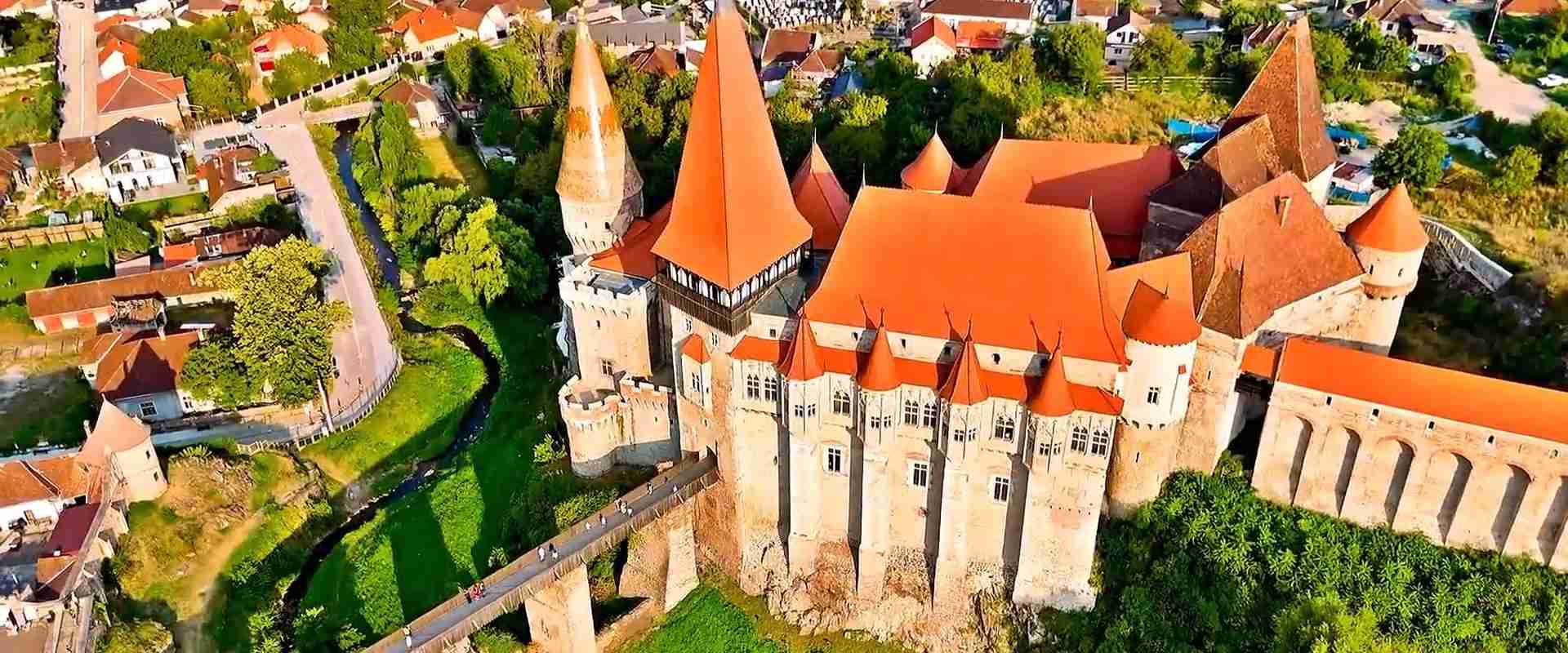
Romania 7-Day Itinerary 2026: First-Time Visitor Complete Guide
Romania offers first-time visitors an exceptional blend of medieval castles, mountain landscapes, and vibrant cities at prices significantly lower than Western Europe. This seven-day itinerary balances Transylvania’s legendary fortresses with Bucharest’s cosmopolitan energy, covering the country’s essential highlights while allowing time to experience Romanian culture authentically. Budget travelers can explore Romania for $50-75 daily per person, mid-range visitors for $95-150, and luxury travelers for $220-335.
Key Takeaways About Romania Seven-Day Itineraries 2026
- Budget Travelers 2026: Expect $50-75 per person daily when sharing budget accommodation, using public transport, eating at local restaurants, and visiting major attractions. A complete week costs approximately $350-525 per person.
- Mid-Range Comfort 2026: Plan for $95-150 per person daily with comfortable hotels, occasional private tours, restaurant dining, and comprehensive attraction access. Seven days total approximately $665-1,050 per person.
- Luxury Experience 2026: Budget $220-335 per person daily for boutique hotels, private guides, upscale dining, and premium experiences. A week runs approximately $1,540-2,345 per person.
- Essential Route 2026: The classic first-timer circuit covers Bucharest (2 days), Brasov and surrounding castles (3 days), and Sibiu (2 days), connected by affordable trains costing €8-29 per journey.
- Castle Triangle Priority: Dedicate full days to Peles Castle in Sinaia (€25 admission) and Bran Castle (€20-25 admission), both requiring advance online booking during summer 2026 peak season.
- Timing Matters 2026: May-June and September offer optimal weather, fewer crowds, and accommodation costs 30-40% below July-August peaks. Book hotels and castle tickets 4-6 weeks ahead for summer travel.
People Also Ask About Romania 7-Day Itineraries 2026
How much does a 7-day Romania trip cost in 2026?
A seven-day Romania trip in 2026 costs $350-525 per person for budget travelers, $665-1,050 for mid-range comfort, or $1,540-2,345 for luxury experiences. Budget travelers stay in hostels at $15-20 per person (sharing doubles), eat at local restaurants for $18-27 daily, use public transport for $8-12 daily, and visit major attractions for $10-15 daily. Mid-range travelers upgrade to comfortable hotels at $30-45 per person nightly, dine at better restaurants for $32-48 daily, use mix of trains and occasional private tours for $15-25 daily, and access comprehensive attractions for $20-30 daily. Luxury visitors choose boutique properties at $70-110 per person nightly, enjoy upscale restaurants for $77-113 daily, arrange private drivers for $35-50 daily, and access premium guided experiences for $40-60 daily. These figures assume two people sharing accommodation and cover all major expenses including accommodation, meals, transport, and attractions.
What is the best 7-day Romania itinerary for first-time visitors in 2026?
The optimal first-timer itinerary dedicates two days to Bucharest exploring the Palace of Parliament and Old Town, three days based in Brasov visiting Peles Castle, Bran Castle, and the medieval city center, and two days in Sibiu experiencing the Saxon heritage and Transylvanian countryside. This route covers Romania’s essential highlights while maintaining a comfortable pace without excessive hotel changes. Start in Bucharest where international flights arrive, train north to Brasov (2.5 hours, €8-30), then continue to Sibiu (3 hours, €14-29), returning to Bucharest by train or departing from Cluj-Napoca if flying home from northern Romania. This circuit follows excellent train connections, keeps costs manageable, and provides diverse experiences from urban culture to mountain castles to medieval towns.
When should I book Romania hotels and castle tickets for 2026?
Book Romania hotels and castle tickets 4-6 weeks in advance for summer 2026 travel (June-August) when accommodation prices peak and popular castles like Bran and Peles reach capacity. Brasov hotels in particular sell out on weekends throughout summer, with prices climbing from €55 in late September to €85 in early August for the same mid-range property. Peles Castle and Bran Castle both operate timed entry slots that fill completely during July-August weekends and Romanian holidays. Purchase castle tickets online through official websites rather than at entrance to guarantee admission and skip ticket office queues. For shoulder season travel in May, early June, or September, booking 2-3 weeks ahead provides sufficient availability while capturing significantly lower prices. Winter visits (November-March) offer maximum flexibility with same-week booking acceptable, though some mountain roads and castle sections may close during heavy snow.
Can I do Romania’s castles and cities in 7 days using public transport in 2026?
Romania’s essential castles and cities connect perfectly via public transport for a comprehensive week-long itinerary in 2026. Romanian Railways (CFR) operates frequent trains between Bucharest, Brasov, and Sibiu at costs of €8-30 per journey, with InterCity services covering Bucharest-Brasov in 2.5 hours. From Brasov, reach Peles Castle in Sinaia via 45-minute train (€5-8), then continue to Bran Castle by local bus (45 minutes, €3-5). Sibiu connects to Brasov by direct train (3 hours, €14-29). Local buses in each city cost €0.40-0.70 per ride, with day passes available for €3-4. The only challenge involves Bran Castle, located 30 kilometers from Brasov and requiring a bus journey, but frequent departures make this manageable. Budget an extra €50-75 per person for all intercity trains plus local transport during your week, compared to €200-300 for rental car plus fuel and parking. Public transport also eliminates concerns about Romanian driving styles and mountain road navigation.
Extended multi-day tours – 5+ days
Featured Romania Multi-Day Tour Packages

7 days
Authentic Transylvania: 7-Day Small-Group Journey
- ✓ Comprehensive Romania tour
- ✓ Expert local guides included
- ✓ All accommodation arranged
- ✓ Transportation provided
10 days
Best of Romania in 10 days
- ✓ Comprehensive Romania tour
- ✓ Expert local guides included
- ✓ All accommodation arranged
- ✓ Transportation provided
4 days
Transylvania Castles tour in 4 days from Bucharest
- ✓ Comprehensive Romania tour
- ✓ Expert local guides included
- ✓ All accommodation arranged
- ✓ Transportation provided
8 days
Transylvanian Village Life: 8-Day Carpathian Hiking & Cultural Journey
- ✓ Comprehensive Romania tour
- ✓ Expert local guides included
- ✓ All accommodation arranged
- ✓ Transportation provided
Multi-day tour packages powered by TourRadar. Prices and availability subject to change.
Introduction: Planning Your First Week in Romania 2026
Romania stands as Eastern Europe’s best-kept secret in 2026, delivering medieval fortresses, mountain landscapes, and vibrant culture at costs dramatically below Western European equivalents. First-time visitors discover a country where €25 grants access to royal palaces that would cost triple elsewhere, where €12 buys restaurant meals that satisfy completely, and where trains connect legendary Transylvanian towns for less than taxi rides cost in most capitals. This accessibility combines with genuine experiences largely unmarred by mass tourism — outside Bucharest and Brasov peak season, international visitors remain relatively uncommon, creating opportunities for authentic cultural immersion.
The ideal seven-day Romania itinerary balances three distinct experiences. Bucharest provides urban sophistication with grand boulevards, communist-era architecture juxtaposed against Belle Époque elegance, world-class museums, and Romania’s most diverse dining scene. Brasov serves as the Transylvanian hub, a Saxon-founded medieval city surrounded by the Carpathian Mountains and positioned perfectly for day trips to Peles Castle, Bran Castle, and mountain fortresses. Sibiu rounds out the triangle with its Germanic heritage, intact medieval squares, and authentic Transylvanian atmosphere less impacted by tourism than Brasov.
This circuit requires minimal planning complexity. Romanian trains operate reliably on the Bucharest-Brasov-Sibiu route, eliminating rental car necessity. Hotels across all budget tiers remain affordable by European standards, with mid-range properties offering excellent value. Castle admissions cost €20-25, museum entries €5-10, and restaurant meals €10-18 per person. English proficiency varies but improves yearly, with younger Romanians and hospitality workers communicating easily. Safety concerns remain minimal — Romania ranks among Europe’s safest countries, with violent crime rare and petty theft less common than in major Western European cities.
Timing your visit significantly impacts both experience quality and costs. May through June and September represent the sweet spot — pleasant weather, manageable crowds, and accommodation prices 30-40% below summer peaks. July-August brings peak tourism, particularly to Brasov and Bran Castle, with hotel rates climbing and popular restaurants requiring reservations. October offers excellent value but increasingly unpredictable weather, while November through March sees many mountain attractions operate reduced schedules or close entirely. Romanian school holidays and long weekends (especially around Orthodox Easter and December 1 National Day) create domestic tourism surges that fill hotels in Brasov and Sibiu.
Currency considerations remain straightforward. Romania uses the Romanian Leu (RON), not the Euro, despite European Union membership. The exchange rate hovers around 4.90-5.10 RON per EUR or 4.30-4.50 RON per USD in 2026. Credit cards work universally in cities and tourist areas, though cash remains preferred at small restaurants, local markets, and rural locations. ATMs appear frequently in all cities with reasonable withdrawal fees. Tipping has become standard practice in 2026, with 10% expected at restaurants, though Romanian law now permits adding gratuities directly to card payments at most establishments.
This itinerary assumes arrival and departure from Bucharest’s Henri Coandă International Airport, Romania’s primary gateway with direct flights from most European cities and connecting service from North America and Asia. Alternative entry points include Cluj-Napoca for northern Romania access or flying into neighboring Budapest with overland entry. The route described moves north from Bucharest to Brasov, then west to Sibiu, finally returning to Bucharest for departure, though reverse direction works equally well. Each destination receives sufficient time for thorough exploration without feeling rushed — two full days in Bucharest, three days based in Brasov for castle excursions, and two days in Sibiu provide balanced coverage.
Understanding Romania Travel Costs 2026
Romania maintains its position as one of Europe’s most affordable destinations in 2026, though prices have risen steadily since 2023 as tourism rebounds and European inflation impacts the economy. The country still delivers exceptional value compared to Western Europe, but travelers should understand that Romania no longer qualifies as “dirt cheap” — budget accommodation, restaurant meals, and attractions now cost 30-50% more than pre-pandemic levels while remaining significantly below prices in France, Italy, or Spain.
Daily costs vary considerably based on travel style and destination within Romania. Bucharest represents the priciest city, with hotel rates and restaurant prices approaching Western European levels in tourist zones like the Old Town. Brasov follows close behind during summer peak season when international visitors fill medieval center hotels and drive prices upward. Sibiu, Cluj-Napoca, and Timisoara offer better value while maintaining high quality. Rural areas and smaller towns provide the deepest discounts, though infrastructure and English proficiency decline outside major cities.
The gap between budget, mid-range, and luxury travel in Romania remains substantial. Budget travelers leveraging hostels, local restaurants, public transport, and free attractions can operate on $50-75 daily per person. Mid-range visitors seeking comfort without extravagance should budget $95-150 daily per person. Luxury travelers wanting boutique hotels, fine dining, and private tours will spend $220-335 daily per person. These ranges assume two people sharing accommodation — solo travelers face single supplements that increase per-person costs by 35-50%.
Accommodation Cost Breakdown by Category 2026
Romanian accommodation spans an impressive range from €10 hostel beds to €200+ boutique suites, with most travelers finding excellent options in the €30-90 per room range. Budget travelers should target hostels in major cities offering dormitory beds for €11-18 or private rooms for €30-45. Guesthouses (pensiuni) in smaller towns provide authentic experiences at €35-55 for double rooms with breakfast included. Budget hotels in Bucharest, Brasov, and Sibiu run €40-65 per room, typically offering private bath, air conditioning, and breakfast.
Mid-range hotels occupy the €60-110 per room bracket in 2026, delivering comfortable, well-located properties with modern amenities, English-speaking staff, and often included breakfast. Three-star hotels in Bucharest city center cost €65-95, while equivalent properties in Brasov Old Town command €70-100 during summer and €45-70 in shoulder season. Four-star business hotels in less central locations offer excellent value at €55-80. Boutique properties in renovated historic buildings typically charge €80-120 but provide memorable stays with architectural character and personalized service.
Luxury accommodation in Romania centers on five-star hotels in Bucharest (€120-220 per night), castle hotels in rural Transylvania (€140-280), and luxury mountain resorts (€150-300). These properties deliver international standards with spas, fine dining restaurants, concierge services, and premium locations. Historic manor houses converted to luxury guesthouses offer unique alternatives at €100-180, particularly in Saxon villages around Sibiu and Sighisoara. Bucharest’s top hotels like the Athénée Palace Hilton or JW Marriott command €180-250 but provide business-class amenities and central locations.
Seasonal variation significantly impacts accommodation costs. Summer high season (June-August) sees prices climb 40-60% above winter rates in mountain destinations like Brasov, Sinaia, and Poiana Brasov. Shoulder seasons (May, September) offer optimal balance between pleasant weather and reasonable rates, typically 20-30% below summer peaks. Winter brings deep discounts everywhere except ski resorts, where December-February represents high season. Bucharest shows less seasonal variation, though business hotels drop rates noticeably during August when local businesses close and July-August weekends when Romanians leave the capital.
Food and Dining Expenses 2026
Romanian food costs remain remarkably affordable in 2026, particularly for travelers embracing local cuisine rather than seeking international alternatives. Traditional restaurants (called “crama” or “han”) serve hearty portions of sarmale (cabbage rolls), mici (grilled meat rolls), and ciorbă (sour soup) for €4-9 per main course. Complete meals including soup, main course, dessert, and local beer total €12-18 per person at these establishments. Street food provides even greater value — shaorma (Romanian doner kebab) costs €3-5, pizza slices €2-3, and sweet or savory pastries from bakeries €1-2.
Mid-range restaurant dining costs €10-18 per main course in Romanian establishments, rising to €12-22 in international restaurants or upscale locations. A complete dinner for two including appetizer, two mains, dessert, and wine runs €35-55 at quality restaurants outside premium tourist zones, or €50-75 in Old Town Bucharest or central Brasov. Coffee shops charge €2-4 for espresso or cappuccino, comparable to Western European prices. Local beer (Ursus, Ciuc, Timișoreana) costs €2-3 in restaurants, €1-2 in supermarkets. Wine varies dramatically from €8 budget bottles to €25+ premium Romanian labels.
Breakfast strategies significantly impact daily food budgets. Many hotels include breakfast, instantly saving €5-10 per person daily. For accommodations without breakfast, supermarket purchases (yogurt, pastries, fruit, coffee) cost €3-5 per person versus €8-15 at cafes. Romania’s supermarket chains (Kaufland, Lidl, Carrefour) stock comprehensive selections at prices 40-50% below restaurant equivalents — ready sandwiches €2-4, rotisserie chicken €5-8, fresh produce at northern European prices. Self-catering capabilities particularly benefit budget travelers on longer stays.
Lunch represents the best value meal in Romania, with many restaurants offering “meniu zilei” (daily menu) combining soup, main course, and dessert for €5-9. This lunch special tradition makes midday the optimal time for dining out, allowing breakfast from supermarkets and lighter evening meals to balance budgets. Tourist zones in Bucharest Old Town, Brasov Council Square, and Sibiu main squares charge premium prices — walking two-three blocks from central squares typically reduces meal costs by 30-40% without quality sacrifice.
Transportation Costs Within Romania 2026
Romania’s public transportation delivers exceptional value in 2026, with intercity trains connecting major destinations affordably and city buses/metro costing mere cents per ride. Romanian Railways (CFR Calatori) operates the primary rail network with three service levels: InterCity (IC) trains offering fastest service with reserved seating, InterRegio (IR) trains providing comfortable middle ground, and Regio trains stopping at every station but charging lowest fares. Bucharest to Brasov costs €8-30 depending on train class and advance booking, with journey time ranging from 2.5 to 4 hours. Brasov to Sibiu runs €14-29 over approximately 3 hours.
Local transportation in Romanian cities costs €0.50-0.70 per ride on buses, trams, and trolleybuses. Bucharest operates the country’s only metro system at €0.70 per ride or €5 for day passes. Multi-ride cards offer better value — 10-trip tickets cost €4-6 versus €5-7 purchasing singles. Taxis remain very affordable at €0.70 base fare plus €0.70-1.20 per kilometer, though Uber and Bolt operate in major cities with comparable or slightly lower rates plus transparent pricing. A typical cross-town taxi in Bucharest costs €4-8, making taxis reasonable alternatives to public transport when traveling in groups or with luggage.
Rental cars provide flexibility for exploring rural Romania but add significant expense. Compact cars rent for €35-55 daily, mid-size vehicles €45-70, with mandatory insurance adding €10-20 daily. Fuel costs approximately €1.60-1.80 per liter (€6.00-6.80 per gallon) in 2026. Parking in city centers runs €1-3 per hour, with hotel parking adding €8-15 daily. Mountain roads between major cities require confidence navigating tight curves and aggressive local drivers. Overall, rental cars make financial sense for groups of 3-4 or itineraries emphasizing rural Transylvania, but public transport serves the Bucharest-Brasov-Sibiu circuit more economically.
Private tours and drivers represent the premium transport option. Full-day private tours from Bucharest to Peles and Bran castles cost €90-150 for groups up to 4, including guide services. Private transfers between cities run €80-120 depending on distance. These options deliver convenience, English-speaking guides, and flexible timing but cost 3-4 times equivalent public transport. Group tours via coach offer middle ground at €45-75 per person for day trips to major castles, including transport and guide but requiring fixed schedules and group dynamics.
Attraction and Activity Expenses 2026
Romanian attraction costs remain reasonable compared to Western Europe, though popular sites have increased prices in recent years. Major castles charge €20-27 admission — Peles Castle costs €25 for the main palace tour, Bran Castle €20-25 depending on season and advance booking. Museums in Bucharest charge €5-12 admission, with the Village Museum at €10, National Art Museum €12, and Palace of Parliament tours €9-12 depending on route. Brasov and Sibiu museums cost €3-8. Churches typically request €2-3 donations for entry. Many attractive Transylvanian towns like Sighisoara charge no admission to wander medieval streets and squares.
Multi-day city cards provide limited value in Romania compared to Western Europe. Bucharest offers a tourist card (€25 for 48 hours) covering public transport and some museum discounts, but most visitors find purchasing attractions individually more economical given Romania’s low base prices. Brasov has no comprehensive city card. Several castles offer combined tickets — Peles and nearby Pelisor Castle together cost €33 versus €38 purchased separately, saving marginally. The Palace of Parliament requires advance booking and sells out regularly, necessitating online reservation 2-3 days ahead during summer.
Outdoor activities add modest expenses. Hiking Transylvanian mountains remains free, with clearly marked trails around Brasov, Sinaia, and throughout the Carpathians. Cable car rides to mountain viewpoints cost €8-15 roundtrip. Bike rentals in cities run €10-18 daily. Skiing at Poiana Brasov charges €35-45 for day lift passes, comparable to mid-tier European resorts. Adventure activities like via ferrata, rock climbing, and canyoning cost €40-75 per person through local operators. Traditional experiences like shepherd farm visits or horse-drawn cart rides cost €25-45 arranged through guesthouses.
Photography permits at castles and museums represent a frustrating nickel-and-diming aspect of Romanian tourism. Peles Castle charges €6 for interior photography permit, Bran Castle €3, and many museums €2-5. Some locations prohibit photography entirely regardless of payment. These policies frustrate international visitors accustomed to photography freedom but remain firmly enforced. Budget these small fees if documenting your trip comprehensively, or respect restrictions and photograph exteriors only.
Complete Budget Breakdown for 7 Days in Romania 2026
Understanding realistic costs for a week in Romania requires examining three distinct travel styles, each delivering complete experiences at different comfort and expense levels. These calculations assume two people sharing accommodation, the most common scenario and the most economical arrangement. Solo travelers should expect per-person costs to increase by 35-50% due to single room supplements. All figures represent per-person daily costs and seven-day totals.
Budget Traveler Category: Hostels, Local Food, Public Transport
Budget-conscious travelers can experience Romania thoroughly while spending $50-75 per person daily. This category targets backpackers, students, and value-focused travelers willing to stay in hostels or budget hotels, eat primarily at local restaurants and supermarkets, rely exclusively on public transportation, and prioritize free or low-cost attractions. The experience remains authentic and comprehensive despite minimal spending.
Accommodation in this budget tier costs $30-40 per night for a hostel private room in major cities or basic guesthouse in smaller towns. Dividing by two people sharing yields $15-20 per person nightly. Bucharest hostels near the Old Town offer private doubles for €30-40 with shared bathrooms and communal kitchens. Brasov hostels charge similar rates. Budget hotels (one-star or unrated) cost €35-45 but often lack character. Guesthouses in Sibiu and rural areas provide better value at €35-50 with breakfast sometimes included. This budget accepts basic facilities, shared bathrooms in hostels, peripheral locations requiring short bus rides to city centers, and minimal amenities.
Food expenses total $18-27 daily per person through strategic eating. Budget travelers should target supermarket breakfasts (€3-5), lunch at traditional Romanian restaurants using “meniu zilei” specials (€5-9), and evening meals mixing street food shaorma (€3-5) with occasional budget restaurant dinners (€8-12). Avoiding tourist-zone restaurants reduces costs significantly. Water from taps in Romania is potable, eliminating bottled water expense. Coffee from cafes once daily (€2-3) fits the budget, with supermarket instant coffee for other times. Alcohol should be purchased from supermarkets (€1-2 for local beer, €5-10 for decent wine bottle) rather than bars and restaurants where prices triple.
Transportation costs $8-12 daily combining intercity trains and local buses. InterRegio or Regio trains between major cities cost €8-18 per journey versus €25-30 for InterCity express trains. Local buses cost €0.50-0.70 per ride, with weekly passes providing better value for multi-day city stays. Walking extensively saves money while providing the best way to experience Romanian cities. Taxis should be avoided except with multiple people or heavy luggage. This budget requires patience for slower trains, willingness to navigate public transport with limited English signage, and acceptance of crowded buses during peak hours.
Attractions and activities add $10-15 daily to budgets. Budget travelers should prioritize one major paid attraction daily (Peles Castle €25, Bran Castle €20-25, Palace of Parliament €9-12) while supplementing with free activities — wandering medieval town centers, hiking mountain trails around Brasov, exploring Bucharest parks, and photographing exterior architecture. Many churches request only €2-3 donations. Skip photography permits inside castles or plan one splurge day for comprehensive documentation. Free walking tours operate in Bucharest and Brasov, accepting tips of €5-10 rather than fixed fees.
The budget tier daily breakdown totals $50-75 per person: accommodation $15-20, food $18-27, transport $8-12, attractions $10-15. For seven complete days, budget travelers need $350-525 per person covering all essential expenses. This calculation excludes international flights, travel insurance, souvenirs, and contingency funds. Budget travelers should carry additional $100-150 buffer for unexpected expenses, occasional splurge meals, or extra activities.
Mid-Range Traveler Category: Comfortable Hotels, Restaurant Dining, Mixed Transport
Mid-range travelers experience Romania comfortably without excessive luxury, staying in well-located hotels, dining at quality restaurants, mixing public transport with occasional private tours, and accessing all major attractions without budget stress. This category suits most visitors seeking balance between value and comfort. Daily costs range $95-150 per person, delivering thoroughly satisfying experiences.
Mid-range accommodation costs $60-90 per night for three-star hotels or boutique guesthouses in excellent locations, divided by two people sharing to yield $30-45 per person nightly. These properties offer private bathrooms, air conditioning, English-speaking reception, included breakfast, and locations within walking distance of main attractions. Bucharest mid-range hotels cost €65-95, Brasov hotels €70-100 in summer, Sibiu hotels €55-85. Rooms feature double beds, WiFi, TV, and modern amenities. Breakfast buffets save €8-12 per person daily while providing substantial morning fuel. This bracket delivers genuine comfort without stepping into luxury pricing.
Food expenses total $32-48 daily per person through quality restaurant dining and occasional upscale splurges. Mid-range travelers should enjoy hotel breakfast buffets (included), lunch at good Romanian restaurants or international cuisine (€12-18), and dinner at quality establishments (€15-25). Coffee breaks at proper cafes (€3-4) fit comfortably. Local beer or wine with dinner adds €3-8. This budget allows trying Romanian specialties like mămăligă (polenta), sarmale, and various grilled meats without price-checking menus. Occasional fine dining experiences (€30-45 per person) replace budget meals on special nights without exceeding weekly budgets.
Transportation costs $15-25 daily mixing comfortable trains, occasional taxis, and selective private tours. Mid-range travelers should use InterCity trains between major cities (€18-30 per journey), taxi freely within cities for €4-8 per ride, and book one private day tour (€45-75 per person) to major castles. Public transport remains useful for short trips and morning commutes to train stations, but taxis eliminate luggage hassles and time waste. This budget permits flexibility responding to weather, energy levels, and spontaneous plans without constant cost calculations.
Attractions and activities budget $20-30 daily covering comprehensive admission to all major sites plus occasional guided experiences. Mid-range travelers can afford all castle entries, museum visits, photography permits, and selective guided tours without choosing between attractions. Cable car rides to mountains, bike rentals, and entry to thermal spas fit this budget. Wine tasting tours, cooking classes, and traditional craft workshops (€35-55) qualify as occasional special activities. Two guided experiences during the week (historical walking tour, castle day trip with guide) enhance understanding without breaking budgets.
The mid-range daily breakdown totals $95-150 per person: accommodation $30-45, food $32-48, transport $15-25, attractions $20-30. Seven complete days require $665-1,050 per person for comprehensive mid-range travel. This budget delivers thoroughly comfortable Romania experiences balancing quality and value, requiring neither constant economizing nor luxury spending. Mid-range travelers should add $150-200 contingency funds for spontaneous upgrades, shopping, and flexibility.
Luxury Traveler Category: Boutique Hotels, Fine Dining, Private Experiences
Luxury travelers experience Romania’s best accommodations, finest restaurants, private guides, and premium activities without budget constraints. This category seeks memorable experiences, personalized service, and maximum comfort while exploring Romania’s cultural treasures. Daily costs reach $220-335 per person, delivering exceptional experiences that balance luxury with Romania’s authentic character.
Luxury accommodation costs $140-220 per night for five-star hotels, castle hotels, or luxury boutique properties, divided by two to yield $70-110 per person nightly. Bucharest’s finest hotels like the Athénée Palace Hilton or InterContinental cost €150-220, delivering international luxury standards with spas, rooftop bars, and concierge services. Transylvanian castle hotels and manor houses charge €140-280 for unique historic properties with restaurant, grounds, and personalized service. Luxury mountain resorts around Sinaia offer €150-300 rooms with mountain views, spa facilities, and fine dining. These properties provide exceptional service, memorable architecture, and exclusive locations that standard hotels cannot match.
Food expenses total $77-113 daily through fine dining and premium experiences. Luxury travelers enjoy hotel breakfasts (always included at this level), lunch at top restaurants or special venues (€25-40), and dinner at fine dining establishments (€40-70). Wine pairings, cocktails, and premium Romanian wines add €15-30 daily. This budget permits Micharest’s best restaurants featuring modern Romanian cuisine, wine cellars in Transylvanian vineyards, and chef’s tasting menus showcasing regional specialties. Traditional experiences like private cooking classes or dining at restored manor houses (€60-100 per person) provide memorable alternatives to standard restaurant meals.
Transportation costs $35-50 daily through private drivers and premium services. Luxury travelers should arrange private transfers between cities (€80-120 per journey split between two), retain drivers for full-day castle tours (€120-180 for vehicle and driver), and use premium taxis or car services within cities. First-class train compartments offer alternatives for scenic routes. This budget eliminates all transportation stress, providing door-to-door service with English-speaking drivers who double as informal guides. Flexibility to stop at viewpoints, photograph landscapes, and adjust schedules freely justifies premium costs.
Attractions and activities budget $40-60 daily for private guided tours, exclusive experiences, and premium access. Luxury travelers can afford private guides for all major attractions (€80-150 for half-day), exclusive after-hours castle tours, helicopter flights over Carpathian castles (€200-400), premium wine tastings at top estates, and traditional experiences like private folk performances or master craftsman workshops. This budget permits saying yes to every interesting opportunity without cost considerations. Activities focus on exclusive access, expert knowledge, and personalized experiences rather than standard group tours.
The luxury daily breakdown totals $220-335 per person: accommodation $70-110, food $77-113, transport $35-50, attractions $40-60. Seven complete days require $1,540-2,345 per person for comprehensive luxury experiences. This budget delivers Romania’s finest while maintaining authentic cultural connection. Luxury travelers should allocate additional $300-500 for shopping at artisan workshops, premium souvenirs, and spontaneous exclusive experiences.
Detailed Day-by-Day Itinerary 2026
Days 1-2: Bucharest Exploration and Cultural Immersion
Arrive at Henri Coandă International Airport, located 16 kilometers north of Bucharest city center. Budget travelers should take express bus 783 to city center (€1.30, 40-60 minutes depending on traffic), mid-range travelers can use official airport taxis (€15-25 to central hotels), and luxury travelers should pre-arrange private transfers (€40-60). Drop bags at accommodation, then begin exploring Romania’s capital city of 2 million residents, a fascinating mixture of Belle Époque architecture, communist-era concrete, and modern development.
Day one should focus on the Old Town (Lipscani) and immediate surroundings. Begin at Revolution Square, the symbolic heart of Romania’s 1989 revolution that toppled communism, surrounded by significant buildings including the former Royal Palace (now National Art Museum, €12 admission) and Athénée Palace. Walk south through Calea Victoriei, Bucharest’s grandest boulevard, lined with 19th-century mansions, upscale shops, and cafes. Stop at Stavropoleos Church, a beautiful 18th-century Orthodox church with intricate carvings tucked behind modern buildings.
Enter the Old Town around noon for lunch at traditional Romanian restaurants — Caru’ cu Bere (historic 1879 beer hall with live music, €12-18 mains) or Hanul lui Manuc (1808 inn courtyard, €10-15 mains). The Old Town comprises narrow pedestrian streets filled with cafes, bars, restaurants, and street performers. While touristy, it captures Bucharest’s energy effectively. Afternoon explorations should cover the Curtea Veche archaeological site (free), ruins of the 15th-century princely court, and surrounding streets with architectural layers from medieval to communist to contemporary.
Late afternoon, visit the Romanian Athenaeum concert hall, Bucharest’s most beautiful building and home to the George Enescu Philharmonic Orchestra. Tours cost €5 if no rehearsals or concerts occur. Walk north through Cișmigiu Gardens, Bucharest’s oldest public park, before dinner. Evening options include the Bucharest National Theater, traditional folk shows at specialized venues (€20-35), or simply exploring the Old Town’s vibrant nightlife. Budget travelers should find local restaurants outside the Old Town tourist zone where mains cost €6-10.
Day two dedicates morning to the Palace of Parliament, the world’s second-largest administrative building and Bucharest’s most controversial attraction. Book tours online 2-3 days ahead (€9-12 depending on route chosen), required even in shoulder seasons as daily visitor numbers are capped. Tours last 60-75 minutes covering a tiny fraction of the building’s 3.7 million square feet, 1,100 rooms, and twelve stories. The sheer scale overwhelms — 700,000 tons of steel and bronze, 3,500 tons of crystal, a million cubic meters of marble, and construction that consumed much of Romania’s resources during the 1980s under dictator Nicolae Ceaușescu. Tours operate in English hourly from 9:00 AM, with the first tours facing smallest crowds.
After the Palace tour, explore the Village Museum (Muzeul Satului, €10 admission) in Herăstrău Park on Bucharest’s northern edge. This excellent open-air museum displays 300+ traditional buildings from all Romanian regions, relocated to create an architectural village representing rural life from the 17th-20th centuries. Plan 2-3 hours wandering paths between wooden churches, farmhouses, windmills, and water mills. The museum provides essential context for understanding rural Romanian culture before experiencing Transylvanian villages firsthand later in your trip.
Afternoon options include the National Art Museum in the former Royal Palace (€12, housing Romanian and European art collections including the Royal Treasury), Grigore Antipa Natural History Museum (€8, excellent dinosaur collection), or shopping along Calea Victoriei. Budget travelers might simply walk Bucharest’s varied neighborhoods — the shabby-chic decay of certain areas provides striking contrast to recent development. Dinner should explore Romanian cuisine beyond tourist restaurants — seek out crama-style establishments where locals eat, identifiable by packed tables of Romanians rather than tour groups.
Evening possibilities include attending opera or ballet at the Romanian National Opera (€15-40 tickets), classical concert at the Athenaeum (€20-50), or folk performance with traditional music and dance (€25-40 at specialized venues). Alternatively, experience Bucharest’s cafe culture on Strada Franceza or Strada Șelari, or visit Therme București (€25-40 admission), Europe’s largest wellness complex with thermal pools, saunas, and tropical plants — located 20 kilometers outside the city but reachable via shuttle buses from city center.
Day 3: Travel to Brasov and Castle Orientation
Depart Bucharest via morning train from București Nord station, easily reached by metro (€0.70) or taxi (€5-10 from central hotels). Purchase InterCity train tickets online via CFR Calatori website (€18-30 depending on class) for the 2.5-hour journey, or save money with InterRegio trains (€12-18, 3 hours). Trains depart hourly throughout morning, with 8:00-10:00 AM departures arriving Brasov by midday. The scenic route climbs through the Prahova Valley into the Carpathian Mountains, passing Sinaia and several mountain resorts.
Arrive Brasov around noon, check into accommodation, then explore the city center. Brasov ranks among Romania’s most beautiful cities, founded by Saxon colonists in 1211 and maintaining medieval character through careful preservation. The Council Square (Piața Sfatului) forms the heart of the Old Town, surrounded by colorful baroque buildings housing cafes and restaurants. The 15th-century Council House stands at square center, now the History Museum (€4 admission). Black Church (Biserica Neagră), Romania’s largest Gothic church, dominates the eastern square end — €3 entry buys access to the austere interior and notable organ concerts on Tuesdays and Thursdays.
Walk Rope Street (Strada Sforii), supposedly Europe’s narrowest street at 1.3 meters wide, connecting Cerbului to Poarta Schei. Explore the Schei quarter, historically inhabited by Romanians excluded from the Saxon-controlled inner city, centered on the 18th-century Orthodox St. Nicholas Cathedral. The First Romanian School Museum nearby (€2) documents Romanian education history. Late afternoon, ride the cable car (€8 roundtrip) to the summit of Mount Tâmpa for panoramic views over Brasov and surrounding mountains, or hike the winding trail (45 minutes uphill) for free exercise and identical views.
Dinner in Brasov provides first opportunity for serious Transylvanian cuisine. Traditional restaurants surrounding Council Square lean touristy with prices 30% above local standards, but quality remains good. Better value exists on streets radiating from the square — Str. Mureșenilor and Str. Republicii host excellent restaurants at €10-16 per main course. Bella Musica occupies a 16th-century merchant house with atmospheric dining rooms and extensive traditional menu. Sergiana offers another reliable option for Romanian classics. Budget travelers should walk toward the train station area where local restaurants serve identical food for €6-10 per main.
Day 4: Peles Castle and Sinaia Day Trip
Day four targets Peles Castle in Sinaia, Romania’s most beautiful royal palace and an essential attraction requiring a full day. Take morning train from Brasov to Sinaia (45 minutes, €5-8, departures every 1-2 hours). Budget travelers should catch the 8:17 AM train arriving Sinaia 9:02 AM, allowing maximum time at the castle. Mid-range and luxury travelers might book private tours (€90-180 for full-day private tour including Peles and Bran castles with driver/guide), though independent travel via train costs far less and provides equal quality experience.
From Sinaia station, walk 15 minutes uphill through town to Peles Castle, or take local buses (€1.50) that operate irregularly. The uphill walk provides pleasant mountain scenery but challenges in hot weather. Peles Castle tours must be pre-booked online (€25 for main tour, pelescas.ro), with timed entry slots that fill completely during summer weekends. Book at least one week ahead for July-August visits, 2-3 days ahead for shoulder season. Tours operate in English and Romanian alternately, lasting 50 minutes and covering the piano nobile (main floor) including the magnificent Hall of Honor, library, weapons room, and royal apartments.
The castle absolutely justifies its reputation as Romania’s finest architectural treasure. Built 1873-1914 as King Carol I’s summer residence, Peles combines Neo-Renaissance design with German decorative elements creating an interior of extraordinary opulence — carved wood ceilings, stained glass, marble, and artworks fill 160 rooms. Photography inside requires €6 permit purchased at entrance, though exterior photography remains free and captures the castle’s fairy-tale silhouette against forested mountains. After the main tour, consider the additional tour of Pelisor Castle (€8), the smaller palace built for Crown Prince Ferdinand and Queen Marie, displaying Art Nouveau decoration contrasting with Peles’ heavier Victorian style.
Lunch in Sinaia offers multiple options. Restaurants around the castle charge premium prices (€15-22 mains) but provide convenient mountain views. Walking 10 minutes into Sinaia town center reduces costs to €10-15 per main at local restaurants. Budget travelers should pack sandwiches from Brasov supermarkets, saving €10-15 per person and allowing picnic options in castle grounds or nearby forests. Sinaia provides beautiful hiking opportunities for afternoon activities — marked trails climb to Bucegi Mountains peaks, with easier forest walks surrounding the town.
Afternoon options include visiting Sinaia Monastery (€2 donation), the 17th-century Orthodox monastery that gave the town its name, or taking the Sinaia cable car (€12 roundtrip) up to 2,000-meter elevations for spectacular mountain panoramas. More adventurous visitors can hike to Babele (rock formations) or Sphinx rock, though these require 4-6 hours roundtrip. Return to Brasov via evening train, arriving by dinner time for relaxed evening exploring Brasov’s restaurants and bars. Those staying in Sinaia overnight enjoy quieter mountain town atmosphere after day-trippers depart, though accommodation costs 20% more than Brasov for equivalent properties.
Day 5: Bran Castle and Rasnov Fortress
Day five focuses on Bran Castle, universally marketed as “Dracula’s Castle” despite tenuous connections to the historical Vlad the Impaler. Reality matters less than presentation — the castle occupies a dramatic hilltop position, displays impressive medieval architecture, and offers engaging exhibits about the Dracula legend and Romanian royal family who owned it 1920-1948. Purchase tickets online in advance (€20-25, bran-castle.com) to skip entrance queues that can reach 60-90 minutes during summer weekends and Romanian holidays.
Reach Bran from Brasov via public bus from Autogara 2 bus station (€3-5, departures every 30-60 minutes, 45-minute journey). Budget travelers should take the 9:00 AM bus to maximize time at the castle before afternoon crowds surge. Mid-range and luxury travelers can book private tours or hire taxis (€30-40 one-way, €60-80 roundtrip with waiting time). The bus deposits visitors at the base of Bran village, requiring 5-minute uphill walk to castle entrance. Village streets overflow with souvenir stalls and restaurants targeting tourists — resist the t-shirts emblazoned “Dracula was here” and focus on the castle itself.
Bran Castle self-guided tours navigate winding staircases and small rooms across four levels, explaining the castle’s 1377 foundation as a defensive fortress against Ottoman invasions, later use as customs checkpoint, and eventual conversion to royal residence. Queen Marie’s apartments display period furniture and personal effects, while exhibits explore Vlad the Impaler’s life and Bram Stoker’s 1897 novel that created the Dracula legend. The castle undeniably atmospheric despite tourist crowds — narrow passages, hidden staircases, and irregular layout create properly castle-like exploration. Plan 90 minutes for thorough visit, longer if photographing extensively (€3 photography permit).
After Bran Castle, continue to nearby Rasnov Fortress (€7 admission), an exceptionally well-preserved 13th-century peasant fortress occupying a hilltop 15 kilometers from Bran. Buses run hourly between Bran and Rasnov (€2, 20 minutes), or arrange taxi transfers (€15-20). From Rasnov town, hike 15 minutes uphill to fortress entrance, or ride the shuttle vehicle (€2 each way) for those avoiding climbs. Rasnov Fortress represents a unique defensive concept — entire village populations could shelter inside fortified walls during attacks, with houses, church, school, and 146-meter-deep well providing self-sufficiency for weeks.
The restored fortress offers spectacular panoramic views across the Carpathians, with well-maintained defensive walls, towers, and interior buildings now housing small museums and craft shops. The site sees far fewer visitors than Bran Castle despite arguably greater historical significance and better preservation. Plan 60-90 minutes exploring walls, climbing towers, and photographing views. Lunch in Rasnov town provides budget-friendly alternatives to Bran’s tourist restaurants — traditional Romanian restaurants charge €6-10 per main versus €12-18 in Bran village.
Return to Brasov by late afternoon via direct bus from Rasnov (€3, 30 minutes, hourly service). Evening in Brasov allows relaxed dining, perhaps trying local Brasov specialties — jumari (pork cracklings), balmos (polenta with cheese), or trout from mountain streams. Bar scene centers on Republicii Street and surrounding lanes, with local craft beers from Zaganu brewery worth sampling. Budget travelers should investigate student bars near Transilvania University for local atmosphere and lower prices, though English proficiency declines away from tourist areas.
Day 6: Transfer to Sibiu and City Exploration
Depart Brasov for Sibiu via mid-morning train (3 hours, €14-29 depending on service class, frequent departures 7:00 AM-5:00 PM). The scenic journey crosses central Transylvania through rolling hills, forest patches, and Saxon villages. Direct trains avoid connections, though some routings require changes at Copșa Mică or Vintu de Jos — verify when booking. Arrive Sibiu around lunch time, check into accommodation, then explore what many consider Romania’s most charming city, designated European Capital of Culture 2007 and maintaining carefully preserved medieval architecture.
Sibiu’s historic center divides into Upper Town and Lower Town connected by stairs and passages. Begin at the Great Square (Piața Mare), Sibiu’s vast main plaza surrounded by baroque buildings in soft yellows, oranges, and greens. The Brukenthal National Museum (€10) occupies the former palace of Baron Samuel von Brukenthal, displaying excellent Romanian and European art collections. The Roman Catholic Cathedral towers over the square’s southwest corner. Council Tower (€2) provides 360-degree city views for those climbing 141 steps.
Walk to Little Square (Piața Mică) via Ocului Street beneath the Bridge of Lies, Sibiu’s iconic iron bridge supposedly collapsing if someone tells lies while crossing. The Little Square hosts craft markets and cafes in a more intimate setting than the Great Square. Continue to Huet Square (Piața Huet), dominated by the imposing Evangelical Cathedral, a 14th-century Gothic church with €3 admission buying access to the baroque interior and 73-meter tower climb rewarding visitors with superior views to the Council Tower.
Afternoon exploration should cover the Lower Town, less touristy than the Upper Town but equally atmospheric. Wander cobbled lanes lined with medieval fortifications, discovering the Liar’s Bridge, Turnului Stairs, and Three Towers Passage. The Museum of Folk Technology (ASTRA, €8 admission) occupies massive grounds 5 kilometers from city center, displaying 300+ traditional buildings similar to Bucharest’s Village Museum but focused specifically on Transylvanian architecture. Reach ASTRA via local bus 13 (€0.60, 20 minutes from city center), worth the journey for serious folk architecture interest but skippable for casual visitors given extensive walking required.
Dinner in Sibiu provides opportunities for upscale Transylvanian cuisine. Restaurant Max (Piața Mică) offers refined traditional food in Gothic cellar atmosphere (€15-25 mains), while Hermania (Piața Mare) serves Saxon-German specialties reflecting the city’s heritage (€12-20 mains). Budget travelers should explore streets behind the Great Square where university students frequent local restaurants charging €6-12 per main. Sibiu’s evening atmosphere remains quieter than Brasov despite similar tourist numbers, with café culture dominating over bar scene.
Day 7: Sibiu Day Trips or Return to Bucharest
Day seven provides flexibility based on departure flight timing and personal interests. Those flying from Bucharest early afternoon should take morning train back to the capital (5-6 hours, €18-32, departing Sibiu 7:00-9:00 AM), arriving with time for afternoon flights. Those departing evening flights can explore Sibiu surroundings during morning before afternoon train, or add full extra day to the itinerary and depart day eight.
Optimal day seven involves Sibiu area day trips rather than rushing back to Bucharest. Top option visits Sighisoara, the best-preserved medieval town in Transylvania and Vlad the Impaler’s alleged birthplace. Trains connect Sibiu to Sighisoara (2.5-3 hours, €10-16 depending on service, several morning departures). Sighisoara’s citadel climbs a hill, its colorful 16th-century buildings and nine towers creating Instagram-perfect scenes. The Clock Tower (€4) houses a history museum, Dracula’s birthplace (now a restaurant and small museum, €3) plays up the vampire connection, and the Scholar’s Stairs (175 covered steps) climb to the Church on the Hill. Plan 4-5 hours for comprehensive Sighisoara exploration before returning to Sibiu via evening train.
Alternative day trips from Sibiu include the fortified churches of the Saxon villages. These UNESCO World Heritage Sites — Biertan, Viscri, and others — represent unique defensive architecture where entire villages sheltered within fortified church complexes. Visiting requires rental car (€45-60 daily) or private tour (€80-120 for full day) as public transport connections remain limited. The villages preserve authentic rural Romanian life largely unchanged for centuries, though increasing tourism slowly transforms their character.
Those preferring relaxed final day should sleep late, revisit favorite Sibiu locations, enjoy extended lunch at quality restaurant, perhaps investigate the traditional markets where locals shop. Afternoon train to Bucharest (departing 3:00-5:00 PM, arriving 8:00-11:00 PM) positions travelers for early morning flights next day, or book accommodation near Bucharest airport (€40-60 for airport hotels) to minimize morning stress. Budget travelers taking overnight trains can save final accommodation night, though overnight trains run only on select routes and sacrifice sleep quality.
Essential Practical Information for Romania 2026
Best Time to Visit Romania 2026
Romania’s optimal travel window extends May through September, with distinct advantages and drawbacks to each month. May offers pleasant weather averaging 18-23°C (64-73°F), blooming landscapes, minimal crowds, and accommodation prices 25-35% below peak season. Occasional rain showers occur but rarely disrupt plans. June brings warmer weather (20-27°C / 68-81°F), longer daylight hours, and comfortable temperatures for castle visits and mountain hiking. Tourism picks up mid-June as European schools close, but crowds remain manageable compared to July-August.
July-August represents peak season with warmest weather (23-30°C / 73-86°F), guaranteed sunshine, maximum daylight for sightseeing, but also maximum crowds, highest prices, and heat that makes afternoon exploration uncomfortable. Bran Castle and Peles Castle reach capacity regularly, Brasov hotels fill completely on weekends, and popular restaurants require reservations. Mid-range hotel rates climb 40-60% above shoulder season, while luxury properties add 50-80% premiums. Those visiting July-August must book accommodations and castle tickets 4-6 weeks ahead, particularly for weekend visits.
September delivers ideal conditions — weather remains warm (18-25°C / 64-77°F), autumn colors begin appearing in mountain forests, crowds dissipate as schools resume, and prices drop 30-40% from August peaks. Early September still sees warm weather, while late September brings increasing rain probability. October offers excellent value with prices at annual lows and beautiful autumn foliage, but weather becomes unpredictable with frequent rain and temperatures dropping to 10-18°C (50-64°F). Some mountain attractions reduce hours or close entirely.
Winter visits (November-March) suit budget travelers willing to accept cold weather, short daylight hours, and limited mountain access. Bucharest and major cities operate normally, but mountain roads face closures during heavy snow. Ski resorts around Brasov (Poiana Brasov, Predeal) see high season December-February with prices rivaling summer, but temperatures averaging -5 to 5°C (23-41°F) deter general tourism. Many rural guesthouses close November-March. Winter travelers should focus on cities, accepting that the Transylvanian castle circuit becomes challenging.
Accommodation Booking Strategy 2026
Book Romania accommodation 4-6 weeks ahead for summer peak season (June-August), 2-3 weeks ahead for shoulder season (May, September), and 1-2 weeks ahead for off-season (October-April). Brasov requires earliest booking as the smallest major city with highest tourism pressure — summer weekend accommodation sells out 6-8 weeks ahead for mid-range and budget categories. Bucharest and Sibiu offer more flexibility given larger accommodation supplies, though well-reviewed properties at optimal price points still fill early.
Major booking platforms (Booking.com, Expedia, Hotels.com) list most Romanian properties with competitive rates and secure booking. Direct booking through hotel websites occasionally offers 5-10% discounts but sacrifices the flexibility and buyer protection booking platforms provide. Hostels primarily list on Hostelworld.com, while guesthouses (pensiuni) in rural areas often maintain only Facebook pages or outdated websites requiring email contact. Small properties frequently lack English-speaking staff, so messages in Romanian (via Google Translate) receive faster responses.
Location matters significantly in Romanian cities. Bucharest hotels should be within walking distance of the Old Town or along the metro line for easy access. Brasov accommodation should be in or near the historic center — peripheral locations require taxis as local buses operate infrequently. Sibiu’s compact center allows most hotels to claim “city center” locations legitimately. Budget travelers should verify actual walking distances on maps rather than trusting “central location” claims, as some budget hotels occupy locations requiring 20-30 minute walks to main squares.
Read recent reviews carefully for all Romanian accommodation, as maintenance standards vary wildly. Properties with excellent bones suffer from deferred maintenance — ancient plumbing, weak WiFi, thin walls, and lack of air conditioning plague even mid-range hotels. Reviews mentioning “renovated,” “modern,” and “clean” more reliably indicate acceptable standards than star ratings. Romanian hospitality standards have improved dramatically but still lag Western Europe, with occasional indifferent service and limited English at budget properties.
Transportation Between Cities 2026
Romanian trains represent the optimal transportation mode for the Bucharest-Brasov-Sibiu circuit, offering affordability, comfort, and scenic routes through the Carpathians. Romanian Railways (CFR Calatori, cfrcalatori.ro) operates three service levels with distinct characteristics. InterCity trains provide fastest service, reserved seating, air conditioning, and recently renovated cars on major routes. InterRegio trains offer comfortable middle ground with some aging equipment but adequate service. Regio trains stop at every station, use oldest cars, and take 50-100% longer than InterCity but cost 30-40% less.
Book train tickets online via CFR Calatori website or at station ticket windows. Online booking in English works reliably for most routes, though the website interface feels dated and occasionally glitches during payment. Station ticket windows offer assistance from staff with variable English proficiency. Print tickets at home or display mobile QR codes — conductors check tickets onboard. First-class compartments (clasa 1) add 50% to ticket prices, offering wider seats and less crowding but minimal other advantages. Second class suffices for journeys under 4 hours.
Trains depart punctually but often arrive 10-30 minutes late, particularly on longer routes during summer heat or winter snow. Build buffer time for connections. Major stations like București Nord, Brasov, and Sibiu provide clear signage, waiting rooms, cafes, and luggage storage facilities. Smaller stations lack amenities. Trains generally feel safe, with petty theft rare but not unknown — keep valuables secured and maintain awareness in crowded cars. Romanian trains allow significant luggage without fees or restrictions.
Intercity buses operate as alternatives to trains, often faster on routes where rail connections follow indirect paths. FlixBus and local operators connect major cities, with online booking via respective websites. Buses cost similarly to trains, sometimes slightly less, with comparable comfort levels. Bus stations (autogara) range from modern facilities to chaotic lots with minimal infrastructure. Schedules can be irregular, departure boards unclear, and English announcements nonexistent. Trains offer more reliable experiences for international visitors, but buses fill gaps on routes with poor train service.
Safety and Health Considerations 2026
Romania ranks among Europe’s safest countries with violent crime rates far below Western European averages. Visitors face minimal safety threats in cities and tourist areas. Petty theft occurs in crowded places — pickpockets work Bucharest metro and tourist zones in Brasov, though at lower frequencies than major Western European cities. Standard precautions suffice: secure bags with zippers, avoid displaying expensive electronics unnecessarily, and maintain awareness in crowded locations. Bag snatching and muggings remain extremely rare.
Scams targeting tourists exist but at modest levels compared to Prague, Barcelona, or Rome. Taxi scams have declined dramatically as Uber and Bolt provide transparent pricing, though unofficial taxis at airports still attempt to overcharge. Only use official airport taxis or pre-arranged rides. Restaurant scams sometimes add unordered items to bills — verify bills before paying and check charges match menu prices. Currency exchange scams target tourists at train stations and airports — use ATMs rather than exchange offices, and avoid anyone offering street exchanges.
Traffic safety requires attention when crossing streets. Romanian drivers speed, run red lights, and show minimal patience for pedestrians. Cross at marked crossings with lights when possible, make eye contact with drivers before stepping into streets, and assume vehicles will not stop. Sidewalk conditions vary dramatically — excellent in city centers, cracked and uneven elsewhere. Watch footing to avoid twisted ankles. Mountain hiking requires standard precautions — stay on marked trails, carry water, inform someone of plans, and avoid afternoon thunderstorms in July-August.
Health infrastructure in Romania meets adequate standards for routine issues. Bucharest, Brasov, Cluj-Napoca, and other major cities have modern private hospitals with English-speaking doctors. Public healthcare varies in quality but handles emergencies competently. Travel insurance providing medical coverage remains essential, as out-of-pocket medical costs for foreigners can be substantial. Pharmacies (farmacie) stock comprehensive medication supplies, with pharmacists speaking sufficient English to understand basic health issues. Many prescription medications available over-the-counter in Romania require prescriptions in North America — bring prescriptions for any medications needed.
Tap water is safe to drink throughout Romania, though taste varies by region. Bucharest water tastes chlorinated but meets EU standards. Bottled water costs €0.50-1.00 for 1.5-liter bottles at supermarkets. Food safety standards follow EU regulations, with food poisoning rare at licensed restaurants. Street food and market vendors maintain reasonable hygiene. Vegetarian and vegan options remain limited outside major cities, though improving. Gluten-free awareness is minimal — bring allergy cards in Romanian explaining restrictions. Kosher and halal dining options exist only in Bucharest and require research.
Language and Communication 2026
Romanian is a Romance language descended from Latin, making it partially intelligible to speakers of Italian, French, Spanish, or Portuguese. English proficiency in Romania has improved dramatically, particularly among people under 40 and those working in hospitality. Expect good English communication at hotels, restaurants in tourist areas, tour companies, and museums in Bucharest, Brasov, and Sibiu. Outside major tourist zones and in rural areas, English proficiency drops sharply. Older Romanians typically speak minimal English, with French or German more common second languages among that generation.
Learn basic Romanian phrases to facilitate interactions: “Bună ziua” (good day), “Mulțumesc” (thank you), “Vă rog” (please), “Scuză-mă” (excuse me), “Cât costă?” (how much?), “Vorbiți engleza?” (do you speak English?). Romanian hospitality appreciates even minimal efforts at the language. Translation apps work reliably — Google Translate handles Romanian-English with reasonable accuracy, and offline mode functions when WiFi unavailable. Romanian menus increasingly include English translations at tourist-oriented restaurants, though traditional local establishments maintain Romanian-only menus requiring translation apps.
Romanian Cyrillic was replaced by Latin alphabet in the 1860s, making written Romanian accessible to Western visitors. Five special characters appear: ă (like “uh”), â and î (both “eu” sounds), ș (sh sound), and ț (ts sound). Reading signs, menus, and directions becomes manageable with these character sounds. Romanian grammar involves noun cases and verb conjugations making it complex to speak properly, but Romanians appreciate communication attempts and respond warmly to language efforts regardless of grammatical accuracy.
Money and Currency Exchange 2026
Romania uses the Romanian Leu (RON), plural “Lei,” despite European Union membership. Euro adoption remains years away, with no confirmed timeline for currency change as of 2026. Exchange rates fluctuate around 4.90-5.10 RON per EUR and 4.30-4.50 RON per USD. Most establishments in tourist areas display prices in RON, though some hotels and tours quote in EUR. Calculate mental conversions using 5 RON to 1 EUR approximation for easy math.
ATMs provide the best exchange rates, offering official interbank rates minus 1-2% foreign transaction fees depending on home bank. ATMs appear frequently in cities, less so in villages. Withdraw larger amounts to minimize per-transaction fees. Some Romanian ATMs offer the choice between converting at the ATM’s rate or your home bank’s rate — always choose your home bank’s rate, as ATM conversion adds 5-8% hidden fees. Notify banks before traveling to avoid fraud blocks on cards.
Currency exchange offices (casă de schimb) offer competitive rates in cities but worse rates at airports, train stations, and tourist zones. Compare rates between offices as spreads vary significantly. Avoid any exchange offering rates substantially better than market rate — scams exist. Banks exchange currency during business hours (Monday-Friday 9:00 AM-5:00 PM, limited Saturday hours) at official rates with minimal fees, but require substantial time. Never exchange on streets with individuals offering attractive rates — these always involve scams.
Credit cards work at hotels, larger restaurants, attractions, supermarkets, and modern shops. Visa and Mastercard accepted universally, American Express sporadically, Discover rarely. Small restaurants, local markets, rural guesthouses, and village shops operate cash-only. Carry sufficient cash (€50-100 equivalent) when exploring outside major cities. Contactless payments work at most modern terminals. Romanian law now permits restaurants to add gratuity charges directly to card payments, though implementation remains inconsistent — some establishments still require cash tips.
Frequently Asked Questions About Romania 7-Day Itineraries 2026
How many days do you need to see Romania’s highlights in 2026?
Seven days provides sufficient time to experience Romania’s essential highlights including Bucharest, Transylvania’s castle triangle, and at least two medieval Saxon cities. This duration allows two days in Bucharest exploring the Palace of Parliament and Old Town, three days based in Brasov for Peles Castle and Bran Castle day trips, and two days in Sibiu experiencing Saxon heritage. Longer itineraries (10-14 days) permit exploring additional regions like Maramures wooden churches in the north, the Danube Delta wetlands, or the painted monasteries of Bucovina. Shorter trips (4-5 days) must sacrifice destinations — a long weekend typically covers Bucharest plus either Brasov or Sibiu, but not both. First-time visitors should prioritize the seven-day Bucharest-Brasov-Sibiu circuit over attempting to cover more ground in less time, as Romania’s transportation infrastructure makes rapid movements between distant regions challenging.
Should I rent a car or use trains in Romania during 2026?
Trains serve the classic Bucharest-Brasov-Sibiu circuit more effectively than rental cars for most visitors, offering affordability, reliability, and stress-free travel at costs of €8-30 per journey versus €35-60 daily car rental plus fuel, parking, and insurance. Romanian trains connect major cities comfortably with air-conditioned cars, reserved seating, and scenic mountain routes. The only attractions genuinely difficult via public transport include rural Saxon fortified churches and remote Transylvanian villages, but these lie outside typical first-timer itineraries. Rental cars make sense for groups of 3-4 people when per-person costs become competitive with trains, or for itineraries emphasizing rural exploration over city touring. Romanian driving styles intimidate many international visitors — local drivers speed aggressively, overtake dangerously, and show minimal lane discipline, particularly on mountain roads and village streets. Parking in Brasov and Bucharest historic centers costs €1-3 hourly with limited spaces, adding frustration to car ownership. Solo travelers and couples should default to trains unless specifically planning extensive rural exploration.
Is Romania safe for tourists in 2026?
Romania ranks among Europe’s safest destinations with violent crime rates well below Western European averages and tourist-targeting crimes occurring less frequently than in major cities like Barcelona, Paris, or Rome. Visitors face minimal safety threats in cities and tourist areas. Petty theft exists primarily as pickpocketing in crowded locations — Bucharest metro cars, Brasov market areas, and tourist zones around major castles see occasional incidents, but at substantially lower rates than Prague or Budapest. Reasonable precautions suffice: secure bags, avoid flashing expensive electronics unnecessarily, remain aware in crowds, use hotel safes for passports and extra cash. Bag snatching and muggings remain extremely rare. Scams exist but at modest levels — taxi scams have declined dramatically with Uber and Bolt providing transparent pricing, restaurant bill padding occurs occasionally but remains uncommon, and currency exchange scams target tourists only at airports and train stations where using ATMs eliminates exposure. Traffic represents the primary danger as Romanian drivers exceed speed limits routinely, run red lights frequently, and show minimal respect for pedestrian crossings. Women travelers report Romania as comfortable and safe, with street harassment less prevalent than Southern Europe. Solo female travelers should exercise normal precautions but need not feel concerned about safety. Rural areas and small towns are exceptionally safe, with crime virtually nonexistent outside cities.
What should I pack for a Romania trip in 2026?
Pack for variable weather even during summer, as mountain regions experience temperature swings of 10-15°C between day and night. Summer visitors (June-August) need light clothing for daytime heat (shorts, t-shirts, sundresses) plus long pants and light jacket for evening coolness and air-conditioned trains. Comfortable walking shoes are essential — cobblestone streets throughout Transylvanian cities require sturdy footwear, while castle visits involve stairs and uneven surfaces. One pair of dressier shoes allows restaurant dining and evening activities. Spring and fall require layering — base layers, mid-weight fleece or sweater, waterproof jacket for rain showers that occur without warning. Pack small day backpack for castle visits and day trips, carrying water, snacks, camera, and purchased souvenirs. Romanian hotels provide towels and basic toiletries but rarely washcloths. Castle photography permits and museum entries require cash, as many smaller attractions lack card readers. Sunscreen and sunglasses remain necessary May-September at higher elevations. European electrical adapters (Type C and F plugs with 230V) are required for all electronics. Modest clothing proves unnecessary — Romania is largely secular with no dress codes except Orthodox churches and monasteries requesting covered shoulders and knees for women. Bring prescription medications in original containers with prescriptions, as Romanian pharmacies cannot dispense controlled substances without local prescriptions.
Can I use Euros in Romania during 2026?
Romania uses the Romanian Leu (RON) exclusively despite European Union membership, and Euro adoption shows no confirmed timeline as of 2026. Some tourist-oriented establishments accept Euros including hotels, tour companies, and souvenir shops, but they apply unfavorable exchange rates typically 10-15% worse than official rates. Most restaurants, attractions, shops, and transportation accept only RON. Budget travelers should avoid using Euros entirely, while mid-range and luxury travelers might occasionally use Euros for convenience at hotels accepting them, accepting the exchange rate penalty for simplicity. ATMs provide best exchange rates through withdrawing RON directly, with official interbank rates minus 1-2% foreign transaction fees. Credit cards work at major establishments, allowing purchases without currency concerns, though many smaller restaurants and rural accommodations operate cash-only. Carry sufficient RON cash (€50-100 equivalent) when leaving major cities, as villages and small towns lack ATMs and card acceptance. Never rely on paying everything in Euros — withdrawing or exchanging currency remains necessary for comprehensive Romania exploration.
How difficult is Romania for non-Romanian speakers in 2026?
Romania presents manageable challenges for English-only speakers despite limited English proficiency outside tourist zones. Hotels, tour companies, major museums, and restaurants in Bucharest, Brasov, and Sibiu employ English-speaking staff, allowing smooth basic transactions. Younger Romanians (under 35) typically speak functional English learned in schools and through internet exposure, while older generations speak minimal English with French or German more common. Translation apps eliminate most communication barriers — Google Translate handles Romanian-English with reasonable accuracy, and offline mode functions when WiFi unavailable. Romanian menus increasingly include English translations at tourist restaurants, though traditional local establishments require translation apps. Train ticket purchases online work in English, while station windows require pointing at destinations and showing desired departure times written on phone. Taxi apps (Uber, Bolt) eliminate language needs through app-based bookings. The primary frustration involves rural areas and smaller towns where English essentially does not exist, requiring patience, translation apps, and willingness to communicate through gestures and smartphone photo-pointing. Learning a handful of basic Romanian phrases (hello, thank you, excuse me, how much) generates goodwill and occasionally unlocks assistance from locals impressed by effort. Overall, Romania proves less challenging than Russia or Ukraine but more difficult than Scandinavia or Netherlands, requiring mental preparation for communication obstacles without letting these obstacles deter travel.
What are Romanian food specialties I should try in 2026?
Romanian cuisine blends Balkan, Turkish, Hungarian, and Slavic influences creating hearty comfort food emphasizing grilled meats, stews, and filling carbohydrates. Sarmale represents the national dish — cabbage rolls stuffed with spiced pork and rice, served with sour cream and mamaliga (polenta). Mici (also called mititei) are skinless grilled meat rolls of mixed pork, beef, and lamb seasoned with garlic and spices, served with mustard and bread. Ciorbă encompasses various sour soups — ciorbă de burtă (tripe soup with garlic and sour cream) qualifies as the national hangover cure, while ciorbă de fasole (bean soup) and ciorbă de legume (vegetable soup) offer less challenging alternatives. Tochitura represents Moldavian specialty of pork stew with polenta and fried egg. Papanași delivers dessert satisfaction — fried dough dumplings filled with sweet cheese, topped with sour cream and jam, almost impossibly rich but utterly delicious. Romanian cheese varieties include brânză (generic cheese), urda (fresh curd cheese), and telemea (feta-style cheese). Cozonac is sweet bread with walnuts, cocoa, or Turkish delight filling, served at holidays and available year-round at bakeries. Street food includes langos (fried dough with cheese and sour cream, Hungarian origin but ubiquitous), shaorma (Romanian-style doner kebab), and plăcintă (savory or sweet pastries). Romanian wine deserves attention — Fetească varieties (white wines), Cabernet Sauvignon, and Merlot from regions like Dealu Mare and Murfatlar offer excellent quality at €8-15 restaurant prices. Local țuică (plum brandy) and palincă (fruit brandy) conclude traditional meals.
Should I book tours in advance or upon arrival in Romania 2026?
Book major castle visits and Bucharest Palace of Parliament tours online 1-2 weeks ahead for shoulder season, 3-4 weeks ahead for July-August peak season. Peles Castle and Bran Castle both operate timed entry systems that fill completely during summer weekends and Romanian holidays, making advance booking essential to guarantee admission. Palace of Parliament tours cap daily visitor numbers and sell out regularly even in moderate season. Purchasing these tickets online costs the same as buying at entrance but eliminates queuing and admission uncertainty. Other attractions allow walk-up purchases without capacity concerns. Group tours to major castles from Bucharest or Brasov benefit from advance booking during high season when popular tours fill to vehicle capacity, though shoulder season typically offers day-of availability. Private tours and drivers can be arranged 2-3 days ahead during most periods, though summer weekends require earlier booking. Train tickets do not require advance purchase except during major Romanian holidays when trains sell out, but online booking guarantees seat selection and eliminates language challenges at station windows. Overall, advance booking provides peace of mind and better pricing for major attractions and experiences, while spontaneous decisions work fine for restaurants, smaller museums, and most activities. The strategy should prioritize booking Peles Castle and Bran Castle admissions first, then Palace of Parliament tour, then accommodation, then major transportation, leaving flexibility for everything else.
What hidden costs should I budget for in Romania 2026?
Several hidden expenses inflate daily budgets beyond accommodation, food, transport, and attractions. Castle photography permits cost €3-6 per location — Peles Castle charges €6, Bran Castle €3, and various museums €2-5, adding €15-25 to weekly photography budgets for those documenting trips comprehensively. Luggage storage at train stations costs €2-4 per item per day, necessary when checking out morning but exploring cities before evening departures. Hotel tourist taxes add €0.50-2.00 per person per night in some Romanian cities, occasionally excluded from online booking prices. Bathroom fees at train stations, gas stations, and some restaurants cost €0.30-0.50 despite restaurant patronage. Many castle gift shops operate separate ticket systems requiring purchases before browsing, creating pressure to buy souvenirs never intended. Credit card foreign transaction fees add 1-3% to card purchases unless specifically waived by home bank. Romanian restaurants increasingly expect 10% tips, adding €8-15 to weekly food budgets. Baggage fees on budget airlines flying to Romania can exceed base ticket prices — Wizz Air and Ryanair charge €10-40 for checked bags. Travel insurance costs €20-40 for week-long trips but proves essential for medical coverage in Romania. ATM withdrawal fees range €3-6 per transaction, encouraging larger withdrawals to minimize frequency. These hidden costs collectively add €75-150 to weekly budgets, explaining why actual spending exceeds carefully calculated estimates. Budget extra 15-20% above planned expenditure to accommodate these nickel-and-dime charges without budgetary stress.
Is 7 days enough time for Romania in 2026?
Seven days provides sufficient time to experience Romania’s essential highlights thoroughly rather than attempting comprehensive coverage. This duration allows balanced exploration of Bucharest, Transylvania’s major castles, and two medieval Saxon cities without excessive rushing. The week-long itinerary described delivers genuinely satisfying experiences — two full days in Bucharest covers the Palace of Parliament, Old Town, museums, and city atmosphere, three days based in Brasov permits comfortable castle day trips with evening relaxation rather than exhausting schedules, and two days in Sibiu allows thorough exploration plus potential side trips to Sighisoara or Saxon villages. Attempting to cover more destinations in seven days inevitably results in superficial experiences dominated by transit time rather than actual sightseeing. Romania’s transportation infrastructure requires realistic time expectations — trains move slower than Western Europe, buses operate on variable schedules, and distances appear deceptively short on maps but consume hours on winding mountain roads. Those wanting comprehensive Romania exploration including northern Maramures region, Danube Delta, painted Bucovina monasteries, and extended rural Transylvania time should plan 12-14 days minimum. Conversely, those with only 4-5 days available should accept limitations and choose either Bucharest plus Brasov, or Bucharest plus Sibiu, rather than attempting to squeeze the full circuit into insufficient time. Week-long itineraries deliver satisfying first visits that justify return trips for deeper exploration, while shorter or longer trips require different destination prioritization.