
Risco Caído Gran Canaria 2026: Ancient Cave Art & Sacred Mountains Guide
Key Takeaways
- Risco Caído requires advance reservations for 2026 cave visits with strict daily visitor limits protecting ancient astronomical sanctuary
- Central highlands access demands proper hiking gear and physical fitness for mountainous sacred cultural landscape exploration
- Winter months (December-February) offer optimal visibility for experiencing the astronomical alignment phenomena in cave chambers
- Guided tours cost €35-45 per person in 2026 and provide essential archaeological context for pre-Hispanic Berber civilization sites
- Remote location requires rental car transportation with no direct public transit serving the UNESCO World Heritage sacred mountains
- Multi-day visits allow comprehensive exploration combining cave art sites, hiking routes, and traditional Canarian village experiences
Discovering Gran Canaria’s Sacred Mountain Heritage in 2026
The Risco Caído and Sacred Mountains of Gran Canaria Cultural Landscape represents one of the world’s most extraordinary archaeological achievements, where indigenous Berber populations created sophisticated astronomical observatories carved directly into volcanic rock over 1,000 years ago. This UNESCO World Heritage site protects an extensive cultural landscape spanning the central highlands of Gran Canaria, encompassing ancient cave dwellings, ceremonial spaces, astronomical sanctuaries, and sacred mountains that formed the spiritual and cultural center of pre-Hispanic civilization on the island.
Planning your 2026 visit requires understanding both the archaeological significance and practical logistics of accessing this remote mountain region. The cultural landscape covers approximately 18,000 hectares across the municipalities of Artenara, Tejeda, Agaete, and Gáldar, with elevations ranging from 600 to 1,949 meters at Pico de las Nieves. The centerpiece Risco Caído cave sanctuary demonstrates remarkable astronomical knowledge, with its domed chamber designed to capture precise solar and lunar alignments during equinoxes and solstices, creating spectacular light phenomena on carved rock surfaces.
The 2026 visiting season presents excellent opportunities for experiencing both the archaeological wonders and natural beauty of the sacred mountains. Conservation requirements limit daily visitor numbers to protect fragile rock art and maintain the spiritual character of the landscape, making advance planning essential. Modern infrastructure improvements completed in recent years provide better access roads and interpretation facilities while preserving the remote, contemplative atmosphere that makes this cultural landscape so unique.
Your Gran Canaria sacred mountains experience extends beyond individual cave sites to encompass the entire cultural landscape that sustained indigenous communities for centuries. Ancient footpaths connect ceremonial centers, agricultural terraces demonstrate sophisticated land management, and traditional villages like Artenara maintain living connections to pre-Hispanic heritage. The dramatic volcanic topography creates stunning vistas where eroded calderas, deep ravines, and pine-covered slopes form the backdrop for understanding how landscape, astronomy, and spirituality intertwined in ancient Canarian culture.
People Also Ask About Risco Caído Gran Canaria 2026
How much does it cost to visit Risco Caído caves in 2026?
Guided cave tours cost €35-45 per person in 2026, with specialized astronomical alignment tours at €50-60 during equinox and solstice periods. Check the official Cabildo de Gran Canaria heritage site booking platform for current rates as pricing may vary. Standard tours include transportation from meeting points, professional archaeological guide services, cave access permits, and interpretation materials covering pre-Hispanic culture and astronomical knowledge systems.
Additional costs include transportation to the central highlands (€40-60 daily rental car rates), accommodation in nearby villages (€60-120 per night), and meals at traditional restaurants (€25-40 per person daily). Multi-day exploration budgets range €150-250 per person daily excluding accommodation when combining cave visits, hiking routes, and cultural experiences across the UNESCO World Heritage landscape.
Do you need to book Risco Caído cave visits in advance for 2026?
Advance reservations are mandatory for all Risco Caído cave visits, with bookings opening 3-4 months ahead for 2026 visits. Daily visitor limits of 15-20 people per guided tour protect the fragile archaeological sites and preserve the contemplative experience of these sacred spaces. Peak season periods (December-February for astronomical events, July-August for summer holidays) require booking 4-6 months in advance to secure preferred dates.
The official booking system operates through the Cabildo de Gran Canaria cultural heritage platform, offering both Spanish and English language options. Cancellation policies allow full refunds with 48-hour notice, partial refunds with 24-hour notice. Walk-up visitors cannot access the caves without pre-arranged guided tours due to conservation requirements and the remote locations of archaeological sites throughout the sacred mountains.
What is the best time to visit Risco Caído for astronomical alignments in 2026?
Winter solstice (December 20-22, 2026) and spring equinox (March 19-21, 2026) offer the most spectacular astronomical phenomena in the Risco Caído cave sanctuary. During these periods, sunlight enters through precisely positioned openings to create dramatic illumination effects on carved chamber walls, demonstrating the sophisticated astronomical knowledge of pre-Hispanic Berber communities. December visits provide the most powerful visual experience as the low winter sun angle produces extended light displays.
Clear weather conditions occur most reliably during winter months (November-February) when the trade wind clouds stay below 1,500 meters elevation, ensuring unobstructed views of astronomical events. Summer months bring warmer temperatures ideal for extended hiking but less reliable visibility due to occasional cloud cover at higher elevations. Booking astronomical alignment tours requires reservations 4-6 months in advance as these limited-capacity experiences attract visitors from around the world.
How difficult are the hiking routes to Risco Caído sites in 2026?
Hiking routes to cave archaeology sites range from moderate to challenging, with terrain including rocky mountain paths, elevation changes of 300-600 meters, and distances of 4-8 kilometers round trip. The main Risco Caído cave requires a moderately difficult 5-kilometer hike with 400-meter elevation gain, taking approximately 2.5-3 hours round trip at a comfortable pace. Good physical fitness, proper hiking boots, and mountain experience enhance safety and enjoyment on these remote highland trails.
Alternative sites like Cuevas del Rey and Roque Bentayga offer easier access with shorter hiking distances and less elevation change, suitable for families with older children (age 10+). All archaeological sites require guided tours that include safety briefings, route information, and emergency communication equipment. Summer temperatures at higher elevations stay comfortable (18-25°C), while winter conditions can bring cooler temperatures (10-18°C) requiring layered clothing for variable mountain weather.
Extended multi-day tours – 5+ days
Featured Gran Canaria Multi-Day Tour Packages

3 days
Gran Canaria 3-Day Discovery Tour
- ✓ Comprehensive Gran Canaria experience
- ✓ Expert local guides included
- ✓ All accommodation included
- ✓ Transportation provided
5 days
Gran Canaria 5-Day Highlights Experience
- ✓ Comprehensive Gran Canaria experience
- ✓ Expert local guides included
- ✓ All accommodation included
- ✓ Transportation provided

7 days
Gran Canaria 7-Day Cultural Journey
- ✓ Comprehensive Gran Canaria experience
- ✓ Expert local guides included
- ✓ All accommodation included
- ✓ Transportation provided
10 days
Gran Canaria 10-Day Complete Adventure
- ✓ Comprehensive Gran Canaria experience
- ✓ Expert local guides included
- ✓ All accommodation included
- ✓ Transportation provided
Multi-day tour packages powered by TourRadar. Prices and availability subject to change.
Essential Planning Information 2026
Current Costs and Pricing Breakdown
Risco Caído guided cave tours cost €35-45 per person for standard 3-hour experiences in 2026, with specialized astronomical alignment tours at €50-60 during equinox and solstice periods. Check the official Cabildo de Gran Canaria booking platform for current rates as pricing may vary. Tour prices include professional archaeological guides, cave access permits, interpretation materials, and basic accident insurance coverage.
Transportation costs center on rental cars at €40-60 per day for compact vehicles suitable for mountain roads, or €65-85 daily for SUVs providing better comfort on unpaved sections. Fuel costs add €15-25 for typical full-day highland exploration covering 100-150 kilometers. No public bus routes serve the remote archaeological sites, making private transportation essential for 2026 visits.
Accommodation in nearby villages ranges €60-90 per night for basic rural guesthouses, €90-120 for comfortable casas rurales with traditional architecture, and €140-180 for premium mountain hotels with panoramic views. Meals at local restaurants cost €12-18 for lunch, €20-30 for dinner, with traditional Canarian cuisine featuring local goat cheese, chickpea stews, and fresh bread from wood-fired ovens.
Multi-day exploration packages combining multiple cave sites, guided hikes, and cultural experiences range €250-350 per person for 2-day programs, €400-550 for 3-day comprehensive sacred mountains experiences. These packages include all guided tours, transportation between sites, one or two nights accommodation in traditional villages, and most meals featuring local specialties.
Access Requirements and Visitor Regulations
All cave archaeology sites require advance reservations through official booking channels, with no walk-up access permitted due to conservation requirements. Maximum group sizes of 15-20 visitors per tour protect fragile rock art and maintain the contemplative atmosphere of sacred spaces. Photography is permitted without flash in most cave chambers, with specific restrictions in areas containing the most delicate pigments or astronomical alignment features.
Physical requirements include ability to hike moderate mountain trails, navigate uneven rocky surfaces, and handle elevation changes of 300-600 meters depending on specific sites visited. Minimum age limits of 10-12 years apply to most cave tours due to hiking difficulty and the specialized archaeological content. Visitors must wear proper hiking footwear with ankle support and carry sufficient water (minimum 1.5 liters per person) for mountain conditions.
Weather-related cancellations occur occasionally during winter storms or extreme heat events, with full refunds or alternative date options provided. Cave temperature stays constant at 16-18°C year-round, requiring light jacket or fleece even during summer visits. Touching cave walls, rock art, or archaeological features is strictly prohibited to preserve these irreplaceable cultural heritage sites for future generations.
Best Time to Visit Risco Caído in 2026
Seasonal Weather and Visibility Patterns
Winter months (December-February) provide optimal conditions for visiting Risco Caído, with clear skies occurring 75-85% of days as trade wind clouds remain below the 1,500-meter elevation. Temperatures range 10-18°C at cave altitudes, comfortable for hiking with light layering. December offers the additional benefit of winter solstice astronomical alignments in the main sanctuary chamber, creating the year’s most spectacular light phenomena.
Spring (March-May) brings mild temperatures of 12-20°C and increasing daylight hours ideal for extended exploration of the cultural landscape. March equinox provides another astronomical alignment opportunity, though less dramatic than the winter solstice event. Wildflowers bloom across mountain meadows during April and May, adding colorful foreground elements for landscape photography and enhancing the visual beauty of hiking routes between archaeological sites.
Summer (June-August) features warmest temperatures of 18-25°C at higher elevations, perfect for comfortable hiking without excessive heat. Occasional cloud cover at peak elevations during afternoon hours can reduce long-distance visibility but creates atmospheric conditions for dramatic photography. Summer represents the busiest visitor season, requiring advance bookings 3-4 months ahead for popular tour dates and preferred accommodation options.
Autumn (September-November) offers transitional weather with decreasing crowds, comfortable hiking temperatures, and good visibility on most days. October and early November provide excellent conditions before winter weather patterns establish, with warm days and cool evenings ideal for multi-day highland exploration. This shoulder season period allows more flexibility in booking and often features discounted accommodation rates compared to peak summer and winter periods.
Crowd Patterns and Booking Strategies for 2026
Peak visitor periods occur during winter solstice week (December 19-26, 2026) when astronomical alignment tours attract maximum interest, and summer holiday months (July-August) when European travelers explore Gran Canaria. These high-season periods require reservations 4-6 months in advance to secure cave tour spots, with many dates selling out completely 2-3 months ahead.
Shoulder seasons (April-May and September-October) offer excellent visiting conditions with significantly reduced competition for tour bookings. Cave access availability increases during these periods, often allowing reservations with just 4-6 weeks advance notice. Accommodation pricing drops 20-30% compared to peak season rates, and traditional village restaurants operate at more relaxed pace allowing longer conversations with local proprietors about regional culture and history.
Weekdays (Monday-Thursday) experience lighter visitation than weekends year-round, providing more intimate cave tour experiences and better availability for last-minute bookings during non-peak months. The sacred mountains’ remote location means even busy periods maintain a contemplative atmosphere compared to coastal resort areas, though parking at popular trailheads fills earlier on weekend days during summer season.
Transportation Guide for 2026 Sacred Mountains Access
Rental Car Requirements and Mountain Driving
Rental cars provide essential transportation for accessing the UNESCO World Heritage sacred mountains, with no public bus routes serving archaeological sites. Compact cars at €40-60 daily handle paved mountain roads adequately, while SUVs at €65-85 daily offer better ground clearance for unpaved parking areas and improved comfort on winding highland routes. Book vehicles 4-6 weeks in advance during peak seasons to ensure availability and best rates.
The primary access route follows GC-60 highway from the coast at Agaete inland to Artenara, covering 25 kilometers with 1,300-meter elevation gain through dramatic switchbacks and mountain vistas. Secondary roads connecting archaeological sites range from well-maintained paved routes to graded gravel tracks requiring cautious driving but accessible to standard vehicles. GPS navigation works reliably throughout the highlands, though downloading offline maps provides backup for areas with occasional cellular coverage gaps.
Fuel stations operate in Artenara, Tejeda, and surrounding villages, with none located in the remote central highlands near cave sites. Fill tanks before beginning daily exploration to avoid running low on mountain roads. Parking areas at major sites accommodate 15-25 vehicles, occasionally filling during peak season weekends but generally offering space throughout weekdays and shoulder periods.
Alternative Transportation Options
Organized tour packages from coastal resorts include round-trip transportation in comfortable minibuses, eliminating driving concerns for visitors preferring guided group experiences. These full-day tours cost €85-110 per person including cave access, guide services, and lunch at traditional mountain villages. Departure points include Las Palmas, Maspalomas, and Puerto de Mogán, with pickup services adding 30-45 minutes to total tour duration.
Taxi services from coastal areas charge €120-160 for round-trip transportation to Risco Caído sites including waiting time during cave tours, suitable for small groups or travelers preferring private transport flexibility. Local taxi drivers from Artenara or Tejeda offer better rates at €60-80 for half-day hire, though advance arrangements prove necessary as vehicles don’t wait at archaeological sites hoping for random customers.
Cycling enthusiasts tackle the challenging mountain roads on road bikes or e-bikes, with several companies offering guided cycling tours that combine athletic challenge with cultural exploration. The 50-kilometer route from coast to highlands gains 1,500 meters elevation, requiring strong fitness but rewarding riders with spectacular scenery and descent excitement. E-bike rentals at €35-45 daily make the climbs more accessible while preserving the thrill of mountain road cycling.
Accommodation Strategies for 2026 Mountain Visits
Artenara Village Base Options
Artenara serves as the ideal base for exploring Risco Caído and sacred mountains, positioned at 1,270 meters elevation within the UNESCO World Heritage cultural landscape. This traditional village, the highest settlement in Gran Canaria, offers unique cave house accommodations carved into cliff faces, combining ancient architectural traditions with modern comfort amenities. Cave hotels range €90-120 per night for studio apartments, €130-160 for one-bedroom units with living areas and kitchenettes.
The village maintains authentic rural character with white-washed buildings, cobblestone streets, and stunning views across volcanic calderas. Several family-run casas rurales provide traditional hospitality at €70-100 per night for double rooms with breakfast, often including homemade bread, local cheese, and fig jam from village gardens. Location advantages include 10-15 minute drives to major archaeological sites, excellent local restaurants serving traditional cuisine, and access to hiking trails departing directly from village streets.
Booking 6-8 weeks ahead during peak seasons (July-August, December) secures best selection, while shoulder periods allow reservations with 3-4 weeks notice. Most properties require 2-night minimum stays on weekends, waived during weekdays. Several accommodations offer astronomical observation terraces and provide information about current night sky events visible from the high-elevation village location.
Tejeda Mountain Village Alternatives
Tejeda village at 1,050 meters elevation offers larger accommodation selection with hotels, rural guesthouses, and vacation apartments serving the sacred mountains region. Mid-range hotels charge €100-140 per night for double rooms with mountain views, breakfast buffets, and comfortable modern furnishings. Budget guesthouses at €60-85 per night provide simple but clean accommodations ideal for travelers focused on daytime exploration rather than luxury amenities.
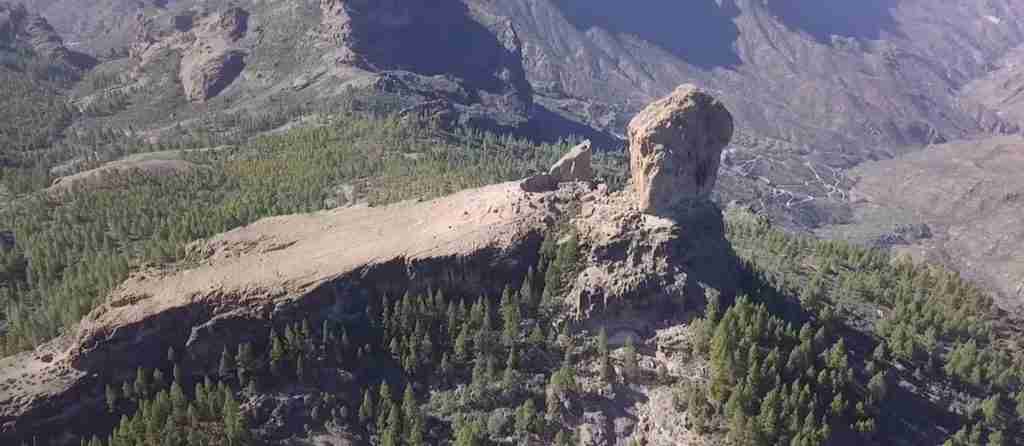
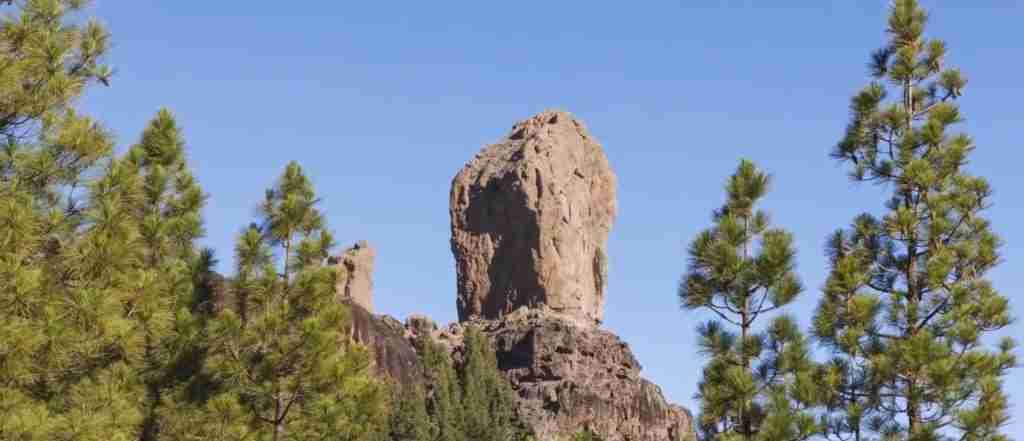
The village sits beneath Roque Bentayga sacred rock, one of the key archaeological sites in the UNESCO landscape, with cave dwelling complexes accessible via short hikes from town. Restaurant options exceed those in smaller Artenara, with 8-10 establishments serving traditional and modern Canarian cuisine. Central plaza cafés provide morning coffee and pastries before early departure for cave tours, while evening tapas bars offer relaxed atmosphere for discussing the day’s archaeological discoveries.
Tejeda’s larger size means better accommodation availability during high season, with properties often bookable just 3-4 weeks in advance versus 6-8 weeks for Artenara options. The trade-off involves slightly longer drives to western archaeological sites (20-25 minutes versus 10-15 from Artenara) but better access to eastern heritage locations and the stunning Roque Nublo sacred peak.
Coastal Resort Day-Trip Strategies
Travelers staying in coastal resort areas like Maspalomas, Puerto Rico, or Las Palmas can visit Risco Caído as demanding but rewarding day trips. This strategy suits visitors combining beach holidays with cultural exploration or those preferring resort amenities and dining variety. The 60-80 kilometer drive from southern coast to highlands requires 1.5-2 hours each direction, limiting on-site exploration time but eliminating need to change accommodations.
Coastal hotel rates during 2026 season range €80-130 per night for comfortable 3-4 star properties with pools, beach access, and extensive restaurant options. Budget conscious travelers find adequate 2-star options at €50-75 per night within walking distance of beaches. The day-trip approach works best for single cave tour experiences rather than multi-day sacred mountains immersion, as the 3-4 hours total driving leaves limited daylight for extended hiking or multiple site visits.
Early morning departures (7:00-7:30 AM) from coastal hotels allow arrival for 9:30-10:00 AM cave tours, return to coast by 4:00-5:00 PM, and evening hours for beach time or resort relaxation. This intensive approach trades the contemplative experience of overnight highland stays for convenience and access to beach recreation. Packing lunch provisions before departure saves time versus restaurant stops in mountain villages, maximizing site visitation hours.
Sample 2026 Itineraries for Sacred Mountains Exploration
Single-Day Intensive Experience
Depart Artenara accommodation 8:30 AM for 15-minute drive to Risco Caído trailhead, beginning 9:00 AM guided cave tour with 2.5-hour hiking and exploration time. The experience includes 5-kilometer round-trip mountain trail with 400-meter elevation gain, entry to main astronomical sanctuary chamber, and comprehensive archaeological interpretation from expert guides covering pre-Hispanic Berber civilization, astronomical knowledge systems, and cave art symbolism. Exit cave complex by 11:30 AM, return to trailhead parking.
Drive 20 minutes to Tejeda village for 12:30 PM lunch at traditional restaurant, enjoying local specialties like papas arrugadas (wrinkled potatoes), mojo sauces, and grilled goat cheese. After lunch, 2:00 PM visit to Roque Bentayga sacred rock site via short 1.5-kilometer interpretive trail, exploring additional cave dwellings and learning about ceremonial functions of this prominent landmark. Panoramic views extend across the entire cultural landscape, connecting understanding of individual sites to the broader sacred geography.
Return to Artenara by 4:00 PM for late afternoon relaxation at accommodation, followed by 7:00 PM dinner at village restaurant featuring wood-oven roasted meats and locally produced wines. Evening options include sunset photography from village viewpoints or stargazing from high-elevation terraces taking advantage of minimal light pollution. Risco Caído cave tour €40, lunch €18-25, Roque Bentayga trail free, dinner €25-35, fuel €10. Total day cost: €93-110 per person (excluding accommodation).
Two-Day Comprehensive Cultural Landscape
Day one begins 8:00 AM from Artenara with morning Risco Caído cave tour as described above, followed by lunch in Tejeda and afternoon exploration of Roque Bentayga. Evening program includes 5:30 PM visit to Museum and Archaeological Park Cueva Pintada in Gáldar, 35 minutes drive from Artenara, featuring exceptional pre-Hispanic painted cave with geometric patterns and insights into daily life of ancient communities. The museum stays open until 7:00 PM during summer season, closing 6:00 PM in winter months.
Return to Artenara by 8:00 PM for dinner and overnight rest. Day one costs: Risco Caído tour €40, lunch €18-25, Cueva Pintada entry €6, dinner €25-35, fuel €20. Total: €109-126 per person (excluding accommodation €90-120).
Day two starts 9:00 AM with guided hike to Cuevas del Rey archaeological complex, a 3-hour moderate difficulty circuit visiting multiple cave dwelling groups and granary sites. Lunch at mountain hamlet restaurant by 1:00 PM, followed by afternoon 3:00 PM visit to Roque Nublo sacred peak, Gran Canaria’s iconic volcanic monolith at 1,813 meters elevation. The 6-kilometer round-trip hike to Roque Nublo base offers spectacular panoramas and understanding of how distinctive rock formations served as sacred landmarks in the indigenous cosmology.
Conclude visit with 5:30 PM return to Artenara for final sunset viewing before departure next morning, or drive to coastal accommodation for evening arrival. Day two costs: guided hike €35-45, lunch €18-25, dinner €25-35, fuel €15. Total: €93-120 per person (excluding accommodation).
Two-day total: €202-246 per person excluding accommodation, representing comprehensive immersion in the sacred mountains cultural landscape with balance of cave archaeology, hiking experiences, museum interpretation, and natural landmark appreciation.
Three-Day Deep Exploration with Astronomical Event
Schedule this premium itinerary during winter solstice (December 20-22, 2026) or equinox periods for maximum astronomical phenomenon experience. Day one follows the single-day intensive program with Risco Caído cave tour and Roque Bentayga exploration, establishing archaeological foundations and site context. Evening includes special astronomical observation session at Artenara viewpoint with local astronomy enthusiast guide explaining the connection between ancient astronomical knowledge and modern understanding of celestial mechanics.
Day two centers on 6:00 AM pre-dawn departure for winter solstice sunrise viewing at Risco Caído astronomical chamber, experiencing the spectacular light alignment phenomenon as first sun rays penetrate the precisely positioned cave opening. This exclusive experience requires special advance booking and costs €55-65 per person due to limited capacity and early morning guide services. Following the 3-hour dawn session, return to Artenara for late breakfast and mid-morning rest.
Afternoon program features 2:00 PM guided ethnographic tour of Artenara cave houses, traditional bread ovens, and interviews with elderly residents maintaining pre-Hispanic cultural traditions in modern life. Evening 6:00 PM cultural performance showcases traditional music, dance, and oral histories connecting contemporary communities to their indigenous heritage. Cultural performance tickets cost €15-20 per person.
Day three explores the agricultural terraces and ancient pathways connecting ceremonial centers, demonstrating sophisticated land management systems that sustained populations in this challenging mountain environment. The 4-5 hour guided cultural landscape hike (€40-50 per person) departs 9:00 AM, includes traditional Canarian picnic lunch prepared by local families, and returns to Artenara by 3:00 PM for departure.
Three-day costs: Day 1 standard program €93-110, Day 2 solstice tour €55-65 + cultural performance €15-20 + meals €50-70 = €120-155, Day 3 landscape hike €40-50 + meals €30-40 = €70-90. Total: €283-355 per person (excluding accommodation €180-360 for three nights). This comprehensive program combines archaeology, astronomy, ethnography, and natural landscape interpretation for unmatched sacred mountains understanding.
Booking and Reservations for 2026 Visits
Official Booking Channels and Procedures
Reserve Risco Caído cave tours through the official Cabildo de Gran Canaria cultural heritage website, the sole authorized booking platform protecting archaeological sites from unauthorized access. The online system operates in Spanish and English, accepting major credit cards and PayPal for secure payment processing. Confirmation emails arrive within 24 hours of booking, including meeting point details, required equipment lists, and emergency contact information for tour operators.
Bookings open 4 months in advance for standard cave tours, 6 months ahead for special astronomical alignment experiences during solstice and equinox periods. High-demand dates during December and summer months sell out quickly, with winter solstice tours reaching capacity 4-5 months before event dates. Set up booking calendar alerts for exactly 4 months before desired visit dates to access maximum availability when reservation windows open.
Cancellation policies allow full refunds with 48-hour advance notice, 50% refunds with 24-hour notice, no refunds for same-day cancellations. Weather-related cancellations initiated by tour operators result in automatic full refunds or alternative date options. Rescheduling to different dates costs €5-10 administrative fee when requested 72+ hours in advance, subject to availability on new preferred dates.
Accommodation Booking Strategies
Book Artenara and Tejeda accommodations 6-8 weeks ahead during peak seasons (December solstice period, July-August summer holidays) to secure preferred cave houses or rural hotels. Booking.com, Airbnb, and direct property websites all offer reservation options, with direct bookings occasionally providing 5-10% discounts or complimentary breakfast upgrades. Read recent reviews carefully as mountain village properties vary significantly in comfort standards, cleanliness, and host responsiveness.
Confirm exact property locations when booking, as some listings marketed as “near Artenara” actually sit in neighboring hamlets requiring additional driving. Request specific information about parking availability, heating systems for winter visits, and WiFi reliability if staying connected matters for your travel needs. Properties in traditional cave houses should specify modern bathroom facilities and adequate ventilation systems avoiding dampness issues.
Flexible cancellation policies (free cancellation up to 3-7 days before arrival) prove valuable given the weather dependency of mountain visits and potential cave tour cancellations. Properties offering flexible terms typically charge 5-15% premium versus non-refundable rates, but the insurance value justifies the modest additional cost for advance bookings made months before actual travel dates.
Tour Package Reservations
Multi-day sacred mountains tour packages through specialized cultural heritage operators require reservations 8-12 weeks in advance during high season, 4-6 weeks during shoulder periods. These comprehensive programs include all cave tours, guided hikes, accommodation in traditional villages, most meals, and cultural activities like bread-making workshops or traditional music performances. Premium packages cost €400-550 per person for 3 days, budget options €250-350 for 2 days.
Request detailed itineraries before booking to verify daily schedules align with your interests and physical capabilities. Key questions include maximum group sizes (smaller groups of 6-8 provide better experiences than 15-person groups), guide qualifications (archaeological training versus general nature guides), and accommodation standards (basic rural guesthouses versus comfortable cave hotels). Most operators allow customization for private groups of 4+ participants.
Deposit requirements typically demand 25-30% payment at booking, with balance due 30 days before program start. Travel insurance covering trip cancellation proves worthwhile for these substantial advance payments, protecting against illness, family emergencies, or other unforeseen circumstances forcing visit cancellation.
Money-Saving Strategies for 2026 Sacred Mountains Visits
Timing and Advance Booking Benefits
Visit during shoulder seasons (April-May or September-October) to access 20-30% lower accommodation rates compared to peak summer and winter solstice periods. Cave tour prices remain constant year-round, but rental car companies offer better rates during slower months, and restaurants occasionally provide weekday lunch specials unavailable during high-season busy periods. Shoulder season visits maintain excellent weather conditions while dramatically reducing overall trip costs.
Book cave tours, accommodation, and rental cars 8-12 weeks in advance to access early-bird discounts ranging 10-20% off standard rates. Many rural hotels offer advance payment discounts or complimentary meal upgrades for bookings made 2+ months ahead. Set price alerts on rental car comparison sites to catch promotional rates, particularly during winter months when beach tourism slows but highland access remains excellent.
Combine multiple archaeological site visits in single days to maximize value from rental car and fuel costs. The compact geography of the UNESCO cultural landscape allows visiting 3-4 significant sites daily, with cave tours, hiking trails, and interpretation centers all accessible within 30-minute drives of Artenara base. This intensive approach requires physical stamina but delivers outstanding value for active travelers.
Accommodation and Dining Cost Control
Choose accommodations with kitchen facilities to prepare 30-50% of meals yourself, particularly breakfasts and picnic lunches for full-day highland exploration. Village shops in Artenara and Tejeda stock fresh bread, local cheese, fruits, and basic provisions adequate for simple meal preparation. Reserve restaurant dining for evening meals when fatigue makes cooking less appealing and when experiencing traditional Canarian cuisine becomes part of cultural immersion.
Book rural guesthouses and casas rurales directly through property websites or phone calls rather than major booking platforms, often securing 5-15% discounts versus commission-based online rates. Many family-run properties appreciate direct contact and may offer additional perks like free parking, late checkout, or hiking route advice not available through impersonal booking sites. Direct communication also allows negotiation for extended stay discounts when visiting 3+ nights.
Pack substantial lunch provisions from coastal supermarkets before driving into highlands, as mountain village restaurant prices run 20-30% higher than coast due to remote locations and limited competition. A well-stocked cooler with sandwiches, drinks, and snacks eliminates need for expensive mid-day restaurant stops, converting those savings into budget for special evening dining experiences at traditional establishments.
Transportation Optimization
Share rental car costs with fellow travelers by coordinating with other visitors through accommodation hosts or online travel forums focused on Gran Canaria. Four people splitting €50 daily car rental and €20 fuel costs pay just €17.50 each versus €70 for solo travelers, immediately saving €52.50 daily without compromising experience quality. Many archaeological site parking areas facilitate meeting other visitors for informal cost-sharing arrangements.
Consider 2-3 day rental periods rather than week-long bookings if combining sacred mountains exploration with beach resort stays. Daily rental rates drop significantly for multi-day periods (€45-55 per day for 3 days versus €60-70 for single days), while limiting rental duration to actual highland exploration days eliminates paying for unused vehicle time during beach relaxation periods. Coordinate rental pickup/dropoff in northern Gran Canaria towns versus airport to save €20-30 in positioning fees.
Join organized group tours departing from coastal areas when traveling solo or without international driving licenses, sacrificing some flexibility for economical access to sites. Full-day group tours at €85-110 per person including transportation, cave access, and guide services cost less than solo rental car (€50) + fuel (€20) + cave tour (€40) + meals (€40) = €150 for individual travelers. Group dynamics can enhance rather than diminish experiences when tour operators limit group sizes and employ knowledgeable archaeological guides.
Planning Your 2026 Sacred Mountains Experience
Physical Preparation and Equipment
Prepare for moderate to challenging mountain hiking by establishing baseline fitness through regular walking or hiking in the 2-3 months before your visit. Cave site access requires navigating uneven rocky terrain, handling 300-600 meter elevation changes, and maintaining balance on occasionally steep trail sections. Practice hiking with a daypack carrying 3-5 kilograms to simulate the water, clothing layers, and equipment you’ll transport in the highlands.
Essential equipment includes sturdy hiking boots with ankle support and aggressive tread for rocky surfaces, lightweight waterproof jacket for variable mountain weather, sun hat and sunscreen for high-altitude UV exposure, and quality water bottles or hydration bladder carrying minimum 1.5 liters per person. Trekking poles significantly aid stability on steep sections and reduce knee strain during descents, particularly valuable for visitors over 50 or those with previous joint issues.
Photography gear recommendations include wide-angle lens (16-35mm) for cave interior and landscape compositions, polarizing filter to enhance blue skies against white village buildings, and tripod for low-light cave work and astronomical event documentation. Bring extra camera batteries as high-altitude cold reduces battery life, and protect equipment from dust on unpaved mountain roads. The remote locations lack equipment rental or purchase options, making thorough pre-trip preparation essential.
Cultural Etiquette and Archaeological Site Respect
Approach archaeological sites with the reverence appropriate to sacred spaces that remain spiritually significant to descendants of indigenous communities. Speak quietly within cave chambers, avoid touching rock art or carved surfaces, and follow guide instructions precisely regarding photography restrictions and movement limitations. These ancient sanctuaries served ceremonial and astronomical functions for centuries; contemporary visitors share responsibility for preservation through respectful behavior.
Support local communities by dining at village restaurants, purchasing artisan products from craft shops, and engaging respectfully with residents who maintain cultural traditions. Artenara and surrounding villages depend partially on heritage tourism for economic sustainability, making visitor spending an important contribution to community vitality. Ask permission before photographing local people, and show interest in contemporary culture rather than viewing villages merely as bases for archaeological site access.
Learn basic Spanish phrases for greeting, thanking, and asking permission, as English fluency varies significantly among highland residents compared to coastal resort areas. Demonstrating effort to communicate in local language earns goodwill and often results in richer interactions, local knowledge sharing, and insider recommendations for lesser-known archaeological sites or excellent family-run restaurants off tourist circuits.
Safety Considerations and Emergency Preparedness
Cell phone coverage throughout the sacred mountains ranges from reliable on main roads to intermittent in deep ravines and remote cave areas. Download offline maps before beginning daily exploration and inform accommodation hosts of your planned routes and expected return times. Tour operators carry satellite communication devices for emergencies, but independent hikers should exercise caution and avoid risky off-trail exploration in areas lacking cellular service.
Weather conditions change rapidly in highlands, with clear mornings transitioning to afternoon clouds or occasional winter storms bringing rain and temperature drops. Check weather forecasts before setting out, but carry rain protection regardless of optimistic predictions. Summer afternoon temperatures occasionally reach 28-30°C at lower elevations, requiring sun protection and adequate hydration, while winter mornings can start at 5-8°C before warming through the day.
Emergency services respond effectively throughout Gran Canaria, but remote mountain locations mean 30-45 minute response times versus 10-15 minutes in coastal areas. Basic first aid supplies including blister treatment, pain relievers, and bandages help address minor trail injuries without requiring professional intervention. Comprehensive travel insurance including emergency medical evacuation coverage provides essential protection given the remote nature of archaeological site access.
2026 Updates and Current Information
Recent Archaeological Discoveries and Research
Ongoing archaeological investigation throughout the sacred mountains cultural landscape continues revealing new insights into pre-Hispanic Berber civilization and astronomical knowledge systems. Recent excavations at secondary cave sites around Risco Caído uncovered additional chambers with astronomical alignment features, suggesting the main sanctuary formed part of a larger network of observation points across the highlands. These findings demonstrate even greater sophistication in ancient Canarian astronomical understanding than previously recognized.
DNA analysis of human remains from cave burial sites confirms the North African Berber origin of indigenous populations while revealing unexpected genetic connections to specific modern Canary Islands communities. This research strengthens cultural continuity between ancient and contemporary populations, validating the sacred significance these mountains maintain for many Canarian families with traceable indigenous ancestry. Public archaeology programs now allow visitors to observe excavation work during summer research seasons, offering rare opportunities to witness active scientific investigation of World Heritage sites.
Conservation Initiatives and Visitor Impact Management
The UNESCO World Heritage designation brings both international recognition and conservation responsibility for protecting Risco Caído’s fragile archaeological resources. New monitoring systems installed in 2024-2025 track environmental conditions within cave chambers, measuring humidity, temperature, and air quality to detect any degradation from increased visitation. Preliminary data shows visitor numbers remain within sustainable limits, validating the controlled access approach maintaining strict daily visitor caps.
Community-led conservation programs train local residents in archaeological monitoring, traditional building restoration, and heritage interpretation, ensuring economic benefits from tourism support rather than exploit cultural resources. Several families descended from the last indigenous inhabitants participate in these programs, bringing oral traditions and cultural knowledge complementing academic archaeological research. Visitor fees contribute directly to conservation funding, with transparent reporting showing how tourism revenue supports ongoing preservation efforts.
Infrastructure Improvements and Access Enhancements
Road improvements completed in 2024 upgraded several unpaved access routes to graded gravel surfaces, improving safety and weather-resistance while maintaining the rural character appropriate to World Heritage landscapes. New parking facilities at major trailheads reduce environmental impact from random parking on sensitive vegetation areas, with low-impact design using local stone and minimal concrete. These infrastructure upgrades increase accessibility for older visitors and families while respecting landscape conservation priorities.
Interpretation centers in Artenara and Tejeda received technology updates including interactive displays, 3D cave chamber visualizations, and multilingual audio guides enhancing visitor understanding before and after site visits. Virtual reality experiences allow those unable to handle difficult hiking to explore cave interiors digitally, democratizing access to archaeological wonders while protecting fragile sites from excessive foot traffic. These initiatives demonstrate how modern technology can expand cultural heritage appreciation without compromising conservation objectives.
Frequently Asked Questions About Risco Caído Gran Canaria 2026
Can you visit Risco Caído without a guided tour?
No, all access to Risco Caído archaeological caves requires participation in official guided tours with advance reservations. This mandatory requirement protects fragile rock art and astronomical features from damage while ensuring visitor safety on challenging mountain trails. Independent hiking around the general cultural landscape is permitted on marked trails, but cave entries are strictly controlled through authorized tour operators only.
What is the minimum age for Risco Caído cave tours?
Most cave tours set minimum ages of 10-12 years due to hiking difficulty and specialized archaeological content. Children must demonstrate physical capability for 2-3 hour mountain hikes with elevation changes and ability to follow safety instructions in cave environments. Family-oriented tours with easier access caves occasionally accommodate younger children (age 8+), available through specialized tour operators focusing on family cultural heritage experiences.
How long does a typical Risco Caído visit take?
Standard guided cave tours require 3-4 hours total including driving to trailheads (15-20 minutes from Artenara), hiking to cave sites (45-90 minutes depending on specific location), cave exploration with archaeological interpretation (60-75 minutes), and return hikes. Full-day sacred mountains experiences combining multiple sites, museum visits, and cultural activities extend to 6-8 hours of active exploration.
Is photography allowed inside the caves?
Photography without flash is permitted in most cave chambers, with specific restrictions in areas containing the most delicate pigments or during astronomical alignment events when light control is essential. Tripod use requires guide approval and cannot obstruct pathways or other visitors. Video recording is generally allowed, but commercial photography requires special permits from heritage authorities obtained 4-6 weeks in advance.
What happens if weather cancels my cave tour?
Tour operators cancel visits during heavy rain, extreme wind, or other conditions compromising hiker safety on mountain trails. Cancellation notifications arrive via email or phone call typically 12-24 hours before scheduled tours, with options for full refunds or rescheduling to alternative dates subject to availability. Travel insurance covering weather-related cancellations provides financial protection for non-refundable accommodation costs during unexpectedly cancelled visits.
Are the cave sites wheelchair accessible?
The main Risco Caído astronomical sanctuary and most archaeological caves are not wheelchair accessible due to mountainous terrain, rocky trails, and cave entrance configurations. Alternative experiences include accessible interpretation centers in Artenara and Tejeda featuring exhibits, virtual reality cave explorations, and documentary films. Some easier archaeological sites near Tejeda offer limited mobility access with assistance, discussed case-by-case with tour operators.
Can you see the astronomical alignment without a special tour?
The most impressive winter solstice light phenomena occur deep within the Risco Caído chamber, accessible only through official guided tours with special astronomical event reservations. Some alignment effects visible from cave entrances can be observed from public viewpoints, but the full experience of light dramatically illuminating carved chamber walls requires interior access through advance-booked solstice tours at premium pricing.
What language are the guided tours conducted in?
Standard tours operate in Spanish with some guides offering English or German interpretation depending on group composition. Request English-language guides when booking to ensure availability, particularly during high season when guide assignments are made weeks in advance. Interpretation materials including cave chamber diagrams and archaeological site maps are available in Spanish, English, and German at all major sites.
Is food available near the archaeological sites?
No restaurants or concessions operate at remote cave sites. Artenara and Tejeda villages located 15-30 minutes drive from trailheads offer traditional Canarian restaurants, cafés, and small grocery shops for provisions. Pack sufficient water (minimum 1.5 liters per person) and snacks for half-day excursions, with picnic lunches recommended for full-day multi-site exploration to avoid losing visiting time to restaurant trips.
Do you need special permits beyond tour reservations?
Standard visitor cave tours require only confirmed reservations through official booking channels. Special activities including archaeological research, commercial filming, drone operation, or large group programs (15+ people) require additional permits from the Cabildo de Gran Canaria heritage department, submitted 6-8 weeks before planned activities. Basic tourist photography and standard guided tours need no permits beyond confirmation of paid reservations.