
Rhodes Budget Guide 2026: Complete Cost Breakdown
Rhodes delivers exceptional Mediterranean value in 2026, with daily costs ranging €78-240 per person depending on travel style choices across accommodation, dining, transportation, and activities. This comprehensive budget guide provides verified current pricing for all major expense categories, strategic money-saving techniques, and detailed sample budgets enabling accurate trip cost estimation and optimal spending allocation. Whether planning budget backpacking or comfortable mid-range travel, understanding Rhodes’ 2026 cost structure ensures financial preparedness while maximizing experience value across this historically rich Greek island.
Key Takeaways Rhodes Budget 2026
- Daily Budget Range: Budget travelers spend €78-102 daily, mid-range travelers €120-180 daily, and luxury travelers €220-350+ daily per person excluding international flights but including all on-island expenses
- Accommodation Strategy: Shoulder season booking (April-May, September-October) delivers 40-50% savings versus peak July-August rates, with mid-range hotels dropping from €110-150 to €70-100 nightly
- Food Cost Control: Mixing supermarket meals with taverna dining reduces food expenses 30-40% compared to restaurant-only budgets, with supermarket breakfast costing €3-5 versus café breakfast €10-12
- Transportation Efficiency: Public buses at €2.50 per ride provide economical single-destination travel, while 3-5 day selective car rental (€30-60 daily) optimizes comprehensive exploration without full-week rental costs
- Free Attractions: Rhodes Medieval City exploration, beach access, Old Town wall walks, and numerous churches cost nothing while delivering rich cultural experiences reducing paid activity dependence
- Weekly Cost Estimates: One-week Rhodes stays cost €546-714 budget range, €840-1,260 mid-range, and €1,540-2,450+ luxury per person including accommodation, food, transport, and activities
People Also Ask About Rhodes Budget 2026
How much money should I budget per day in Rhodes in 2026?
Budget €78-102 daily per person for backpacker-style travel, €120-180 daily for comfortable mid-range experiences, or €220-350+ daily for luxury travel in Rhodes 2026. Budget travelers staying hostel dormitories (€25-35 nightly), eating supermarket breakfast plus budget taverna meals (€20-30 food daily), using public buses (€5-10 transport daily), and selecting free beaches with occasional paid attractions (€8-10 activities daily) maintain €78-102 total daily costs. Mid-range travelers in 3-4 star hotels (€70-130 nightly, €35-65 per person sharing), dining cafés and quality restaurants (€40-55 food daily), mixing taxis and buses (€15-25 transport daily), and visiting multiple attractions (€10-20 activities daily) spend €120-180 daily. Luxury budgets exceed €220 daily including 5-star accommodation (€160-400+ nightly), fine dining (€80-120 food daily), private transport (€30-60 daily), and premium activities.
Is Rhodes cheaper than Santorini and Mykonos in 2026?
Rhodes costs substantially less than Santorini and Mykonos in 2026, delivering 40-60% savings across accommodation, dining, and activities while offering superior historical attractions and beach variety. Mid-range Rhodes hotels average €70-130 nightly compared to Santorini’s €150-300 and Mykonos’ €180-350 for equivalent quality properties. Rhodes taverna dinners cost €12-25 per person versus Santorini €20-35 and Mykonos €25-45 for comparable meals. Rhodes’ UNESCO Medieval City, extensive archaeological sites, and 220 kilometers of beaches provide diverse experiences at lower costs than Santorini’s caldera views or Mykonos’ party scene. Budget travelers find Rhodes particularly advantageous with hostel options (€15-35 dormitory beds) rare or nonexistent on Santorini and Mykonos where minimum accommodation starts €80-120 nightly even basic rooms. Family travelers benefit from Rhodes’ lower costs enabling longer stays, more activities, and reduced financial stress compared to premium-priced Cycladic islands.
What is the cheapest month to visit Rhodes in 2026?
April and October 2026 offer Rhodes’ cheapest travel costs with accommodation rates 40-50% below peak season, reduced flight prices, and identical restaurant/attraction pricing year-round. April mid-range hotels average €60-90 nightly versus July-August €110-150, while budget hostels drop to €15-25 from peak €25-35. October delivers similar pricing advantages with added benefit of warm sea temperatures (22-24°C early October) superior to April’s cooler waters (17-18°C). March and November provide absolute lowest accommodation rates (50-60% below peak) but encounter weather unpredictability, reduced ferry schedules, and hotel/restaurant closures limiting experience quality despite cost savings. May and September represent optimal value-experience balance with pleasant weather, reasonable prices (30-40% below peak), and full tourism infrastructure operation. Avoid July-August when costs peak across all categories with minimal quality improvements justifying premium rates, creating poorest value proposition despite guaranteed sunshine.
Can you visit Rhodes on a tight budget in 2026?
Rhodes accommodates tight budgets exceptionally well in 2026 with strategic choices enabling €60-85 daily spending maintaining decent comfort and experiences. Ultra-budget travelers camping (€8-12 nightly campground fees) or staying €15-25 hostel dormitories, preparing most meals via supermarket shopping (€12-18 food daily), using public buses exclusively (€5-10 transport daily), focusing on free attractions (Medieval City, beaches, churches), and limiting paid entries to 1-2 weekly highlights maintain €50-70 daily budgets. Shoulder season (April-May, September-October) travel amplifies budget potential with lower accommodation costs and reduced competition for hostel beds. Budget-stretching techniques including lunch as main meal (larger portions, lower prices than dinner), tap water over bottled, beach picnics replacing restaurant lunches, and walking versus short taxis further reduce expenses. Rhodes’ combination of affordable accommodation, inexpensive taverna options, comprehensive free attractions, and efficient public transport ranks among Mediterranean’s most budget-friendly islands rivaling mainland Greece while exceeding typical island affordability.
Extended multi-day tours – 5+ days
Featured Rhodes Multi-Day Tour Packages

3 days
Rhodes 3-Day Discovery Tour
- ✓ Comprehensive Rhodes experience
- ✓ Expert local guides included
- ✓ All accommodation included
- ✓ Transportation provided
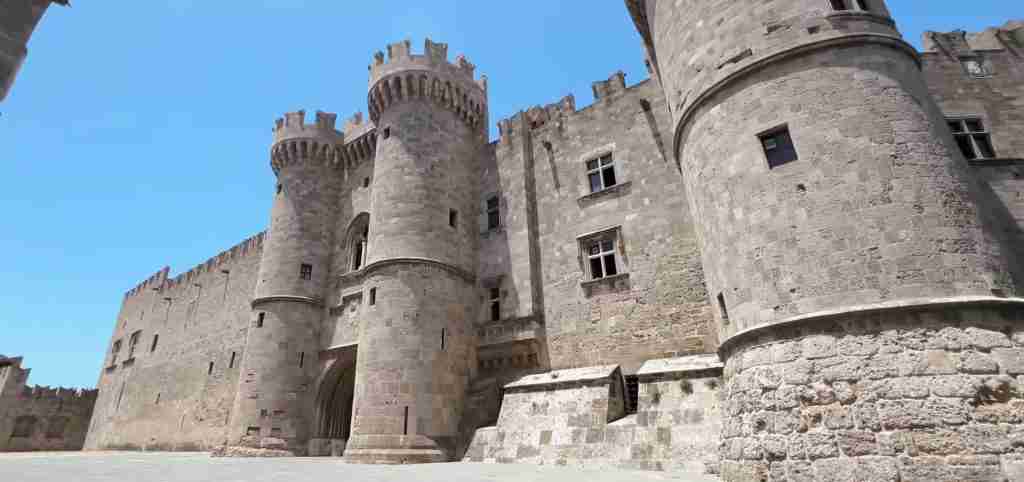
5 days
Rhodes 5-Day Highlights Experience
- ✓ Comprehensive Rhodes experience
- ✓ Expert local guides included
- ✓ All accommodation included
- ✓ Transportation provided
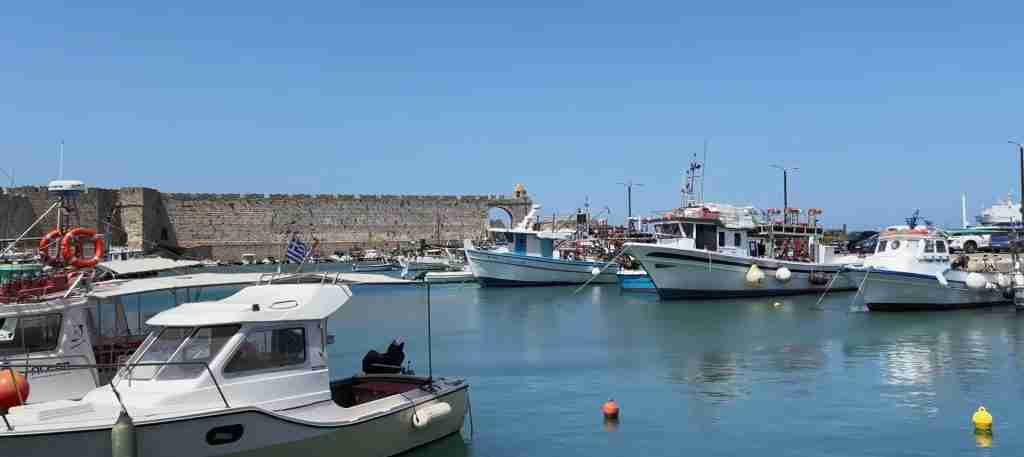
7 days
Rhodes 7-Day Cultural Journey
- ✓ Comprehensive Rhodes experience
- ✓ Expert local guides included
- ✓ All accommodation included
- ✓ Transportation provided

10 days
Rhodes 10-Day Complete Adventure
- ✓ Comprehensive Rhodes experience
- ✓ Expert local guides included
- ✓ All accommodation included
- ✓ Transportation provided
Multi-day tour packages powered by TourRadar. Prices and availability subject to change.
Introduction to Rhodes Budget Planning 2026
Rhodes stands as one of Greece’s most budget-friendly major islands, combining UNESCO World Heritage cultural attractions with Mediterranean beaches at costs substantially below premium destinations like Santorini, Mykonos, or Capri. The 2026 travel season presents strategic opportunities for cost-conscious travelers through shoulder season timing, selective spending allocation, and understanding where money delivers maximum experience value versus areas permitting economical choices without quality sacrifice.
Budget planning for Rhodes 2026 requires comprehending seasonal pricing variations dramatically impacting total trip costs. Peak season July-August commands premium rates across accommodation, with mid-range properties charging €110-150 nightly versus identical rooms available €70-100 during May or September shoulder months. This 40-50% accommodation differential alone justifies flexible travel timing for budget-focused visitors, with shoulder seasons simultaneously offering superior weather-crowd balance compared to peak intensity.
The island’s dual tourism character enables varied budget approaches. Rhodes Town’s Medieval City concentrates boutique hotels, quality restaurants, and cultural attractions supporting walkable car-free exploration minimizing transport costs while accessing premium experiences. Conversely, beach resort areas including Faliraki, Kolymbia, and Pefkos offer budget accommodation, supermarket access for meal preparation, and all-inclusive packages providing cost predictability. Understanding these district differences enables strategic base selection aligned with budget priorities and travel style preferences.
Rhodes’ cost structure favors extended stays with weekly apartment rentals, local market shopping, and rhythm establishing daily life reducing per-day expenses below transient tourist patterns. Travelers allocating 10-14 days rather than rushed 3-5 day visits distribute fixed costs (flights, airport transfers) across more days while enabling slower-paced exploration reducing transport frequency and pressure for packed daily schedules requiring expensive time-saving solutions like taxis or organized tours.
This guide provides verified 2026 pricing across all major expense categories, enabling accurate budget forecasting and strategic allocation decisions. Understanding where costs concentrate and which categories permit economical choices versus areas warranting investment ensures optimal budget utilization achieving desired experiences within financial constraints while avoiding unexpected expenses disrupting travel enjoyment.
Accommodation Costs Rhodes 2026
Accommodation represents Rhodes travelers’ largest single expense category, consuming 35-50% of total budgets depending on property category selection and seasonal timing. Understanding 2026 accommodation pricing across budget tiers, strategic booking timing, and location-value tradeoffs enables optimal lodging selections balancing comfort requirements against financial constraints.
Budget Accommodation Options Rhodes 2026: €15-60 Per Night
Budget accommodation in Rhodes 2026 spans hostel dormitories at €15-35 per bed, basic guesthouses €30-50 for private rooms, and simple 1-2 star hotels €40-60 nightly depending on season and location. Shoulder season (April-May, September-October) hostel dormitories cost €15-25 per bed in Rhodes Town locations, increasing to €25-35 during peak July-August weeks when demand maximizes. Private rooms in family-run guesthouses range €30-45 shoulder season and €45-60 peak summer, typically including air conditioning, private bathroom, and basic continental breakfast.
Rhodes Town Old Town hostels occupy converted medieval buildings providing atmospheric settings with stone architecture, communal kitchens enabling meal preparation, and social common areas facilitating traveler connections. Popular properties including Stay Hostel Rhodes and Via Via Hostel offer 6-8 bed dormitories €20-30 peak season with female-only options, individual reading lights, lockers, and organized activities. However, Old Town hostel locations near bar concentrations experience significant nighttime noise 23:00-03:00 Thursday-Saturday, with earplugs essential for light sleepers.
Budget hotels outside Old Town walls in New Town residential districts provide quieter environments at similar prices with easier parking access and proximity to supermarkets supporting self-catering. Properties including Angela Suites Hotel and Esperia City Hotel offer basic double rooms €45-65 peak season including breakfast, air conditioning, and Wi-Fi, though lacking medieval character or immediate attraction access requiring 15-20 minute walks or short bus rides to Old Town.
Beach resort budget accommodation during shoulder season offers exceptional value when large properties reduce rates filling capacity. Faliraki, Kolymbia, and Pefkos apartment studios with kitchenette cost €35-55 nightly April-May and September-October, providing beach proximity, cooking facilities, and often swimming pool access. These properties suit budget travelers prioritizing beach time over cultural immersion, with supermarket meal preparation generating additional food cost savings offsetting slightly higher accommodation versus hostel dormitories.
Mid-Range Accommodation Rhodes 2026: €70-150 Per Night
Mid-range accommodation dominates Rhodes’ lodging market with 3-4 star hotels, boutique guesthouses, and quality apartments offering comfort, amenities, and strategic locations at €70-150 nightly depending on season, property category, and specific location. Shoulder season rates average €70-100 nightly for solid 3-star properties and €90-120 for upscale 4-star hotels, increasing to €110-150 during peak July-August weeks.
Rhodes Old Town boutique hotels converted from medieval mansions command premium pricing €90-140 nightly despite smaller rooms compared to modern properties, with historical character, stone architecture, courtyard gardens, and atmospheric settings justifying costs for culturally-focused travelers. Notable properties including Kokkini Porta Rossa and Spirit of the Knights occupy 15th-16th century buildings blending medieval structures with contemporary amenities including air conditioning, modern bathrooms, and breakfast services. However, medieval building constraints limit room sizes, prohibit elevators creating stair access challenges with luggage, and restrict vehicle access requiring foot transport within Old Town pedestrian zones.
Beach resort 3-4 star hotels offer contrasting value propositions with larger rooms, swimming pools, organized beach access, multiple restaurants, and activity programs at €80-120 shoulder season and €120-150 peak rates. Properties including Blue Sea Beach Resort and Sentido Port Royal Villas provide comprehensive facilities appealing to families and comfort-seeking travelers prioritizing resort amenities over cultural immersion. These hotels often feature all-inclusive packages bundling accommodation, meals, beverages, and activities at €100-180 per person daily, providing budget predictability and potential value for families with children consuming substantial food and drinks.
Apartment rentals through Airbnb and Booking.com deliver cost-effective mid-range options particularly for groups, extended stays, and travelers valuing cooking facilities. Two-bedroom apartments accommodating 4-6 people cost €90-140 nightly depending on location, season, and amenities, creating significant per-person savings compared to hotel rooms while enabling meal preparation reducing dining expenses 30-40%. Apartments concentrate in Rhodes Town New Town residential areas and beach resort peripheries, offering authentic neighborhood experiences and supermarket proximity versus central hotel locations.
Luxury Accommodation Rhodes 2026: €160-500+ Per Night
Luxury accommodation in Rhodes 2026 encompasses 5-star hotels, heritage boutique properties, and exclusive resorts delivering premium services, exceptional locations, and comprehensive facilities at €160-500+ nightly. Upscale 5-star properties charge €160-250 shoulder season increasing to €250-400 peak summer, while ultra-luxury heritage hotels and private estates command €400-800+ with personalized services and exclusive experiences.
Top-tier properties include Kokkini Porta Rossa’s deluxe suites occupying restored medieval palace within Old Town (€280-450 nightly), Atrium Prestige Thalasso Spa Resort offering beachfront location with comprehensive spa, water sports, and gastronomy programs (€250-400 shoulder season, €350-550 peak), and Lindos Blu luxury adults-only resort providing infinity pools, gourmet dining, and sunset views (€300-500 shoulder season, €450-700 peak). These properties deliver exceptional service levels including concierge assistance, room upgrades based on availability, spa facilities, and fine dining options justifying premium pricing for luxury-seeking travelers.
Private villa rentals represent alternative luxury options for groups and extended families, offering privacy, space, and authentic settings absent from conventional hotels. Lindos village traditional captain houses with pools cost €400-800 nightly accommodating 6-10 guests, while coastal villas with sea views range €600-1,200+ depending on capacity, amenities, and seasonality. Weekly rental minimums apply during peak season, with daily rates decreasing for longer bookings.
Strategic Accommodation Booking Timing 2026
Booking timing significantly impacts accommodation costs with advance reservations securing better rates and availability while maintaining flexibility through free cancellation policies. Budget and mid-range properties warrant 60-90 day advance booking for July-August peak season when desirable properties fill quickly and rates increase closer to arrival dates. Shoulder season (April-May, September-October) permits 30-45 day booking windows balancing rate optimization with itinerary flexibility.
Many properties offer free cancellation until 7-14 days before arrival, enabling tentative booking while finalizing plans. Direct hotel website booking often provides superior rates compared to third-party platforms plus additional perks including breakfast inclusion, room upgrades, or flexible check-in/check-out. However, comparison across Booking.com, Hotels.com, and direct websites ensures optimal pricing with platforms occasionally offering promotional rates or loyalty program benefits exceeding direct booking advantages.
Last-minute booking (7-14 days before arrival) occasionally yields exceptional deals when properties discount remaining inventory, though this strategy risks limited availability particularly peak season or popular properties. Last-minute apps including HotelTonight and Booking.com’s “Deals” section aggregate discounted inventory, though selection concentrates on properties with availability challenges rather than most desirable options.
Food and Dining Budget Rhodes 2026
Food expenses constitute 20-35% of total Rhodes budgets with costs varying dramatically based on dining venue selection, meal timing, and self-catering versus restaurant reliance. Understanding 2026 food pricing across categories enables strategic choices controlling costs while experiencing Rhodes’ distinctive culinary traditions and fresh Mediterranean ingredients.
Supermarket Shopping and Self-Catering Costs 2026
Supermarket shopping provides Rhodes’ most economical food option with major chains including Lidl, Masoutis, and AB Vassilopoulos offering competitive pricing on Greek products and international staples. Greek yogurt costs €2-4 per kilo, fresh bread €1-2 per loaf, local cheese €8-12 per kilo, seasonal fruits and vegetables €1-3 per kilo, olive oil €6-10 per liter, and bottled water €0.50-1 per 1.5 liters. A week’s groceries for two people preparing breakfast and occasional lunches totals €60-90 versus €140-210 for equivalent café/restaurant meals, creating €80-120 weekly savings.
Supermarket breakfast items including yogurt, fruit, bread, local honey, and coffee cost €3-5 per person versus café breakfast €10-12, generating €7-9 daily savings per person through self-preparation. Lunch components for beach picnics or apartment meals (bread, cheese, tomatoes, olives, cold cuts, fruit) cost €6-10 for two people versus €15-22 per person at beachside tavernas, providing additional €20-34 daily savings for couples.
Rhodes Town features multiple supermarket options including Lidl near New Market (budget focus), Masoutis in New Town (mid-range selection), and AB Vassilopoulos (premium products). Beach resort areas maintain smaller markets with 10-20% price premiums versus Rhodes Town chains, though convenience often justifies slight cost increases. Traditional weekly markets operate Wednesday (New Town) and Saturday (Old Town periphery) offering fresh produce, cheese, olives, and local products at competitive prices with bargaining potential.
Budget Taverna and Street Food Costs 2026
Budget tavernas and street food provide authentic Greek eating experiences at economical prices substantially below tourist-focused restaurants. Traditional souvlaki or gyros with fries from street vendors costs €4-7 providing filling meals, while budget neighborhood tavernas serve main courses €7-12, Greek salads €4-6, and house wine €3-4 per glass. Complete dinner for one person including appetizer, main course, salad, and local wine totals €15-20 at authentic tavernas versus €25-35 at tourist zone restaurants.
Rhodes Town neighborhood tavernas in Agia Marina, Neochori, and residential New Town districts offer superior value compared to Old Town tourist streets where identical dishes cost 25-40% premiums. Village tavernas in Embonas, Siana, Apollona, and Archangelos serve exceptional traditional cooking at local prices with complete dinners including wine frequently €12-18 per person, providing cultural immersion alongside economical dining.
Meze-style dining enables diverse sampling at controlled costs through sharing multiple small plates. Traditional meze including tzatziki, melitzanosalata (eggplant dip), fava (split pea puree), dolmades (stuffed vine leaves), grilled octopus, and local cheese cost €3-7 per plate, allowing two people sharing 5-6 plates plus bread and wine to create satisfying €25-35 meals experiencing varied flavors impossible through single main course selections.
Mid-Range Restaurant Dining Costs 2026
Mid-range restaurants serving quality Greek cuisine in comfortable settings charge €12-25 per main course with complete meals including appetizers, mains, desserts, and wine totaling €25-40 per person. Fresh grilled fish priced by weight (€40-60 per kilo typical) results in €12-18 individual portions for 300-400 gram servings. Signature dishes including moussaka, slow-roasted lamb kleftiko, fresh seafood pasta, and island specialties range €12-18 for generous portions with local Rhodes wines by glass costing €4-7.
Rhodes Old Town restaurants along tourist thoroughfares (Socratous Street, Hippocrates Square vicinity) charge 20-40% premiums compared to establishments two streets removed from main flows. Seeking restaurants frequented by Greek families rather than exclusively tourist clientele ensures authentic cooking and reasonable pricing. Quality indicators include Greek-language menus alongside English versions, local customers dining (particularly families with children), and daily specials boards reflecting seasonal availability rather than fixed year-round menus.
Beach resort restaurants maintain varied pricing with beachfront locations commanding premiums for sea views while inland establishments 100-200 meters from water offer identical food quality at 15-25% lower costs. Lunch timing (13:00-16:00) frequently features daily specials or prix-fixe menus €12-18 per person including appetizer, main, and beverage, providing value versus à la carte evening dining.
Fine Dining and Special Occasion Costs 2026
Rhodes upscale dining scene offers Mediterranean fusion cuisine, creative seafood preparations, and romantic settings at €30-55 per main course with complete multi-course meals including wine totaling €60-100+ per person. Notable establishments including Nireas (Rhodes Old Town seafood specialist), Marco Polo Mansion (refined courtyard dining), and Lindos rooftop restaurants combine elevated cooking with atmospheric locations justifying premium pricing for special occasions.
Fresh seafood represents Rhodes dining highlight with premium species (sea bass, sea bream, red mullet) charged €50-70 per kilo resulting in €15-35 individual portions depending on fish size. Lobster and large prawns command €65-90 per kilo reaching €25-45 servings, with servers clarifying weights and costs before preparation preventing bill shock. Understanding seafood pricing by weight and requesting smaller fish reduces costs while maintaining quality.
Transportation Costs Rhodes 2026
Transportation expenses vary dramatically based on travel style with budget public bus reliance costing €5-15 daily, mid-range taxi supplementation reaching €15-30 daily, and car rental including fuel totaling €40-70 daily. Strategic transportation selection balancing cost, convenience, and itinerary requirements optimizes budget allocation across this category.
Public Bus System Costs 2026
Rhodes public bus network (RODA) provides economical transportation connecting Rhodes Town with villages, beaches, and attractions at €2.50 per ride for routes under 20 kilometers, €3.50 for routes 20-40 kilometers, and €5 for routes exceeding 40 kilometers including Rhodes Town to Lindos. Buses operate from two main terminals with West Side Terminal (Averof Street) serving west coast and interior destinations, while East Side Terminal (Papagou Street) covers east coast resorts and southern areas.
Common routes include Rhodes Town to Faliraki €2.50 one-way (17 kilometers, 30 minutes), Rhodes Town to Lindos €5 one-way (50 kilometers, 90 minutes), Rhodes Town to Valley of Butterflies €3.50 one-way (23 kilometers, 45 minutes), and Rhodes Town to Kamiros €3.50 one-way (30 kilometers, 50 minutes). Round-trip excursions cost €5-10 daily depending on destination, with multiple-destination days requiring €10-15 cumulative bus fares.
Bus schedules operate hourly or more frequently on major routes (Rhodes-Faliraki, Rhodes-Lindos) during summer season reducing to 3-5 daily services winter months. Timetables available at terminals, tourist offices, and RODA website though printed schedules recommended as online updates lag operational changes. Bus transport works optimally for single-destination day trips from central accommodation to specific beaches or villages, though lacks flexibility for multi-stop itineraries requiring schedule adherence sometimes conflicting with preferred timing.
Taxi Service Costs 2026
Taxi services operate on metered rates within Rhodes Town and fixed prices for intercity routes. Meter taxis charge €4 minimum flag-fall plus €1.50 per kilometer daytime (5:00-24:00) and €2 per kilometer night rate (24:00-5:00). Common Rhodes Town journeys include airport to Old Town €30-40, cruise port to Old Town €12-15, and New Town to nearby beaches €15-25 depending on distance.
Intercity fixed rates include Rhodes Town to Lindos €65-75 one-way, Rhodes Town to Prasonisi €90-110, Rhodes Town to Ancient Kamiros €55-65, and Rhodes Town to Faliraki €20-25. These rates apply regardless of passenger count (1-4 people standard taxi capacity), making taxis cost-effective for groups splitting fares while providing door-to-door service impossible via public transport. However, solo travelers find per-person costs significantly exceed bus alternatives with Rhodes-Lindos taxi costing €65-75 versus €5 bus fare, creating 13-15x price differential.
Taxi availability varies dramatically by season and time with summer peak requiring advance booking for airport transfers, intercity journeys, and evening returns. Taxi stands concentrate at Rhodes Town major points (Mandraki harbor, Old Town gates), resort areas, and hotels request services for guests. Beat ride-hailing app operates limitedly in Rhodes Town area though not island-wide, maintaining traditional phone booking or taxi stand hailing as primary methods.
Car Rental Costs and Value Analysis 2026
Car rental provides maximum flexibility for comprehensive island exploration at €30-80 daily depending on vehicle category, season, rental duration, and insurance selections, plus fuel costs €40-70 weekly for typical 500-700 kilometer exploration. Economy cars (Fiat Panda, Hyundai i10) suitable for 2-3 passengers cost €30-40 daily shoulder season and €50-65 peak July-August with basic insurance. Mid-size vehicles (VW Golf, Toyota Corolla) accommodating 4-5 passengers run €40-55 shoulder season and €60-80 peak weeks.
Insurance coverage affects total costs with basic Collision Damage Waiver (CDW) included in quoted rates maintaining €800-1,200 excess liability for damage. Optional Super CDW reduces excess to €0-200 at €8-15 additional daily cost, while comprehensive full coverage eliminating all excess charges costs €12-25 daily depending on vehicle value. Credit card rental insurance may duplicate commercial policies warranting verification before purchasing supplementary protection.
Fuel costs approximately €1.70-1.90 per liter with economy cars consuming 5-6 liters per 100 kilometers, resulting in €50-70 weekly fuel expenses for typical 600-700 kilometer exploration covering Rhodes Town, Lindos, west coast archaeological sites, mountain villages, and southern beaches. Full-to-full fuel policies (collect and return with identical fuel level) prove most economical versus full-to-empty prepurchase options typically overpriced compared to station rates.
Strategic car rental application limits costs while maximizing benefits. Travelers staying Rhodes Old Town can explore via walking first 2 days, rent car days 3-5 for comprehensive west coast, interior villages, and Lindos exploration, then return car for final beach/town days reducing total rental from 7 to 3 days saving €120-240. However, this approach requires flexible itinerary adjustment around rental timing and weather forecasts.
Scooter and Alternative Transport Costs 2026
Scooters and motorcycles offer economical two-wheel alternatives with 50cc scooters requiring no special license costing €15-25 daily, 125cc scooters needing A1 motorcycle license running €20-30 daily, and larger motorcycles (250cc+) requiring full endorsement ranging €35-50 daily with discounts for extended rentals. Fuel consumption approximately 2-3 liters per 100 kilometers creates negligible fuel expenses €5-10 weekly even extensive touring.
Scooter rental suits shorter distances and coastal road exploration but presents limitations for mountain villages with steep grades, dirt road access to remote beaches, and weather exposure during occasional rain. Safety considerations demand careful assessment especially for riders lacking two-wheel experience, with Greek road conditions including occasional gravel, sudden potholes, and aggressive driving creating hazards absent from controlled rental environments.
Attraction and Activity Costs Rhodes 2026
Entrance fees, organized tours, and activity expenses vary from free cultural exploration to premium private experiences. Understanding 2026 attraction pricing enables strategic allocation focusing paid entries where value maximizes while leveraging numerous free options reducing activity budget pressure.
Archaeological Site and Museum Entry Fees 2026
Major archaeological sites and museums charge €6 standard adult entry with free admission for EU citizens under 25 and non-EU citizens under 18 upon ID presentation. Palace of the Grand Master costs €6 with opening hours 8:00-20:00 summer season Tuesday-Sunday, requiring 90-120 minutes comprehensive exploration. Lindos Acropolis charges €6 entry opening 8:00-20:00 summer season Tuesday-Sunday, with 1.5-2 hour visit time including climb and site exploration.
Ancient Kamiros archaeological site costs €6 entry opening 8:00-20:00 daily except Tuesday, providing remarkably preserved Hellenistic city requiring 60-90 minutes exploration. Filerimos Monastery and ancient Ialyssos ruins charge combined €6 entry with Byzantine architecture, ancient temple foundations, and panoramic views. Archaeological Museum Rhodes (former Knights Hospital) costs €6 entry showcasing sculptures, mosaics, and artifacts spanning Rhodes’ ancient through medieval periods.
Valley of the Butterflies natural reserve charges €5 entry April-October when Jersey Tiger Moths present, with €3 reduced winter rates when moth population absent. The 1.5-kilometer trail requires 60-90 minutes at leisurely pace through lush ravine environment offering microclimate 5-8°C cooler than surrounding areas.
Beach and Water Activity Costs 2026
Beach access costs nothing at Rhodes’ numerous public beaches, though organized beach sections with sunbed and umbrella rentals charge €8-15 per set depending on beach popularity and facilities. Premium beaches including Faliraki, Tsambika, and Lindos charge €10-15 sunbed sets, while quieter beaches including Afandou, Glystra, and Gennadi cost €8-12. Beach clubs offering premium loungers, food service, and DJ entertainment charge €15-25 minimum consumption often applicable toward food and beverage purchases.
Water sports pricing includes jet ski rental €40-60 per 15 minutes, parasailing €40-50 per flight, paddleboard rental €12-18 hourly, kayak rental €10-15 hourly, and banana boat rides €15-20 per person. Scuba diving discovery dives cost €60-80 including equipment and instruction, while certified diver trips run €40-55 per dive. Snorkeling equipment rental costs €8-12 daily though purchase from local shops often proves economical (€15-25 for mask, snorkel, fins set) for extended stays enabling multiple snorkel days.
Organized Tour and Activity Costs 2026
Organized tours provide convenient access to attractions with transport, guidance, and sometimes meals included at premium pricing versus independent exploration. Full-day Lindos tours including transport, guide, and acropolis entry cost €40-60 per person, while independent bus travel plus entry totals €11 creating €29-49 premium for convenience and narration. Symi island day trips cost €50-75 per person including ferry transport, free time exploring, and sometimes lunch, versus independent ferry tickets €25-35 plus self-guided exploration.
Water-based activities include boat trips exploring east coast beaches and snorkel spots €35-50 per person for full-day excursions including lunch and drinks, sunset cruises €40-60 per person with beverages and music, and fishing trips €50-80 per person with equipment and guide. Private boat charters for groups cost €400-800 for 4-8 hour excursions accommodating 6-12 people, creating per-person economies when splitting costs.
Cultural experiences include wine tasting tours visiting Embonas wineries €65-85 per person with transport, tastings, and lunch, cooking classes teaching traditional Rhodes recipes €80-120 per person for half-day sessions including market visits and meal, and Rhodes Town food walking tours €65-85 per person covering 6-8 tasting stops with historical context.
Free and Low-Cost Attraction Options 2026
Rhodes offers exceptional free attractions reducing dependency on paid activities while delivering rich cultural experiences. Medieval City exploration costs nothing beyond energy expenditure, with Old Town labyrinthine streets, Byzantine churches, Ottoman mosques, fountains, and neighborhood squares providing unlimited wandering opportunities. Street of the Knights, Hippocrates Square, Jewish Quarter, and wall sections (excluding Palace entry) all accessible free creating full-day cultural immersion without spending.
Rhodes beaches including Elli Beach near Rhodes Town, Anthony Quinn Bay, Kallithea Springs (beach access free, ruins entry €3), and numerous east coast sandy stretches cost nothing for swimming, sunbathing on own towels, and coastal walks. West coast beaches including Ialyssos and Ixia provide free access with dramatic coastal scenery and water sports viewing.
Mountain village exploration including Embonas, Siana, Kritinia, and Apollona costs only transport with traditional architecture, local life observation, and atmospheric wandering free activities. Sunset viewing locations including Monte Smith hill, Kritinia Castle, and Monolithos Castle provide spectacular photography opportunities and romantic settings without admission fees.
Sample Budget Breakdowns Rhodes 2026
Understanding realistic daily and weekly costs across different travel styles helps establish appropriate budgets and identify optimization opportunities. These sample breakdowns reflect actual 2026 Rhodes costs with seasonal variations and strategic choices noted.
Ultra-Budget Daily Breakdown: €60-85 Per Person
Ultra-budget travelers minimizing expenses while maintaining basic comfort spend €60-85 daily through strategic choices emphasizing free attractions, self-catering, hostel accommodation, and public transport. Accommodation in hostel dormitory costs €18-28 nightly depending on season and location. Food expenses €15-22 daily combine supermarket breakfast (€4-5), street food or picnic lunch (€5-7), and budget taverna dinner (€10-15). Transportation via public buses totals €5-10 daily for round-trip beach or village excursions. Activities emphasize free options (beaches, Medieval City, churches, village walks) with occasional paid entry €6 archaeological sites averaging €8-12 weekly or €1-2 daily amortized.
Sample ultra-budget day: Hostel dormitory bed €22, supermarket breakfast €4, public bus to Tsambika Beach €5 round-trip, beach picnic lunch €6, supermarket snacks €3, neighborhood taverna dinner €13, local wine €4, water and sundries €4. Daily total €61 demonstrating lower end achievability, though €70-85 provides more comfortable margin with occasional café breakfast or mid-range taverna dinner upgrades.
Weekly ultra-budget total: €420-595 per person including accommodation €126-196 (7 nights dormitory), food €105-154 (mixing supermarket and budget taverna), transport €35-70 (public buses with occasional taxi), activities €14-35 (selective paid entries), miscellaneous €35-70 (water, snacks, sunscreen, emergency reserve). This budget enables comfortable Rhodes exploration prioritizing cultural immersion and beach experiences over premium dining or extensive paid tours.
Budget Traveler Daily Breakdown: €78-102 Per Person
Budget travelers seeking value while maintaining decent comfort spend €78-102 daily balancing hostel/budget hotel accommodation, mixed self-catering and taverna dining, public transport with occasional taxis, and selective paid attractions. Accommodation in hostel dormitory or budget hotel private room costs €25-40 nightly depending on season, location, and privacy preference. Food expenses €20-30 daily include supermarket breakfast (€4-5), street food or simple taverna lunch (€6-10), and quality taverna dinner (€15-20) with local wine. Transportation averages €6-12 daily mixing public buses for major excursions with occasional short taxis. Activities and entries total €8-15 daily covering archaeological sites, nature reserves, and occasional boat trip when amortized weekly.
Sample budget day: Budget hotel room €35 (single occupancy), supermarket breakfast €4, bus to Lindos €5 one-way, Lindos Acropolis entry €6, taverna lunch €12, bus return €5, evening taverna dinner €18, wine €5, miscellaneous €8. Daily total €98 representing comfortable budget experience with cultural highlights and authentic dining without luxury spending.
Weekly budget total: €546-714 per person including accommodation €175-280 (7 nights hostel/budget hotel), food €140-210 (strategic mix), transport €42-84 (primarily public buses), activities €56-105 (multiple archaeological sites, Valley of Butterflies, boat trip), miscellaneous €56-105 (incidentals, emergency reserve). This budget enables comprehensive Rhodes exploration including major attractions, varied dining experiences, and beach access without financial stress.
Mid-Range Traveler Daily Breakdown: €120-180 Per Person
Mid-range travelers prioritizing comfort, convenience, and quality experiences spend €120-180 daily achieving balanced Rhodes visits without luxury pricing. Accommodation in good 3-4 star hotel or quality apartment costs €70-130 nightly representing €35-65 per person when sharing double room. Food expenses €40-55 daily include café breakfast (€10-12), casual lunch at beach taverna or café (€15-22), and quality restaurant dinner (€25-35) with wine and dessert. Transportation averages €15-25 daily per person combining occasional taxis, rental car days when split between travel companions, and selective public bus usage. Activities and attractions total €12-22 daily including archaeological sites, organized tours when amortized weekly, water activities, and entertainment.
Sample mid-range day: Hotel accommodation €90 (€45 per person double occupancy), café breakfast €11, taxi to beach €15, beachside taverna lunch €20, water sports paddleboard rental €15, quality restaurant dinner €32, wine €8, Lindos Acropolis entry €6, miscellaneous €10. Daily total €162 per person demonstrating comfortable experience with varied activities, quality dining, and convenient transport without excessive luxury.
Weekly mid-range total: €840-1,260 per person including accommodation €245-455 (7 nights quality hotel/apartment shared), food €280-385 (café breakfasts, restaurant meals), transport €105-175 (mix taxis, partial car rental, buses), activities €84-154 (archaeological sites, boat trips, wine tour, water sports), miscellaneous €70-140 (shopping, entertainment, reserves). This budget enables comprehensive Rhodes exploration with comfort, flexibility, and quality experiences appealing to most travelers seeking balanced value-experience optimization.
Luxury Traveler Daily Breakdown: €220-350+ Per Person
Luxury travelers seeking premium experiences, exceptional service, and exclusive access spend €220-350+ daily with upscale accommodation, fine dining, private transport, and curated activities. Accommodation in 5-star hotel or luxury boutique property costs €200-500+ nightly representing €100-250+ per person double occupancy. Food expenses €80-120 daily include upscale breakfast buffet (€20-30), premium seafood lunch (€35-50), and fine dining dinner (€60-100) with quality wines. Transportation averages €30-60 daily per person through rental car comfort class or hired driver services. Activities and experiences total €40-80+ daily including private guides, exclusive tours, spa treatments, and premium water activities.
Sample luxury day: 5-star hotel suite €400 (€200 per person sharing), gourmet breakfast €25, private driver archaeological tour €100 (€50 per person), fine dining seafood lunch €48, spa treatment €80, wine tasting tour €45, exceptional restaurant dinner €85, premium wines €40, miscellaneous €30. Daily total €603 per person demonstrating ultra-luxury capability though €220-350 baseline luxury budgets deliver excellent experiences without extreme expenditure.
Weekly luxury total: €1,540-2,450+ per person including accommodation €700-1,750+ (7 nights luxury hotel), food €560-840 (fine dining throughout), transport €210-420 (private drivers, premium rental), activities €280-560 (private tours, spa, exclusive experiences), miscellaneous €140-280 (shopping, entertainment, premium services). Luxury budgets transform Rhodes from budget Mediterranean destination into sophisticated high-end experience rivaling global elite locations through service, exclusivity, and personalized attention.
Money-Saving Strategies Rhodes 2026
Strategic cost reduction techniques enable extending stays, upgrading experiences, or simply reducing financial pressure while maintaining or even enhancing overall trip quality through smart choices rather than sacrifice.
Seasonal Timing Optimization 2026
Shoulder season travel (April-May, September-October) delivers 30-50% cost savings versus peak July-August while providing superior weather-crowd balance. Mid-range hotel rates drop from €110-150 peak to €70-100 shoulder season, saving €280-350 weekly for couples. Flight prices decrease 20-40% shoulder season with Athens-Rhodes round-trips costing €80-140 versus €150-220 peak weeks. Restaurant and attraction prices remain consistent year-round, meaning shoulder season delivers pure savings without quality reduction across accommodation and transport representing largest budget categories.
Early booking (60-90 days advance) secures optimal rates particularly peak season when desirable properties implement dynamic pricing increasing costs closer to arrival. Many properties offer early booking discounts 10-20% off standard rates rewarding advance commitment. However, shoulder season permits flexible 30-45 day booking windows with less penalty for delayed reservations given lower demand pressure.
Accommodation Cost Reduction Techniques 2026
Extended stay negotiations enable weekly or monthly rates reducing per-night costs 15-30% particularly apartments and smaller properties with owner flexibility. Contacting properties directly via email or phone rather than platforms sometimes yields unpublished discounts avoiding commission costs. All-inclusive package comparison often reveals value versus à la carte spending particularly families with children consuming substantial food and beverages daily.
Location flexibility permits significant savings with New Town Rhodes accommodation costing 20-30% less than Old Town equivalents while maintaining 15-20 minute walking access to attractions. Beach resort accommodation during shoulder season provides exceptional value when large properties reduce rates, sometimes matching or undercutting Rhodes Town prices while adding pool and beach proximity benefits.
Food and Dining Budget Optimization 2026
Strategic meal timing maximizes value with lunch as main meal exploiting daily specials and prix-fixe menus €12-18 including multiple courses versus evening à la carte €25-35 equivalent meals. Many tavernas offer lunch promotions attracting midday business, with identical portions and quality at reduced pricing. Late lunch timing (15:00-16:00) then light evening snacking creates satisfying pattern at fraction of restaurant lunch plus restaurant dinner costs.
Supermarket breakfast preparation saves €7-9 daily per person versus café breakfasts, totaling €49-63 weekly savings enabling splurge dinner upgrades or extending trip duration. Beach picnic lunches using supermarket components cost €6-10 for two versus €30-44 equivalent beachside taverna meals, creating €20-34 daily savings adding €140-238 weekly for couples prioritizing sunset dinners over midday restaurant expenses.
Water bottle refilling rather than purchasing bottled water saves €2-4 daily per person totaling €14-28 weekly. Rhodes tap water meets EU safety standards though taste preferences vary; portable filters or large bottles for refilling reduce plastic waste while maintaining palatability at fraction of continuous bottled purchases.
Transportation and Activity Savings 2026
Selective car rental limiting to 3-5 days within week-long stays reduces costs €120-240 versus full-week rental while maintaining comprehensive island access. Walking Rhodes Old Town and nearby beaches days 1-2, renting car days 3-5 for intensive exploration, then returning for final beach/town days optimizes flexibility-cost balance. However, approach requires weather forecast monitoring and itinerary flexibility around rental timing.
Group travel enables per-person economies through shared accommodation, rental car cost splitting, and taxi fare division. Four-person groups renting two-bedroom apartment (€90-140 nightly) pay €22-35 per person versus €35-65 solo hotel costs, saving €13-30 nightly or €91-210 weekly. Rental car costs €40-60 daily divided four ways creates €10-15 per person versus €30-60 solo driver, saving €20-45 daily or €140-315 weekly per person.
Free attraction emphasis including Medieval City exploration, beach access, village walks, and sunset viewpoints enables rich cultural experiences without paid entry dependence. Balancing free days with selective paid highlight visits (Palace of Grand Master, Lindos Acropolis, Valley of Butterflies) maintains diverse itineraries controlling activity costs €40-60 weekly versus €100-150+ intensive paid attraction schedules.
Hidden Costs and Budget Surprises Rhodes 2026
Unexpected expenses can disrupt budgets when travelers overlook less obvious costs beyond major categories. Understanding common hidden expenses enables comprehensive budget planning preventing unpleasant surprises.
Tourism and Service Fees 2026
Greek tourism tax applies to accommodation with rates based on hotel category: €0.50 per night per room for 1-2 star properties, €1.50 for 3-star, €3 for 4-star, and €4 for 5-star hotels. This tax adds €3.50-28 weekly depending on property category, though usually included in quoted rates rather than surprise addition at checkout. However, verification during booking prevents unexpected bills, particularly budget properties sometimes advertising pre-tax rates.
Restaurant service charges rarely apply as Greek culture doesn’t impose mandatory gratuity, though rounding up bills or leaving 5-10% for exceptional service represents appreciated courtesy. Cover charges (couvert) occasionally appear at tourist-focused restaurants €1-2 per person for bread and appetizers, though declining these items avoids charges. Reading menu fine print prevents surprise fees, with legitimate establishments clearly stating any cover charges or minimum consumption requirements.
Transportation Hidden Costs 2026
Car rental hidden costs include airport service fees €25-40 absorbed within quoted rates when booking airport pickups, additional driver fees €5-8 daily if multiple people sharing driving responsibilities, child seat rentals €5-10 daily for families requiring safety equipment, and GPS rental €8-12 daily though smartphone navigation typically eliminates this expense. Fuel policies warrant scrutiny with full-to-empty prepurchase options typically overpriced 15-25% versus refueling before return.
Parking fees apply in Rhodes Town tourist areas €2-3 hourly or €12-18 daily in paid lots near Old Town, though free street parking exists in residential areas 15-20 minute walk from attractions. Beach parking costs €3-5 daily at popular locations including Tsambika, Lindos, and Faliraki, though smaller beaches maintain free parking. Hotels charge parking fees €8-15 nightly at properties lacking included parking, with Old Town boutique hotels unable to provide parking due to medieval pedestrian zone restrictions.
Activity and Equipment Hidden Costs 2026
Archaeological site audio guides cost €5-8 rental providing detailed historical context beyond basic entry, though optional rather than mandatory. Photography fees occasionally apply at museums €5-10 though most archaeological sites permit free photography excluding flash and tripod usage. Guided tour prices sometimes exclude entry fees requiring separate payment, warranting verification whether “€40 tour” includes Lindos Acropolis €6 entry or represents transport and guide only with entry additional.
Beach equipment rental includes sunbed and umbrella sets €8-15 daily as noted, though some organized beaches impose minimum duration charges (half-day €8, full-day €12) rather than hourly rates, creating costs even brief beach visits. Water sports pricing may include equipment deposit requirements €50-100 cash hold returned upon safe equipment return, requiring cash availability beyond quoted activity prices.
Incidental and Miscellaneous Costs 2026
Sunscreen, toiletries, and beach supplies cost substantially more at resort minimarkets than Rhodes Town supermarkets, with sunscreen €12-18 resort shops versus €8-12 larger stores creating 30-50% premiums. Purchasing essentials at Rhodes Town Lidl or AB Vassilopoulos before heading to beach resorts reduces these costs. Laundry services cost €8-15 per load at hotels versus €5-8 at laundromats, with hand-washing small items and utilizing accommodation balcony drying reducing expenses for extended stays.
ATM withdrawal fees €3-5 per transaction plus home bank foreign transaction fees 1-3% create cumulative costs with frequent small withdrawals. Larger withdrawals €200-300 reducing transaction frequency minimizes fee impact, though carrying excessive cash creates theft risk warranting balance. Credit card usage at restaurants and shops avoids ATM fees though some establishments impose minimum amounts €20-30 for card payment or add 2-3% surcharges, making cash preferable smaller purchases.
Budget Planning Tools and Tips Rhodes 2026
Effective budget management requires planning tools, tracking methods, and contingency strategies ensuring financial control throughout Rhodes travels while maintaining flexibility for spontaneous opportunities and unexpected expenses.
Pre-Trip Budget Planning 2026
Create detailed budget spreadsheet listing all expense categories with estimated costs based on this guide’s verified pricing. Categories should include accommodation (nightly rate × nights), food (daily estimate × days), transport (flights, airport transfers, car rental, fuel, taxis, buses), activities (entry fees, tours, water sports), and miscellaneous (toiletries, sunscreen, souvenirs, emergency reserve). Add 15-20% contingency buffer for unexpected expenses or spontaneous upgrades preventing budget stress when opportunities arise.
Book major expenses (flights, accommodation) early securing best rates and enabling remaining budget allocation toward experiences and flexibility. Lock fixed costs through advance payment creates certainty while leaving variable categories (food, activities) for on-site decisions based on weather, energy, and interest. However, maintain balance avoiding over-scheduling allowing spontaneous adjustments based on actual travel flow rather than rigid advance commitments.
Daily Budget Tracking During Travel 2026
Track daily spending via smartphone apps including Trail Wallet, TravelSpend, or simple spreadsheet noting expenses by category. Daily review enables course correction if overspending specific categories, with adjustments following days (cheaper meals, free activities) rebalancing budget. However, avoid obsessive penny-counting preventing experience enjoyment; tracking provides awareness and control without becoming restrictive burden.
Cash envelope system allocates daily spending amounts in physical envelopes preventing overspending through visible limitations. Withdraw weekly cash divided into daily envelopes with remaining amount visual reminder of available funds. However, system lacks flexibility for varying daily needs and creates security risk carrying week’s cash simultaneously. Modified approach withdraws 2-3 day amounts maintaining balance awareness without excessive cash holdings.
Emergency Fund and Contingency Planning 2026
Maintain emergency reserve 20-30% above planned budget covering unexpected expenses including medical issues, transportation problems, weather disruptions forcing plan changes, or spontaneous opportunities too valuable missing. Emergency credit card with available limit provides safety net for serious situations though daily discipline prevents relying on credit extending beyond planned budget.
Travel insurance costing €30-60 for week-long trips provides critical protection against medical emergencies, trip cancellations, luggage loss, and evacuation needs. Insurance represents essential rather than optional expense particularly non-EU travelers lacking European Health Insurance Card coverage. Policy comparison across providers ensures adequate coverage levels without unnecessary premium features irrelevant to Rhodes travel.
Comparing Rhodes to Other Greek Islands Budget 2026
Rhodes’ budget positioning relative to other Greek islands helps travelers assess value and select optimal destinations aligning financial constraints with desired experiences. Understanding comparative costs enables informed island selection or multi-island itinerary planning maximizing budget efficiency.
Rhodes vs Santorini Budget Comparison 2026
Rhodes delivers 40-60% cost savings versus Santorini across accommodation, dining, and activities while offering superior archaeological sites and beach variety though sacrificing Santorini’s unique caldera geography and romantic sunset views. Mid-range Rhodes hotels average €70-130 nightly versus Santorini €150-300 for equivalent quality, creating €560-1,190 weekly accommodation savings for couples. Rhodes taverna dinners cost €15-25 per person versus Santorini €25-40 for comparable meals, adding €70-105 weekly food savings per person.
Rhodes’ comprehensive attractions including UNESCO Medieval City, multiple archaeological sites, 220 kilometers varied beaches, and authentic village culture provide diverse experiences at lower costs than Santorini’s concentrated caldera focus. Budget travelers find Rhodes particularly advantageous with hostel options (€15-35 dormitories) rare Santorini where minimum accommodation starts €80-120 nightly even basic rooms. However, Santorini’s unique volcanic landscape, caldera sunset views, and exclusive wine culture justify premium pricing for travelers prioritizing those specific experiences over budget efficiency.
Rhodes vs Mykonos Budget Comparison 2026
Rhodes costs 45-65% less than Mykonos party island premium pricing while delivering superior cultural attractions though lacking Mykonos’ international beach club scene and cosmopolitan nightlife intensity. Mid-range Rhodes accommodation averages €70-130 nightly versus Mykonos €180-350+ for equivalent properties, creating €770-1,540 weekly savings for couples. Rhodes restaurant dining €20-35 per person versus Mykonos €30-55+ for similar quality demonstrates consistent pricing advantage across food categories.
Mykonos attracts travelers seeking vibrant party atmosphere, international beach clubs with DJ entertainment, and trendy restaurant scenes justifying premium costs for those specific priorities. Rhodes appeals to budget-conscious travelers, families, history enthusiasts, and beach lovers prioritizing value, cultural depth, and diverse experiences over exclusive social scenes. Rhodes’ Medieval City, archaeological richness, and authentic Greek island character absent from heavily commercialized Mykonos provide substance complementing beach experiences.
Rhodes vs Crete Budget Comparison 2026
Rhodes and Crete maintain similar budget ranges with comparable accommodation, food, and activity costs though Crete’s larger size (8,336 square kilometers versus Rhodes 1,401) requires more extensive transportation creating higher mobility costs. Mid-range accommodation averages €70-130 nightly both islands, with restaurant dining €15-30 per person comparable ranges. However, Crete’s geographical spread necessitates car rental for comprehensive exploration while Rhodes’ compact size permits selective rental or public transport reliance reducing transport budgets.
Crete offers greater diversity through sheer size with distinct regions (Chania, Rethymno, Heraklion, Lasithi), Samaria Gorge hiking, varied beaches from pink sand Elafonissi to palm-lined Vai, and extensive Minoan archaeological sites. Rhodes concentrates experiences within smaller area enabling thorough exploration shorter timeframes and lower transport costs. Budget travelers find similar opportunities both islands with authentic experiences, affordable accommodation, and free cultural attractions, making selection dependent on preferred scale (intimate Rhodes versus expansive Crete) rather than budget considerations.
Frequently Asked Questions Rhodes Budget 2026
What is the average cost of a meal in Rhodes in 2026?
Average meal costs in Rhodes 2026 range €15-20 per person at budget tavernas serving traditional Greek cuisine, €25-35 at mid-range restaurants offering quality cooking and comfortable settings, and €50-80+ at fine dining establishments providing creative preparations and premium ingredients. Budget travelers eating street food souvlaki or gyros spend €4-7 per meal, while self-catering via supermarket shopping reduces costs to €3-6 per meal for breakfast and simple lunches. Meze-style dining sharing multiple small plates creates satisfying meals €12-18 per person enabling diverse sampling. Fresh fish priced by weight (€40-60 per kilo) results in €12-18 individual portions, while meat main courses including moussaka, lamb kleftiko, and grilled meats cost €9-16 at traditional tavernas. Local house wine costs €3-5 per glass or €10-15 per liter carafe.
How much cash should I bring to Rhodes for one week in 2026?
Bring €200-400 cash for one-week Rhodes stays in 2026 covering small purchases, budget tavernas, beach vendors, and businesses accepting cash only, while relying primarily on credit cards for hotels, car rentals, and larger expenses. Budget travelers spending €70-100 daily might carry €300-400 weekly cash handling majority of expenses, whereas mid-range and luxury travelers using cards for accommodation and organized tours need only €200-300 covering incidentals, tips, and cash-only establishments. ATMs widely available throughout Rhodes Town and resort areas enable cash withdrawals as needed rather than carrying entire trip budget, reducing theft risk while maintaining flexibility. Withdrawal fees €3-5 per transaction plus home bank foreign charges warrant larger withdrawals €200-300 minimizing transaction frequency. However, avoid excessive cash holdings creating security concerns; €150-200 daily maximum carrying provides sufficient coverage while limiting loss exposure.
Are credit cards widely accepted in Rhodes in 2026?
Credit cards enjoy wide acceptance at Rhodes hotels, restaurants, car rental agencies, larger shops, and organized tour operators in 2026, though small tavernas, beach cantinas, village businesses, and family-run establishments often operate cash-only. Rhodes Town and major resorts including Faliraki, Lindos, and Kolymbia maintain near-universal card acceptance at mid-range and upscale establishments, while budget tavernas and traditional venues prefer cash avoiding transaction fees reducing thin profit margins. Contactless payment increasingly common Rhodes Town and resort areas though less prevalent traditional villages and family operations. Visa and Mastercard accepted almost universally where cards work, while American Express maintains limited acceptance concentrated luxury properties and international chains. Some establishments impose minimum amounts €20-30 for card payment or add 2-3% surcharges, making cash preferable for smaller purchases under €20. Always carry €50-100 cash reserves preventing situations where card payment impossible or inconvenient.
Is tipping expected in Rhodes restaurants in 2026?
Tipping in Rhodes restaurants remains optional rather than mandatory in 2026, with Greek culture not imposing automatic service charges or expected gratuity percentages like American dining customs. However, rounding up bills or leaving 5-10% for good service represents appreciated courtesy rewarding exceptional experiences. Budget tavernas €1-2 per person suffices for simple meals, while mid-range restaurant dinners warrant €3-5 per person for attentive service. Exceptional experiences at upscale establishments might inspire 10-15% gratuity though never required or expected. Cash tips left on table ensure service staff receive gratuity directly versus card tips potentially absorbed by management. Taxi drivers appreciate rounding fares to nearest euro though formal tipping unnecessary. Hotel porters expect €1-2 per bag assistance, while housekeeping €2-3 daily for multi-night stays represents thoughtful gesture though not mandatory.
What are typical Rhodes supermarket prices in 2026?
Rhodes supermarkets offer competitive pricing on Greek staples and international products in 2026 with Greek yogurt €2-4 per kilo, fresh bread €1-2 per loaf, local cheese €8-12 per kilo, olive oil €6-10 per liter, seasonal fruits €1-3 per kilo, vegetables €1-3 per kilo, milk €1.50-2 per liter, eggs €3-4 per dozen, water €0.50-1 per 1.5 liters, beer €1-2 per bottle, and wine €4-8 per bottle for basic local selections. Imported products and international brands cost 15-30% premiums over Greek equivalents, making local product selection cost-effective strategy. Major chains including Lidl (budget focus), Masoutis (mid-range), and AB Vassilopoulos (premium selection) operate throughout Rhodes Town with smaller markets in resort areas charging 10-20% premiums for convenience. Weekly market shopping for two people preparing some meals totals €60-90 versus €200-280 equivalent restaurant consumption, creating substantial savings enabling trip extensions or experience upgrades.
How expensive is alcohol in Rhodes in 2026?
Alcohol costs in Rhodes 2026 range from economical local wines and beers to premium imported spirits, with supermarket purchases providing best value versus restaurant/bar markups. Supermarket local beer costs €1-2 per bottle (Mythos, Alfa brands), local wine €4-8 per bottle for decent quality, and spirits €15-25 per bottle for standard selections. Restaurant beer €3-4 per bottle, wine by glass €4-7, and house wine carafes €10-15 per liter provide reasonable pricing at quality establishments. Tourist zone bars charge €5-8 beer, €6-10 cocktails, and €8-12 premium drinks, while beach clubs and upscale venues reach €8-12 beer and €12-18 cocktails. Budget drinkers purchasing supermarket supplies for apartment/hotel room consumption save 60-70% versus bar prices, with beach sunset drinks using own supplies creating memorable experiences at fraction of beach bar costs. However, supporting local tavernas through drink purchases alongside meals maintains cultural authenticity and economic contribution benefiting island communities.
Can I visit Rhodes on €50 per day in 2026?
Rhodes visits on €50 daily budgets prove challenging but achievable in 2026 through ultra-budget strategies including camping or absolute cheapest hostel dormitories (€10-18 nightly), extensive self-catering via supermarket shopping (€12-15 food daily), walking and public bus transport exclusively (€0-5 transport daily), and focusing almost entirely on free attractions with rare paid entries. This extreme budget requires camping at established campgrounds near beaches (€8-12 nightly including facilities) or securing rare €10-15 hostel beds shoulder season, preparing all breakfasts and most lunches via supermarkets with single daily budget taverna meal €8-12, walking Rhodes Town and nearby areas while using buses only essential long-distance travel, and emphasizing free Medieval City exploration, beach access, and village walks over paid archaeological sites and organized tours. Realistically, €60-70 daily provides more sustainable budget preventing constant stress over every expenditure while maintaining similar experience quality. However, €50 daily becomes feasible for experienced budget travelers comfortable camping, committed to meal preparation, and satisfied with free attraction focus during shoulder season when accommodation rates minimize.
What costs more in Rhodes: accommodation or food in 2026?
Accommodation typically costs more than food in Rhodes 2026 for most travel styles, though proportions vary based on lodging category and dining choices. Budget travelers staying €25-40 nightly hostels/budget hotels while spending €20-30 daily food maintain roughly equal splits (accommodation 45-55% combined costs). Mid-range travelers paying €70-130 nightly accommodation (€35-65 per person sharing) versus €40-55 daily food budgets find accommodation consuming 55-65% combined expenses. Luxury travelers spending €200-400+ nightly properties while dining €80-120 daily maintain similar 60-70% accommodation proportion. However, travelers camping (€8-12 nightly) or securing exceptionally cheap shoulder season hostels (€15-20) while dining restaurants regularly can invert this ratio with food exceeding lodging costs. Strategic self-catering reduces food to 20-25% total budget emphasizing accommodation as dominant expense, while all-inclusive resort packages bundle costs creating fixed daily rates obscuring individual category splits. Overall, accommodation represents largest single expense category for conventional Rhodes travel though proportion varies significantly based on choices across both categories.
Is Rhodes expensive for families in 2026?
Rhodes delivers excellent family value in 2026 compared to premium Greek islands and other Mediterranean destinations, with costs manageable through strategic choices across accommodation, dining, and activities. Family of four (2 adults, 2 children ages 6-12) mid-range week-long Rhodes stays cost €2,400-3,200 total including apartment or family hotel room €700-1,400 weekly, food mixing supermarket meals and restaurants €700-1,000 weekly, transportation rental car 4 days plus occasional taxis €200-300 weekly, activities including Water Park Faliraki, archaeological sites, boat trip €180-240 weekly, and miscellaneous beach equipment, ice cream, souvenirs €200-300 weekly. This €600-800 per person weekly total (€85-115 daily) enables comfortable family experiences without luxury spending. Strategic savings including shoulder season travel reducing accommodation 40%, apartment with kitchen enabling breakfast and some lunch preparation saving €200-300 weekly, and free beach days alternating paid attractions further reduce costs. Rhodes ranks among Greece’s most family-friendly budget destinations providing superior value versus Santorini, Mykonos, or Corfu while delivering diverse experiences satisfying varied ages through beaches, historical sites, water parks, and authentic culture.
What is the best way to budget for Rhodes in 2026?
Best Rhodes budget approach in 2026 combines detailed pre-trip planning establishing realistic cost expectations, strategic advance booking of major expenses securing optimal rates, daily tracking maintaining awareness without obsessive restriction, and 20% contingency buffer enabling flexibility for spontaneous opportunities. Create comprehensive budget spreadsheet listing estimated costs across all categories using this guide’s verified pricing, then book flights and accommodation early locking largest expenses at best available rates. Allocate remaining budget across food, transport, and activities with rough daily estimates enabling on-site flexibility rather than rigid advance scheduling. Track actual spending daily via smartphone app or notebook noting expenses by category, allowing course correction if specific categories trending over budget. Maintain emergency reserve 20% above planned budget covering unexpected expenses or valuable spontaneous experiences appearing during travel. Strategic cost control through shoulder season timing, selective self-catering, free attraction emphasis, and public transport usage reduces baseline expenses while preserving quality experiences. However, avoid excessive penny-pinching preventing authentic experiences; budget provides framework for informed decisions rather than restrictive limitations. Successful Rhodes budgeting balances financial discipline with experience optimization, ensuring affordability without sacrifice.